
November 22, 2026
How to Master the Men's French Tuck Without Looking Sloppy
The Power of the Half-Tuck
Few styling techniques divide opinion quite like the French tuck. Also known as the front tuck or half-tuck, this simple sartorial maneuver involves tucking the front center of a shirt into the waistband while allowing the sides and back to drape freely. When done poorly, it looks like an accidental oversight—as if you rushed out of a restroom without finishing your buttons. When executed with precision, however, the French tuck is a masterclass in visual proportion and intentional nonchalance.
The primary objective of the French tuck is structural: it defines your natural waistline without the stiffness of a full tuck. By revealing your belt buckle and waistband in the front, you visually break up a monochromatic outfit, establish an elongated two-thirds leg line, and eliminate boxy fabric pooling around your lower abdomen. Here is your definitive blueprint for executing the French tuck with masculine confidence.
Outfits from this article

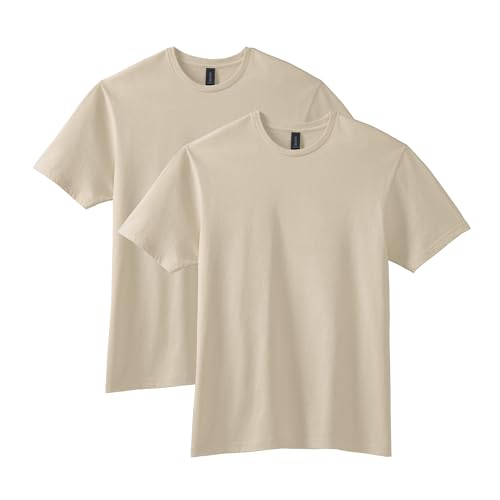
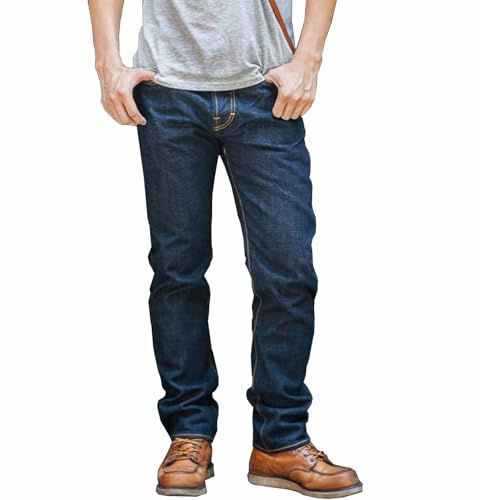
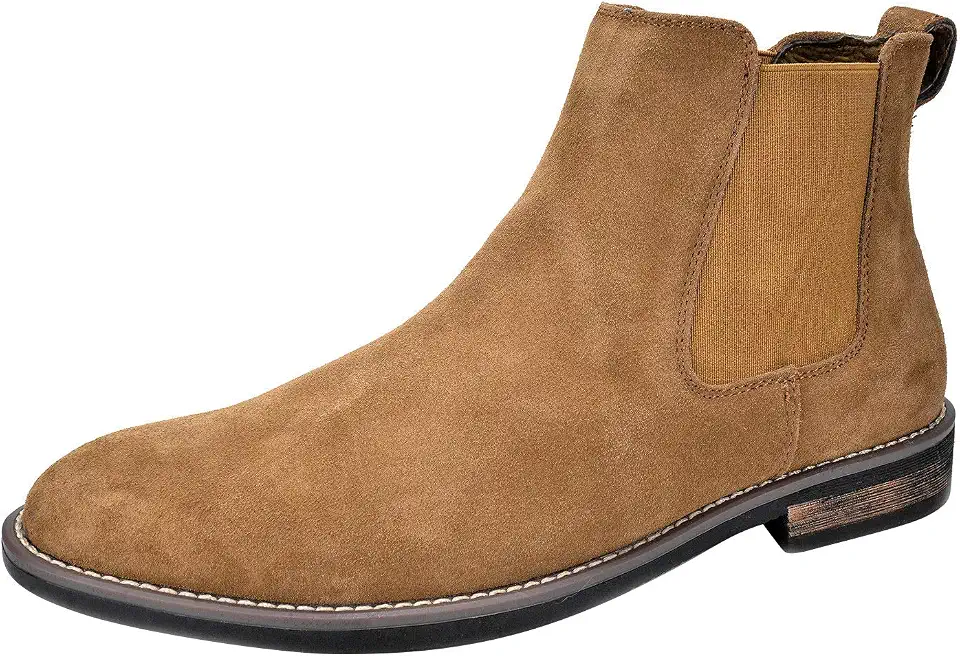
 $45

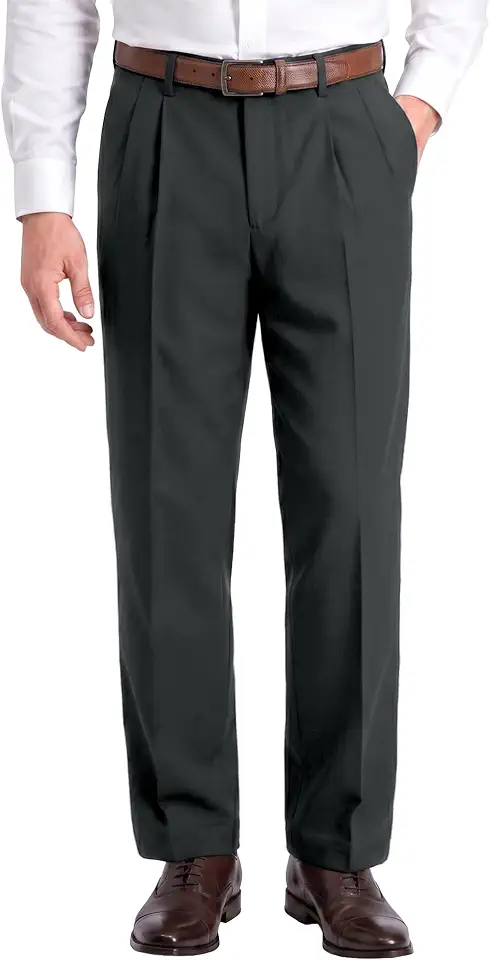

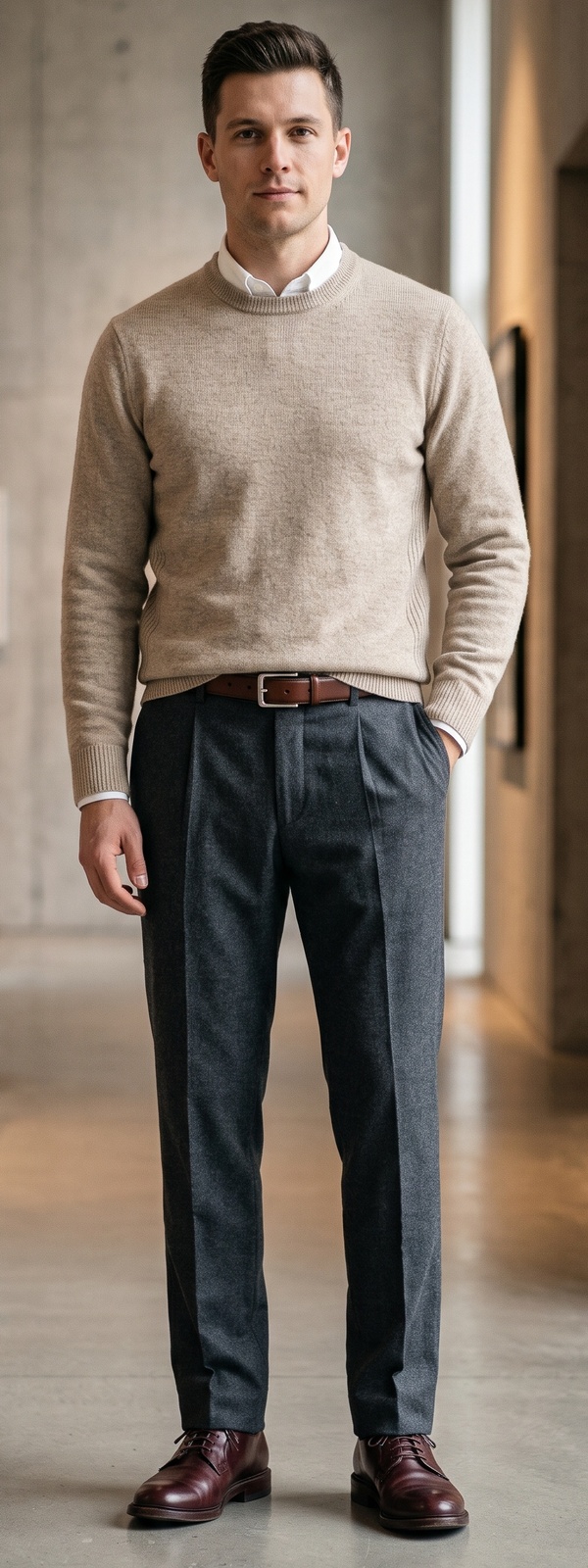
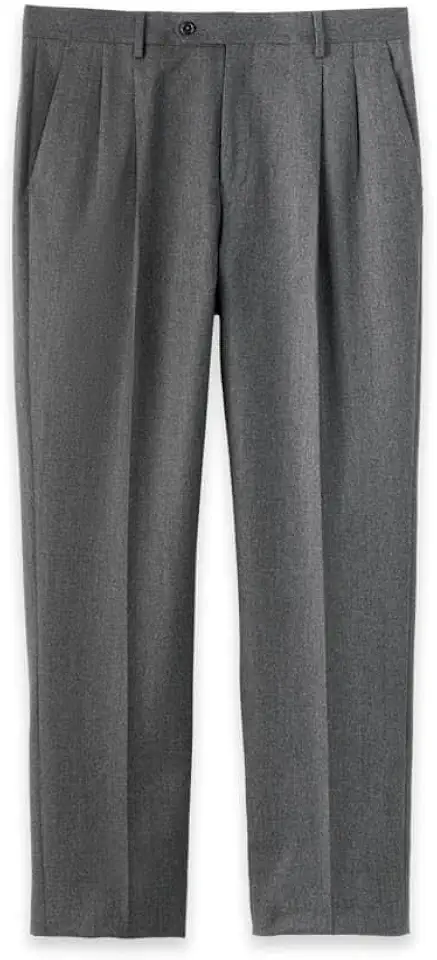
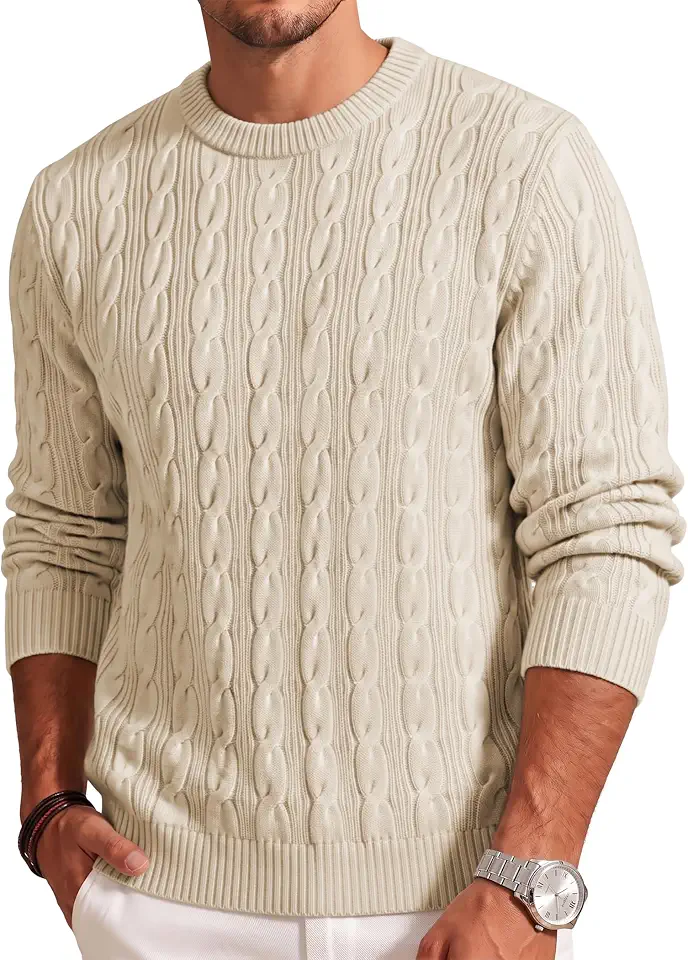
Classic Oatmeal Crewneck Sweater and Charcoal Flannel Pants Business Look
5 pieces · Nov 22, 2026
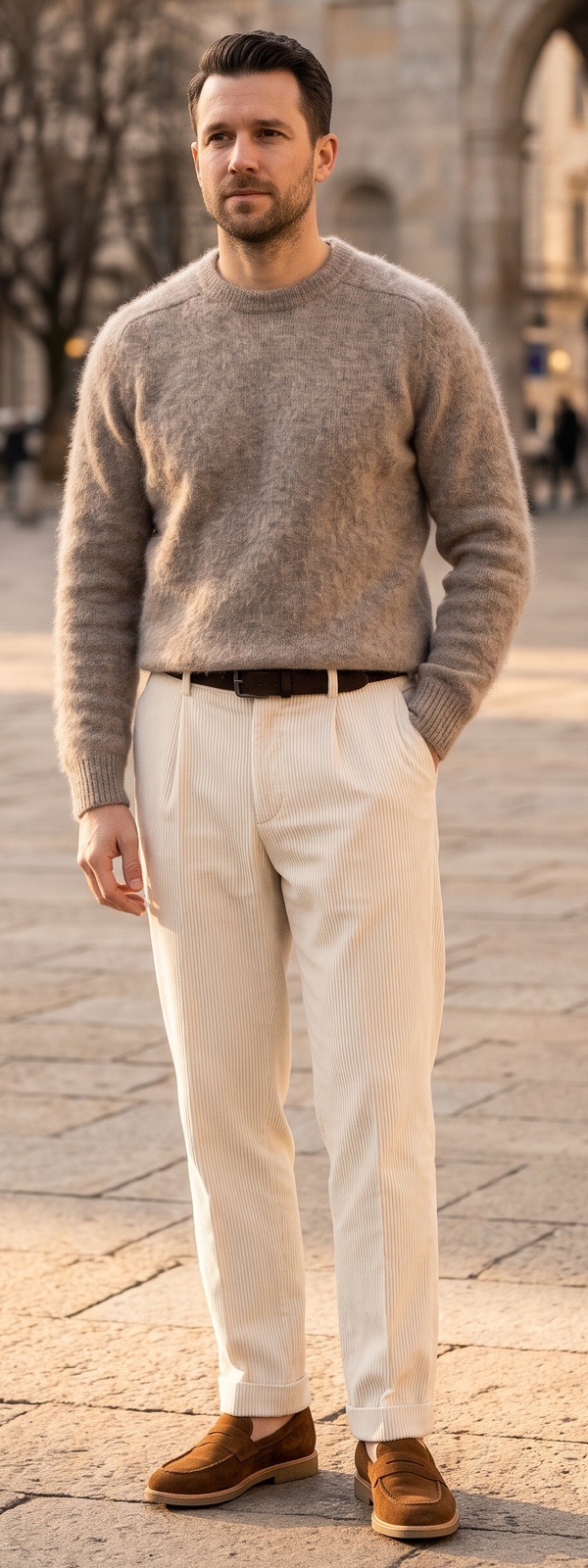
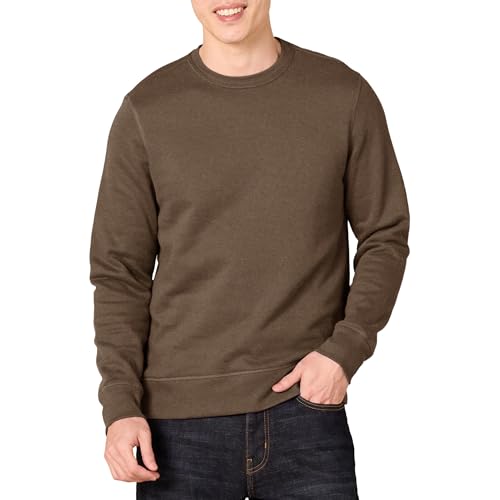
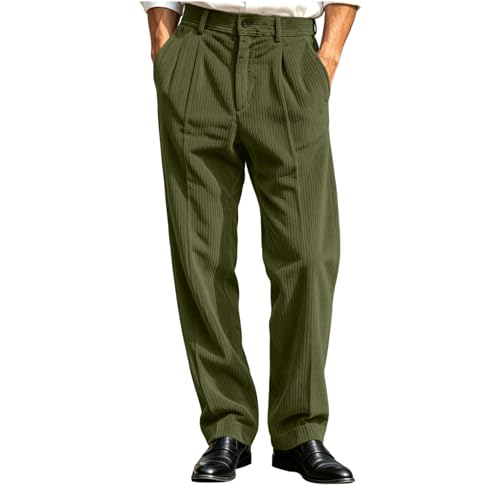
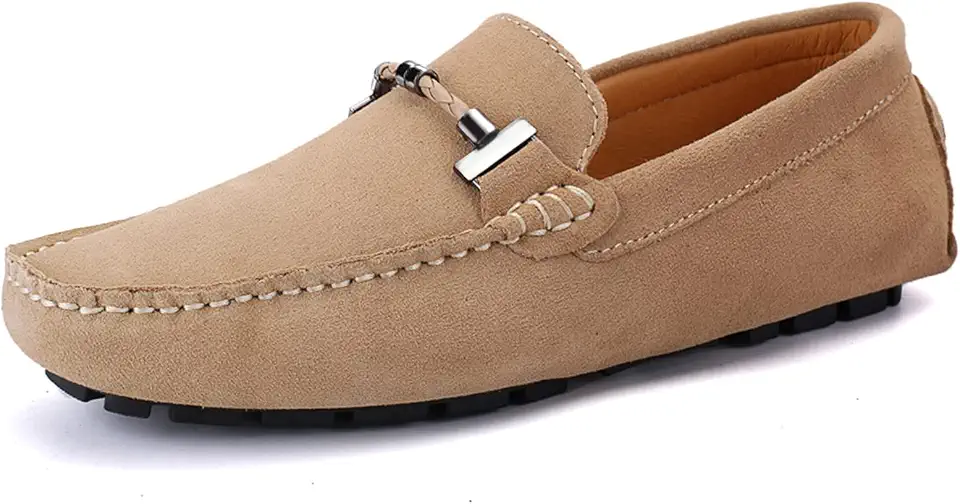

1. The Geometry of the Tuck: Center-Only Placement
The secret to avoiding an untidy appearance lies in restricting the tuck to a narrow front channel. You are not tucking the front half of your shirt; you are tucking only a two-to-three-inch segment directly above your trouser button.
Gently gather the front center hem of your shirt, push it approximately one to two inches beneath your waistband right behind your belt buckle, and then lightly smooth the fabric downward inside your trousers. Next, raise both arms slightly above your shoulders. This natural movement releases just enough tension to create an effortless, gentle drape over the waistband without ballooning awkwardly. The sides of the shirt should slope smoothly downward in a soft diagonal cascade toward the untucked back.
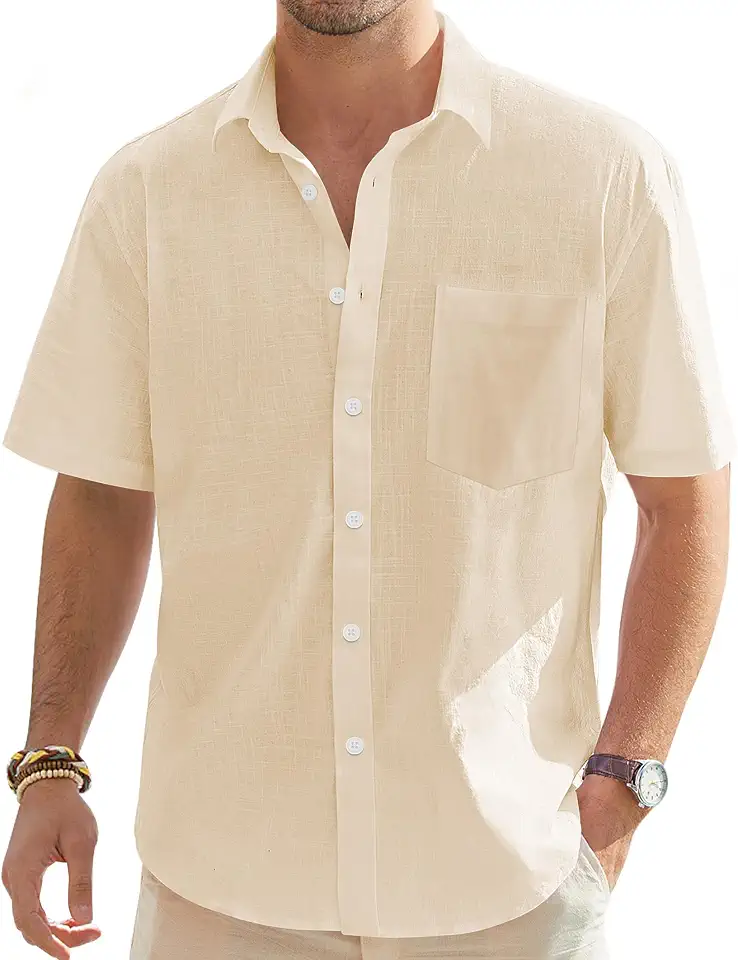
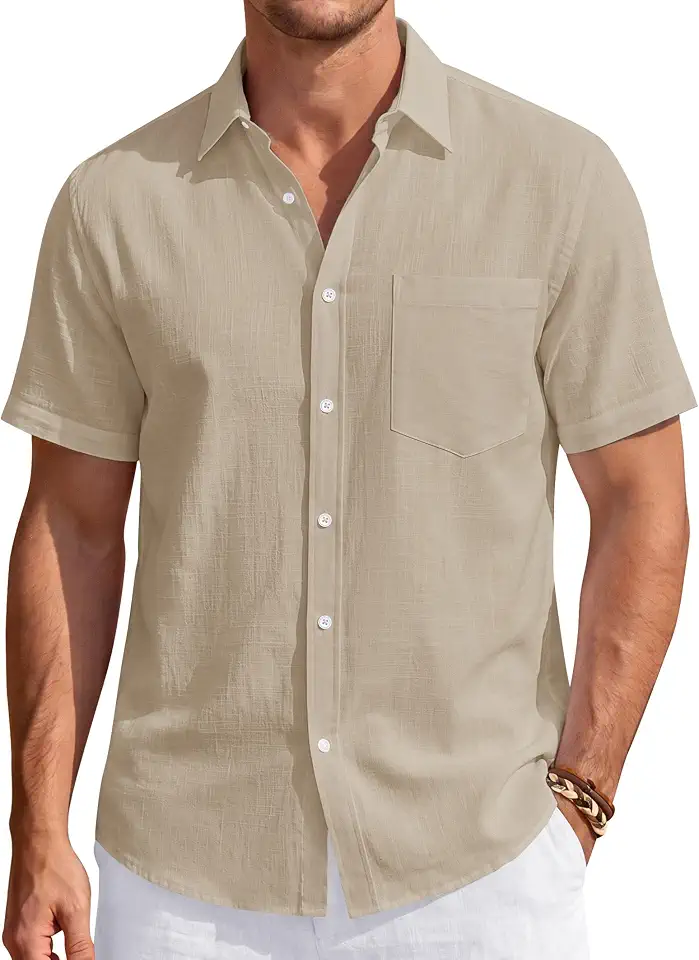
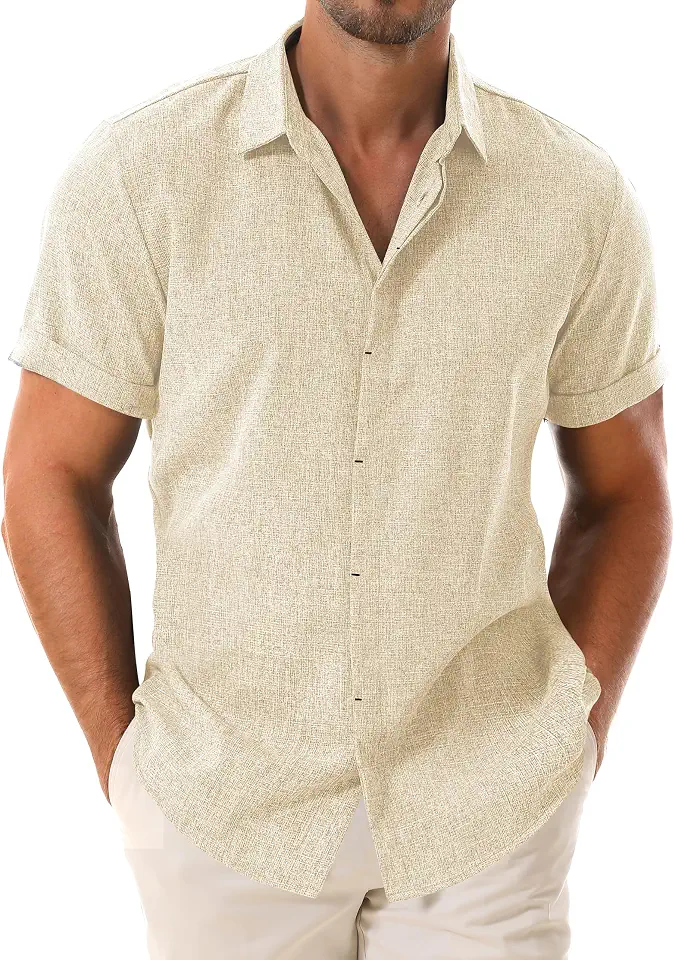
2. Choosing the Right Fabrics and Garments
The French tuck relies entirely on fabric drape. Garments that are excessively stiff, crisp, or heavy will fight the fold and create unsightly lumps, while limp fabrics will collapse entirely.
- Relaxed Knitwear and Sweaters: Medium-gauge wool crewnecks, fine cashmere rollnecks, and cotton-blend waffle knits excel with a French tuck. The knit texture holds its position above the waistband while draping softly over the flanks.
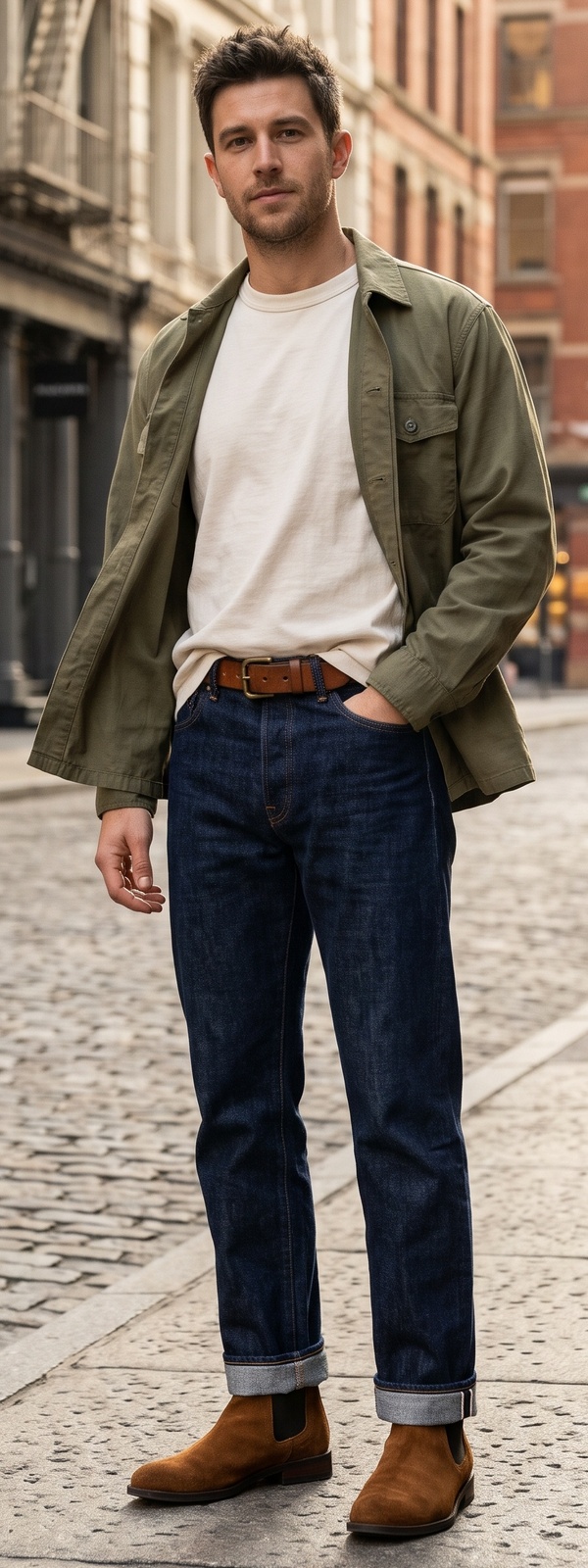
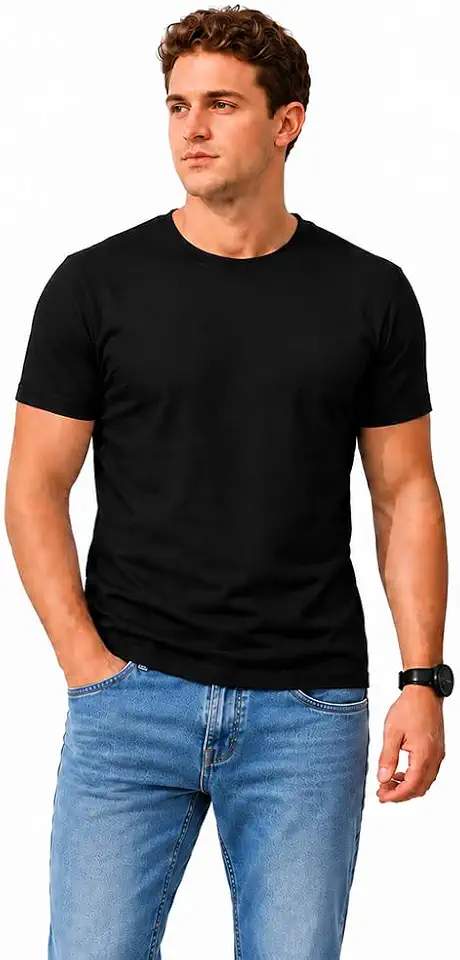
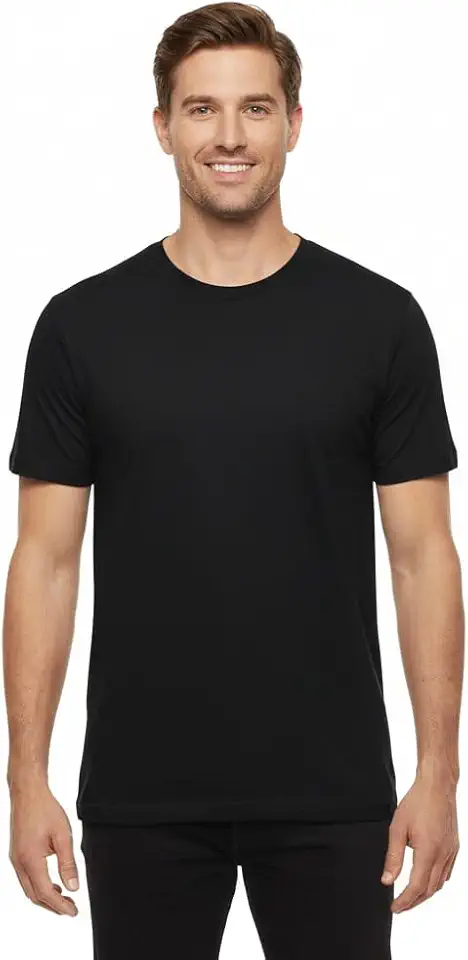
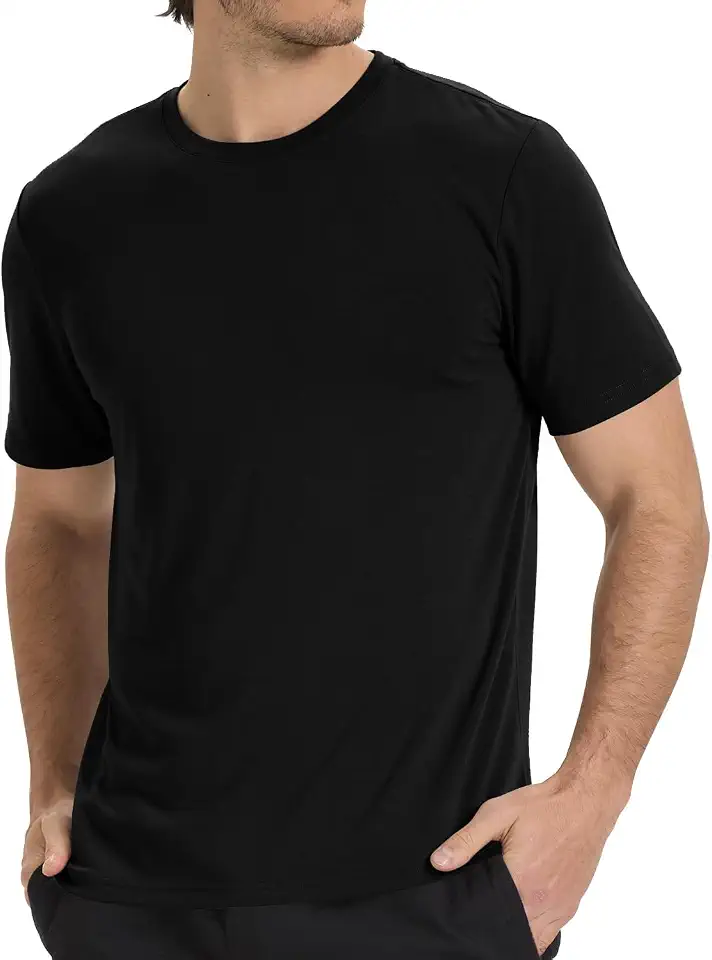
- Heavyweight T-Shirts: Structured cotton tees with a relaxed or boxy cut look fantastic with a front tuck into high-rise trousers, instantly transforming basic casualwear into an editorial street-style look.
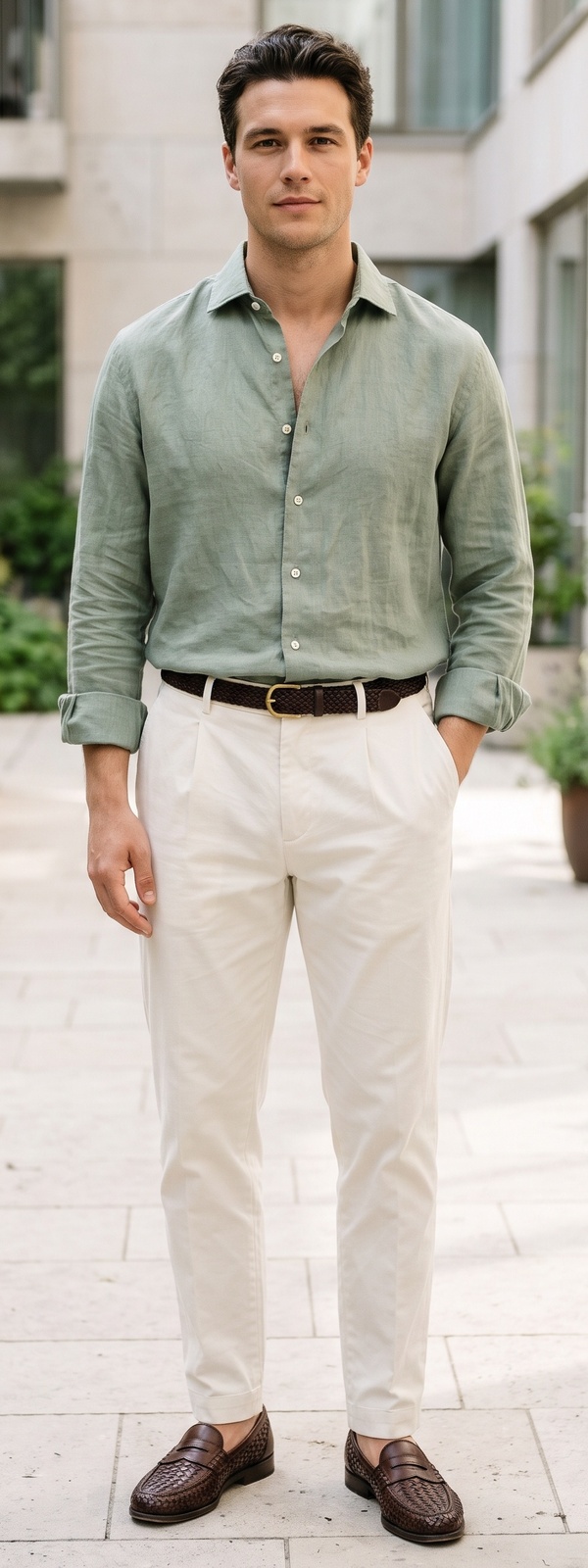
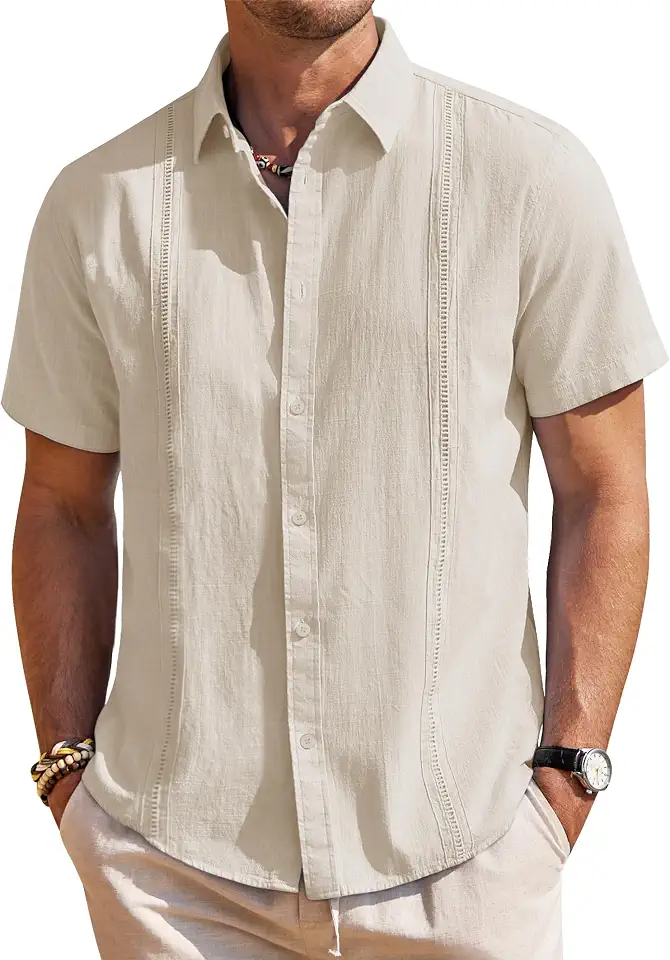
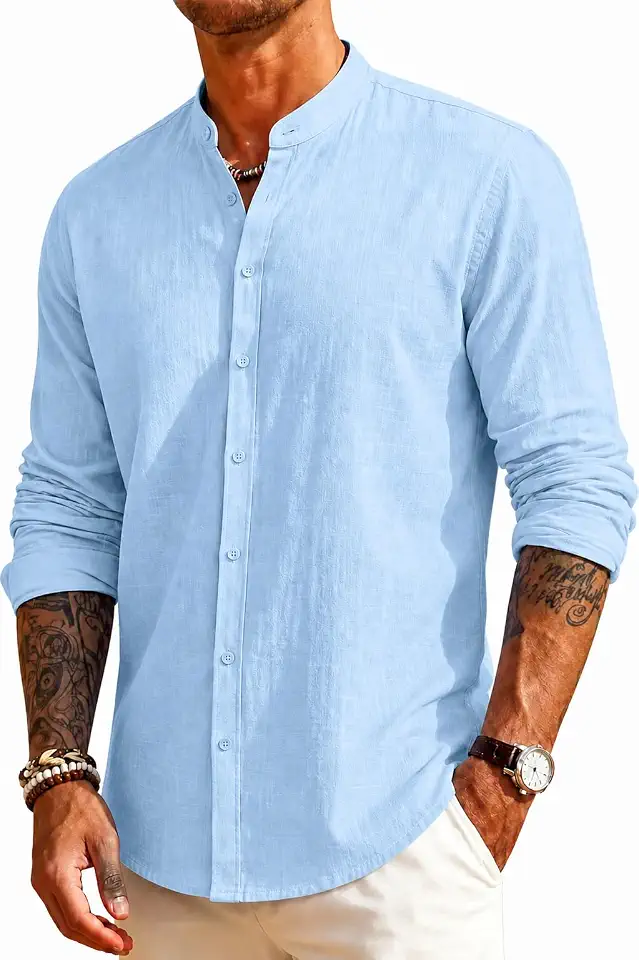
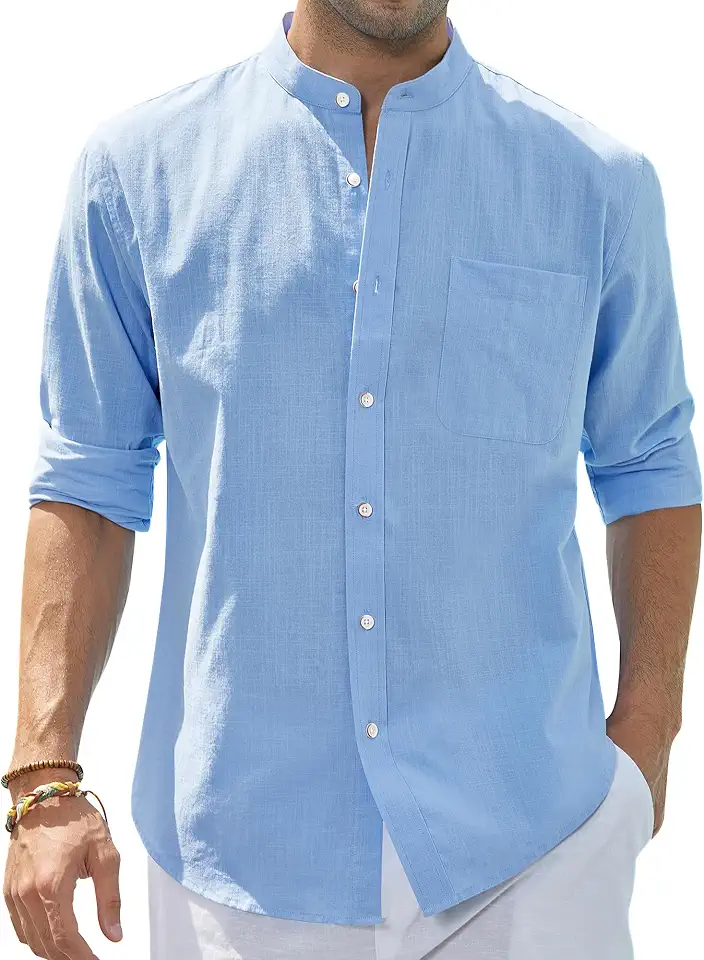
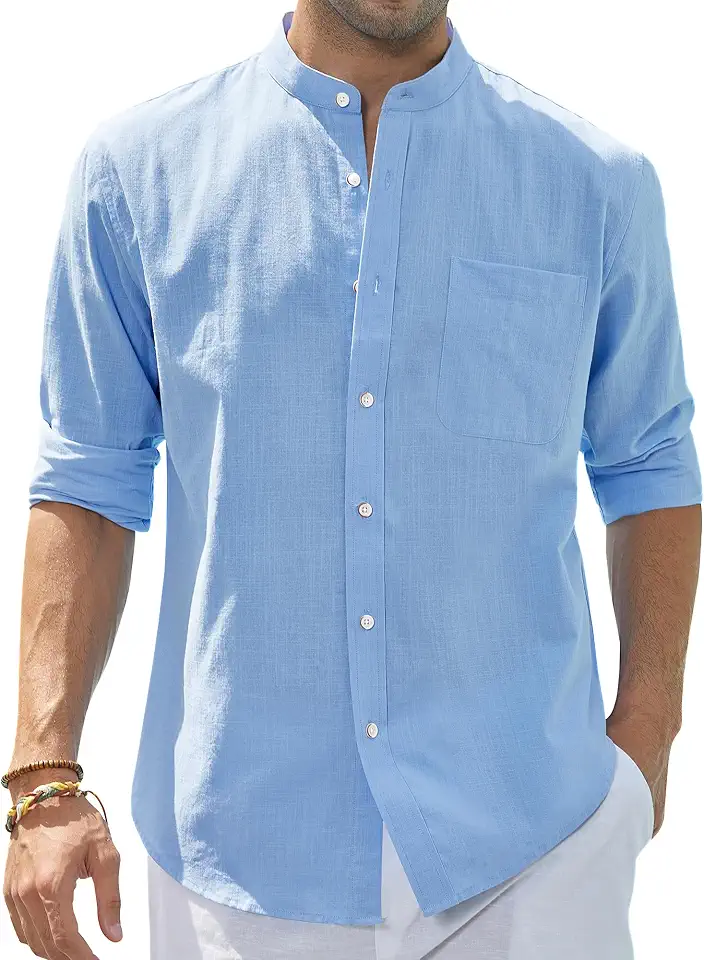
- Linen and Chambray Shirts: The slubby, relaxed nature of washed linen button-downs responds beautifully to a partial tuck, especially when paired with drawstring linen trousers or tailored shorts.
- Avoid Rigid Poplin: Stiff, freshly starched dress shirts should never be French-tucked; their crisp weave creases into rigid peaks that look messy rather than relaxed.
3. Trouser Rise and Proportions
A French tuck requires a waistband that deserves to be seen. Pairing a front tuck with low-rise jeans pushes your waistline down toward your hips, exaggerating your torso length and minimizing your legs.
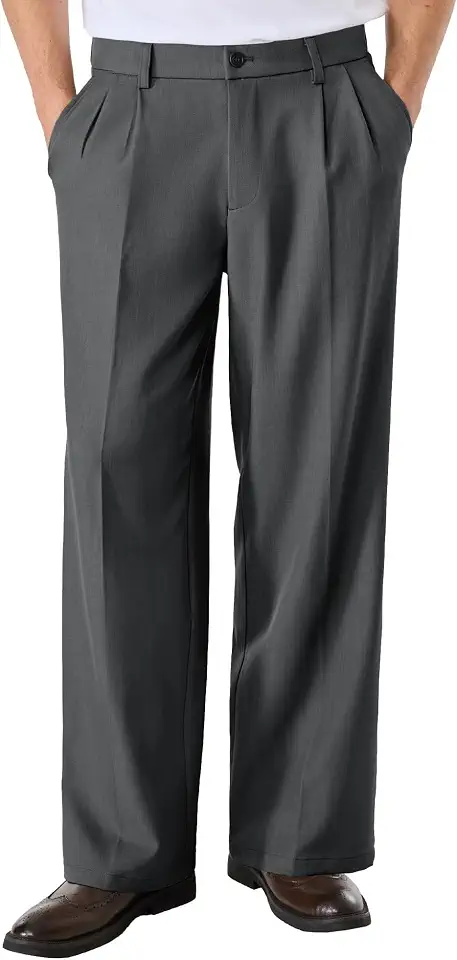
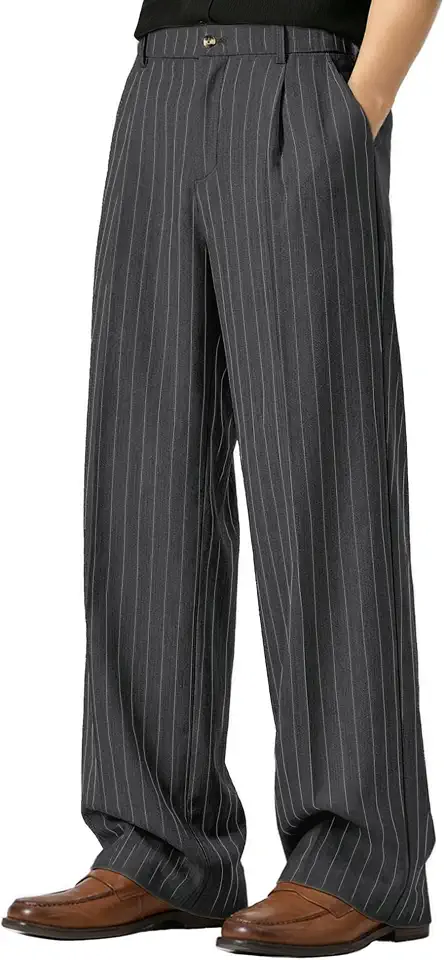
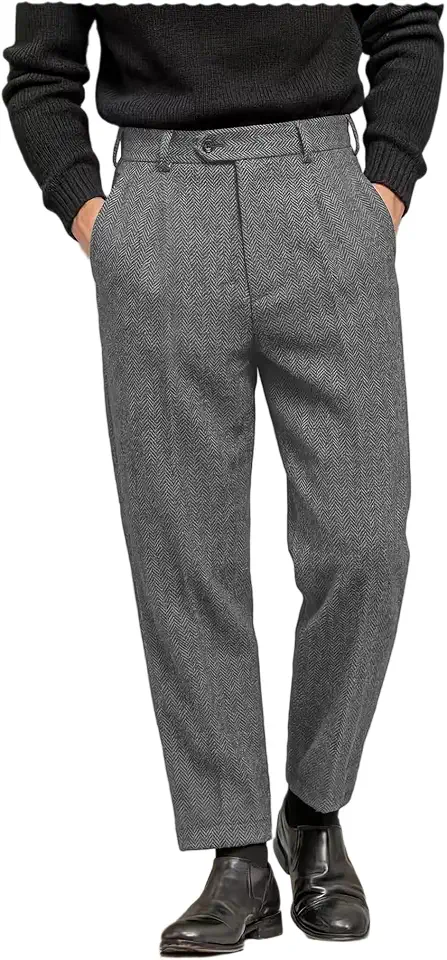
The technique truly shines when paired with mid-rise to high-rise trousers. Pleated chinos, heavy wool flannel trousers, and high-waisted corduroy pants provide a strong architectural horizon. When the front hem is tucked, the exposed waistband highlights the tailored rise of your pants, granting your lower body visual dominance and making you look taller.

4. The Belt as a Focal Accent
Because the French tuck intentionally spotlights the center front of your waistband, your belt choice transitions from an unseen functional accessory into a primary visual focal point.
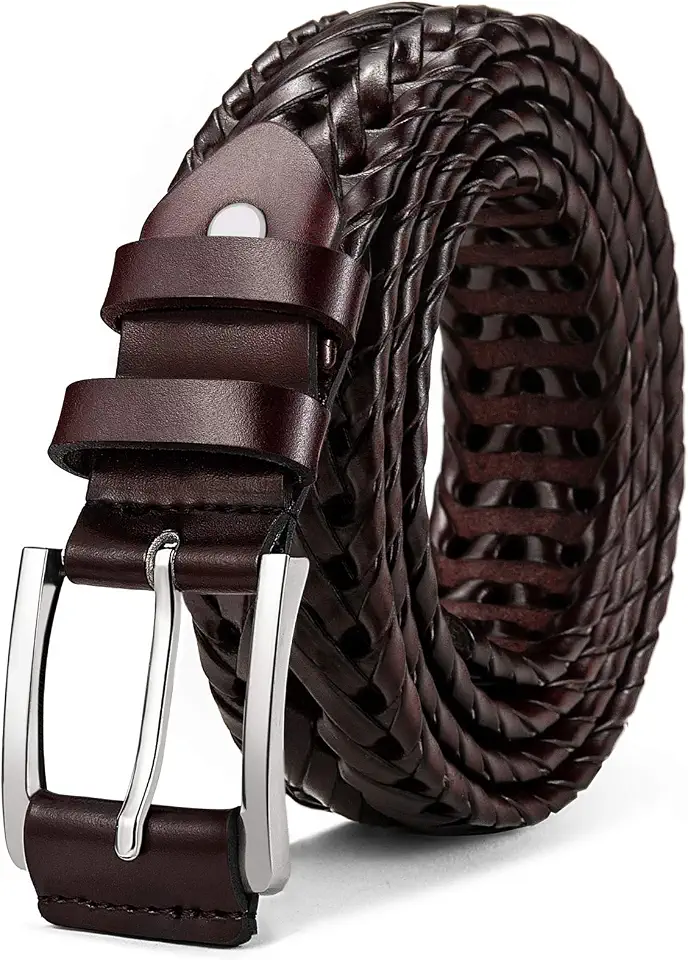
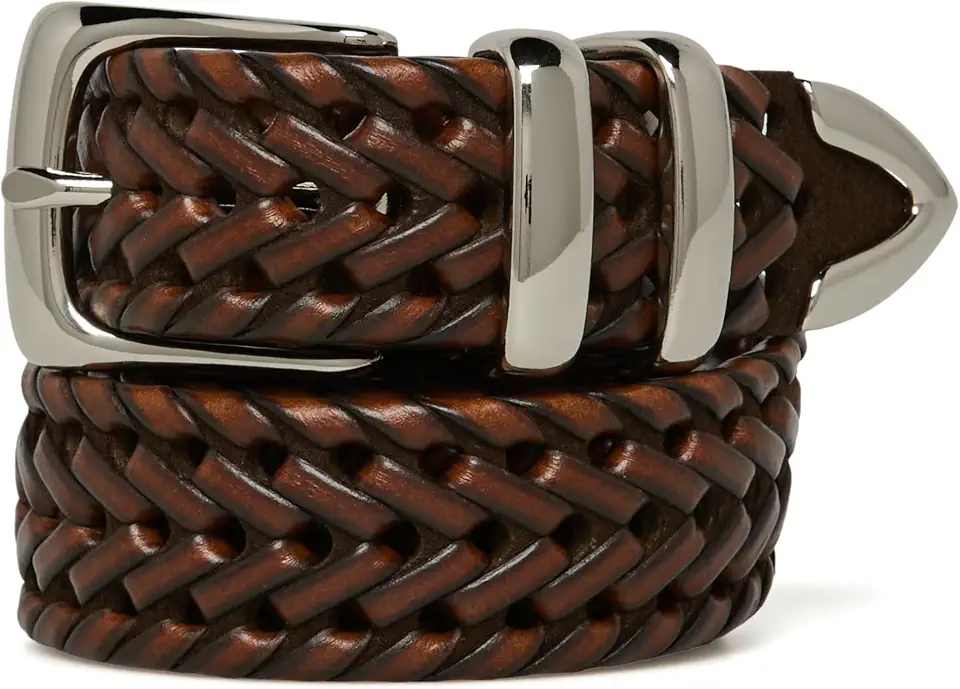
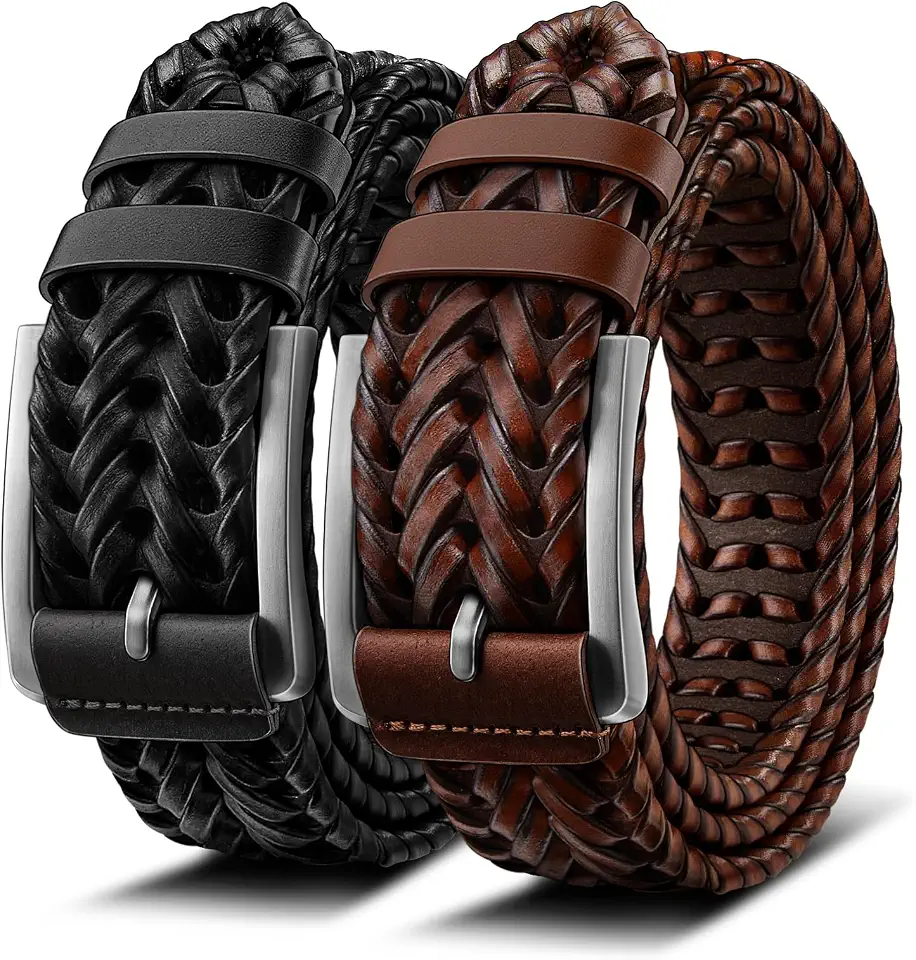
Select a belt that offers tactile texture and subtle craftsmanship. A braided brown leather belt, an oiled bridle leather strap with an antique brass buckle, or a sleek suede belt introduces a rich horizontal break between your top and bottom garments. Alternatively, high-rise trousers with side adjusters or extended tab waistbands look exceptionally clean with a French tuck, showcasing the refined absence of a belt.

The Golden Rules of the Men's French Tuck
- Keep the Tuck Narrow: Anchor only the center two to three inches directly behind your belt buckle; leave the flanks free.
- The Arm-Raise Calibration: Always lift your arms overhead after tucking to let the fabric self-adjust into a soft, natural fold.
- Select Mid-to-Heavy Drape: Stick to relaxed cotton tees, medium knits, and washed linen; avoid stiff dress shirts.
- Anchor With High or Mid-Rise Pants: Use pants with substantial rise to create flattering vertical proportions.
- Ensure the Back Hem Is Proportional: The untucked rear of the shirt must never hang past your back pockets.


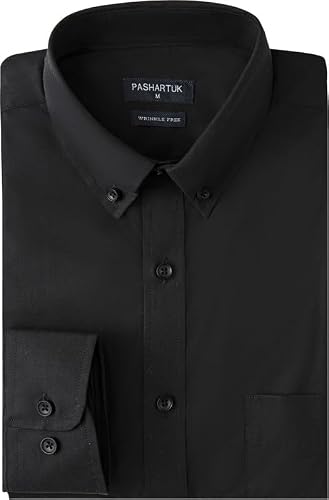
French Tuck Fabric and Garment Guide
| Garment Type | Fabric Weight | Execution Technique | Ideal Pants Pairing |
|---|---|---|---|
| Heavyweight Cotton Tee | 220–280 GSM | Shallow 1-inch tuck, bloused gently | High-Rise Pleated Chinos |
| Merino Knit Sweater | Fine-to-Medium Gauge | Center tuck directly behind buckle | Wool Flannel Dress Pants |
| Washed Linen Shirt | Slubby Summer Linen | Unbuttoned placket, soft center fold | Drawstring Linen Trousers |
| Brushed Flannel Shirt | Medium Cotton Flannel | Center tuck with open collar | Straight Dark Selvedge Denim |
| Ribbed Knit Polo | Cotton-Silk Blend | Fold front hem under waistband | Gurkha Trousers with Side Tabs |
| Waffle Thermal Top | Textured Heavy Cotton | Casual front anchor, loose sides | Olive Fatigue Utility Pants |
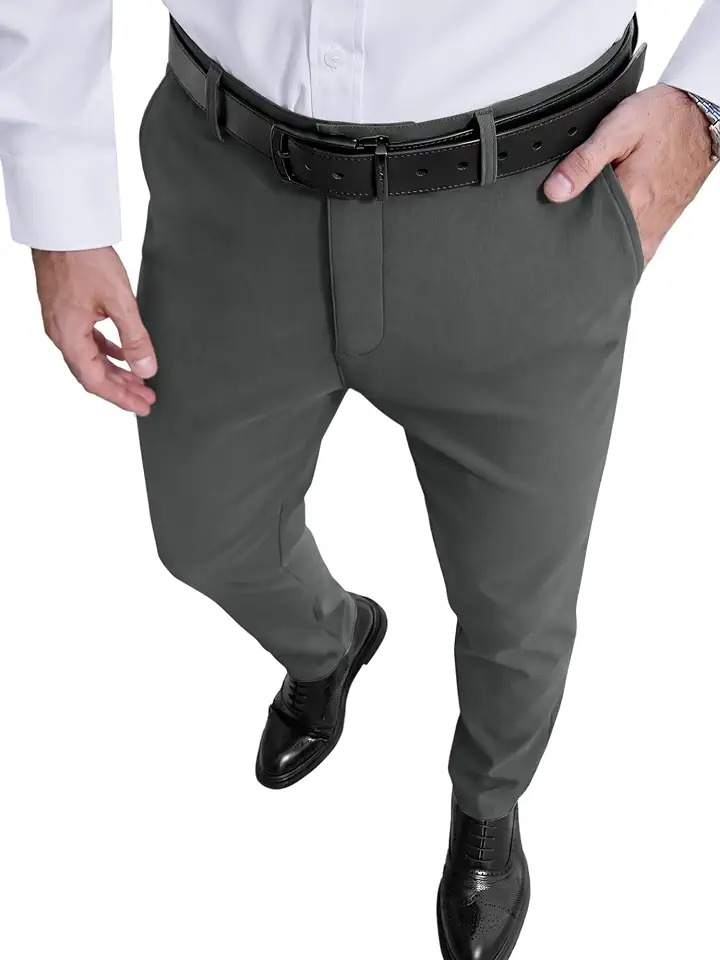
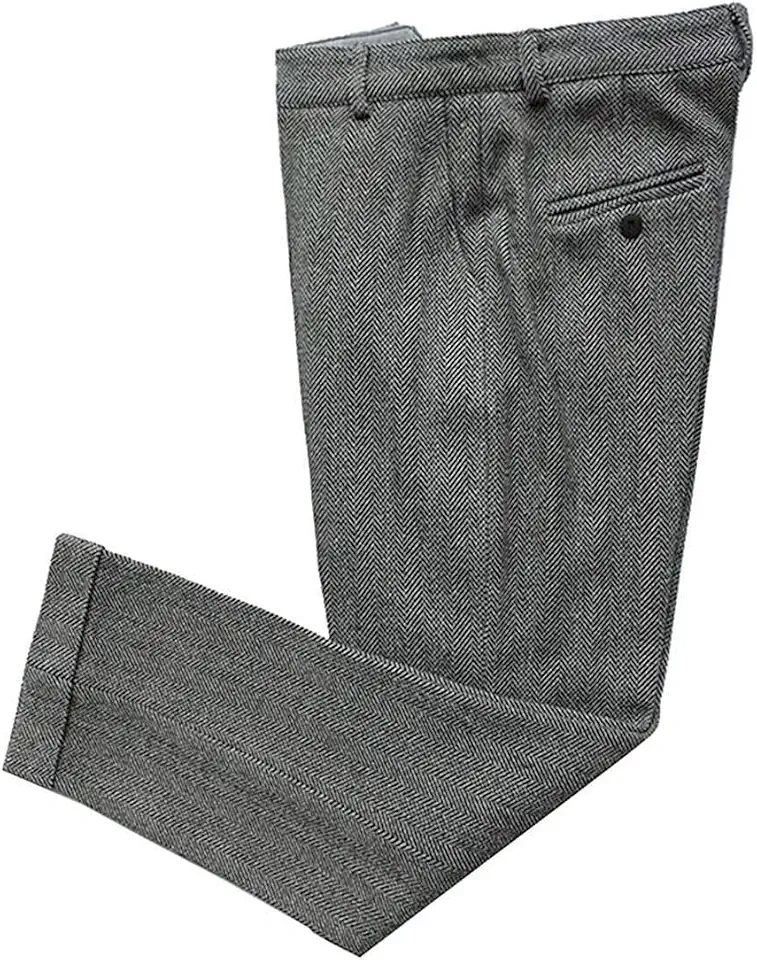
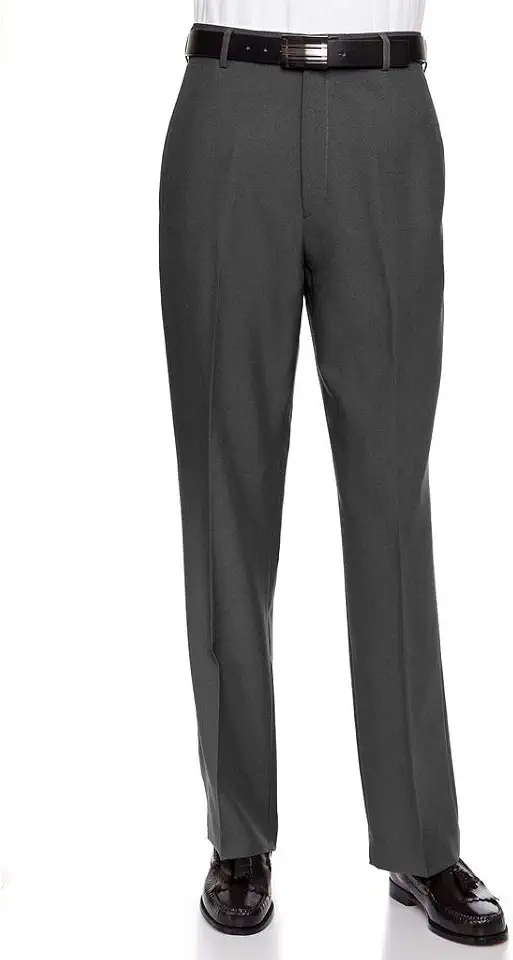
Common Mistakes to Avoid
- Tucking Too Far to the Sides: Pulling the tuck around your hip bones produces an awkward asymmetrical slant that looks like a dressing mishap.
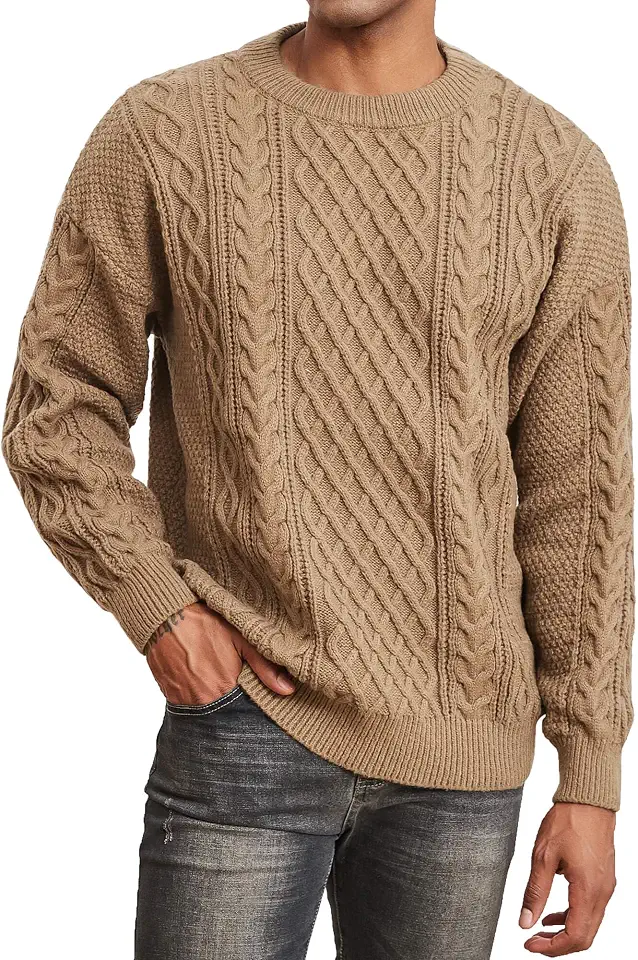
- Shoving In Bulky Chunky Knits: Attempting to French-tuck a thick cable-knit fisherman sweater creates an unsightly bulge over your stomach.
- Neglecting the Back Hem: Forgetting that your shirt is extra-long in the rear results in a tail that flaps awkwardly against the back of your thighs.
- Skipping the Fabric Smoothing: Leaving bunched fabric clumped directly over your zipper creates an untidy midsection profile.


Conclusion
The French tuck is a versatile weapon in modern menswear, allowing budget-conscious men to instantly inject sartorial character into basic tees, knits, and casual shirts. By respecting the natural drape of your fabrics and anchoring the tuck at your waistline, you effortlessly master the balance between casual comfort and tailored refinement.
Found this style article helpful?
All curated searches
Related Reading

How to Pair Sneakers With a Suit: Modern Tailoring Rules
Learn the modern rules for pairing sneakers with a suit. Discover the right footwear silhouettes, suit fabrics, and ankle break considerations.
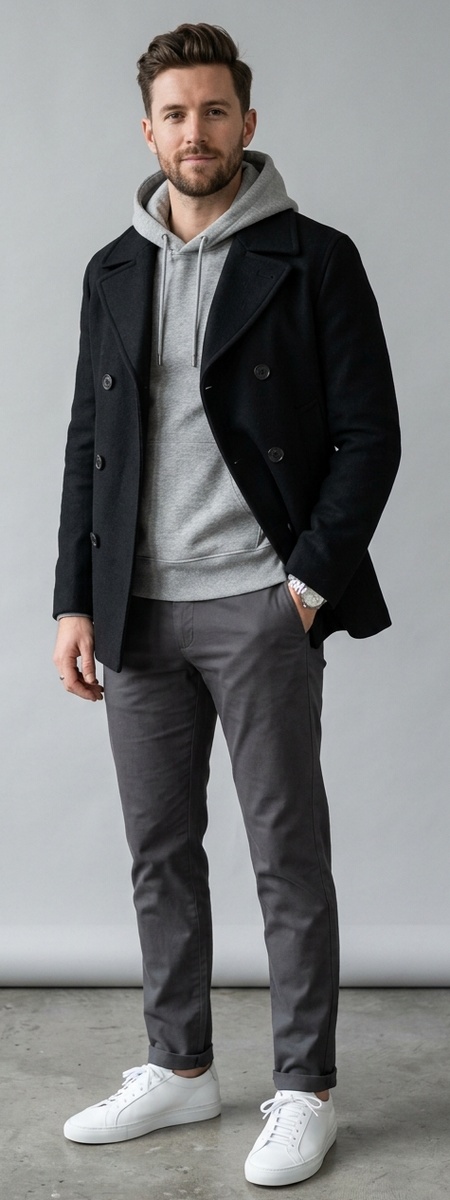
How to Layer a Men's Hoodie with an Overcoat for Urban Polish
Master layering a men's hoodie with a tailored overcoat, trousers, and clean footwear for a high-low balance of streetwear comfort and urban polish.

What to Wear to an Airport / Long-Haul Travel — Men's Complete Guide
Master airport style with our budget-friendly men's guide. Discover comfortable and sharp long-haul travel outfits that don't compromise on style.
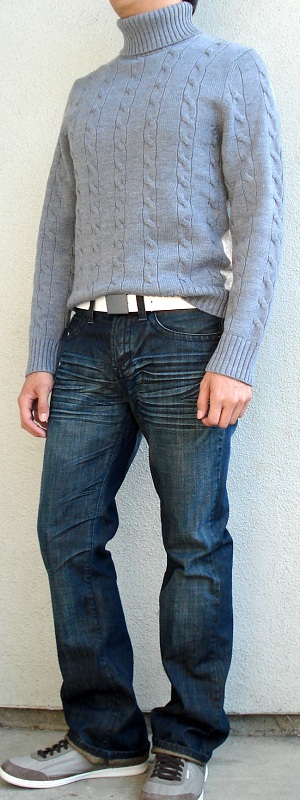
What to Wear to a Brunch With Friends — Men's Complete Guide
Master the weekend brunch dress code. Discover affordable, effortlessly stylish men's outfit formulas perfect for dining with friends.
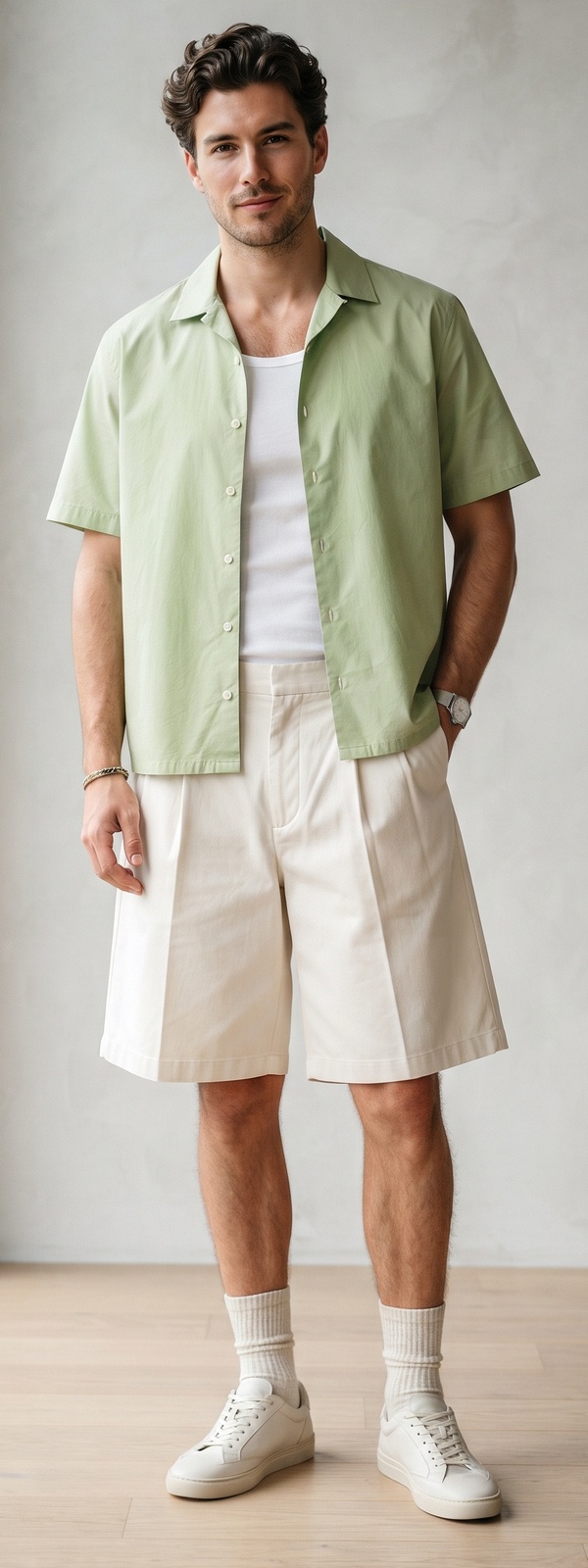
Copenhagen Poplin: Pistachio & Cream
Crisp oversized pistachio green and pale pastel poplin button-downs meet wide cream canvas trousers and light sweaters knotted loosely across the shoulders. Capturing Nordic summer ease, this palette balances tailored neatness with breezy minimalist freedom.
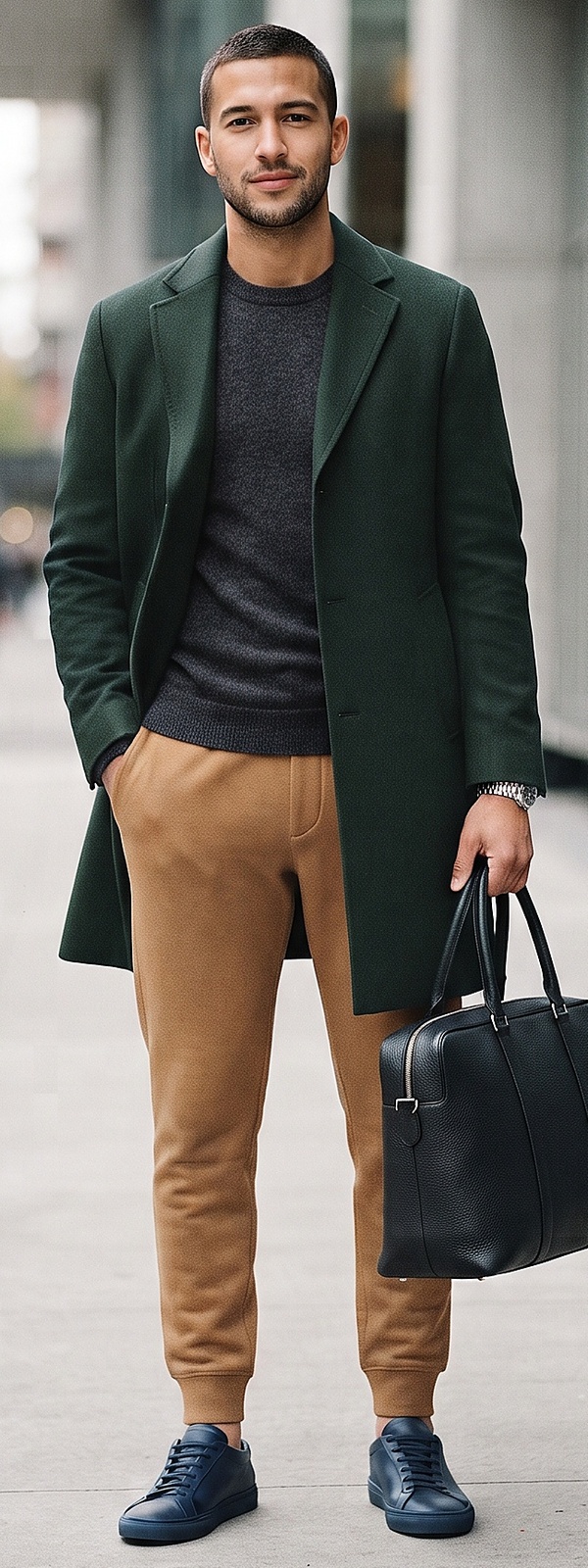
Tokyo City Boy: Luxe Knit Loungewear
Soft fleece pullovers, cashmere quarter-zips, and relaxed lounge bottoms step outside into crisp wool overcoats and pleated flannel trousers. Inspired by modern Tokyo street tailoring, this uniform delivers effortless comfort with sharp urban proportion.
Other Reading
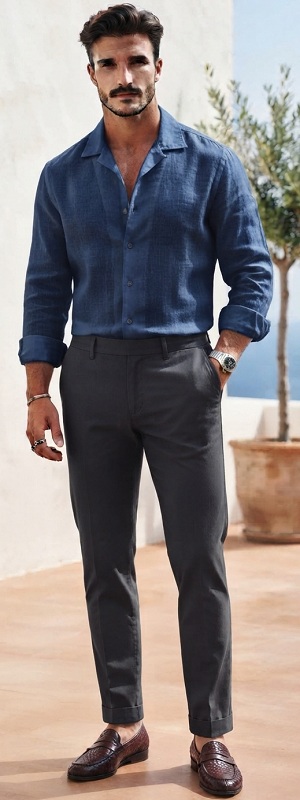
What to Wear to a Cigar Rolling Masterclass — Men's Complete Guide
Master cigar rolling and leaf blending workshop style with relaxed linen camp shirts, tailored drawstring trousers, woven loafers, and signet rings.
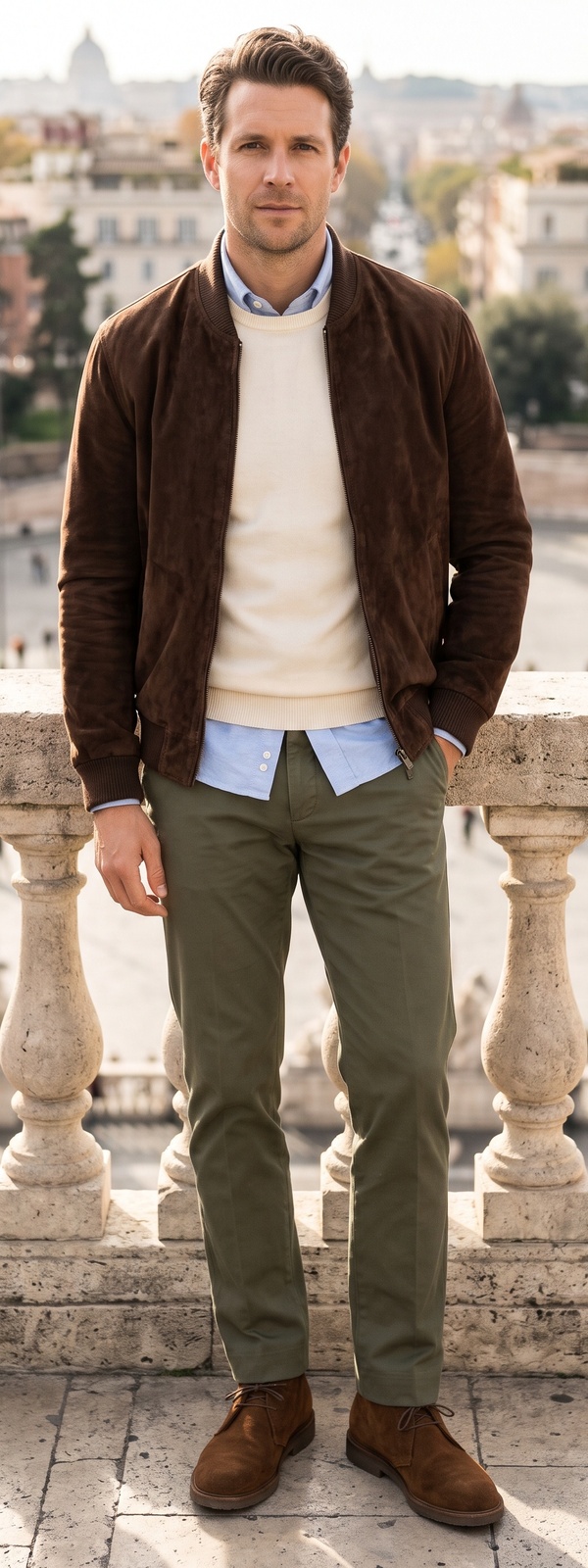
Shaggy Shetland Knits: Brushed Wool Texture
A tactile celebration of Scottish brushed wool sweaters featuring fuzzy shaggy textures and vibrant heathered yarn blends. Loosely carded natural fibers trap warmth while delivering rich visual character to cold-weather layering. Ideal for cozy winter weekends, country retreats, and cafe study sessions.
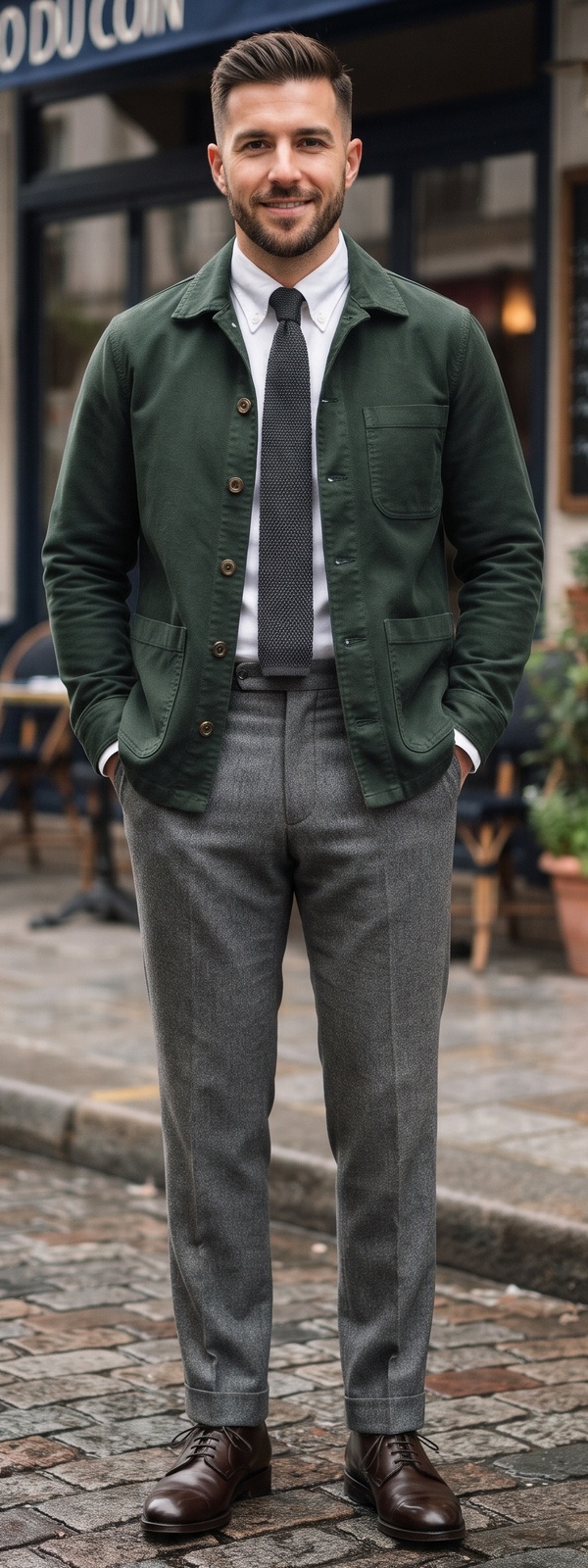
How to Style a Men's Heavyweight Moleskin Work Jacket
Discover how to style the heavyweight moleskin work jacket with Breton stripes, tailored flannels, and rugged European workwear essentials.