
October 4, 2026
How to Dress for Cold Mornings and Warm Afternoons: Men's Tips
Conquering the 30-Degree Temperature Swing
Few styling scenarios cause more daily frustration than the transitional season temperature swing. You step out of your front door at 7:30 AM to brisk 42°F winds, only for the afternoon sun to warm the city to 72°F by 2:00 PM. Dress for the morning frost, and you spend the afternoon sweating profusely with a heavy winter coat draped awkwardly over your arm. Dress for the afternoon warmth, and you freeze through your morning commute.
Conquering wide diurnal temperature swings requires modular dressing: building outfits with removable layers that look complete and intentional whether fully assembled or stripped down to their foundation. Here is how to conquer the split-temperature day with effortless style.
Outfits from this article
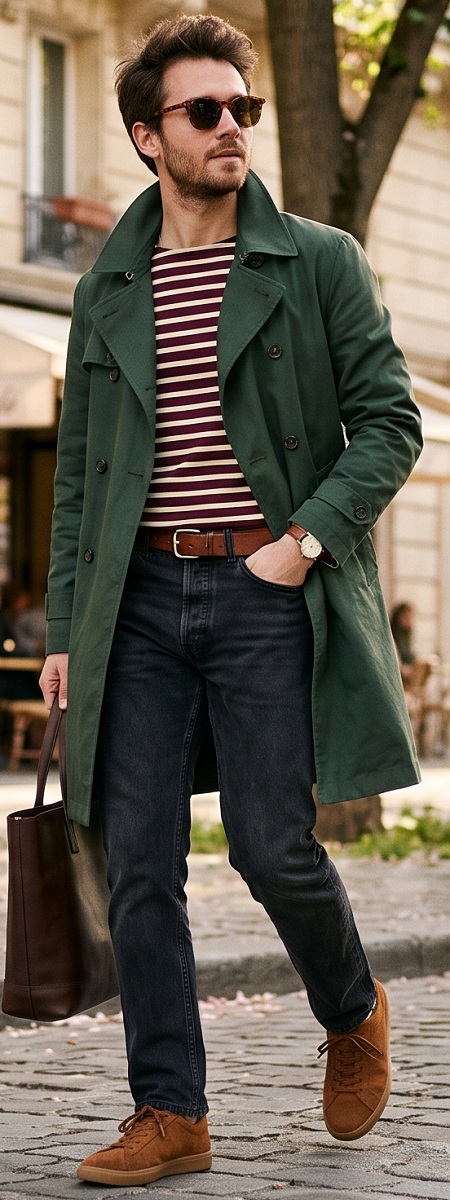 From $169
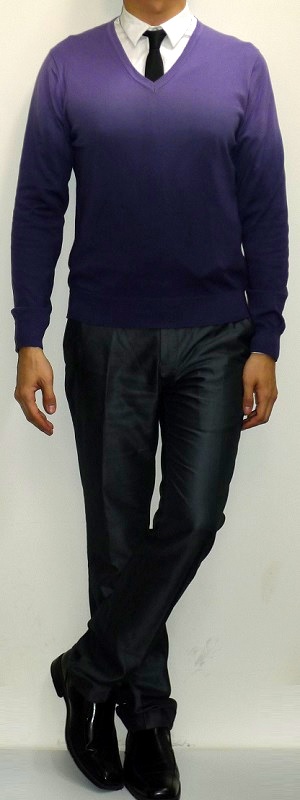 From $108
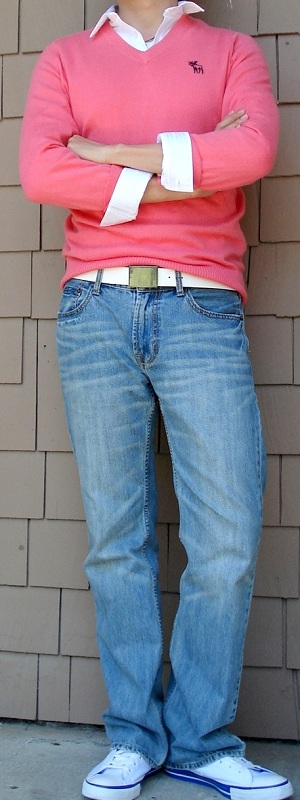 From $82
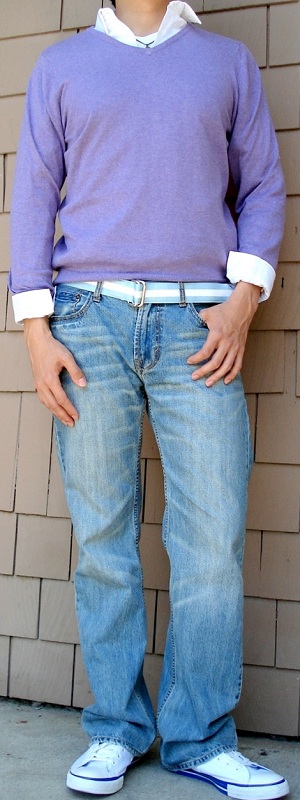 From $85
 From $89
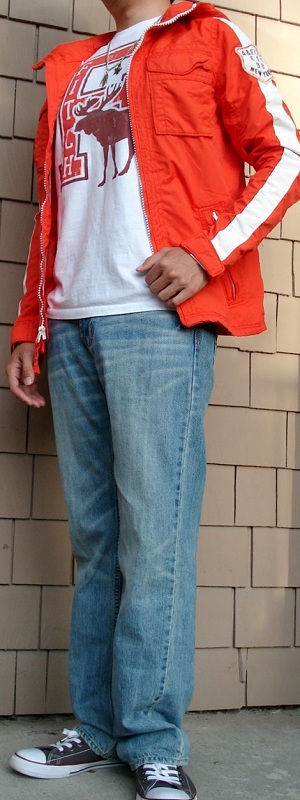 From $87
 From $115
 From $73
 From $151
 From $178
 From $188

1. The Strategy of Removable Mid-Layers
The fundamental mistake men make is wearing one heavy outer layer over a single thin shirt. When you take the heavy coat off, you jump straight from winter to summer.
Instead, build an outfit with three lightweight, breathable tiers:
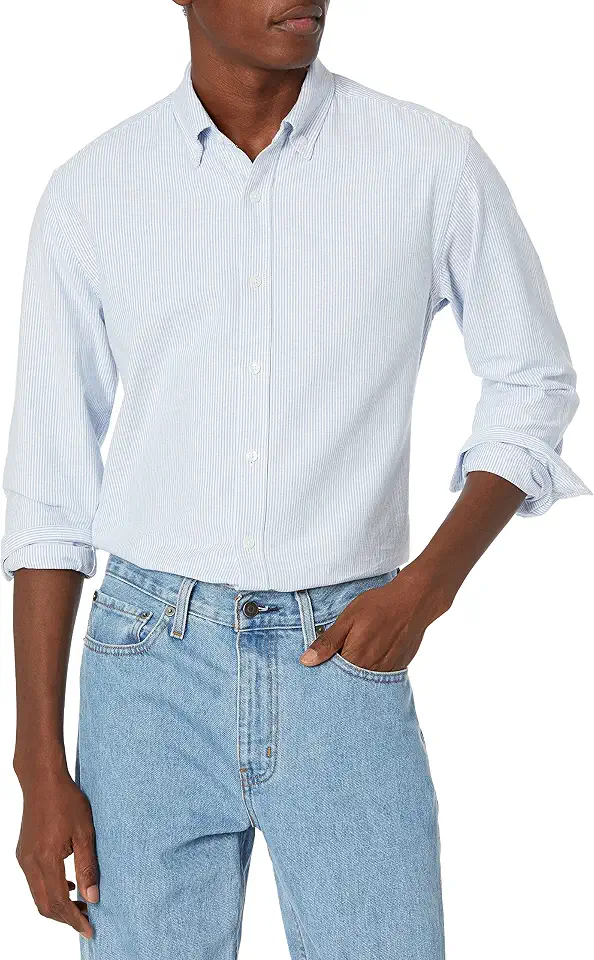
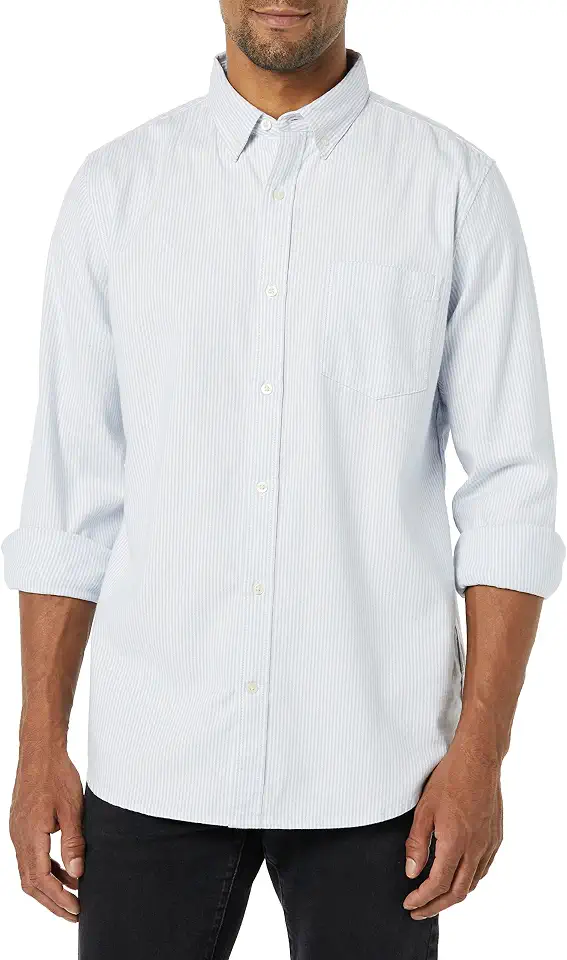
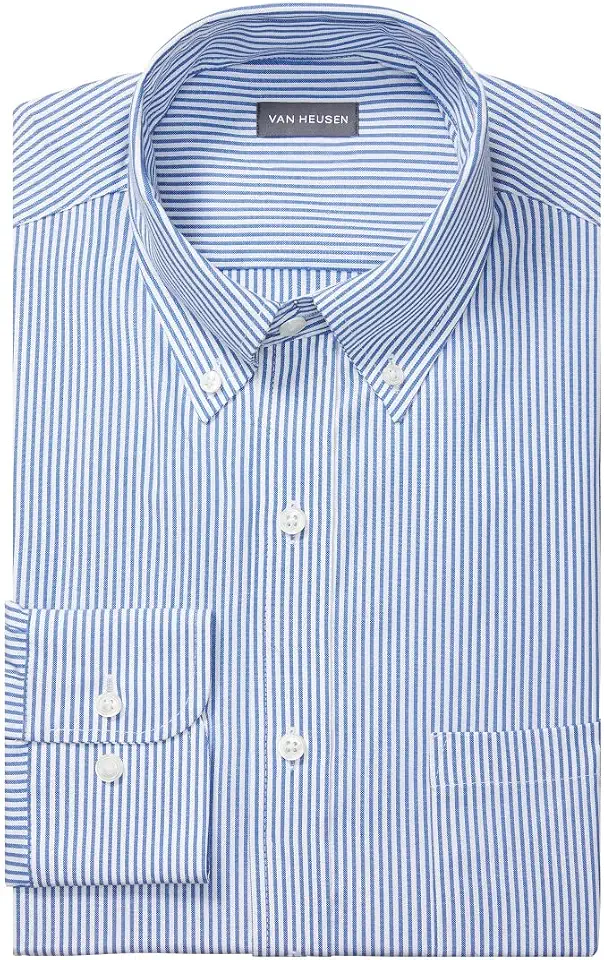
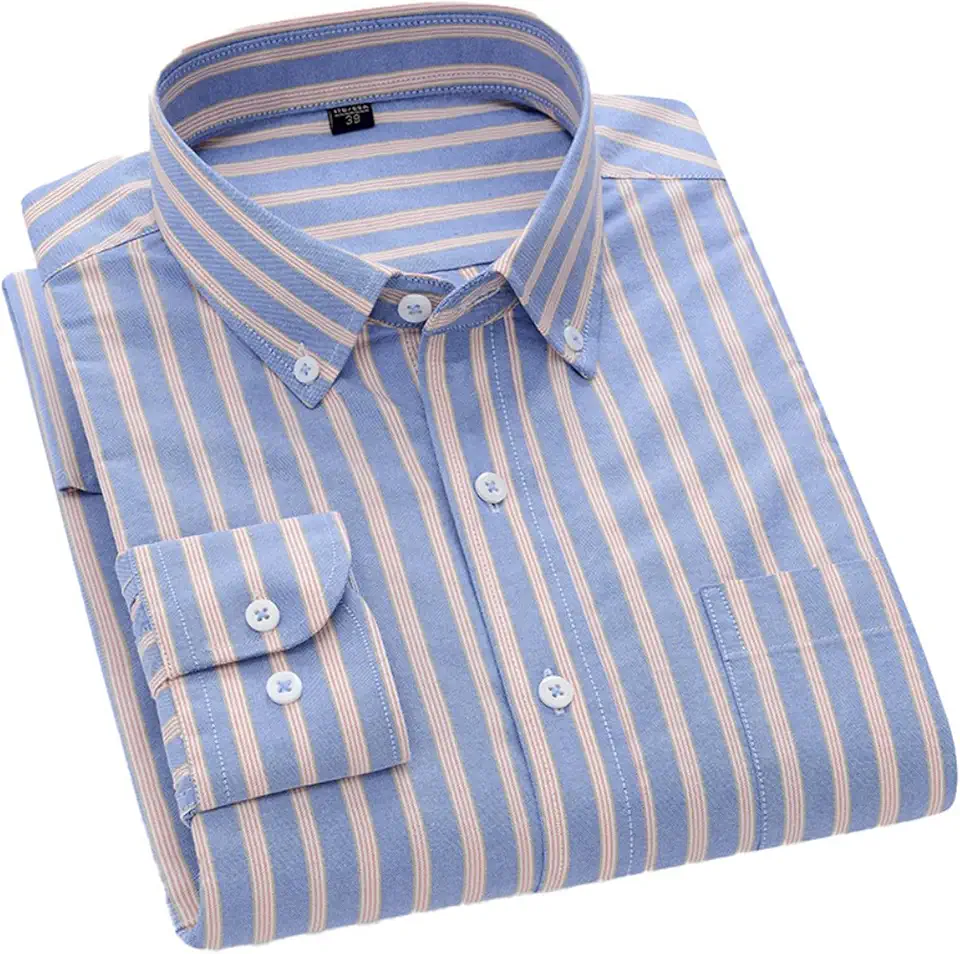
- Tier 1 (Base): A breathable cotton t-shirt, fine polo, or oxford button-down shirt that looks completely polished on its own.
- Tier 2 (Mid-Layer): A lightweight knit, unlined cardigan, or textured overshirt that provides insulation in the morning and can be tied around your shoulders, packed into a bag, or draped over a chair by midday.
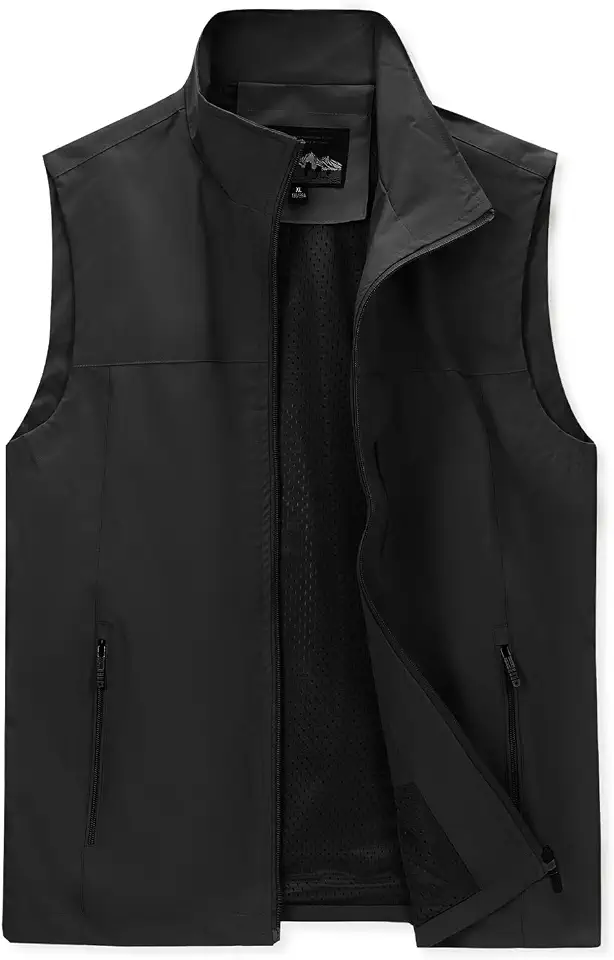
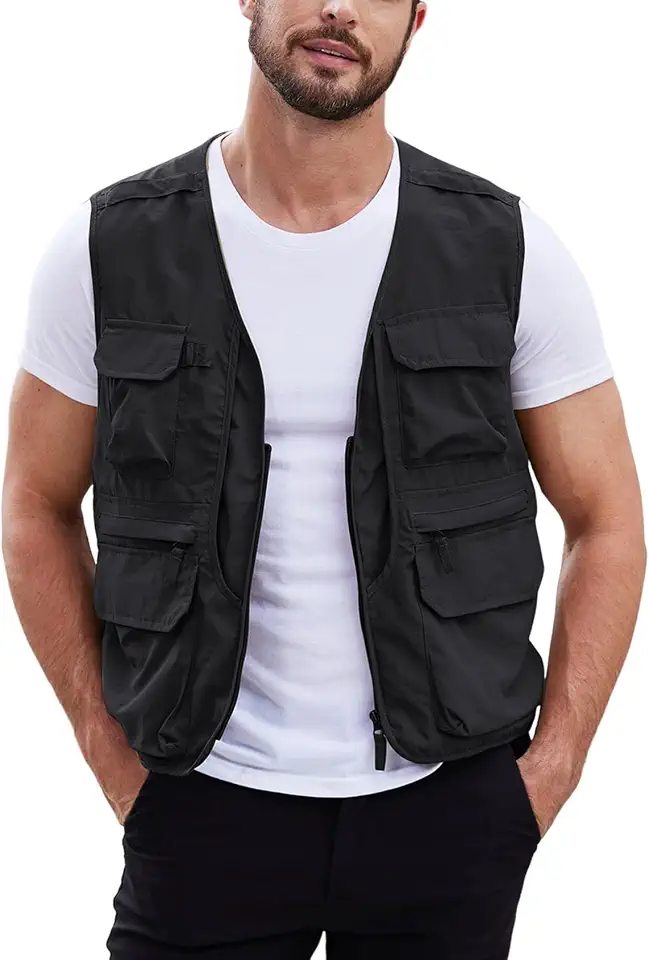
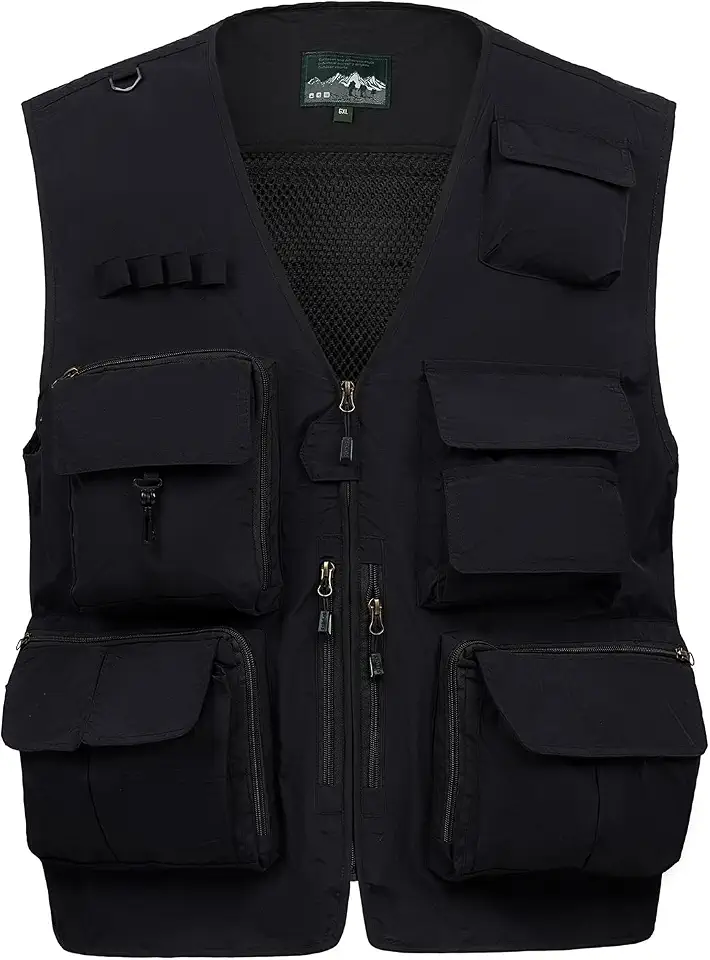
- Tier 3 (Light Shield): A wind-resistant, lightweight jacket (Harrington, denim trucker, or chore coat) or packable quilted vest.
2. The Quilted Vest: The Commuter's Secret Weapon
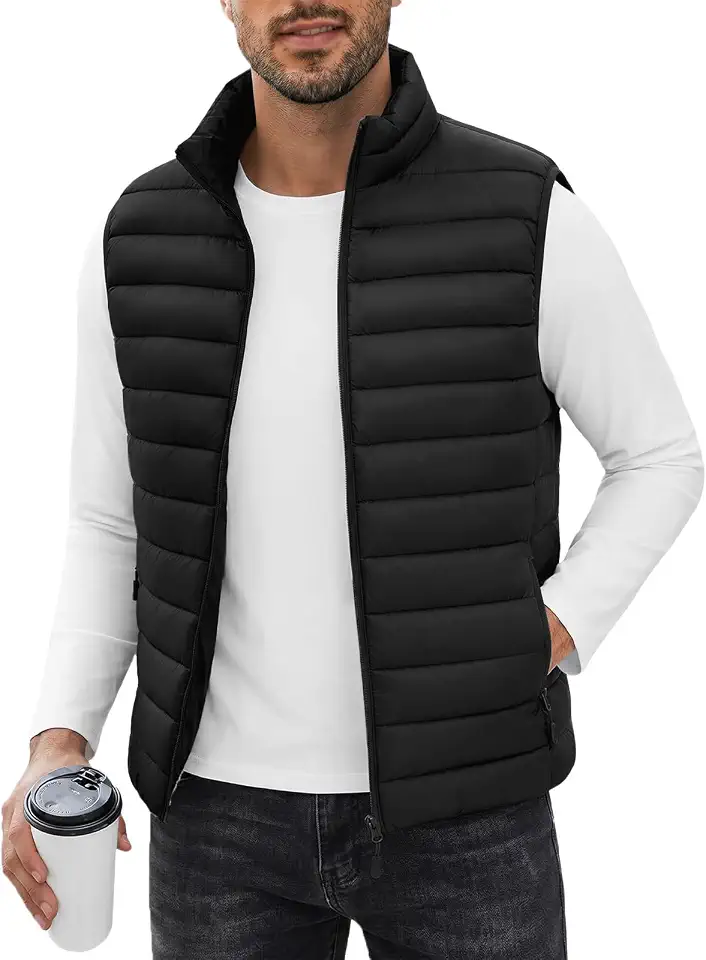
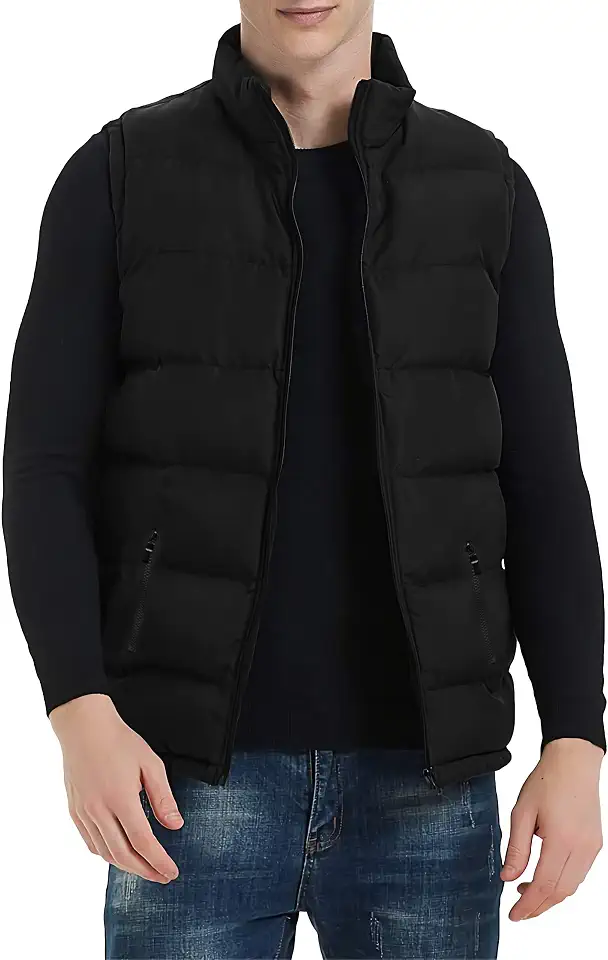
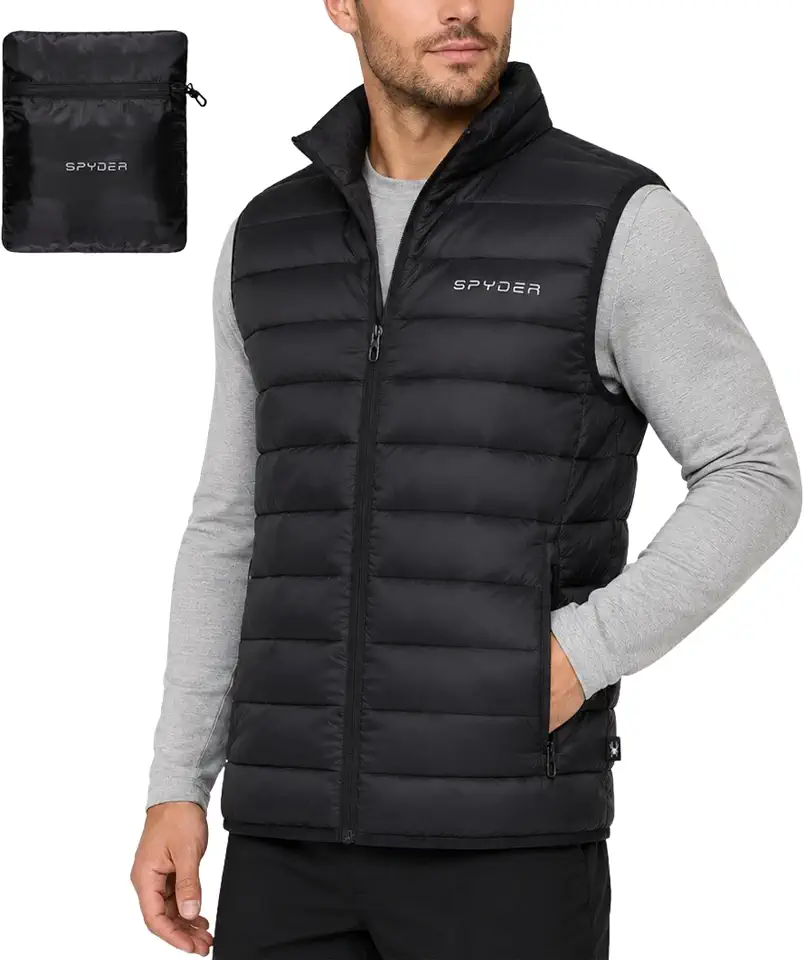
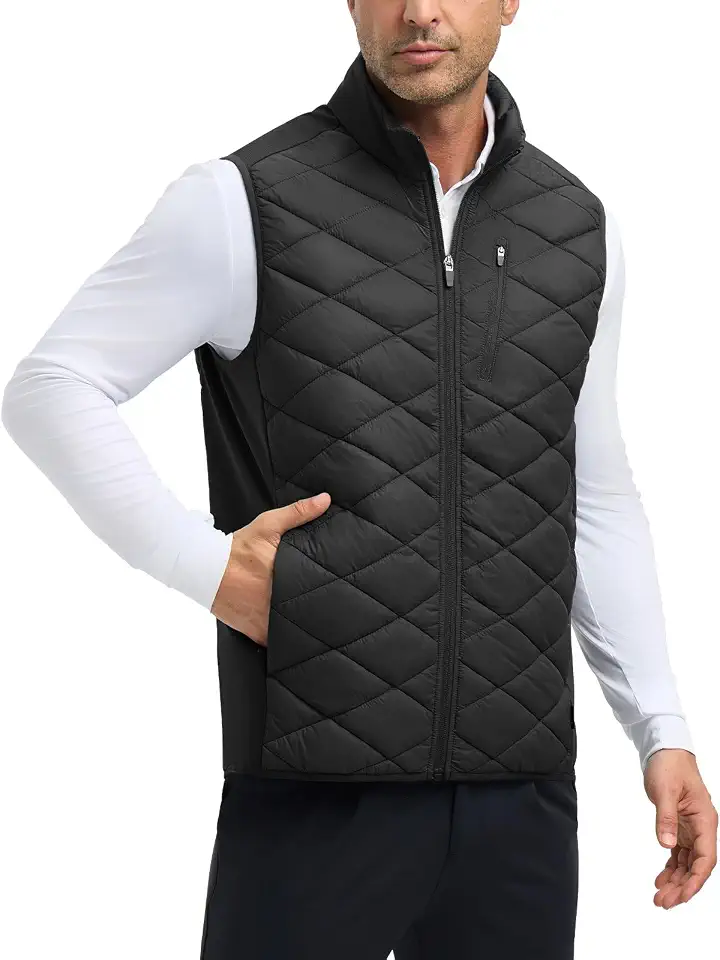
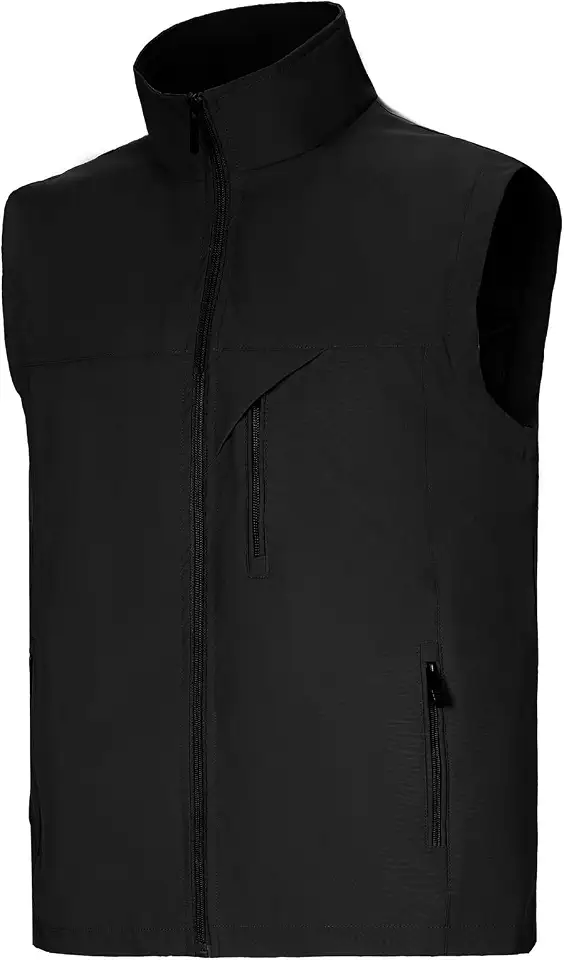
No single garment handles transitional temperature swings better than the quilted vest (gilet).
- Core Warmth: By keeping your chest and core insulated, your body maintains warmth during chilly morning walks.
- Arm Ventilation: Because your arms are free, excess heat escapes easily as temperatures climb.
- Packability: A lightweight down or synthetic vest compresses into a tiny pouch that slips easily into a backpack, briefcase, or messenger bag when the afternoon sun hits peak warmth.
3. Fabric Selection: Choose Natural Breathability
When layering for shifting temperatures, avoid synthetic polyester shirts. As soon as the afternoon heats up, polyester traps body heat and sweat against your skin.
- Merino Wool Knits: Merino wool adapts dynamically. It keeps you warm in cold morning air, then breathes and wicks sweat as temperatures climb.
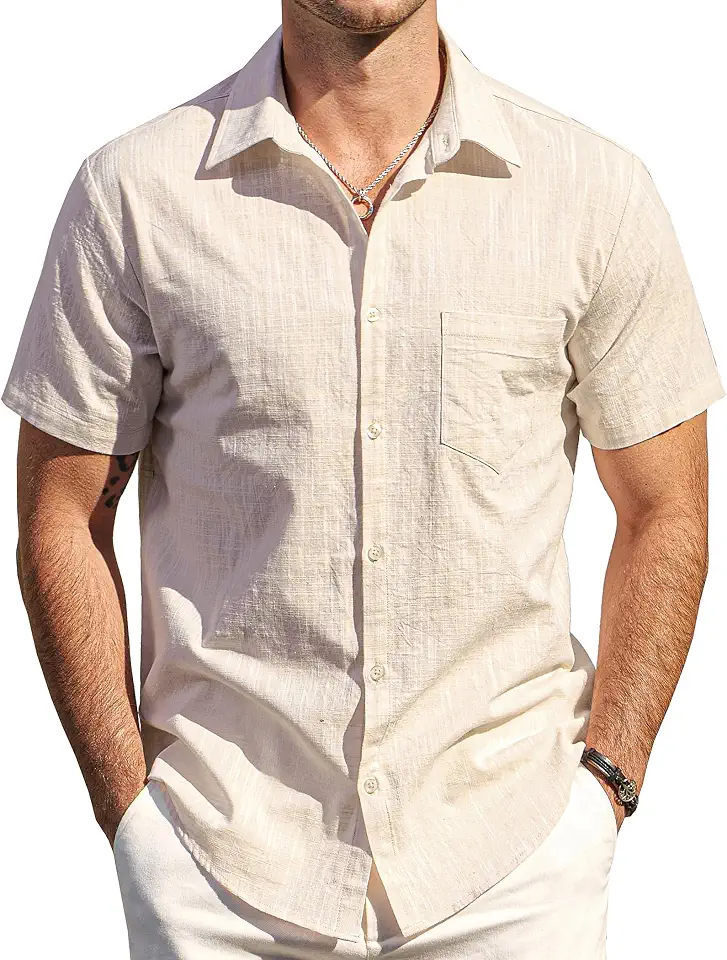
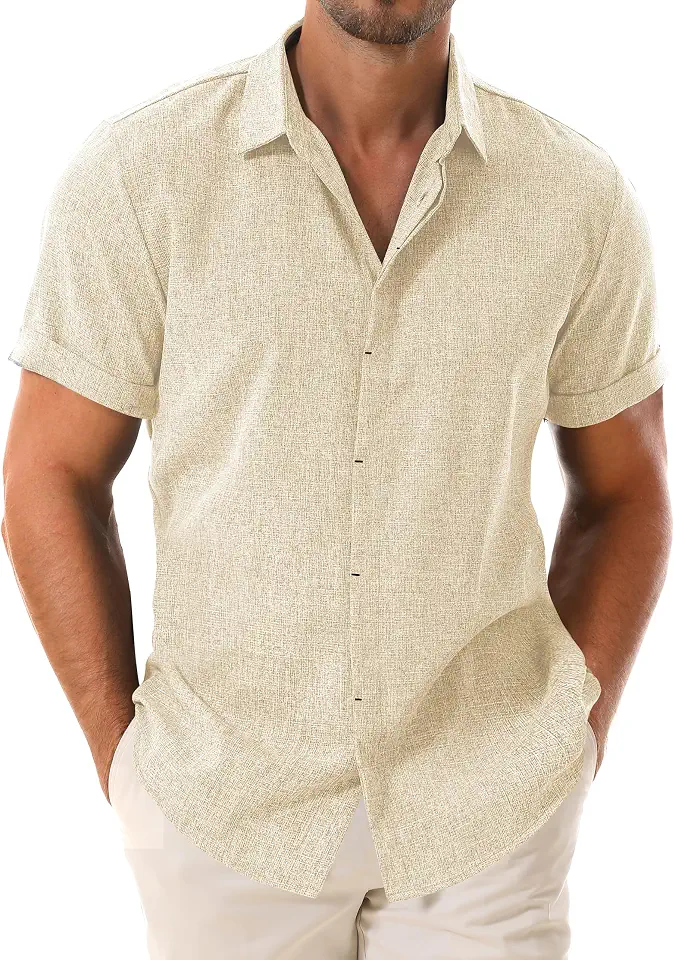
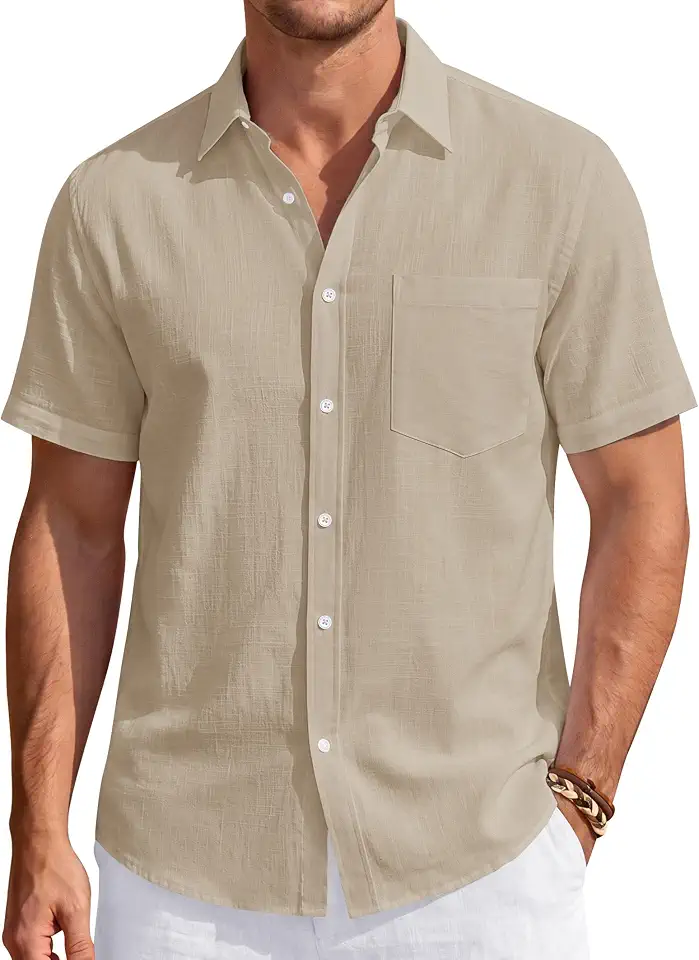
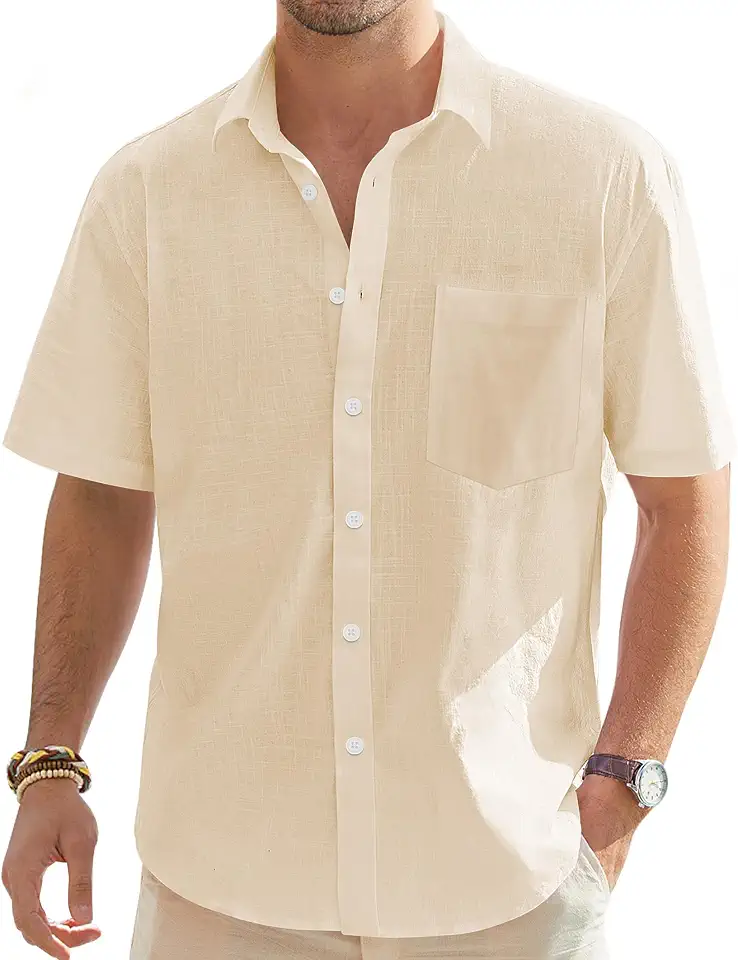
- Oxford Cotton Cloth: Sturdy enough to block brisk morning breezes, yet open-weave enough to breathe comfortably when worn unbuttoned over a tee at lunchtime.
4. The "Carry Without Clutter" Tactics
When you shed layers in the afternoon, how you carry them matters:
- The Over-the-Shoulder Sweater Drape: Drape your lightweight crewneck or cardigan over your shoulders and loosely tie the sleeves across your chest. This Continental look adds prep sophistication to a basic t-shirt and chinos.
- The Tote or Commuter Bag: Always carry a medium canvas tote bag or sleek backpack on transitional days. It provides a clean, hands-free home for your jacket and knit during warm afternoon commutes.


5. Foolproof 3-Tier Outfit Blueprint
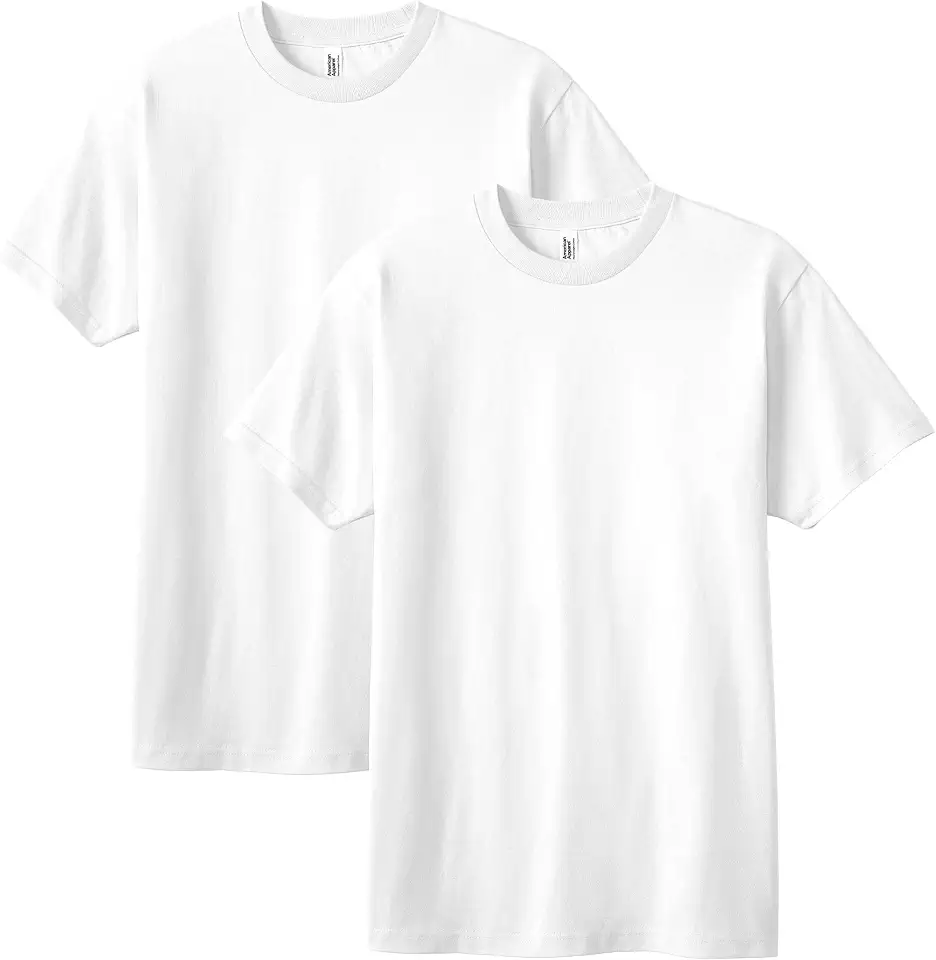
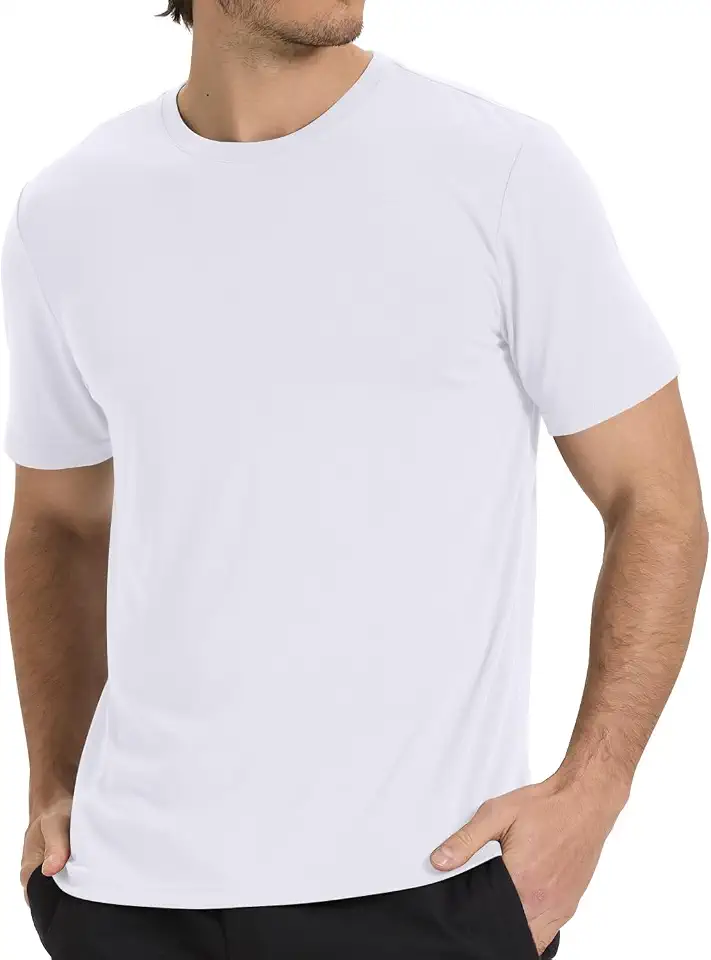
- 7:30 AM (Cold Morning): White crewneck tee + olive green button-down overshirt + navy quilted vest + khaki chinos + leather boots. (Warm, weather-shielded, insulated).
- 11:30 AM (Mild Midday): Remove the quilted vest and pack it in your tote. Wear the olive overshirt buttoned halfway over the white tee. (Comfortable, relaxed, casual).
- 2:30 PM (Warm Afternoon): Unbutton the olive overshirt completely or roll its sleeves, or remove it entirely and wear the crisp white tee with rolled chino cuffs and leather shoes. (Clean, cool, effortless).


Conclusion: Master Seasonal Versatility
Temperature swings are completely predictable when you approach dressing with a modular system. By pairing breathable natural fabrics with versatile mid-layers and packable vests, you will remain comfortable, confident, and sharp from dawn until dusk. Explore our transitional layering collection to find versatile essentials for any forecast.
Related searches
All curated searches
Keep reading
Oct 22, 2026
How to Layer a Men's Field Jacket Over a Wool Sweater
Master autumn and winter layering by pairing a men's field jacket over cable-knit and crewneck wool sweaters with chinos and rugged leather boots.
Oct 22, 2026
How to Layer a Wool Overcoat Over a Turtleneck Sweater
Learn how to layer a tailored wool overcoat over a turtleneck sweater with dress pants, dark jeans, and boots for sleek winter sophistication.
Oct 22, 2026
How to Style a Men's Performance Golf Polo with Polish
Master styling a men's performance golf polo with tailored stretch trousers, chinos, and clean sneakers for sharp on-course and casual polish.