
October 4, 2026
How to Match Patterns: Mixing Stripes, Plaids, and Solids
The Art of Pattern Mastery
Most men approach patterns with extreme trepidation. Burned by childhood memories of clashing holiday outfits or terrified of looking like a walking optical illusion, guys retreat into an exclusively solid-color existence: solid white shirt, solid navy suit, solid grey trousers.
While solid neutrals are clean, wearing zero pattern can leave your style feeling flat, uninspired, and monotonous. Mixing patterns—pairing a checked shirt with a striped tie, or a plaid sports coat with a micro-print pocket square—is the hallmark of advanced menswear confidence.
Pattern mixing isn't random guesswork; it is governed by predictable visual rules of scale, spacing, and grounding. Here is your definitive blueprint to matching patterns like a master.
Outfits from this article
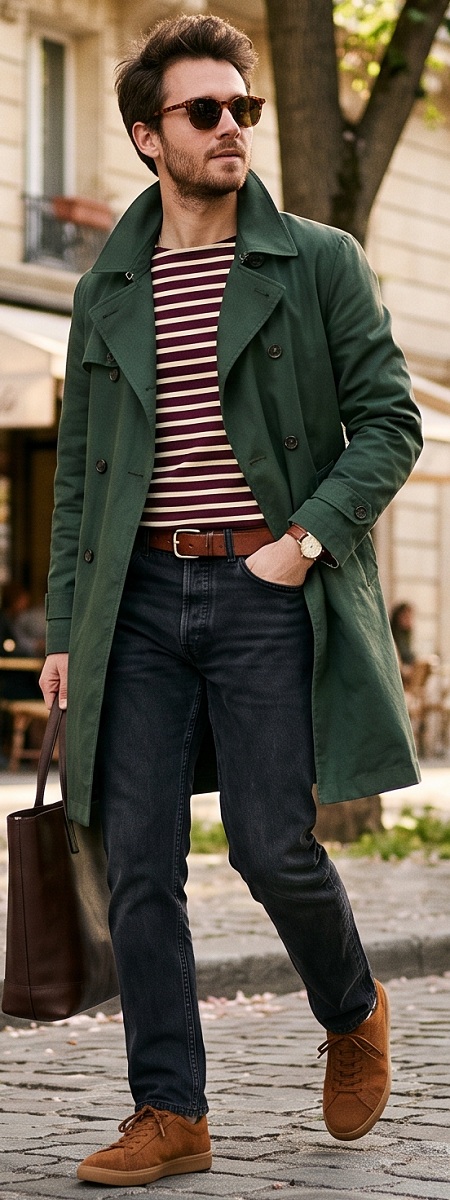 From $171
Parisian Chic Forest Green Trench Coat with Burgundy Breton Striped Shirt, Washed Black Jeans, and Suede Sneakers Outfit
Oct 4, 2026
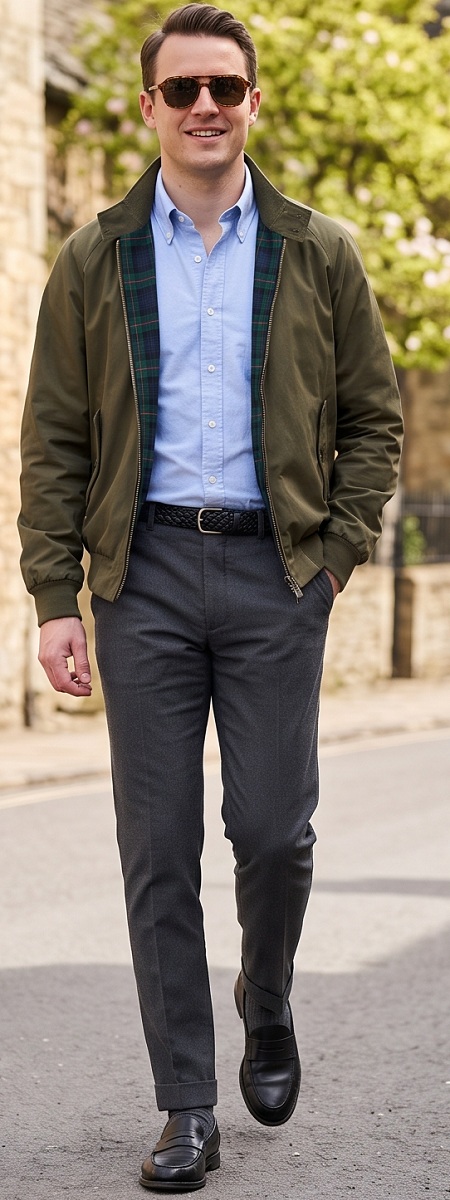 From $135
British Heritage Olive Harrington Jacket with Sky Blue Oxford Shirt, Charcoal Trousers, and Black Penny Loafers Outfit
Oct 4, 2026
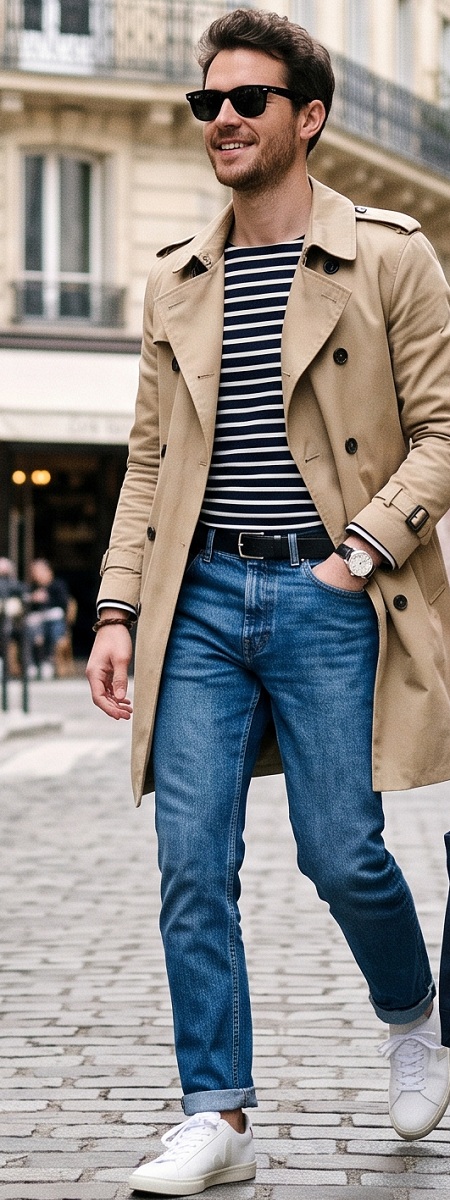 From $124
Classic Parisian Tan Trench Coat with Navy Breton Striped Shirt, Medium Wash Jeans, and White Leather Sneakers Outfit
Oct 4, 2026
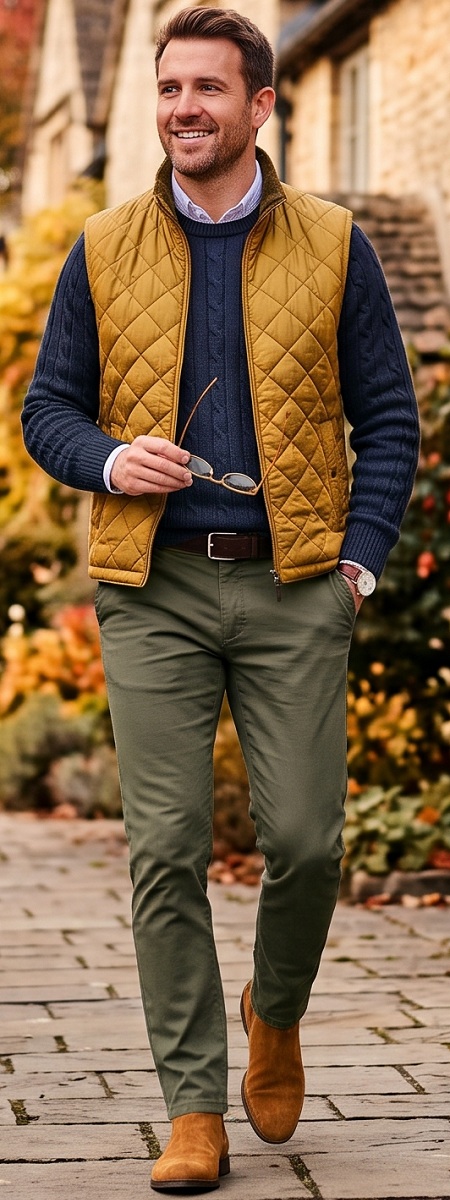 From $117
Smart Casual Mustard Quilted Puffer Vest with Navy Cable Knit Sweater, Olive Chino Pants, and Suede Chelsea Boots Outfit
Oct 4, 2026
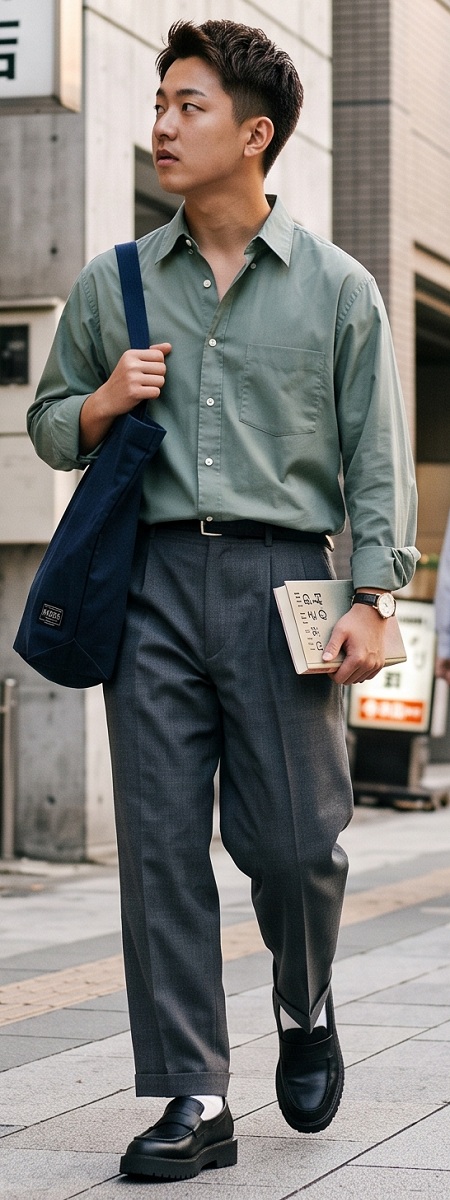 From $165
Effortless City Smart Casual Outfit Featuring Sage Green Dress Shirt, Pleated Charcoal Dress Pants, and Chunky Lug Sole Loafers
Oct 4, 2026
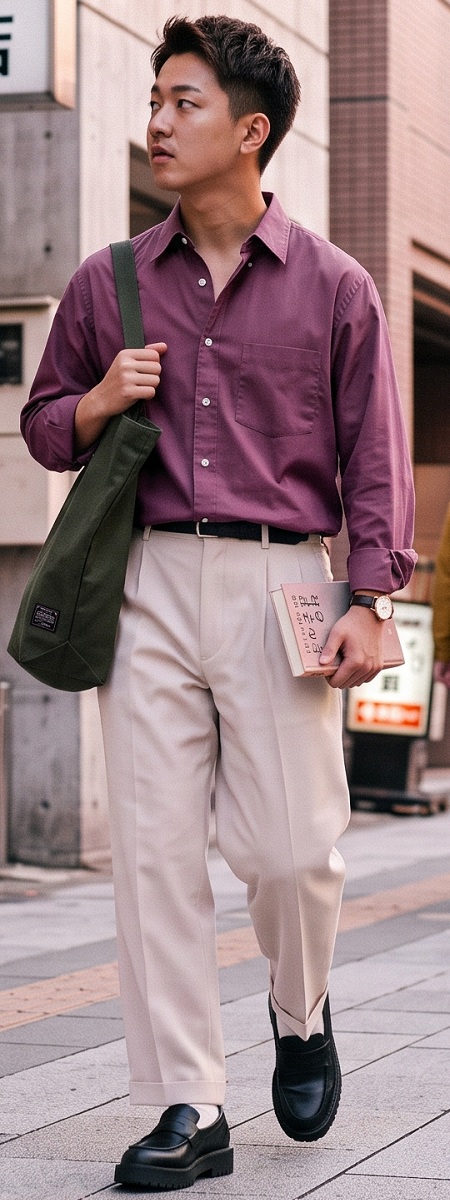 From $161
Effortless City Smart Casual Outfit Featuring a Rich Plum Button-Down Shirt, Pleated Cream Dress Pants, and Chunky Lug Sole Loafers
Oct 4, 2026
1. The Supreme Rule: Vary the Scale of the Patterns
The number one mistake men make when mixing patterns is pairing two patterns of identical size. For example, wearing a shirt with 1/4-inch gingham checks under a sports jacket with 1/4-inch houndstooth creates dizzying visual vibration that hurts the eyes.
- The Rule of Scale: When combining two similar patterns (e.g., two checks or two stripes), one must be large and bold, while the other must be tiny and subtle.
- Example: Pair a wide Bengal-stripe shirt (large scale) with a micro-pinstripe or fine repp-stripe tie (small scale). The eye immediately distinguishes the two layers because of their contrasting scales.
2. Combine Two Different Pattern Families
Mixing two completely different styles of patterns is actually much easier than mixing two of the same:
- Stripes + Checks: The classic gentleman's combination. Pair a fine graph-check dress shirt with a bold diagonal-striped repp tie, or a classic candy-stripe button-down under a windowpane wool blazer.
- Geometric Checks + Organic Florals/Paisley: A structured geometric pattern (like Prince of Wales glen plaid) pairs naturally with an organic, flowing motif (like a vintage paisley silk pocket square or floral foulard tie).
- Polka Dots + Stripes: Tiny micro-pin-dots on a dark silk tie look exceptionally sharp against an oxford cloth button-down with clean butcher stripes.
3. Ground the Look with Solid Anchors
Patterns need visual "quiet zones" to breathe. If every single item on your body is covered in a pattern, you look like a costume party performer.
- The 2-out-of-3 Rule: When assembling the core three components of an upper torso (Jacket, Shirt, Tie/Knit), at least one item must be a solid neutral.
- Option A: Solid Navy Blazer + Gingham Check Shirt + Striped Tie.
- Option B: Plaid Sports Coat + Solid White Dress Shirt + Polka-Dot Tie.
- Option C: Windowpane Suit + Striped Shirt + Solid Grenadine Tie.
- Solid Bottoms: Keep your trousers solid (e.g., solid charcoal flannel or plain dark denim) whenever your upper half features mixed patterns.
4. Harmonize the Underlying Color Temperatures
Patterns do not need to match colors identically, but they must share a cohesive color temperature:
- Warm Palette: Pair a rust-and-cream plaid overshirt with an olive-and-gold striped tee.
- Cool Palette: Combine a sky-blue Bengal-stripe dress shirt with a navy-and-silver geometric check pocket square.
- The Bridge Color: Ensure at least one subtle color in your patterned tie or jacket echoes the base color of your shirt.
Conclusion: Step Boldly into Pattern Harmony
Mastering patterns separates the style novice from the seasoned gentleman. By focusing on varied scales, mixing geometric checks with organic motifs, and anchoring with solid neutrals, you can wear patterns with supreme confidence and refined elegance. Explore our curated collections to find affordable patterned essentials to invigorate your wardrobe today.
Related searches
All curated searches
Fresh Finds

Keep reading
Oct 4, 2026
High-Waisted vs Mid-Rise Trousers: How Rise Shapes Proportion
Demystify trouser rise. Understand how high-waisted, mid-rise, and low-rise pants alter your torso-to-leg ratio and elevate your overall silhouette.
Oct 4, 2026
Tailoring 101: 5 Cheap Alterations That Transform Any Item
Make $30 budget clothes look like $300 custom garments. Discover five affordable tailor alterations: sleeve tapering, hem shortening, and waist.
Oct 4, 2026
How to Dress for Your Skin Undertone: Warm, Cool & Neutral
Discover your skin undertone and identify your most flattering clothing colors. Learn how color temperatures illuminate your face and prevent.