
October 18, 2026
How to Style a Men's Camel Overcoat for Timeless Luxury
The Pinnacle of Cold-Weather Elegance
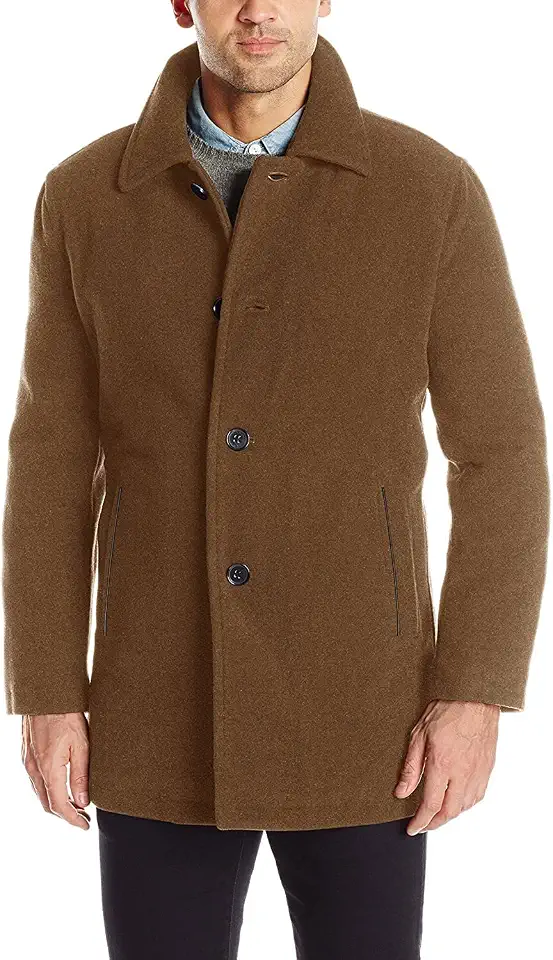
In the hierarchy of cold-weather outerwear, few garments command the immediate respect and visual presence of a men's camel overcoat. While black and charcoal coats function as utilitarian winter workhorses, a camel topcoat radiates warmth, intention, and an undeniable aura of quiet luxury. It is the definitive outerwear piece that transforms an ordinary knit and trousers into a commanding sartorial statement.
The beauty of camel outerwear lies in its unique tonal behavior. As a rich, golden tan hue, camel is light enough to stand out against grey winter sidewalks yet neutral enough to pair seamlessly with charcoal, forest green, deep navy, and crisp cream. Whether cut as a sleek single-breasted topcoat, a roomy balmacaan, or a double-breasted polo coat, this timeless layer bridges formal tailoring and relaxed high-low streetwear with unmatched grace.
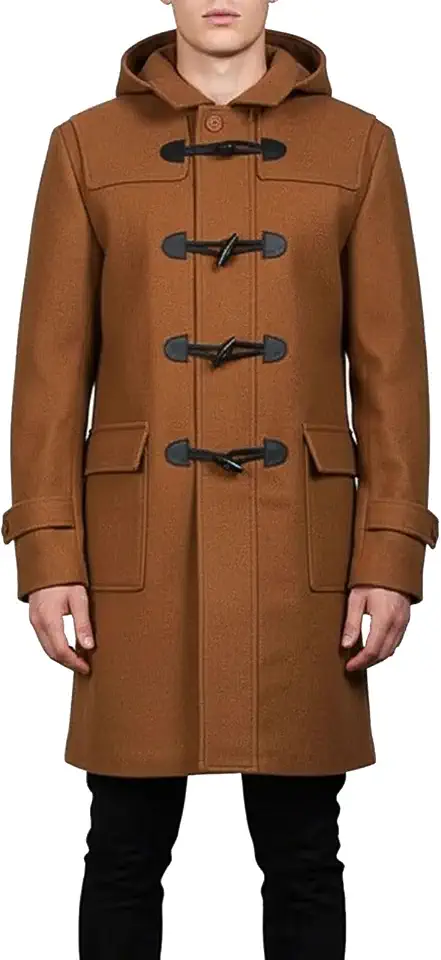
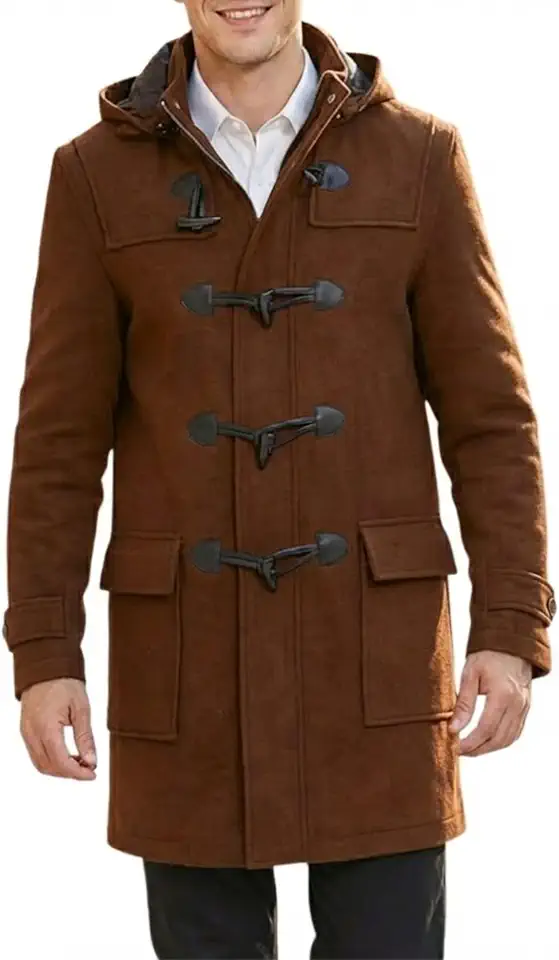
Outfits from this article
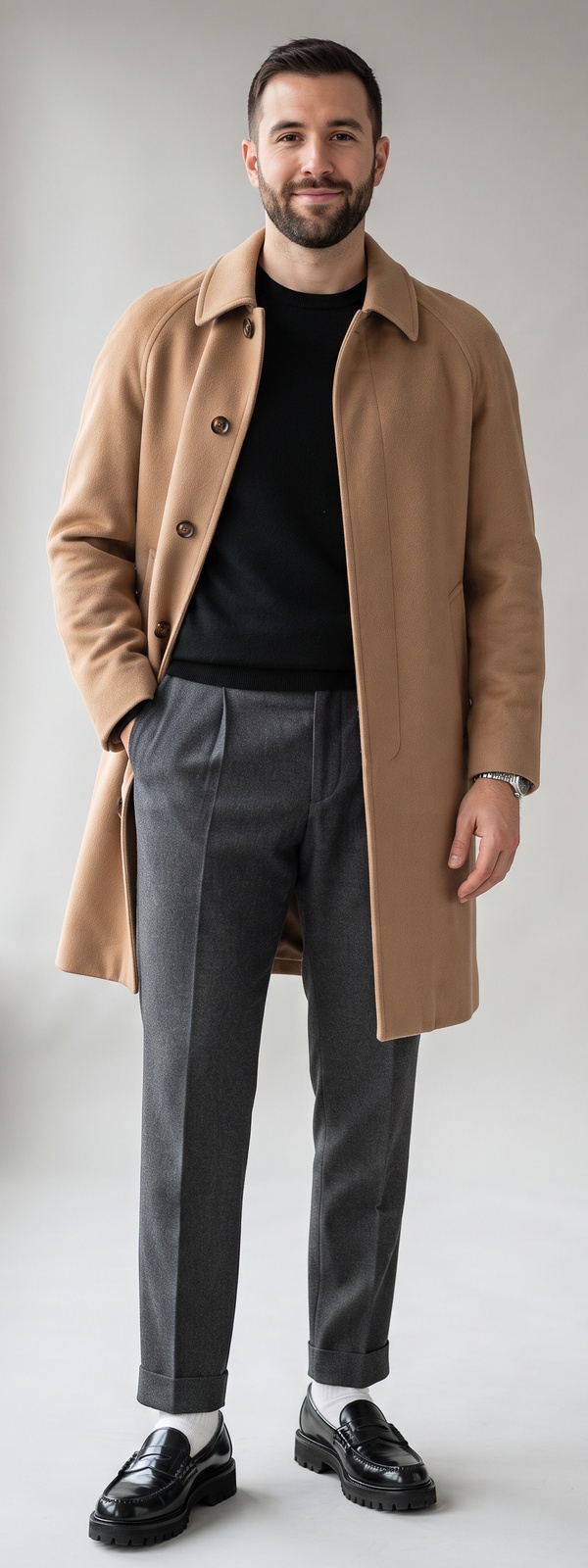 From $164
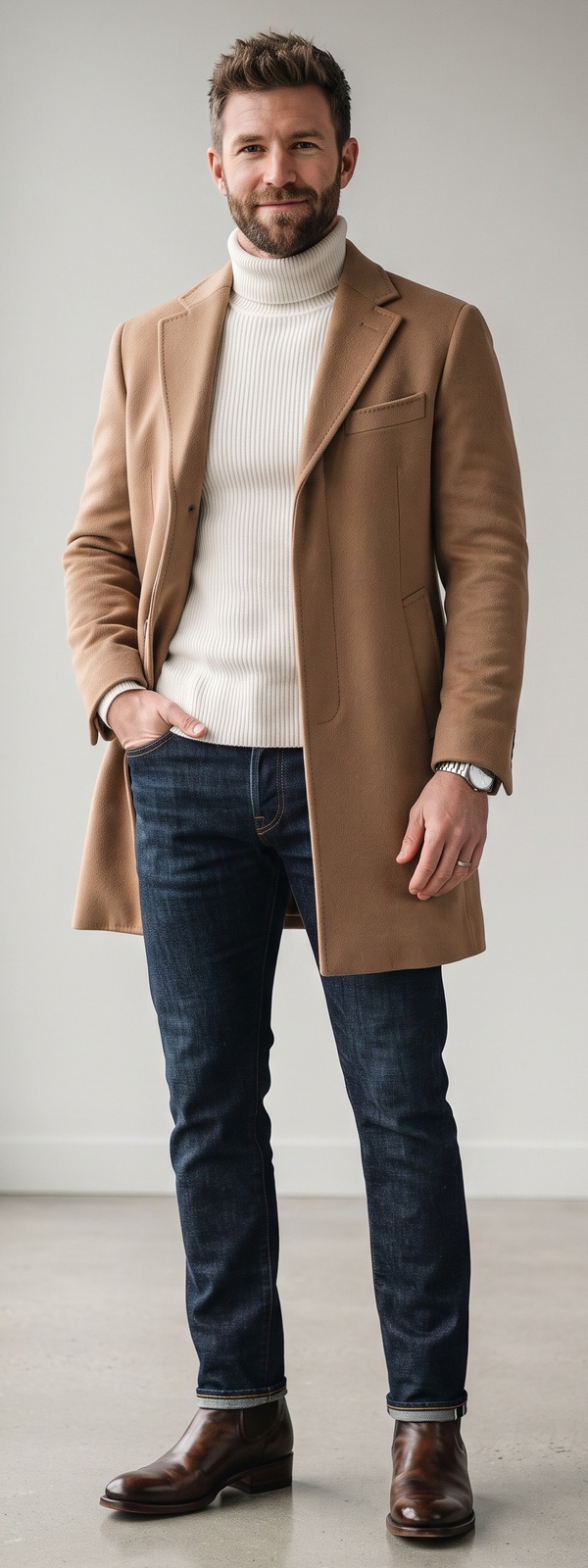 From $177
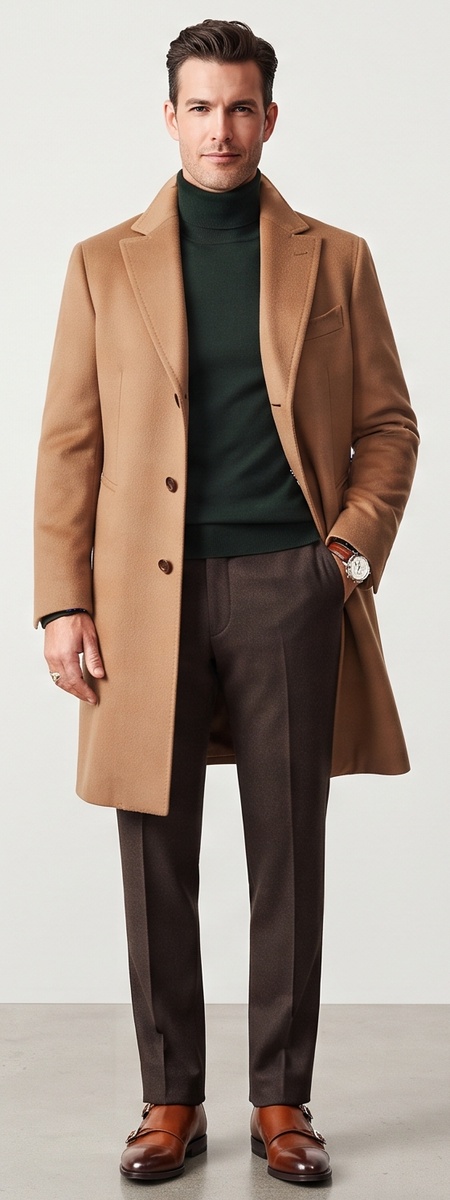 From $214
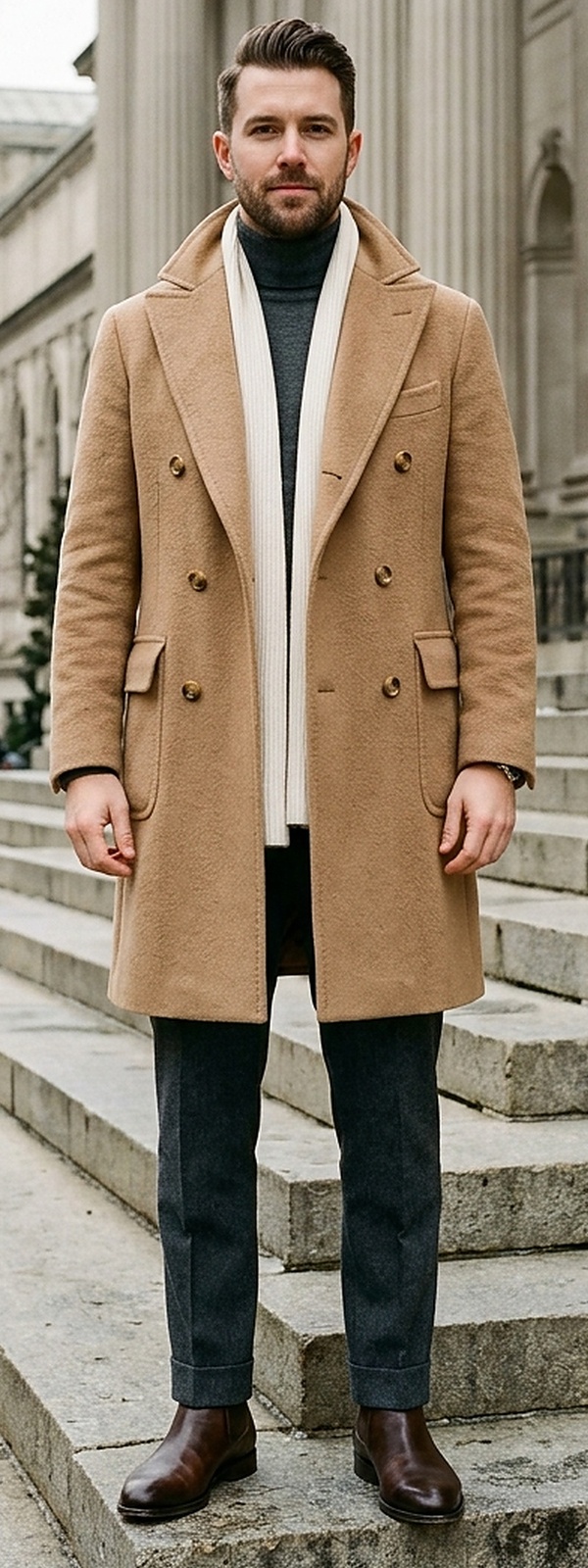 From $177
 From $149
 From $82
Selecting the Right Silhouette and Fabric Weight
Before curating outfits, it is essential to understand the structural varieties of camel overcoats:
1. The Classic Single-Breasted Topcoat
Cut with structured notch lapels, a three-button front stance, and set-in shoulders, the single-breasted topcoat is the most versatile option for everyday wear. It skims the torso cleanly, providing enough room to layer over a suit jacket or chunky knitwear while preserving an athletic, vertical drape.
2. The Raglan-Sleeve Balmacaan
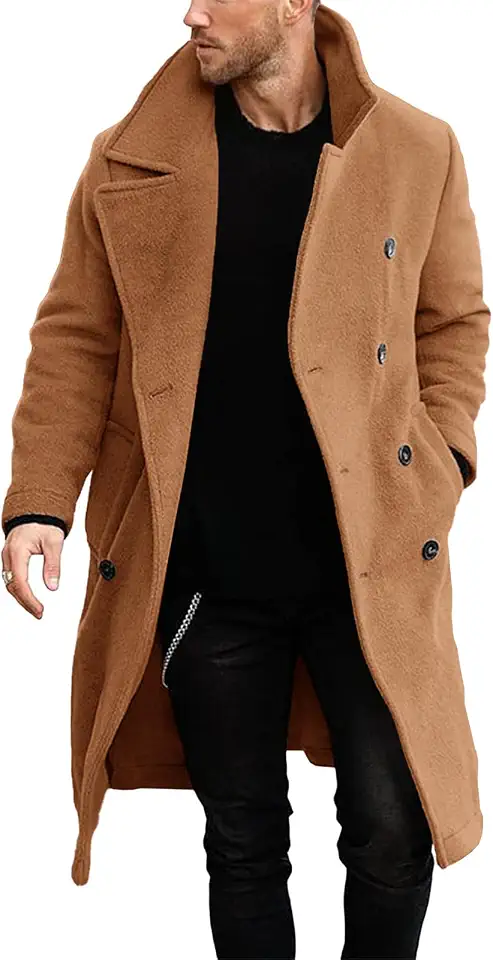
Characterized by sloped raglan sleeves, a Prussian collar, and a concealed button placket, the balmacaan leans into relaxed heritage dressing. The seamless shoulder construction drapes effortlessly over heavyweight crewneck sweaters or casual hoodies, eliminating any stiffness around the chest.
3. The Double-Breasted Polo Coat
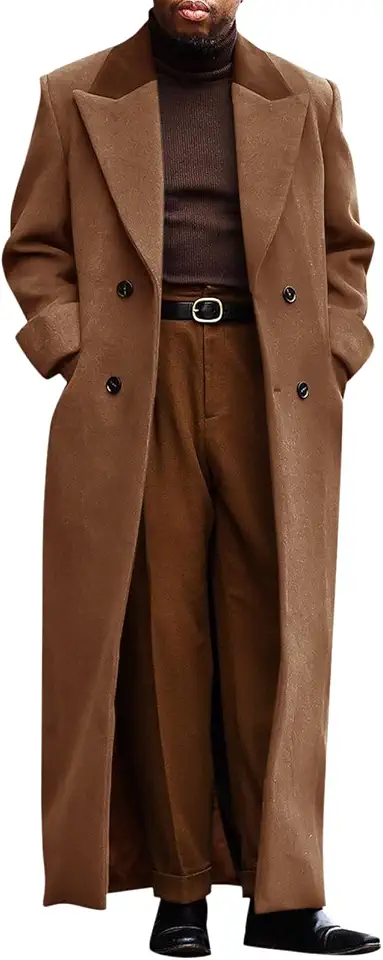
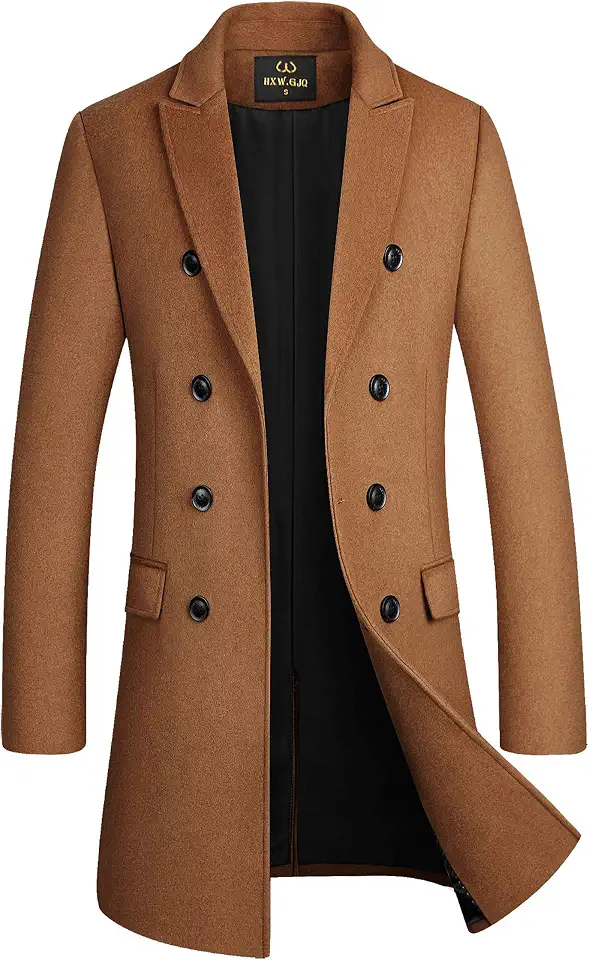
Featuring peak lapels, a six-button configuration, and often a belted back, the double-breasted camel polo coat represents the pinnacle of old-money tailoring. It delivers maximum wind resistance and an authoritative architectural silhouette that excels at formal events and winter business dinners.
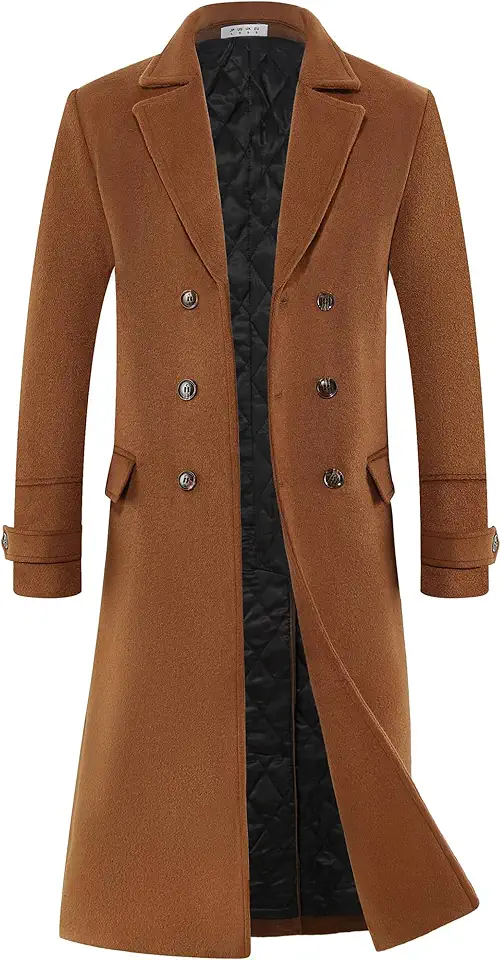
Flawless Color Combinations for Camel Outerwear
Because camel is a warm earth tone, it thrives when contrasted against cool dark neutrals or paired tonally with cream:
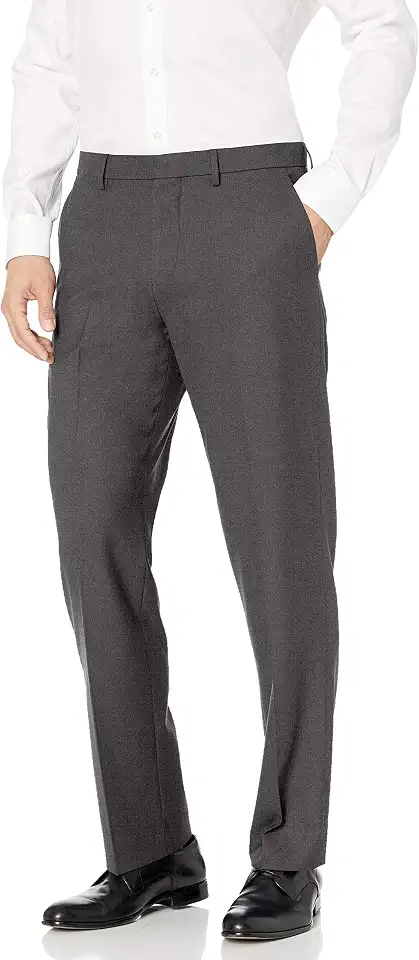
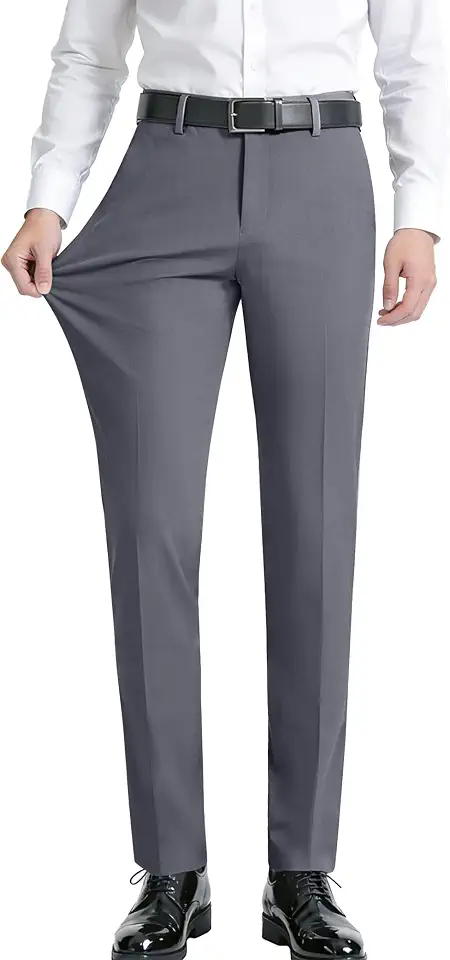
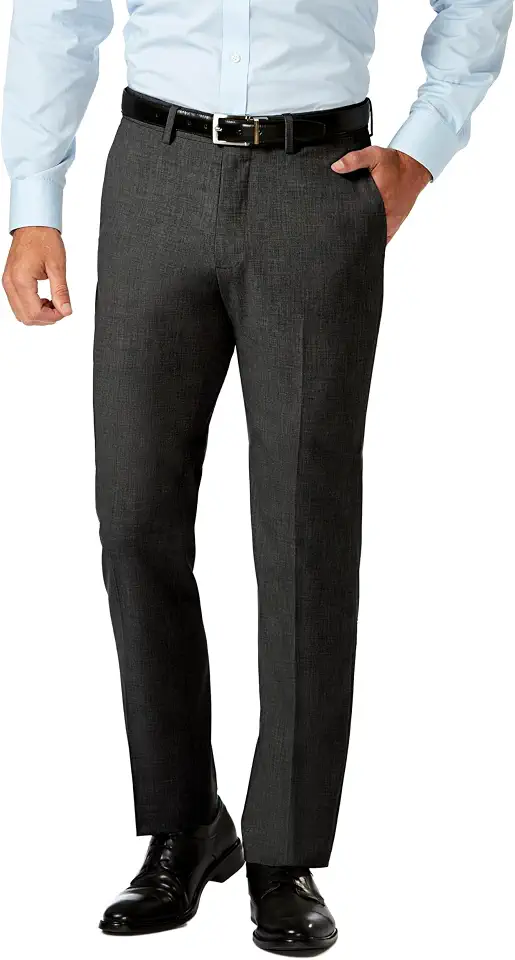
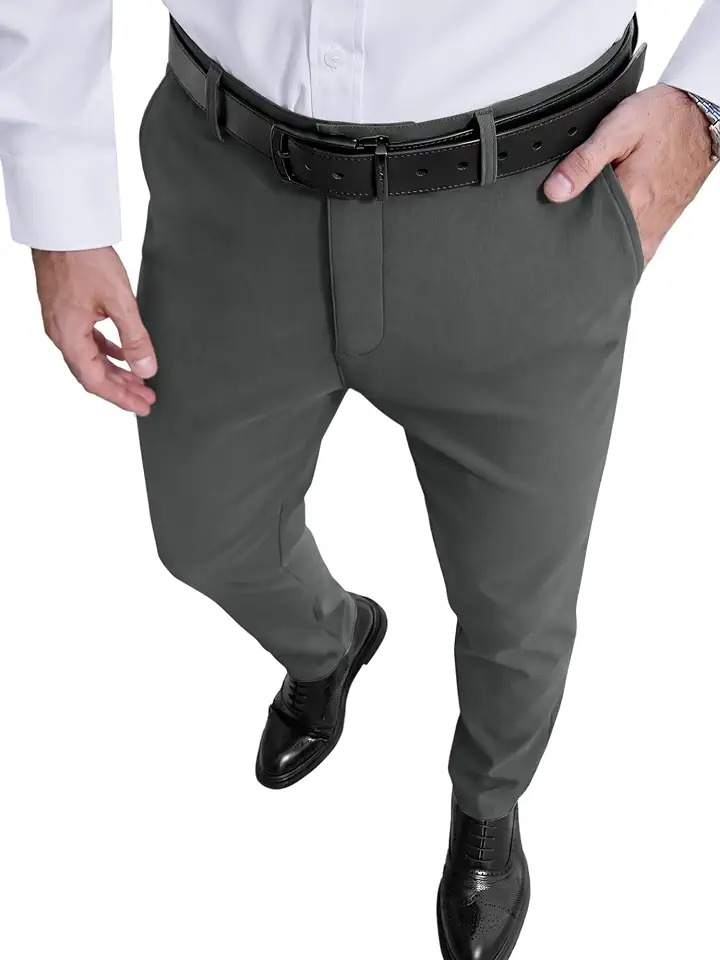
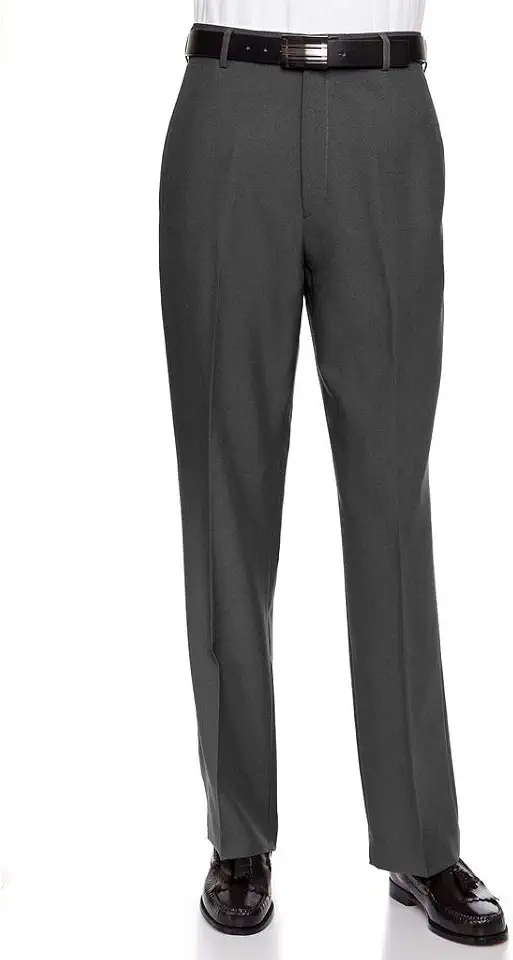
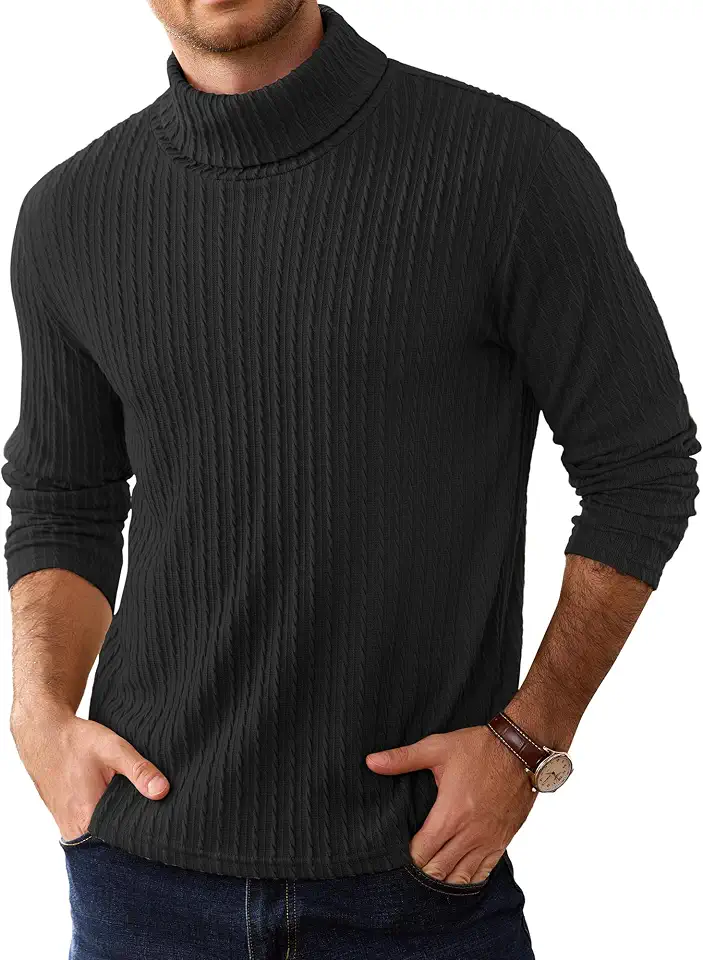
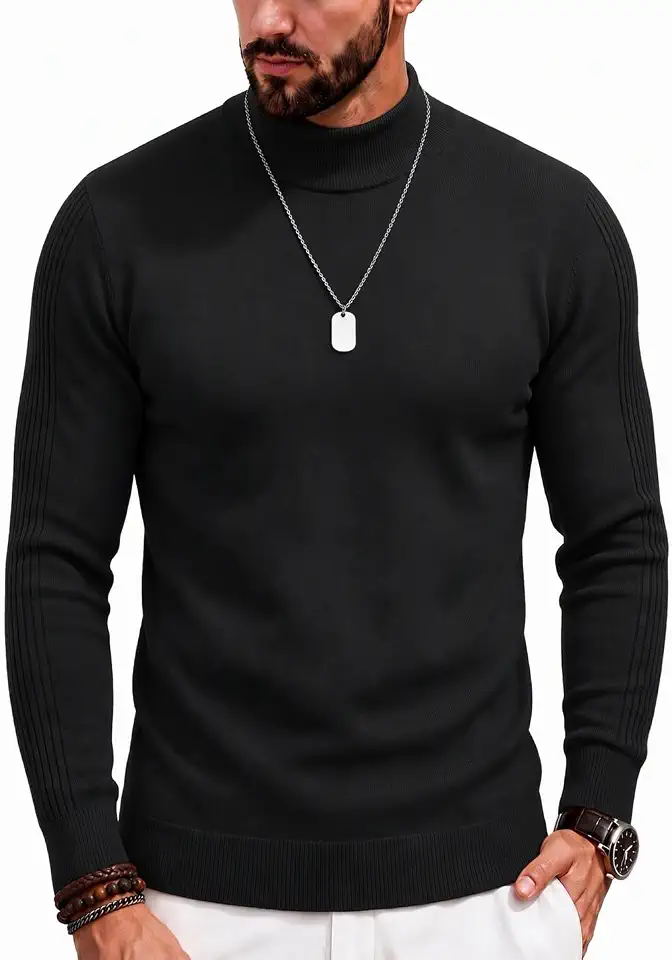
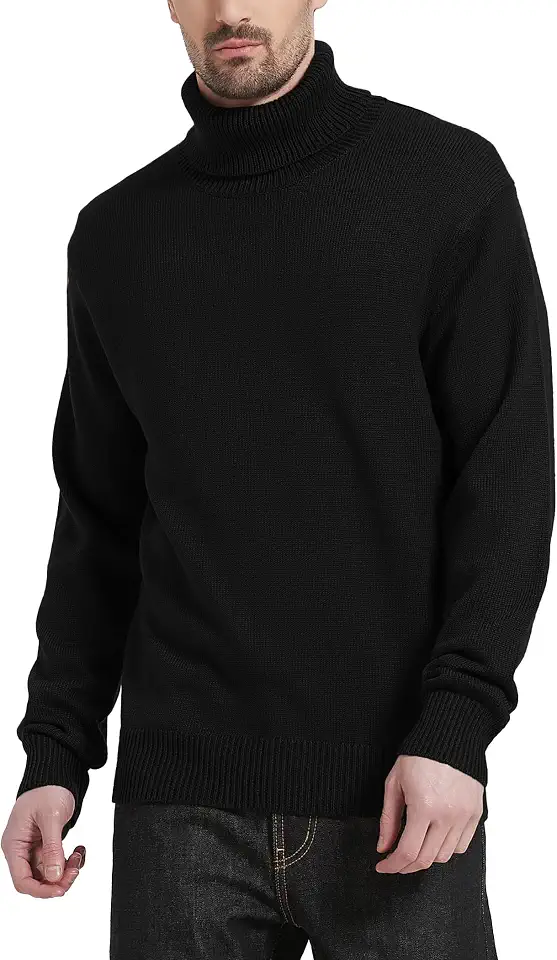
- Camel and Monochrome Black: Layering a camel coat over an all-black foundation—such as a fine-gauge black turtleneck and charcoal wool dress pants—creates a striking European aesthetic. The golden camel exterior pops vividly against the dark canvas beneath.
- Camel and Navy Blue: A quintessential tailored harmony. Camel and dark navy balance each other's temperature, producing a balanced smart-casual look when paired with navy chino pants or an unstructured navy blazer.
- Camel and Forest Green: Combining rich emerald or forest green knitwear with camel outerwear evokes classic countryside heritage, especially when grounded by leather monk straps or dress boots.
- Tonal Warmth (Cream, Oatmeal, and Cognac): Layering a cream cable-knit or oatmeal crewneck sweater under a camel overcoat produces a soft, refined winter palette that feels approachable and sophisticated.
4 Proven Ways to Style a Men's Camel Overcoat
1. Executive Boardroom Polish (Over a Suit or Dress Trousers)
For corporate environments or formal winter evenings, throw your camel overcoat over charcoal wool dress pants, a crisp white dress shirt, and a dark silk knit tie. Complete the ensemble with dark brown leather dress boots or oxfords. The warm tan exterior breaks up corporate monotony while retaining executive authority.
2. Sophisticated Winter Smart-Casual (With a Green or Cream Turtleneck)
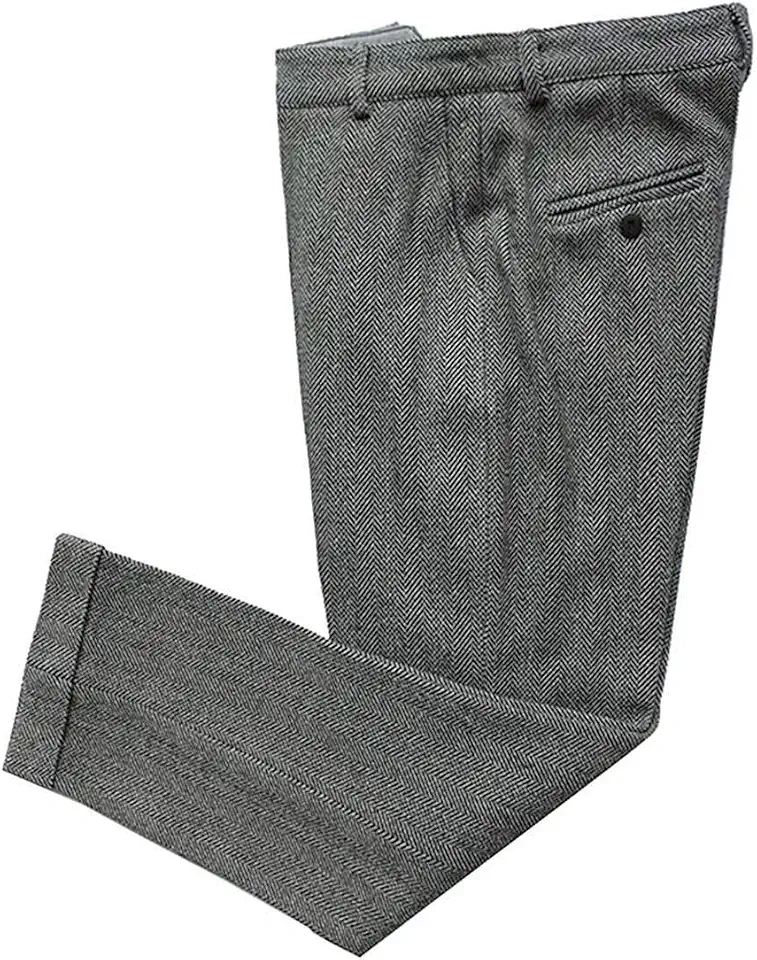
When heading to an upscale dinner or weekend gallery visit, layer a tailored camel overcoat over a rich forest green or cream ribbed turtleneck sweater. Pair with charcoal flannel trousers or dark indigo denim, finishing with brown leather double monk straps. The high collar frames the face while the overcoat creates clean, sweeping lines down to the knee.
3. Modern High-Low Weekend Casual (With a Hoodie and Clean Sneakers)
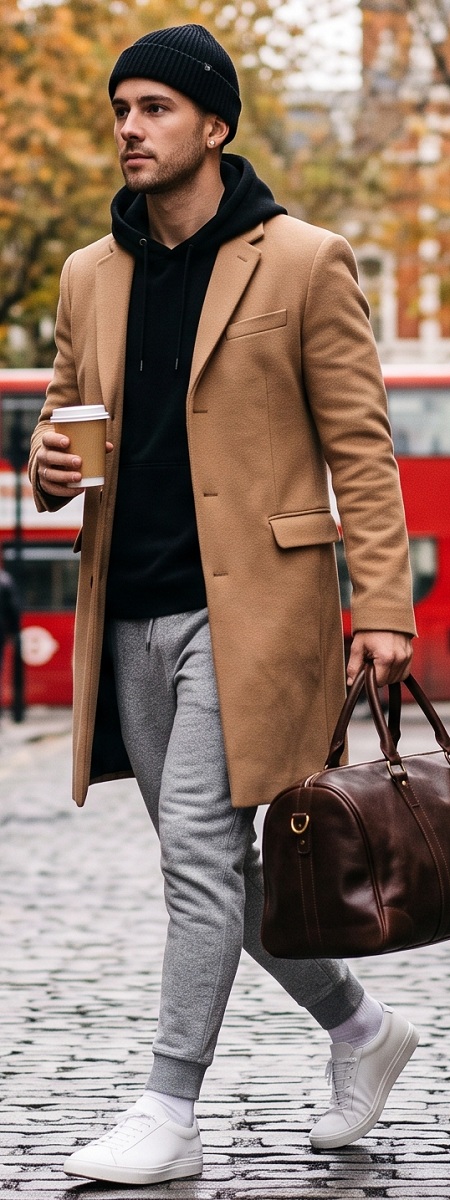
One of the most defining contemporary menswear moves is pairing formal outerwear with relaxed athletic staples. Layer your camel coat over a premium heavyweight black or heather grey pullover hoodie, relaxed-taper sweatpants or dark jeans, and minimalist white leather sneakers. The structured wool balances the casual cotton jersey, delivering an intentional airport-to-city weekend look.
4. Coastal Autumn Transition (With Navy Chinos and Suede Footwear)
During transitional autumn and spring weather, wear your camel coat unbuttoned over a light charcoal crewneck knit and tailored navy chino pants. Finish with dark brown suede Chelsea boots or penny loafers. The unbuttoned coat adds dynamic movement as you walk, framing the sharp color contrast between the knit and chinos.
Camel Overcoat Styling & Pairing Matrix
| Style Direction | Overcoat Cut | Base Layer | Bottoms | Footwear |
|---|---|---|---|---|
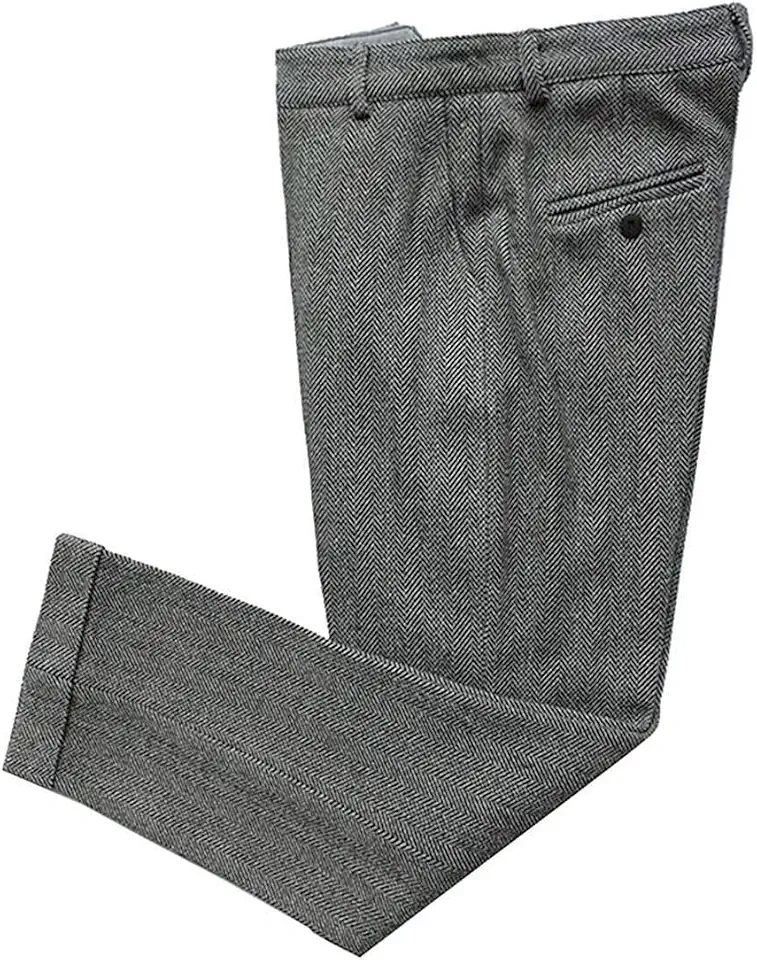
| Old-Money Sartorial | Double-Breasted Polo Coat | Cream Cashmere Turtleneck | Charcoal Wool Flannel Pants | Dark Brown Leather Monk Straps |
| Executive Formal | Single-Breasted Topcoat | White Shirt + Silk Knit Tie | Dark Charcoal Dress Pants | Black Leather Derby Shoes |
| City Smart-Casual | Classic Tailored Topcoat | Forest Green Merino Knit | Tailored Navy Chino Pants | Brown Leather Chelsea Boots |
| High-Low Streetwear | Raglan-Sleeve Balmacaan | Black Heavyweight Hoodie | Grey-Wash Straight Jeans | Clean White Leather Sneakers |
The Golden Rules of Wearing a Camel Overcoat
- Ensure the Hem Reaches Mid-Thigh or Below the Knee: A proper overcoat should hit anywhere from just above the knee to two inches below it. Avoid ultra-short car coats that stop at the hip, as they lack the sweeping elegance of a full-length coat.
- Snip the Sleeve Label and Rear Vent Stitch: Always remove the small brand fabric tag sewn near the sleeve cuff and cut the temporary X-basting thread holding the rear walk vent closed before wearing the coat outdoors.
- Leave Room in the Shoulders for Layering: When purchasing a winter coat, test it while wearing your thickest sweater or blazer. The shoulder seams must sit flat without pinching or restricting arm movement.
- Brush and Steam Rather Than Dry Cleaning Constantly: High-quality wool thrives with regular brushing using a natural bristle garment brush. Dry clean only once per season to protect the natural oils in the wool fibers.
Common Mistakes to Avoid
- Pairing with Muddy Khaki Pants of the Exact Same Shade: Avoid wearing tan pants that match the coat's color too closely. Without contrast, the outfit becomes a wash of beige. Always anchor camel with darker navy, charcoal, or dark blue denim.
- Over-Stuffing Front Flap Pockets: Carrying bulky wallets, water bottles, or oversized smartphones in your exterior overcoat pockets stretches the wool and causes the coat to sag unevenly. Use interior chest pockets instead.
- Neglecting Scarf Coordination: Avoid wearing a bright yellow-tan scarf with a camel coat. Opt for contrasting accessories in solid charcoal, deep burgundy, or classic Black Watch tartan.
The Ultimate Outerwear Investment
A tailored camel overcoat is an enduring style anchor that pays dividends every cold season. It elevates basic denim, dignifies sportswear, and completes fine tailoring with effortless prestige. Explore the curated catalog outfits linked on this page to see how a camel overcoat styles across seasonal occasions.
All curated searches
Related Reading
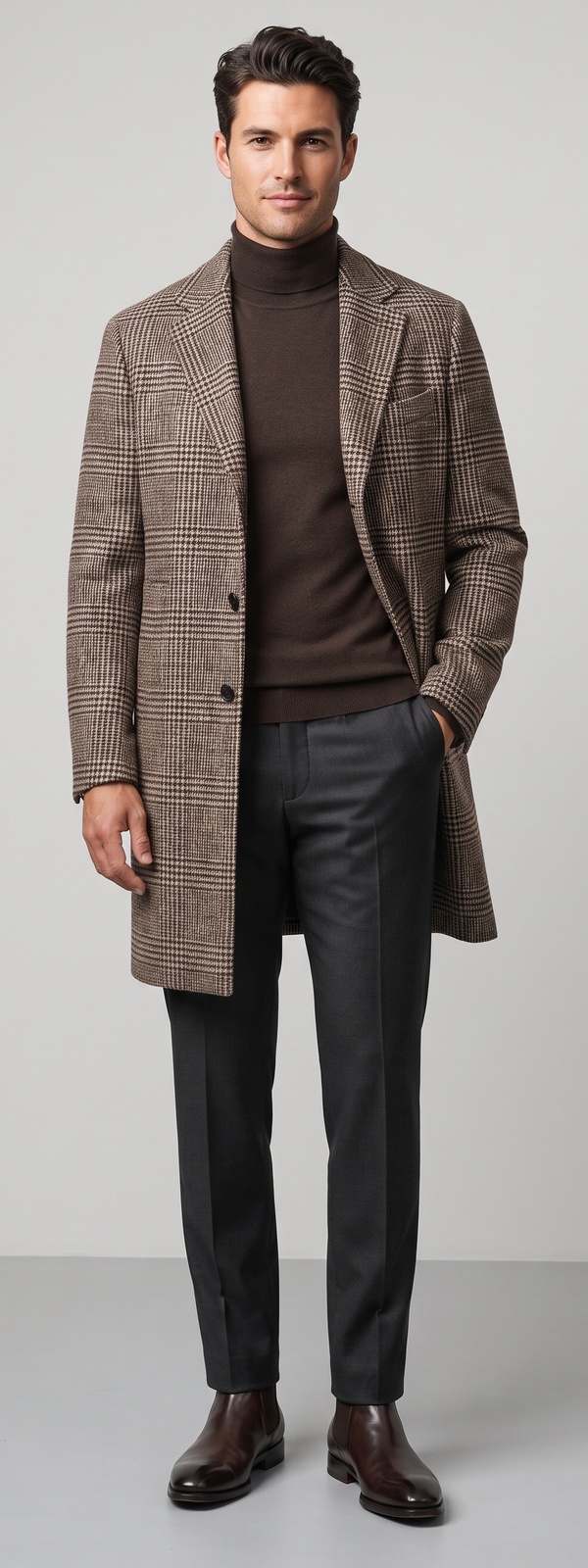
How to Style a Men's Patterned Overcoat for Winter Polish
Discover how to style a men's patterned overcoat in houndstooth, glen plaid, or herringbone with monochrome knits, denim, and tailored wool pants.
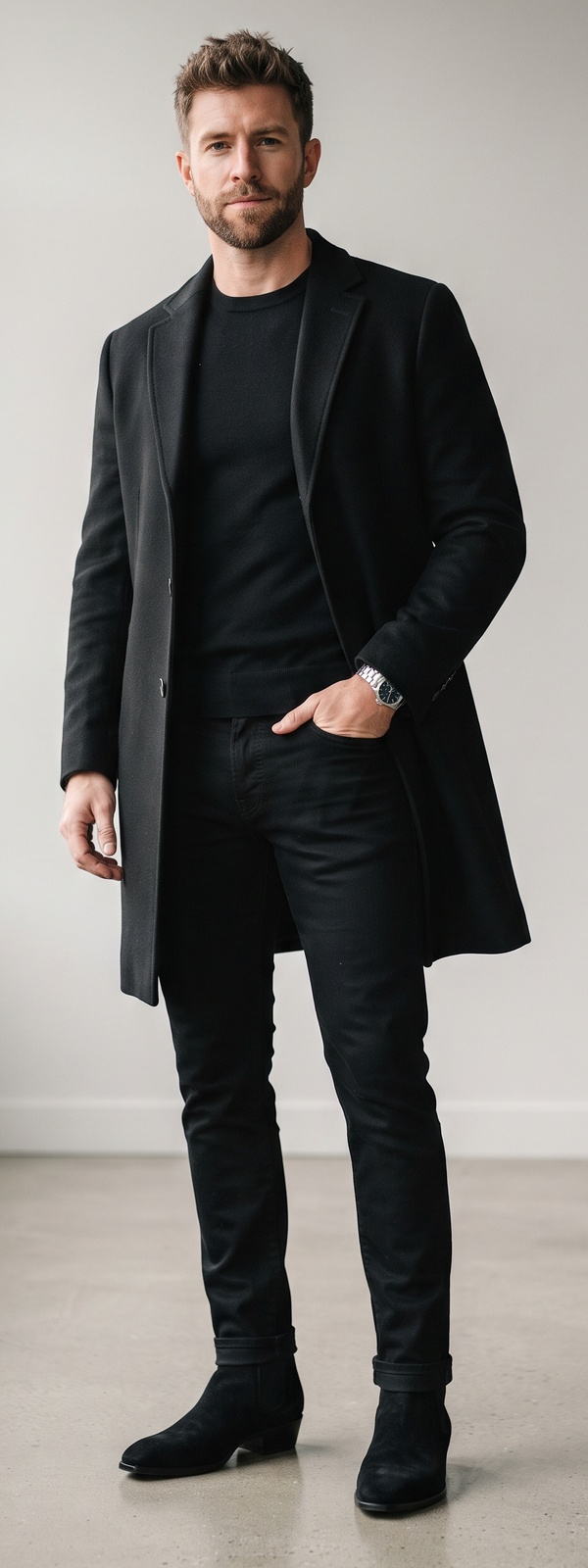
Quiet Luxury 2.0: Architectural Coats & Sculptural Drape
We assembled this finale lookbook to define Quiet Luxury 2.0, where understated minimalism evolves into architectural volume and fabric weight. We pair men's raglan sleeve camel Balmacaan overcoats, men's sweeping black wool topcoats, and men's herringbone tweed overcoats with men's oatmeal cashmere turtleneck sweaters and men's pleated charcoal flannel dress pants. By prioritizing dramatic coat lengths and fluid trouser drape over visible logos, our silhouettes project museum-grade sophistication.

How to Style a Men's Double-Breasted Overcoat for Sartorial Power
Command attention in cold weather with a structured double-breasted overcoat, bridging high-end tailored suiting with relaxed modern layers.
The Polo Coat: Double-Breasted Camel Wool Tailoring
We regard the double-breasted camel polo coat as the pinnacle of classic gentleman's outerwear. The warm honey hue creates a striking focal point against winter's grey backdrops, while the broad overlapping chest buttons flatter the wearer's proportions effortlessly. We love pairing a camel topcoat with charcoal cashmere knitwear, crisp off-white flannels, and burnished leather monk straps. Discovering affordable camel wool blends on Amazon allows any stylish man to channel old-world boardroom prestige without bespoke expense.
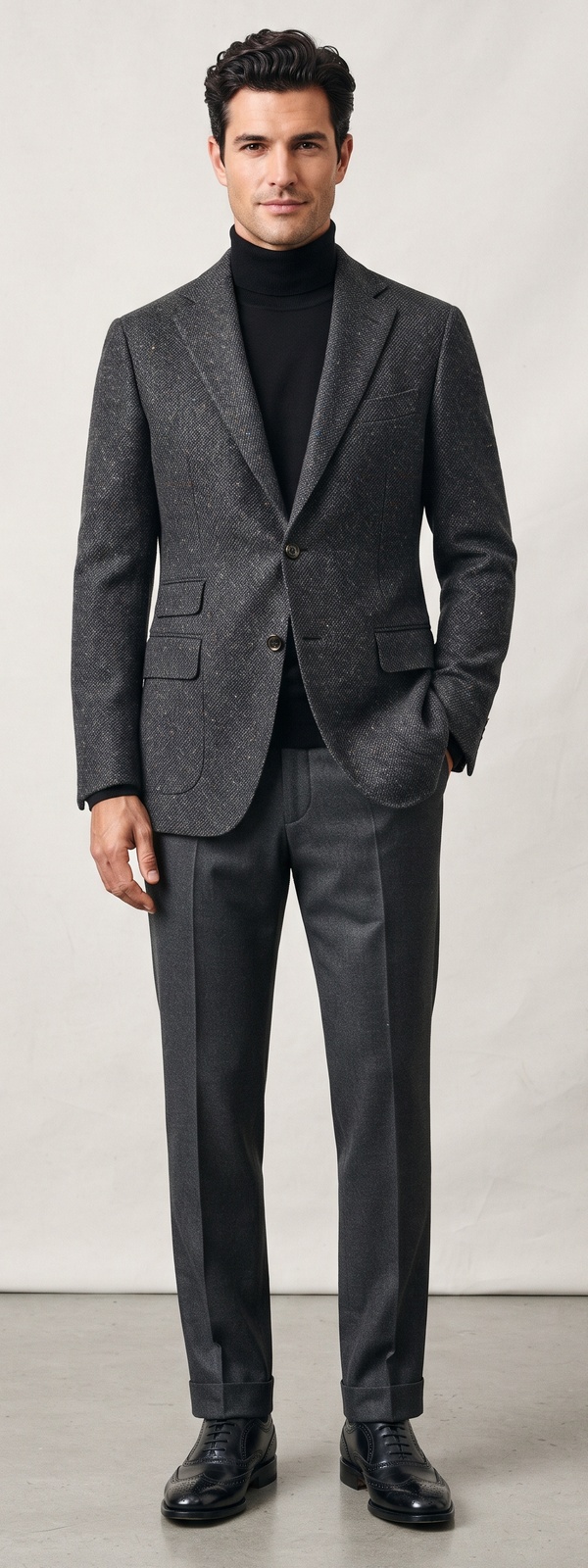
What to Wear to a Chamber Music Recital — Men's Complete Guide
An intimate chamber music recital held in a historic salon, conservatory hall, or private gallery presents a unique sartorial setting. Without the grand theatrical formality of a symphony orchestra hall, chamber music calls for nuanced, quiet sophistication where subtle tailoring shines. Guests sit mere feet from world-class string quartets and pianists, creating an atmosphere that rewards thoughtful sartorial restraint. The dress code leans into understated quiet luxury and intellectual smart formal style: tailored wool or tweed blazers, fine-gauge merino rollnecks or crisp dress shirts, pleated wool dress pants, and polished leather monk straps. Your ensemble should demonstrate deep respect for acoustic artistry while feeling comfortable during long sitting periods in close quarters. From rich acoustic textures like herringbone and flannel to silent squeak-free leather soles, here is your master guide to dressing for chamber music with cultured distinction.
What to Wear to a Supper Club Dinner — Men's Complete Guide
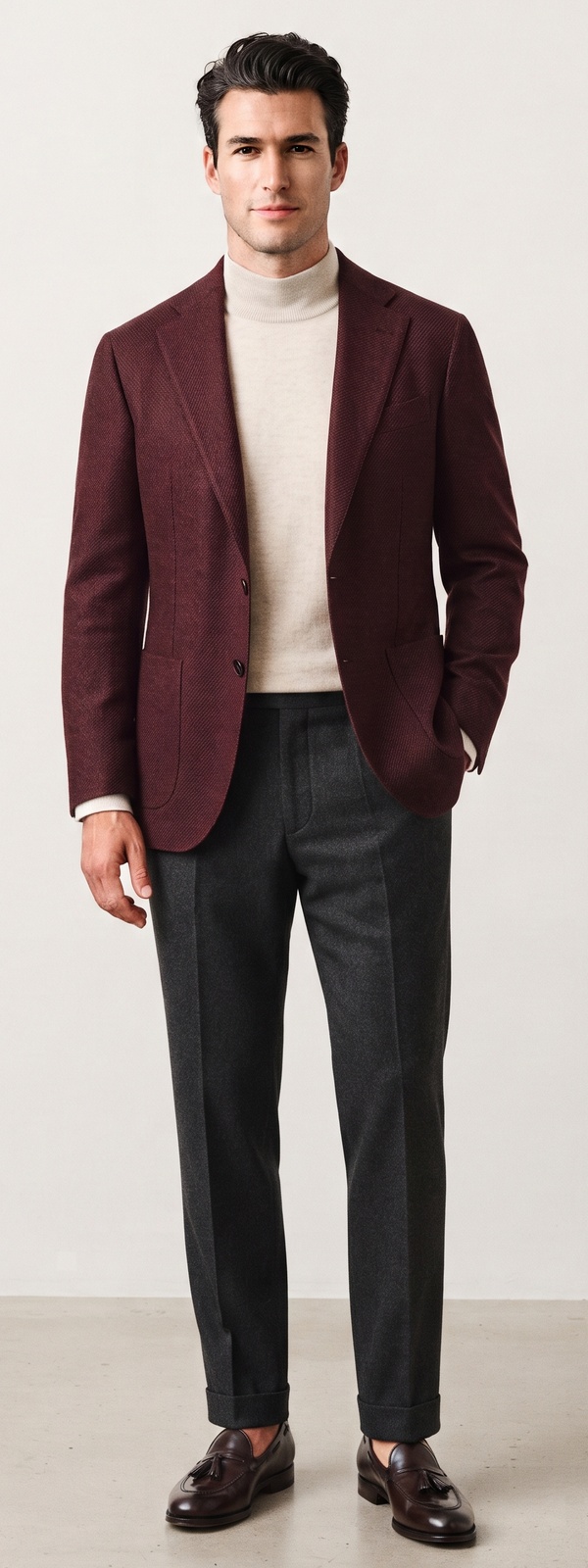
Securing a seat at an underground supper club or secret chef-led dining collective places you at a candlelit communal table inside an industrial artist loft, gallery space, or private residence. Sharing five-course seasonal tasting menus and natural wine magnums with creatives and food insiders requires expressive, culturally dialed-in evening style. The gold standard dress code is 'elevated nonchalance' and tactile soft tailoring: unstructured wool blazers in rich cognac, terracotta, or burgundy layered over fine-gauge merino mock-neck or turtleneck sweaters, paired with pleated charcoal dress pants and sleek leather loafers. You want to project creative confidence without the stuffiness of a corporate suit and tie. From warm statement textures that spark conversation to comfortable communal seating proportions, here is your definitive guide to supper club style.
Other Reading
What to Wear to a Cedar Shake Splitting Class — Men's Complete Guide
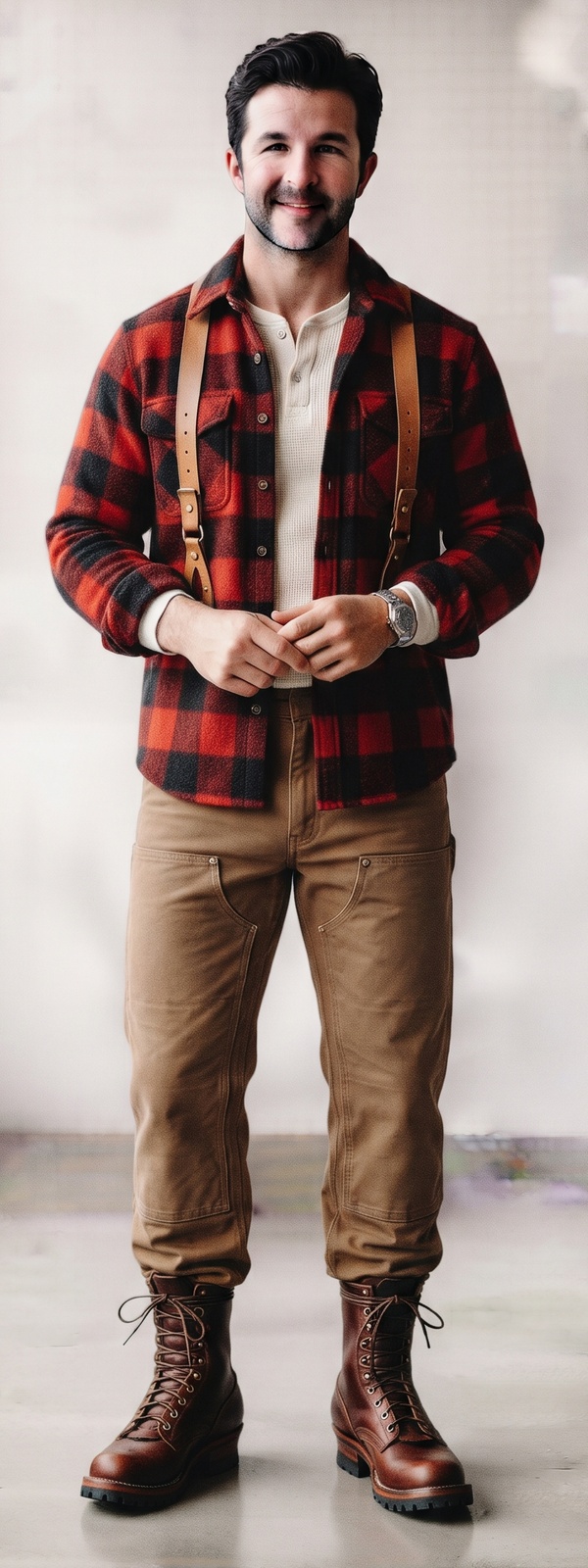
Standing in a mountain timber yard for a traditional cedar shake splitting and froe riving workshop places you among aromatic Western red cedar bolts, froe clubs, and wooden riving brakes. Woodsmen position heavy steel froes across straight cedar grain lines, strike blades with hickory mauls, and lever handles to cleave weather-tight roofing shakes. The necessary outfit is heavy logging heritage and rugged lumberjack jobsite protection: heavyweight brushed cotton flannel shirts, durable double-knee duck canvas carpenter pants, steel-toe leather work boots, and heavy work gloves. Because riving wood involves swinging heavy clubs, sharp blades, and splintering timber, heavy armor is vital. From splitting straight quarter-sawn roofing shakes with hand froes to dressing tapers on traditional shaving horses with drawknives, here is your definitive cedar shake splitting guide.
Turtlenecks Under Blazers: European Intellectual Tailoring
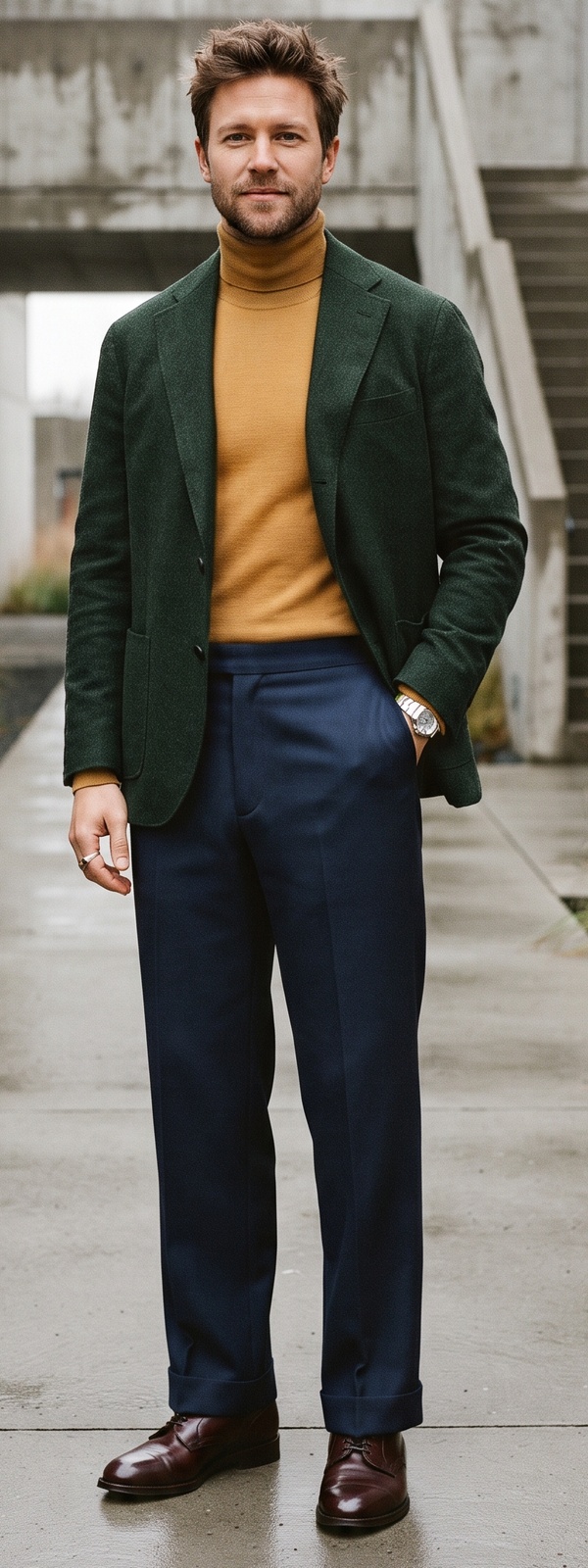
We curated this refined tailoring lookbook around the intellectual elegance of wearing turtlenecks under blazers. A fitted roll-neck sweater frames your jawline cleanly, stripping away formal neckties while elevating tailored wool jackets with modern Parisian poise. We love pairing black or charcoal merino turtlenecks with patterned houndstooth or tweed blazers. Browse sleek, budget-friendly fine-knit turtlenecks on Amazon for effortless day-to-night sartorial authority.

Winter Coat Hierarchy: Parka vs Overcoat vs Puffer Jacket
Understand the winter coat hierarchy: tailored wool overcoats, down puffers, and rugged parkas. Find the right warmth level for every winter occasion.