
October 15, 2026
How to Style a Men's Heavyweight Pocket Tee: Streetwear & Workwear Guide
The Foundation of Intentional Simplicity: The Heavyweight Pocket Tee
In the realm of casual menswear, the plain t-shirt is often treated as an afterthought—an inexpensive undershirt bought in bulk packs and hidden beneath outer layers. But in contemporary menswear, Japanese workwear, and modern streetwear, the humble t-shirt has been radically re-engineered. At the center of this minimalist revolution is the men's heavyweight pocket tee.
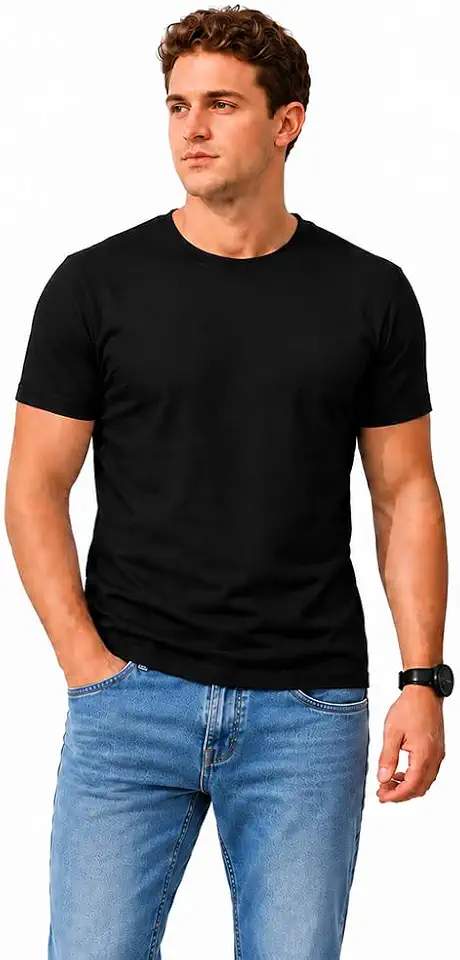
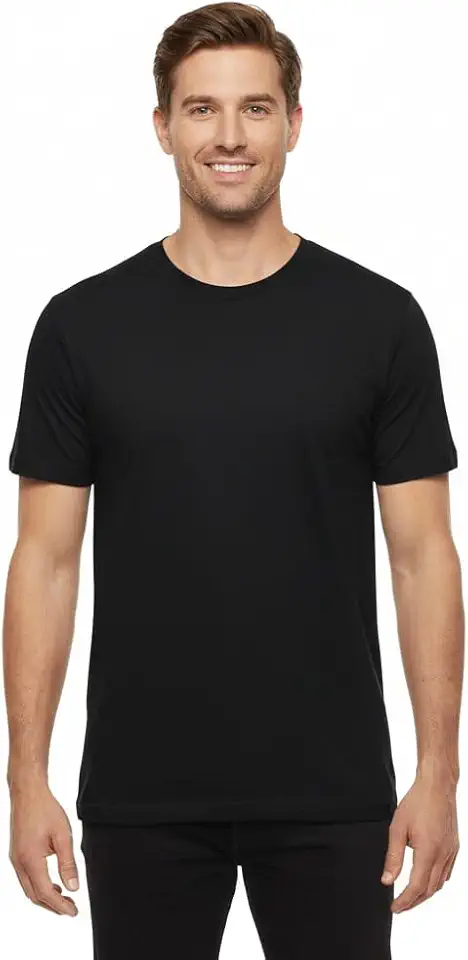
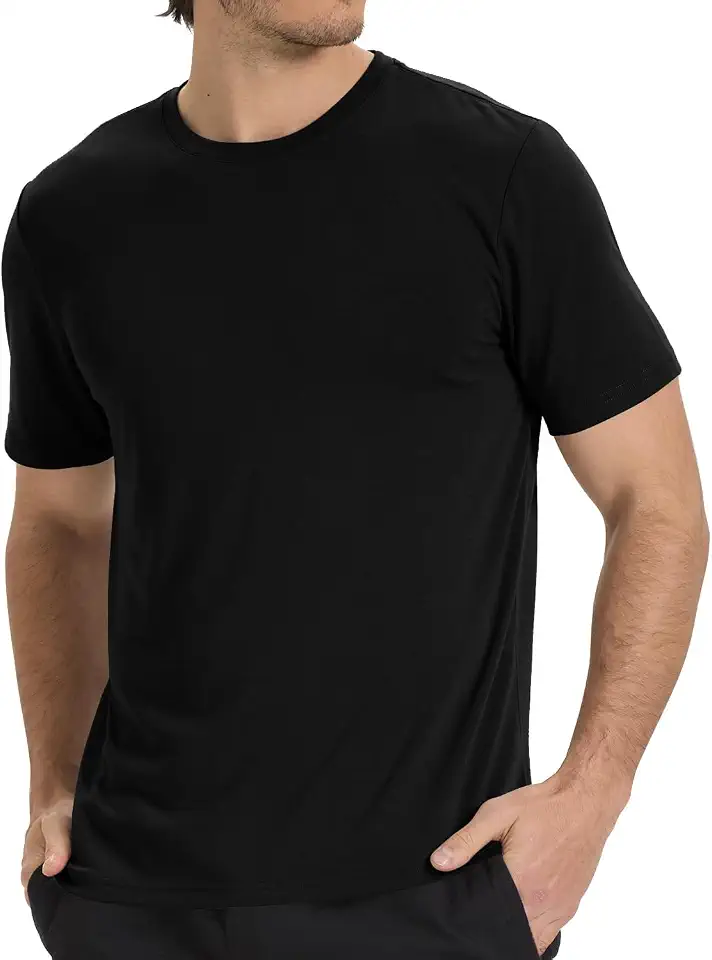
Weighing in between 250 and 320 GSM (grams per square meter)—nearly double the density of standard lightweight undershirts—a true heavyweight pocket tee is not an undergarment; it is a structural standalone garment. Crafted with dense ringspun cotton, reinforced ribbed collars, dropped shoulders, and a clean chest pocket, it drapes cleanly over the torso without clinging to midsection contours. It projects purposeful intentionality, transforming the simplest warm-weather outfit into a study of clean, boxy proportions.
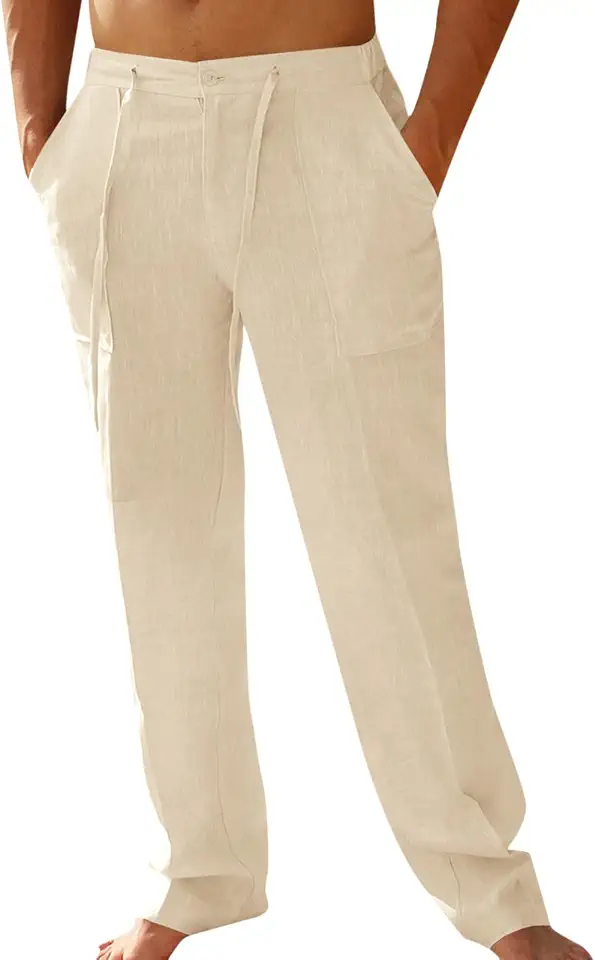
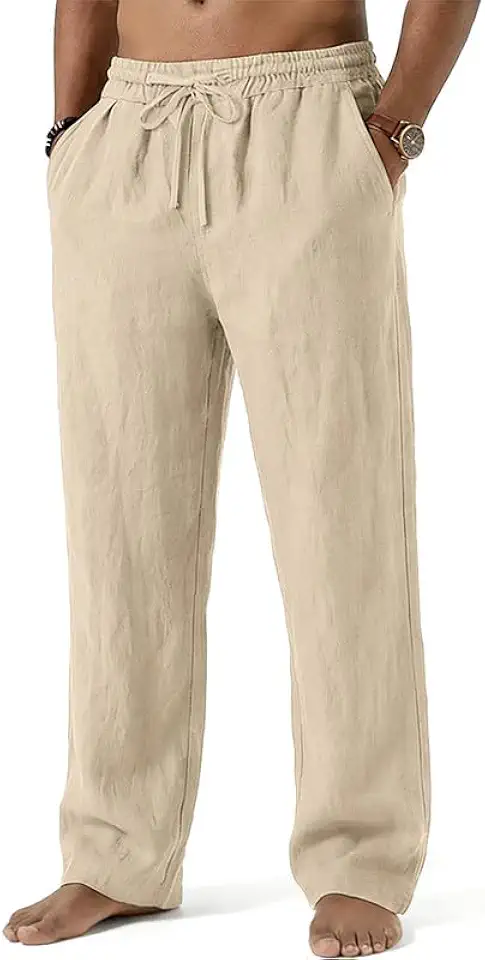
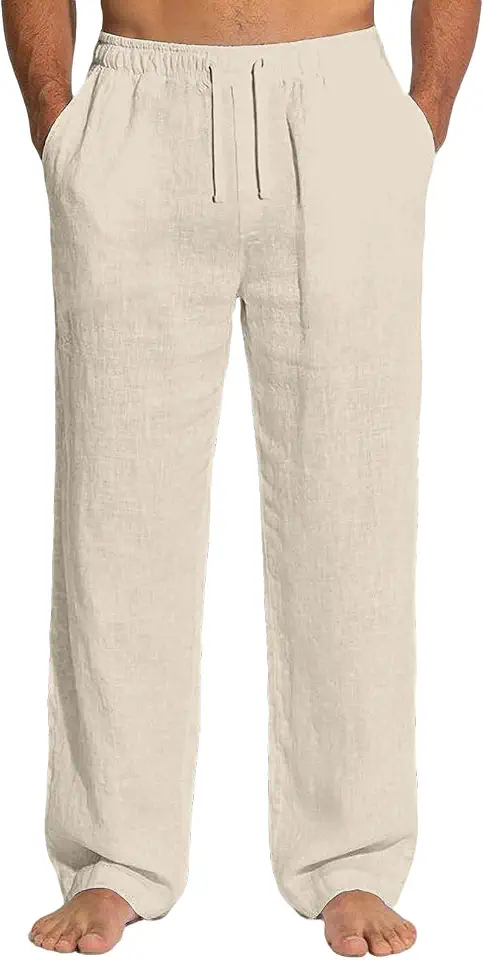
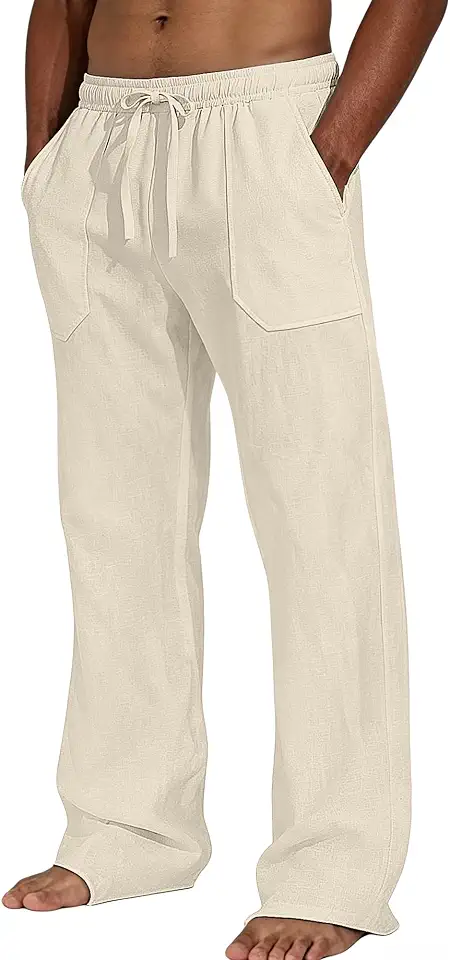
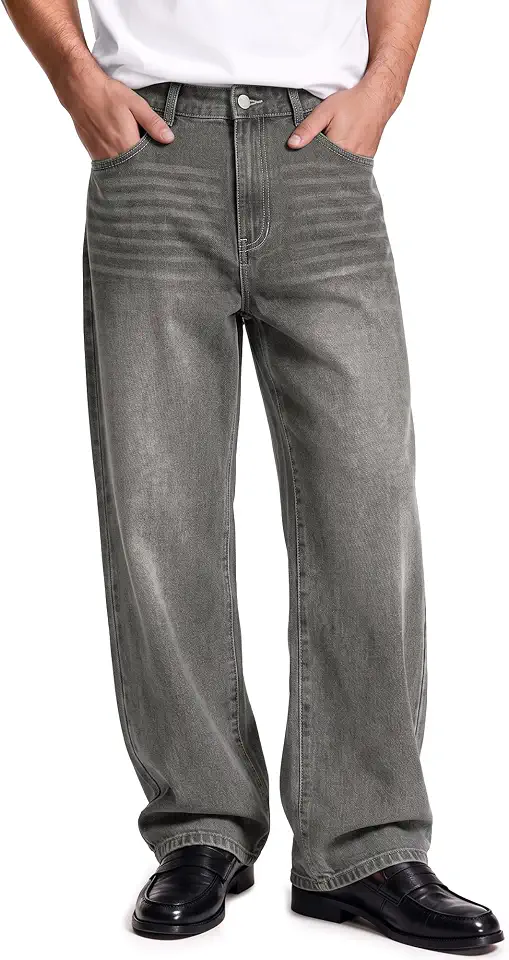
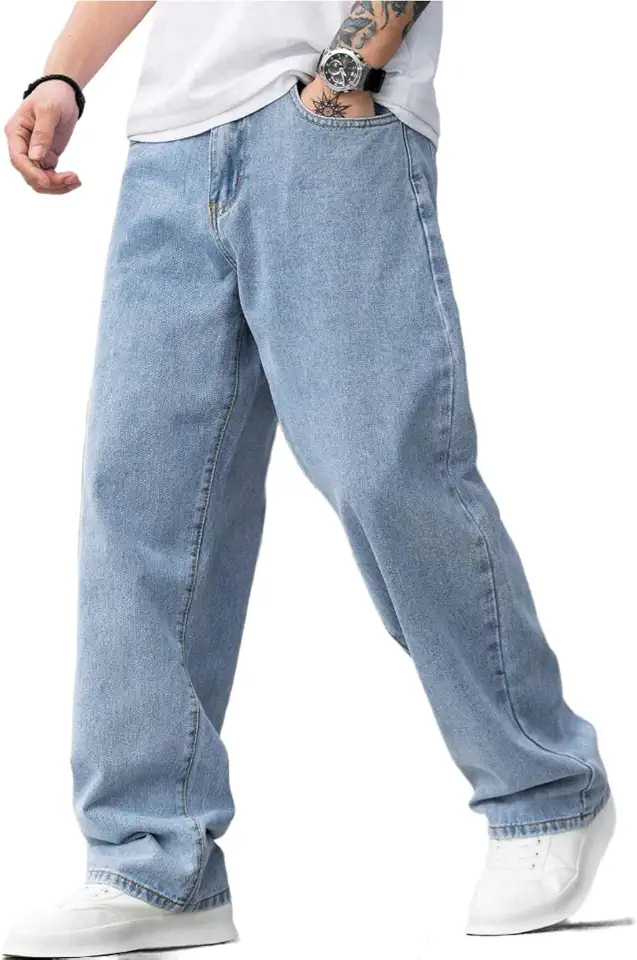
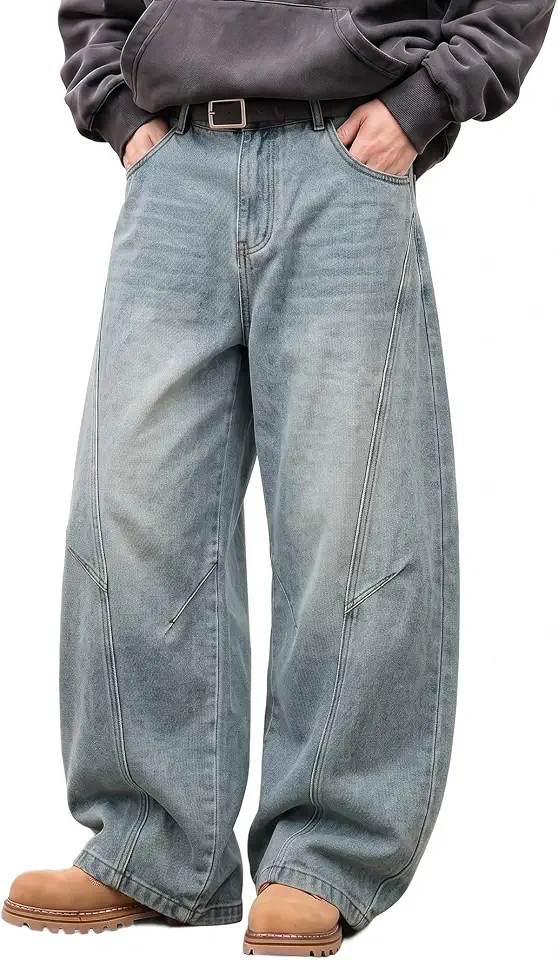
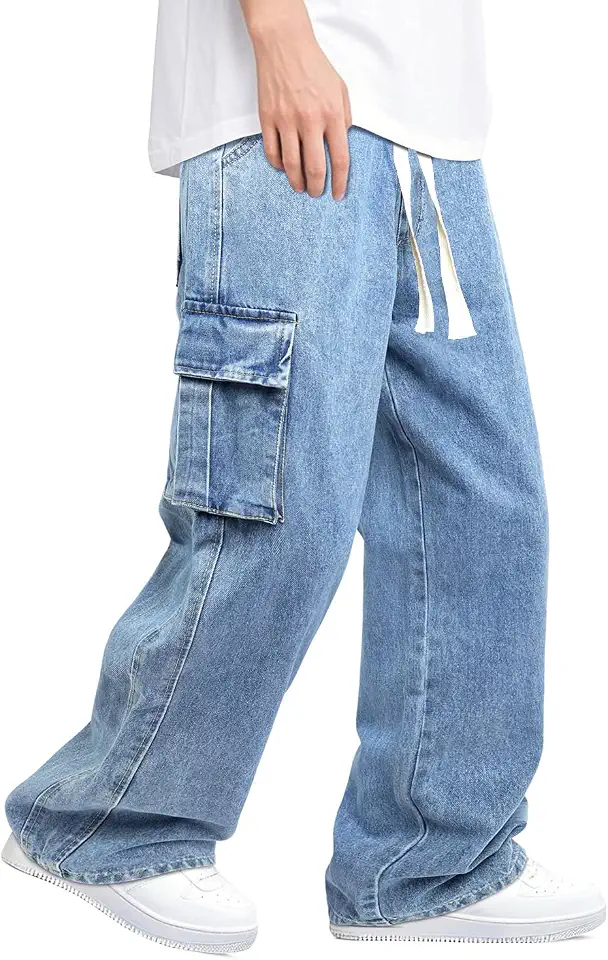
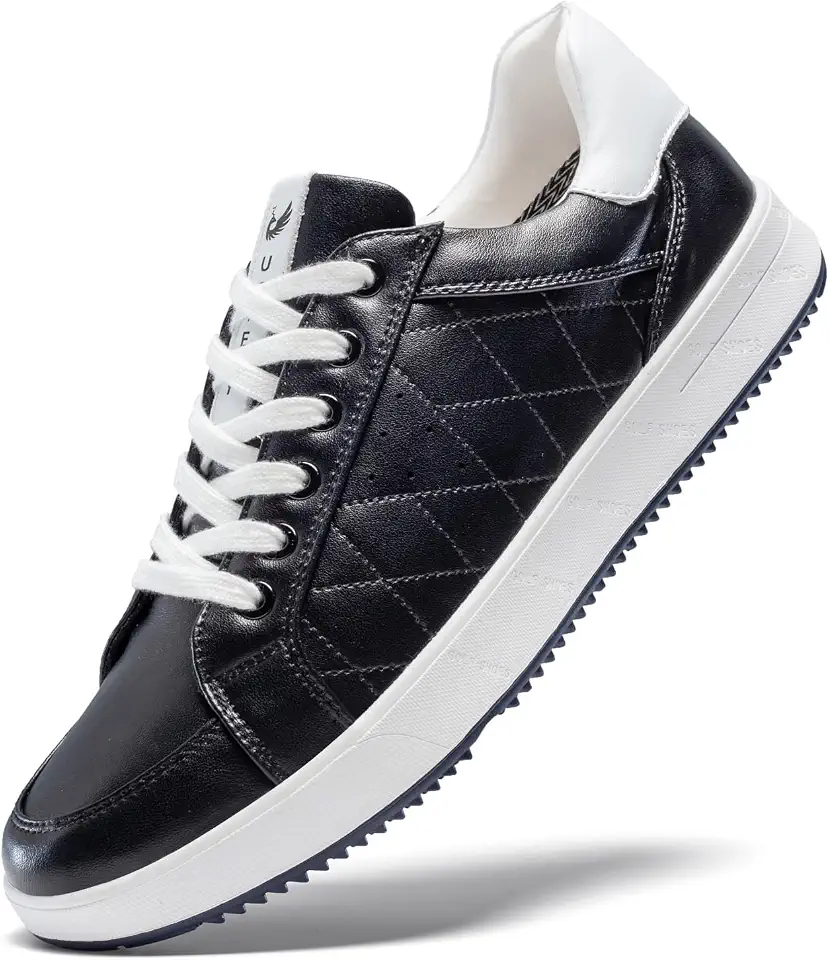
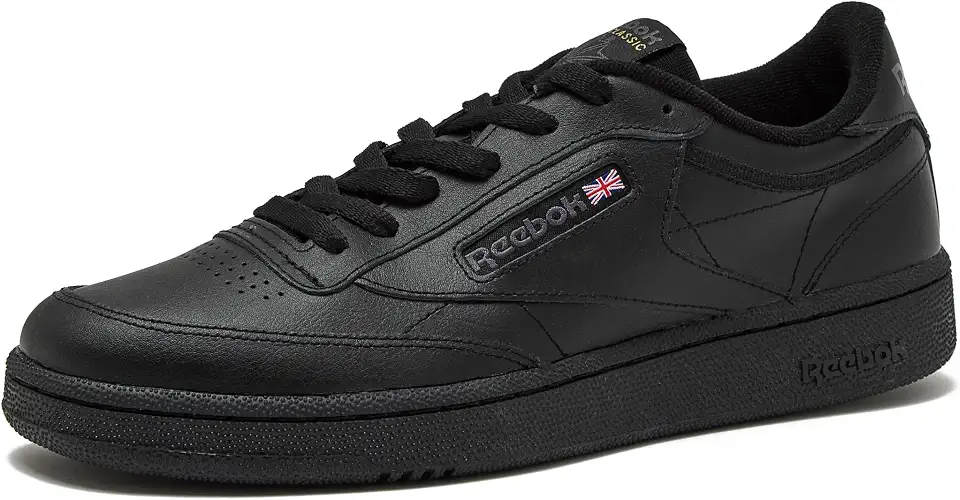
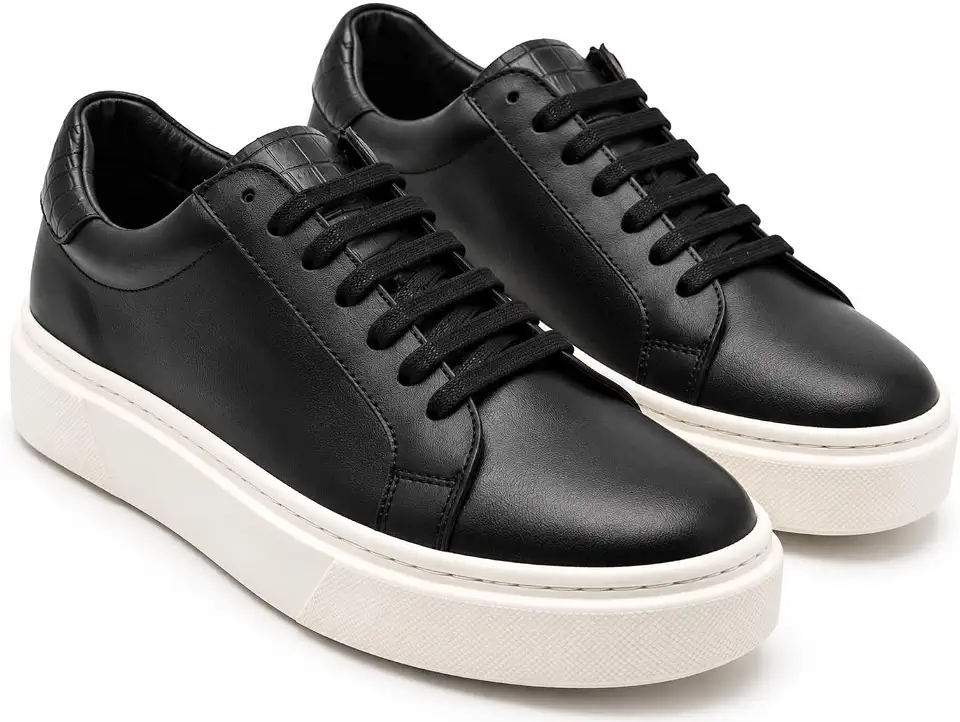
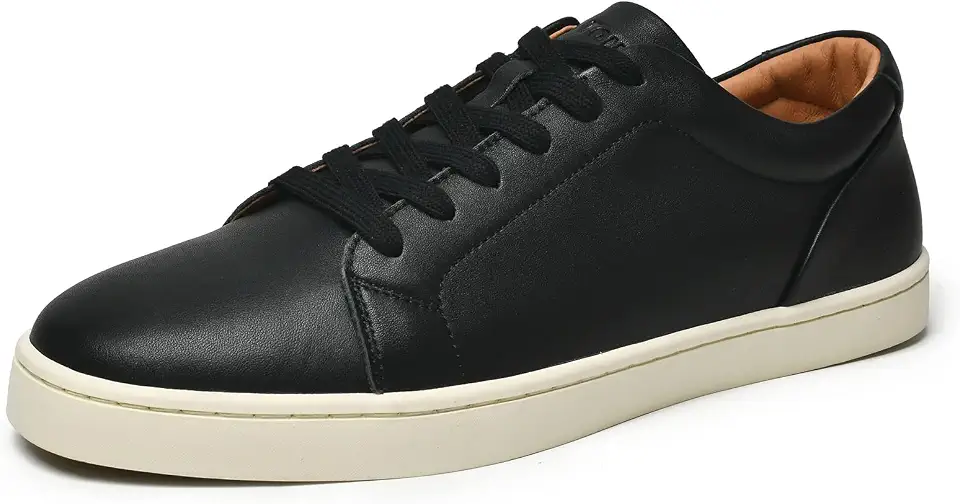
Outfits from this article
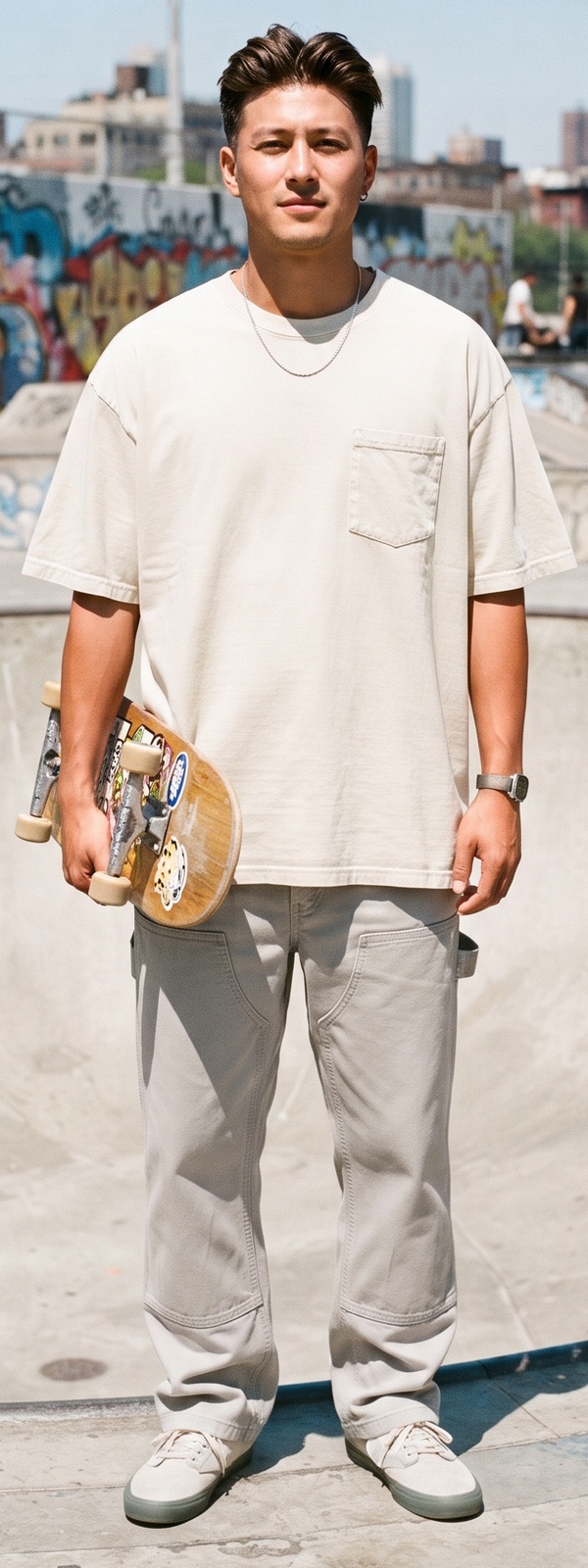 From $166
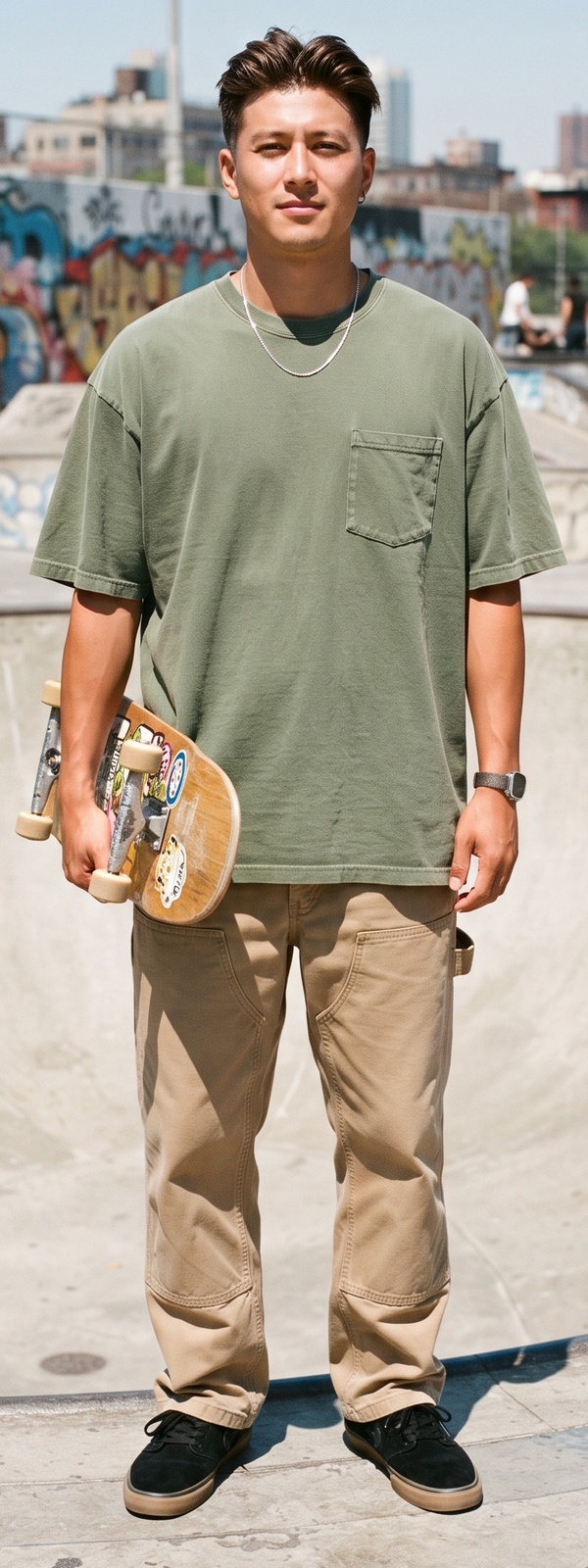 From $164
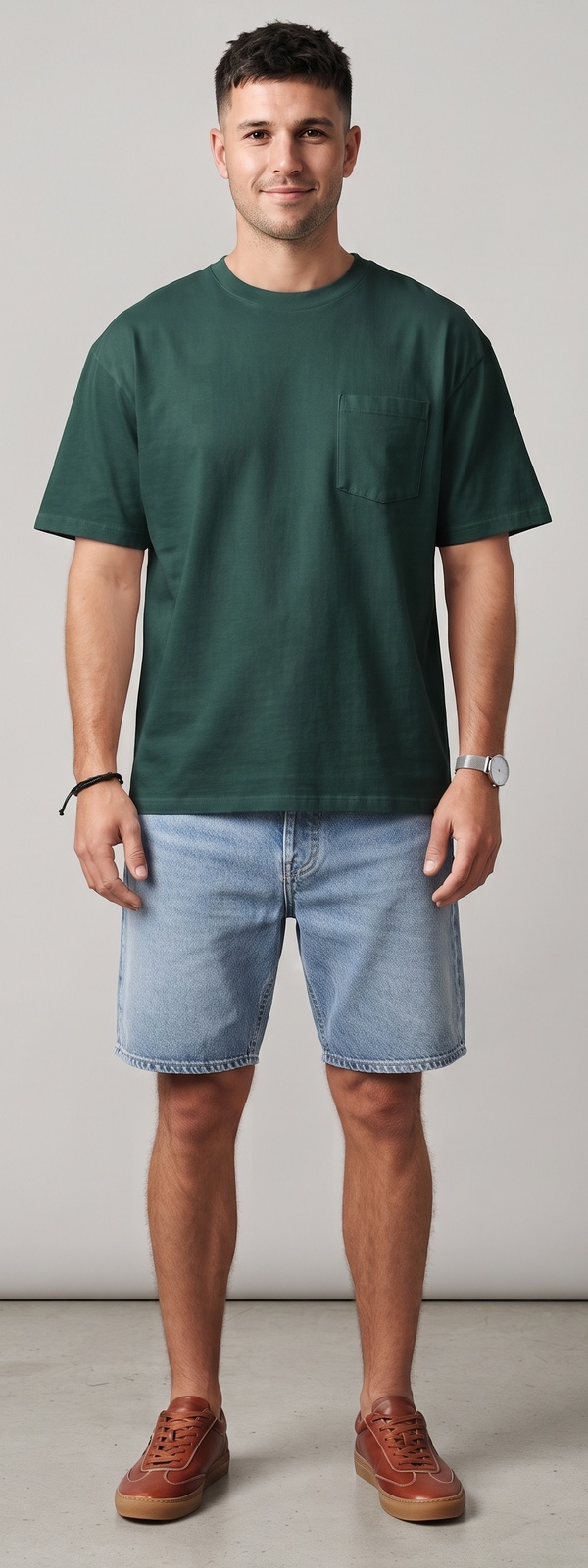 From $82
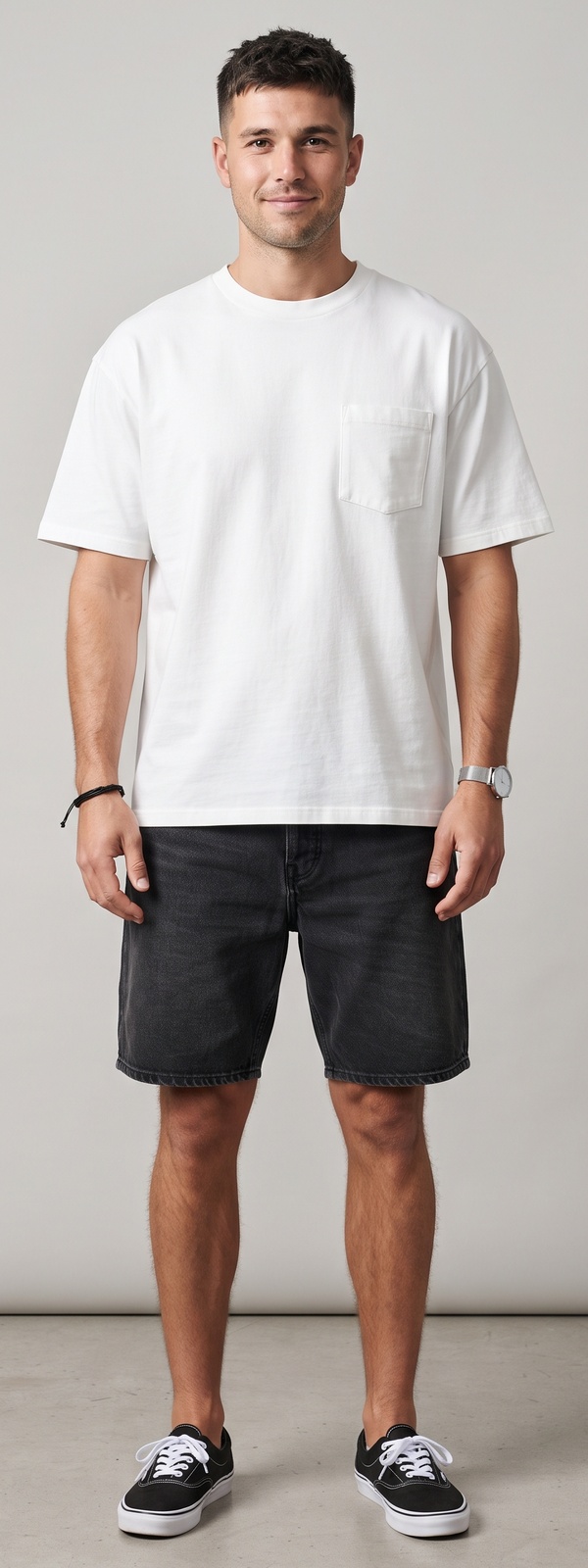 From $72
Fabric Density, Yarn Counts, and Boxy Cuts
Understanding fabric weight and yarn construction separates a true heirloom heavyweight tee from thin, shapeless fast-fashion basics.
- GSM and Fabric Weight (250+ GSM): Standard fashion t-shirts weigh around 140 to 160 GSM, making them flimsy and prone to bacon collars after two washes. Heavyweight jersey (7.5 to 10 oz) possesses substantial body that holds a crisp architectural silhouette.
- Dry-Handle Open-End Cotton: Authentic workwear and Japanese streetwear tees utilize dry-handle or carded open-end cotton yarn. Unlike silky, slippery pima cotton, open-end cotton has a rugged, matte, slightly coarse hand feel that breathes surprisingly well while resisting pilling.
- Reinforced Bound Collar: The hallmark of quality. A thick, 1-inch ribbed collar bound with double-needle chain-stitching guarantees that the neckline stays flat and crisp through hundreds of laundry cycles without stretching.
- The Functional Chest Pocket: Originally built for carpenters and factory workers to hold pencils, pocket rules, and small notebooks. Today, the clean rectangular chest pocket adds textural asymmetry and breaks up the broad expanse of plain cotton.


Styling Scenarios: Skate Streetwear to Minimalist Daily Wear
Because the heavyweight tee has significant visual presence and structural weight, it pairs seamlessly with relaxed, durable bottoms.
- The Utilitarian Skate Uniform: Pair an off-white or cream heavyweight pocket tee with straight-leg grey or khaki carpenter pants, durable canvas low-top skate sneakers, and a washed cotton baseball cap. The boxy drape of the tee balances the wide-leg carpenter pants perfectly.
- The Washed Earth-Tone Streetwear: Style a washed olive or muted sage pocket tee with stone-colored canvas trousers and retro athletic runners. The pigment-dyed green hue adds subtle vintage character to daily errand runs.
- The Warm-Weather Denim Look: Wear an optic white or forest green heavyweight pocket tee with light-wash or washed-black denim shorts and minimalist suede slip-ons. The substantial cotton ensures your t-shirt looks styled rather than sloppy.
Color Systems: Vintage Pigment Dyes and Clean Neutrals
Heavyweight cotton jersey absorbs garment dyes and pigment washes with rich, subtle texture.
- Natural Ecru, Cream, and Oatmeal: Softer and warmer than blinding optical white, natural undyed cotton provides an artisanal, vintage aesthetic.
- Washed Olive and Military Green: Evokes utilitarian military surplus, pairing effortlessly with khaki, navy, and charcoal bottoms.
- Crisp Optical White: The timeless American standard. A heavyweight white pocket tee looks pristine, clean-cut, and authoritative.
- Faded Charcoal and Vintage Black: Pigment-washed dark tones reveal subtle shading along seams and pocket edges, delivering lived-in character.
The Golden Rules of Wearing Heavyweight Pocket Tees
- Embrace the Relaxed, Boxy Cut: Heavyweight cotton is meant to drape freely with dropped shoulders and a straight torso. Sizing down into a skin-tight fit destroys the architectural drape.
- Wash Cold and Air Dry: Heavyweight cotton can shrink in hot water. Wash inside out in cold water and hang dry to maintain shape and sleeve drape.
- Ensure the Neckline Stays Crisp: Never hang heavy cotton t-shirts by their neckbands on thin wire hangers, which stretches the collar. Fold them neatly in drawers or use wide wooden hangers.
- Pair with Substantial Footwear: Because heavyweight tees have strong visual weight, pairing them with flimsy, paper-thin shoes looks unbalanced. Anchor with skate shoes, service boots, or court sneakers.
- Keep the Pocket Useful: While you can slip sunglasses or small cards into the chest pocket, avoid putting heavy smartphones inside that cause the pocket seam to sag.
Budget Breakdown: Essential Heavyweight Basics & Pairings
| Garment Item | Key Construction Details | Recommended Material | Role in Wardrobe |
|---|---|---|---|
| Heavyweight Pocket Tee | Bound crew collar, chest pocket (280 GSM) | 100% dry-handle combed cotton | Primary structural warm-weather top |
| Straight Carpenter Pants | Side tool loop, reinforced knees, flat rise | 100% cotton duck canvas | Rugged utilitarian bottom |
| Low-Top Skate Sneakers | Vulcanized sole, reinforced suede toe | Canvas and suede upper | Durable casual street footwear |
| Washed Baseball Cap | Unstructured crown, adjustable strap | 100% washed cotton twill | Relaxed headwear accessory |
| Canvas Tote Bag | Heavy-duty webbing handles, box corners | 16 oz industrial cotton canvas | Minimalist everyday carry bag |


Common Mistakes to Avoid
- Tucking into Skinny Low-Rise Jeans: Tucking a boxy, heavy t-shirt into ultra-tight skinny jeans creates an awkward mushroom silhouette. Wear relaxed or straight-leg pants.
- Thin, Stretchy Lycra Blends: T-shirts loaded with elastane or spandex cling to the body and lose shape quickly. Insist on 100% heavy ringspun cotton.
- Distressed Frayed Edges: Fake factory distressing, holes, and frayed hems look gimmicky. Let your heavyweight cotton age and soften naturally through honest wear.
- Bacon Collars: Flimsy collars that curl after one wash are a sign of cheap construction. Look for dense, reinforced 1x1 ribbing at the neck.
Conclusion
The men's heavyweight pocket tee is proof that the simplest garments, when executed with premium weight and impeccable proportions, deliver maximum sartorial impact. By pairing boxy heavyweight cotton with utilitarian carpenter pants, clean denim, and classic skate sneakers, you establish an effortless everyday uniform built to stand the test of time. Explore our catalog pairings to see authentic heavyweight pocket tee looks in action.
Related searches
All curated searches
Related Reading
How to Style Men's Carpenter Pants: Skate to Modern Streetwear
Embrace relaxed utilitarian street style with our guide to styling men's carpenter pants, hammer loops, and durable canvas bottoms with tees and chore coats.
Heavyweight Pocket Tees: Boxy Minimalist Workwear Tops
We curated this edit to celebrate the substantial weight and boxy silhouette of premium workwear pocket tees. Unlike flimsy undershirts, a dense heavyweight cotton tee holds its structured drape without clinging, creating clean architectural lines. We recommend styling an olive, cream, or washed black pocket tee with double-knee work pants or loose denim, finished with minimalist sneakers.

How to Style Men's Denim Shorts: The Modern Jorts Wardrobe Guide
Reclaim vintage warm-weather Americana with our guide to styling men's denim shorts, raw hems, camp shirts, and skate footwear.
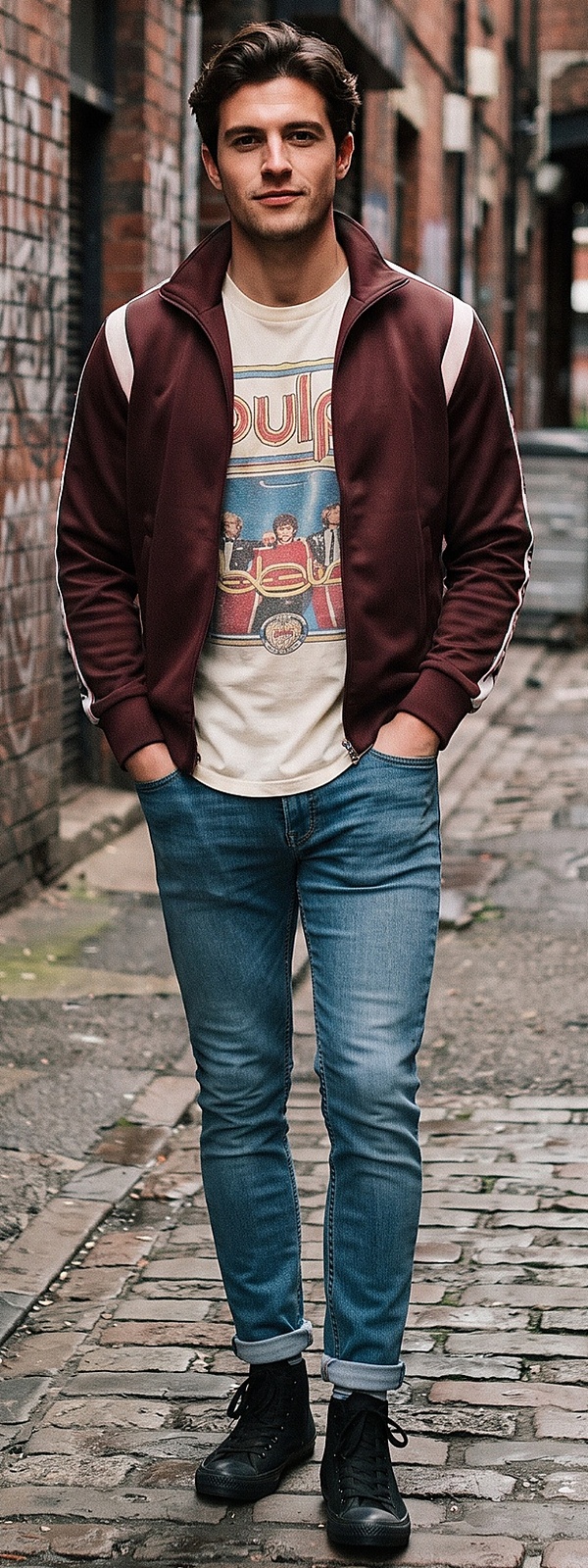
Black Canvas Low-Top Sneakers: Skate & Street Minimalism
We developed this casual footwear showcase around the democratic, counter-cultural cool of black canvas low-top sneakers. Immune to the scuffs that quickly mar pristine white leather kicks, black cotton canvas uppers paired with vulcanized rubber soles look better with every mile walked. We love styling black canvas low-tops with straight-fit jeans, workwear pants, and flannel overshirts. Find iconic, budget-friendly black canvas low-top sneakers on Amazon for indestructible daily street style.
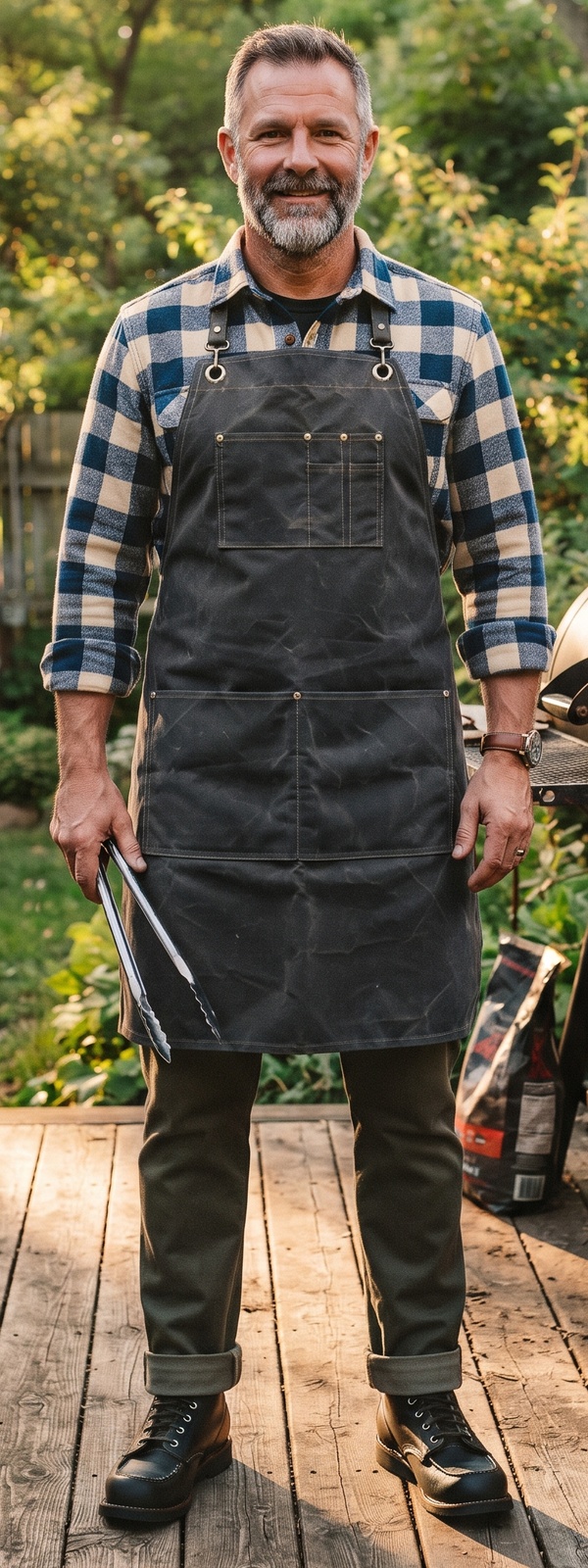
What to Wear to a Guitar Setup Workshop — Men's Complete Guide
Pulling up a stool at a boutique luthier workbench or acoustic guitar repair clinic surrounds you with slotted fretboards, radius sanding blocks, and bone nut files. Leveling nickel frets, notching bone saddles, and adjusting truss rod reliefs on valuable vintage instruments requires comfortable, hardware-free studio workwear that prevents scratching delicate nitrocellulose finishes. The benchmark dress code is elevated luthier craftsman casual: durable cotton chore jackets or chambray shirts protected by a heavy denim or canvas workshop apron with soft brass-free ties, paired with relaxed cotton carpenter pants and supportive leather shoes. You need hardware-free clothing so metal buckles and rivets never gouge polished spruce soundboards. From nitrocellulose finish scratch defense to bone dust ventilation and seated bench comfort, here is your definitive blueprint for guitar luthier workshop style.
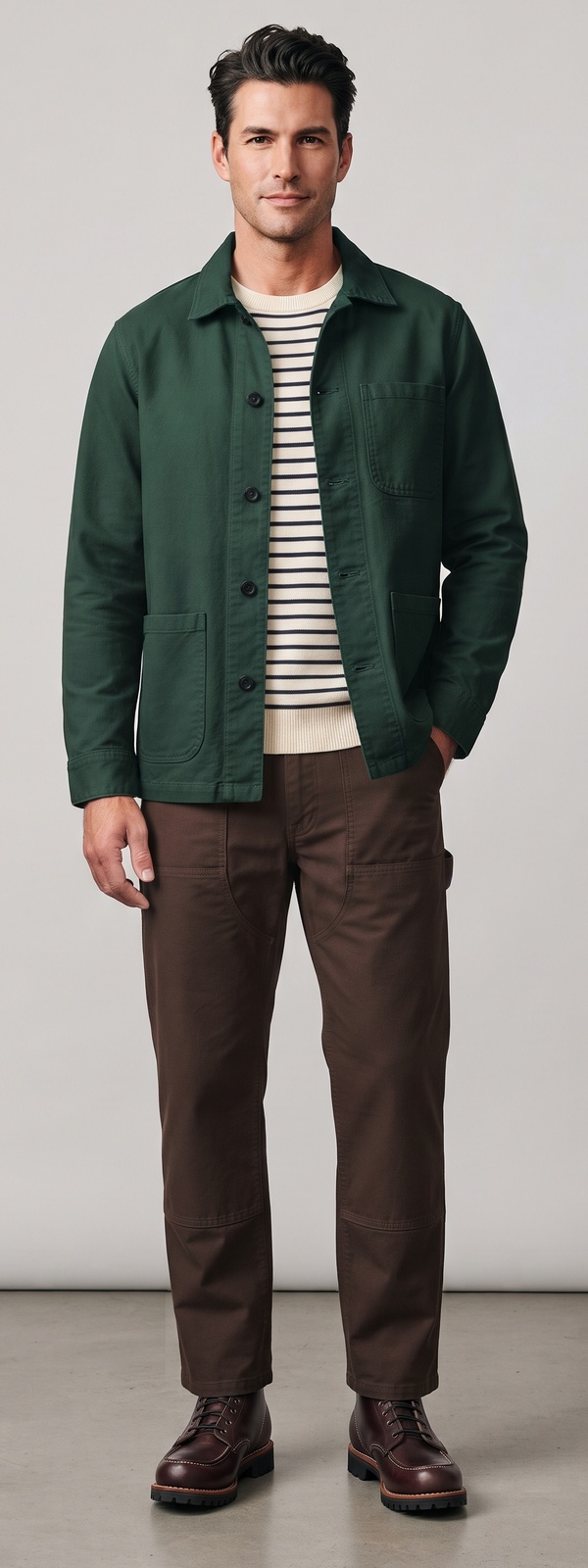
What to Wear to a Mushroom Cultivation Class — Men's Complete Guide
Signing up for an urban mushroom cultivation workshop, oyster mushroom bag inoculation class, or liquid culture clinic immerses you in the fascinating science of home mycology. Working inside laminar flow hoods, flame-sterilizing scalpel blades, and mixing sawdust fruiting substrates requires clean, lint-free apparel that minimizes airborne contamination while handling damp organic materials. The benchmark dress code is sterile studio mycology workwear: smooth cotton chore jackets or pocket tees beneath a clean canvas workshop apron, paired with dark wash carpenter pants and wipeable leather work boots. Densely woven smooth fabrics shed organic straw dust and substrate particles while resisting alcohol surface sterilization sprays. From airborne spore lint mitigation to flame-sterilization sleeve safety and pasteurization steam defense, here is your definitive blueprint for mushroom cultivation workshop style.
Other Reading
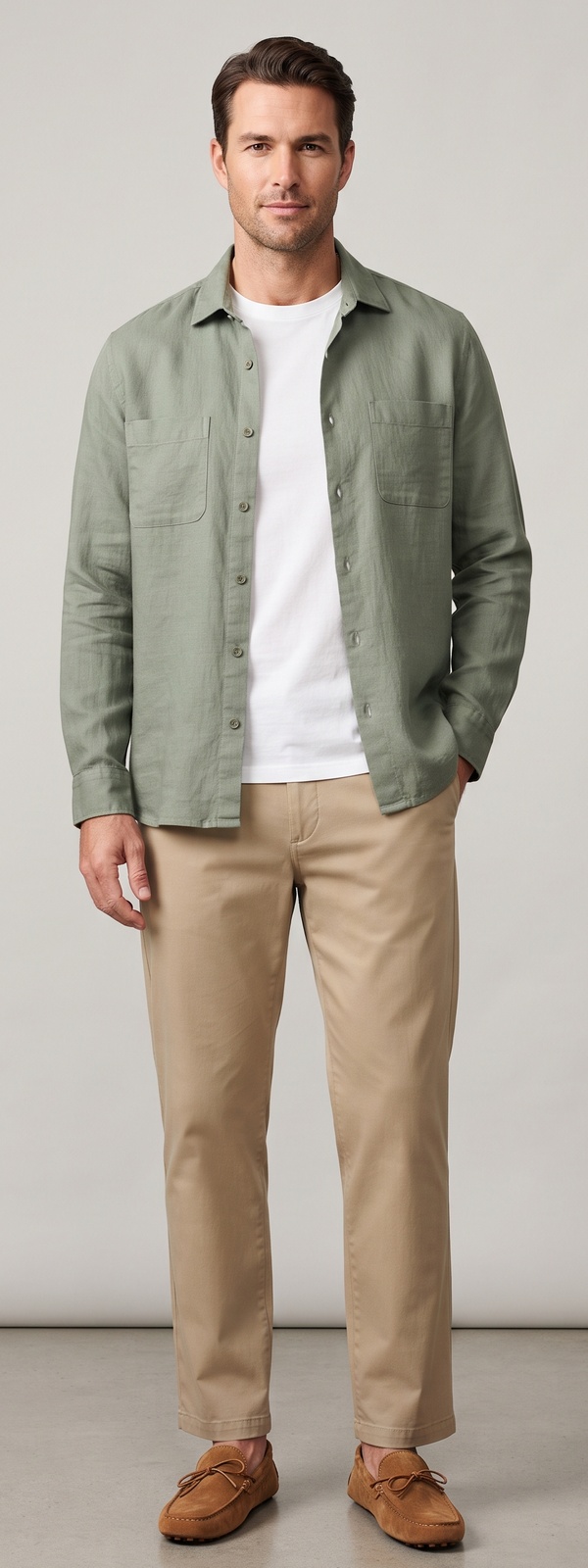
What to Wear to a Kintsugi Repair Workshop — Men's Guide
Entering a traditional Japanese kintsugi workshop immerses you in the mindful art of repairing broken ceramics with natural Urushi lacquer and real gold dust. Seated before wooden carving blocks, participants patiently piece together antique porcelain shards, file cured seams, and dust delicate gold powder with fine hair brushes. The benchmark style embodies mindful Japanese minimalism and comfortable artisan craft: breathable natural linen overshirts, relaxed neutral chinos, dark utility work aprons, and comfortable slip-on footwear. Natural fiber fabrics prevent static electricity that could disperse ultra-fine gold mica, while relaxed cuts permit easy cross-legged or bench seating. From shielding skin against raw Urushi sap to maintaining focused bench serenity, here is your definitive outfit blueprint for a traditional kintsugi ceramic repair workshop.
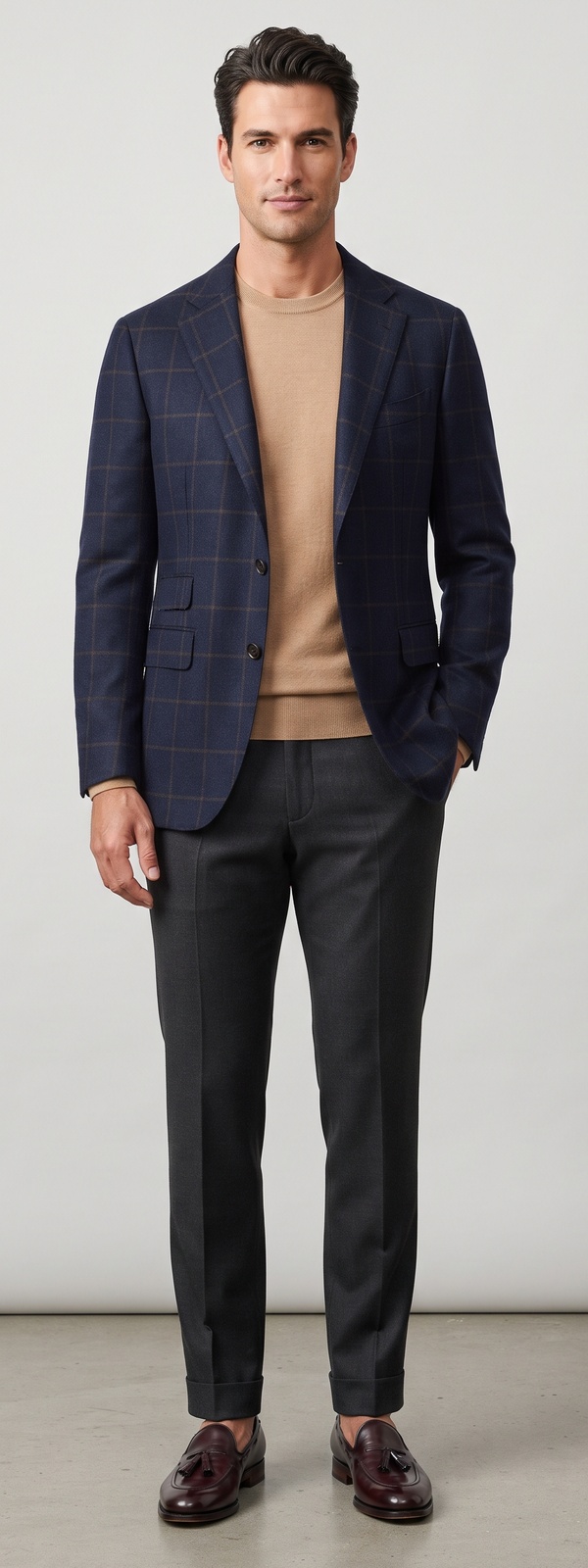
Wool Flannel Two-Piece Suits: Timeless Sartorial Poise
We built this executive tailoring collection to spotlight the unmatched richness and seasonal authority of wool flannel suits. The brushed matte finish of flannel delivers subtle tactile depth that feels far more approachable and characterful than slick worsted fabrics. We recommend wearing charcoal flannel suits anchored by silk knit ties and leather dress shoes. Shop handsome, accessible wool-blend flannel tailoring on Amazon for sophisticated business meetings and formal occasions.
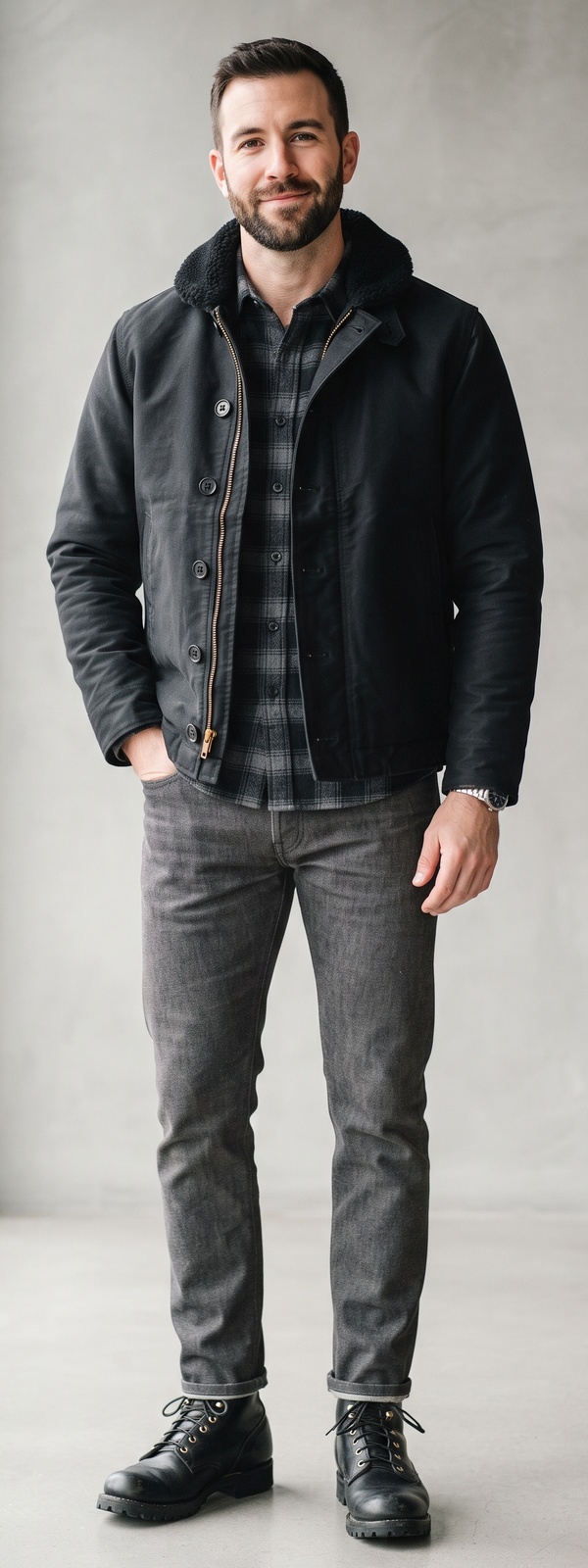
How to Style a Men's Plaid Flannel Shirt for Autumn Warmth
Learn how to style a men's plaid flannel shirt with N-1 deck jackets, puffer vests, selvedge denim, and moc-toe boots without looking like a lumberjack.