
October 17, 2026
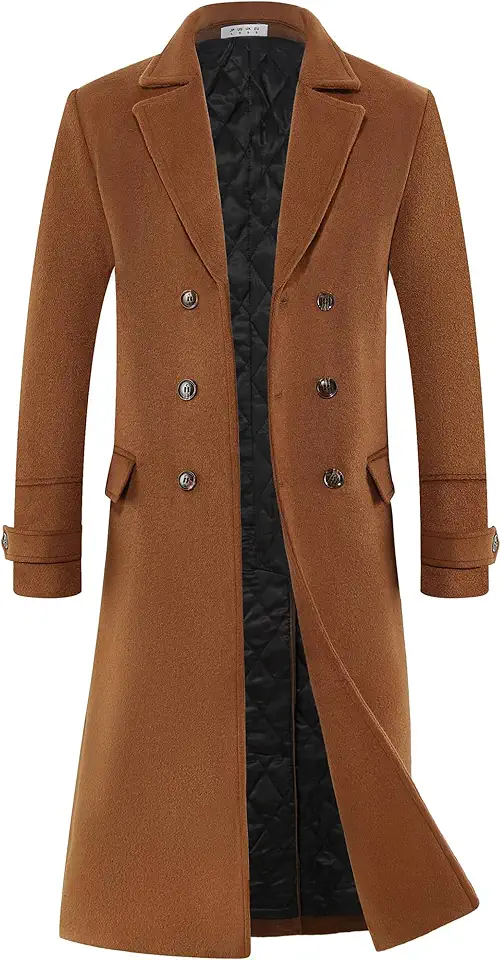
How to Style a Men's Polo Overcoat for Classic Luxury
The Sovereign of Cold-Weather Sartorial Splendor
When winter cold demands an overcoat that delivers warmth alongside aristocratic gravitas and bespoke tailoring, standard single-breasted coats can sometimes feel understated. For over a century, the undisputed gold standard of refined winter elegance has been the men's polo overcoat.
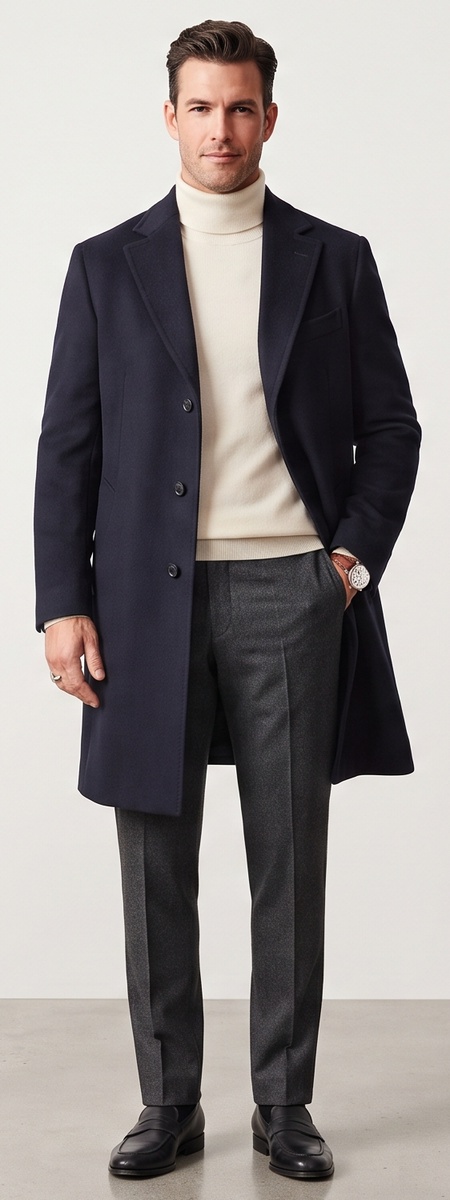
Originally developed in England for polo players who wrapped themselves in thick camelhair blankets between playing chukkers, the coat was popularized in the 1920s and 1930s by Ivy League undergraduates at Princeton and Yale. Distinguished by its double-breasted button stance, broad peak lapels, turnback cuffs, half-belt back, and generous patch-and-flap pockets, the polo coat radiates quiet luxury, old-money pedigree, and statuesque tailored presence. In a sea of black synthetic puffers, the golden warmth of a camel wool polo coat is an unmistakable declaration of sartorial mastery.
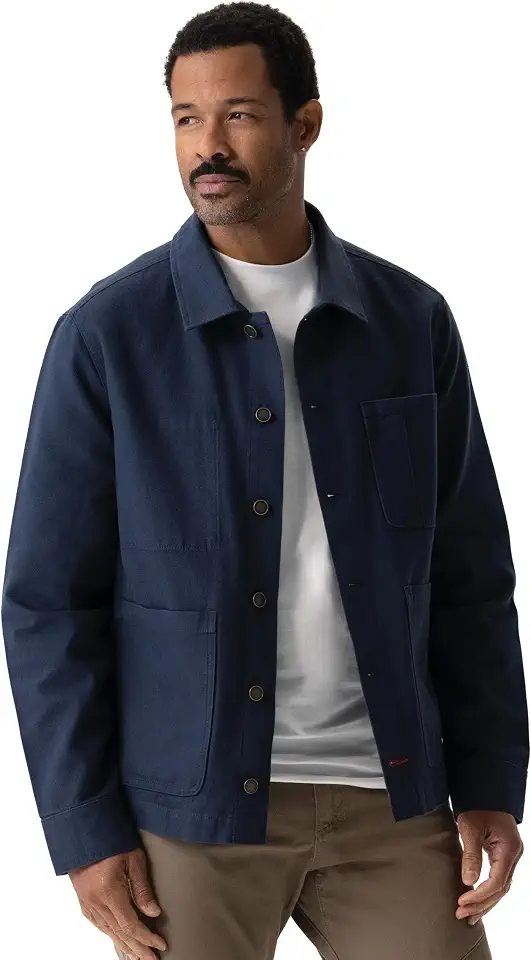
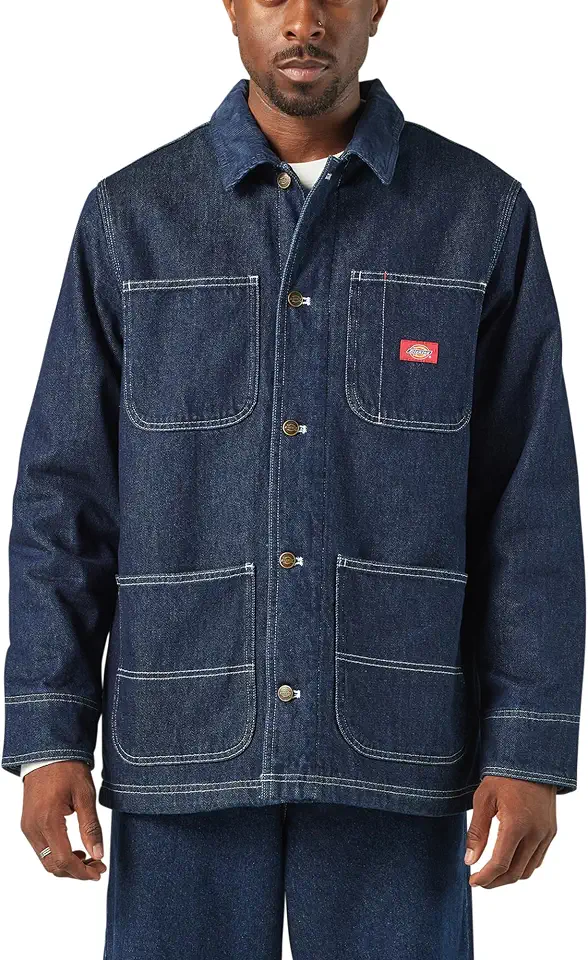
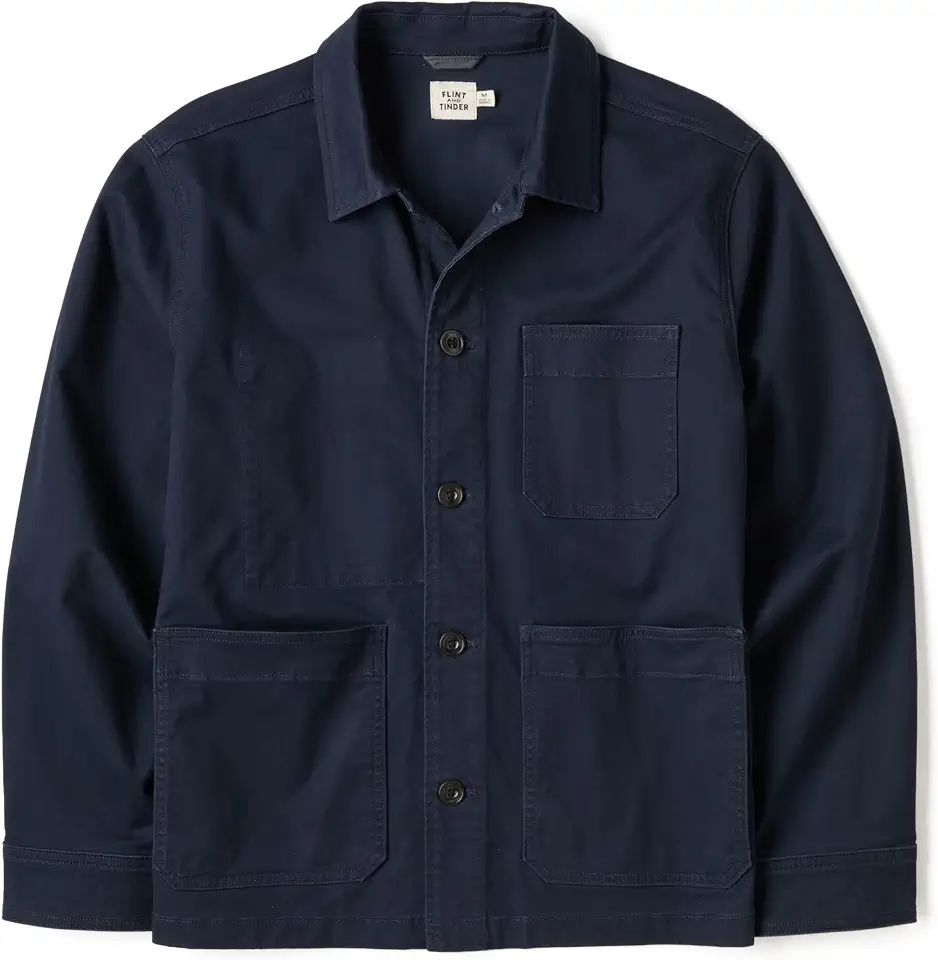
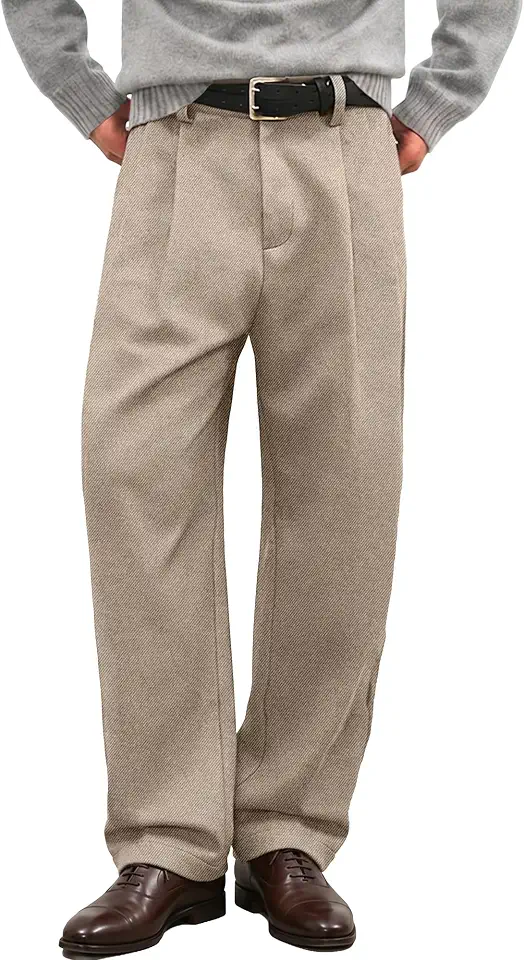
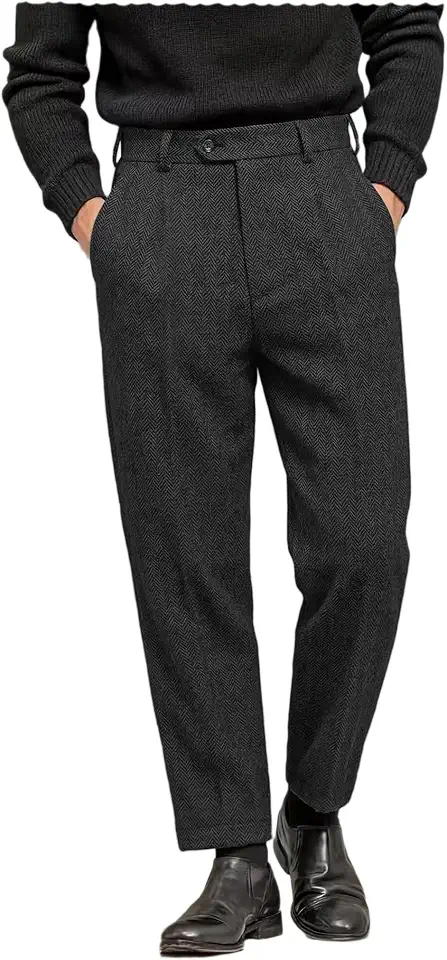
Outfits from this article
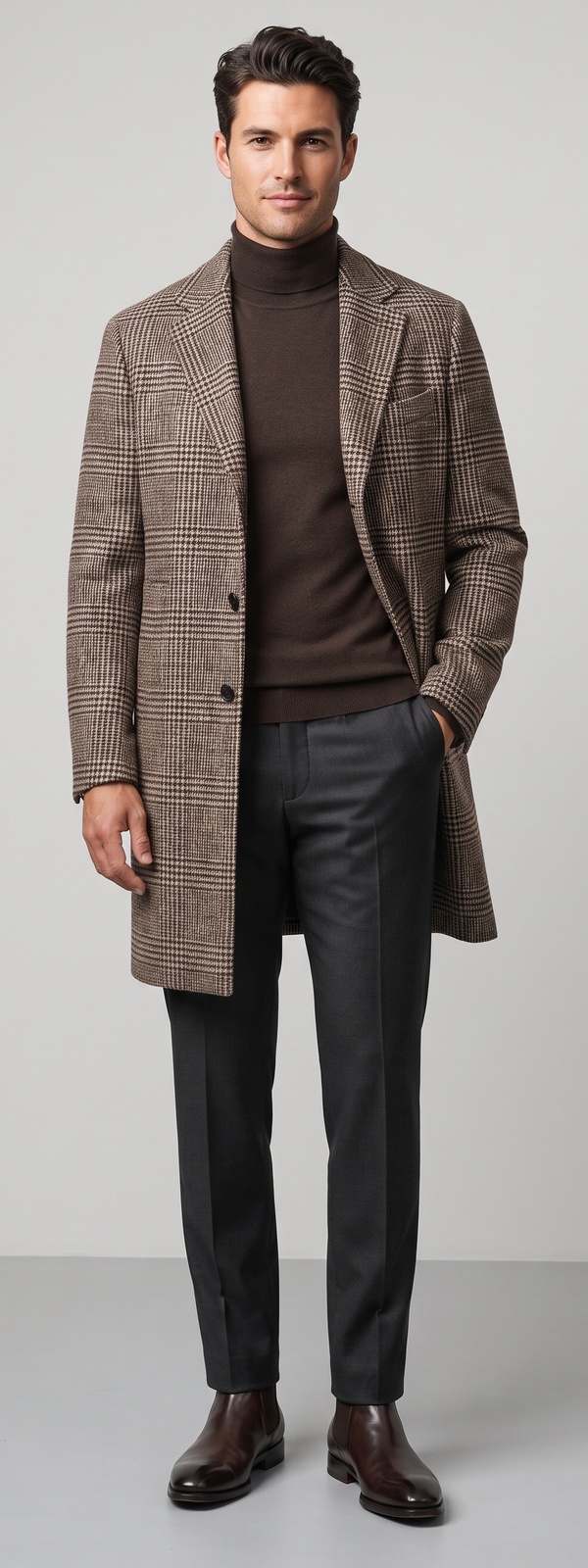 From $145
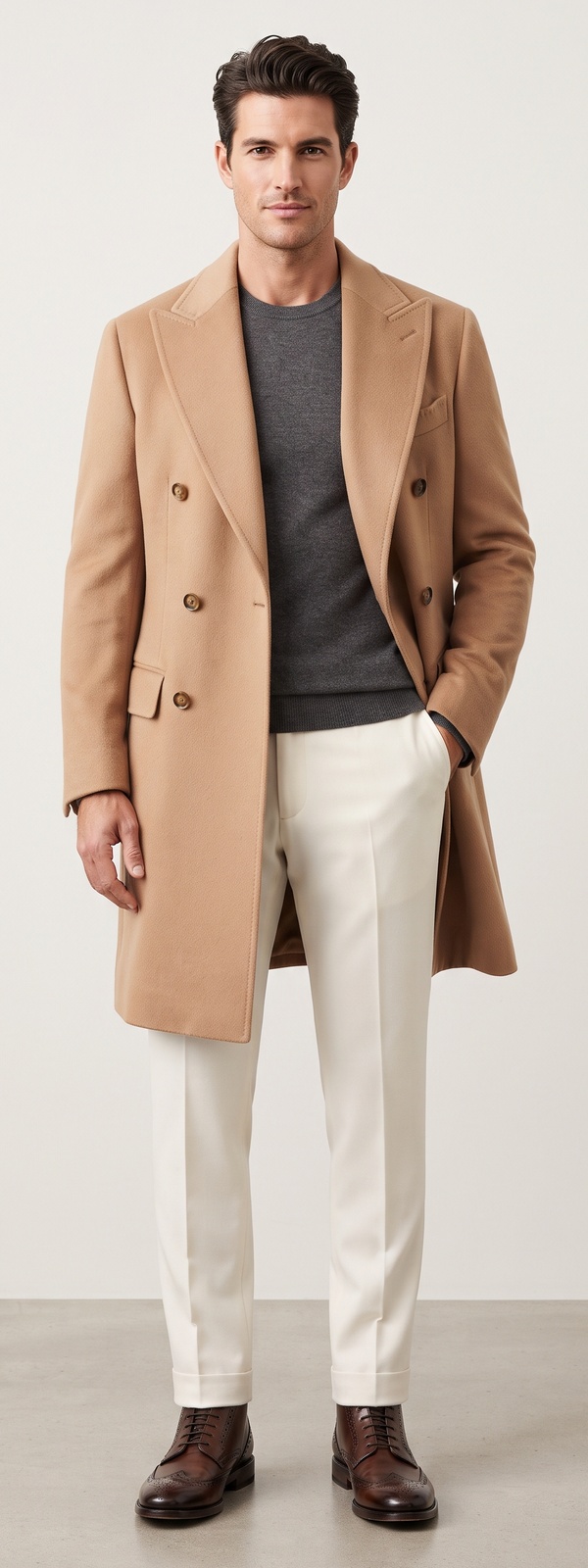 From $155
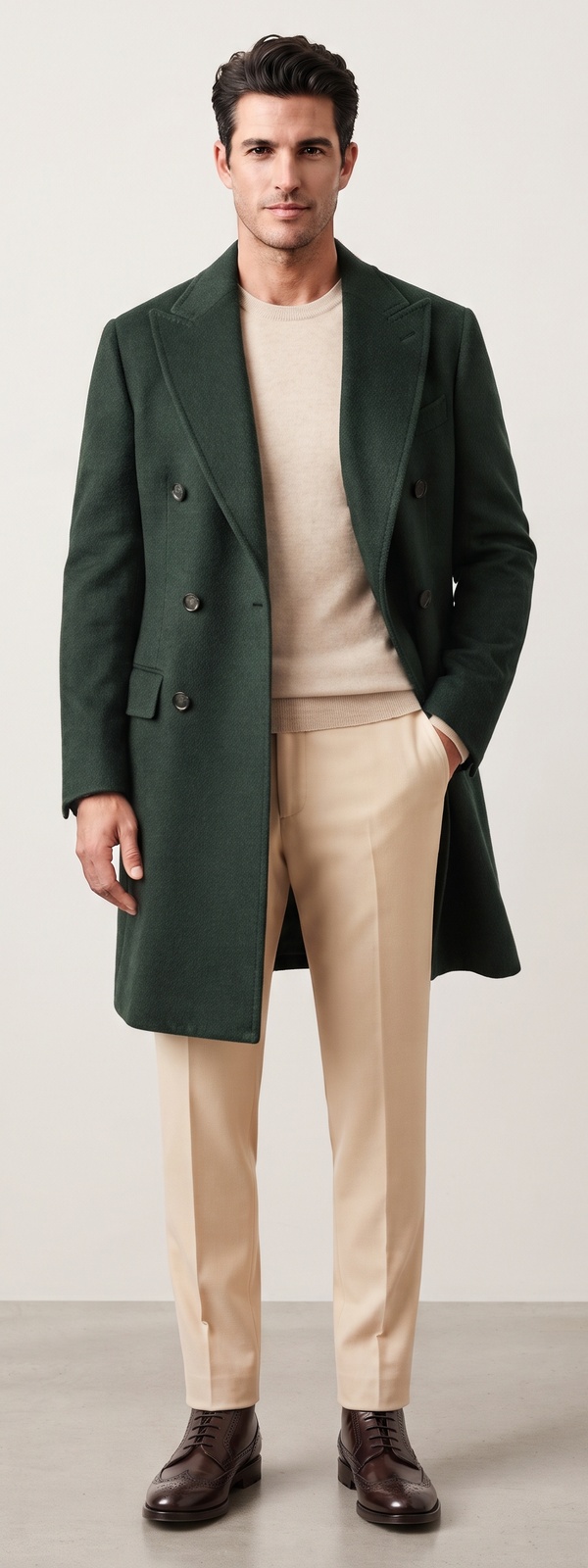 From $152
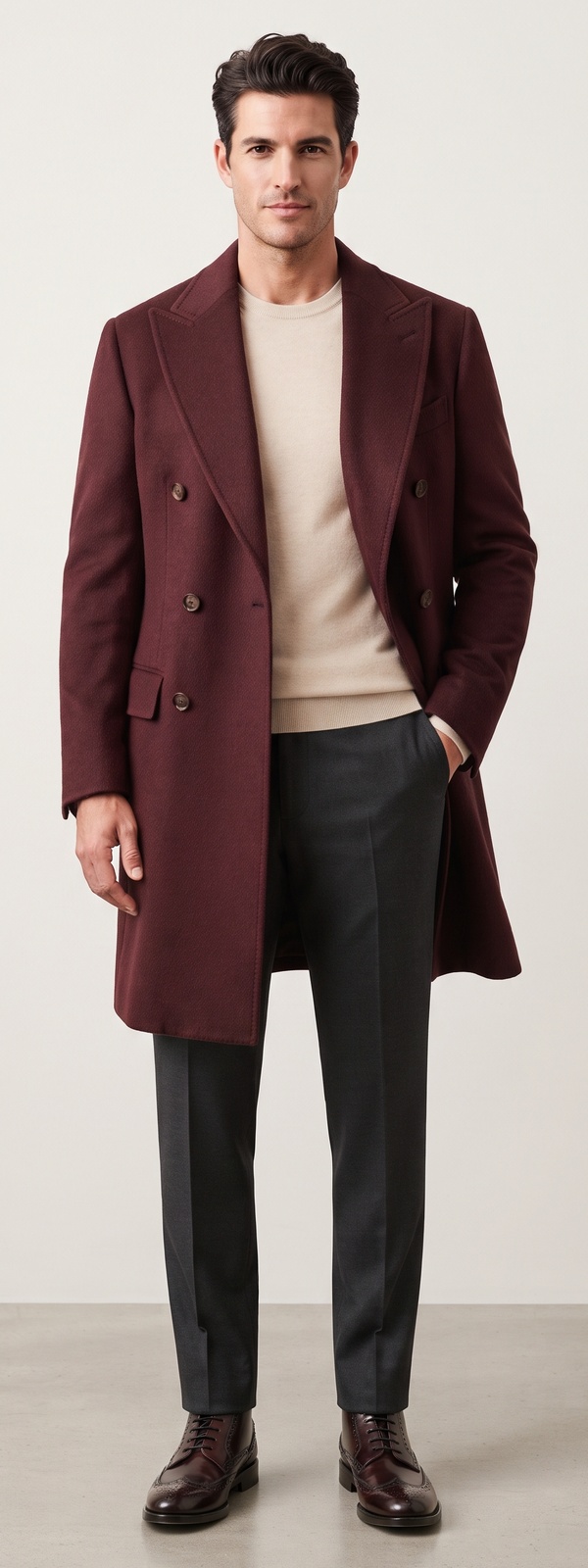 From $125
 From $187
Anatomy of an Authentic Polo Coat: Hallmark Details
A genuine polo coat is distinguished by specific historical features:
- Heavyweight Camelhair or Wool (28 to 36 oz): Traditionally tailored from pure undyed golden camelhair or dense camel-colored virgin wool. Camelhair offers exceptional thermal insulation, a plush velvety nap, and surprising lightweight loft.
- Double-Breasted Stance with Peak Lapels: The 6x2 or 6x3 button configuration forms an impenetrable double barrier against winter gales, while wide peak lapels emphasize shoulder breadth and torso taper.
- Patch-and-Flap Pockets: Generous exterior pockets with button flaps provide practical warmth for bare hands while softening the formality of the double-breasted silhouette.
- Martingale Half-Belt & Pleated Back: The back features a belted martingale strap with inverted pleats that cinch the waist while allowing uninhibited movement when striding through town.
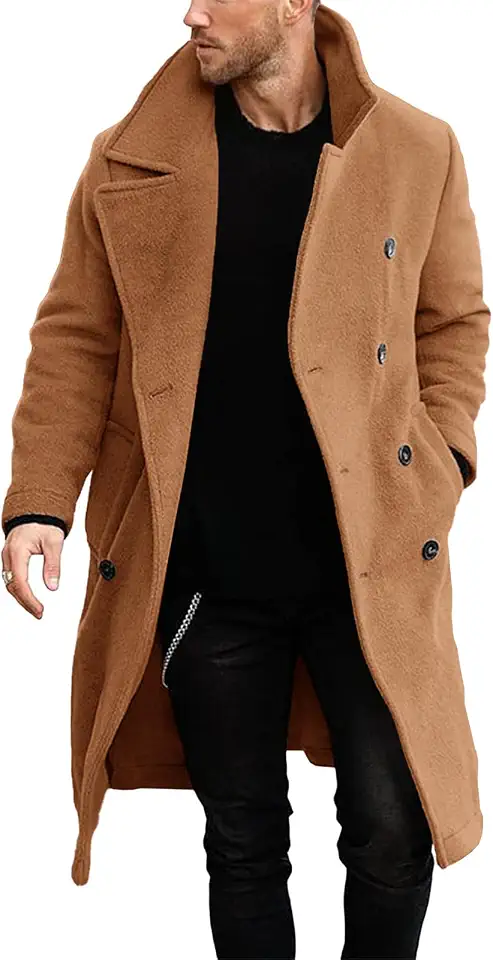
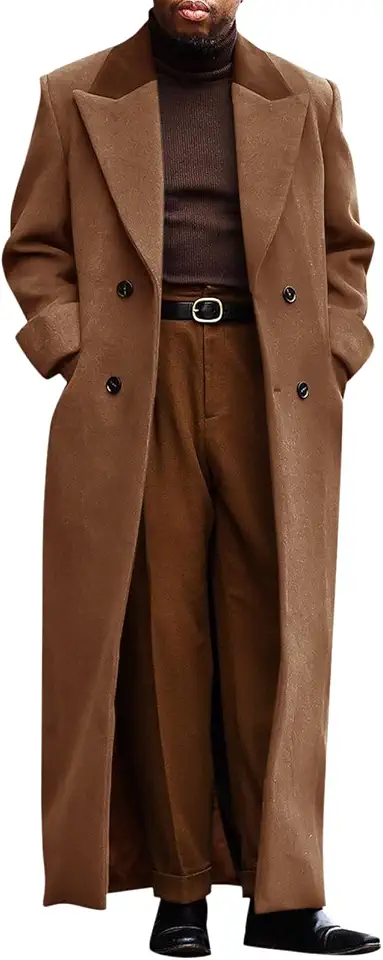
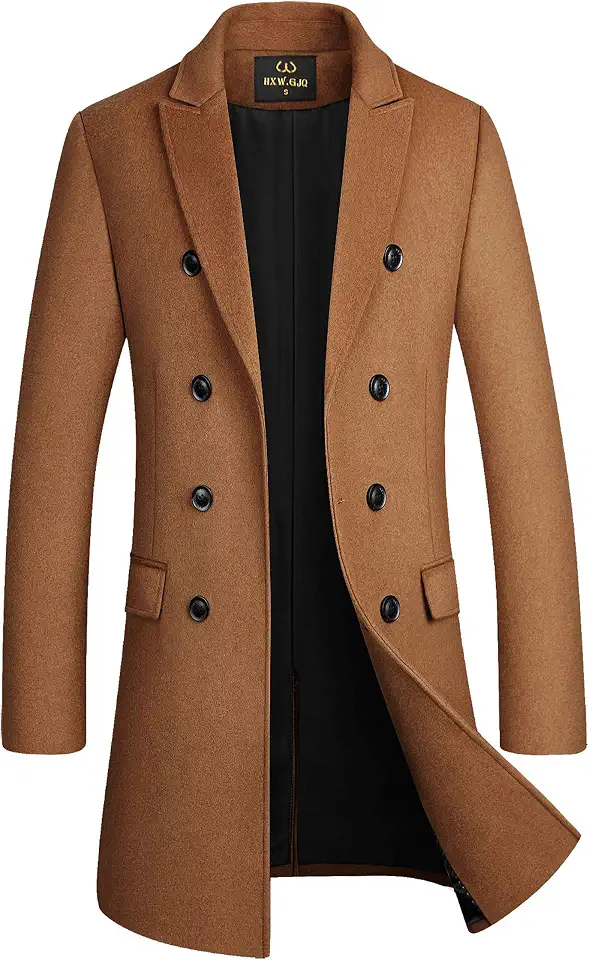
The Old Money Masterclass: Cashmere Knits and Flannel Trousers
The natural pairing for a camel polo coat combines rich textures and ivory flannels:
- The Knitwear: Layer your camel overcoat over a fine-gauge charcoal or chocolate brown cashmere turtleneck sweater. The contrast between cool charcoal knitwear and warm golden camel wool creates a sophisticated color story.
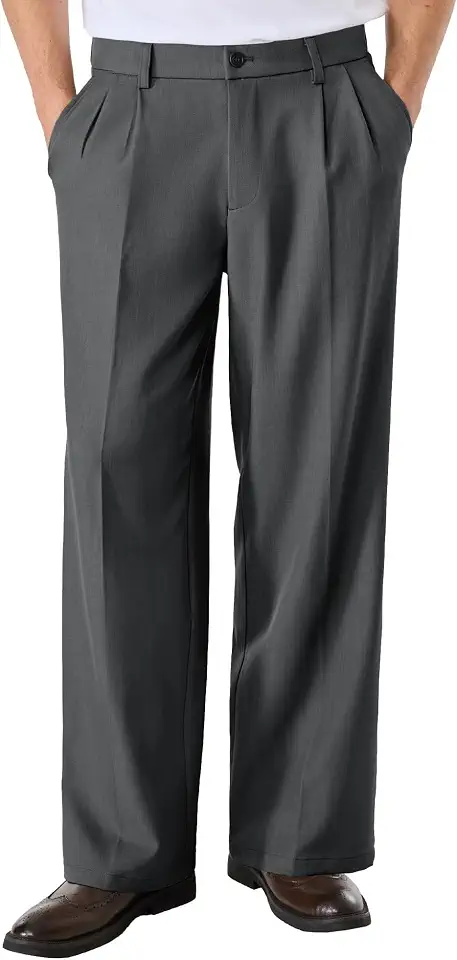
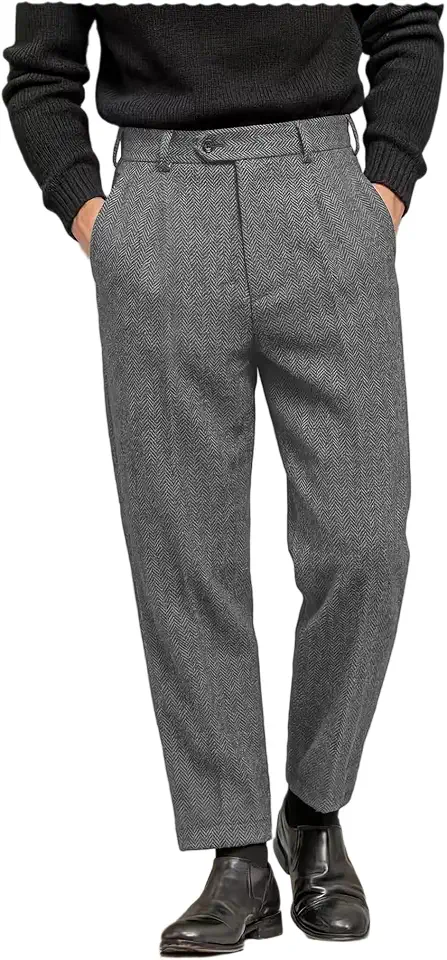
- The Trousers: Wear with high-waisted, pleated cream or off-white wool flannels. The fluid drape of light trousers mirrors the aristocratic lineage of early 20th-century resort dressing.
- Footwear Authority: Finish with dark brown calfskin oxford dress shoes, suede double monk straps, or polished leather dress boots.

Corporate Power Dressing: Over Tailored Suits
In professional and formal environments, the polo coat serves as the ultimate executive outer layer:
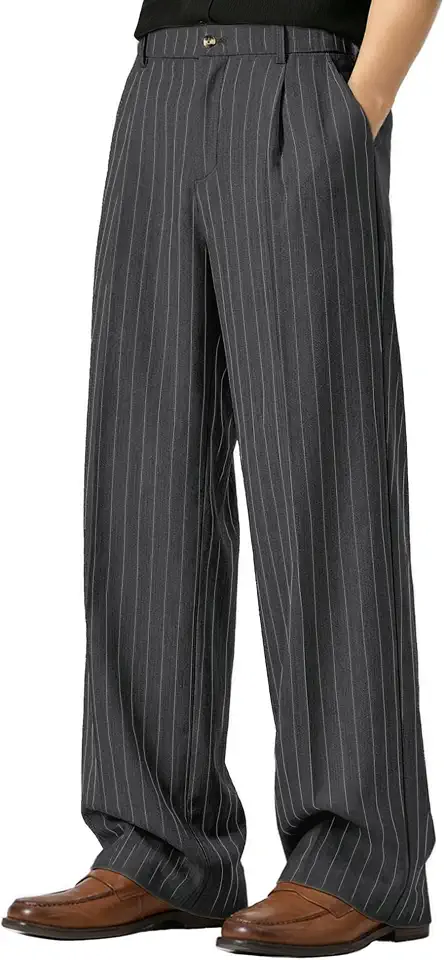
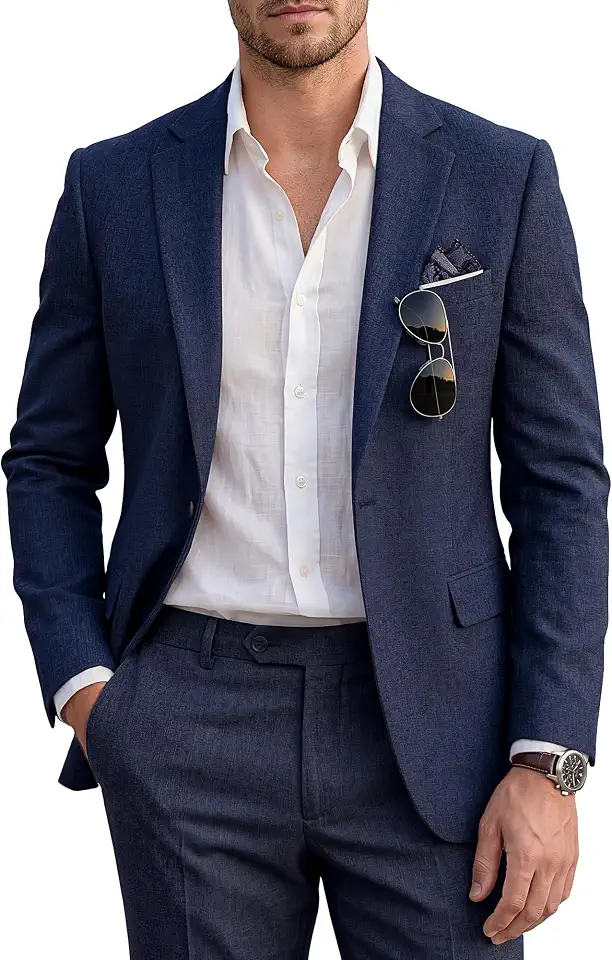
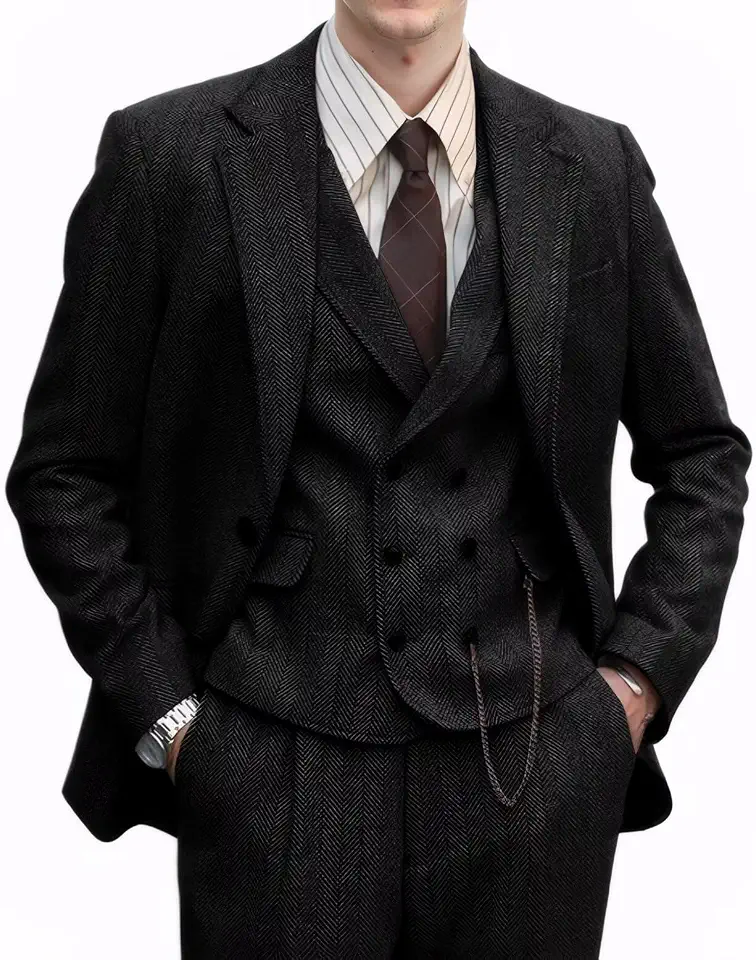
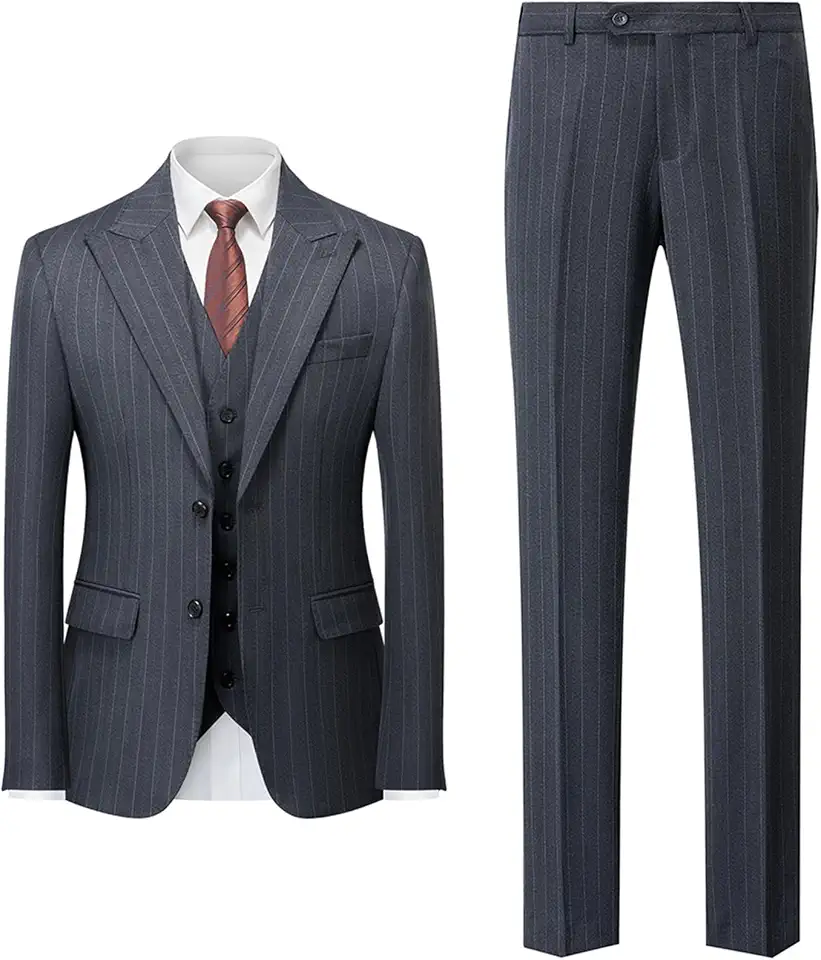
- Suit Pairings: Wear over a tailored navy or charcoal two-piece wool suit. Ensure the coat's broad shoulders and deep armholes glide smoothly over your suit jacket without pulling.
- Accessories: Add a silk-cashmere patterned scarf tucked neatly inside the lapels, buttery soft leather gloves lined in cashmere, and a structured briefcase.

Modern Casualization: High-Low Weekend Styling
You don't need a three-piece suit to wear a polo overcoat; modern styling embraces casual high-low tension:
- Denim Harmony: Throw a camel polo coat over a cream ribbed crewneck sweater and dark-wash straight-leg selvedge jeans.
- Footwear: Ground with clean white minimalist leather sneakers or dark brown suede chelsea boots. The juxtaposition of a grand aristocratic coat over relaxed weekend basics creates effortless sprezzatura.
Color Alternatives: Camel vs. Navy vs. Forest Green
While natural camelhair remains the iconic standard, deep jewel tones offer compelling winter alternatives:
- Traditional Camel: Warm, opulent, and head-turning. It instantly brightens overcast winter mornings.
- Aristocratic Forest Green: A striking British country shade that pairs beautifully with cream flannels and brown leather.
- Midnight Navy: Crisp, formal, and authoritative, making it an impeccable business coat for conservative environments.
The Golden Rules of Polo Overcoat Styling
- Insist on Below-the-Knee Length: A polo coat must hit just at or slightly below the knee. Cropped overcoats that finish mid-thigh lose the dramatic swishing sweep and old-school gravitas of the silhouette.
- Ensure Generous Shoulder Cut: When sizing an overcoat, always try it on over a suit jacket or heavy sweater. The coat should close comfortably across your chest without pulling on the buttons.
- Leave the Bottom Button Unfastened: When fastening the double-breasted closure, button the anchor waist button and interior anchor button, leaving the bottom exterior button open for natural walking drape.
- Brush with a Natural Bristle Brush: Camelhair and cashmere naps collect street dust. Brush downward with a soft horsehair clothes brush after every wear to keep the fibers lustrous.
- Use Wide Contoured Wooden Hangers: The substantial weight of a 30-oz wool coat requires a wide, contoured wooden hanger with thick shoulder supports to prevent shoulder dimpling.
Polo Overcoat Styling Framework
| Style Direction | Coat Shade | Layering Pieces | Trousers | Anchor Footwear |
|---|---|---|---|---|
| Old Money Luxe | Golden Camelhair | Charcoal cashmere rollneck | Off-white pleated flannels | Dark brown oxford dress shoes |
| Executive Formal | Deep Navy Wool | Navy two-piece suit & tie | Matching suit trousers | Black polished oxford shoes |
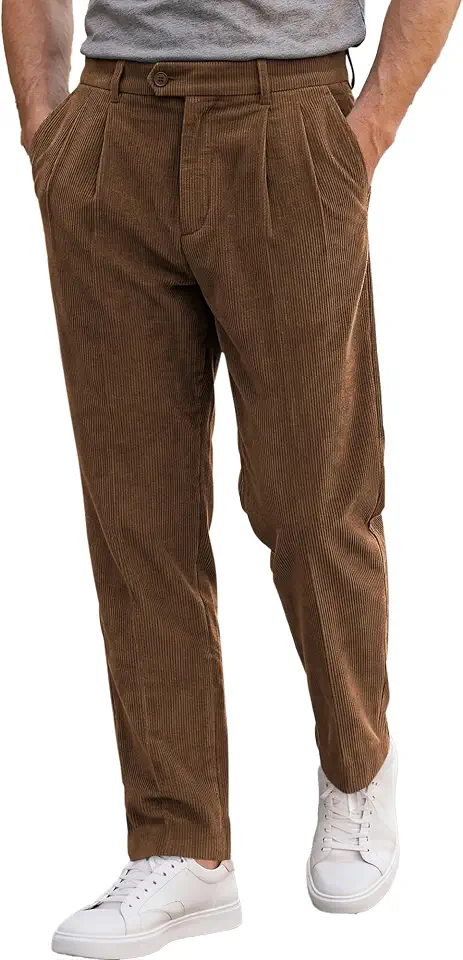
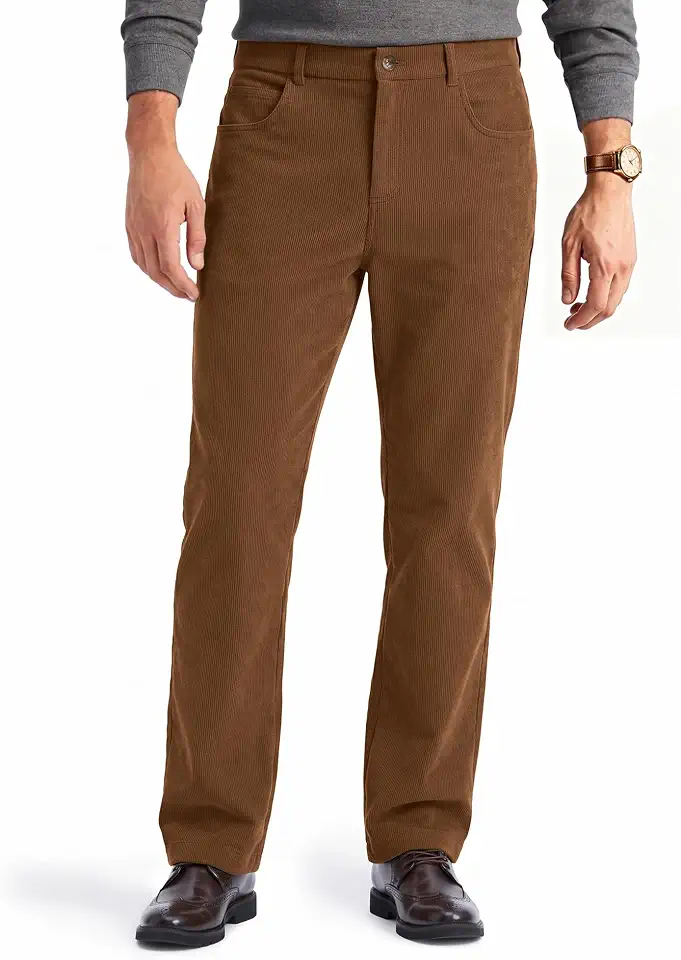
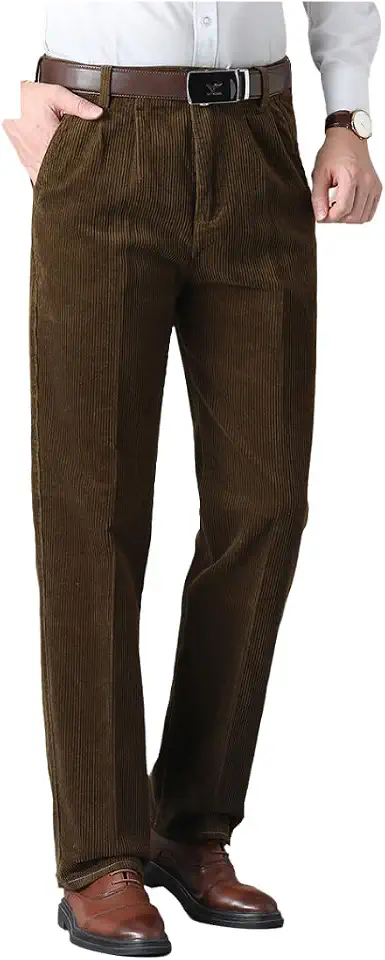
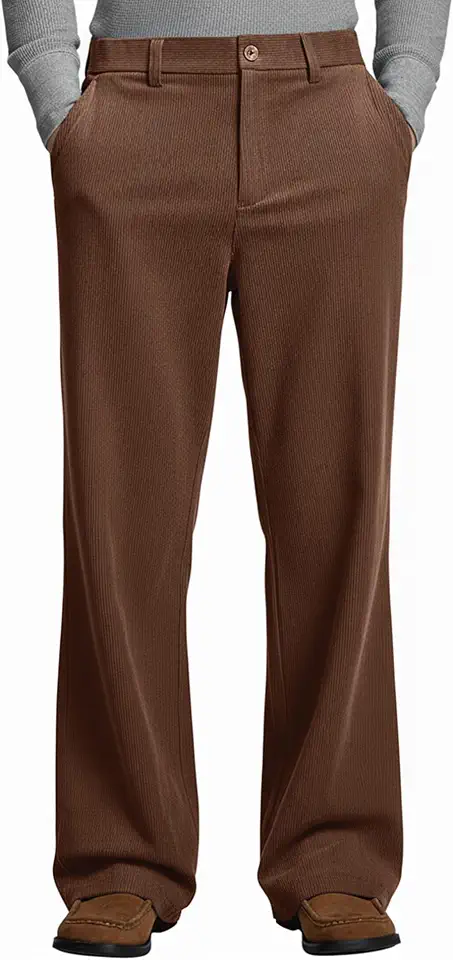
| British Country | Forest Green Wool | Cream cable-knit sweater | Tan corduroy trousers | Dark brown brogue boots |
| High-Low Weekend | Golden Camelhair | Grey loopback sweatshirt | Dark indigo selvedge jeans | Clean white leather sneakers |
Common Mistakes to Avoid
- Choosing Thin Synthetic Blends: Cheap polyester coats masquerading as camel coats wrinkle easily, lack warmth, and display an artificial plastic sheen. Look for minimum 70% wool or camelhair.
- Wearing with Casual Gym Clothes: A grand double-breasted polo coat thrown over baggy athletic sweatpants and running shoes looks chaotic and disjointed.
- Neglecting Summer Moth Care: Natural camelhair is irresistible to clothes moths. Always dry clean at the end of the season and store in a breathable zippered canvas garment bag with cedar blocks.
- Overly Skinny Sleeves: Tight armholes restrict shoulder mobility and prevent comfortable layering over knitwear.
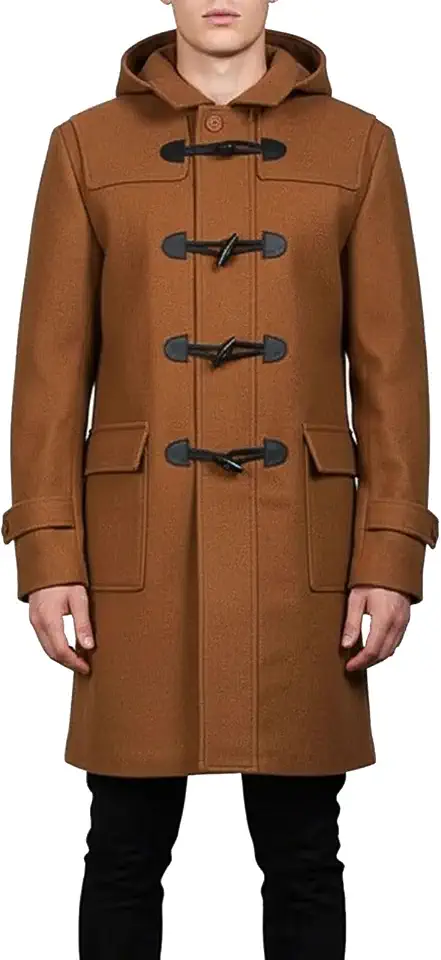
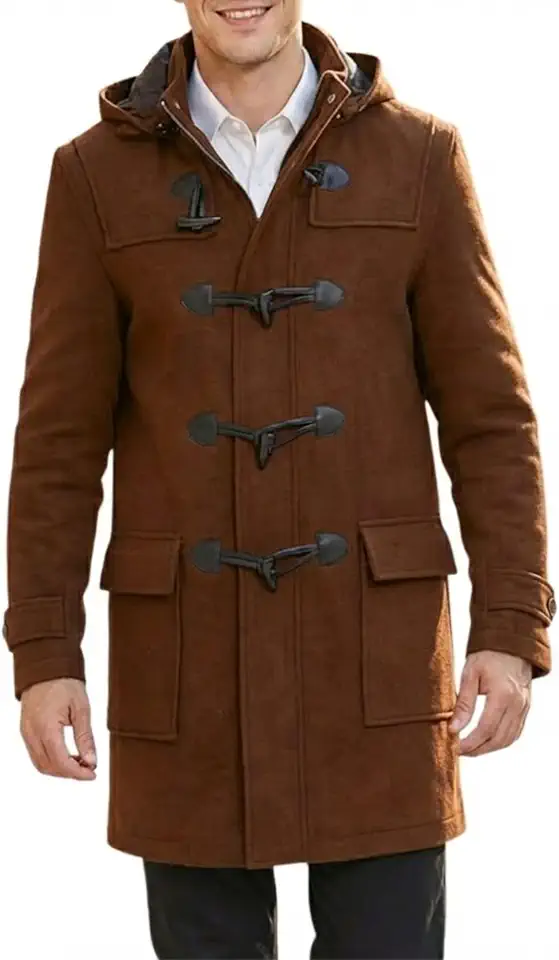
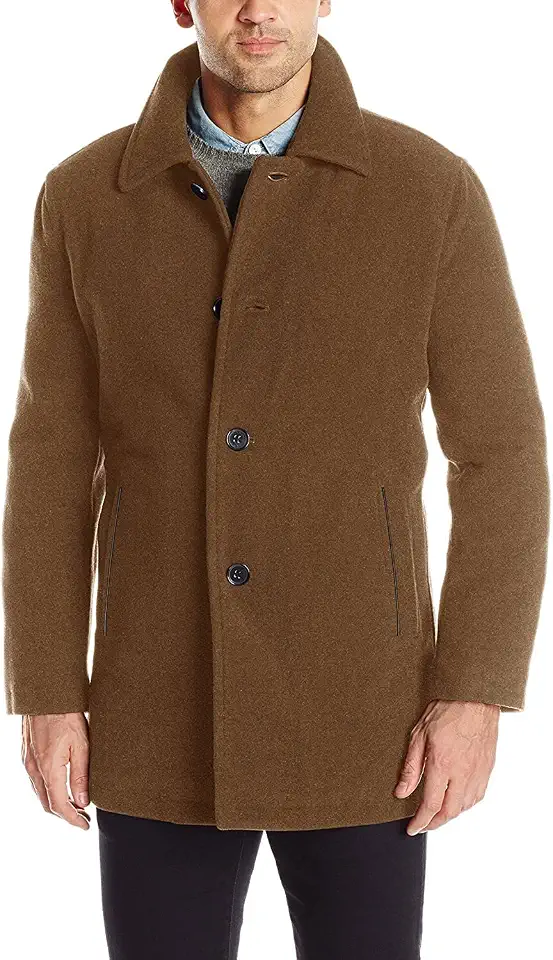
Invest in Timeless Aristocratic Elegance
The men's polo overcoat is more than simple winter outerwear; it is an enduring investment in timeless tailored sophistication and masculine dignity. It commands respect, elevates every layer beneath it, and stands as a beacon of uncompromising elegance against winter chills. Review our linked catalog outfits above to see how our editors style polo overcoats across classic and contemporary ensembles.
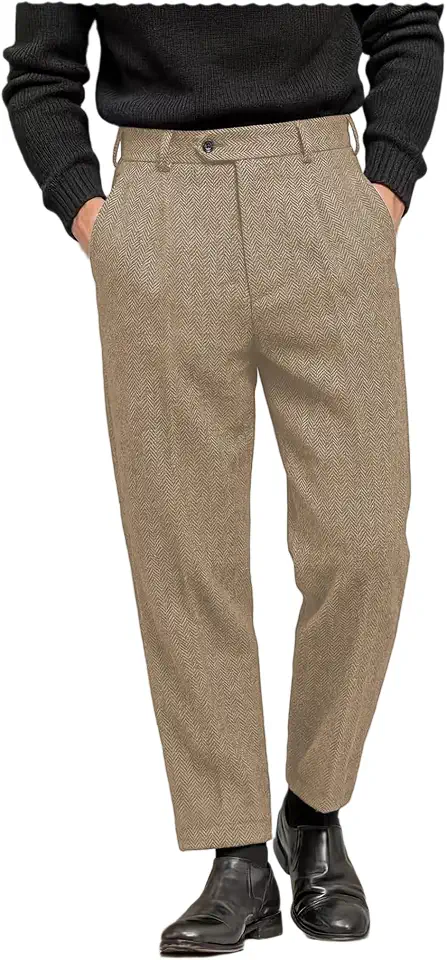
All curated searches
Related Reading
How to Style a Men's Wool Overcoat: Classic Tailoring to City Chic
Command cold weather with our definitive guide to styling men's wool overcoats, double-breasted coats, flannels, and winter knitwear.
1930s Louche Power Suiting: Nip-Waist & Fluid Pleats
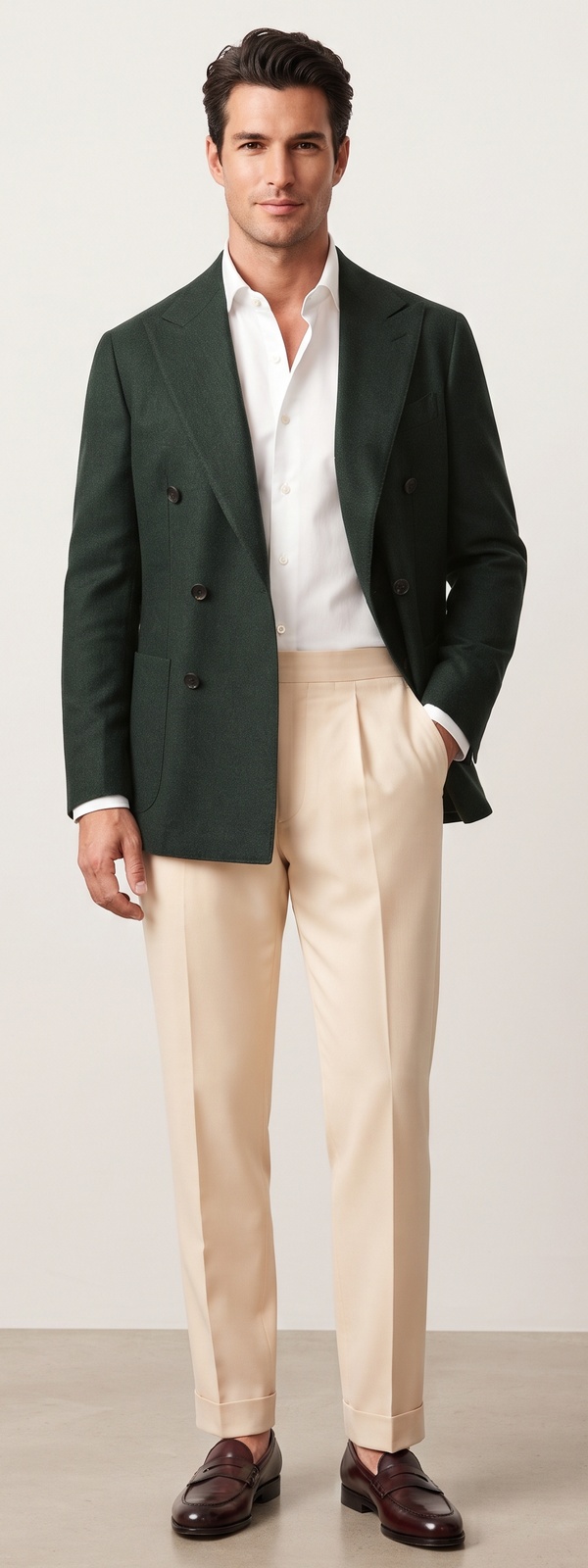
We drew inspiration from the 1930s louche tailoring revival sweeping Milan and Paris to assemble this power-suiting edit. Moving away from restrictive skinny suits, we pair men's double breasted wool blazers and men's pinstripe double breasted suits with men's pleated grey flannel dress pants and men's cream pleated dress pants. Anchored by men's fine merino turtleneck sweaters or crisp dress shirts, our silhouettes balance sculptural shoulder authority with fluid leg movement.
How to Style Men's Leather Brogues: Heritage Wingtip Footwear Guide
Elevate your smart-casual and business wardrobe with our definitive guide to styling men's leather brogues, wingtips, and perforated dress shoes.
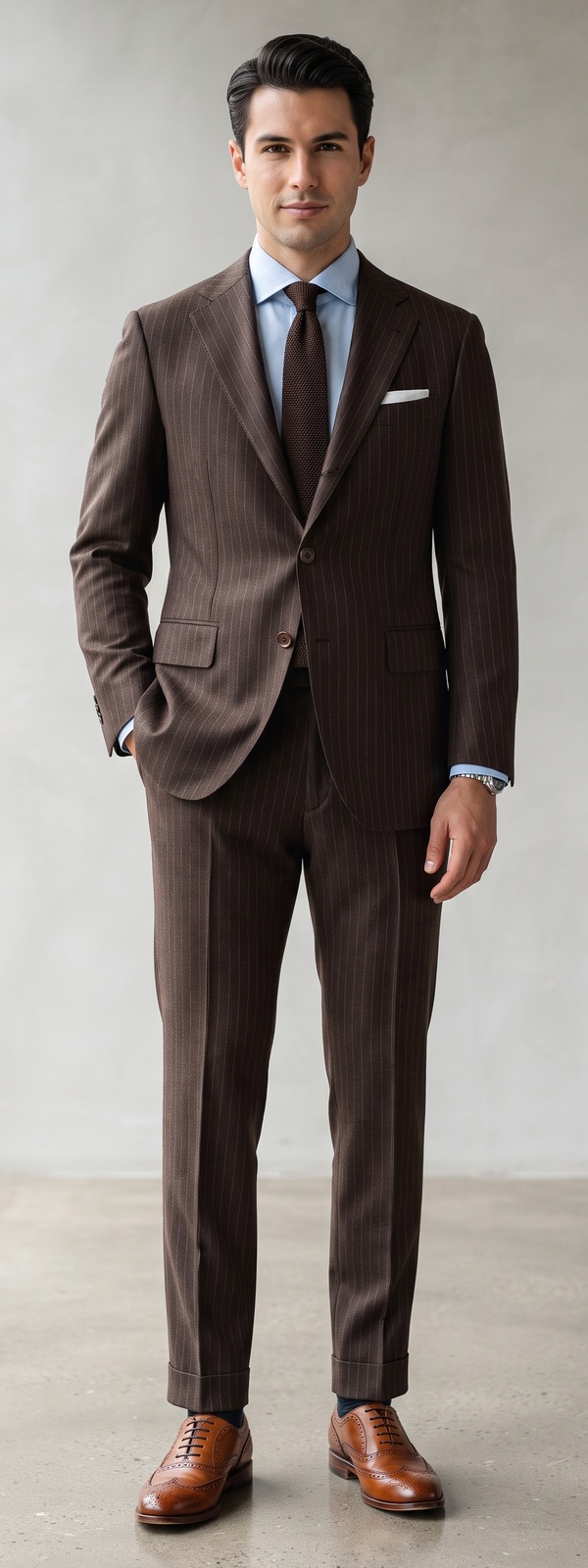
Wingtip Brogues: Perforated Leather Heritage Dress Shoes
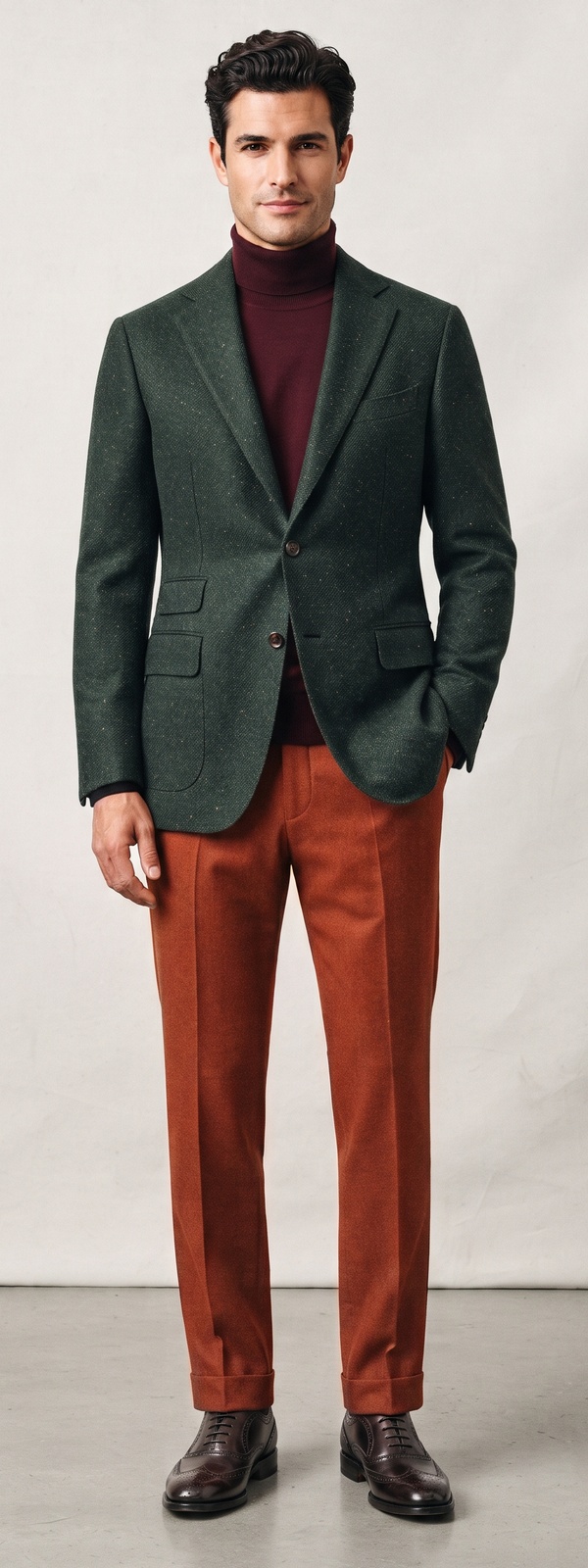
We designed this lookbook around the enduring authority of perforated leather broguing. Originally engineered to drain water on Scottish highlands, the wingtip brogue now brings unmatched artisanal character to tailored wool dress pants, dark corduroys, and double-breasted overcoats. Choose burnished cognac, oxblood burgundy, or dark espresso calfskin to ground textured knitwear and heritage tailoring with old-world permanence.
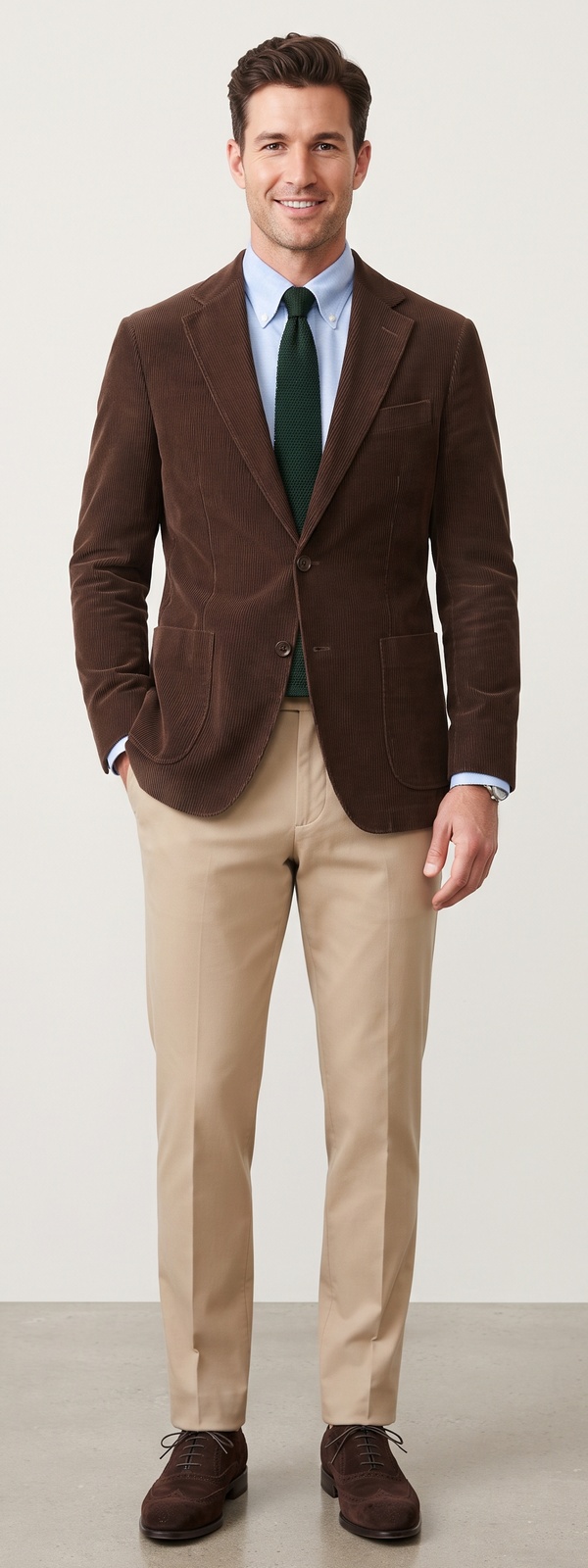
What to Wear to a Chamber Music Recital — Men's Complete Guide
An intimate chamber music recital held in a historic salon, conservatory hall, or private gallery presents a unique sartorial setting. Without the grand theatrical formality of a symphony orchestra hall, chamber music calls for nuanced, quiet sophistication where subtle tailoring shines. Guests sit mere feet from world-class string quartets and pianists, creating an atmosphere that rewards thoughtful sartorial restraint. The dress code leans into understated quiet luxury and intellectual smart formal style: tailored wool or tweed blazers, fine-gauge merino rollnecks or crisp dress shirts, pleated wool dress pants, and polished leather monk straps. Your ensemble should demonstrate deep respect for acoustic artistry while feeling comfortable during long sitting periods in close quarters. From rich acoustic textures like herringbone and flannel to silent squeak-free leather soles, here is your master guide to dressing for chamber music with cultured distinction.
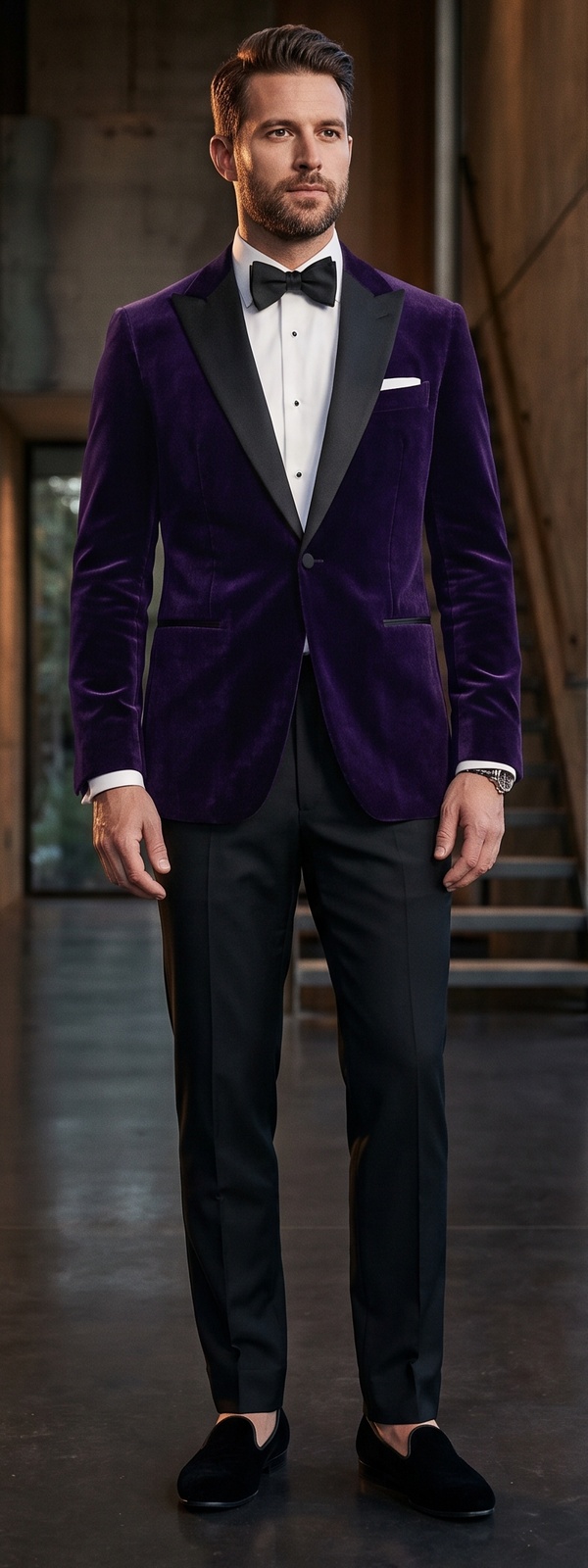
What to Wear to a Black-Tie Optional Wedding — Men's Complete Guide
Receiving an invitation specifying a 'black-tie optional' dress code often sparks instant confusion. You find yourself wondering whether the hosts truly expect a tuxedo, or if wearing your go-to dark suit will leave you looking notably underdressed next to other guests. The central styling challenge is navigating this ambiguous middle ground without blowing your budget on an expensive new garment. You want to honor the formal tone of the evening, project effortless confidence, and avoid looking like you simply grabbed your daily office attire on the way out. Do not stress—we have outlined the exact formula to help you conquer this dress code with poise. Here is your definitive guide to choosing between a dinner jacket and a tailored suit, complete with affordable accessory rules to ensure you look impeccably sharp.
Other Reading
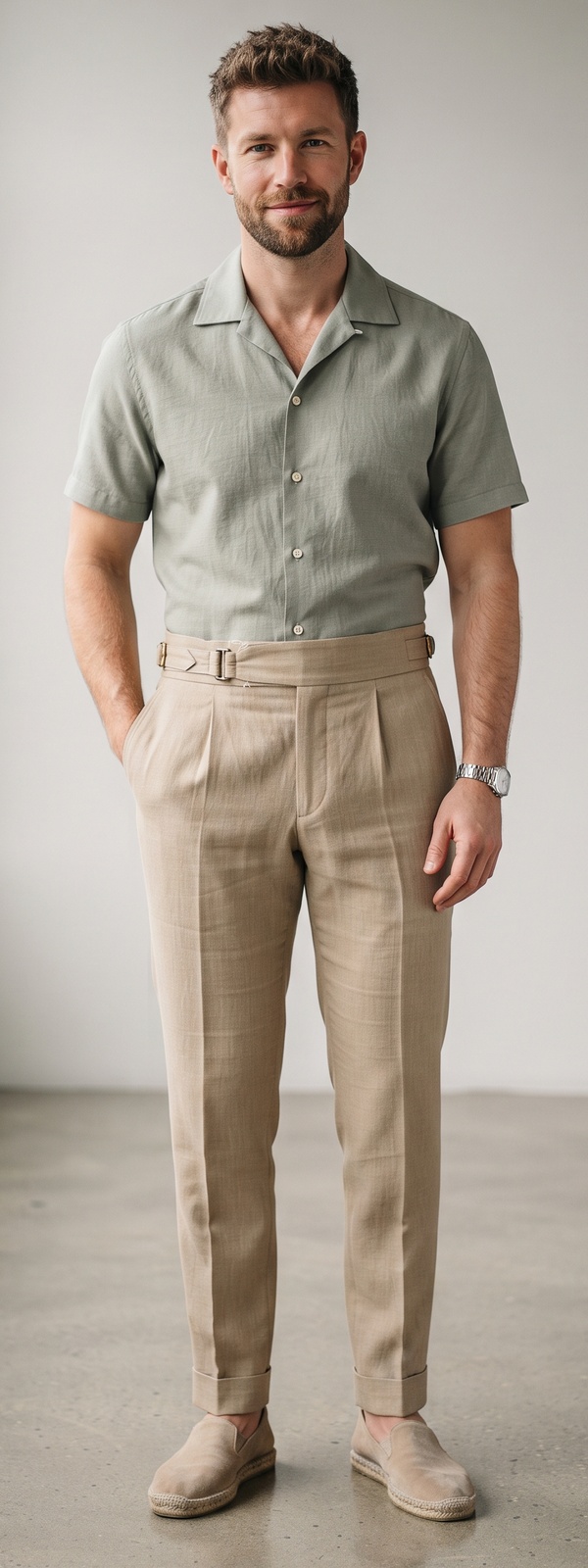
What to Wear to an Ikebana Floral Class — Men's Complete Guide
Entering a tranquil Japanese floral design studio for an ikebana botanical sculpture class immerses you in quiet architectural balance, brass kenzan pin frogs, and pruned pine branches. Practitioners clip woody quince stems underwater with carbon-steel hasami shears, calculate asymmetrical negative space, and anchor sculptural branches inside shallow ceramic suiban basins. The ideal sartorial tone is Japanese minimalist elegance and unencumbered studio utility: relaxed band-collar linen or cotton shirts, wide-leg pleated dress pants, muted canvas aprons, and supple leather loafers. Because ikebana is a meditative discipline requiring calm posture and frequent handling of wet branches, clean understated garments are essential. From bending willow twigs with subtle hand heat to placing the final focal iris stem onto brass kenzan needles, here is your definitive ikebana style guide.

The Minimalist's Wardrobe
We believe that true style does not have to be loud or complicated to make an impact. For this collection, we embraced the philosophy of 'less is more' by focusing on precise fits, clean silhouettes, and a versatile, neutral color scheme. Our goal was to curate a lean, budget-friendly capsule wardrobe where every single piece coordinates effortlessly with the next. By removing the guesswork from getting dressed, we want to help you build a timeless, high-value rotation that feels incredibly calm and intentional.
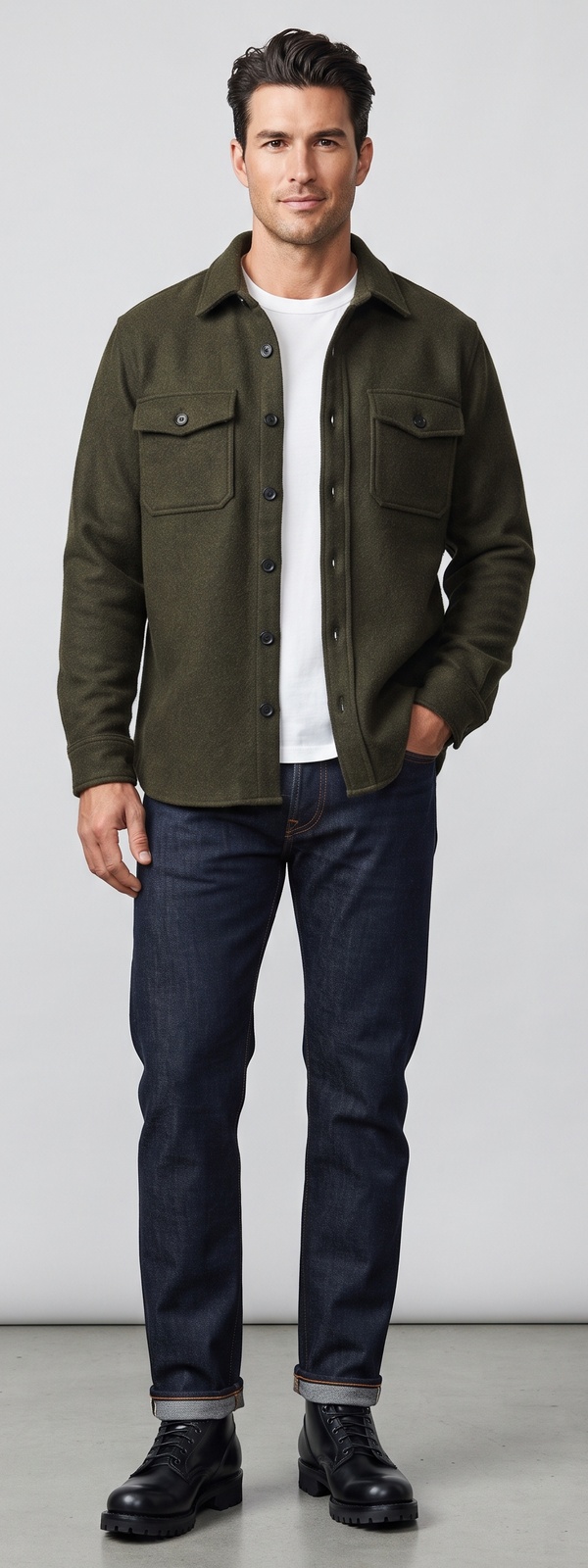
Autumn Outerwear Guide: Shackets, Bombers & Field Jackets
Choose the best fall jacket for your style. Compare overshirts, flight jackets, and utilitarian field coats with outfit ideas on an affordable budget.