
September 26, 2026
Smart Casual vs Business Casual: Key Differences Explained
Navigating modern dress codes can feel like walking through a sartorial minefield. You receive an invitation or review an office handbook that mentions smart casual, while your friend's workplace demands business casual. At first glance, both terms seem interchangeable, pointing toward a relaxed yet neat aesthetic. However, confusing the two can leave you wearing sneakers to an executive presentation or showing up to an upscale cocktail lounge looking like you forgot to take off your cubicle uniform. The good news is that you do not need two separate, expensive wardrobes to master both styles. By understanding how garments, fabrics, and silhouettes function across both categories, you can easily build an interchangeable, budget-friendly rotation that covers every scenario.
Outfits from this article
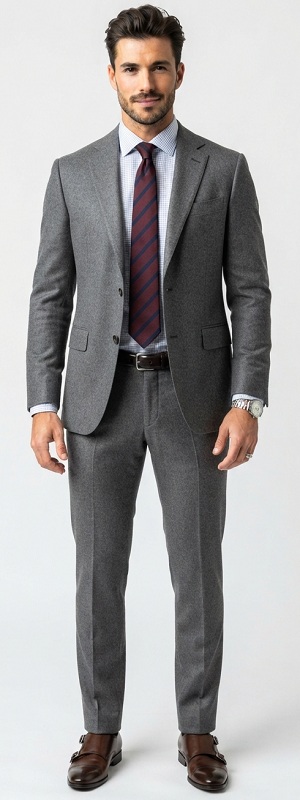 From $168
Classic Grey Wool Suit with Micro Check Dress Shirt Striped Burgundy Tie and Monk Strap Shoes Outfit
Sep 24, 2026
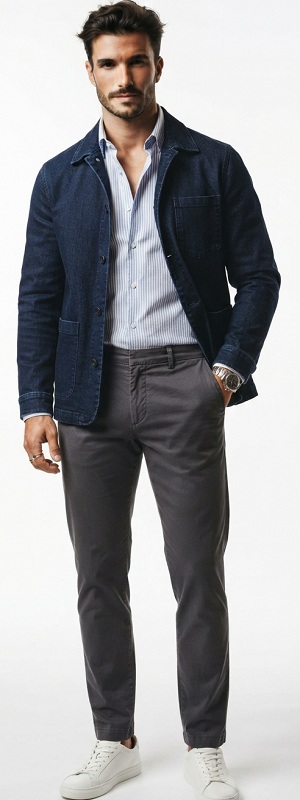 From $97
Smart Casual Indigo Denim Chore Jacket with Striped Dress Shirt and Charcoal Chino Pants Outfit
Sep 24, 2026
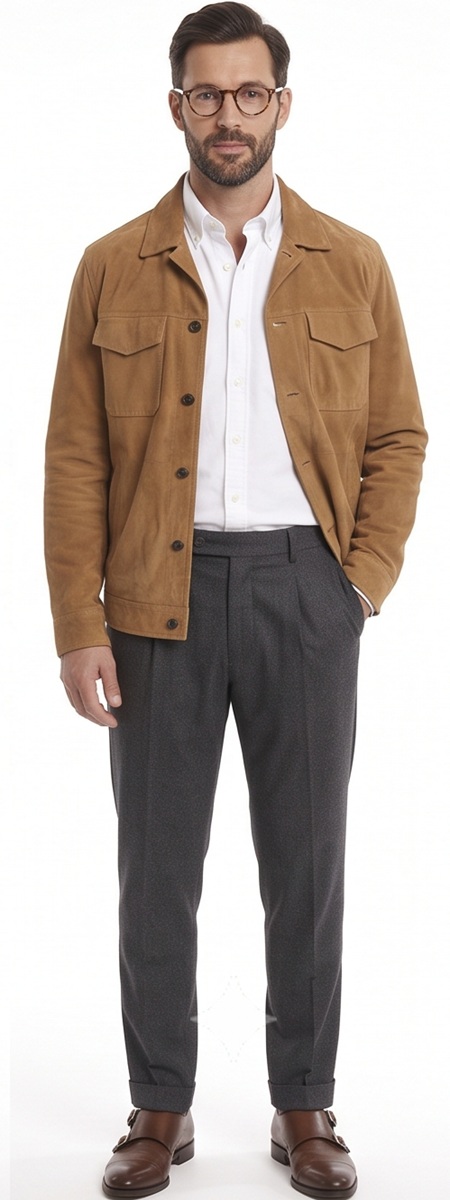 From $139
Polished Smart Casual Look with Tan Suede Jacket and Charcoal Trousers
Jul 18, 2026
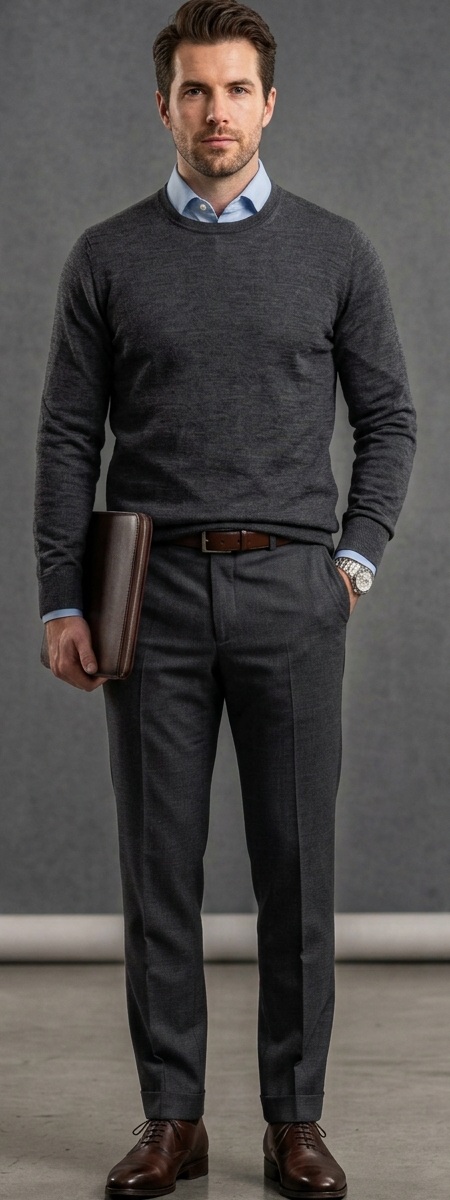 From $167
Smart Business Casual Charcoal Sweater and Light Blue Shirt Combo
Jul 12, 2026
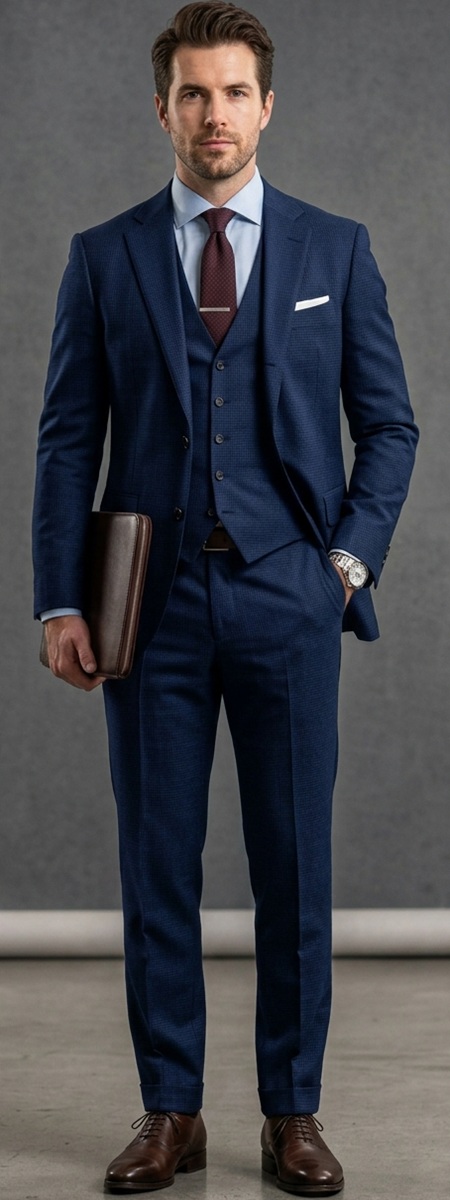 From $265
Sharp Business Formal Navy Blue Three Piece Suit
Jul 12, 2026
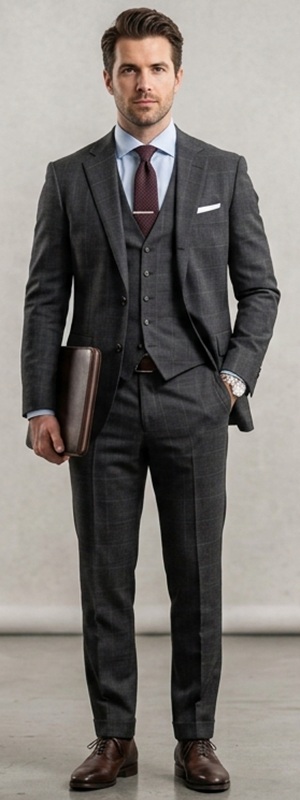 From $245
Sharp Business Formal Charcoal Plaid Three Piece Suit
Jul 12, 2026
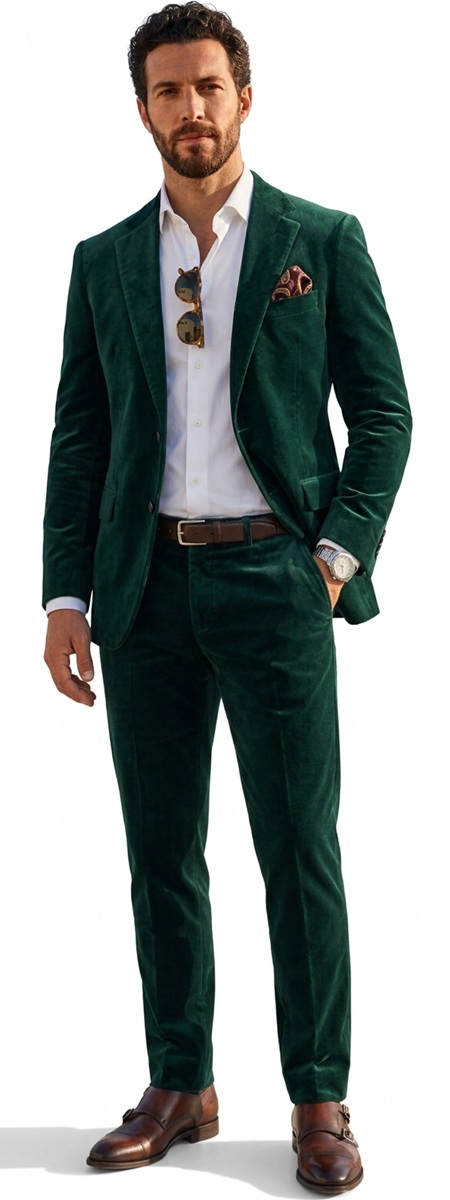 From $150
Bold Emerald Green Velvet Suit and Leather Monk Straps
Jul 12, 2026
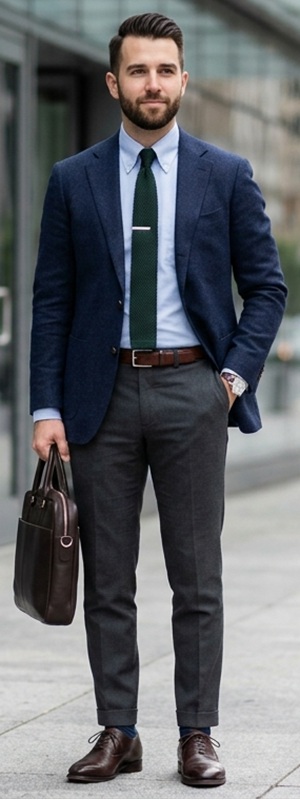 From $231
Sharp Business Casual Navy Blazer and Charcoal Trousers
Jul 12, 2026
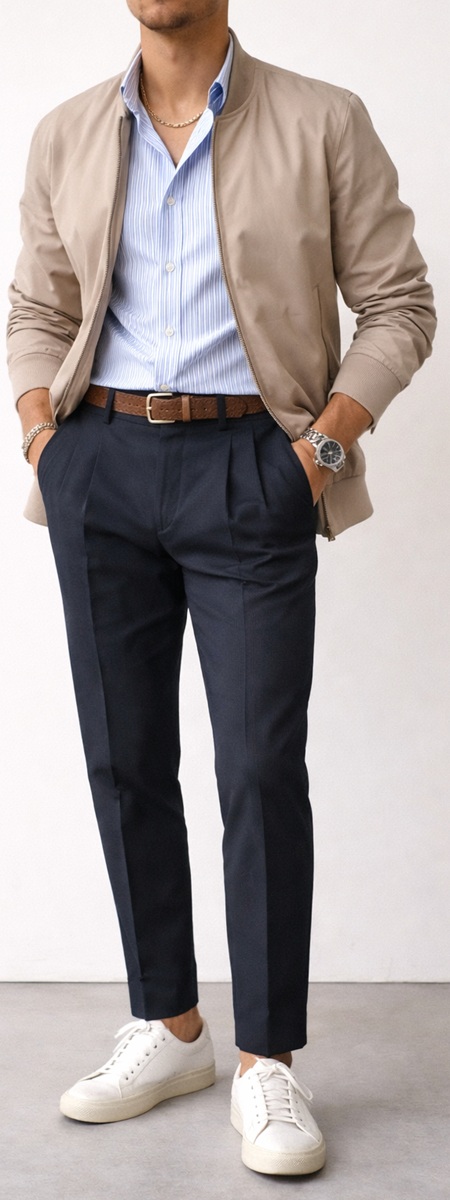 From $154
Smart Casual Beige Bomber Jacket and Navy Pleated Trousers
Jul 11, 2026
The Core Difference: Professional Standard vs Personal Style
The most straightforward way to separate smart casual vs business casual is to examine the underlying intention of the setting.
Business casual is rooted in traditional corporate standards. It represents the deliberate dressing down of business formal attire. You are removing the tie, swapping suit jackets for blazers or cardigans, and leaving the stiff French cuffs at home, but the primary goal remains workplace competence, modesty, and institutional respect. The baseline vibe is polished, understated, and unmistakably professional.
Smart casual, on the other hand, is the deliberate dressing up of casual everyday wear. Instead of toning down a formal suit, you are elevating casual staples—like dark jeans, clean knitwear, and t-shirts—by infusing them with tailored structure and elevated fabrics. Smart casual leans into personal flair, modern silhouettes, and weekend-ready ease. While business casual is defined by corporate appropriateness, smart casual is defined by effortless refinement.
Tops: Crisp Collars vs Knitwear and Layering
Your choice of shirt immediately signals which side of the line you stand on, making tops the primary focal point of both dress codes.
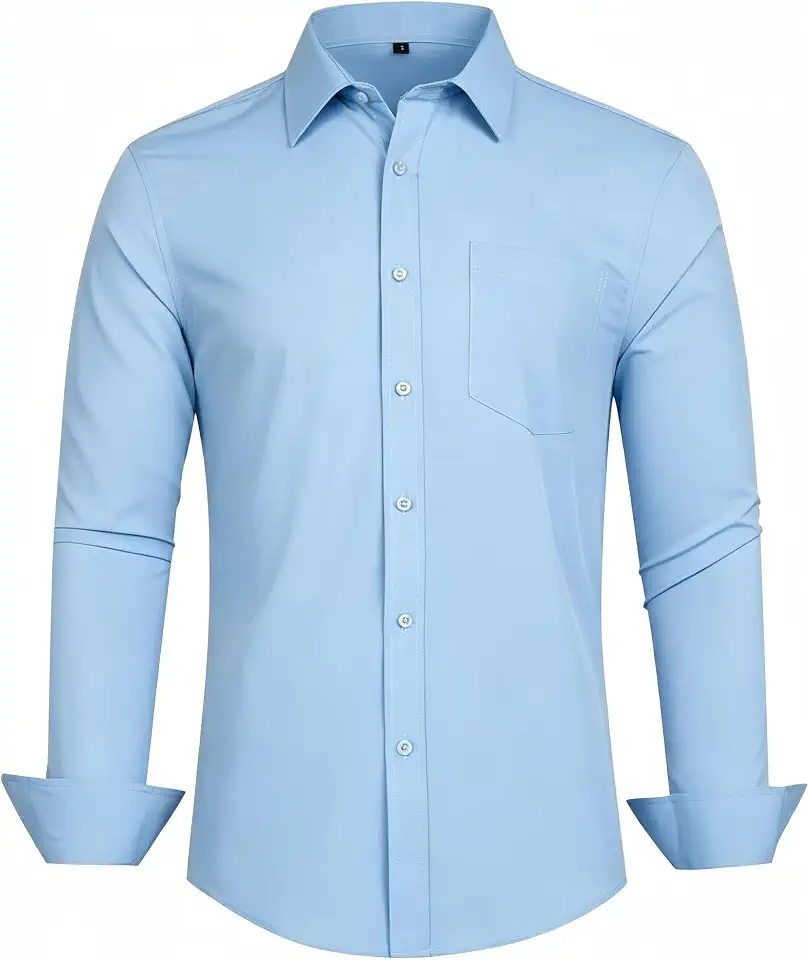
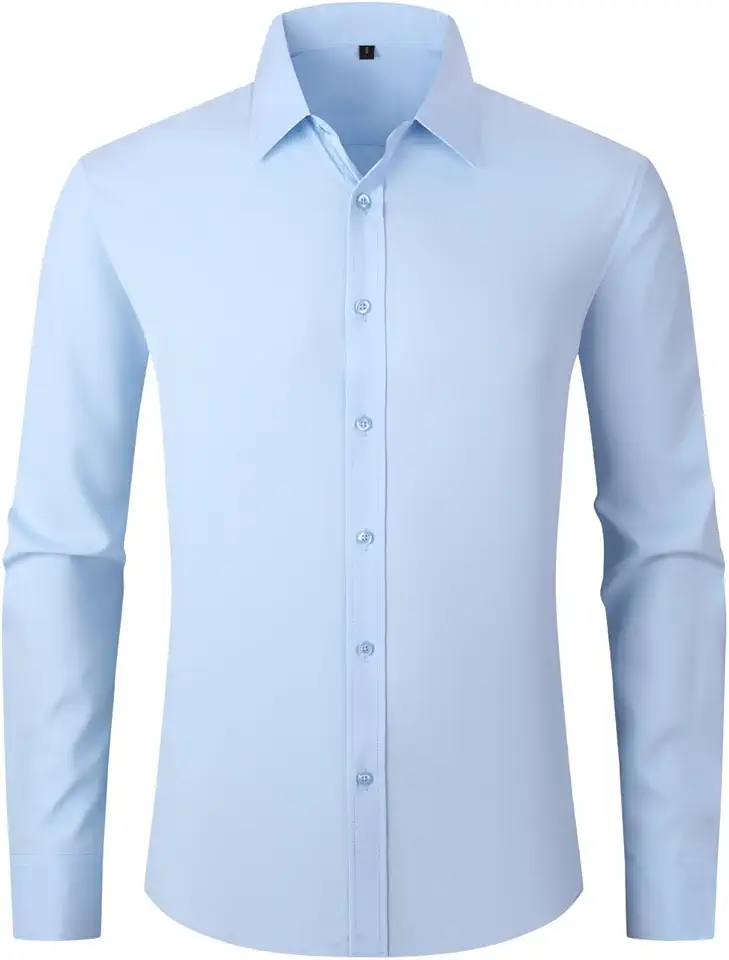
In a business casual environment, a collared shirt is nearly non-negotiable. Stick to long-sleeve button-up dress shirts crafted from crisp cotton poplin, fine twill, or pinpoint cloth. Conservative patterns like micro-gingham or subtle Bengal stripes in light blue, white, or soft lavender work best. These shirts should always be tucked neatly into your trousers. Sweaters are strictly used for layering, with lightweight merino wool or fine-gauge cotton V-neck and crewneck jumpers slipping cleanly over the collar.
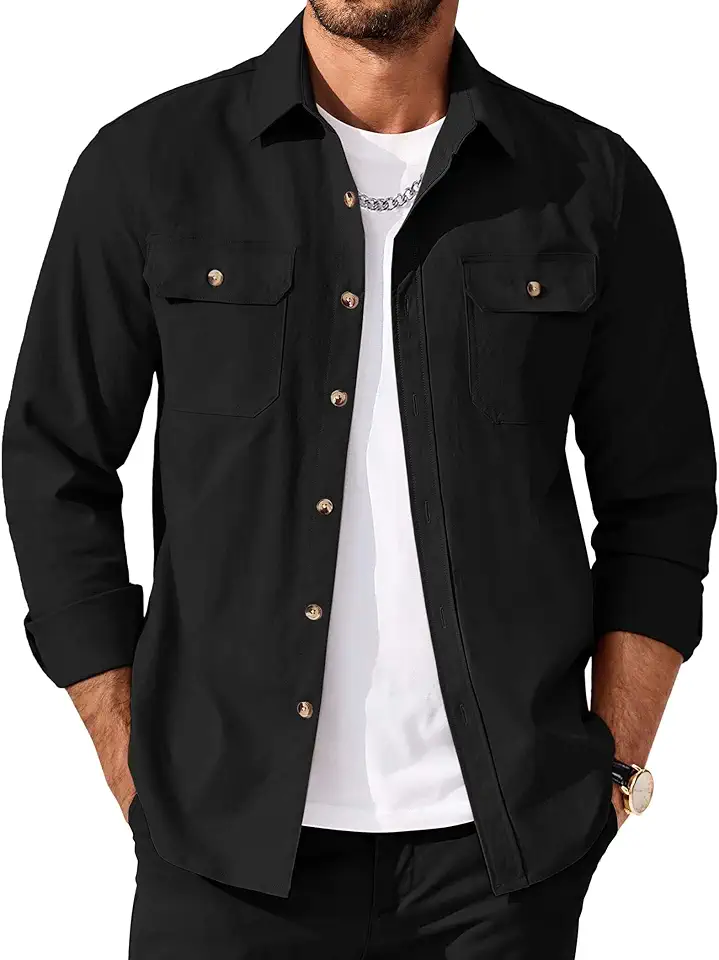
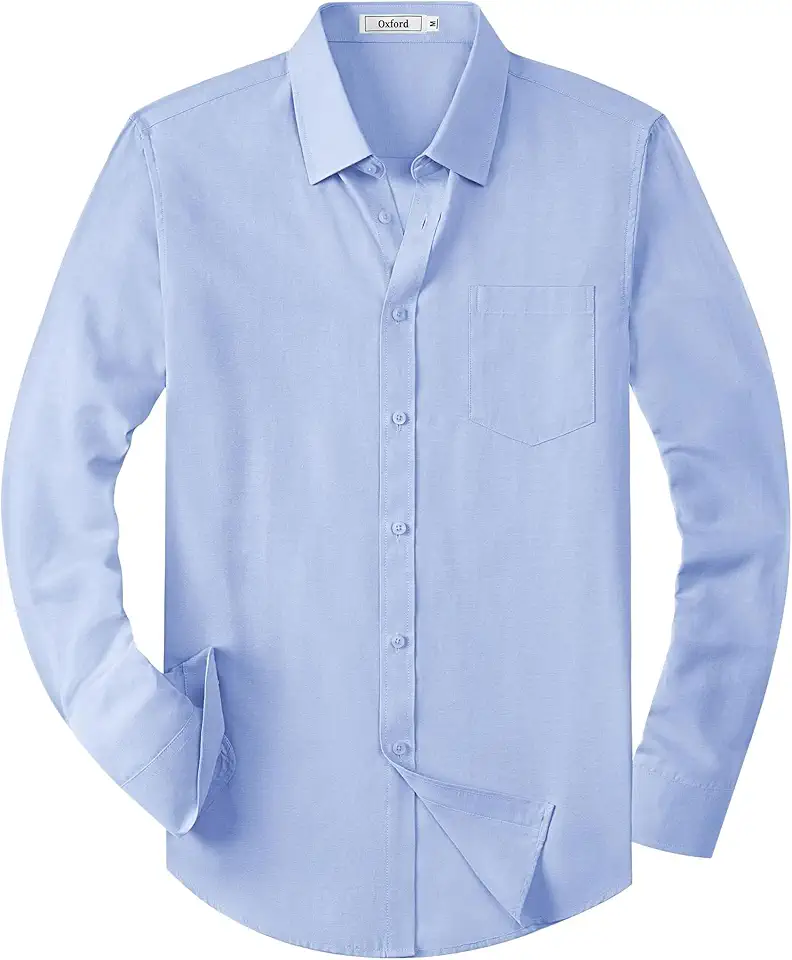
Smart casual offers far broader freedom. While a structured Oxford cloth button-down (OCBD) fits seamlessly here, you can skip traditional dress shirts entirely. Fine-knit cotton polo shirts, banded-collar linen shirts, and premium heavyweight crewneck t-shirts in neutral tones are all smart casual staples. Furthermore, smart casual encourages relaxed layering pieces like utility overshirts, textured chore jackets, and unstructured cotton-knit blazers that would feel too informal for a traditional office desk.
Pants: Tailored Slacks vs Dark Denim
Legwear is where the boundary between smart casual and business casual becomes sharpest, particularly when it comes to denim.
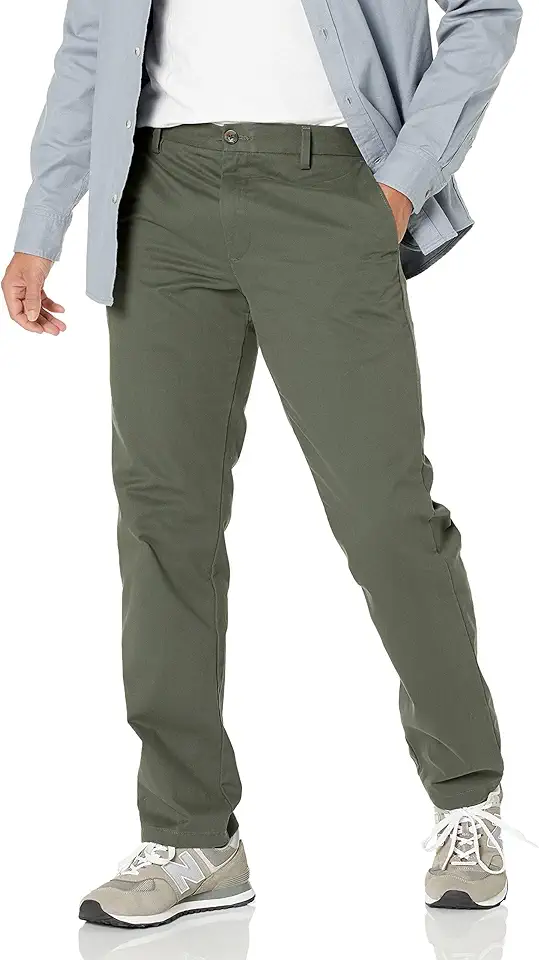
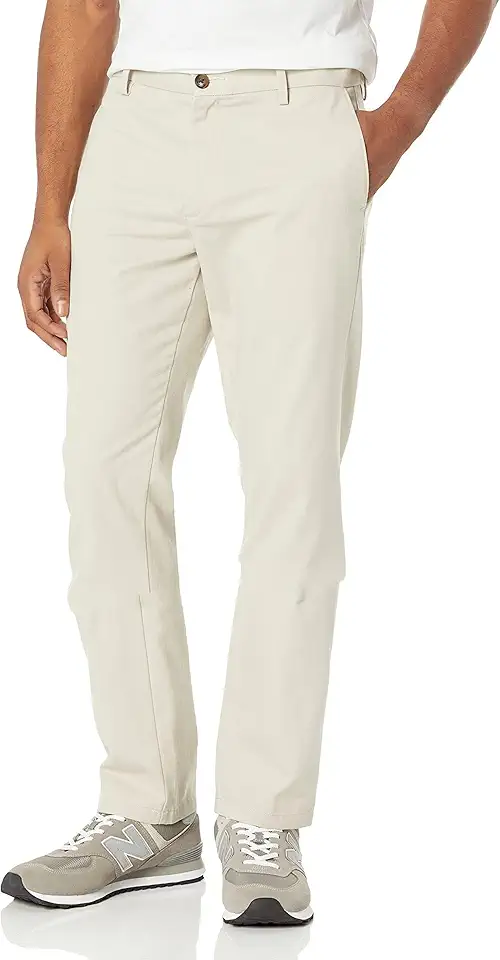
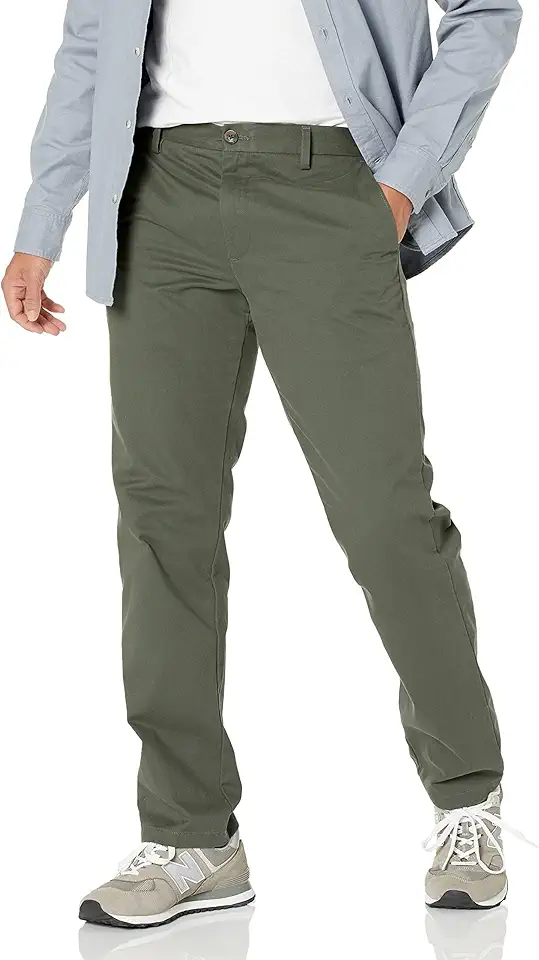
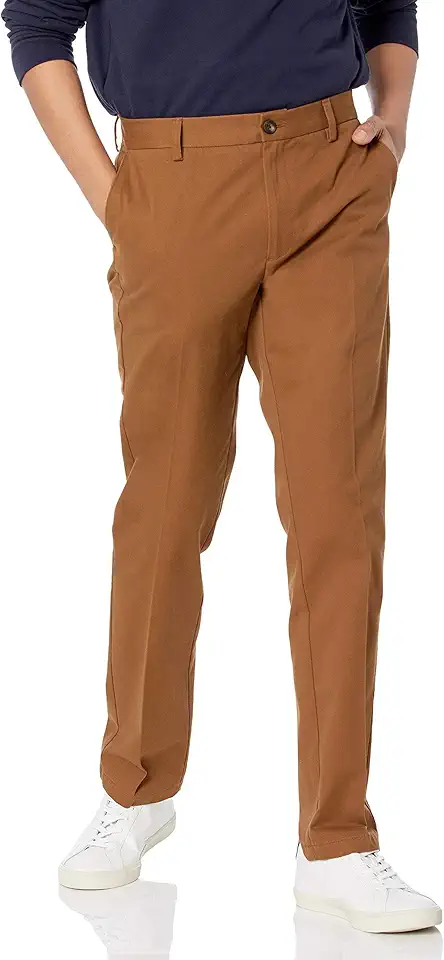
For business casual, denim is generally off the table unless your office has an explicitly relaxed policy or celebrates casual Fridays. Your daily drivers should be tailored flat-front chinos, pressed cotton trousers, or lightweight wool-blend dress slacks. The fit should remain classic or slim-straight, avoiding severe tapers or cropped ankles, and finished with a clean break over your shoes.
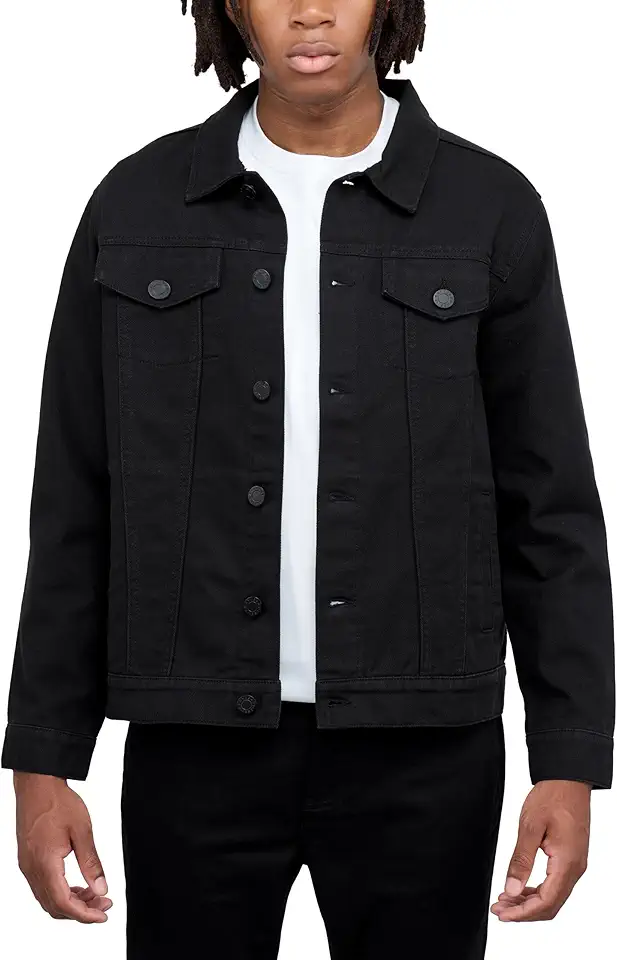
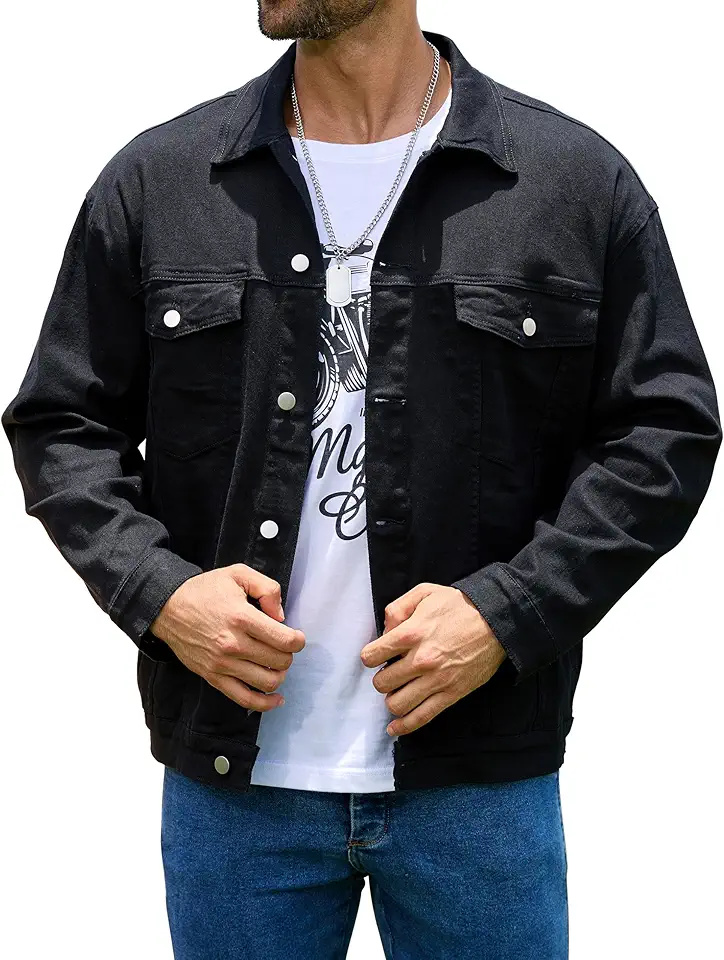
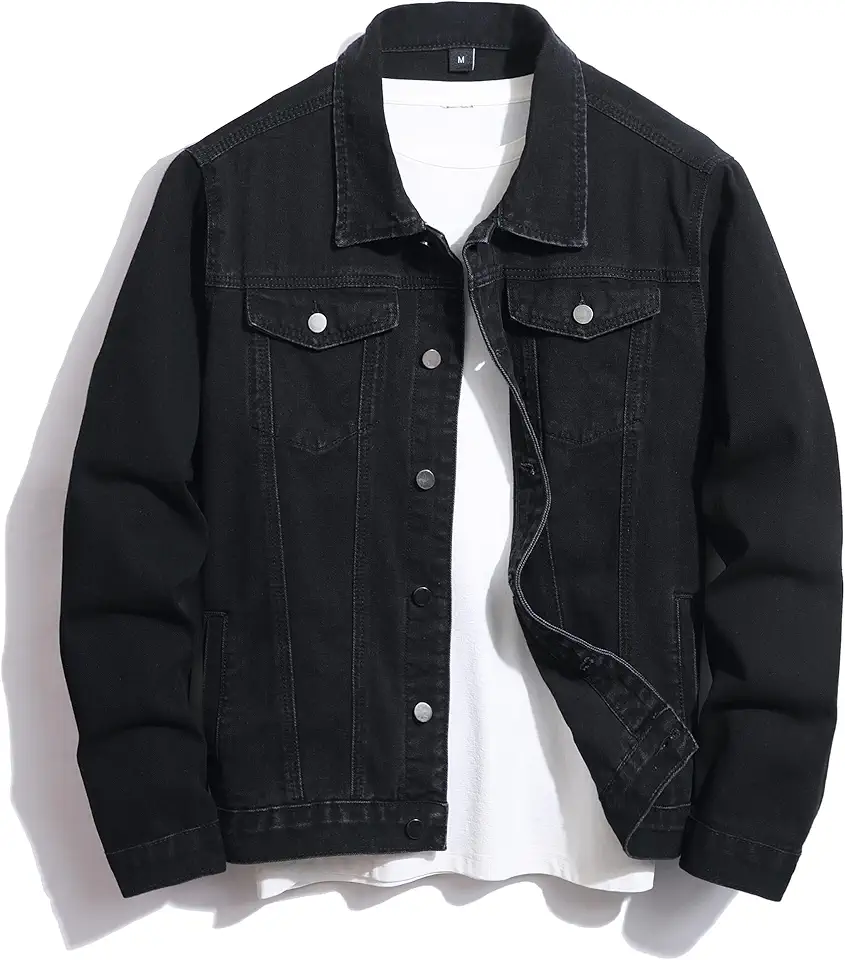
In contrast, denim is a foundational pillar of smart casual. The caveat is that your jeans must remain sharp: think deep indigo, rinse-wash, or solid black with no artificial fading, rips, or raw hems. A clean, tapered pair of dark jeans acts almost like a tailored trouser when paired with the right jacket. Alongside denim, smart casual welcomes relaxed drawstring trousers in matte stretch twill, textured corduroys, and washed cotton chinos worn with a subtle roll at the cuff.
Jackets: Structured Tailoring vs Unstructured Layers
Outerwear determines the silhouette and formality level of your outfit, and the jackets utilized across both aesthetics differ markedly in construction.
Business casual relies on structured blazers and sport coats. These garments feature defined shoulder pads, full inner linings, and classic notch lapels, traditionally made from smooth worsted wool, wool flannel, or fine hopsack. Even when worn without a tie, a structured navy or charcoal sport coat communicates boardroom readiness.
Smart casual embraces unstructured tailoring. An unstructured blazer strips out shoulder padding, chest canvas, and interior lining, allowing the fabric to drape naturally over your frame like a heavy shirt. Fabrics shift toward textured linen blends, brushed cotton, knit jersey, or waffle weaves. Smart casual also welcomes outerwear beyond traditional tailoring, such as minimalist Harrington jackets, suede bomber jackets, and heavy overshirts.
Footwear: Classic Leather vs Modern Minimalism
Shoes anchor your ensemble, and making the wrong footwear choice can unravel an otherwise well-planned outfit.
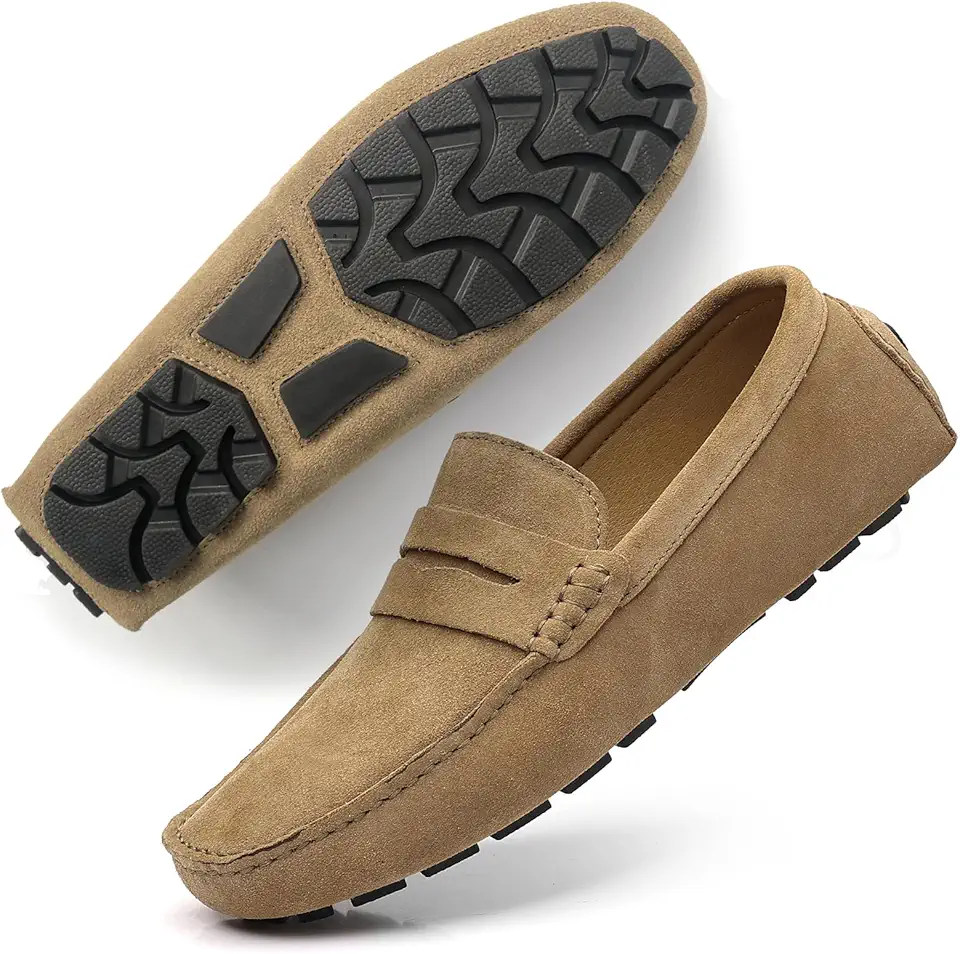
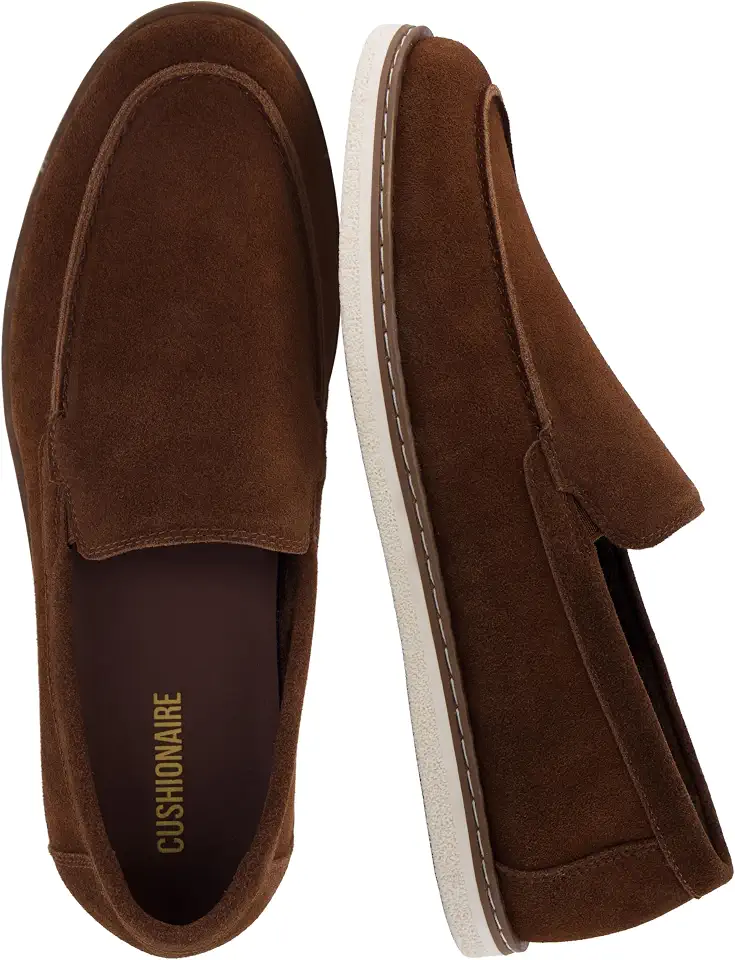
- Business Casual Footwear: Footwear should be crafted from smooth polished calfskin or rich dark suede. Reliable options include open-laced derby shoes, monk straps, and classic penny loafers in shades of dark brown, burgundy, oxblood, or black. Soles should remain slim and leather- or rubber-profiled. Sneakers are strictly off-limits.
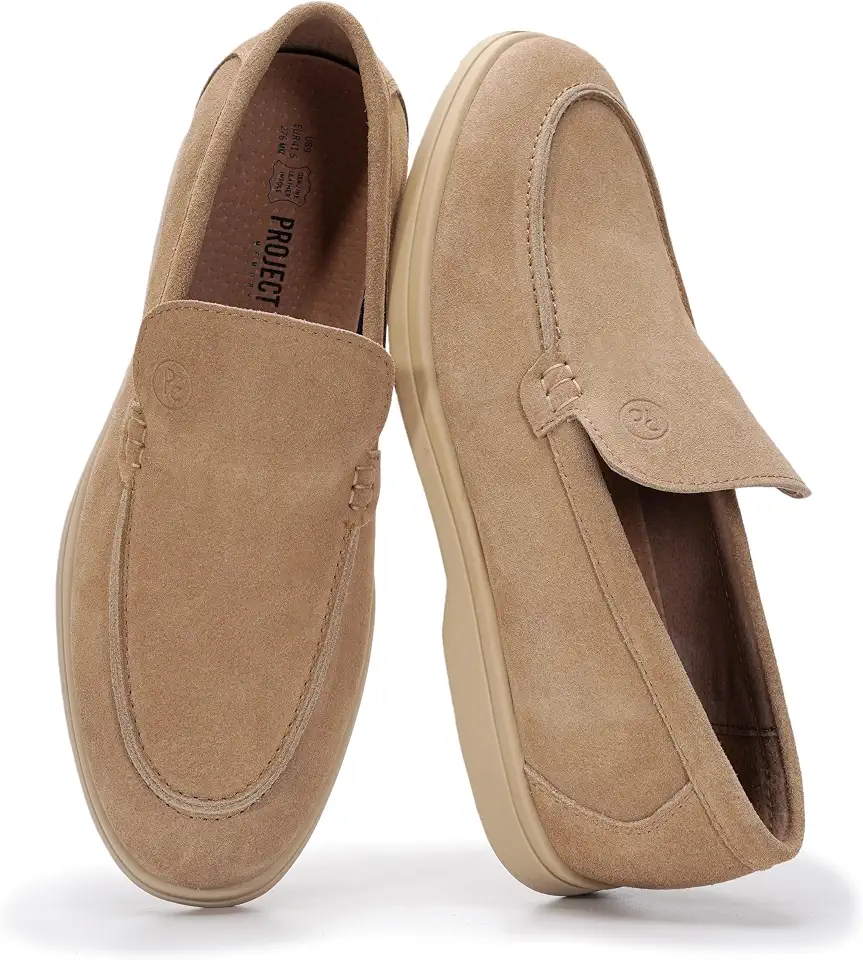
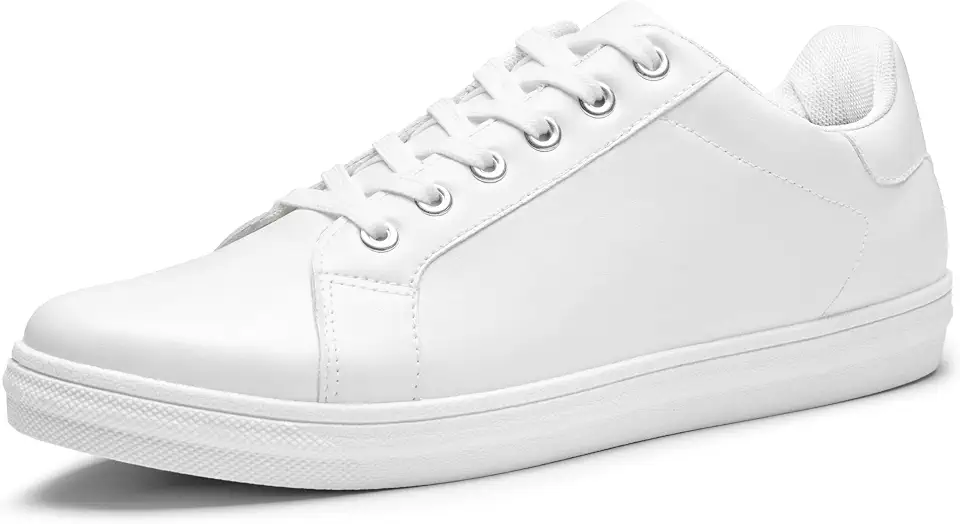
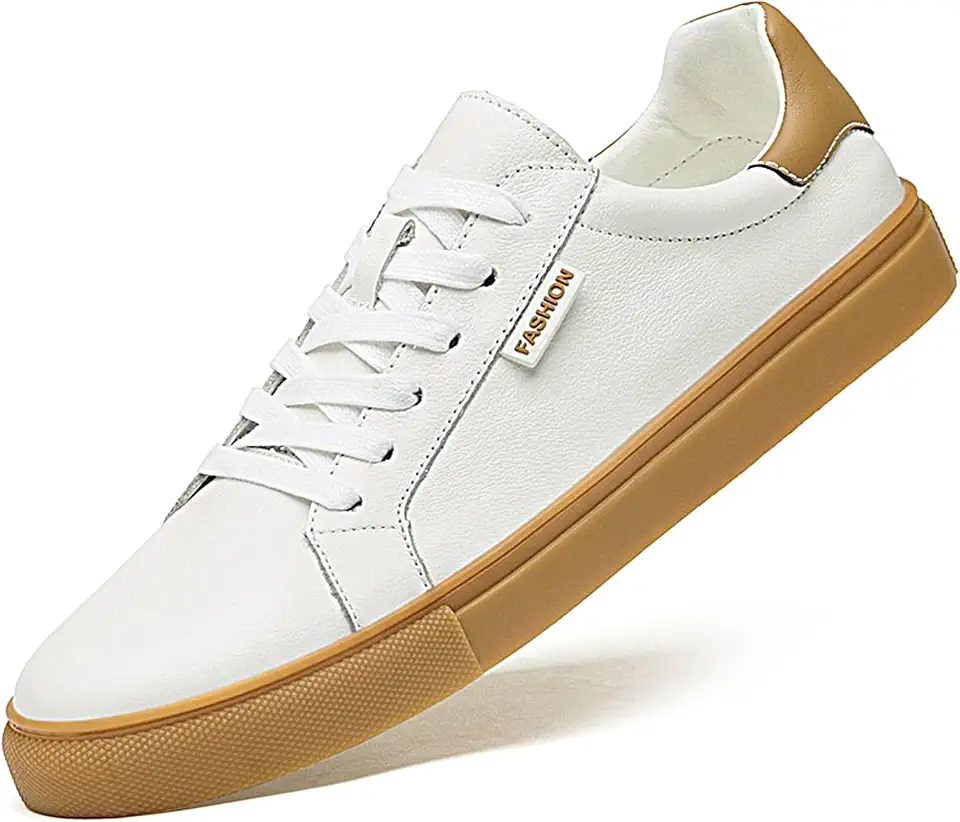
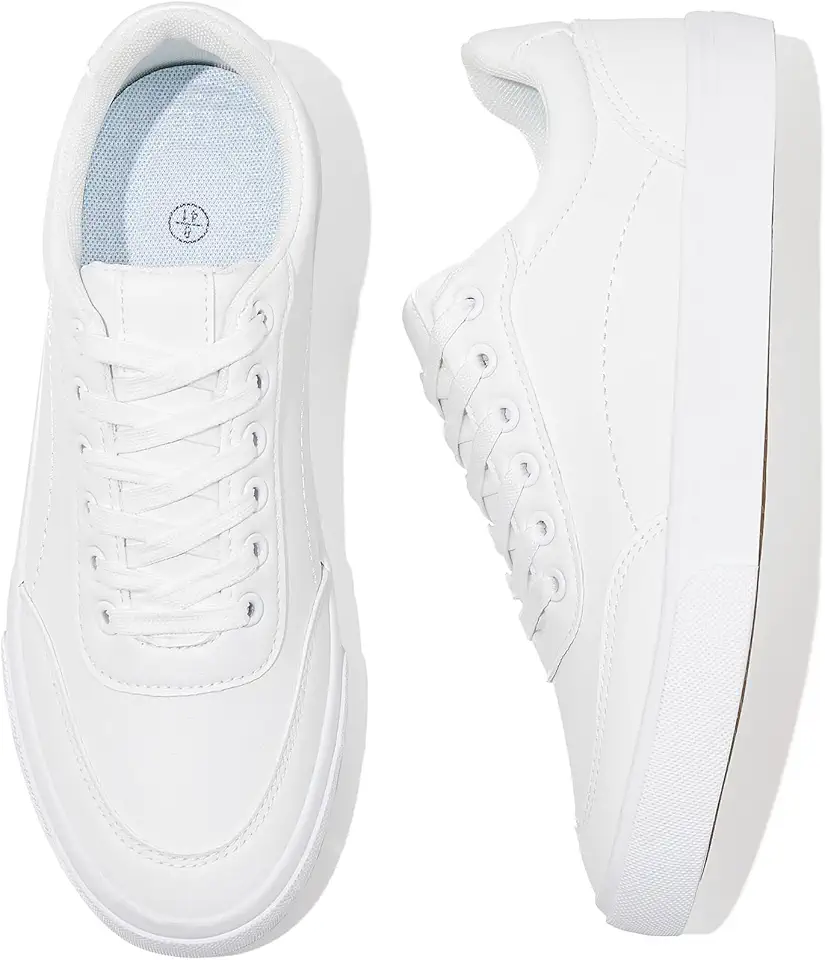
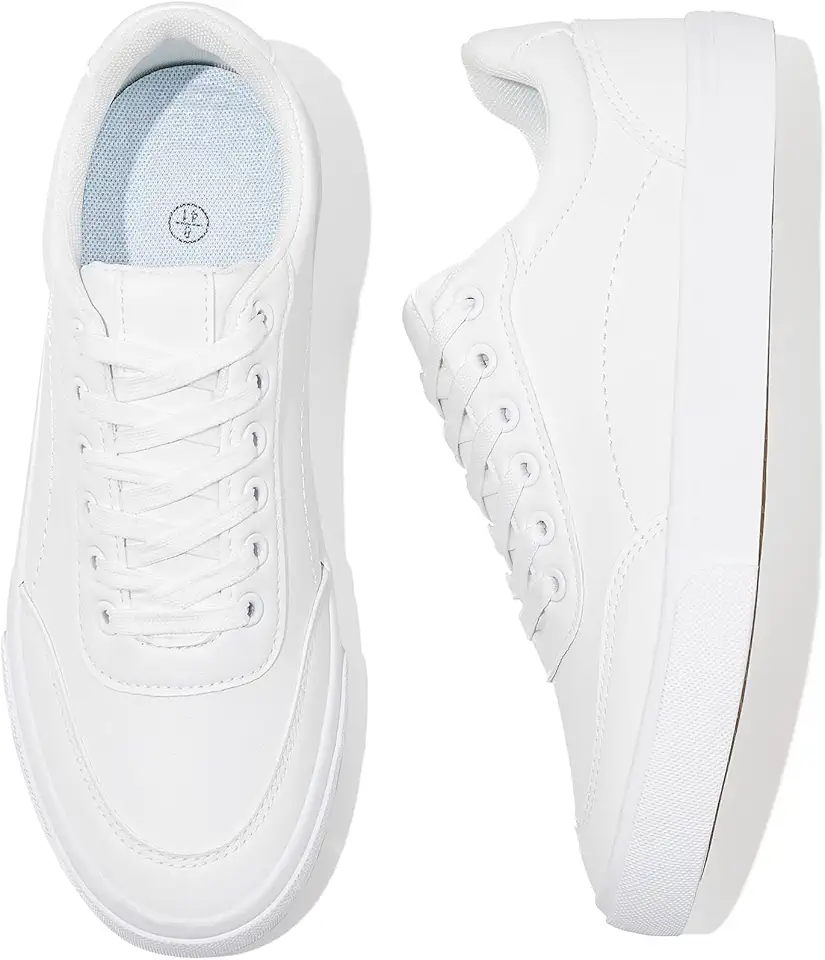
- Smart Casual Footwear: The footwear spectrum opens up considerably. Suede Chelsea boots, chukkas, and tassel loafers excel in smart casual environments. Crucially, minimalist leather sneakers with clean white or monochrome rubber soles are fully welcomed, provided they are kept spotless and styled alongside tailored pieces.
Quick Comparison: The Five-Point Cheat Sheet
- Collars: Business casual demands a collared button-up; smart casual accommodates knit polos, henleys, and clean t-shirts.
- Jeans: Strictly avoided in business casual; a core staple in smart casual when kept dark and unblemished.
- Blazers: Structured with defined shoulders for business casual; soft, unstructured, and textured for smart casual.
- Tucking: Shirts must be tucked in business casual; smart casual permits tailored, flat-hem shirts to be worn untucked.
- Sneakers: Never allowed in business casual; accepted in smart casual when minimal and pristine.
Master Both Styles Without Breaking the Bank
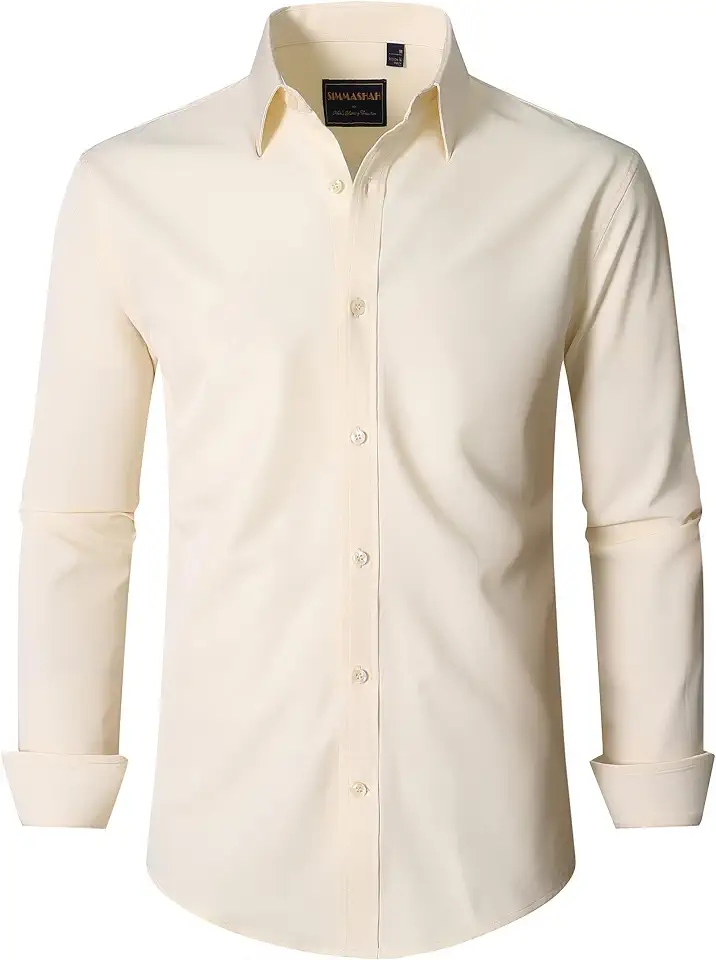
You do not need an endless shopping budget to conquer either dress code. By investing in versatile crossover pieces—like dark flat-front chinos, an unstructured navy blazer, an Oxford cotton shirt, and dark brown leather loafers—you can swing between smart casual and business casual simply by switching your shirt or footwear. Focus on proper tailoring and clean proportions rather than brand tags. If you are ready to put these principles into practice, explore our curated outfit collections to find affordable, head-to-toe combinations designed to keep you looking your best.
Related searches
All curated searches
Keep reading
Sep 26, 2026
The Modern Men's Guide to Semi-Formal Dressing
Master men's semi-formal dressing on a budget. Learn how to style sharp suits, dress shirts, and shoes for weddings, graduations, and evening events.
Sep 26, 2026
Cocktail Attire for Men: What It Means and How to Wear It
Wondering what cocktail attire for men actually means? Learn how to master this semi-formal dress code with affordable suits, shirts, and shoes.
Sep 26, 2026
Casual Friday at the Office: The Ultimate Men's Style Guide
Master casual Friday at the office on a budget. Discover sharp outfit formulas, proper garment fits, and timeless styling tips that look professional.