
What to Wear to a Blacksmithing Class — Men's Complete Guide
Stepping inside a working blacksmithing studio or artisanal knife-forging workshop surrounds you with glowing orange charcoal fires, ringing steel anvils, and raining scale sparks. Swinging a cross-peen hammer against glowing billet steel while operating gas forges at two thousand degrees demands flame-resistant, all-natural workwear that protects against radiant heat and errant embers.
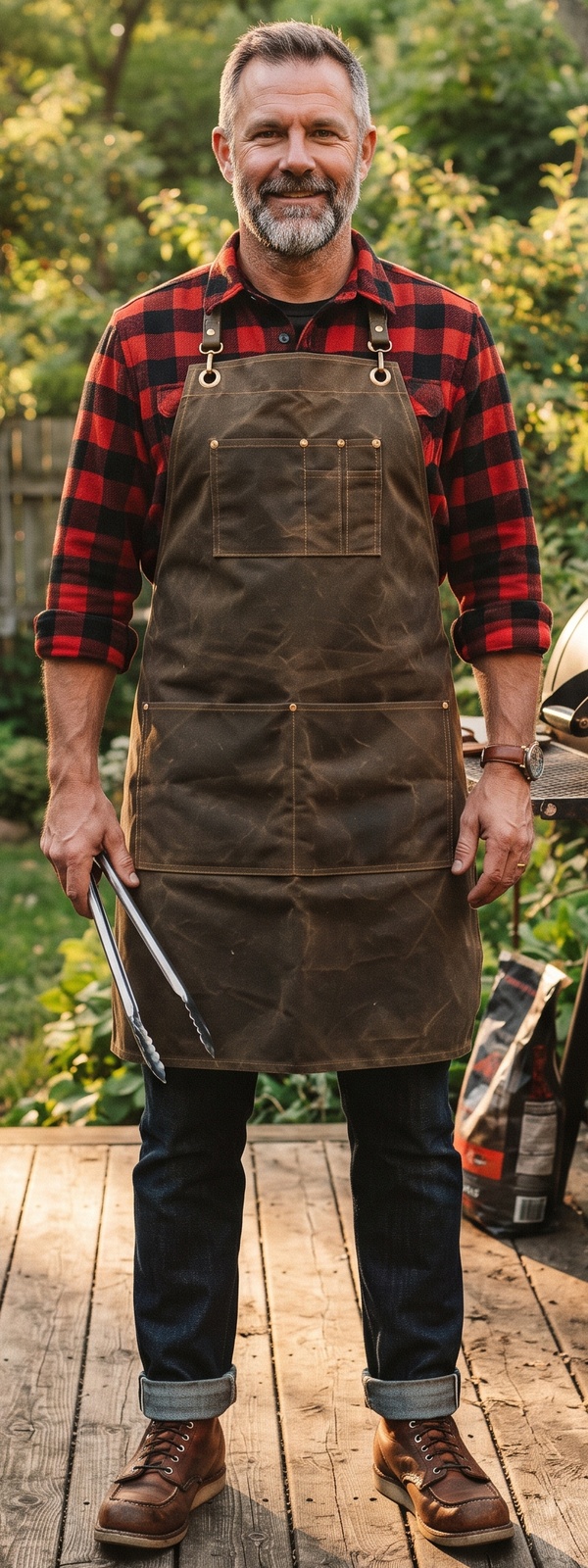
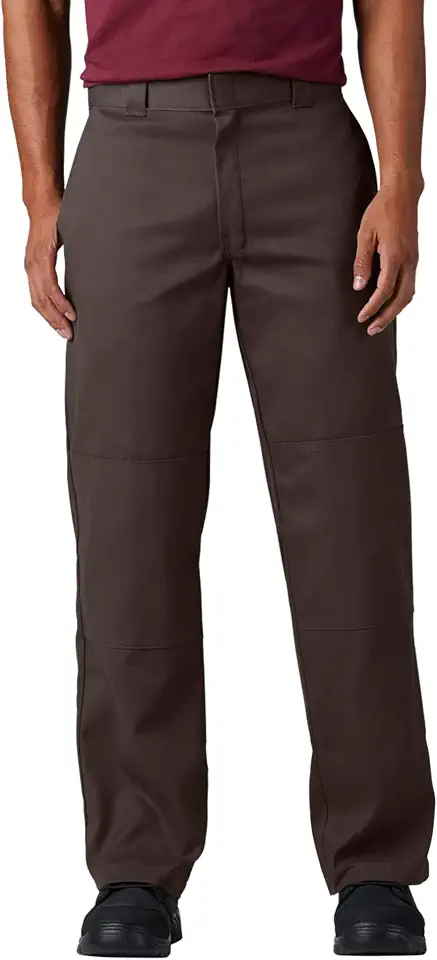
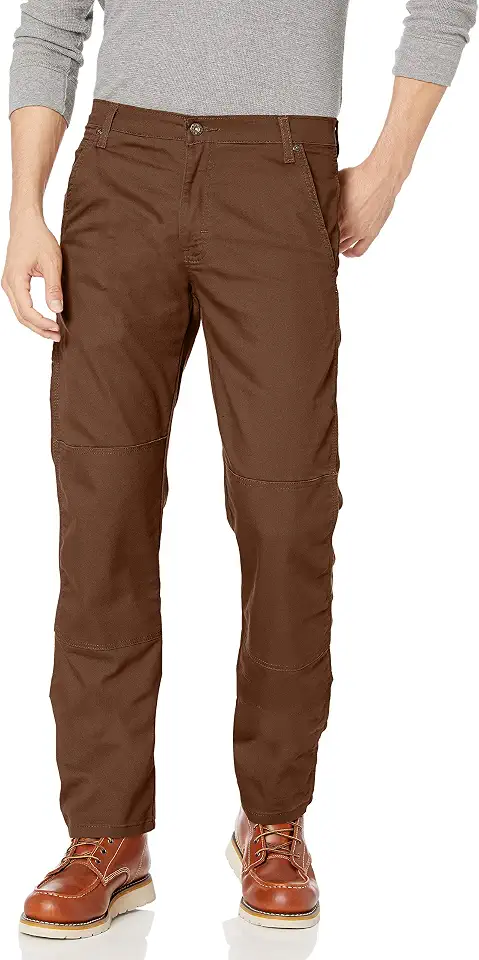
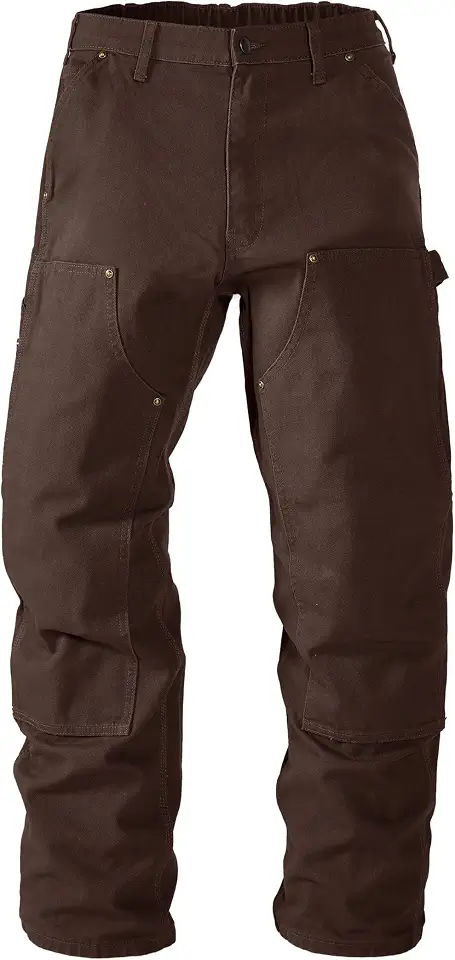
The benchmark dress code is heavy-duty heritage forge attire: heavy cotton flannel or canvas work shirts protected by a split-cowhide leather blacksmith apron, paired with duck canvas carpenter pants and steel-toe or thick leather work boots. Natural cotton and untreated leather resist singeing from flying sparks, whereas synthetic fabrics melt instantly against hot slag.
From spark-resistant natural fiber selection to anvil ergonomics and hammer swing ventilation, here is your definitive blueprint for blacksmithing and bladesmithing workshop style.
Outfits that work
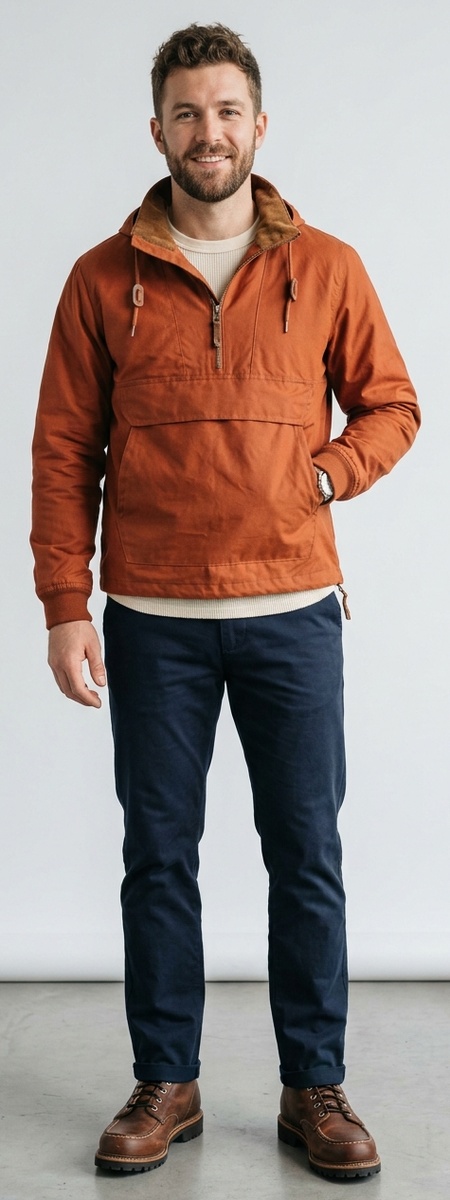
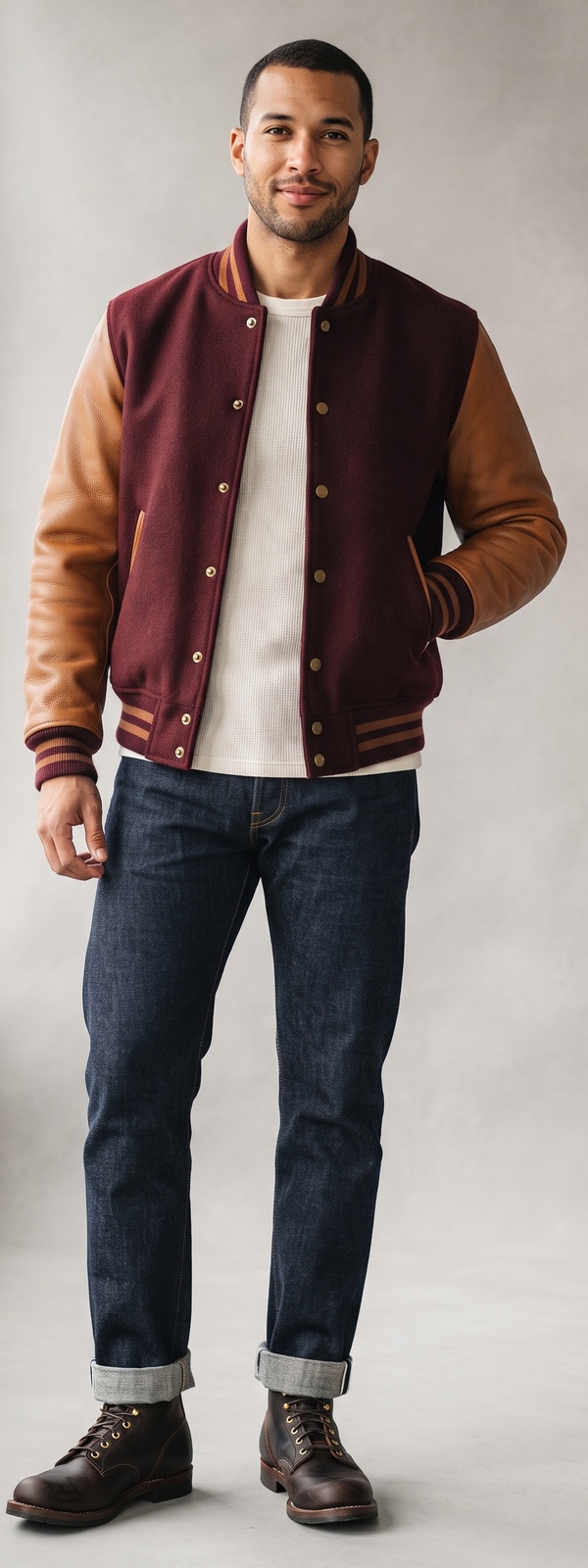 $140
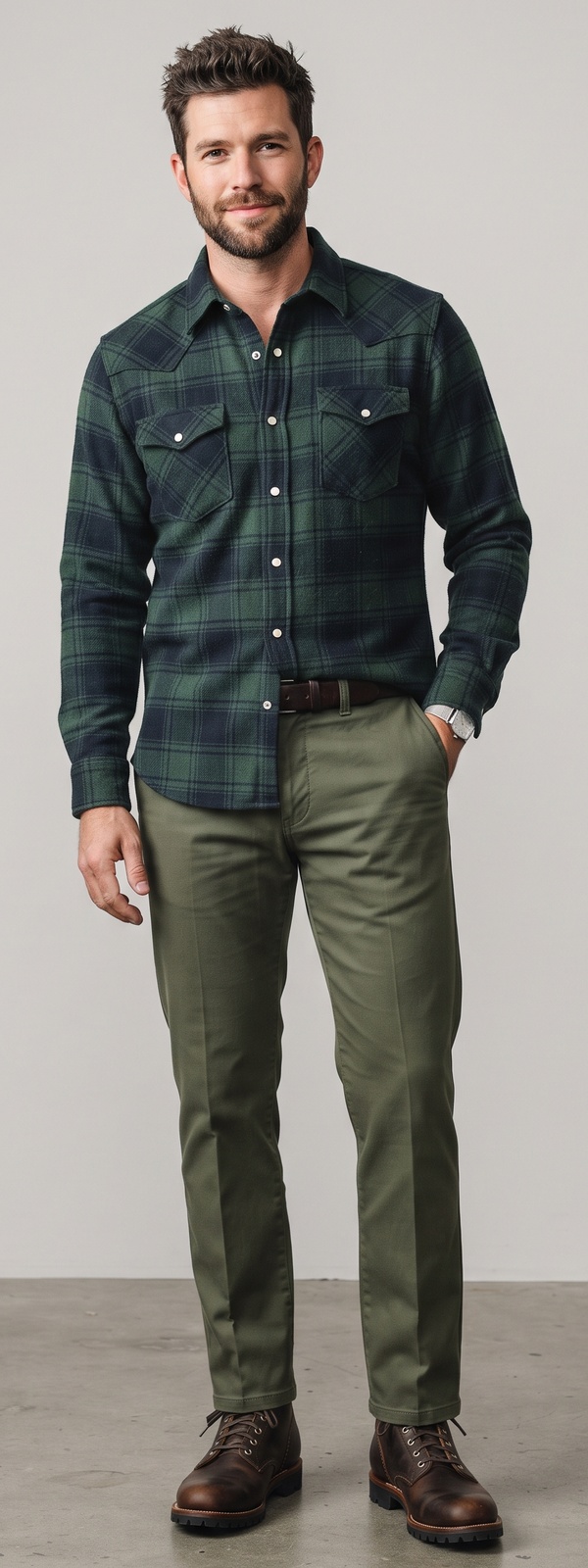
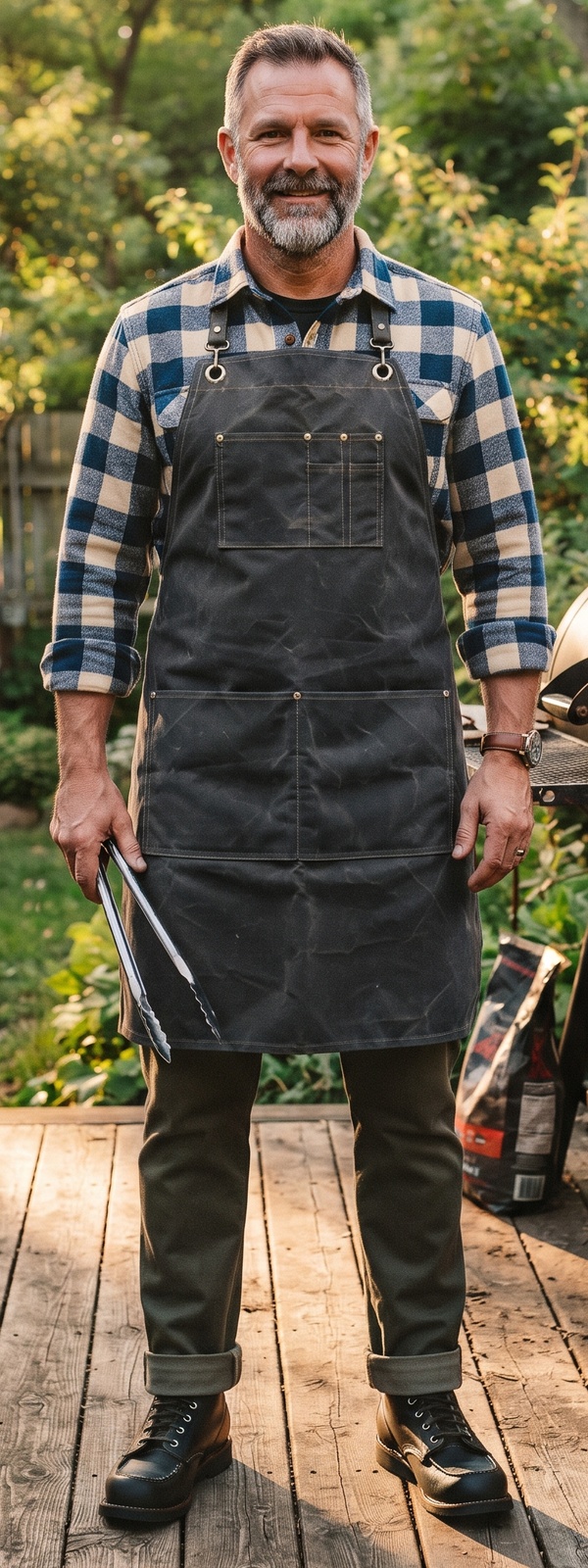
Do
- ✓Wear tightly woven 100% natural cotton or wool garments that resist singeing from forge sparks.
- ✓Choose a heavy split-cowhide leather work apron to shield your chest and legs from flying hot scale.
- ✓Wear durable steel-toe or thick leather work boots that protect against dropped tongs and hot metal drops.
- ✓Wear clear impact-resistant safety glasses and snug natural leather work gloves during hammer strikes.
- ✓Fasten long hair and button shirt collars securely to prevent stray embers from slipping inside your shirt.
Don't
- ✗Avoid polyester, nylon, or synthetic fleece garments that melt instantly and cause severe skin burns.
- ✗Don't wear frayed or cuffed pants that can trap falling red-hot iron scale against your boots.
- ✗Avoid low-cut sneakers, canvas slip-ons, or mesh footwear that allow embers to burn through immediately.
- ✗Don't wear loose neck scarves or dangling jewelry that could catch in revolving belt grinders or power hammers.
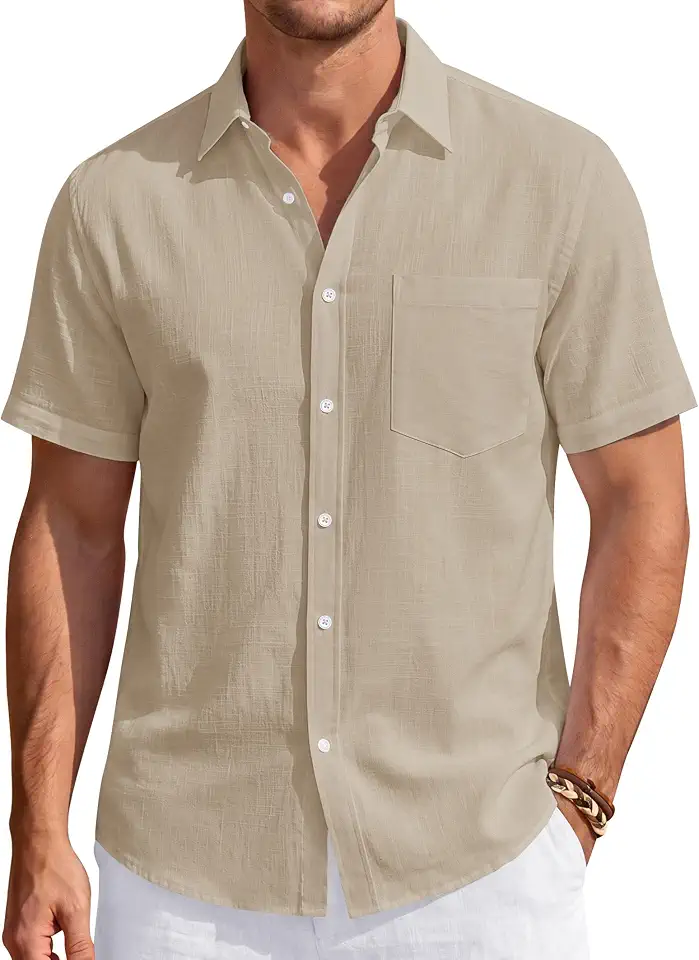
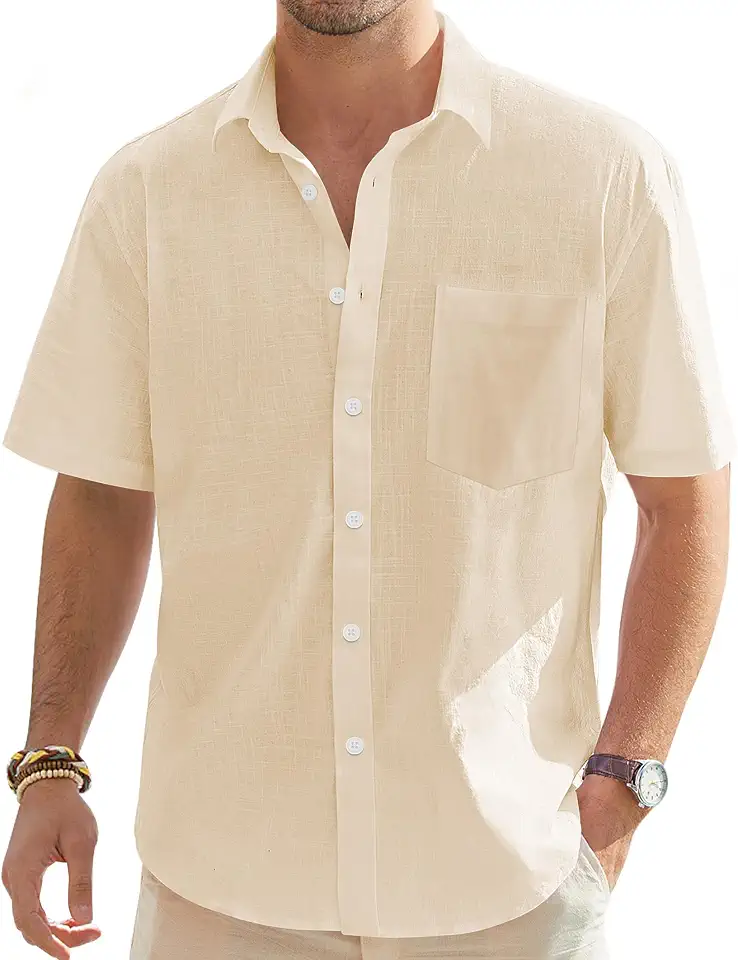
Style tips
The All-Natural Fiber Mandate
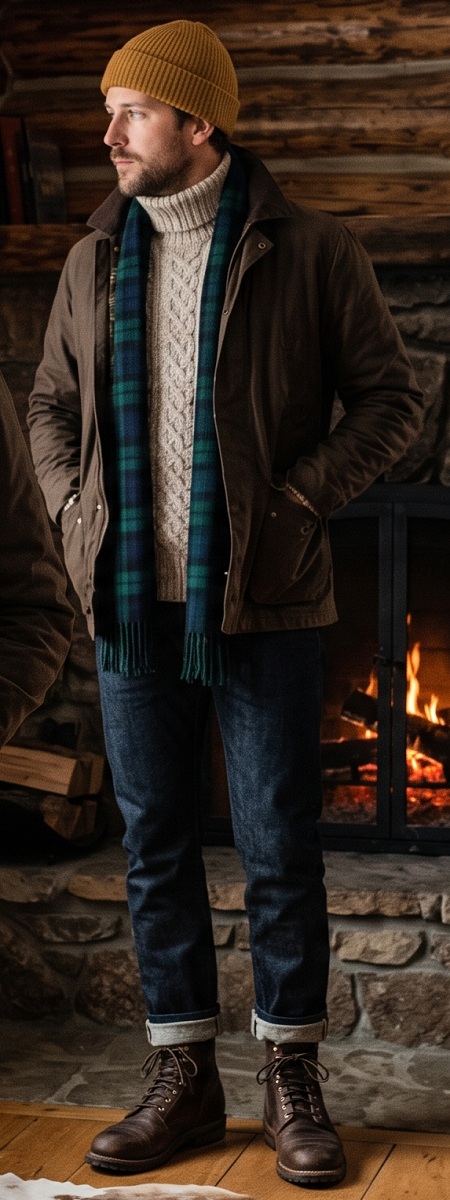
Synthetic fibers like nylon and polyester liquefy upon contact with 1,500-degree sparks. Wearing heavyweight cotton twill, denim, or wool creates a flame-resistant shield that simply chars rather than melting onto skin.
Split-Leather Apron Radiant Defense
Standing before an open forge exposes your torso to blistering radiant heat. A thick split-leather apron absorbs thermal energy and deflects jagged slag thrown from high-velocity hammer blows.
Uncuffed Tapered Boot Coverage
Hot iron scale drops straight toward the floor as you strike metal against the anvil. Straight-leg work pants draped cleanly over leather boot shafts prevent scalding embers from settling into boot collars.
Related searches
All curated searches
Related Reading
What to Wear to a Woodturning Class — Men's Complete Guide
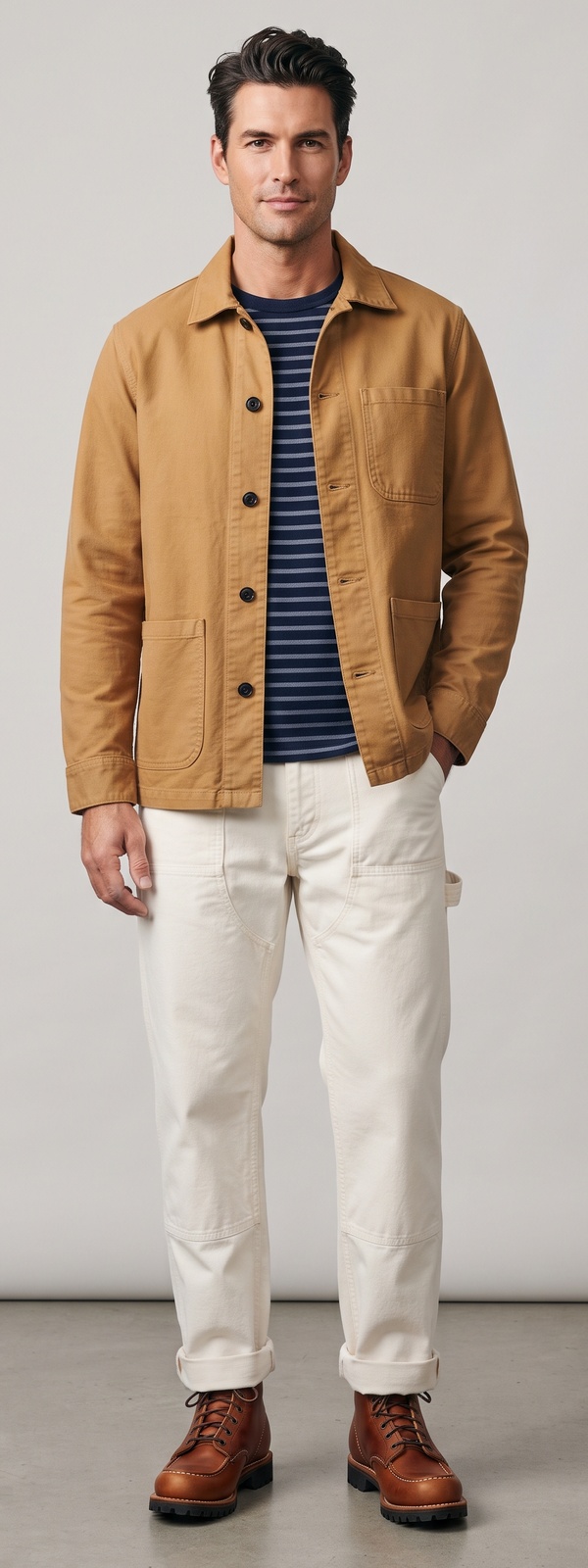
Stepping up to a high-speed woodturning lathe with a rough-sawn hardwood blank places you right in the path of continuous ribbons of wood shavings. Transforming walnut, cherry, or burls into delicate bowls using bowl gouges and carbide scrapers spinning at two thousand RPM requires protective, chip-shedding clothing designed to prevent flying wood debris from slipping down your neck. The benchmark dress code is traditional woodturner workshop attire: tightly woven high-collar cotton tunics or heavy canvas shop aprons buttoned high to the throat, paired with straight-leg cotton utility trousers and durable leather work boots. Smooth, densely woven cotton sheds spinning wood curls instantly while high necklines keep sharp wood shavings out of your collar. From high-speed flying wood chip defense to lathe spindle safety and full-face shield integration, here is your definitive blueprint for woodturning lathe class style.
What to Wear to a Stained Glass Class — Men's Complete Guide
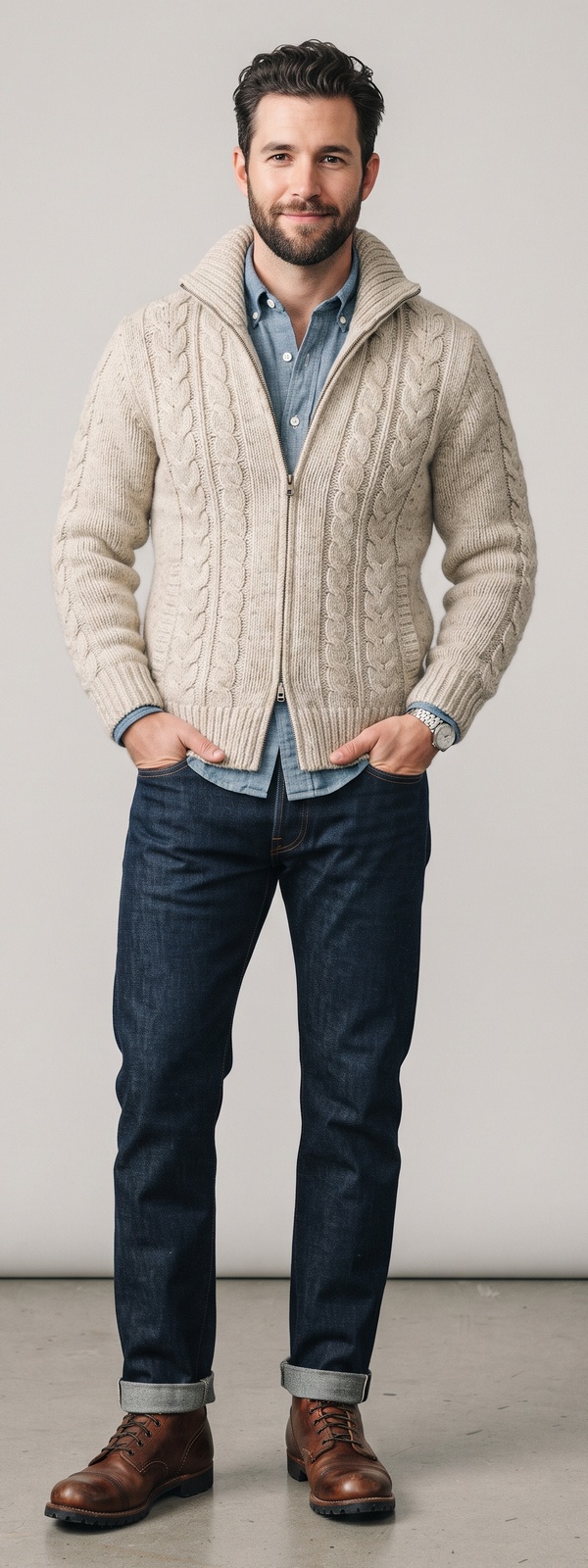
Signing up for an artisan stained glass masterclass or copper foil panel workshop introduces you to glass cutters, diamond wet grinders, and high-heat soldering irons. Scoring colorful art glass sheets, running pliers, and soldering lead seams with flux requires durable, spark-resistant workshop clothing that protects against sharp microscopic glass splinters. The benchmark dress code is traditional artisan studio workwear: tightly woven cotton chore jackets or long-sleeve henleys beneath a heavy canvas work apron, paired with straight-leg cotton utility pants and closed-toe oiled leather boots. Smooth, densely woven natural fabrics shed flying glass shards effortlessly while resisting hot soldering flux spatters. From scoring glass splinter defense to soldering iron flux protection and grinder water spray shielding, here is your definitive blueprint for stained glass workshop style.
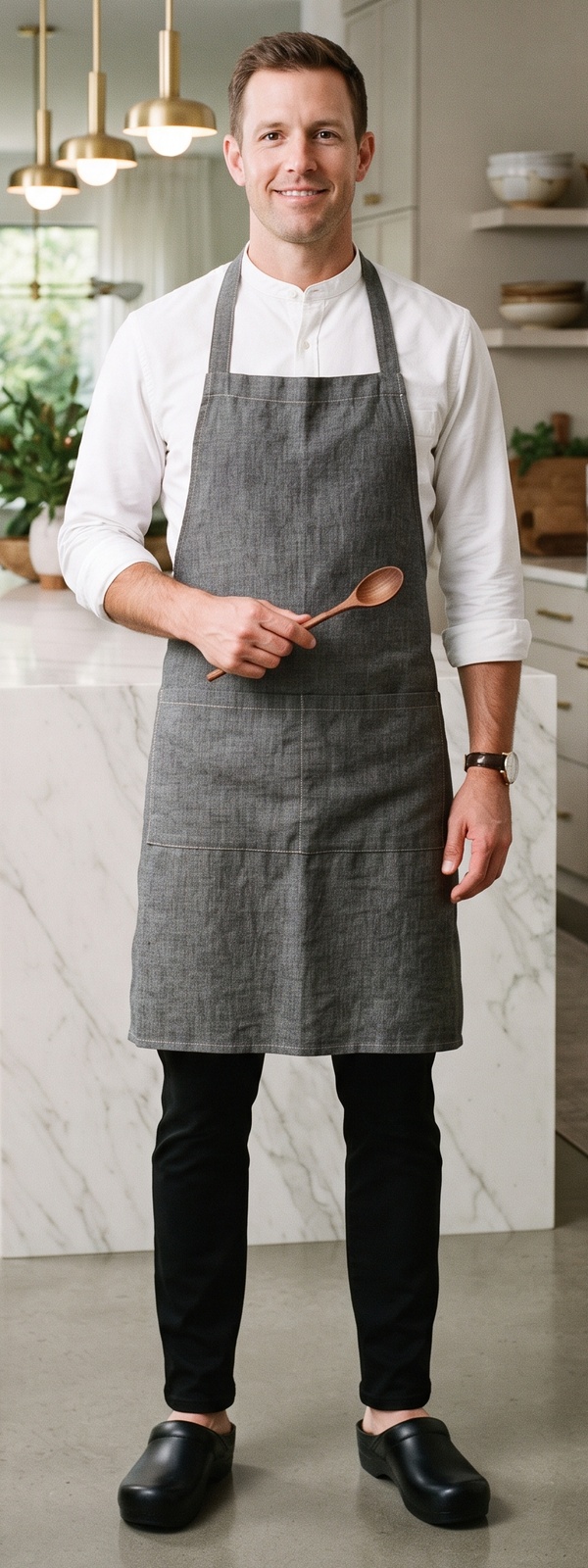
How to Style Men's Artisan Workwear Aprons: Culinary & Studio Guide
Elevate your craft with our guide to styling men's durable canvas, denim, and linen aprons with work shirts, flannels, and boots.
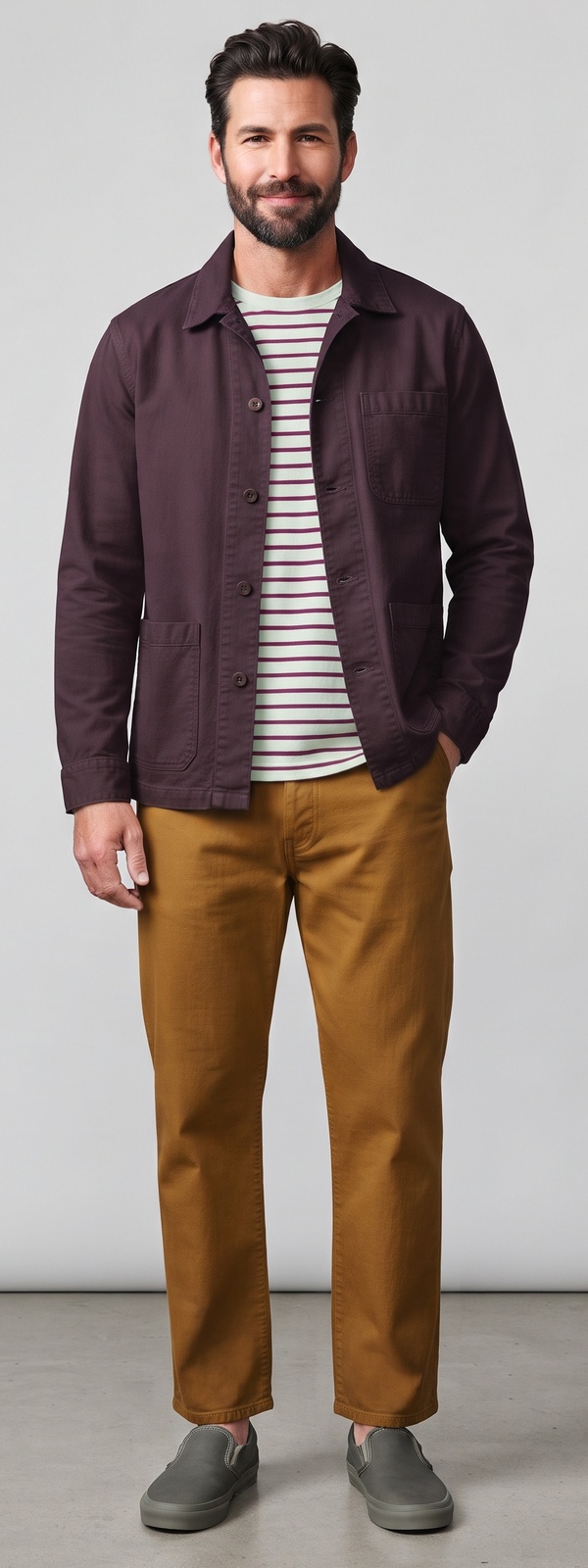
Artisan Studio: Denim Aprons, Chore Coats & Craft Workwear
We designed this collection around the honest beauty of hard-working textiles that look better the more you wear them. Pairing a washed denim or natural canvas apron with breathable linen shirts and carpenter pants provides effortless creative practicality. We recommend earthy tones of indigo, unbleached ecru, tobacco brown, and deep olive that age with distinct character. With rugged canvas workwear and chore jackets widely available on Amazon, building an authentic studio rotation is both easy and affordable.
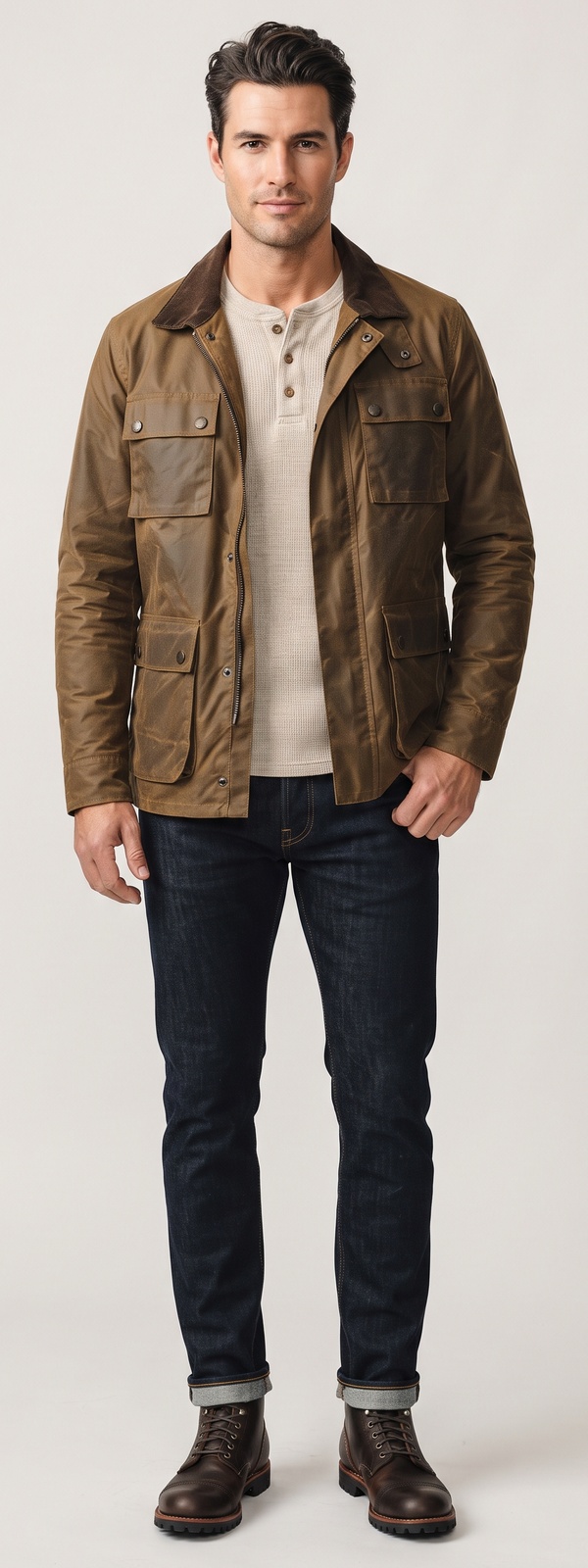
Waxed Canvas Field Jackets: Weatherproof British Heritage
We curated this heritage outerwear lookbook to highlight the timeless appeal and stormy-weather protection of waxed canvas field jackets. As the paraffin wax patina deepens with every downpour, the jacket becomes a unique record of outdoor adventure and countryside utility. We love layering olive or tobacco waxed jackets over chunky cable-knit sweaters and raw indigo jeans. Browse durable, accessible waxed canvas outerwear on Amazon for authentic heritage defense against harsh elements.
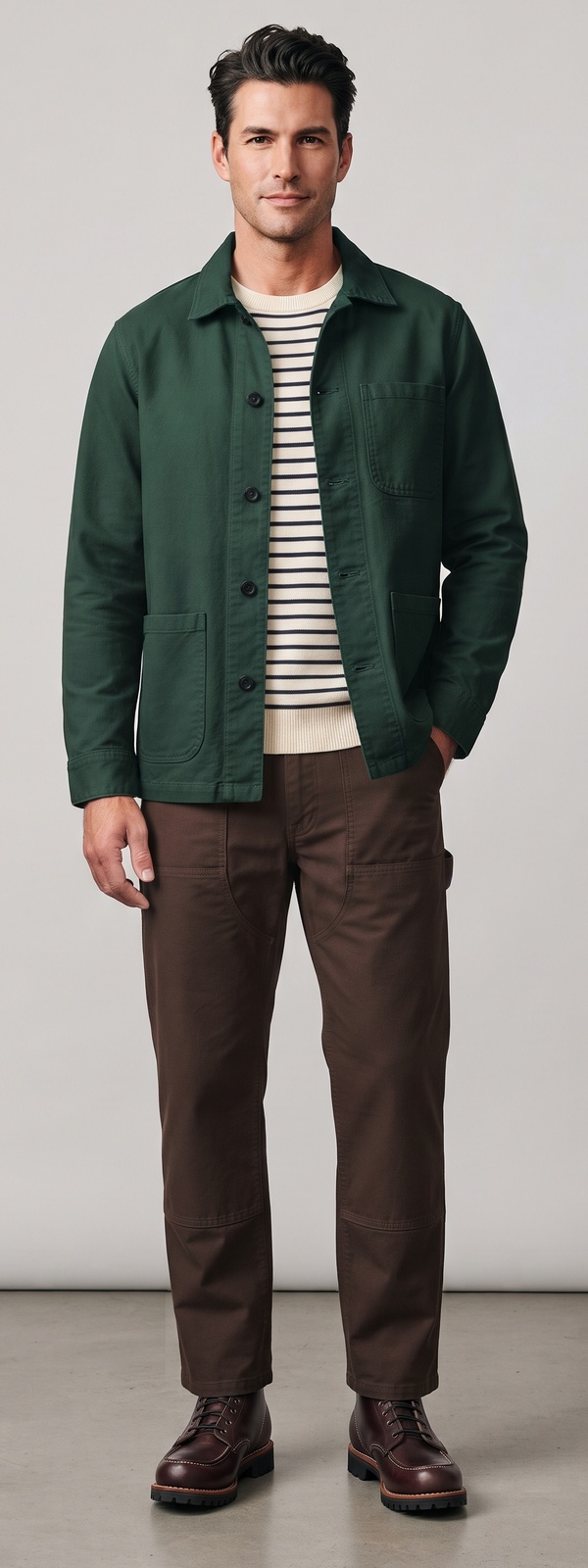
How to Style Men's Fatigue Pants: Military Utility Guide
Elevate your utilitarian wardrobe with our complete guide to styling men's fatigue and baker pants with chore coats, knits, and rugged footwear.
Other Reading
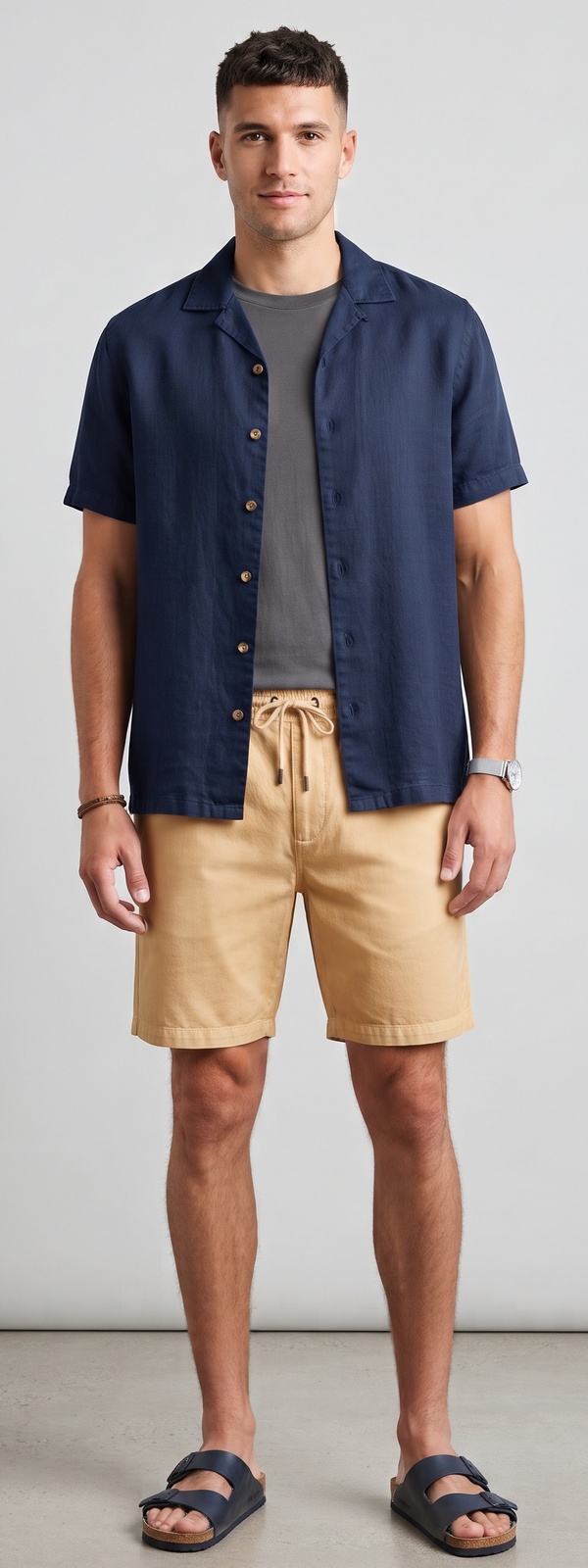
What to Wear to a Beach Surf Club — Men's Complete Guide
Gathering with friends at a sun-bleached beachfront surf club, tiki deck, or coastal fish-taco shack as the afternoon swell rolls in is the pinnacle of laid-back summer living. Moving straight from warm sand boardwalks to shaded wooden bar stools with cold Pacificos and acoustic guitars requires breezy, salt-air-ready style. The definitive dress code is elevated coastal surf casual: open-weave crochet knit shirts, relaxed linen camp collar shirts, or unbuttoned linen overshirts layered over ribbed tanks, paired with drawstring linen or denim shorts and woven leather sandals or canvas slip-ons. You want an ensemble that looks intentionally styled rather than just a wet towel wrapped around your waist. From sand-shedding open weaves to sunset breeze layering, here is your complete guide to beach surf club style.
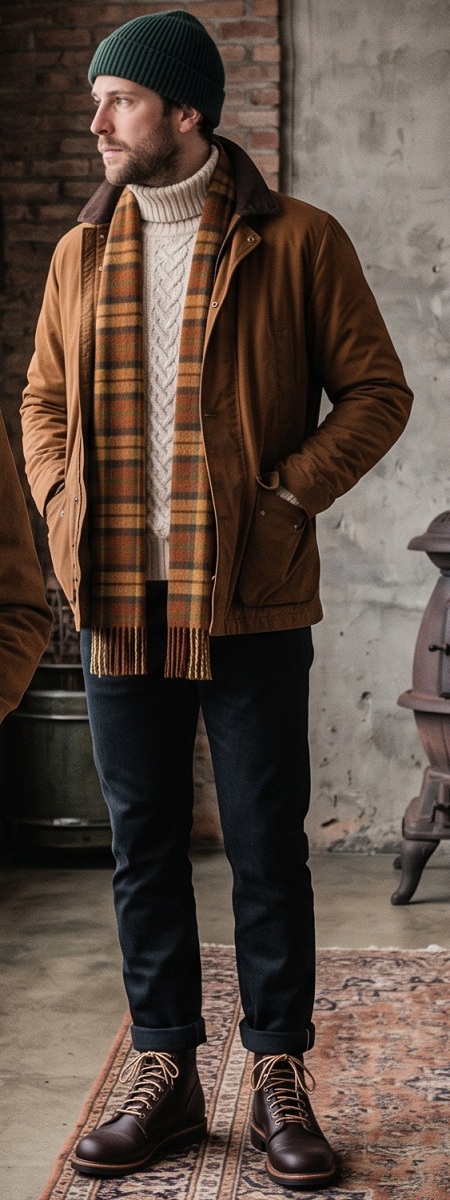
Lakeside Cabin Weekend: Flannels & Wool Socks
Crisp morning mist over the lake calls for honest, tactile layers with rugged workwear DNA. We pair thick brushed flannels with cozy thermal henleys, straight-fit dark jeans, and water-resistant leather boots designed for dockside lounging and forest walks. Our goal is to bring you true outdoor comfort that looks as great in photos as it feels around the fire. Disconnect from screens and reconnect with timeless style.
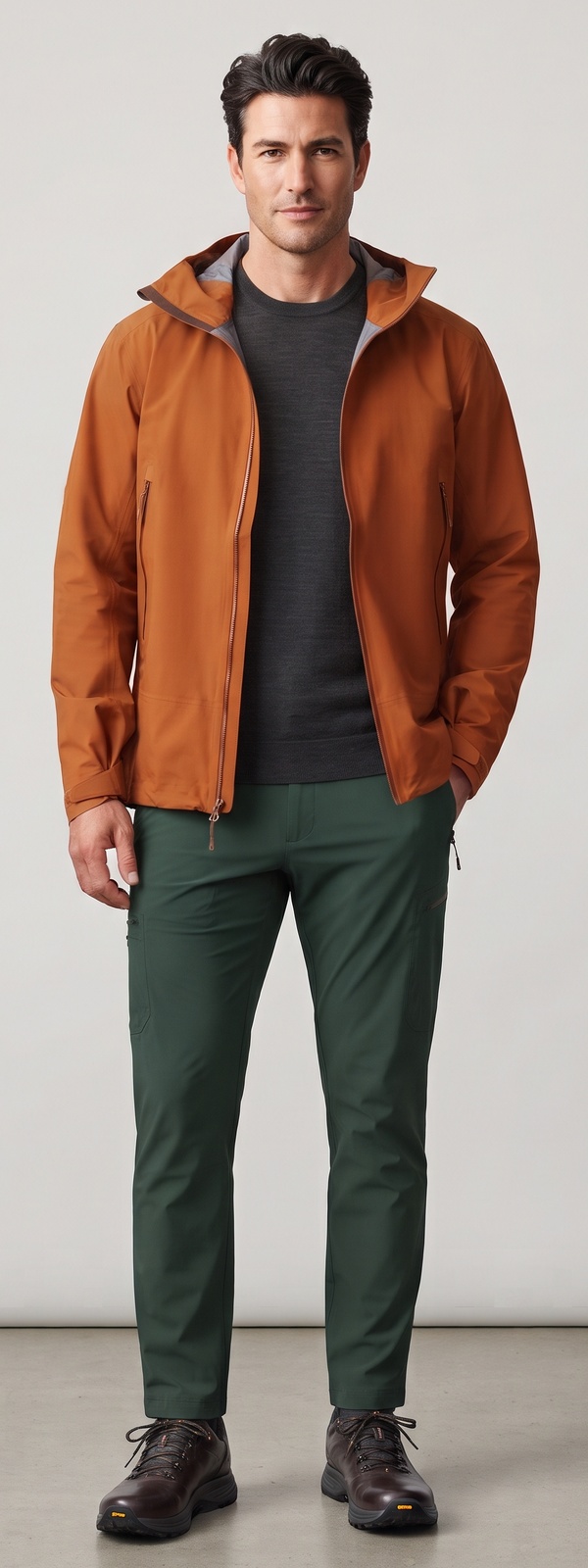
How to Style a Men's Packable Windbreaker for Outdoors
Discover how to style a men's packable windbreaker with technical shorts, trail sneakers, and utilitarian layers for agile outdoor style on a budget.