
What to Wear to a Homebrewing Workshop — Men's Complete Guide
Signing up for an all-grain homebrewing workshop or microbrewery cellar masterclass puts you directly on wet brewery floorboards amidst steaming mash tuns, boiling wort kettles, and aromatic hops. Stirring fifty-pound grain mashes, sparging malted barley, and pitching brewing yeast requires rugged, spill-resistant craft brewing attire that handles active brewhouse heat.
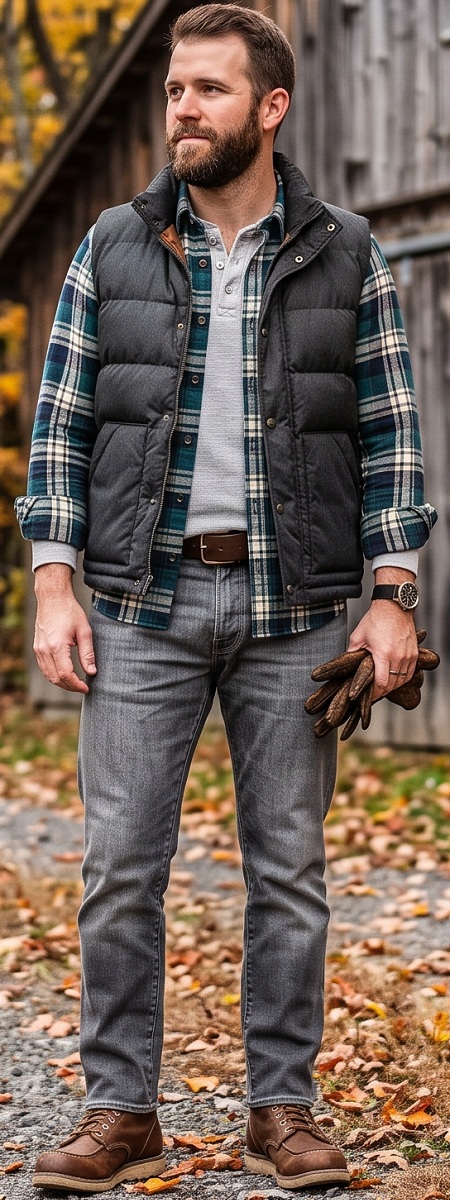
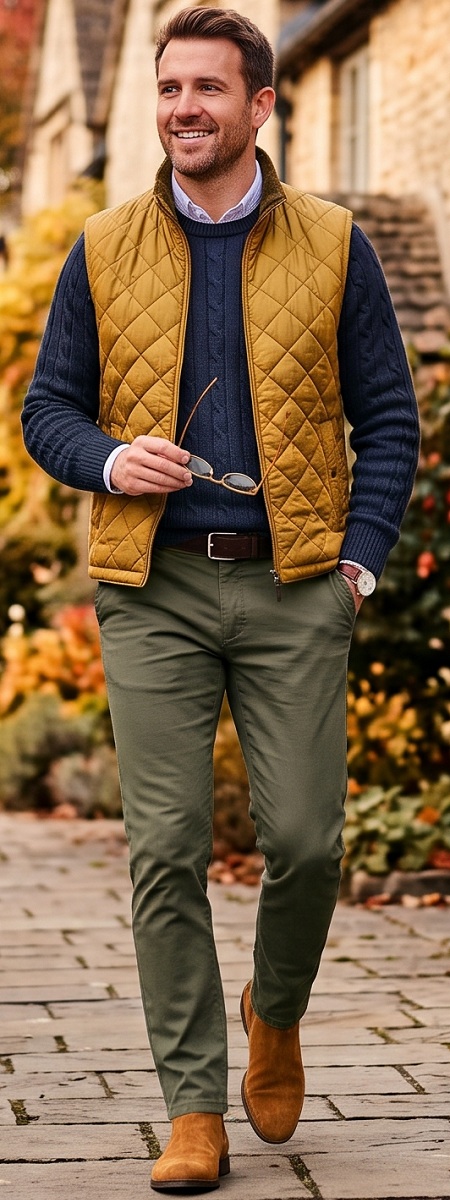
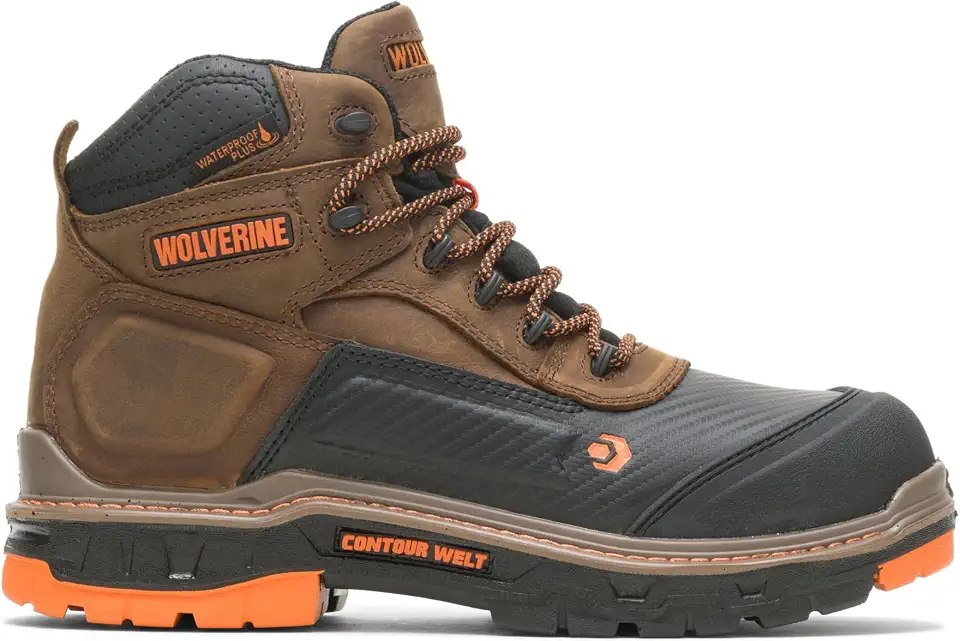
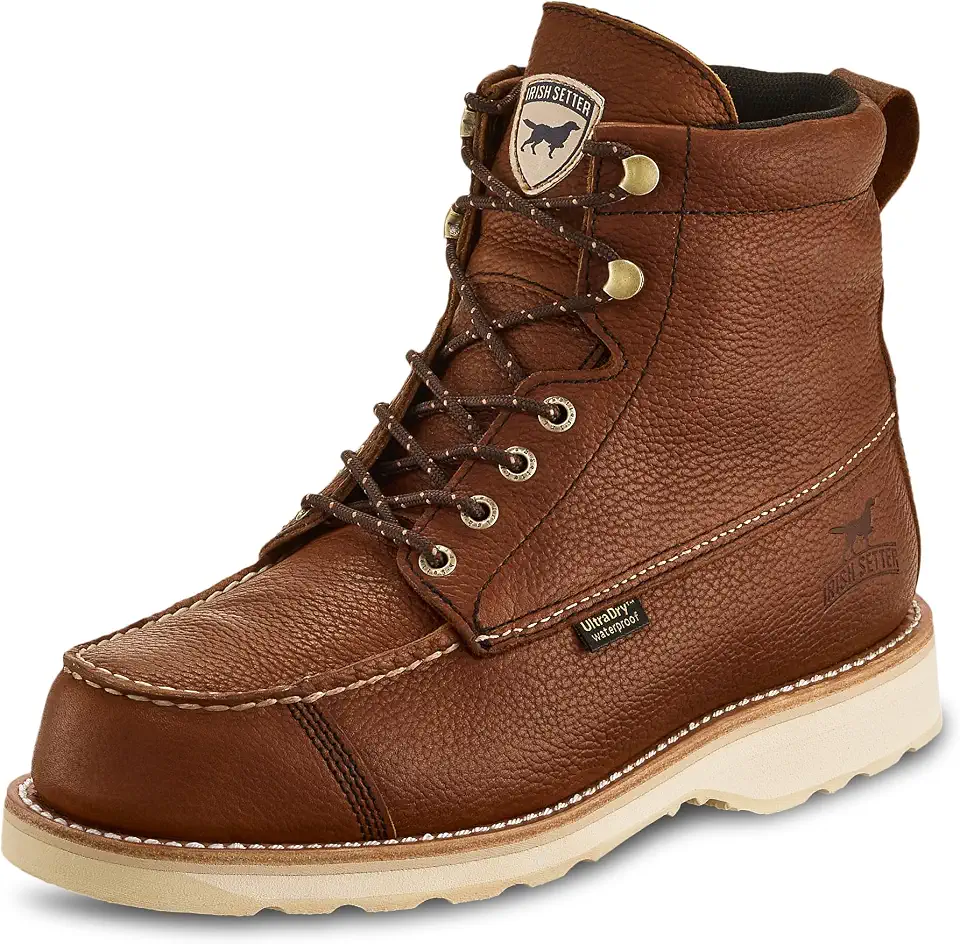
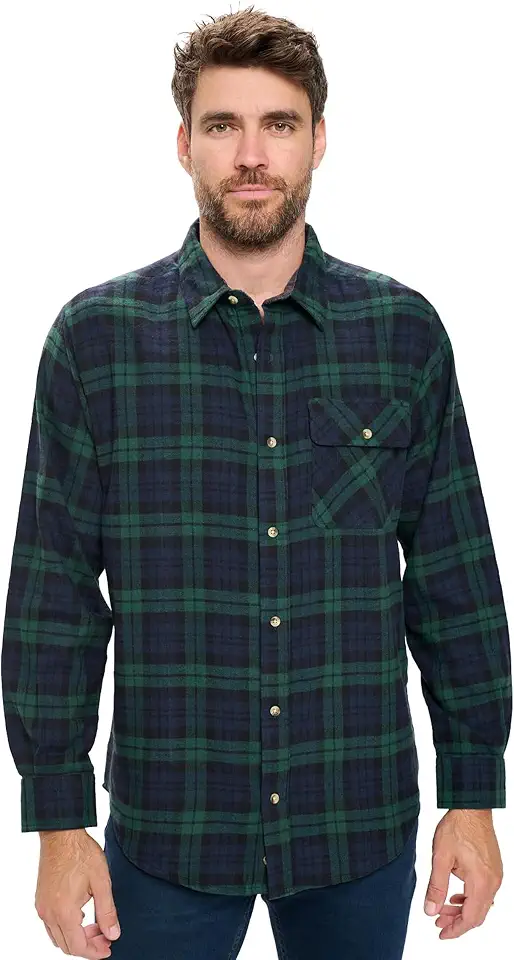
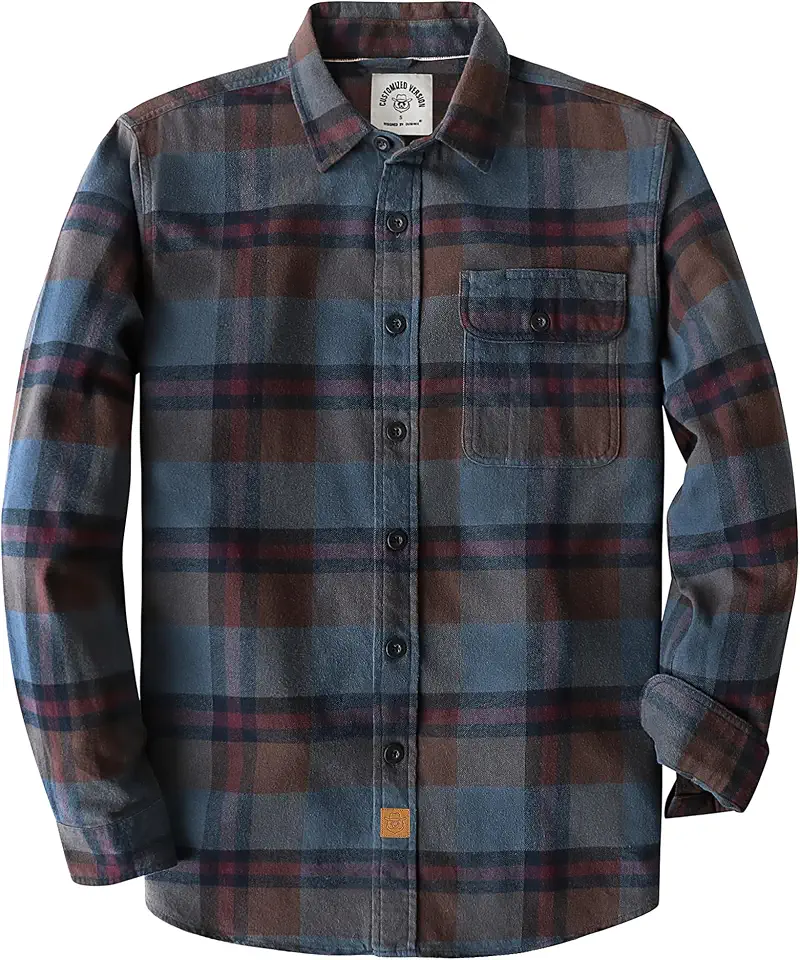
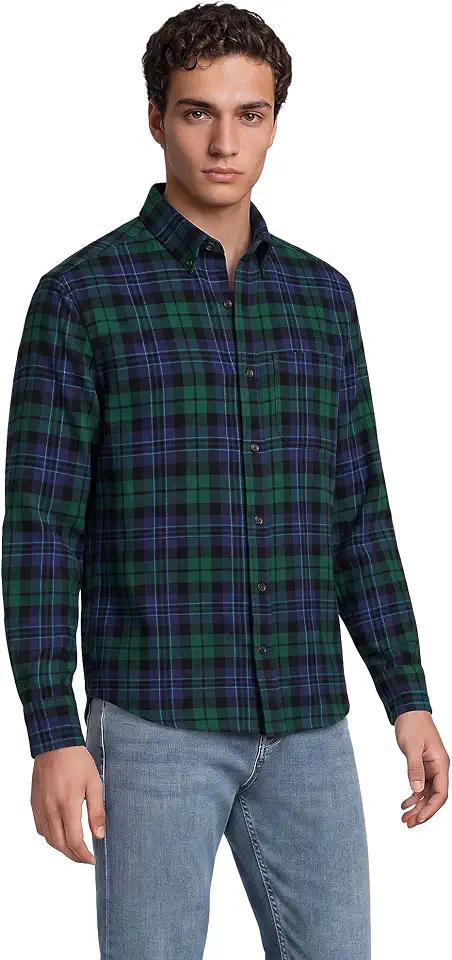
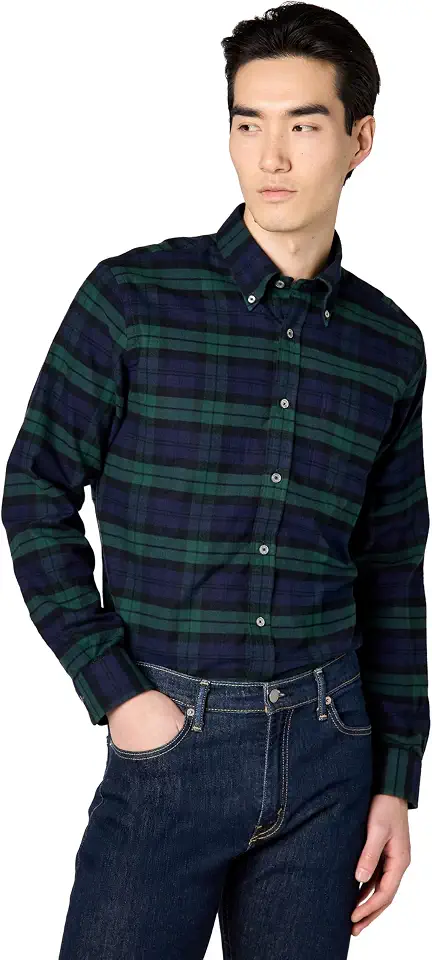
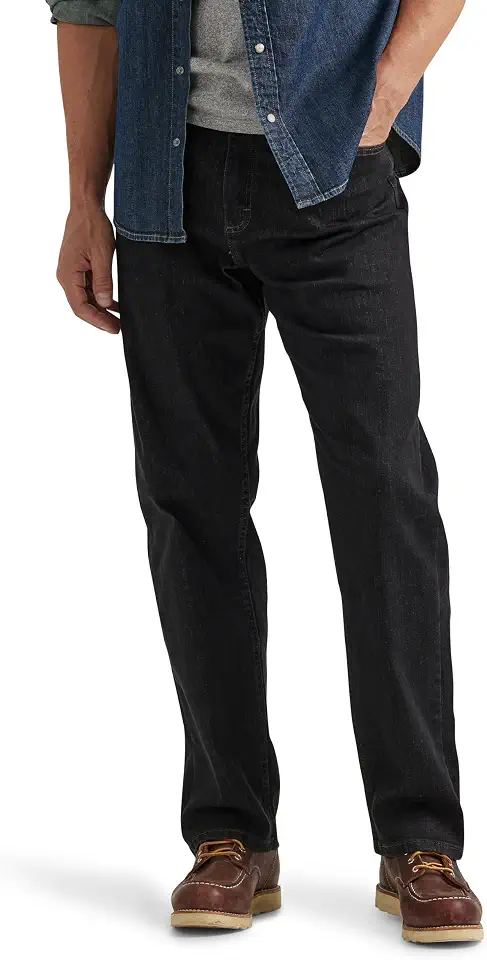
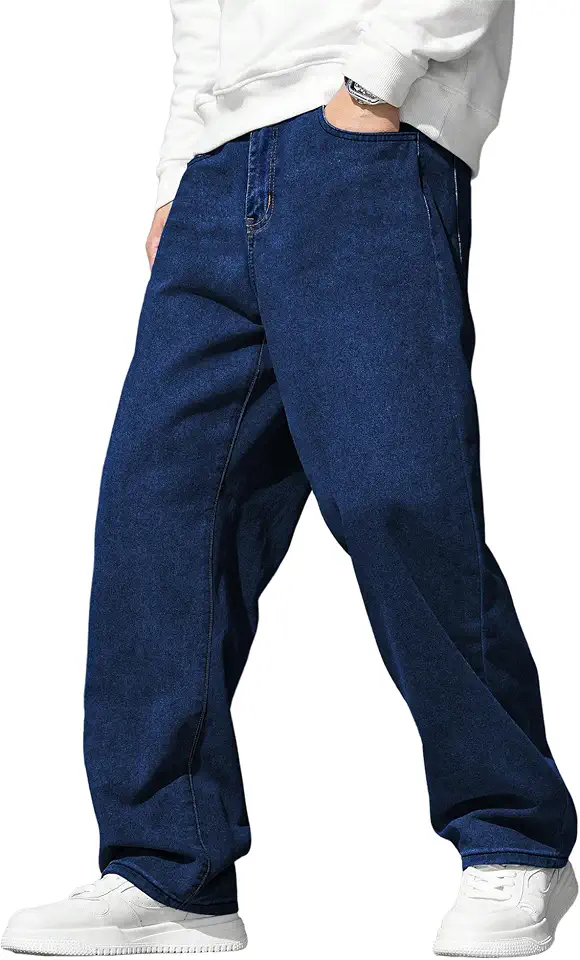
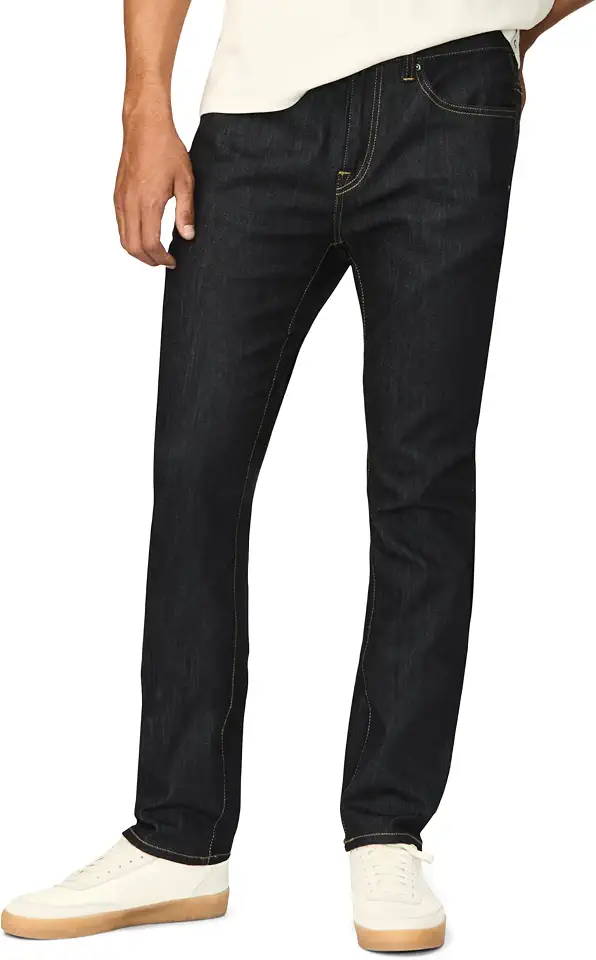
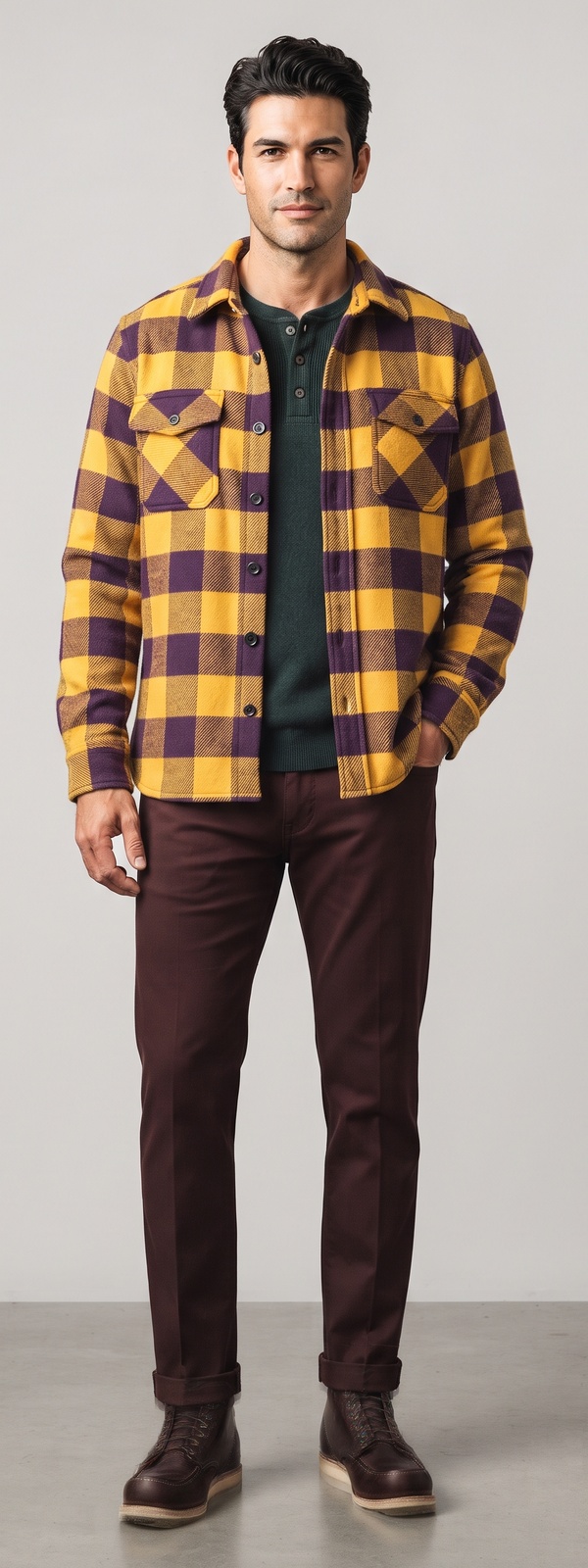
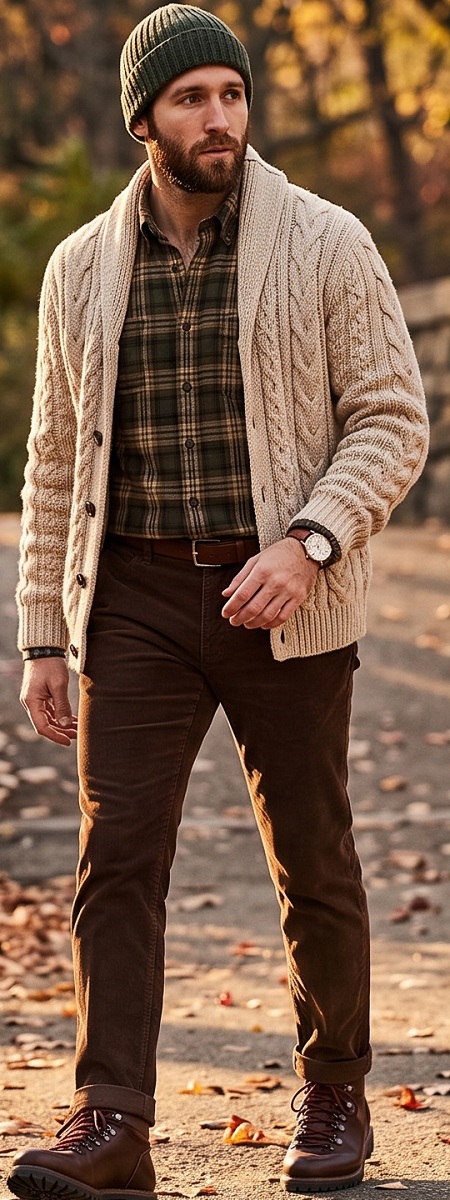
The benchmark dress code is functional taproom and cellar workwear: heavy cotton plaid flannels or rugged canvas vests over thermal henleys, paired with durable dark wash jeans or carpenter pants and waterproof rubber-soled work boots. You need total protection against hot liquid splashing, floor washdowns, and heavy stainless steel keg handling throughout active brewing steps.
From non-slip wet brewery floor footwear grip to grain-shedding natural cotton layering, here is your definitive blueprint for craft homebrewing workshop style.
Outfits that work
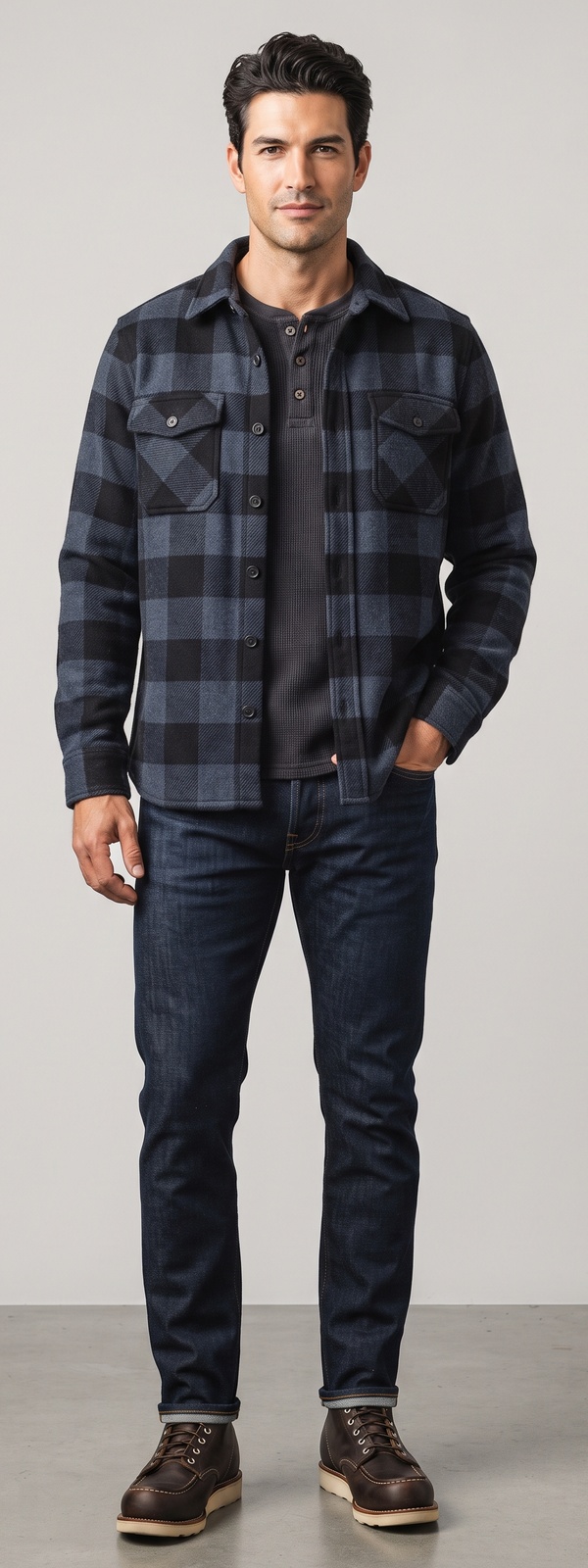 From $115
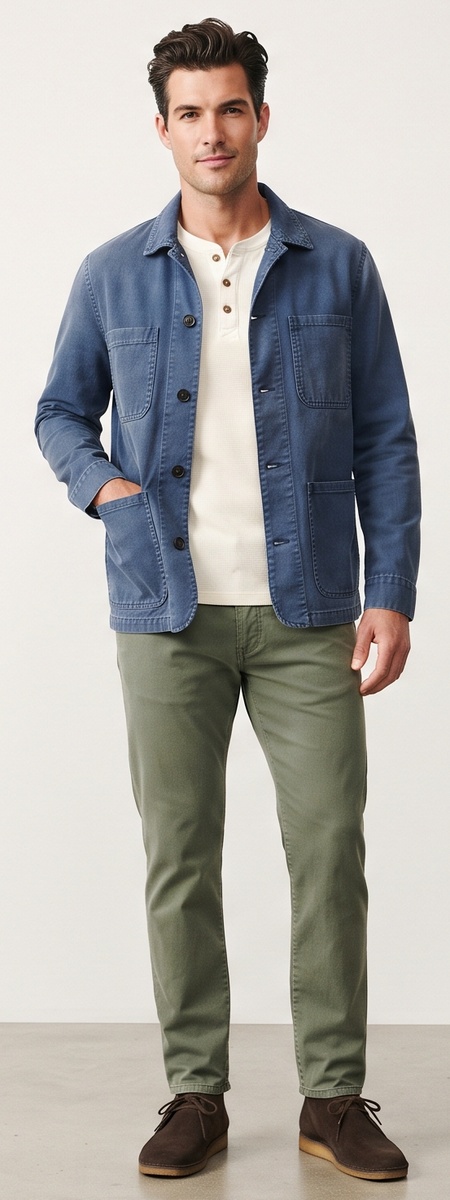 From $115
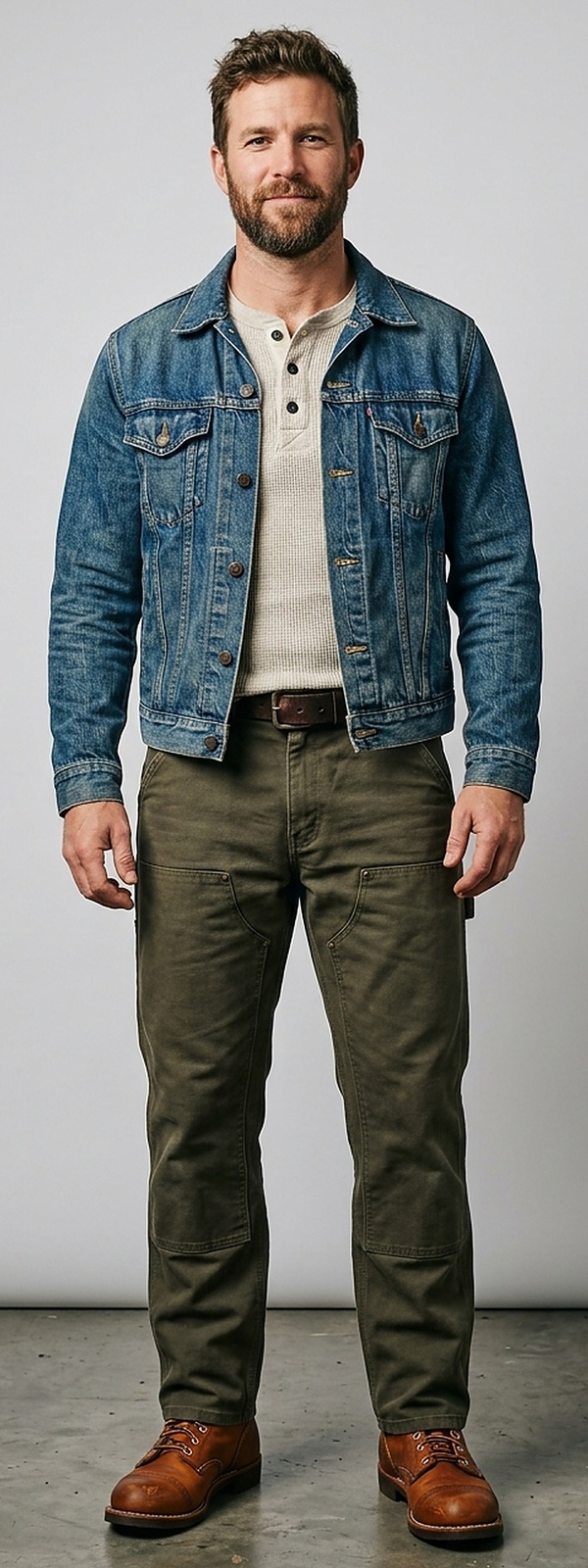 From $113
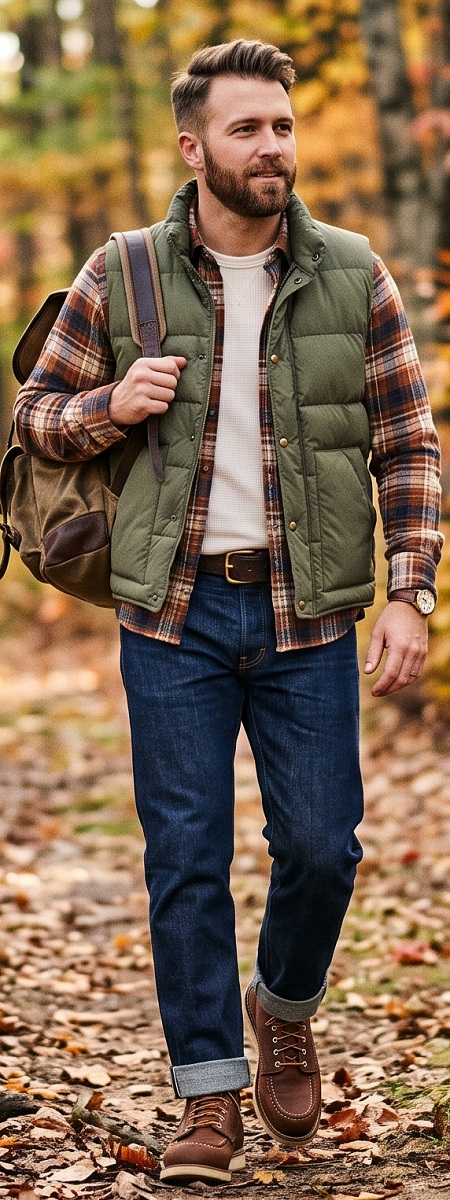 From $244
 From $151
Do
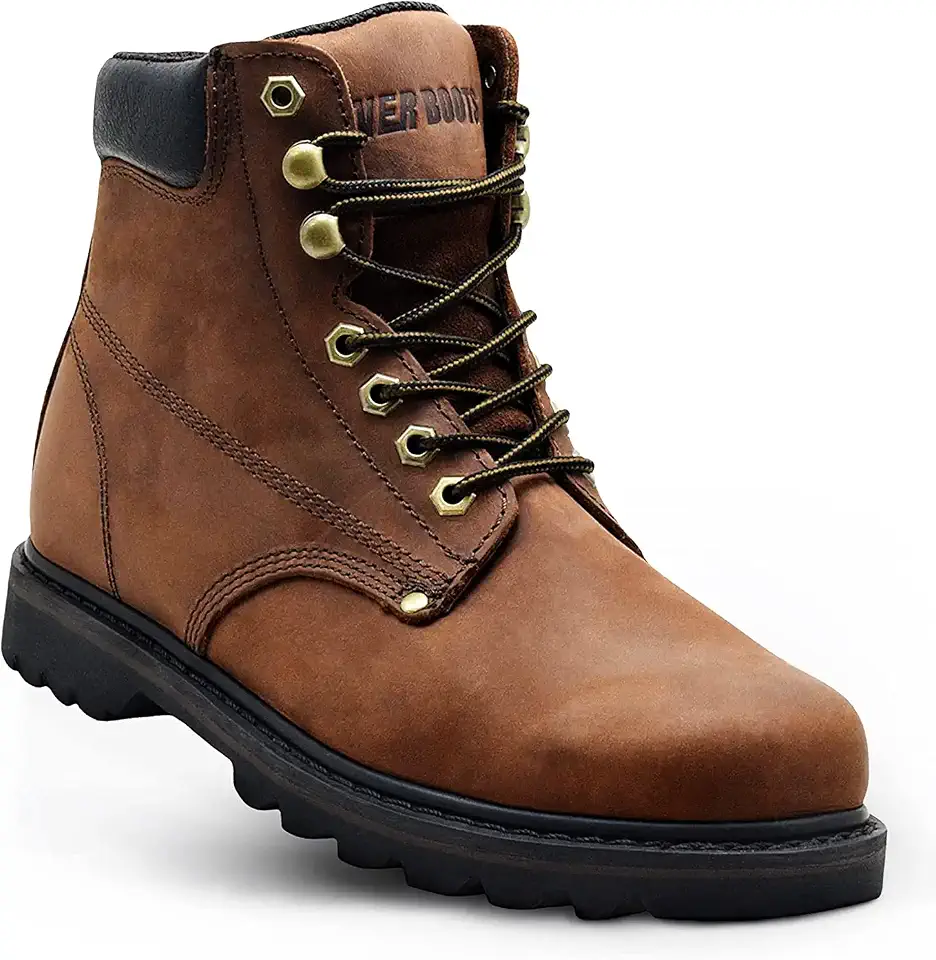
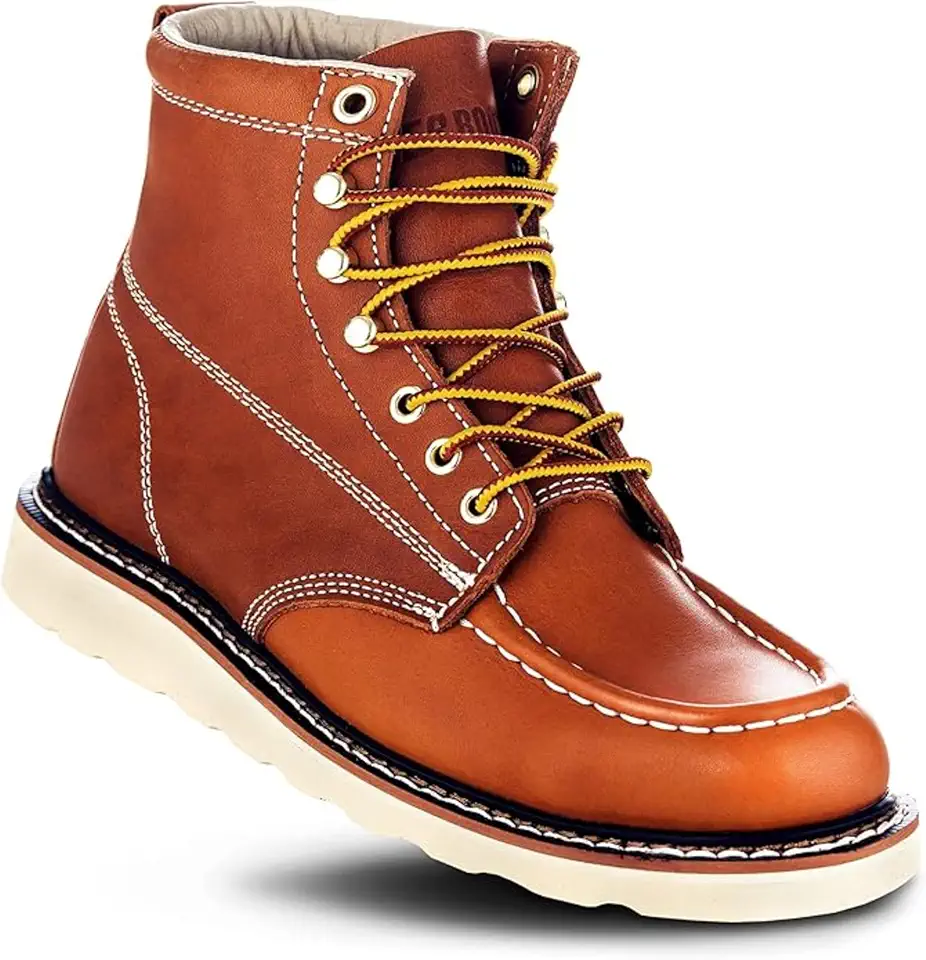
- ✓Wear waterproof or water-resistant leather work boots with oil-resistant non-slip rubber outsoles.
- ✓Choose dark wash denim jeans or heavyweight duck canvas pants that disguise grain mash and beer spills.
- ✓Layer with a heavy flannel overshirt or rugged work vest that can be unbuttoned during hot boiling phases.
- ✓Wear a durable cotton pocket t-shirt or waffle henley that withstands steam and handles brewery humidity.
- ✓Wear a classic unstructured baseball cap or watch cap to keep stray hair safely away from open fermenters.
Don't
- ✗Avoid smooth leather-soled shoes or canvas sneakers that soak through instantly and slip on wet brewery floors.
- ✗Don't wear light grey or pastel shirts that show permanent stains from sweet boiling wort and dark malts.
- ✗Avoid delicate synthetic jackets that can melt if brushed against boiling stainless steel brew kettles.
- ✗Don't wear expensive tailored outerwear that absorbs strong, lingering boiling hop aromas for days.


Style tips
Wet Cellar Floor Traction Mandate
Brewery floors are constantly wet from sanitizing rinses, sparge overflows, and washdown hoses. Heavy-duty leather work boots with deep rubber siping grip wet concrete firmly while maneuvering boiling pots.
Wort Boil Thermal Management
Standing over sixty-minute rolling wort boils produces intense radiant steam and humidity. Layering a rugged flannel shirt over a short-sleeve tee allows quick de-layering as kettle burners hit full flame.
Brewery Taproom Crossover
Brewing workshops culminate in guided tasting flights of past batches right in the taproom. A clean plaid flannel paired with dark jeans and clean boots bridges brewing cellar toil with casual taproom style.

Related searches
All curated searches
Related Reading
Flannel Shirts 101: How to Avoid the Lumberjack Look
Master flannel shirts without looking like a lumberjack. Discover sophisticated plaid palettes, tailored fits, urban layering, and smart-casual.
What to Wear to a Leatherworking Workshop — Men's Complete Guide
Signing up for an artisan leathercraft masterclass, bespoke wallet making workshop, or custom belt burnishing studio immerses you in the tactile world of full-grain vegetable-tanned hides, pricking irons, and beeswax thread. Operating stitching ponies and beveling edges amidst dye daubers and contact cement requires protective, artisan-grade heritage workwear. The benchmark dress code is authentic rugged workshop heritage: durable suede chore coats or denim trucker jackets layered over thermal waffle henleys, paired with heavy selvedge denim jeans and oiled leather work boots. You need dense, abrasion-resistant natural fabrics that shield your lap from sharp skiving knives while developing their own rich workshop patina. From dye-resistant dark denim to lap protection during seated stitching pony work, here is your definitive blueprint for leatherworking workshop style.
What to Wear to a Woodworking Workshop — Men's Complete Guide
Signing up for an analog woodworking masterclass, traditional timber joinery session, or green spoon carving workshop connects you with raw lumber, sharp gouges, and hand planes. Spending several hours shaping white oak and walnut amidst flying wood curls and sawdust requires protective, non-entangling artisan apparel that balances mobility with workshop safety. The benchmark dress code is functional artisan heritage workwear: heavyweight denim trucker jackets or chambray work shirts beneath a split-leg leather or canvas apron, paired with duck canvas carpenter pants and steel-shank leather work boots. You need dense fabric that shields your thighs from sharp carving tools while keeping sleeves clear of spinning lathes and power planers. From sawdust-repelling smooth fabric surfaces to lathe safety dress protocols, here is your definitive blueprint for woodworking studio style.

How to Style a Denim Jacket All Year Round: Men's Guide
Learn how to style a denim jacket all year round. Master spring layers, summer evenings, fall flannel pairings, and winter overcoat styling on a budget.
Tartan Plaid Flannel Shirts: Heritage Cold-Weather Layers
We anchored this cold-weather gallery around the dependable durability and rustic charm of tartan plaid flannel shirts. Crafted from soft, brushed cotton, these hearty woven button-downs offer substantial core warmth while providing rich woodland color patterns. We love layering Black Watch and buffalo plaid flannels unbuttoned over thermal henleys with rugged boots. Secure comfortable, heavy-duty plaid flannel shirts on Amazon for unbeatable outdoor warmth and rugged value.
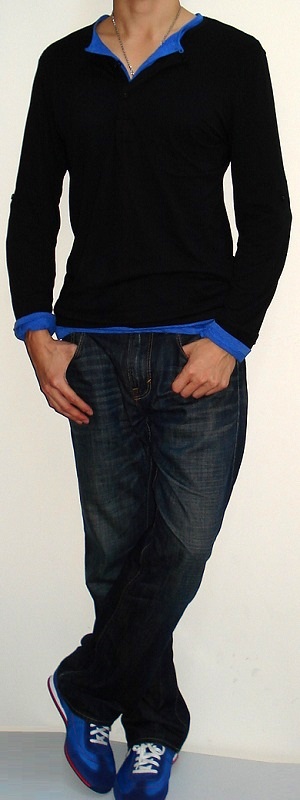
Long-Sleeve Cotton Henleys: Rugged Casual Layering Base
We assembled this casual essentials guide to celebrate the utilitarian simplicity and hardwearing appeal of the long-sleeve cotton henley. With its distinctive round neckline and buttoned placket, the henley provides far more visual interest than a basic tee while offering breathable core insulation. We love layering burnt orange or charcoal henleys under open overshirts and selvedge jeans. Find heavy-duty, budget-friendly long-sleeve cotton henleys on Amazon for authentic everyday heritage.
Other Reading
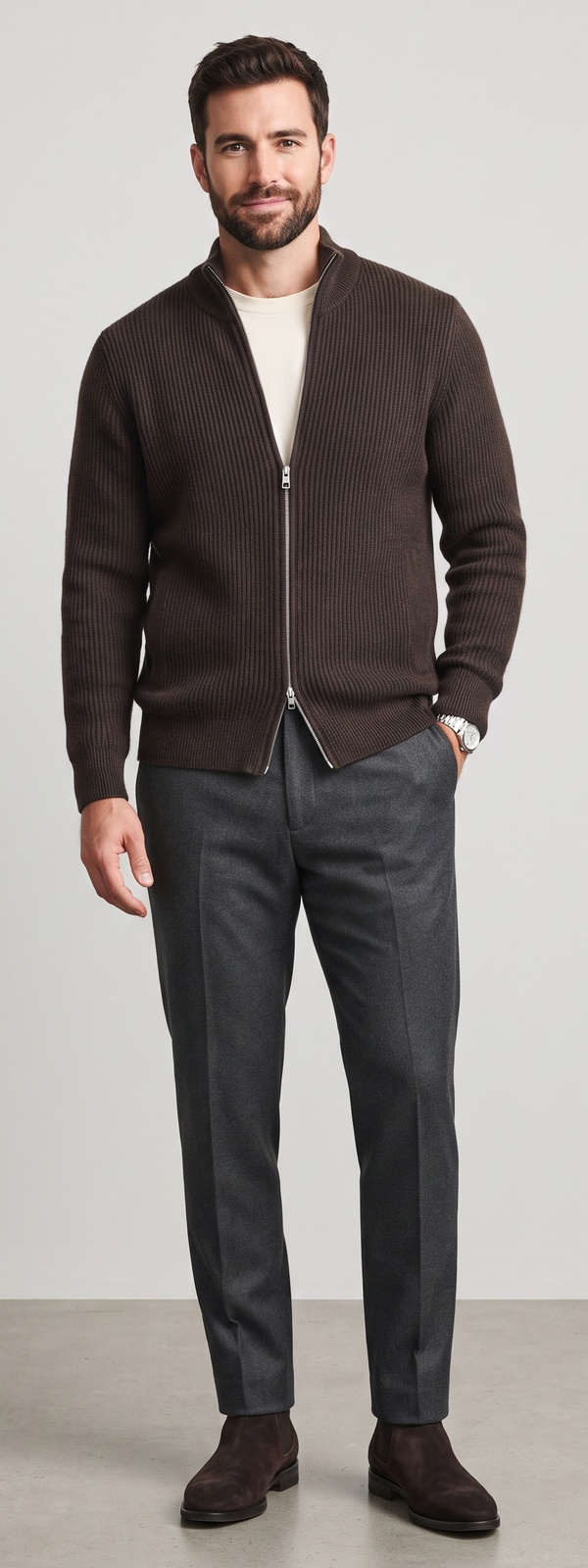
What to Wear to a Clock Restoration Workshop — Men's Complete Guide
Stepping into a quiet horological atelier for an antique pendulum clock restoration workshop immediately surrounds you with rhythmic ticking brass gear trains, antique mahogany cases, and escapement wheels. Conservators carefully disassemble fusee movements, re-bush worn brass pivot holes, and true gear wheels under focused task lamps. The ideal aesthetic is refined, scholarly dark-academia and smart-casual ergonomics: smooth fine-gauge merino knit cardigans, crisp button-down oxford shirts, tailored wool dress pants, and polished leather derbies. Because historic clock conservation requires steady forearm resting and microscopic tolerances, lint-free fabrics and snug-fitting cuffs prevent snagging delicate brass escapements. From truing eccentric gear teeth with precision horological files to calibrating pendulum verge pallet depths, here is your complete men's style guide for clock restoration.
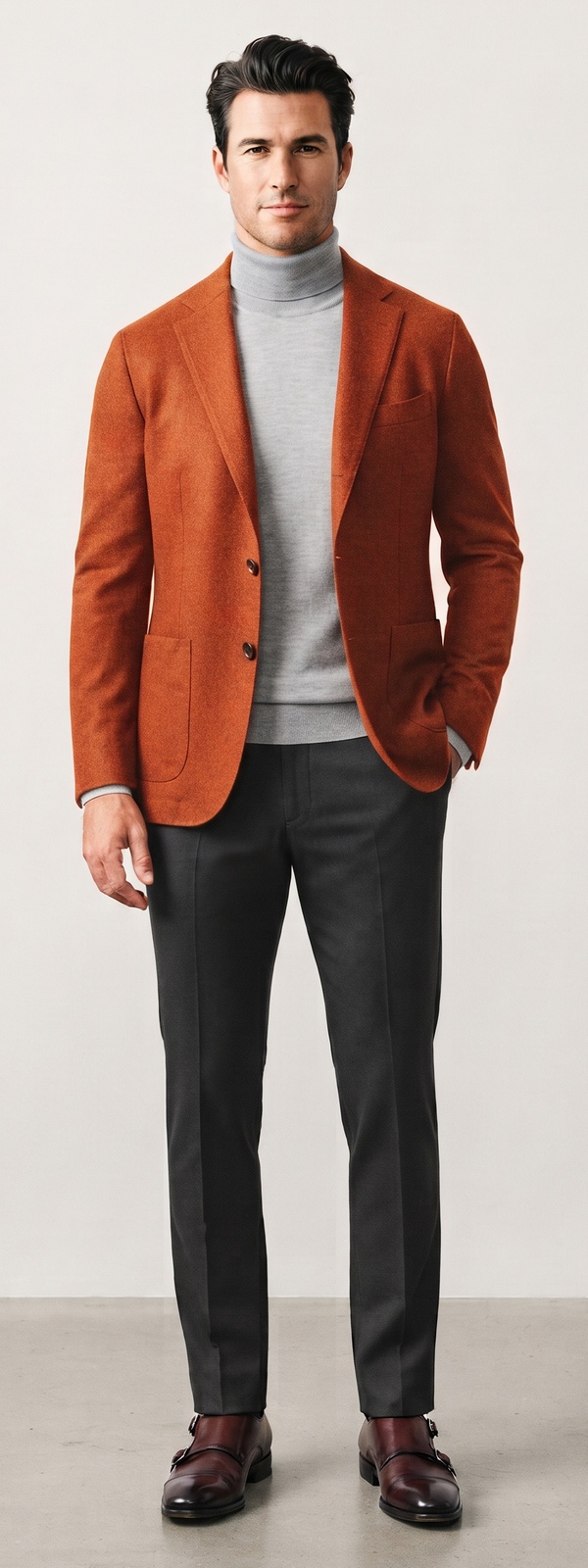
Terracotta Wool Blazers: Mediterranean Sartorial Warmth
We created this warm tailored showcase around the rich chromatic depth of terracotta wool blazers. Evoking Italian clay rooftops and warm Mediterranean sunsets, rust and terracotta sport coats offer a dashing alternative to standard navy blazers while preserving absolute elegance. We recommend styling terracotta blazers with light blue shirts and charcoal trousers. Browse handsome, budget-friendly terracotta and rust blazers on Amazon for inspired continental sartorialism.
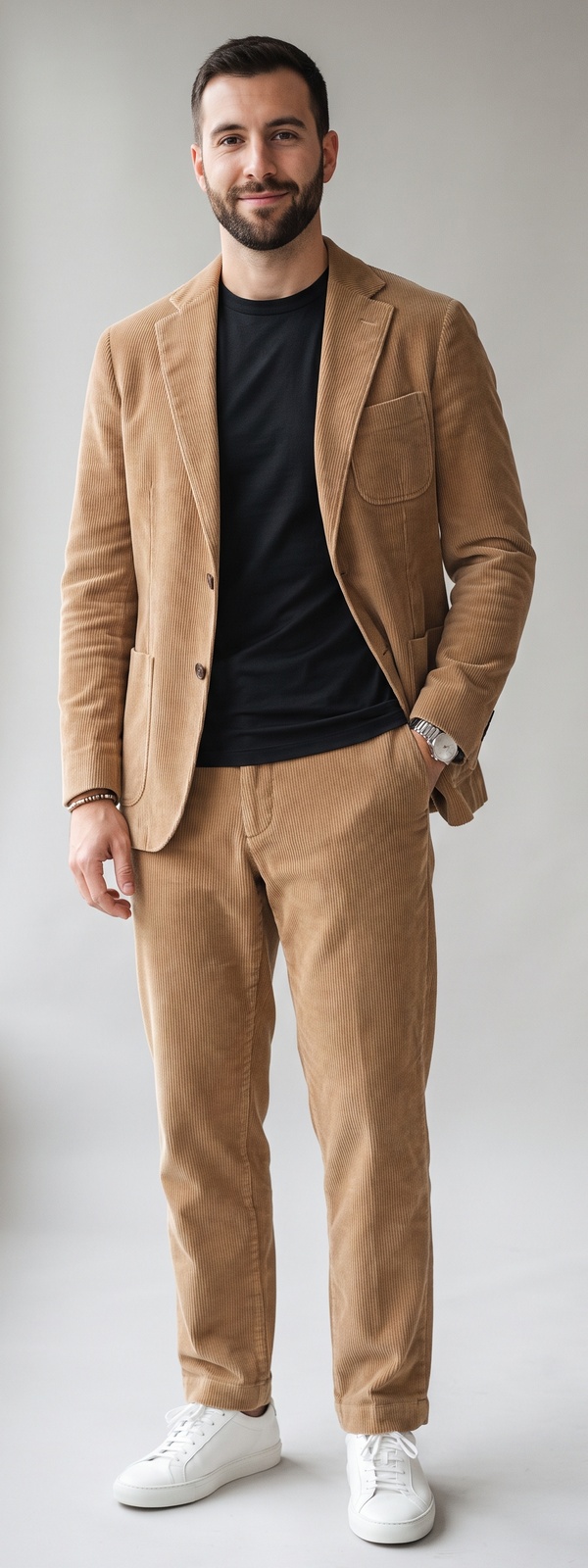
How to Style a Men's Corduroy Blazer: Autumn Ivy to Modern Tailoring
Master rich autumnal texture with our guide to styling men's corduroy blazers, wide-wale sport coats, and tactile heritage tailoring.