
What to Wear on a Long-Distance Brevet Ride — Men's Complete Guide
Rolling out at predawn for a grueling two-hundred-kilometer randonneuring brevet or audax endurance cycling ride places you under starry skies, quiet rural highways, and misty valleys. Dedicated endurance cyclists pedal self-supported through morning frost, midday heat, and blustery evening headwinds, stamping control cards at remote countryside town checkpoints.
The optimal outfit is sustained saddle comfort, responsive temperature regulation, and certified high-visibility road safety: technical merino wool cycling jerseys, premium long-distance padded bib shorts, packable windproof shells, and reflective safety sashes. Because you will spend twelve to eighteen continuous hours in the cycling saddle through rapidly changing weather, chafe-free breathability is paramount.
From navigating foggy alpine mountain passes before sunrise to clipping into pedals for the final midnight push, here is your essential randonneuring style guide.
Outfits that work
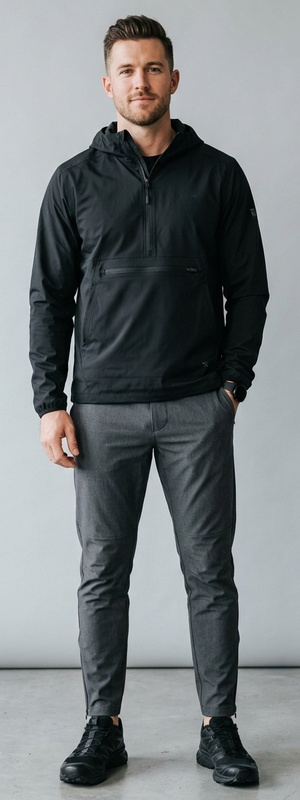 From $104
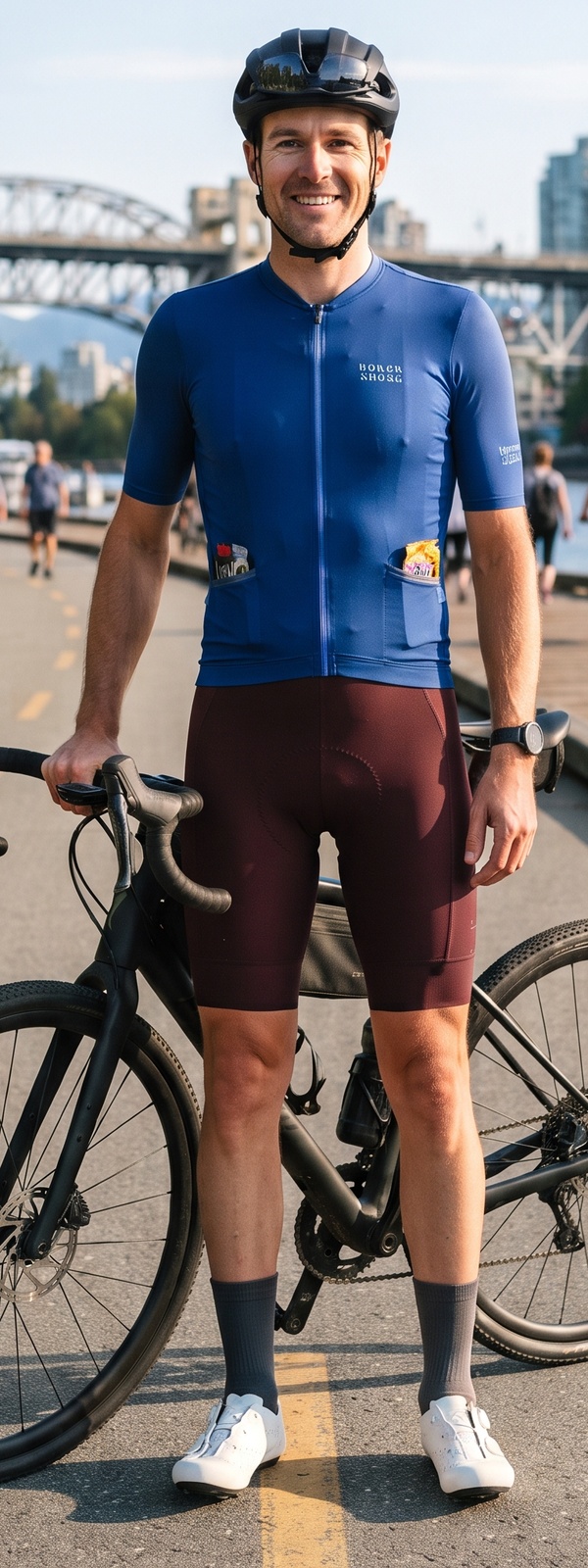 From $246
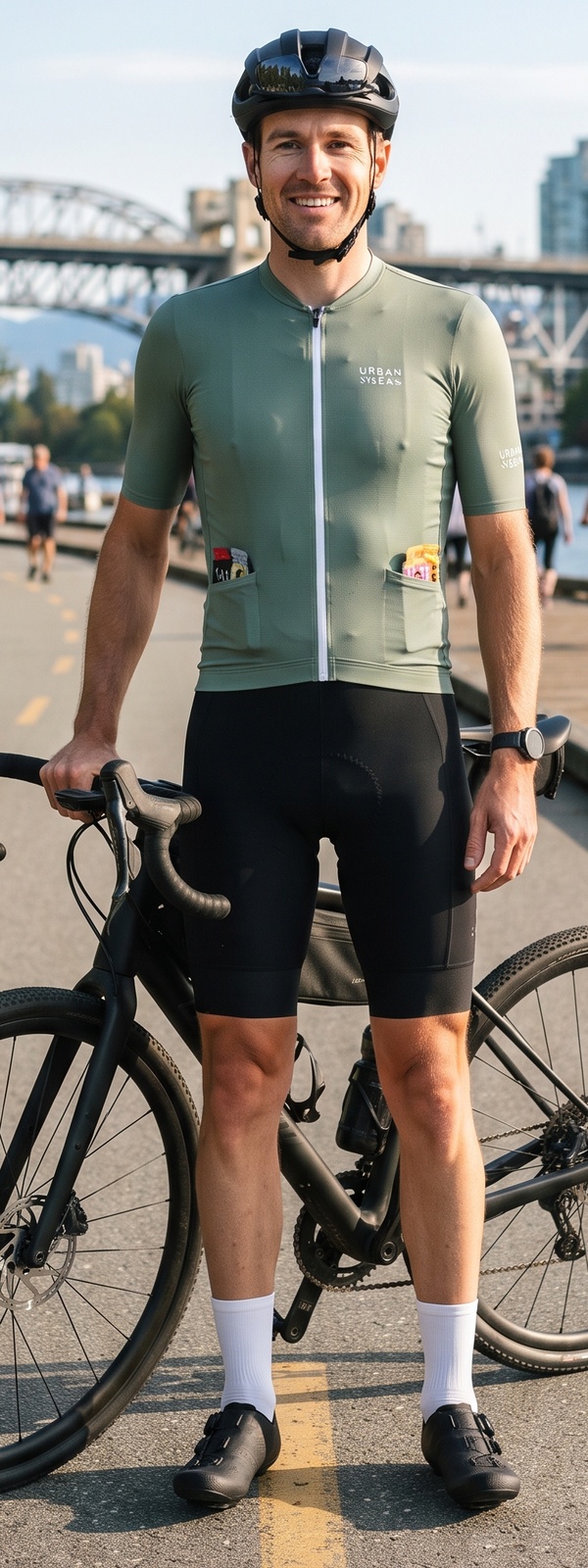 From $233
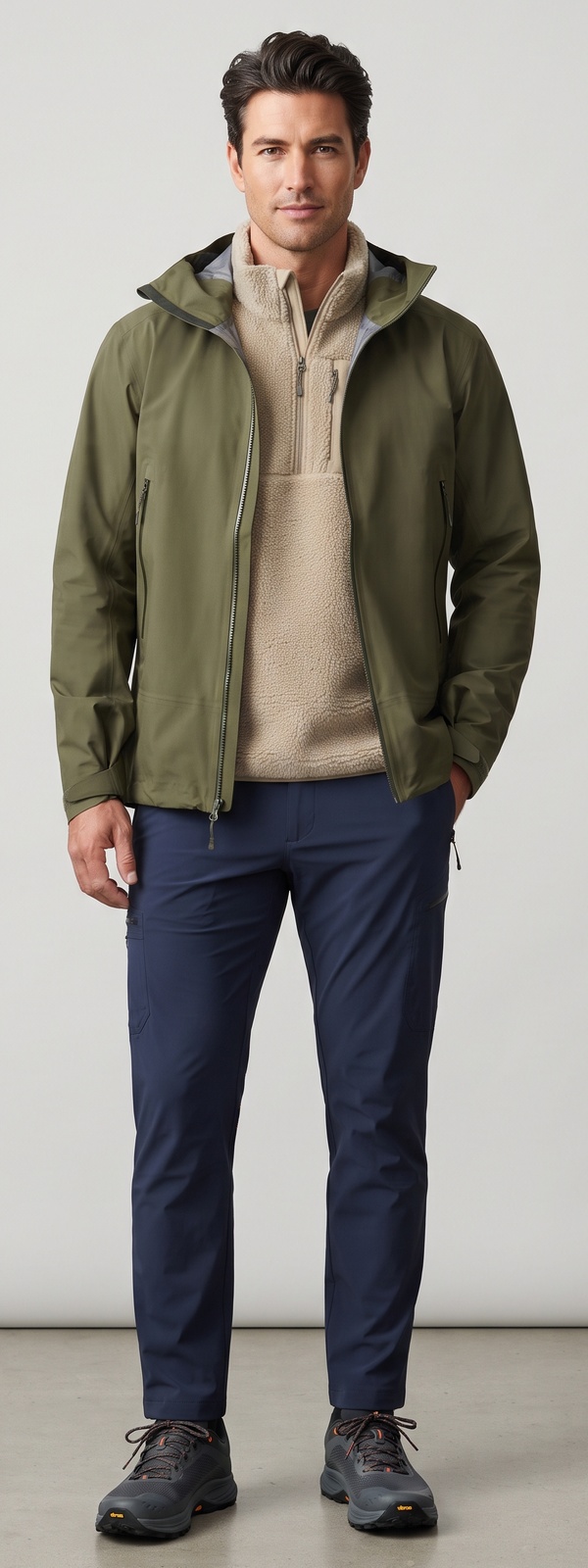 From $132
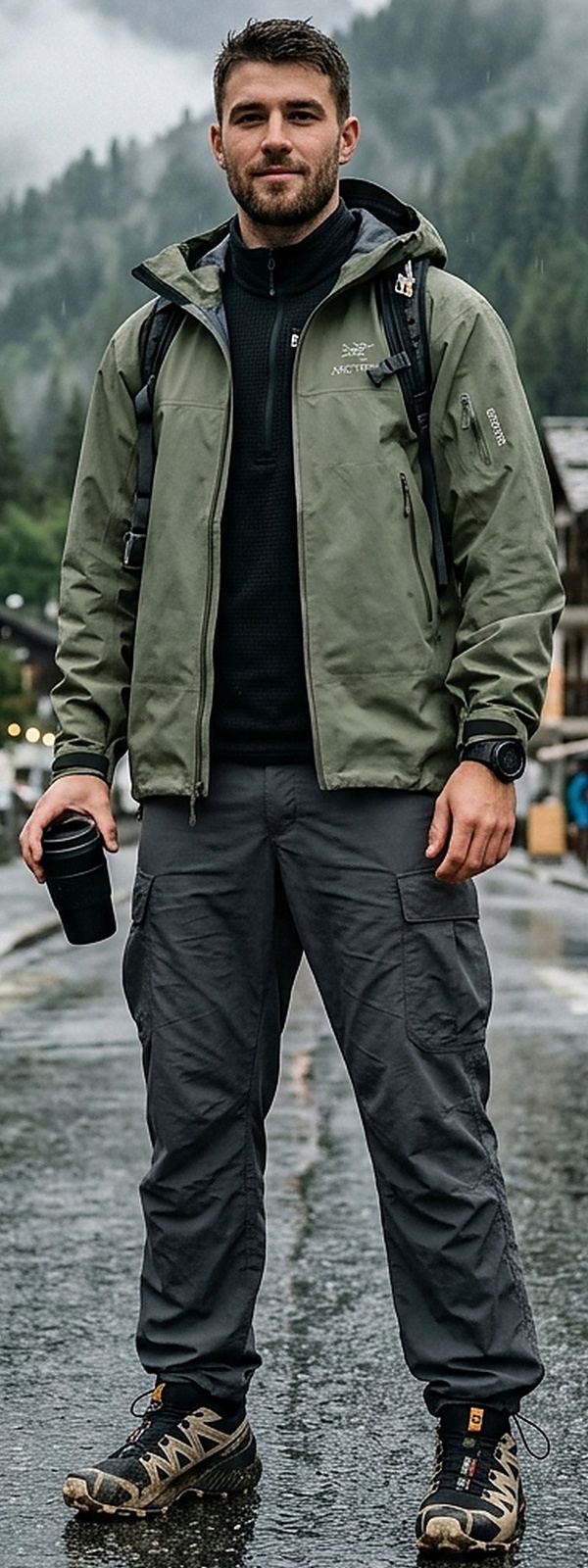 From $169
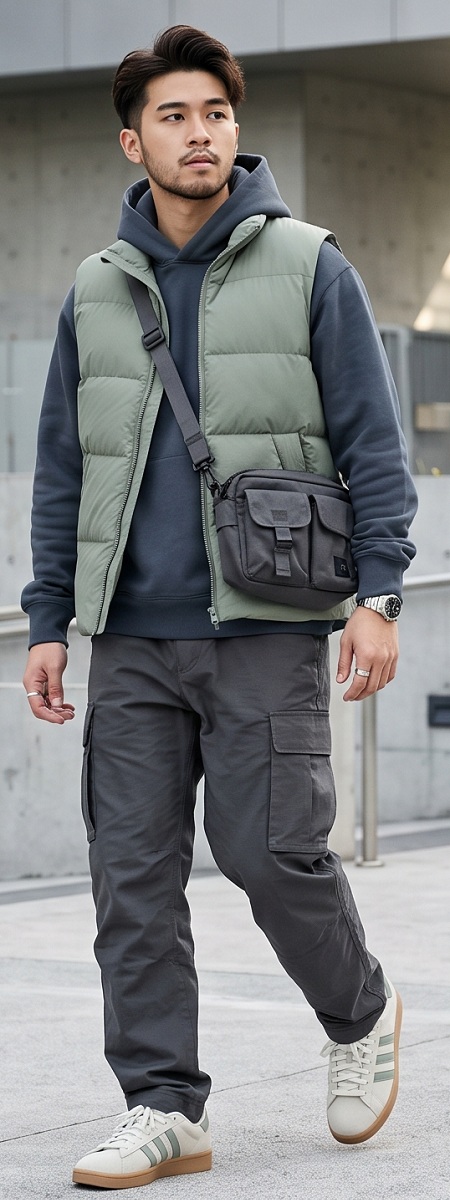
Do
- ✓Wear a naturally thermoregulating merino wool cycling jersey that resists odor during fourteen hours of riding.
- ✓Choose premium multi-density padded endurance bib shorts to prevent saddle sores across hundreds of kilometers.
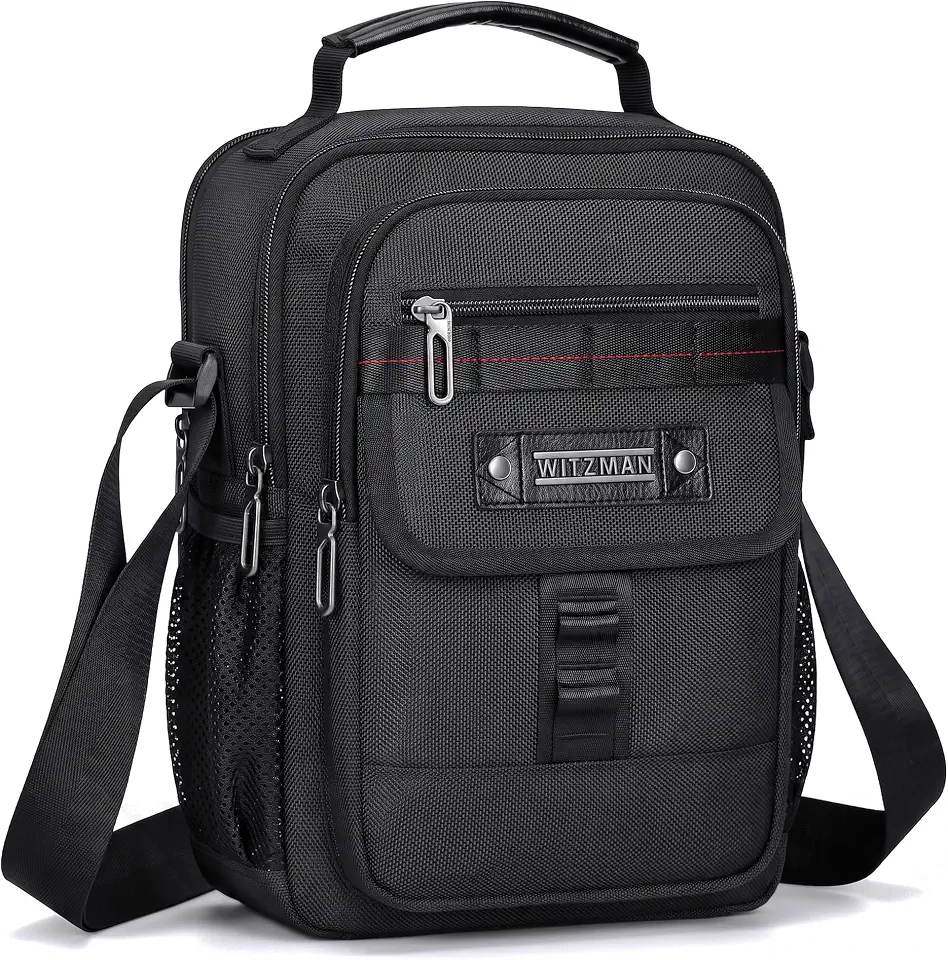
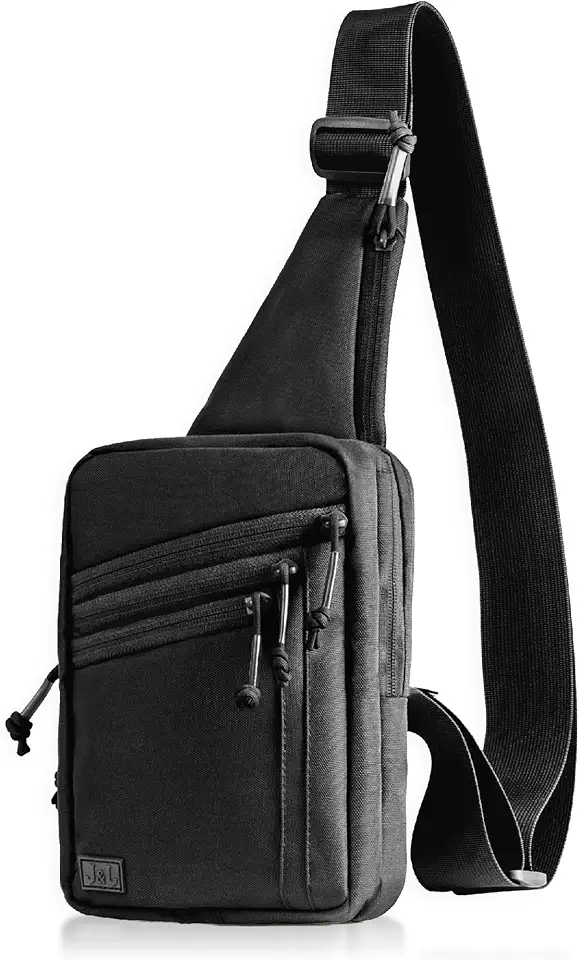
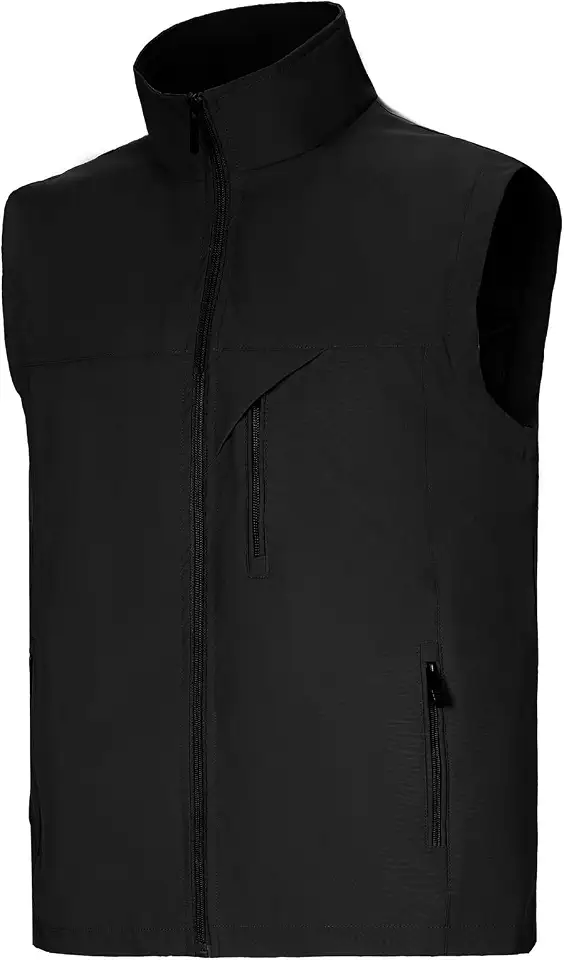
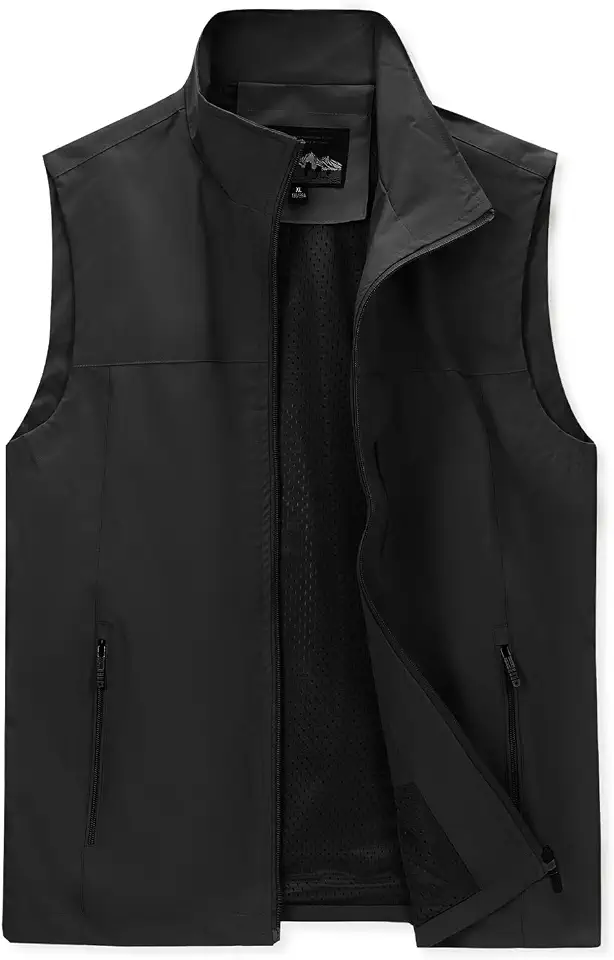
- ✓Select packable windproof shells and arm warmers that stow easily in your handlebar bag when temperatures climb.
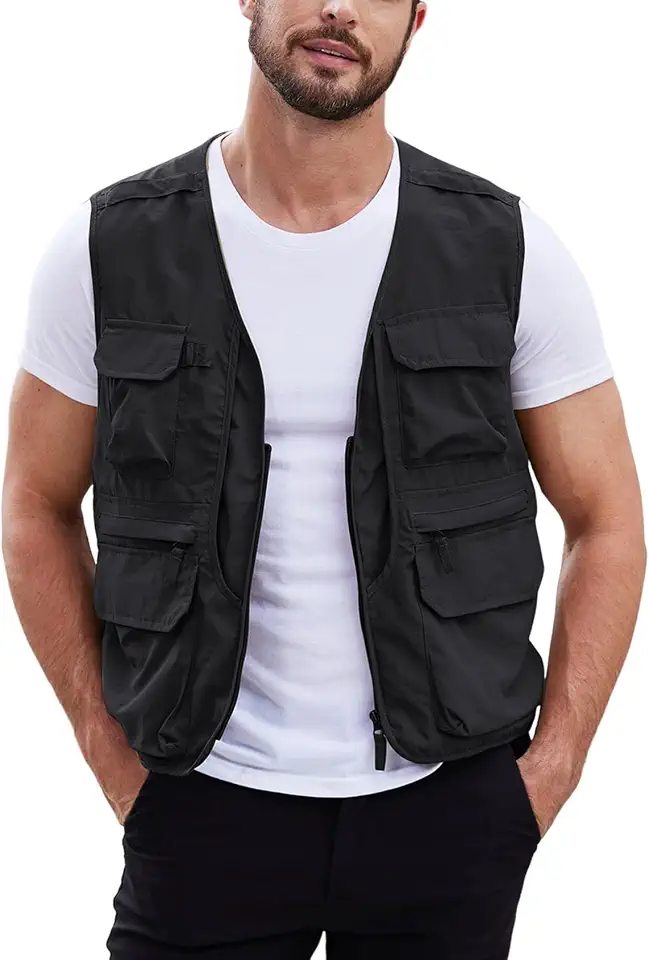
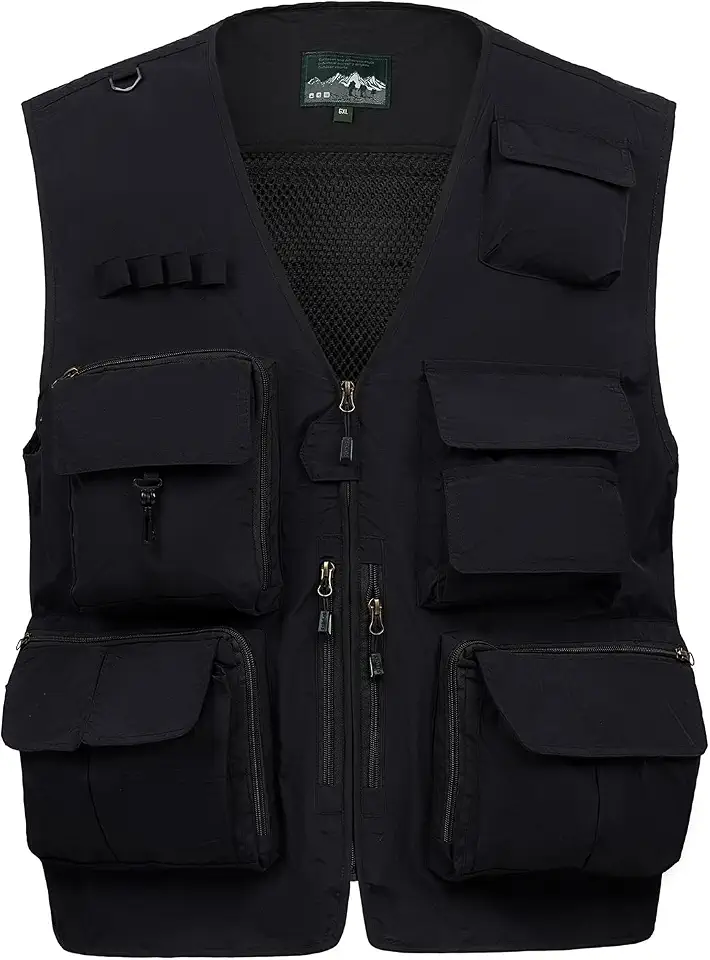
- ✓Pair your kit with an approved reflective cycling vest and ankle bands for nighttime highway visibility.
- ✓Pack breathable cycling gloves with targeted gel palm padding to minimize handlebar nerve compression.
Don't
- ✗Avoid pure cotton t-shirts that absorb sweat, stay damp for hours, and cause severe post-dusk chills.
- ✗Don't wear untested bib shorts or new shoes on a major brevet without extensive prior training mileage.
- ✗Avoid dark, unreflective cycling apparel that renders you nearly invisible to vehicles on unlit country roads.
- ✗Don't wear bulky, non-packable jackets that consume valuable handlebar bag space needed for nutrition.
Style tips
Merino Wool All-Day Thermoregulation
Long-distance brevets frequently start in near-freezing dawn fog and peak in seventy-degree afternoon sunshine. Fine merino wool fibers buffer temperature shifts naturally while wicking sweat away from your skin.
Audax Reflective Visibility Standard
Randonneuring rules strictly mandate certified reflective gear during all hours of darkness and dusk. Lightweight mesh reflective vests with thirty-six-degree reflective tape ensure safety without trapping rider heat.
Multi-Hour Saddle Pressure Relief
Riding over one hundred miles exerts sustained pressure on your sit bones and perineal nerves. Top-tier endurance chamois with dense perforated foam reduce road vibration fatigue.
Related searches
All curated searches
Related Reading
What to Wear to a Wilderness Orienteering Meet — Men's Guide
Standing at the start triangle of a wilderness orienteering meet on a foggy autumn morning places you with a topographic map, thumb compass, and electronic timing punch. Navigators read tight elevation contours, bushwhack through thick pine forests and rocky boulder fields, and race to locate hidden orange-and-white control flags. The necessary attire is off-trail brush protection, thermal ventilation, and aggressive off-road grip: lightweight moisture-wicking technical jerseys, protective ripstop shin gaiters, running shorts or tights, and aggressively lugged trail running shoes. Because orienteering sends you charging off-trail through thorns, mud, and fallen logs, durable lower-leg protection is critical. From navigating steep re-entrant gullies on precision compass bearings to punching the final control at sprint speed, here is your essential orienteering style guide.

Office-Ready Without the Suit or Tie: Modern Business Casual
As the traditional corporate dress code continues to evolve, we find ourselves leaning into the art of the intentional separate. For this transitional season, our focus is on building a versatile wardrobe where sharp trousers, refined knitwear, and unconstructed blazers do the heavy lifting. We believe that looking polished shouldn't require a fortune or a three-piece suit. By investing in clean lines and high-quality textures, you can easily command respect in the boardroom while staying comfortable all day long.
What to Wear to a Coastal Gig Rowing Regatta — Men's Complete Guide
Launching traditional thirty-two-foot Cornish pilot gigs into pounding ocean surf for a coastal rowing regatta places you among roaring breaking waves, flying salt spray, and shouting coxswains. Six athletic oarsmen pull fifteen-foot ash oars in powerful synchronized rhythm, slice through rolling ocean swells, and sprint around offshore racing marker buoys. The required outfit is wet ocean endurance, chafe-free power transfer, and seaside wind protection: technical quick-drying athletic shorts, breathable thermal base layers, water-resistant sailing windbreakers, and non-slip marine deck shoes. Because rowing in open ocean waters combines freezing surf launches with intense aerobic heat, quick-drying layering is vital. From wading calf-deep into chilly surf to beach-launch gigs to celebrating regatta victories on the coastal slipway, here is your essential gig rowing guide.
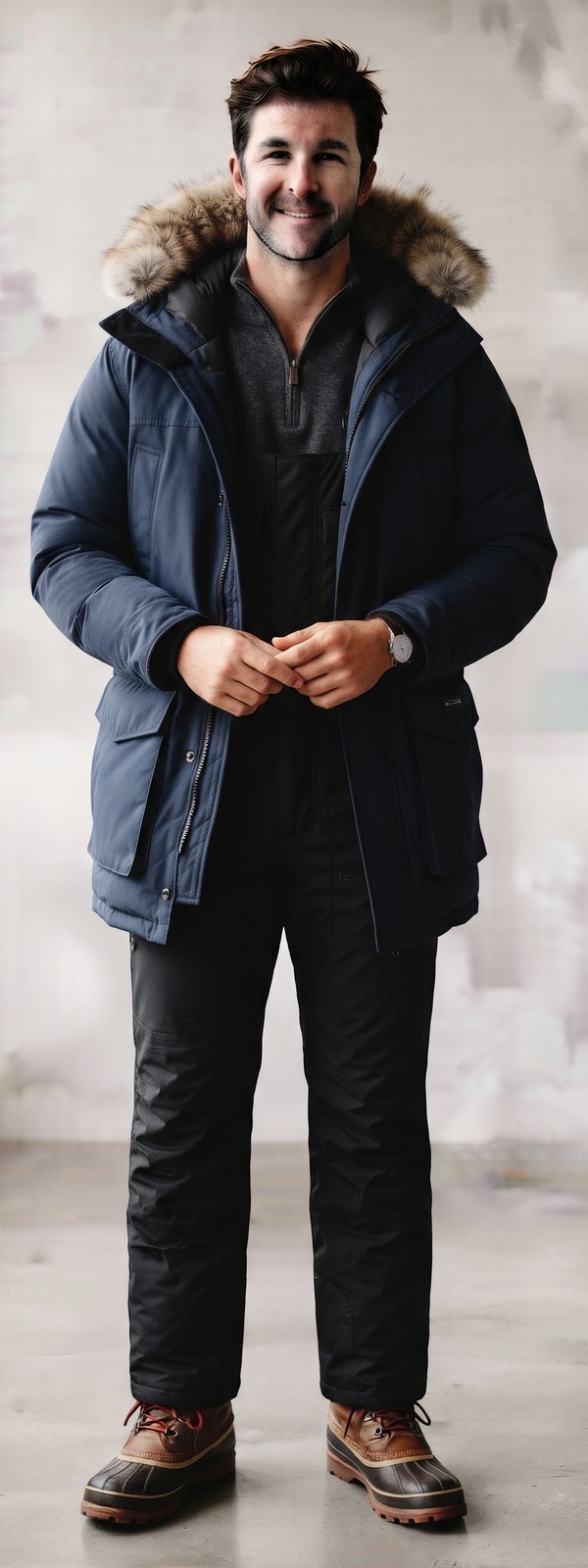
How to Style a Men's Techwear Parka: Urban Technical Shell Guide
Navigate harsh urban weather in style with our guide to styling men's techwear parkas, waterproof shells, and utilitarian cargo pants.
Sartorial Friction: Pleated Tailoring & Trail Footwear
We built this collection around 'sartorial friction,' the defining high-low styling technique on global street-style feeds. By deliberately contrasting men's tailored wool overcoats, men's double breasted trench coats, and men's pleated dress pants against men's grey retro running sneakers and men's suede athletic sneakers, we break the stiffness of formal outerwear. Our curated pairings prove that structured tailoring and kinetic sneaker comfort elevate one another when anchored in cohesive neutral palettes.
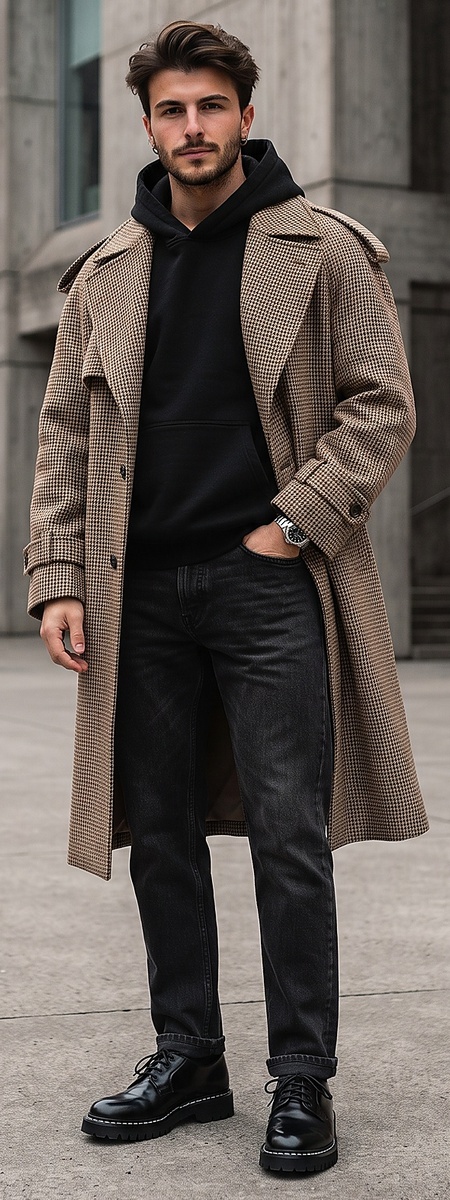
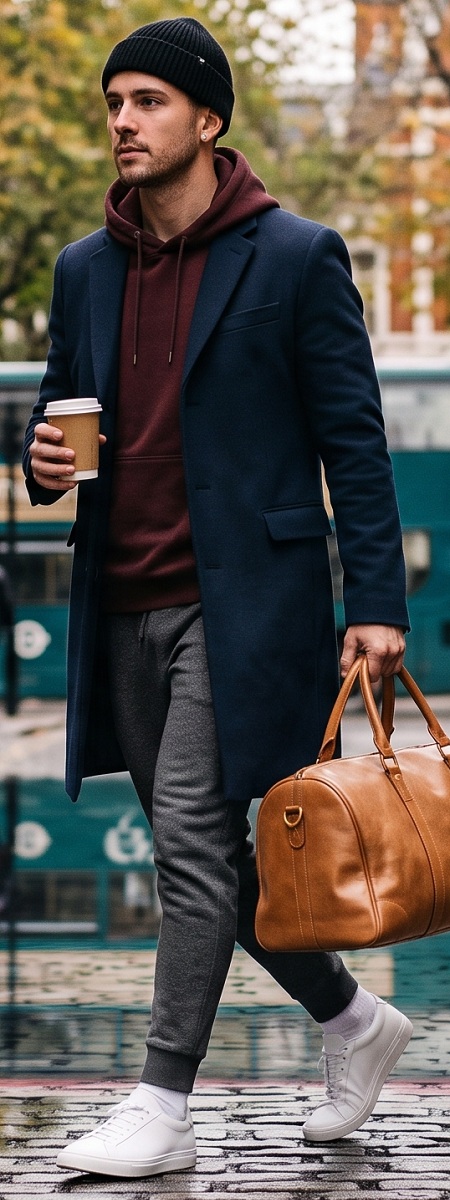
How to Wear a Men's Trench Coat with a Casual Hoodie
Learn how to wear a men's trench coat with a casual hoodie by balancing streetwear comfort, tailored drape, and clean footwear on an accessible budget.
Other Reading
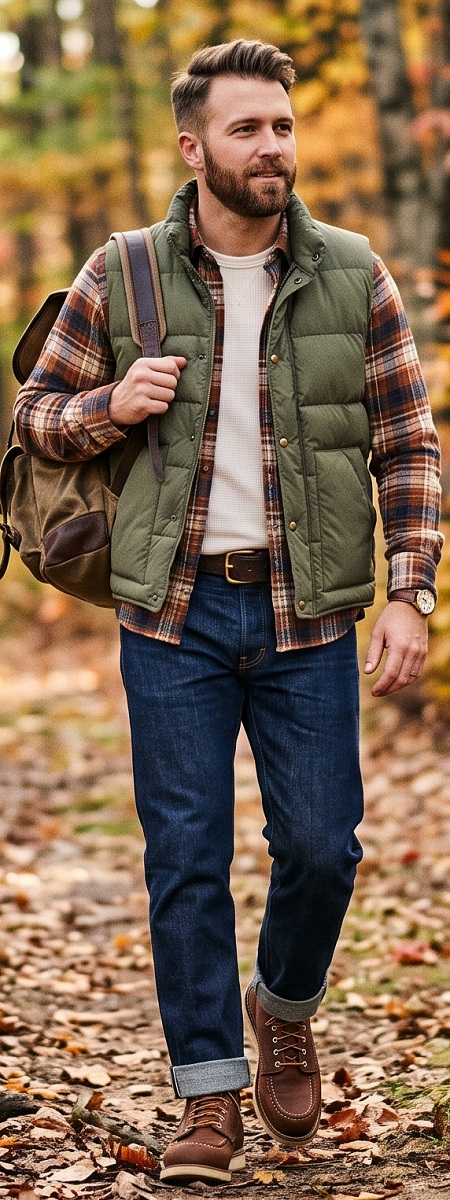
What to Wear to a Fly Tying Bench Session — Men's Guide
Gathering around a polished timber bench at a heritage angling club for a fly tying and feather craft session brings you into the miniature world of hackles, dubbing, and tiny hooks. Anglers clamp rotary vises, wind fine silk thread, and spin deer hair to replicate aquatic mayfly nymphs and streamer patterns. The traditional sartorial tone is cozy sporting heritage and tactile country comfort: soft brushed cotton flannel shirts, fleece or quilted gilets, relaxed corduroy pants, and comfortable suede moccasins. Because fly tying requires hours of meticulous bench seating and thread tension control, comfortable soft-touch fabrics and snag-free cuffs are essential. From winding delicate peacock herl around hook shanks to curing UV epoxy heads under blue light pens, here is your essential fly tying style guide.
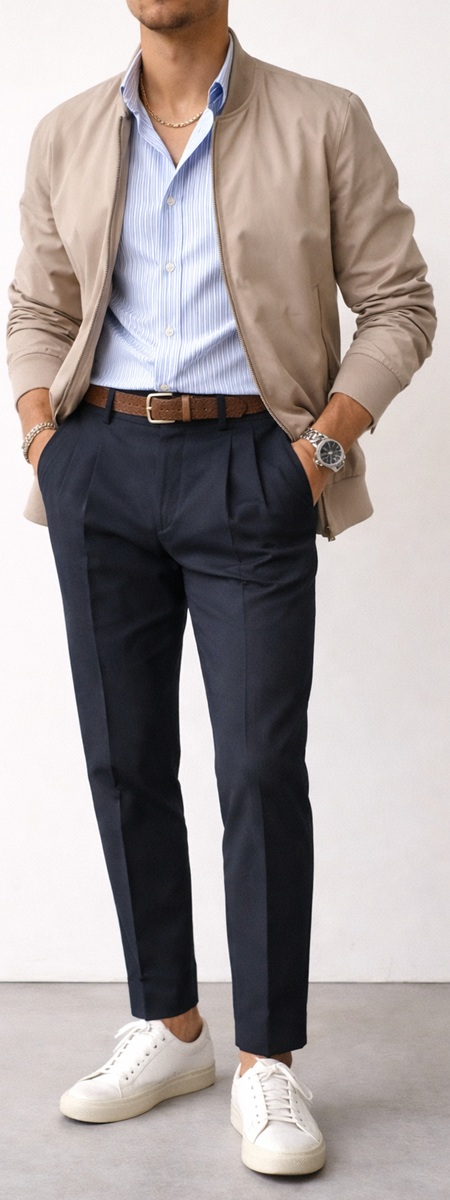
Bomber Jackets & Flight Outerwear: Urban Street Edge
We designed this lookbook around the enduring versatility of the cropped flight jacket. Whether styled in slick military nylon, tactile boiled wool, or collegiate-inspired colorblocking, the bomber's structured shoulders and cinched waist yield an instantly flattering athletic frame. We love contrasting these energetic jackets with pleated trousers or relaxed cargo joggers for an agile, street-smart rotation.
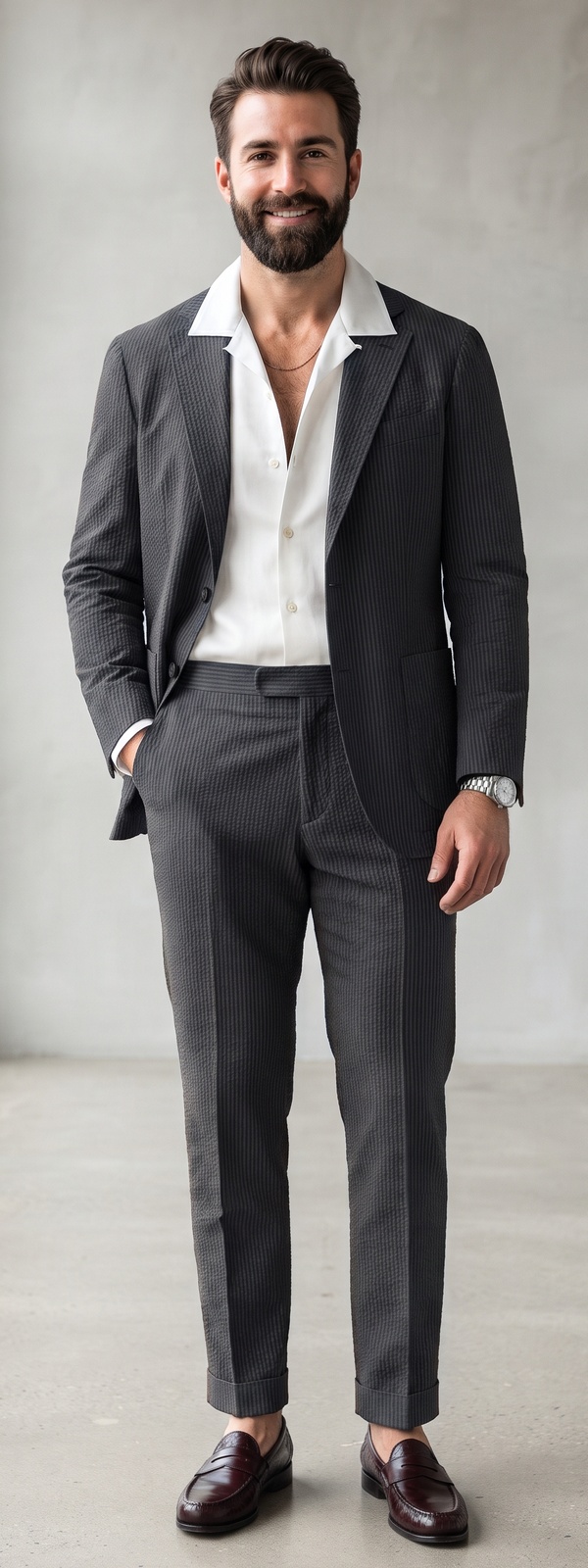
How to Style Men's Charcoal Seersucker for Modern Ease
Learn how to style men's charcoal seersucker suits and separates with knit polos and loafers for contemporary, heat-defying summer sophistication.