
What to Wear to a Rucking Challenge — Men's Complete Guide
Lacing up for an endurance rucking challenge, team heavy march, or trail ruck workout tests your physical resilience with thirty to forty-five pounds of cast iron secured to your back. Covering miles of mixed gravel, steep urban ascents, and dirt trails while bearing substantial weight demands rugged, friction-reducing apparel engineered for intense load-bearing endurance.
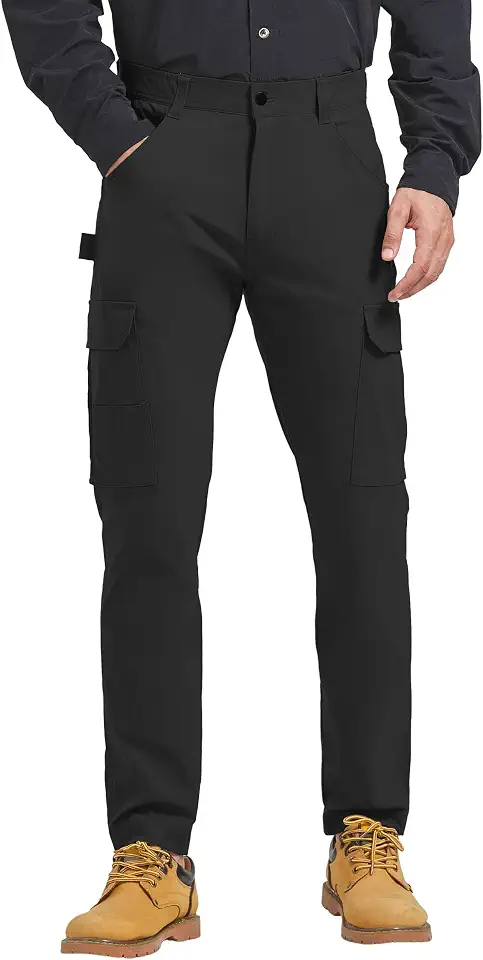
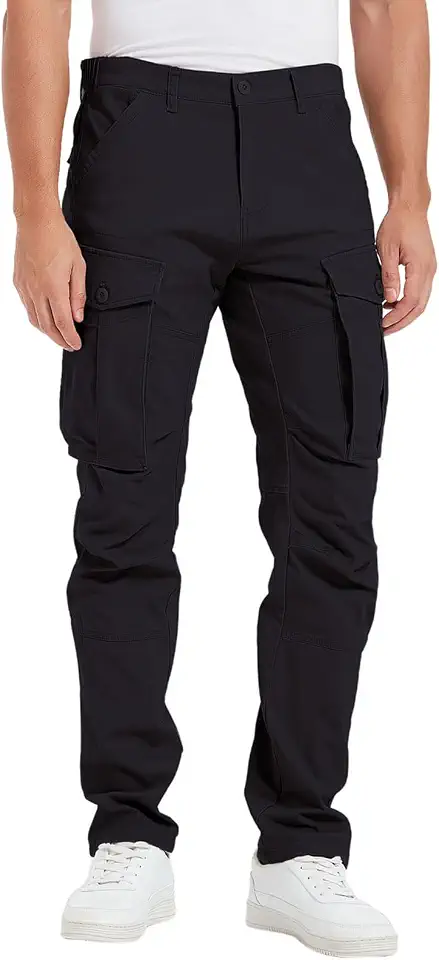
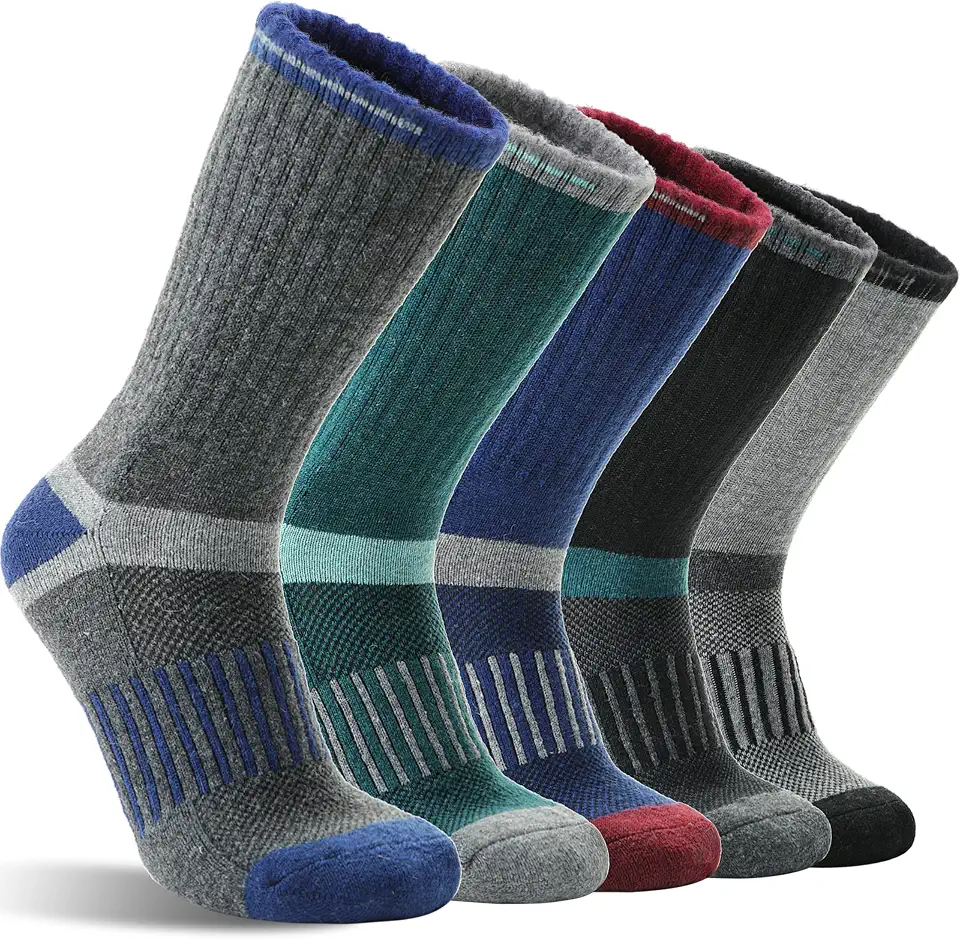
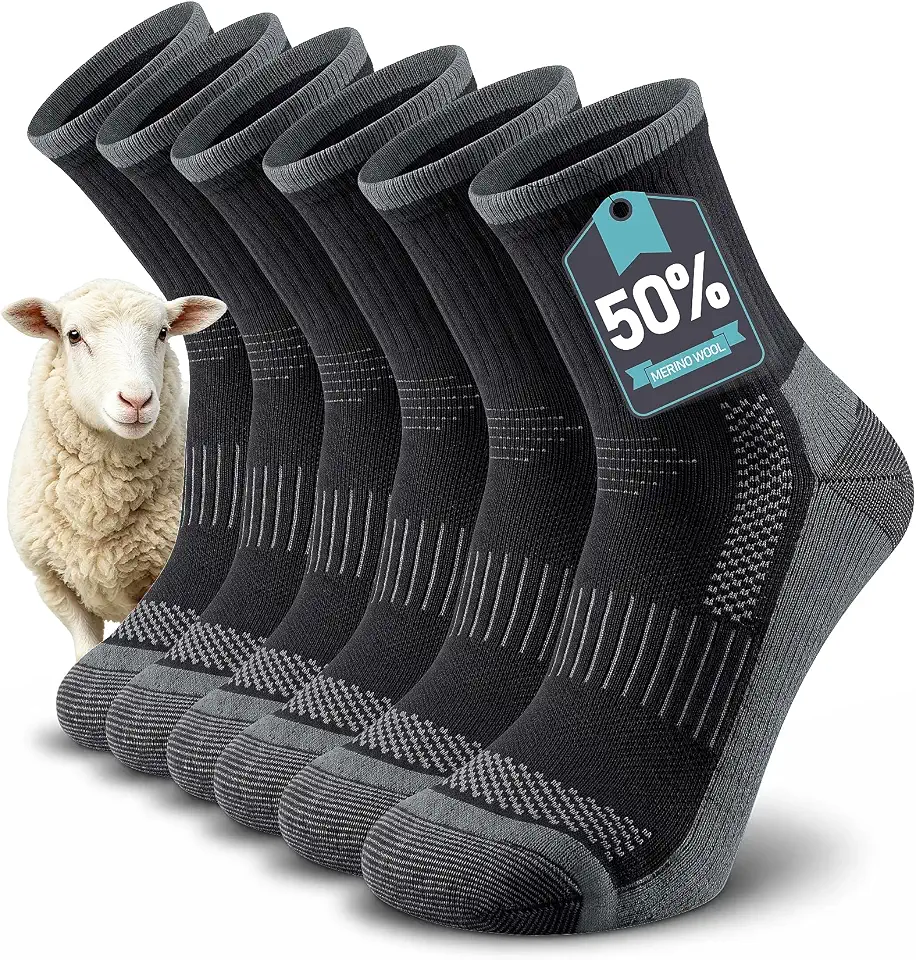
The benchmark dress code is functional tactical endurance wear: breathable moisture-wicking synthetic tees, tough abrasion-resistant ripstop cargo pants or trail trousers, high-cushion merino wool hiking socks, and supportive tactical hiking boots. Clothing must feature flat shoulder seams to eliminate skin chafing under heavy, cinch-tightened backpack harness straps.
From shoulder strap friction defense and blistering prevention to heavy weight load distribution, here is your definitive blueprint for rucking challenge style.
Outfits that work
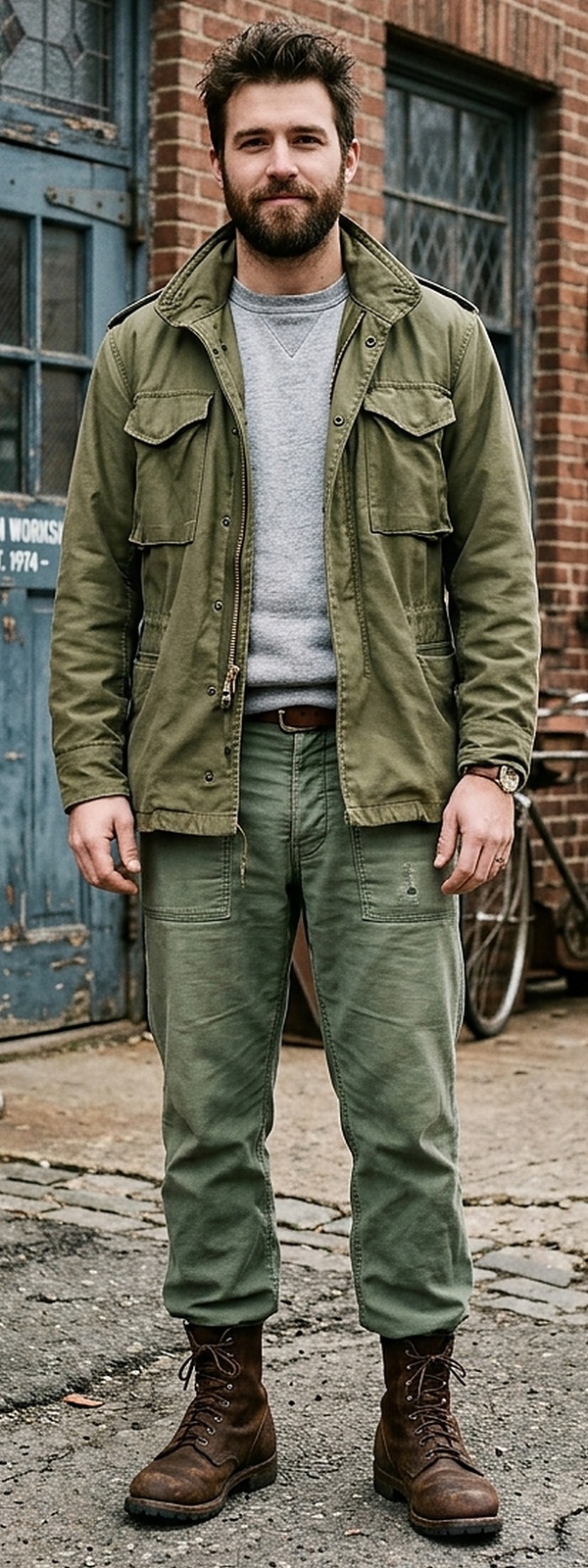 From $139
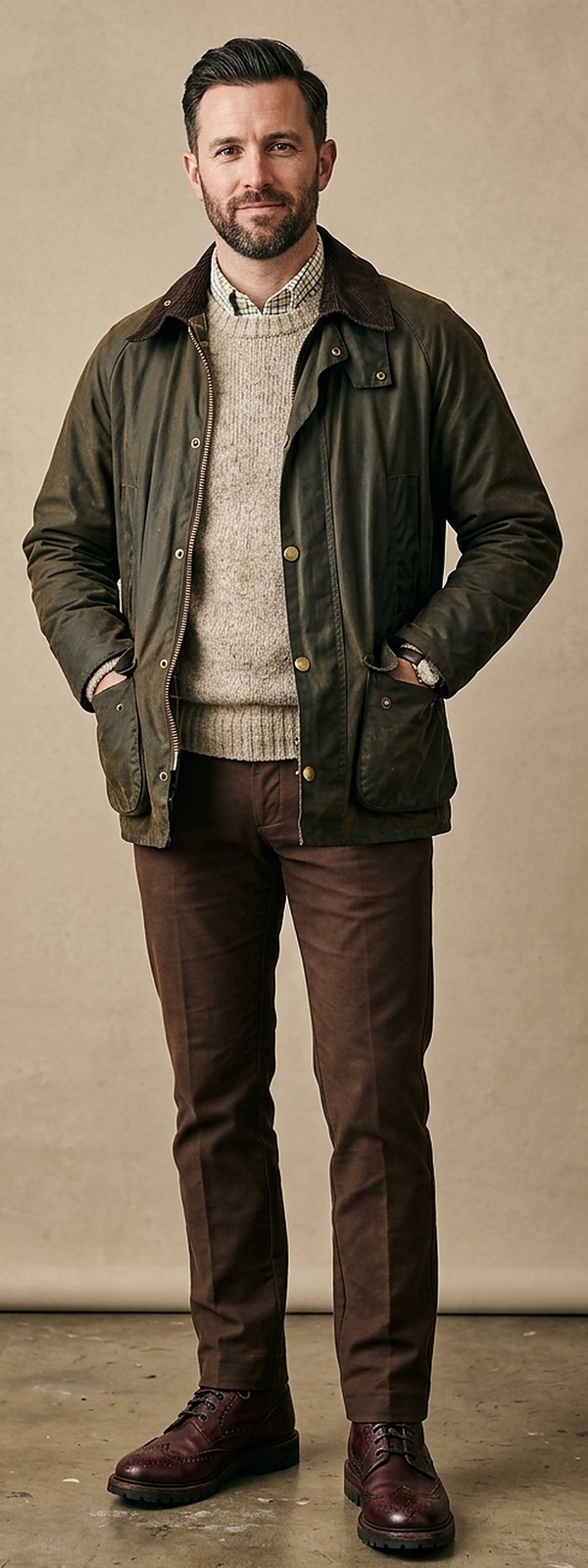 From $171
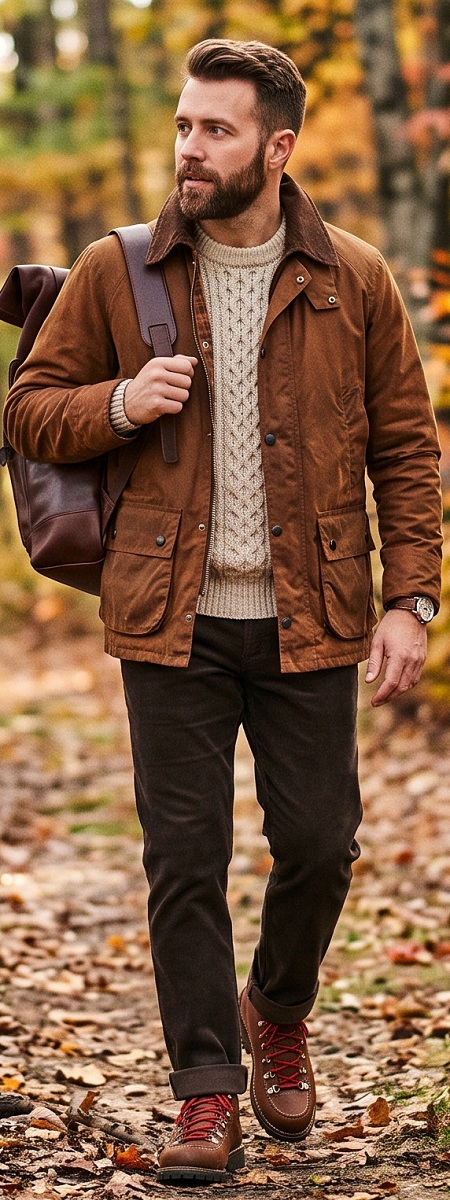 From $204
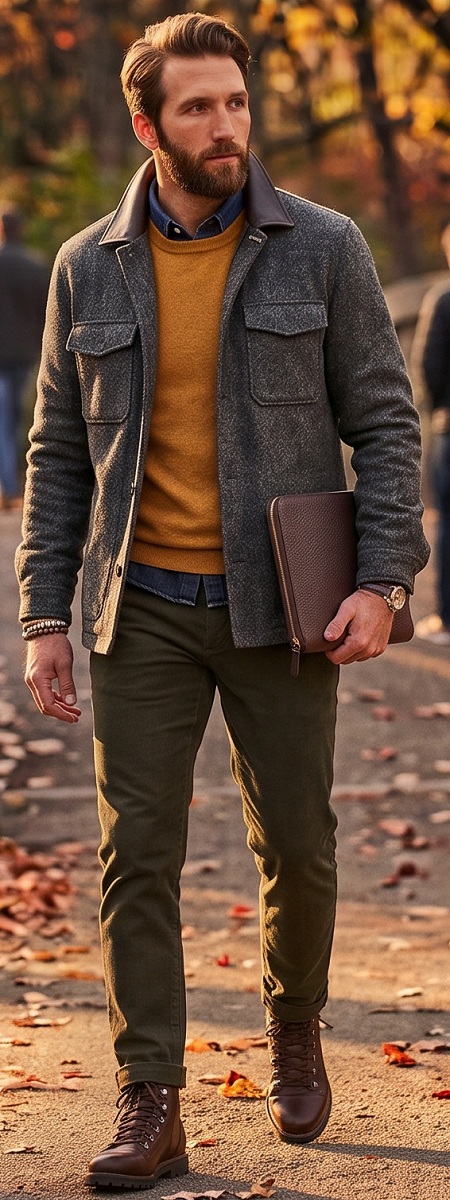 From $178
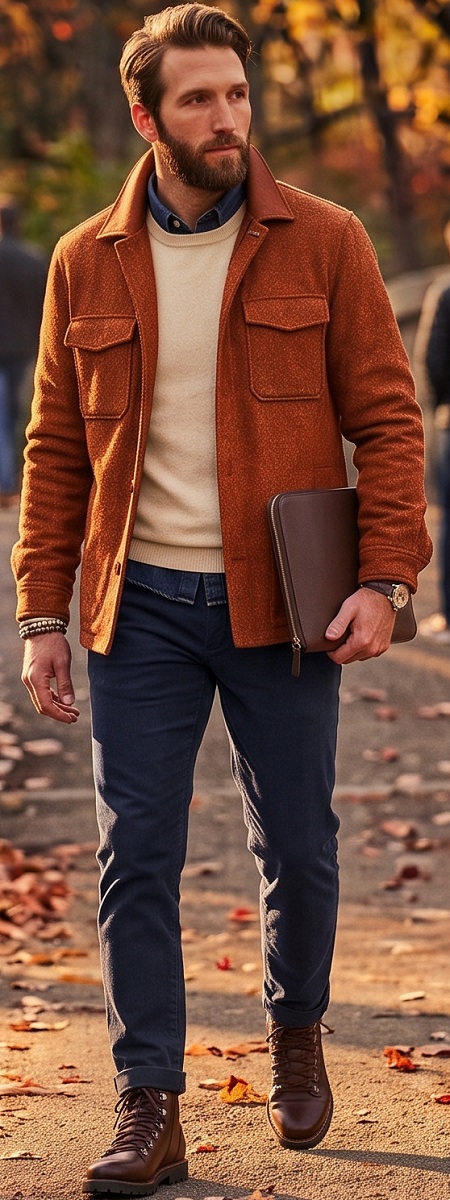 From $185
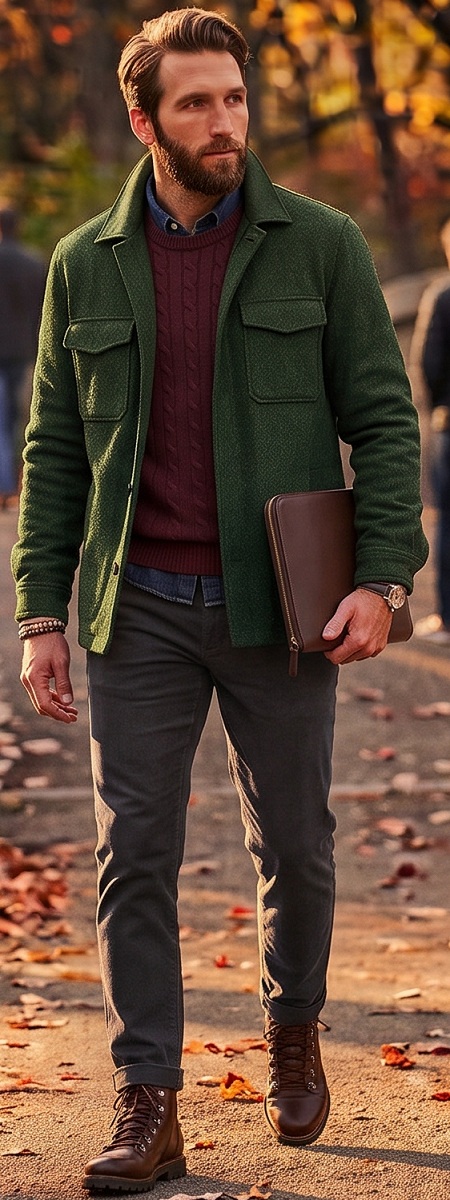
Do
- ✓Wear moisture-wicking synthetic t-shirts with flatlock seams that sit smoothly beneath heavy shoulder straps.
- ✓Choose durable ripstop cargo pants or stretch utility trousers that withstand waistbelt and gravel friction.
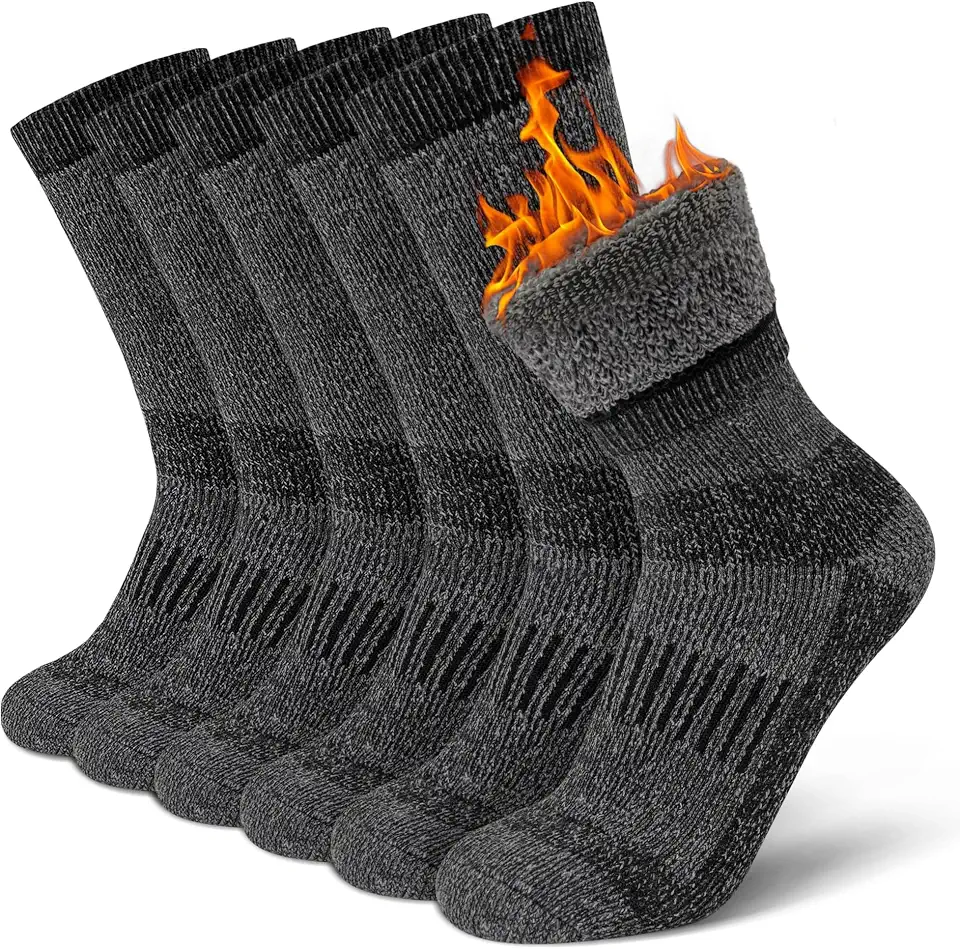
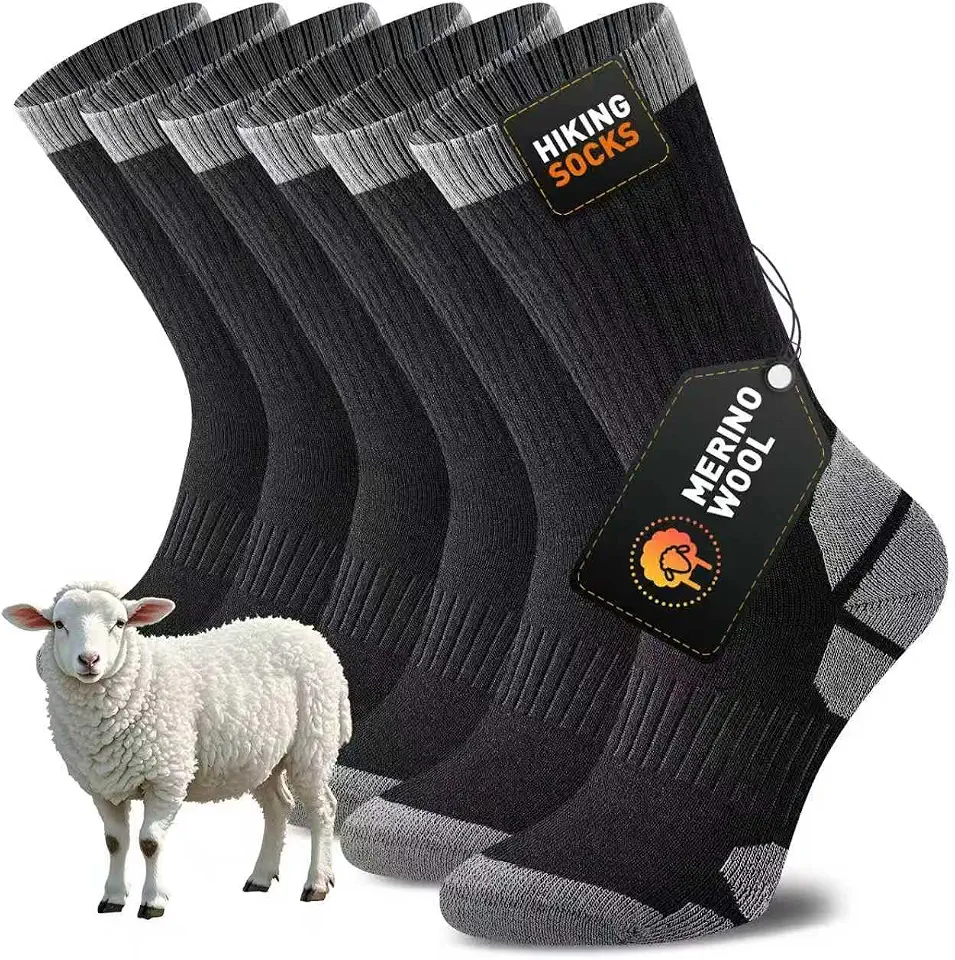
- ✓Wear high-density merino wool trekking socks to provide impact cushioning and prevent blistering friction.
- ✓Wear broken-in tactical boots or rugged trail running shoes with deep multidirectional lugs and ankle support.
- ✓Fasten sternum straps and hip belts tightly to distribute pack weight evenly across your core.
Don't
- ✗Avoid 100% cotton t-shirts that hold heavy sweat against your back and cause agonizing skin chafing.
- ✗Don't wear brand-new, unbroken-in boots to a long weighted ruck march, which guarantees severe heel blisters.
- ✗Avoid thin dress socks or loose cotton athletic socks that bunch up under high footbed load pressures.
- ✗Don't wear loose shorts with bulky inseam stitching that causes painful inner-thigh friction over miles.
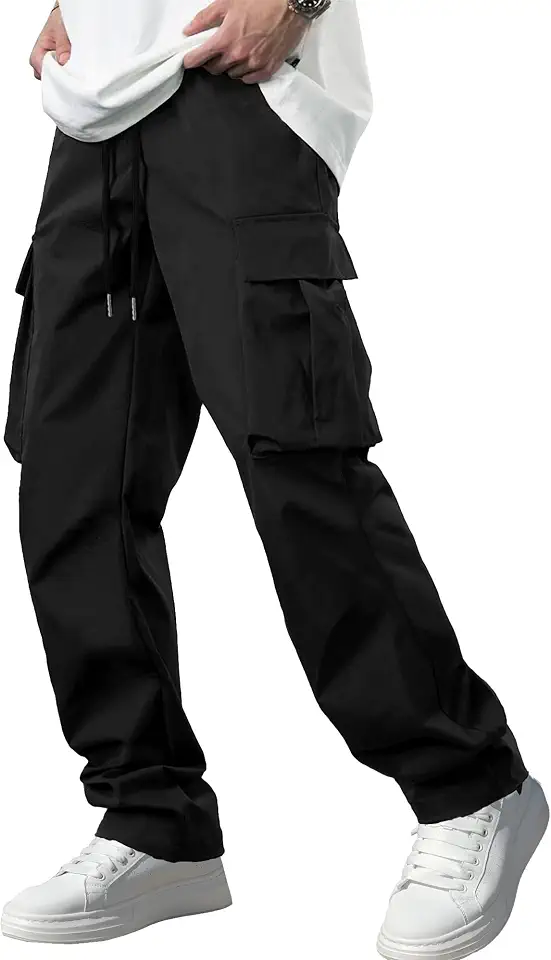
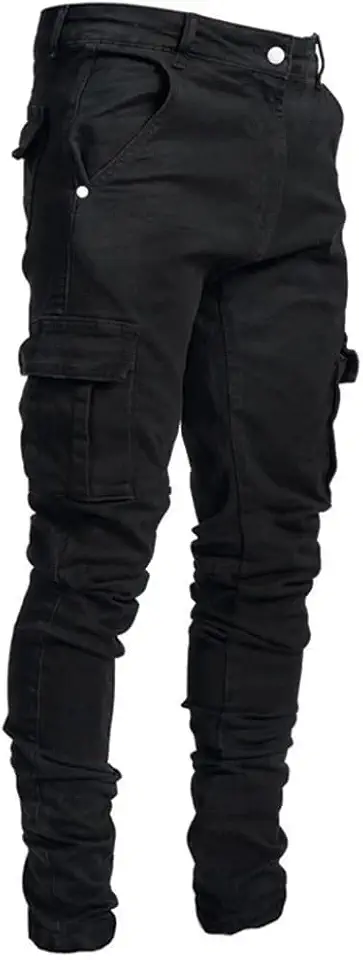
Style tips
Shoulder Harness Friction Defense
Carrying heavy ruck plates pulls pack straps hard against your collarbones. Tops with seamless or off-shoulder stitching prevent the agonizing abrasive pinch caused by conventional seams grinding into skin.
The Double Merino Blister Shield
Rucking amplifies foot pressure with every stride, driving sweat into sock fibers. Heavy-cushioned merino wool socks wick moisture away rapidly, preserving blister-free skin over twelve continuous road miles.
Hip Belt Load-Bearing Clearance
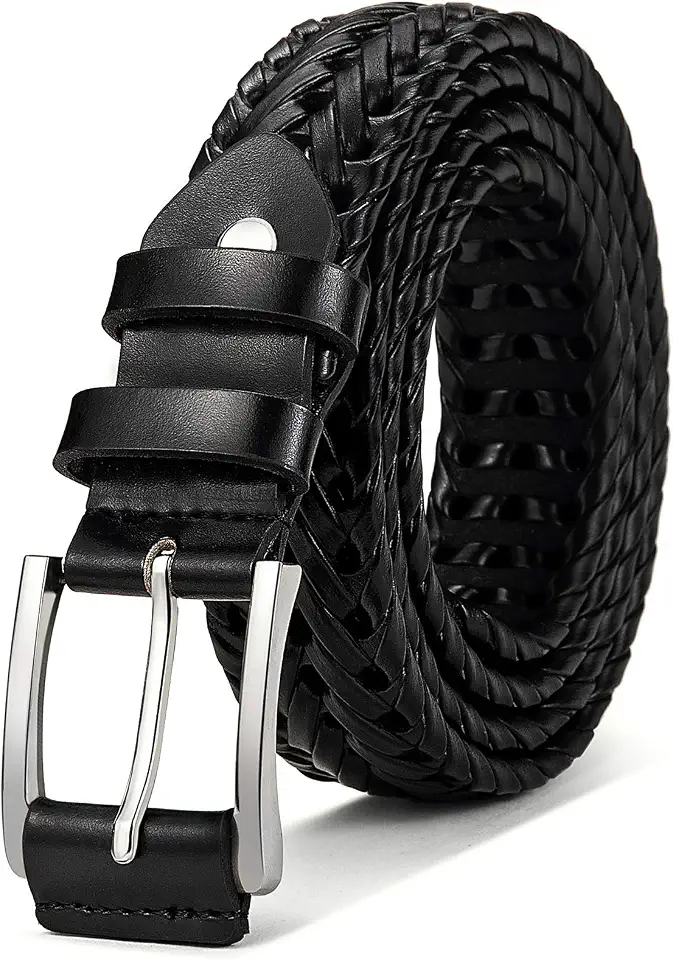
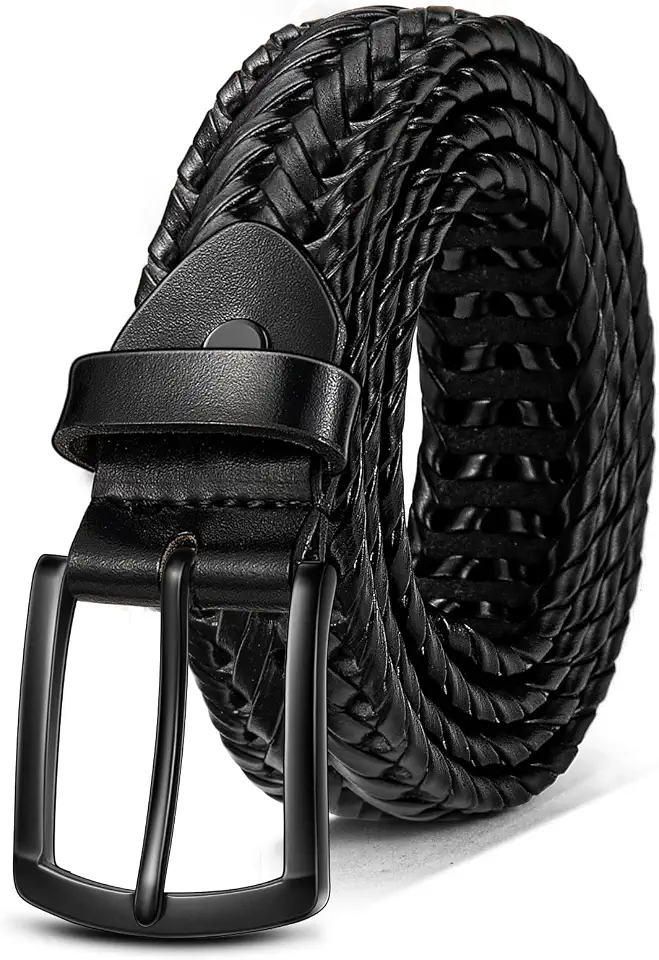
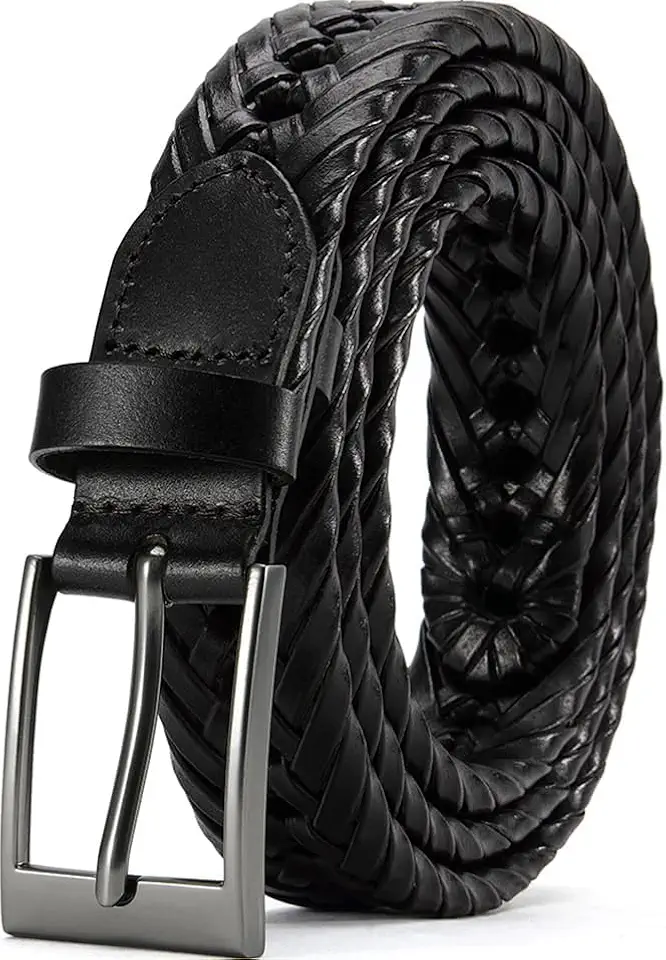
Cinching a heavy padded ruck belt around your hips transfers weight away from shoulders. Wearing low-profile belt loops and flat-waistband trail pants prevents metal belt buckles from digging into your hips.

Related searches
All curated searches
Related Reading
Lug-Sole Hiker Boots: Rugged Commando Trail Footwear
We assembled this edit around the rugged authority of heavy lug-sole trail and mountaineering boots. Whether braving rain-slicked city streets or navigating gravel country roads, deep-tread Vibram-style soles provide commanding grip and rugged visual substance. We pair them alongside Fair Isle knits, waxed field jackets, and heavy duck canvas carpenter pants for tactile outdoor cohesion. Conquer the winter elements in style with rugged, durable Amazon outdoor boots that never break the bank.
What to Wear to a Birdwatching Walk — Men's Complete Guide
Joining an early morning urban birdwatching tour, Audubon society walk, or wetland wildlife census has emerged as a premier analog hobby for mindful outdoor enthusiasts. Tracking warblers and raptors through botanical preserves and riverside marshes with heavy binoculars requires quiet fabrics, earth-toned camouflage, and versatile weather protection. The benchmark dress code is functional field gorpcore and modern naturalism: multi-pocket utility vests or waxed cotton field jackets over waffle henleys, paired with articulated cargo pants in muted greens or tans and waterproof trail boots. You want quiet fabrics that never startle roosting birds while keeping hands free for optics. From binocular neck strap friction defense to silent fabric movement through early dew, here is your definitive blueprint for birdwatching walk style.
What to Wear on a Geocaching Trail Trek — Men's Complete Guide
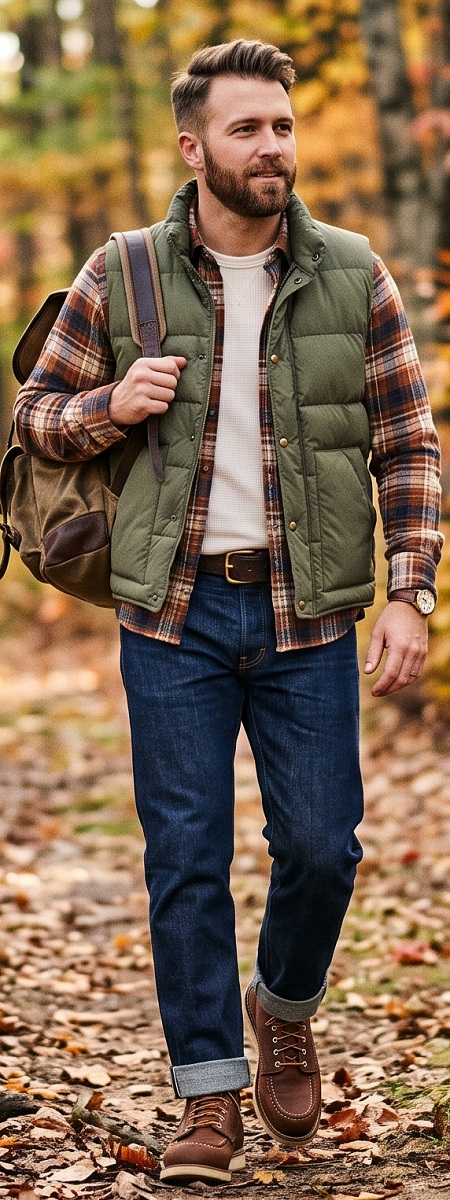
Heading into provincial state parks, overgrown logging tracks, or urban greenways for a GPS geocaching expedition turns an ordinary trail hike into an active real-world treasure hunt. Scrambling through dense briar patches, climbing hollowed cedar stumps, and reaching into stone crevices to uncover hidden ammo cans demands durable, brush-deflecting outdoor trail attire. The benchmark dress code is modern functional gorpcore and trail utility: breathable moisture-wicking synthetic tees under lightweight water-resistant anoraks or utility vests, paired with tough ripstop cargo pants and rugged trail running shoes with aggressive rubber lugs. You need abrasion-resistant legwear that prevents thorny briars and stinging nettles from piercing your skin. From thorny bushwhack protection to mud-resistant lugged footwear and hands-free gear storage, here is your definitive blueprint for geocaching trail expedition style.
M-65 Military Field Jackets: Four-Pocket Utilitarianism
We curated this outerwear showcase to honor the M-65 jacket as an undisputed pillar of functional masculine style. The functional bellows pockets, stand collar, and water-repellent cotton twill offer handsome utilitarian structure that only looks better with age. We recommend layering your field jacket over oatmeal quarter-zips, ribbed henleys, and raw selvedge denim for a storied, adventurous silhouette. Source genuine surplus-inspired military field jackets on Amazon without paying designer markups.
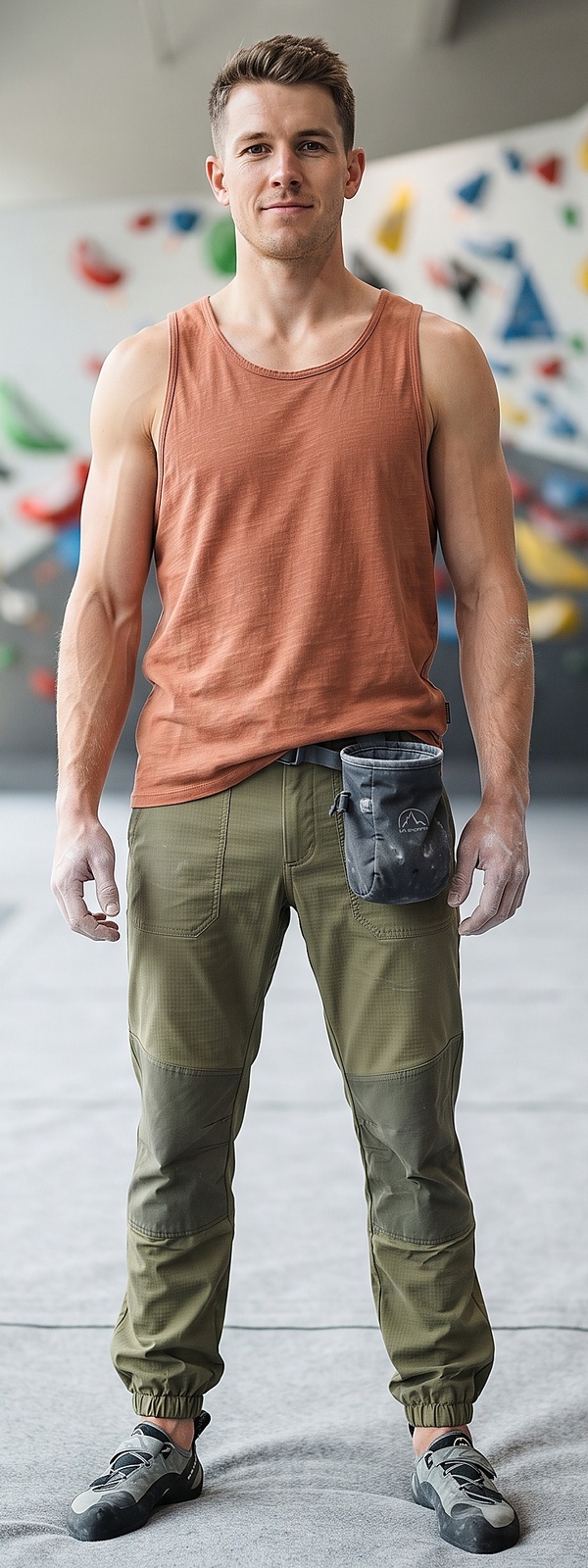
Men's Indoor Climbing Style: Bouldering Apparel and Gear Guide
Discover essential men's indoor climbing style with durable stretch pants, breathable athletic tops, chalk-friendly fabrics, and functional gym layering.
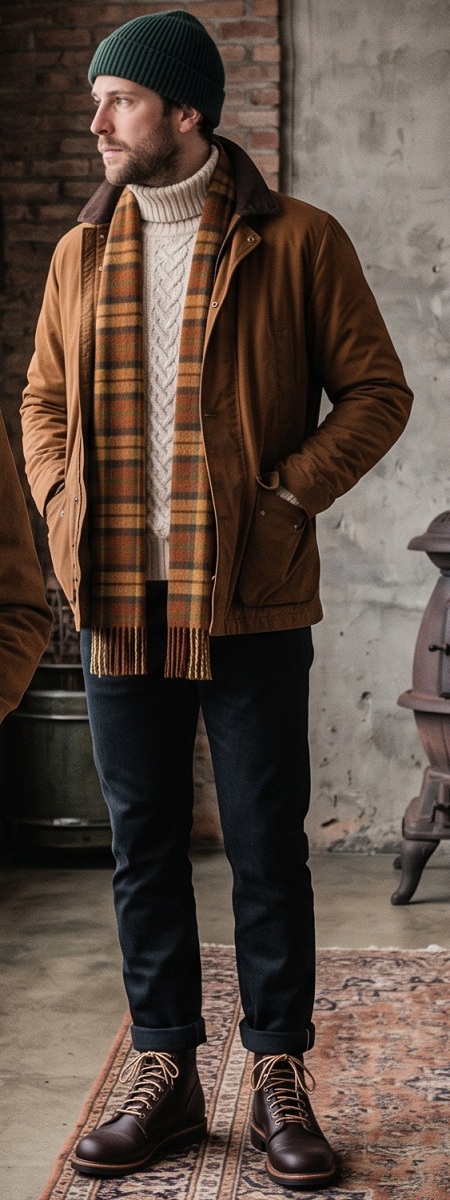
Modern Elevated Workwear: How to Style Rugged Staples
Learn how to pull off modern elevated workwear on a budget. Master chore coats, raw denim, carpenter pants, and rugged boots with smart casual polish.
Other Reading

What to Wear to a Stained Glass Class — Men's Complete Guide
Signing up for an artisan stained glass masterclass or copper foil panel workshop introduces you to glass cutters, diamond wet grinders, and high-heat soldering irons. Scoring colorful art glass sheets, running pliers, and soldering lead seams with flux requires durable, spark-resistant workshop clothing that protects against sharp microscopic glass splinters. The benchmark dress code is traditional artisan studio workwear: tightly woven cotton chore jackets or long-sleeve henleys beneath a heavy canvas work apron, paired with straight-leg cotton utility pants and closed-toe oiled leather boots. Smooth, densely woven natural fabrics shed flying glass shards effortlessly while resisting hot soldering flux spatters. From scoring glass splinter defense to soldering iron flux protection and grinder water spray shielding, here is your definitive blueprint for stained glass workshop style.
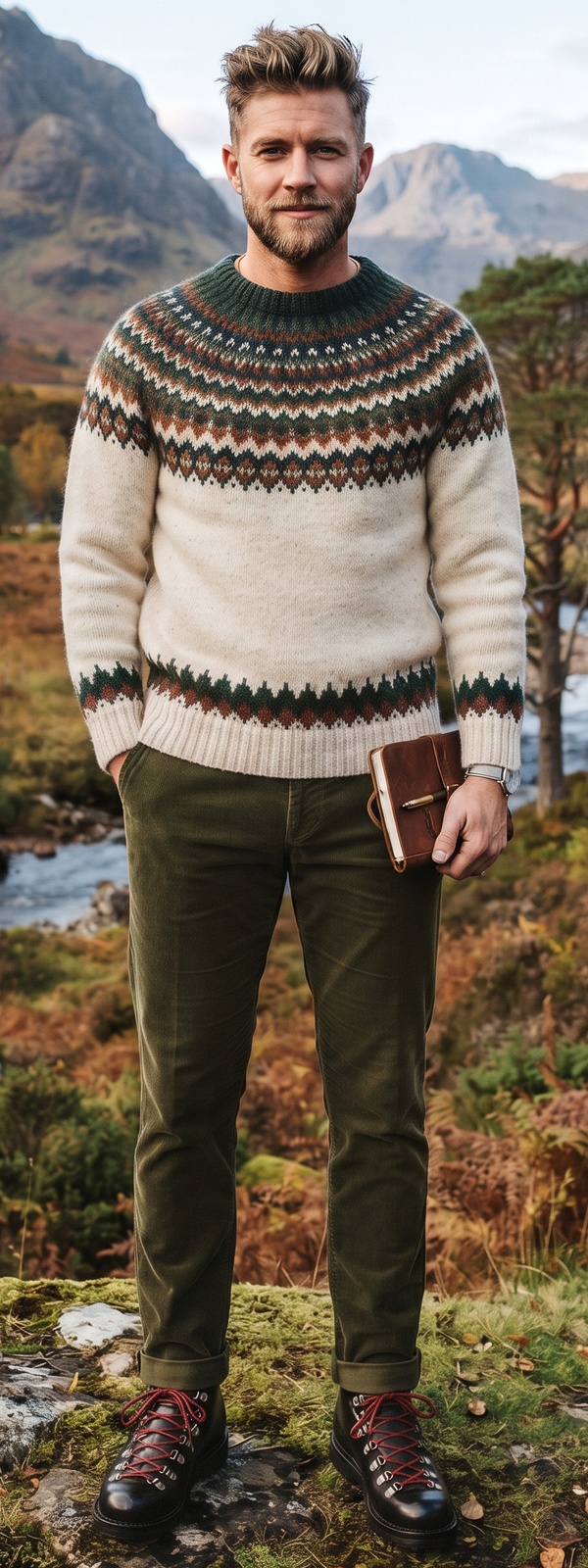
Corduroy Trousers: Textured Ribbed Autumn Separates
We consider a pair of rich corduroy trousers the definitive antidote to cold-weather denim fatigue. The velvety cotton ridges trap heat comfortably while catching autumn sunlight with unmatched dimensional depth. We love contrasting warm tan, forest green, and chocolate corduroy against brushed fleece shackets, fair isle sweaters, and sturdy service boots. Refresh your seasonal trouser rotation with durable, comfortable corduroy pants sourced directly through Amazon at accessible prices.
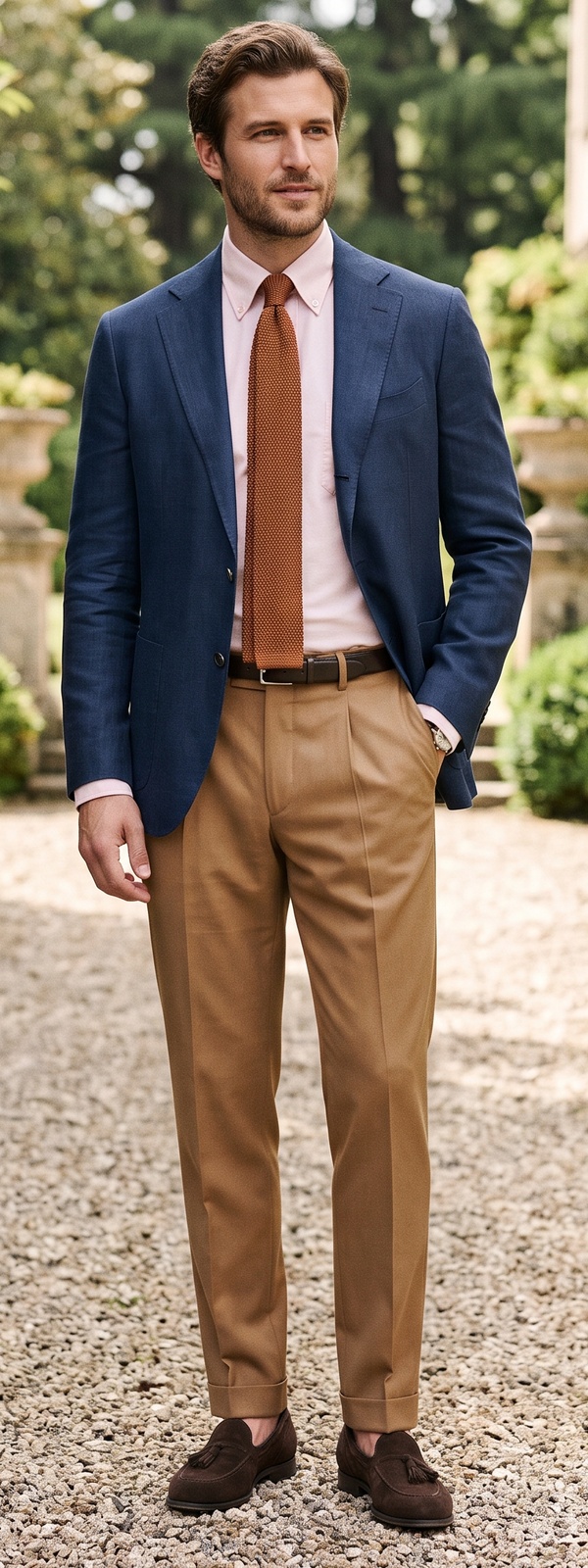
How to Style a Men's Knit Blazer for Unstructured Polish
Master how to style a men's knit blazer with breathable textures, comfortable stretch, and sharp tailored lines for modern smart casual versatility.