
What to Wear to a Koji and Miso Workshop — Men's Complete Guide
Stepping into a warm culinary fermentation lab for a traditional Japanese koji and miso making workshop surrounds you with steaming cedar trays, cooked soybeans, and fragrant Aspergillus oryzae spores. Makers massage salt into inoculated rice grains, mash warm heirloom soybeans underfoot or by hand, and pack dense miso balls into cedarwood vats.
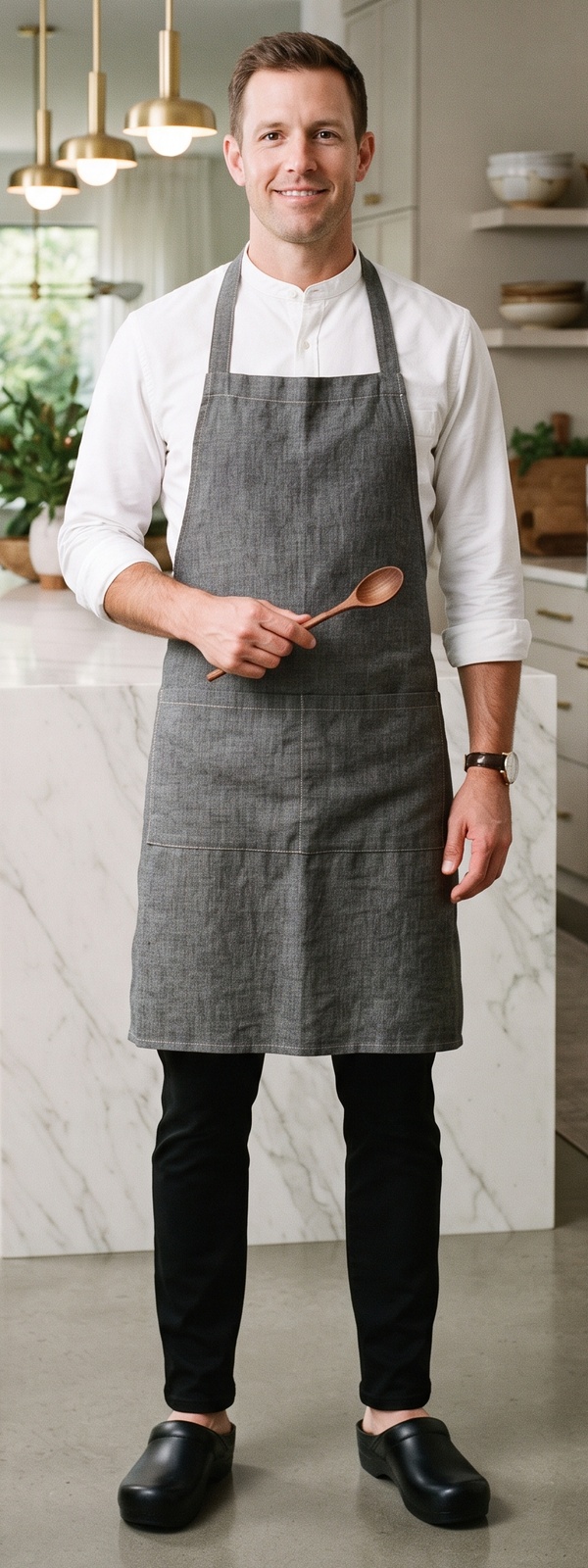
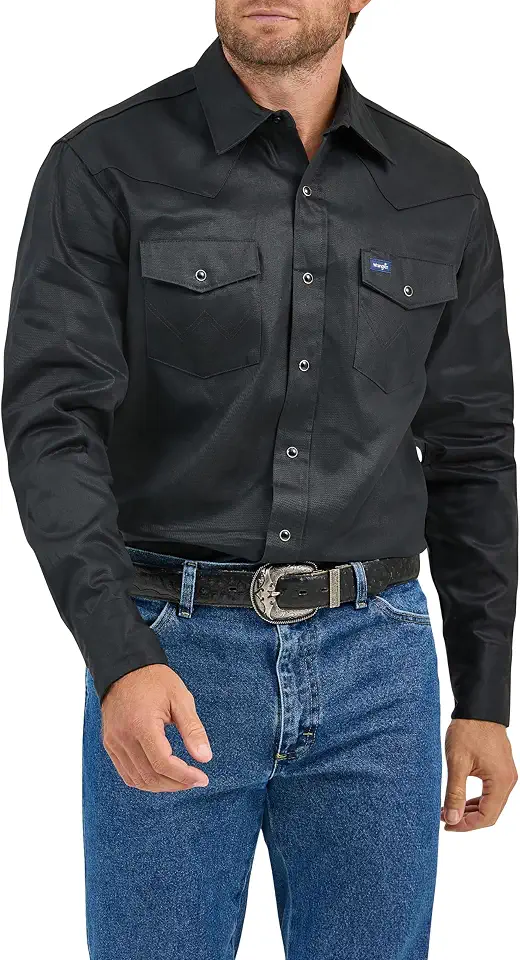
The required dress code is hygienic culinary craftsmanship and warm-room breathability: lightweight short-sleeve or roll-sleeve cotton shirts, full-coverage linen chef aprons, relaxed chinos, and supportive non-slip sneakers. Because koji incubation rooms are humid and mashing fifty pounds of soybeans is physical work, breathable natural layers are vital.
From dusting steamed rice with green koji-kin spores to sealing weighted river stones atop aging miso crocks, here is your essential miso workshop style guide.
Outfits that work
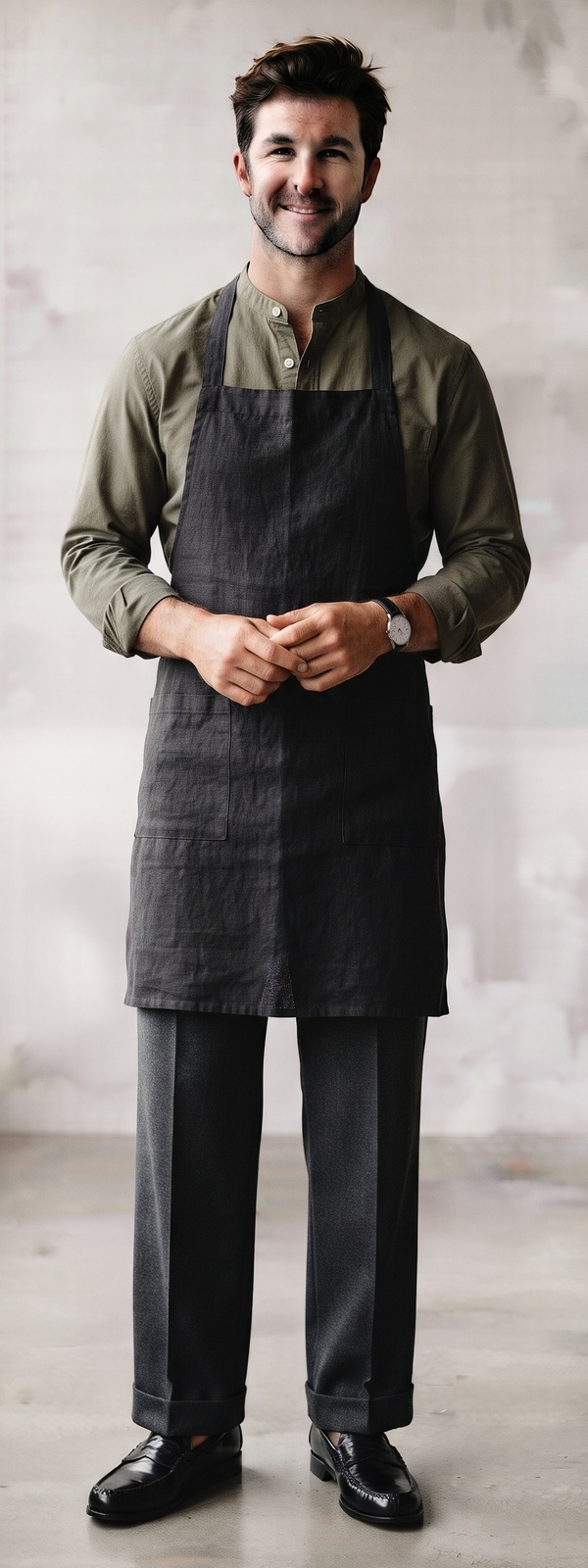 From $120
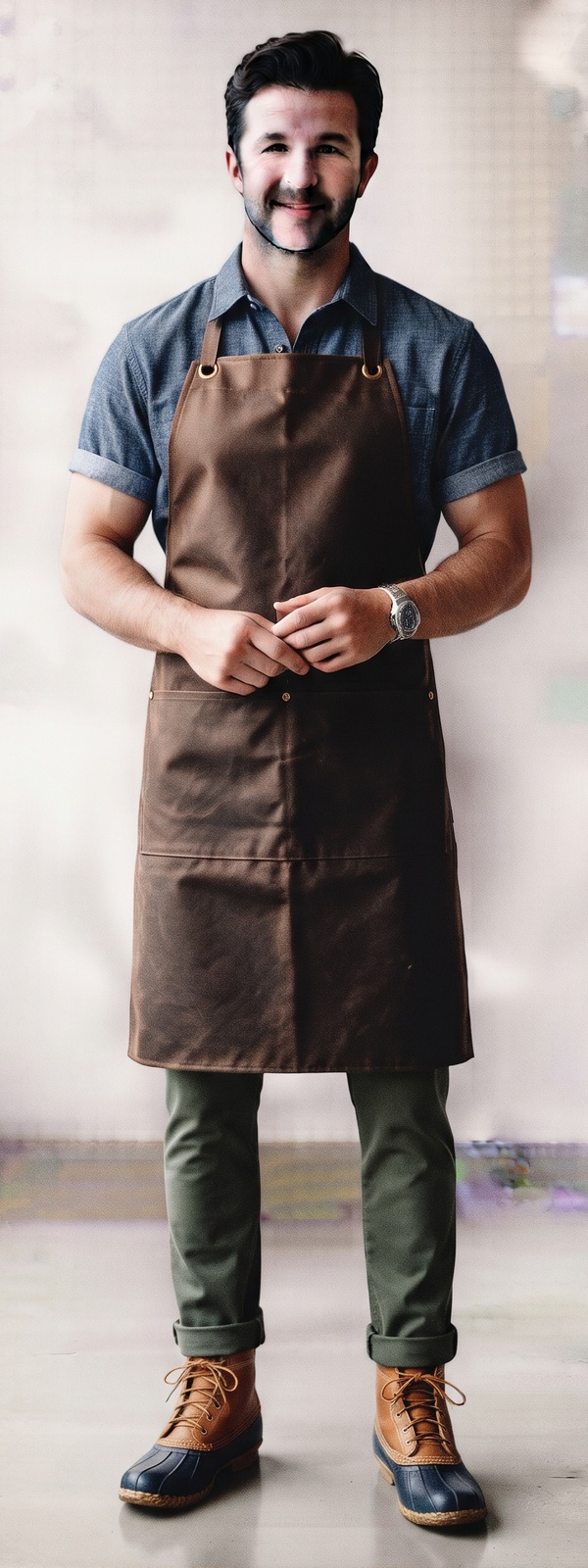 From $162
 From $117
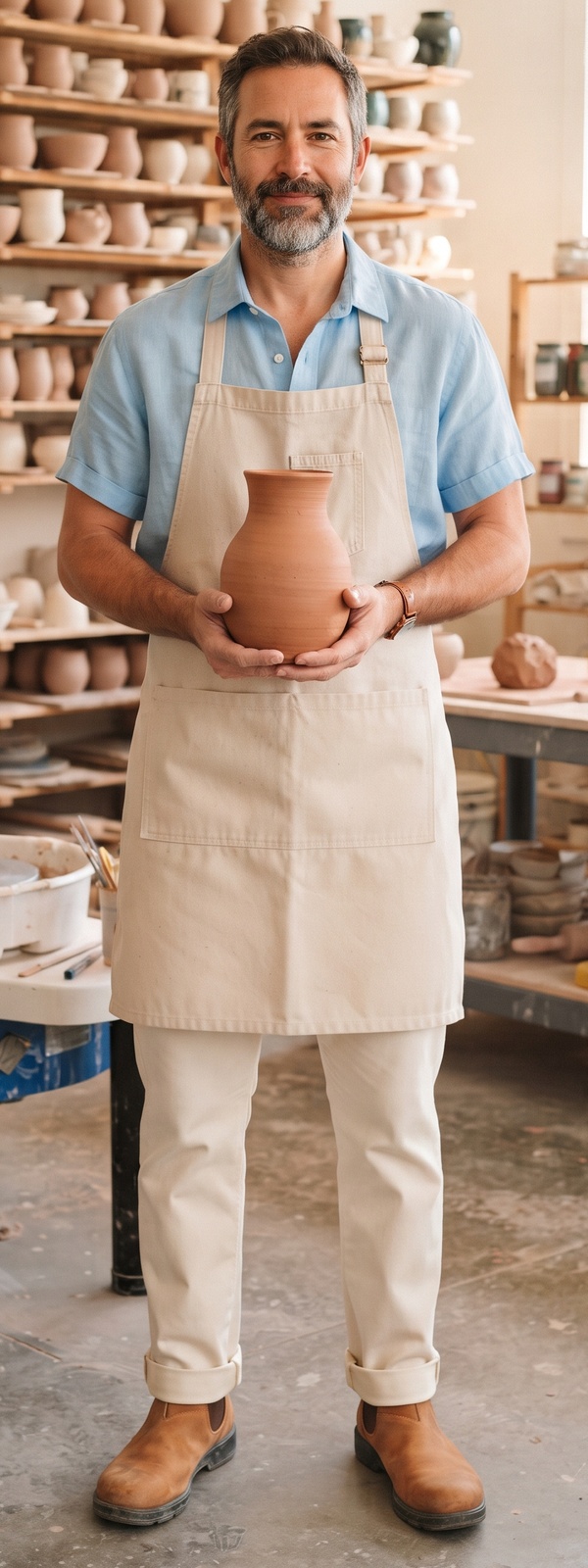 From $113
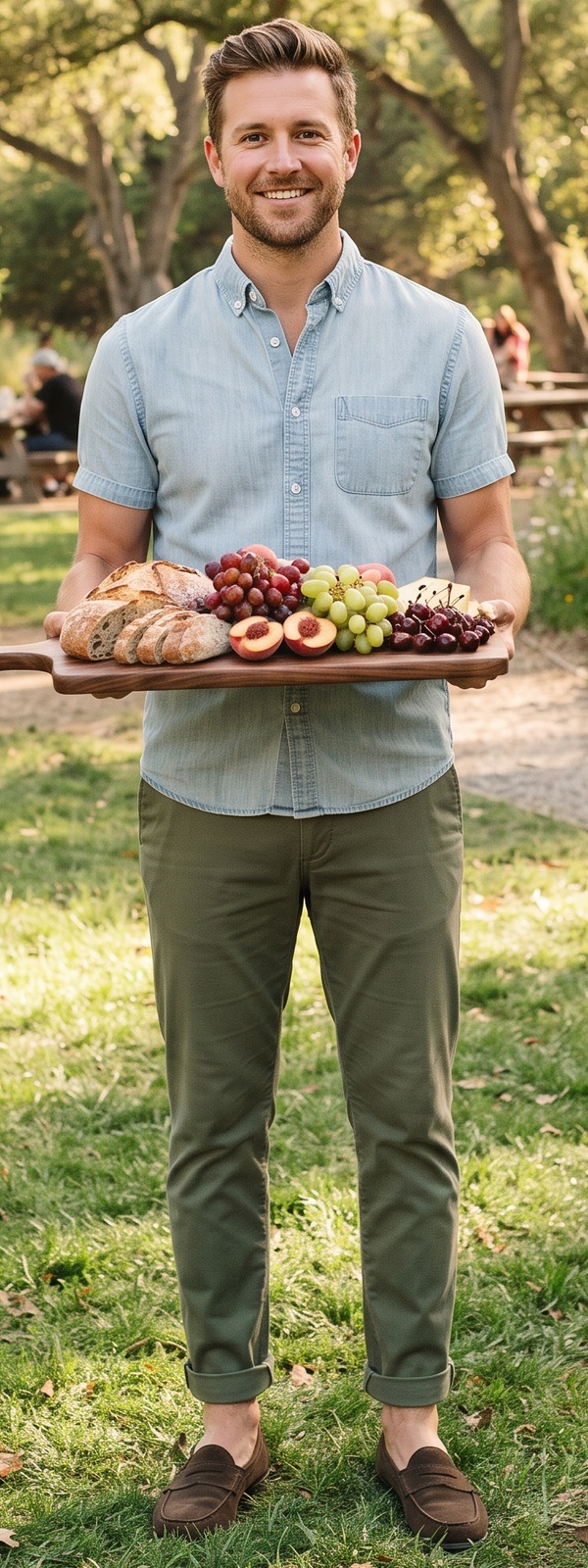 From $95
 From $131
Do
- ✓Wear a breathable pure cotton shirt with sleeves that roll securely above your elbows for hygienic hand mixing.
- ✓Choose a full-coverage linen or cotton chef apron to keep mashed soybean paste and brine off your torso.
- ✓Select comfortable, relaxed-fit chinos that stay cool in warm, humid fermentation kitchens.
- ✓Opt for closed-toe, slip-resistant leather sneakers that grip damp commercial kitchen tile floors securely.
- ✓Wear a clean cotton cap or bandana to keep hair contained while working over open fermentation vats.
Don't
- ✗Avoid fuzzy wool sweaters or shedding knitwear that can drop stray fibers into aging miso crocks.
- ✗Don't wear rings, fabric wristbands, or watches that trap sticky soybean paste and harbor bacteria.
- ✗Avoid heavy non-breathable synthetic jackets that cause overheating near giant boiling soybean cauldrons.
- ✗Don't wear open sandals or suede loafers around boiling bean cooking water and salty brine spills.
Style tips
Miso Ball Throwing Shoulder Room
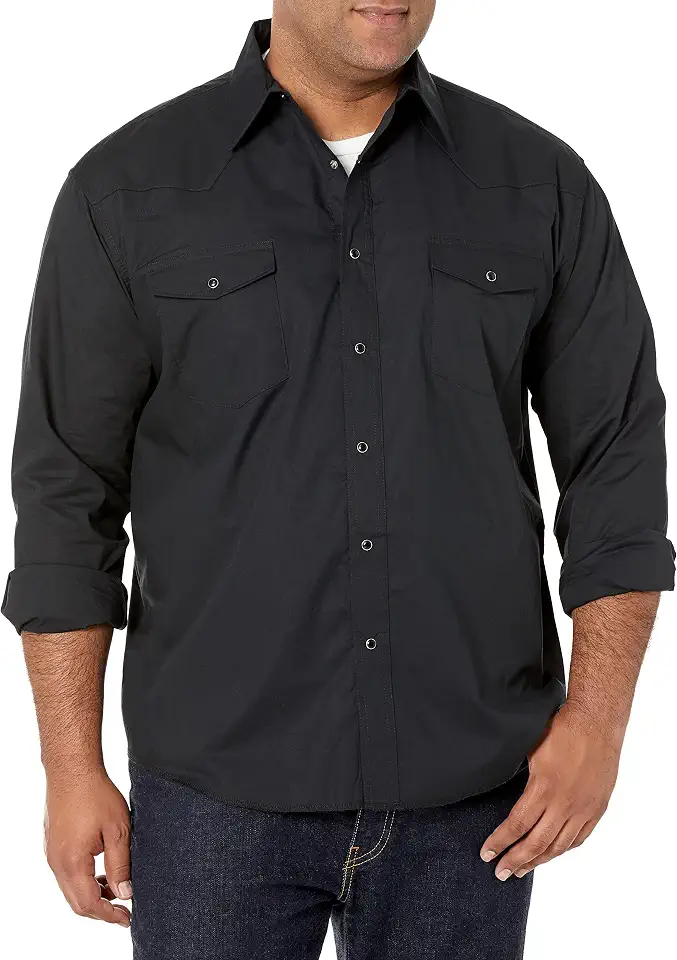
Packing miso requires forming dense balls and hurling them vigorously into the crock to expel trapped air pockets. Unrestrictive cotton shirts give your shoulders full range of motion during active throwing.
Spore Inoculation Lint Control
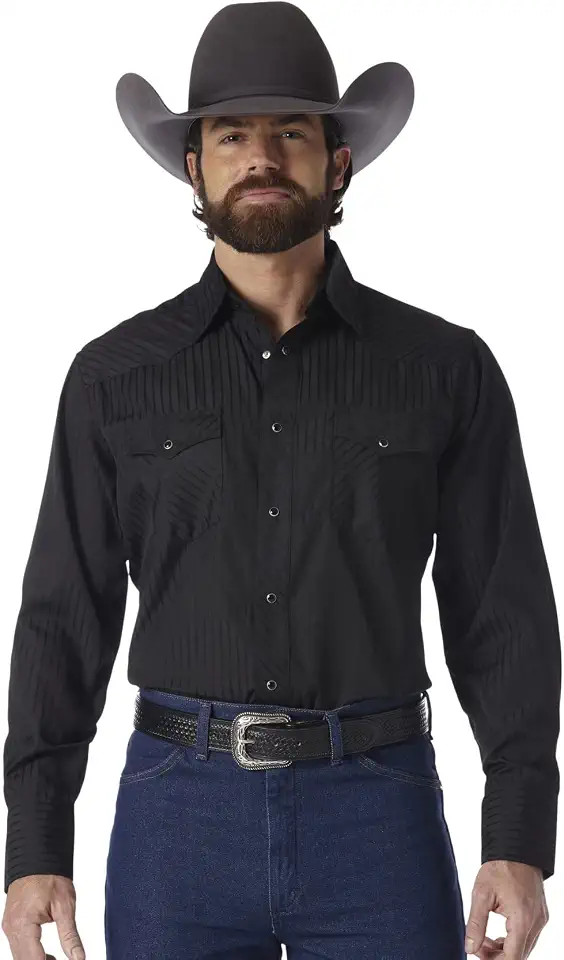
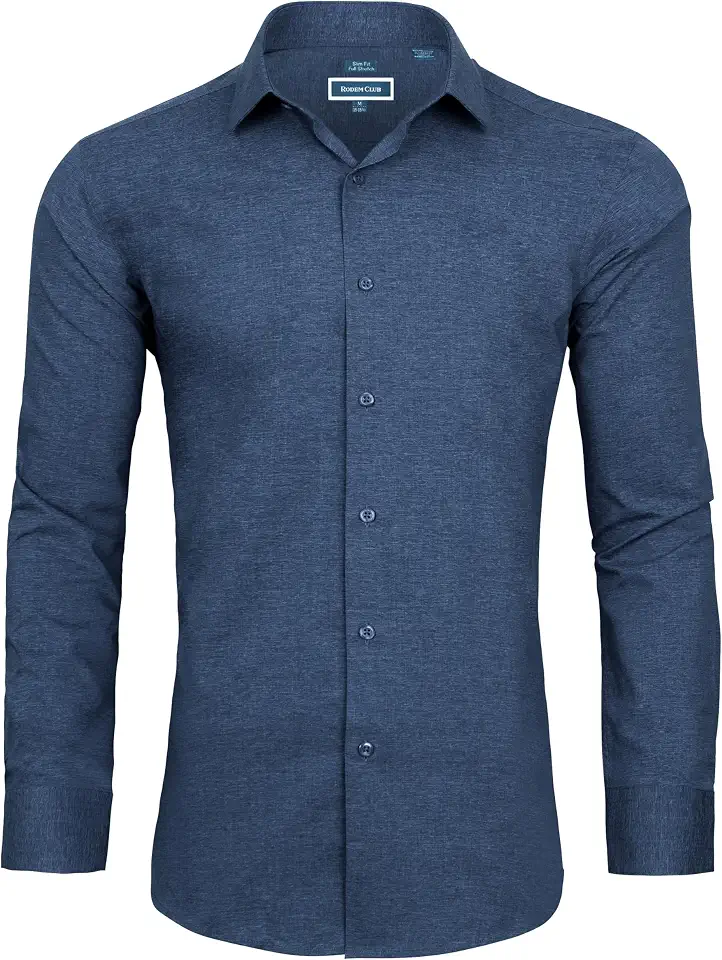
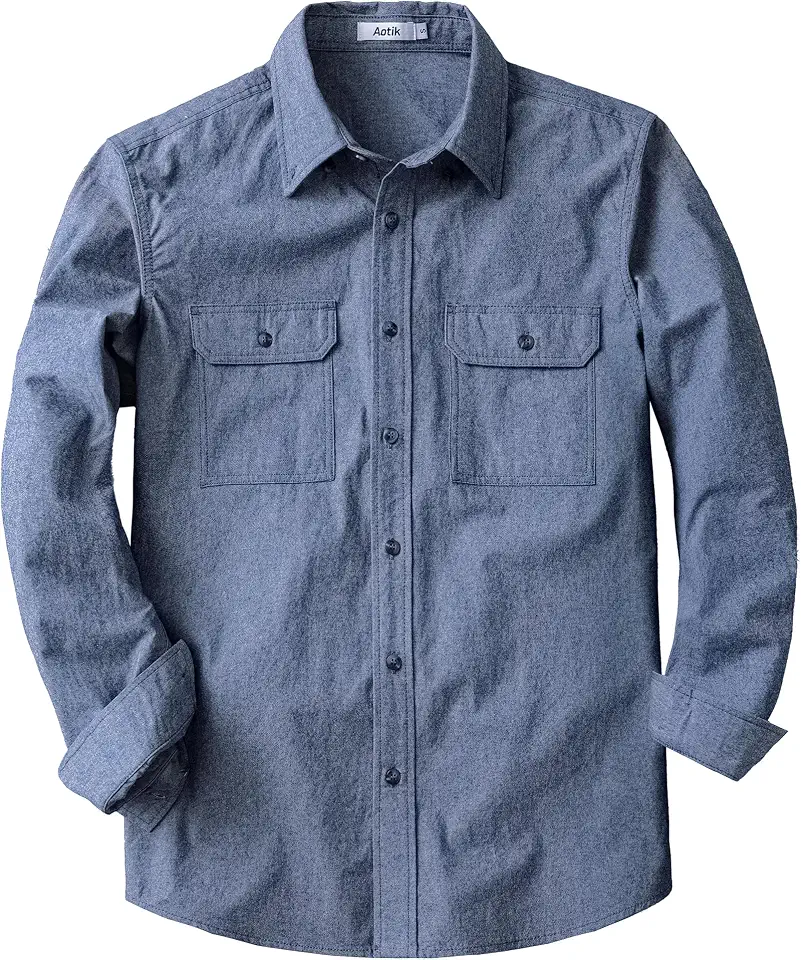
Koji mold spores are sensitive to airborne contaminants and stray textile lint during inoculation. Smooth, tightly woven cotton poplin or chambray shirts maintain strict fermentation room cleanliness.
Bare-Forearm Mixing Hygiene
Mixing salt, koji rice, and crushed soybeans requires plunging both hands wrist-deep into deep mixing tubs. Removing all wrist jewelry and rolling cuffs high above elbows ensures effortless sanitation.


Related searches
All curated searches
Related reading
Oct 22, 2026
How to Layer a Men's Field Jacket Over a Wool Sweater
Master autumn and winter layering by pairing a men's field jacket over cable-knit and crewneck wool sweaters with chinos and rugged leather boots.
Oct 22, 2026
How to Layer a Wool Overcoat Over a Turtleneck Sweater
Learn how to layer a tailored wool overcoat over a turtleneck sweater with dress pants, dark jeans, and boots for sleek winter sophistication.
Oct 22, 2026
How to Master Mediterranean Linen Style for Men Easily
Discover how to master Mediterranean linen style for men with overshirts, drawstring trousers, band collars, and woven sandals for coastal luxury.