
What to Wear to a Moku Hanga Workshop — Men's Complete Guide
Entering a tranquil print studio for a traditional Japanese moku hanga woodblock printmaking masterclass introduces you to cherry woodblocks, curved toito carving chisels, water-based sumi inks, and bamboo baren printing discs. Carving registration kento marks into mountain cherry planks and hand-rubbing pigments onto damp handmade washi paper requires patient, stain-resistant studio attire that respects meditative craft.
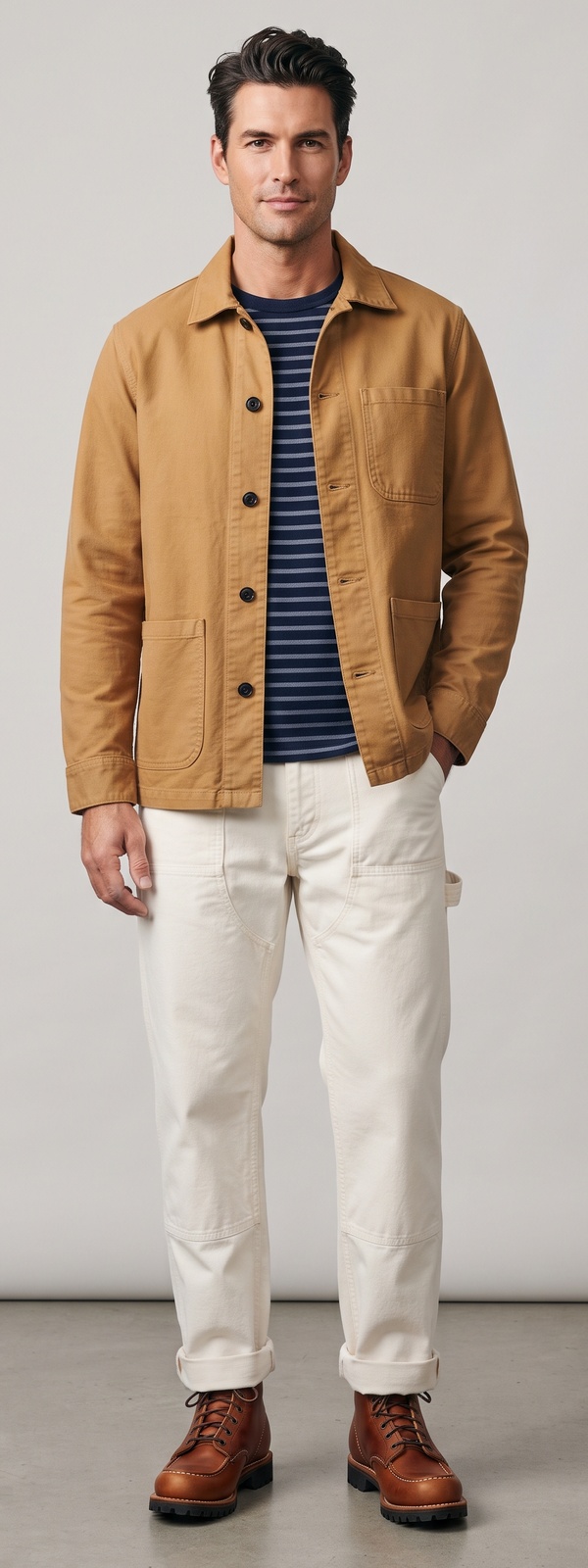
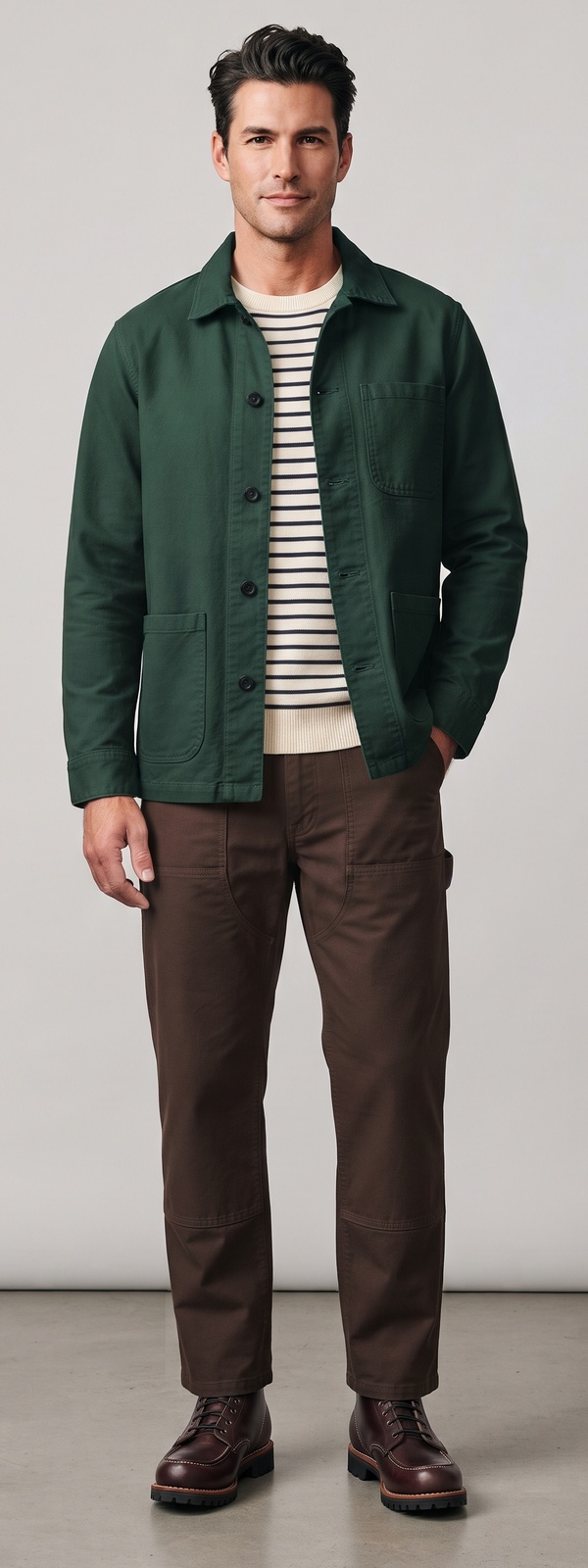
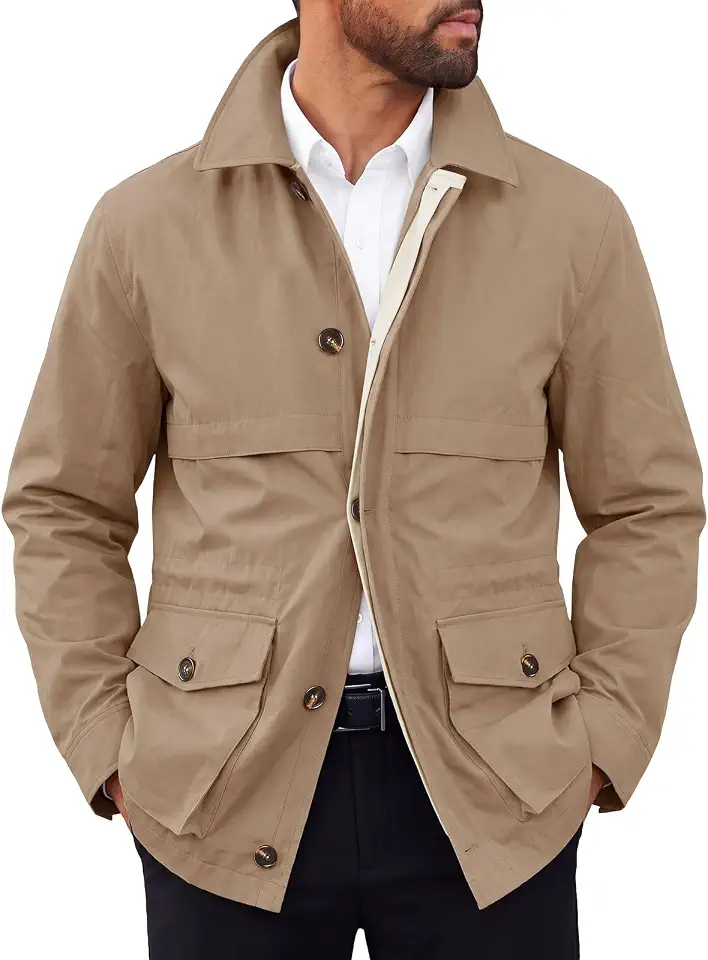
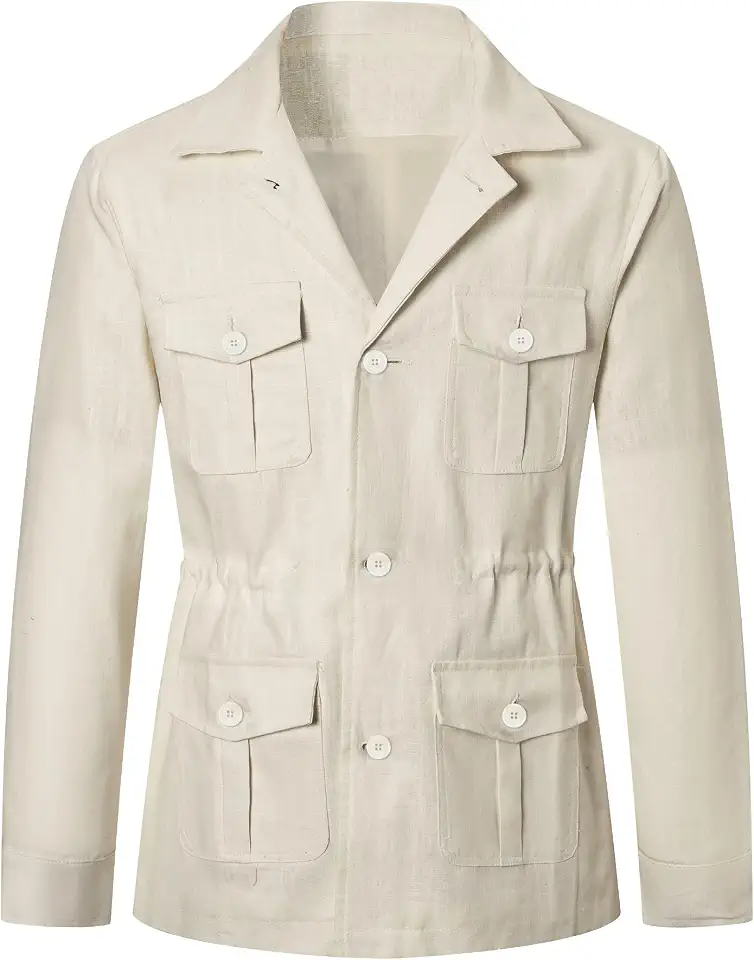
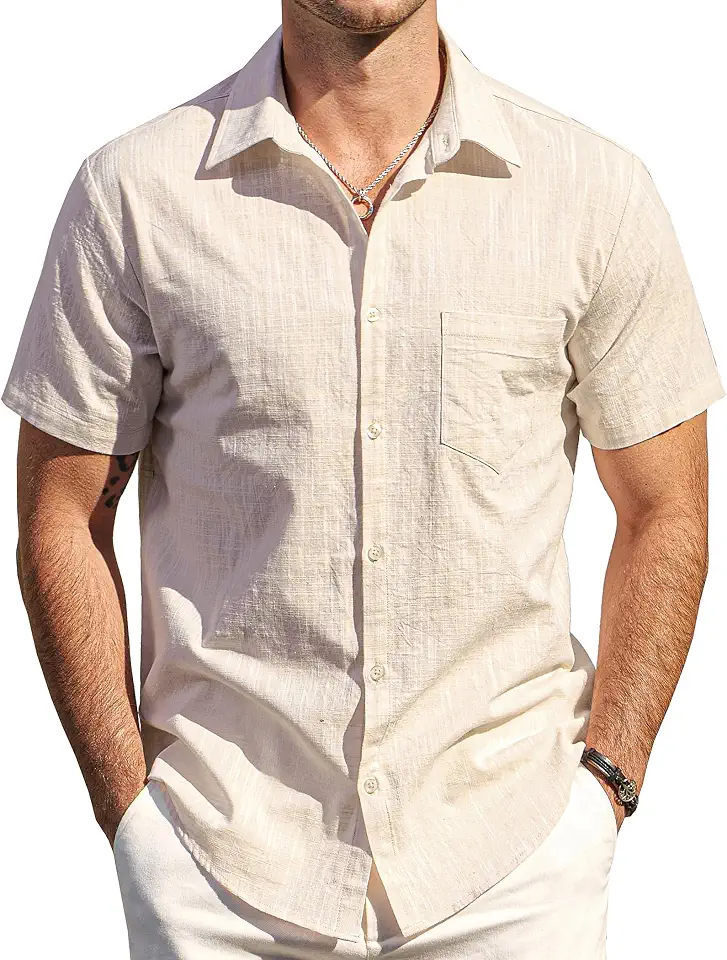
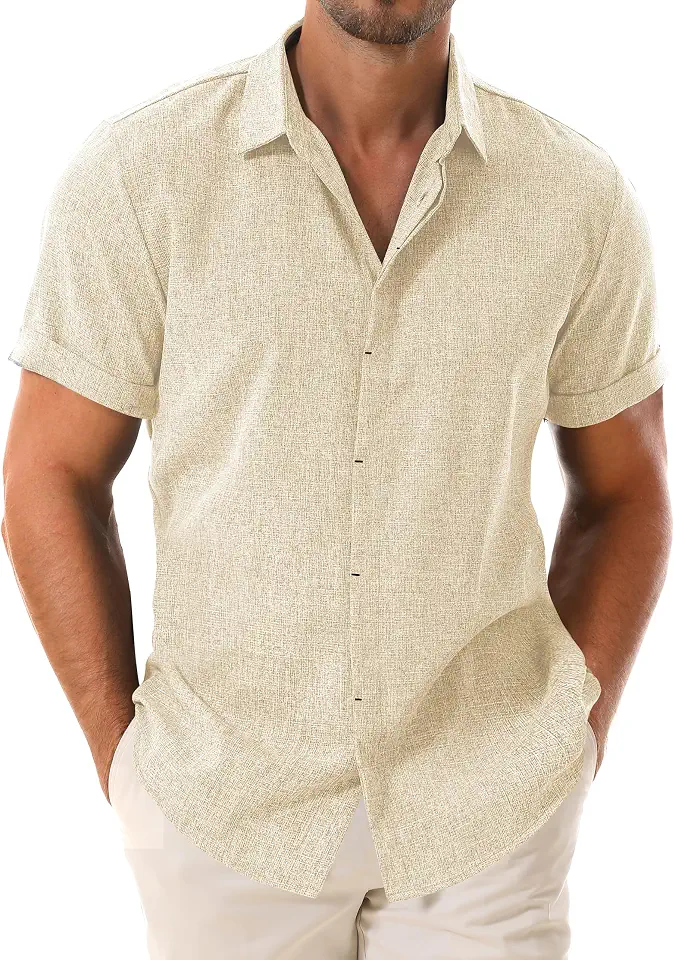
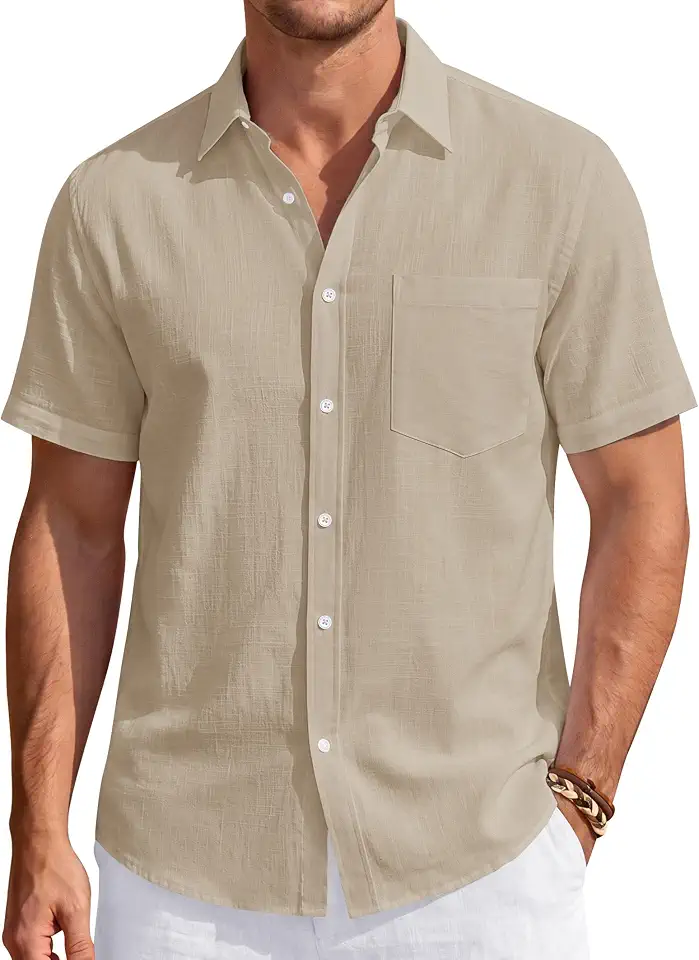
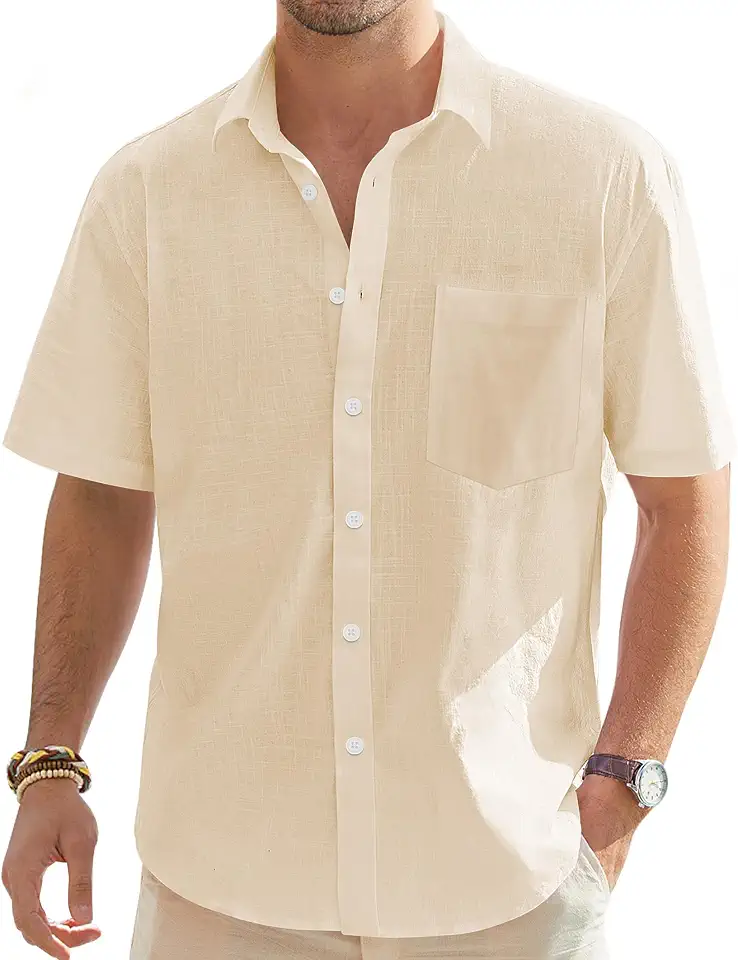
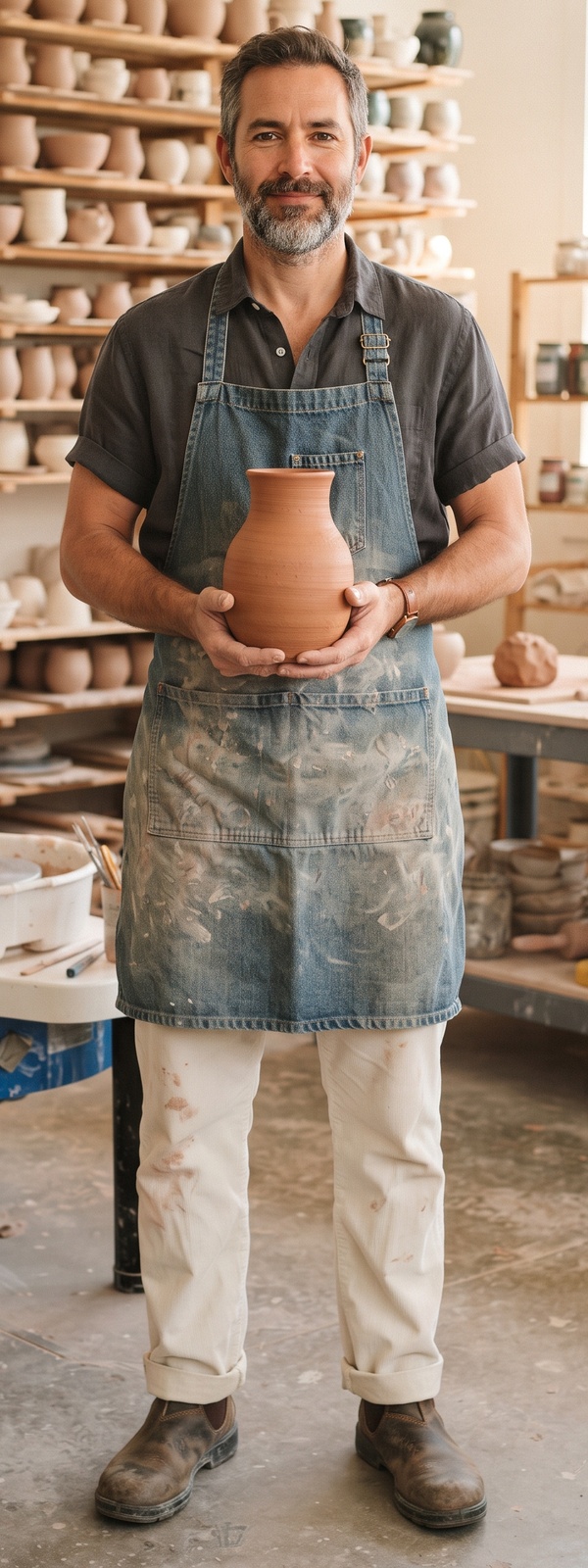
The benchmark dress code is elevated botanical artisan studio wear: breathable linen overshirts or smooth cotton pocket tees beneath a natural canvas workshop apron, paired with relaxed cotton carpenter pants and clean, comfortable leather slip-ons or sneakers. You need clothing with easy arm movement that allows circular baren hand-rubbing without cuff dragging.
From pigment spatter protection to carving chisel wrist clearance and bamboo baren pressure ergonomics, here is your definitive blueprint for moku hanga workshop style.
Outfits that work
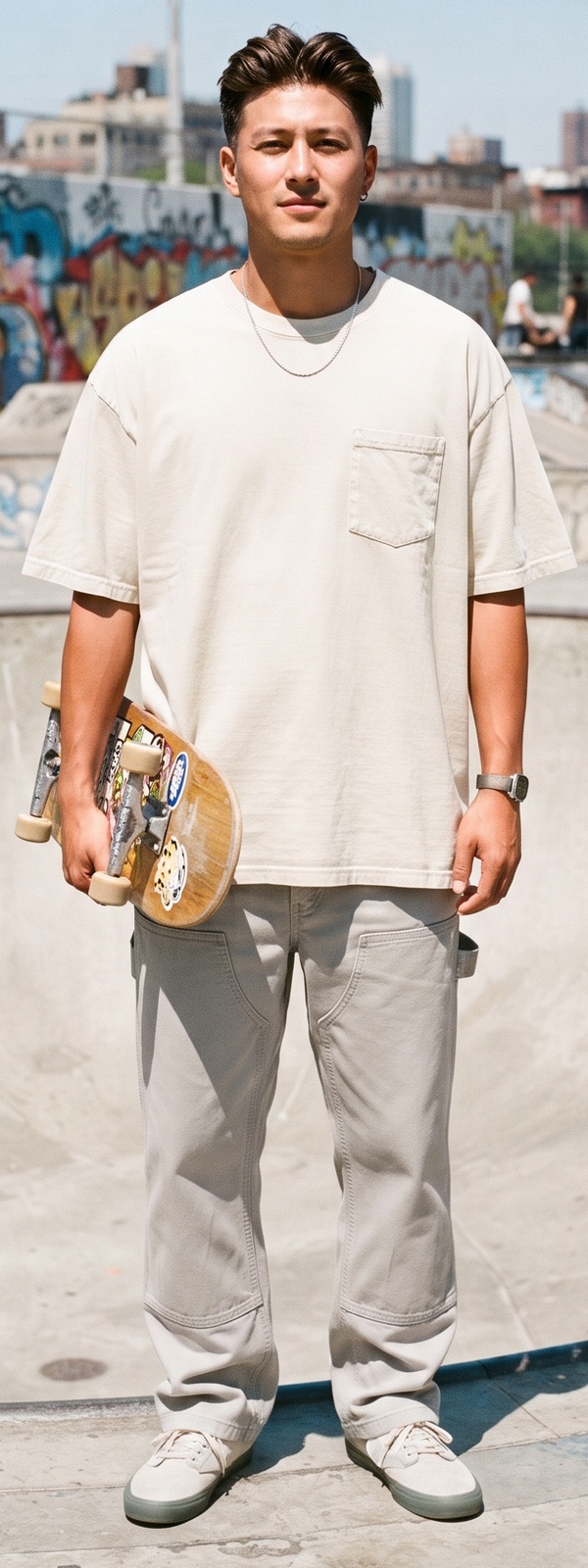 From $166
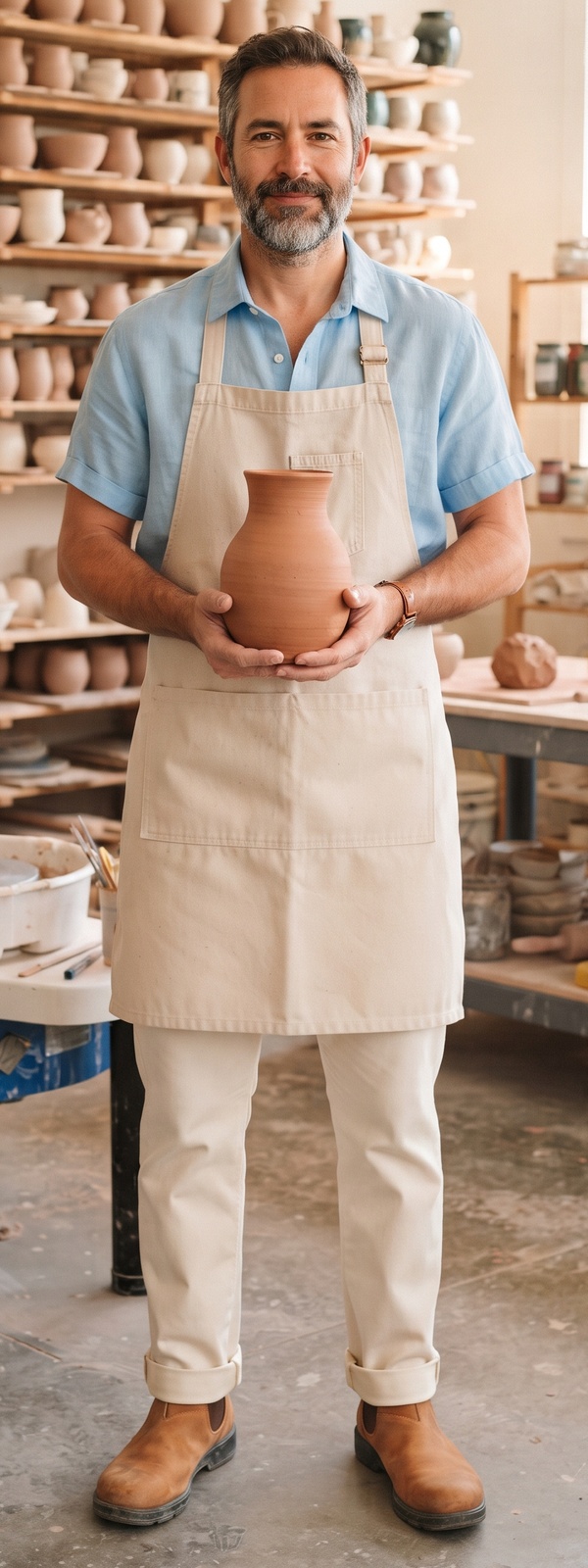 From $113
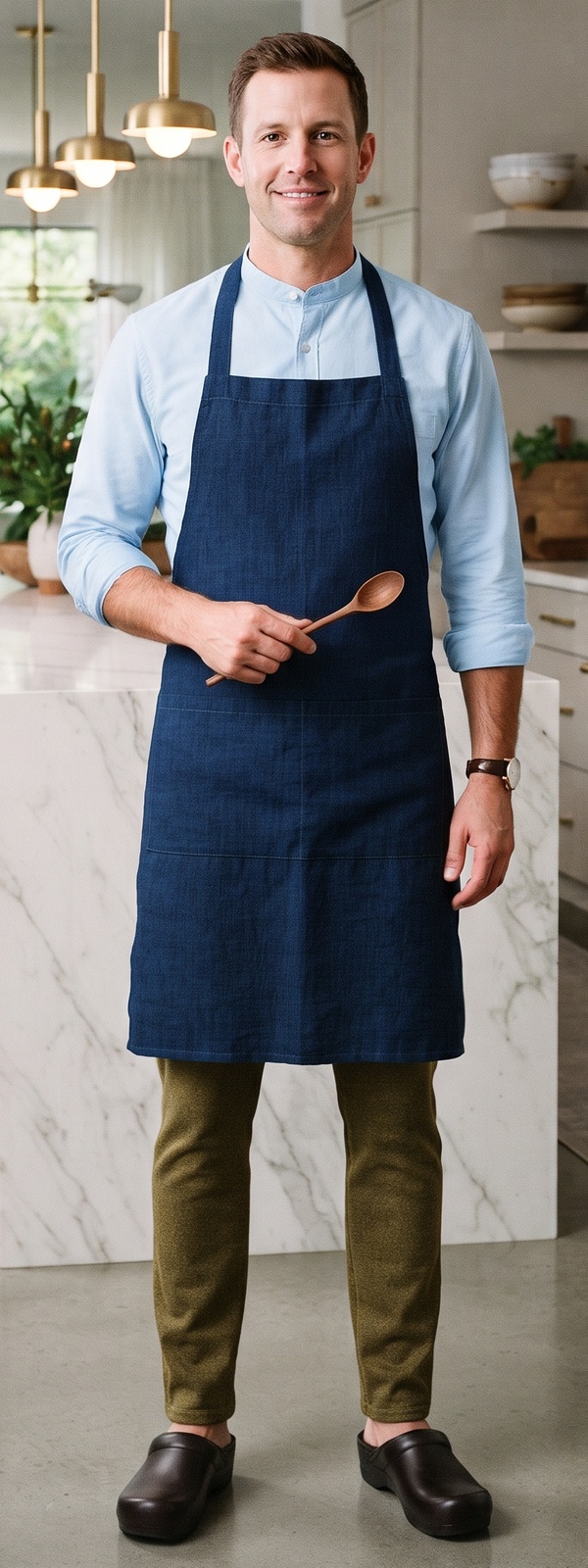 From $154
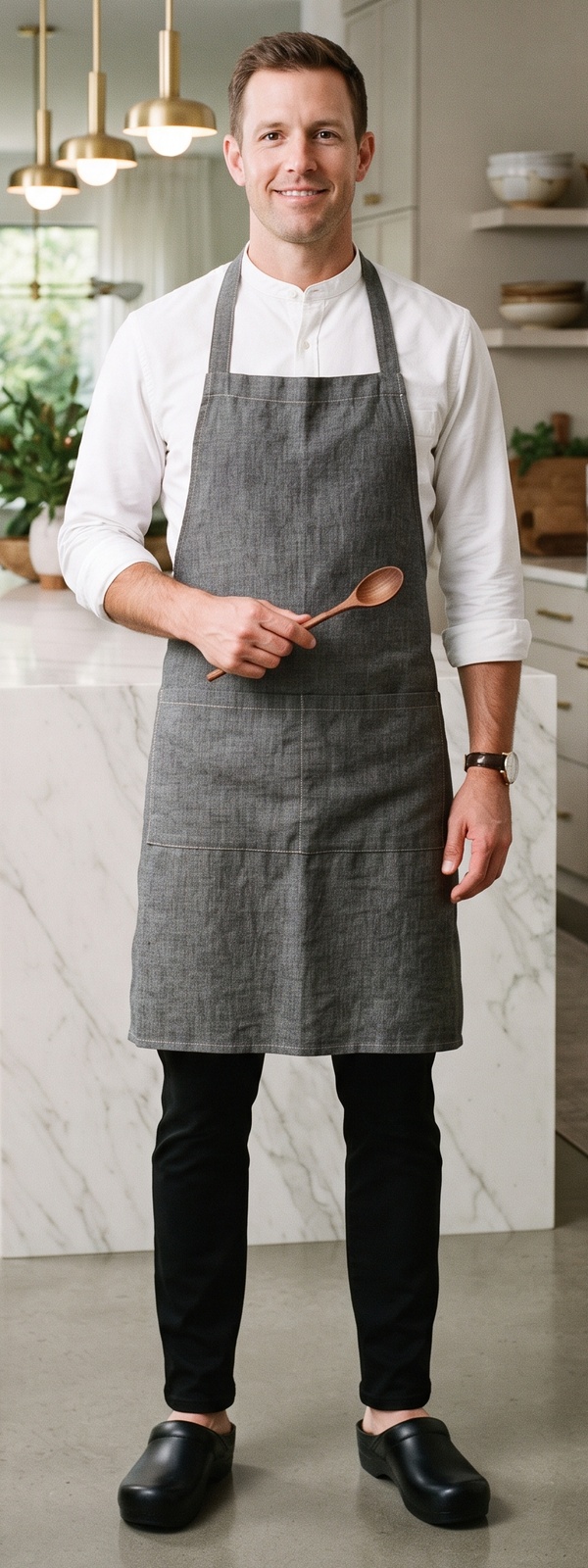 From $131
 From $135
 From $134
Do
- ✓Wear a sturdy natural canvas or linen studio apron with front pockets to keep carving knives and baren discs close.
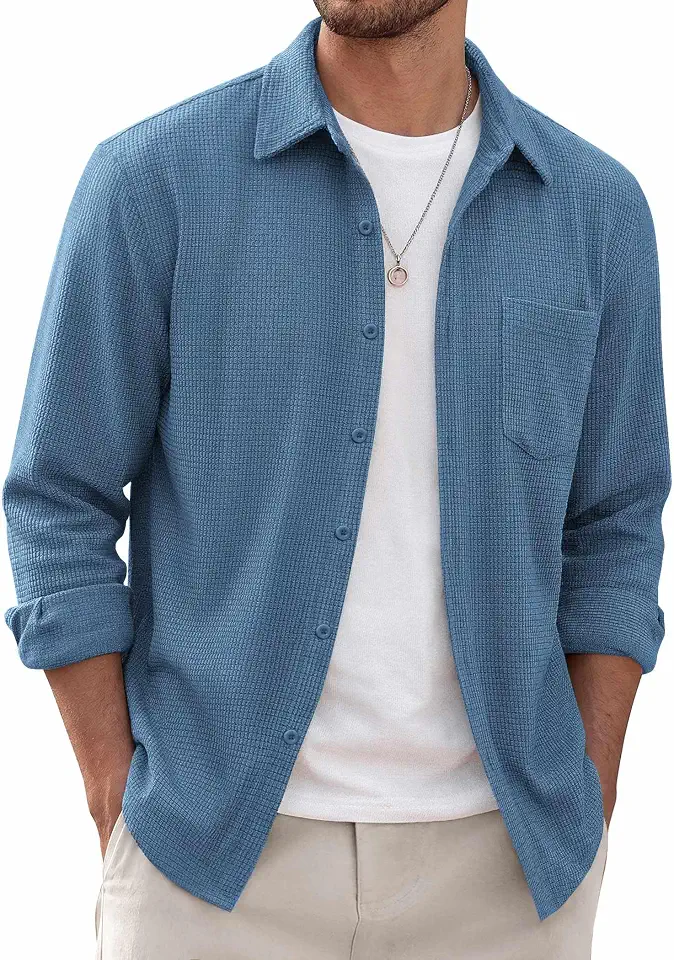
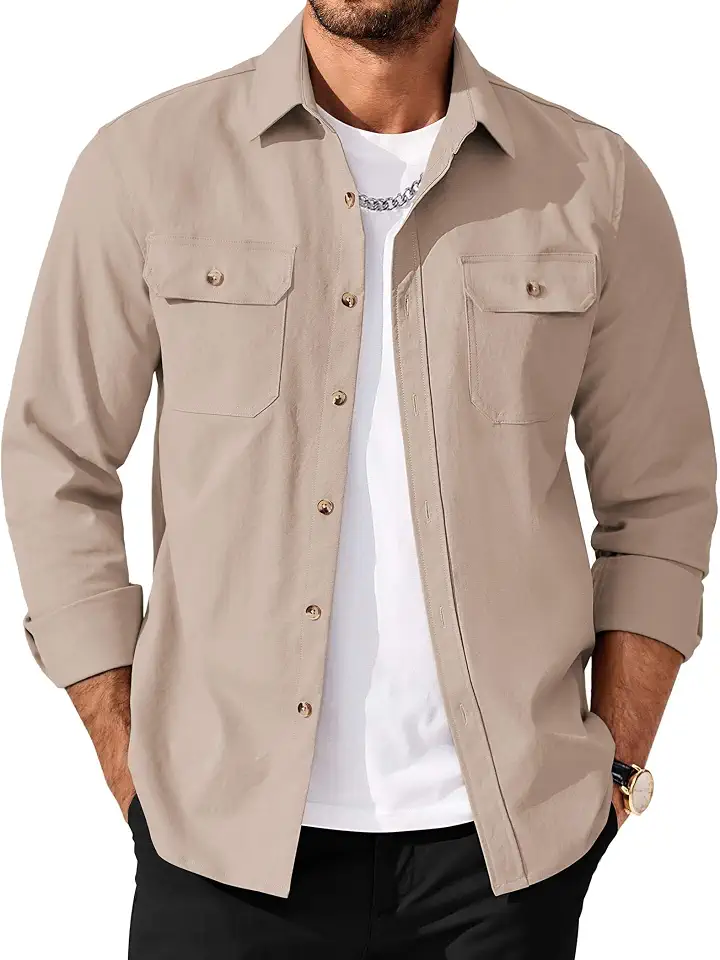
- ✓Choose smooth cotton or breathable linen overshirts that allow loose wood shavings to brush off easily.
- ✓Wear relaxed cotton carpenter pants or durable chinos that stay comfortable through hours of seated carving.
- ✓Wear clean, easy-on leather sneakers or slip-on shoes for stepping comfortably around delicate print drying areas.
- ✓Roll your sleeves securely above your forearms to ensure cuffs never touch damp ink pigments or delicate washi sheets.
Don't
- ✗Avoid fuzzy mohair sweaters or open-weave knits that trap wood carving dust and shed lint onto wet paper blocks.
- ✗Don't wear long, billowing cuffs that can drag across freshly inked woodblocks and ruin multi-color alignments.
- ✗Avoid formal business attire or delicate dry-clean-only silks around concentrated sumi inks and rice paste glues.
- ✗Don't wear slippery dress shoes on smooth hardwood studio floors around water trays and paper humidification bays.
Style tips
Baren Rubbing Arm Articulation
Transferring ink to washi paper requires pressing down firmly with both hands on a bamboo-leaf baren disc in rapid zigzag motions. Short sleeves or rolled cuffs allow your shoulders and forearms full freedom of movement.
Sumi Ink Apron Shielding
Moku hanga uses non-toxic water-based sumi ink, but the carbon black pigments penetrate natural fibers immediately. A heavy duck canvas apron protects your shirts from permanent dark stains when brushing ink onto blocks.
Cherry Wood Carving Posture
Carving intricate line keys with razor-sharp gouges requires leaning closely over bench hooks for hours. Relaxed-leg trousers eliminate seam tension across your thighs, preserving steady circulation while you carve.
Related searches
All curated searches
Related Reading
What to Wear to a Bonsai Workshop — Men's Complete Guide
Attending a traditional bonsai tree styling masterclass, juniper wiring workshop, or Japanese botanical garden class connects you with living sculpture, concave branch cutters, and copper wire. Sitting beside miniature pine and maple trees amidst damp akadama soil and shears requires comfortable, dirt-friendly artisanal apparel that allows hours of patient concentration. The benchmark dress code is elevated botanical artisan casual: breathable linen overshirts or heavyweight cotton pocket tees beneath a canvas workshop apron, paired with relaxed cotton carpenter pants and clean leather sneakers. You need clothes that easily handle stray potting soil and wire friction while maintaining a calm, meditative studio aesthetic. From copper wire snag prevention to ergonomic rotating turntable posture and soil-resistant weaves, here is your definitive blueprint for bonsai styling workshop style.
What to Wear to a Candle Making Workshop — Men's Complete Guide
Booking an artisan candle pouring masterclass or custom scent-blending workshop is one of the most engaging and sensory-rich creative date experiences. Measuring hot soy wax flakes, stirring amber and sandalwood essential oils in glass beakers, and pouring into ceramic vessels requires an outfit that combines tactile craftsman charm with heat-conscious practicality. The benchmark dress code is elevated artisan studio casual: smooth cotton chambray shirts or heavyweight pocket tees beneath a canvas work apron, paired with relaxed canvas carpenter pants or dark wash jeans and wipeable leather sneakers. You want tightly woven natural fabrics that easily resist accidental wax drippings without ruining delicate formal clothes. From wax-resistant smooth fabric weaves to unscented grooming etiquette in fragrance labs, here is your definitive blueprint for candle-making date style.
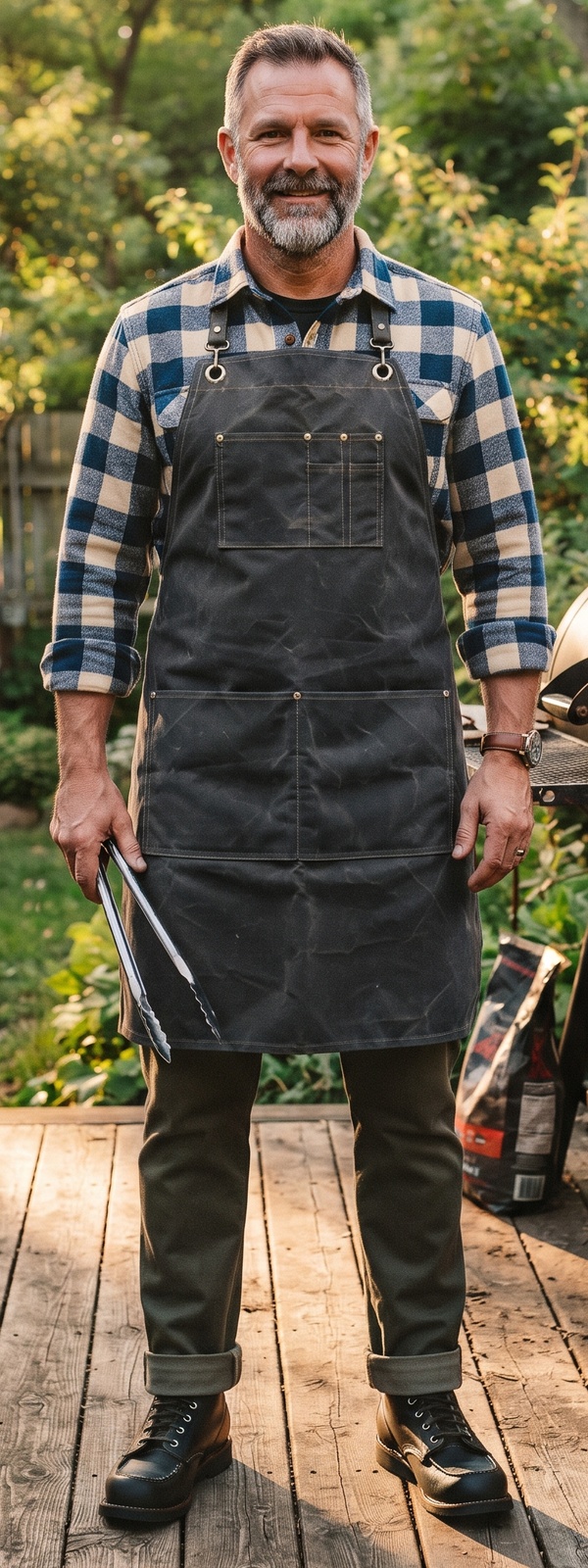
Artisanal Workshop Utility: Waxed Canvas & Linen Aprons
We curated this collection around the rise of artisanal craft-core—where functional studio, roastery, and workshop gear meets intentional menswear styling. We layer men's heavy waxed canvas work aprons, men's charcoal linen barista aprons, and men's selvedge denim studio aprons over men's olive band collar shirts, men's blue chambray work shirts, and men's buffalo plaid flannels. Grounded by men's leather moc toe boots and pleated trousers, our looks elevate tactile craftsmanship.
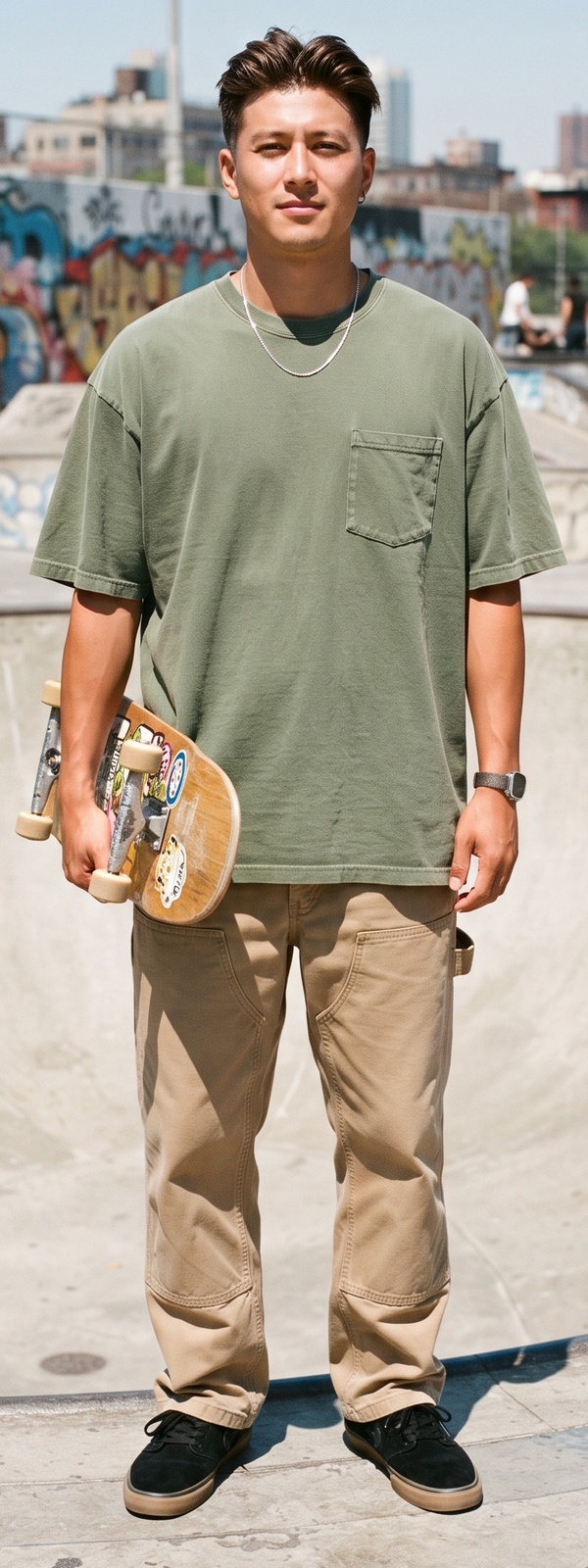
How to Style Men's Carpenter Pants: Skate to Modern Streetwear
Embrace relaxed utilitarian street style with our guide to styling men's carpenter pants, hammer loops, and durable canvas bottoms with tees and chore coats.
How to Style Men's Fatigue Pants: Military Utility Guide
Elevate your utilitarian wardrobe with our complete guide to styling men's fatigue and baker pants with chore coats, knits, and rugged footwear.
Artisan Studio: Denim Aprons, Chore Coats & Craft Workwear
We designed this collection around the honest beauty of hard-working textiles that look better the more you wear them. Pairing a washed denim or natural canvas apron with breathable linen shirts and carpenter pants provides effortless creative practicality. We recommend earthy tones of indigo, unbleached ecru, tobacco brown, and deep olive that age with distinct character. With rugged canvas workwear and chore jackets widely available on Amazon, building an authentic studio rotation is both easy and affordable.
Other Reading
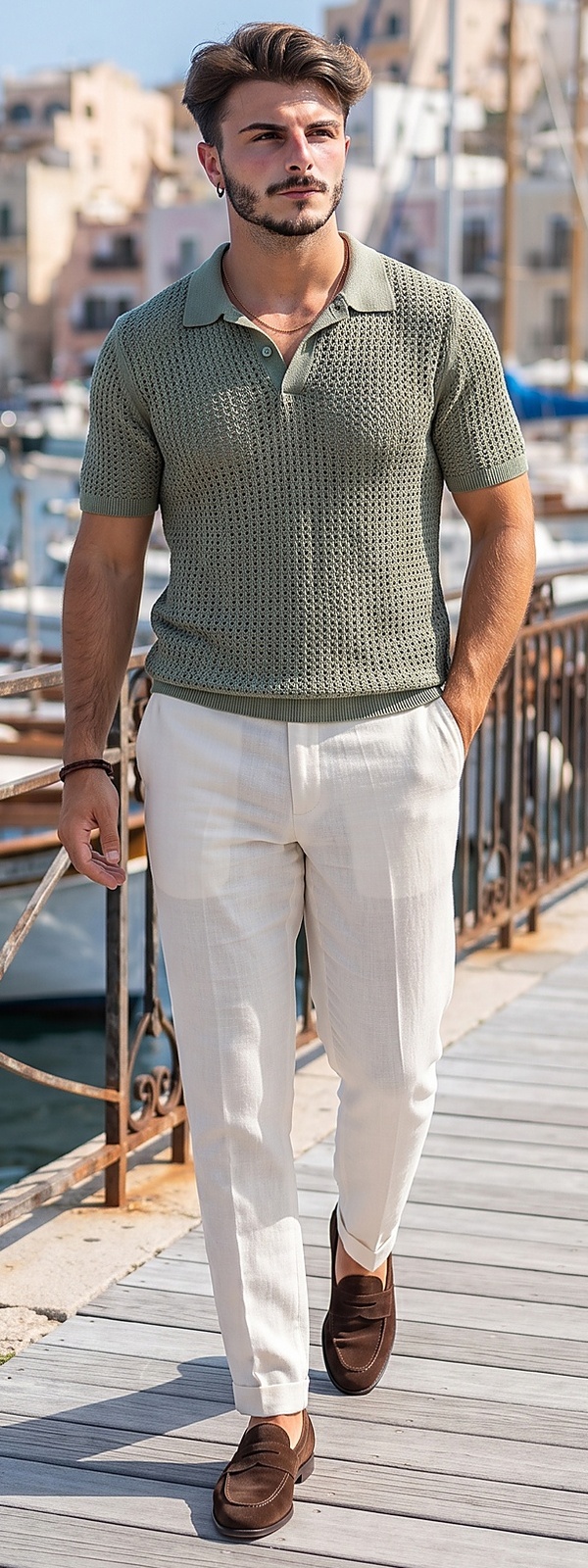
What to Wear to a Sound Bath Session — Men's Complete Guide
Attending an immersive sound bath, acoustic Tibetan singing bowl journey, or breathwork sanctuary invites you to disconnect from urban screens and recline on bolster cushions for an hour of pure vibrational restoration. Lying completely still on studio mats requires supremely comfortable, non-binding garments that honor tranquil sanctuary etiquette and shared group silence. The benchmark dress code is quiet luxury loungewear: relaxed cashmere or fine merino knit sweaters, paired with fluid pleated drawstring linen trousers or premium cotton lounge pants and clean organic socks. Every layer should drape weightlessly against your body without rustling, pinching, or restricting deep diaphragmatic breathing throughout restorative sessions. From acoustic fabric silence and body warmth retention to effortless shoe-removal protocol at the studio threshold, here is your definitive blueprint for sound bath meditation style.
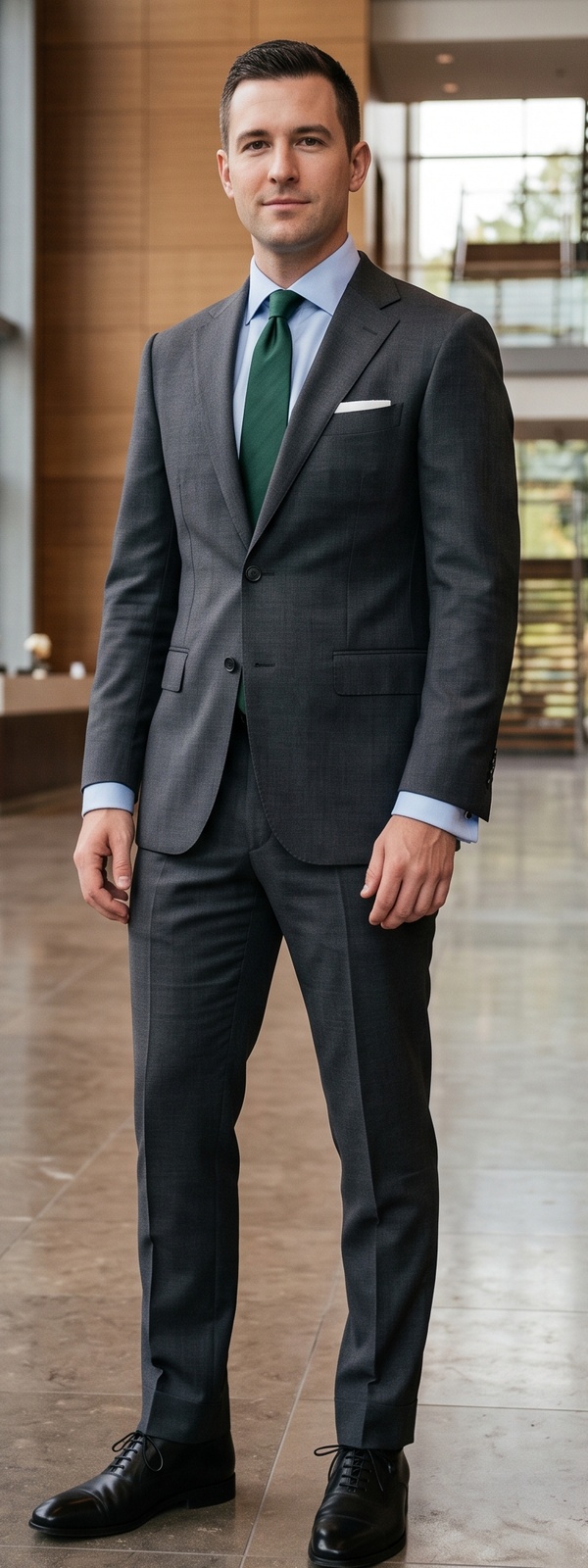
White Silk Pocket Squares: Classic Sartorial Pocket Accents
We assembled this tailored detail gallery to showcase the transformative power of a white silk pocket square. Placed neatly into a breast pocket using a crisp TV fold or effortless puff fold, white silk breaks up heavy suiting fabrics with brilliant optical contrast. We adore styling white silk pocket squares inside dark navy or charcoal wool blazers. Find affordable, budget-friendly white silk pocket squares on Amazon to impart instant sartorial distinction to your tailored jackets.
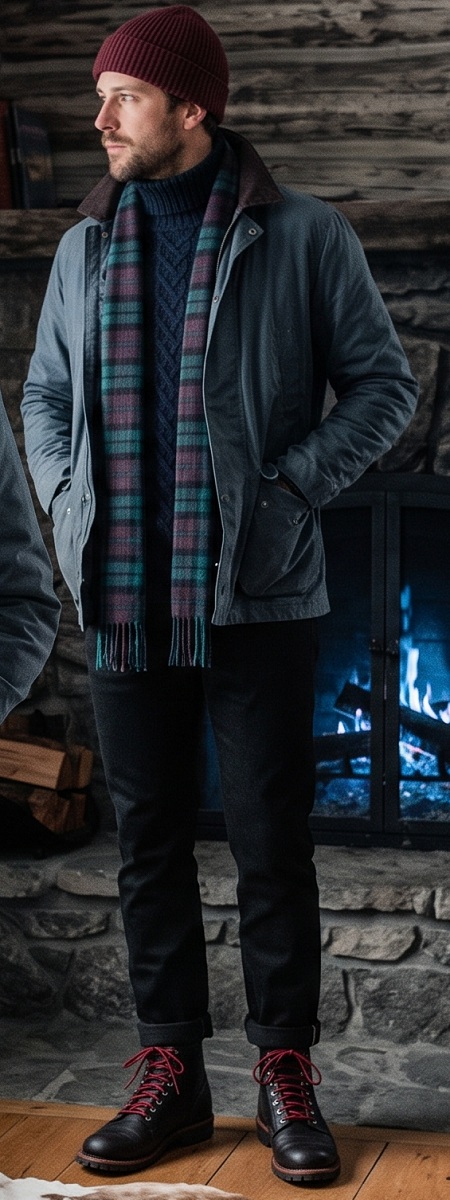
Modern Elevated Workwear: How to Style Rugged Staples
Learn how to pull off modern elevated workwear on a budget. Master chore coats, raw denim, carpenter pants, and rugged boots with smart casual polish.