
What to Wear to a Vintage Tractor Engine Rally — Men's Complete Guide
Walking onto sprawling rural showgrounds for an antique tractor and stationary engine rally immerses you in the rhythmic chuff of hit-and-miss engines, pungent diesel smoke, and polished green cast iron. Collectors exhibit impeccably restored John Deere two-cylinder tractors, demonstrate massive belt-driven threshing machines, and navigate historic steel-wheeled steam traction engines.
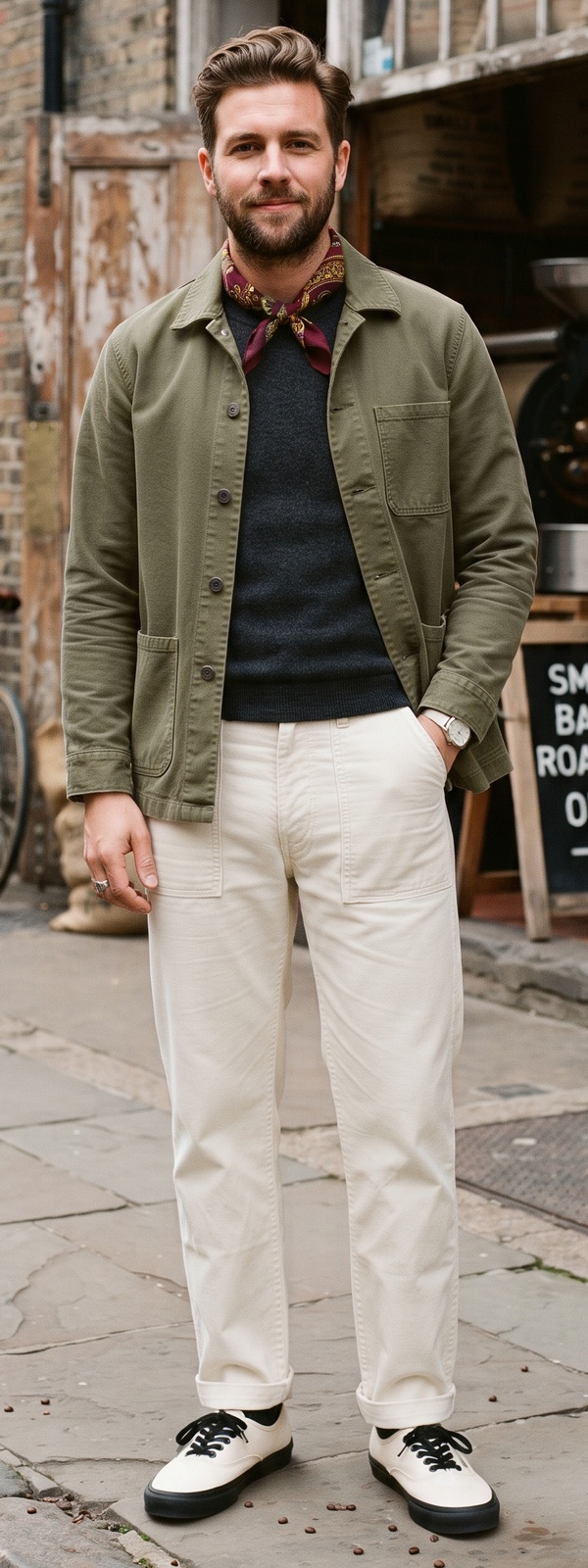
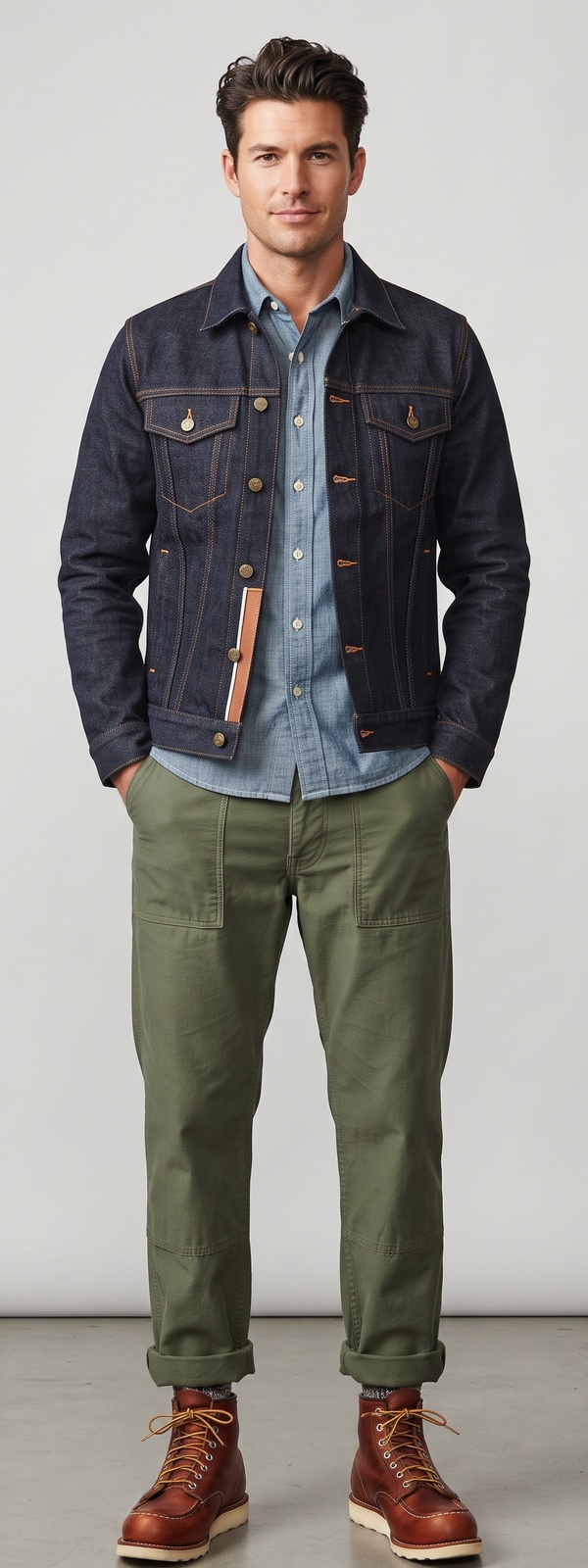
The expected dress code is authentic mid-century American agricultural heritage and rugged machinery utility: durable hickory stripe work shirts, heavyweight denim chore coats, straight-leg raw selvedge denim jeans, and oil-tanned leather work boots. Because antique machinery emits diesel exhaust, grease splatters, and flying chaff, timeless workwear is essential.
From inspecting brass magneto igniters on roaring antique tractors to watching tractor pull competitions in muddy arenas, here is your essential tractor rally style guide.
Outfits that work
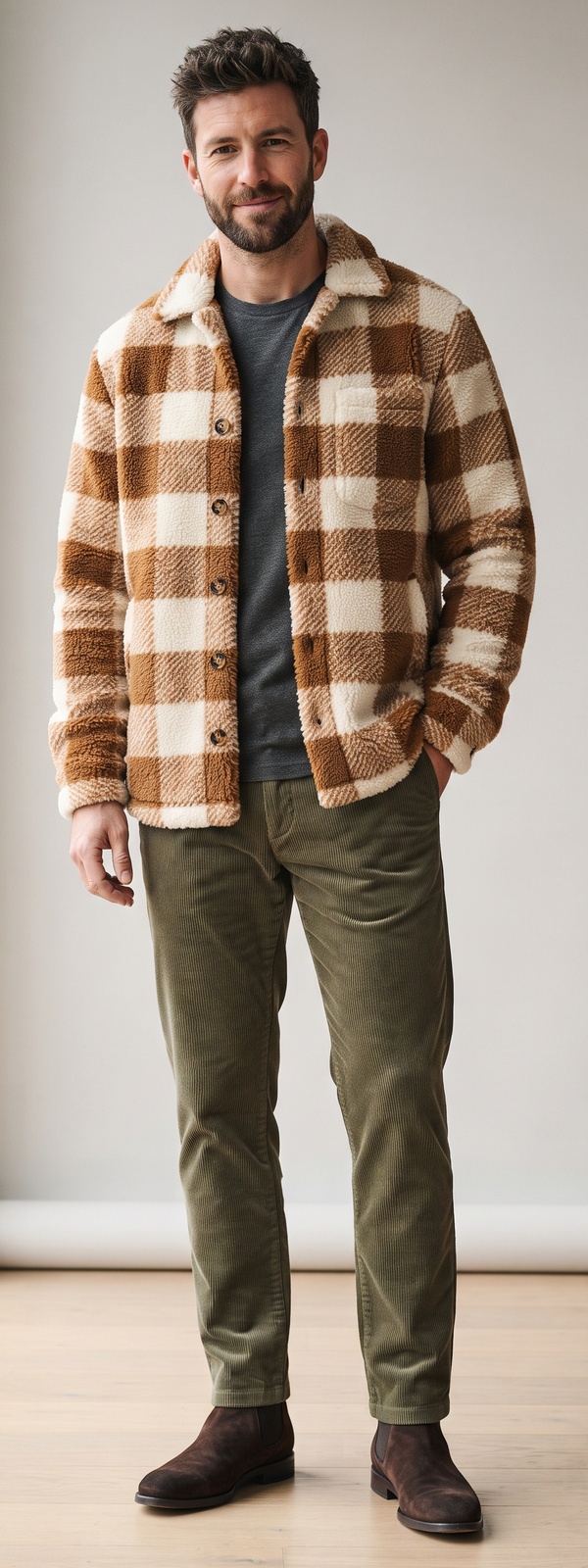 From $122
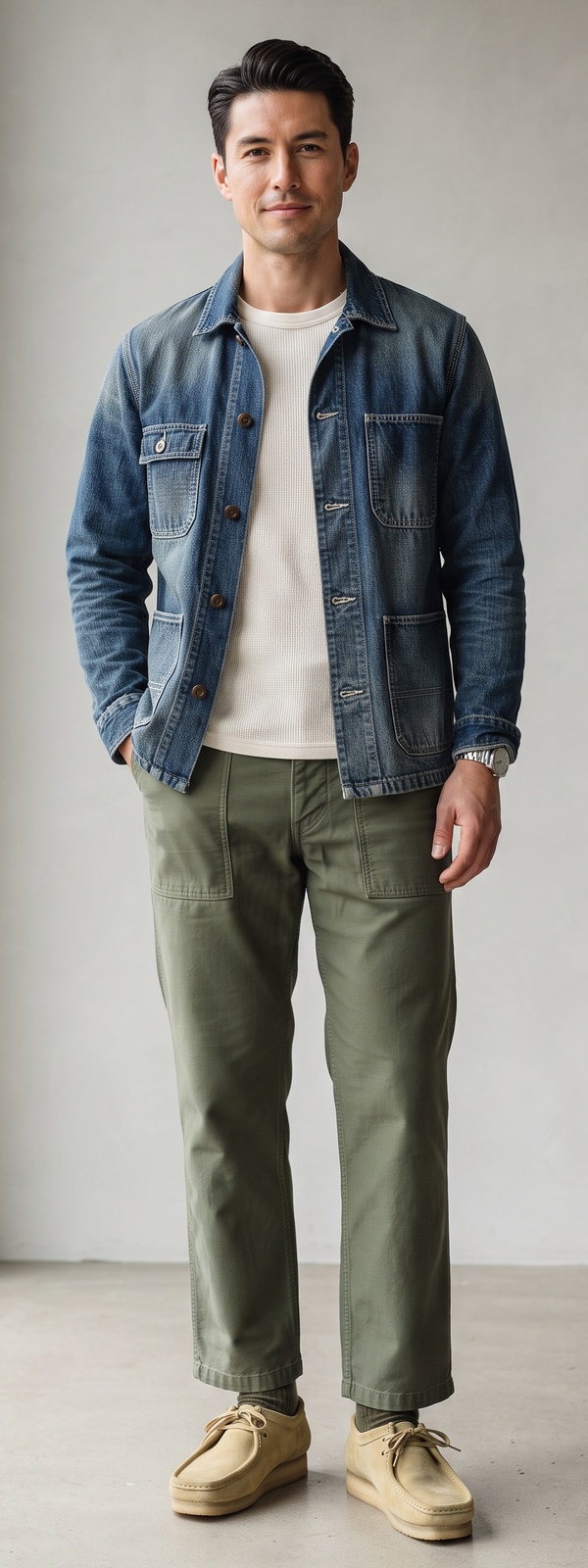 From $123
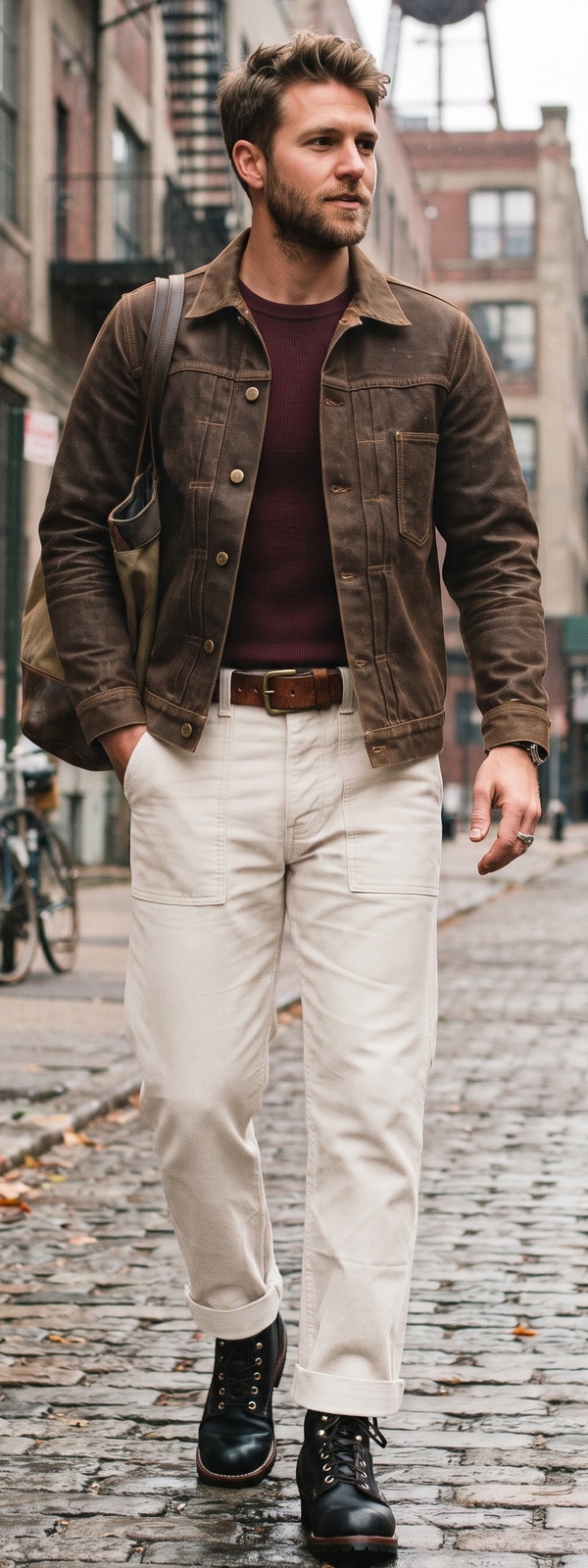 From $257
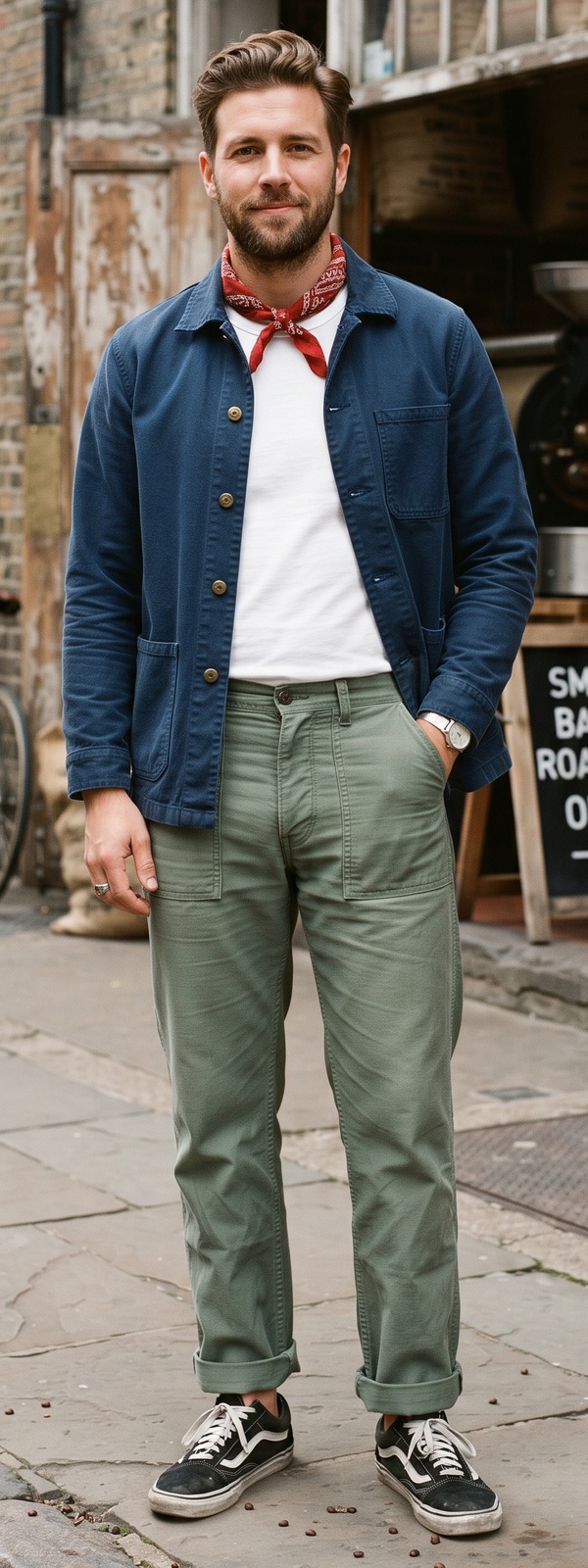 From $522
 From $147
 From $152
Do
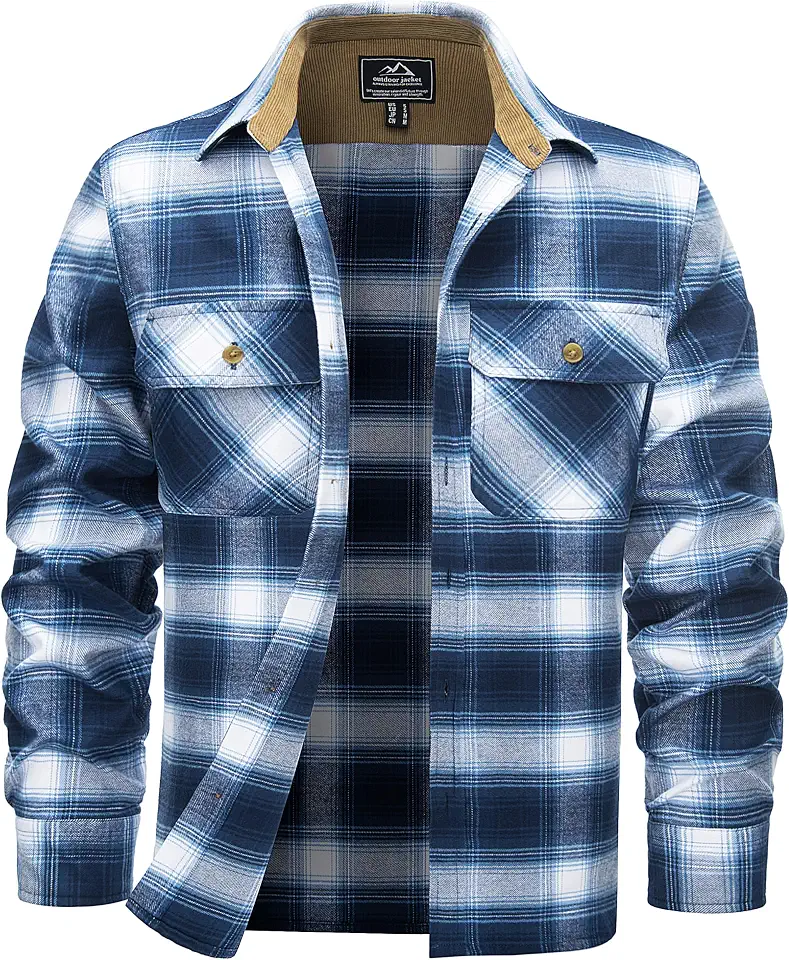
- ✓Wear a classic heavyweight denim or duck canvas chore coat that handles machinery grease and autumn wind.
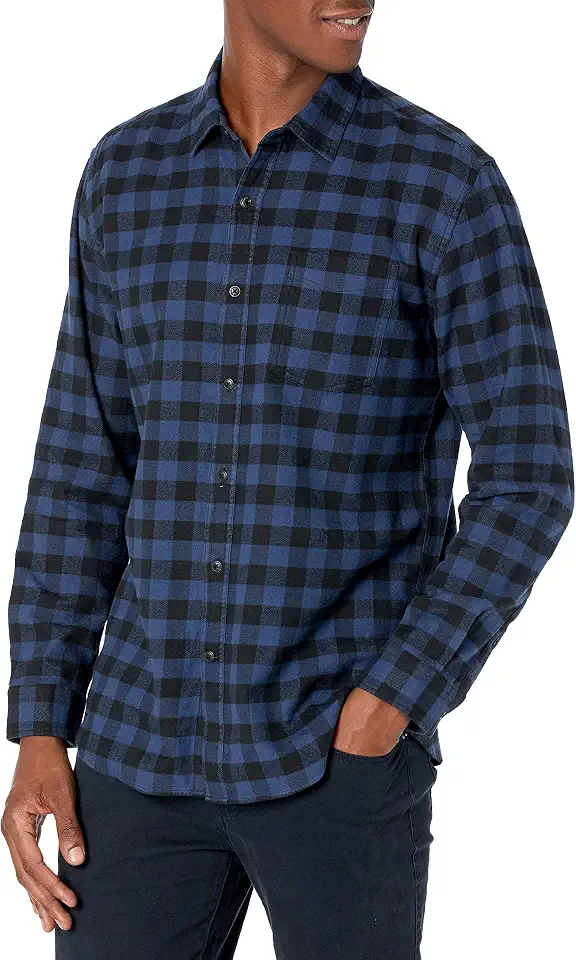
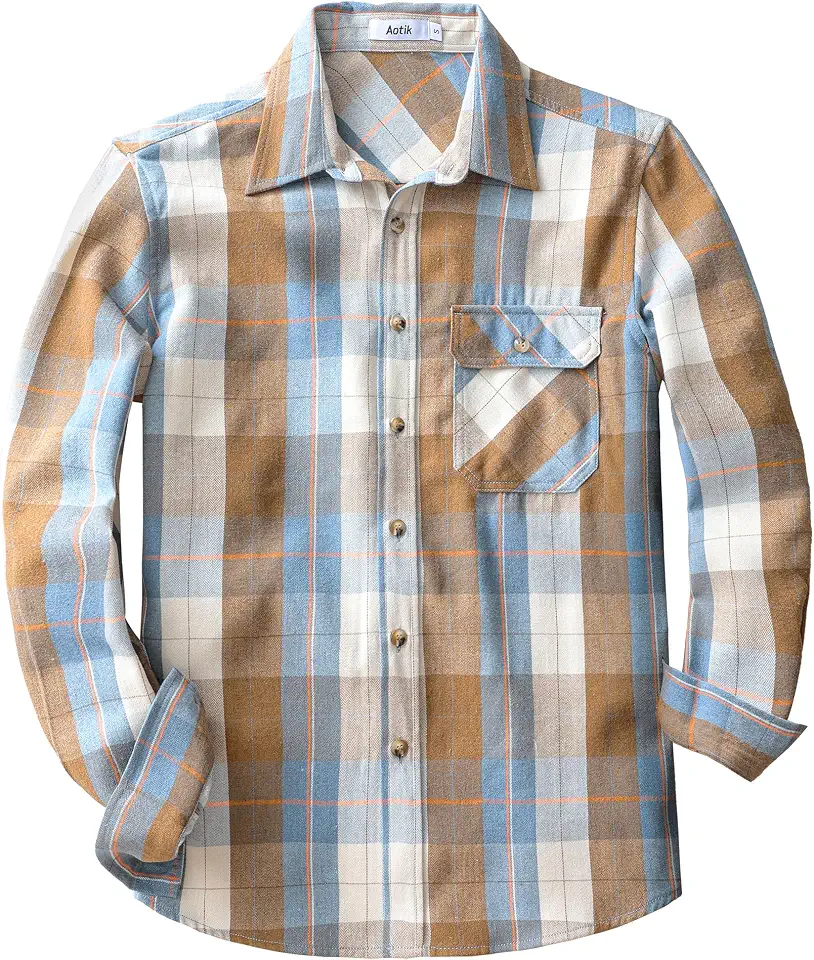
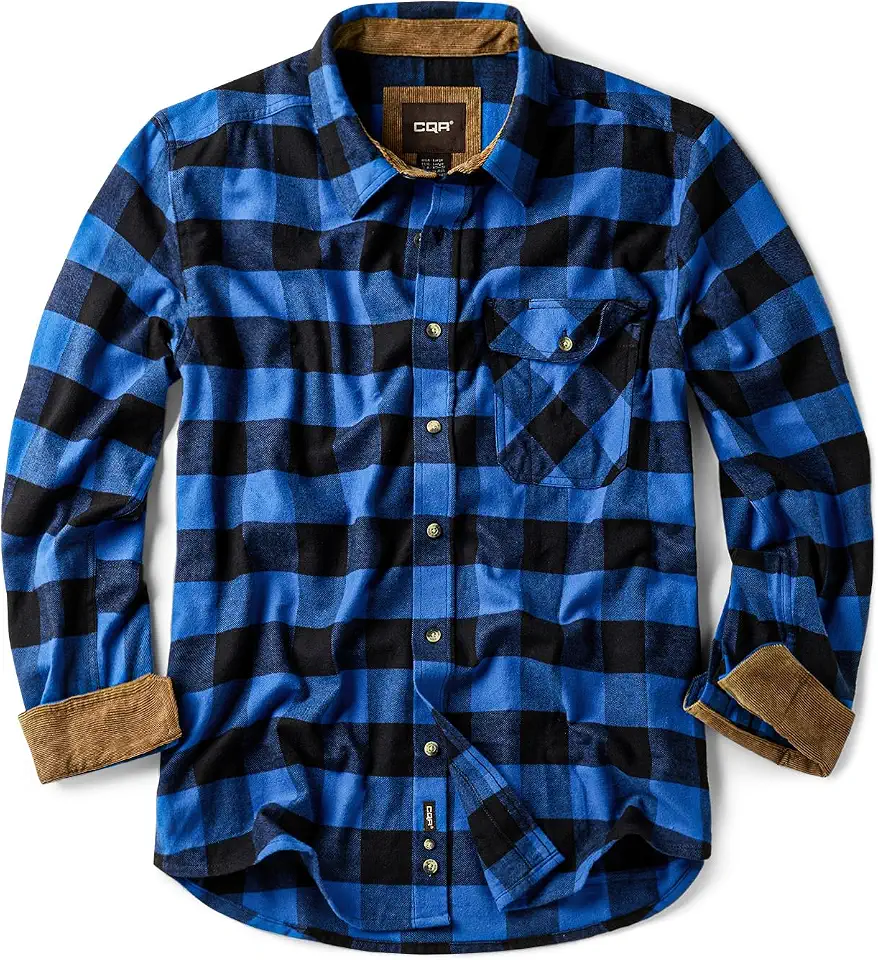
- ✓Choose a durable hickory stripe or chambray cotton work shirt that honors classic agricultural workwear history.
- ✓Select straight-leg raw selvedge denim jeans or heavy carpenter pants that withstand rubbing against iron fenders.
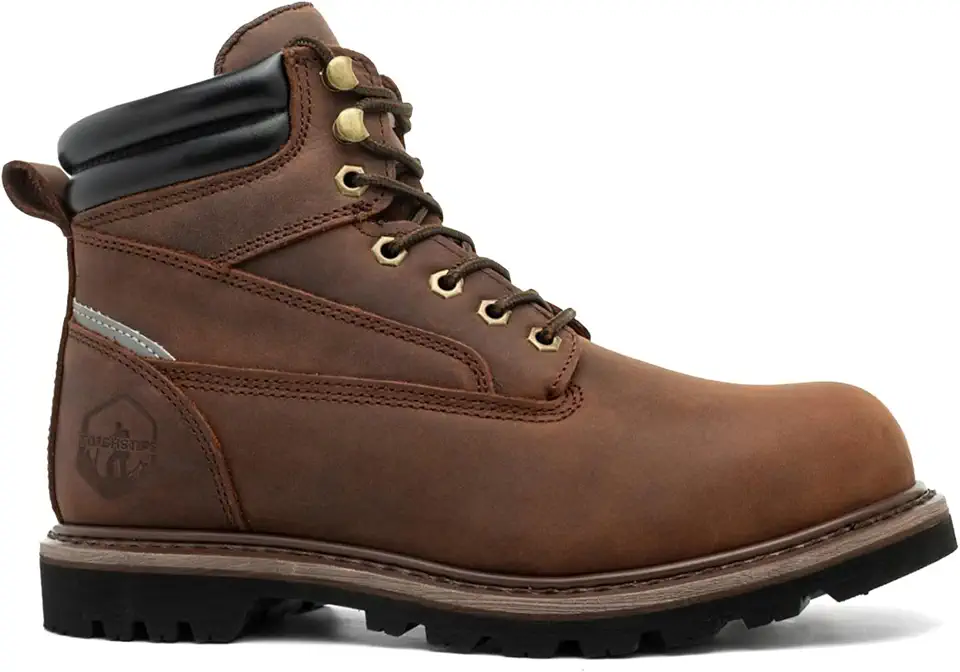
- ✓Opt for oil-tanned leather work boots with oil-resistant soles that grip greasy display pads and muddy show fields.
- ✓Pair your outfit with a traditional cotton mechanic's cap or heritage snapback to deflect engine smoke and dust.
Don't
- ✗Avoid pristine modern fashion apparel that looks completely out of place in an authentic agricultural rally.
- ✗Don't wear loose trailing scarves or unbuttoned coat belts near exposed spinning flywheel belts and PTO shafts.
- ✗Avoid lightweight white sneakers that will be instantly ruined by black diesel soot, grease, and trampled turf.
- ✗Don't wear synthetic fleece pullovers that attract airborne straw chaff and wood dust like Velcro.
Style tips
Exposed Belt and Flywheel Safety
Antique tractors and stationary hit-and-miss engines feature open spinning flywheels and sixty-foot flat drive belts. Keeping jackets buttoned and cuffs secured eliminates entanglement dangers near moving machinery.
Machinery Grease and Oil Patina
Vintage machinery naturally leaks castor oil, mineral grease, and heavy gear lubricants. Dark indigo selvedge denim and hickory stripe cotton absorb occasional grease marks as authentic working patina.
Agricultural Field Ground Footwear
Vintage tractor meets take place across sprawling rural pasture fields that turn muddy under foot traffic. Heavy full-grain leather boots with oil-resistant lug outsoles provide essential grip and ankle support.

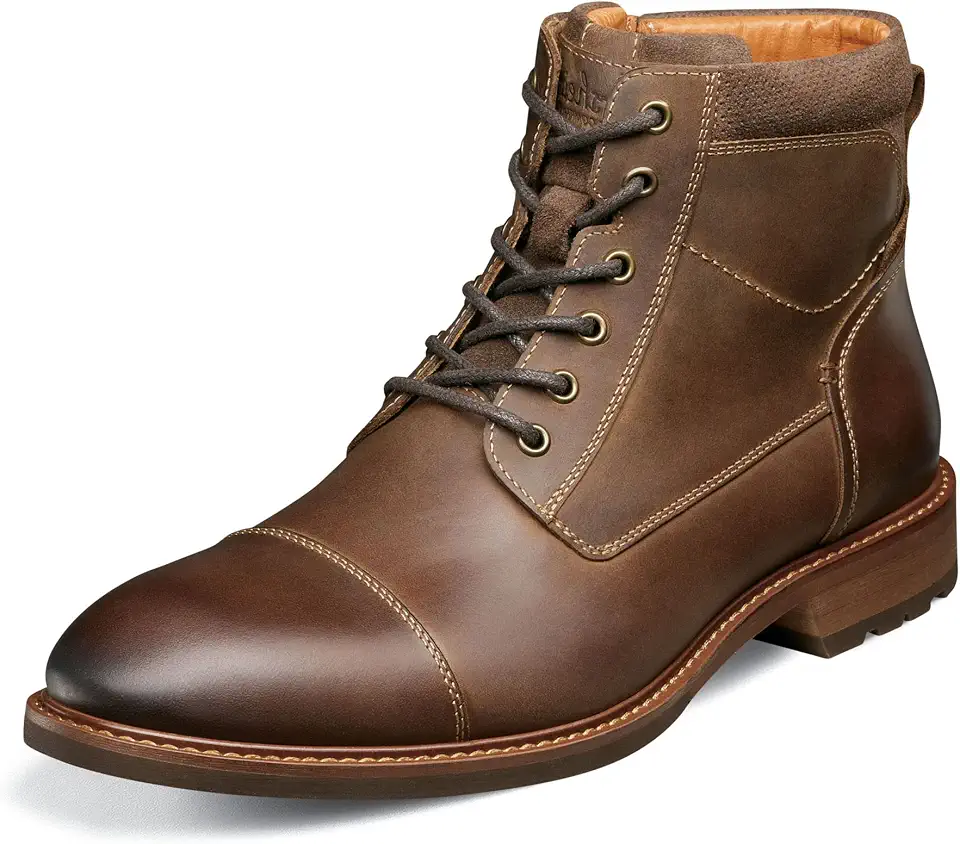
Related searches
All curated searches
Related Reading
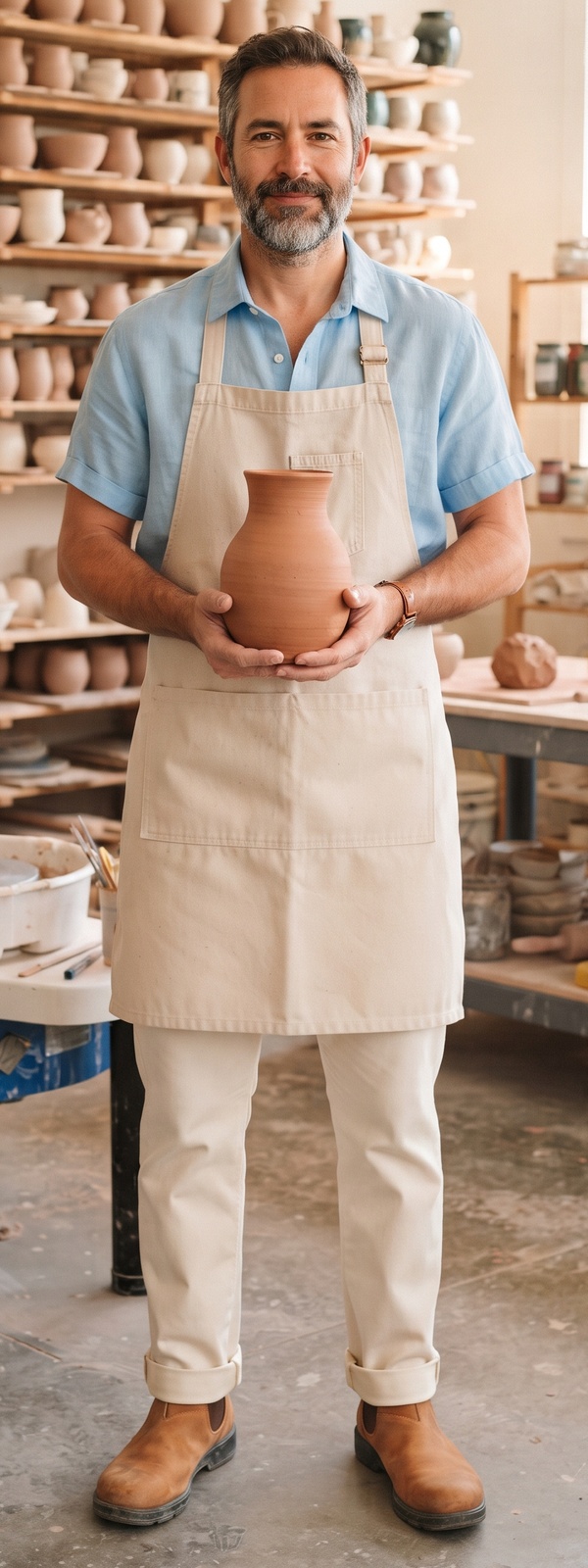
What to Wear to a Skin-on-Frame Kayak Class — Men's Guide
Entering a traditional maritime boatbuilding atelier for a skin-on-frame sea kayak workshop surrounds you with fragrant Western red cedar shavings, boiling steam boxes, and artificial sinew. Dedicated craft builders steam-bend white oak ribs, lash longitudinal cedar stringers onto birch plywood bulkheads, and stitch heavy ballistic nylon skins drum-tight over Greenland hulls. The necessary dress code is authentic maritime artisan heritage and heavy workshop utility: durable chambray work shirts, heavy cotton canvas shop aprons, straight-leg raw selvedge denim jeans, and oil-tanned leather work boots. Because boatbuilding involves sharp drawknives, hot steam bending, and polyurethane hull coatings, durable protective clothing is vital. From beveling gunwales with Japanese pull shaves to applying waterproof polyurethane coats to stitched hull fabrics, here is your essential boatbuilding style guide.
What to Wear to a Waxed Canvas Bag Class — Men's Complete Guide
Stepping into an artisan soft-goods design studio for a waxed canvas bag making class places you among heavy industrial walking-foot sewing machines and brass hardware. Crafters cut eighteen-ounce Martexin waxed canvas, set solid copper rivets with ball-peen hammers, and skive English bridle leather handles for heirloom duffle bags. The ideal sartorial tone is authentic textile maker heritage and industrial studio utility: rugged cotton chore jackets, breathable waffle-knit henleys, straight-leg raw selvedge denim jeans, and broken-in leather service boots. Because handling heavy waxed fabrics transfers wax oils and requires operating foot treadles, durable utilitarian clothing is ideal. From stitching heavy seam gussets through multiple canvas layers to peening solid brass burrs onto thick leather straps, here is your complete bag making guide.
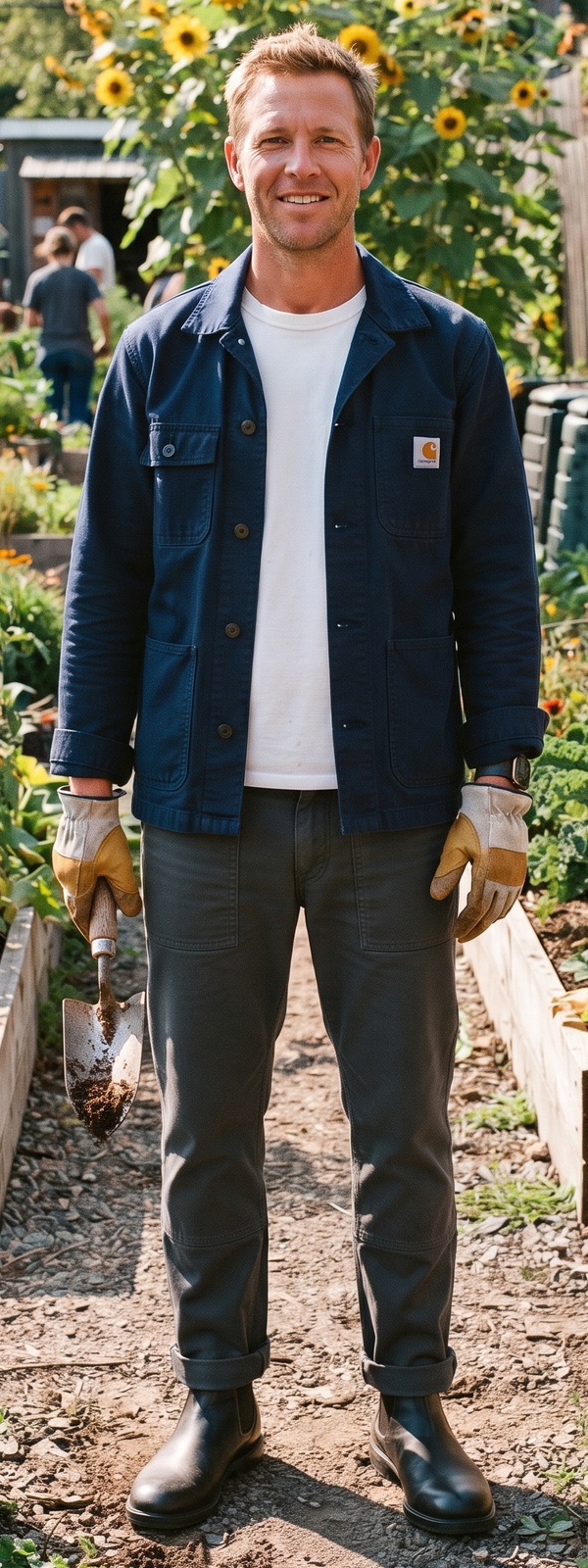
Military Fatigue Pants: Utilitarian Baker Styling
We anchored this collection in the timeless utilitarian proportions of military fatigue and baker pants. Characterized by their generous front patch pockets and straight, forgiving drape, fatigues serve as the ultimate versatile alternative to denim. We suggest pairing olive fatigues with chambray button-downs or denim work jackets to achieve an authentic, understated workwear rotation.
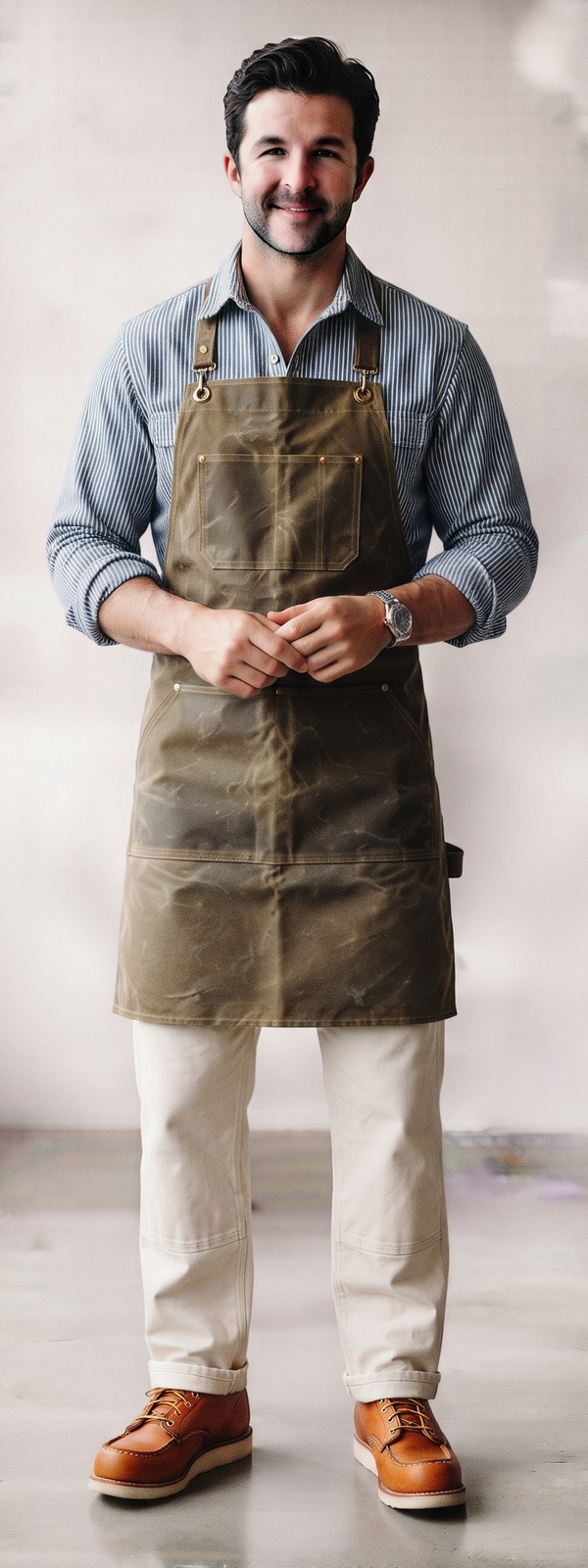
Artisanal Workshop Utility: Waxed Canvas & Linen Aprons
We curated this collection around the rise of artisanal craft-core—where functional studio, roastery, and workshop gear meets intentional menswear styling. We layer men's heavy waxed canvas work aprons, men's charcoal linen barista aprons, and men's selvedge denim studio aprons over men's olive band collar shirts, men's blue chambray work shirts, and men's buffalo plaid flannels. Grounded by men's leather moc toe boots and pleated trousers, our looks elevate tactile craftsmanship.
Japanese Americana & Vintage Workwear: Men's Style Guide
Discover Japanese Americana and vintage workwear (Ametora). Learn how to style selvedge denim, heavy flannels, chore coats, and heritage boots on a budget.

How to Style a Denim Jacket All Year Round: Men's Guide
Learn how to style a denim jacket all year round. Master spring layers, summer evenings, fall flannel pairings, and winter overcoat styling on a budget.
Other Reading
What to Wear to a Thatched Roofing Workshop — Men's Complete Guide
Climbing scaffolding beside a historic cottage for a traditional water reed thatching and ridge craft workshop places you among reed bundles, hazel spars, and roof battens. Master thatchers position thick Norfolk reed eaves, secure bundles with steel crooks and liggers, and drive reed ends compact using grooved wooden thatching leggets. The required outfit is elevated roof safety and rugged outdoor agricultural utility: breathable long-sleeve cotton work shirts, heavy duck canvas utility pants, non-slip rubber-soled work boots, and supple leather work gloves. Because thatching demands working on steep roof pitches amid abrasive dry reed stems, durable friction-resistant clothing is vital. From dressing straight reed eaves with heavy wooden leggets to twisting decorative hazel spar ridges along roof crests, here is your complete thatch roofing guide.

High-Summer Survival: Keep Cool, Stay Sharp
When the mercury spikes, our styling strategy shifts entirely toward managing the temperature without sacrificing an ounce of look. For this sun-drenched collection, we are heavily leaning into airy open-weave knits, lightweight linen blends, and relaxed, unstructured separate pieces. We believe that surviving the intense heat shouldn't force you to settle for sloppy casuals or overpay for technical luxury labels. Let's conquer the dog days of summer with crisp, affordable essentials that keep you completely comfortable and undeniably polished.

Men's Indoor Court Sports Style: Basketball and Racquet Guide
Master men's indoor court sports style with high-performance moisture-wicking shirts, gum-sole sneakers, compression layers, and modern athletic silhouettes.