
What to Wear Snowkiting on Alpine Plateaus — Men's Complete Guide
Standing on a wind-scoured alpine plateau or frozen mountain lake for a high-speed snowkiting traction session places you in sub-zero winds, blowing powder, and vast open terrain. Kiting pilots harness massive foil power kites, lock into ski or snowboard bindings, and carve uphill across mountain slopes propelled entirely by ferocious winter gales.
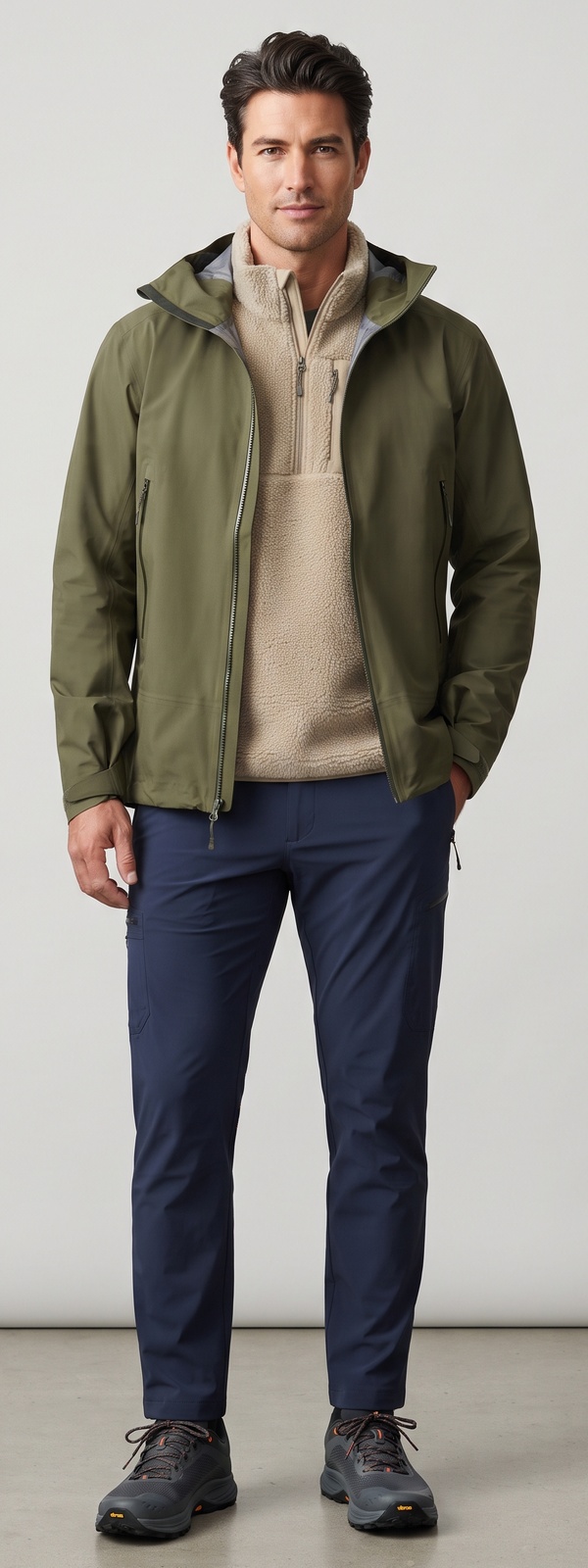
The necessary outfit is technical alpine windproofing and high-mobility winter protection: waterproof Gore-Tex snow bibs, breathable hardshell mountaineering jackets, heavy insulated snow gloves, and anti-fog snow goggles. Because high-altitude mountain winds create extreme wind-chill while physical kite piloting generates serious core heat, layered ventilation is vital.
From launching your foil kite in gusty ridge winds to flying up backcountry powdered bowls effortlessly, here is your definitive alpine snowkiting style guide.
Outfits that work
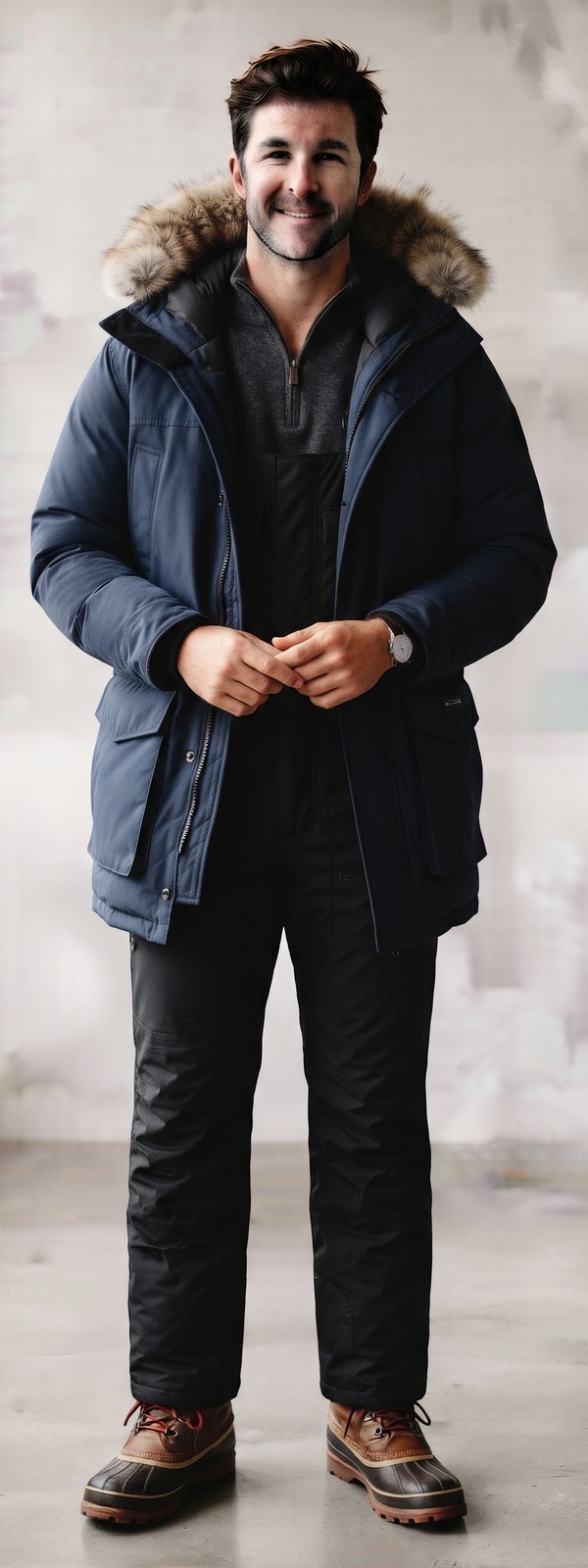 From $160
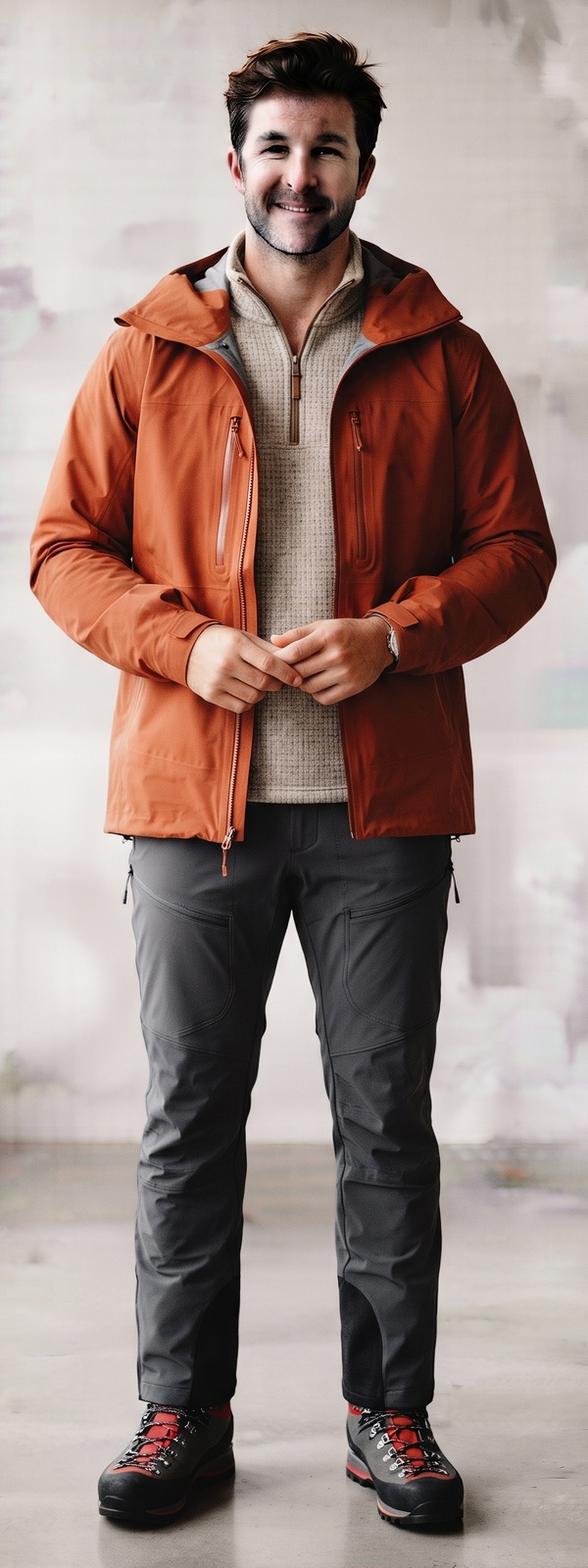 From $138
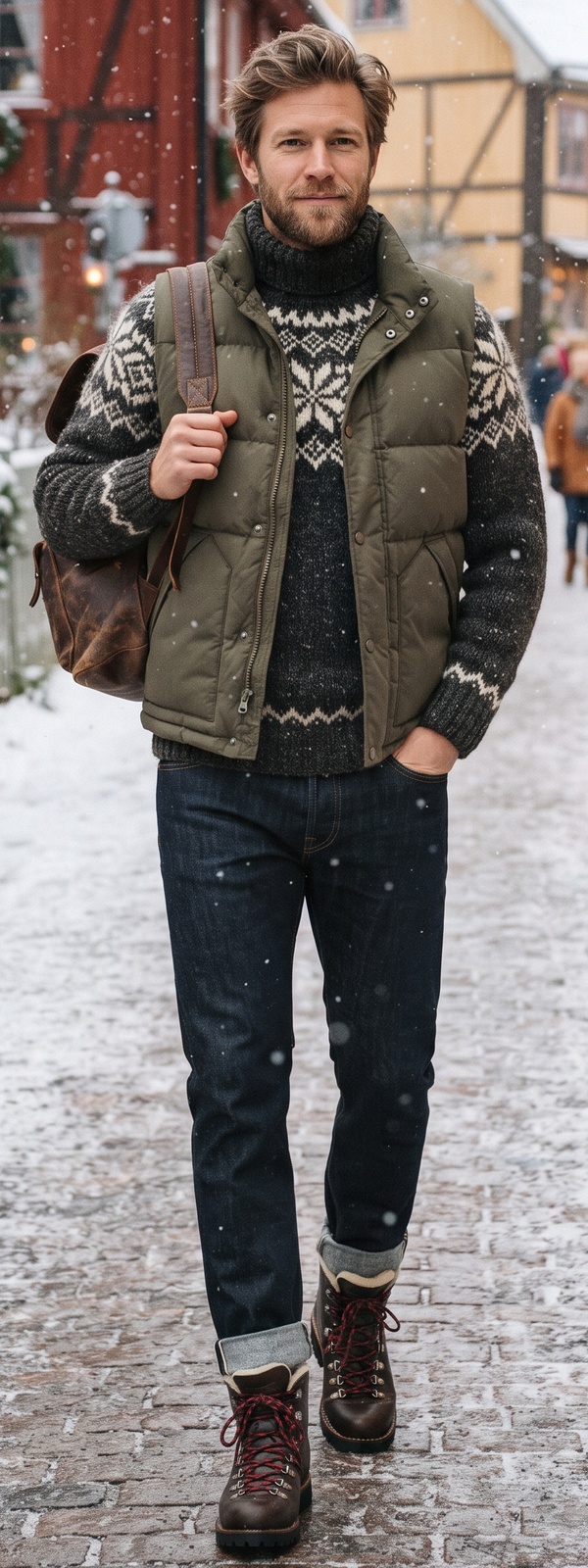 From $126
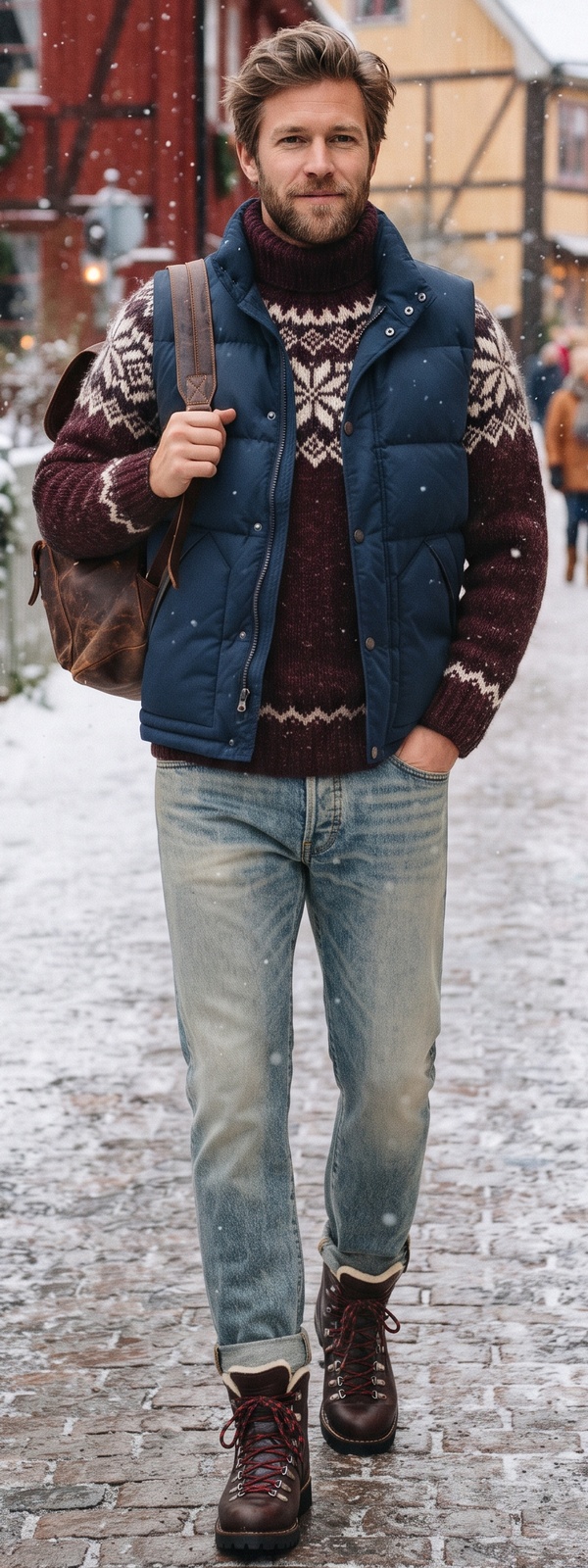 From $130
 From $132
 From $142
Do
- ✓Wear a windproof, waterproof Gore-Tex hardshell jacket with adjustable underarm pit zips for heat venting.
- ✓Choose high-waisted snow bib pants that prevent driven alpine powder from penetrating your waistband on falls.
- ✓Select insulated, windproof mountaineering gloves with long gauntlet cuffs that seal over jacket wrists.
- ✓Pair your outfit with spherical anti-fog snow goggles to protect your eyes from blowing ice crystals and bright glare.
- ✓Layer a technical moisture-wicking merino thermal base layer under a lightweight grid fleece mid layer.
Don't
- ✗Avoid pure cotton hoodies or denim pants that freeze solid when coated in wind-blown powder snow.
- ✗Don't wear bulky loose scarves or trailing jacket cords that can tangle dangerously in kite flying lines.
- ✗Avoid thin city gloves that leave fingers frozen and numb, destroying essential kite control bar grip.
- ✗Don't wear dark non-reflective clothing; high-visibility bright shell accents help backcountry rescue teams spot you.
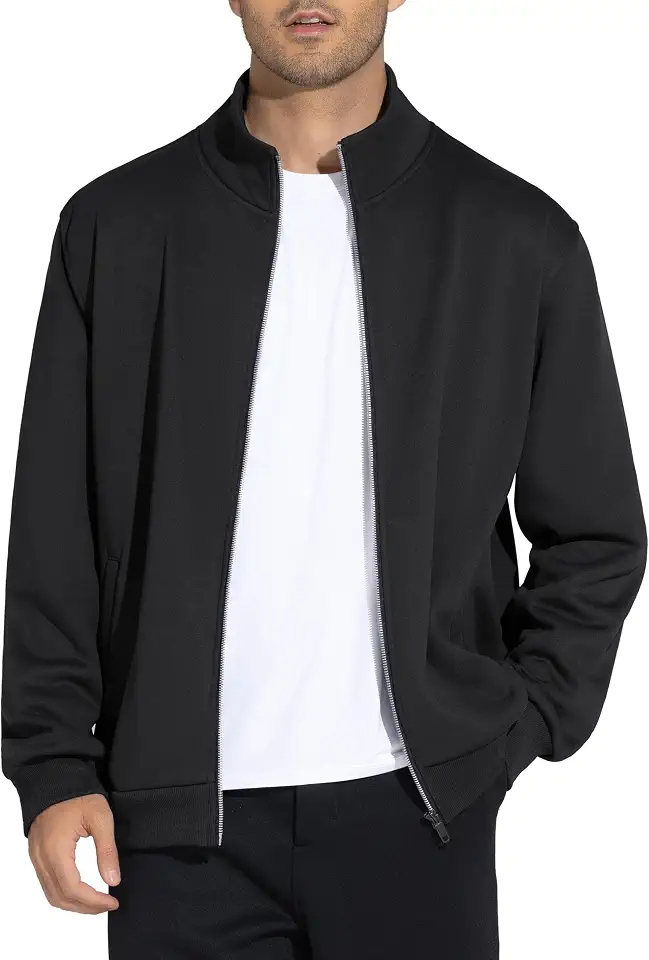
Style tips
Kite Harness Waistband Ergonomics
Snowkiting requires wearing a heavy climbing or kite harness around your waist or seat. High-back bib pants with smooth flat seams prevent painful pressure points when the harness pulls under full kite power.
Alpine Wind Chill Foil Defense
Riding across frozen plateaus at thirty miles per hour drops apparent temperatures below zero. A three-layer technical hardshell with taped seams creates a windproof envelope that prevents severe hypothermia.
High-Altitude Glare and Fog Control
High-altitude snow fields reflect intense UV radiation while heavy breathing into facemasks can fog lenses. Dual-pane anti-fog goggles with high-contrast polarized lenses ensure crystal-clear terrain visibility.
Related searches
All curated searches
Related reading
Oct 22, 2026
How to Layer a Men's Field Jacket Over a Wool Sweater
Master autumn and winter layering by pairing a men's field jacket over cable-knit and crewneck wool sweaters with chinos and rugged leather boots.
Oct 22, 2026
How to Layer a Wool Overcoat Over a Turtleneck Sweater
Learn how to layer a tailored wool overcoat over a turtleneck sweater with dress pants, dark jeans, and boots for sleek winter sophistication.
Oct 22, 2026
How to Layer a Men's Duffle Coat with Cable Knitwear
Learn how to layer a men's wool duffle coat over chunky cable knit sweaters with corduroy pants and raw denim for timeless winter heritage warmth.