
What to Wear to an Anagama Kiln Stoking — Men's Guide
Joining an overnight stoking shift at a traditional hillside anagama wood-fired pottery kiln is an elemental, transformative ceramic retreat experience. For days on end, artisans work in focused teams feeding split pine logs directly into the blazing subterranean firebox to achieve temperatures exceeding 2,400 degrees Fahrenheit.
Working alongside an active wood-fired kiln demands heavy-duty natural fibers that resist flying embers and intense radiant heat while keeping you comfortable during cool night shifts. Synthetic fleece or nylon clothing melts instantly near the kiln door, posing a serious safety hazard on the stoking platform.
From heavyweight 100% cotton canvas chore jackets and thick thermal waffle henleys to reinforced double-knee carpenter pants and heat-resistant leather work boots, here is your essential guide to kiln-shift workwear.
Outfits that work
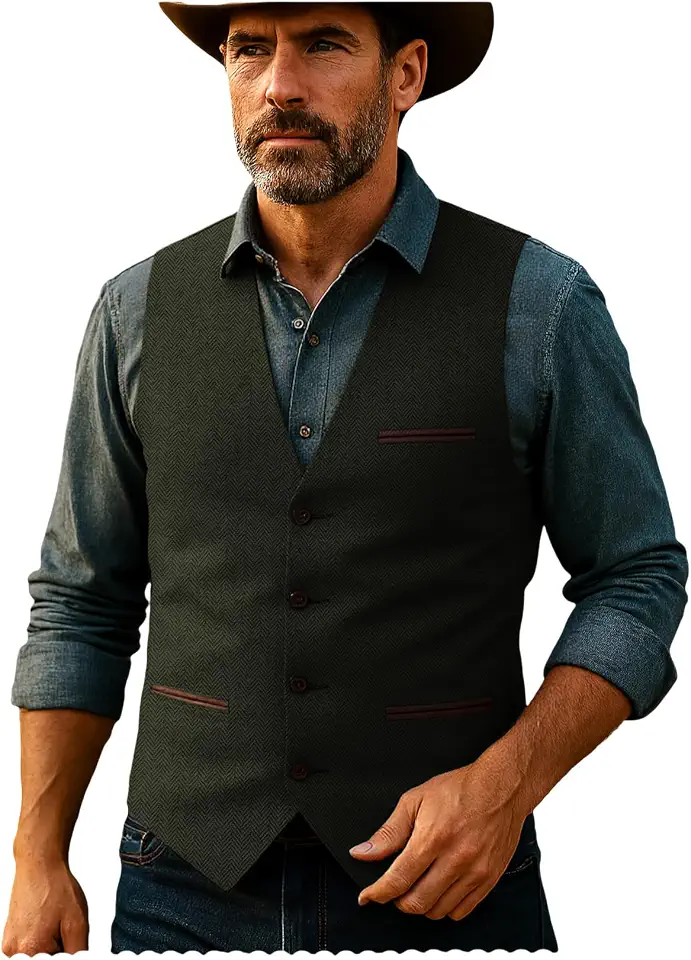
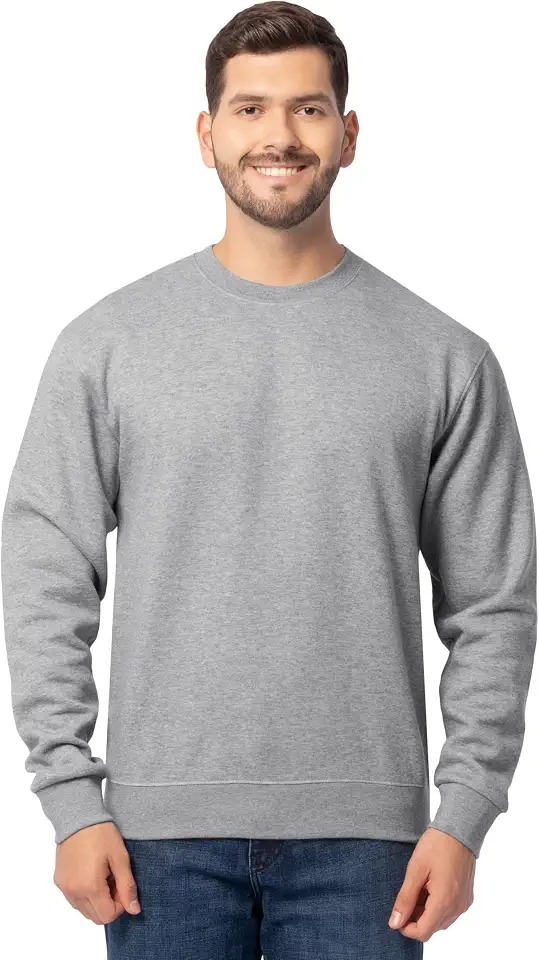
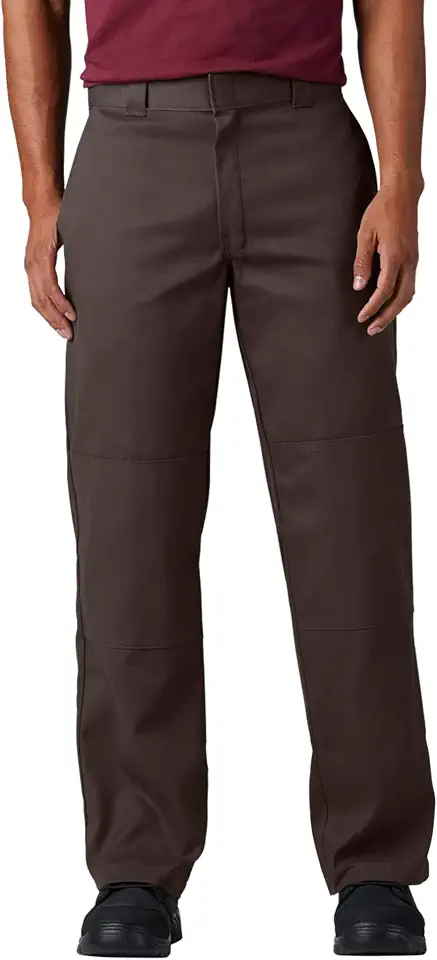
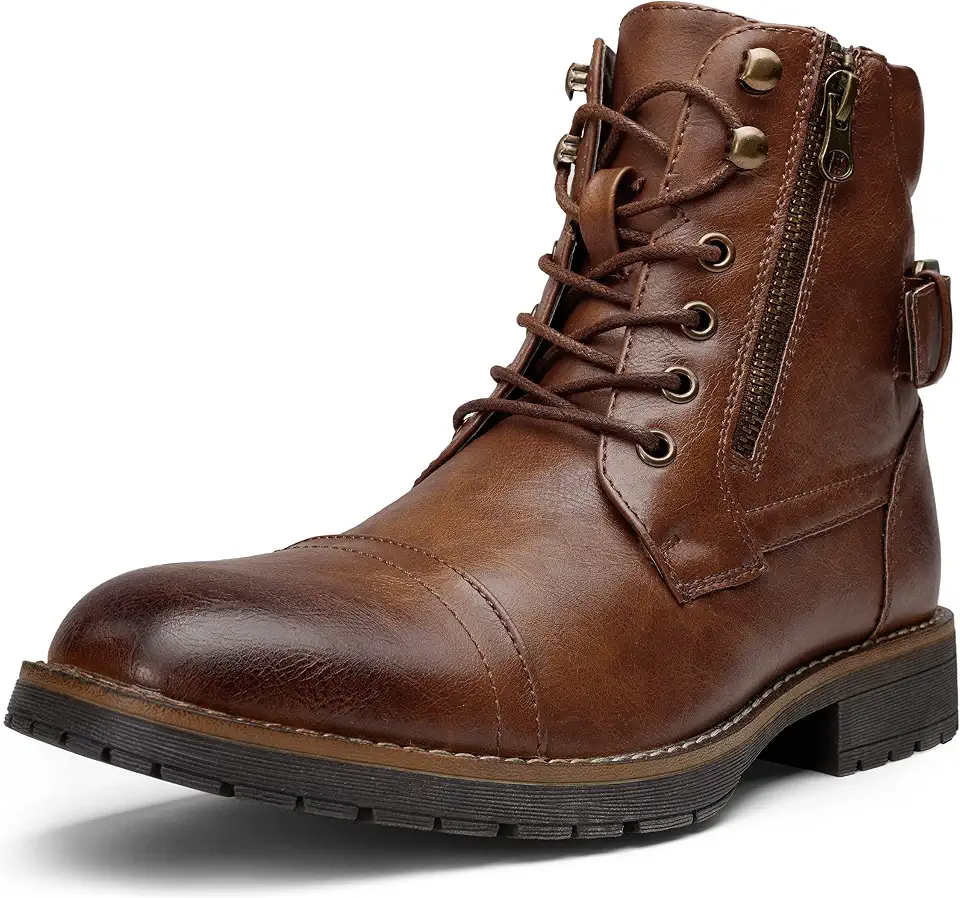
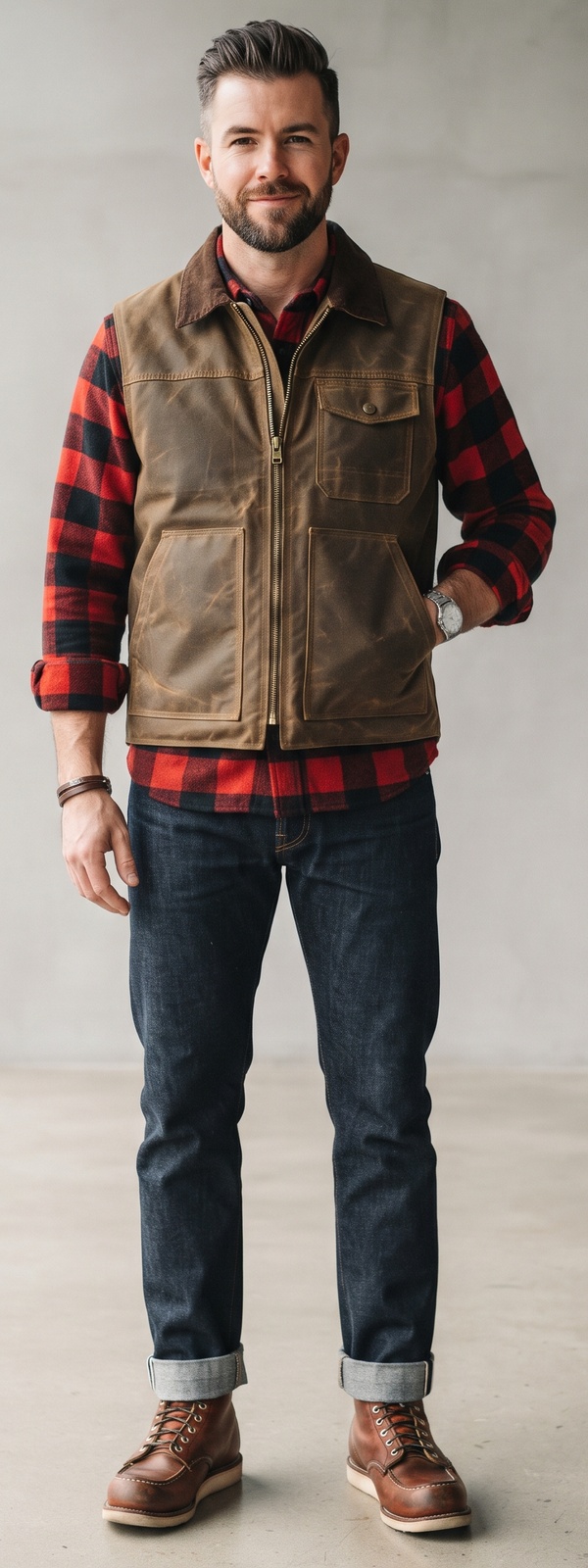 $165
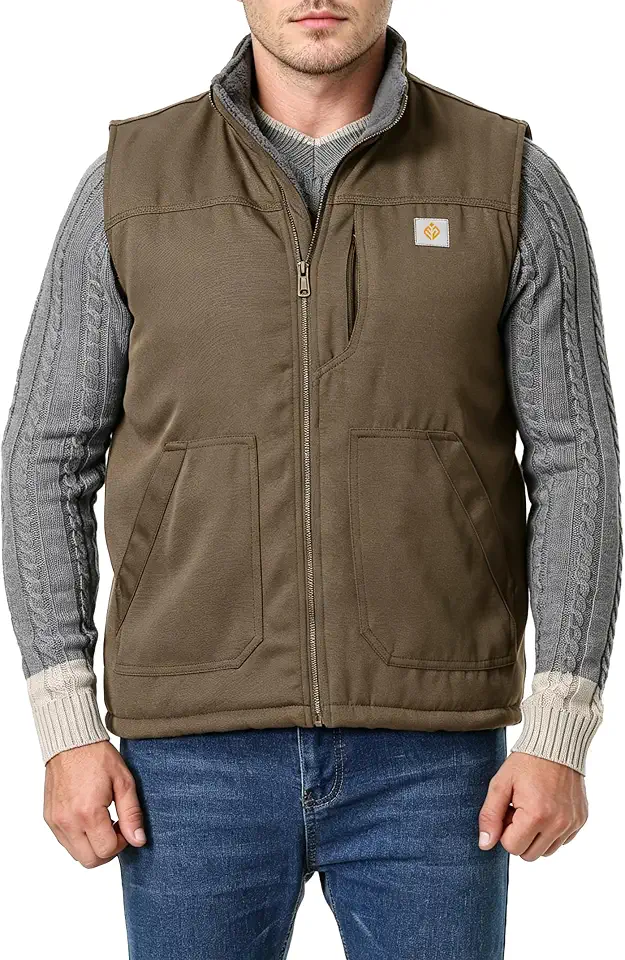
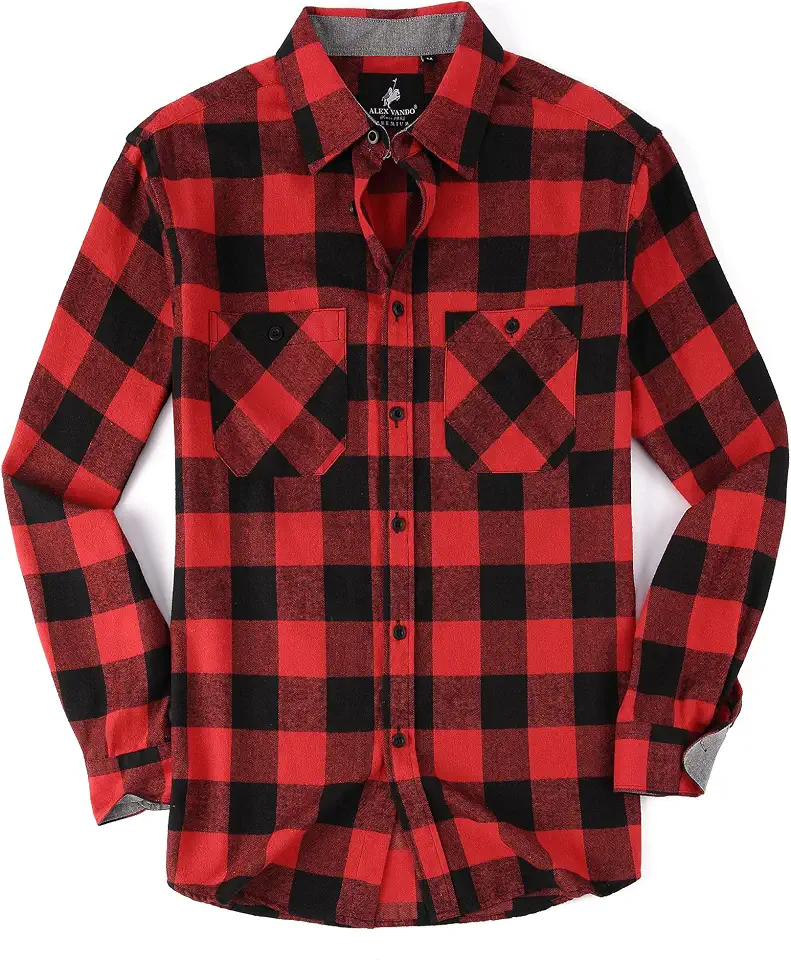
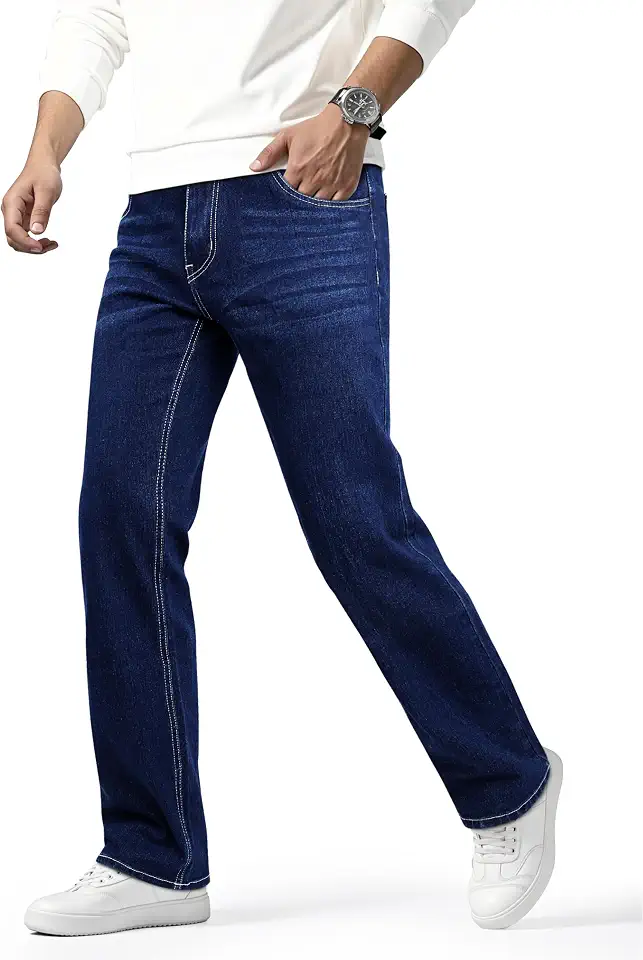
Rugged Brown Waxed Vest with Buffalo Check Flannel Shirt and Cuffed Jeans
6 pieces · Oct 24, 2026
 $126

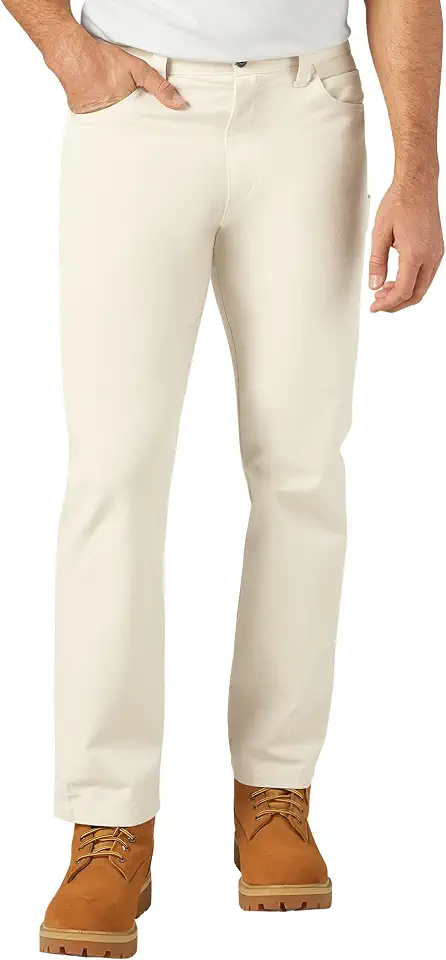
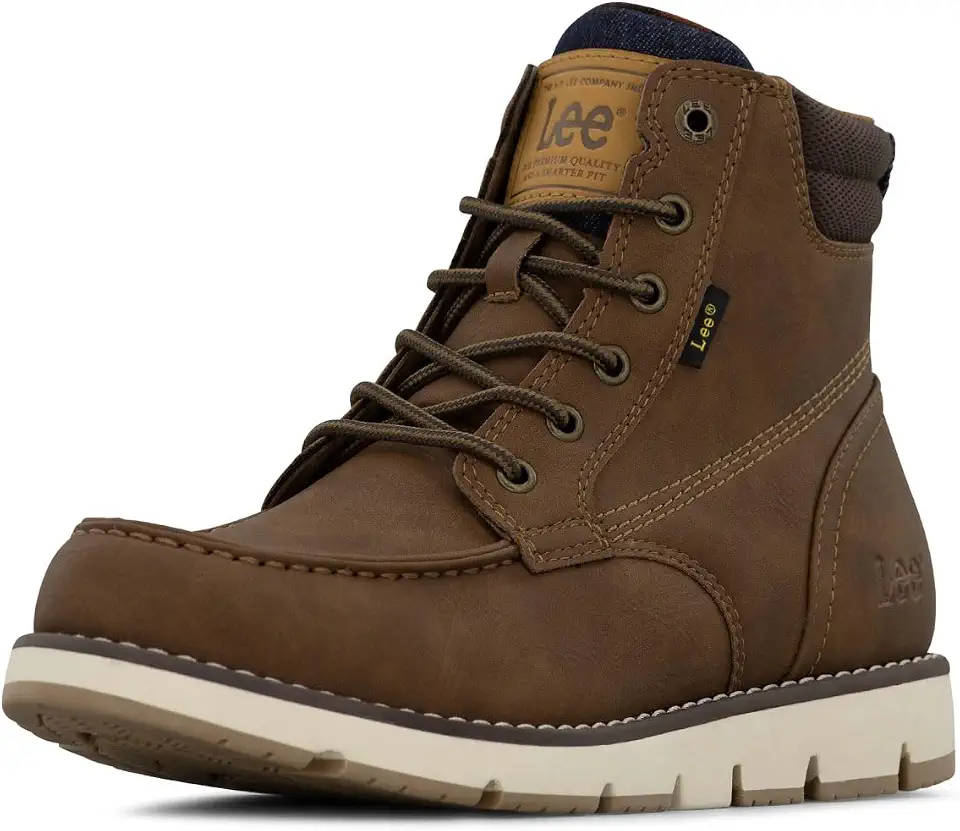
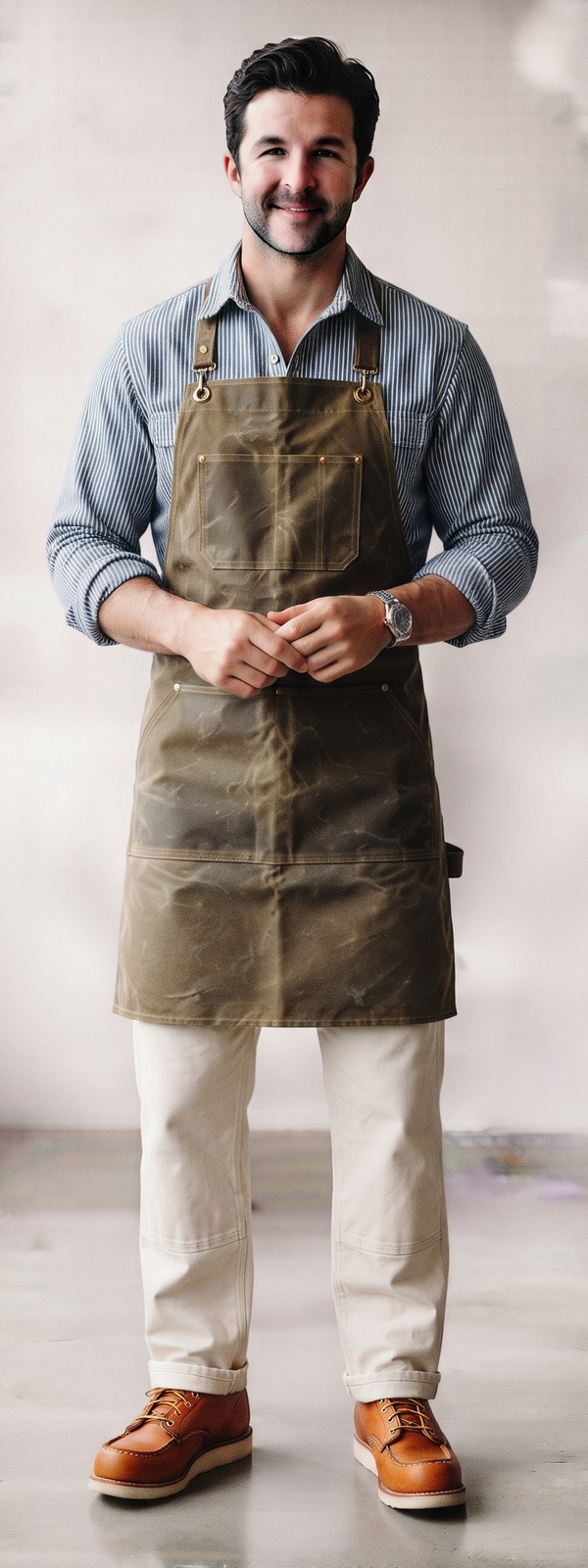
Waxed Olive Canvas Work Apron with Striped Work Shirt and Moc Toe Boots
5 pieces · Oct 23, 2026
 $164
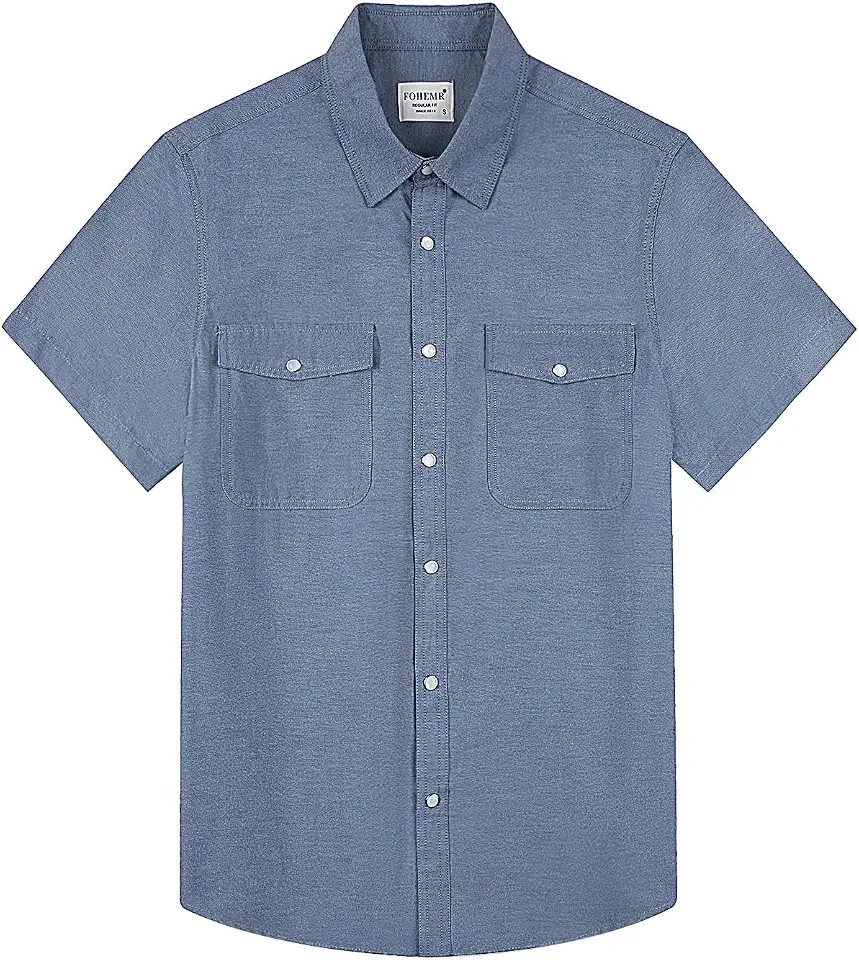
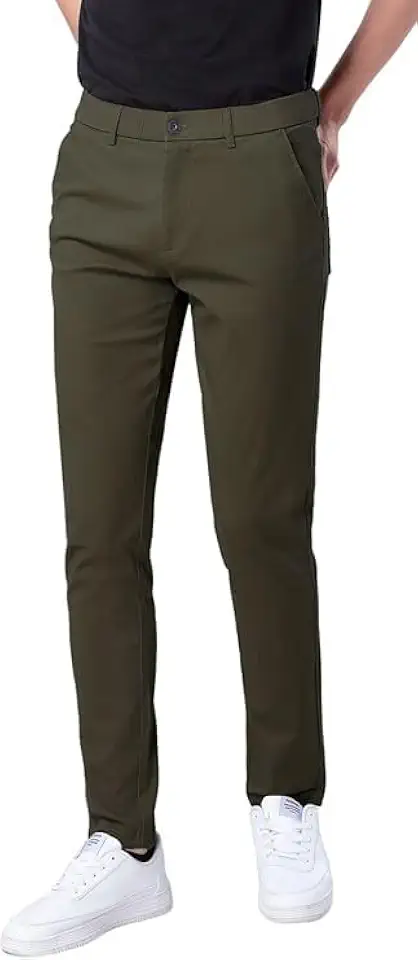
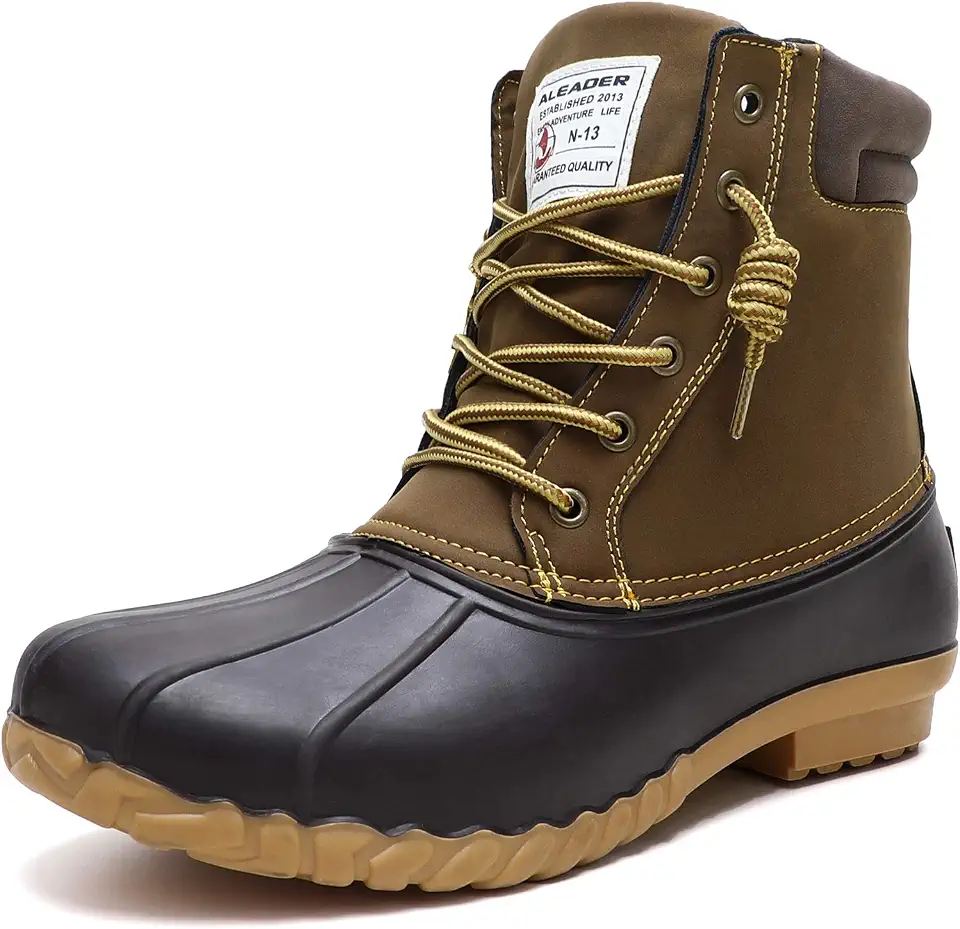
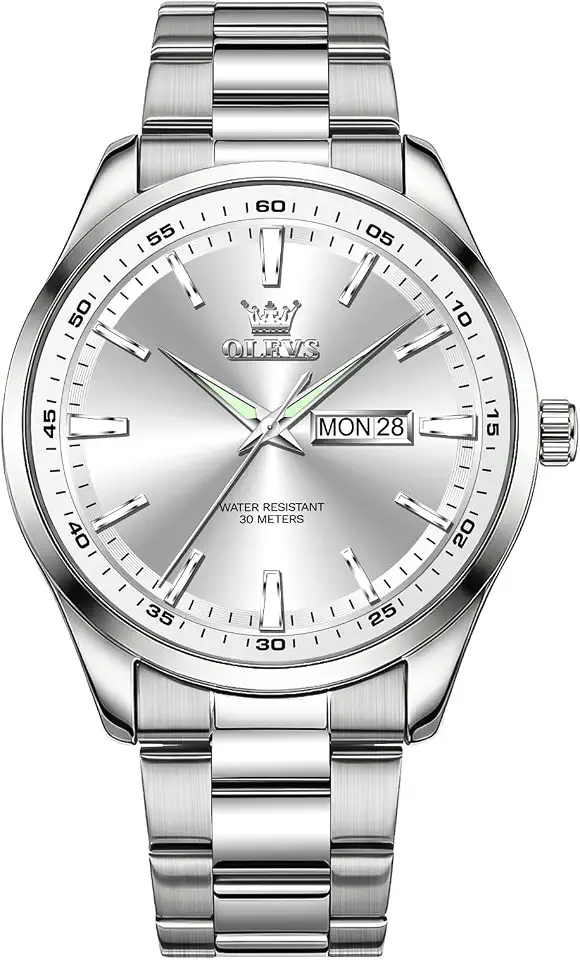
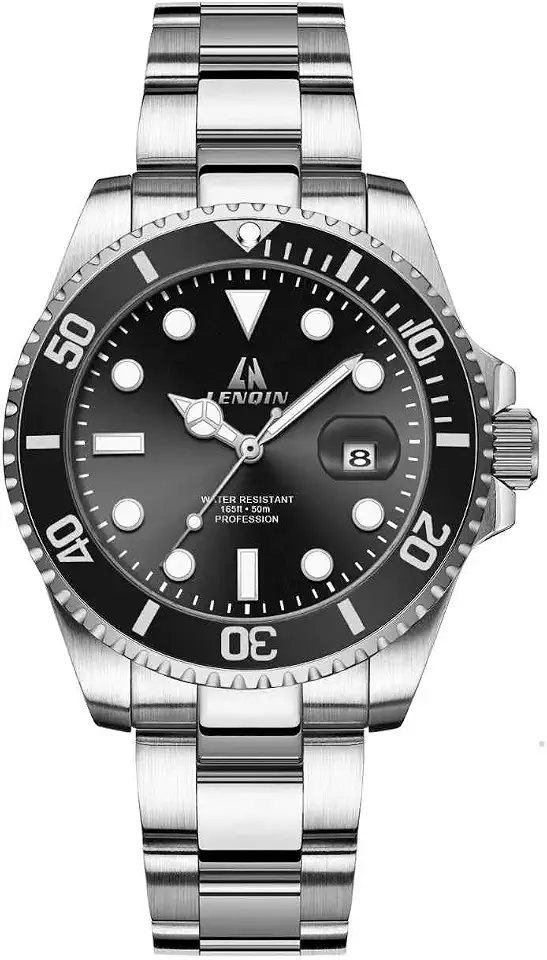
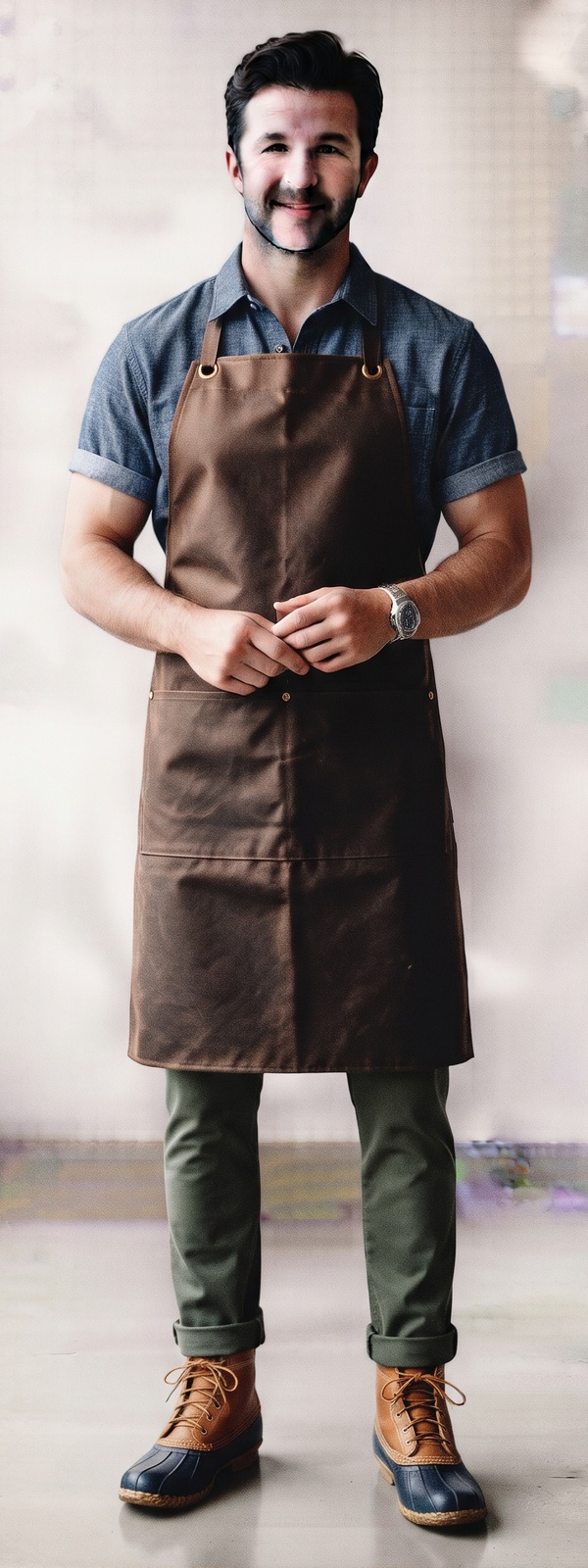
Brown Waxed Canvas Workshop Apron with Chambray Shirt and Duck Boots
5 pieces · Oct 23, 2026
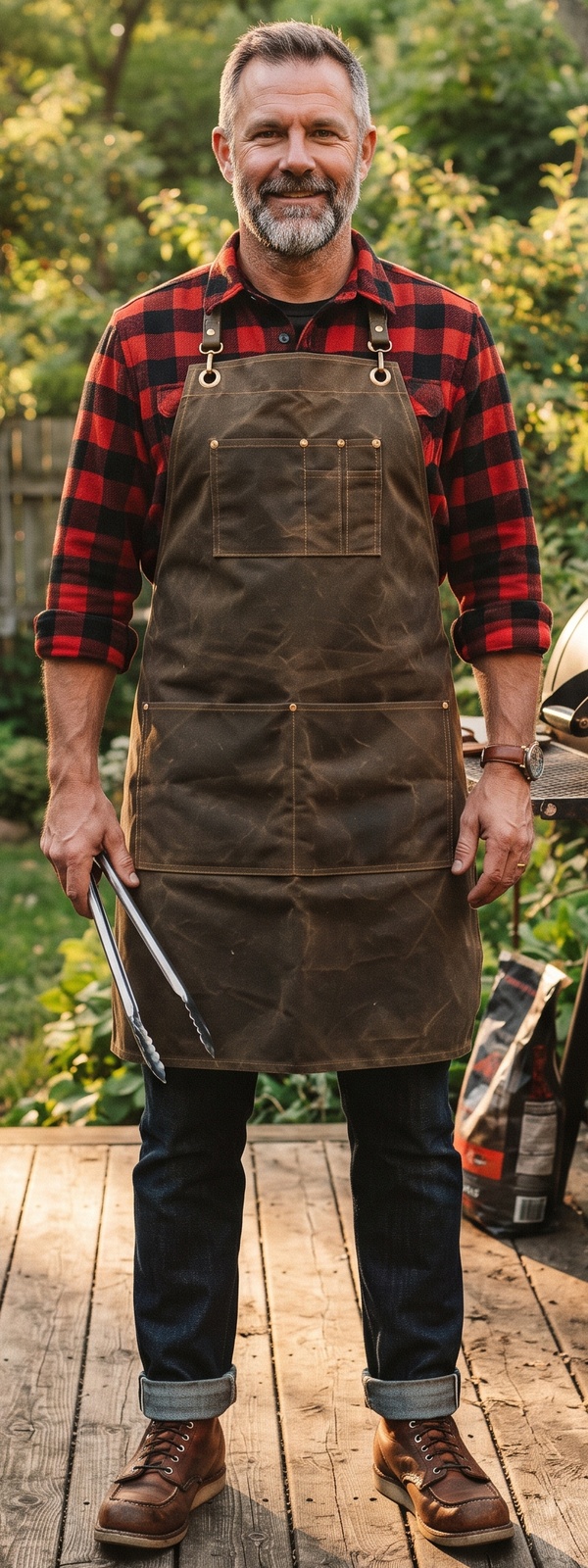 $176
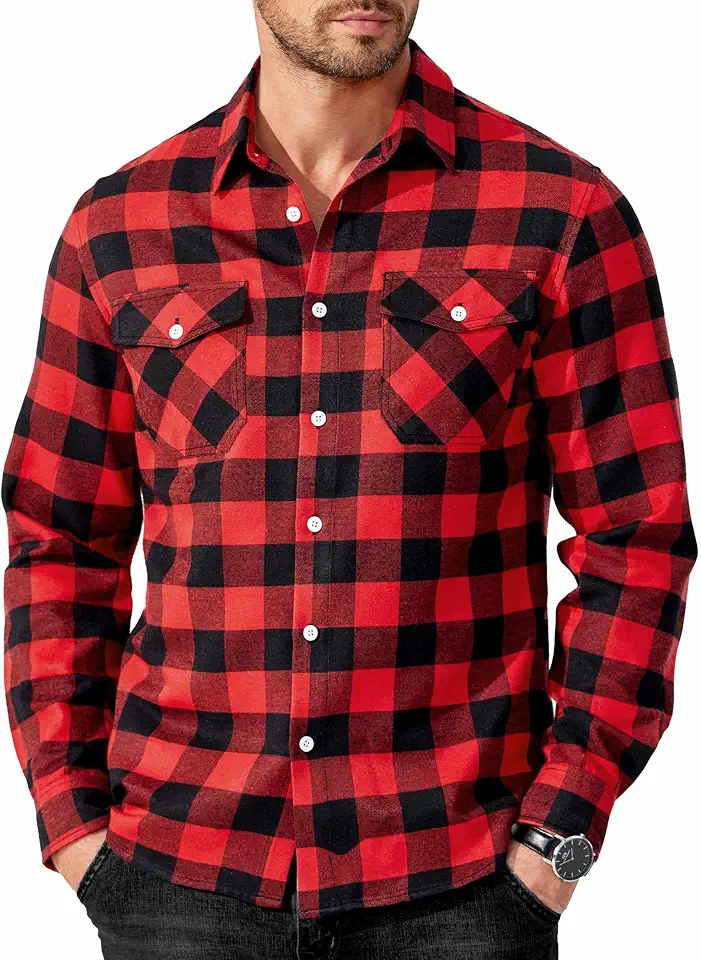
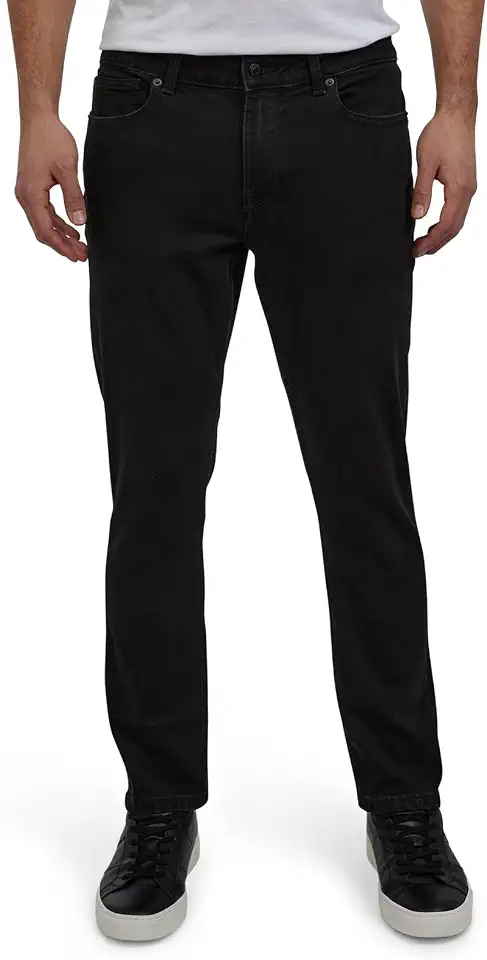
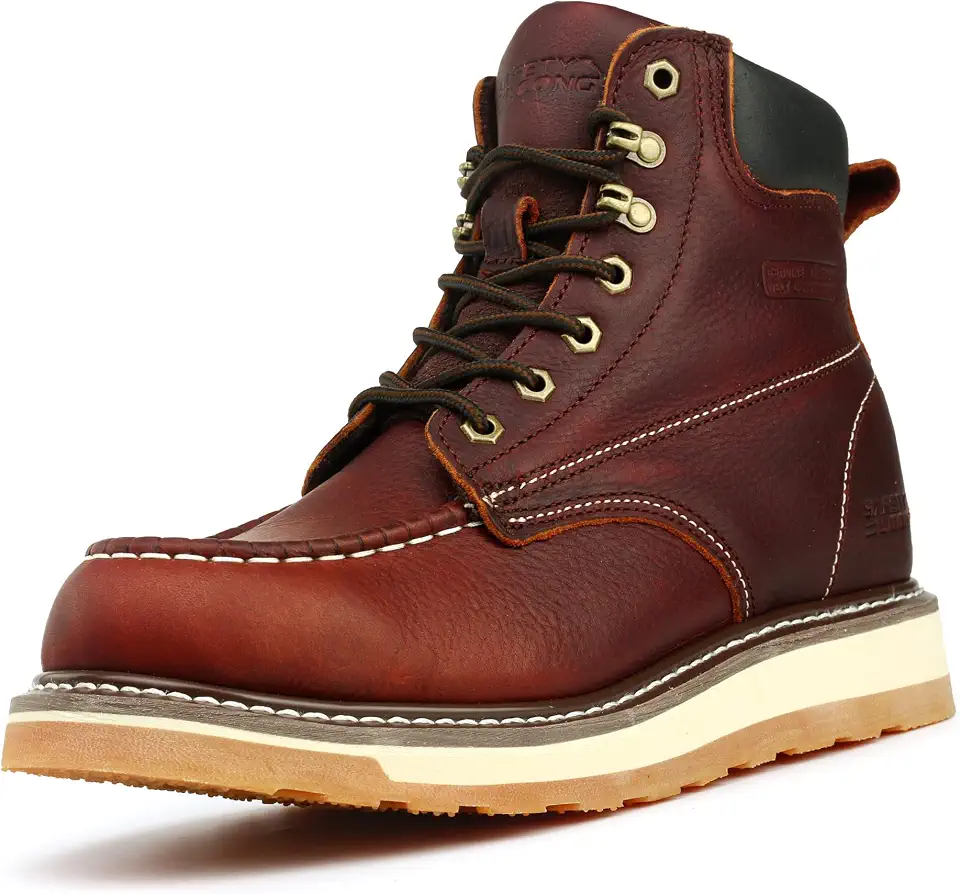
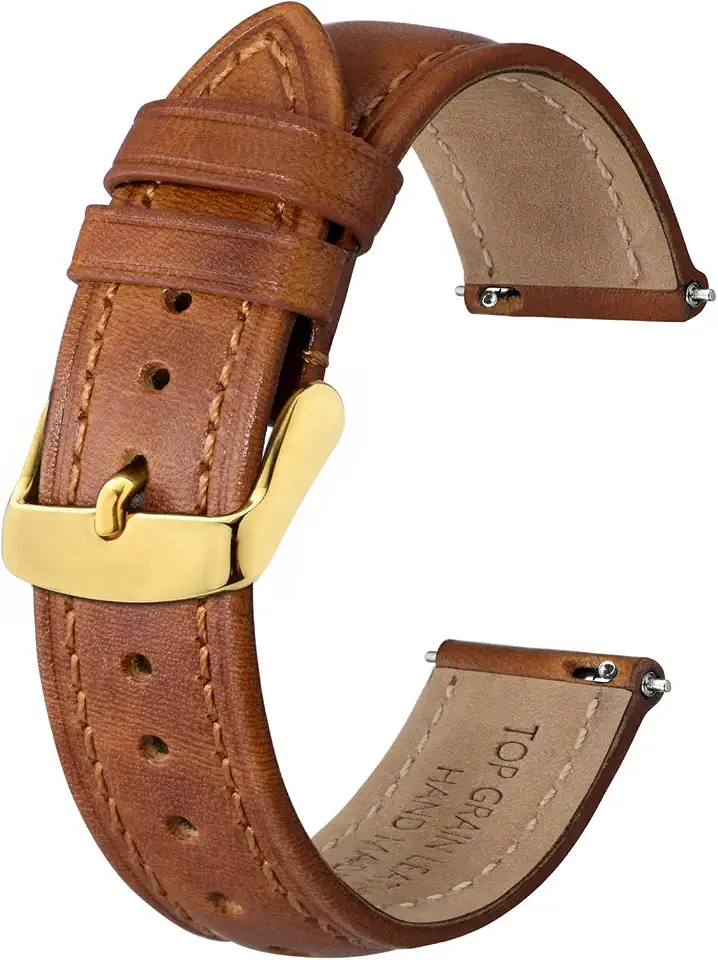
Waxed Canvas Grilling Apron and Red Buffalo Flannel Smokehouse BBQ Look
6 pieces · Oct 11, 2026
Do
- ✓Wear exclusively 100 percent natural fibers like heavy cotton canvas, denim, and wool to eliminate fire melting hazards.
- ✓Fasten a heavy waxed canvas workshop apron to shield your chest and thighs from radiant kiln heat and embers.
- ✓Choose thick heavyweight raw denim jeans or double-knee work pants with zero synthetic stretch elastane content.
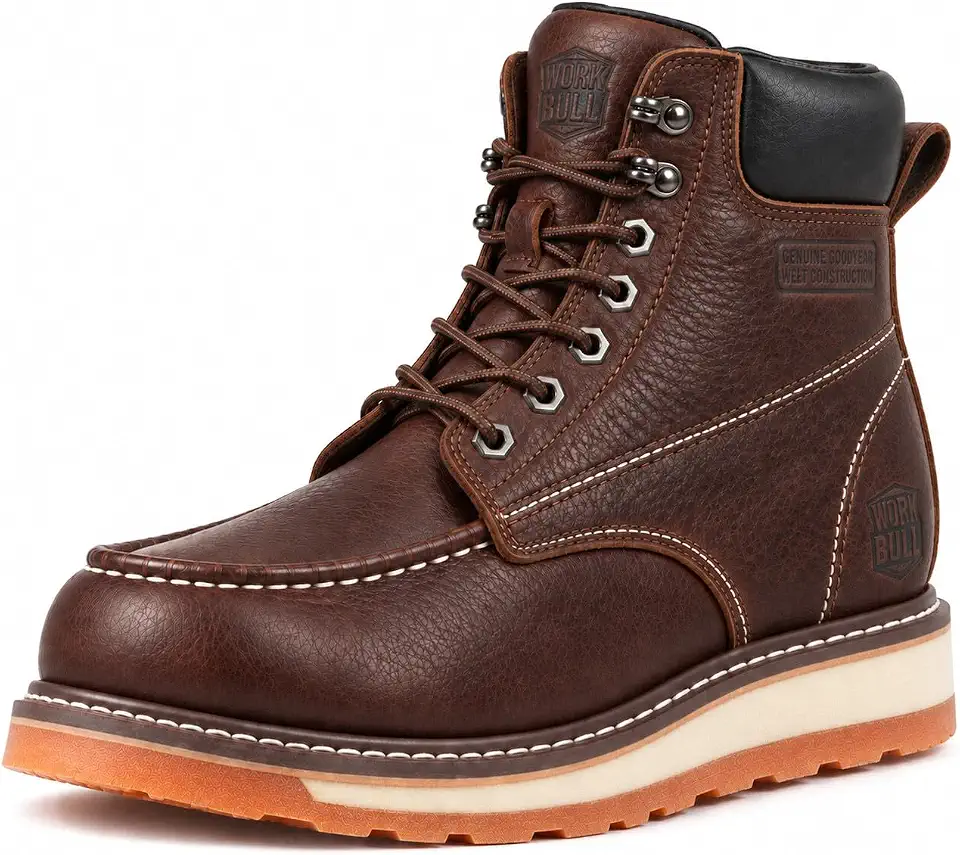
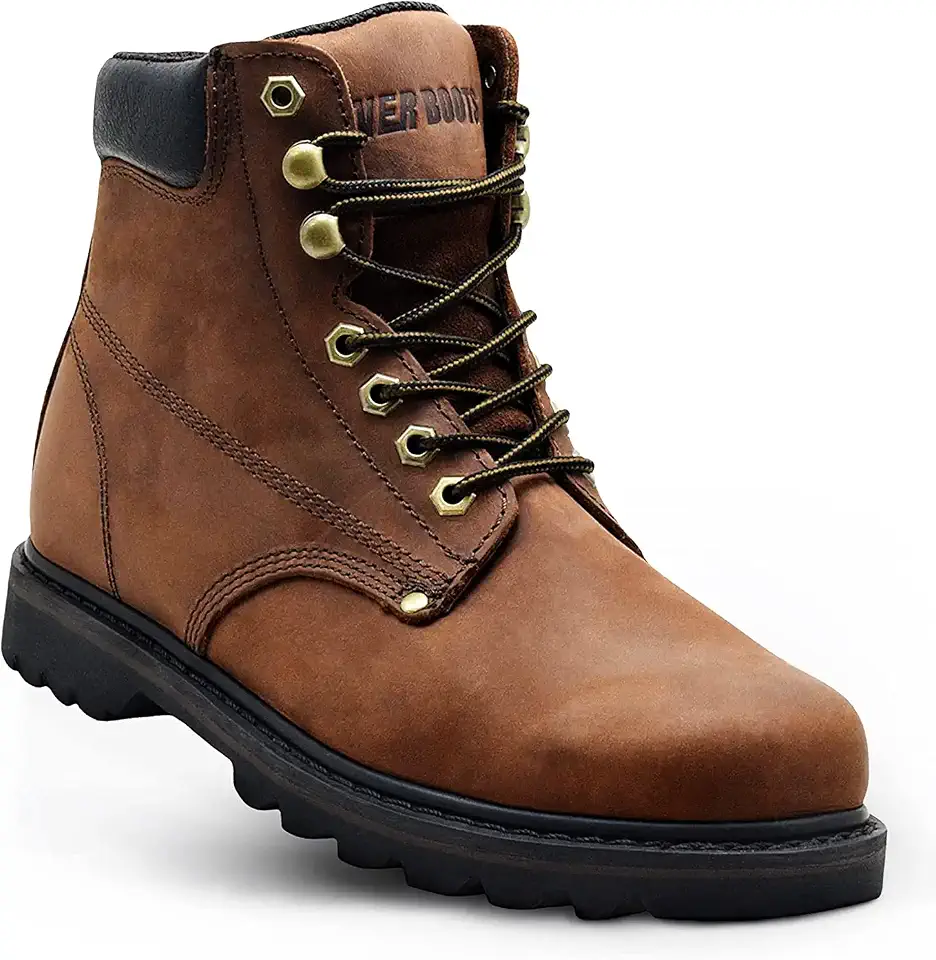
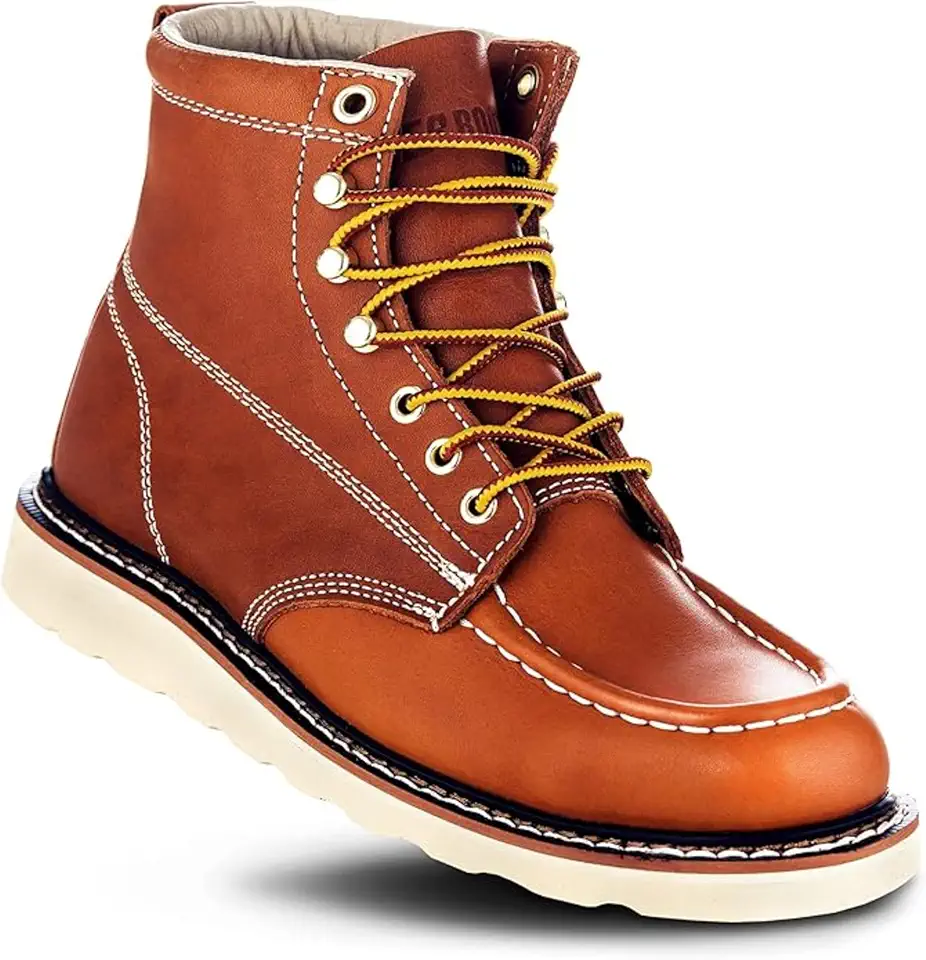
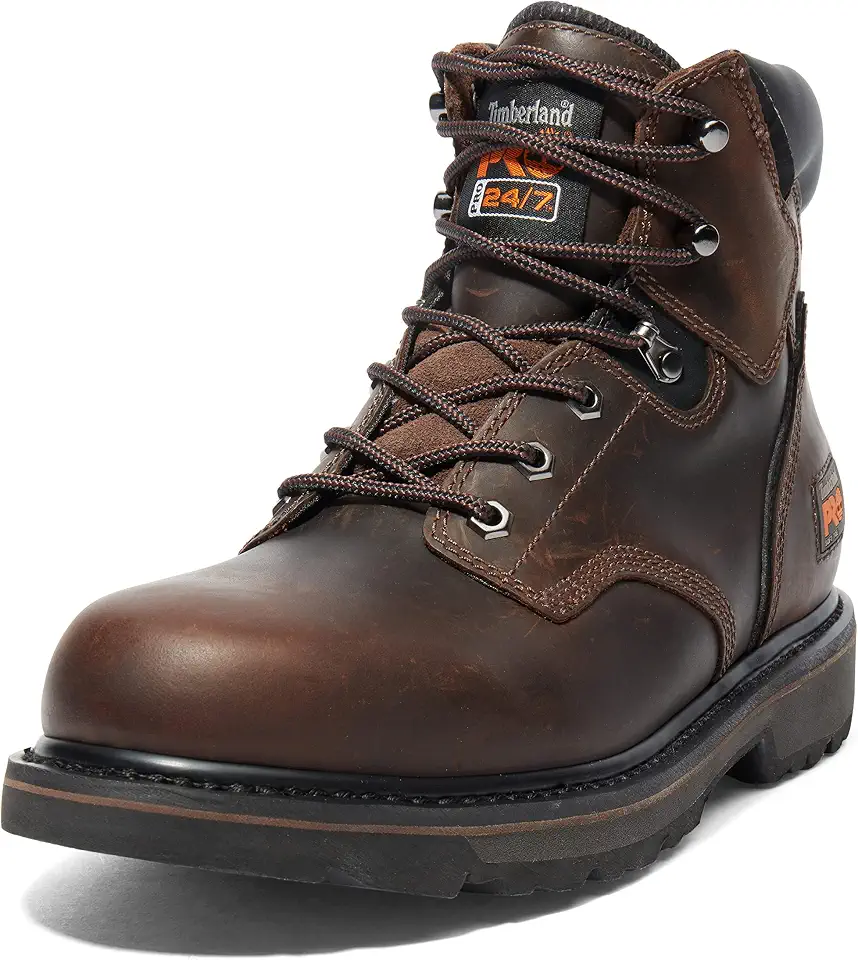
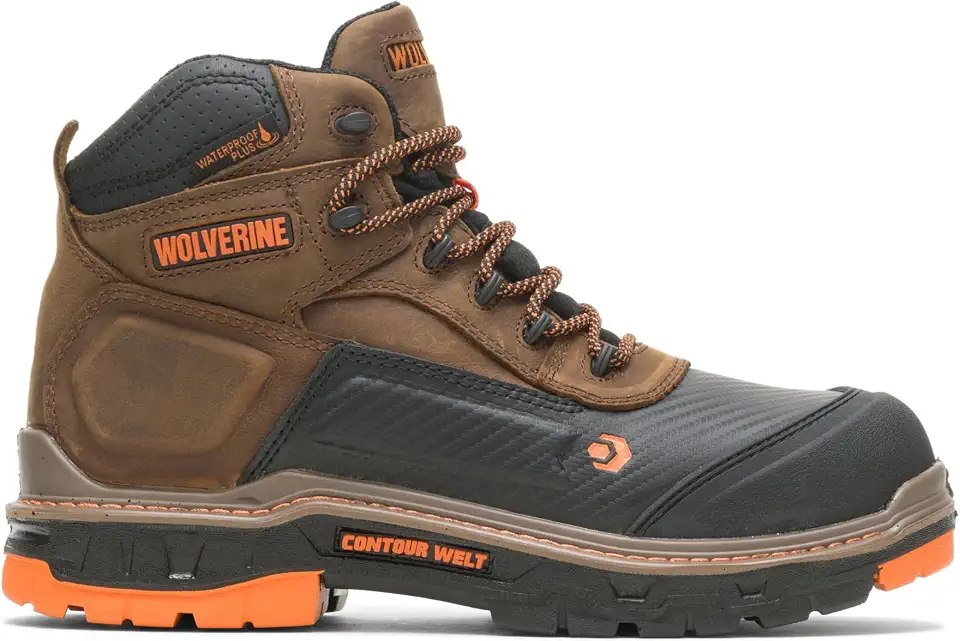
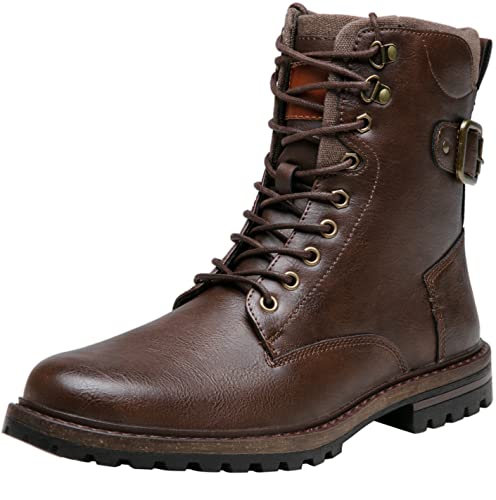
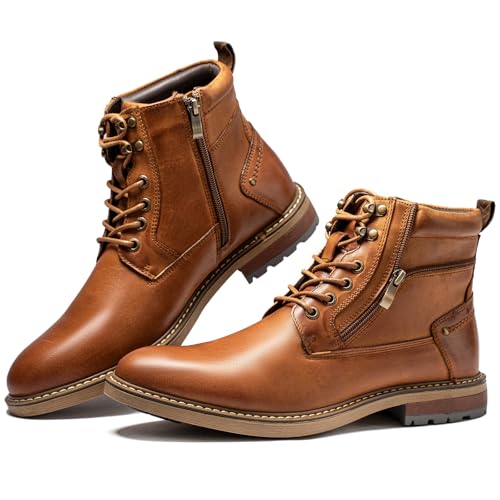
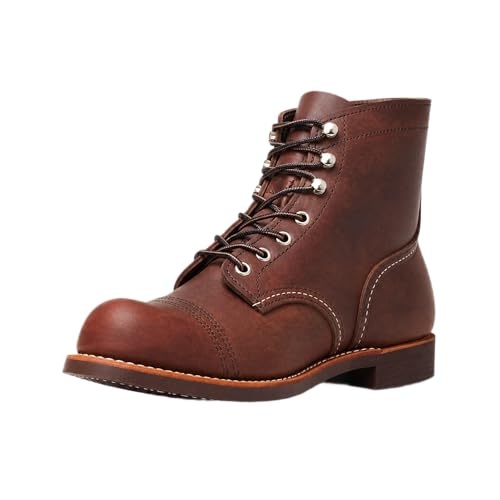
- ✓Wear sturdy leather work boots with thick oil-resistant rubber soles that insulate feet from hot kiln floor bricks.
- ✓Wear heavy leather welding gauntlets and protective eye goggles when cracking open kiln ports to toss heavy split logs.
Don't
- ✗Avoid synthetic fleece, nylon windbreakers, or polyester blends that melt instantly upon touching airborne sparks.
- ✗Don't wear cuffed pants with outward folds that create open traps for falling red-hot ember sparks.
- ✗Avoid loose dangling drawstrings or frayed garment hems near open kiln firebox doors and stacking piles.
- ✗Don't wear low-top sneakers or thin canvas slip-ons around thousands of pounds of stacked ceramic kiln shelves.
Style tips
The Zero-Synthetic Safety Rule
Inspect clothing labels strictly before stepping up to stoke the kiln. Even minor elastane or polyester blends can ignite or singe painfully when 2,400-degree firebox backdrafts flare outward during wood loading.
Uncuffed Hem Spark Defense
Keep pant legs falling smoothly over the exterior shafts of your leather boots without cuffs. Upward cuff turn-ups form small buckets that catch falling embers, risking serious burn injuries.
Heavyweight Flannel Heat Barrier
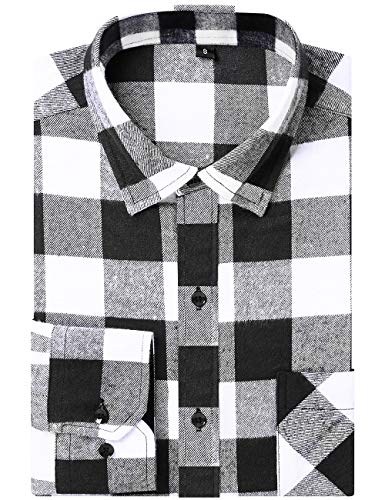
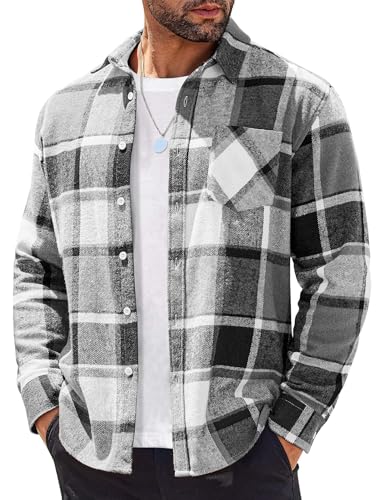
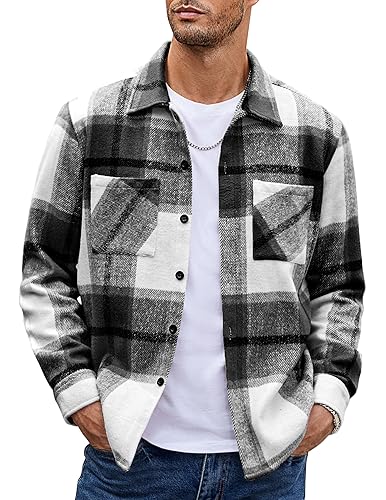
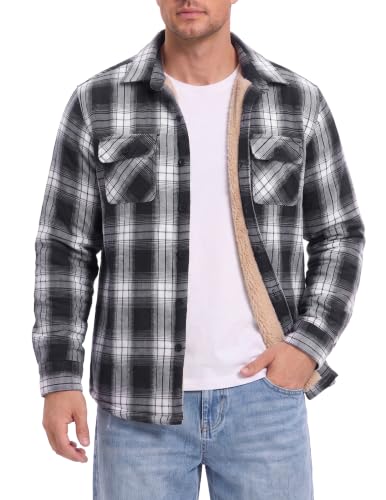
A durable ten-ounce cotton buffalo plaid flannel overshirt provides complete forearm and neck shielding from intense radiant firebox heat while remaining breathable through twelve-hour shifts.
Related searches
All curated searches
Related Reading
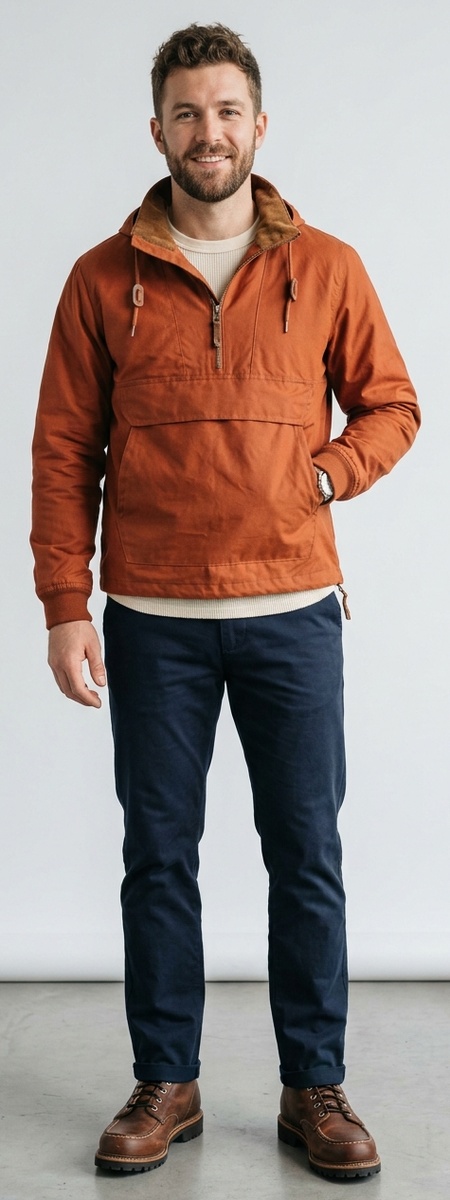
Waxed Field Smocks & Country Sporting Layers
We curated this collection to honor the rugged beauty and weather resistance of authentic British waxed field smocks. The water-repellent oiled cotton develops an enviable distressed patina over years of wear, grounding cable-knit sweaters and heavy corduroy trousers with timeless rural grit. Style with waterproof leather boots and a warm wool scarf.
What to Wear to a Knife Forging Retreat — Men's Style Guide
Attending a traditional knife forging and artisan blacksmithing retreat immerses you directly in the elemental heat of coke fires, glowing steel billets, and rhythmic anvil hammer strikes. The historic workshop environment commands an uncompromising focus on personal safety without sacrificing rugged, authentic craftsman character. Working around glowing tool steel reaching two thousand degrees demands strict adherence to flame-resistant natural fiber workwear. Synthetic fleece, nylon parkas, and elastane blends melt directly into skin upon contacting airborne forge scale, making proper fabric selection an essential safety requirement rather than a mere aesthetic preference. From heavy waxed canvas workshop aprons and heavyweight cotton chambray work shirts to raw selvedge jeans and steel-shank leather work boots, here is your essential guide to dressing for the forge.
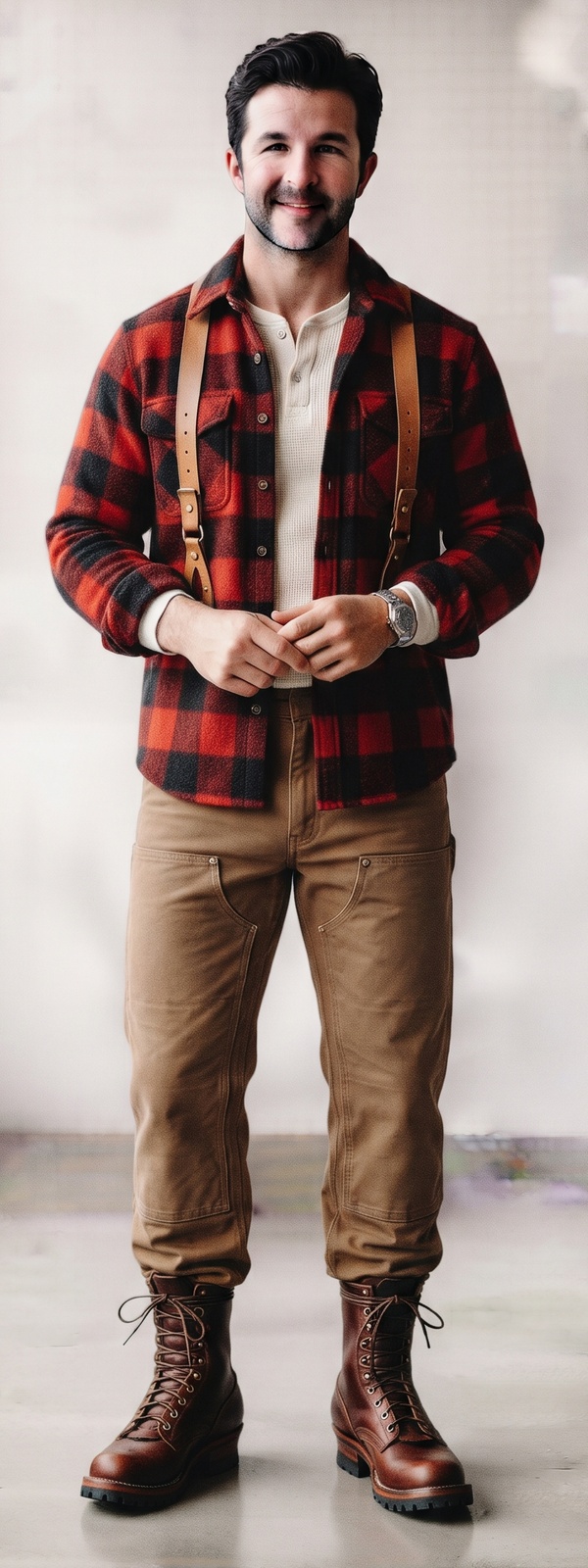
Waxed Canvas Shop Aprons: Artisanal Atelier Workwear
We curated this artisan-focused lookbook around heavy waxed canvas workshop aprons designed for pottery, woodcraft, and metalwork ateliers. We layer men's brown waxed workshop aprons and men's olive canvas aprons over men's indigo chambray shirts, men's striped work shirts, and men's brown double-knee pants, anchored by men's moc-toe boots and duck boots. Built to endure daily wear while acquiring rich wax creases, our selections showcase authentic functional craftsmanship.
What to Wear to a Copperplate Etching Studio — Men's Guide
Working in a fine art intaglio printmaking studio—scribing zinc or copper plates with steel drypoint needles, applying sticky bitumen grounds, and pulling prints through heavy cast-iron roller presses—is a masterclass in tactile craftsmanship. The air carries the rich scent of oil-based printing ink and rag paper. Navigating ferric chloride acid baths, black oil ink slabs, and wet paper soaking basins requires durable workshop attire that resists stains without looking sloppy. Delicate street clothes will be permanently ruined by intaglio ink, while stiff business suits impair your movement. Finding the right balance keeps you looking distinguished while remaining completely at ease. From heavy waxed canvas workshop aprons and breathable cotton chambray work shirts to durable corduroy trousers and leather work boots, here is your printmaker style guide.
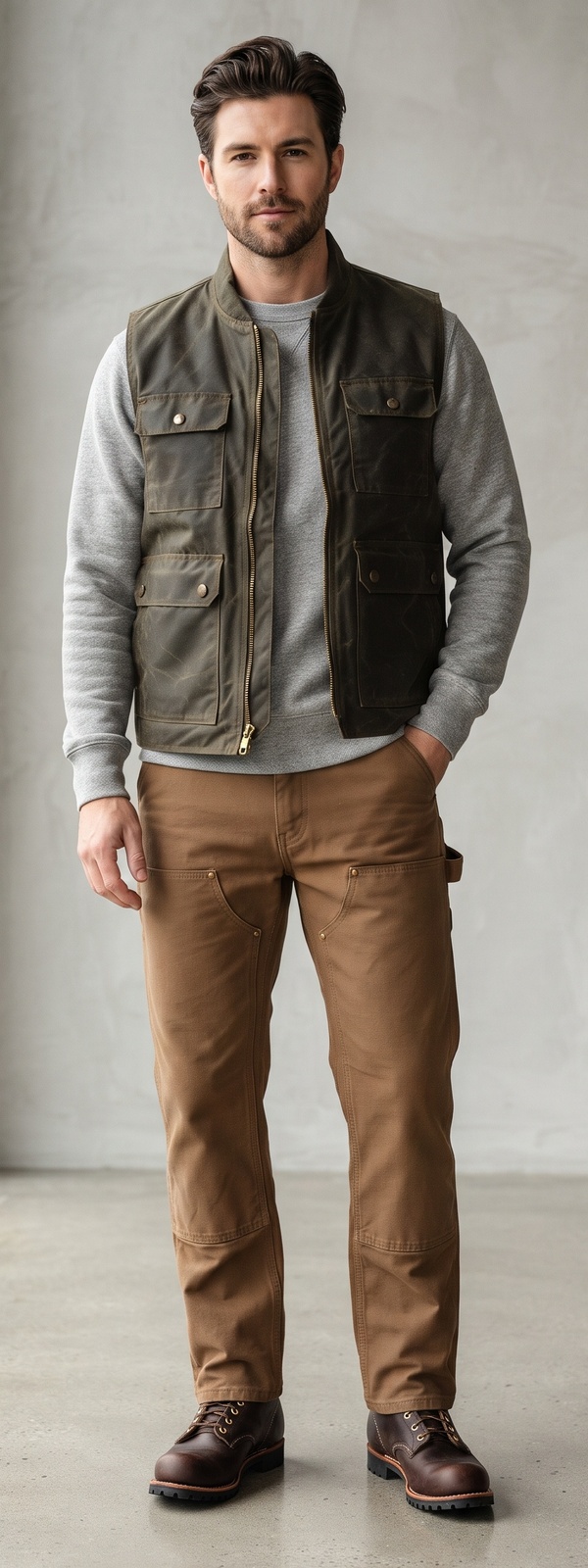
How to Style Men's Waxed Canvas Vests for Rugged Utility
Learn how to wear men's waxed canvas vests with rugged confidence, layering weatherproof durability over thermal knitwear, denim, and classic boots.
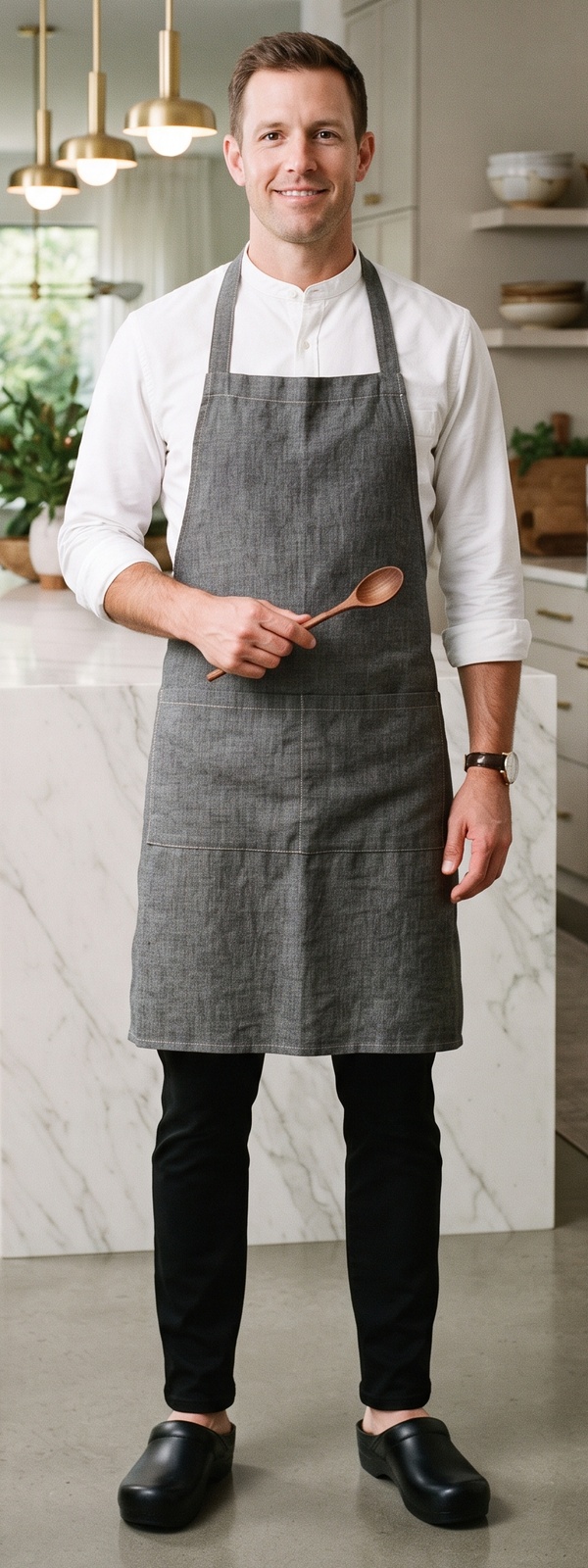
How to Style Men's Artisan Workwear Aprons: Culinary & Studio Guide
Elevate your craft with our guide to styling men's durable canvas, denim, and linen aprons with work shirts, flannels, and boots.
Other Reading
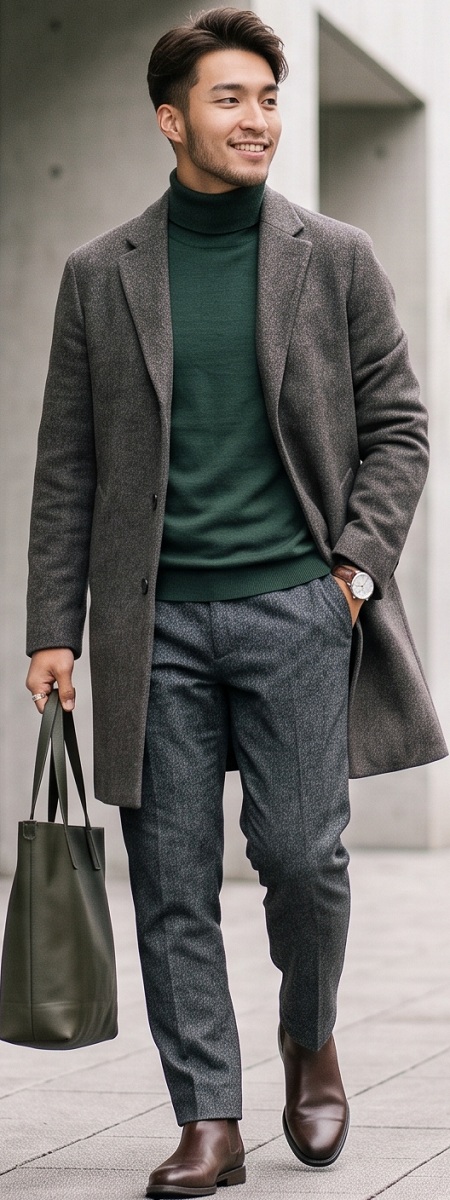
What to Wear to a Curling Club Match — Men's Complete Guide
Joining a weekend curling club social match, introductory sheet clinic, or festive ice bonspiel places you directly onto an unheated ice rink with forty-pound granite stones and sweeping brooms. Delivering stones from the hack and vigorously sweeping across pebble ice while socializing with teammates demands thermal insulation and full lower-body flexibility. The benchmark dress code is functional alpine ice casual: quilted puffer vests or fleece jackets over thermal knit quarter-zips, paired with four-way stretch trousers or athletic joggers and clean, warm club shoes with rubber gripper slip-ons. You need pants that allow a complete sliding lunge without binding at the crotch or waist. From gripper-ready flat footwear traction to pebble ice thermal layering, here is your definitive blueprint for curling club and bonspiel style.
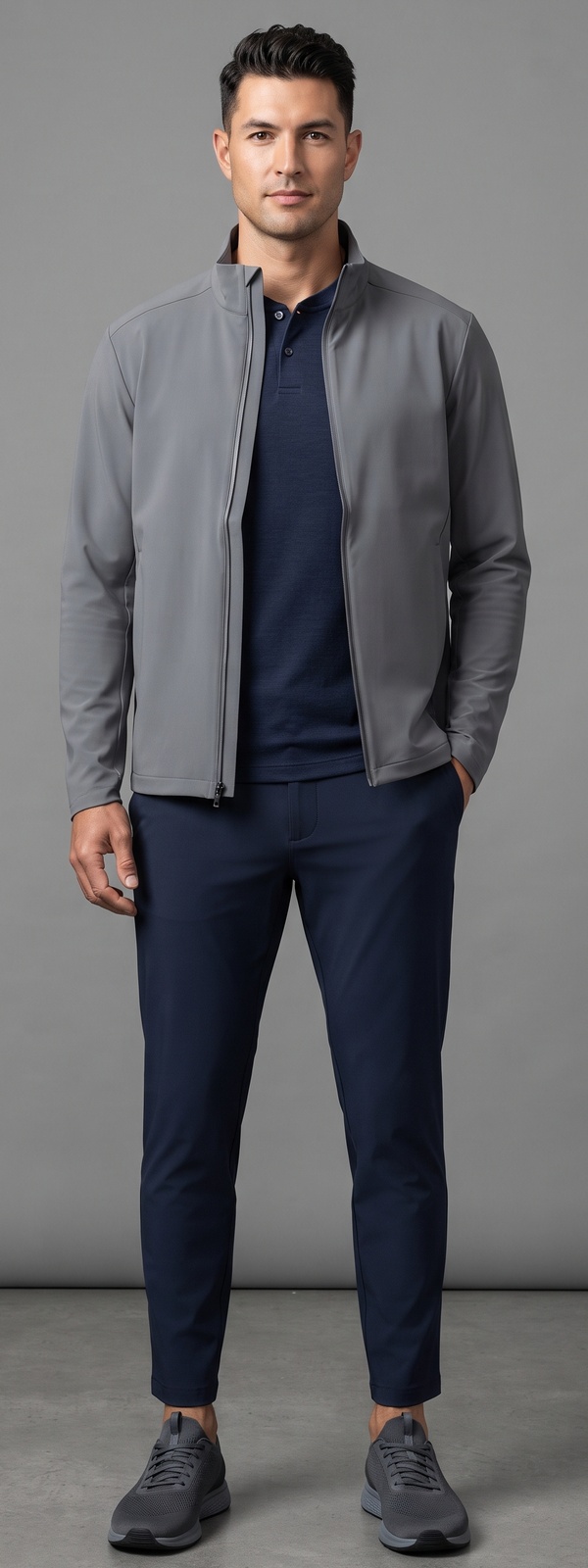
Technical Softshells: Commuter Weatherproof Shells
We engineered this collection for the modern commuter navigating unpredictable city weather and active urban travel. Technical softshells strike the ideal compromise between breathability, wind resistance, and architectural drape. We advocate pairing clean, logo-free technical jackets with refined knit polos or mock necks to bridge the boundary between utilitarian performance and sharp metropolitan taste.
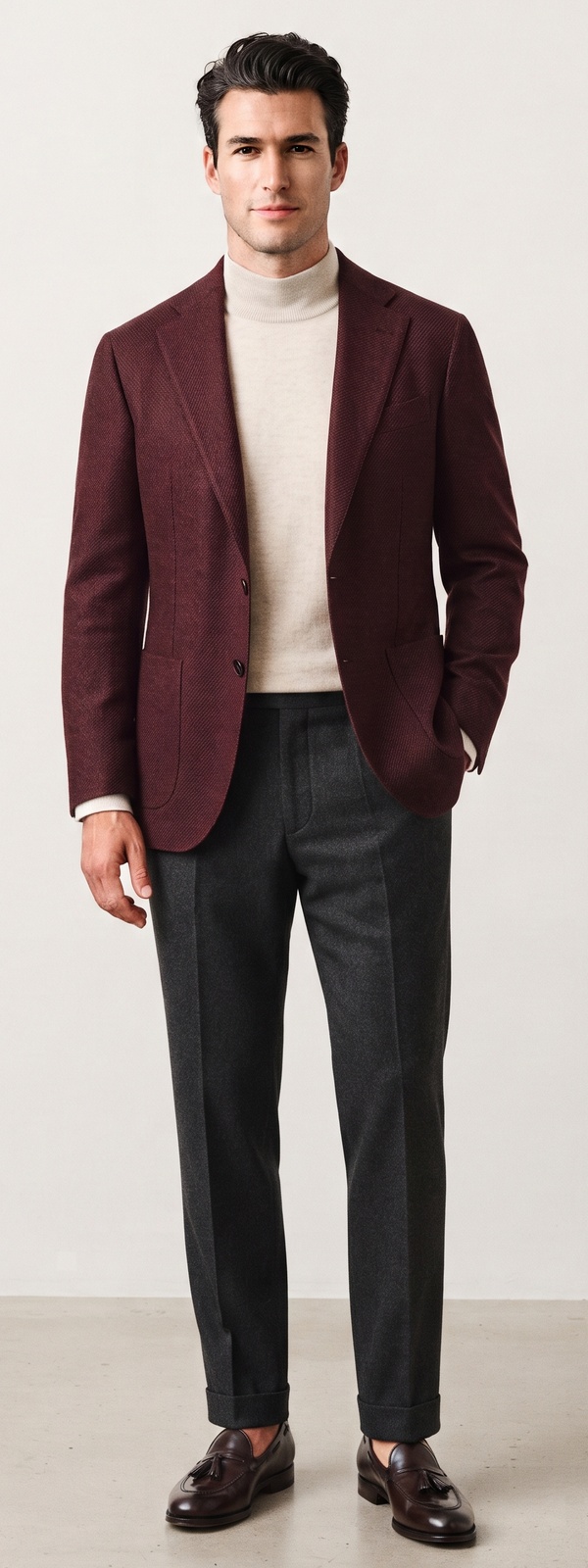
How to Style a Men's Knit Blazer for Unstructured Polish
Master how to style a men's knit blazer with breathable textures, comfortable stretch, and sharp tailored lines for modern smart casual versatility.