
What to Wear to an Espresso Machine Class — Men's Complete Guide
Entering a specialized coffee mechanics laboratory for a vintage commercial espresso machine restoration class places you among gleaming brass boilers, copper tubing, and heavy lever group heads. Enthusiasts descale heat exchangers, rebuild E61 brass valves with food-grade silicone gaskets, and wire PID temperature controllers.
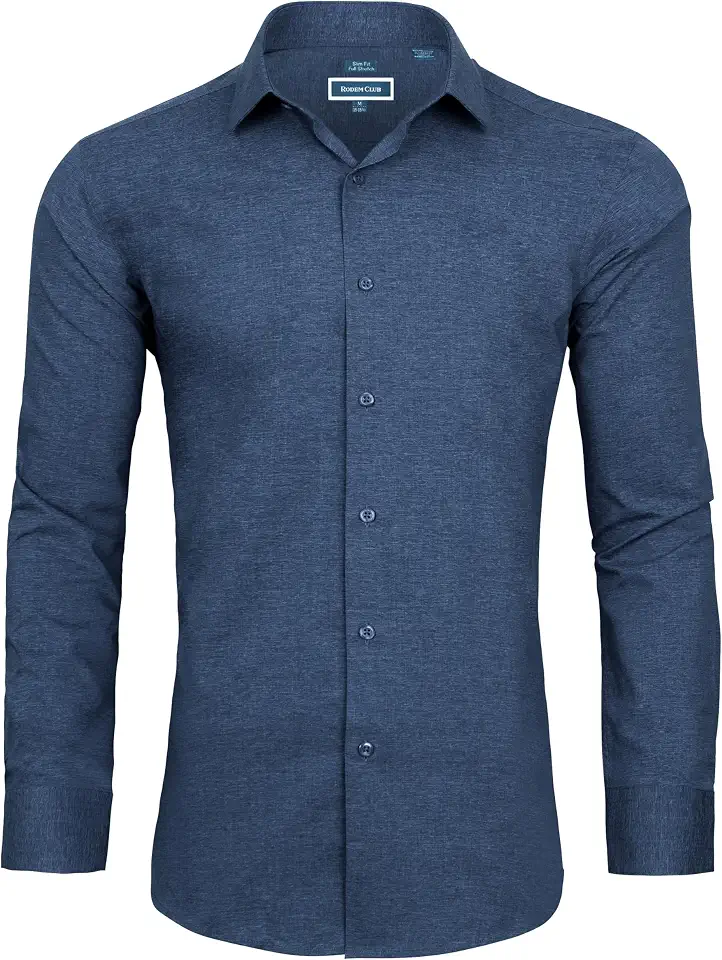
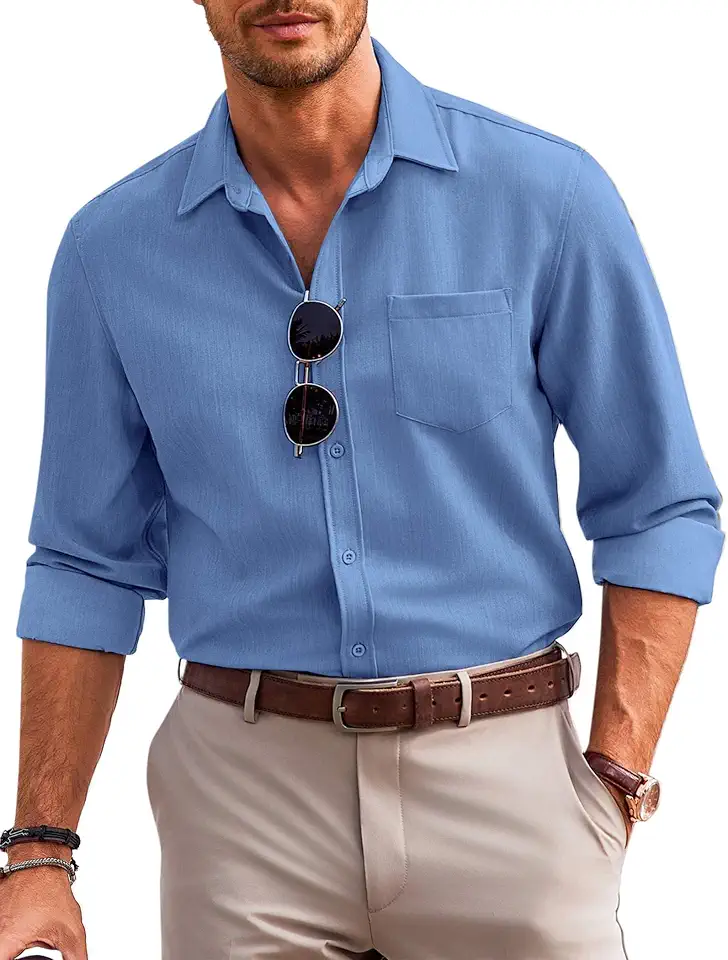
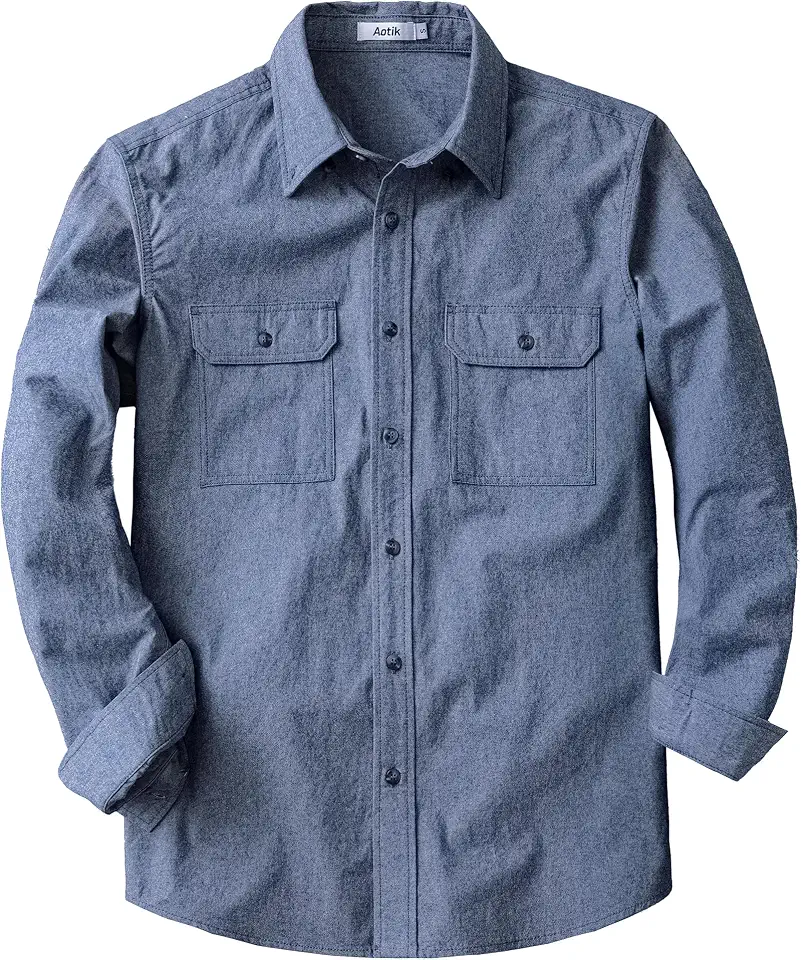
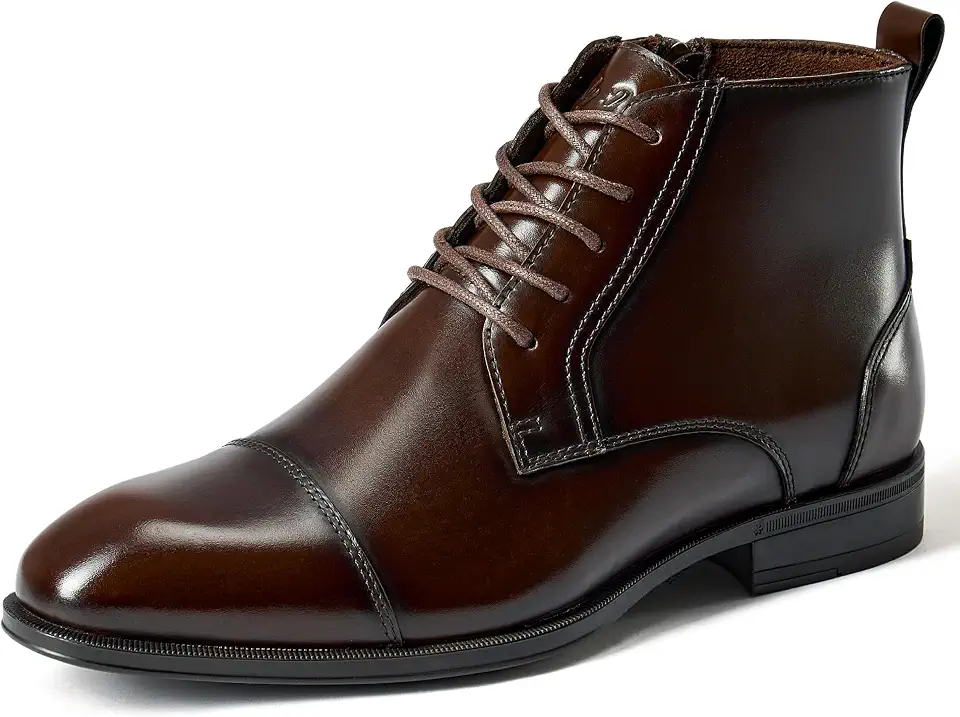
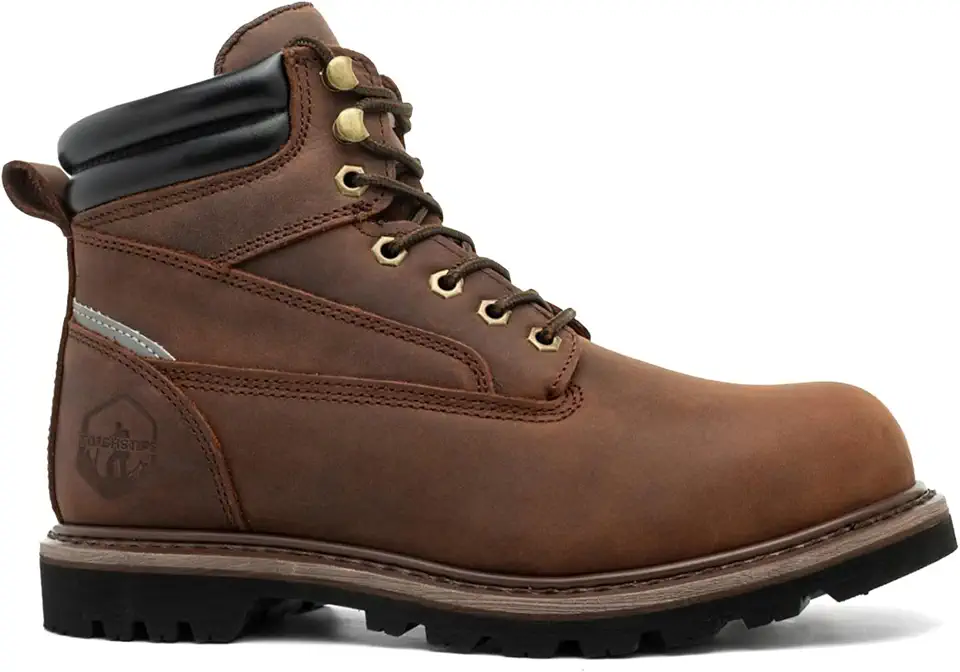
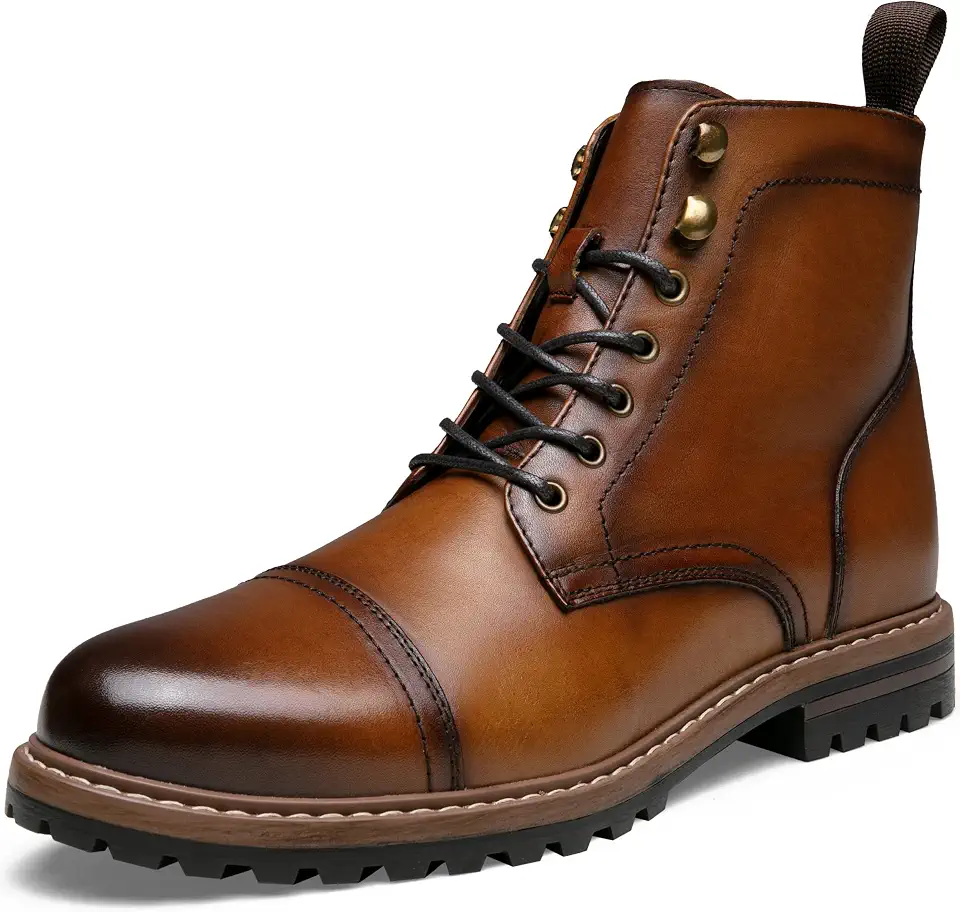
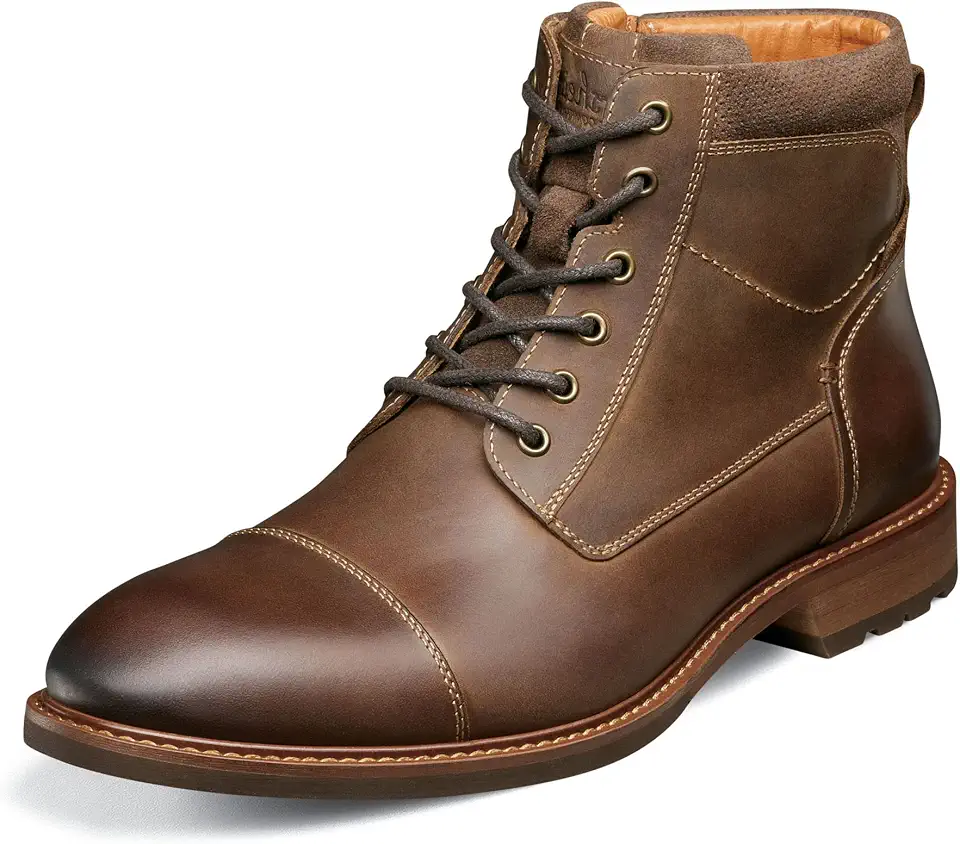
The necessary outfit is durable artisan mechanics workwear and coffee workshop utility: medium-wash denim chore jackets, breathable cotton chambray shirts, relaxed olive fatigue pants, and sturdy leather service boots. Because descaling acids, hot boiler water, and coffee oils present messy bench conditions, stain-resistant natural cottons are essential.
From tightening copper compression fittings with flare-nut wrenches to pulling test espresso shots on freshly rebuilt lever groups, here is your essential mechanics style guide.
Outfits that work
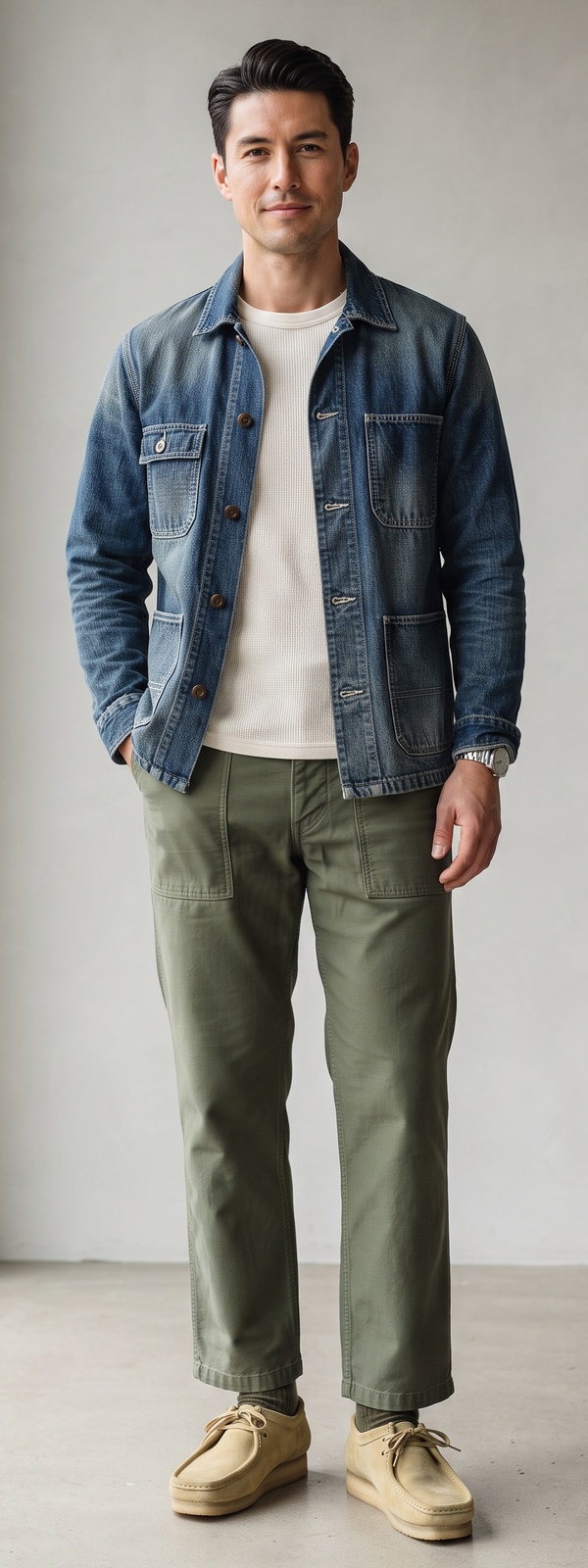 From $123
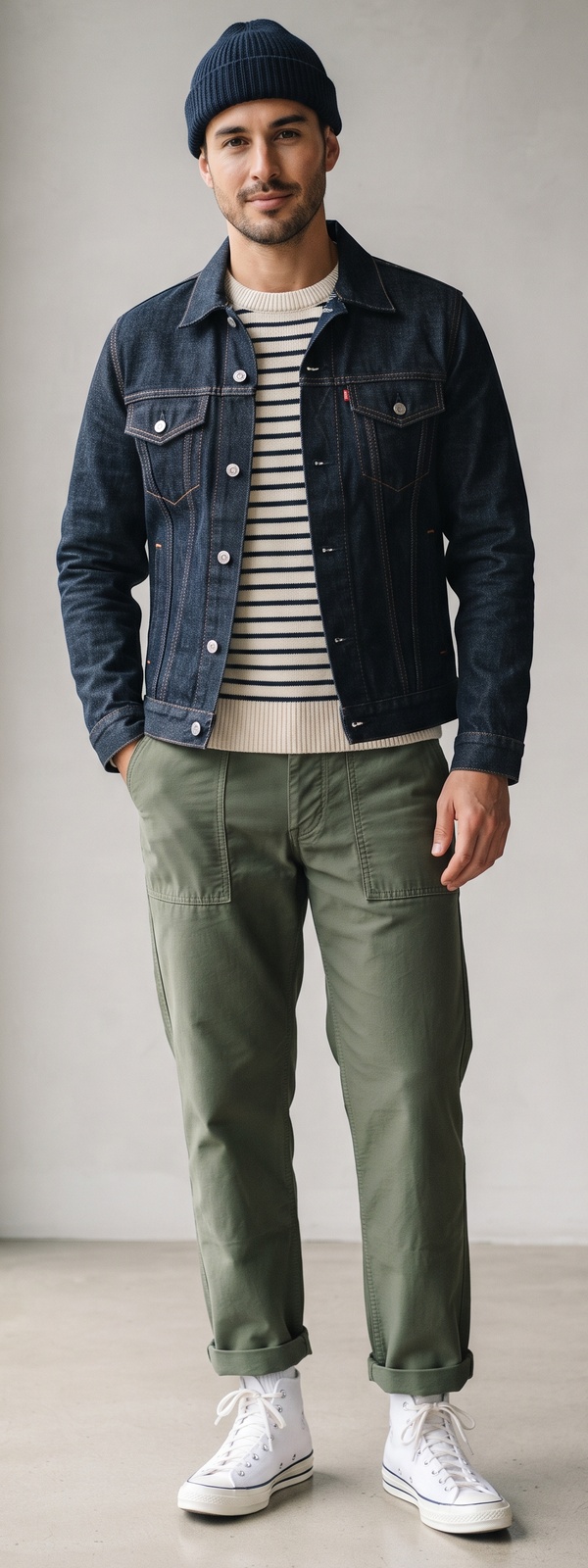 From $122
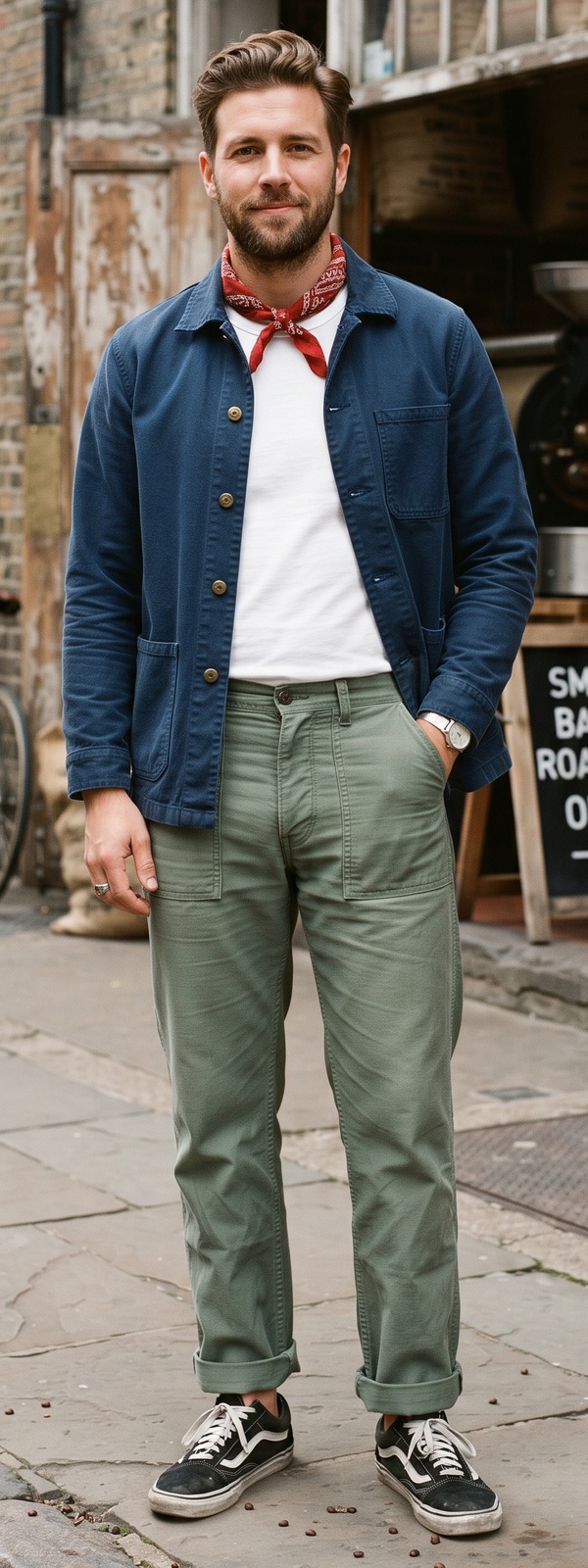 From $522
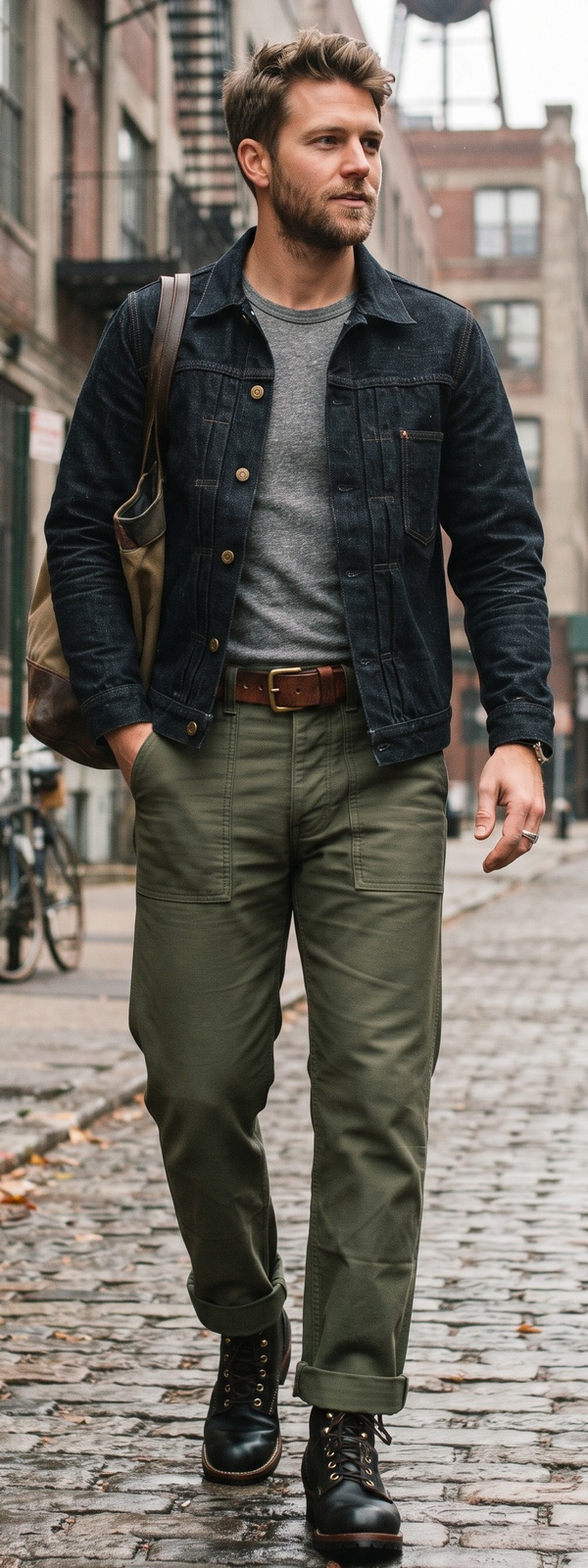 From $176
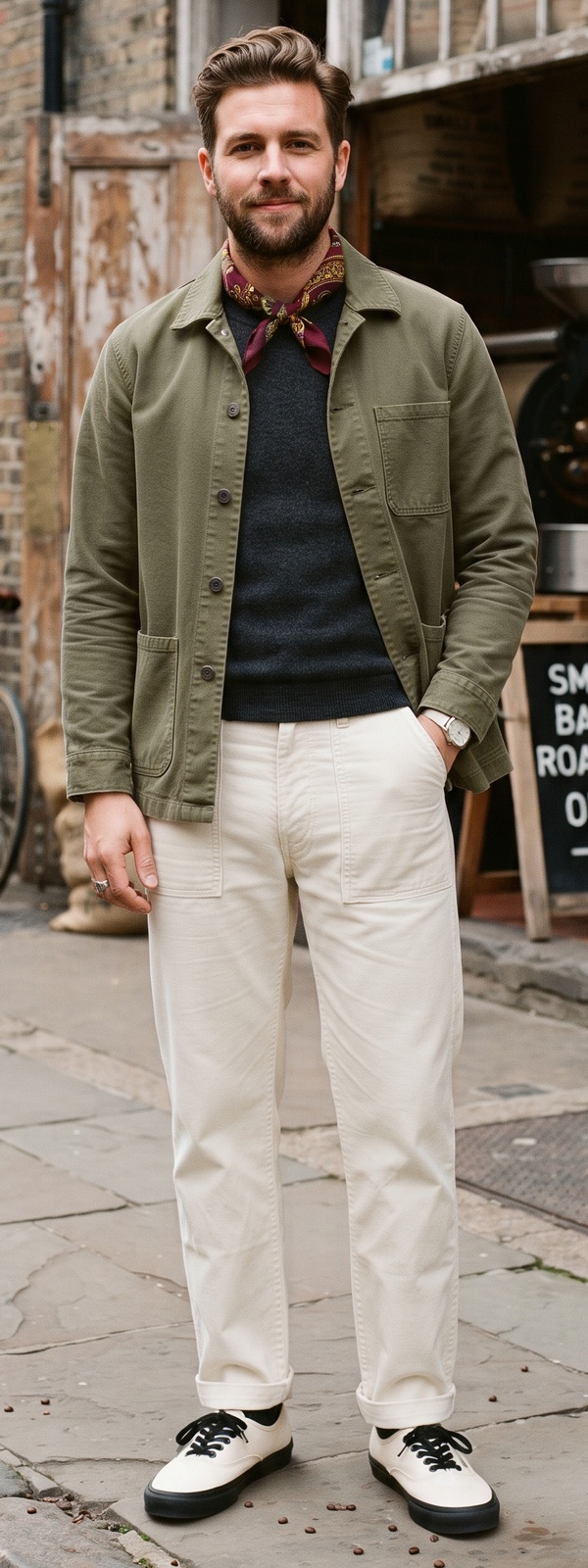 From $147
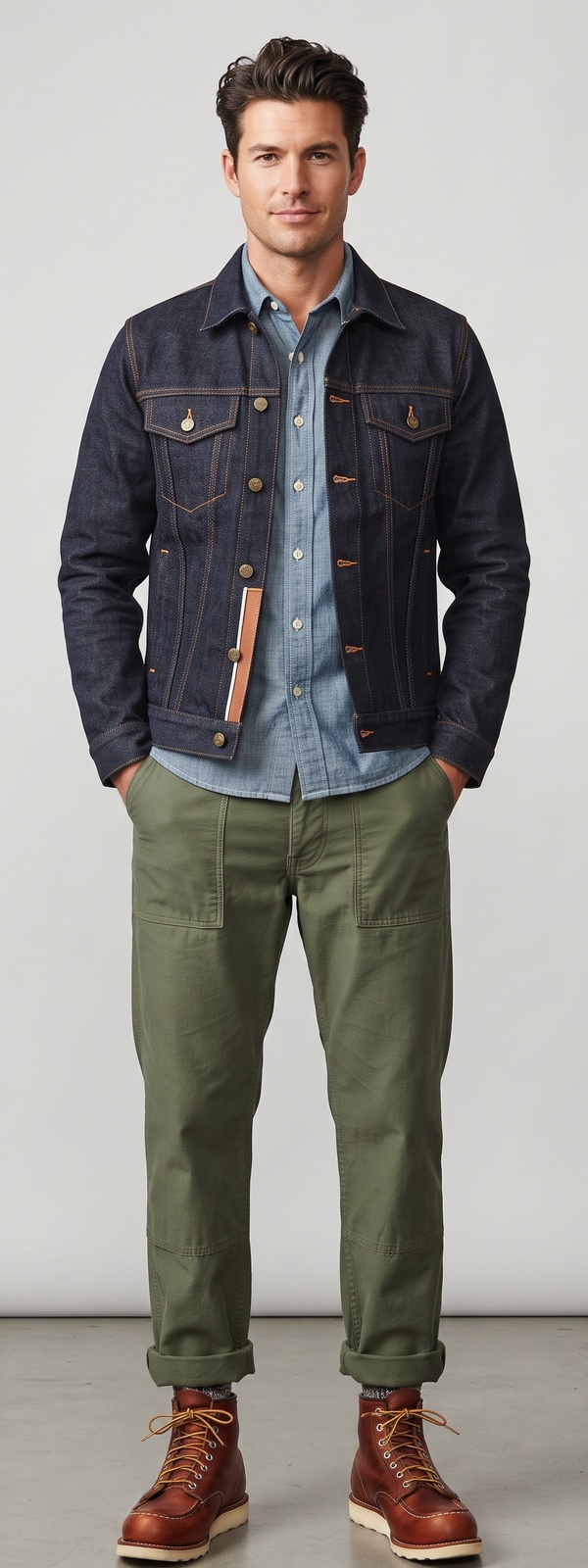 From $152
Do
- ✓Wear a durable denim or canvas chore jacket that protects base shirts from boiler scale and lubricating grease.
- ✓Choose breathable, roll-sleeve cotton chambray shirts that offer easy forearm mobility during wrenching.
- ✓Select comfortable cotton fatigue pants with reinforced knees for leaning over low espresso repair benches.
- ✓Opt for oil-resistant leather service boots with non-slip rubber soles for wet laboratory tile floors.
- ✓Wear a heavy cotton workshop apron with front tool pockets to keep gasket picks and hex keys accessible.
Don't
- ✗Avoid pristine pale clothing that easily absorbs permanent dark brown coffee oils and boiler scale grease.
- ✗Don't wear slippery dress shoes on shop floors made slick by boiler drainage and water testing.
- ✗Avoid synthetic fleece garments that melt if brushed against exposed five-hundred-degree heating elements.
- ✗Don't wear loose bracelets or hanging cords that can catch in high-tension lever group piston springs.

Style tips
Lever Spring Compression Safety
Disassembling vintage commercial lever group heads involves compressing powerful internal steel springs under heavy torque. Wearing fitted garments without loose fabric ensures full physical control of spring compressors.
Descaling Acid Splash Protection
Hot citric or sulfamic acid descaling baths dissolve mineral scale but can bleach delicate dyed fabrics. Tightly woven heavy denim workwear neutralizes light acid spatters without damaging undergarments.
Wet Bench Floor Traction Protocol
Pressure-testing plumbed espresso boilers frequently involves sudden water line bleeds and boiler drainage. Wearing leather boots with oil-resistant Vibram commando soles provides confident footing across damp tile.
Related searches
All curated searches
Related Reading
What to Wear to a Tube Amplifier Building Class — Men's Complete Guide
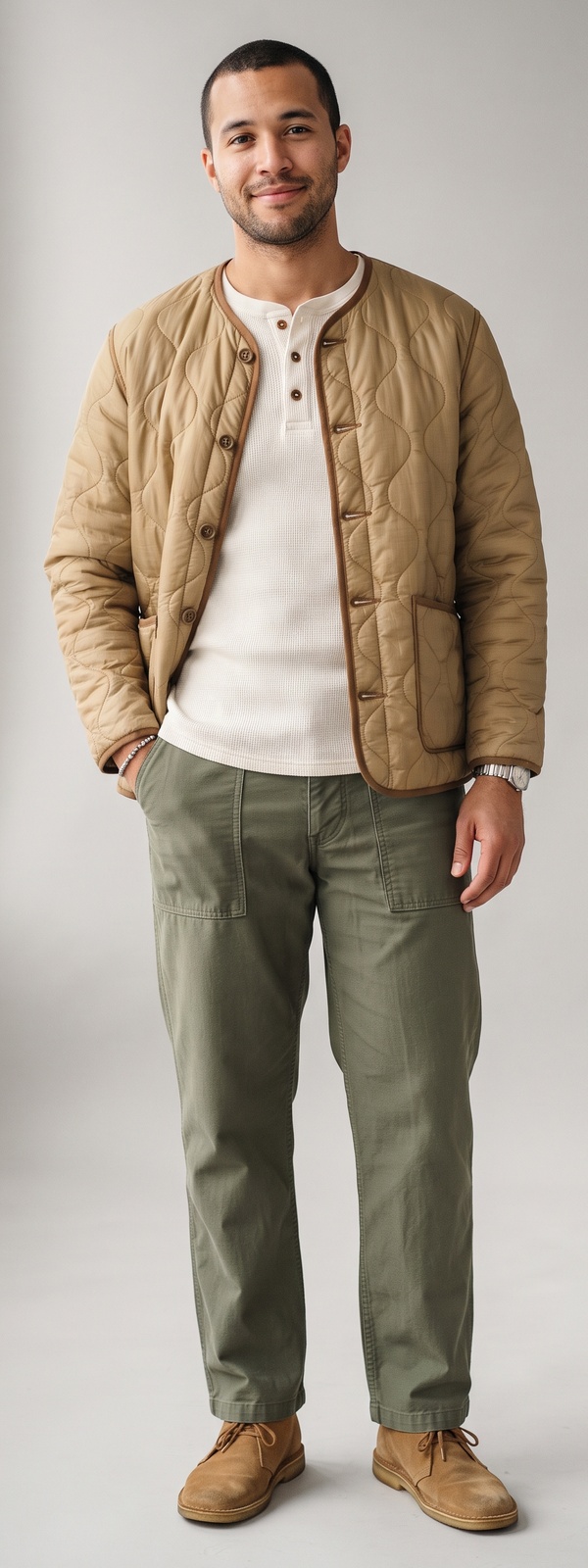
Entering an electronics laboratory for a vintage tube amplifier and hi-fi audio building workshop places you among steel chassis, glowing vacuum tubes, and soldering stations. Audio enthusiasts route point-to-point cloth wiring, solder vintage paper-in-oil capacitors, and calibrate high-voltage power transformers to build warm analog amplifiers. The necessary outfit is flame-retardant electronics workwear and comfortable bench ergonomics: durable denim chore jackets, breathable waffle thermal henleys, relaxed cotton fatigue pants, and supportive leather boots. Because soldering irons heat to seven hundred degrees and drop molten rosin core solder, non-melting natural cotton fibers are vital. From twisting precision filament heater pairs with needle-nose pliers to testing warm tube harmonics on bench monitors, here is your essential tube amp building style guide.
What to Wear to a Sashiko Mending Workshop — Men's Complete Guide
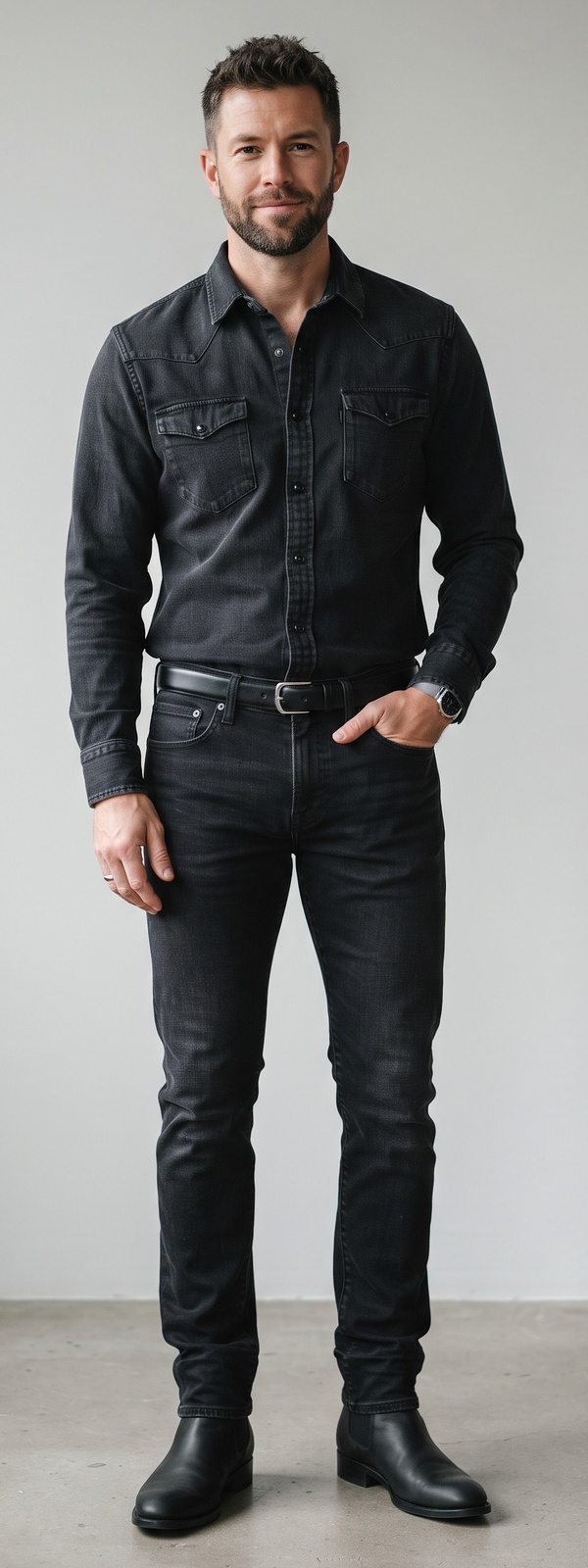
Stepping into an artisan textile studio for a Japanese sashiko and boro visible mending workshop places you among indigo fabric swatches, white sashiko thread skeins, and palm thimbles. Crafters repair worn selvedge denim jackets, reinforce frayed knees with running stitches, and create geometric folk patterns over heirloom workwear. The ideal sartorial tone is authentic Japanese heritage workwear and tactile studio utility: deep indigo chore jackets, textured waffle-knit thermals, raw selvedge denim, and broken-in leather service boots. Because you will be sitting cross-legged or hunched over low tables threading dense cotton sashiko needles for hours, flexible unrestrictive garments and rich indigo textures are ideal. From learning palm thimble needle manipulation to layering antique kasuri patches over distressed cuffs, here is your definitive sashiko workshop style guide.
Cotton Fatigue Trousers: Military Workshop Utility Base
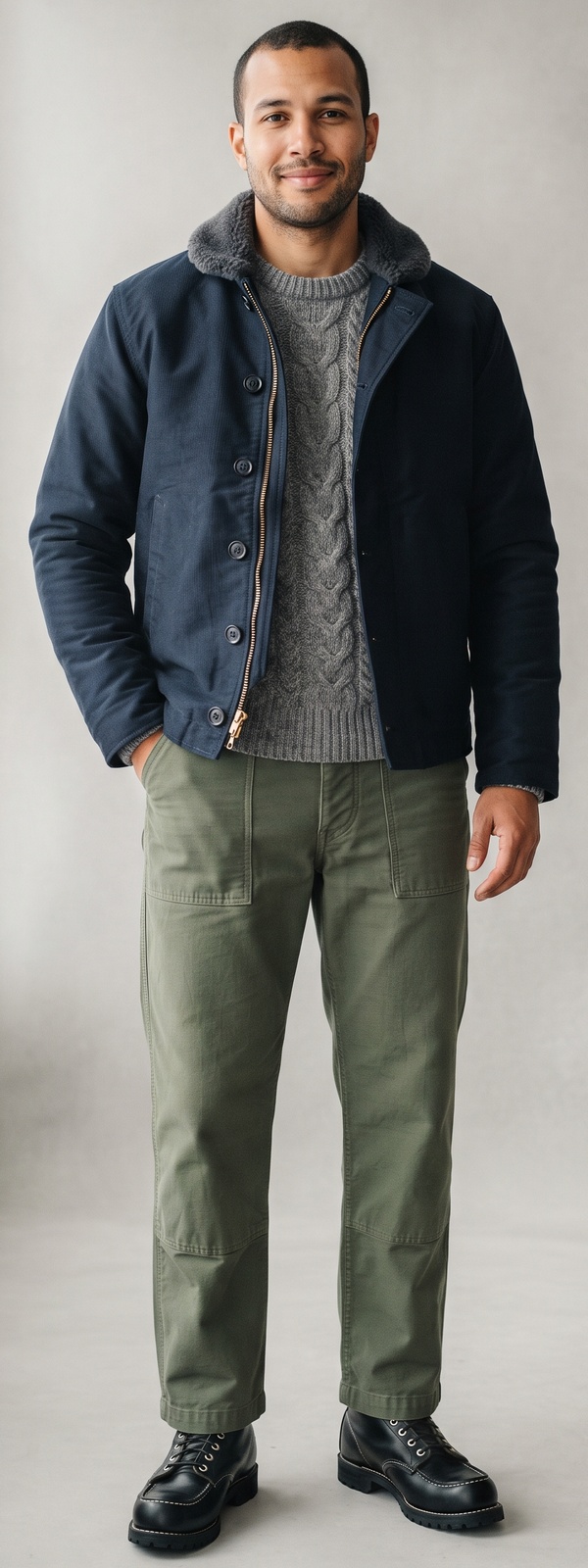
We curated this workwear trousers lookbook around the authentic utilitarian silhouette of military fatigue pants. Featuring roomy patch pockets and durable cotton twill or ripstop fabric, fatigue trousers deliver relaxed military swagger that effortlessly displaces ordinary denim or chinos. We love rolling the cuffs of olive fatigue pants over rugged leather boots with thick knit cardigans. Browse sturdy, budget-friendly cotton fatigue trousers on Amazon for enduring workshop durability.
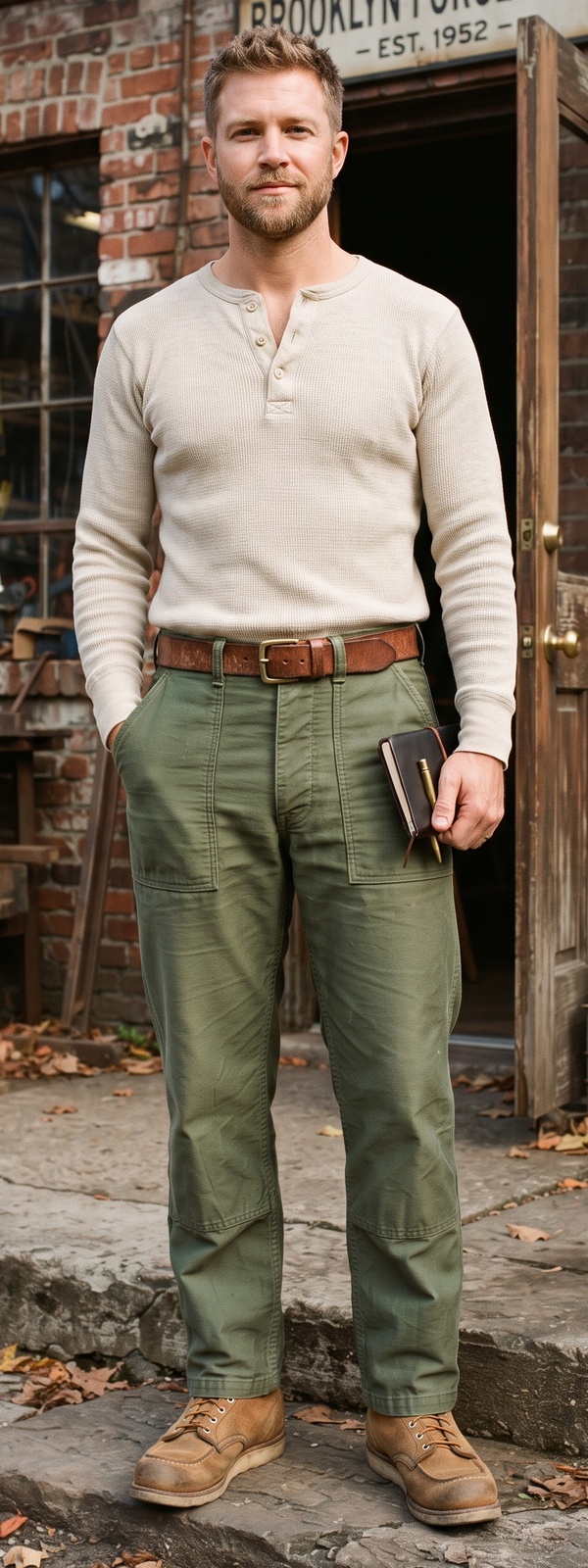
Military Fatigue Pants: Utilitarian Baker Styling
We anchored this collection in the timeless utilitarian proportions of military fatigue and baker pants. Characterized by their generous front patch pockets and straight, forgiving drape, fatigues serve as the ultimate versatile alternative to denim. We suggest pairing olive fatigues with chambray button-downs or denim work jackets to achieve an authentic, understated workwear rotation.
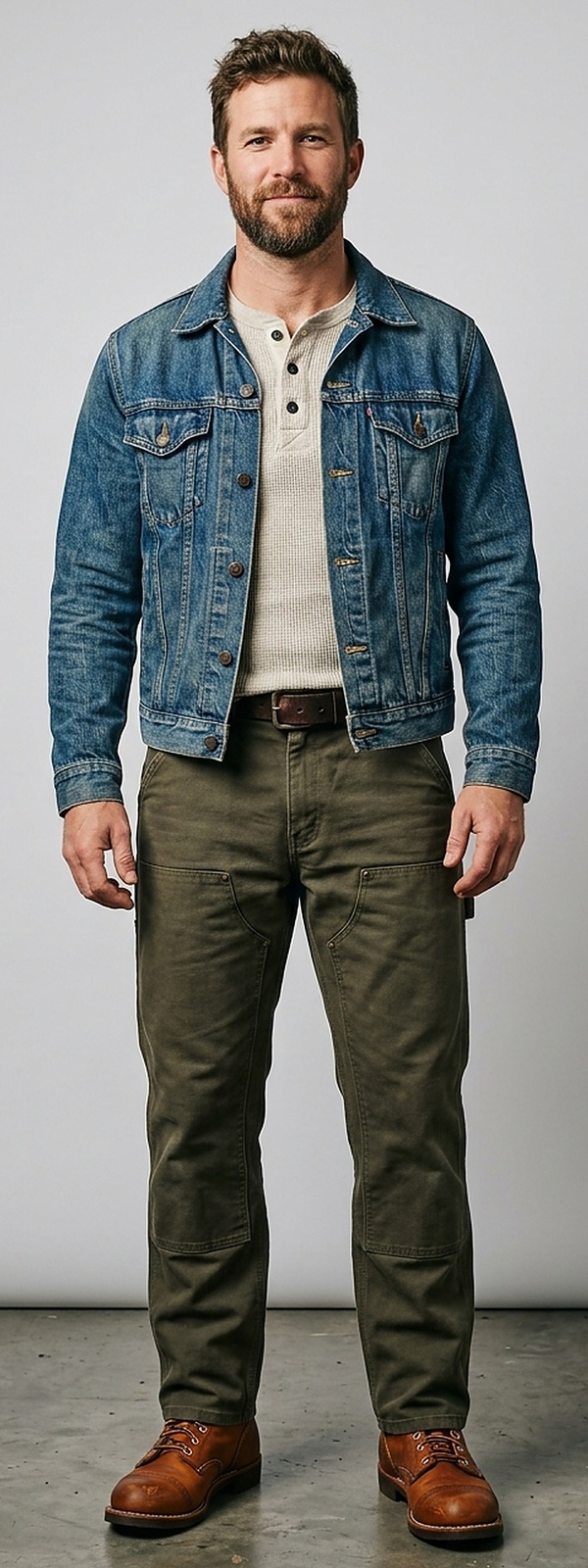
How to Style a Denim Jacket All Year Round: Men's Guide
Learn how to style a denim jacket all year round. Master spring layers, summer evenings, fall flannel pairings, and winter overcoat styling on a budget.
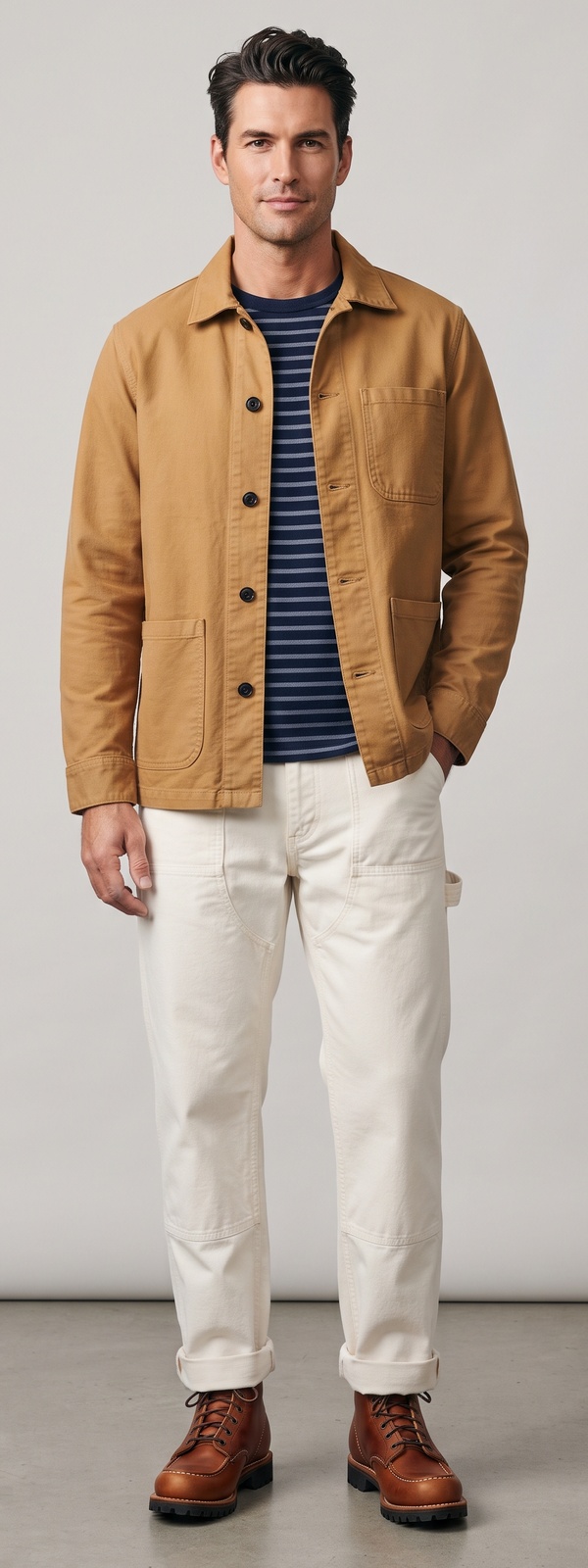
How to Style Men's Tobacco Brown Outerwear for Warmth
Discover how to style men's tobacco brown jackets, overshirts, and blazers with cream trousers, denim, and earth tones for rich seasonal depth.
Other Reading
What to Wear to a Woodburning Art Workshop — Men's Complete Guide
Sitting at a craft bench for a traditional pyrography and woodburning art workshop fills the air with the rich aroma of toasted basswood, birch slabs, and glowing wire tips. Artists adjust variable-temperature power stations, hold insulated hot-wire pens, and burn sepia gradient shading and intricate linework directly into sanded hardwood. The necessary outfit is studio fire safety, relaxed comfort, and practical craftsman utility: non-synthetic natural cotton denim shirts, heavy duck canvas aprons, durable cotton work pants, and sturdy leather work boots. Because heated pyrography wire nibs operate at upwards of nine hundred degrees, fire-safe natural fibers are vital. From transferring carbon line drawings onto sanded live-edge timber to burning velvety black shadows with spoon shading tips, here is your essential pyrography style guide.
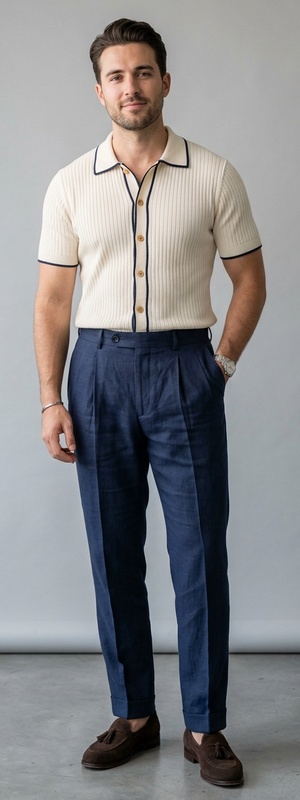
Silver Cuff & Chain Bracelets: Sleek Metallic Wrist Accents
We concluded this menswear curation series by spotlighting the clean metallic gleam of silver cuff and chain bracelets. A minimalist open cuff or flat curb-link chain in brushed silver catches the light at your wrist without competing with your timepiece, lending a refined edge to bare forearms in summer or peeking subtly from beneath sweater cuffs in winter. Discover sleek, budget-friendly men's silver cuff and chain bracelets on Amazon.
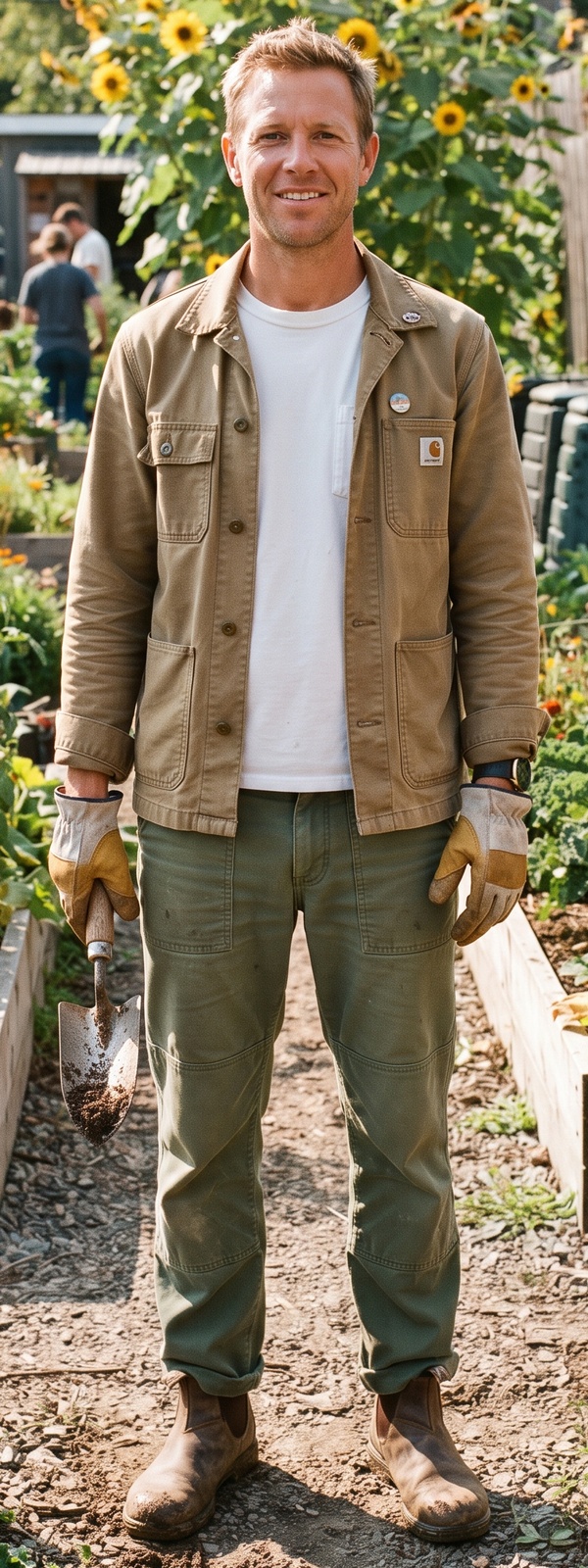
How to Wear Earth Tones for an Effortlessly Cool Men's Style
Master warm earth tones in menswear. How to style terracotta, moss green, camel, rust, and chocolate brown for a grounded, modern aesthetic.