
What to Wear to an Indoor Dry Tooling Session — Men's Complete Guide
Stepping onto the steep overhangs of a specialized climbing gym for an indoor dry tooling and mixed climbing session puts ice axes and technical precision in your hands. Climbers hook pick teeth onto resin holds, torque steel blades in artificial cracks, and dyno between hanging logs to build winter alpine power.
The necessary apparel is rugged, abrasion-resistant technical athletic wear: stretch woven climbing pants, durable moisture-wicking synthetic tees, breathable athletic hoodies, and low-profile climbing shoes or approach boots. Because sharp ice axe picks and swinging tool shafts easily rip fragile clothing, puncture-resistant stretch fabrics and snug athletic fits are essential.
From deadpointing to tiny stone pockets to hanging sideways in figure-four moves, here is your essential guide to indoor dry tooling style.
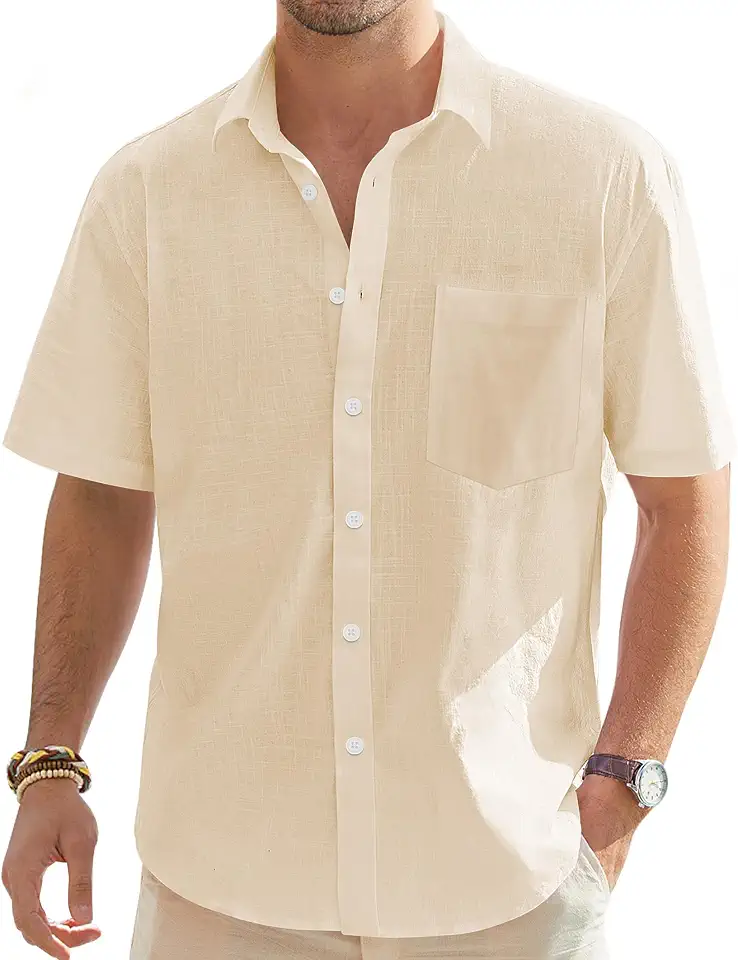
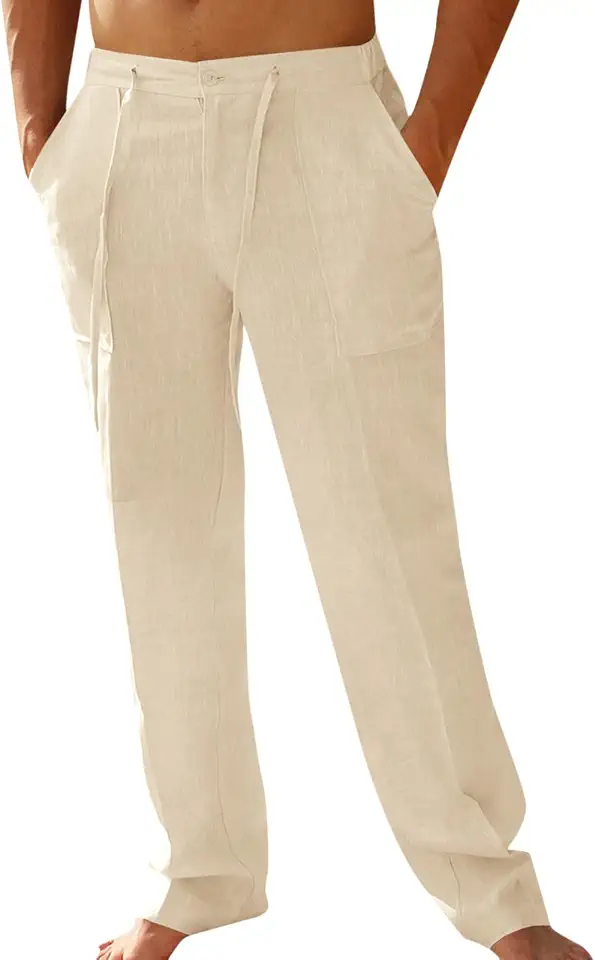
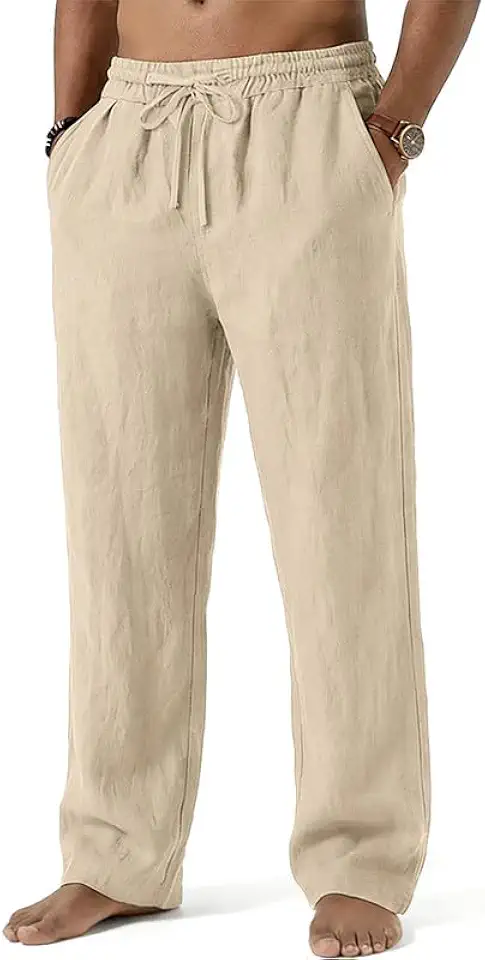
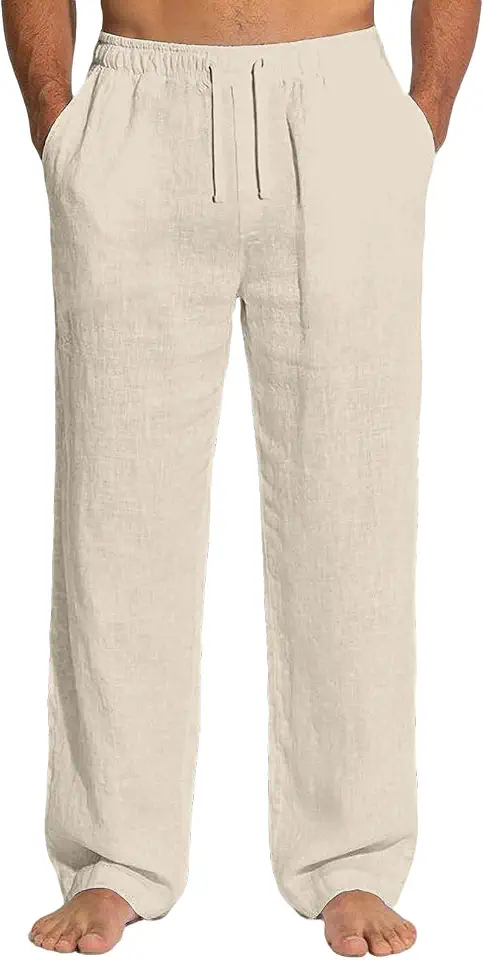
Outfits that work
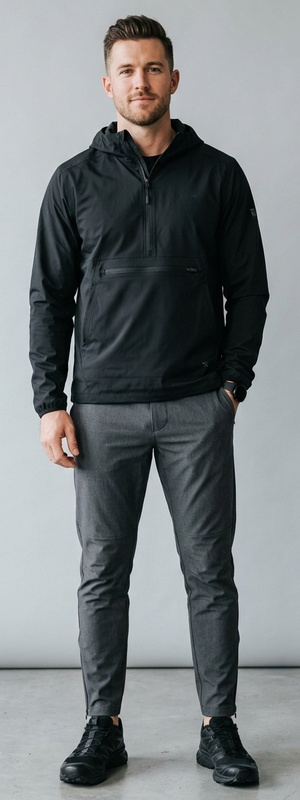 From $104
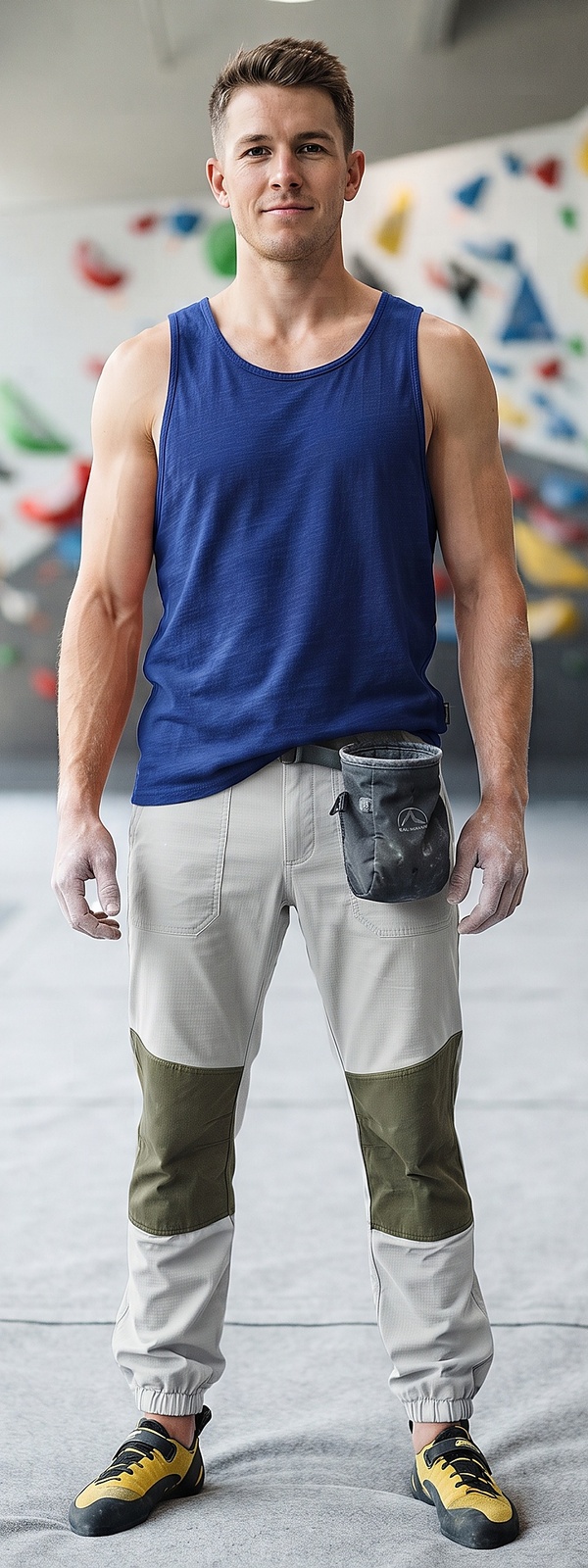 From $69
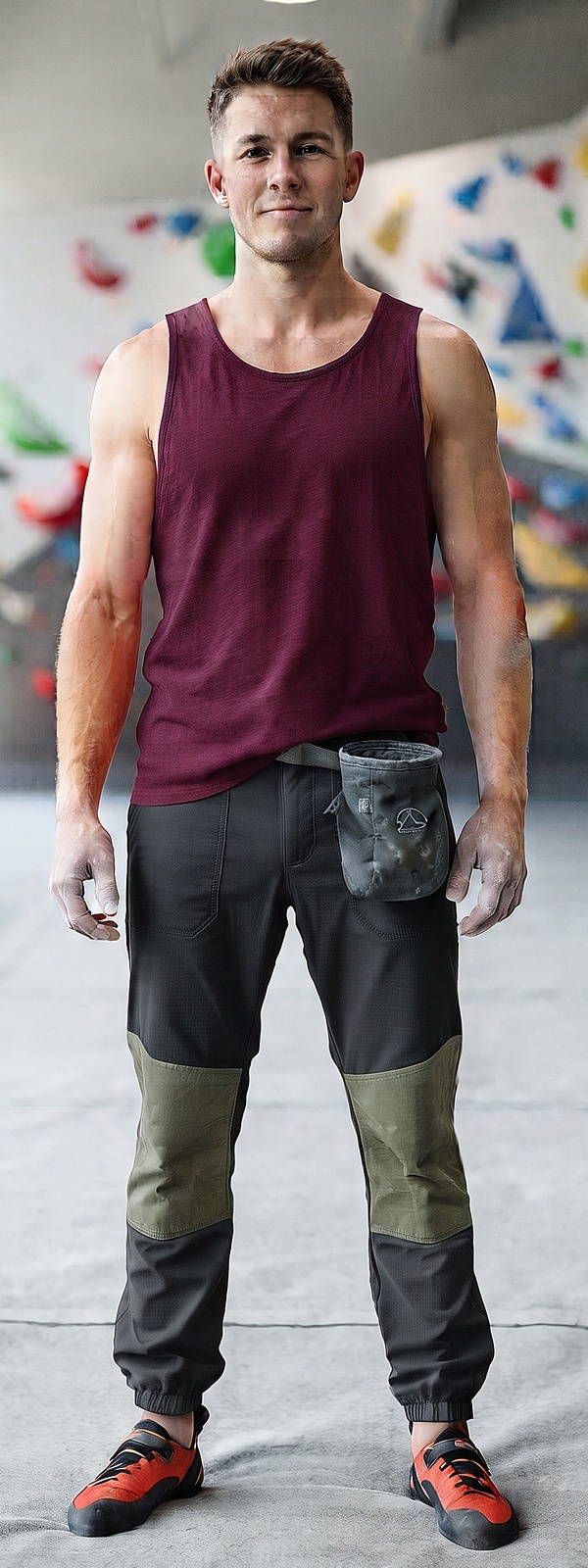 From $92
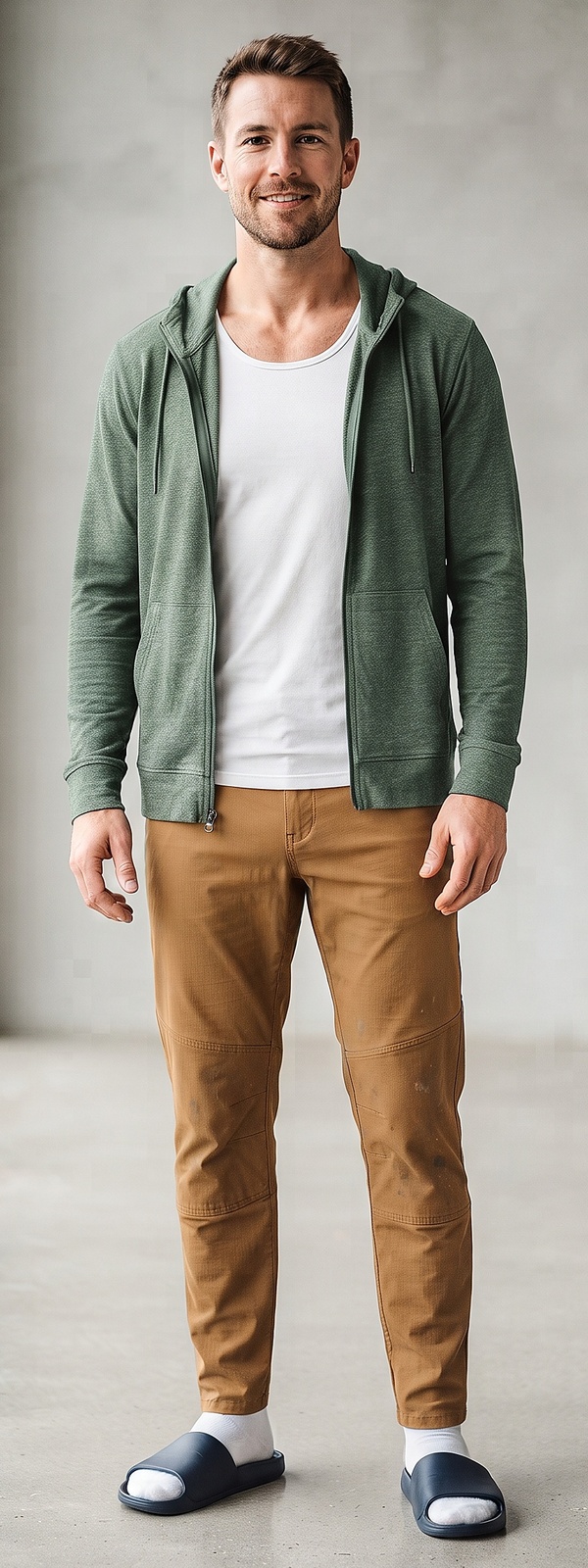 From $36
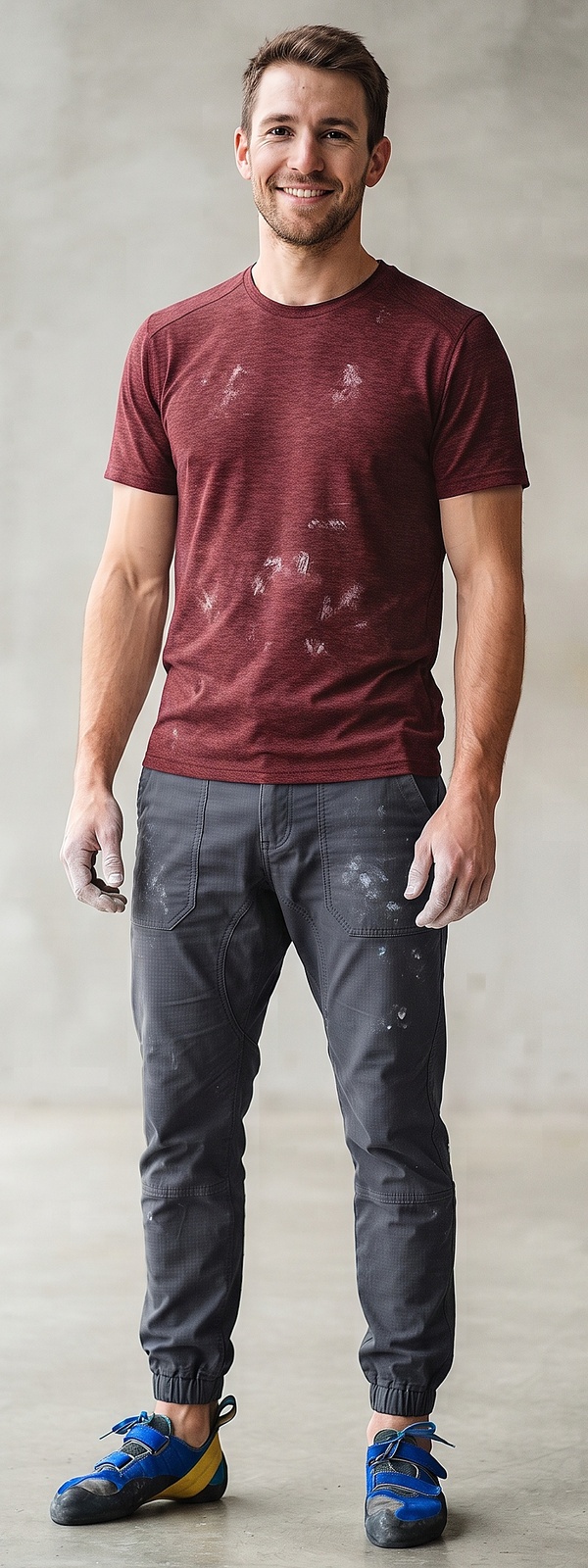 From $94
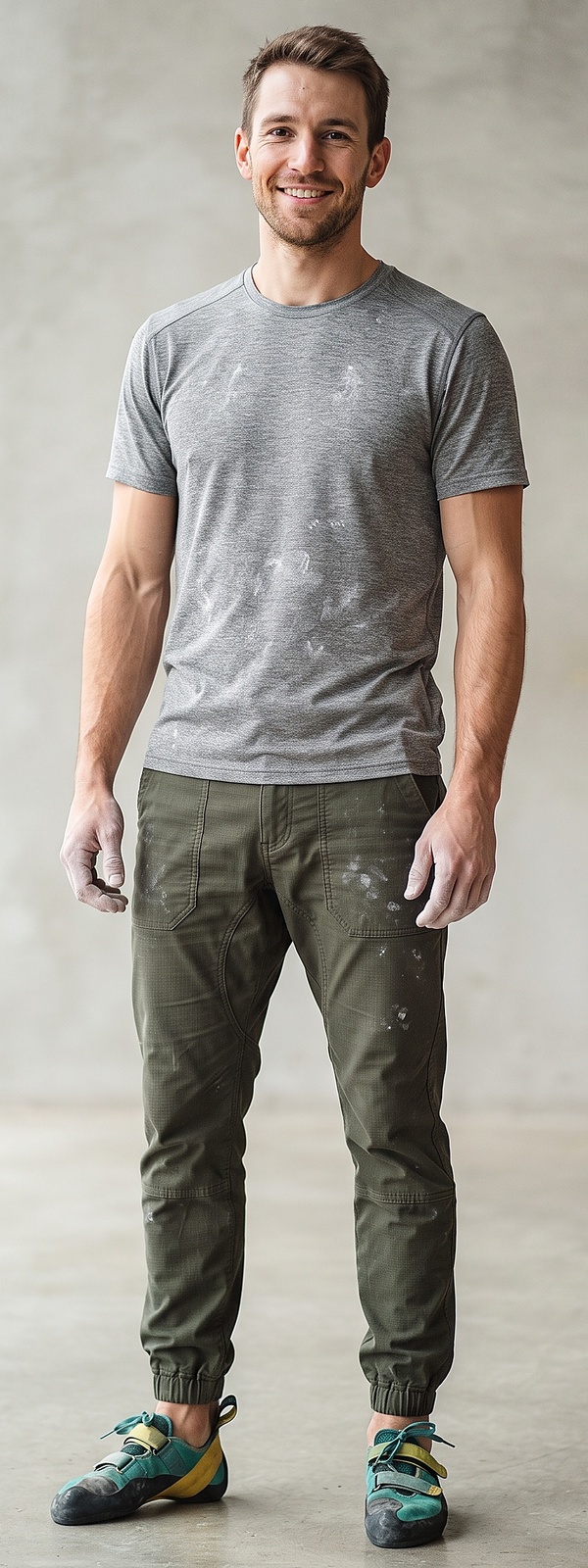 From $90
Do
- ✓Wear durable, abrasion-resistant stretch nylon climbing pants that withstand scrapes from sharp axe picks.
- ✓Choose a snug, moisture-wicking technical t-shirt that will not snag on your harness gear loops or ice tools.
- ✓Select a lightweight climbing helmet to protect your head from dropped axes or dislodged training holds.
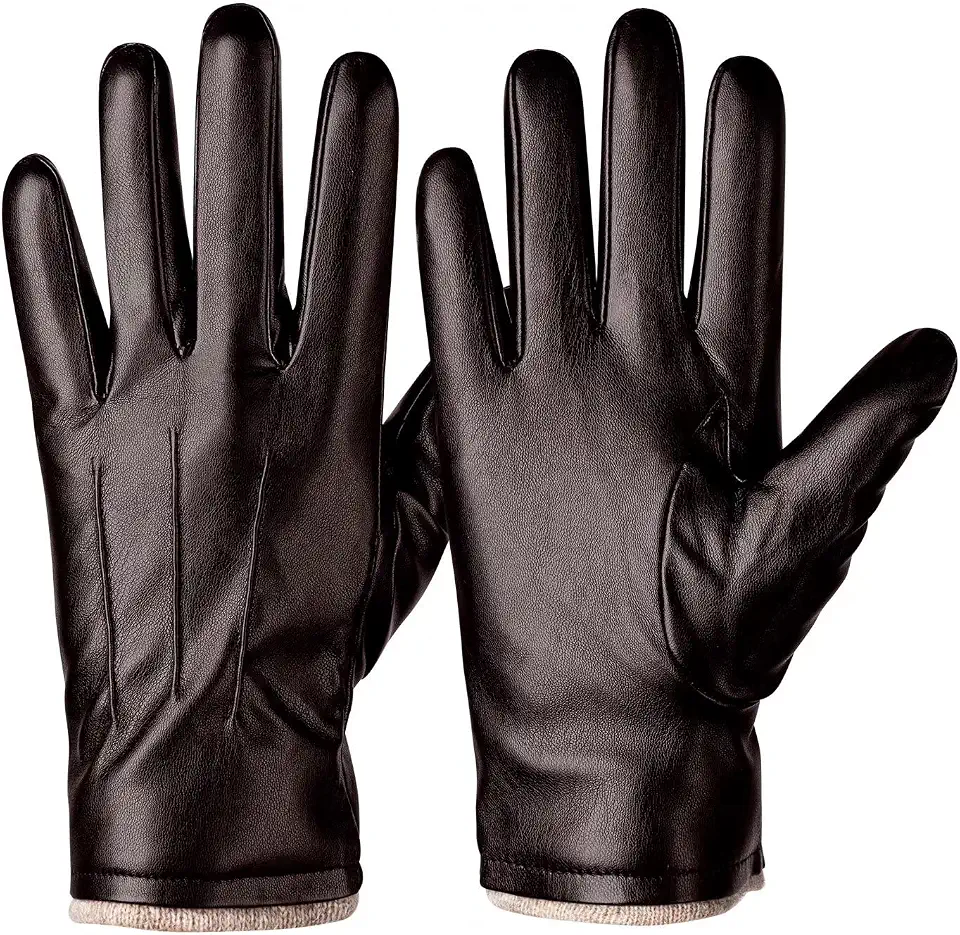
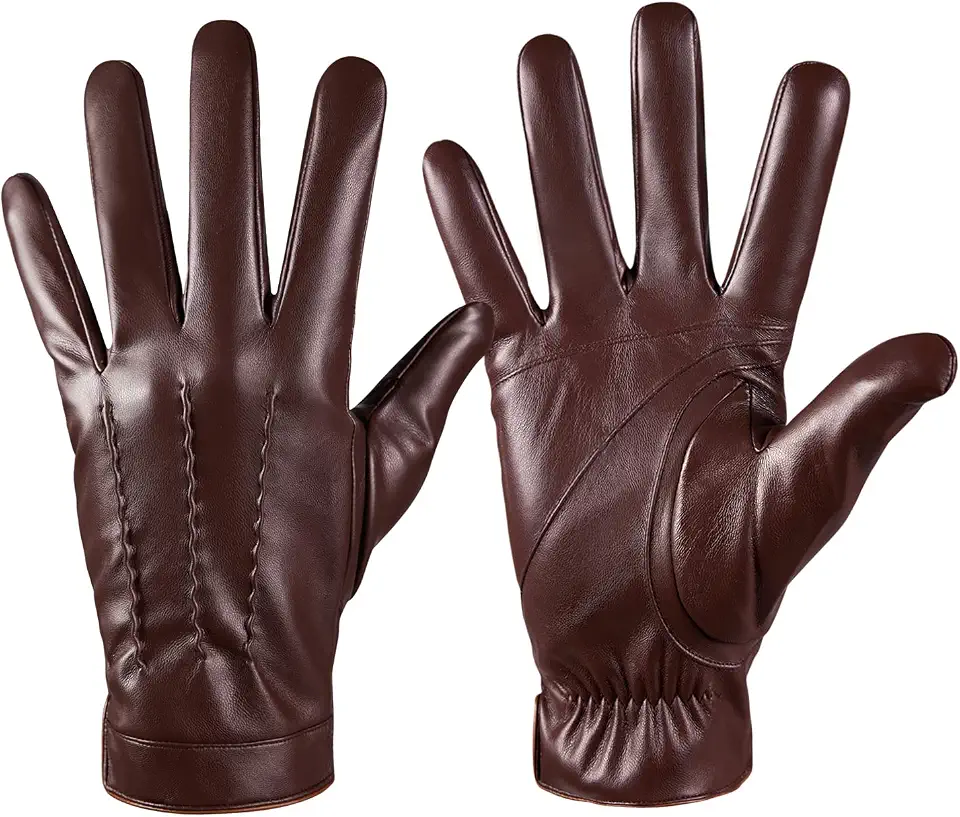
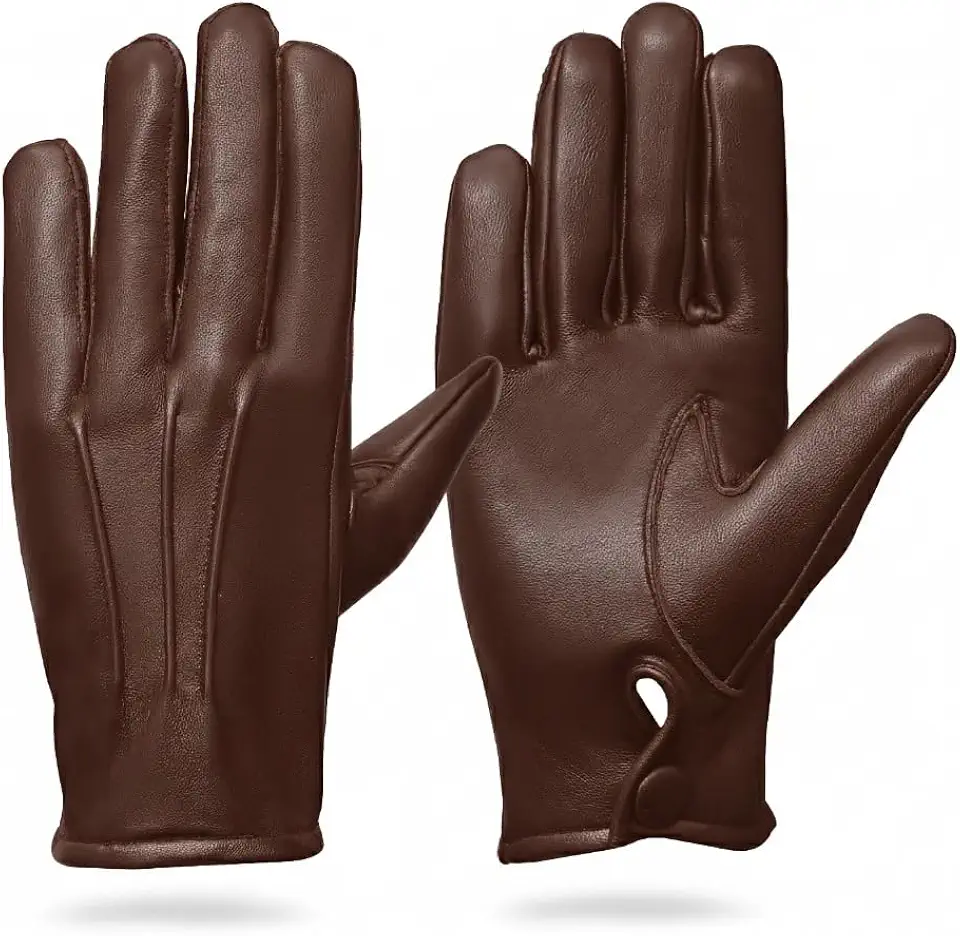
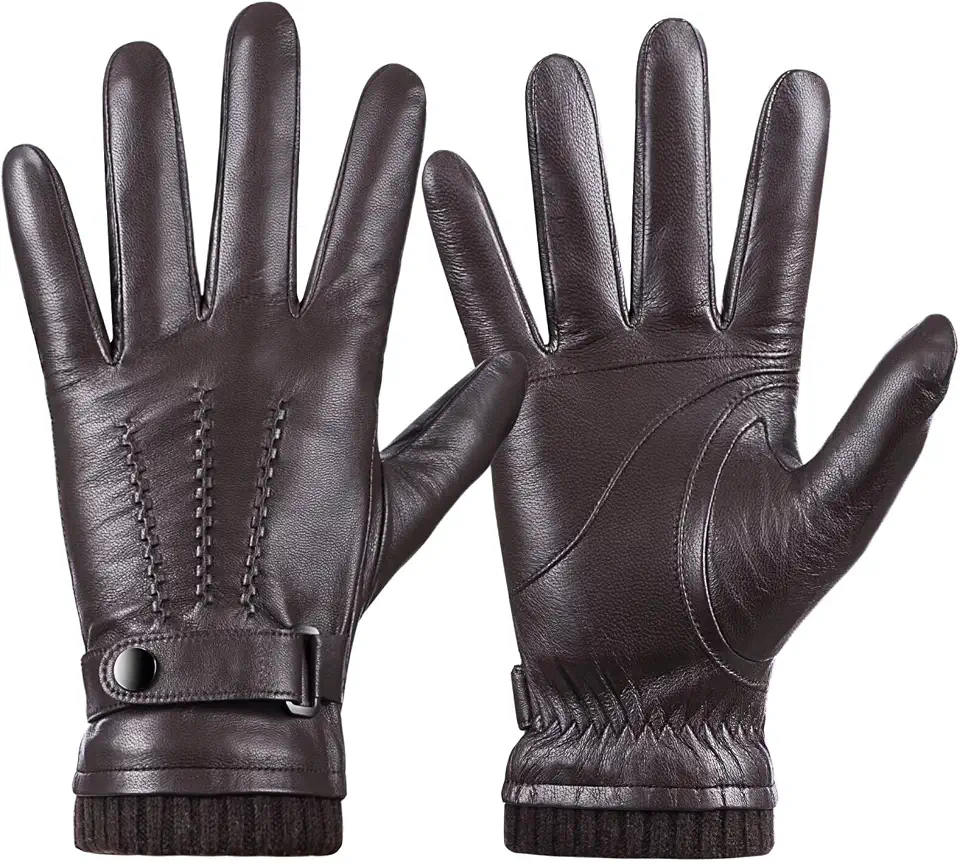
- ✓Opt for close-fitting synthetic athletic gloves with textured palms that provide a secure grip on tool shafts.
- ✓Layer a breathable midweight zip hoodie that keeps your muscles warm between demanding climbing burns.
Don't
- ✗Avoid loose, baggy shirts or dangling drawstrings that can catch on pick spikes during overhead reaching.
- ✗Don't wear delicate down jackets or fragile windbreakers that rip upon brushing against steel axe picks.
- ✗Avoid climbing without a certified helmet beneath steep overhangs where training tools can accidentally drop.
- ✗Don't wear bulky winter gloves that ruin your hand dexterity and grip feel on rubberized tool handles.
Style tips
Pick Snag Prevention and Sleeve Fit
Dry tooling involves swinging steel picks inches from your forearms and shoulders when matching holds. Wearing athletic shirts with tapered sleeves and flat-lock seams prevents axe picks from hooking your clothing.
Harness Comfort and Gusseted Stride
Executing extreme figure-four body hooks requires unrestricted hip flexion beneath a snug climbing harness. Pants featuring diamond-gusseted crotches and four-way stretch fabric give complete range of motion.
Grip Fatigue and Tool Glove Tactility
Holding ice tool grips on forty-degree overhangs rapidly exhausts forearm tendons. Thin golf or dry-tooling gloves with tacky synthetic palms reduce the squeezing force required to maintain secure tool contact.

Related searches
All curated searches
Related Reading
What to Wear to a Nordic Biathlon Clinic — Men's Complete Guide
Arriving at a snowy alpine shooting range for a Nordic biathlon and target marksmanship clinic combines intense aerobic cross-country skate skiing with motionless target precision. Skiers power up steep groomed trails, quickly drop heart rates on the snow mat, and steady .22 caliber rimfire rifles against falling snow. The required apparel is high-output winter athletic performance: windproof softshell training jackets, thermal merino wool base layers, articulated cross-country tights, and low-profile ski gloves. Because heavy ski parkas cause overheating during sustained skate sprints while thin tees leave you shivering prone at the firing line, modular wind-blocking layering is critical. From gliding through sub-zero pine forests to controlling your breathing at the fifty-meter rifle targets, here is your essential guide to Nordic biathlon style.
What to Wear to an Obstacle Course Race — Men's Complete Guide
Standing at the starting corral of an obstacle course race or mud run puts you minutes away from diving under barbed wire, scaling eight-foot wooden walls, and slogging through freezing mud trenches. Pushing your physical limits across miles of rugged terrain and water hazards demands hydrodynamic, quick-drying compression apparel that sheds water and mud weight instantly. The benchmark dress code is high-drainage performance obstacle racing gear: moisture-wicking technical tees or compression tops, paired with compression tights under rugged trail shorts and aggressive-lug trail running shoes with drainage ports. Cotton is your worst enemy in mud runs, so every layer must be synthetic and hydrophobic. From rapid water drainage and barrier crawl knee defense to wall-climbing grip, here is your definitive blueprint for obstacle course race style.
Urban Bouldering: Technical Climbing Pants & Layers
We curated this collection to highlight menswear's growing affinity for functional climbing apparel. Articulated knee construction, gusseted crotches, and lightweight technical knits offer unparalleled freedom of movement without sacrificing silhouette. We recommend pairing relaxed climbing joggers with minimalist athletic tees and low-profile approach sneakers for an agile, street-ready rotation that easily transitions from the boulder gym to casual city streets.
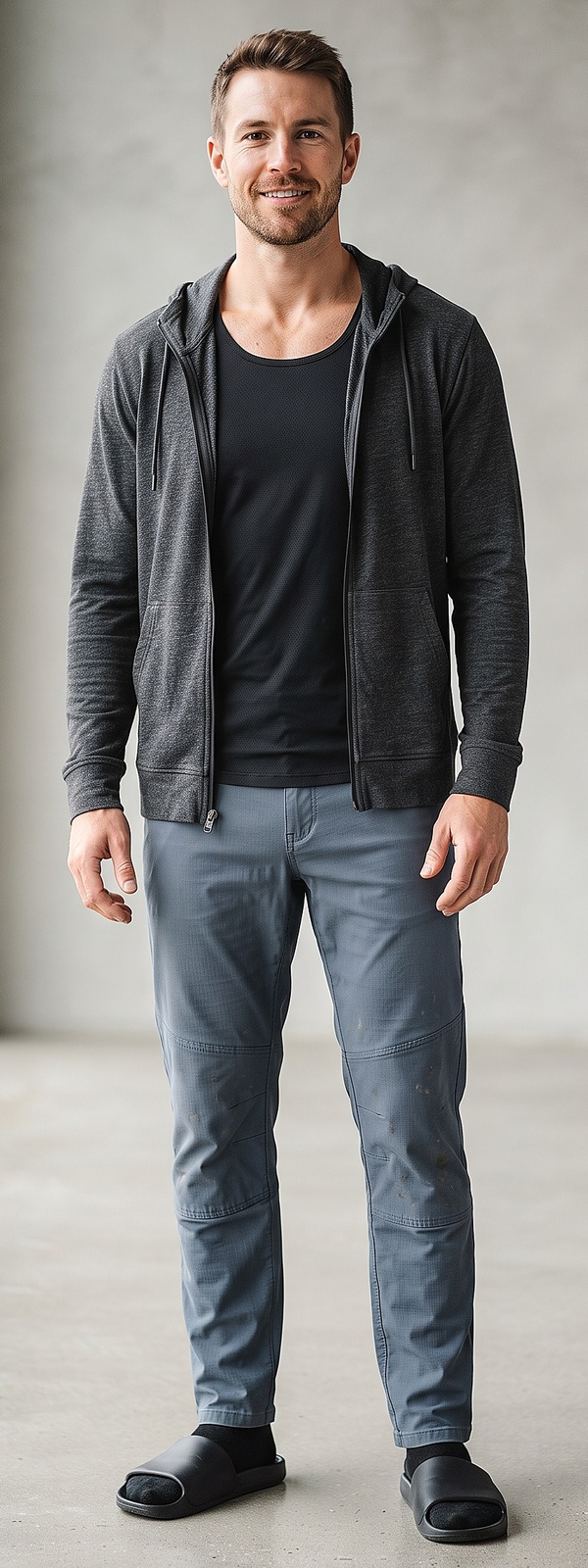
How to Style Men's Climbing Pants for Modern Streetwear
Integrate rugged climbing pants into modern street rotations with technical layers, clean hoodies, and outdoor-ready athletic footwear.
Men's Indoor Climbing Style: Bouldering Apparel and Gear Guide
Discover essential men's indoor climbing style with durable stretch pants, breathable athletic tops, chalk-friendly fabrics, and functional gym layering.
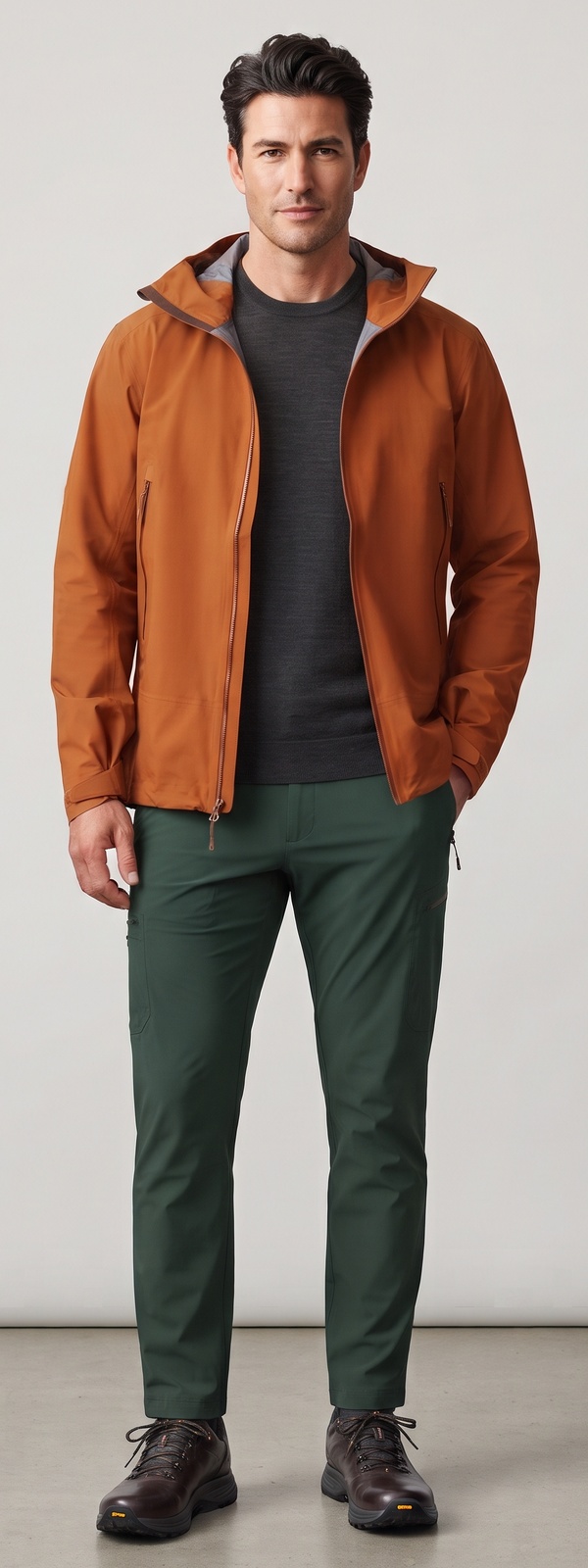
Technical Ripstop Cargoes: Urban Transit & Modular Utility
We built this collection around technical ripstop cargo pants engineered for fast-paced urban commutes. We pair men's olive green cargo pants, men's charcoal ripstop utility trousers, and men's black technical jogger cargoes with men's packable windbreakers, men's pullover hoodies, and men's trail running sneakers. By prioritizing lightweight tear-resistant fabrics and ergonomic pockets, our looks deliver modular streetwear efficiency without bulk.
Other Reading
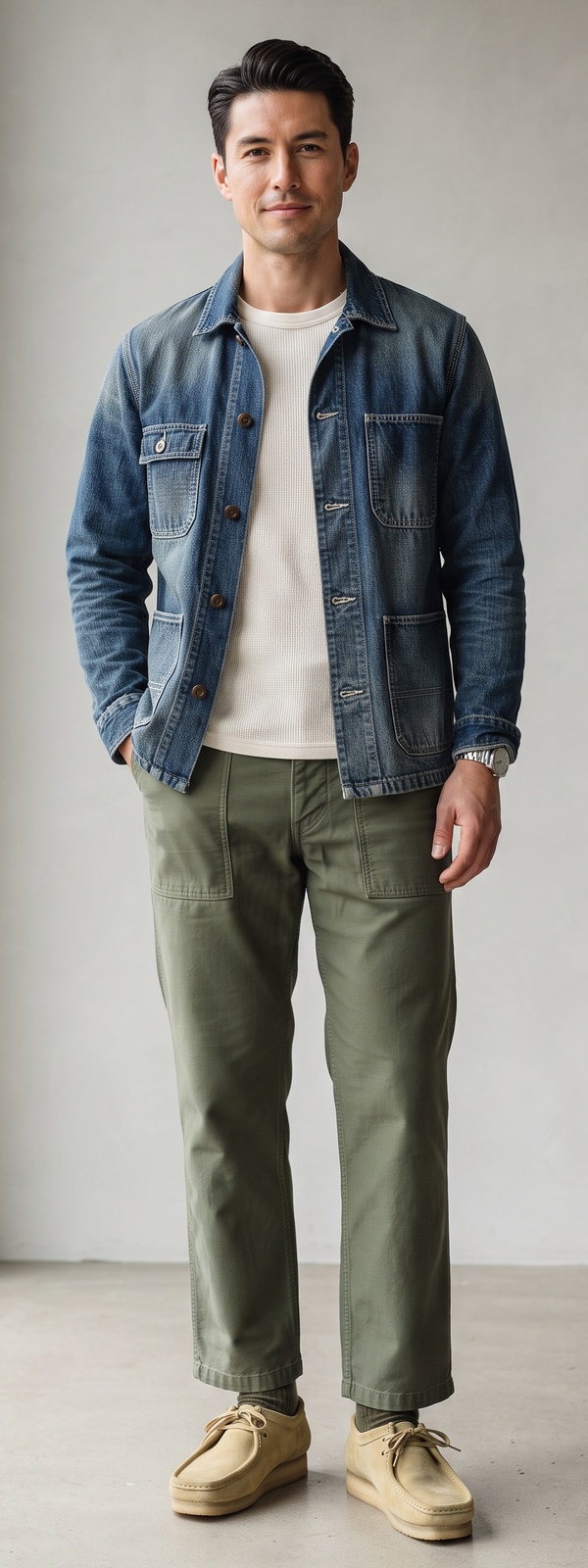
What to Wear to a Bicycle Frame Brazing Class — Men's Guide
Entering a bespoke bicycle fabrication studio for a frame building and torch brazing masterclass places you among chromoly steel tubing, frame alignment jigs, and glowing oxy-acetylene torches. Builders mitre steel tubes, apply flux paste, and flow silver or brass filler rod into ornamental frame lugs with surgical patience. The required apparel is flame-resistant artisan workwear: heavy cotton canvas chore coats, thick raw selvedge denim, durable leather service boots, and unbleached cotton undershirts. Because open brazing torches and red-hot steel drop incandescent flux splatter, synthetic fleece or stretch elastane fabrics melt instantly, making heavy untreated natural cotton essential. From filing lug shorelines under bright workbench lamps to heating bottom bracket shells to cherry red, here is your definitive frame building style guide.
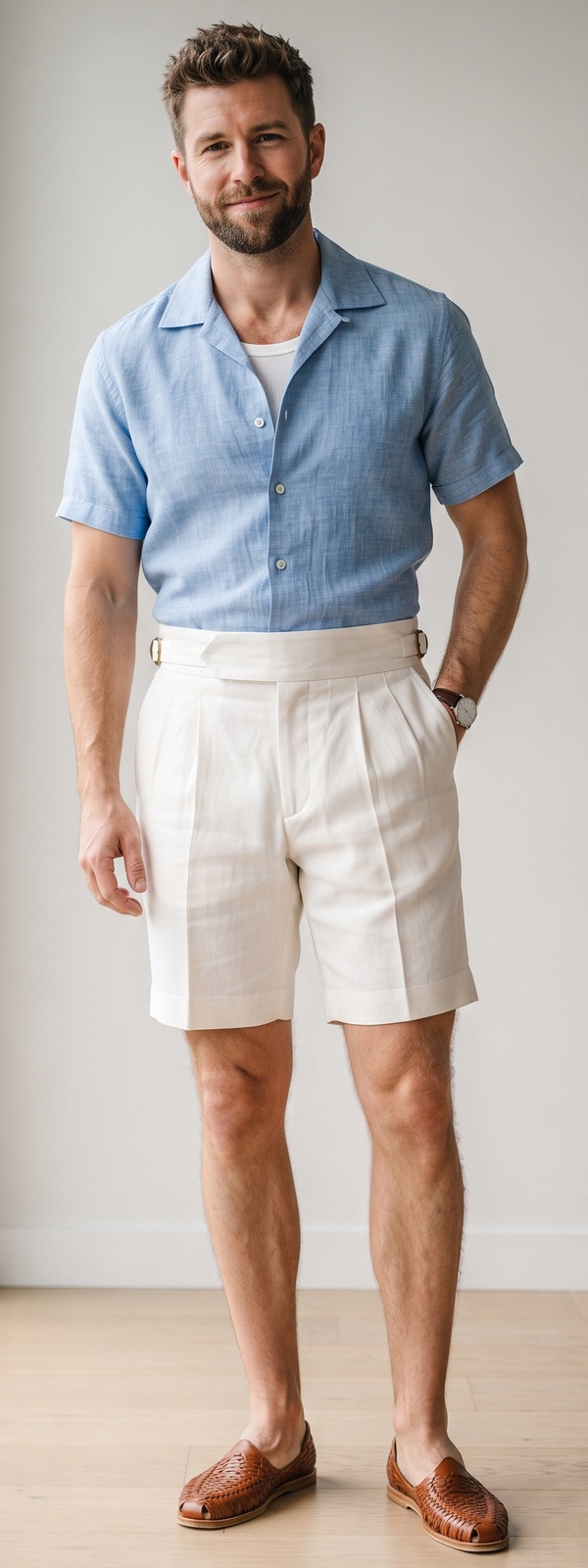
Gurkha Shorts: Tailored Double-Buckle Warm-Weather Poise
We created this collection to showcase the unmatched architectural poise of Gurkha shorts. The integrated buckled cummerbund waistband eliminates the need for a separate belt while offering flattering high-waisted proportions. We advise tucking a lightweight linen shirt or retro ringer tee into stone or khaki Gurkha shorts, anchoring the look with barefoot loafers or espadrilles.
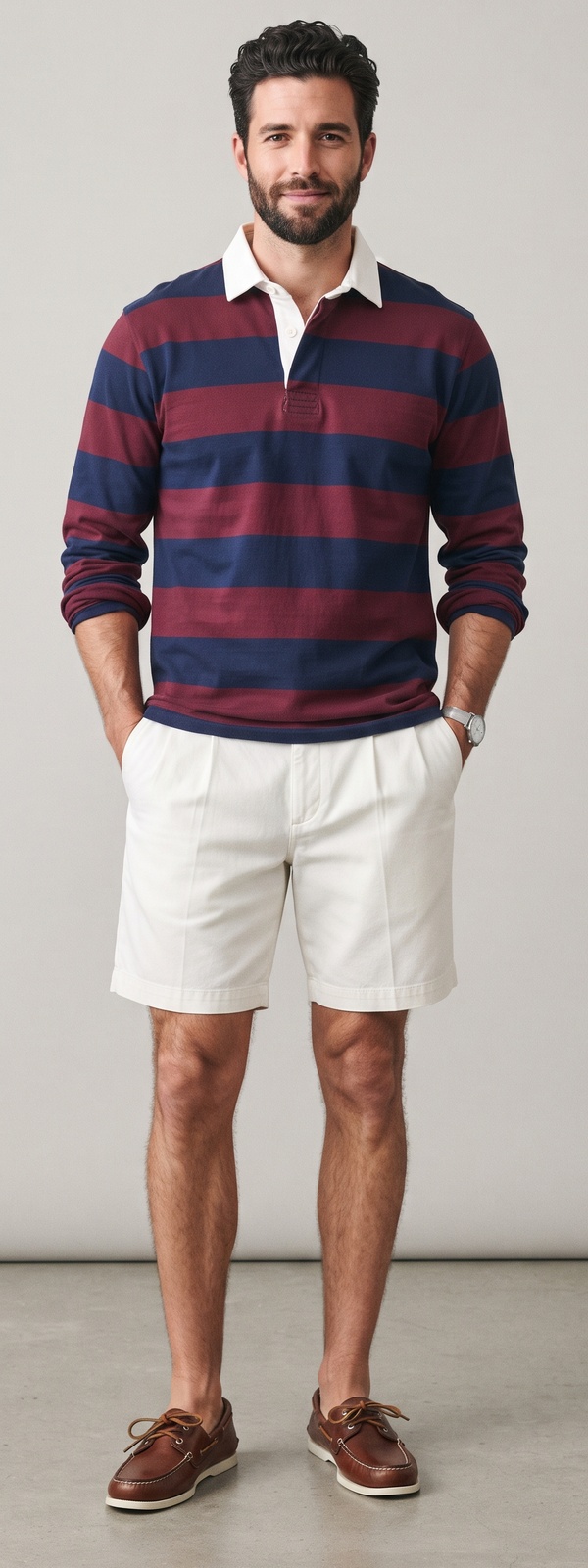
How to Wear a Men's Striped Rugby Shirt for Modern Prep
Discover how to wear a men's striped rugby shirt with tailored chinos, corduroys, and loafers for a rugged, modern Ivy League style update.