
What to Wear to a Raku Ceramics Firing Class — Men's Guide
Standing before an outdoor propane kiln for a Japanese raku ceramics firing workshop places you amidst swirling pine smoke, radiant heat, and glowing pottery. Potters use long steel tongs to pull white-hot ceramic tea bowls from eighteen-hundred-degree kiln chambers and plunge them into metal reduction cans filled with combustible wood shavings.
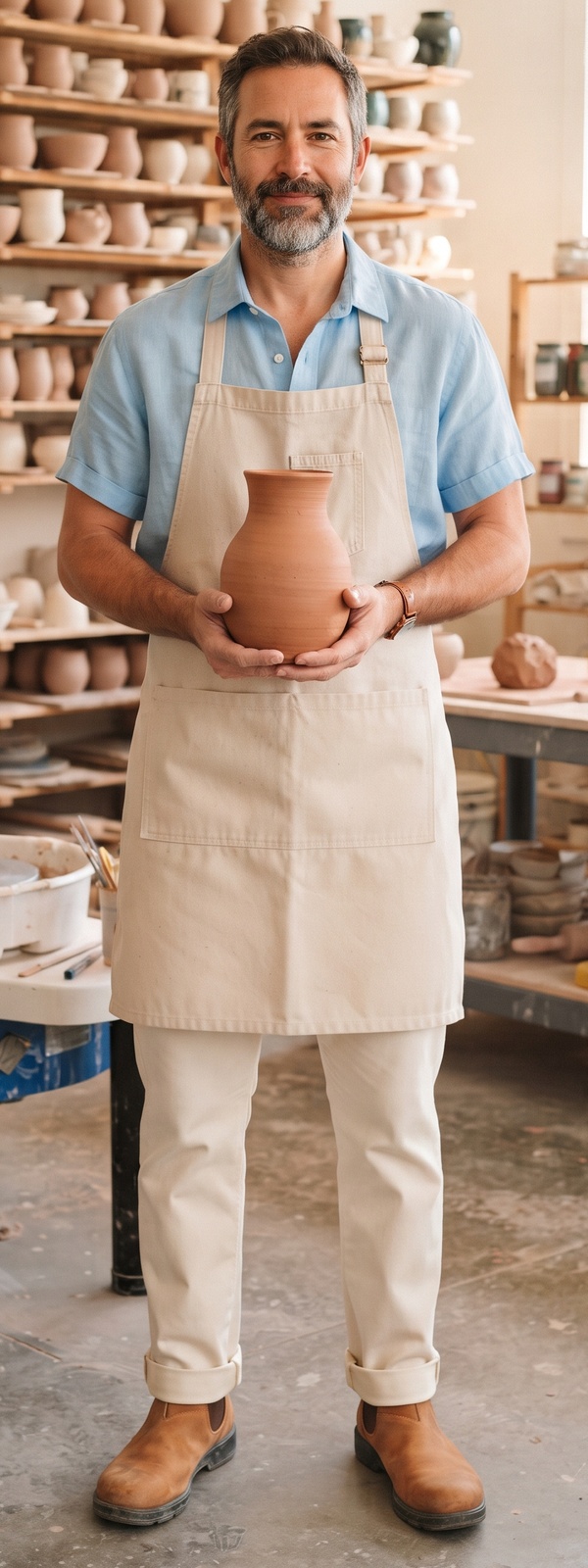
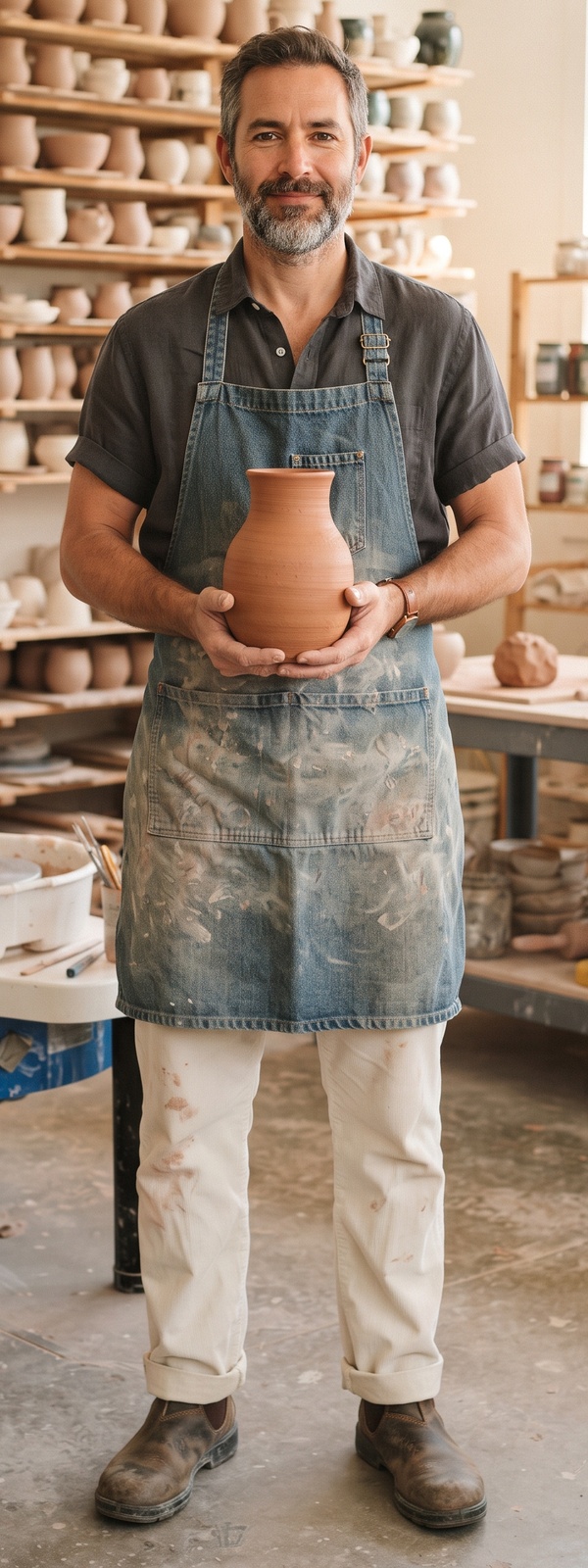
The necessary outfit is elemental fire defense, natural fiber protection, and utilitarian studio durability: heavy duck canvas workshop aprons, tightly woven cotton chore jackets, durable straight-leg denim jeans, and thick leather work boots. Because open flames, flying embers, and dramatic thermal reductions are constant, synthetic fabrics are strictly prohibited.
From pulling glowing vessel forms under expert supervision to scrubbing iridescent copper glazes clean in cold water buckets, here is your essential raku firing style guide.
Outfits that work
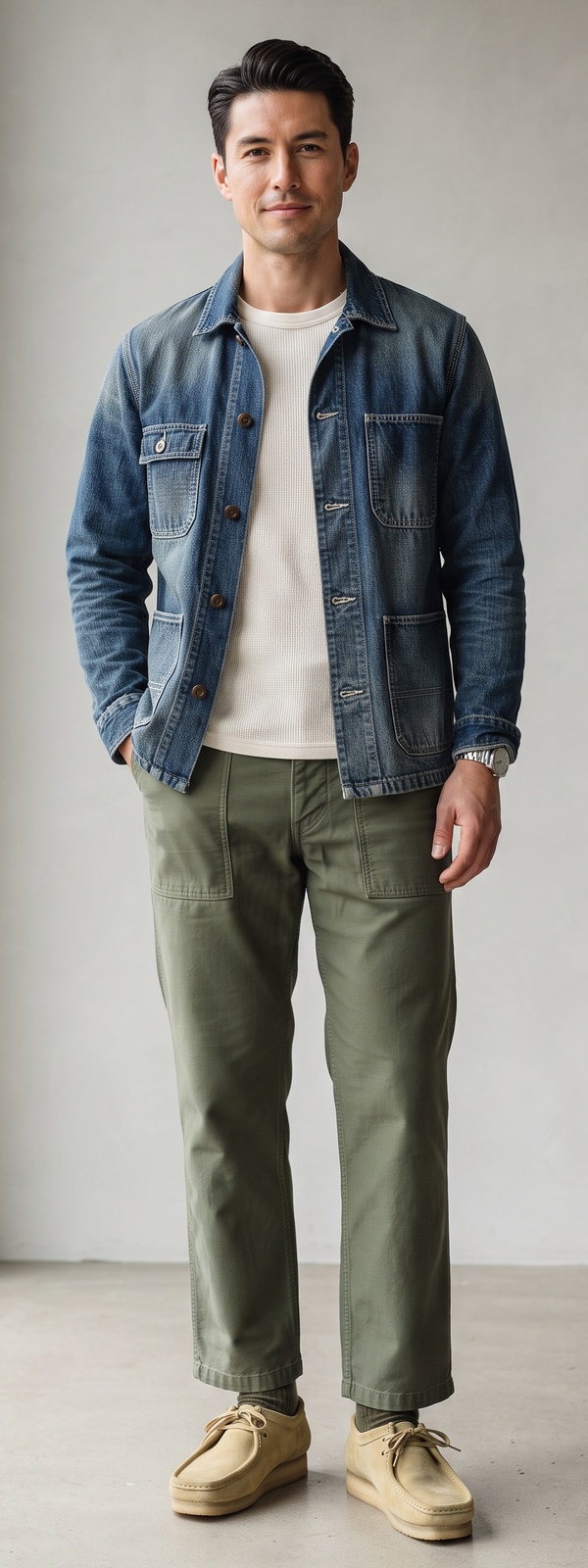 From $123
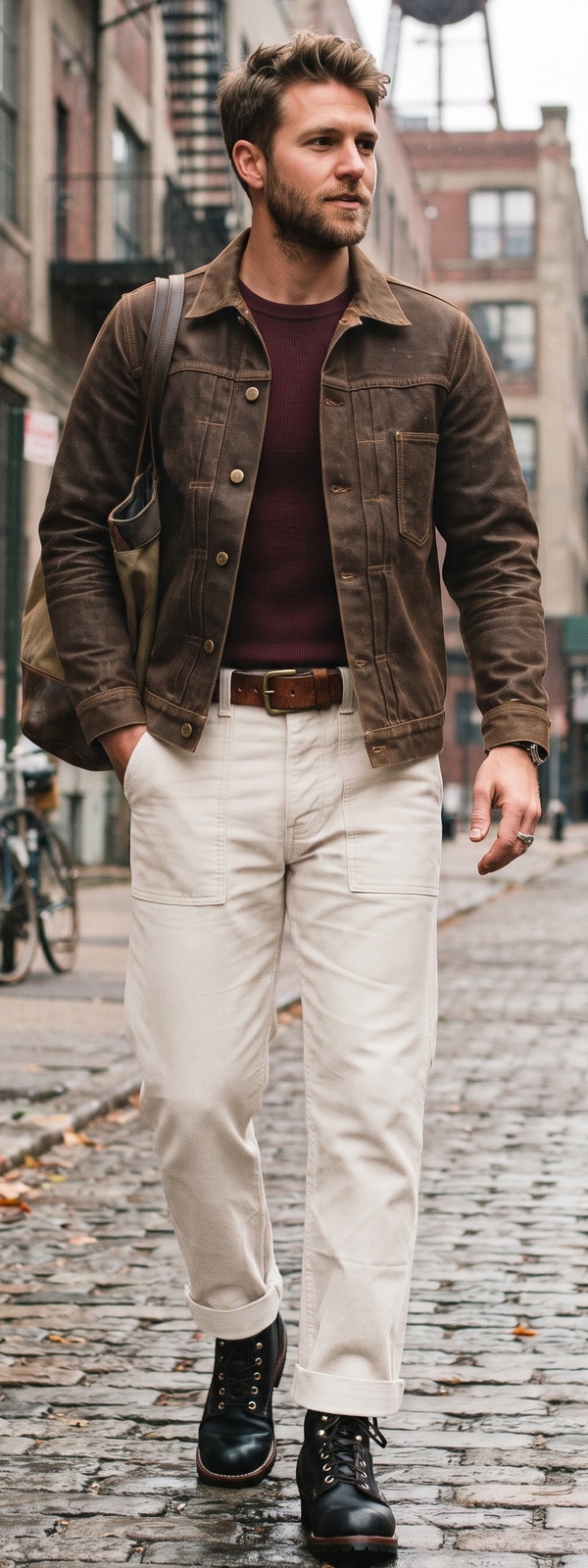 From $257
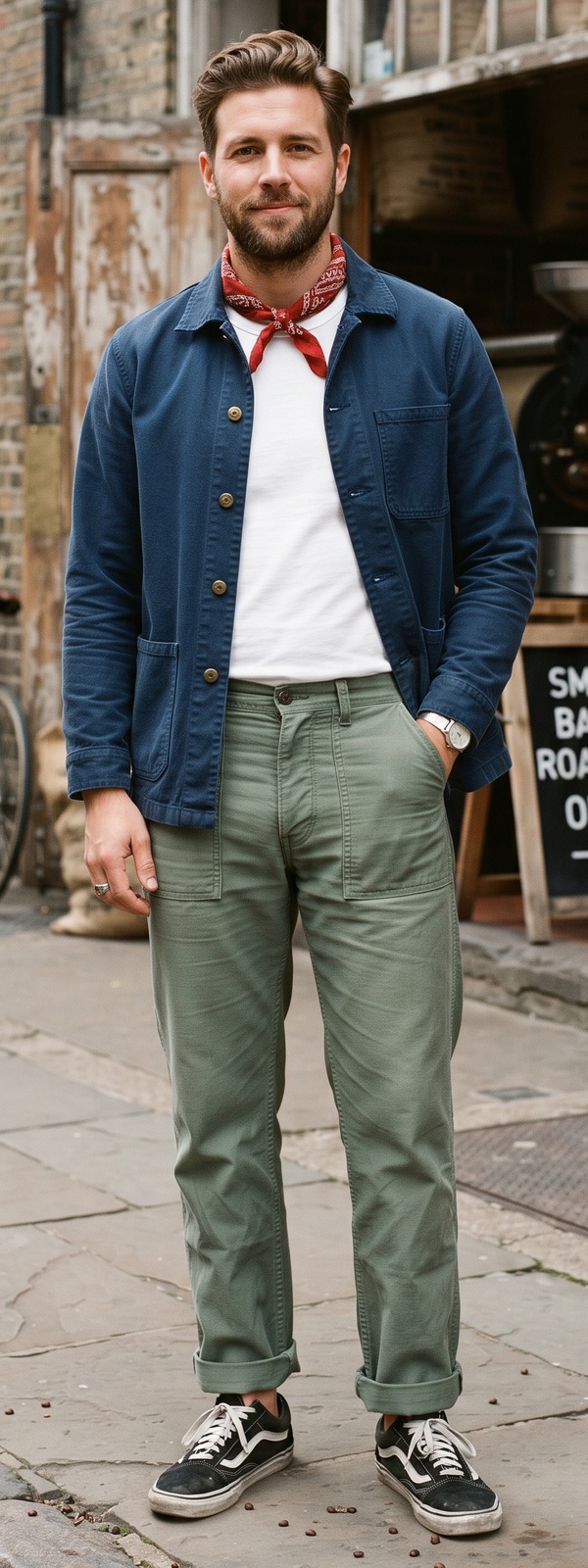 From $522
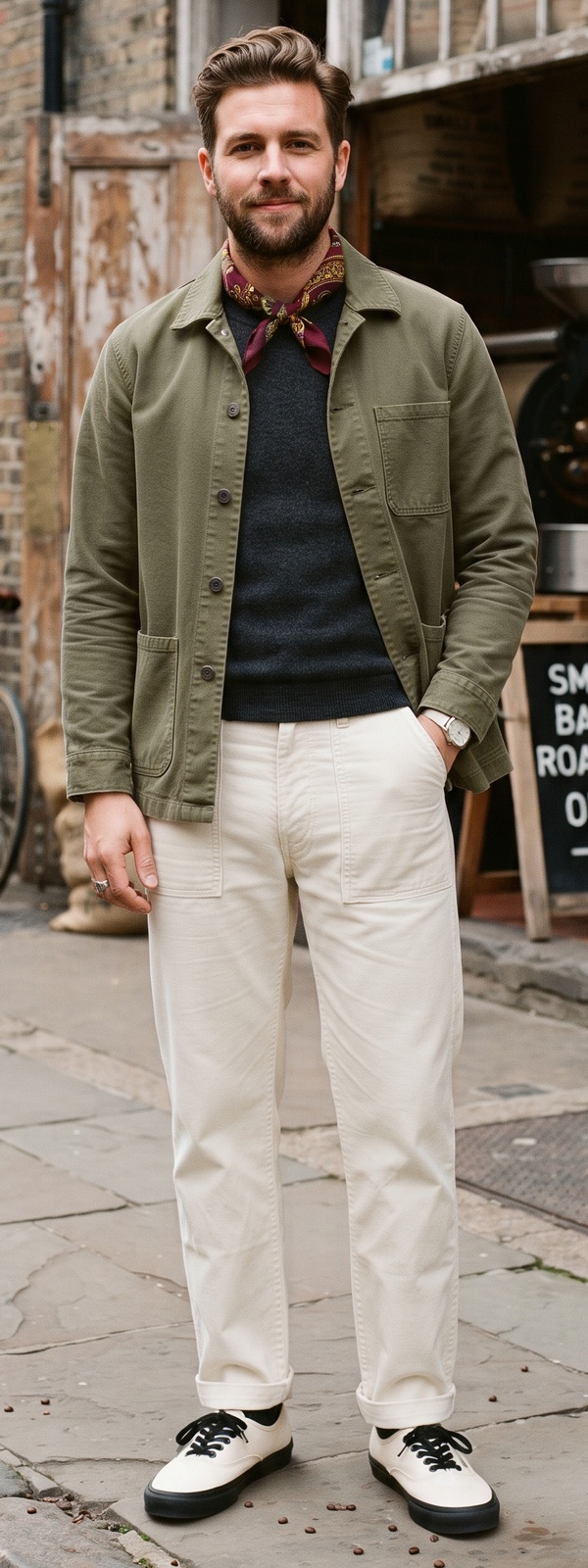 From $147
 From $113
 From $130
Do
- ✓Wear dense natural fiber garments such as heavy cotton canvas or denim that resist heat and flying embers.
- ✓Choose a heavy full-coverage canvas workshop apron that shields your torso and lap from intense kiln radiation.
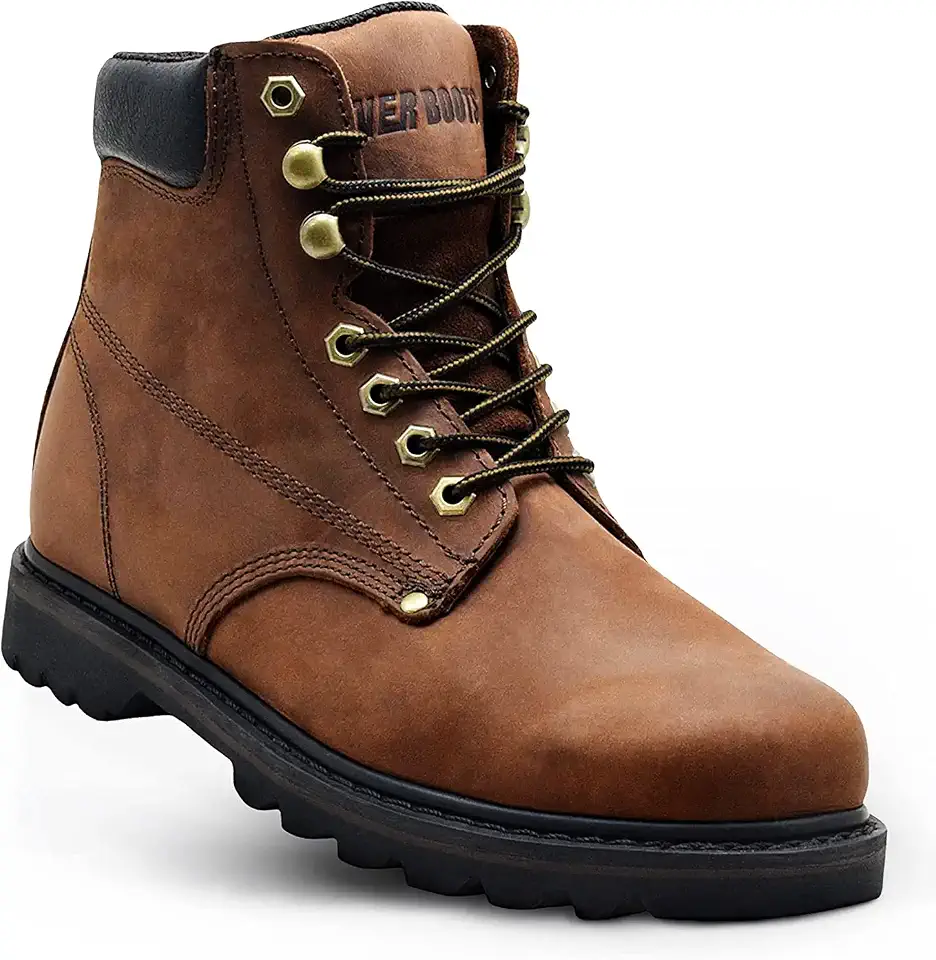
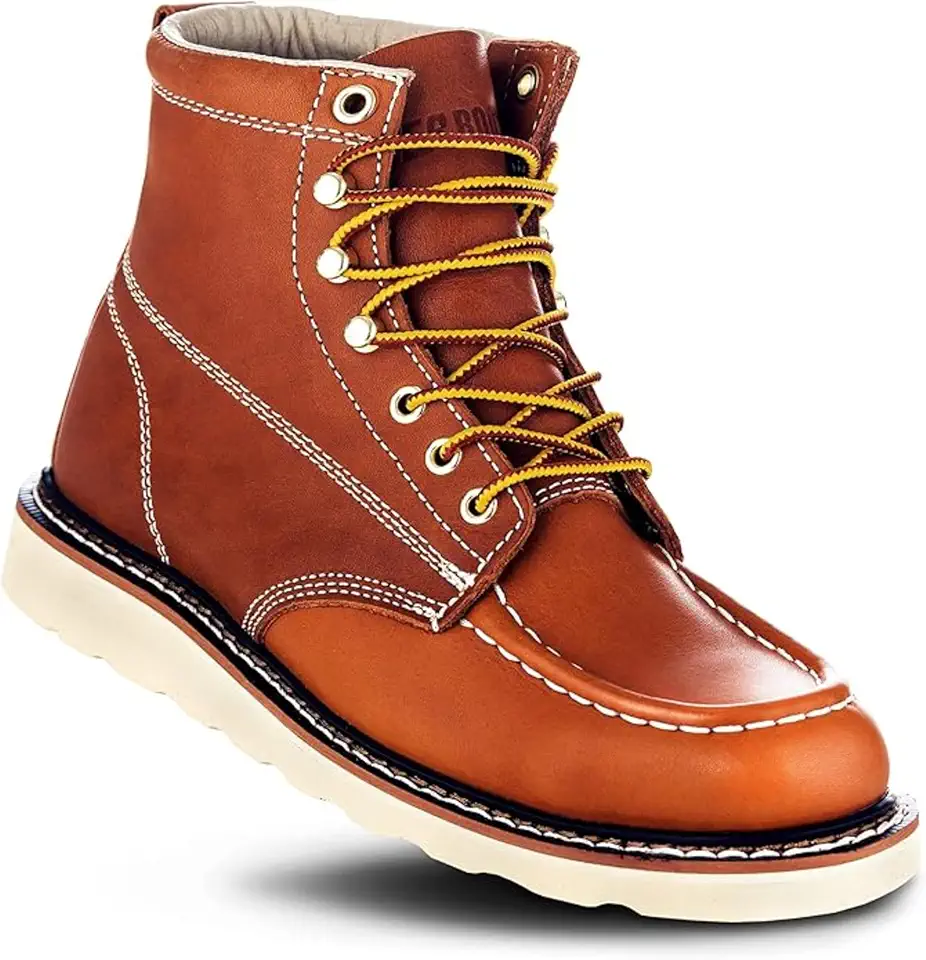
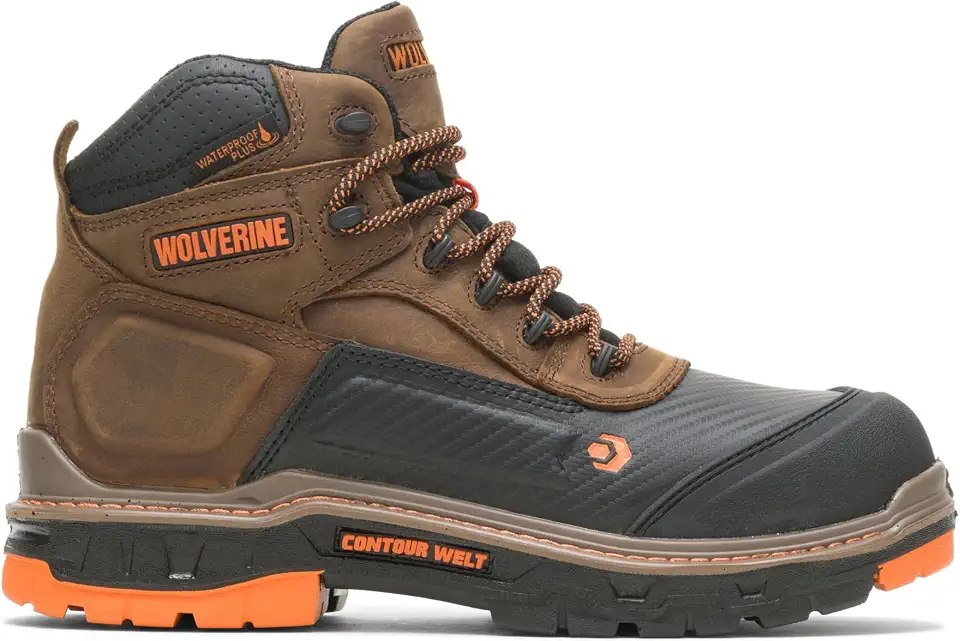
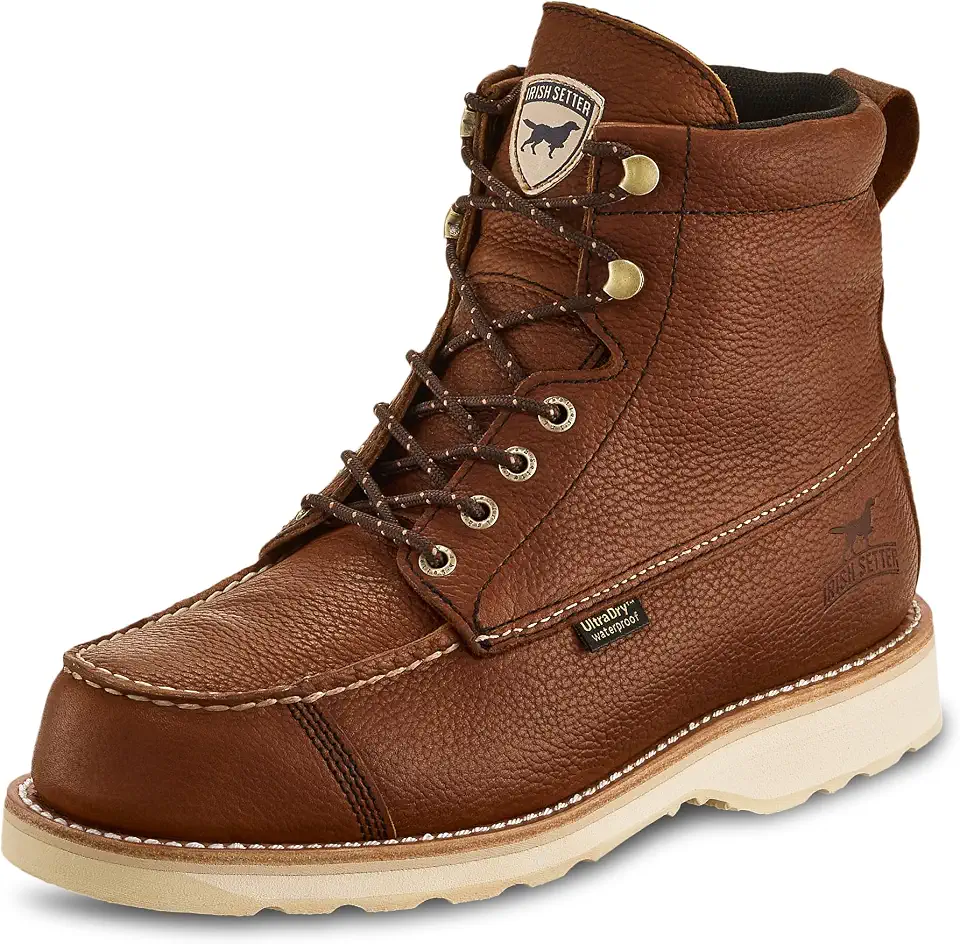
- ✓Select sturdy oil-tanned leather work boots that protect feet from dropped hot coals and wet studio floors.
- ✓Pair your clothing with long-cuff split leather welding gloves when operating reduction trash cans.
- ✓Keep safety glasses securely over your eyes to protect against smoke plumes and sudden thermal popping.
Don't
- ✗Avoid synthetic fleece, nylon jackets, or polyester shirts that melt dangerously upon contact with embers.
- ✗Don't wear shorts, short-sleeve tops, or rolled sleeves that leave arms exposed to radiant kiln heat.
- ✗Avoid open sandals, mesh sneakers, or canvas slip-on shoes around hot pottery and boiling glaze tubs.
- ✗Don't wear your best clothing; wood smoke aromatics and fine black carbon soot penetrate fabrics deeply.
Style tips
Non-Synthetic Fire Armor Discipline
Raku kilns operate outdoors with open reduction barrels that produce leaping flames and sparks. Heavyweight unwashed cotton denim and dense duck canvas char harmlessly upon ember contact, preventing severe burns.
Radiant Heat Chest Shielding
Opening a glowing kiln door at peak firing temperature releases an intense wall of radiant thermal energy. A dense double-layered canvas shop apron blocks infrared heat while you reach forward with thirty-inch tongs.
Reduction Smoke Carbon Camouflage
Smothering red-hot pottery in pine sawdust produces heavy clouds of pitch-black carbon smoke. Dark charcoal or deep indigo garments disguise airborne soot smudges, looking better with authentic studio patina.
Related searches
All curated searches
Related Reading
What to Wear to a Skin-on-Frame Kayak Class — Men's Guide
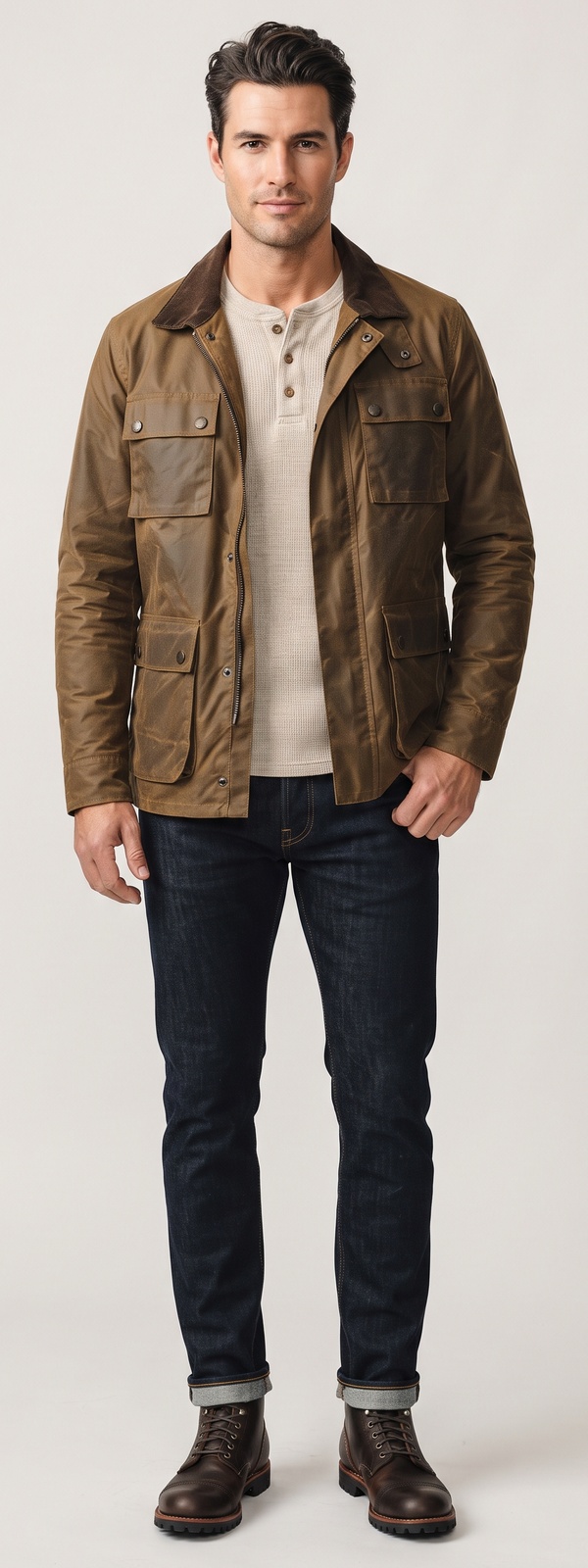
Entering a traditional maritime boatbuilding atelier for a skin-on-frame sea kayak workshop surrounds you with fragrant Western red cedar shavings, boiling steam boxes, and artificial sinew. Dedicated craft builders steam-bend white oak ribs, lash longitudinal cedar stringers onto birch plywood bulkheads, and stitch heavy ballistic nylon skins drum-tight over Greenland hulls. The necessary dress code is authentic maritime artisan heritage and heavy workshop utility: durable chambray work shirts, heavy cotton canvas shop aprons, straight-leg raw selvedge denim jeans, and oil-tanned leather work boots. Because boatbuilding involves sharp drawknives, hot steam bending, and polyurethane hull coatings, durable protective clothing is vital. From beveling gunwales with Japanese pull shaves to applying waterproof polyurethane coats to stitched hull fabrics, here is your essential boatbuilding style guide.
What to Wear to a Dovetail Joinery Class — Men's Complete Guide
Stepping into a traditional fine cabinetmaking bench room for a hand-cut dovetail joinery masterclass places you among fragrant American black walnut boards and brass saws. Woodworkers scribe precise tail angles with marking knives, saw wafer-thin kerfs using razor-sharp Japanese dozuki pull saws, and pare baseline mortises with hand-honed bench chisels. The necessary dress code is authentic fine joinery heritage and focused bench comfort: breathable cotton chambray work shirts, heavy natural canvas shop aprons, straight-leg raw selvedge denim jeans, and supportive leather service boots. Because cutting heirloom dovetail joints demands steady physical posture, chisel strikes, and tool handling, durable attire is vital. From transferring pin layouts with striking knives to tapping seamless friction-tight corner joints together with wooden mallets, here is your essential dovetail joinery guide.
Artisanal Workshop Utility: Waxed Canvas & Linen Aprons
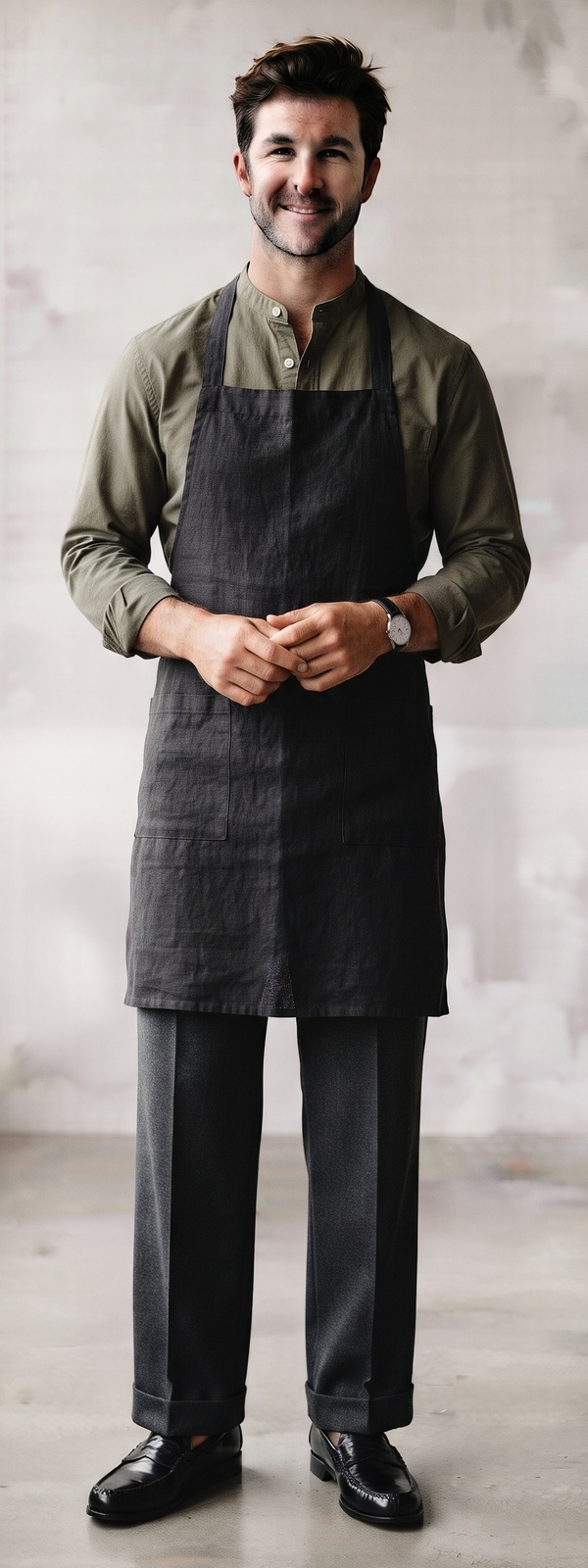
We curated this collection around the rise of artisanal craft-core—where functional studio, roastery, and workshop gear meets intentional menswear styling. We layer men's heavy waxed canvas work aprons, men's charcoal linen barista aprons, and men's selvedge denim studio aprons over men's olive band collar shirts, men's blue chambray work shirts, and men's buffalo plaid flannels. Grounded by men's leather moc toe boots and pleated trousers, our looks elevate tactile craftsmanship.
Military Fatigue Pants: Utilitarian Baker Styling
We anchored this collection in the timeless utilitarian proportions of military fatigue and baker pants. Characterized by their generous front patch pockets and straight, forgiving drape, fatigues serve as the ultimate versatile alternative to denim. We suggest pairing olive fatigues with chambray button-downs or denim work jackets to achieve an authentic, understated workwear rotation.
How to Style Men's Artisan Workwear Aprons: Culinary & Studio Guide
Elevate your craft with our guide to styling men's durable canvas, denim, and linen aprons with work shirts, flannels, and boots.
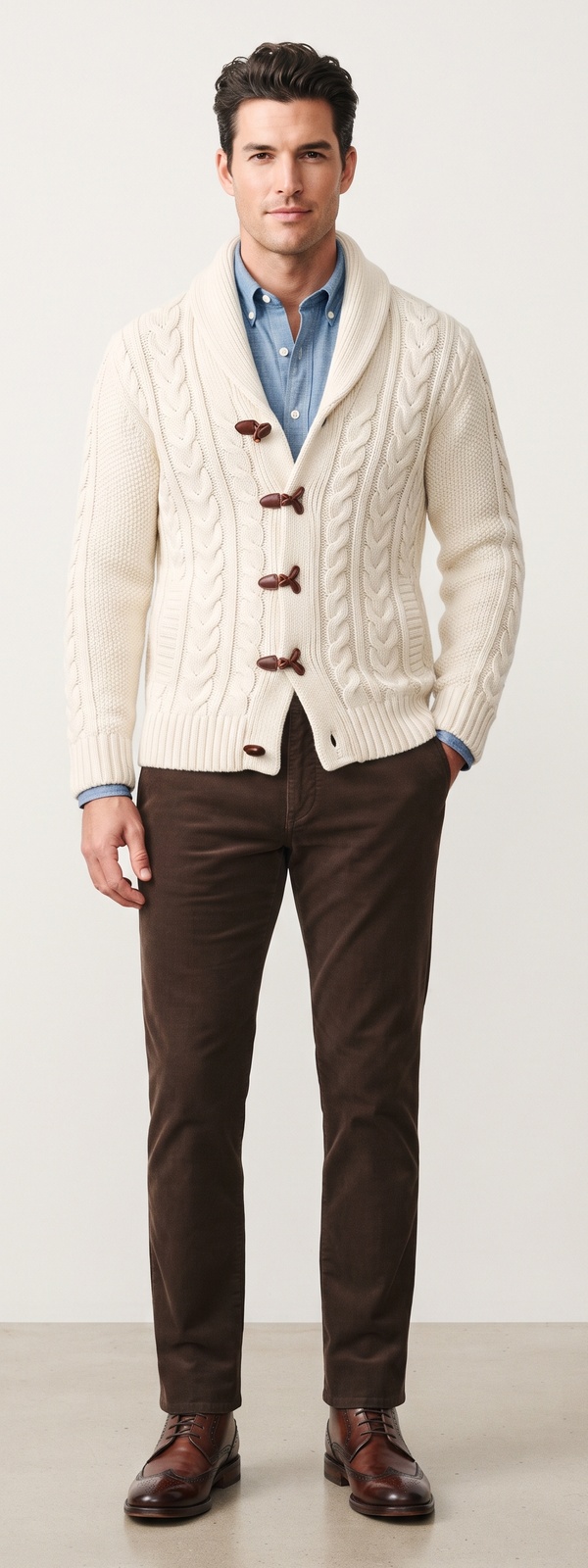
How to Style Men's Corduroy Pants: Wide-Wale Trousers Guide
Upgrade your cold-weather rotation with our guide to styling men's corduroy pants, ribbed cotton trousers, and cozy textured winter separates.
Other Reading
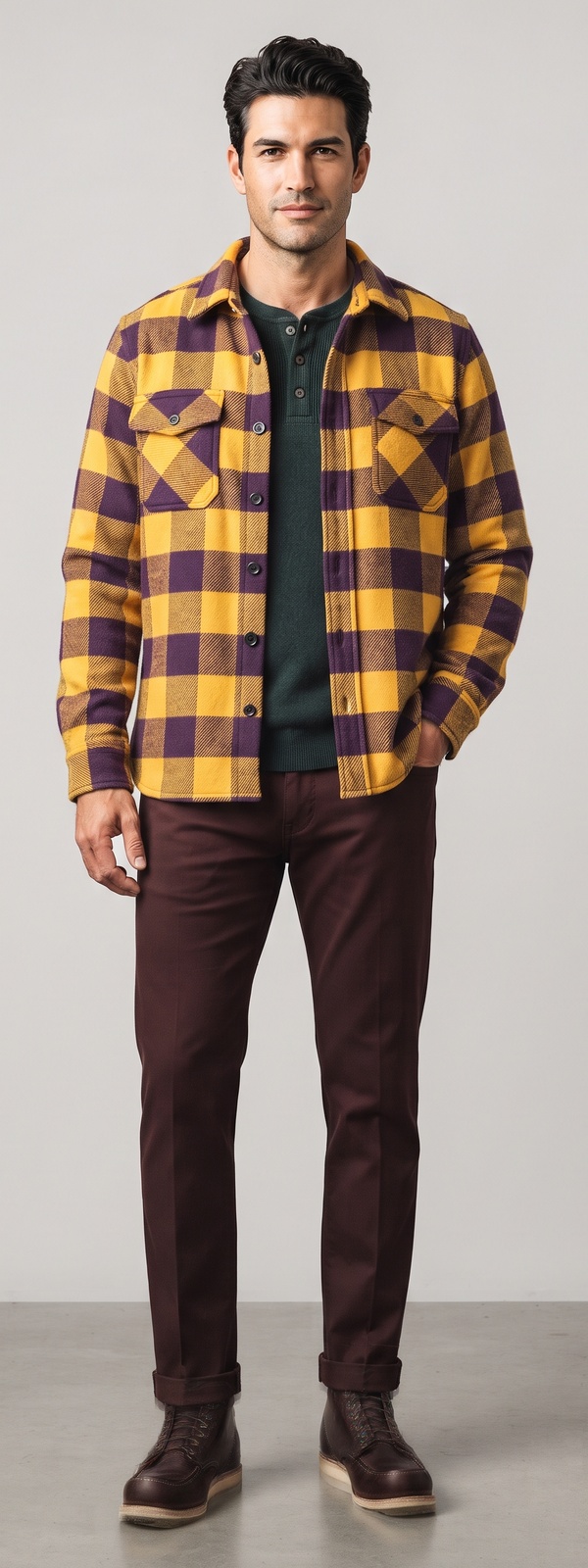
What to Wear to a Glamping Getaway — Men's Complete Guide
A luxury glamping getaway seamlessly blends the raw outdoor wonder of wilderness camping with boutique hotel comforts like heated safari tents, memory foam mattresses, and fireside wine tastings. Because you will be walking pine needle trails, lounging on wooden deck hammocks, and stargazing beside fire pits, your attire needs authentic outdoor warmth backed by elevated style. The quintessential aesthetic is upscale heritage gorpcore: plush sherpa fleece overshirts, heavyweight thermal waffle henleys, supple stretch corduroy trousers or utility chinos, and waterproof leather boots. You want rugged textures that withstand camp smoke and evening mountain breezes while looking effortlessly handsome in cozy vacation photography. From wool duffle coats and buffalo check flannel layers to thermal boot socks and ribbed beanies, here is your essential guide to dressing for luxury nature retreats in total comfort.

Quiet Luxury: High-End Aesthetics on a Real Budget
We believe that true sophistication lies in the details, not the brand labels. For this transitional season, our focus is on building an ultra-clean wardrobe using tailored trousers, fine-gauge knitwear, and structured outerwear. By prioritizing neutral color palettes and immaculate proportions, you can capture that effortless, 'old-money' charm on an accessible budget. Let's master the art of looking exceptionally wealthy through understated elegance and smart, high-yield essentials.
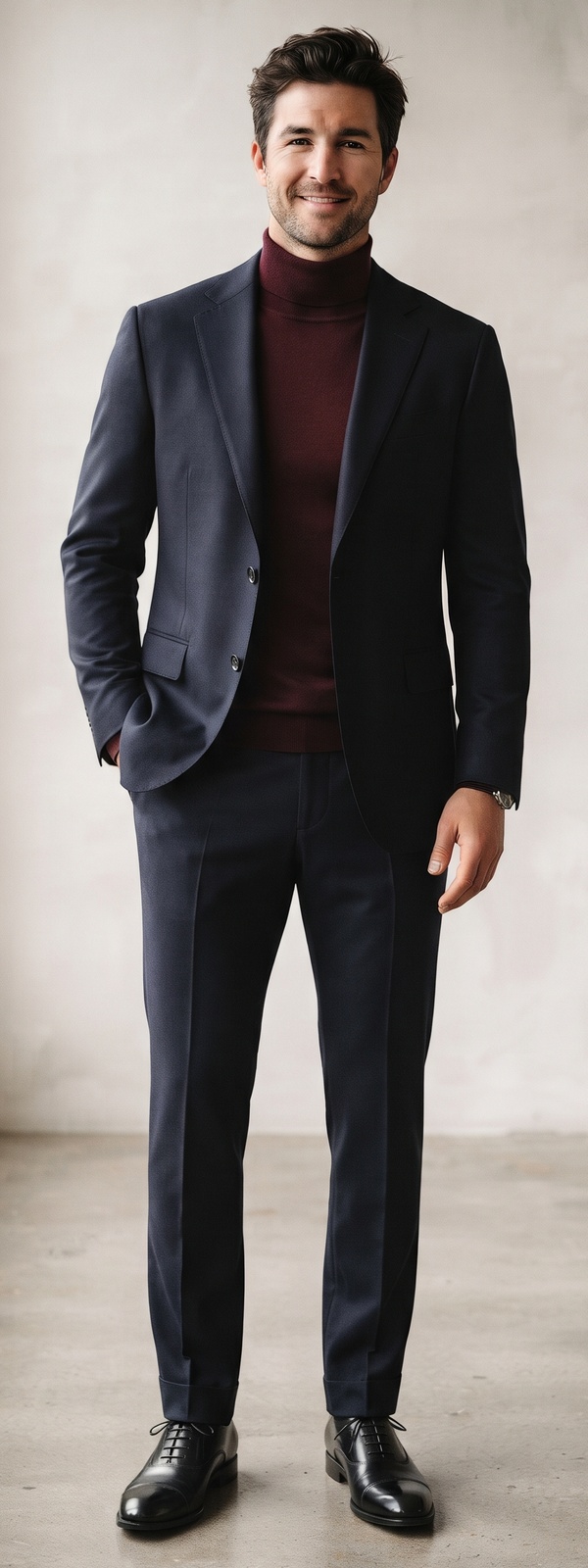
How to Wear a Turtleneck with a Tailored Suit with Polish
Learn how to wear a fine turtleneck sweater with tailored suits and blazers for sophisticated, tie-free winter formal and business-casual style.