
July 16, 2026
How to Dress for a Job Interview Without Spending a Fortune
Nail Your First Impression Without Breaking the Bank
Landing a job interview is an exciting milestone, but it often brings an immediate wave of stress about what to wear. You want to walk into that room radiating confidence, competence, and professionalism—but you certainly do not want to drain your bank account just to buy a single outfit. Fortunately, looking like a million bucks does not require a luxury designer budget. In the modern hiring landscape, employers value attention to detail, a clean presentation, and a proper fit far more than expensive brand labels. By strategically choosing versatile staples, nail-pressing your garments, and focusing on classic silhouettes, you can craft a winning interview look that respects both the corporate dress code and your wallet. Here is your complete guide on how to dress for a job interview without spending a fortune.
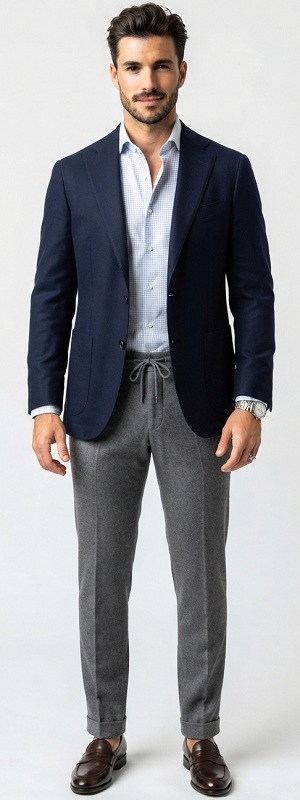
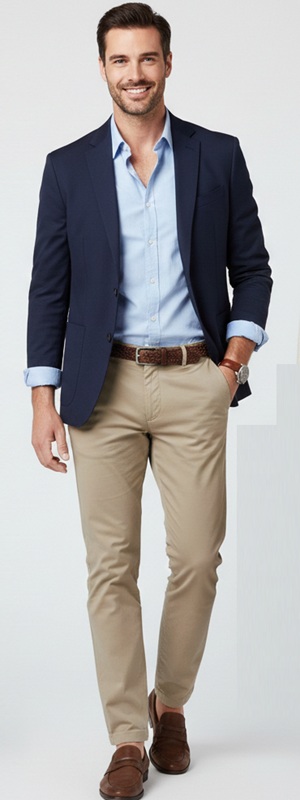
Outfits from this article
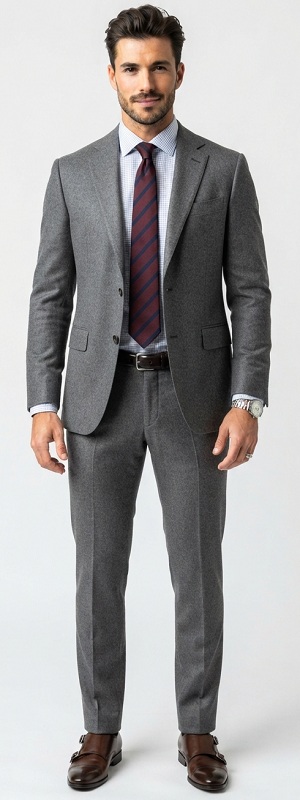 From $187
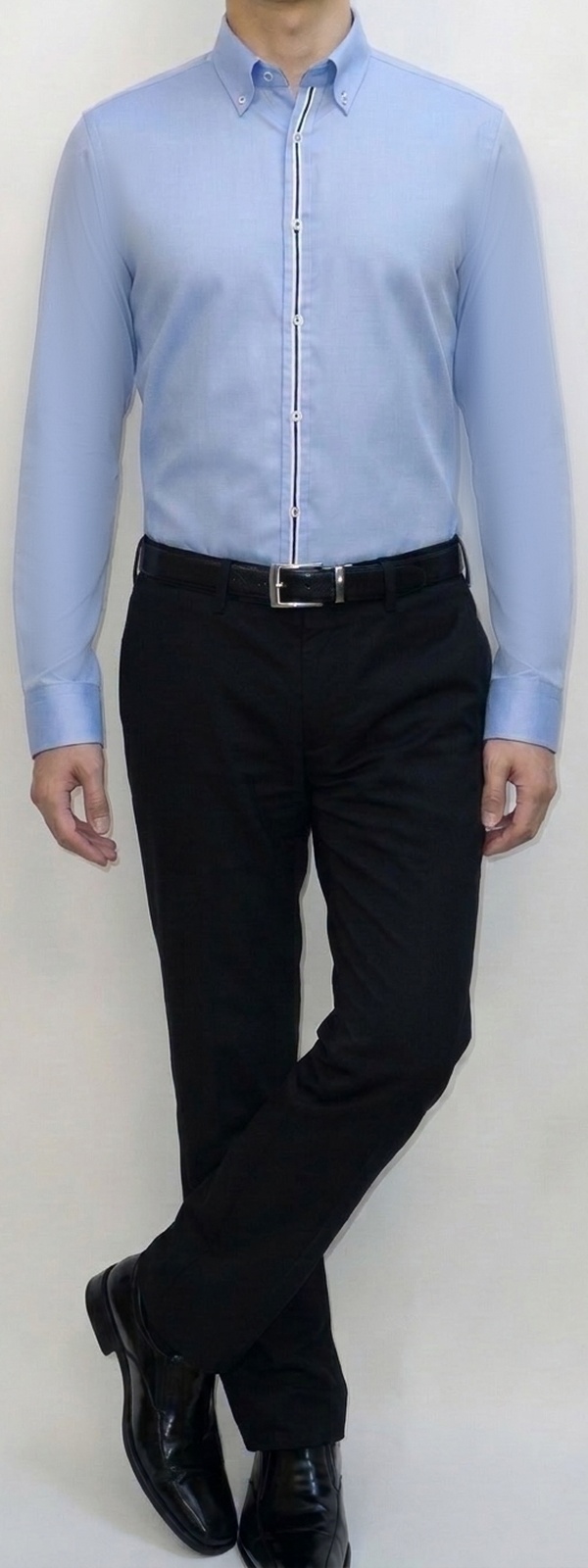 From $77
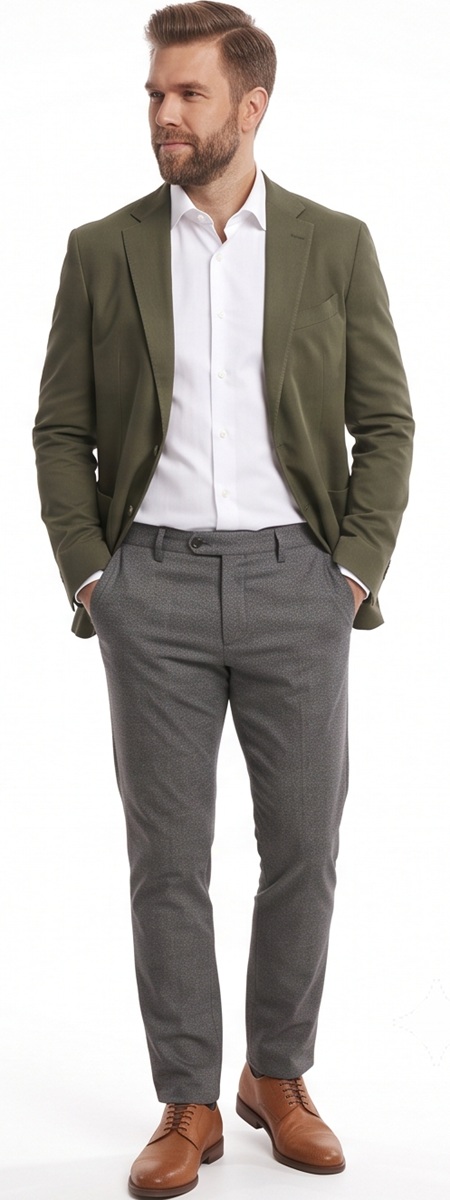 From $134
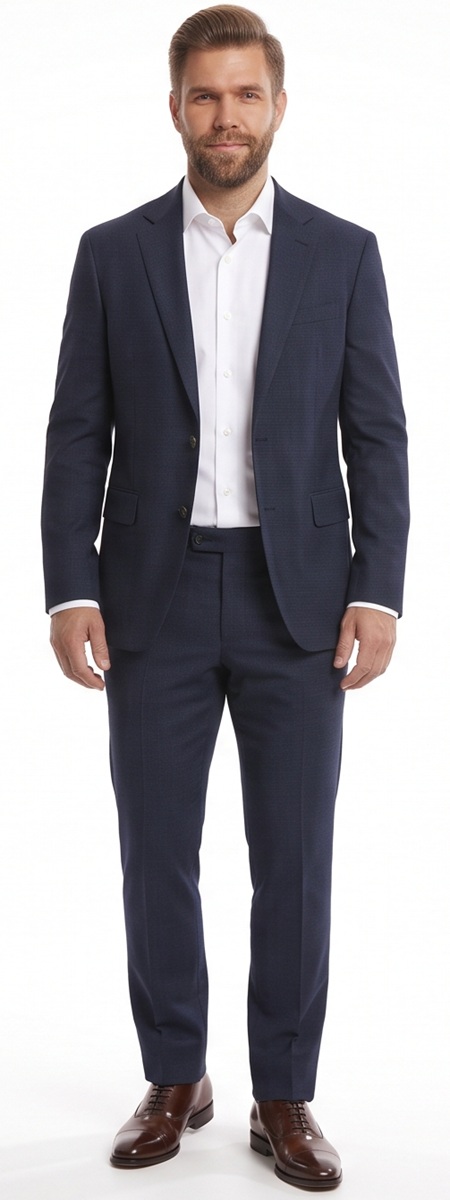 From $121
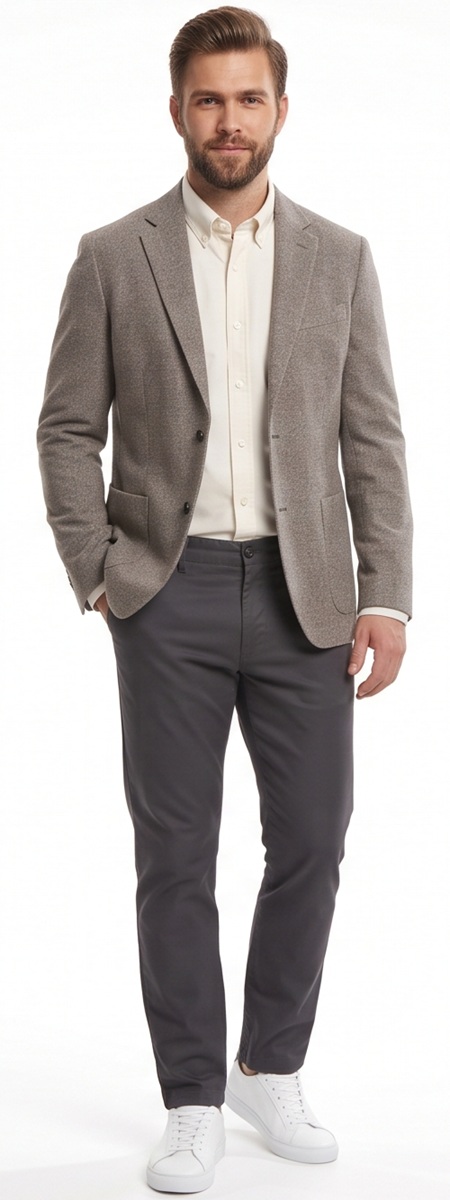 From $91
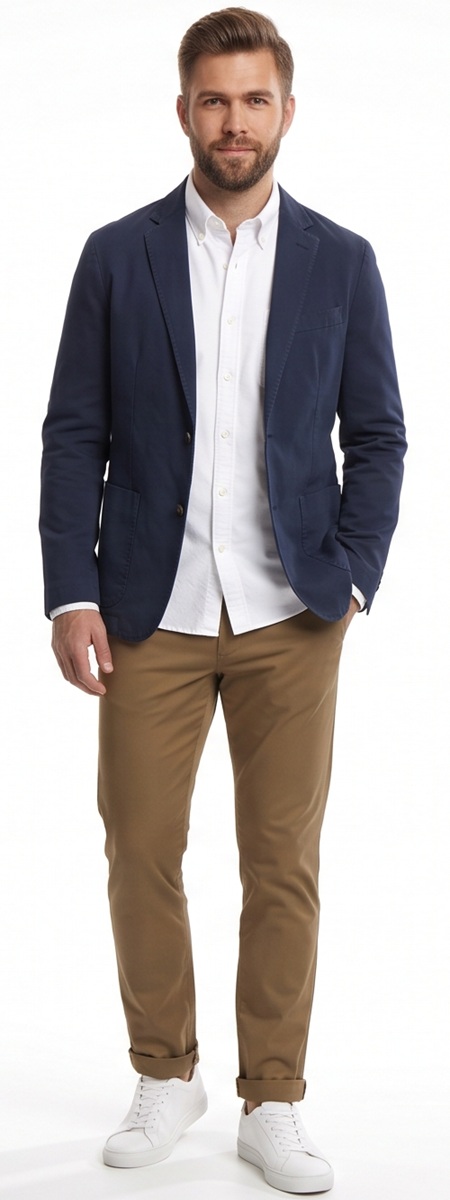 From $87
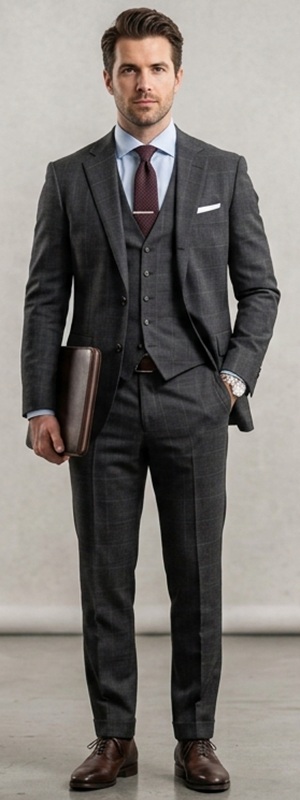 From $247
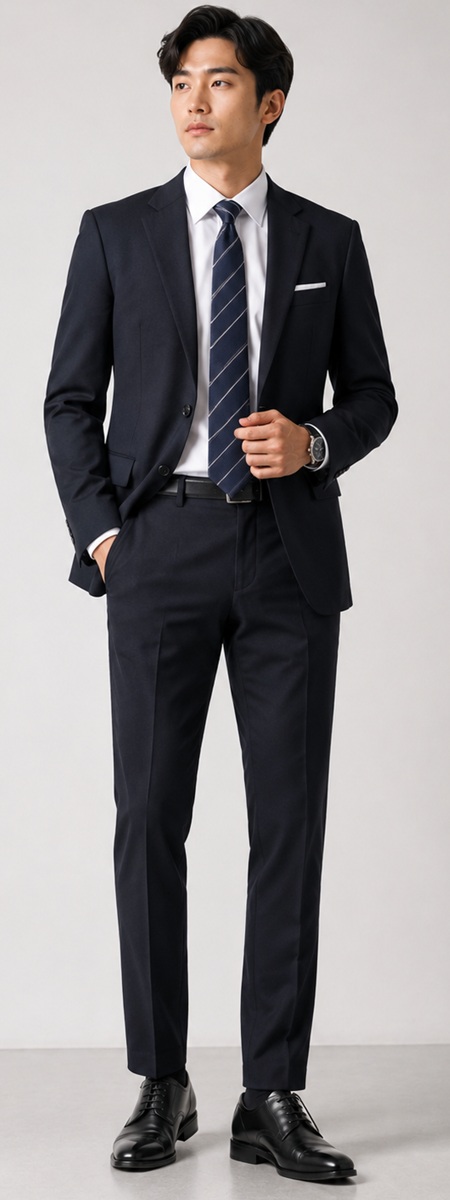 From $145
Decode the Company Dress Code First
Before you purchase a single garment, you need to understand the cultural expectations of the company you are interviewing with. A tech startup, a creative agency, and a traditional financial firm all require very different visual presentations. Generally, dress codes fall into three categories: corporate business formal, modern business casual, or smart casual.
For traditional industries like law or finance, a structured, two-piece suit is non-negotiable. For tech, creative, or trade roles, a sharp business-casual look featuring tailored trousers and a tucked-in collared shirt is usually the sweet spot. When in doubt, it is always better to be slightly overdressed than underdressed. Aiming one step above the company's daily dress code shows respect for the interviewer and the hiring process.
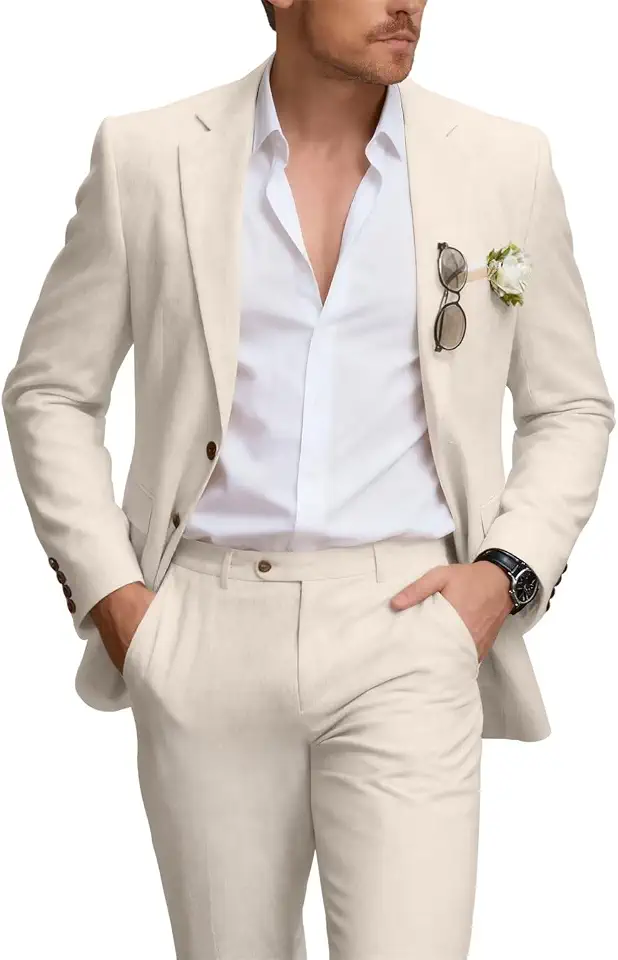
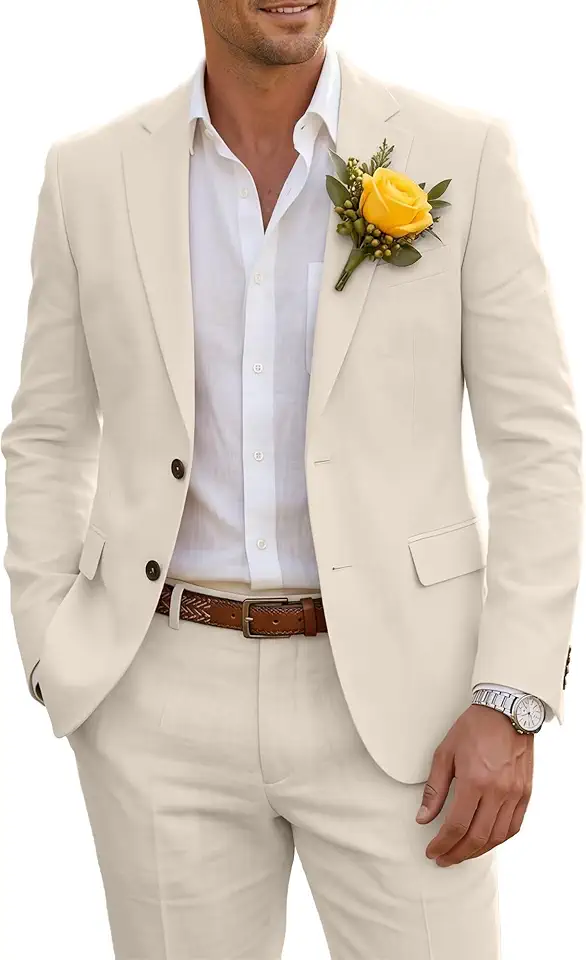
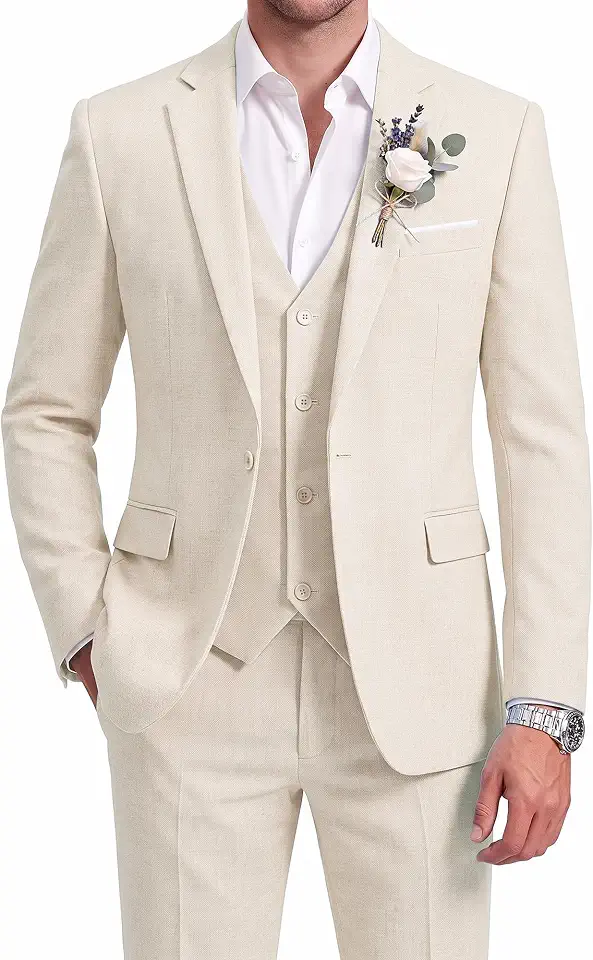
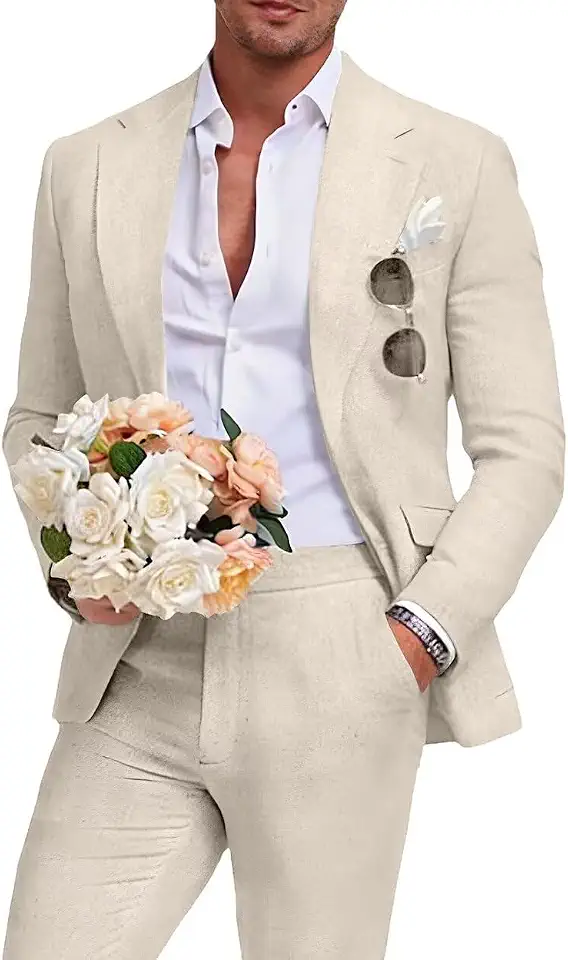
The Budget-Friendly Suit: Focus on Fit Over Label
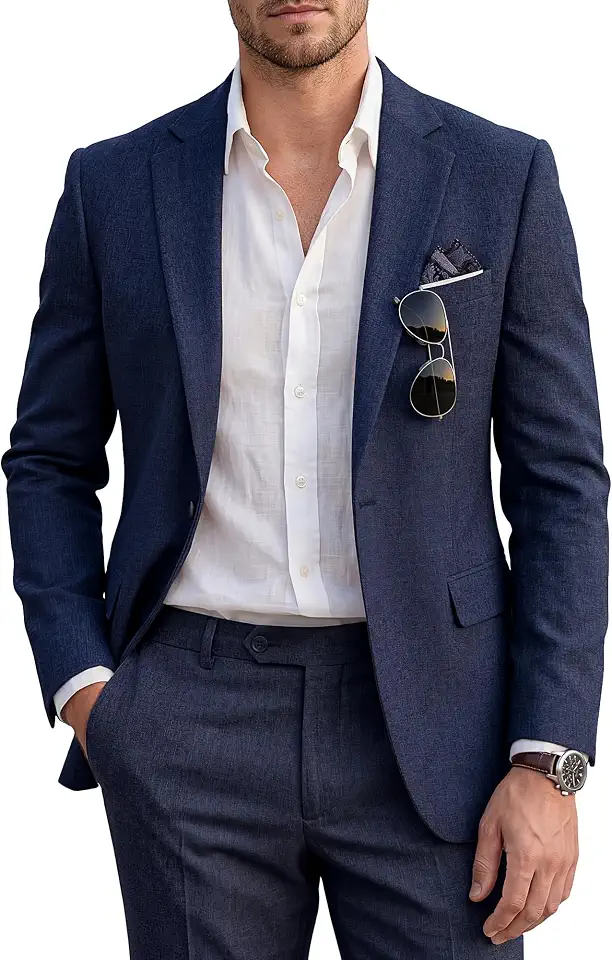
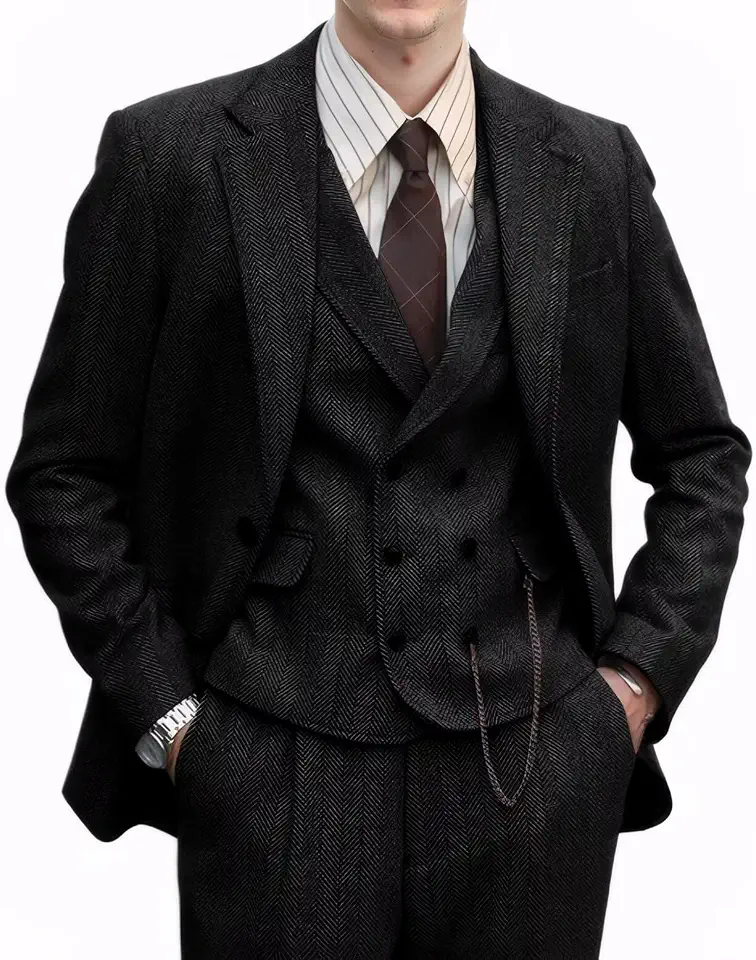
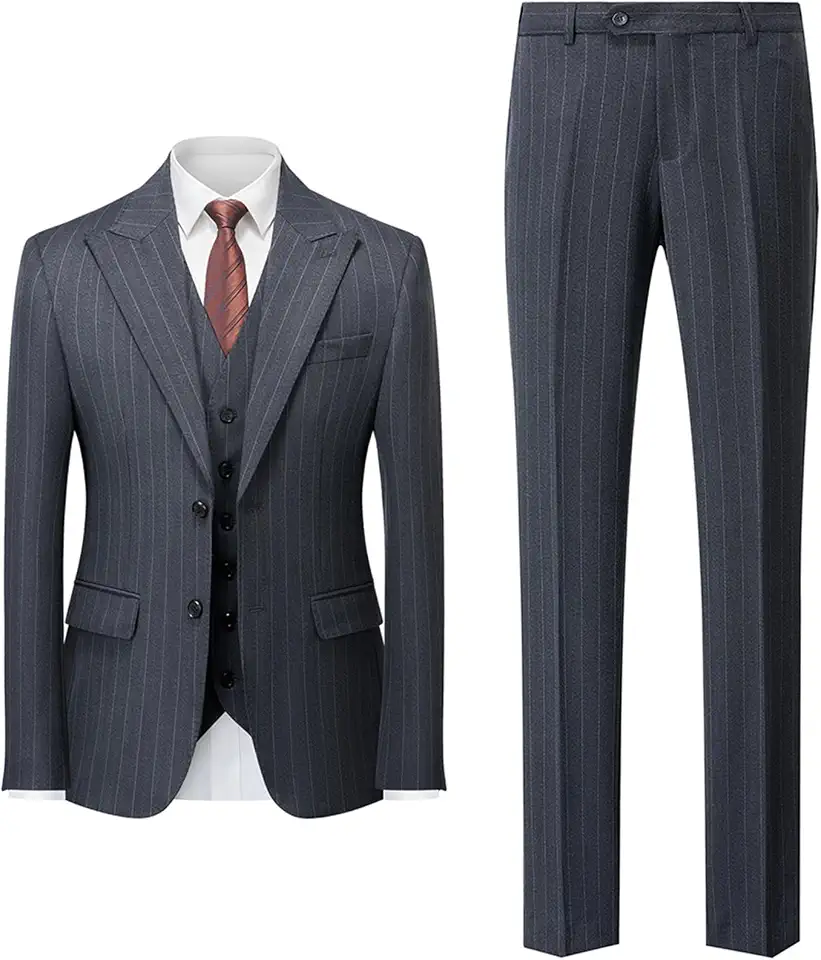
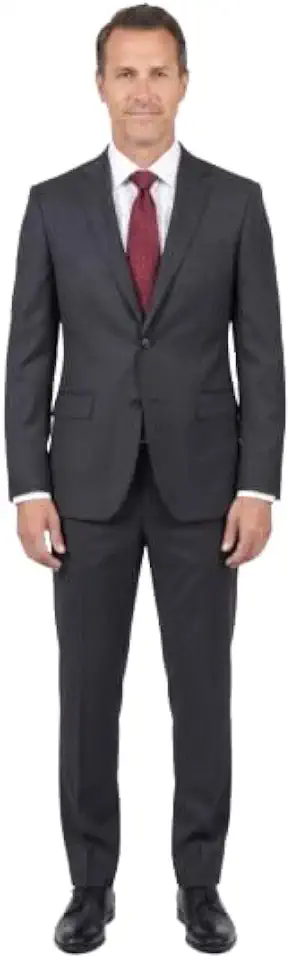
If your interview demands a suit, do not panic. You do not need a bespoke wool suit to look exceptionally sharp. Look for budget-friendly, off-the-rack polyester-rayon or cotton-blend suits. These synthetic blends are highly durable, naturally resist wrinkles during your commute, and mimic the drape of premium fabrics remarkably well.
Stick to timeless, highly versatile colors like deep navy blue or charcoal grey. Avoid black, as it can look overly formal or somber. The most important secret to making an inexpensive suit look high-end is tailoring. Take your budget suit to a local dry cleaner or tailor to have the trousers hemmed to a slight break and the jacket sleeves adjusted to show a quarter-inch of your shirt cuff. This minor investment instantly elevates your silhouette from sloppy to custom-made.
The Crisp Dress Shirt: The Ultimate Foundation
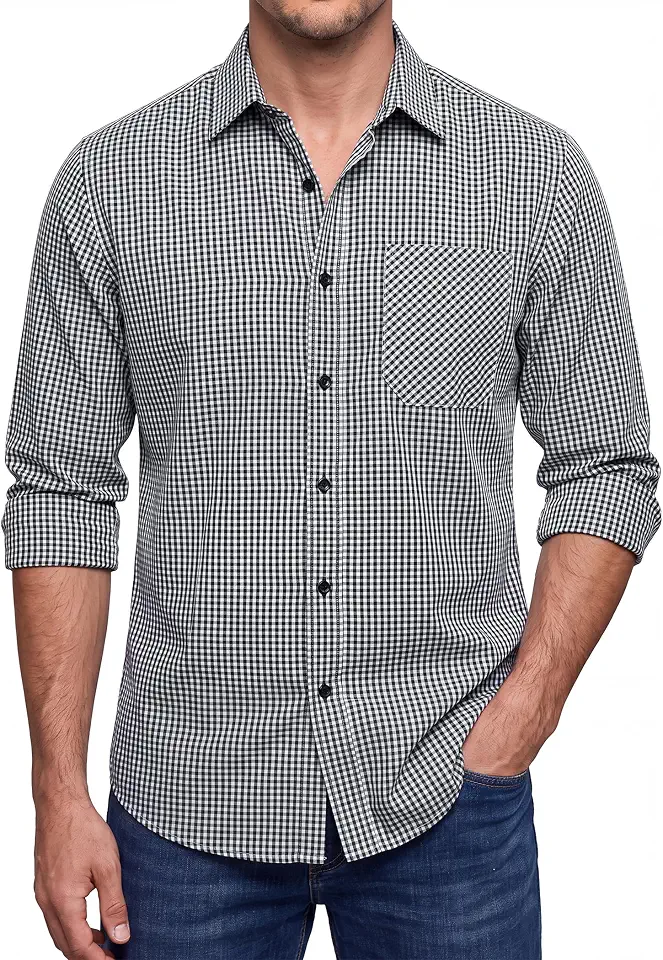
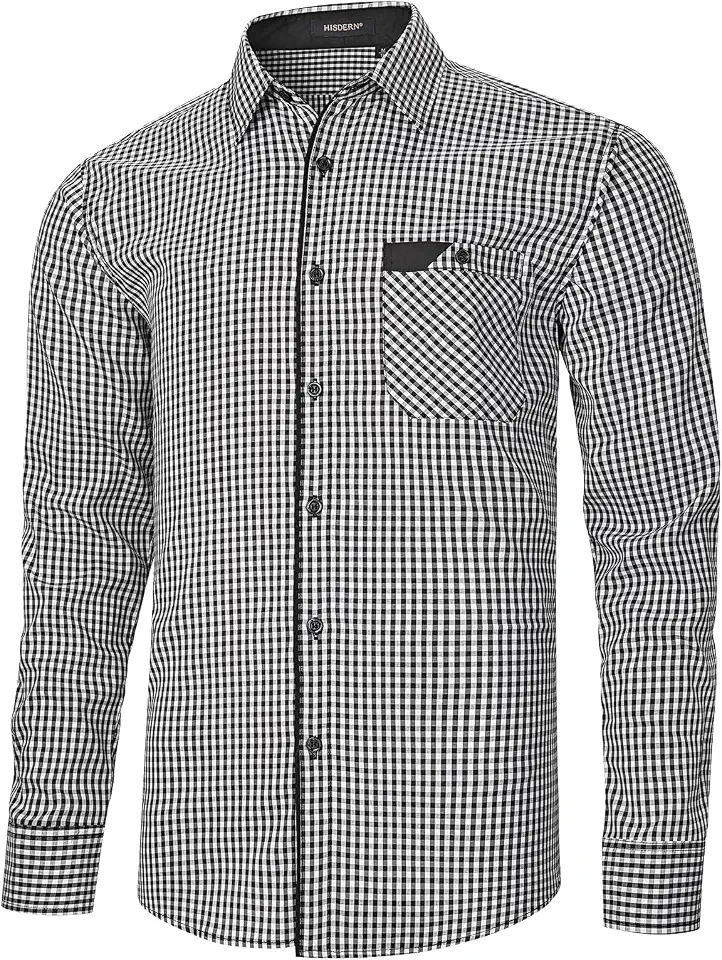
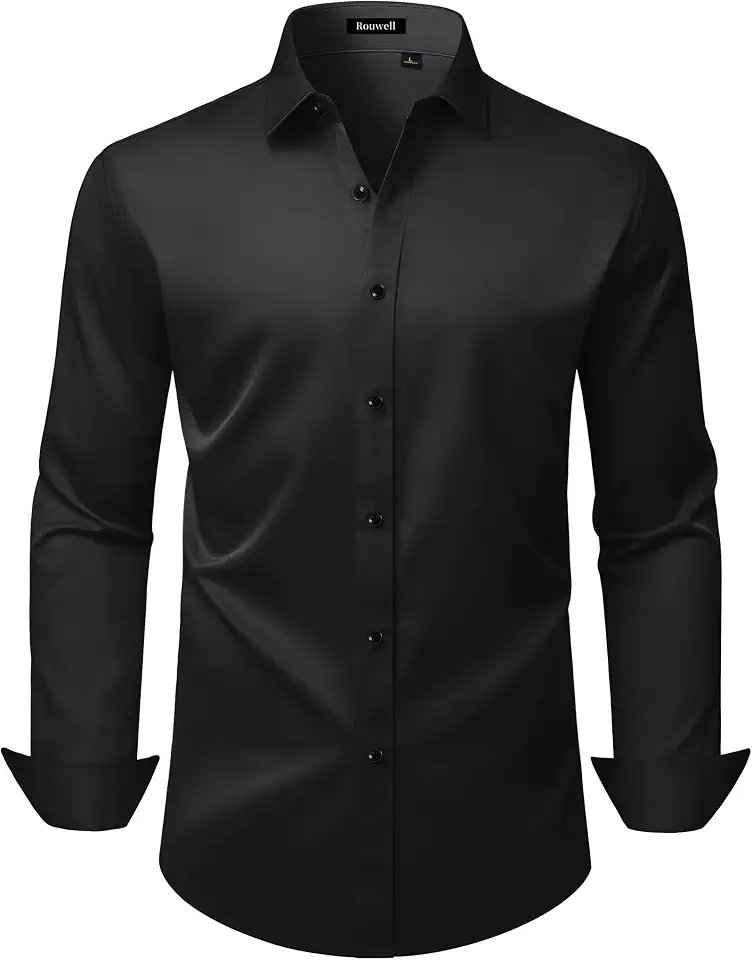
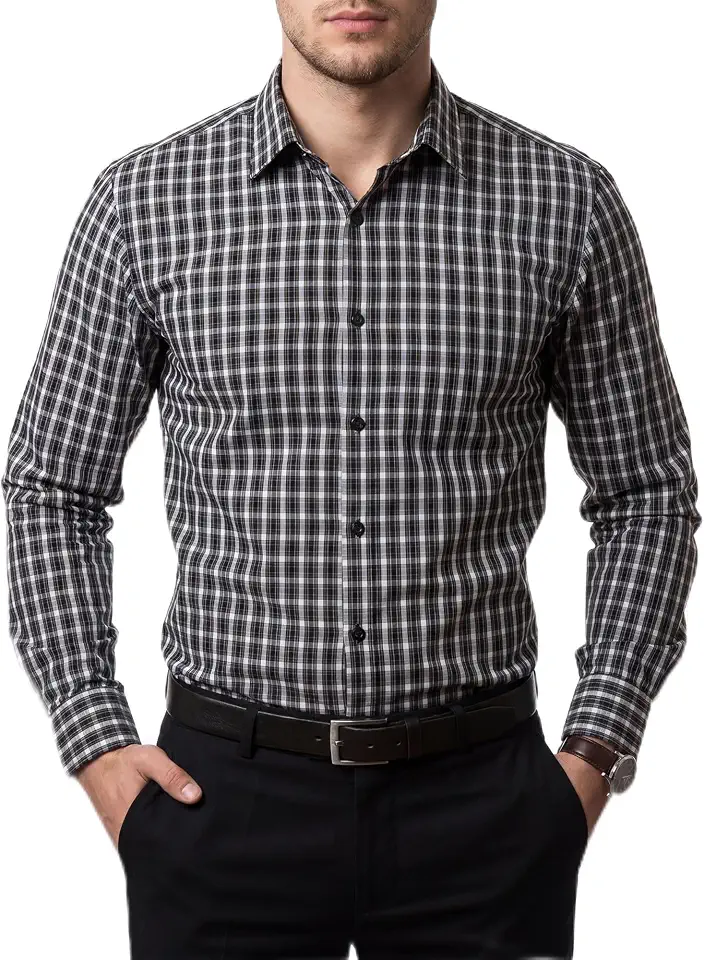
A clean, well-fitted dress shirt is the literal foundation of your entire interview outfit. Opt for a classic long-sleeve dress shirt made from 100% cotton or a cotton-poly blend for easy care. Stick to solid, conservative colors—stark white or light blue are your best options.
Look for a spread collar or a semi-spread collar, which accommodates a tie knot beautifully. Ensure the fit is slim or tailored so there is no excess fabric bunching around your waist when tucked in. Finally, make sure the shirt is thoroughly pressed or steamed. Even the most expensive designer shirt will look cheap and unprofessional if it is covered in wrinkles.
Smart Separates for Business Casual Roles
If the company culture is more relaxed, you can skip the full suit and opt for sharp separates. This is highly budget-friendly because you can easily repurpose these garments for daily wear once you land the job.
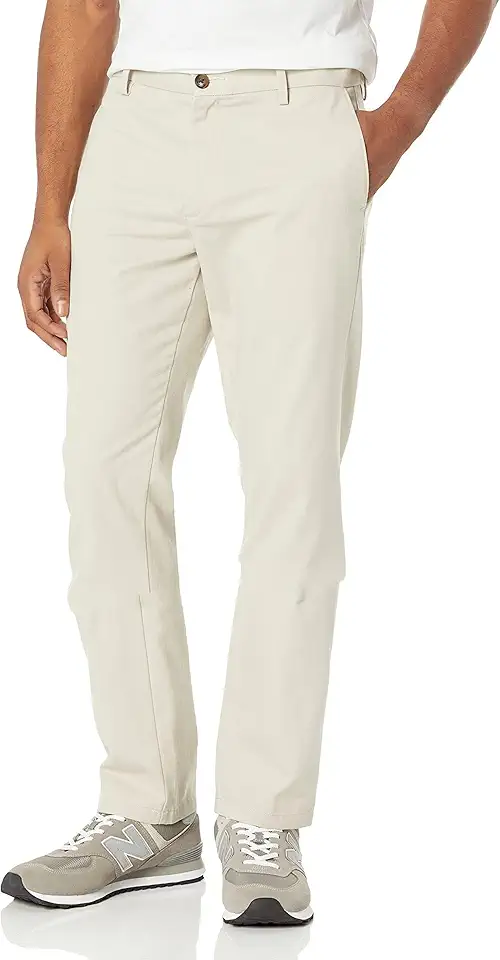
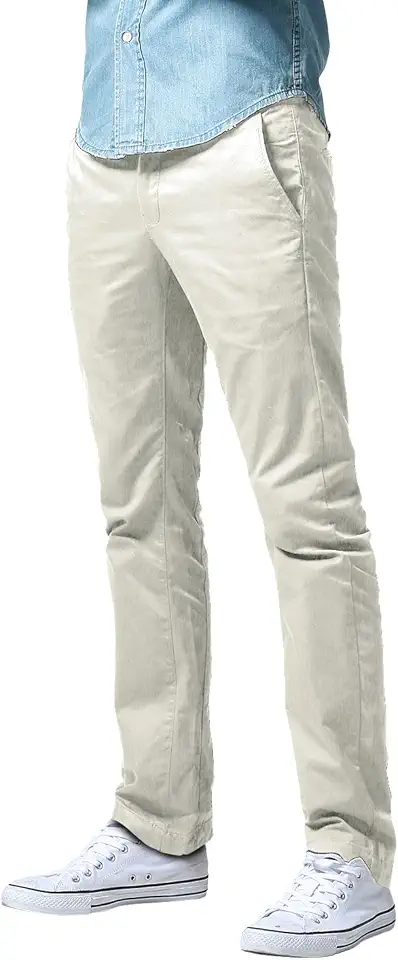
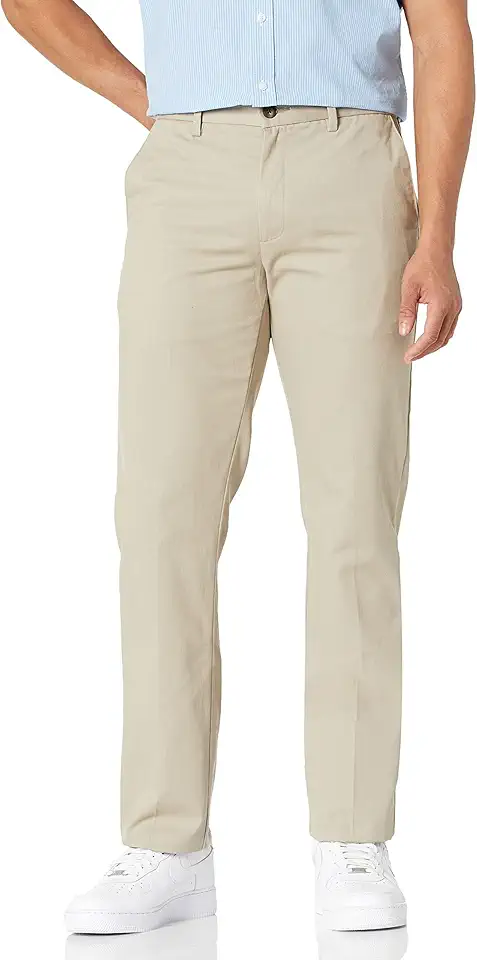
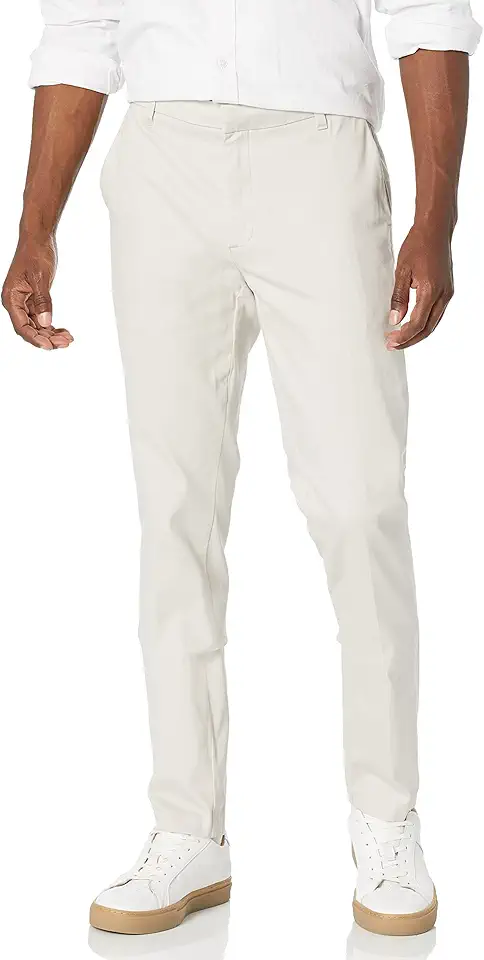
- The Trousers: Invest in a pair of flat-front chinos or tailored dress pants. Stick to classic shades like navy, charcoal, or dark khaki. Look for mid-weight cotton-twill fabrics with a clean, tapered leg that rests gently on your shoes.
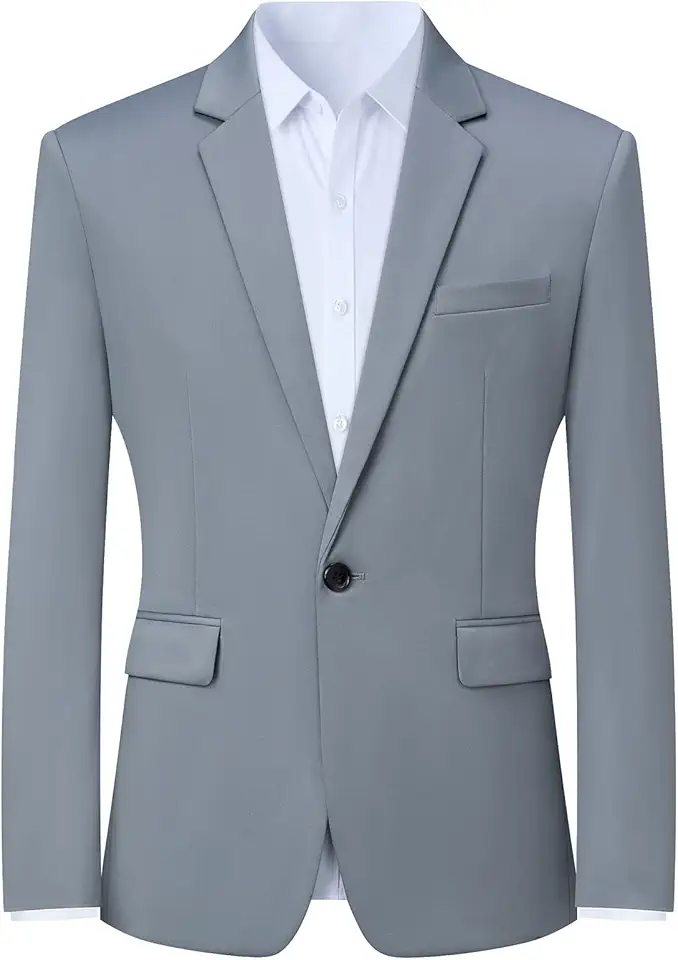
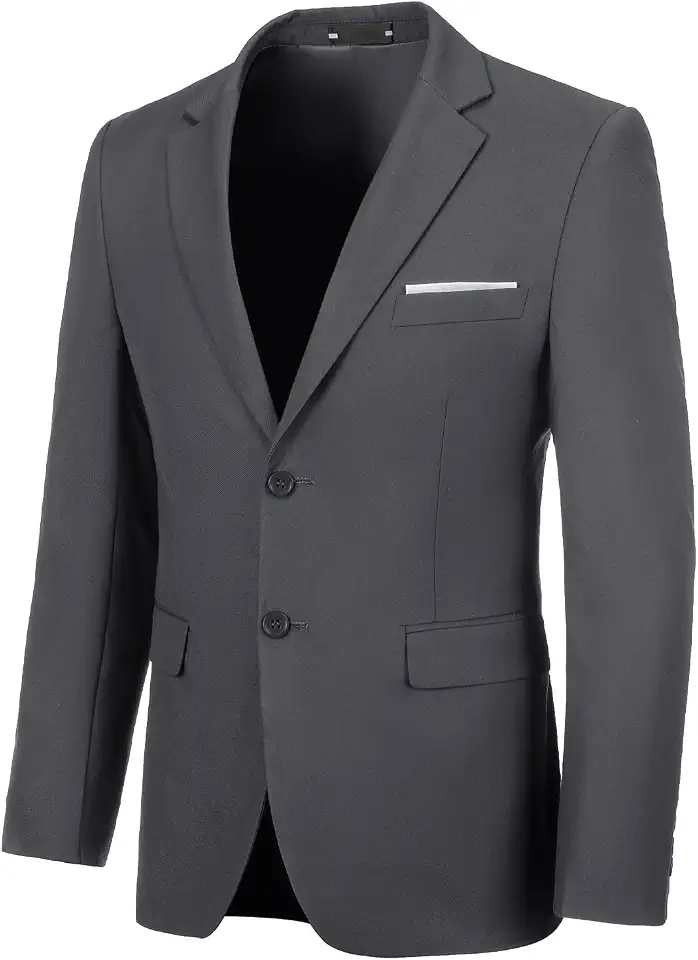
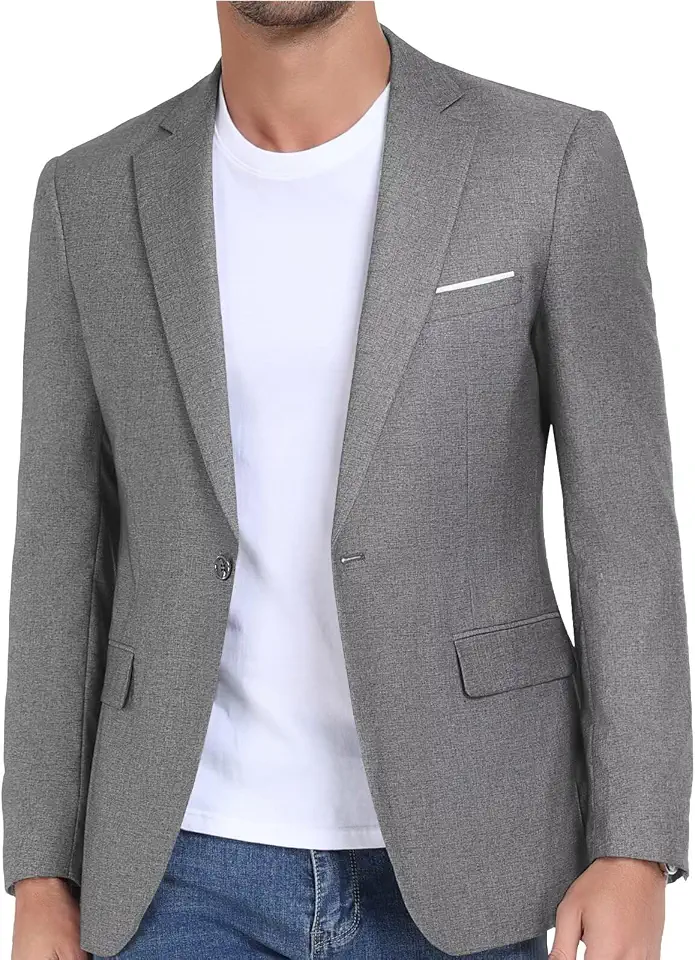
- The Blazer: Pair your trousers with an unstructured or lightly structured blazer in a contrasting tone. A navy blazer paired with grey chinos is a timeless, fail-safe combination that looks effortlessly professional.
- The Knitwear Option: For cooler seasons, layering a fine-gauge, solid-colored crewneck or V-neck sweater over your collared shirt is an excellent way to look polished and organized without wearing a formal jacket.
Professional Footwear and Accessories
Your shoes and accessories are the final details that tie your look together, and they can easily make or break your professional presentation. Keep things simple, clean, and understated.
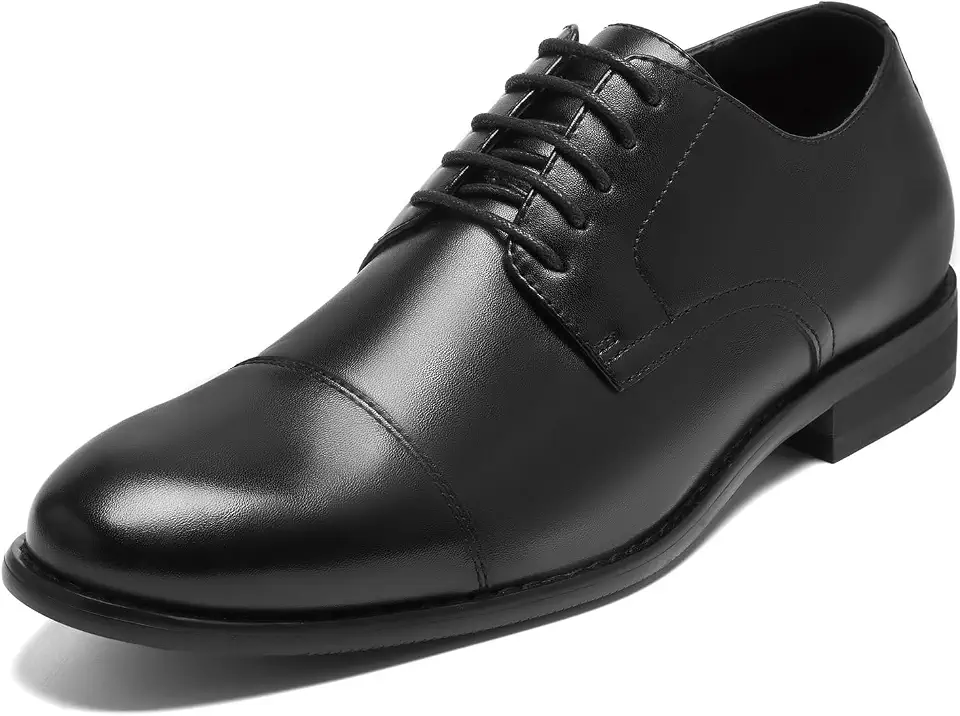
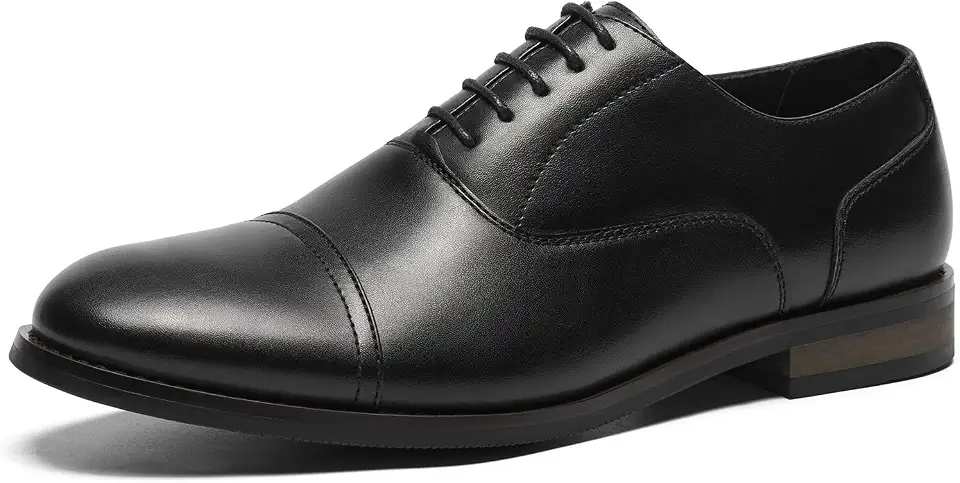
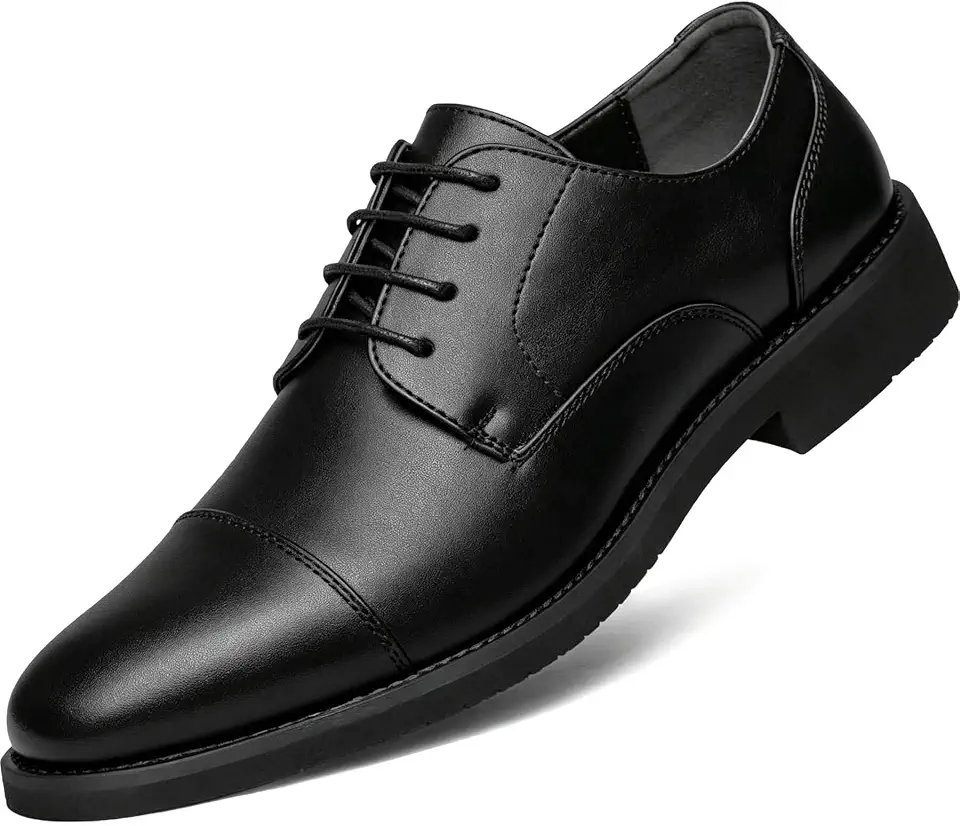
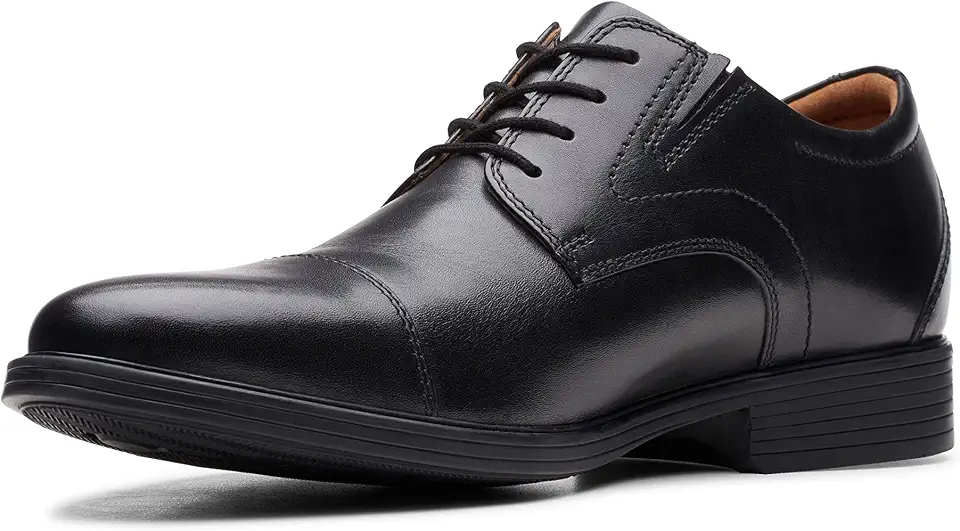
- The Shoes: For formal interviews, wear classic leather or faux-leather cap-toe Oxford shoes. For business casual settings, clean leather Derbies or structured loafers work perfectly. Stick to dark brown or black, and ensure they are freshly wiped clean and free of scuffs.
- The Belt: Your leather belt should always match the color of your shoes. Keep the buckle simple, silver or brass, and free of loud logos.
- The Tie: If wearing a tie, choose a conservative width (around three inches) in a solid jewel tone or a subtle, muted pattern like a classic stripe. Avoid loud, busy designs that distract the interviewer.
Conclusion: Confidence is Your Best Accessory
Ultimately, the goal of your interview outfit is to act as a seamless backdrop to your skills, personality, and qualifications. By focusing on proper fit, classic neutral colors, and immaculate grooming, you can walk into your interview looking like a seasoned professional on a modest budget. Once you have put together your sharp, affordable look, you can shift all your focus toward showcasing why you are the perfect candidate for the job. Ready to put your interview look together? Browse our curated outfits to find your next budget-friendly, career-starting ensemble.
Related searches
All curated searches
Related Reading
What to Wear to a Business Meeting — Men's Complete Guide
Walking into a high-stakes business meeting can be nerve-wracking, but worrying about your outfit shouldn't be part of the equation. First impressions are formed within seconds, and your attire speaks volumes about your professionalism and attention to detail before you even say a word. Balancing executive-level style with a budget can feel like a delicate tightrope walk. Whether you are pitching to a new client, meeting the board, or closing a major deal, finding the right balance between 'too stiff' and 'too casual' is the ultimate styling challenge. You want to look sharp and commanding, but without draining your bank account on bespoke tailoring. In this comprehensive guide, we will break down exactly how to navigate the modern corporate dress code for less. From selecting the perfect affordable suit to mastering the art of business casual separates, you will get the exact blueprint to look like a million bucks on a realistic budget.
What to Wear to a Job Interview — Men's Complete Guide
Landing a great job interview is exciting, but standing in front of your closet trying to decode the dress code can quickly turn that excitement into stress. Whether you are interviewing at a conservative law firm or a laid-back tech startup, your outfit is your very first introduction. You want your skills and experience to shine, not a wardrobe misstep. The secret to job interview styling is finding the perfect balance between professional polish and personal authenticity. When you dress one notch above the everyday office culture, you project confidence, competence, and a genuine respect for the opportunity. In this guide, we are taking the guesswork out of professional attire without breaking the bank. We will walk you through actionable style rules, common pitfalls to avoid, and budget-friendly outfit formulas guaranteed to help you make a killer first impression.
How to Style a Men's Navy Suit for Any Occasion
Master styling a men's navy suit for weddings, job interviews, and cocktail events with crisp dress shirts, knit turtlenecks, and oxford shoes.
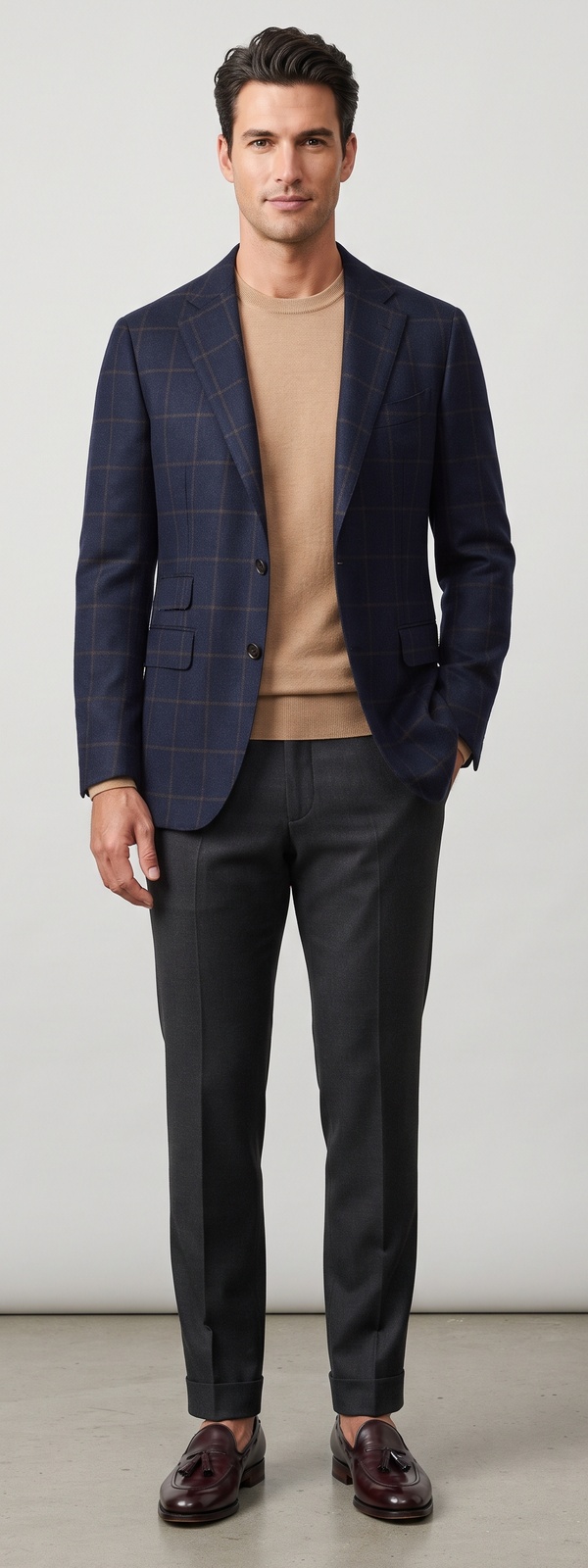
Charcoal Grey Wool Dress Pants: Textured Sartorial Authority
We curated this winter tailoring gallery to highlight the supreme texture and drape of charcoal grey wool dress pants. Wool yarns naturally trap warmth while resisting wrinkles, providing substantial structure that falls in an unbroken crease down to your footwear. We recommend pairing charcoal wool trousers with cream cable-knit sweaters or tailored navy blazers. Secure durable, budget-friendly charcoal wool-blend dress slacks on Amazon for distinguished cold-weather tailoring.
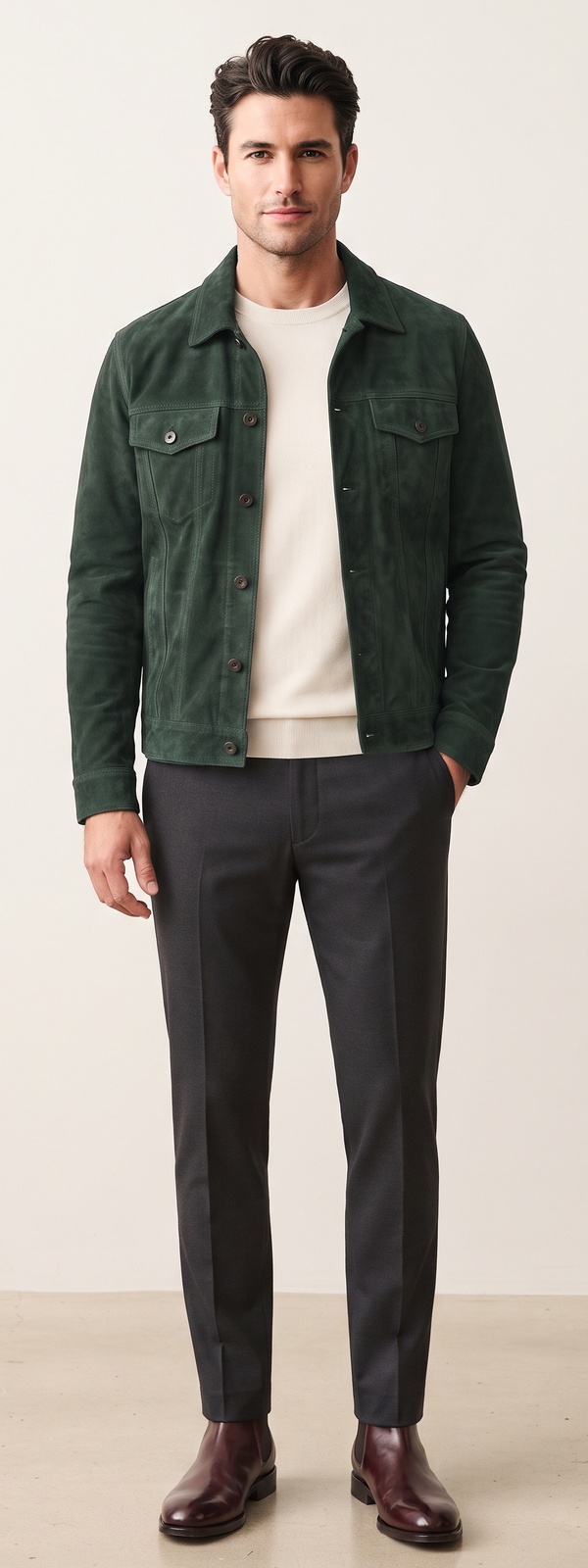
Slim-Fit Charcoal Dress Pants: Architectural Office Polish
We curated this tailored trousers lookbook to celebrate the versatile backbone of corporate and smart-casual menswear: slim-fit charcoal dress pants. Charcoal grey bridges the stark formality of black with the softness of navy, making it the supreme neutral for pairing with blazers, merino sweaters, and leather footwear. We love styling charcoal slacks with white dress shirts and brown loafers. Explore well-tailored, budget-friendly charcoal dress pants on Amazon for sharp daily professionalism.
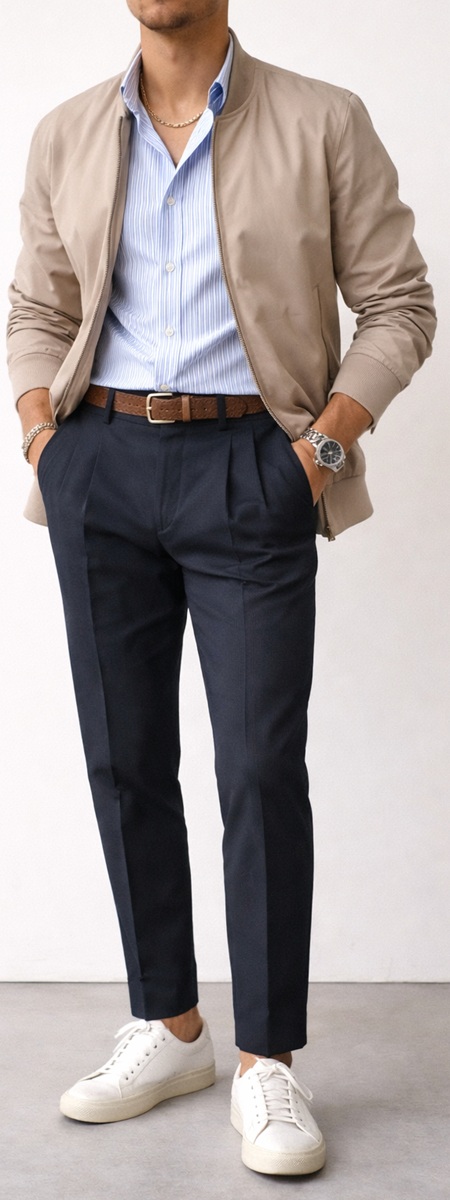
Smart Casual vs Business Casual: Key Differences Explained
Smart casual vs business casual can feel confusing. Learn the exact differences, garment rules, and outfit formulas to look sharp on any budget.
Other Reading
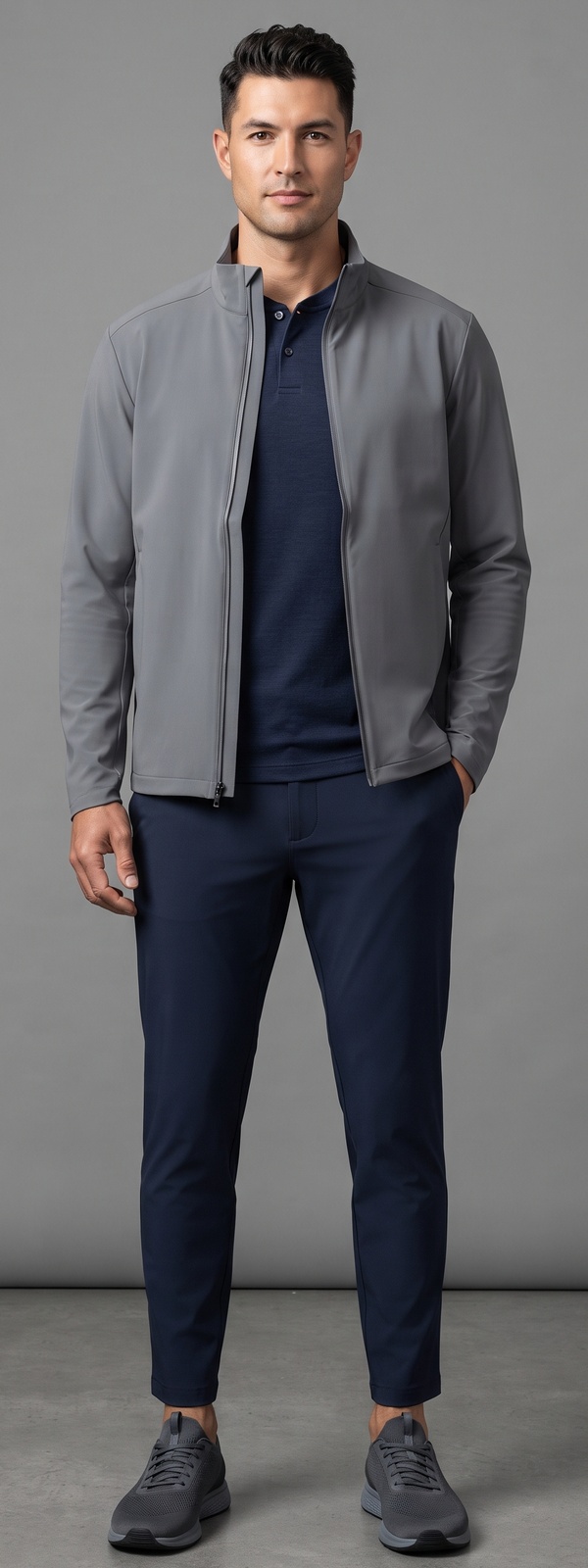
What to Wear to a Startup Demo Day — Men's Complete Guide
Stepping onto the stage or working the floor at an accelerator startup demo day and venture capital showcase places you at the intersection of tech innovation and high-stakes finance. Whether you are pitching seed-stage investors under stage spotlights or networking with angel syndicates during cocktail hour, your attire must signal visionary competence and modern adaptability. The gold standard dress code is elevated Silicon Valley executive smart casual: unstructured navy or olive wool blazers, fine-gauge merino mock-necks or knit polos, tailored performance chino pants, and sleek leather loafers or minimalist court sneakers. You want an ensemble that commands boardroom credibility without looking like an outdated Wall Street banker. From breathable anti-wrinkle fabrics for high-pressure stage pitches to versatile smart layering, here is your definitive blueprint for mastering startup demo day style.
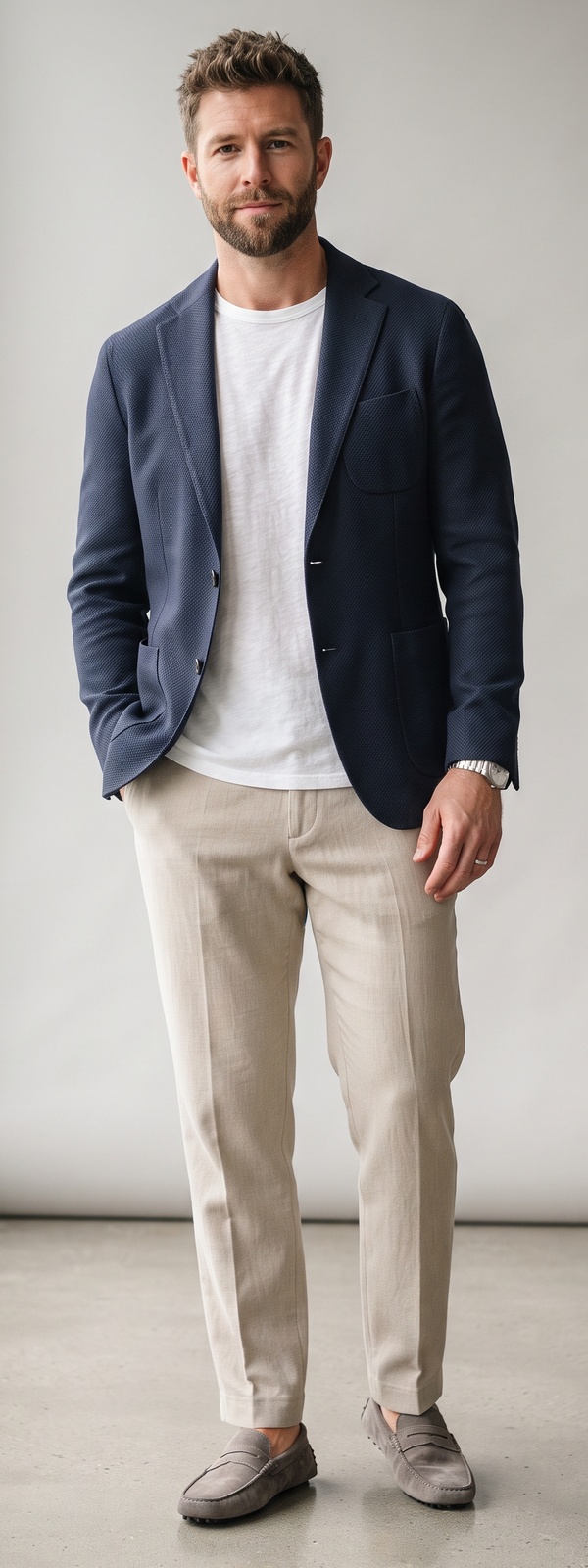
Navy Blue Linen Blazers: Breathable Coastal Sartorialism
We curated this breezy summer tailoring edit to highlight the supreme warm-weather versatility of the navy blue linen blazer. While standard wool sport coats trap suffocating heat, porous linen allows ocean breezes to pass freely, keeping you impeccably composed during garden parties and yacht outings. We recommend pairing navy linen blazers with off-white trousers and woven loafers. Find sharp, budget-friendly navy linen blazers on Amazon for enduring coastal sophistication.
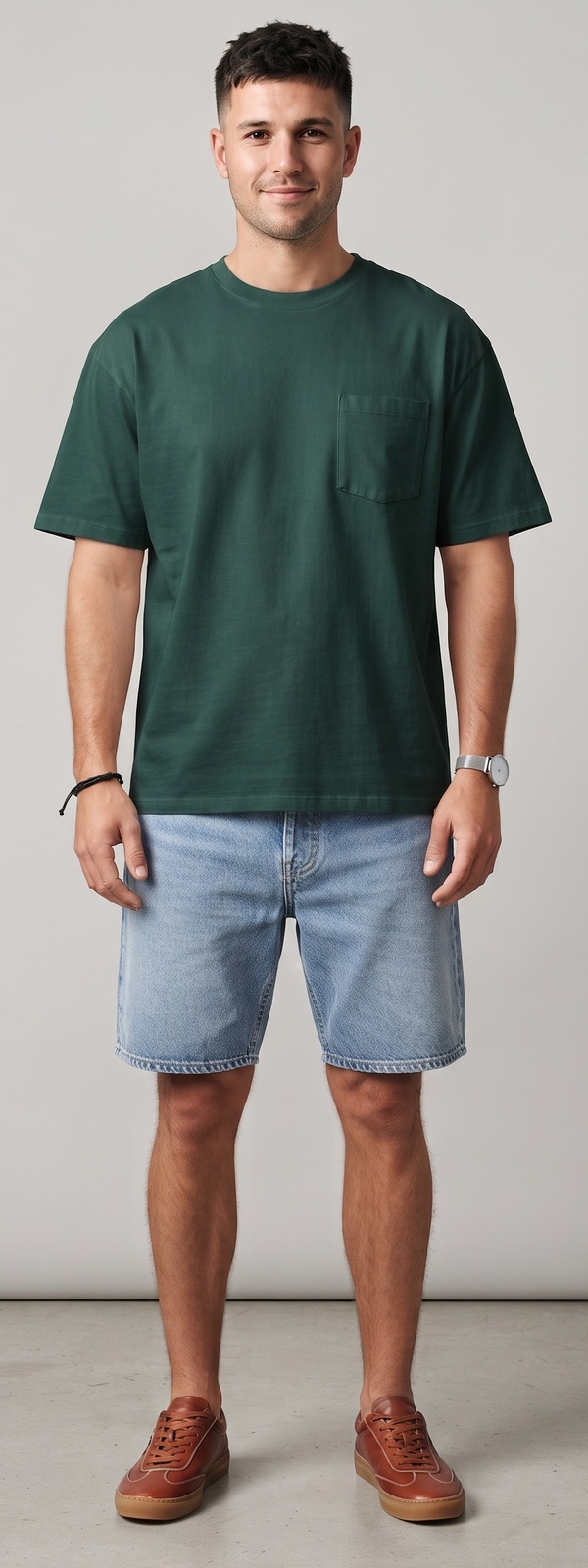
How to Style Men's Denim Shorts: The Modern Jorts Wardrobe Guide
Reclaim vintage warm-weather Americana with our guide to styling men's denim shorts, raw hems, camp shirts, and skate footwear.