
November 22, 2026
Should You Match Socks to Pants or Shoes? Men's Guide
The Great Ankle Dilemma
When standing before your wardrobe in the morning assembling a tailored outfit, a deceptively simple question inevitably arises: Should your socks match your pants, or should they match your shoes?
For many men, the instinct is to grab a pair of socks that matches their footwear—pairing brown socks with brown dress shoes, or black socks with black loafers. Others assume socks are an afterthought, reaching for whatever dark tube lies at the top of the drawer. However, this seemingly minor gap between trouser hem and shoe collar plays a massive role in governing your overall visual proportions. Understanding the optical mechanics of sock matching transforms an ordinary suit into a sleek, elongated sartorial statement.
Outfits from this article
 $92
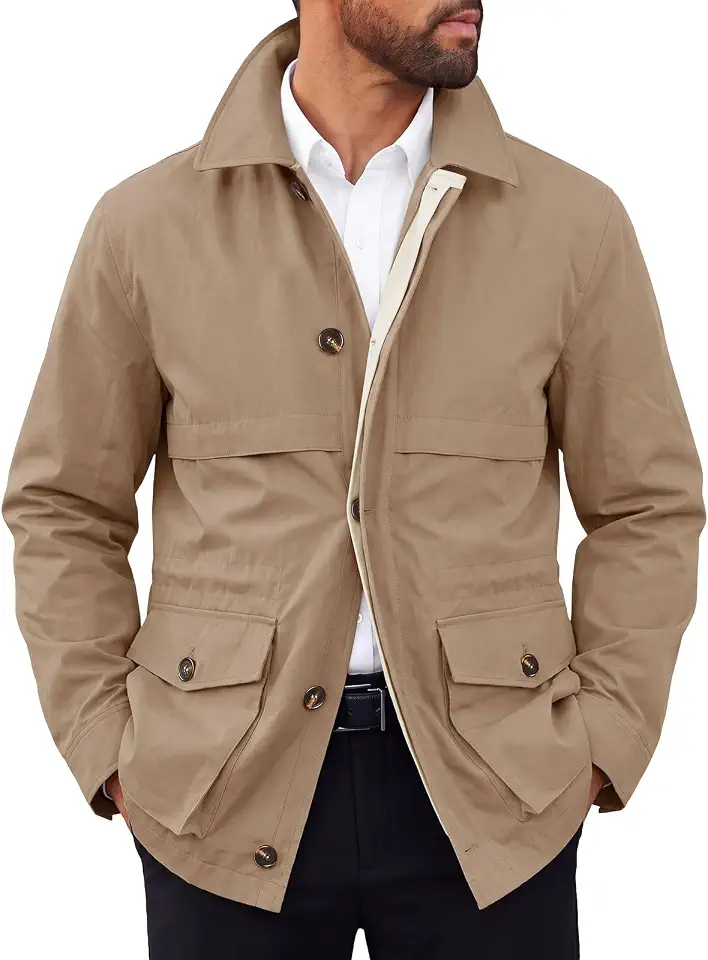
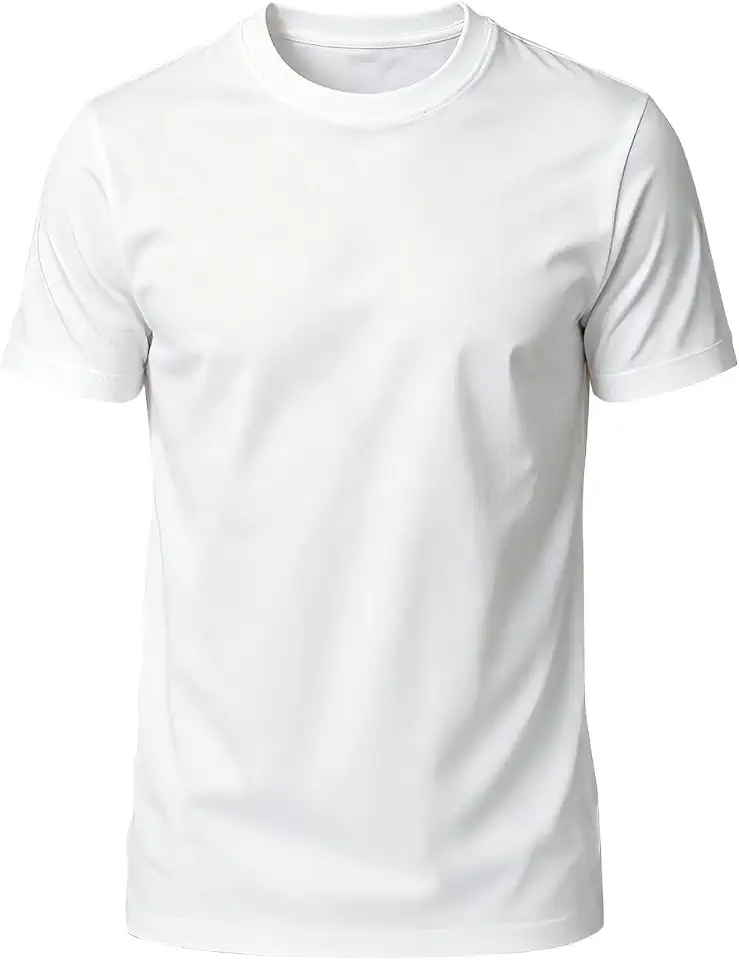
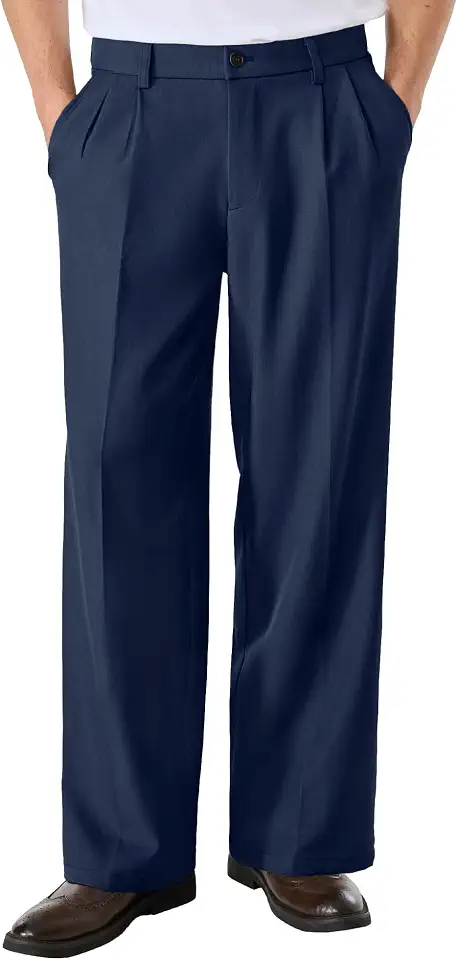
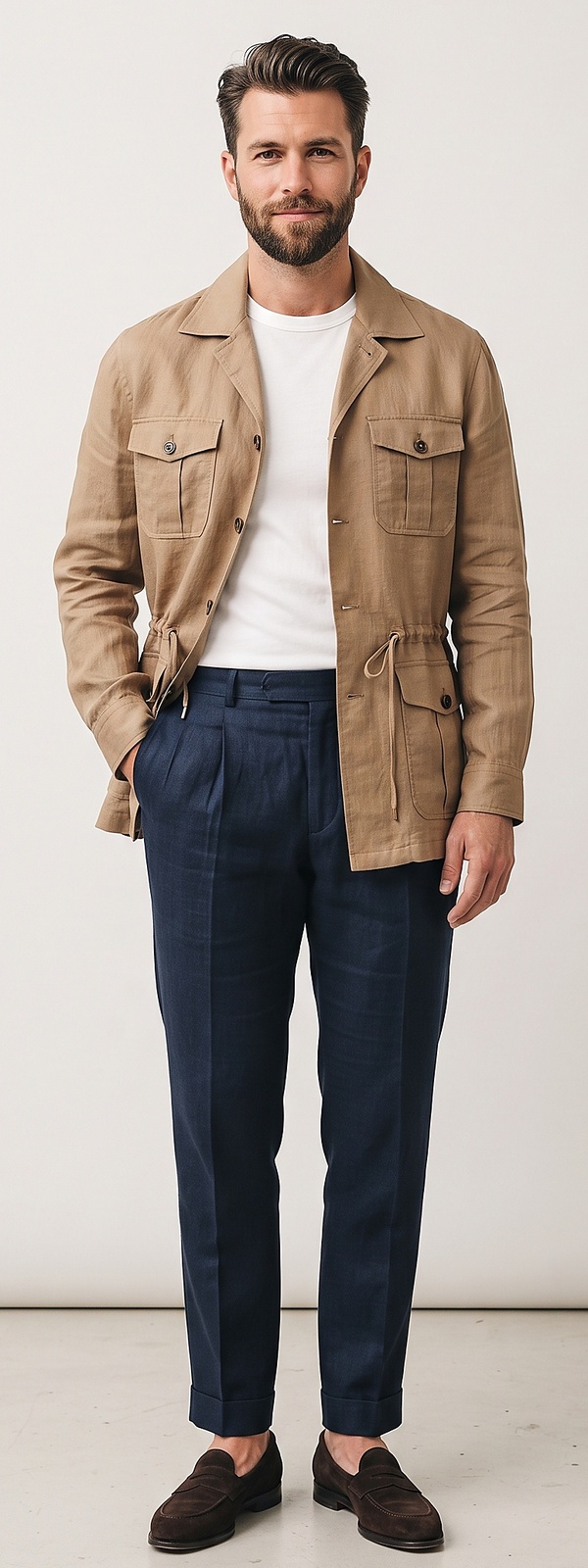
Tan Linen Safari Jacket and Navy Pleated Dress Pants Smart Casual Look
4 pieces · Oct 11, 2026
 $130

 $120
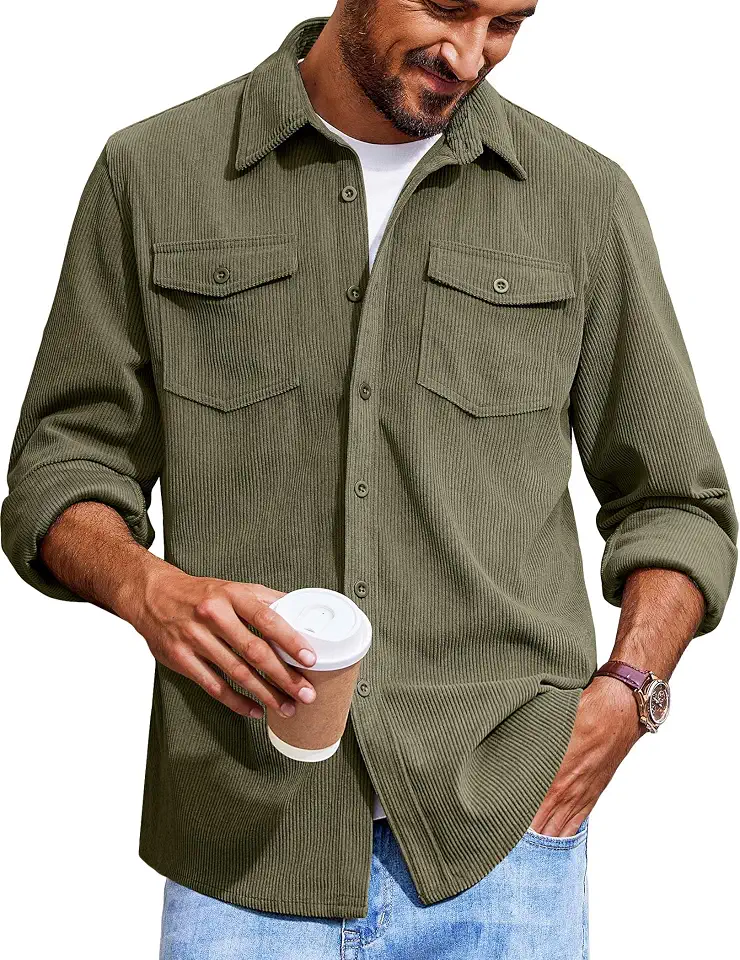

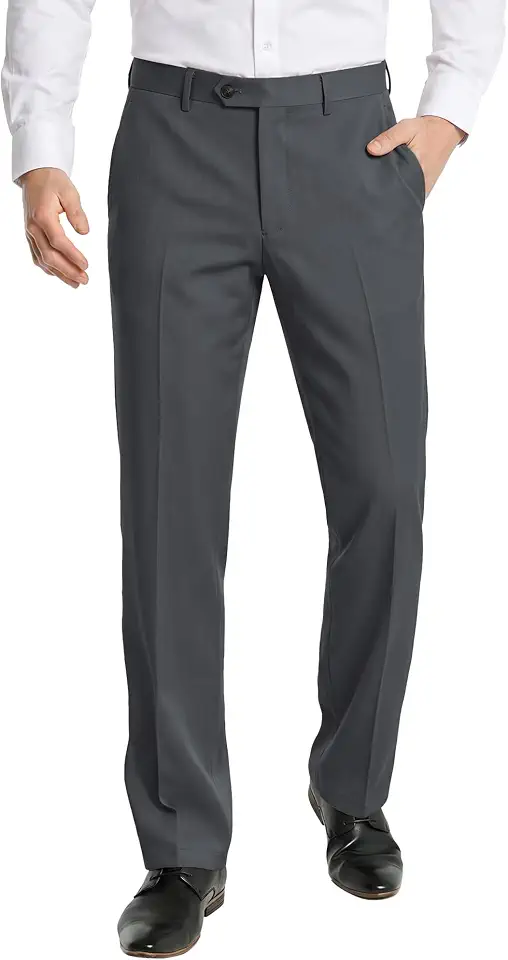

1. The Classical Rule: Match Your Socks to Your Trousers
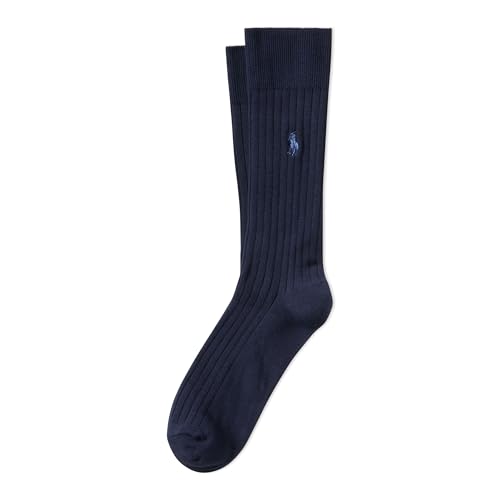
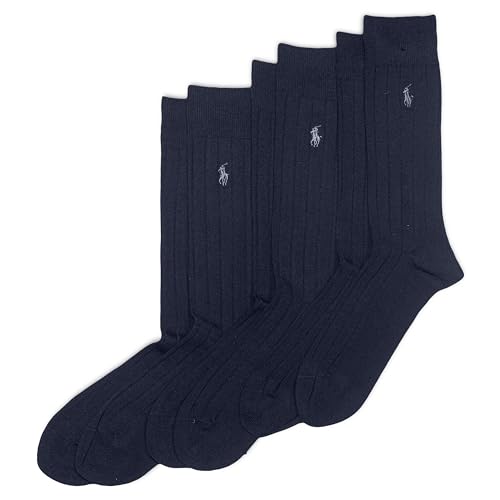
The foundational rule of classical menswear states clearly: always match your socks to your pants, not your shoes.
The reason for this rule is rooted in optical geometry. Your eye follows uninterrupted vertical lines. When your socks match the color and tone of your trousers, the fabric of your pant leg appears to extend smoothly all the way down into your footwear. This seamless transition creates an unbroken vertical column of color that makes your legs look noticeably longer and your entire frame taller and leaner.
Consider the classic corporate combination: a tailored navy suit paired with rich brown leather Oxford shoes.
- If you wear navy socks (matching your trousers), your leg line continues uninterrupted to the ankle, where the brown shoes act as an elegant, distinct grounding base.
- If you wear brown socks (matching your shoes), you create an awkward "boot effect." The brown of the shoe travels up your ankle, visually chopping your leg off at the trouser cuff and creating an unbalanced pillar of brown that shortens your perceived height.
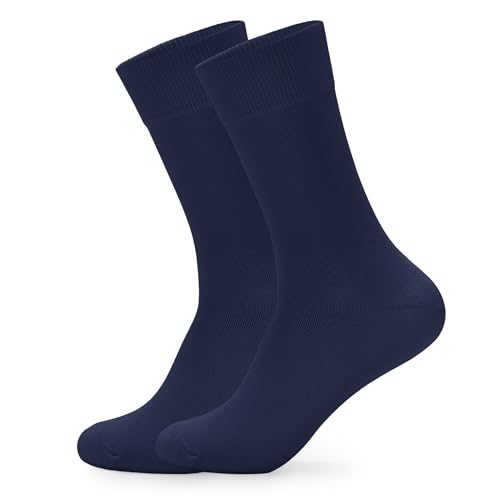
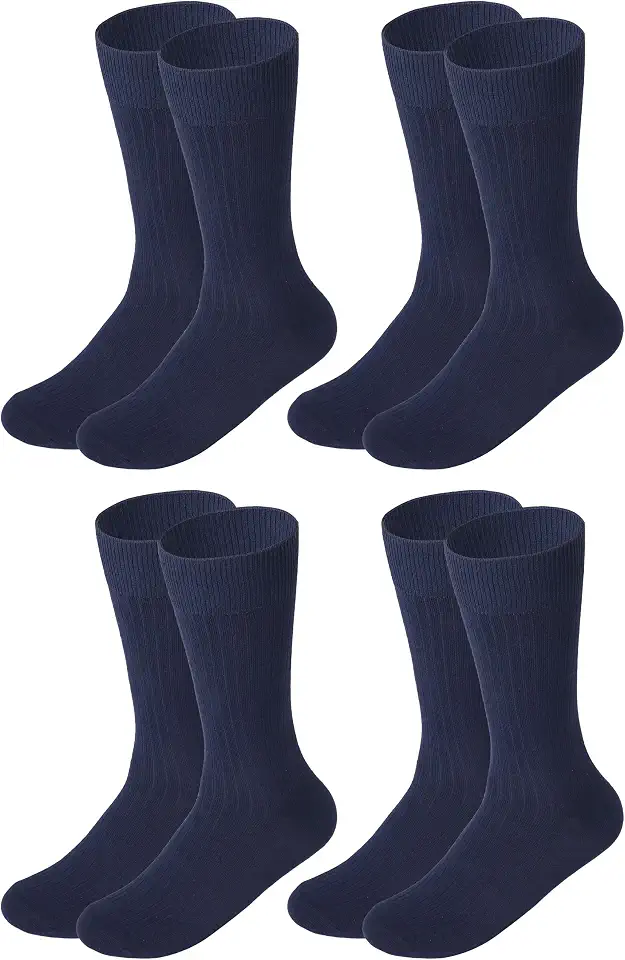
2. Navigating Shades and Tones
Matching your socks to your pants does not require having an identical microscopic dye match for every single pair of trousers you own. In fact, wearing socks that are a half-shade darker than your trousers often looks richer and more intentional.
- With Charcoal Trousers: Wear deep charcoal or slate grey socks. If an exact match is unavailable, lean toward black or deep heather grey.
- With Navy Trousers: Wear midnight navy or dark navy socks. Avoid bright royal blue socks with formal navy suits, as the contrast will distract the eye.
- With Olive or Earth-Toned Trousers: Choose dark forest green, loden olive, or espresso socks that maintain the deep earthy palette.
- With Light Tan or Khaki Chinos: Matching light khaki socks can sometimes look dated and sterile. Instead, choose mid-brown, tobacco, or a refined textured pattern that bridges the light pant and dark shoe.
3. When Can You Break the Rule? Accent and Patterned Socks
While matching trousers is the safest and most flattering choice for business formal environments, modern smart-casual wear allows for creative deviation. However, wearing accent socks successfully requires understanding the difference between sophisticated color bridging and obnoxious "novelty" socks.
To incorporate non-matching socks with maturity:
- The Color Bridge Technique: Choose a sock that pulls a secondary or tertiary accent color from your upper body. If you are wearing a navy suit, white shirt, and a burgundy silk grenadine tie, wearing solid deep burgundy socks creates a thoughtful, bookended connection that harmonizes the entire outfit.
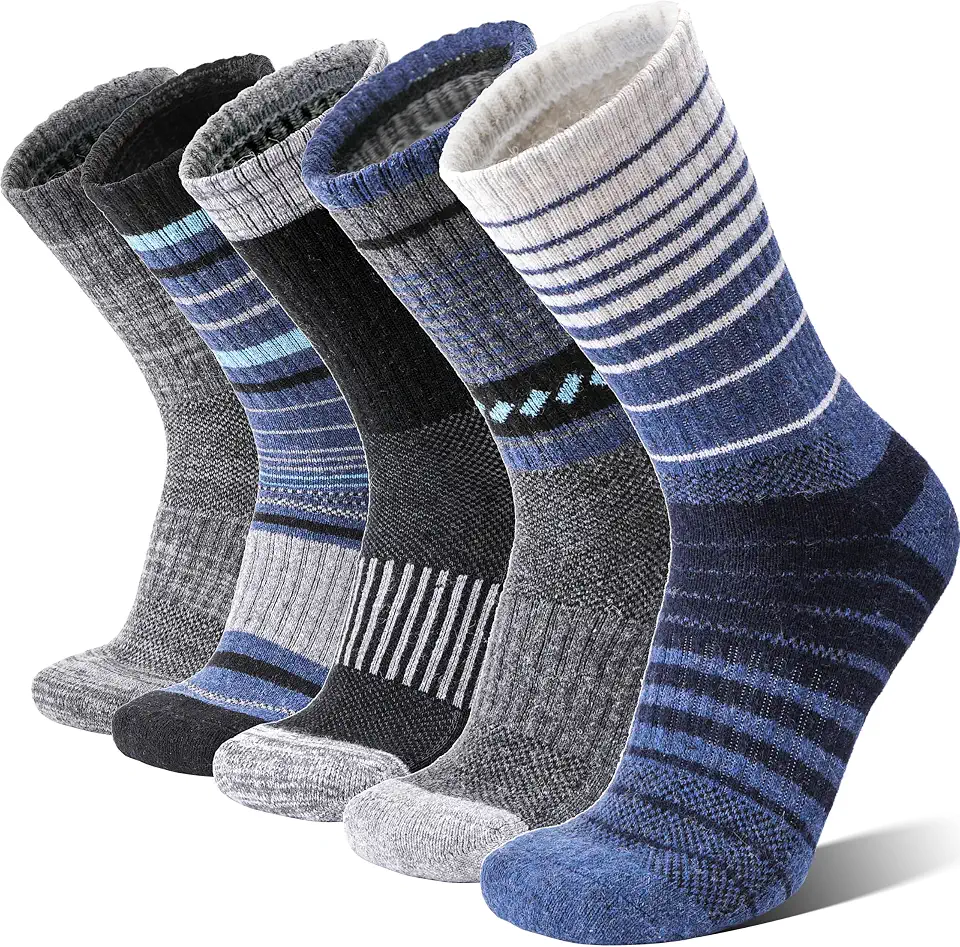
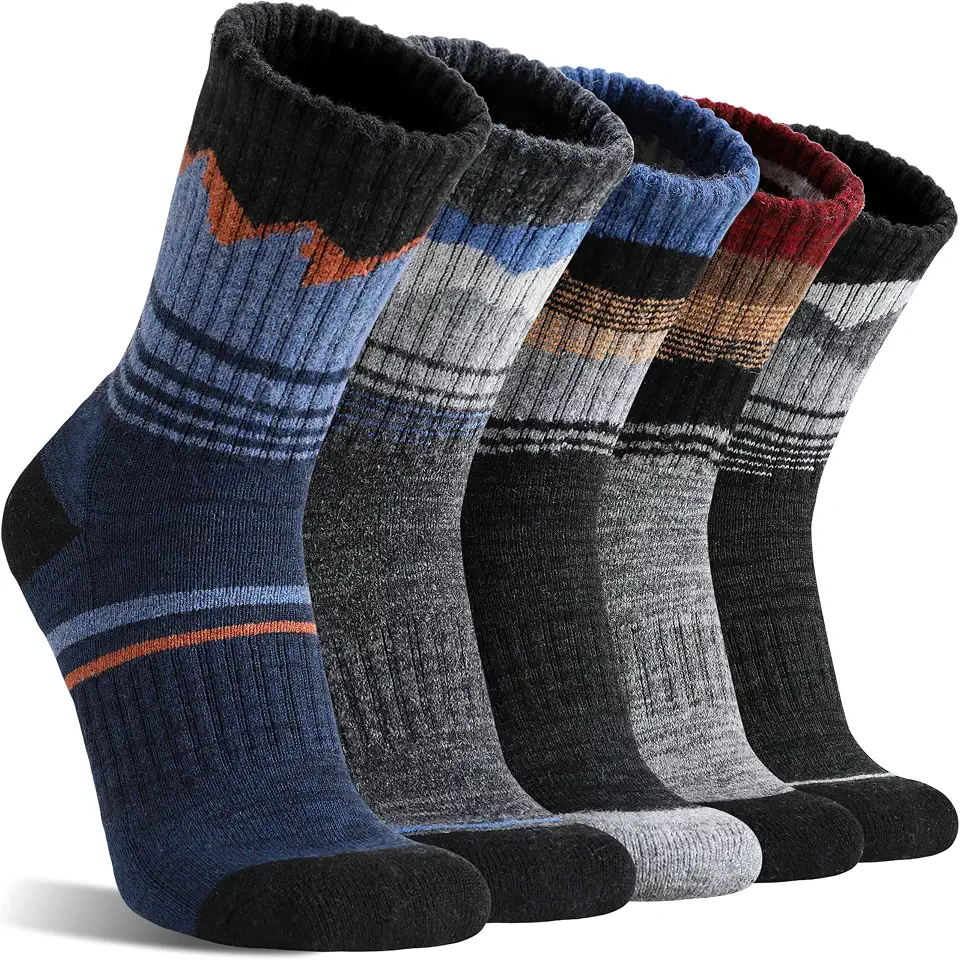
- Classical Micro-Patterns: Avoid cartoonish novelty socks with loud graphics. Instead, embrace heritage menswear patterns such as subtle shadow stripes, micro-houndstooth, bird's-eye, or quiet pin-dots. These patterns provide textural interest without creating visual static.
- Tonal Ribs: A sock that incorporates two complementary shades woven together in a fine rib (such as navy and dark green, or charcoal and burgundy) adds sophisticated depth that bridges both pants and shoes.
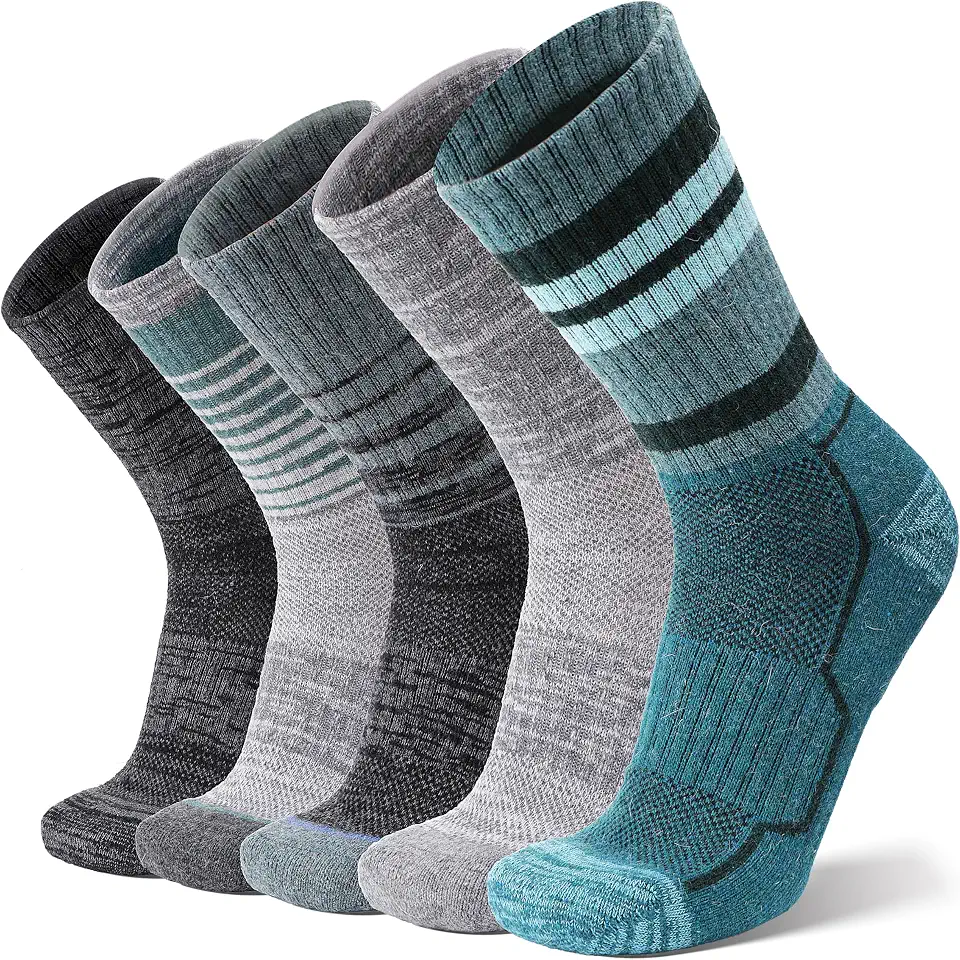
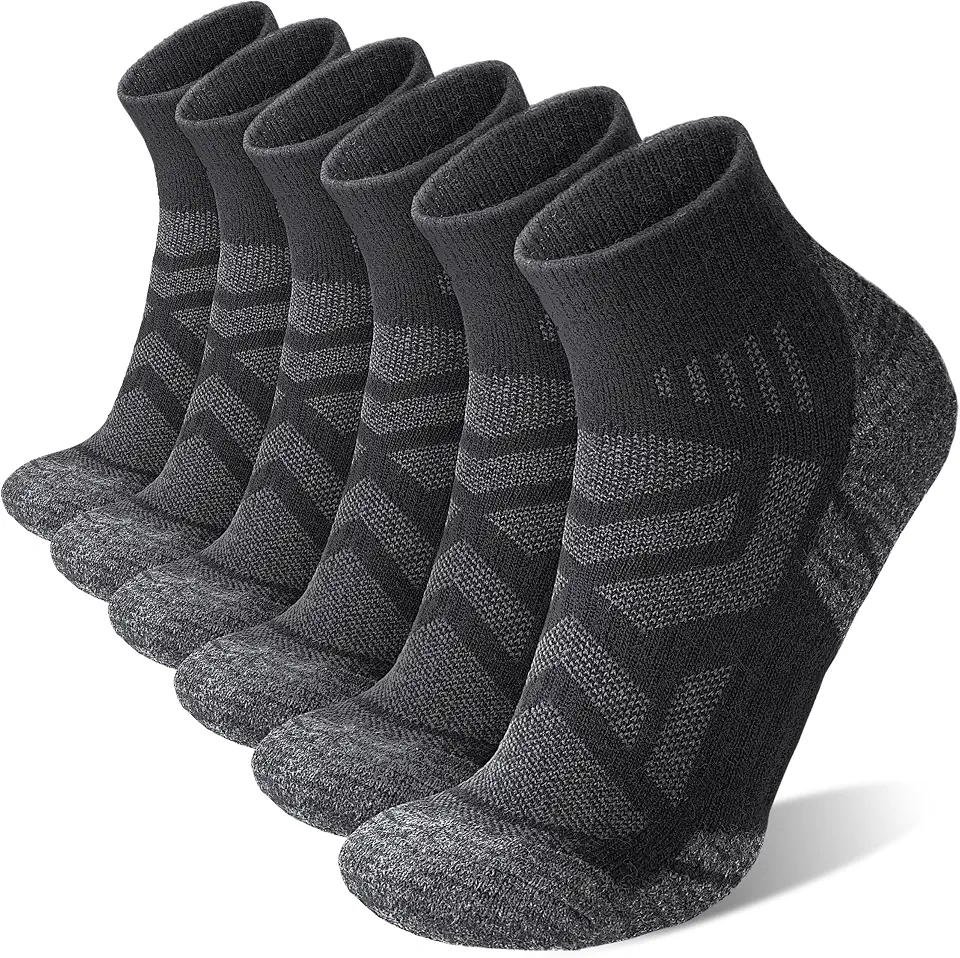
4. The Critical Importance of Sock Length
Regardless of whether you match your socks to your trousers or your upper accessories, the physical length of your socks is paramount. There is no faster way to ruin a sharp tailored look than sitting down in a conference room or at a wedding and exposing a patch of pale, hairy shin between your pant cuff and sagging sock.
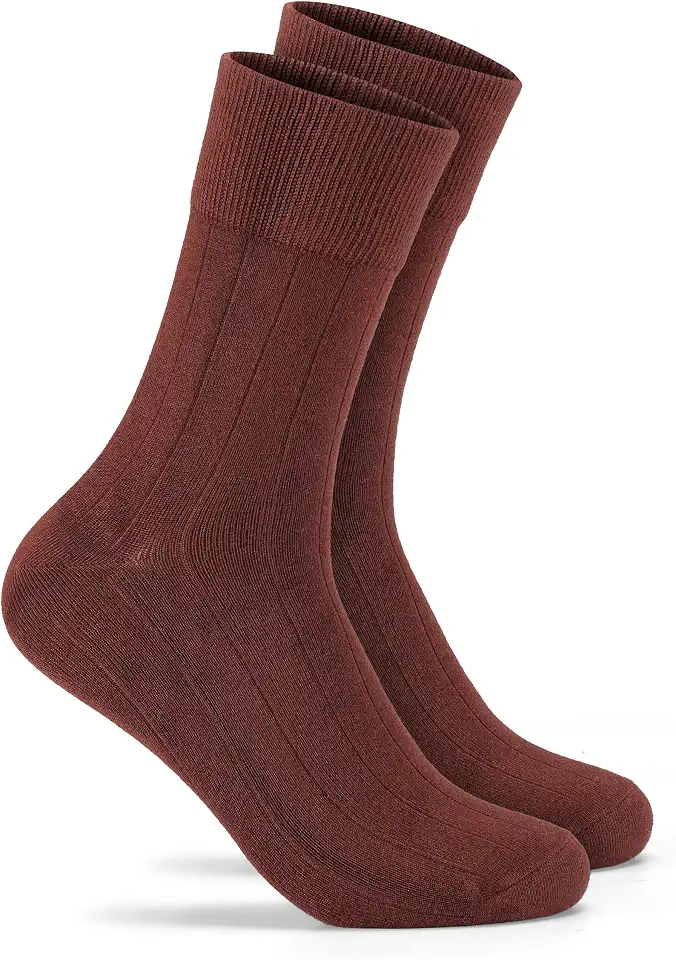
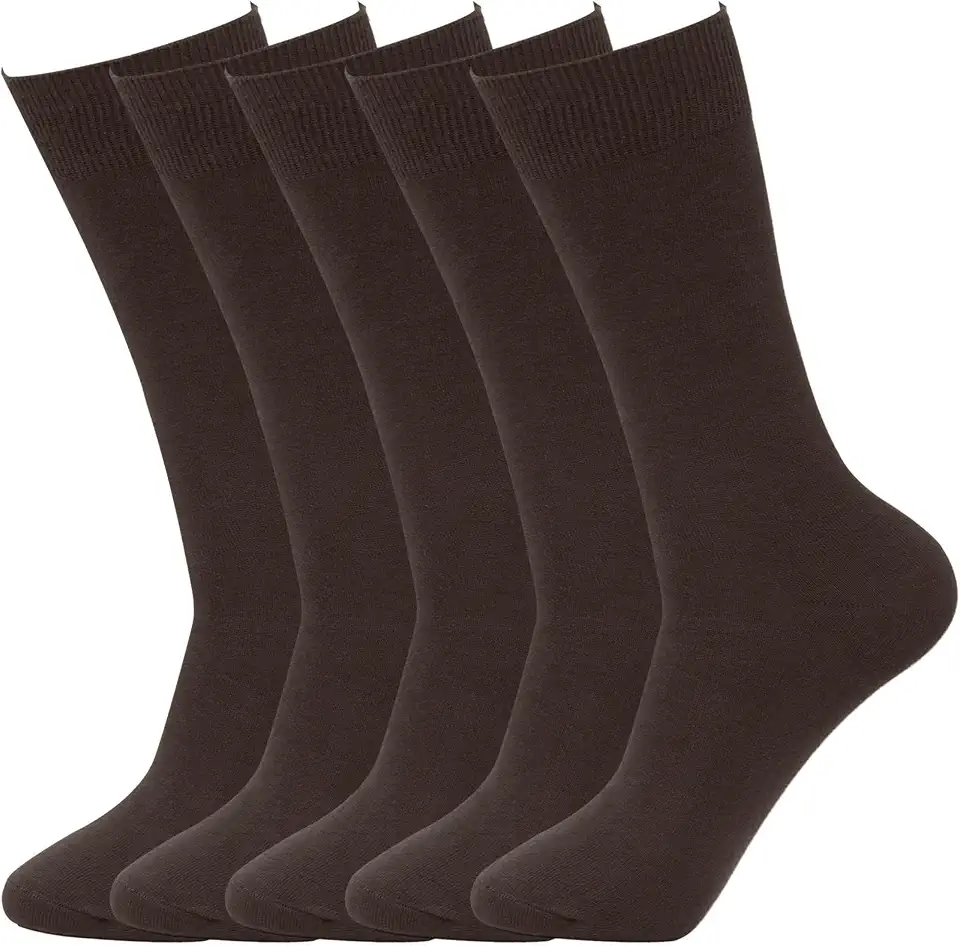
Always invest in over-the-calf (OTC) dress socks for formal suiting and professional business wear:
- Over-the-calf socks rest comfortably above the widest part of your calf muscle, using gentle elasticity to remain fully upright throughout a twelve-hour workday without ever slouching.
- If you prefer mid-calf socks, ensure they feature reinforced ribbed cuffs and contain a small percentage of elastane or spandex to maintain tension around the calf.
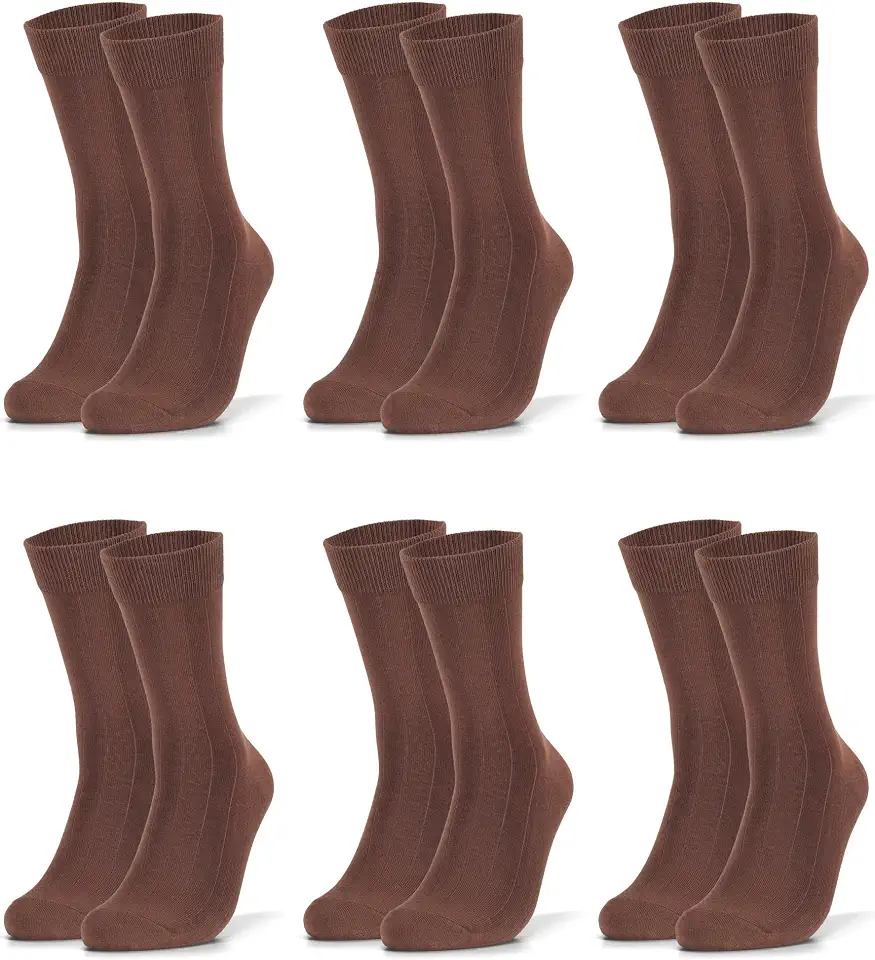
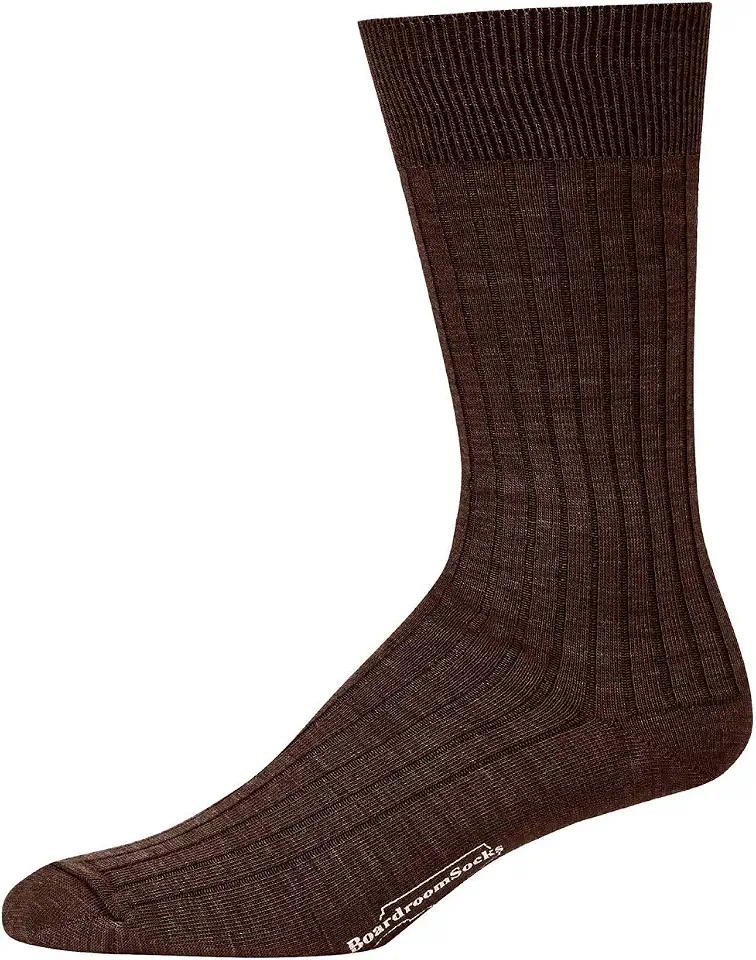
The Golden Rules of Matching Socks
- Default to Trousers Over Shoes: Always match sock color to your pants to maximize leg length and prevent awkward visual breaks.
- Lean Half a Shade Darker: When in doubt, select socks that are slightly darker than your trouser cloth for a rich, grounded transition.
- Never Match Socks to Shoes with Non-Black Suits: Avoid wearing brown socks with a navy or grey suit; it creates an unflattering "boot" illusion.
- Bridge With Accent Tones: In smart-casual outfits, pull your sock tone from an upper accessory like your tie, knitwear, or pocket square.
- Demand Over-the-Calf Length: Banish sagging socks; ensure your dress socks stay firmly anchored over the calf to eliminate exposed skin.
Sock Pairing Reference Chart
| Trouser Color | Shoe Color | Correct Sock Choice | Why It Works | Avoid |
|---|---|---|---|---|
| Dark Navy Suit | Dark Brown Oxfords | Solid Navy Merino | Extends leg line; shoes ground cleanly | Brown Socks (creates boot effect) |
| Charcoal Flannel | Black Wholecuts | Charcoal or Black | Clean, uninterrupted formal monochrome | Light Grey or White Socks |
| Medium Grey Wool | Oxblood Loafers | Deep Slate Grey | Seamless transition with rich shoe pop | Red or Burgundy Socks with Formal Suit |
| Olive Chinos | Tobacco Suede Derbies | Dark Olive or Forest | Harmonizes earthy palette smoothly | Bright Green or Tan Socks |
| Tan Khaki Chinos | Dark Espresso Loafers | Mid-Brown or Navy Rib | Bridges light cotton and dark leather | Exact Flesh-Tone Khaki Socks |
| Black Tuxedo Trousers | Black Patent Shoes | Sheer Black Silk/Cotton | Ultimate black-tie unbroken line | Any Color Other Than Pure Black |
Common Mistakes to Avoid
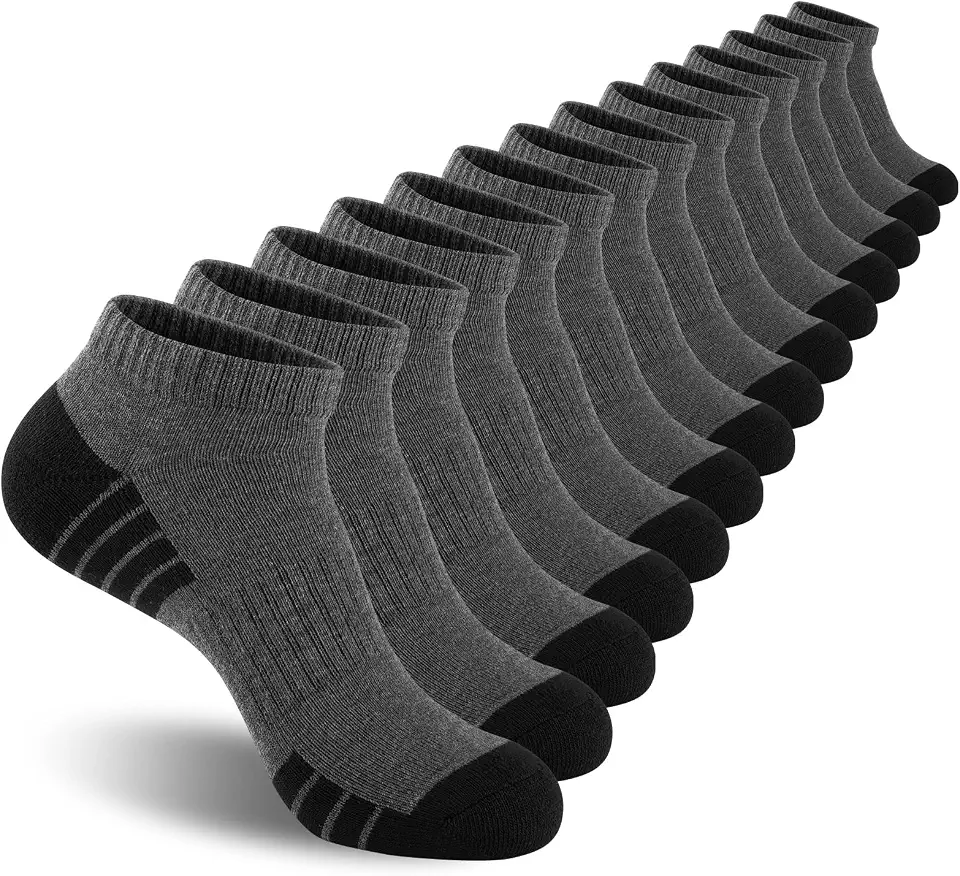
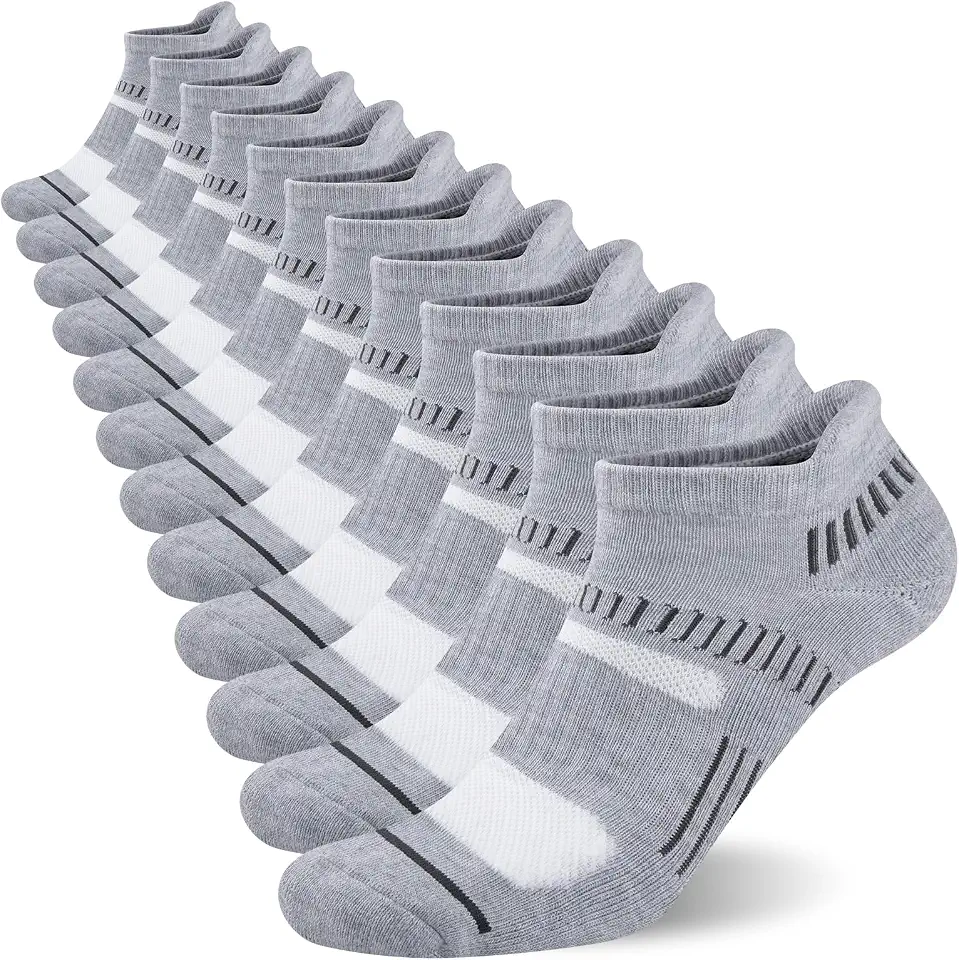
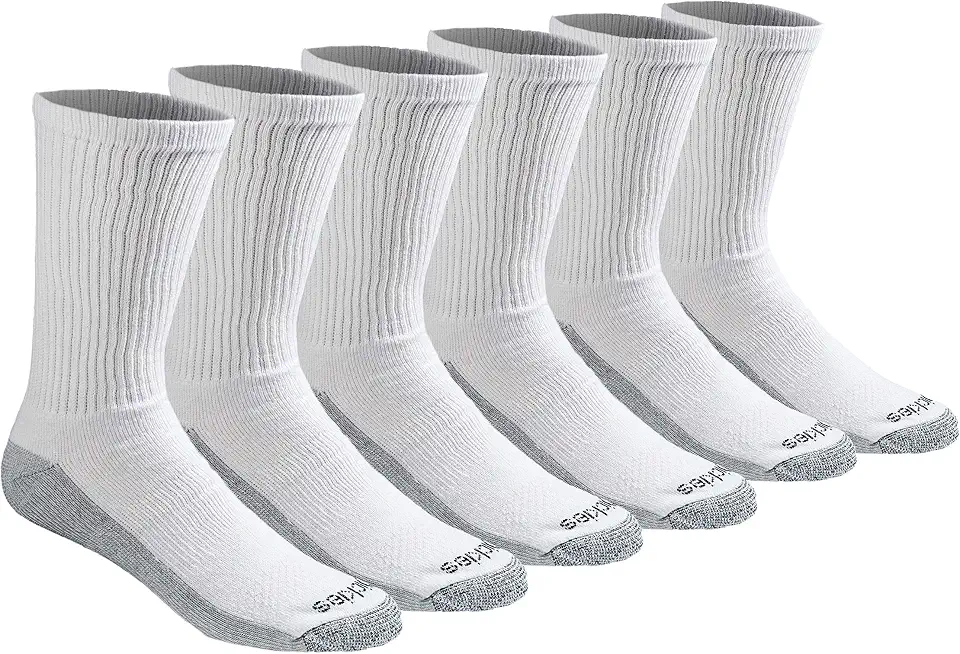
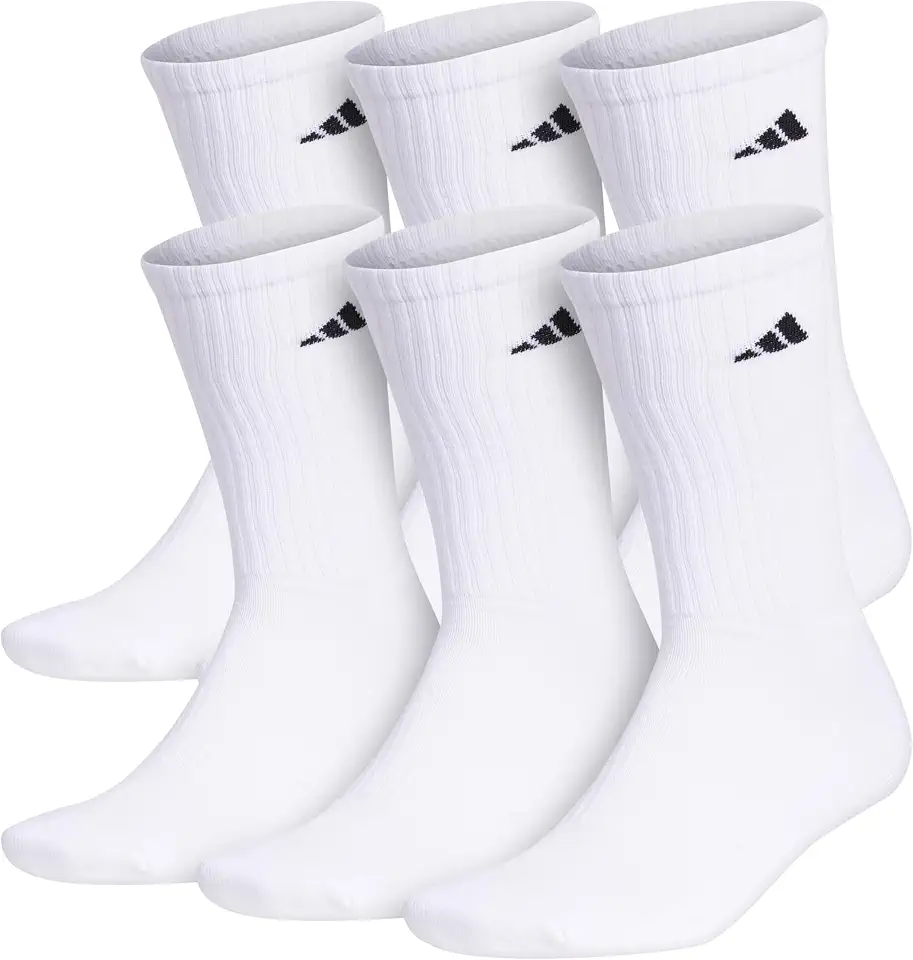
- The White Athletic Sock Blunder: Wearing thick white cotton crew socks with dress pants and leather shoes is an unforgivable sartorial disaster.
- Gaudy Novelty Socks: Wearing socks featuring bright cartoons, tacos, or loud neon stripes under a tailored suit distracts from your face and looks unprofessional.
- The Sagging Ankle Puddle: Wearing worn-out socks whose elastic has stretched out causes fabric to puddle around your shoe collar, looking sloppy.
- Translucent Worn Heels: Failing to inspect older dress socks for worn, thin spots that reveal heel skin inside your shoes.
Conclusion
Mastering the relationship between your socks, trousers, and shoes is an essential hallmark of sartorial maturity. By adopting the golden rule of matching your socks to your pants for an elongated vertical silhouette, and knowing precisely when to introduce tasteful accent colors, you ensure that every step you take conveys effortless sophistication.
Found this style article helpful?
All curated searches
Related Reading

Matching Belt and Shoes: Modern Rules and Exceptions
Master the rules for matching belts and shoes in menswear. Learn when strict matching is mandatory and when smart-casual permits relaxed contrast.
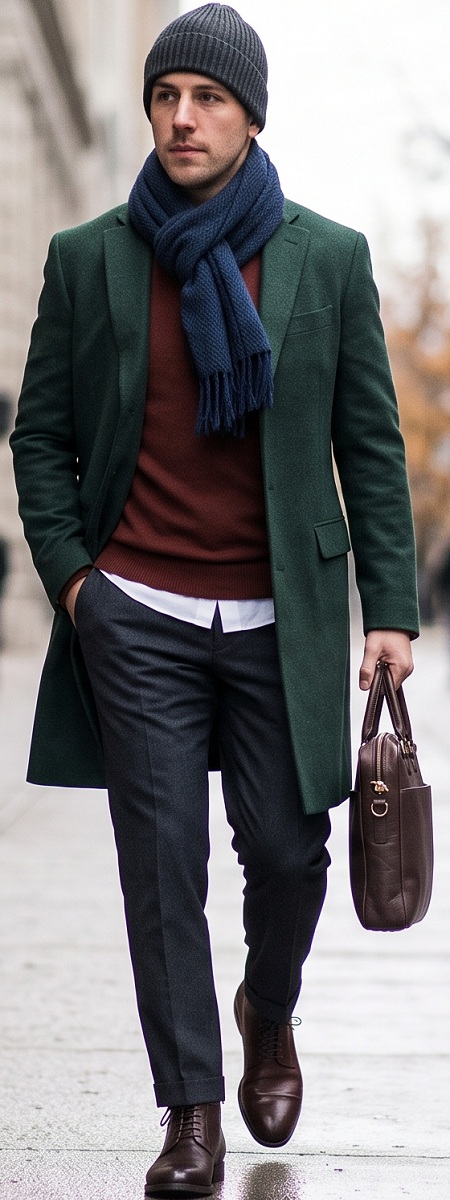
Men's Pant Break Guide: No Break vs Slight vs Full Break
Master the definitive men's pant break guide. Learn how to choose between no break, slight break, and full break based on leg opening and height.
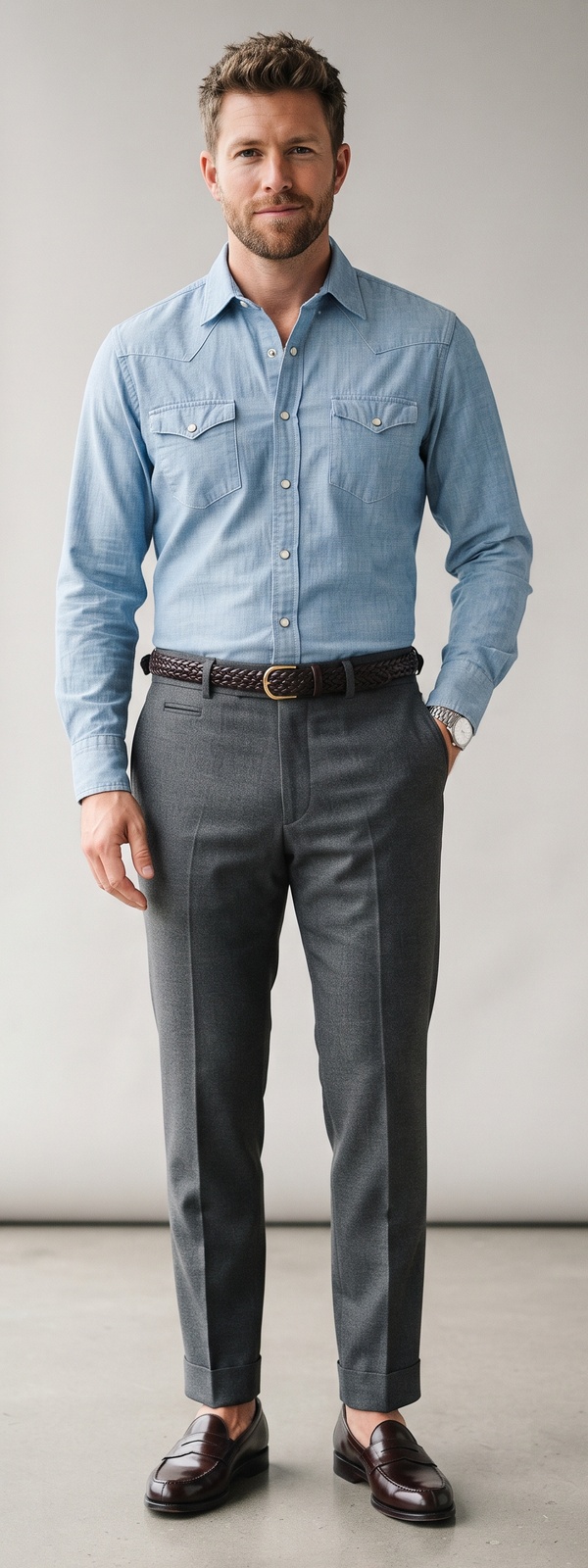
Leather Dress Belts: Crisp Waistline Sartorial Anchors
The definitive men's accessory style guide highlighting full-grain leather dress belts fitted with polished brass and silver rectangular buckles. Proving how matching waistline leather finishes unifies tailored trousers, dress shirts, and formal shoes.
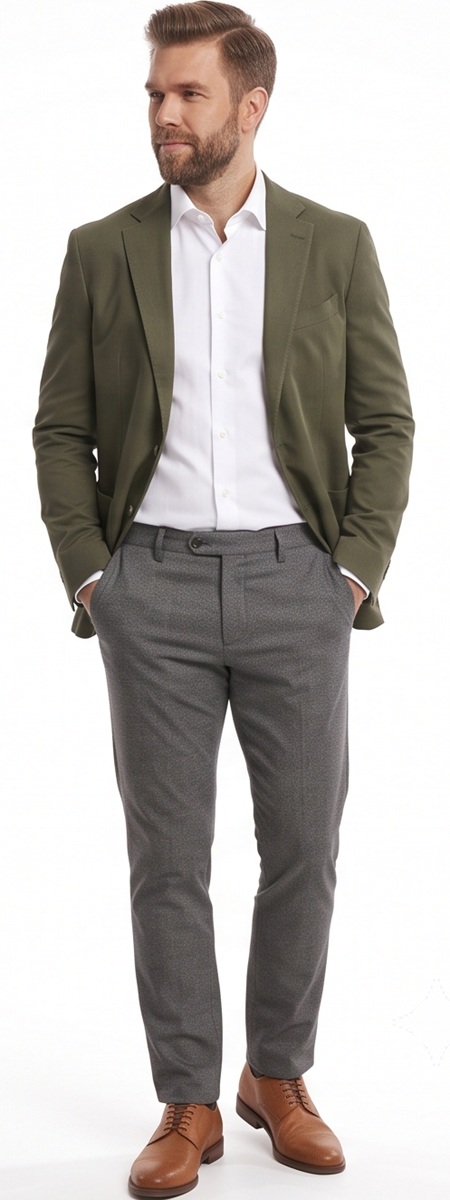
What to Wear to a Business Meeting — Men's Complete Guide
Master your next business meeting with our budget-friendly men's style guide. Learn how to dress to impress without breaking the bank.

What to Wear to a Job Interview — Men's Complete Guide
Master what to wear to a job interview with our complete men's style guide. Discover affordable outfits, tailoring tips, and key dos and don'ts.
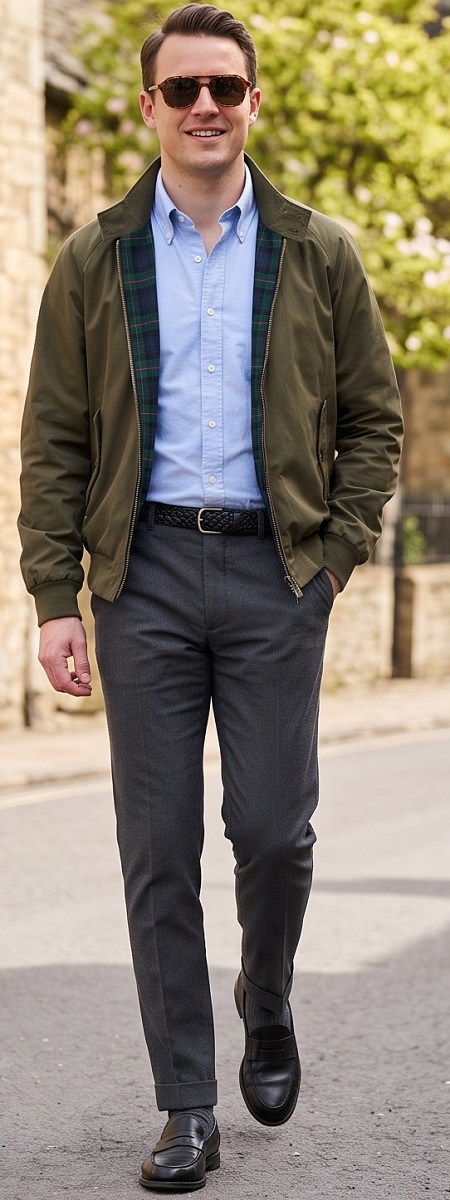
Charcoal Grey Wool Dress Pants: Textured Sartorial Authority
A tactile executive trousers lookbook devoted to hearty charcoal grey wool dress pants with structured creased legs. Demonstrating how rich woolen weave textures bring commanding warmth beneath camel overcoats, turtlenecks, and leather boots.
Other Reading
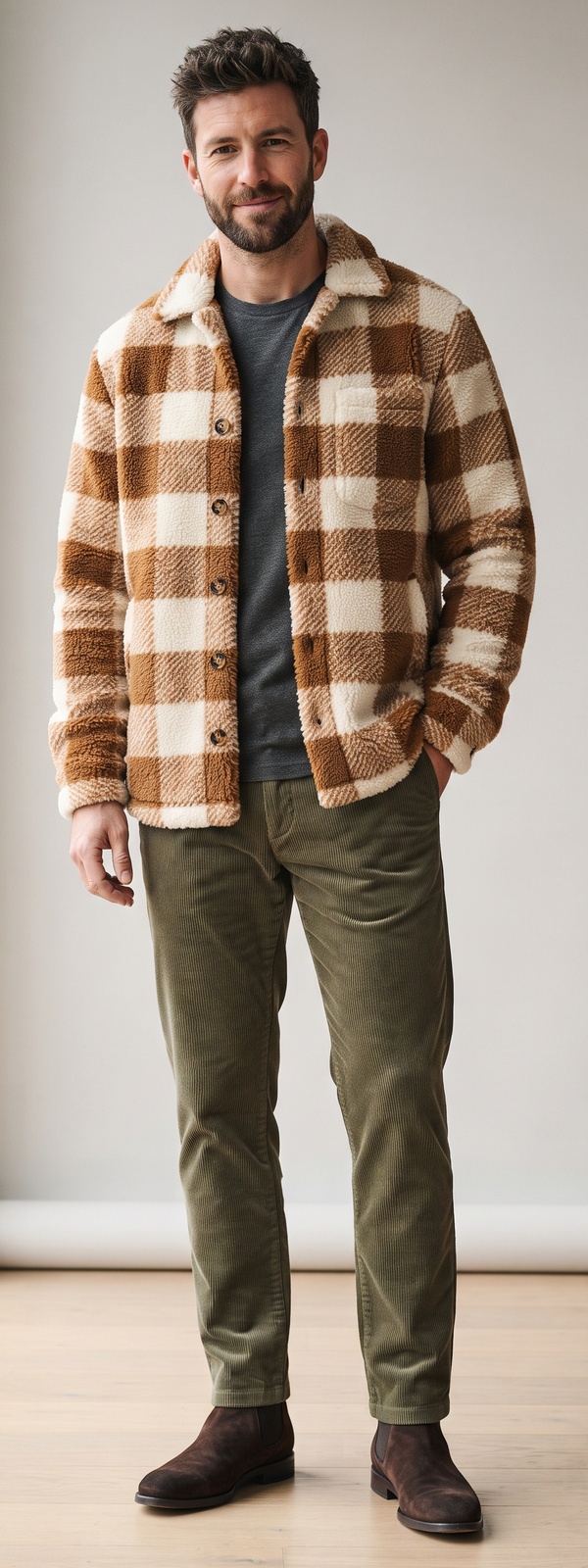
What to Wear to a Miniature Wargaming Night — Men's Guide
Master tabletop wargaming and miniature painting hobby night style with comfortable flannel shirts, relaxed carpenter pants, and clean leather sneakers.
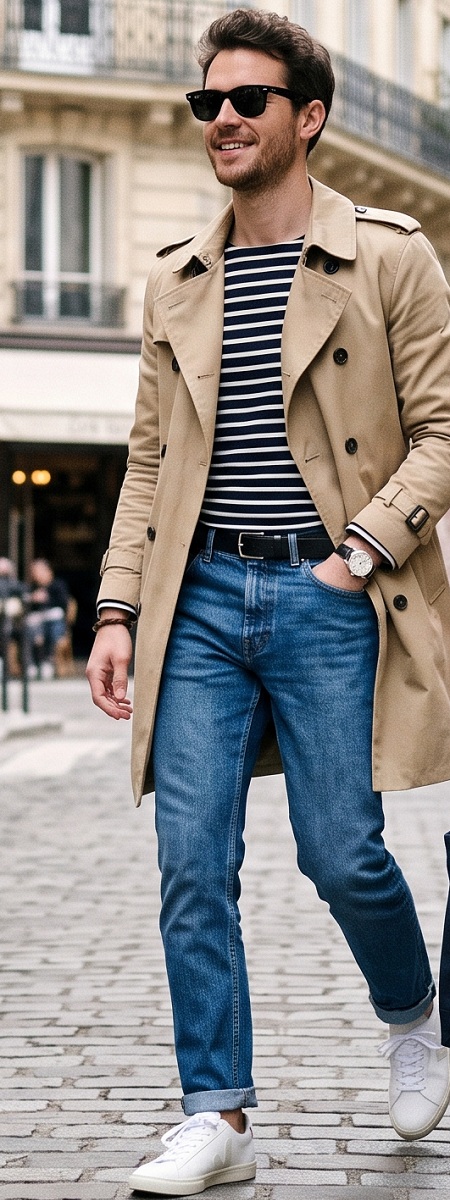
1990s Straight-Leg Denim: Clean Rises & Unpuddled Lines
Stepping away from extreme floor-puddling jeans toward clean 1990s straight-leg denim. Featuring structured mid-to-high rises, rigid indigo washes, and slight shoe breaks paired with tailored blazers and trench coats for timeless structural clarity.

How to Wear Knitwear Under a Blazer: Refined Layering
Master the art of layering knitwear under a tailored blazer. Learn how to style turtlenecks, crewnecks, and knit polos for elevated smart-casual warmth.