
November 22, 2026
Men's Pant Break Guide: No Break vs Slight vs Full Break
The Defining Line of Modern Tailoring
When you put on a pair of tailored trousers, the single detail that immediately dictates whether your outfit looks sharp, modern, conservative, or messy is the pant break. The "break" refers to the fold, crease, or horizontal indentation of fabric that forms where the bottom of your trouser hem meets the top of your shoe.
A pant hem that is hemmed too short exposes your shins and makes your suit look shrunk, while a pant hem that is cut too long creates a sloppy accordion puddle of excess cloth over your laces that makes you look shorter and slouchy. Navigating trouser lengths requires understanding the four primary break categories—No Break, Slight Break, Medium/Half Break, and Full Break—and matching them precisely to your trouser leg opening, shoe style, and personal physique.
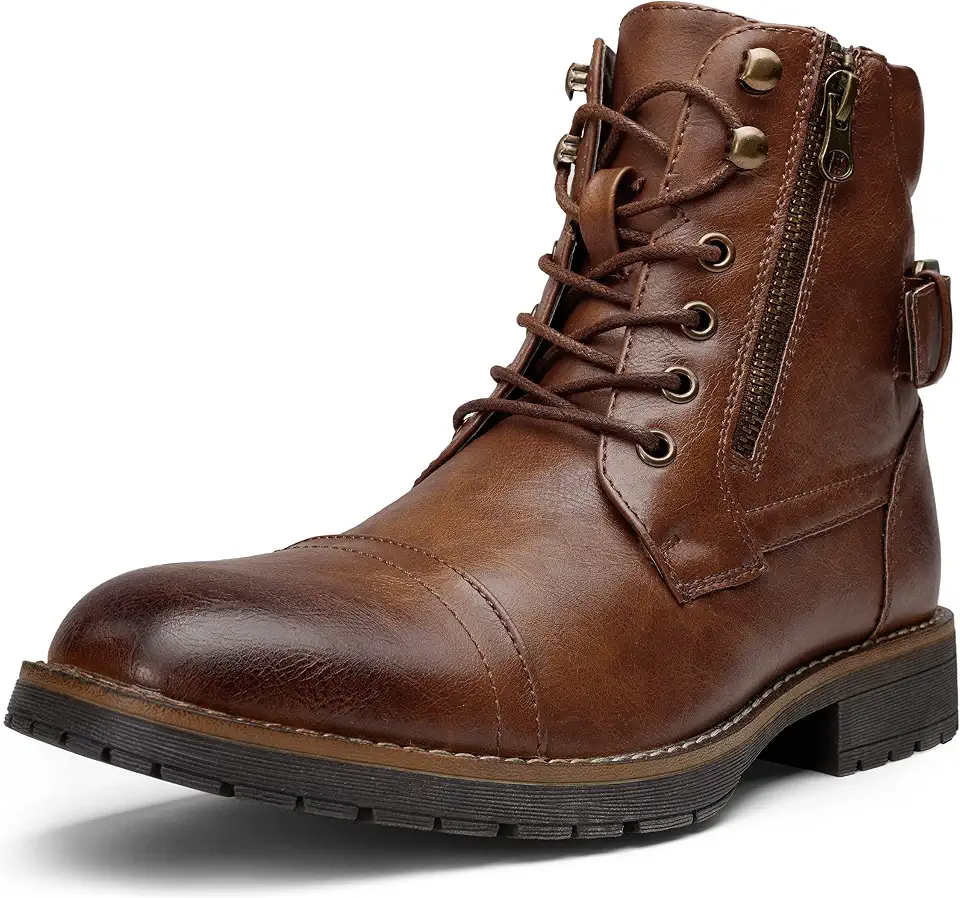
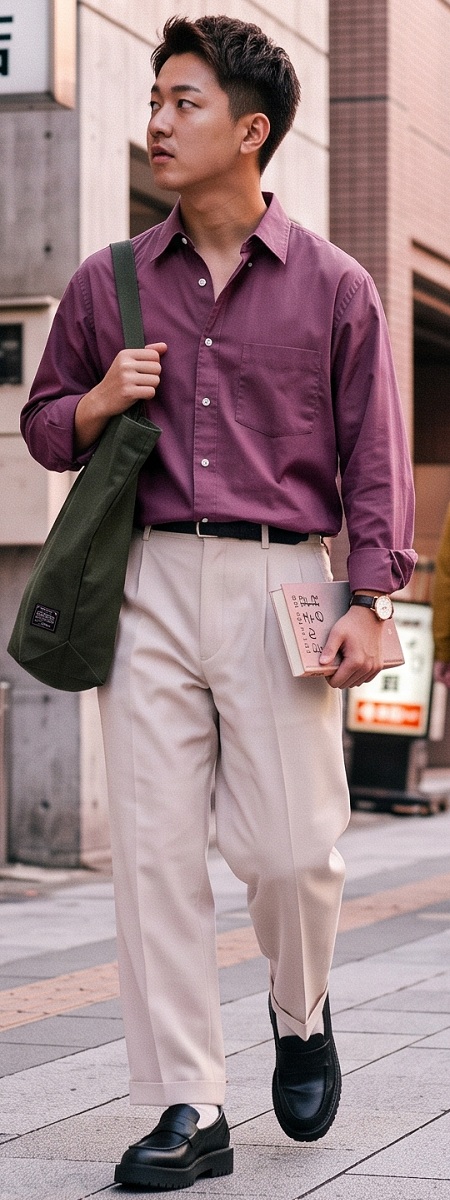
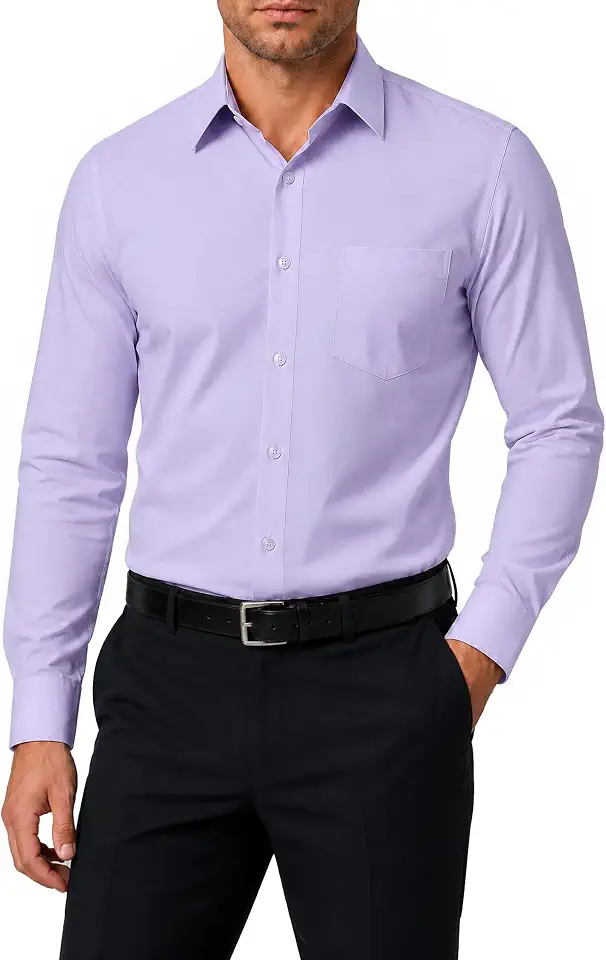
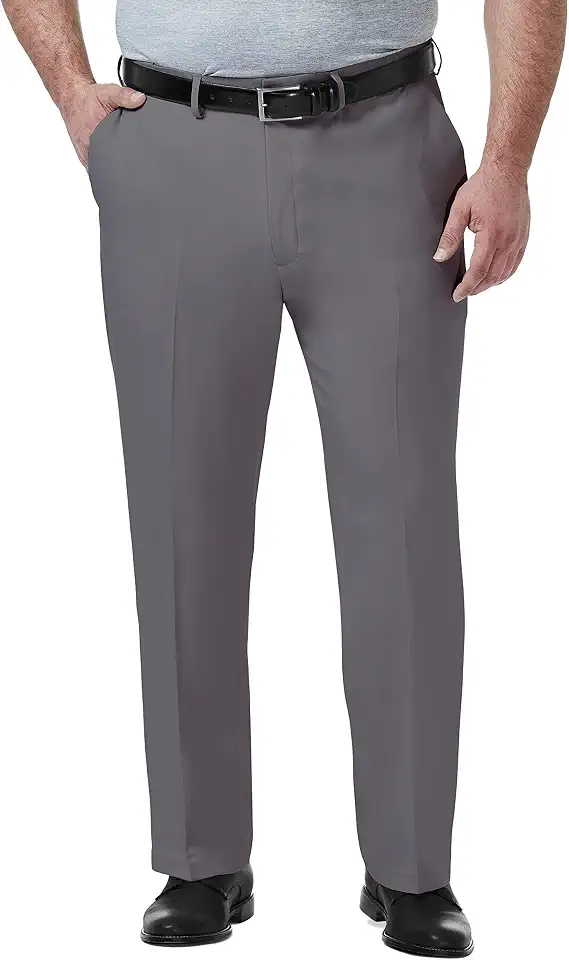
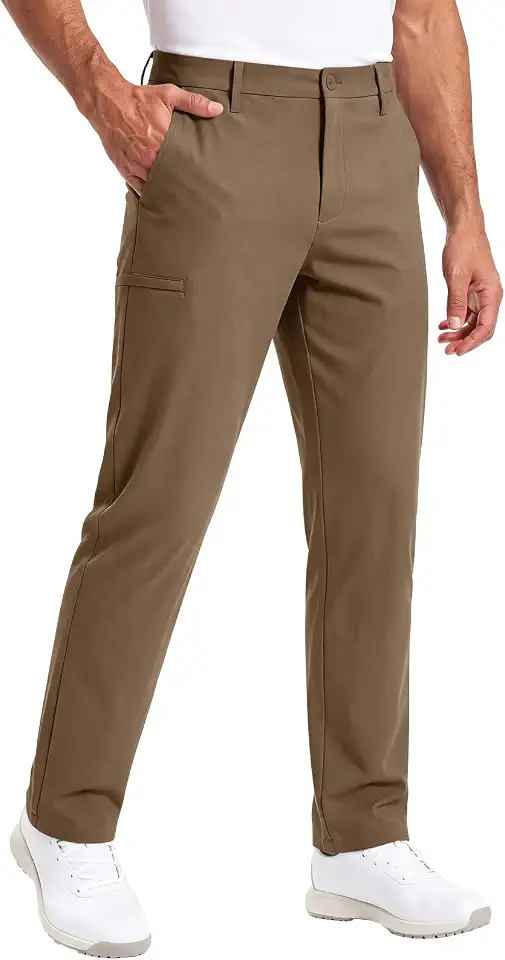
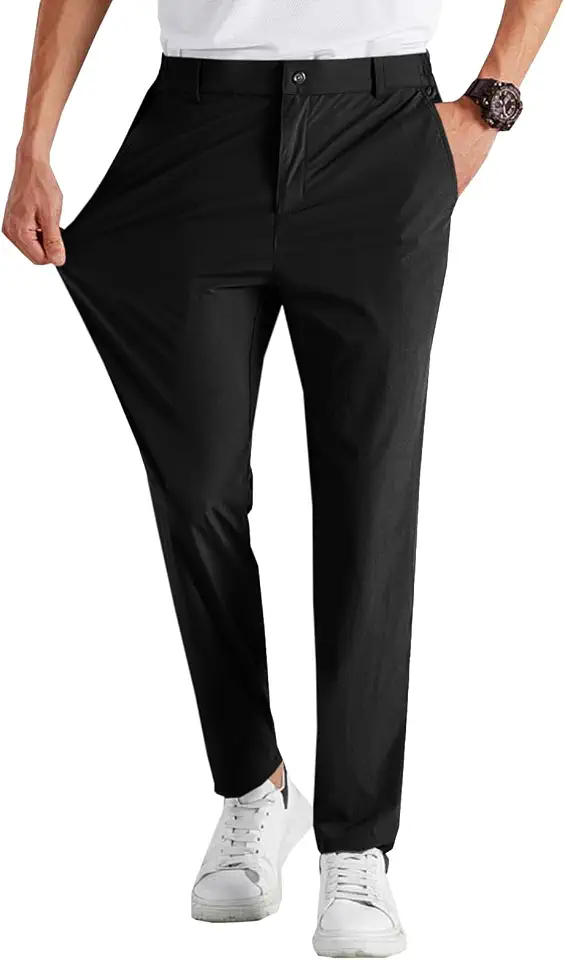
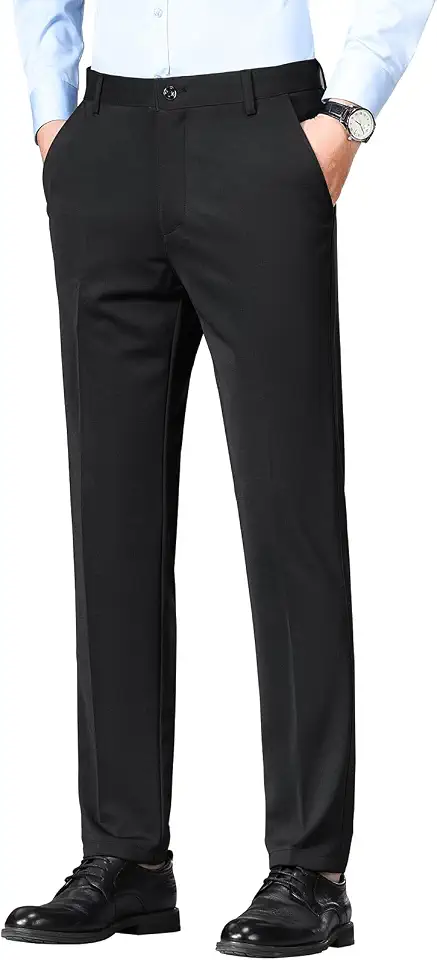
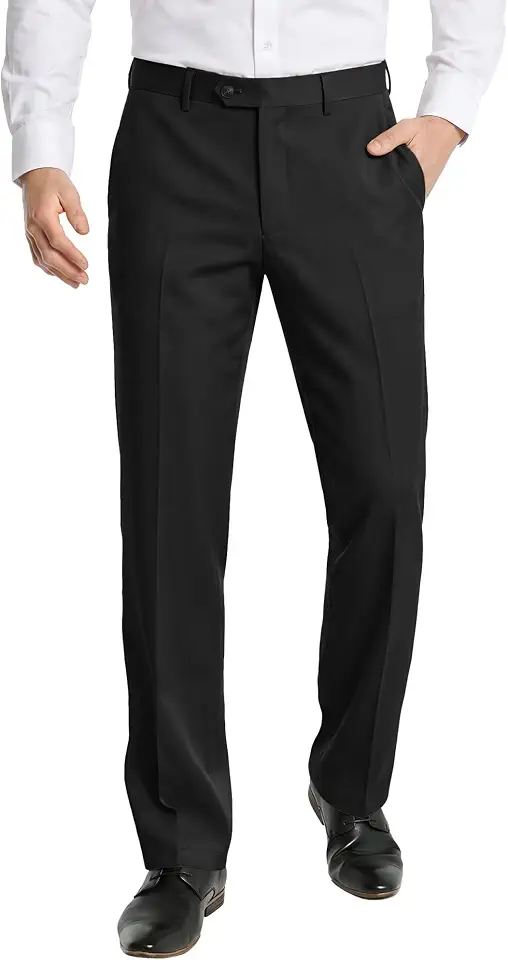
Outfits from this article
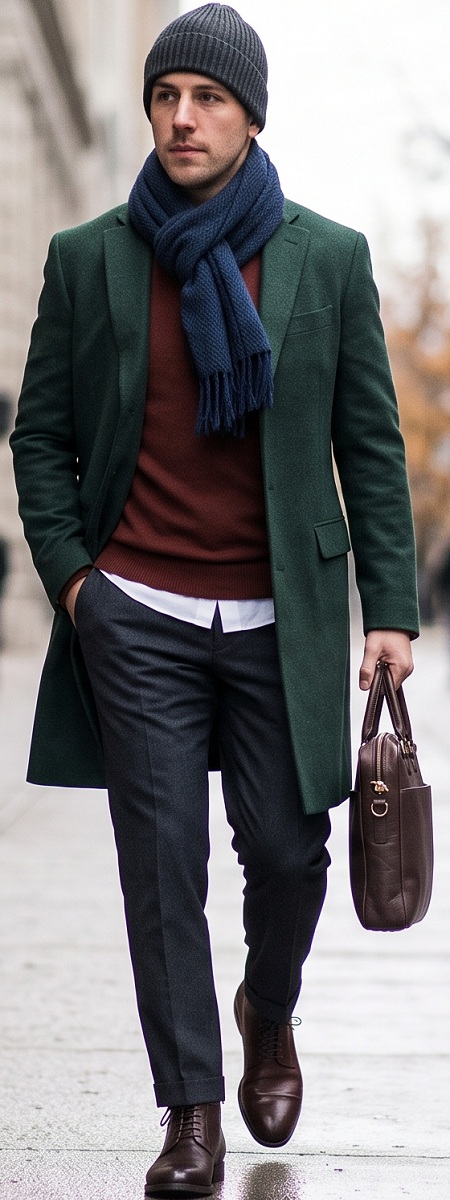 $228
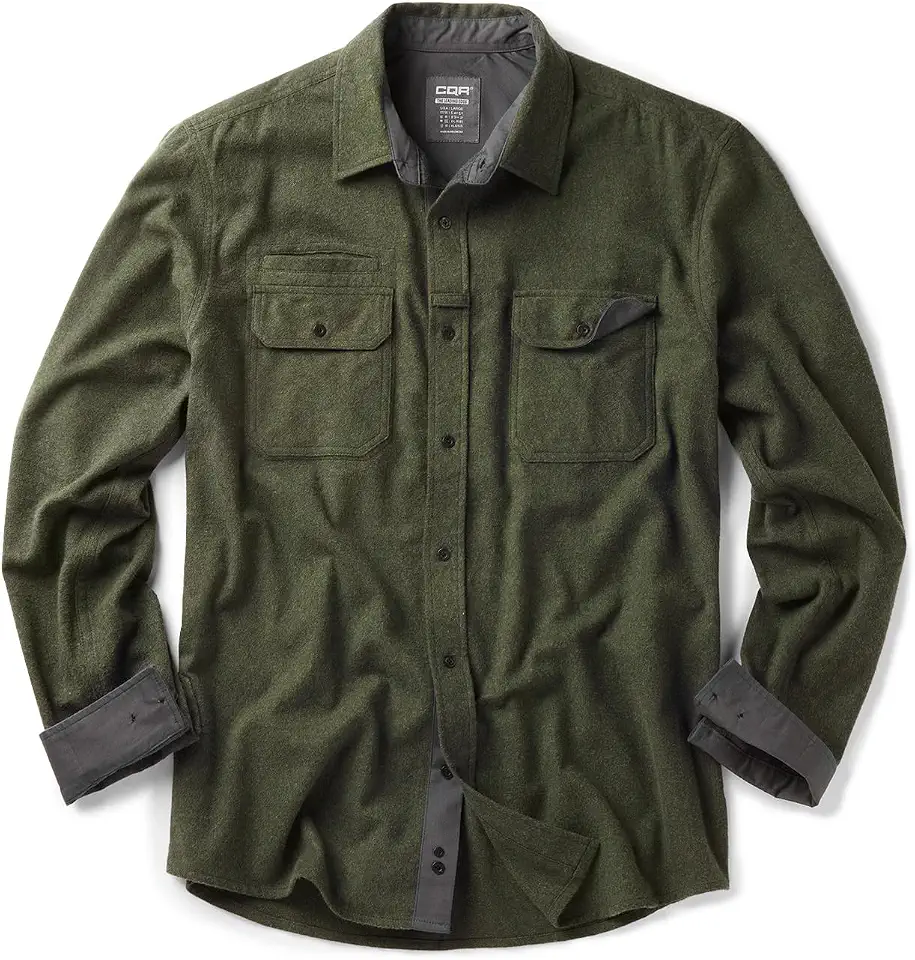
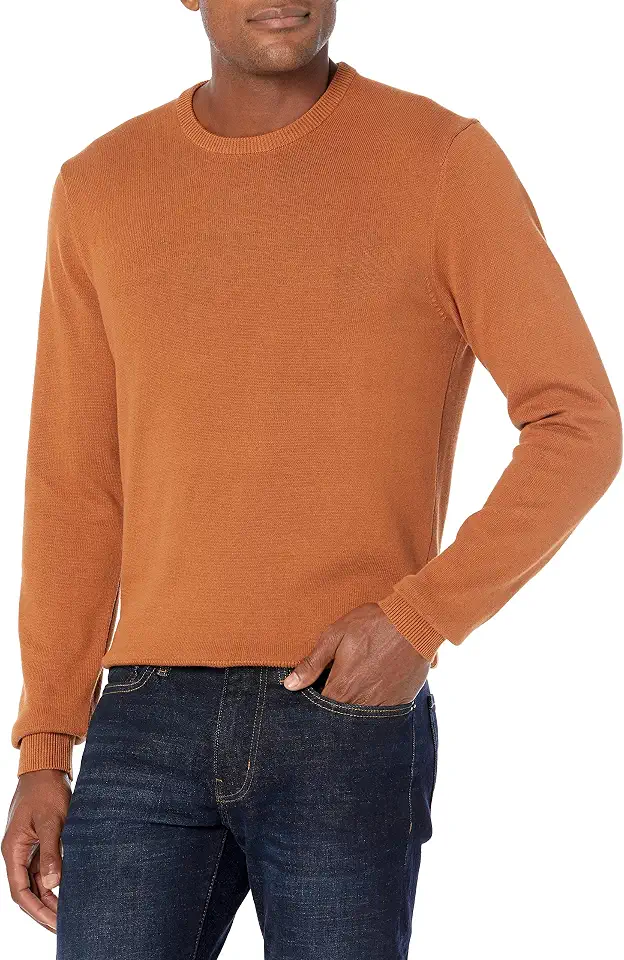
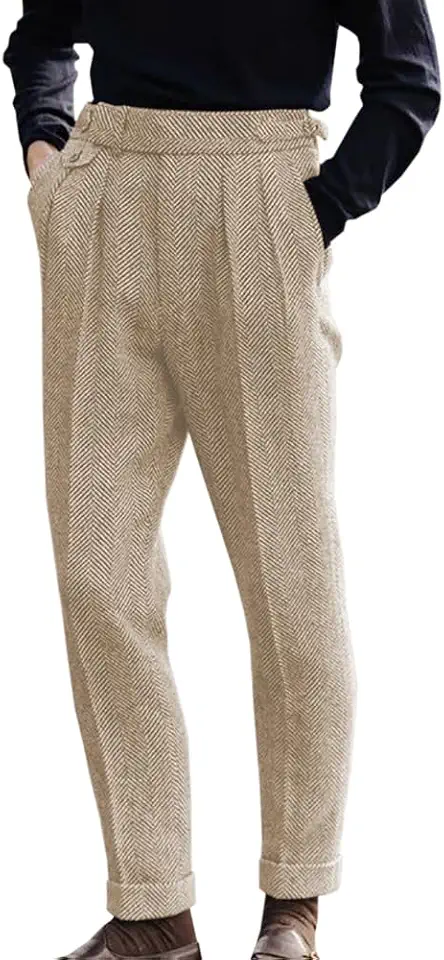
 $142

 $141



 $95
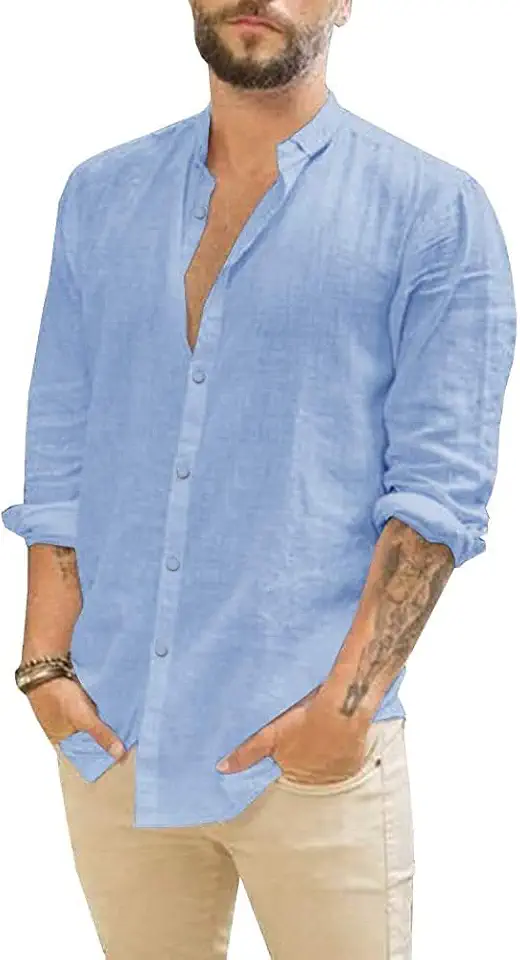
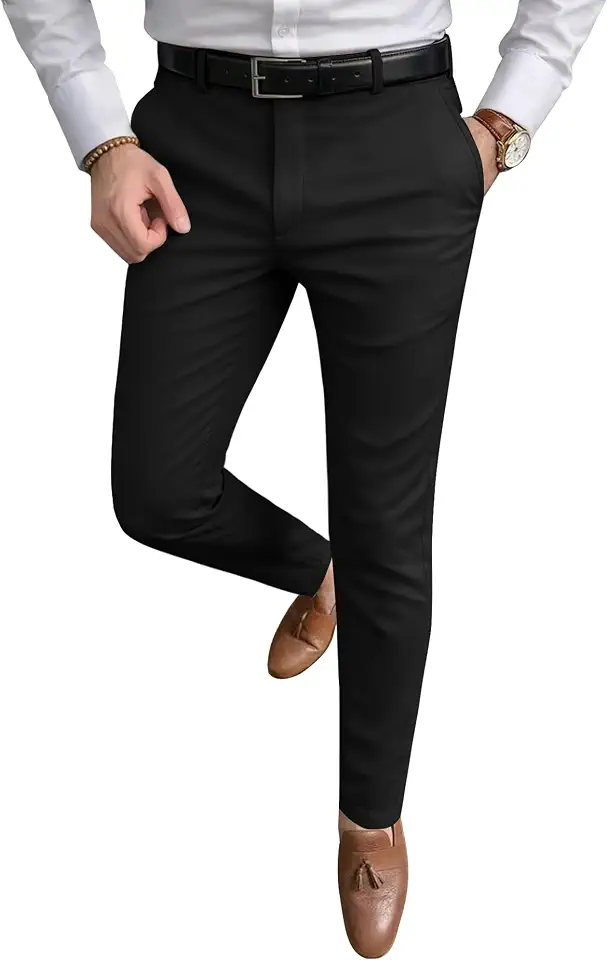
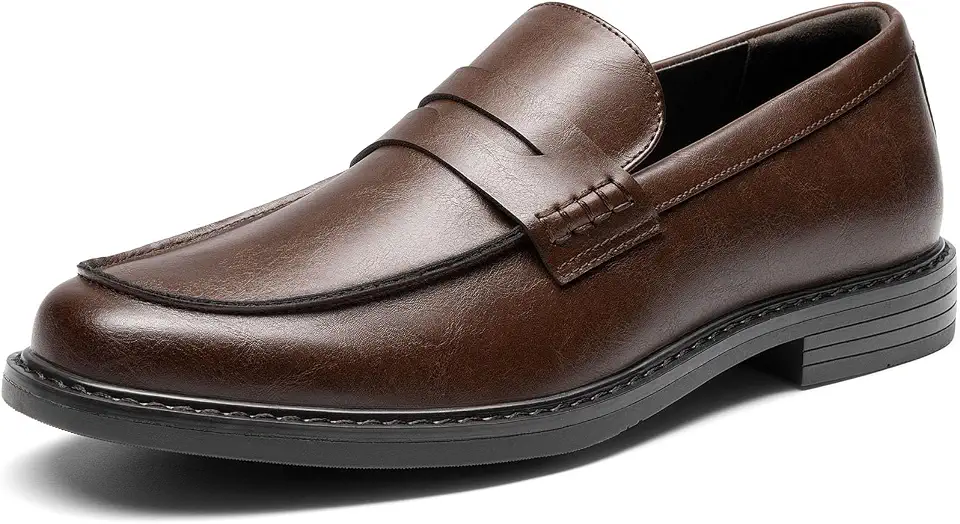
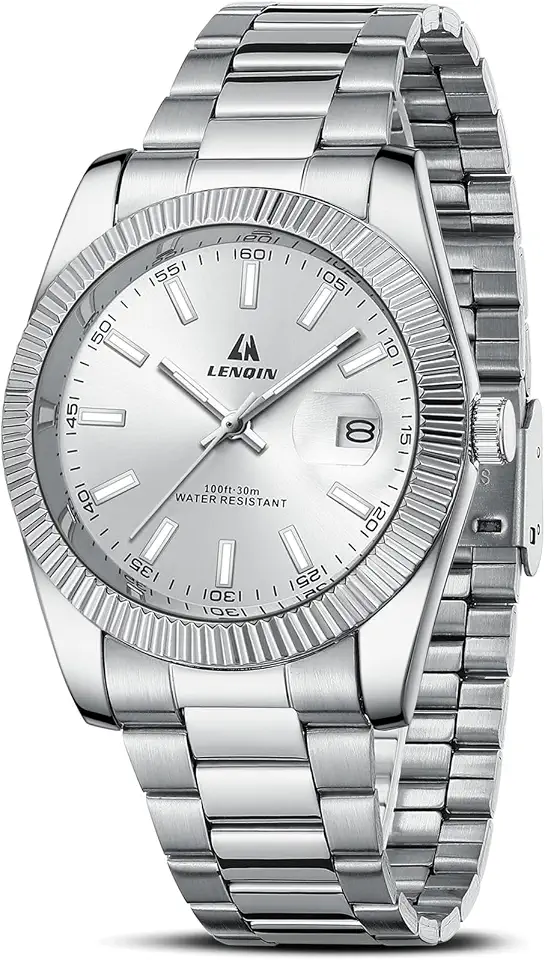
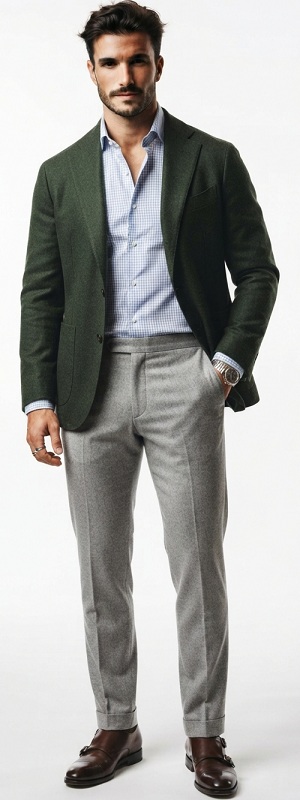
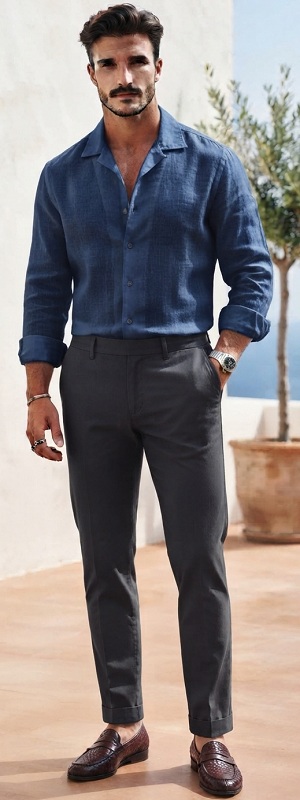
Smart Casual Blue Linen Camp Collar Shirt with Charcoal Pants and Woven Loafers Outfit
5 pieces · Sep 25, 2026
1. No Break: Crisp, Contemporary, and Architectural
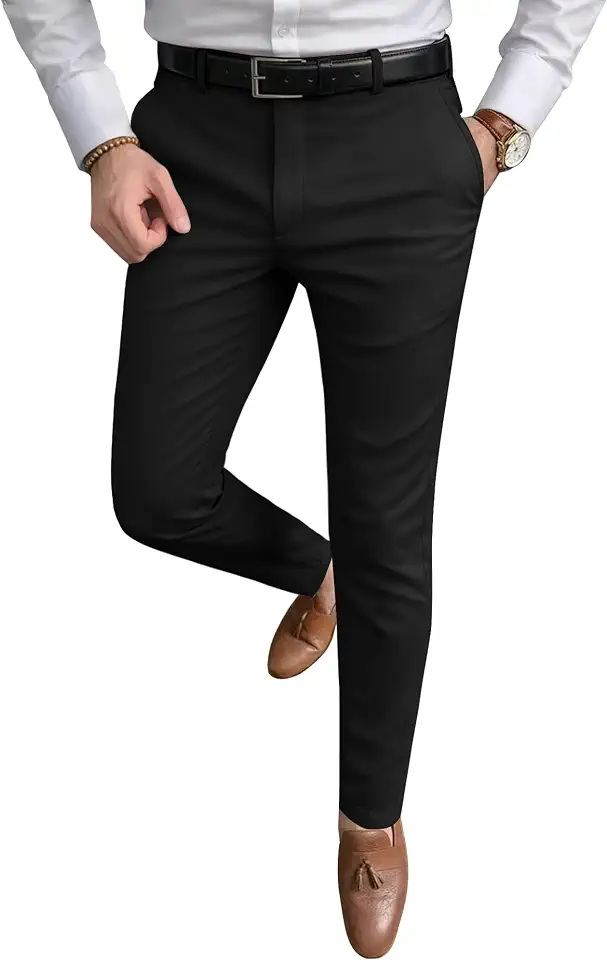
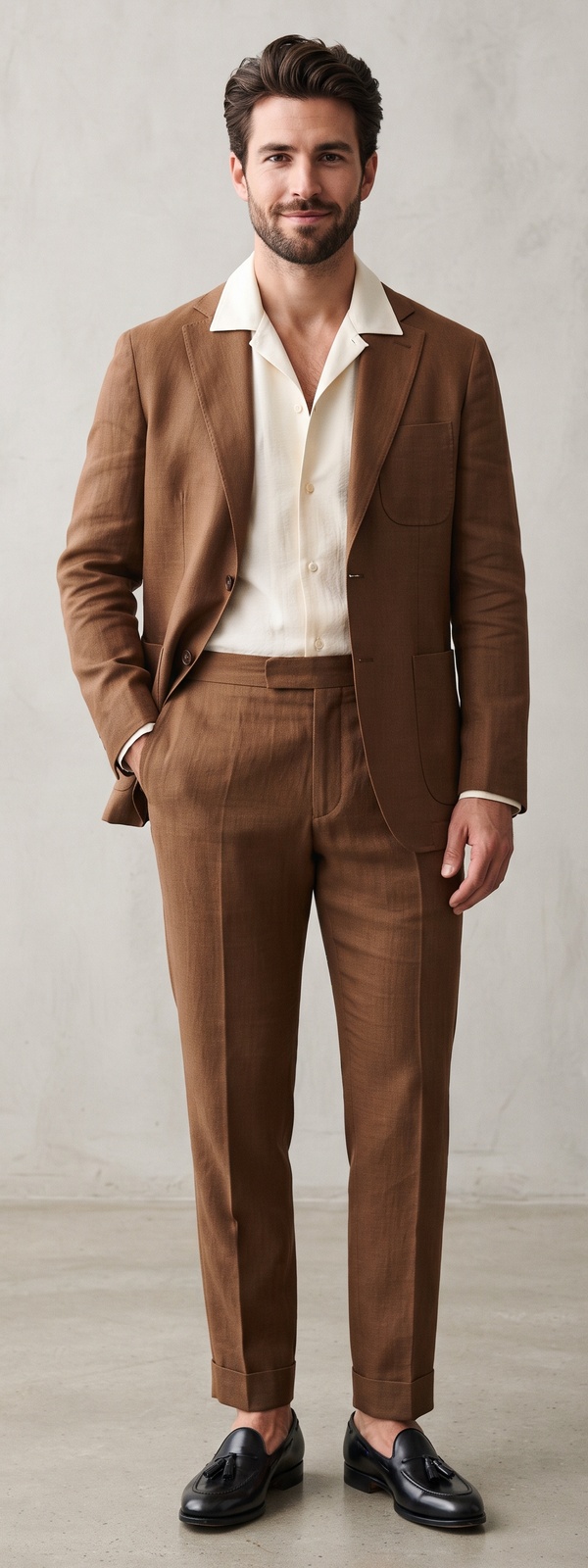
A "no break" trouser hem is tailored to terminate right at the top edge of your shoe or hover a few millimeters above it. When you stand upright, the trouser leg hangs in a perfectly straight, razor-sharp vertical plane with absolutely zero creasing or folding of the fabric.
- Visual Impact: Minimalist, European, and streamlined. Because there is no horizontal interruption of cloth at the shoe, a no-break cut creates the cleanest possible vertical line, making shorter and average-height men look visibly taller.
- Leg Width Prerequisite: A no break requires a narrow or tapered leg opening—typically between 14 and 15.5 inches in circumference. If you attempt a no break on wide-leg trousers, the hems will flap loosely around your ankles like bells.
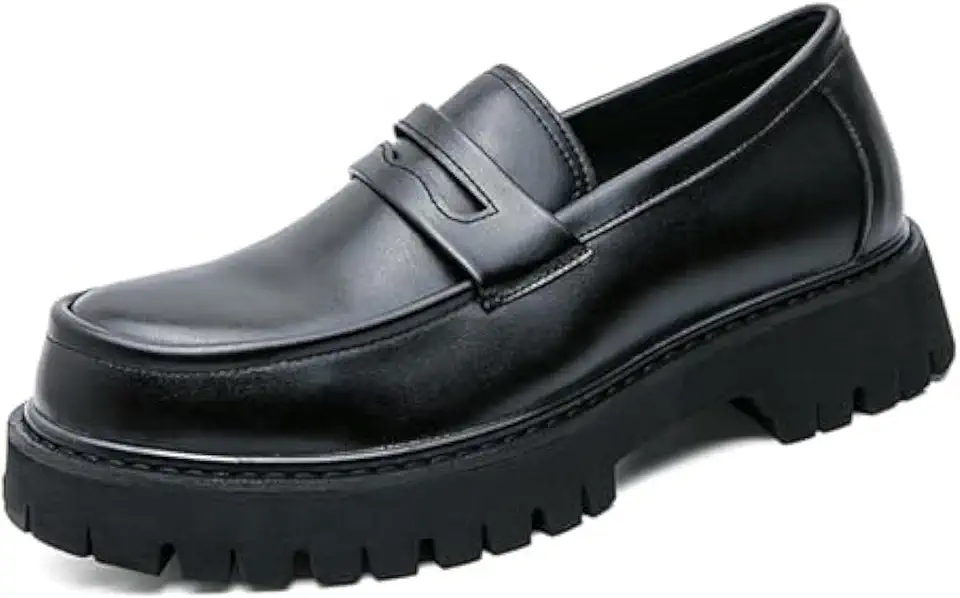
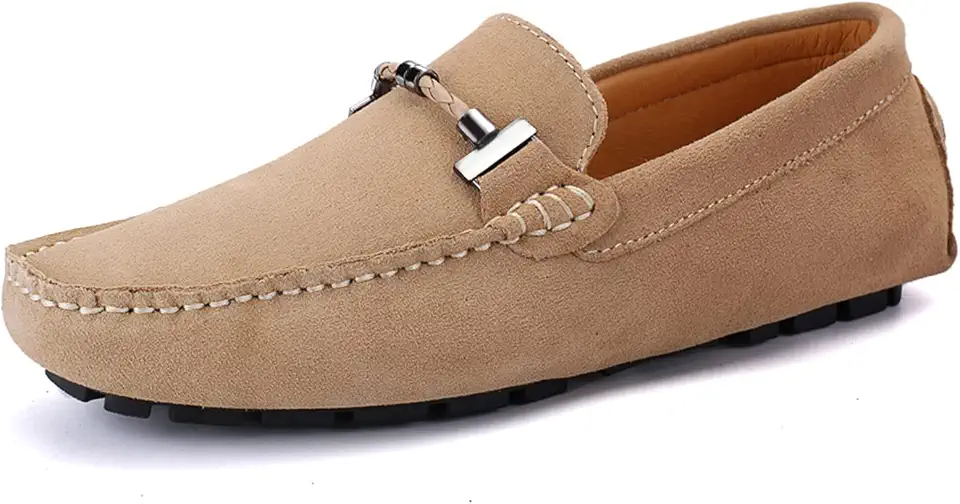
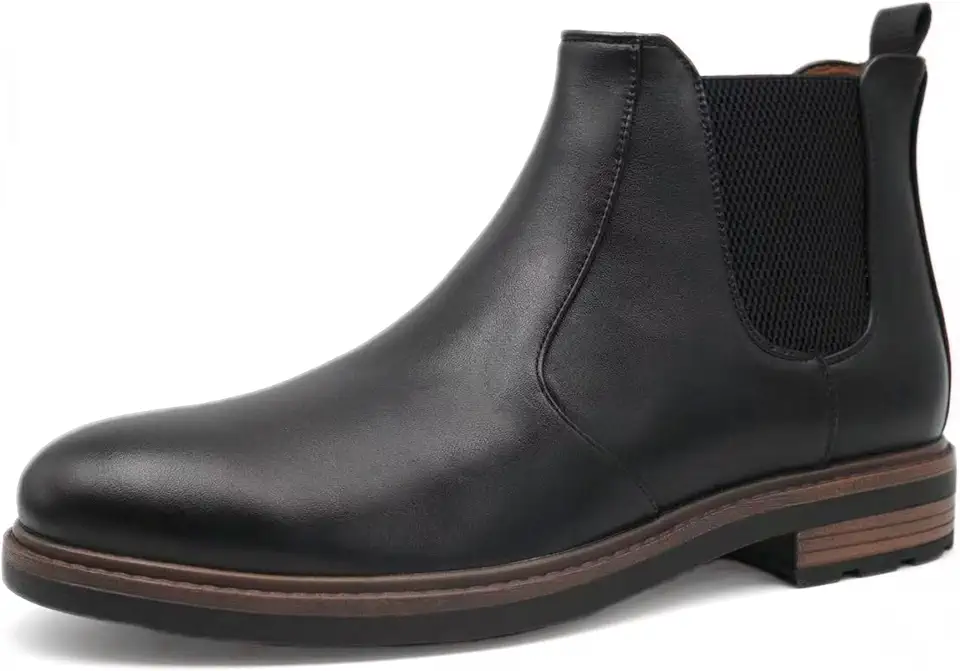
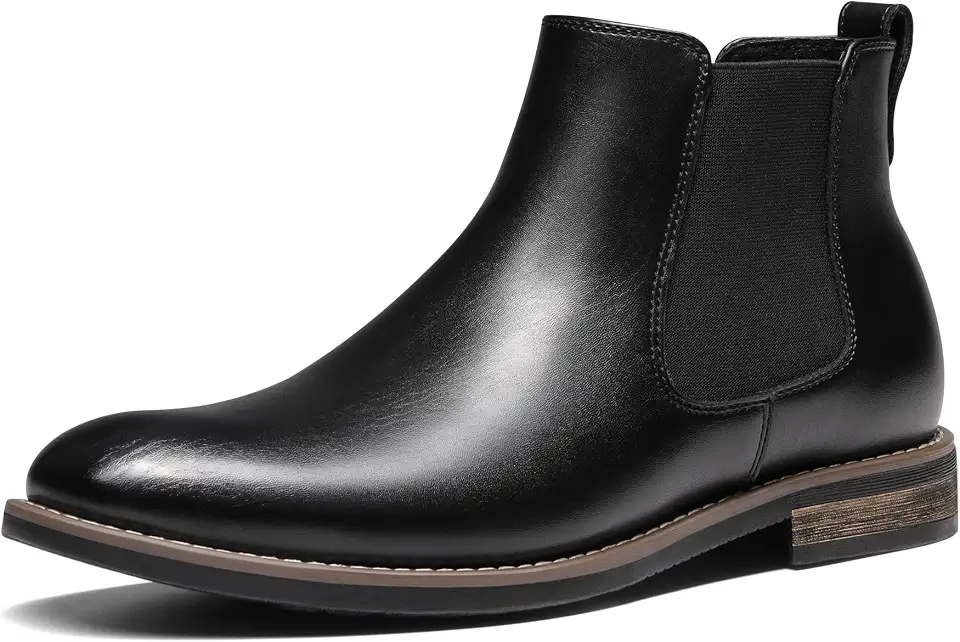
- Footwear Harmony: Ideal for penny loafers, horsebit slip-ons, sleek low-top leather sneakers, and Chelsea boots.
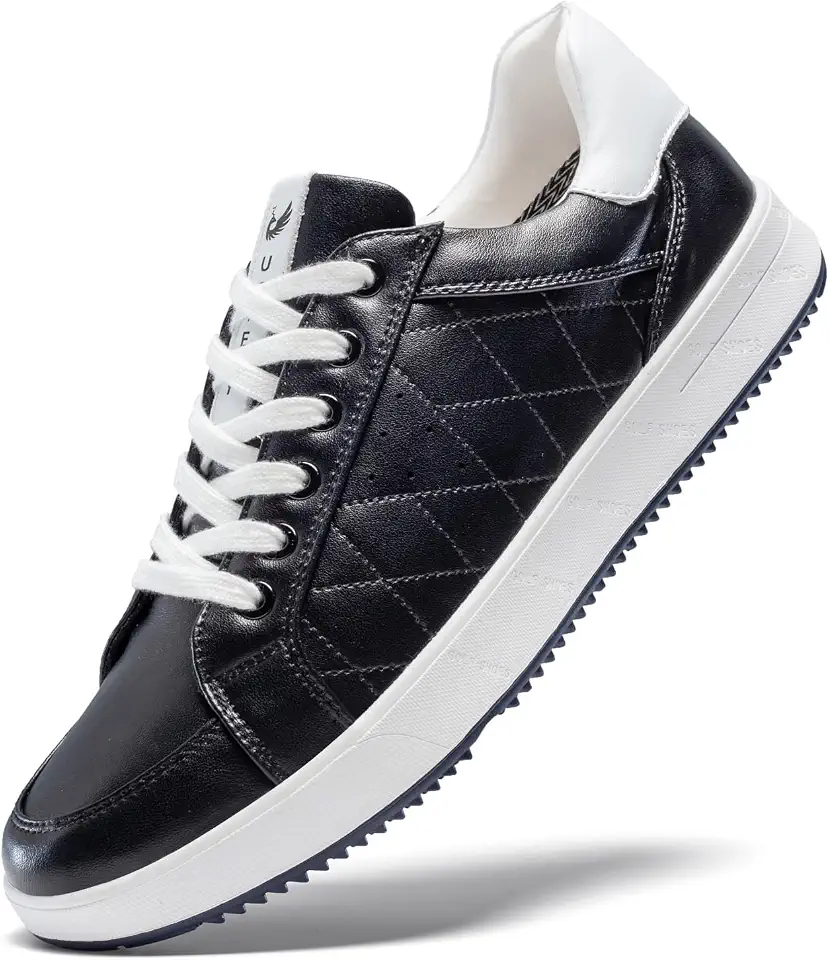
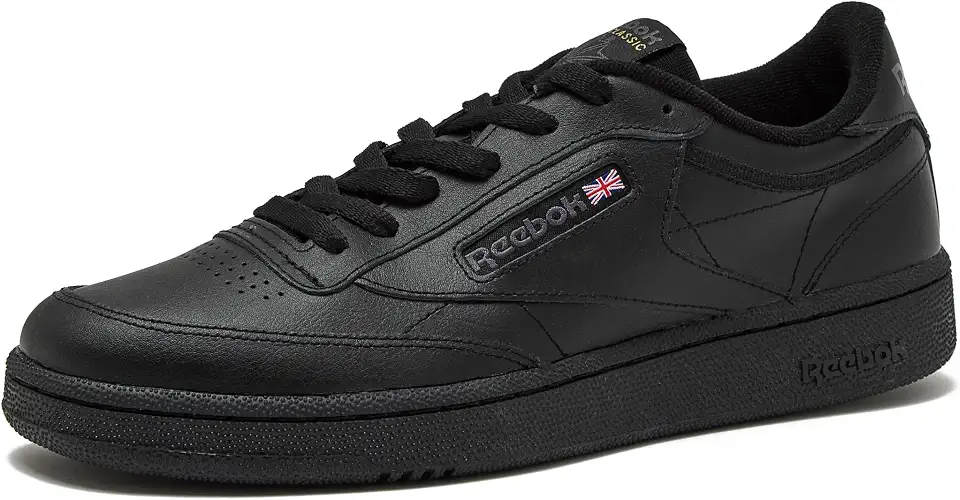
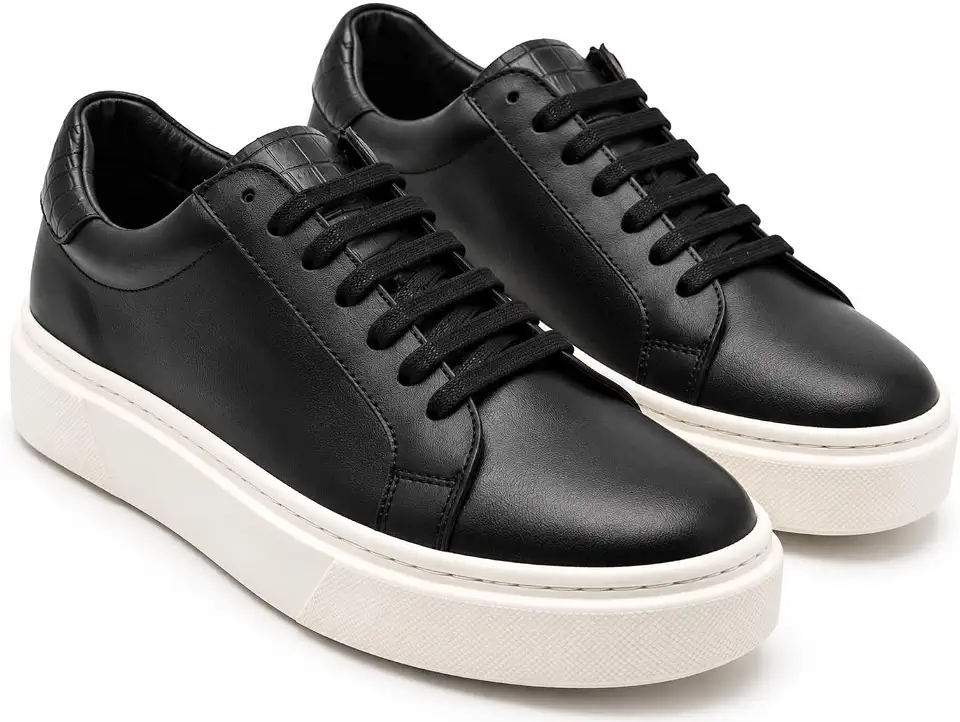
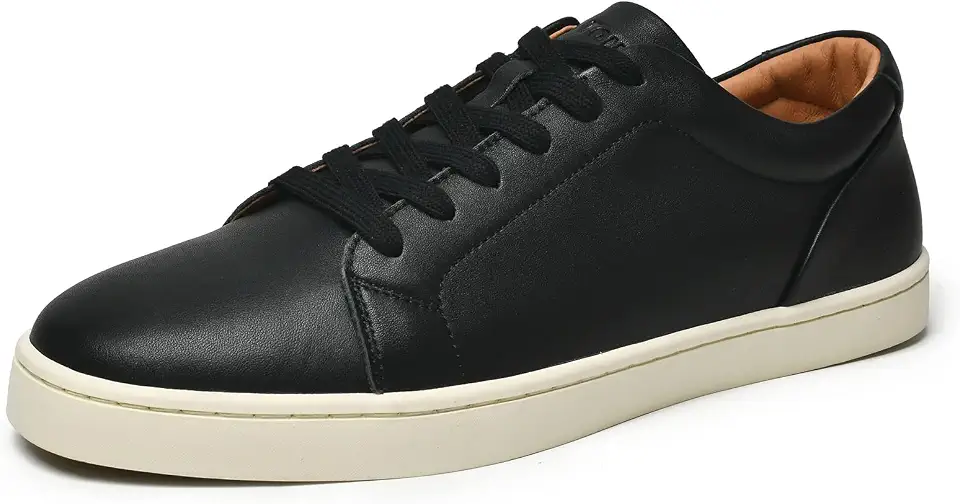
2. Slight Break (Quarter Break): The Universal Sweet Spot
The slight break—often called a quarter break—is the undisputed gold standard of modern business tailoring. In this cut, the trouser hem rests gently against the top of the shoe, producing a single, subtle, quarter-inch indentation in the front crease, while the rear hem covers the top of the shoe heel.
- Visual Impact: Timeless, balanced, and effortlessly professional. A slight break looks neither hyper-trendy nor old-fashioned; it communicates that your trousers were custom-hemmed by a skilled tailor specifically for your body.
- Leg Width Prerequisite: Works flawlessly with standard slim-straight and classic-taper trousers featuring leg openings between 15.5 and 16.5 inches.
- Footwear Harmony: The ultimate companion for classic lace-up dress shoes, including cap-toe Oxfords, quarter-brogues, and leather derbies.
3. Medium (Half) Break: Classic and Conservative
A medium or half break features a distinct, noticeable fold of fabric approximately one-half to three-quarters of an inch deep across the front of the shoe vamp. The rear hem drops further down the heel, stopping just above the top of the sole.
- Visual Impact: Substantial, traditional, and commanding. A half break provides a grounded, conservative aesthetic favored in traditional law firms, banking institutions, and formal corporate environments.
- Leg Width Prerequisite: Requires a classic straight-leg cut with a leg opening of 16.5 to 17.5 inches. Tapered trousers cannot support a half break because narrow hems will catch on the shoe laces and bunch messily.
- Footwear Harmony: Pairs best with substantial dress shoes that have visual weight, such as double-soled Derbies, longwing brogues, and monk strap shoes.
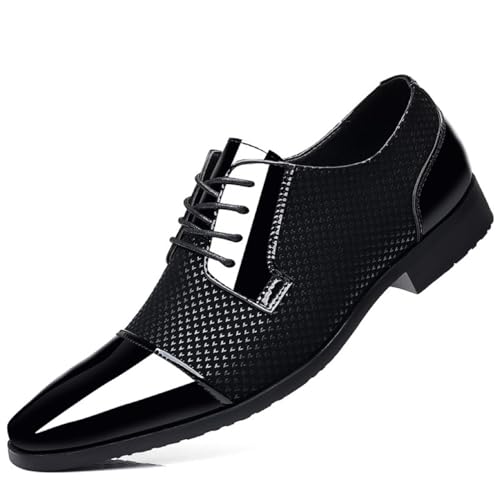
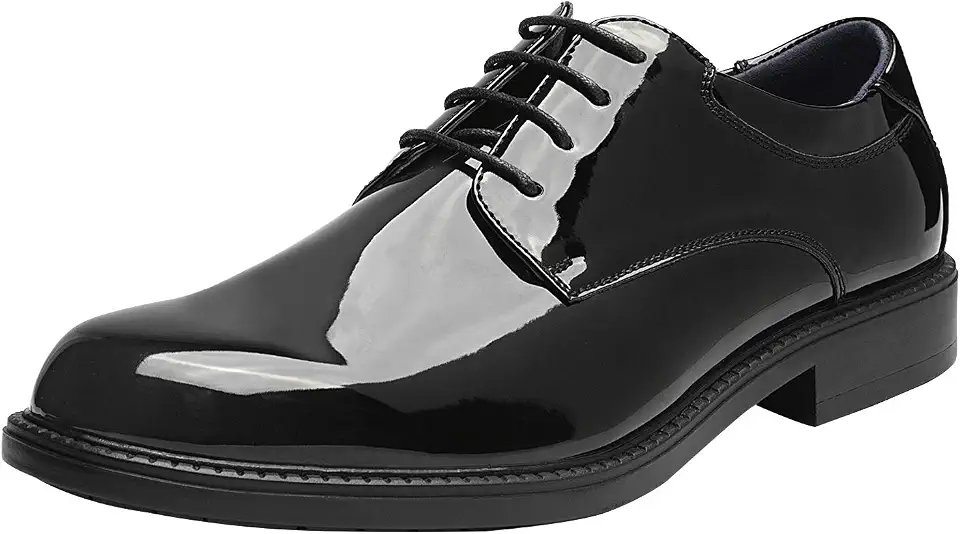
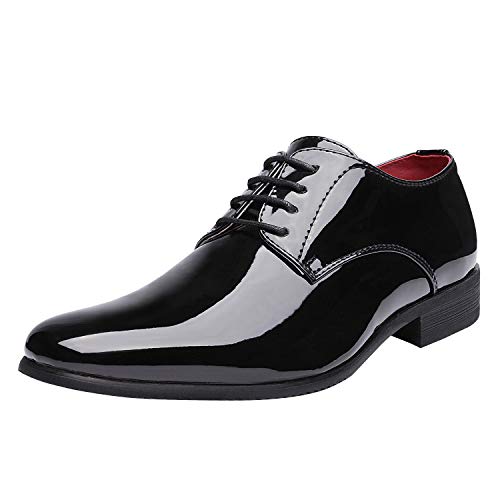
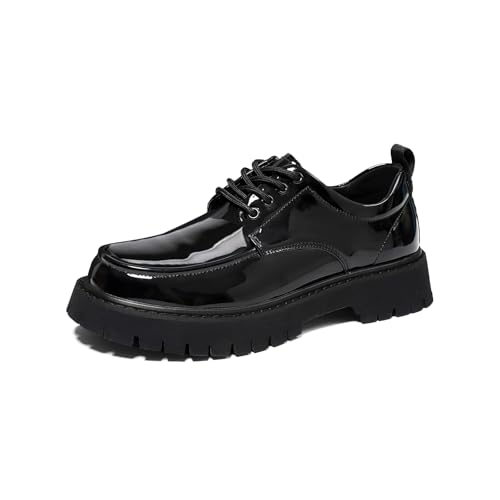
4. Full Break: Heavy Vintage Drapes and Wide Silhouettes
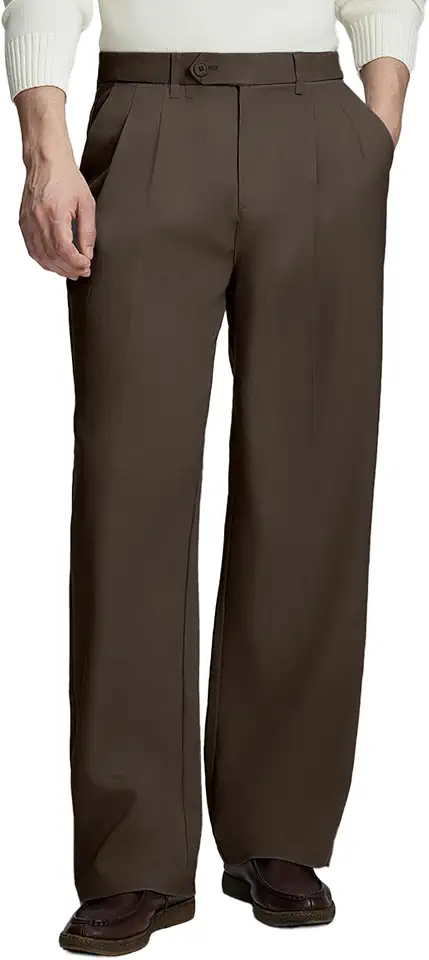
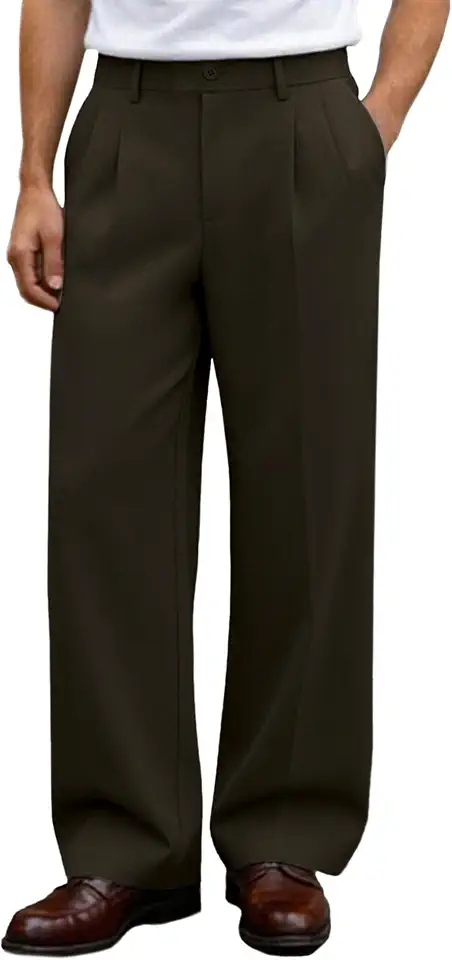
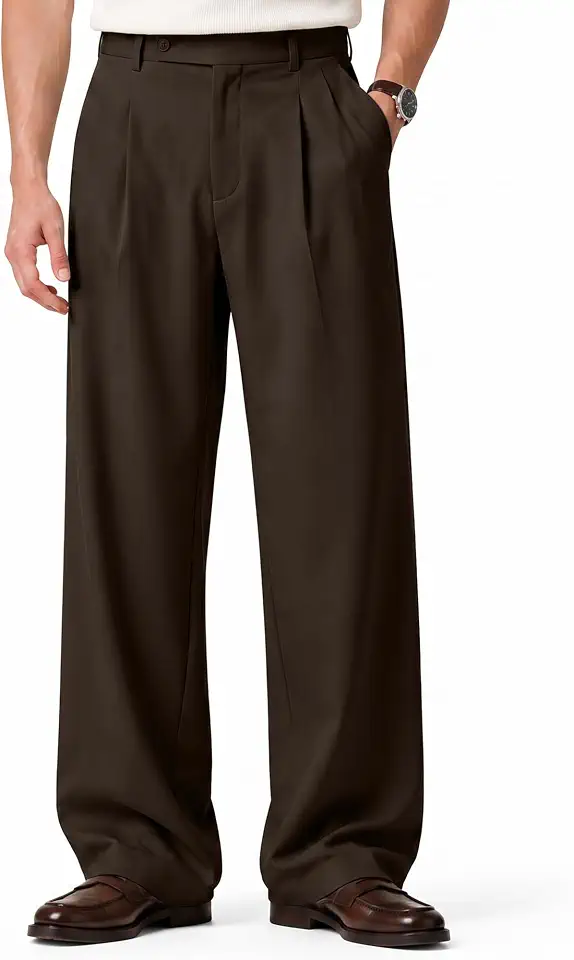
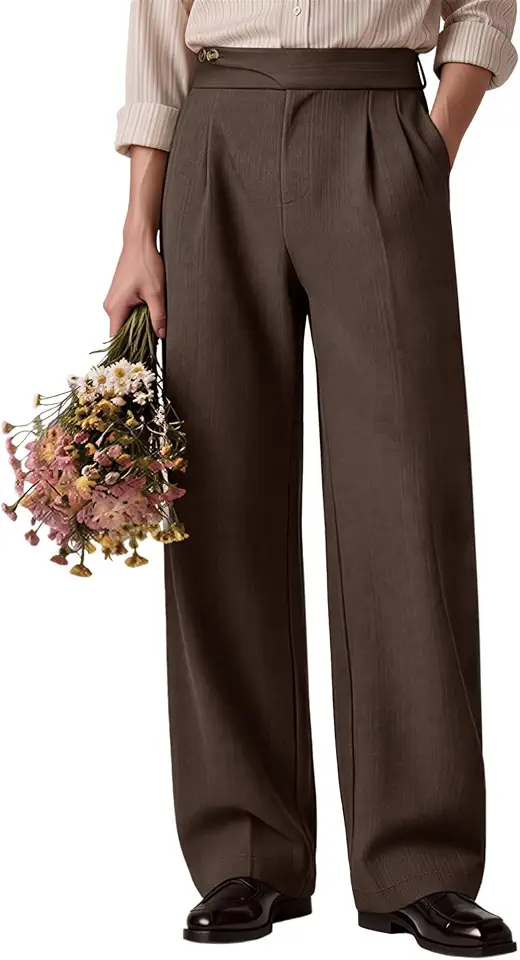
A full break features a deep, generous horizontal fold of fabric over the shoe, often accompanied by soft pooling of cloth around the sides and rear of the ankle.
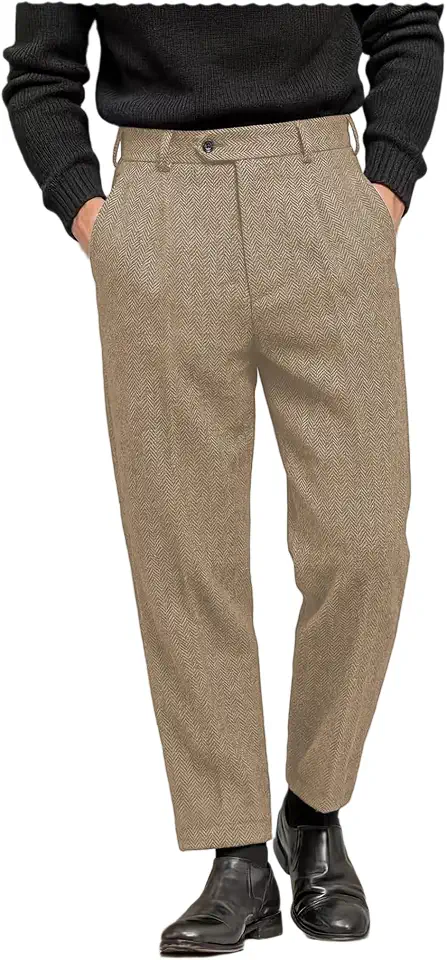
While a full break on slim pants looks like an amateur sizing mistake, a full break on wide-leg, double-pleated trousers crafted from heavy winter flannel or tweed is an intentional sartorial statement. The substantial weight of heavy wool allows the wide hem to drape dramatically over sturdy footwear without looking sloppy.
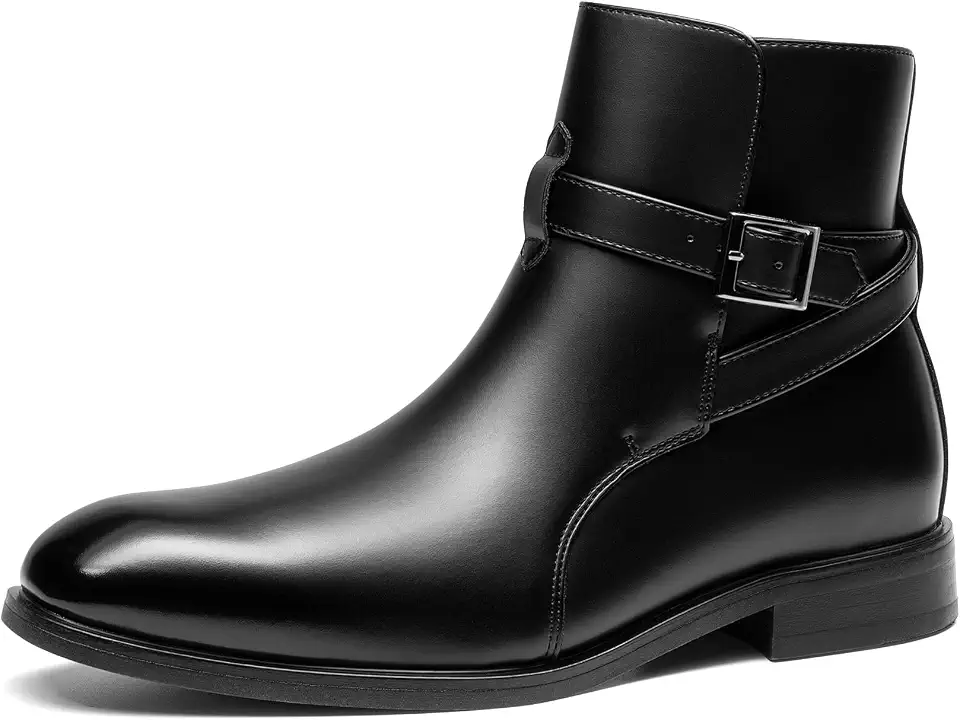
- Footwear Harmony: Heavy lug-sole derbies, chunky boots, and substantial wingtips. Avoid pairing full breaks with lightweight summer loafers.
5. The Golden Ratio: Leg Opening Width Dictates Hem Length
The most crucial rule in tailoring pant breaks is that hem width dictates hem length:
- Narrow Leg Openings (14"–15"): Demand No Break or cropped hems.
- Moderate Leg Openings (15.5"–16.5"): Demand Slight Break.
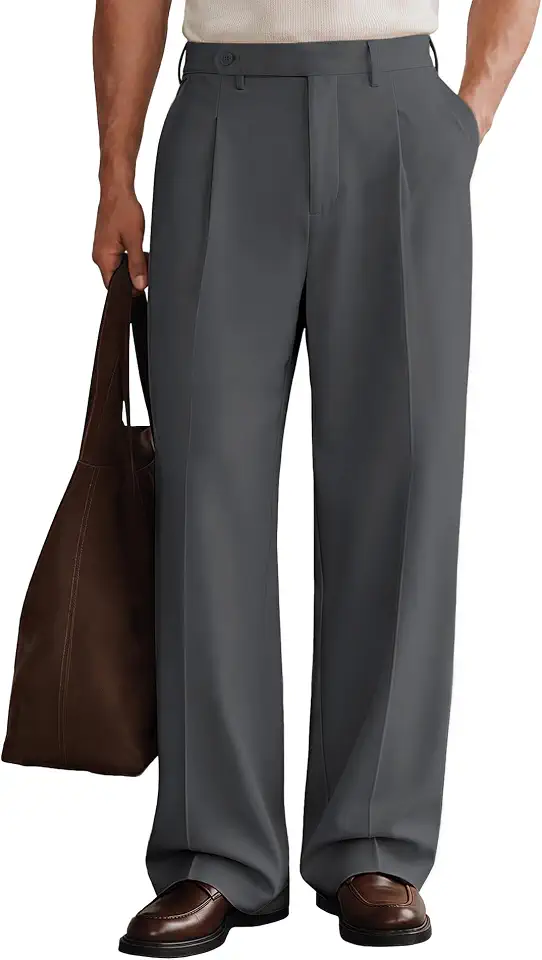
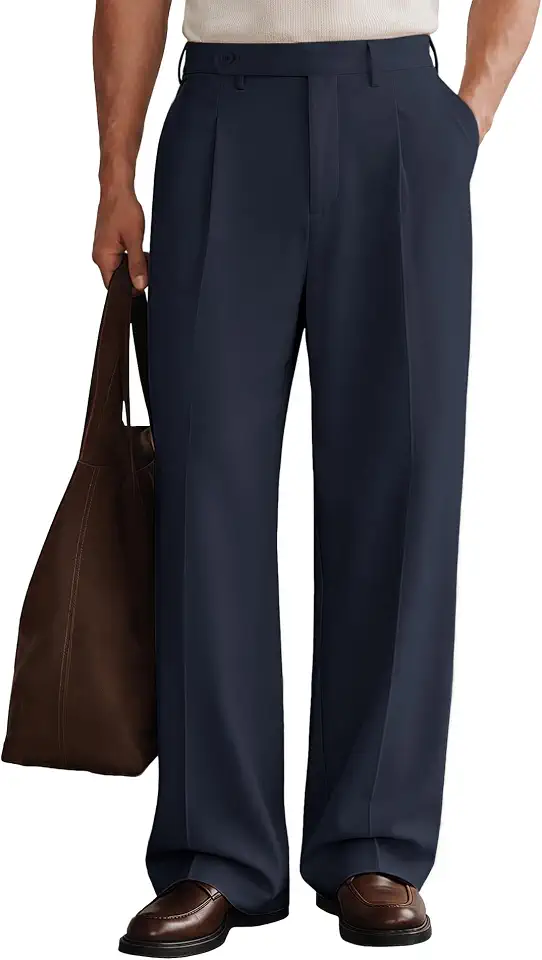
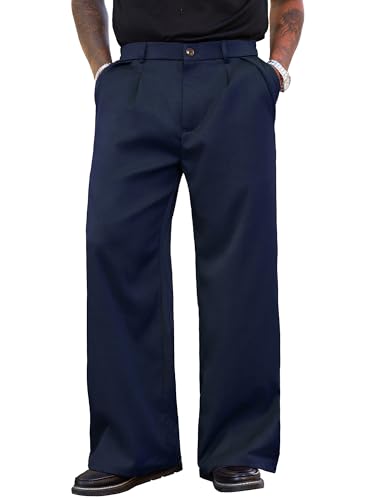
- Wide Leg Openings (17"+): Demand Medium Break or Full Break.
The Golden Rules of Pant Breaks
- Always Fit Hem Length With Shoes On: Never allow a tailor to pin your trousers while wearing socks or bare feet; stand in your actual dress shoes.
- Narrower Hems Require Shorter Lengths: The slimmer the pant ankle opening, the higher the hem must terminate to prevent accordion bunching.
- When in Doubt, Choose Slight Break: A quarter break is universally appropriate for every interview, wedding, and business meeting.
- Heavier Fabrics Tolerate More Break: Thick wool flannels and twills hold a crease cleanly, whereas lightweight linen looks messy with excess length.
- Stand Straight During Pinning: Look straight ahead into the mirror; looking down at your feet alters your posture and changes the hem measurement.
Pant Break Comprehensive Matrix
| Break Style | Fold Depth | Ideal Leg Opening | Best Body Types | Recommended Footwear | Formality Level |
|---|---|---|---|---|---|
| No Break | 0 inches (Zero crease) | 14.0" – 15.5" (Tapered) | Shorter to Average Builds | Loafers, Chelsea Boots, Clean Sneakers | Smart-Casual to Modern Formal |
| Slight Break | ~0.25 inches (Subtle fold) | 15.5" – 16.5" (Slim-Straight) | All Body Types (Universal) | Cap-Toe Oxfords, Derbies, Monks | Executive Business & Formal |
| Medium Break | ~0.50 – 0.75 inches | 16.5" – 17.5" (Classic Straight) | Taller or Athletic Builds | Wingtip Brogues, Chunky Derbies | Traditional Conservative Business |
| Full Break | 1.0+ inches (Deep pooling) | 17.5" – 19.0" (Wide-Leg) | Taller Builds (6'0"+) | Heavy Boots, Lug-Sole Derbies | Vintage Sartorial & Heritage |
Common Mistakes to Avoid
- The Stacking Accordion: Wearing slim pants that are two inches too long causes the fabric to fold into multiple ripples like stacked casual jeans.
- Floating Hems With Wide Legs: Hemming a wide-legged pant to a high no-break length causes the hem to swing wildly like bell bottoms when walking.
- Hemming Barefoot at the Tailor: Hemming pants without shoes almost guarantees your pants will end up half an inch too long once shoes are on.
- Ignoring Shoe Vamp Heights: A loafer has a low vamp, while a boot has a high vamp; hem your trousers for the specific footwear you plan to wear.
Conclusion
Mastering the pant break is one of the highest-leverage skills in men's style. By understanding the geometric relationship between leg width, fabric weight, and hem height, you ensure that every pair of trousers in your rotation delivers immaculate, flattering lines.
Found this style article helpful?
All curated searches
Related Reading
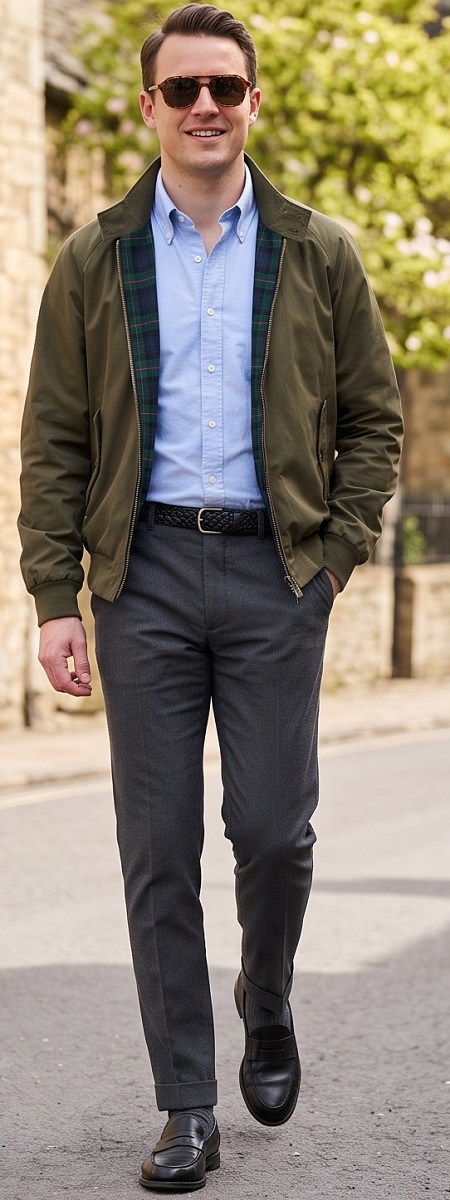
Should You Match Socks to Pants or Shoes? Men's Guide
Solve the classic menswear debate: should you match your socks to your pants or your shoes? Discover the visual elongation rule and accent tips.

Matching Belt and Shoes: Modern Rules and Exceptions
Master the rules for matching belts and shoes in menswear. Learn when strict matching is mandatory and when smart-casual permits relaxed contrast.
Charcoal Flannel Trousers: Draped Executive Tailoring
An essential guide to the most versatile separate in men's tailoring: the classic charcoal grey flannel dress trouser. Pairing brushed woolen textures seamlessly with sport blazers, chunky fisherman knits, and polished leather brogues.
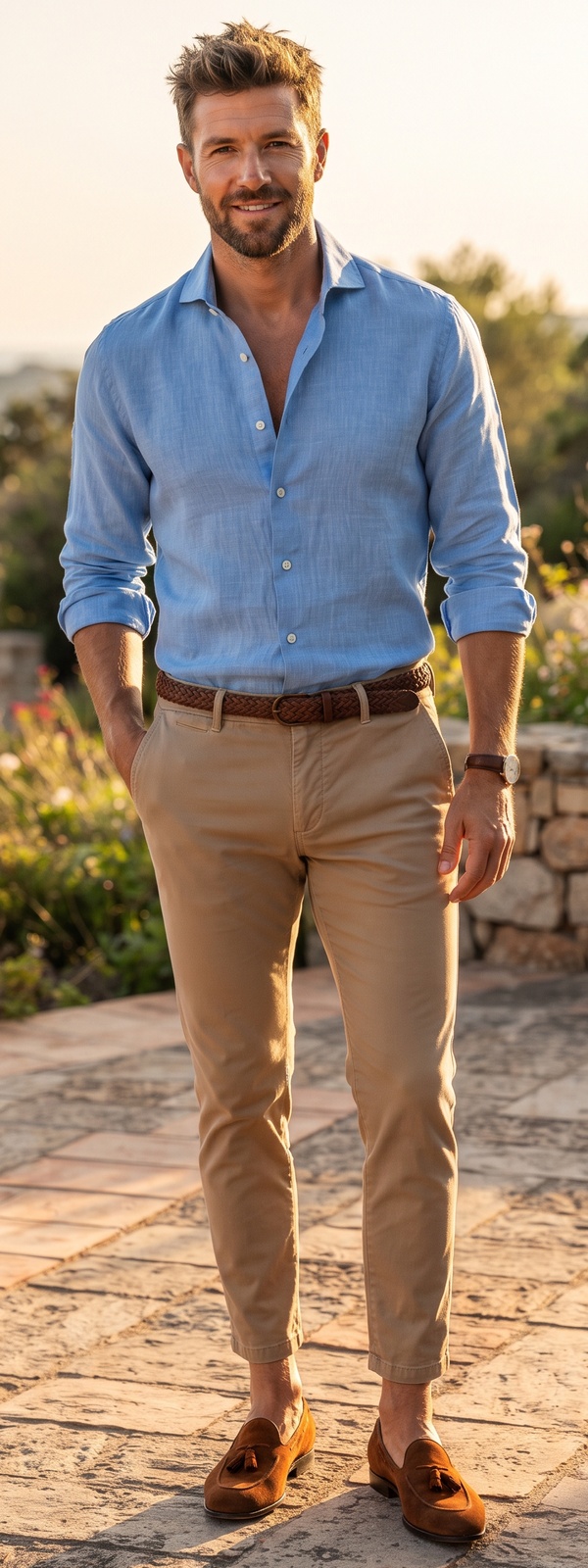
Leather Dress Belts: Crisp Waistline Sartorial Anchors
The definitive men's accessory style guide highlighting full-grain leather dress belts fitted with polished brass and silver rectangular buckles. Proving how matching waistline leather finishes unifies tailored trousers, dress shirts, and formal shoes.
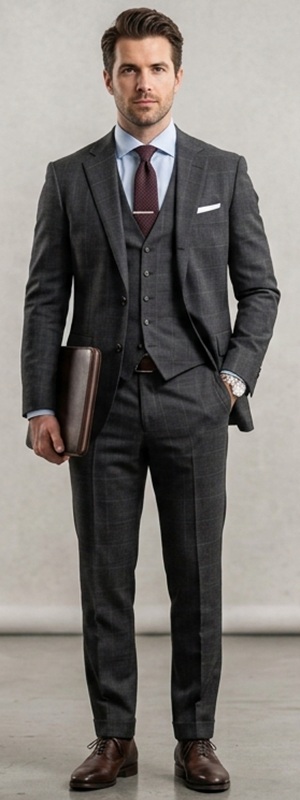
What to Wear to a Job Interview — Men's Complete Guide
Master what to wear to a job interview with our complete men's style guide. Discover affordable outfits, tailoring tips, and key dos and don'ts.
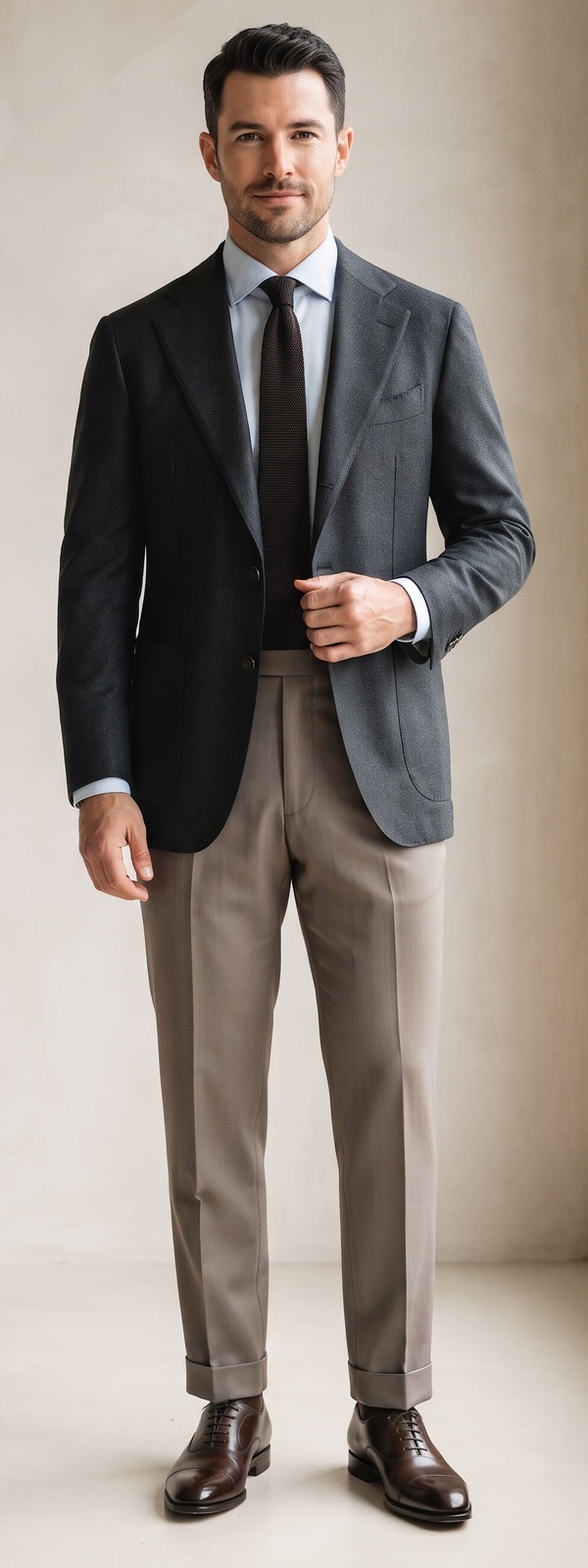
What to Wear for a TV or Media Interview — Men's Guide
Look authoritative on broadcast TV or stage panels with matte navy blazers, light blue shirts, lapel-mic-ready collars, and zero moiré.
Other Reading
What to Wear to the Siena Palio — Men's Complete Guide
Dress for the historic Siena Palio horse race and contrada street banquet with airy linen shirts, camp collars, trousers, and suede loafers.

California Coastal Road Trip: Hoodies & Light Denim
Cruise Highway 1 in sun-bleached loopback hoodies, relaxed light-wash jeans, and classic canvas skate sneakers. Curated for ocean outlooks, roadside diners, and Pacific sunset watching, this lookbook captures quintessential West Coast surf nostalgia. Relaxed coastal cool on an honest budget.

How to Style Men's Suede Clogs for Relaxed Everyday Cool
Learn how to style men's suede clogs with relaxed denim, waffle knits, and camp collar shirts for an effortless, comfortable casual aesthetic.