
November 22, 2026
Trouser Cuffs vs Plain Hems: When Men Should Add Turn-Ups
The Architectural Finish of Trousers
When working with a tailor or ordering custom trousers, few finishing decisions carry as much historical weight and functional purpose as choosing between a cuffed hem (traditionally called a turn-up in British tailoring) and a plain, uncuffed hem. While casual observers might dismiss cuffs as a decorative vintage flourish, sartorial purists understand that cuffs serve a critical mechanical role in how a trouser hangs, moves, and drapes.
Historically invented in the late nineteenth century by English gentlemen seeking to protect their trouser hems from country mud, cuffs evolved into a foundational hallmark of classic Anglo-American tailoring. Yet, in an era dominated by sleek minimalism and tapered silhouettes, many men are unsure when turn-ups enhance an outfit and when a clean plain hem is mandatory. Here is the definitive sartorial guide to navigating trouser cuffs.
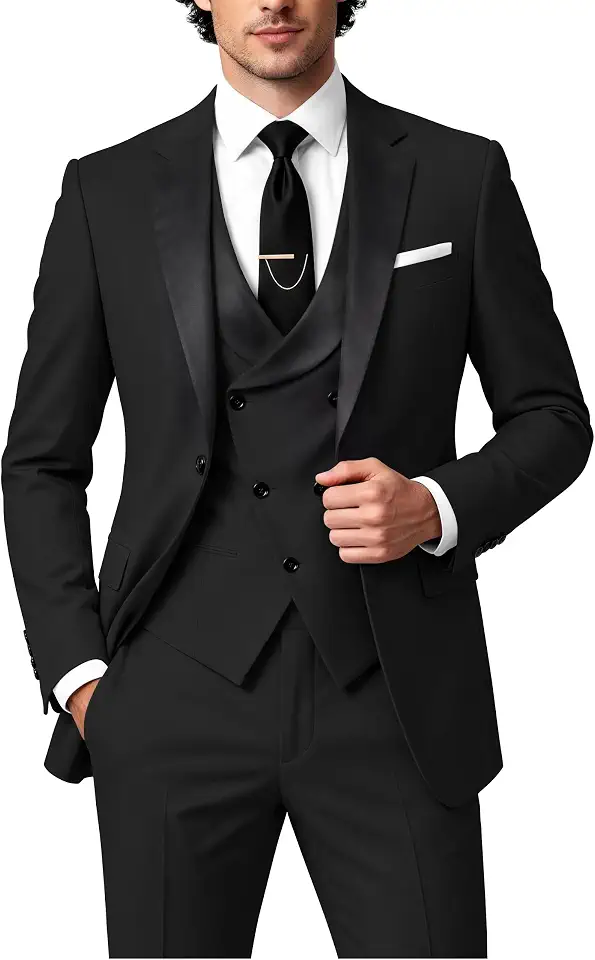
Outfits from this article


1. The Physics of the Cuff: Gravity and Drape
The most important functional reason to add cuffs to your trousers is physics: weight. A standard double-folded cuff adds approximately two to three ounces of extra folded cloth directly to the bottom perimeter of each pant leg.
This added weight acts like an internal anchor. By pulling down on the fabric with gentle gravitational tension, cuffs hold the front trouser crease razor-sharp, eliminate fluttering when walking in a breeze, and prevent lighter or softer fabrics from creasing irregularly. If you are tailoring a pair of trousers crafted from soft wool flannel, tactile tweed, or heavy cavalry twill, adding a cuff ensures that the pant leg drops in a pristine, uninterrupted drape straight down to your footwear.
2. The Pleat-to-Cuff Mandate
In classical menswear, there is a fundamental balance rule governing the relationship between the waistband and the hem:
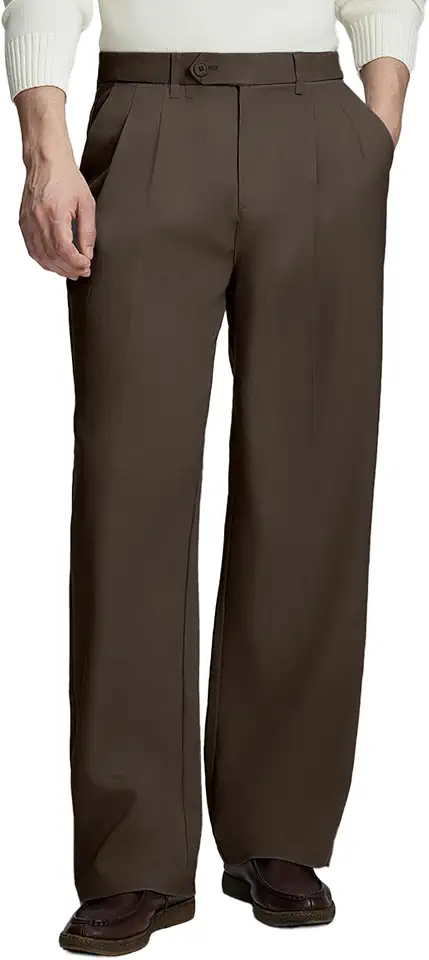
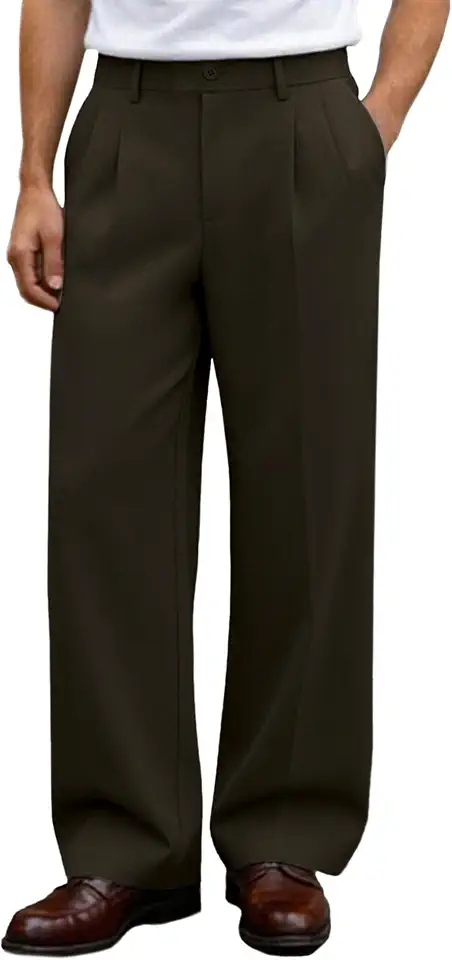
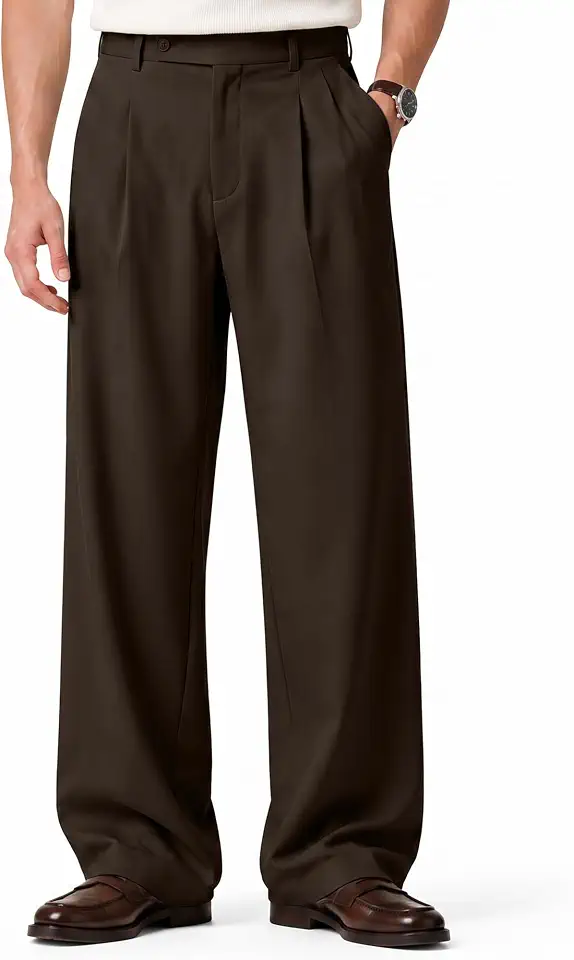
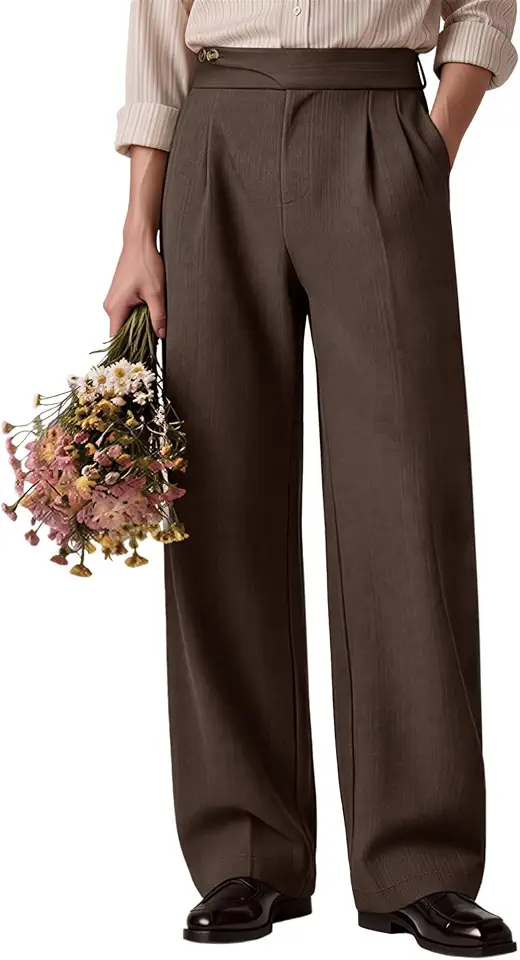
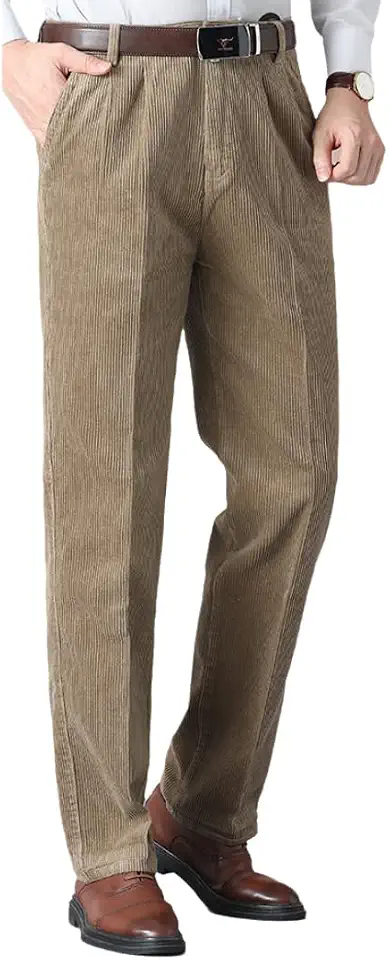
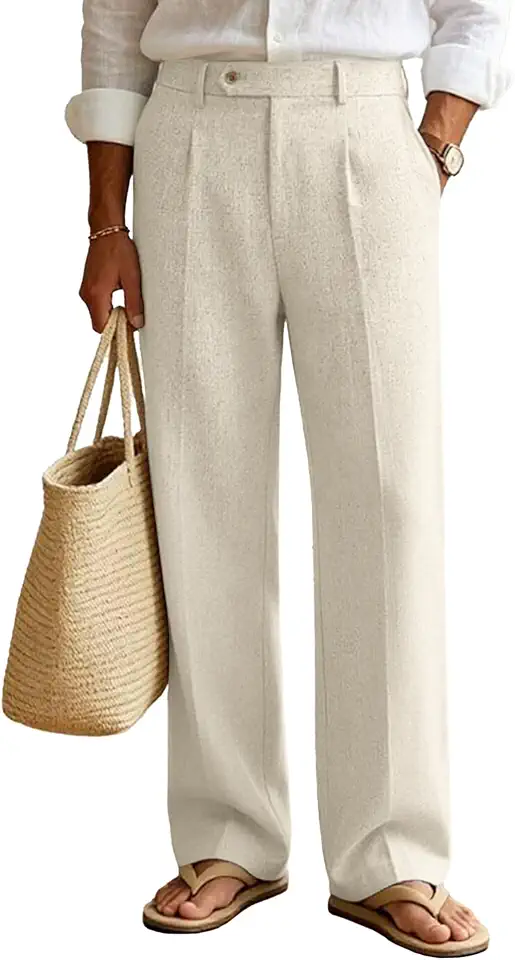
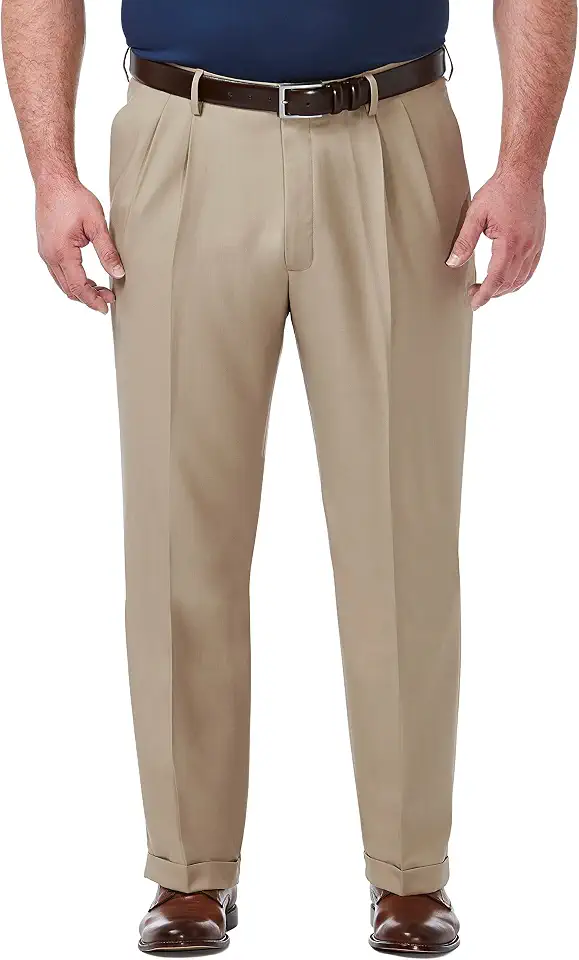
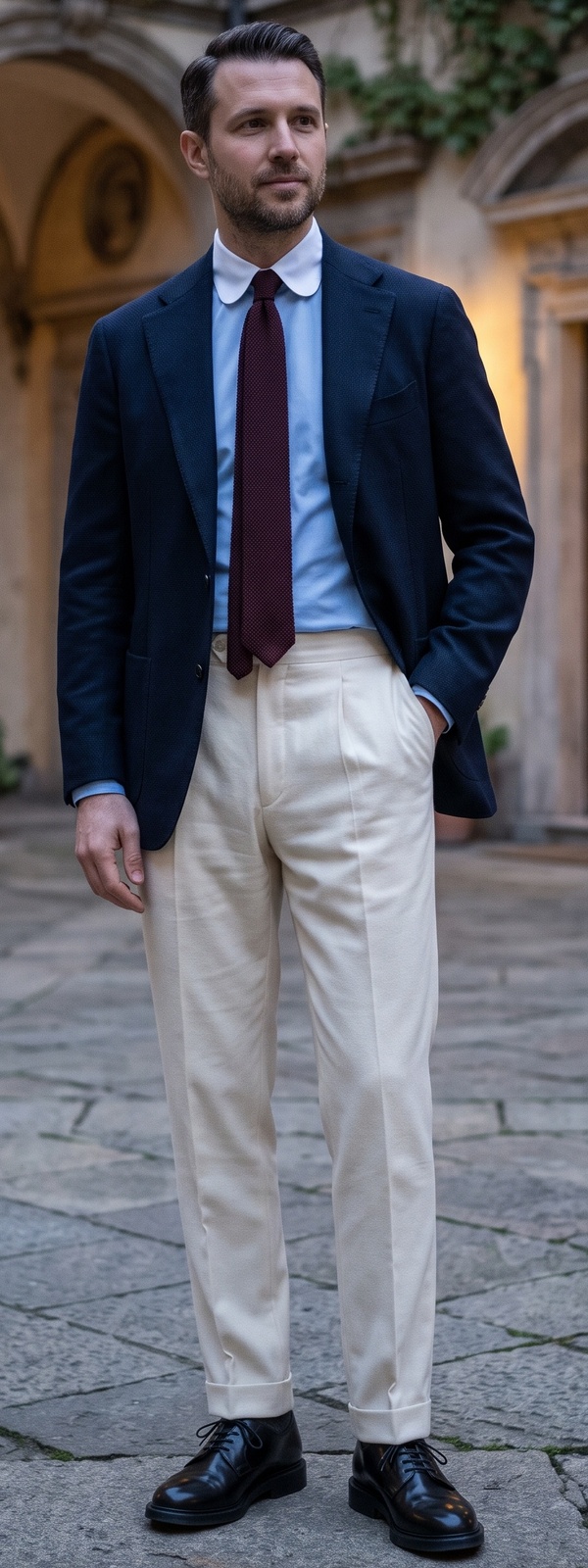
- Double Pleats = Mandatory Cuffs: If your trousers feature forward or reverse double pleats, they should almost universally feature cuffs. Pleats add visual volume, fabric fullness, and vintage character to the top of your trousers; adding cuffs to the bottom anchors that fullness, creating a harmonious, balanced silhouette from waist to hem.
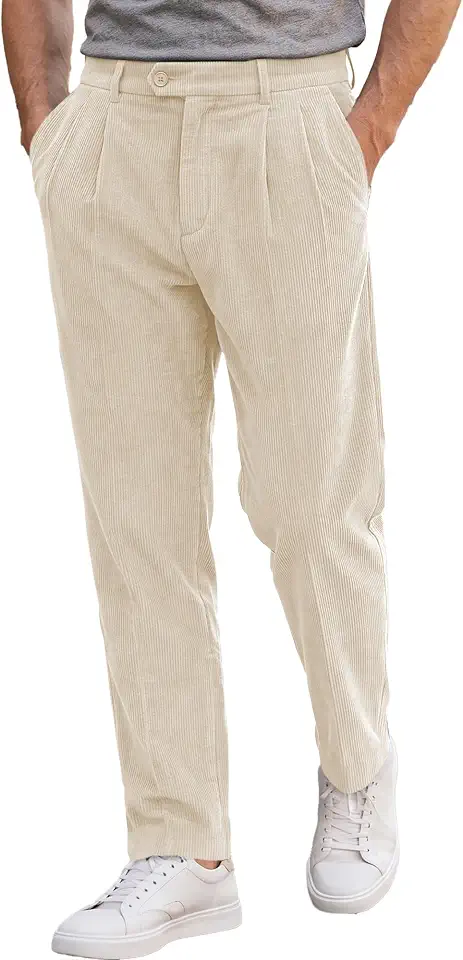
- Single Pleats = Strongly Recommended Cuffs: Single-pleated trousers look exceptional with cuffs, which provide the gravitational pull necessary to keep the single center crease pinned cleanly over the knee.
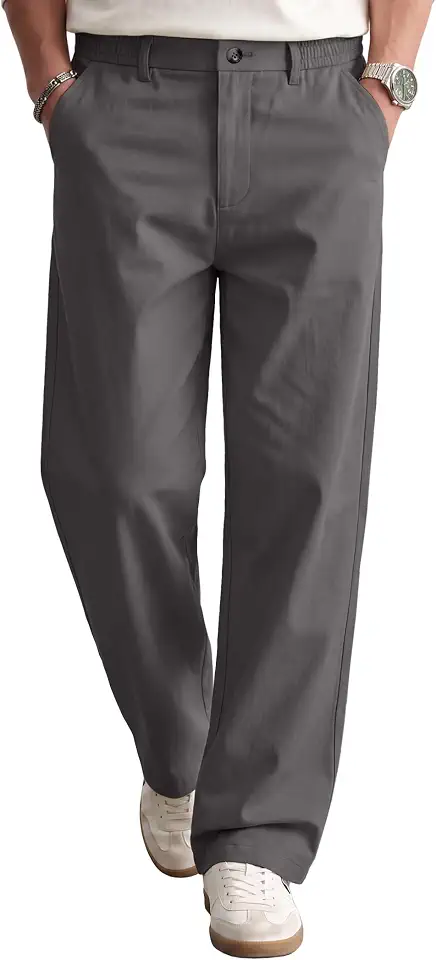
- Flat-Front Trousers = Optional (Historically Plain): Traditional tailoring rules dictate that flat-front trousers should have plain hems to maintain a sleek, uninterrupted, minimalist line. While modern Italian tailoring frequently adds cuffs to flat-front chinos for sprezzatura flair, plain hems remain the conservative choice for flat-front pants.
3. Fabric Formality: When Never to Cuff
While cuffs are a staple of daytime business suiting, casual separates, and weekend flannels, there are specific scenarios where cuffs are strictly forbidden:
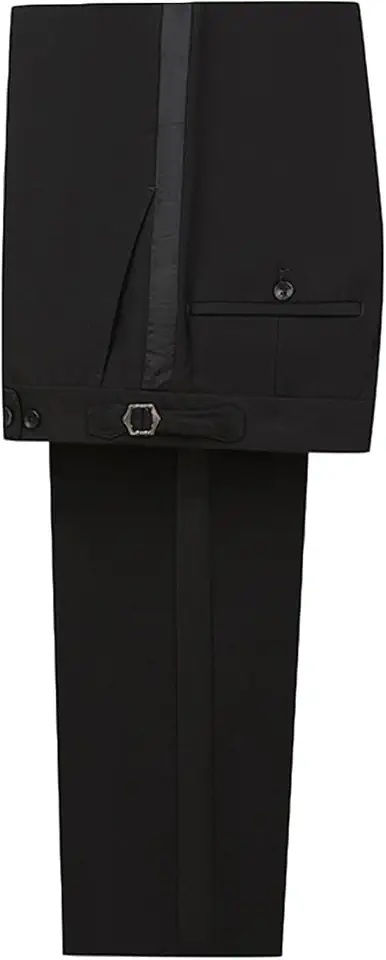
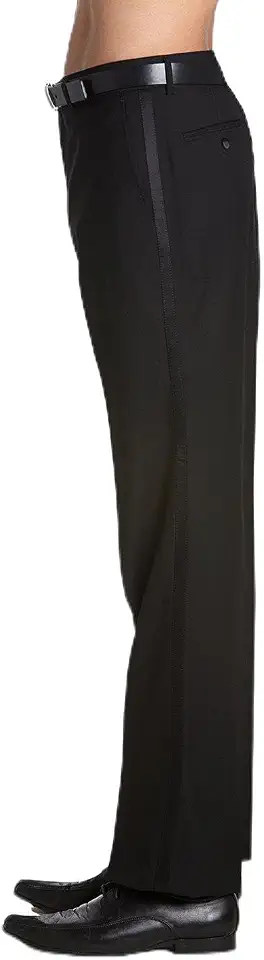
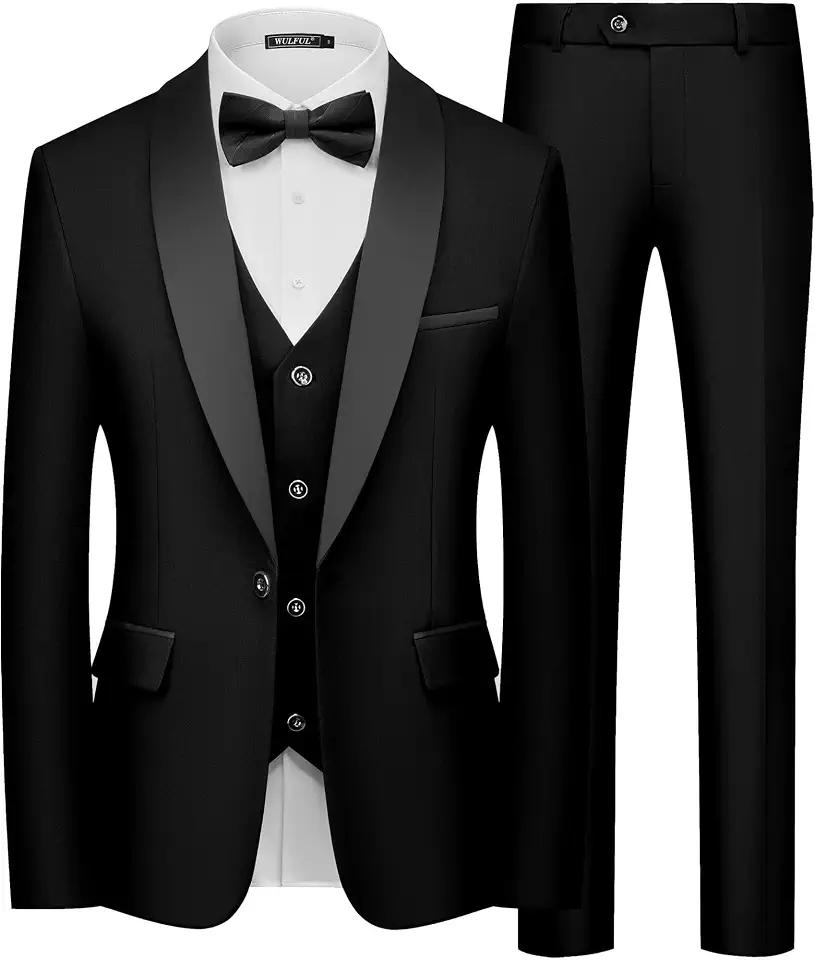
- Formal Evening Wear (Black Tie): Tuxedo trousers and formal evening wear must never feature cuffs. Black tie requires the cleanest, purest, most uninterrupted vertical lines possible. Tuxedo pants must always be tailored with a clean plain hem, traditionally cut on a slight slant (the "guardsman hem," where the back is slightly lower than the front).
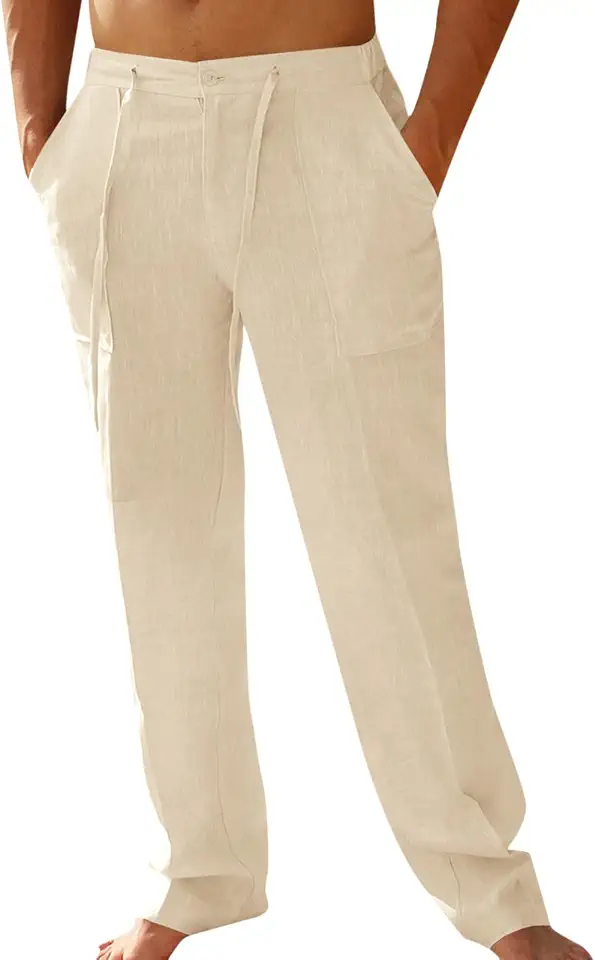
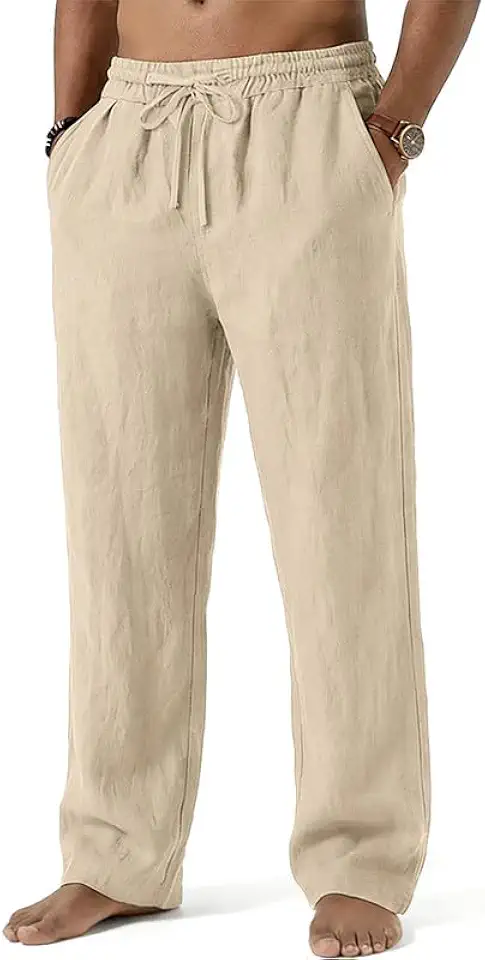
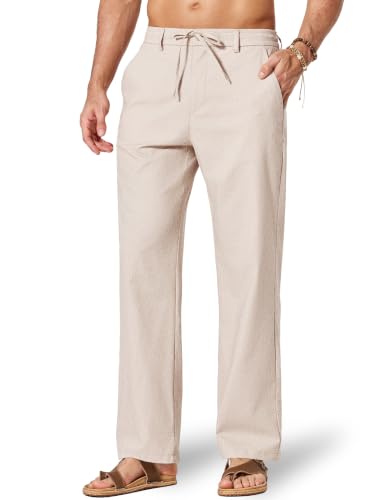
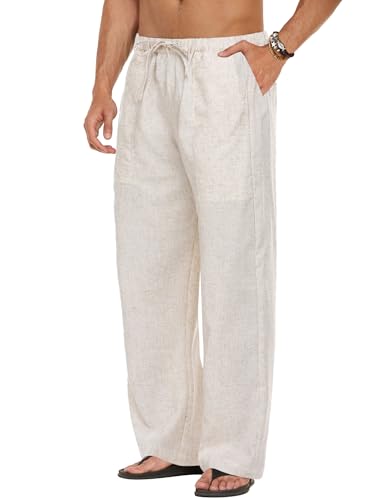
- Ultra-Lightweight Summer Linens: Paper-thin summer linen and tropical poplins lack the structural backbone to support a cuff. A turn-up on floppy, featherweight fabric tends to slouch, curl at the edges, and collapse into messy folds. Plain hems look far crisper on high-summer resort pants.
4. Cuff Proportions and Height Guidelines
A common menswear myth is that shorter men should never wear cuffs because the horizontal line of the turn-up visually cuts the leg and reduces height. In reality, cuffs flatter any man provided the cuff width is tailored proportionally to his stature:
- Men Under 5'10": Opt for a refined 1.5-inch cuff (approximately 3.8 cm). This provides sufficient weight and classical character without overwhelming your lower leg.
- Men 5'10" to 6'1": Choose the classic 1.75-inch cuff (approximately 4.5 cm), which represents the golden standard for mid-century American and British tailoring.
- Men 6'2" and Taller: Can effortlessly carry a bold 2.0-inch cuff (approx. 5.0 cm), which adds commanding presence to long, athletic legs.


5. Pairing Cuffs with the Proper Break
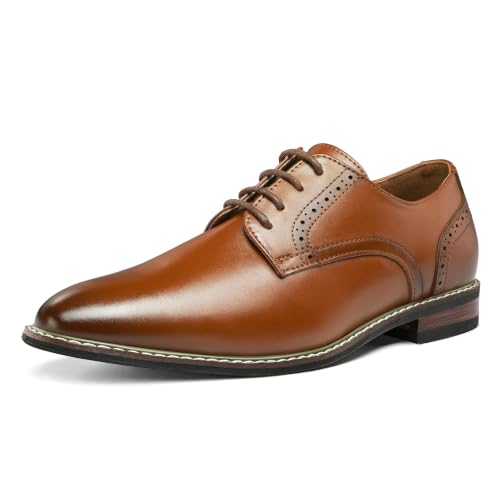
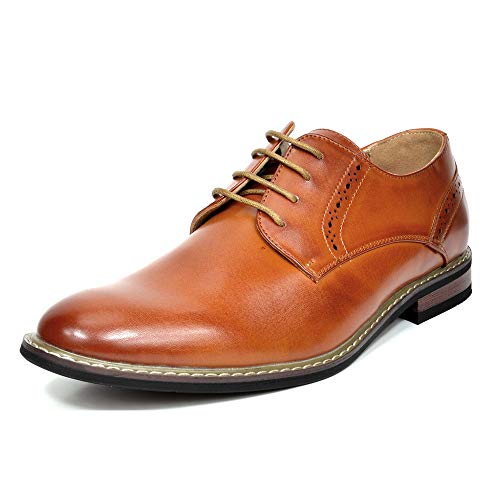
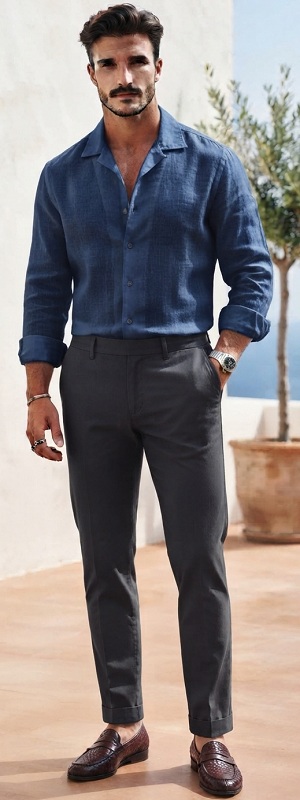
Because cuffs possess physical thickness and visual presence, they look messy if allowed to pool over your shoes. Cuffed trousers should almost always be tailored with no break or a very slight quarter break.
A cuffed hem that lightly grazes the top of your loafers or oxfords allows the turn-up to remain crisp, clean, and architecturally defined.
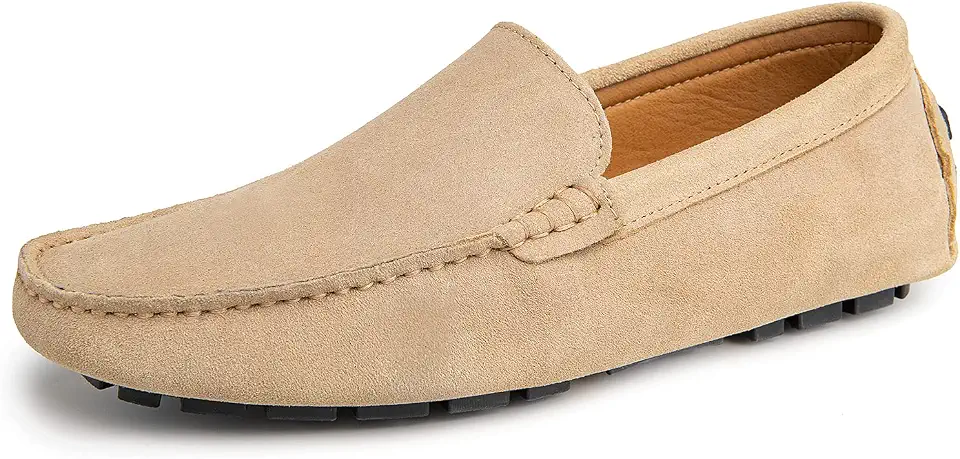
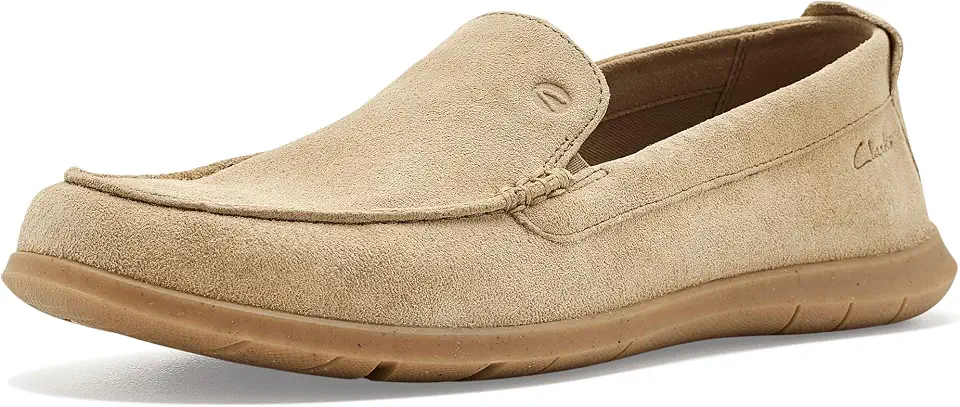
The Golden Rules of Trouser Cuffs
- Balance Pleated Pants With Cuffs: Pair double-pleated trousers with cuffs to counterbalance waist volume with bottom weight.
- Never Add Cuffs to Tuxedos: Black-tie trousers demand plain, unbroken hems without exception.
- Cuff Heavy, Drape-Hungry Fabrics: Flannel, tweed, corduroy, and cavalry twill benefit immensely from the added anchor of a turn-up.
- Tailor With Little-to-No Break: Ensure cuffed trousers barely graze your shoe laces to preserve clean geometry.
- Scale Width to Your Height: Stick to 1.5 inches for average builds, stepping up to 1.75 or 2.0 inches for taller men.
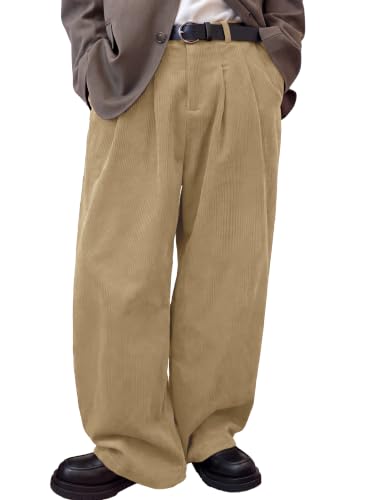
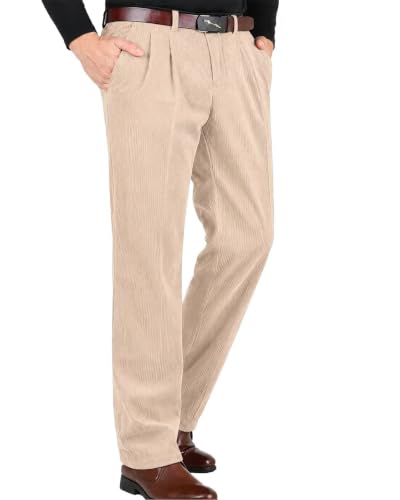
Trouser Cuff Decision Matrix
| Trouser Style | Fabric Weight | Recommended Hem | Ideal Cuff Width | Best Shoe Pairing |
|---|---|---|---|---|
| Double-Pleated Suit Pants | Mid-Weight Worsted Wool | Cuffed (Turn-Up) | 1.75 inches | Cap-Toe Oxfords or Monks |
| Black Tie Tuxedo Pants | Fine Wool Barathea | Plain Hem (No Cuff) | None (0 inches) | Black Patent Leather Shoes |
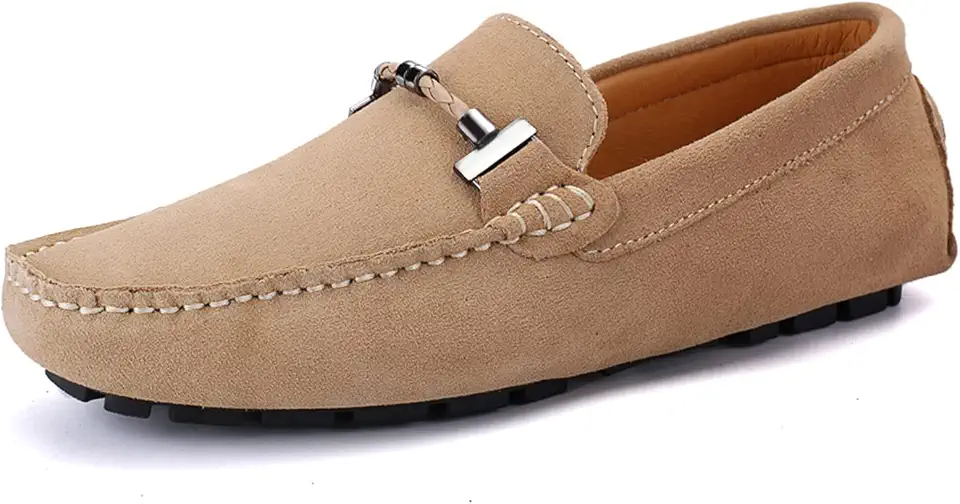
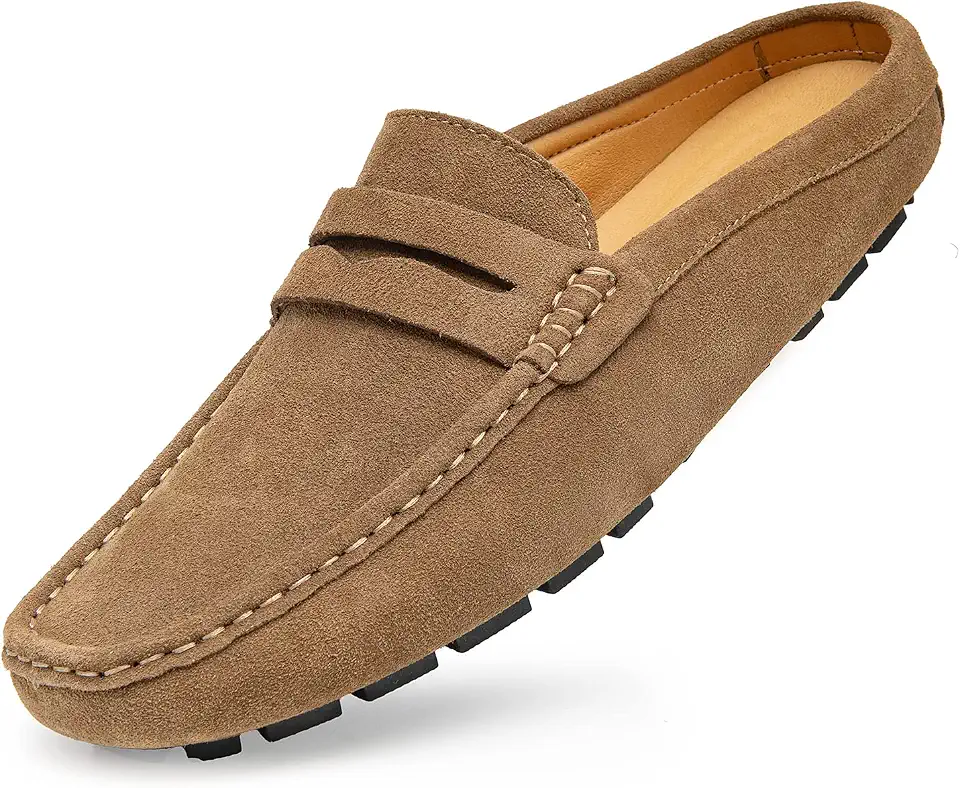
| Winter Flannel Trousers | Heavy Wool Flannel | Cuffed (Turn-Up) | 1.75 – 2.0 inches | Suede Penny Loafers or Boots |
| Slim Flat-Front Chinos | Lightweight Cotton Twill | Plain Hem (No Cuff) | None (0 inches) | Clean White Leather Sneakers |
| Relaxed Linen Pants | Lightweight Summer Linen | Plain Hem (No Cuff) | None (0 inches) | Woven Espadrilles or Sandals |
| Heavy Tweed Separates | Heavyweight British Tweed | Cuffed (Turn-Up) | 1.75 – 2.0 inches | Pebble-Grain Derby Boots |
Common Mistakes to Avoid
- Cuffing Lightweight Chinos Without Structure: Adding a cuff to limp, unironed casual cotton pants causes the hem to sag outward like an inverted cup.
- Allowing Full Breaks on Cuffed Trousers: Letting a cuffed pant buckle repeatedly over your shoe creates a sloppy, heavy look that ruins the purpose of the turn-up.
- The Oversized Cuff on Shorter Legs: Choosing a massive 2-inch cuff on a 28-inch inseam creates a disproportionate block that cuts your leg line in half.
- Adding Fake "Faux" Cuffs: Sewing a detached fabric strip onto an already-hemmed trouser rather than folding genuine fabric allowance looks cheap upon close inspection.

Conclusion
Choosing between cuffs and plain hems is a masterclass in architectural balance. By matching cuffs to pleated tailoring, heavy heritage fabrics, and clean minimal breaks, you add an authoritative, classic weight to your trousers that signals refined sartorial discernment.
Found this style article helpful?
All curated searches
Related Reading
Men's Pant Break Guide: No Break vs Slight vs Full Break
Master the definitive men's pant break guide. Learn how to choose between no break, slight break, and full break based on leg opening and height.
Men's Shirt Collar Styles: How to Match Your Face Shape
Learn how to choose the right shirt collar style for your face shape. Master spread, point, and club collars to balance your facial features.

Charcoal Flannel Trousers: Draped Executive Tailoring
An essential guide to the most versatile separate in men's tailoring: the classic charcoal grey flannel dress trouser. Pairing brushed woolen textures seamlessly with sport blazers, chunky fisherman knits, and polished leather brogues.
What to Wear to a Job Interview — Men's Complete Guide
Master what to wear to a job interview with our complete men's style guide. Discover affordable outfits, tailoring tips, and key dos and don'ts.
What to Wear to a Rustic Barn or Vineyard Wedding — Men's Complete Guide
Learn what to wear to a rustic barn or vineyard wedding on a budget. Explore earthy tailored suits, textured fabrics, and stylish outdoor-ready footwear.
Pin-Collar & Collar-Bar Shirts: Arching Necktie Precision
Celebrating 1930s bespoke shirtmaking with gold collar pins, barbell clasps, and snap-tab collars that lift the silk tie knot into a commanding arch. Styled beneath tweed blazers and three-piece flannel suits.
Other Reading
What to Wear to a Tokyo-Style Jazz Kissa Lounge — Men's Complete Guide
Curate an intimate Tokyo-style jazz kissa lounge look with flannel blazers, balloon trousers, fine knits, and comfortable loafers for audiophile listening.
Western Buckles & Tailored Slacks: Sartorial Edge Friction
Creating intentional stylistic tension by pairing engraved silver Western buckle belts with tailored grey trousers and suiting. Grounded with leather Chelsea boots and suede truckers for an authentic urban cowboy collision.
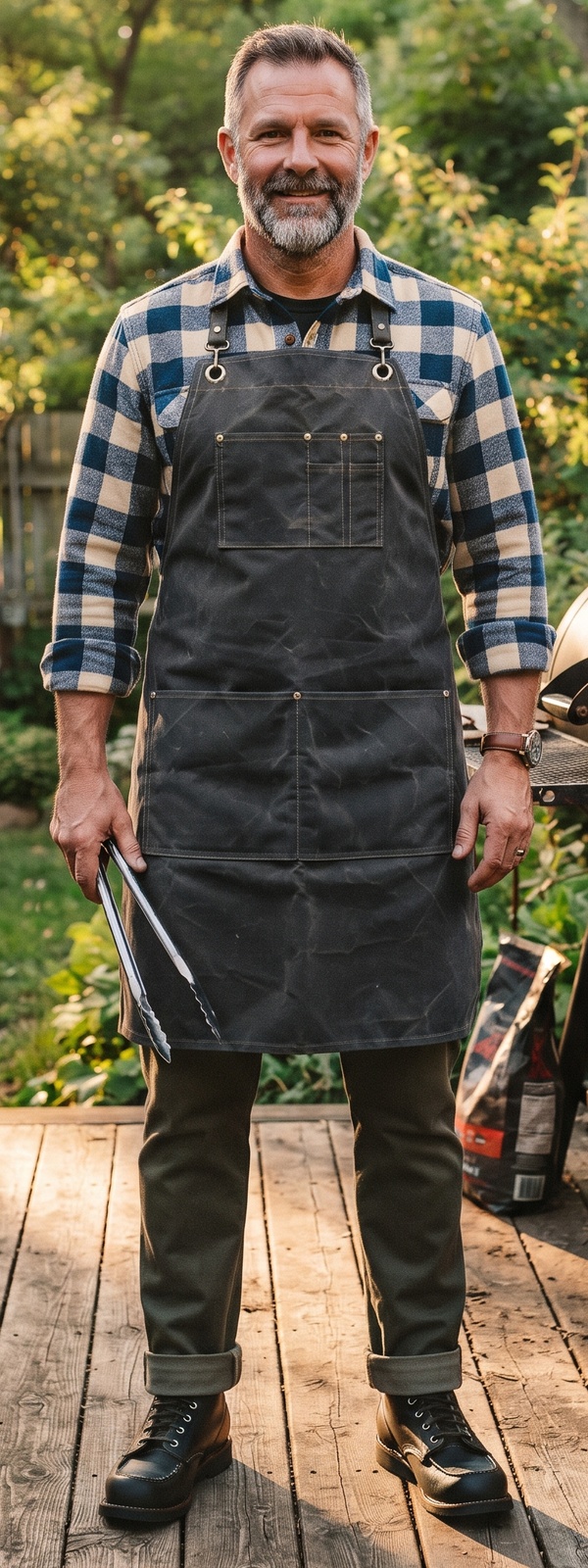
How to Style Men's Artisan Workwear Aprons: Culinary & Studio Guide
Elevate your craft with our guide to styling men's durable canvas, denim, and linen aprons with work shirts, flannels, and boots.