
November 22, 2026
When to Tuck in a Shirt: Men's Essential Style Rules
The Great Shirt Hem Dilemma
Few styling choices impact a man's visual proportions as immediately as deciding whether to tuck in a shirt or leave it untucked. A crisp shirt tucked into well-tailored trousers creates a clean waistline, elongates the legs, and signals sartorial intentionality. Conversely, an untucked shirt lends an effortless, relaxed ease to casual gatherings and weekend outings. Yet, when executed incorrectly, tucking can look uncomfortably rigid, while leaving the wrong shirt untucked produces sloppy, disproportionate lines that drag down your height.
The confusion usually arises because modern menswear has relaxed traditional boundaries. Tailored dress shirts are frequently paired with casual jeans, while utilitarian overshirts and knit polos increasingly infiltrate corporate environments. To navigate these blended dress codes without second-guessing your mirror, you only need to understand three core principles: hem geometry, fabric formality, and torso proportions.
Outfits from this article
 $141
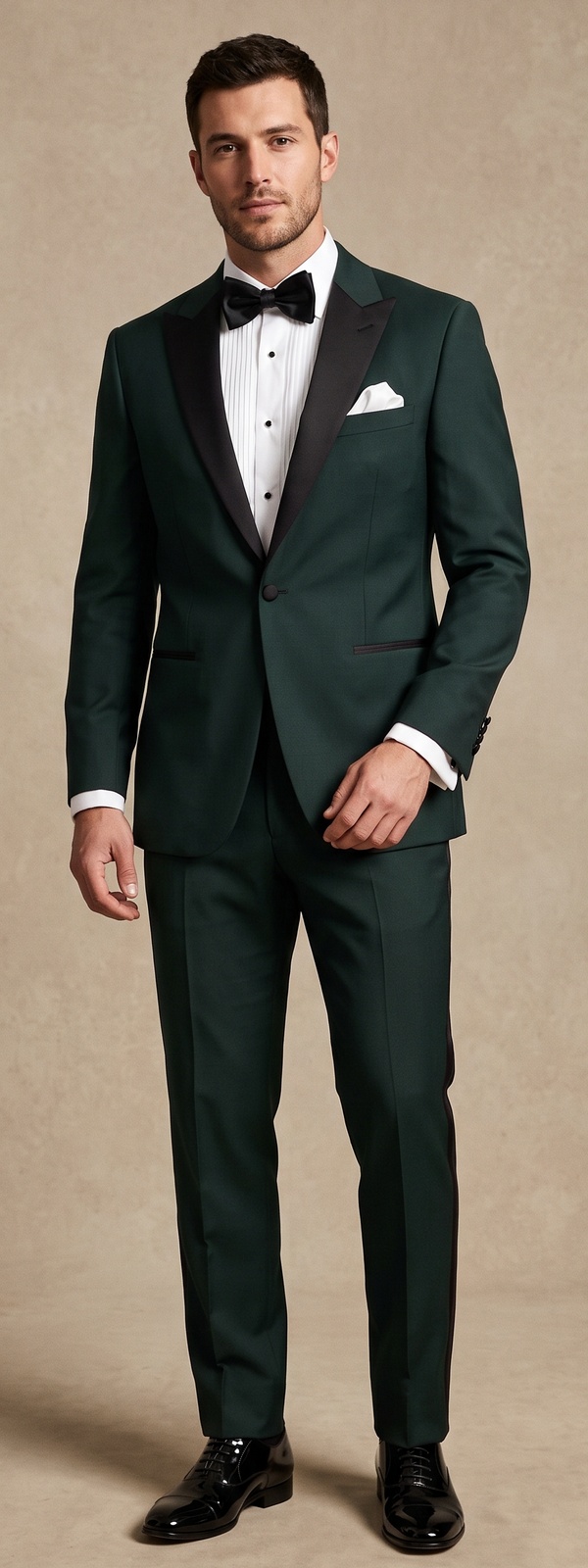
Sophisticated Emerald Green Tuxedo Suit with Black Satin Peak Lapels Look
5 pieces · Oct 7, 2026
 $210


 $160
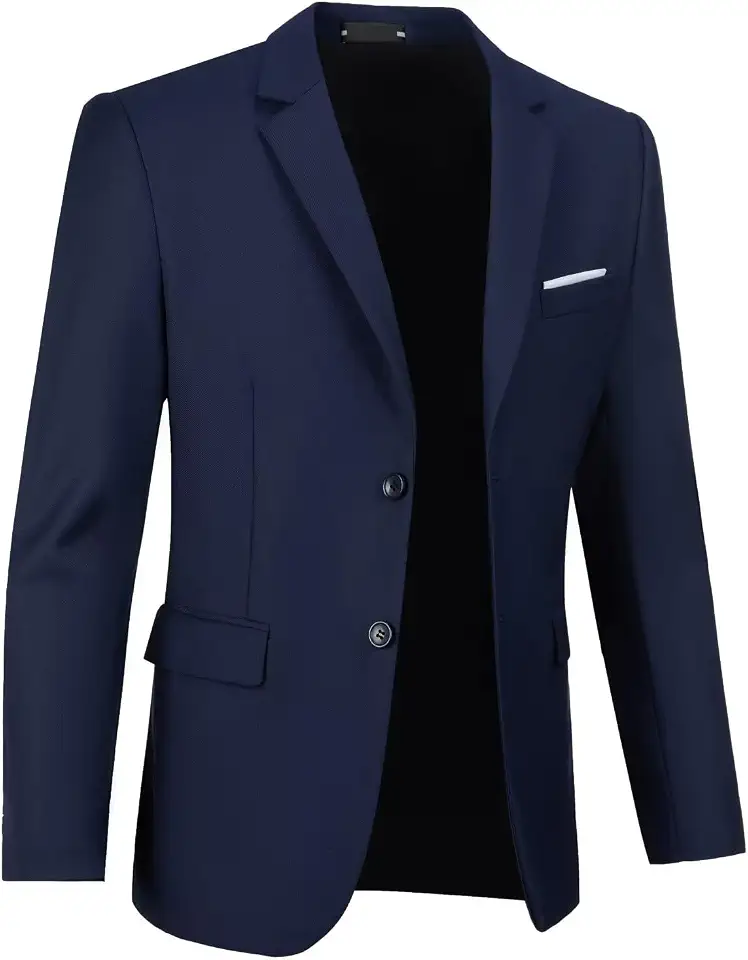

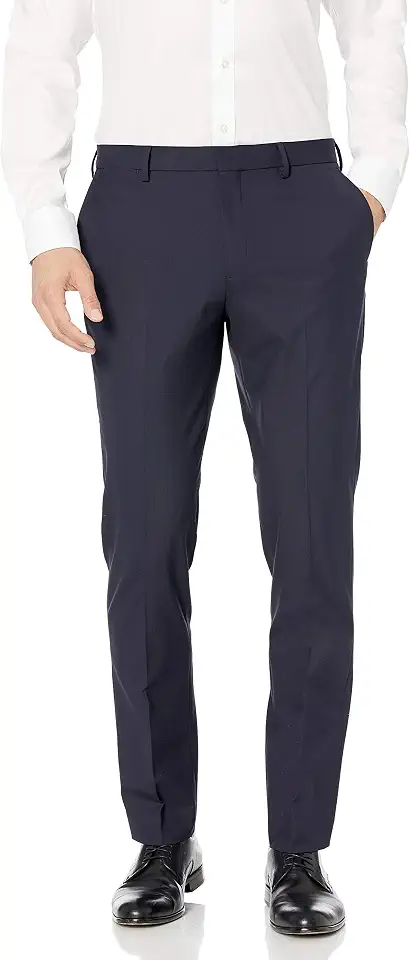
 $126
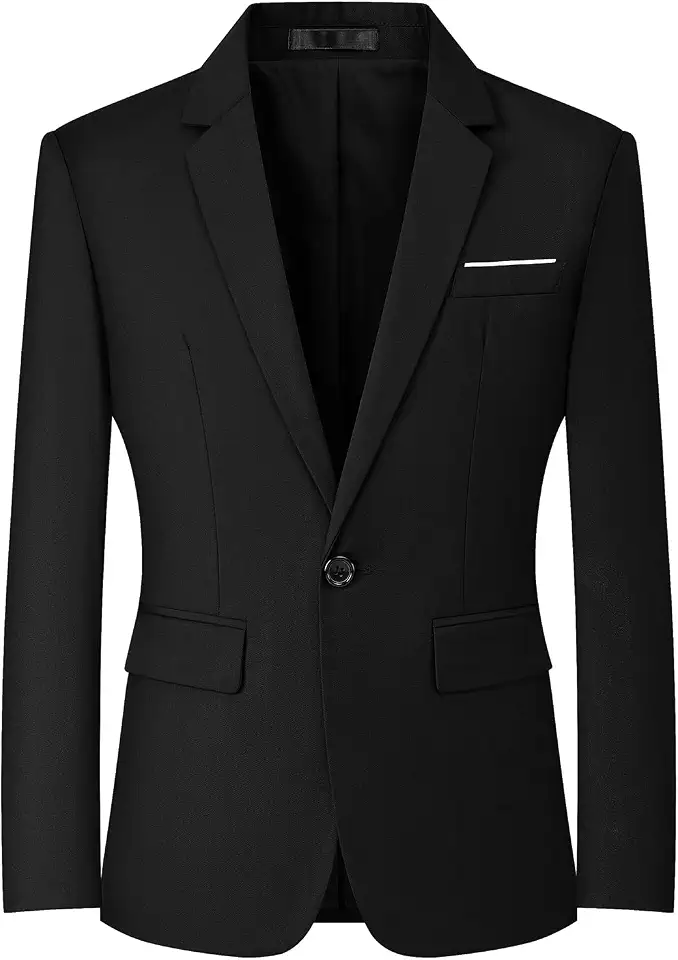
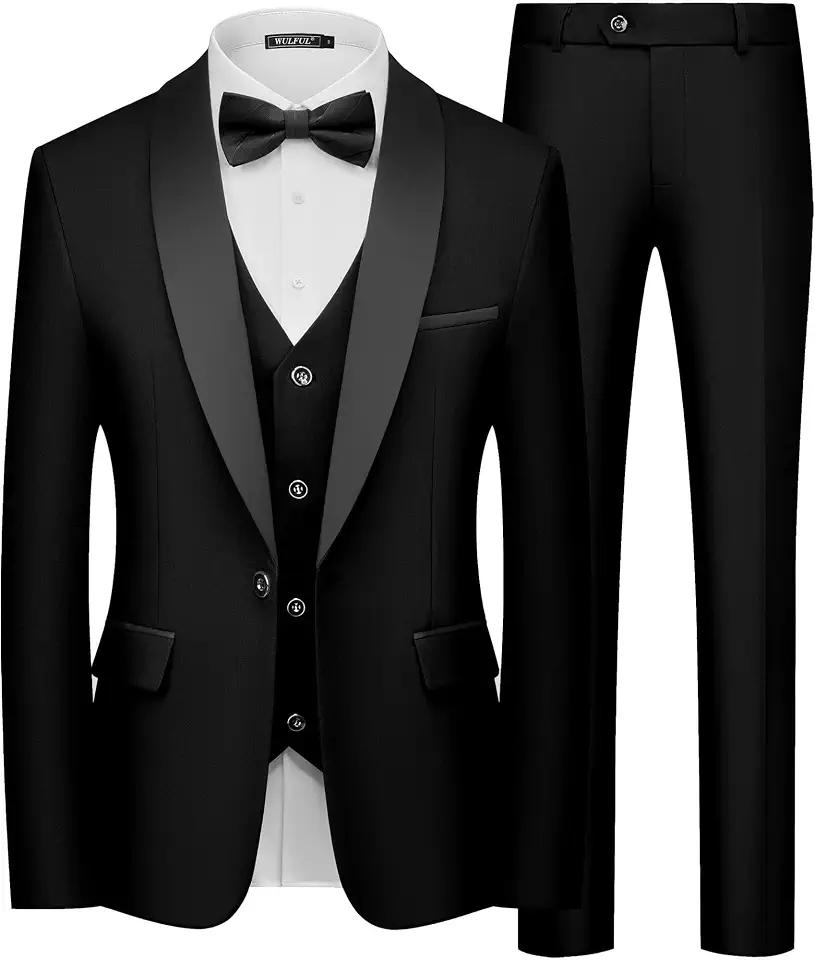
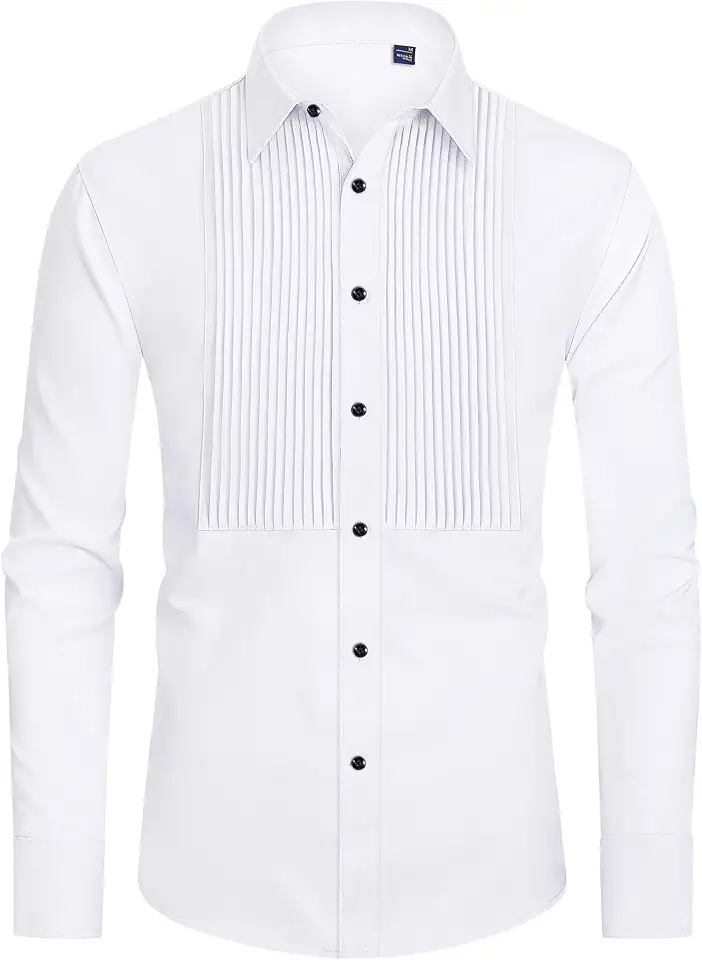
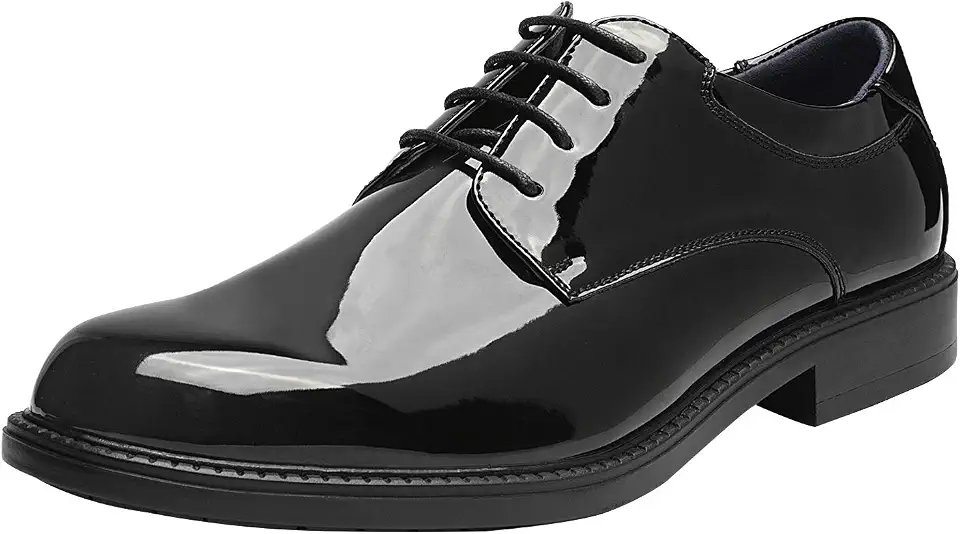
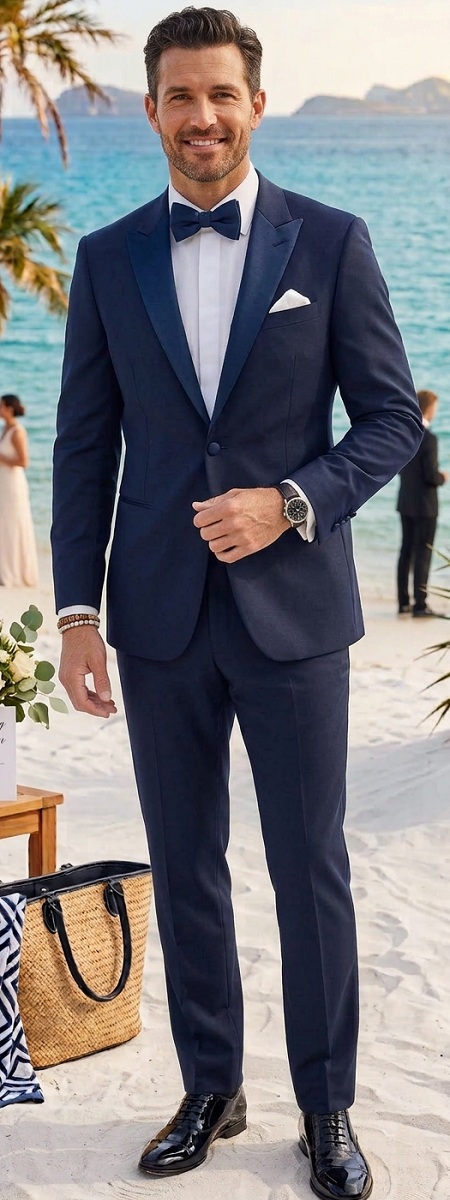
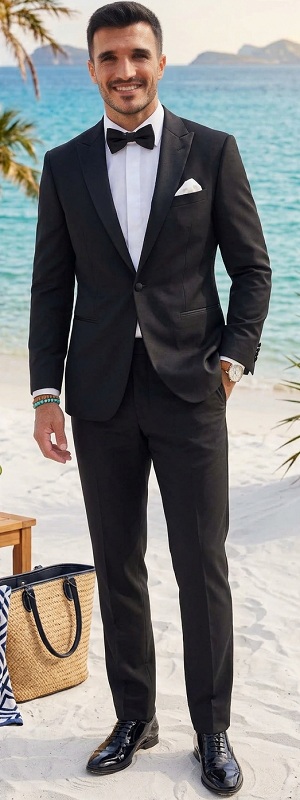
Classic Black Tie Beach Wedding Tuxedo with White Dress Shirt and Patent Leather Shoes
8 pieces · Sep 26, 2026
1. The Hem Architecture Rule: Tails vs. Straight Hems
The most reliable indicator of a shirt's intended wear lives directly at its bottom edge. Clothing designers engineer shirts with specific hem curvatures depending on how the garment should interact with your waistband.
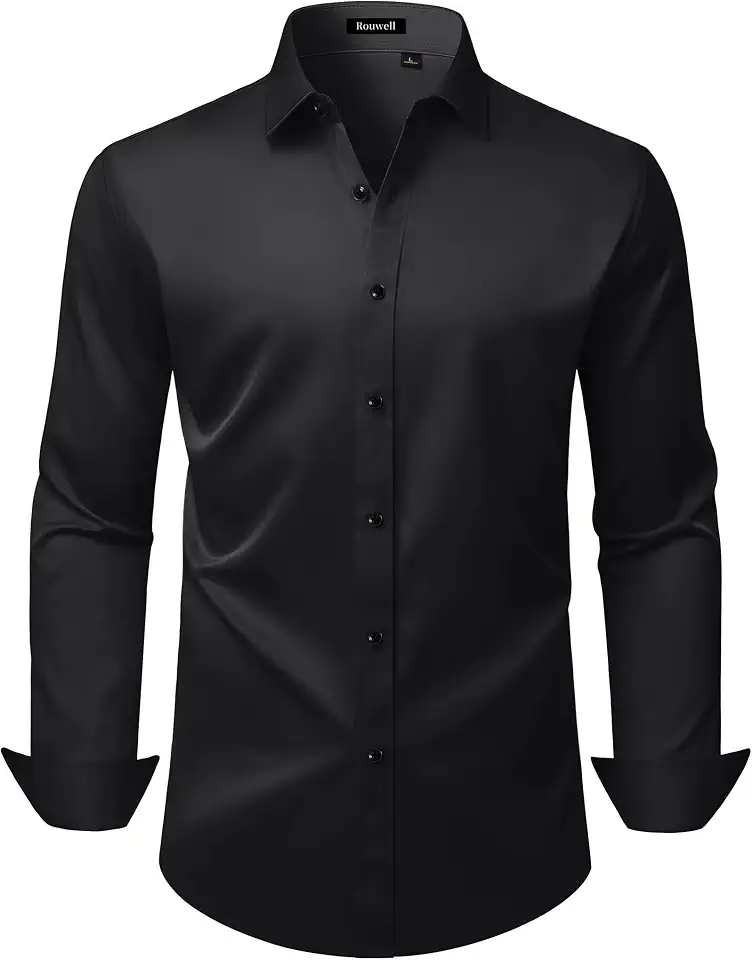
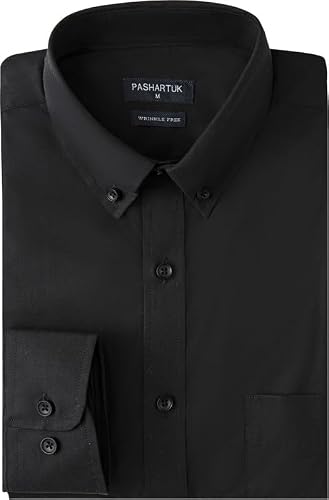
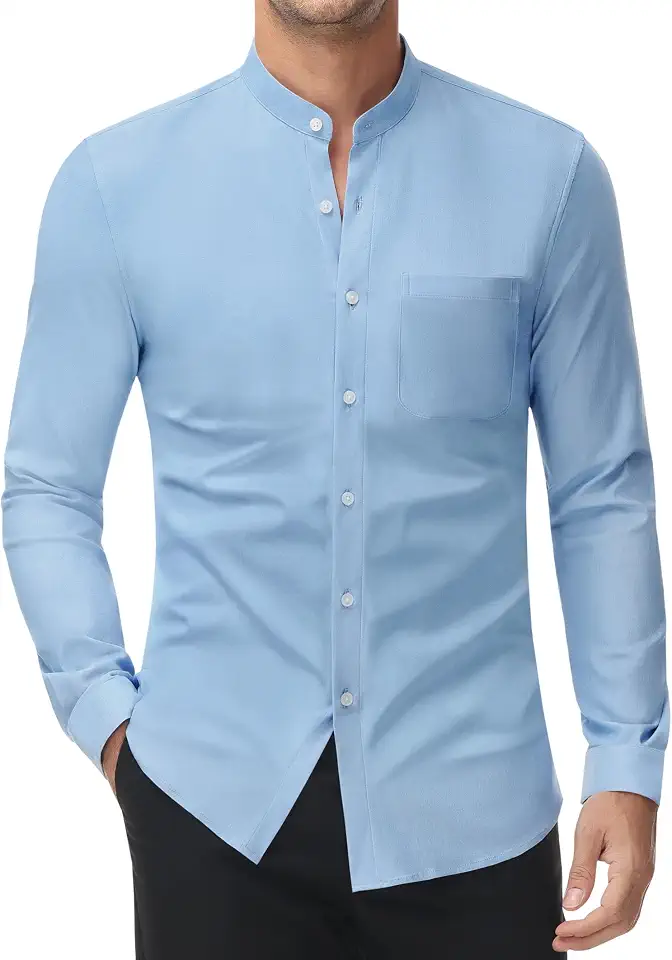
A curved hem—characterized by sweeping side scallops that rise at the hips and plunge into distinct front and back tails—is built specifically to be tucked in. Those extra inches of fabric exist to keep the shirt anchored securely inside your trousers when you sit, stretch, or bend over. Leaving a long, curved-tail dress shirt untucked causes the front and rear flaps to hang like an apron, visually shortening your thighs and disrupting your vertical silhouette.
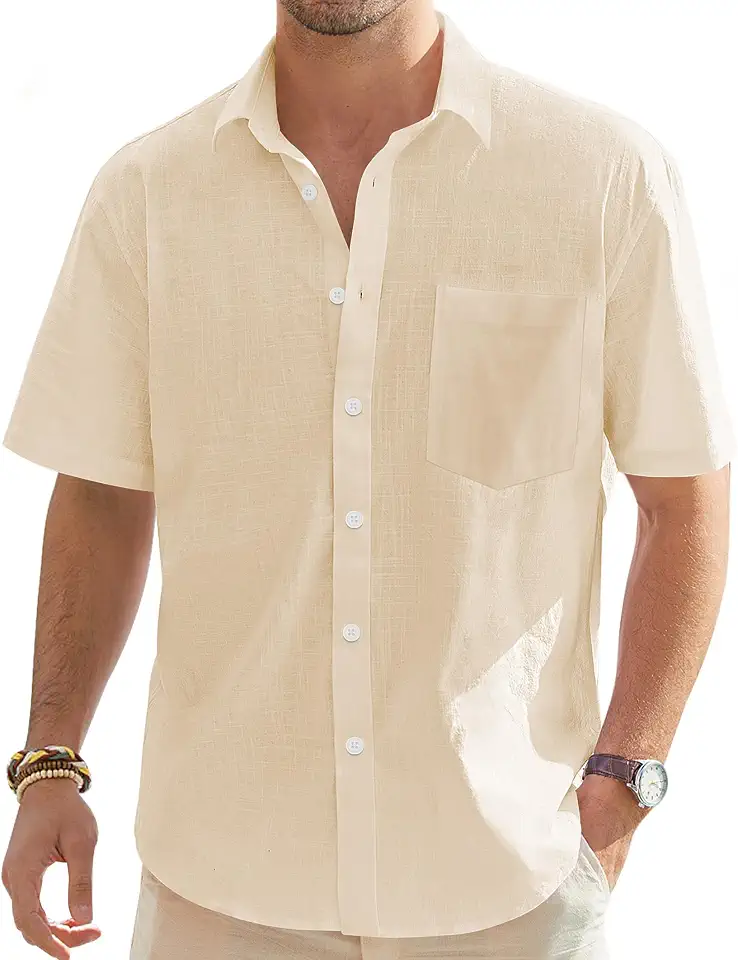
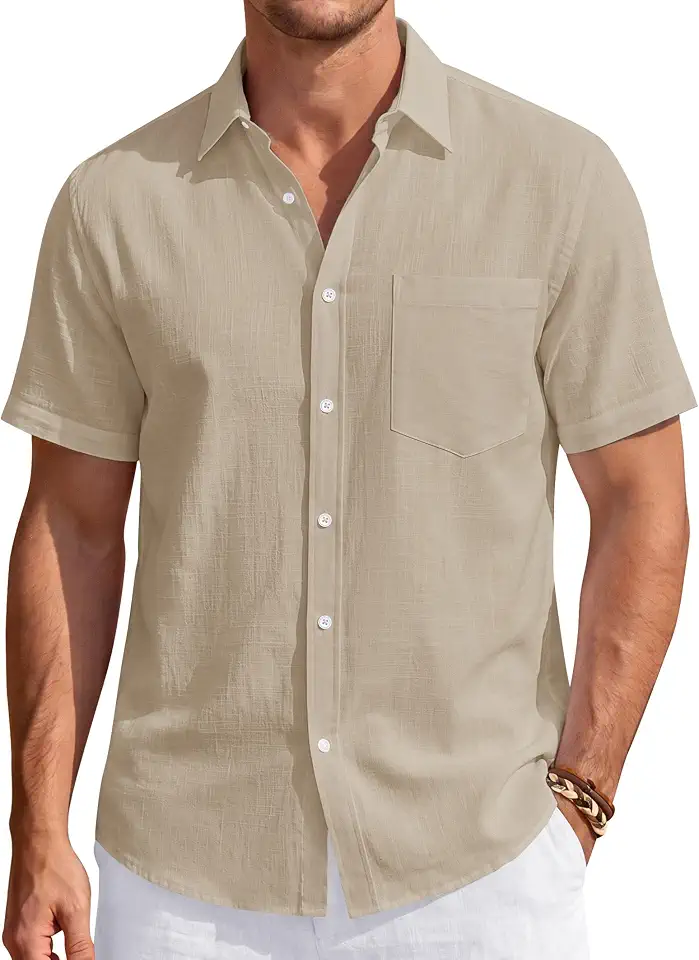
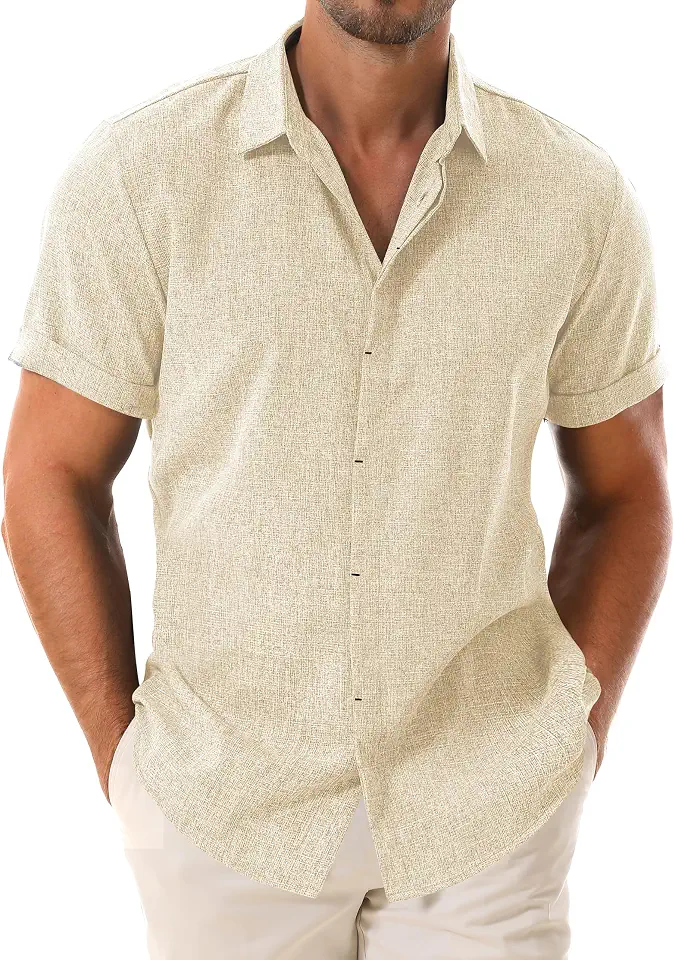
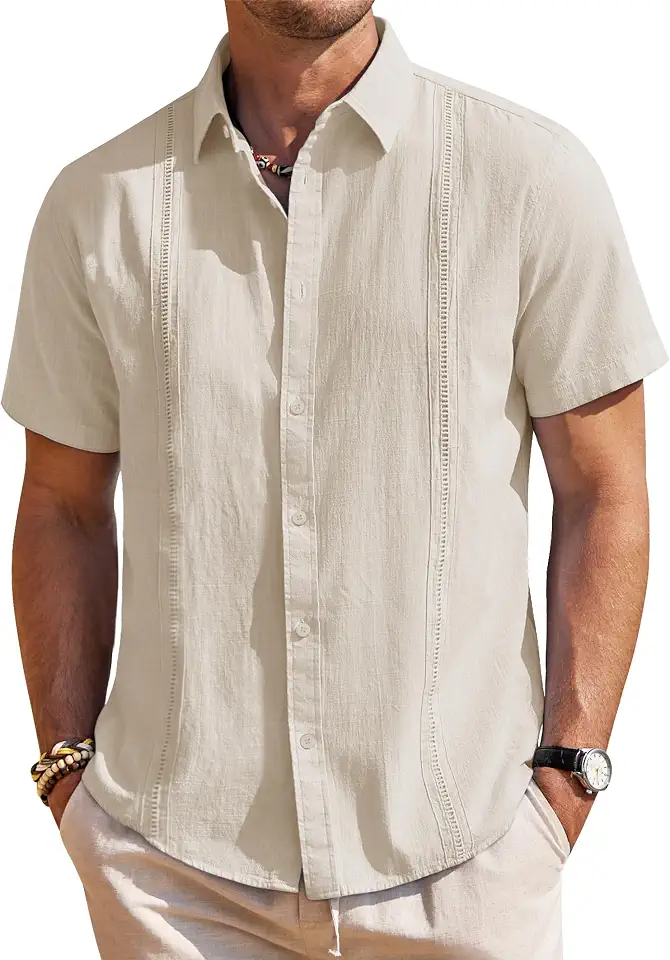
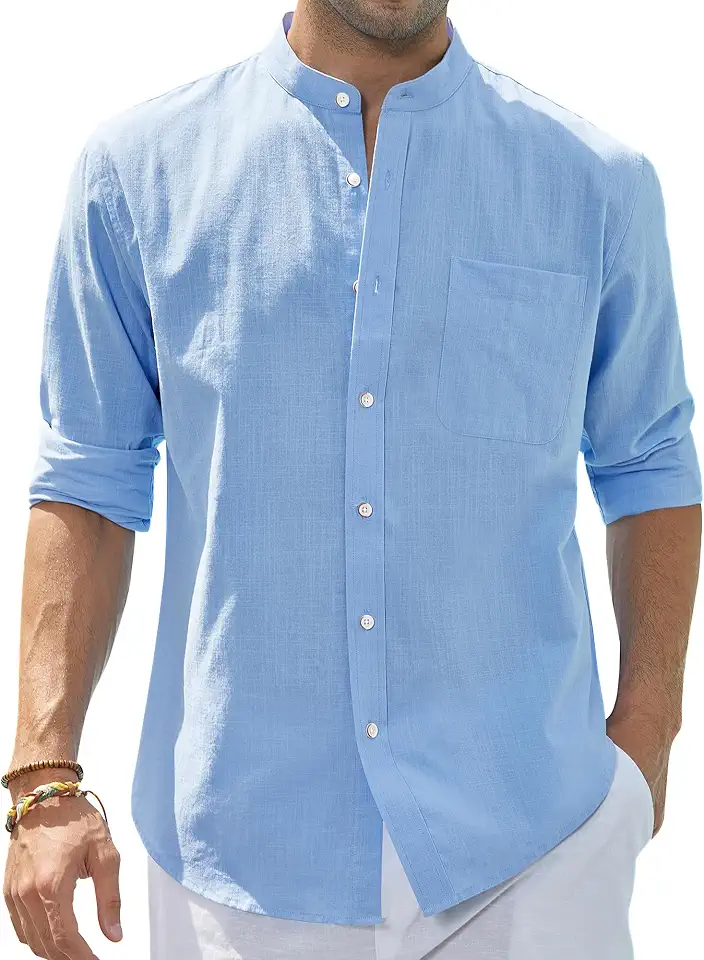
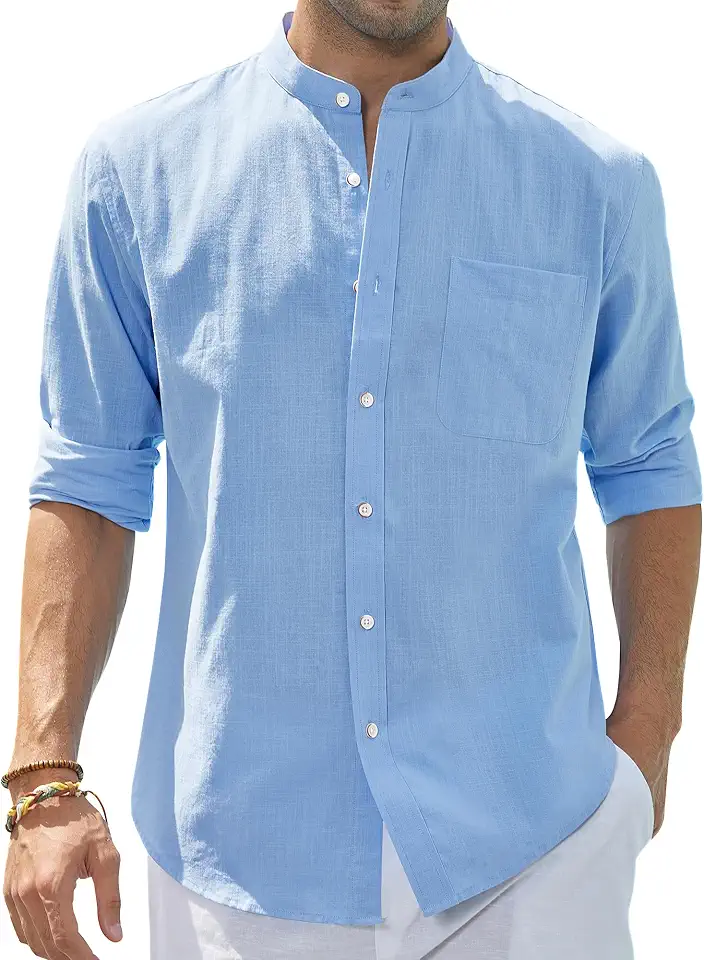
Conversely, a straight, flat hem that runs evenly across your hips indicates that the shirt was designed to be worn untucked. Casual garments such as camp-collar shirts, linen resort shirts, and bowling shirts feature flat hems, often accompanied by small side vents that allow the fabric to drape smoothly over your waist without bunching.


2. Fabric Formality and Weave Density
Beyond hem shape, the weave and sheen of your shirt determine its natural home relative to your belt line. Fine-gauge, high-thread-count fabrics like cotton broadcloth, royal oxford, twill, and silky poplin possess a smooth surface and subtle luster engineered for formal suiting. Wearing these fabrics untucked creates an unresolved clash between formal executive cloth and relaxed casual styling.
Textured, heavier fabrics communicate utilitarian informality. Brushed cotton flannel, rugged denim, washed chambray, and thick corduroy possess tactile weight that holds its own when draped loosely outside your pants. While an Oxford cloth button-down occupies the versatile middle ground, crisp dress shirts should universally remain tucked inside your trousers.
3. The Mid-Fly Length Threshold
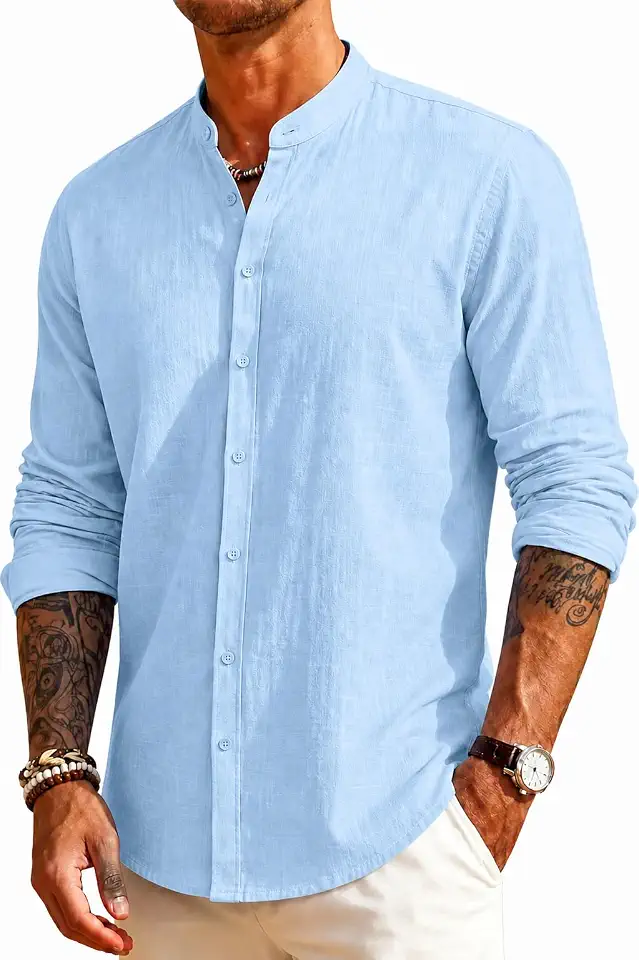
When you choose to wear a casual button-down untucked, overall length is the critical factor. An untucked shirt should never extend past the middle of your trouser fly or cover your entire rear pockets.
If a shirt hem drops past your back pockets, it visually shifts your torso-to-leg ratio from an aesthetically pleasing one-third to two-thirds proportion into a flat, unflattering half-and-half block. If your casual shirt falls past mid-zipper, take it to a local tailor to have the hem professionally shortened by an inch or two, or commit to tucking it in cleanly.
4. Matching the Tucking Strategy to Trouser Rise
Your choice of trousers plays a massive role in whether tucking looks balanced. Low-rise pants sit low on the hip bones, creating an elongated torso and shortened legs. A full tuck into low-rise pants exaggerates this imbalance, often making your midsection look disproportionately long.
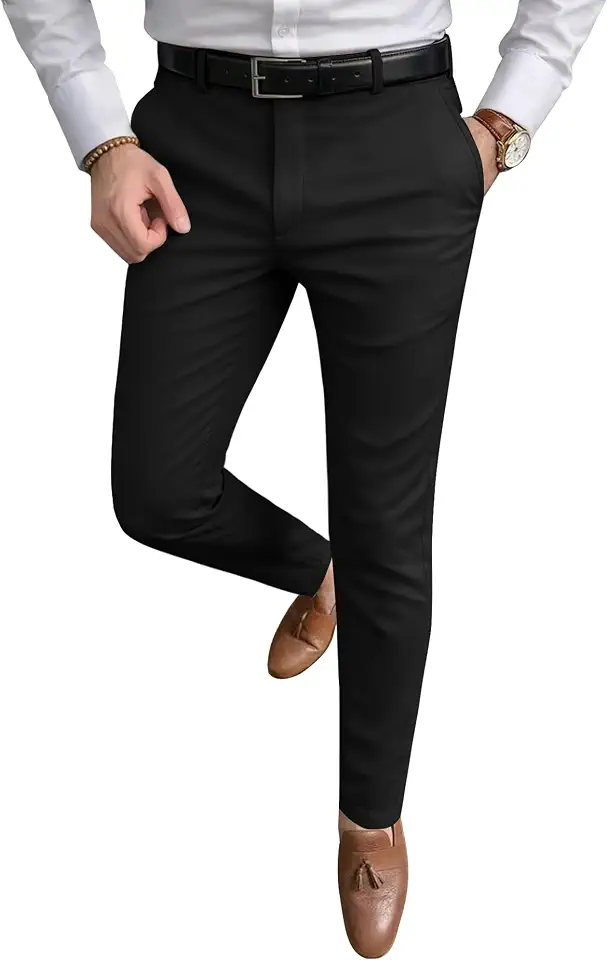
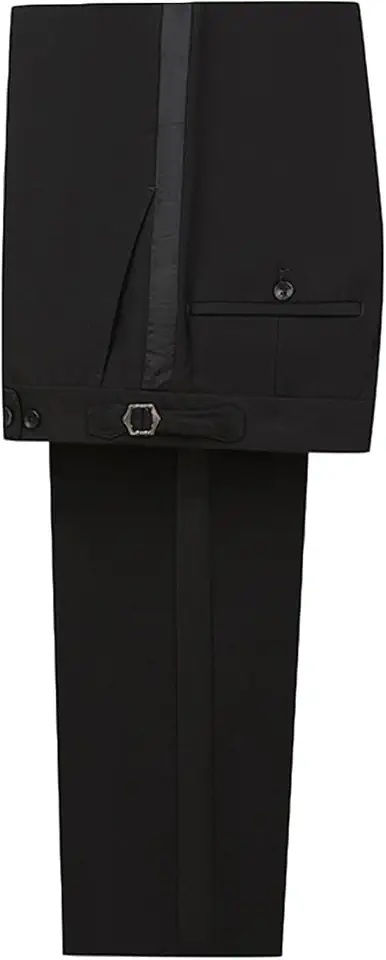
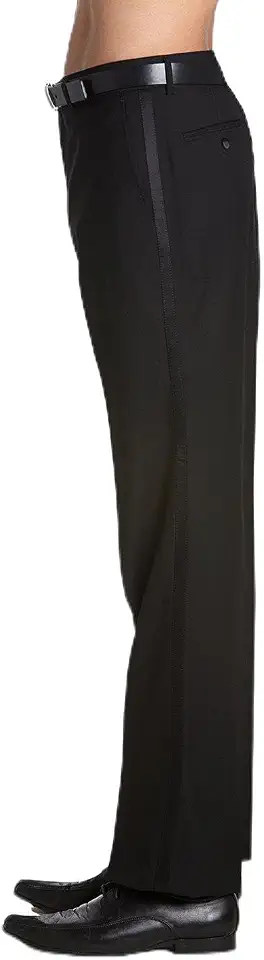
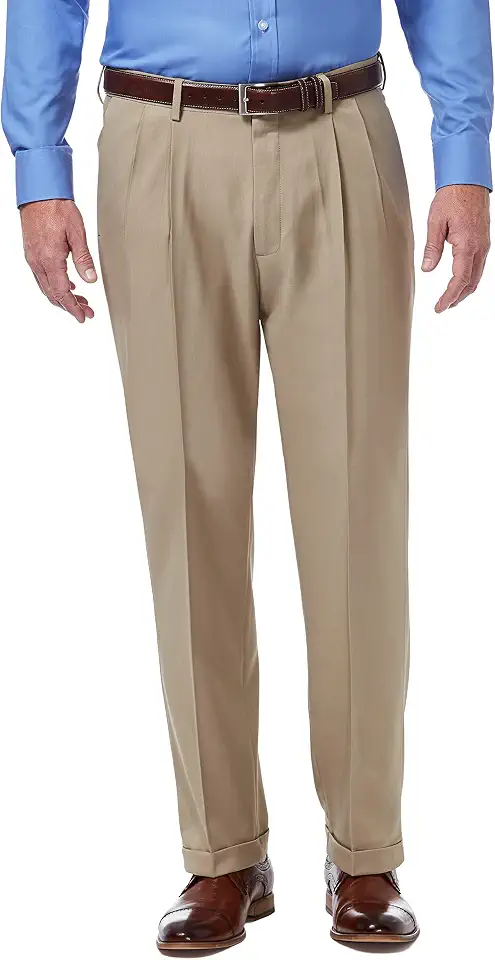
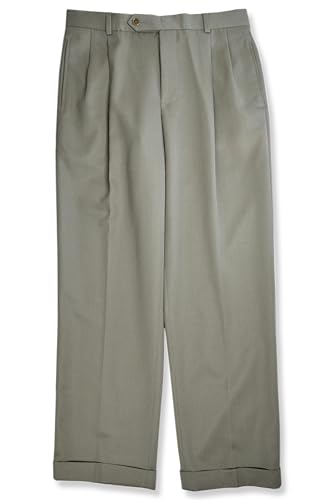
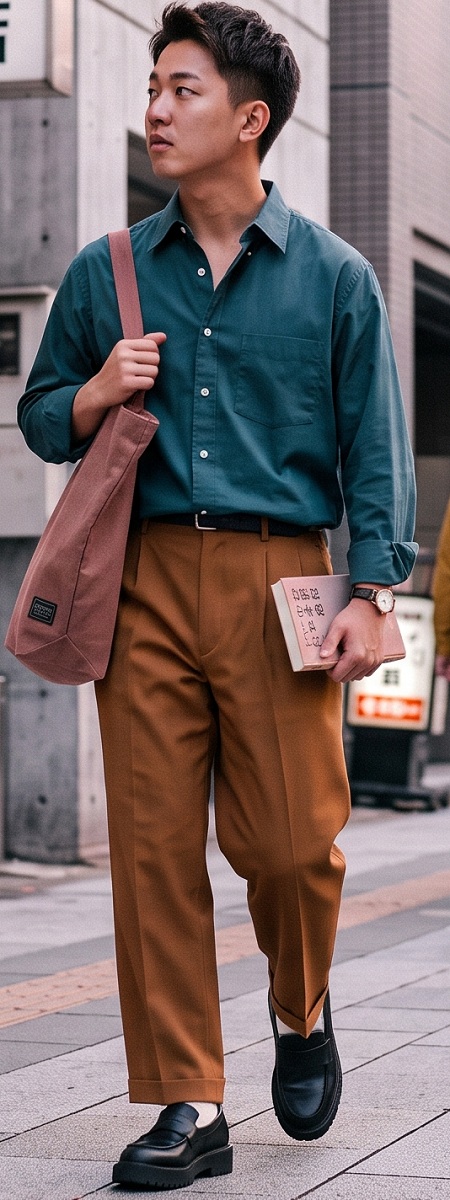
Mid-rise and high-rise trousers, particularly those featuring forward pleats or side adjusters, naturally celebrate a clean tuck. By resting at or slightly below your natural navel, higher-rise trousers establish an elongated vertical leg line, allowing a tucked shirt to drape cleanly with masculine authority.
The Golden Rules of Shirt Tucking
- Check the Hem Geometry First: If the shirt has dramatic curved tails that drop in front and back, tuck it in; if it has a flat, even hem, leave it untucked.
- Respect the Mid-Fly Boundary: An untucked shirt must end between the top of your back pockets and the middle of your trouser zipper.
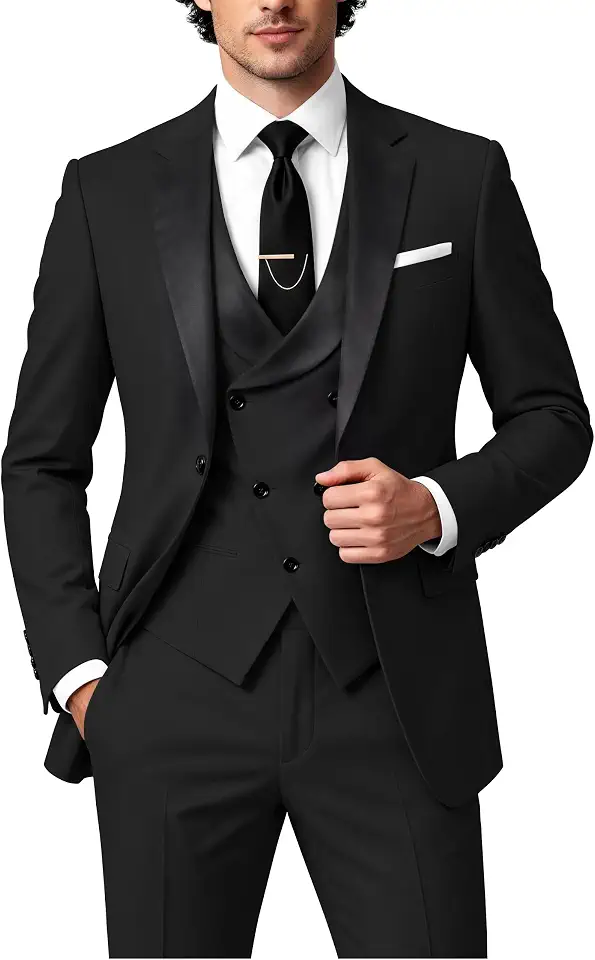
- Always Tuck With Tailored Jackets: If you are wearing a structured suit jacket or formal blazer, your shirt belongs securely tucked inside your waistband.
- Mind the Fabric Formality: Smooth, high-shine poplin and broadcloth demand tucking, while matte, slubby linen, flannel, and chambray can hang freely.
- Anchor With the Right Trouser Rise: Pair tucked shirts with mid-rise or high-rise pants to maximize leg length and maintain balanced proportions.
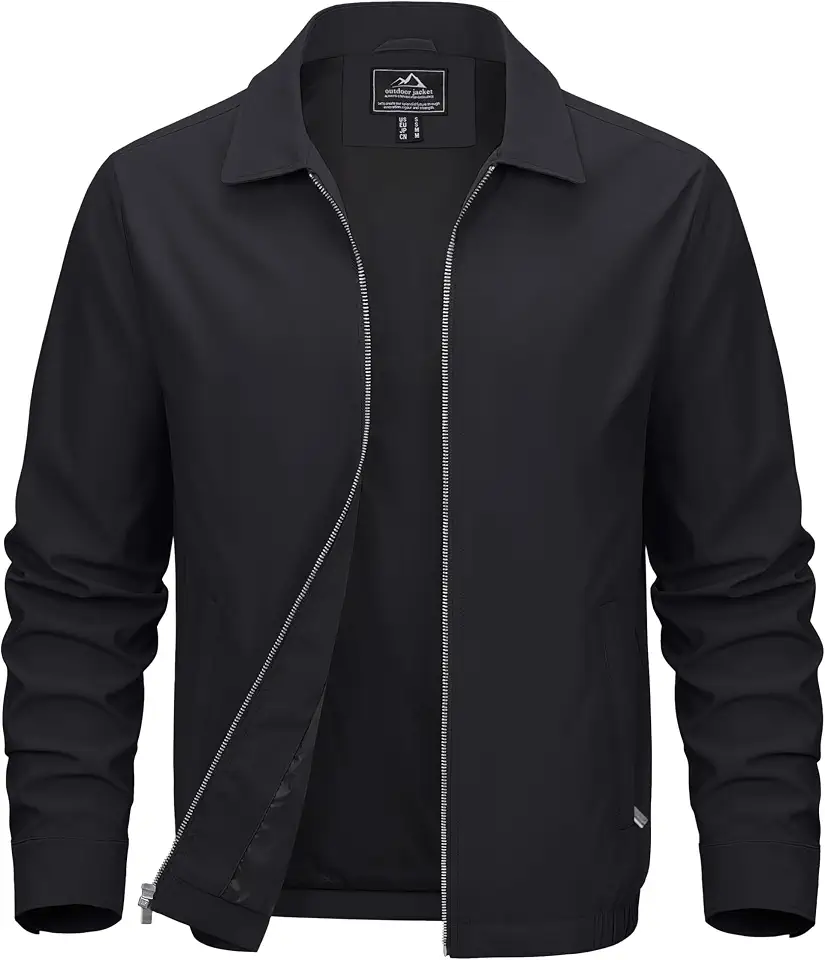
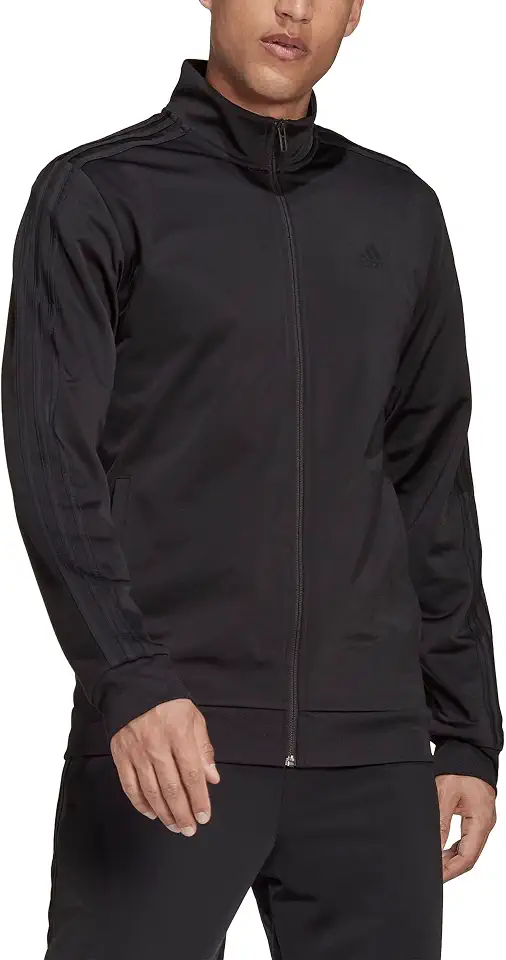
Essential Shirt Matrix: Tucked vs. Untucked
| Shirt Category | Primary Hem Style | Recommended Wear | Ideal Trouser Pairing |
|---|---|---|---|
| Formal Dress Shirt | Dramatic Curved Tails | Always Tucked | Pleated Wool Dress Pants |
| Camp-Collar Resort Shirt | Straight Flat Hem | Always Untucked | Linen Chino Pants or Shorts |
| Classic Oxford Button-Down | Subtle Curved Hem | Versatile (Tuck or Untuck) | Selvedge Denim or Chinos |
| Heavy Cotton Flannel | Shallow Curved Hem | Untucked / Layered | Raw Denim or Corduroy Pants |
| Fine-Knit Polo Shirt | Flat Ribbed Hem | Context Dependent | High-Rise Tailored Trousers |
| Casual Linen Button-Down | Flat or Gentle Curve | Untucked | Relaxed Cotton Chino Pants |
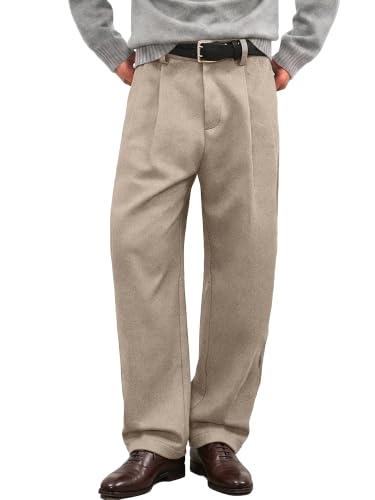
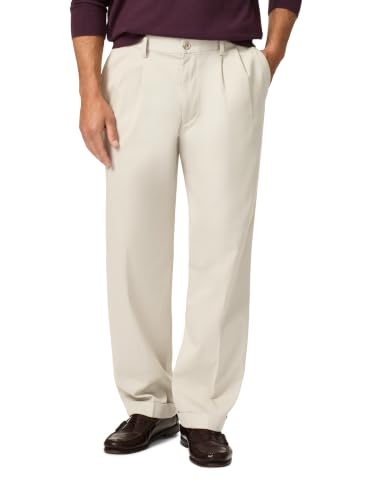
Common Mistakes to Avoid
- Leaving Long Dress Shirt Tails Hanging: Letting a traditional dress shirt hang over casual denim creates sloppy, unflattering proportions that ruin an otherwise polished look.
- Tucking Overly Bulky Overshirts: Shoving heavy wool overshirts, canvas chore coats, or thick flannel jackets into your waistband produces unflattering bulk around your hips.
- Muffin-Topping From an Excessively Loose Fit: Tucking an oversized, billowing shirt without smoothing the excess fabric toward the side seams results in billowing fabric ballooning over your belt.
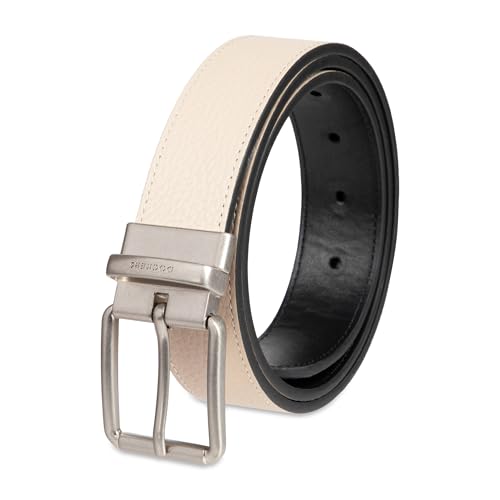
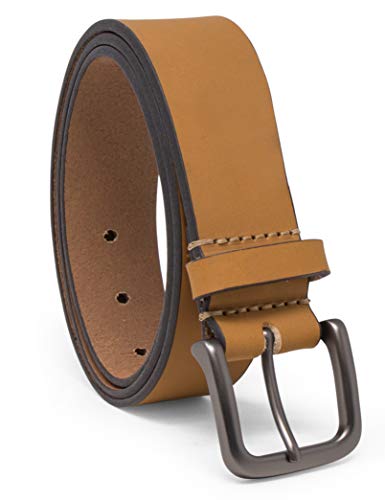
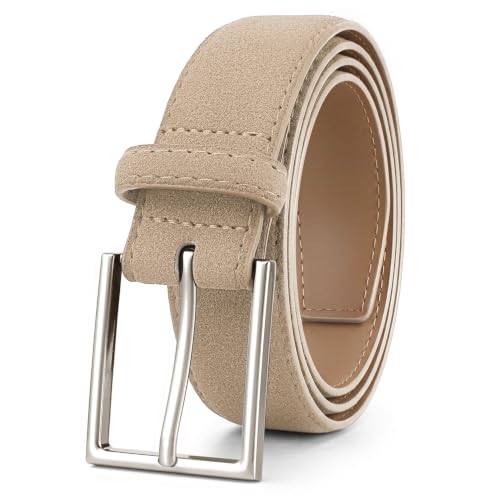
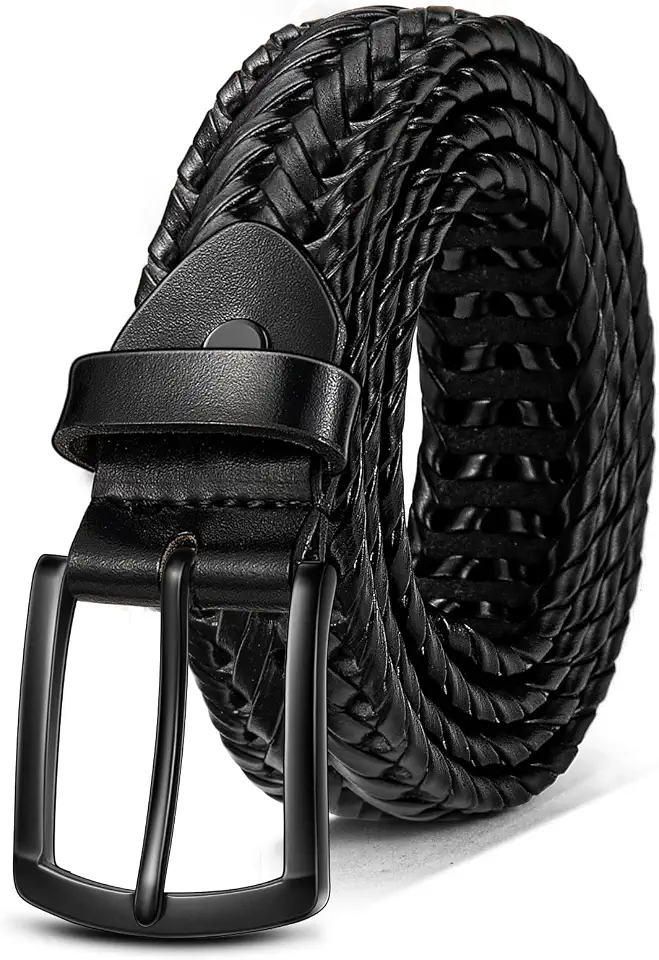
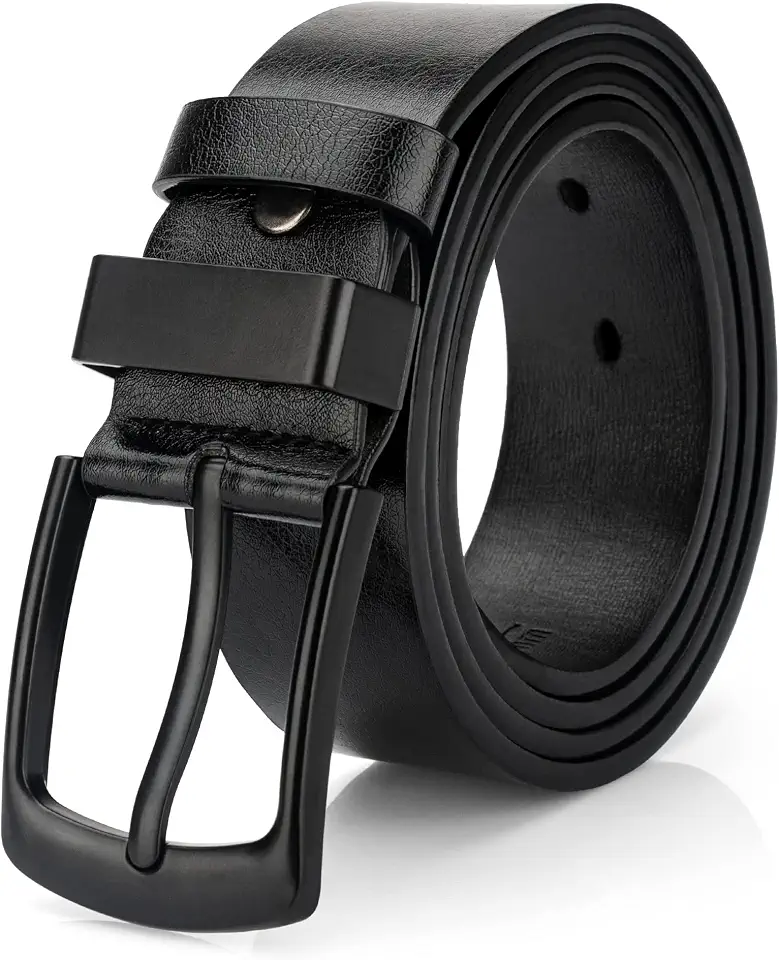
- Ignoring the Belt Line: Tucking a shirt into trousers with belt loops while skipping the belt leaves your midsection looking unfinished and bare.
Conclusion
Mastering shirt tucking transforms ordinary basics into an intentional, elevated wardrobe. By honoring hem architecture, respecting fabric weight, and maintaining harmonious body proportions, you ensure that every outfit communicates quiet confidence and effortless sartorial polish.


Found this style article helpful?
All curated searches
Related Reading

What to Wear to a Casual Friday at the Office — Men's Complete Guide
Master the Casual Friday office dress code. Learn how to look relaxed yet highly professional on a budget with our complete men's guide.
Should You Match Socks to Pants or Shoes? Men's Guide
Solve the classic menswear debate: should you match your socks to your pants or your shoes? Discover the visual elongation rule and accent tips.

Matching Belt and Shoes: Modern Rules and Exceptions
Master the rules for matching belts and shoes in menswear. Learn when strict matching is mandatory and when smart-casual permits relaxed contrast.

Office-Ready Without the Suit or Tie: Modern Business Casual
Ditch the rigid tailoring for a smarter, more dynamic approach to corporate dressing. This lookbook offers sharp, professional alternatives that blend comfort with contemporary style for the modern professional. Perfect for the guy who wants to command the room without wearing a tie.
Slim-Fit White Dress Shirts: Pristine Formal Shirting Poise
The quintessential menswear foundation: crisp slim-fit white cotton dress shirts tailored with point collars and structured cuffs. Proving how an immaculate white button-down shirt commands boardroom authority and sharp evening elegance.

What to Wear to a Creative Agency Job Interview — Men's Complete Guide
Crack the creative agency interview dress code with tailored smart casual blazers, micro-check shirting, modern trousers, and refined leather footwear.
Other Reading
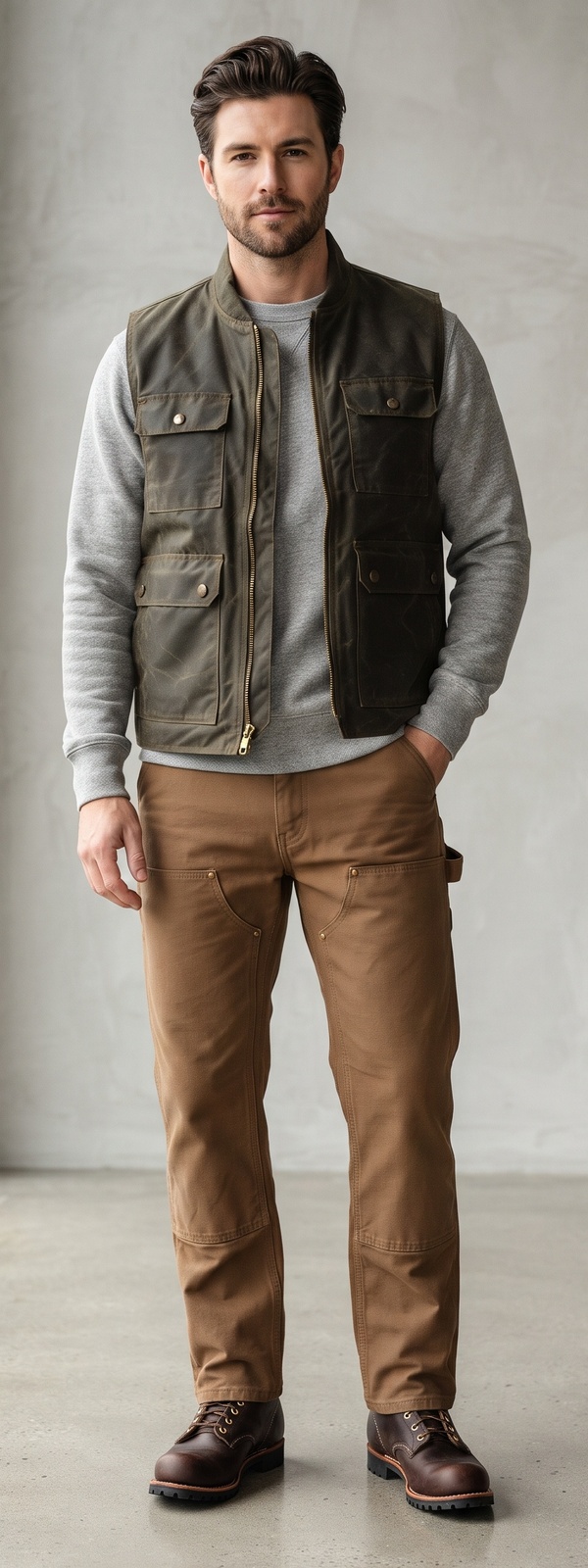
What to Wear to an Artisanal Sourdough Bakery Workshop — Men's Guide
Master sourdough bakery masterclass style with heavy linen aprons, breathable waffle henleys, durable fatigue pants, and flour-resistant workwear tips.
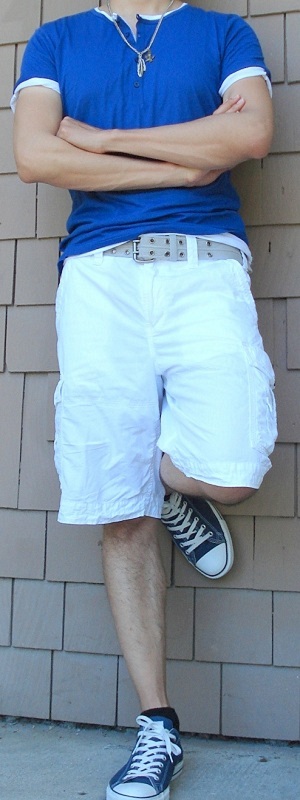
The Island Hopper: Bretons & Seersucker Shorts
Hop between sunny coastal harbors in long-sleeve Breton stripe crewnecks, puckered seersucker shorts, and non-slip leather boat shoes. Designed for ferry crossings, coastal cycling, and seafood shacks, this lookbook masters nautical utility. Crisp maritime style on an accessible budget.

Men's Minimalist Outfits: Build a Sharp Look with Less
Discover how to master men's minimalist outfits on a budget. Build a clean, cohesive, and versatile closet using affordable wardrobe essentials.