
What to Wear Cross-Country Skiing — Men's Complete Guide
Gliding across groomed classic ski tracks or touring through backcountry snow forests places you in one of the most cardiovascularly intense winter outdoor sports. Powering up snowbound rolling hills with kick-and-glide strides generates tremendous metabolic heat while exposed to sub-freezing alpine winds, requiring high-breathability modular layering that dumps sweat without inviting hypothermia.
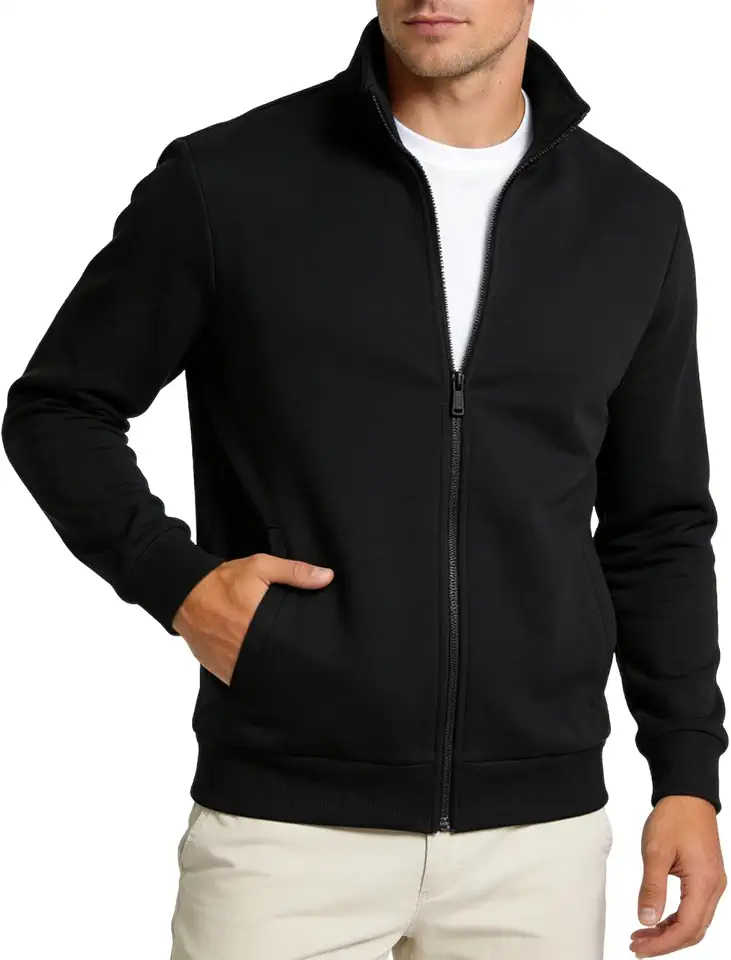
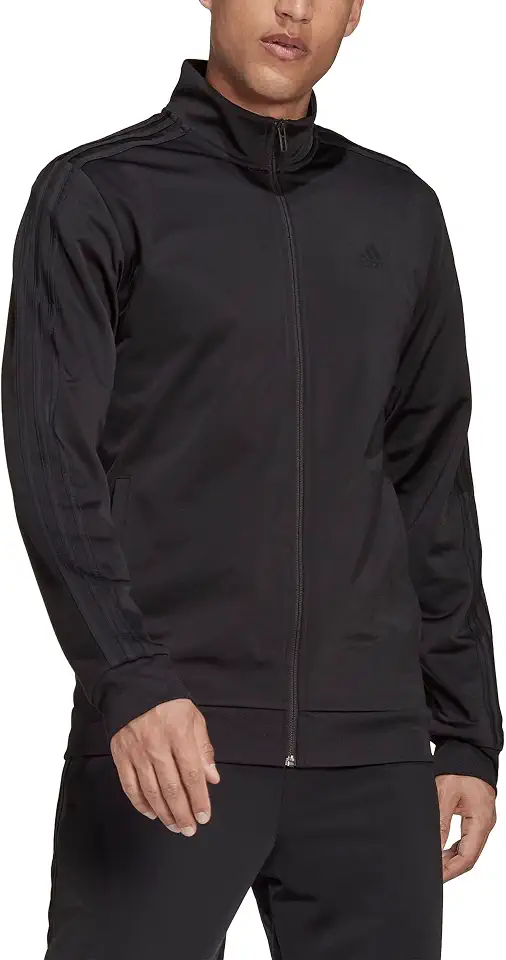
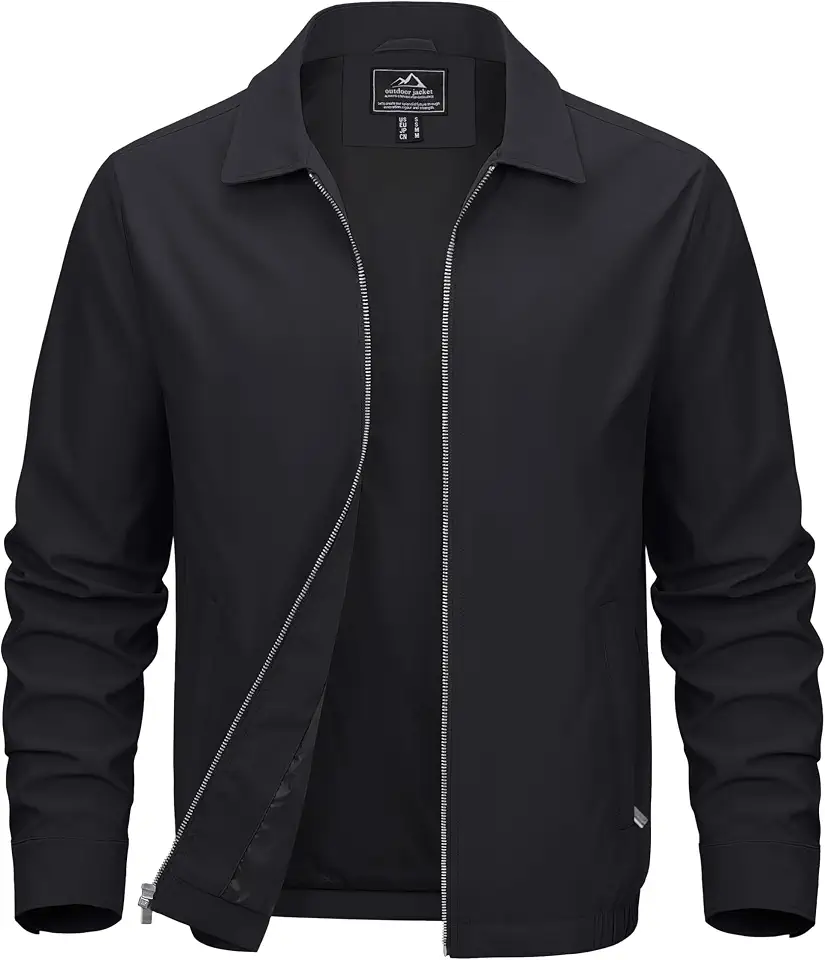
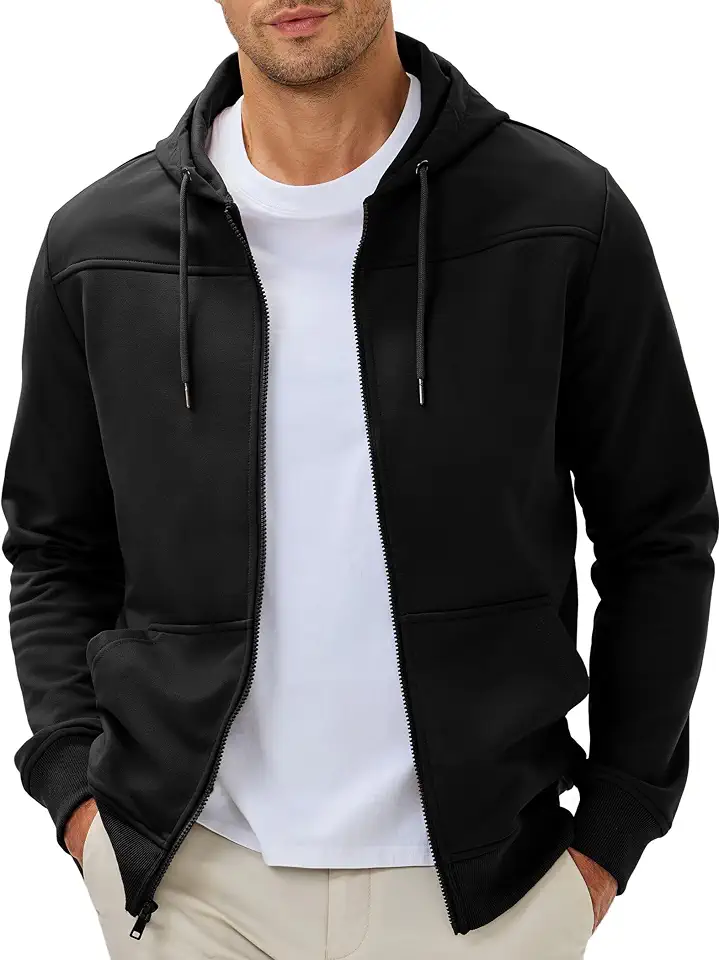
The benchmark dress code is performance Nordic ski touring gear: windproof water-resistant softshell jackets over thermal merino quarter-zips, paired with four-way stretch touring pants or brushed-back tights and NNN-compatible Nordic ski boots. You need wind-blocking front panels to stop biting headwinds while breathable rear panels vent excess back heat.
From wind-blocking chest panels to glide-friendly knee articulation and thermal sweat dissipation, here is your definitive blueprint for cross-country Nordic skiing style.
Outfits that work
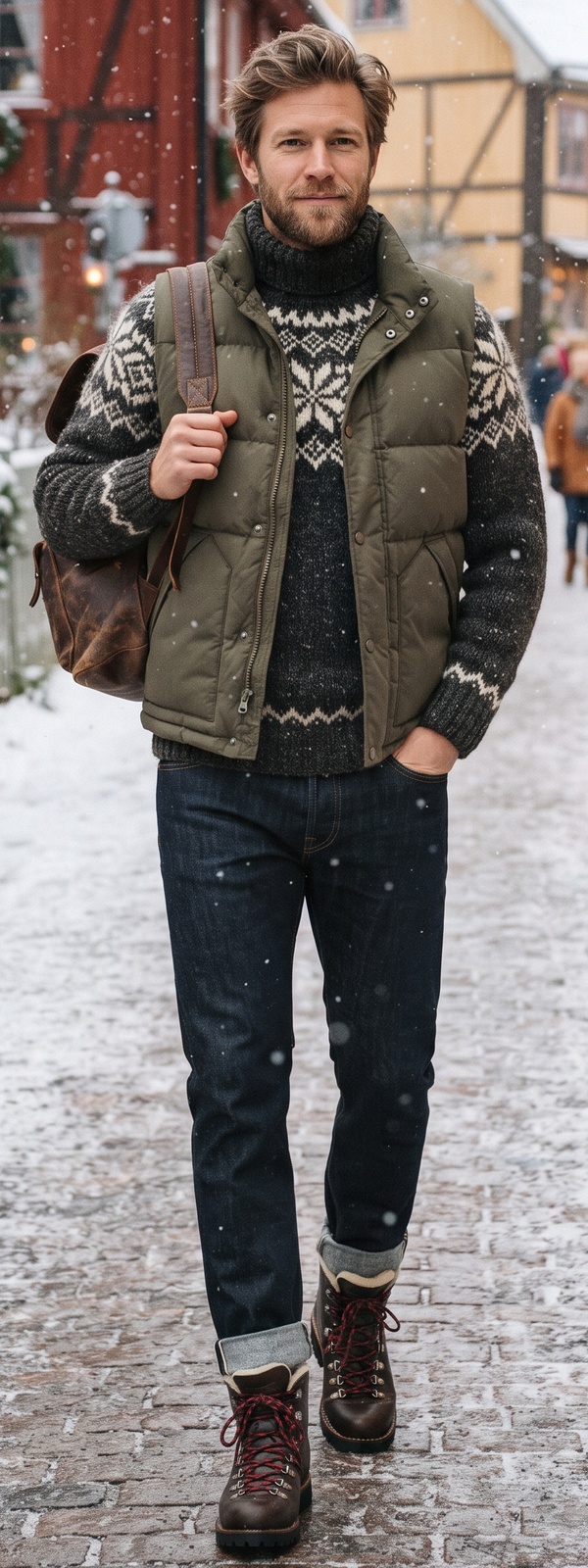 From $126
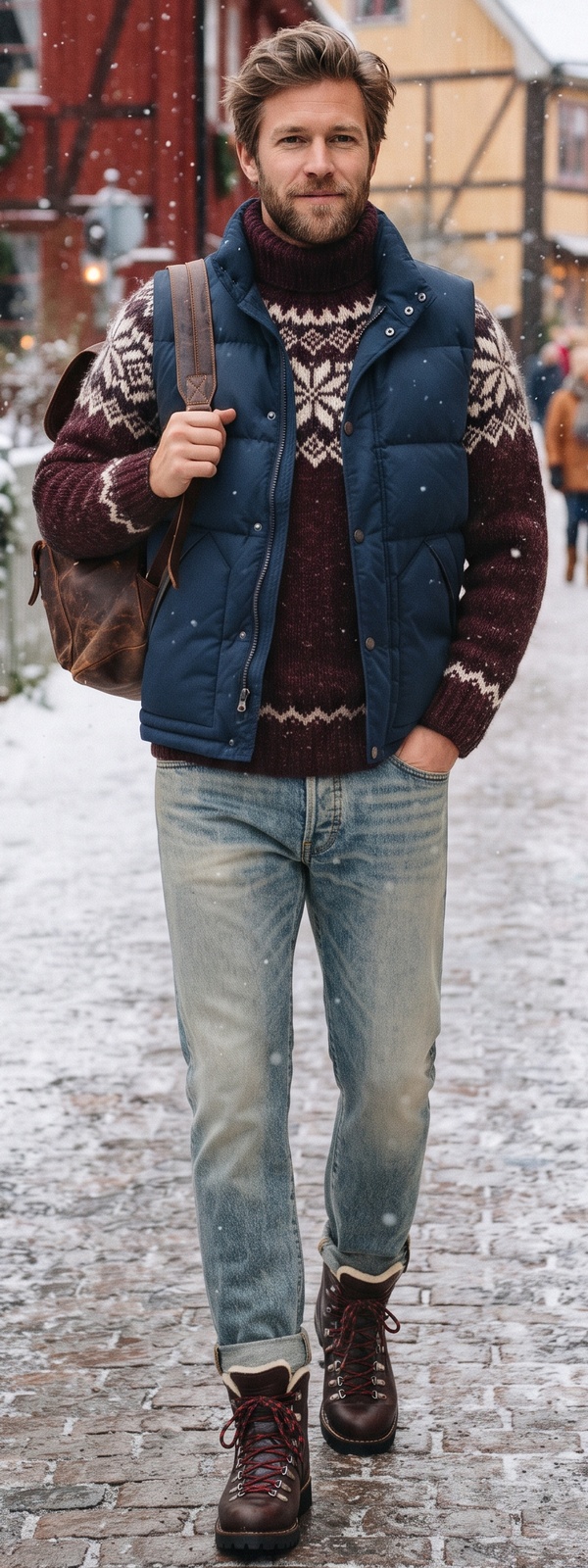 From $132
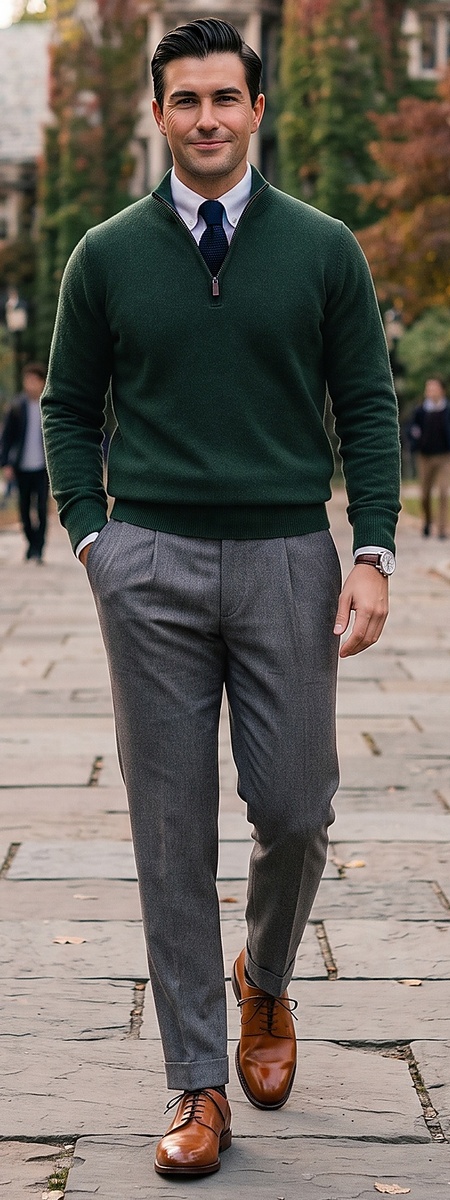 From $112
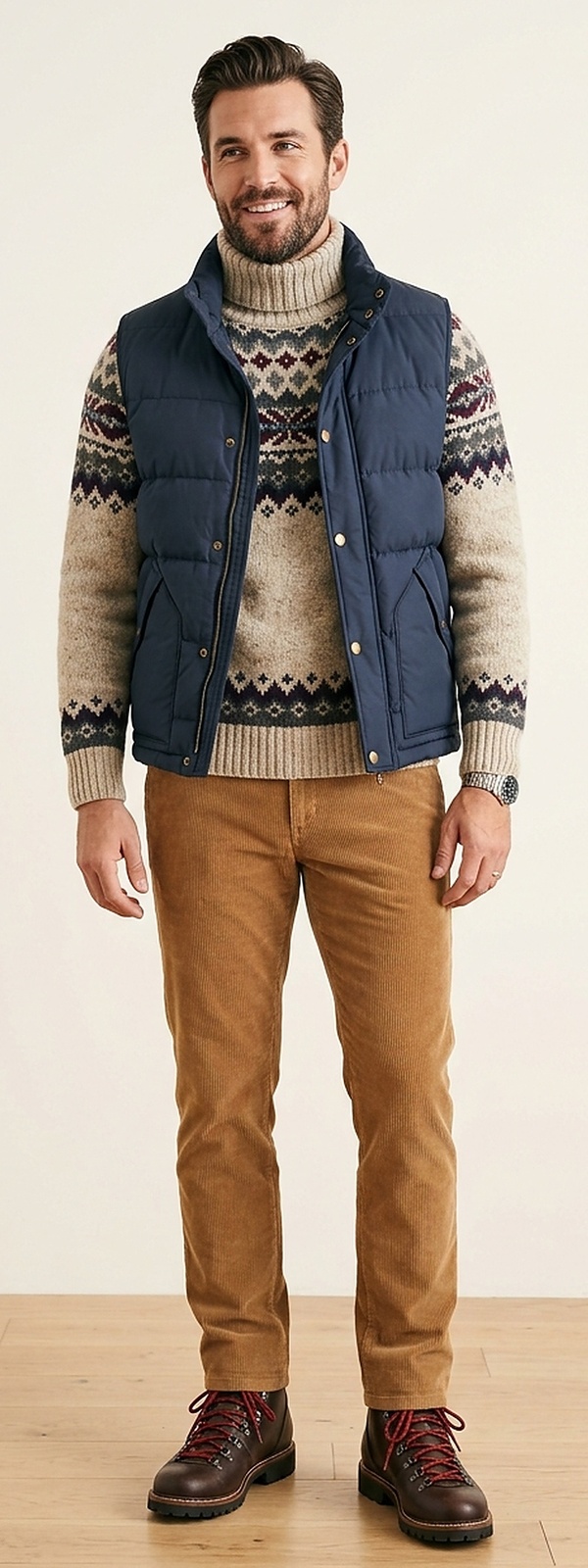 From $120
 From $244
Do
- ✓Wear a technical softshell jacket featuring windproof front panels and breathable mesh back panels.
- ✓Choose moisture-wicking merino wool quarter-zips as an active mid-layer that regulates intense core heat.
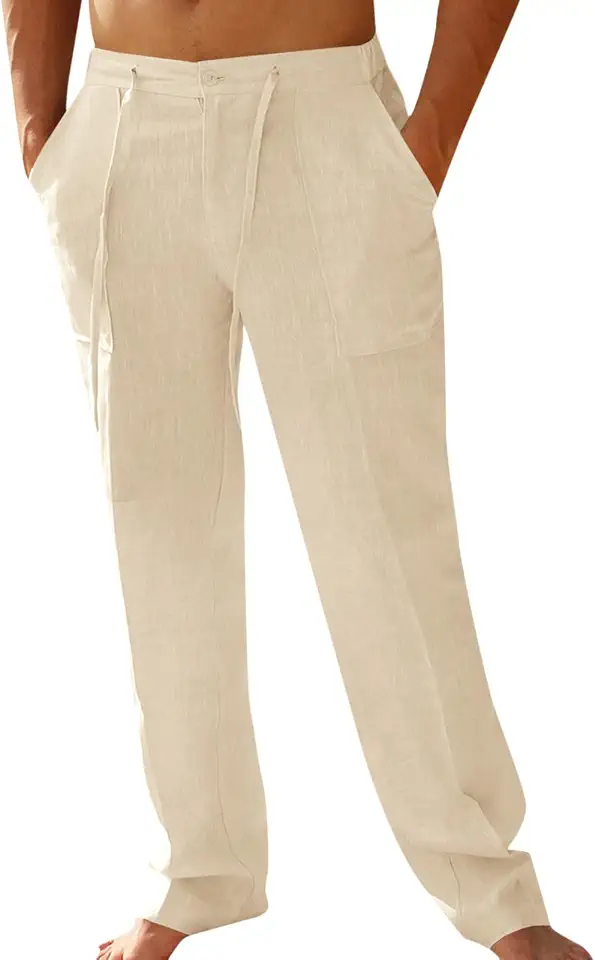
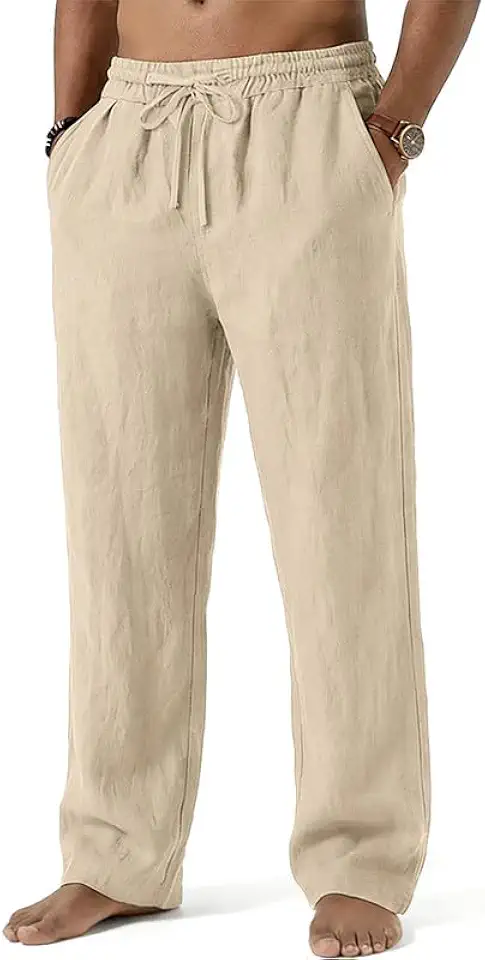
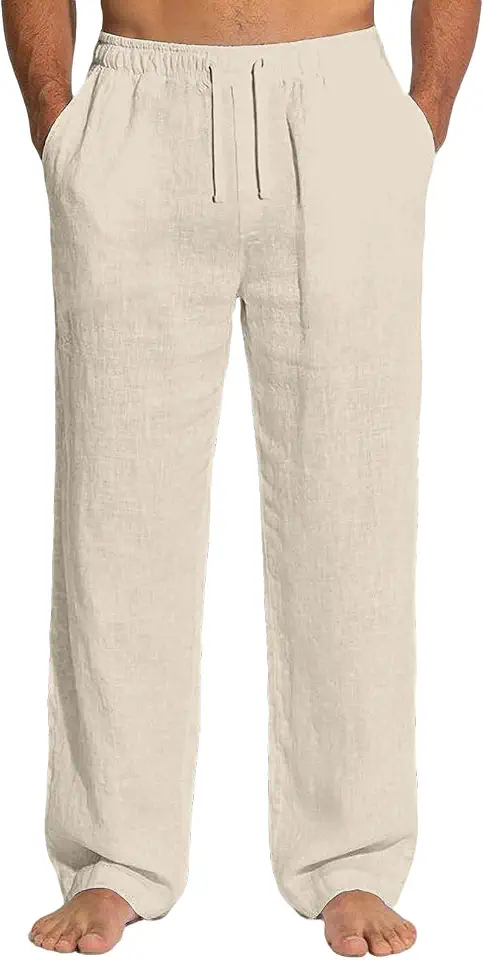
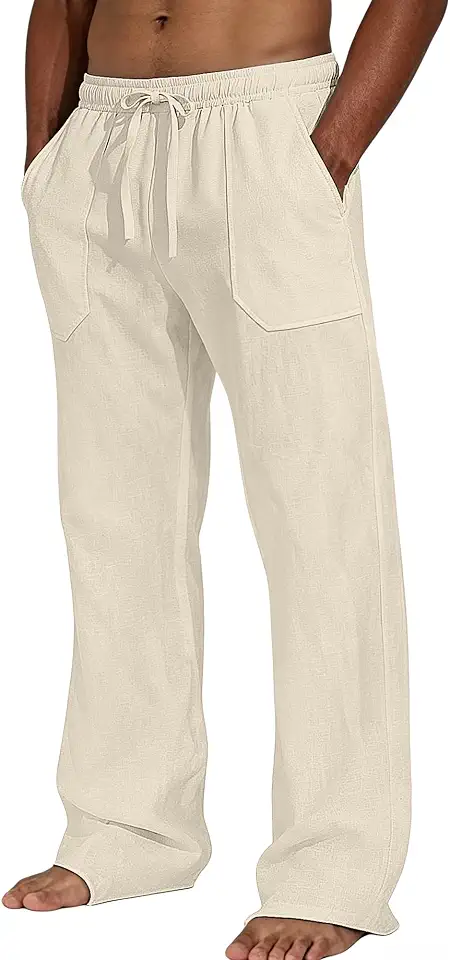
- ✓Wear four-way stretch Nordic touring pants with articulated knees for unrestricted diagonal stride kicks.
- ✓Wear high-density merino wool ski socks to keep feet warm and blister-free inside lightweight touring boots.
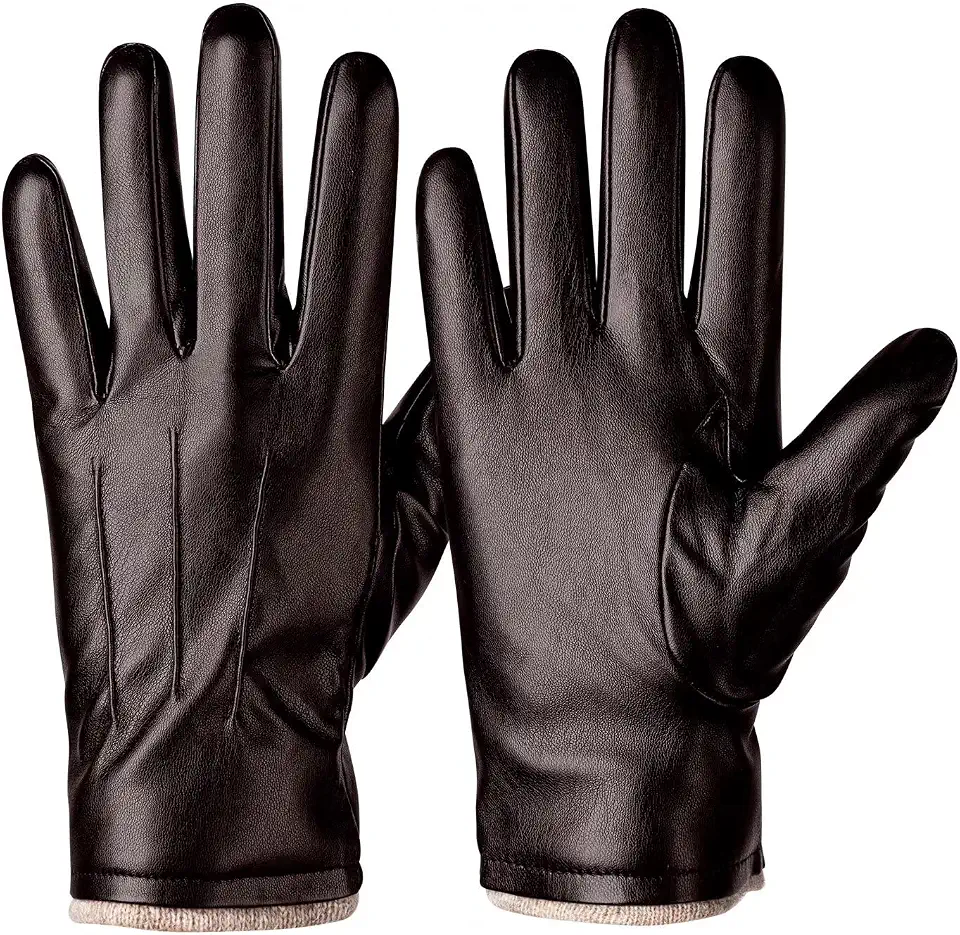
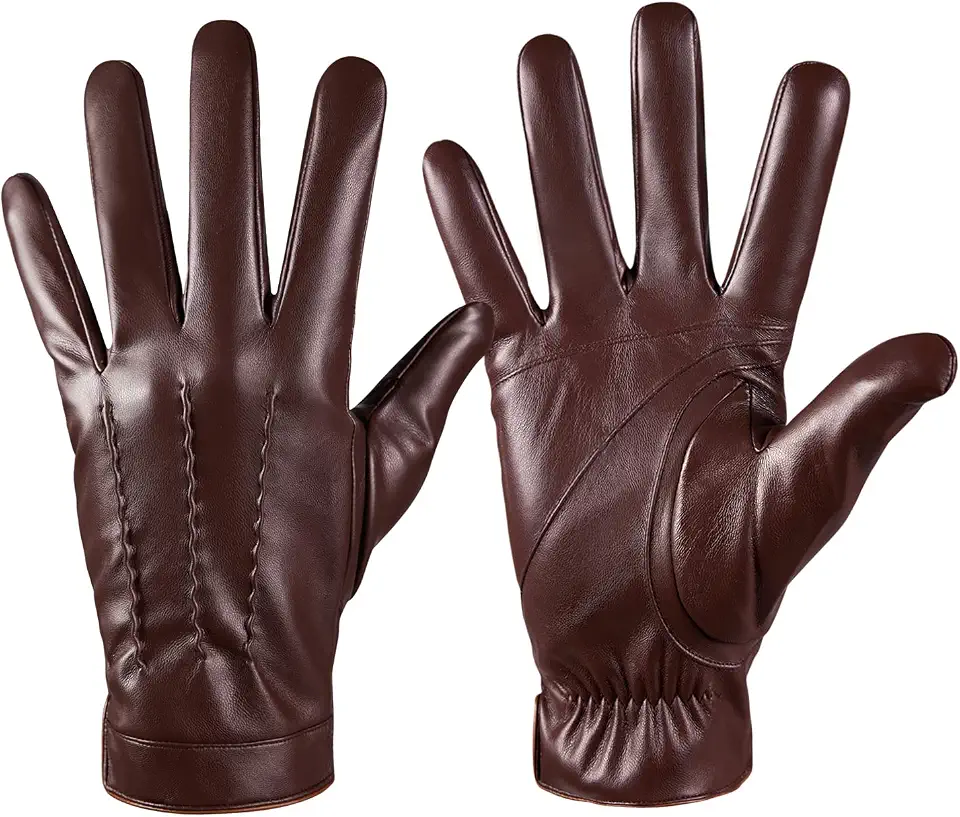
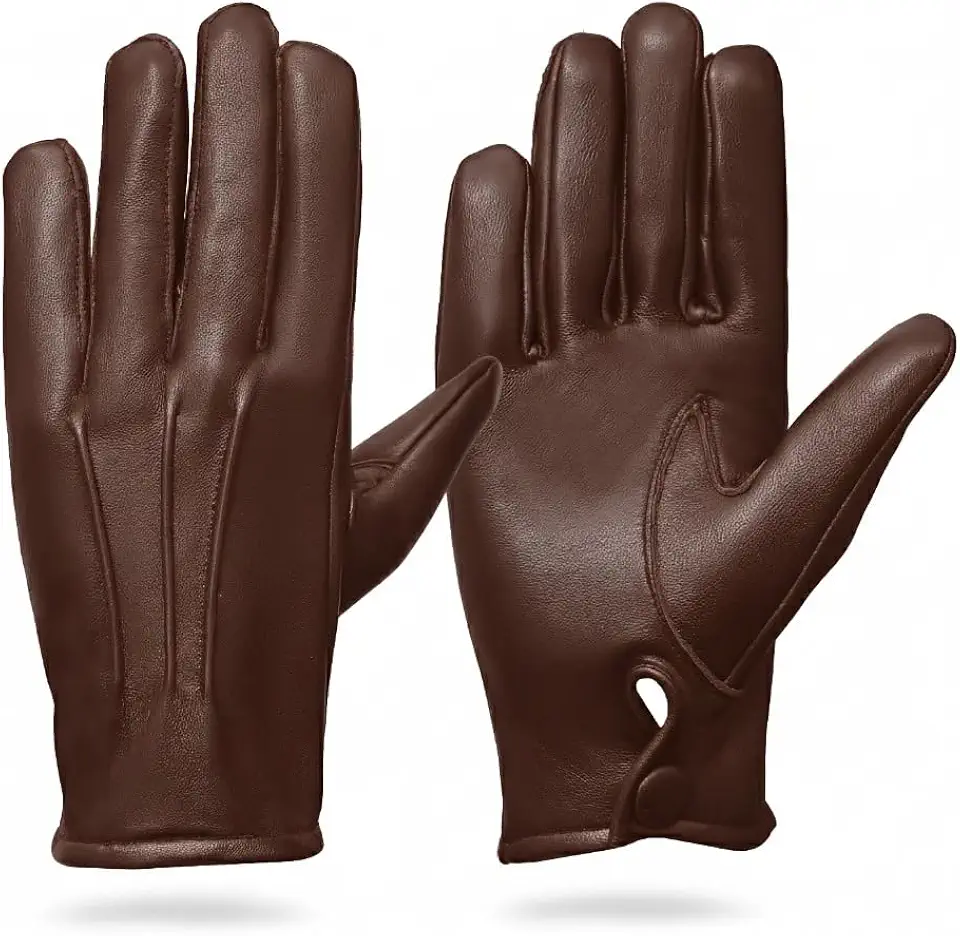
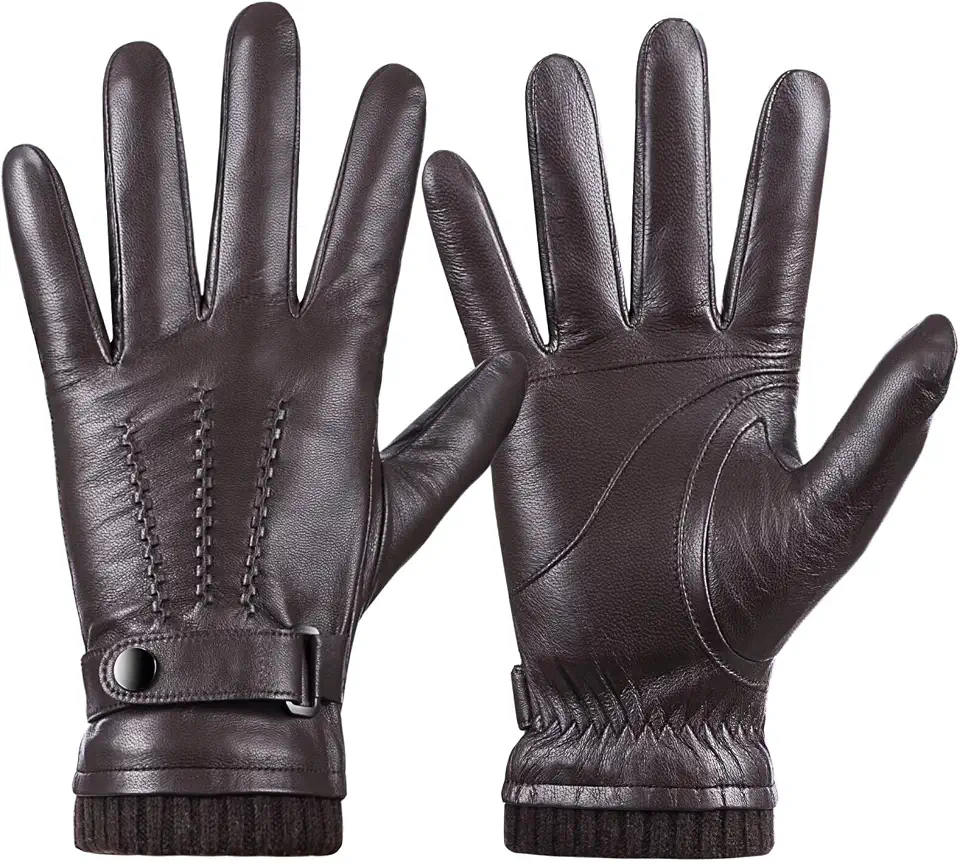
- ✓Pack lightweight wind-resistant cross-country ski gloves that preserve pole grip without overheating hands.
Don't
- ✗Avoid heavy, bulky alpine downhill ski parkas that cause excessive perspiration within ten minutes of skiing.
- ✗Don't wear cotton base layers or cotton sweatpants that saturate with sweat and freeze against skin during descents.
- ✗Avoid thick, bulky ski mittens that eliminate the finger dexterity needed to adjust pole straps and bindings.
- ✗Don't ski without UV-protective performance sports sunglasses to shield your eyes from blinding snow glare.
Style tips
Zoned Windproof Breathability
Cross-country skiing pushes your cardiovascular output to maximum thresholds while rushing into cold head drafts. Specialized softshells with wind-stopping chest membranes and ventilated back panels prevent chills without heat buildup.
Articulated Diagonal Stride Mobility
Classic Nordic technique relies on driving your forward knee high and extending your trailing leg fully back. Stretch touring pants with pre-shaped knees ensure completely uninhibited hip and knee extension across track grooves.
Modular Lightweight Glove Strategy
Thick alpine ski gloves soak through with hand perspiration during high-tempo double poling. Thin softshell gloves with leather palm reinforcements offer optimal grip on pole cork handles without trapping sweat.
Related searches
All curated searches
Related Reading
What to Wear to a Glacier Travel Clinic — Men's Complete Guide
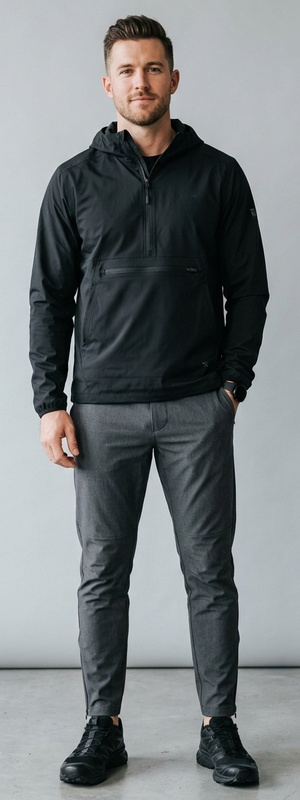
Roping up on a vast alpine glacier with crampons strapped to your boots and an ice axe in hand places you in one of earth's most majestic, high-consequence alpine arenas. Learning team rope travel, ice anchor building, and haul systems over bottomless glacial crevasses requires technical alpine mountaineering gear engineered for sub-zero winds, abrasive ice crystals, and intense solar glare. The benchmark dress code is high-altitude alpine mountaineering armor: three-layer waterproof breathable hardshell jackets over grid-fleece and packable down mid-layers, paired with durable softshell mountaineering pants with reinforced crampon kick patches, and rigid crampon-compatible boots. You need total protection against biting glacier drafts and razor-sharp steel spikes. From crampon puncture kick patch defense to glacier snow blindness prevention and harness comfort, here is your definitive blueprint for glacier mountaineering clinic style.
What to Wear on a Bikepacking Overnighter — Men's Complete Guide
Strapping frame bags and sleeping kits onto your gravel bike for a weekend bikepacking trip or wilderness overnighter takes you into remote logging roads and backcountry camps. Grinding up steep forest gravel roads all afternoon before pitching a tent beneath mountain stars requires versatile, space-efficient technical layers that regulate body heat in the saddle and provide campfire comfort. The benchmark dress code is rugged adventure bikepacking utility: naturally odor-resistant merino wool cycling jerseys, paired with technical cargo bib shorts or abrasion-resistant trail shorts, topped with an insulated packable puffer vest and two-bolt recessed gravel shoes. Every piece must pull double duty both on the bike and around the evening fire. From saddle chafing defense and windproof descent protection to cozy campsite warmth, here is your definitive blueprint for bikepacking overnighter style.
Quilted Puffer Vests: Modular Country Layering Warmth
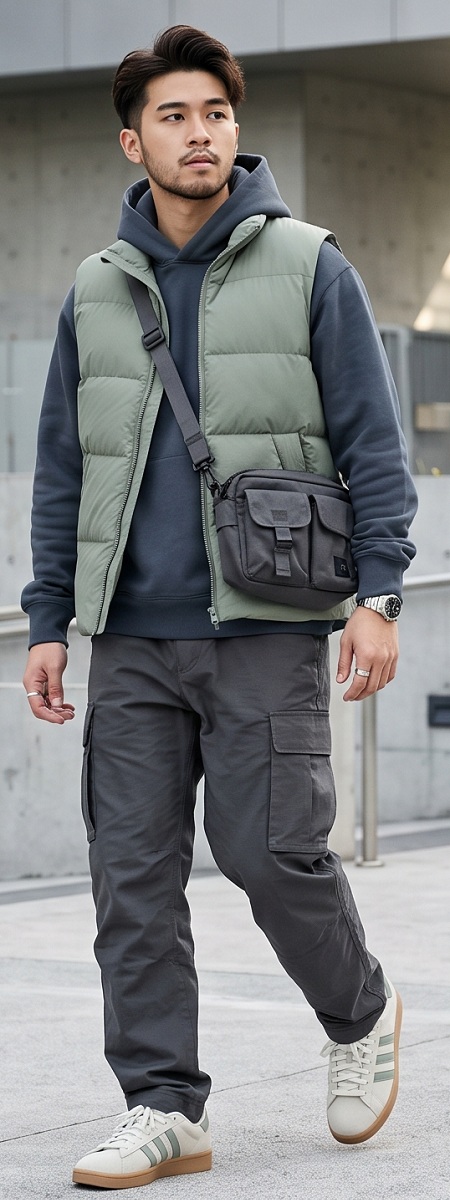
We curated this outdoor layering collection around the indispensable versatility of the quilted puffer vest. Fitted with horizontal baffles or diamond quilting, a lightweight vest traps core warmth on crisp autumn mornings without adding cumbersome sleeve bulk. We recommend layering olive or navy quilted vests over thick cable-knit sweaters and tailored chinos. Find well-insulated, budget-friendly quilted vests on Amazon for dependable country weekend comfort.
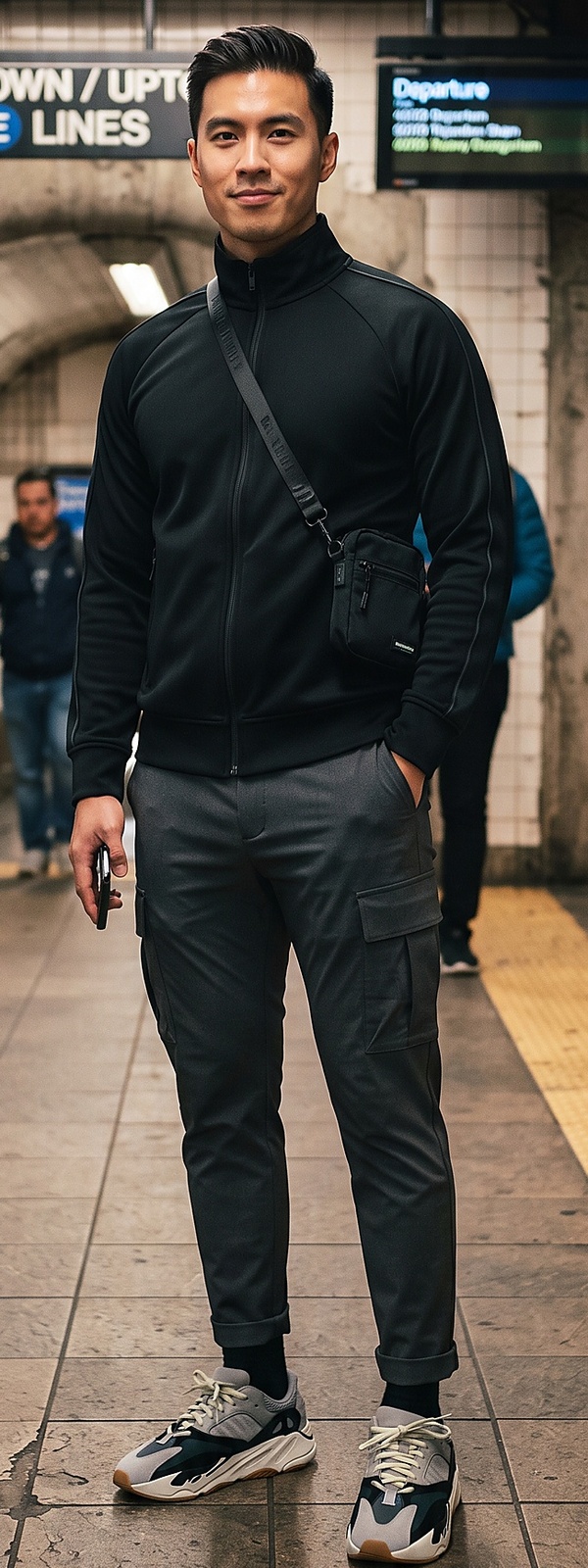
Technical Ripstop Cargoes: Urban Transit & Modular Utility
We built this collection around technical ripstop cargo pants engineered for fast-paced urban commutes. We pair men's olive green cargo pants, men's charcoal ripstop utility trousers, and men's black technical jogger cargoes with men's packable windbreakers, men's pullover hoodies, and men's trail running sneakers. By prioritizing lightweight tear-resistant fabrics and ergonomic pockets, our looks deliver modular streetwear efficiency without bulk.
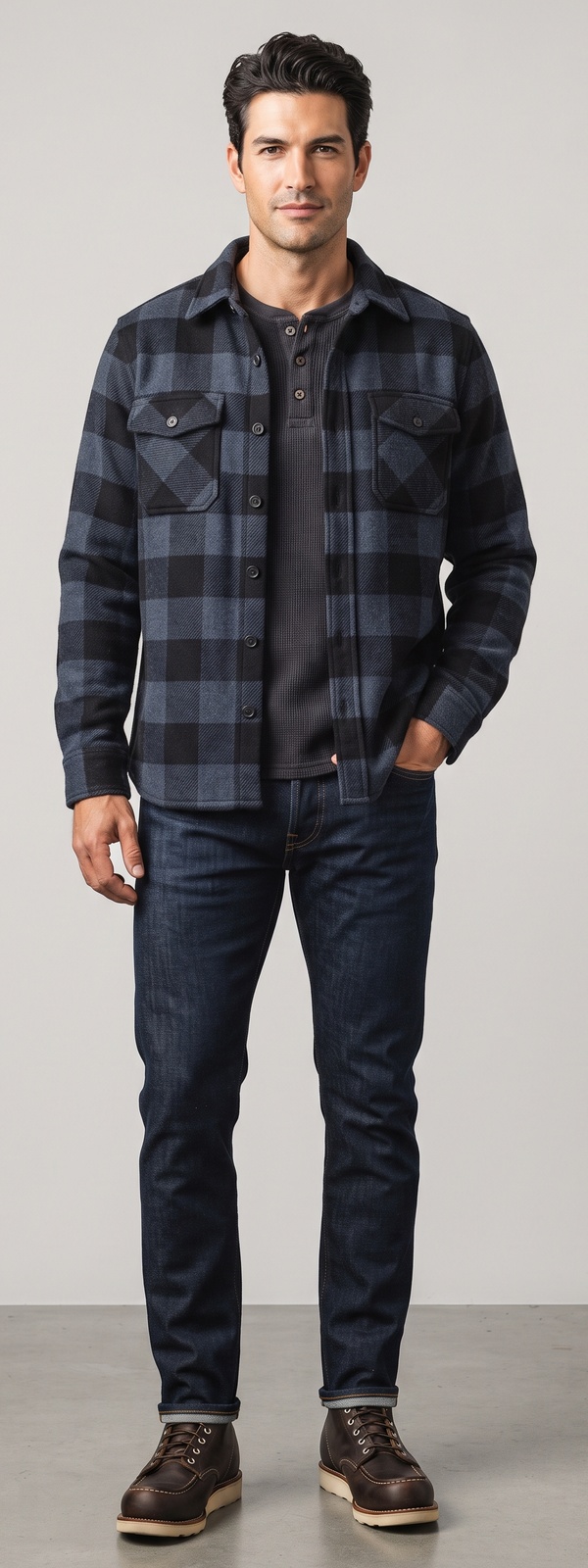
Flannel Shirts 101: How to Avoid the Lumberjack Look
Master flannel shirts without looking like a lumberjack. Discover sophisticated plaid palettes, tailored fits, urban layering, and smart-casual.
How to Layer a Men's Quilted Puffer Vest for Fall Warmth
Learn how to layer a men's quilted puffer vest over cable knits, flannels, and hoodies for warm, streamlined outdoor and smart-casual style.
Other Reading
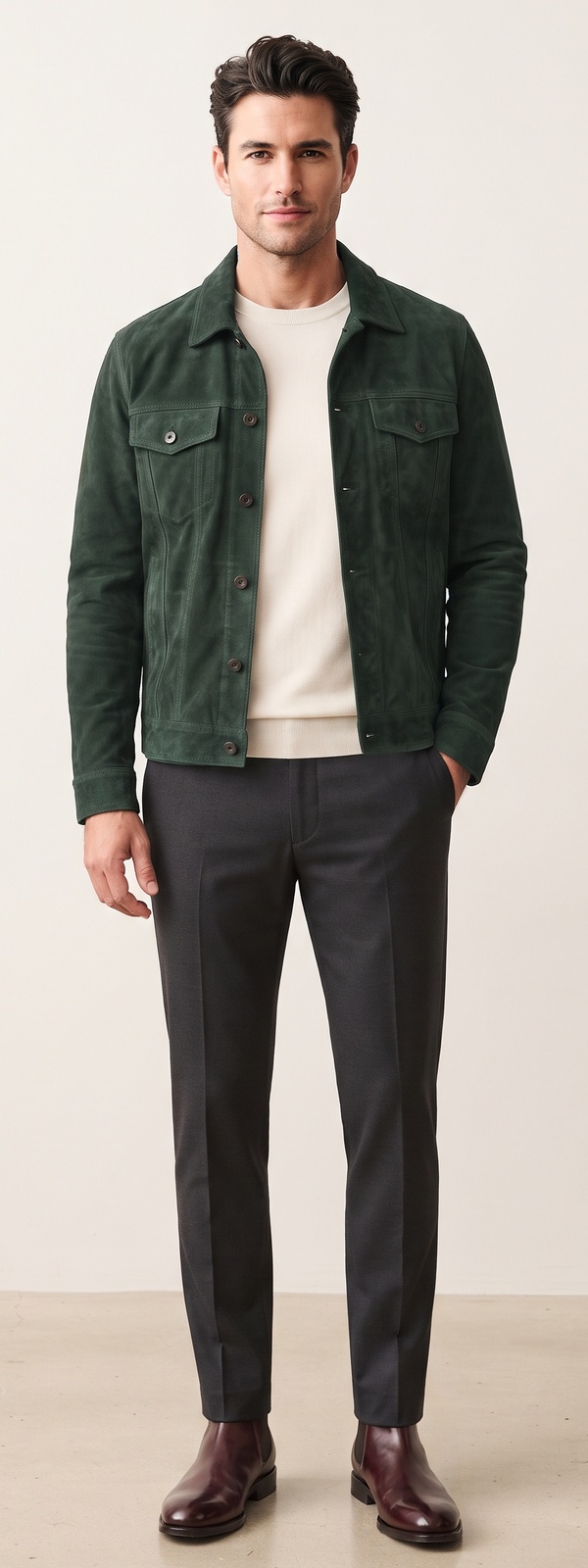
What to Wear to a Friend's Bachelor Party Night Out — Men's Complete Guide
The big bachelor party night out is the high-stakes centerpiece of the weekend: reservation-only steakhouses, VIP bottle service tables, and high-energy nightclubs. With velvet ropes guarded by unforgiving bouncers, looking sloppy or wearing matching novelty shirts can get your entire crew turned away at the door. Conquering a bachelor party night out requires an elevated, club-ready uniform. Sleek dark monochromatic tones, fitted leather or bomber jackets, clean tailored stretch denim, and polished boots ensure you look formidable, masculine, and effortlessly VIP. This guide breaks down door-dress-code strategies, drink-proof fabrics, and stylish outfit formulas that guarantee an epic night out.
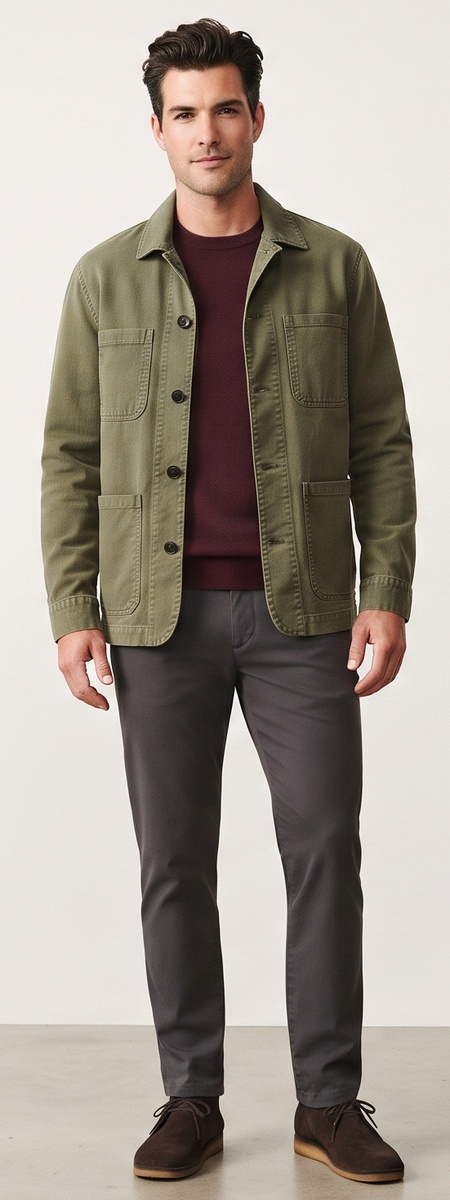
Chukka & Desert Boots: Crepe-Sole Smart Casual
We consider the suede desert boot the single most versatile footwear bridge in a modern man's rotation. Originally popularized by British officers and perfected by Ivy League icons, its unlined ankle profile pairs effortlessly with everything from olive fatigue trousers to tailored chinos. We recommend tobacco, sand, and chocolate suedes that develop rich character with every step.
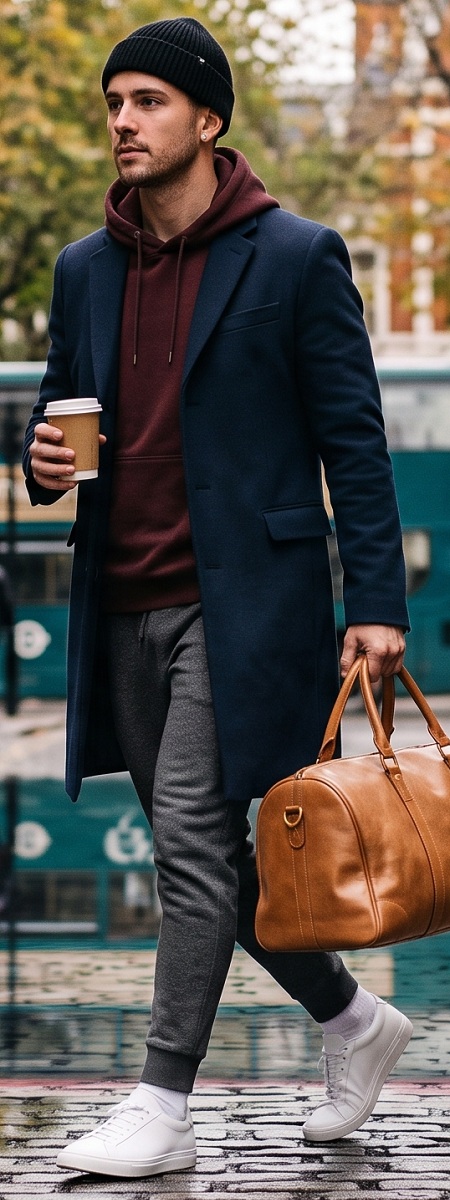
How to Wear Sweatpants in Public & Look Put-Together
Learn how to wear sweatpants in public and still look put-together. Master slim tapered joggers, luxury fleece, elevated outerwear, and clean sneakers.