
What to Wear on a Bikepacking Overnighter — Men's Complete Guide
Strapping frame bags and sleeping kits onto your gravel bike for a weekend bikepacking trip or wilderness overnighter takes you into remote logging roads and backcountry camps. Grinding up steep forest gravel roads all afternoon before pitching a tent beneath mountain stars requires versatile, space-efficient technical layers that regulate body heat in the saddle and provide campfire comfort.
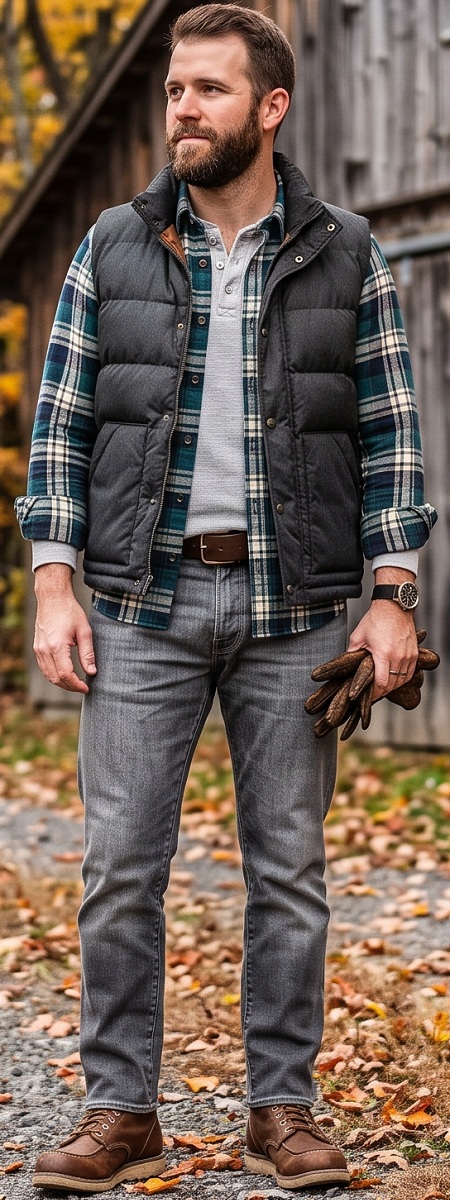
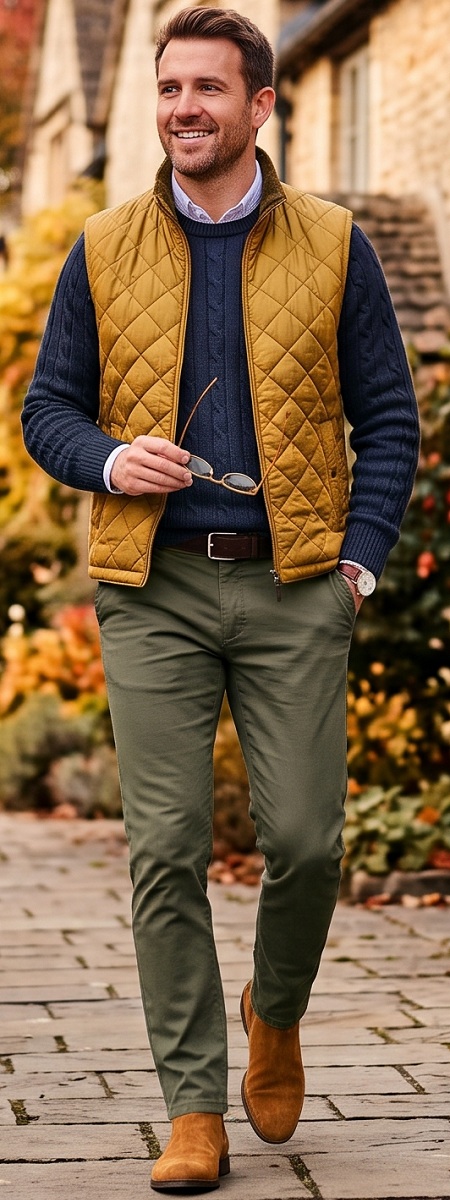
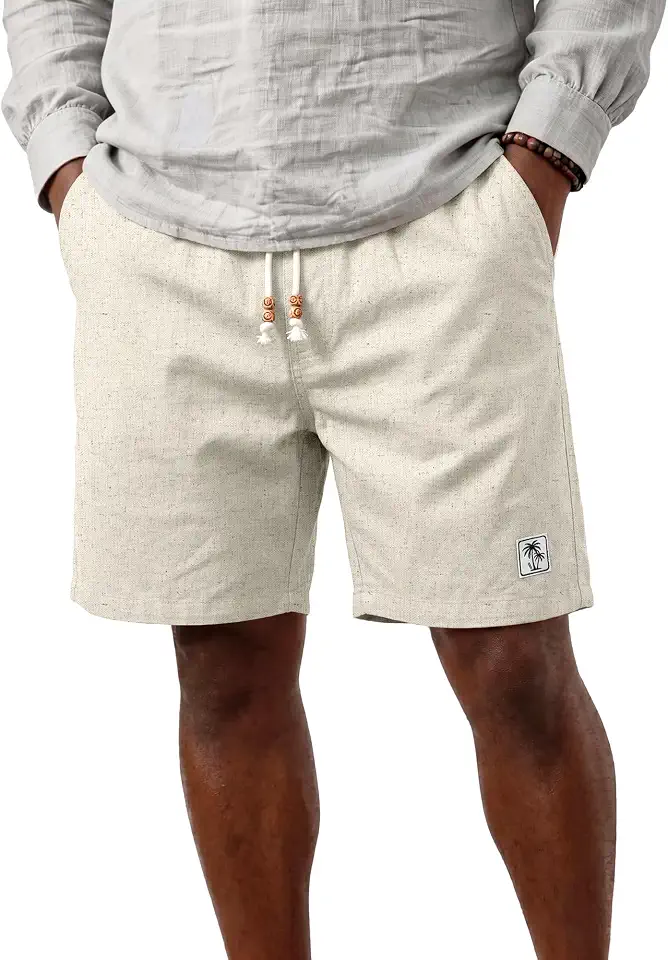
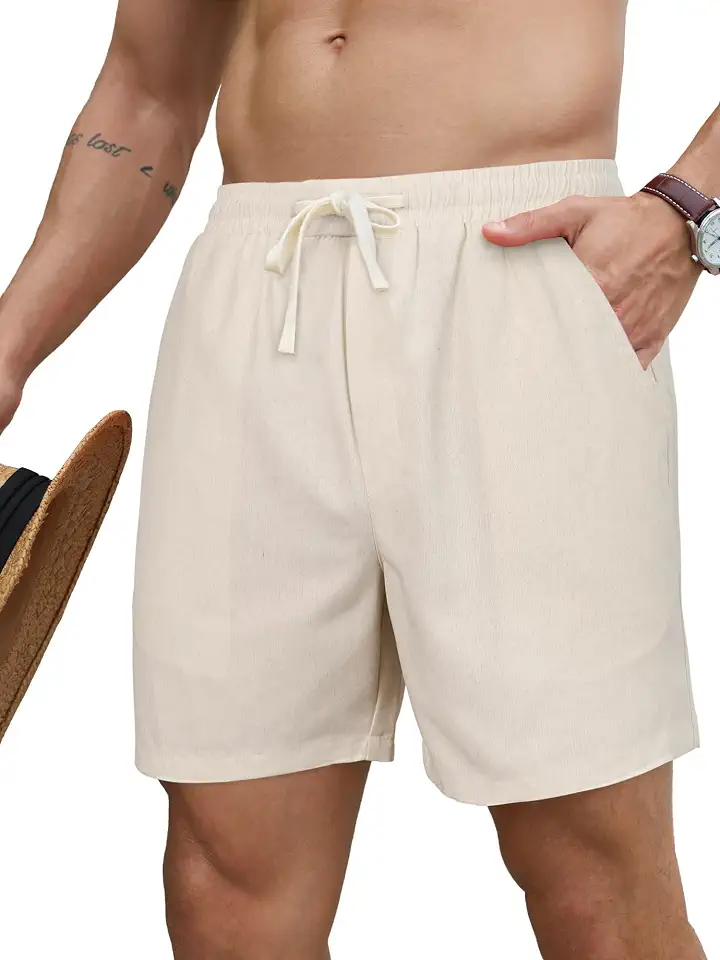
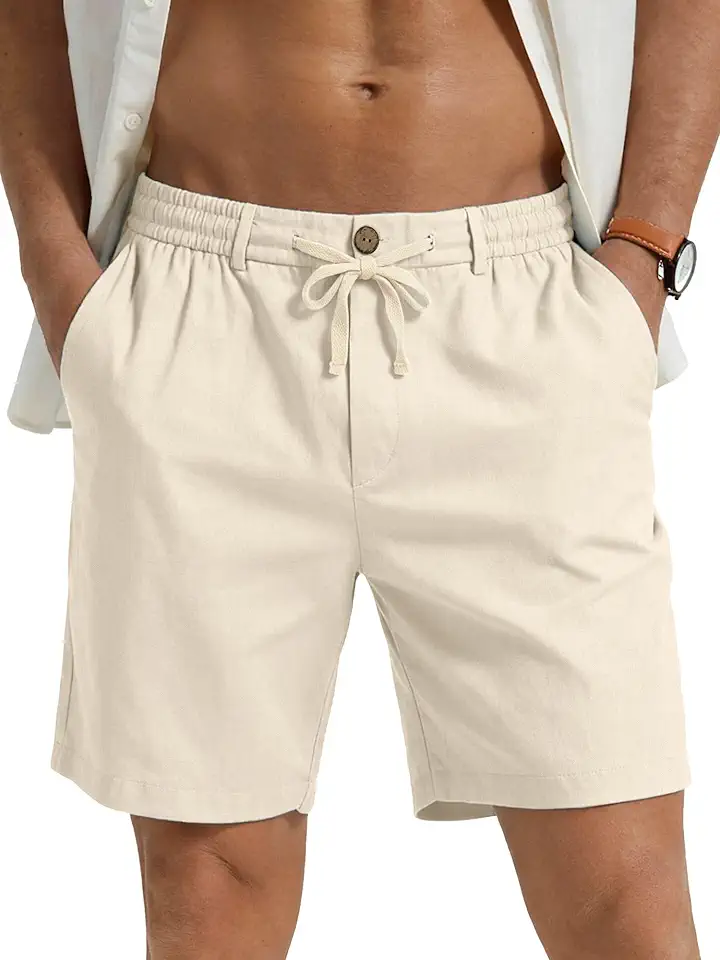
The benchmark dress code is rugged adventure bikepacking utility: naturally odor-resistant merino wool cycling jerseys, paired with technical cargo bib shorts or abrasion-resistant trail shorts, topped with an insulated packable puffer vest and two-bolt recessed gravel shoes. Every piece must pull double duty both on the bike and around the evening fire.
From saddle chafing defense and windproof descent protection to cozy campsite warmth, here is your definitive blueprint for bikepacking overnighter style.
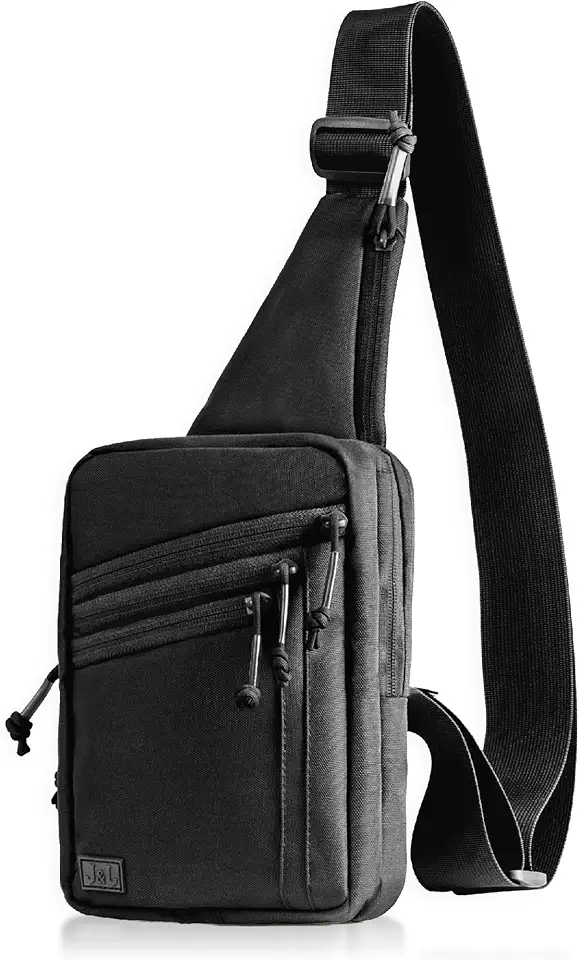
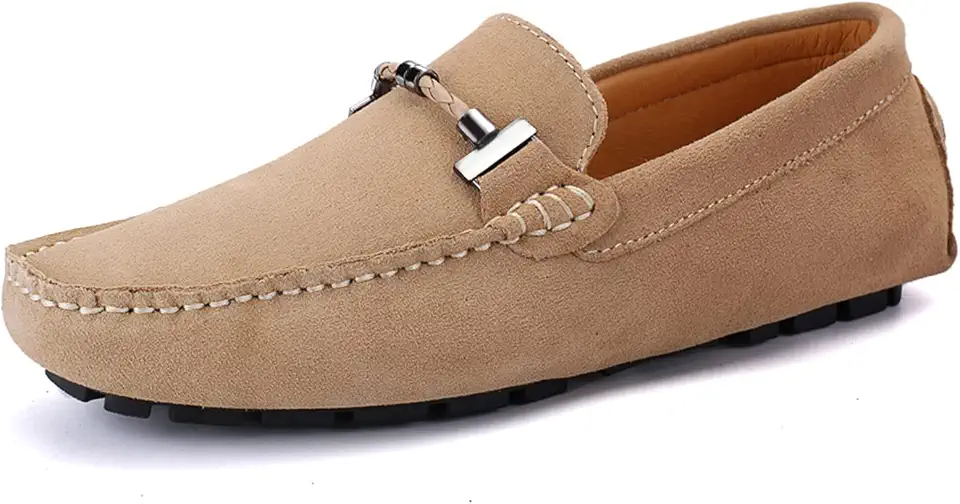
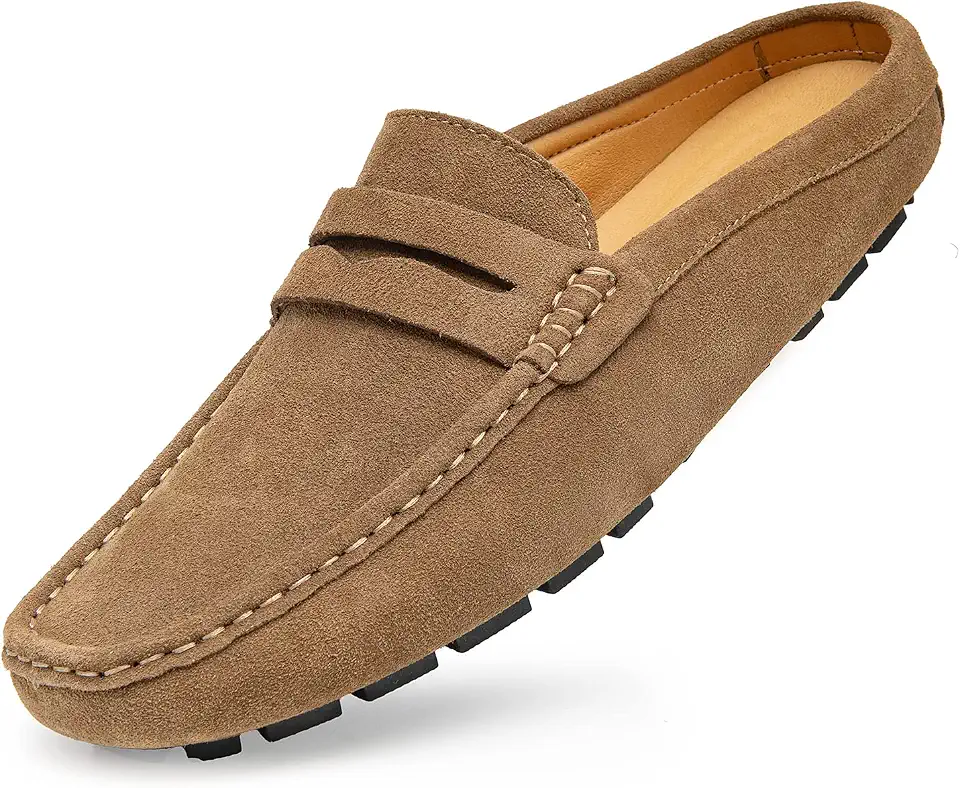
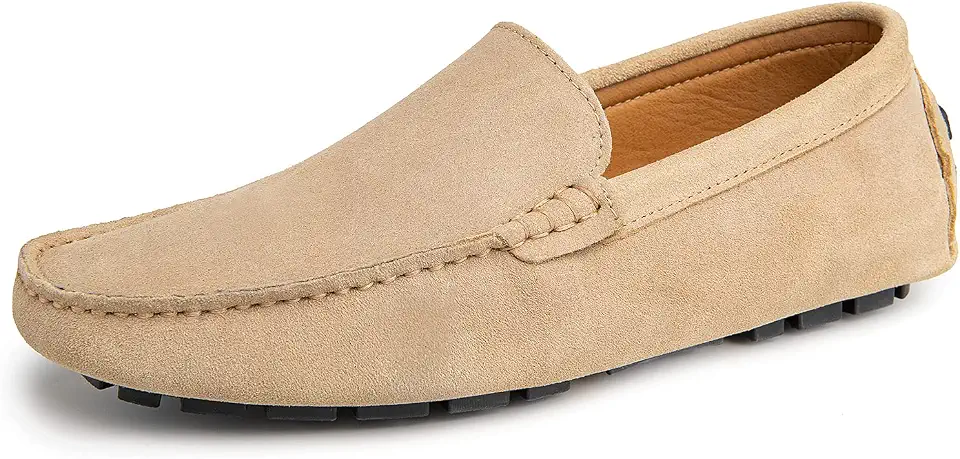
Outfits that work
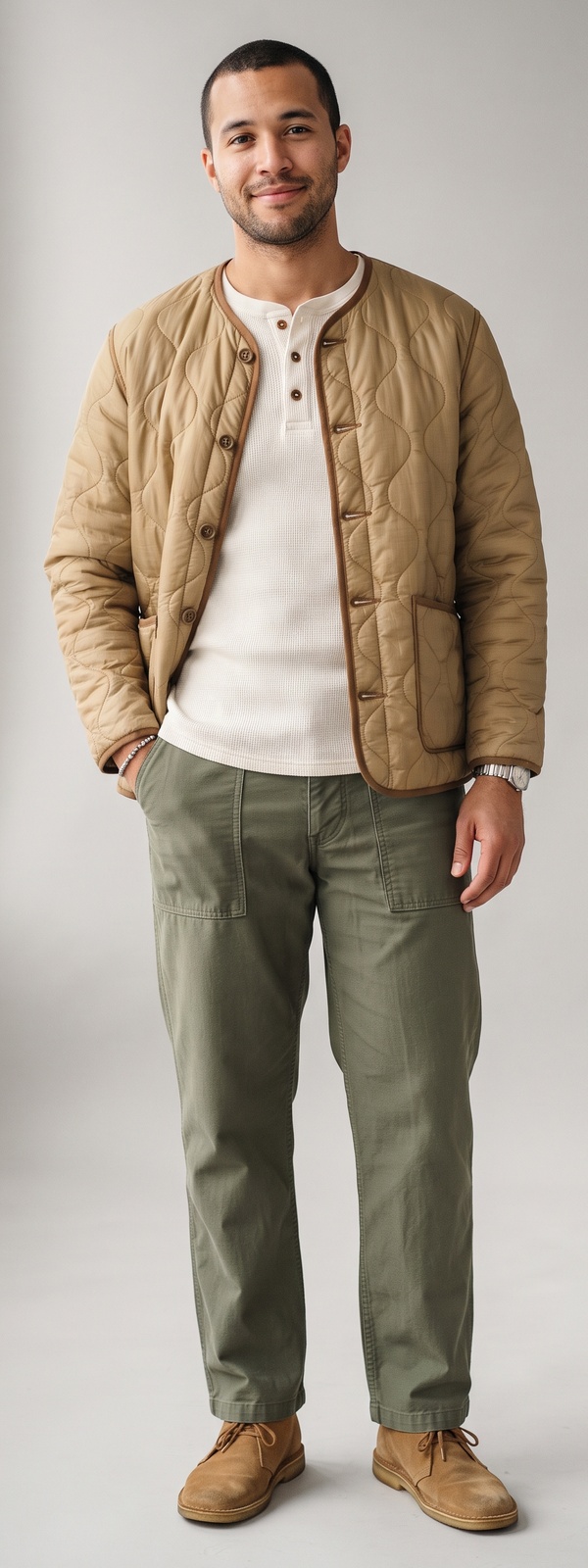 From $142
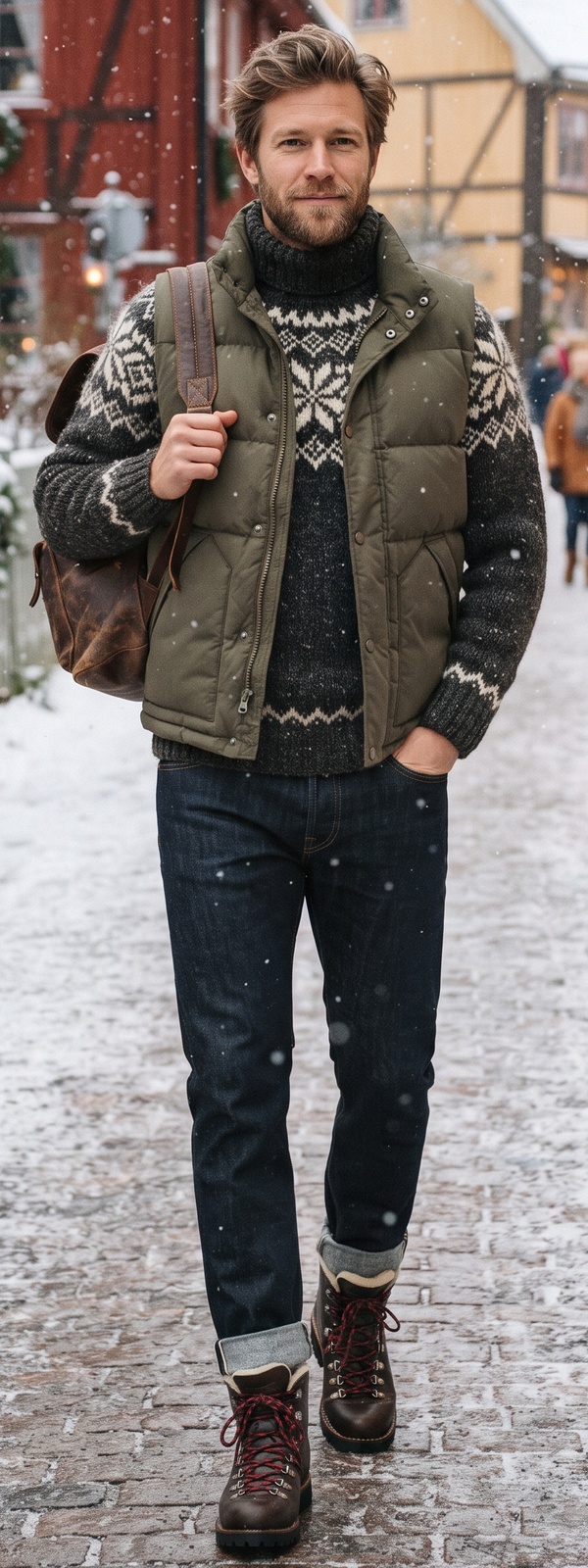 From $126
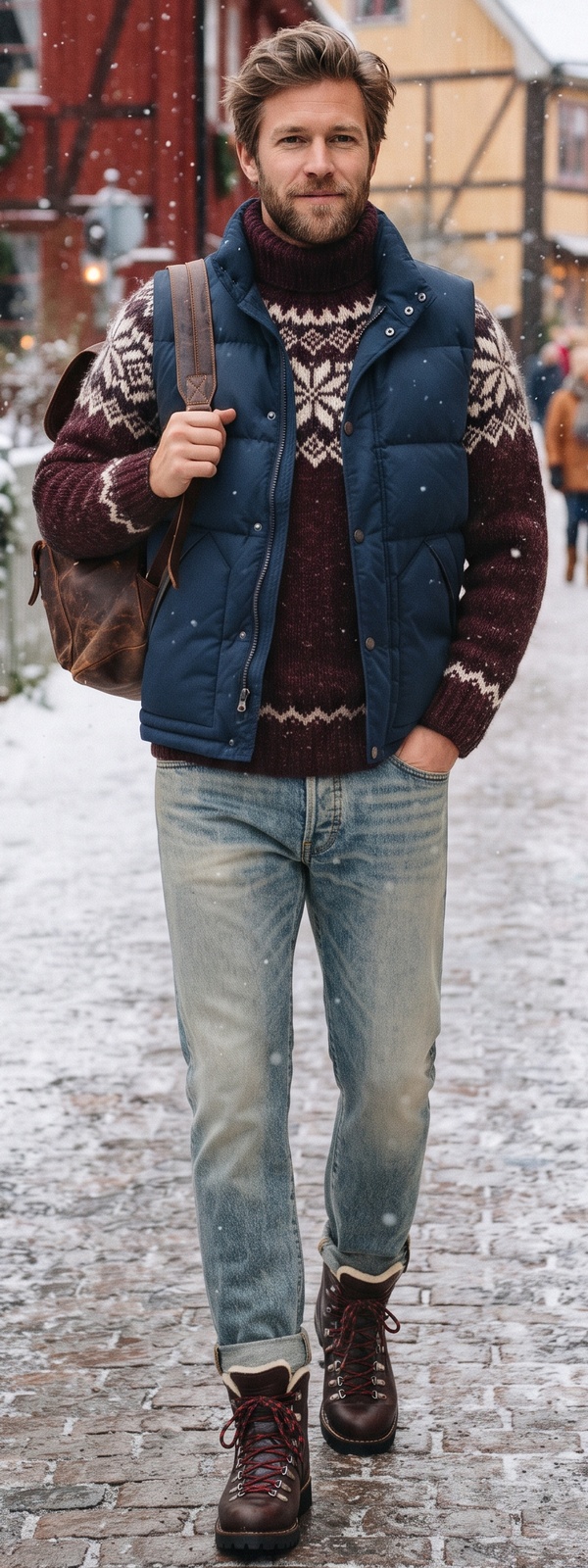 From $130
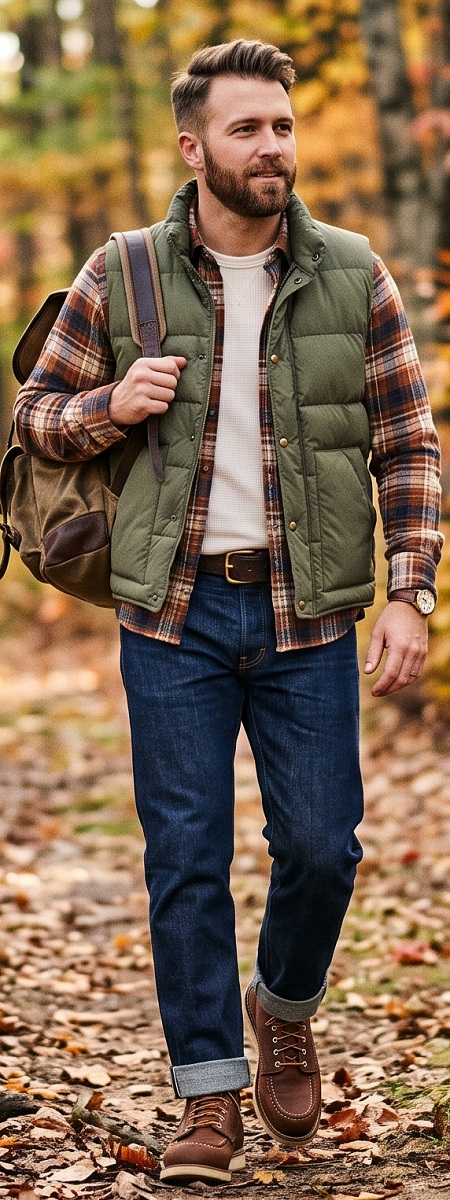 From $244
 From $151
Do
- ✓Wear breathable merino wool jerseys that regulate core body temperature and naturally resist odors over multiple days.
- ✓Choose technical cargo bib shorts with mesh leg pockets to keep phone, snacks, and tools readily accessible.
- ✓Pack an ultralight windproof cycling jacket to shield your chest during chilly, high-speed mountain descents.
- ✓Bring an insulated packable down vest or fleece pullover to trap core warmth once you arrive at camp.
- ✓Wear gravel shoes with recessed SPD cleats and rubber treads that allow comfortable walking around campsite terrain.
Don't
- ✗Avoid bulky, non-packable heavy cotton sweatshirts that eat up precious limited bikepacking frame bag space.
- ✗Don't wear stiff non-stretch pants that bunch behind your knees and rub raw seams against your saddle.
- ✗Avoid slick road cycling shoes with exposed plastic cleats that make walking on rocky camp trails hazardous.
- ✗Don't forget to pack a clean, dry base layer to sleep in, keeping wet cycling apparel out of your sleeping bag.

Style tips
The Multi-Day Merino Advantage
Frame bag space is strictly limited, meaning you will wear the same riding top for two days straight. Merino wool naturally neutralizes bacteria, ensuring your jersey stays fresh from sunrise climb to campsite dinner.
Cargo Bib Pocket Efficiency
Accessing handlebar and saddle bags while riding over bumpy gravel tracks is cumbersome. Cargo bib shorts feature integrated side mesh pockets that hold energy bars and navigation tools securely at hand.
Recessed Cleat Camp Mobility
Bikepacking requires pushing your bike through hike-a-bike mud sections and gathering firewood around camp. Gravel shoes feature recessed two-bolt cleats protected by grippy rubber outsoles for confident hiking.
Related searches
All curated searches
Related Reading
What to Wear on a Canoe Portage Trip — Men's Complete Guide
Paddling across misty wilderness lakes and hauling sixty-pound Kevlar canoes across rugged rocky portage trails places you in classic Northwoods canoe country. Balancing hours of rhythmic paddling under open skies with wet-foot landings on slippery granite boulders demands quick-drying, sun-protective trail clothing that transitions seamlessly from cold lake spray to muddy portage trails. The benchmark dress code is functional paddling wilderness utility: lightweight UPF sun hoodies or quick-dry nylon shirts over thermal base layers, paired with abrasion-resistant nylon cargo pants or convertible trail trousers and drainage-ported water shoes or wet-portage boots. Garments must dry rapidly in breezy conditions while protecting your shoulders under heavy canoe yoke pads. From canoe yoke collarbone cushioning to wet-landing footing grip and campsite insect defense, here is your definitive blueprint for canoe portage camping style.
What to Wear Cross-Country Skiing — Men's Complete Guide
Gliding across groomed classic ski tracks or touring through backcountry snow forests places you in one of the most cardiovascularly intense winter outdoor sports. Powering up snowbound rolling hills with kick-and-glide strides generates tremendous metabolic heat while exposed to sub-freezing alpine winds, requiring high-breathability modular layering that dumps sweat without inviting hypothermia. The benchmark dress code is performance Nordic ski touring gear: windproof water-resistant softshell jackets over thermal merino quarter-zips, paired with four-way stretch touring pants or brushed-back tights and NNN-compatible Nordic ski boots. You need wind-blocking front panels to stop biting headwinds while breathable rear panels vent excess back heat. From wind-blocking chest panels to glide-friendly knee articulation and thermal sweat dissipation, here is your definitive blueprint for cross-country Nordic skiing style.
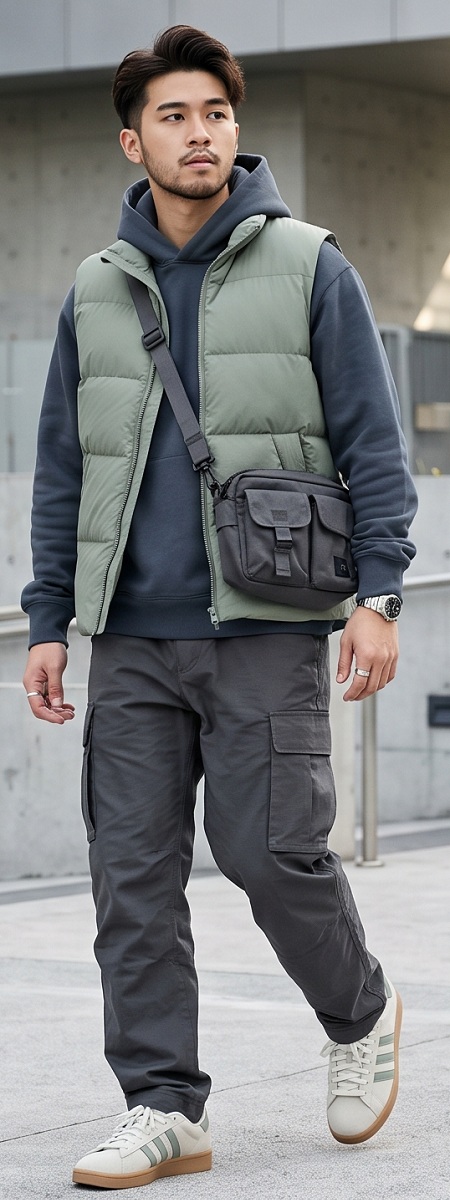
How to Wear a Puffer Vest (Without Looking Like Finance)
Learn how to style a puffer vest without looking like a corporate finance bro. Master matte fabrics, street utility, workwear layers, and modern.
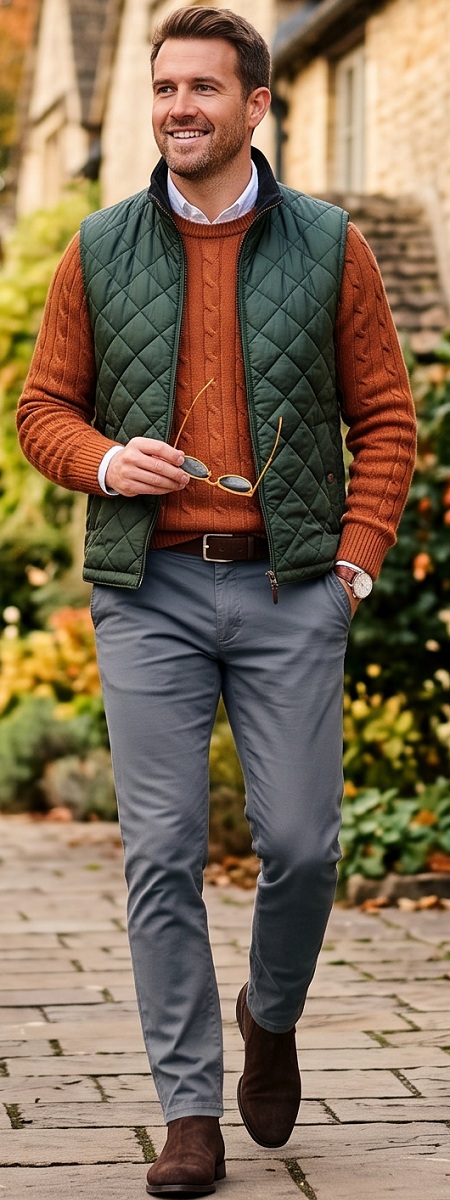
Quilted Puffer Vests: Modular Country Layering Warmth
We curated this outdoor layering collection around the indispensable versatility of the quilted puffer vest. Fitted with horizontal baffles or diamond quilting, a lightweight vest traps core warmth on crisp autumn mornings without adding cumbersome sleeve bulk. We recommend layering olive or navy quilted vests over thick cable-knit sweaters and tailored chinos. Find well-insulated, budget-friendly quilted vests on Amazon for dependable country weekend comfort.
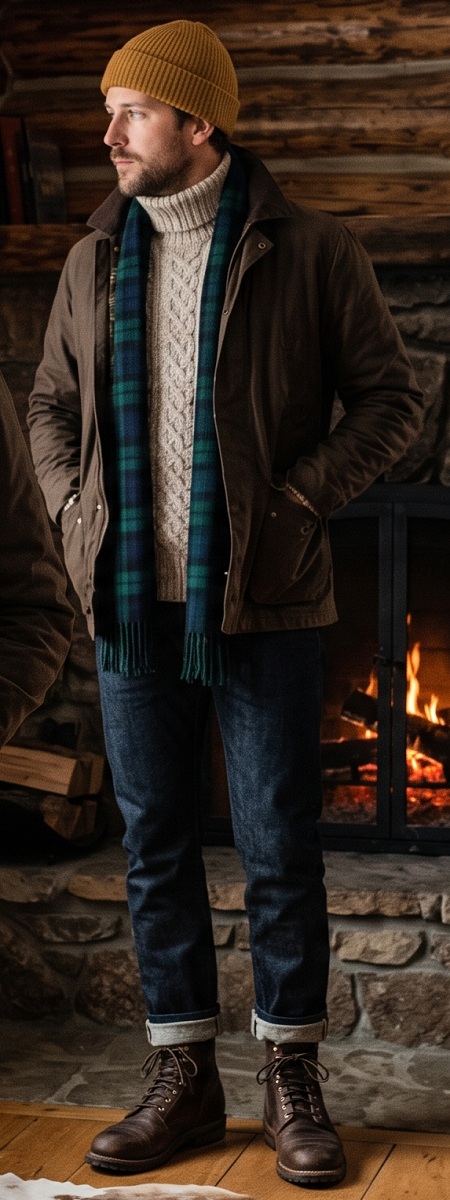
Cabin & Mountain Escape: Rugged Heritage Style
As the temperature drops and the woodsmoke hits the air, our collective style instinct turns toward robust comfort. For this cozy season, we are heavily prioritizing thick flannel overshirts, textured waffle knits, and rugged boots that are as functional as they are timeless. We believe that hard-wearing outdoor style should never demand a luxury price tag. Let's head for the hills in dependable, affordable layers that celebrate the spirit of adventure without losing an ounce of sophistication.
Flannel Shirts 101: How to Avoid the Lumberjack Look
Master flannel shirts without looking like a lumberjack. Discover sophisticated plaid palettes, tailored fits, urban layering, and smart-casual.
Other Reading
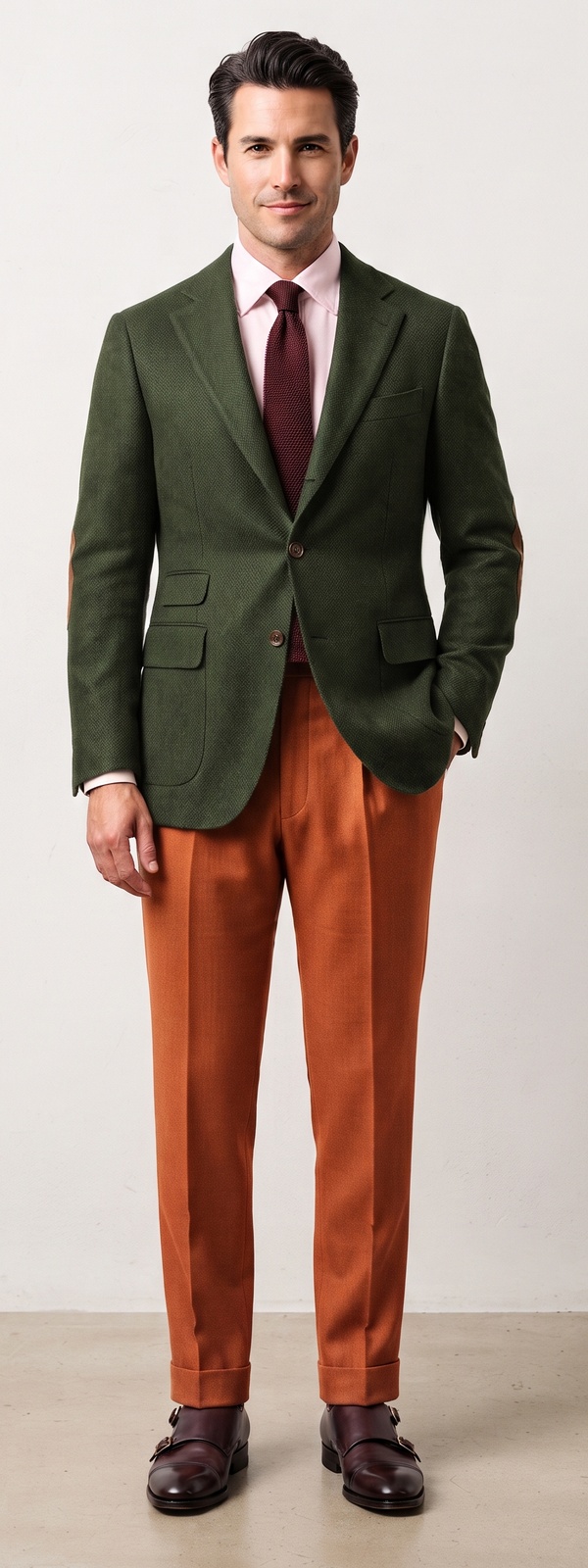
What to Wear to an Antique Clockmaking Class — Men's Complete Guide
Stepping into an artisan clockmaker's workshop for an antique pendulum clockmaking and gear restoration class places you among brass escapement wheels, carved oak grandfather clock cases, and ticking pendulums. Master horologists dismantle complex mechanical movements, bush worn brass pivot holes on precision staking sets, and lubricate steel lantern pinions with microscopic synthetic oils. The expected dress code is traditional horological heritage and gentlemanly artisan elegance: tailored wool tweed vests, crisp button-down oxford shirts, tailored wool dress pants, and polished leather cap-toe derbies. Because clock restoration blends antique mechanical problem-solving with clean bench craft, timeless vintage tailoring is ideal. From trueing escapement verge pallets to setting the deadbeat beat on antique brass movements, here is your definitive antique clockmaking style guide.
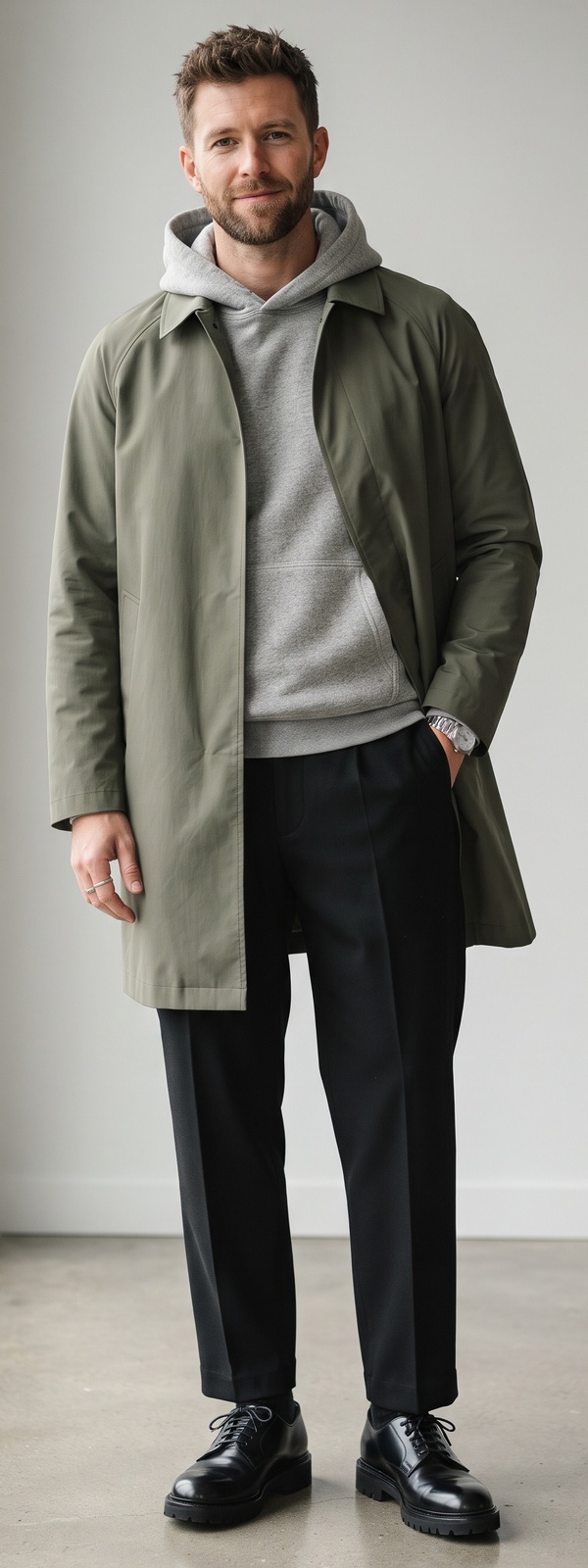
Plain-Toe Derbies: Clean Versatile Smart-Casual Polish
We consider the plain-toe derby the ultimate workhorse in contemporary smart-casual footwear. With its clean vamp free from broguing and an accommodating open-laced throat, it bridges the gap between rigid Oxford dress shoes and casual sneakers. We advise teaming dark brown pebble grain or black box calf derbies with relaxed corduroy suits, cuffed wool slacks, or chambray button-downs for understated, architectural elegance.
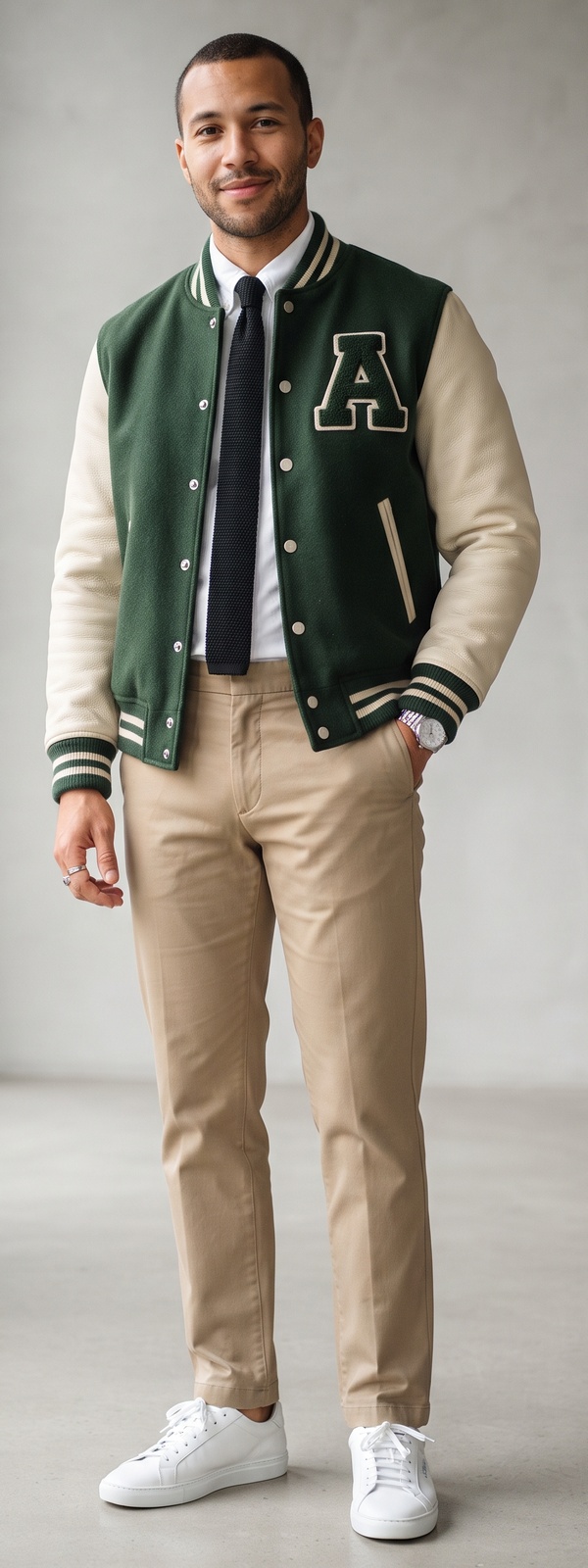
How to Style a Men's Varsity Jacket for Mature Appeal
Learn how to style a men's varsity jacket without looking like a high schooler. Master wool and leather letterman jackets with tailored pants and denim.