
What to Wear Splitboarding in the Backcountry — Men's Guide
Skinning up an untracked alpine ridge before dawn on a backcountry splitboarding tour surrounds you with glowing mountain summits, powdery snowpacks, and crisp alpine air. Riders climb steep switchbacks on touring skins, transition splitboard halves into snowboards on windy saddles, and drop into deep untouched powder bowls.
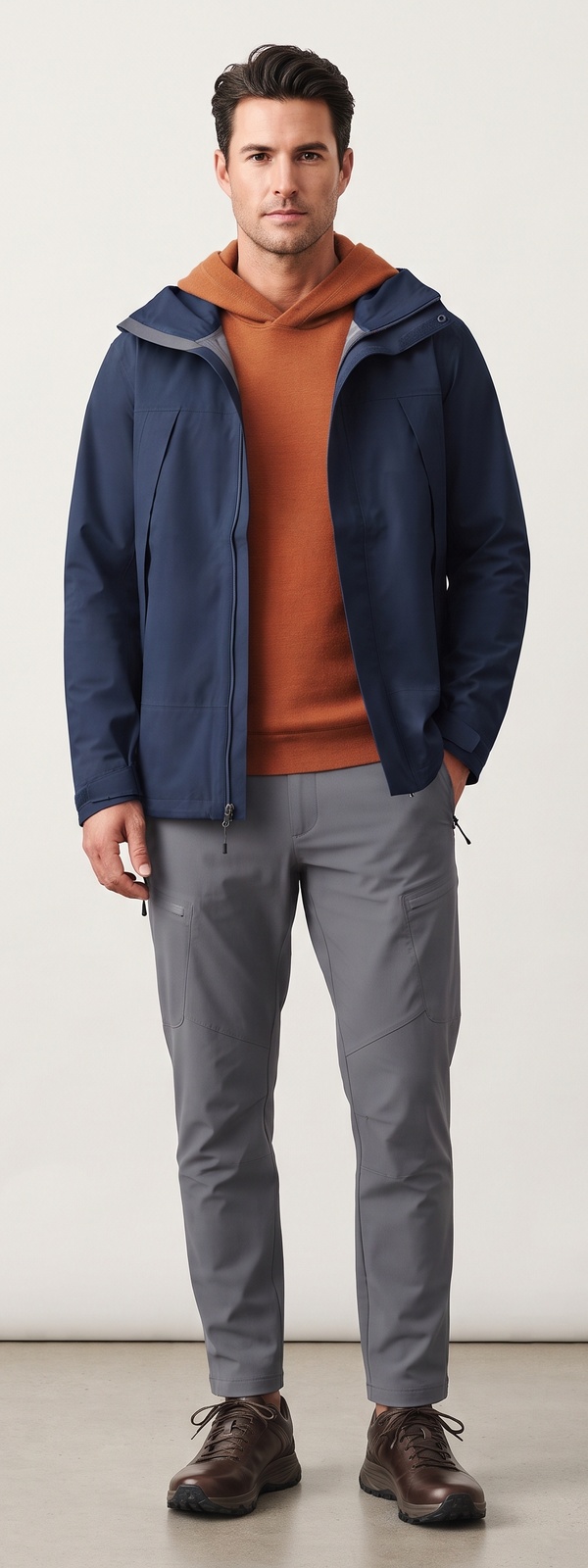
The necessary dress code is modular high-output mountain touring performance: breathable waterproof hardshell jackets, ventilated stretch softshell pants, lightweight thermal base layers, and compact packable puffy coats. Because climbing uphill generates intense body heat while riding downhill exposes you to freezing wind, quick-venting modular garments are essential.
From setting kick turns up steep icy skin tracks to surfing waist-deep alpine powder through pine glades, here is your definitive backcountry splitboarding guide.
Outfits that work
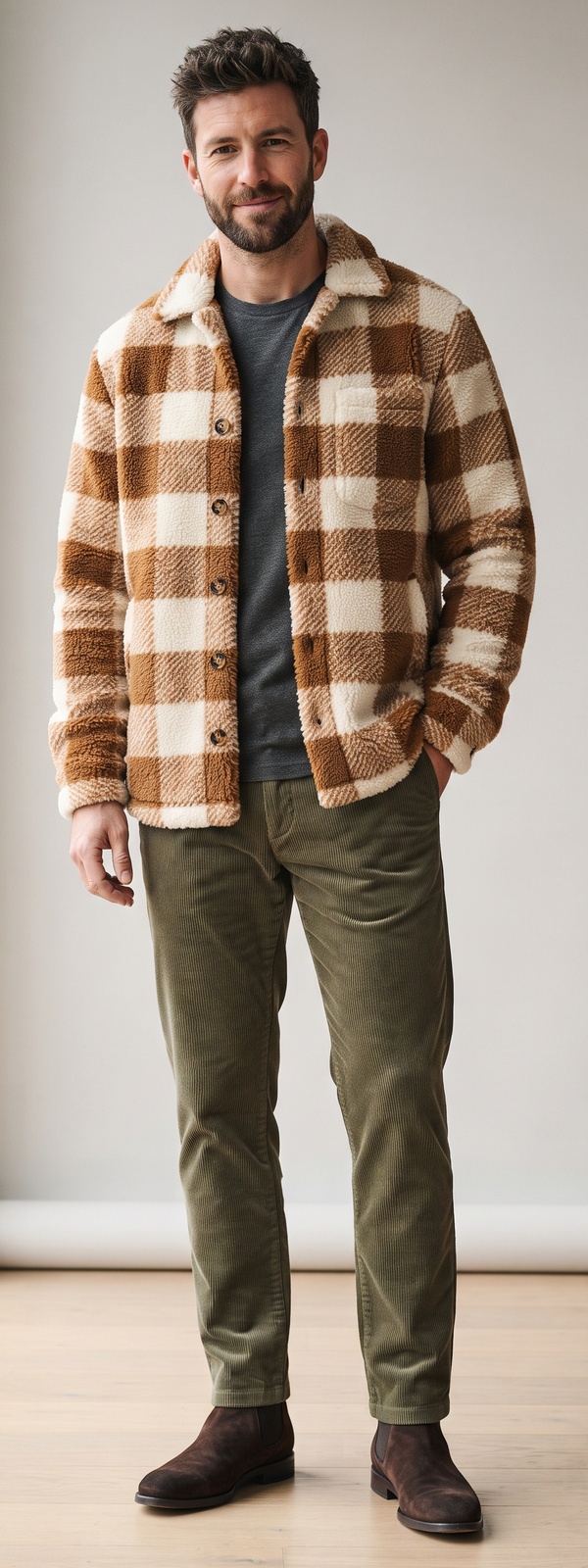 From $119
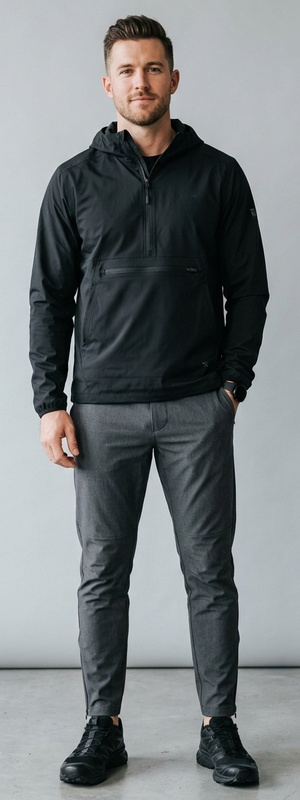 From $104
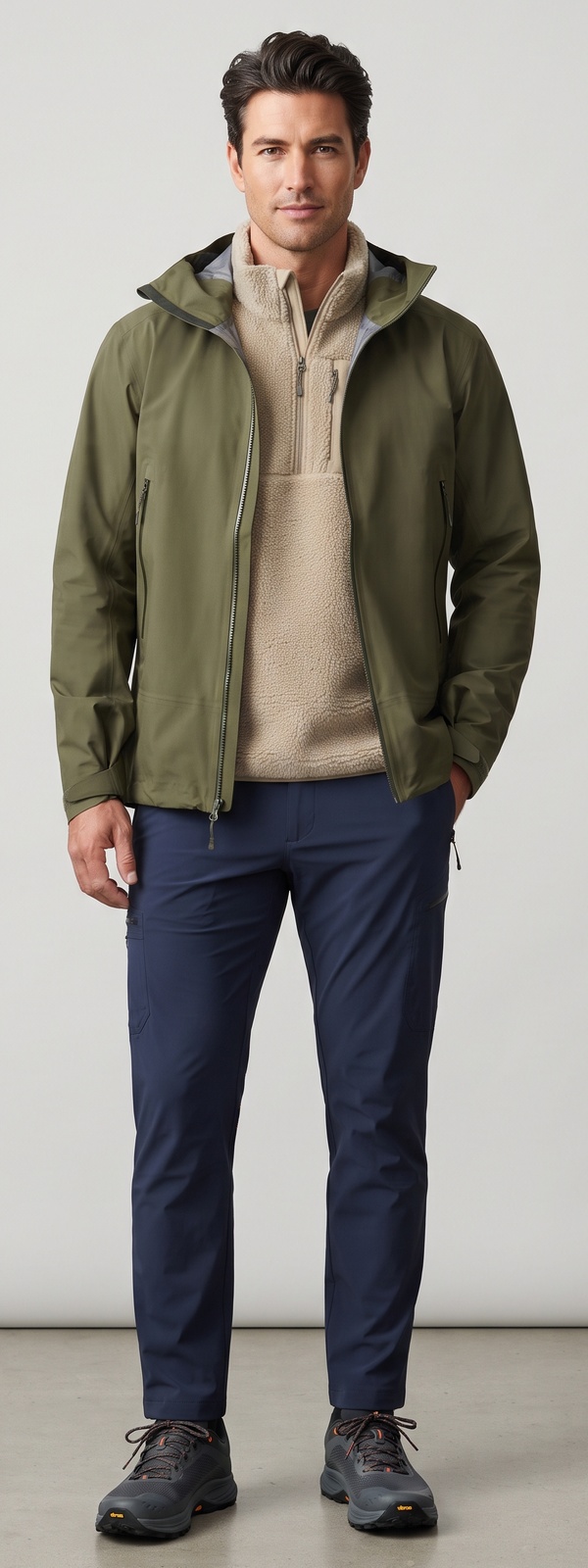 From $132
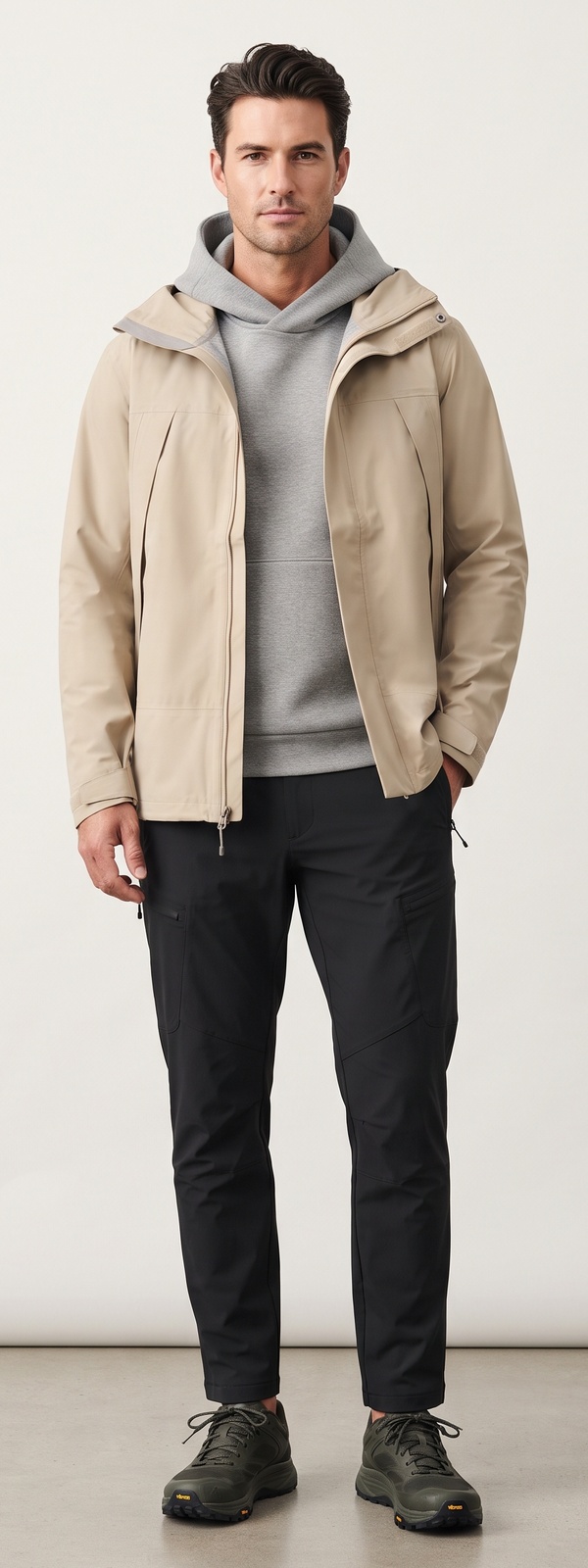 From $121
 From $120
Do
- ✓Wear a lightweight, breathable technical shell jacket with large underarm ventilation zips for the uphill skin.
- ✓Choose articulated softshell touring pants with thigh vents that release heat during steep skinning climbs.
- ✓Select specialized splitboard snowboard boots with walk-mode collars that allow extended backward stride.
- ✓Pack a lightweight down or synthetic puffy jacket inside your touring pack to throw on during summit transitions.
- ✓Carry thin climbing gloves for the warm uphill climb and waterproof insulated mittens for the descent.
Don't
- ✗Avoid heavy insulated resort jackets on the skin track that cause you to sweat heavily within ten minutes.
- ✗Don't wear standard cotton underwear or socks that become soggy with sweat and cause severe blisters.
- ✗Avoid loose dangling backpack straps that can catch on tree branches when descending through backcountry glades.
- ✗Don't travel in avalanche terrain without an avalanche beacon, probe, and shovel carried directly on your person.
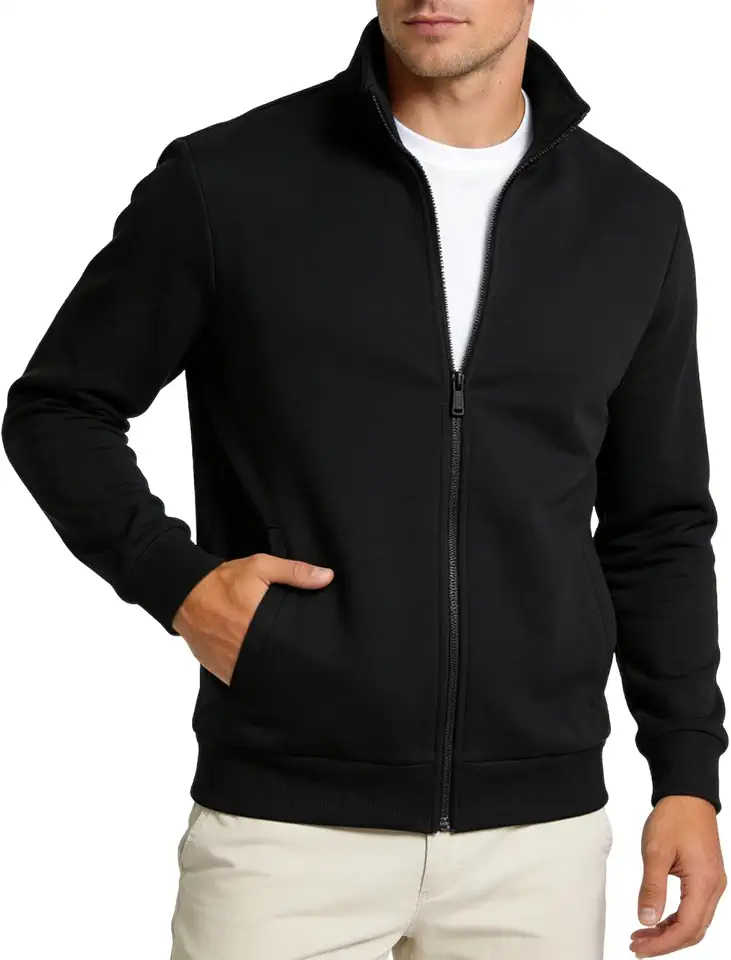
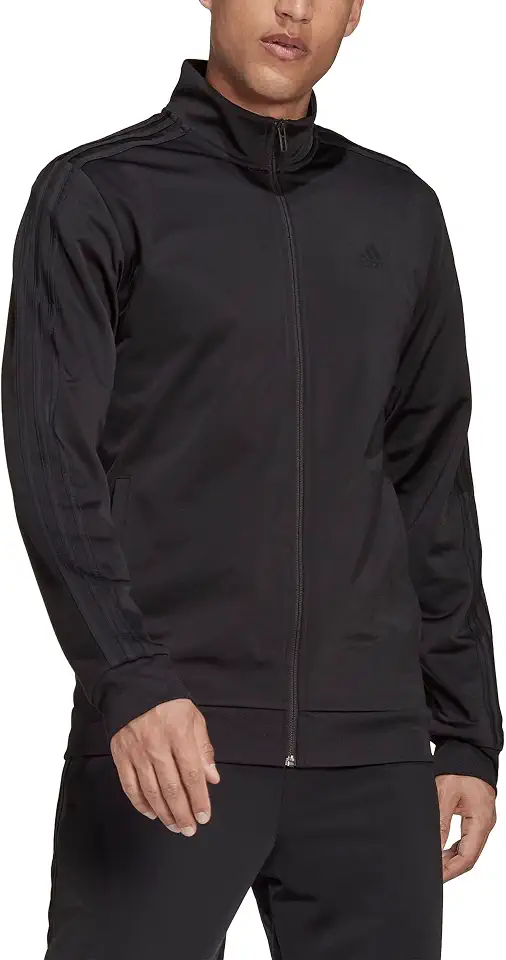
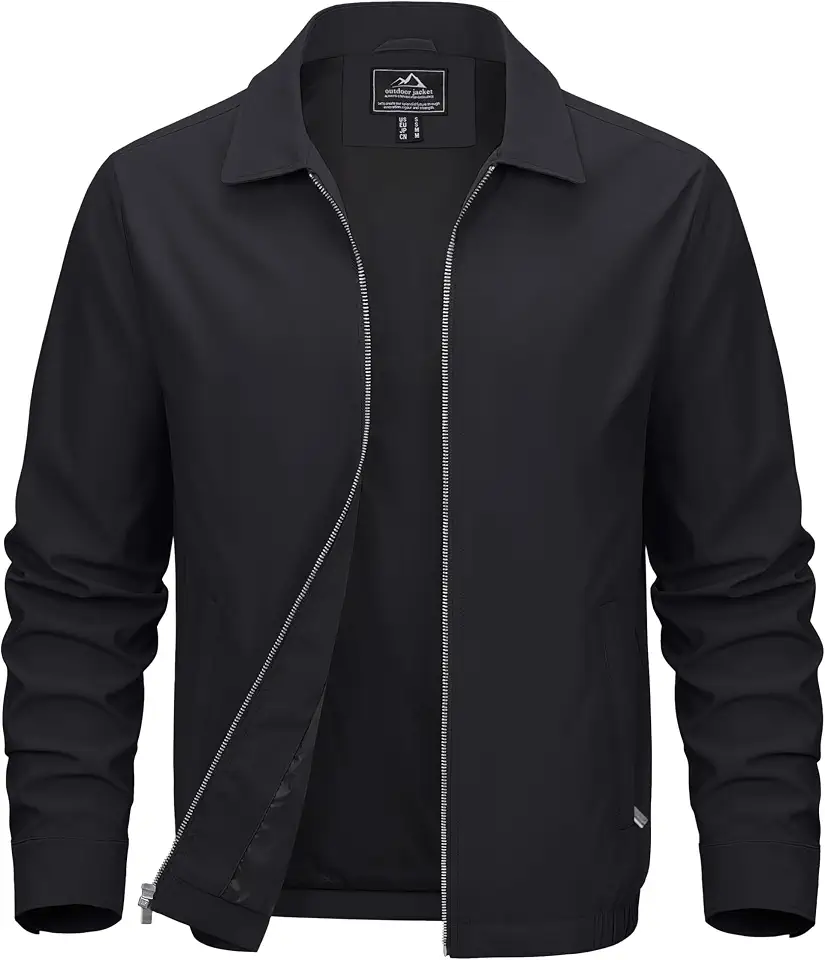
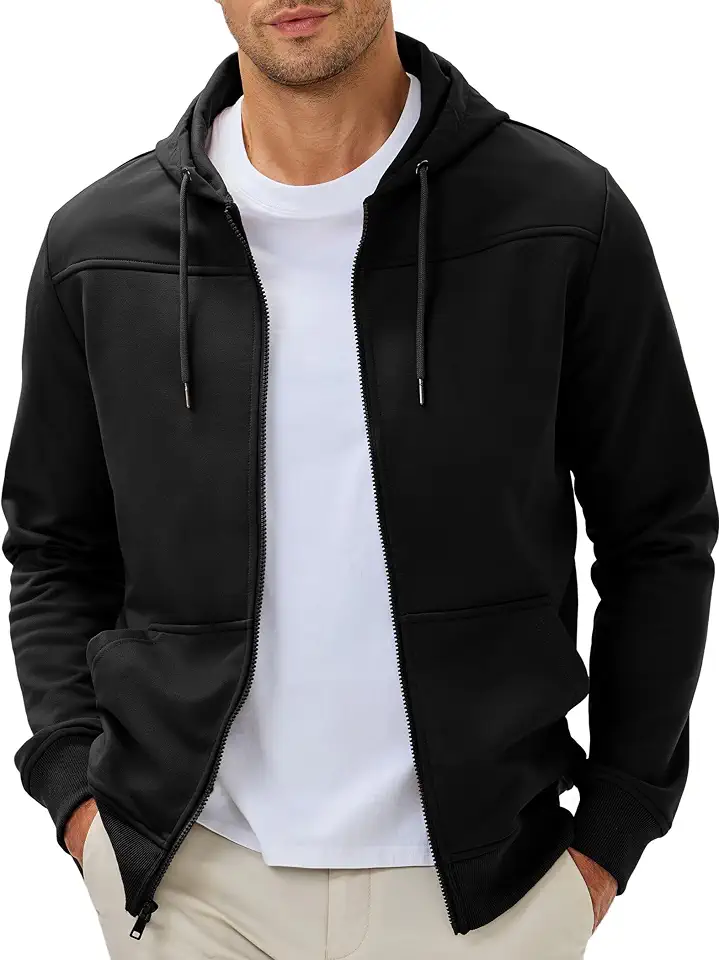
Style tips
Uphill Skinning Heat Regulation
Skinning uphill burns massive calories and produces intense body heat even in sub-zero alpine temperatures. Stripping down to a breathable grid-fleece hoody and opening thigh vents prevents soaking your clothing in sweat.
Ridge Top Transition Windbreak
Converting splitboards into snowboard mode on windy mountain ridges takes five to ten minutes of static hand work. Pulling a packable down jacket over your base layer stops windchill from stealing core heat.
Snowboard Touring Pant Cuff Reinforcement
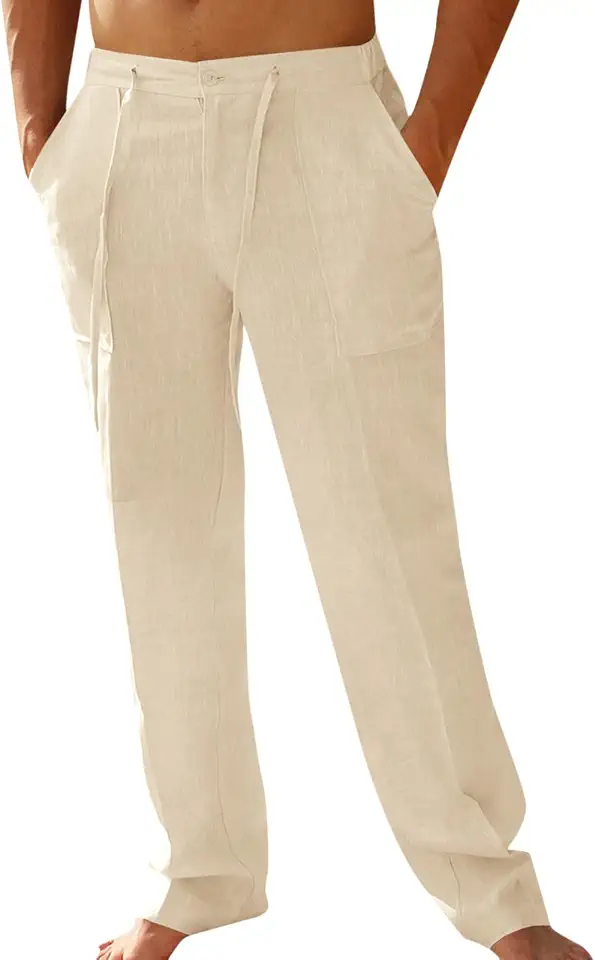
Sharp splitboard metal edges easily slice open the inside hems of pants during touring strides. Touring pants with heavy Cordura instep patches prevent jagged steel edges from shredding technical fabric.
Related searches
All curated searches
Related Reading
What to Wear to an Ice Climbing Clinic — Men's Complete Guide
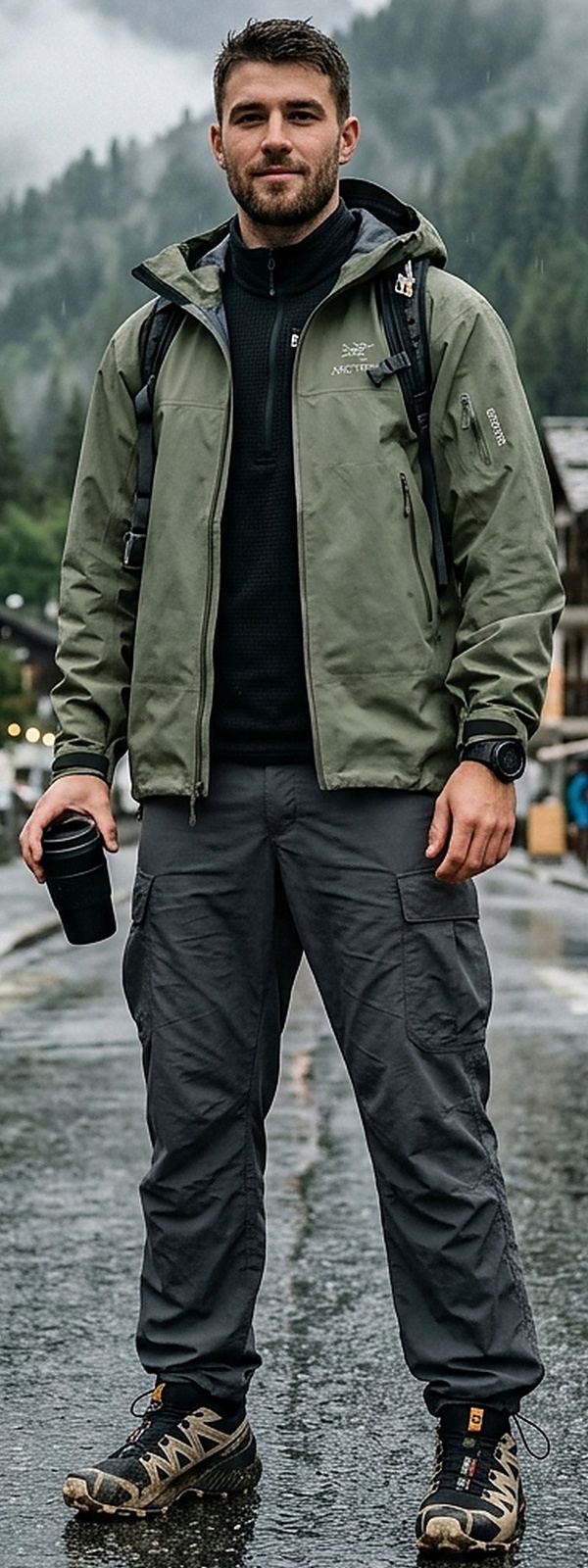
Standing at the base of a frozen blue alpine waterfall for a technical ice climbing and glacier mountaineering clinic immerses you in cascading ice chips, howling canyon winds, and sub-zero cold. Climbers kick steel crampon front points into vertical frozen pillars, swing curved ice tool picks, and belay partners from hanging ice screws. The necessary dress code is extreme-weather alpine performance: three-layer Gore-Tex waterproof hardshells, breathable fleece or synthetic midlayers, heavy thermal merino base layers, and rigid mountaineering boots. Because swinging ice axes overhead in sub-freezing spray demands total shoulder mobility without letting snow penetrate your waistband, articulated waterproof technical layers are vital. From high-stepping on tiny frozen ice ledges to belaying motionless in sub-zero canyon drafts, here is your definitive men's ice climbing style guide.
What to Wear to a Glacier Travel Clinic — Men's Complete Guide
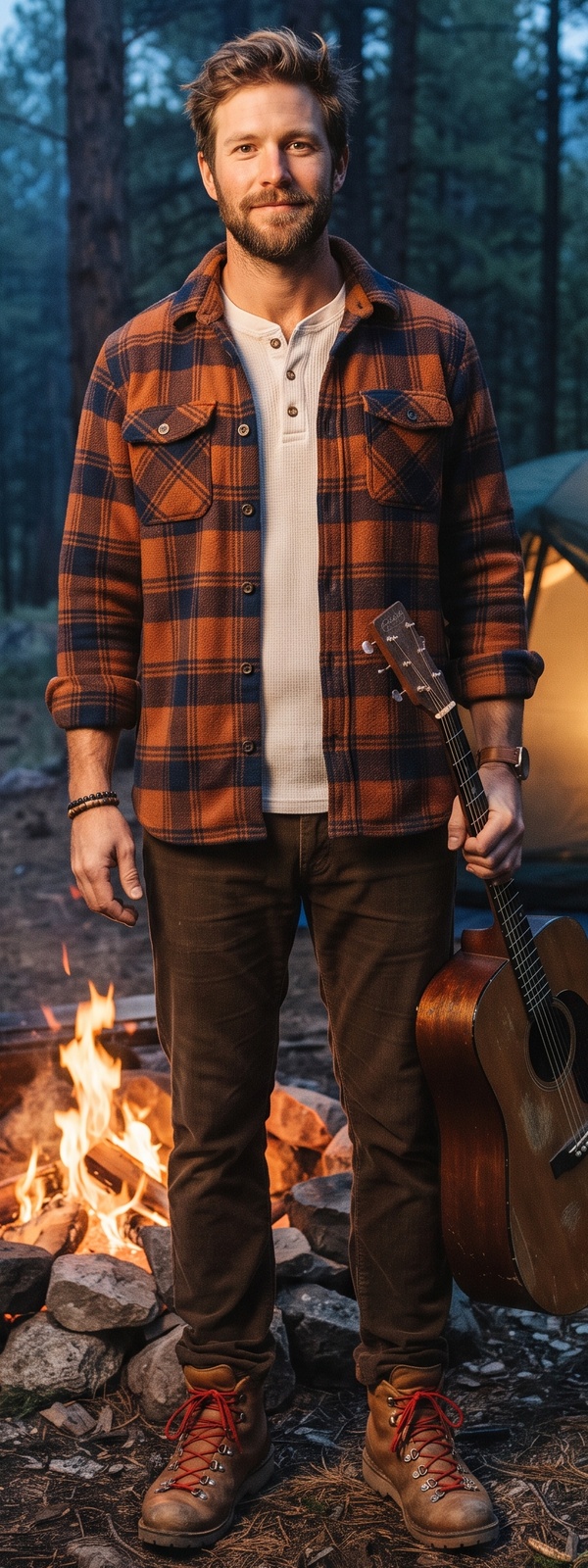
Roping up on a vast alpine glacier with crampons strapped to your boots and an ice axe in hand places you in one of earth's most majestic, high-consequence alpine arenas. Learning team rope travel, ice anchor building, and haul systems over bottomless glacial crevasses requires technical alpine mountaineering gear engineered for sub-zero winds, abrasive ice crystals, and intense solar glare. The benchmark dress code is high-altitude alpine mountaineering armor: three-layer waterproof breathable hardshell jackets over grid-fleece and packable down mid-layers, paired with durable softshell mountaineering pants with reinforced crampon kick patches, and rigid crampon-compatible boots. You need total protection against biting glacier drafts and razor-sharp steel spikes. From crampon puncture kick patch defense to glacier snow blindness prevention and harness comfort, here is your definitive blueprint for glacier mountaineering clinic style.
Granola Boy 2.0: Technical Shells & Heritage Earthiness
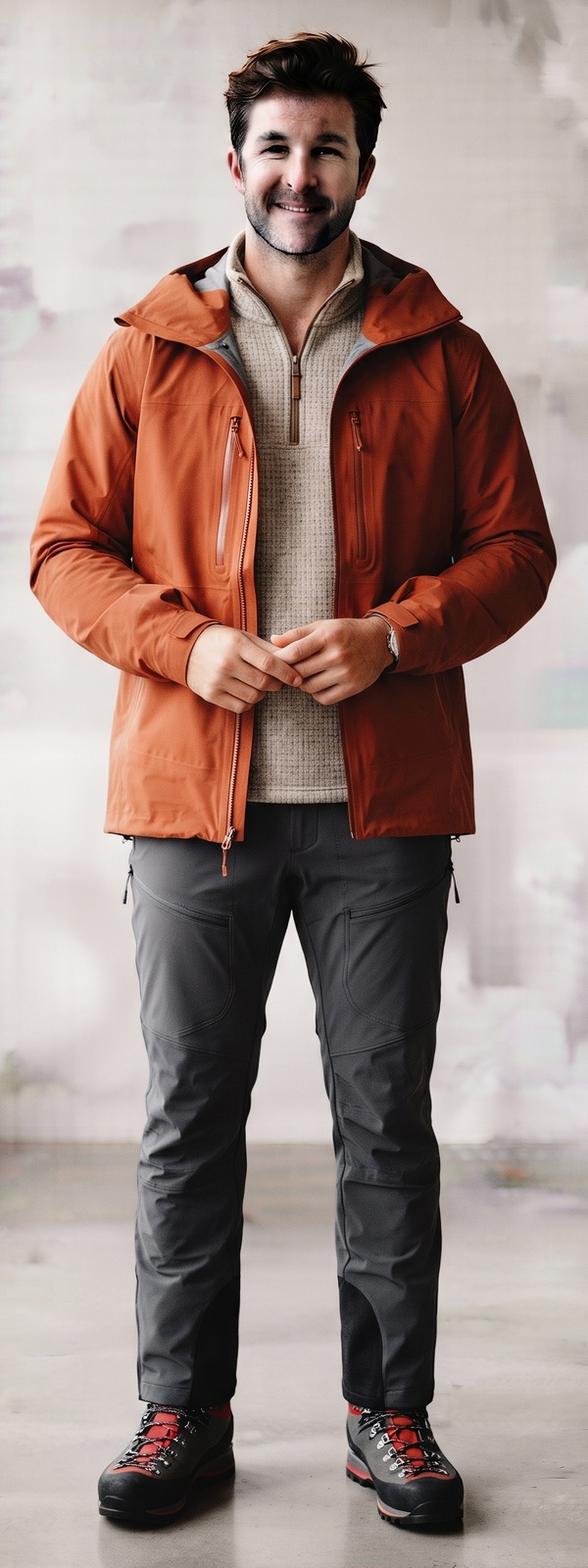
We crafted this collection around the Granola Boy 2.0 movement, where technical performance gear meets tactile 1970s earthiness. We layer men's waterproof technical shell jackets, men's colorblock half zip anoraks, and men's plaid fleece shirt jackets over men's oatmeal fleece pullovers, paired with men's brown corduroy pants or men's olive ripstop cargo pants. Grounded by men's lug sole hiking boots and trail sneakers, our looks deliver rugged durability with intentional color harmony.
How to Style a Men's Techwear Parka: Urban Technical Shell Guide
Navigate harsh urban weather in style with our guide to styling men's techwear parkas, waterproof shells, and utilitarian cargo pants.
How to Style a Men's Fleece Jacket: Gorpcore to Casual Streetwear
Master functional comfort with our guide to styling men's fleece jackets, deep-pile sherpa overshirts, and technical gorpcore layers for chilly weather.
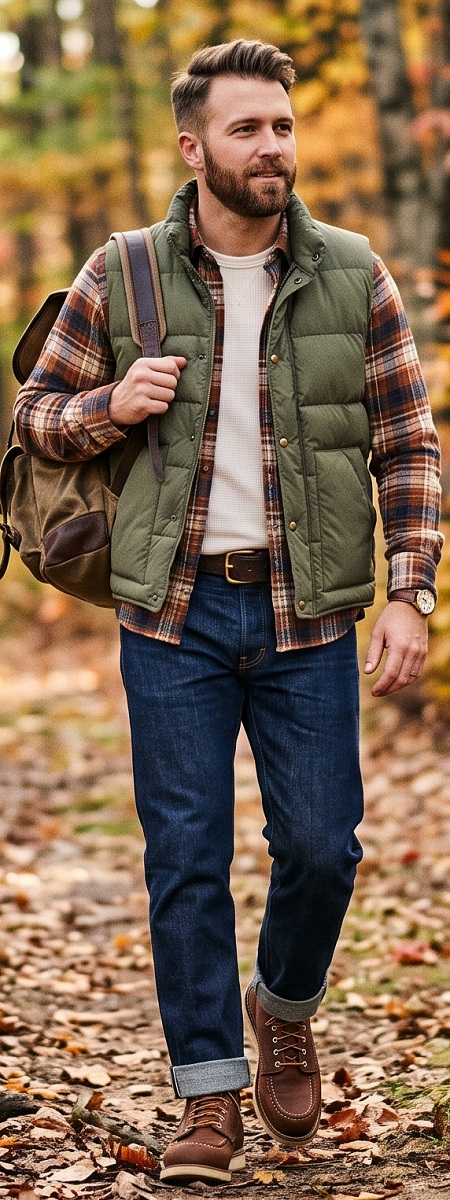
Cabin & Mountain Escape: Rugged Heritage Style
As the temperature drops and the woodsmoke hits the air, our collective style instinct turns toward robust comfort. For this cozy season, we are heavily prioritizing thick flannel overshirts, textured waffle knits, and rugged boots that are as functional as they are timeless. We believe that hard-wearing outdoor style should never demand a luxury price tag. Let's head for the hills in dependable, affordable layers that celebrate the spirit of adventure without losing an ounce of sophistication.
Other Reading

What to Wear to a Traditional Loom Weaving Class — Men's Guide
Stepping into an open-timber craft atelier for a traditional four-harness floor loom weaving and tapestry workshop surrounds you with towering wooden looms, warp chains, and yarn skeins. Weavers depress wooden treadle foot pedals, throw wooden boat shuttles through open sheds, and beat heavy beater bars to create textured wool tapestries. The ideal sartorial tone is relaxed creative studio comfort and ergonomic textile utility: breathable cotton or linen button-downs, durable denim work aprons, comfortable relaxed-fit chinos, and flexible low-profile footwear. Because floor loom weaving requires continuous coordinated foot treadle pumping and repetitive arm reaches, unrestrictive clothing is paramount. From winding warp threads onto sectional beams to throwing smooth boat shuttles across wide wool warps, here is your essential loom weaving style guide.
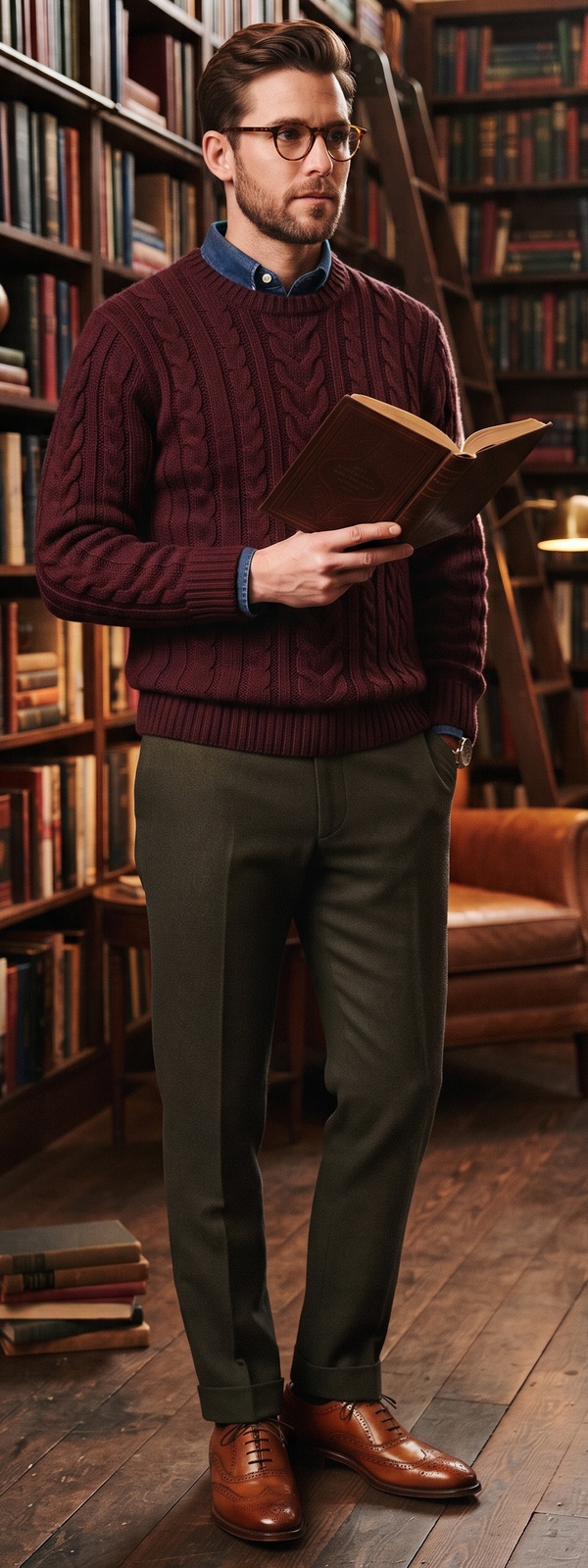
Dark Academia: Tweed, Corduroy & Literary Tailoring
We curated this collection to prove that scholarly refinement relies entirely on tactile texture rather than heritage price tags. To capture the quintessential dark academia mood, we recommend layering fine-gauge merino rollnecks beneath structured tweed sport coats and pairing them with pleated wool trousers. Earthy palettes of forest green, burnt cognac, deep charcoal, and rich burgundy provide an effortless vintage patina. By sourcing heavyweight corduroy and classic houndstooth staples on Amazon, you can master collegiate elegance on an accessible budget.
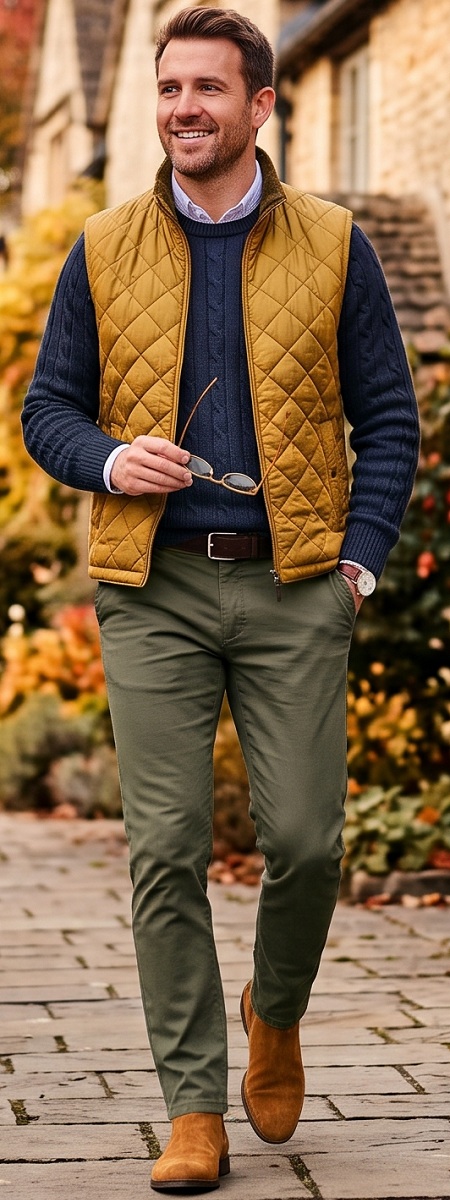
How to Layer a Men's Quilted Puffer Vest for Fall Warmth
Learn how to layer a men's quilted puffer vest over cable knits, flannels, and hoodies for warm, streamlined outdoor and smart-casual style.