
What to Wear to a Chocolate Making Class — Men's Complete Guide
Stepping inside an artisanal bean-to-bar chocolate factory or cacao tempering workshop surrounds you with revolving granite melangeur stones, roasted cacao aromas, and liquid chocolate warmers. Winnowing roasted cacao beans, stone-grinding chocolate liquor, and hand-tempering melted dark chocolate across cold marble slabs demands stain-friendly, food-safe culinary apparel that handles sticky cocoa butter.
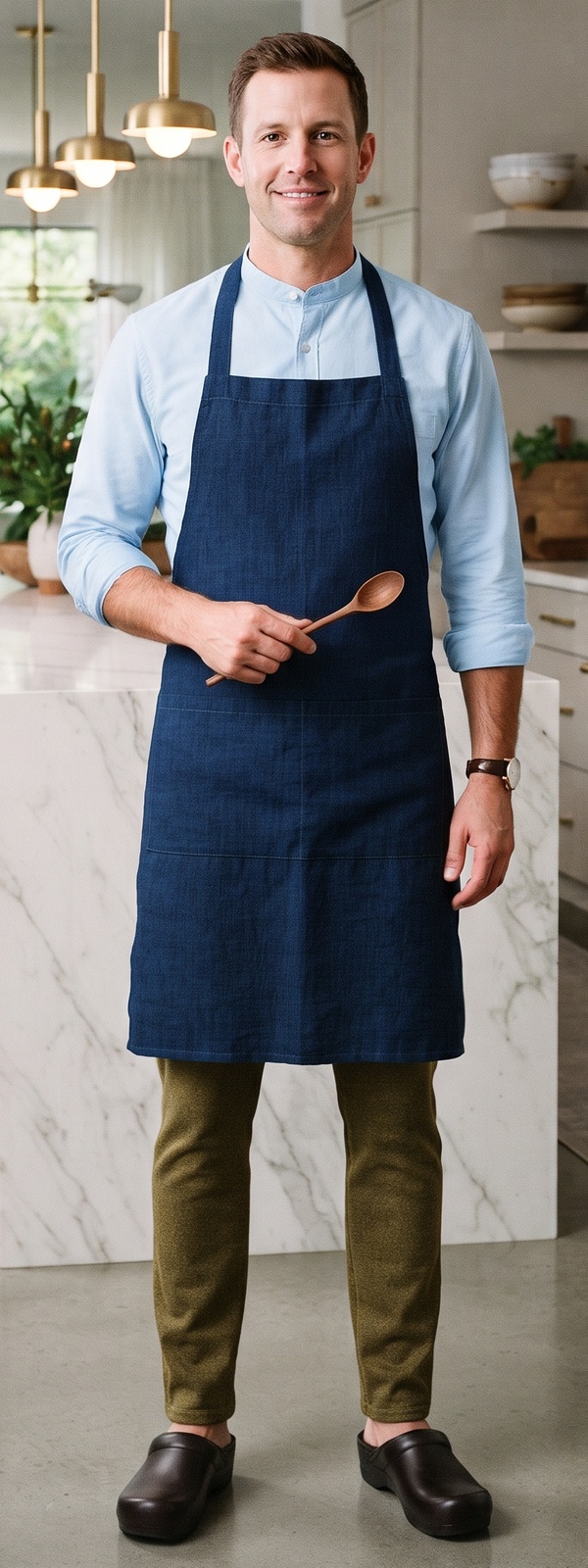
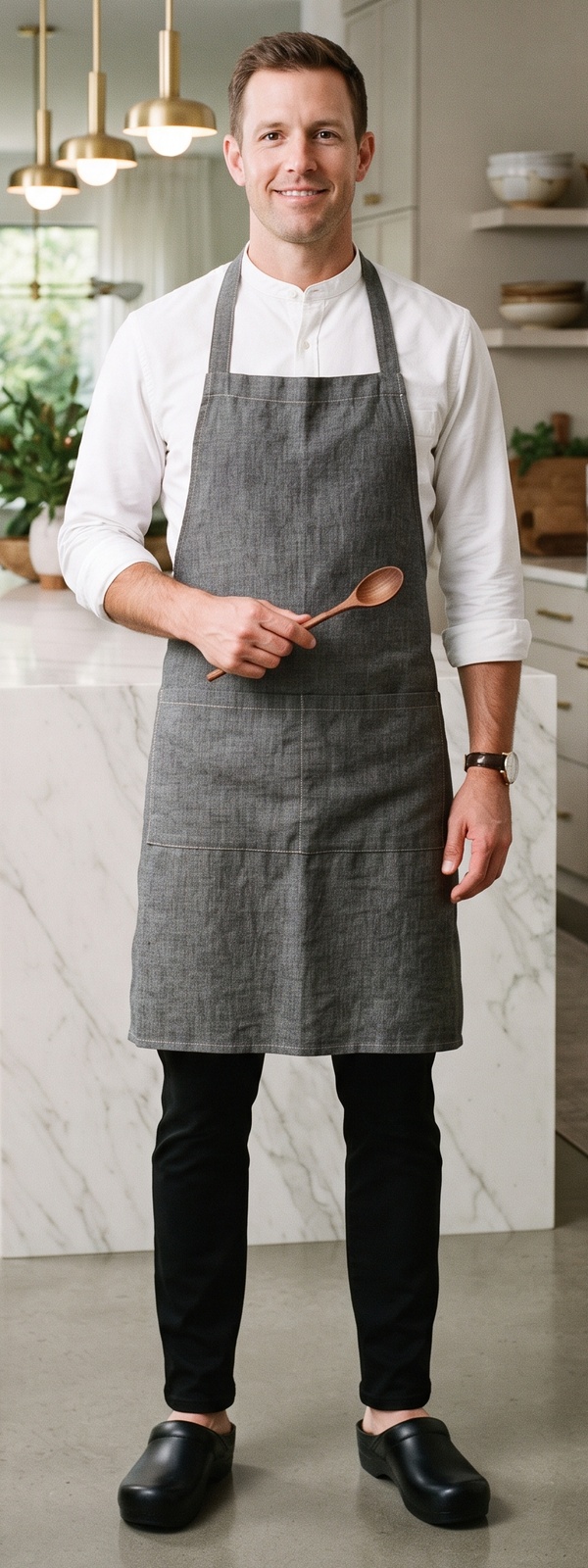
The benchmark dress code is elevated chocolate chocolatier workwear: dark cotton work shirts or breathable pocket tees protected by a full-coverage dark linen or canvas chef apron, paired with dark wash carpenter pants and supportive closed-toe leather work shoes. Rich cocoa butter oils and melted seventy-percent dark chocolate leave permanent marks, making dark textiles essential.
From marble slab tempering wrist flexibility to cocoa butter stain resistance and culinary hygiene, here is your definitive blueprint for bean-to-bar chocolate making class style.
Outfits that work
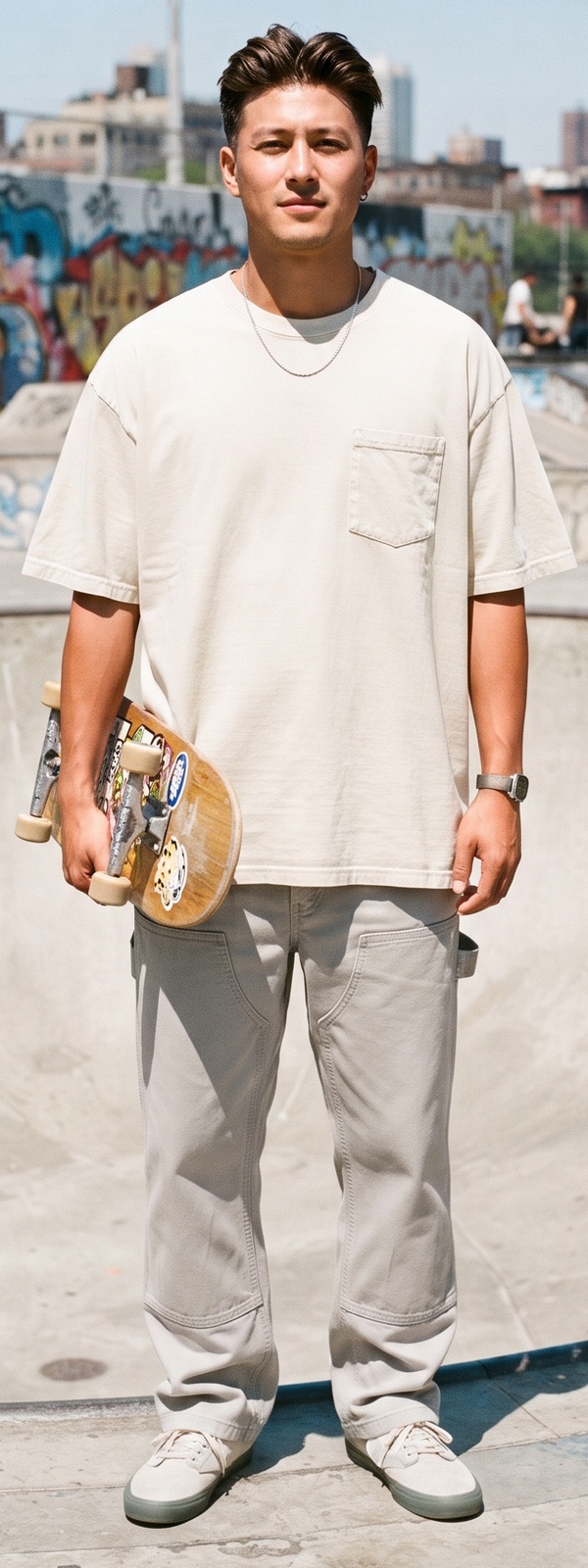 From $166
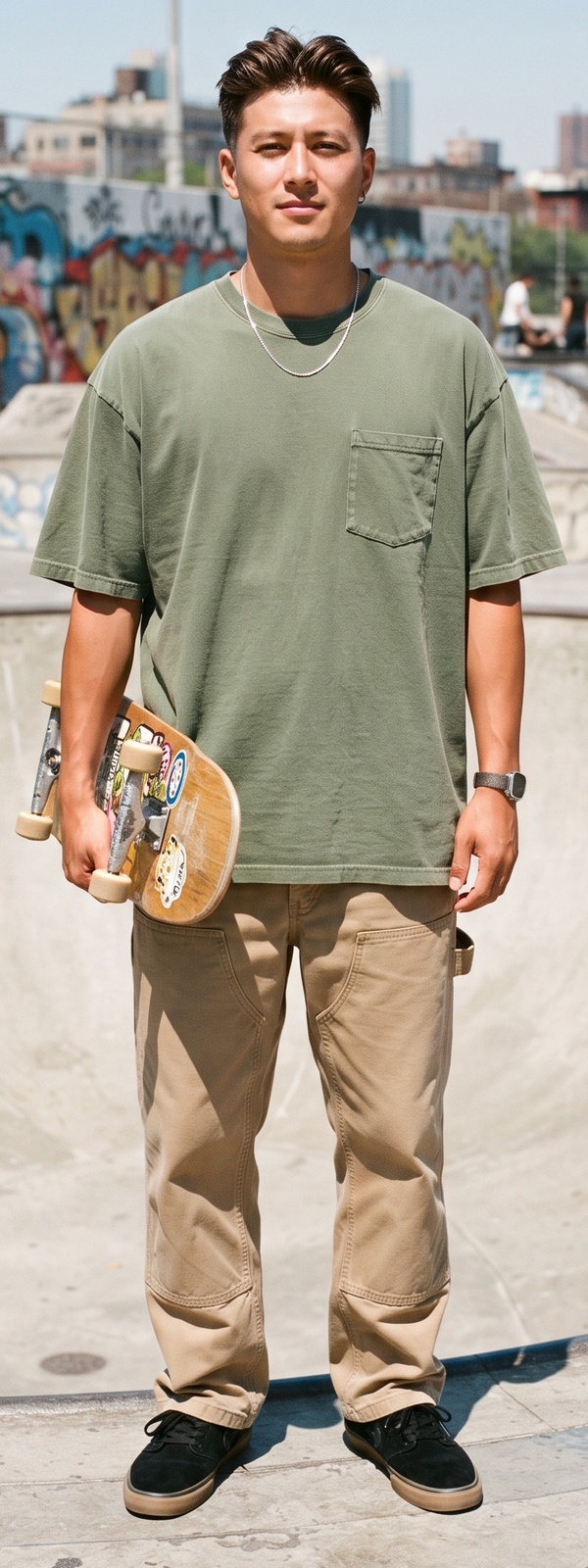 From $164
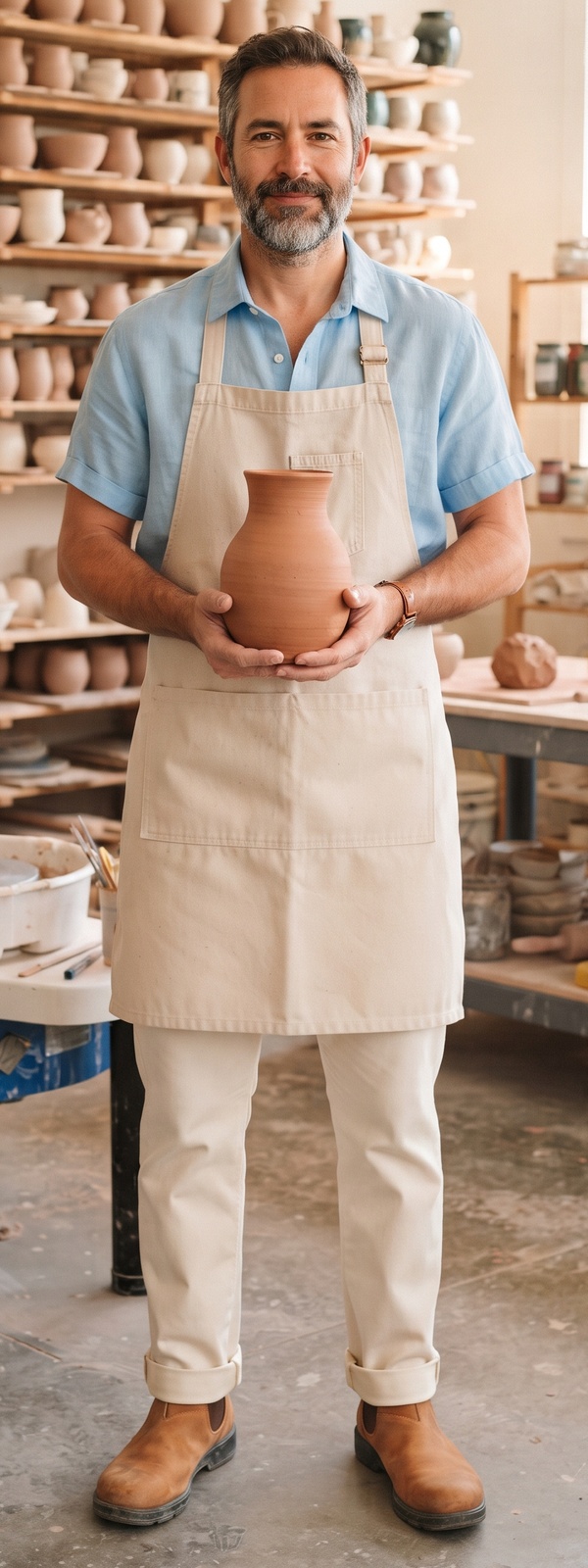 From $113
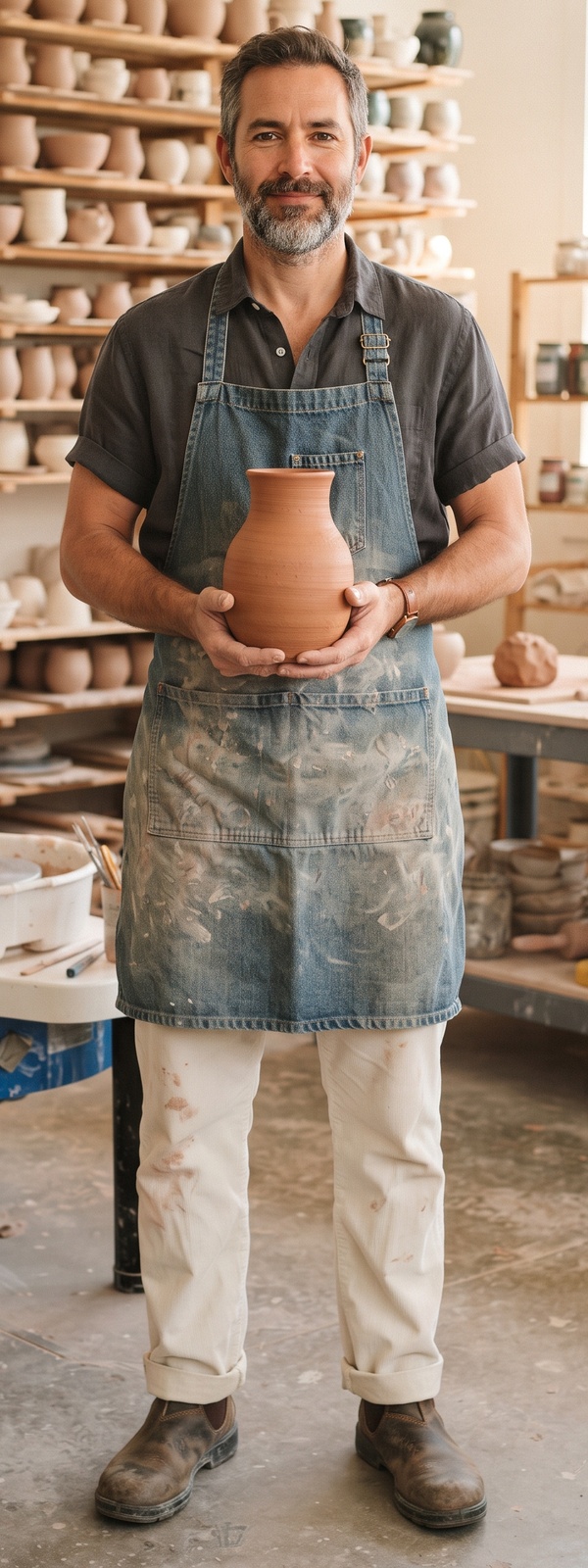 From $130
 From $154
 From $131
Do
- ✓Wear dark colors like chocolate brown, charcoal, or washed black that conceal accidental chocolate splatters.
- ✓Choose a full-coverage cross-back linen or canvas chef apron to shield your clothes during marble slab tempering.
- ✓Wear comfortable closed-toe leather shoes with supportive footbeds for hours of standing over marble confectionery tables.
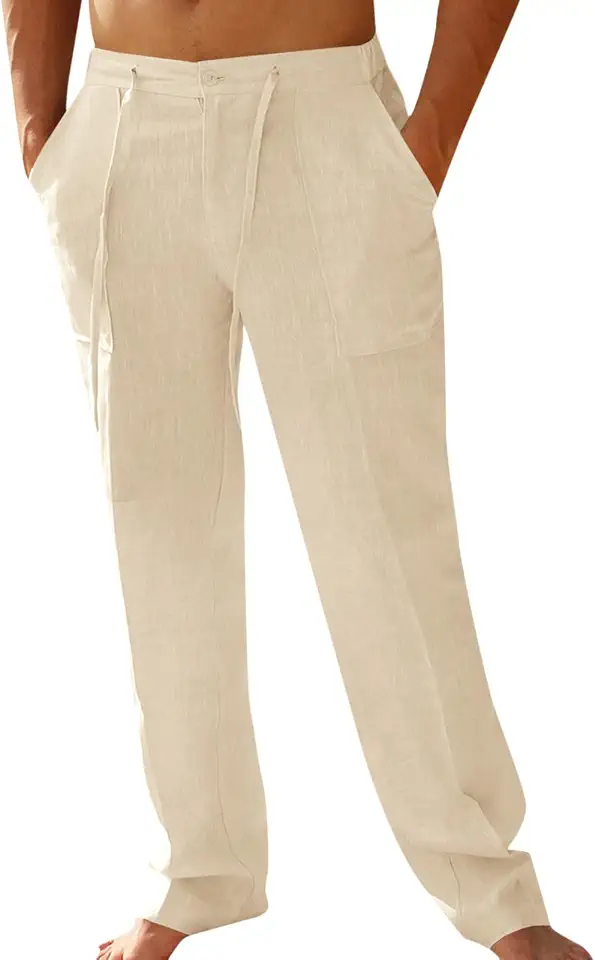
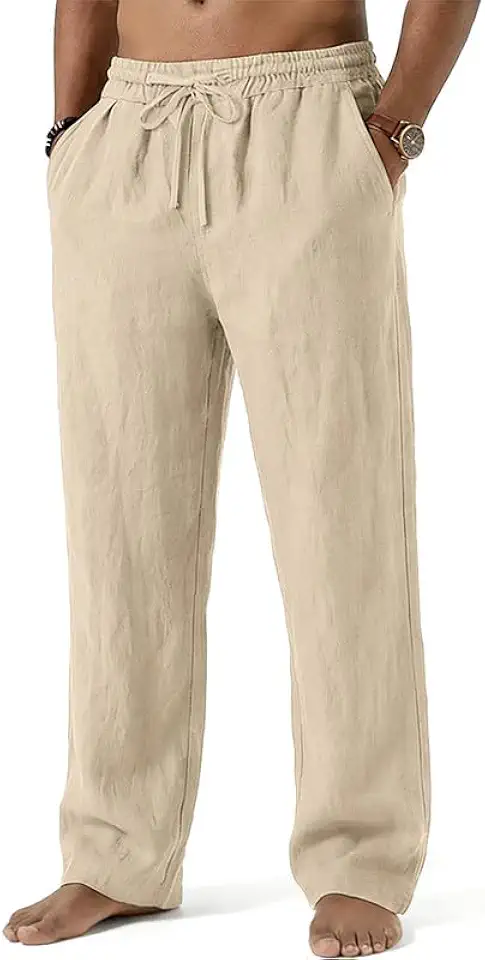
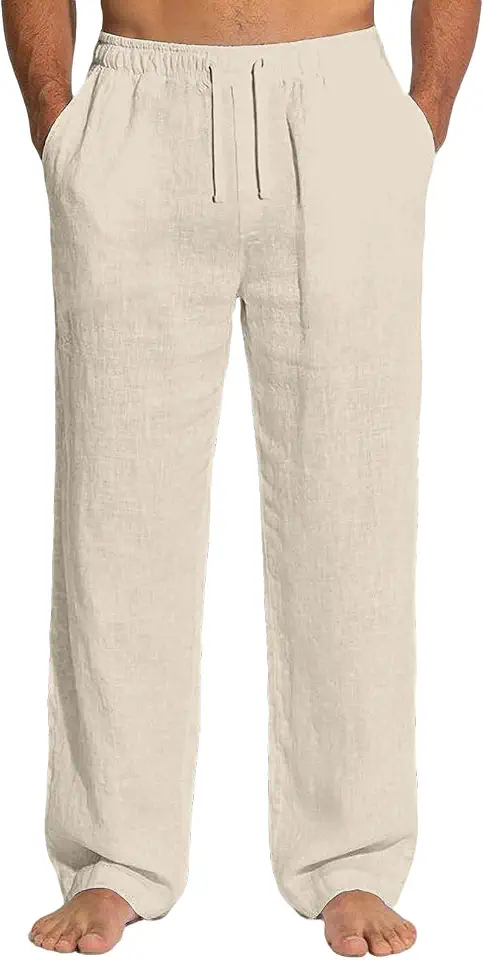
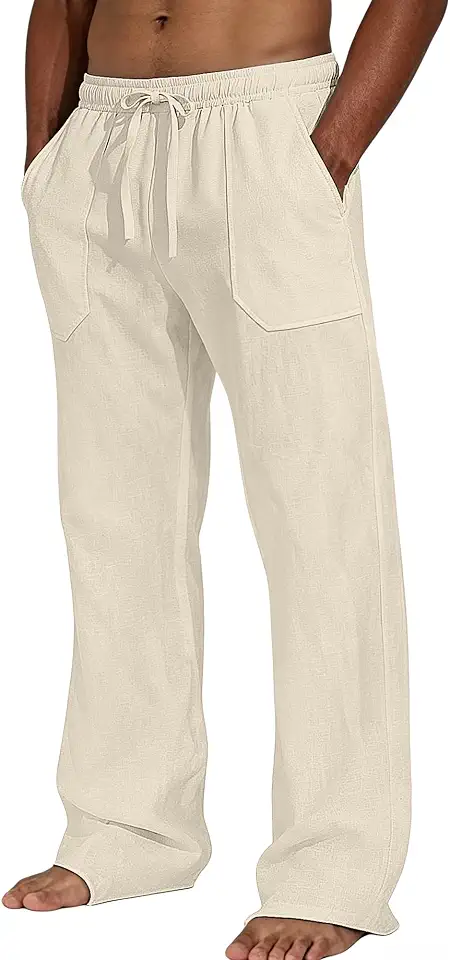
- ✓Wear relaxed cotton carpenter pants or dark utility chinos that provide comfortable standing and leaning mobility.
- ✓Roll your sleeves cleanly above your elbows and remove wristwatches and rings before handling food-contact tools.
Don't
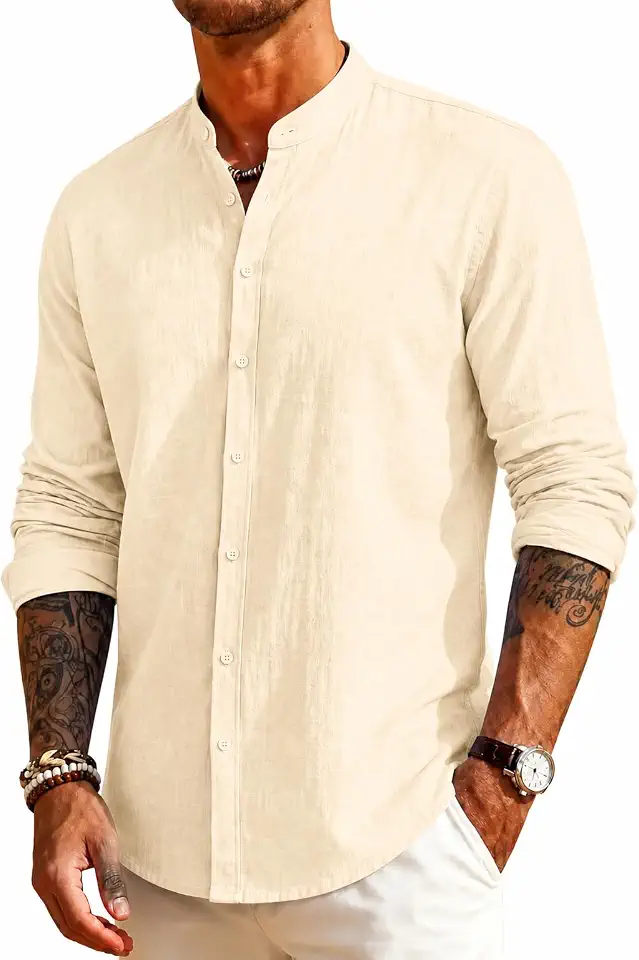
- ✗Avoid wearing white, cream, or light pastel shirts that will be permanently ruined by dark cacao butter stains.
- ✗Don't wear fuzzy mohair or angora sweaters that shed loose fibers into open stone-grinding chocolate melangeurs.
- ✗Avoid slippery smooth-leather dress shoes that lose grip on polished confectionery studio floors.
- ✗Don't wear strong aftershaves, colognes, or scented hand lotions that contaminate subtle single-origin cacao notes.
Style tips
Marble Slab Tempering Scraper Freedom
Tabling melted chocolate requires working two wide metal bench scrapers in continuous figure-eight motions across marble. Bare forearms and short sleeves eliminate fabric dragging through pooling eighty-degree chocolate.
Cocoa Butter Dark Palette Defense
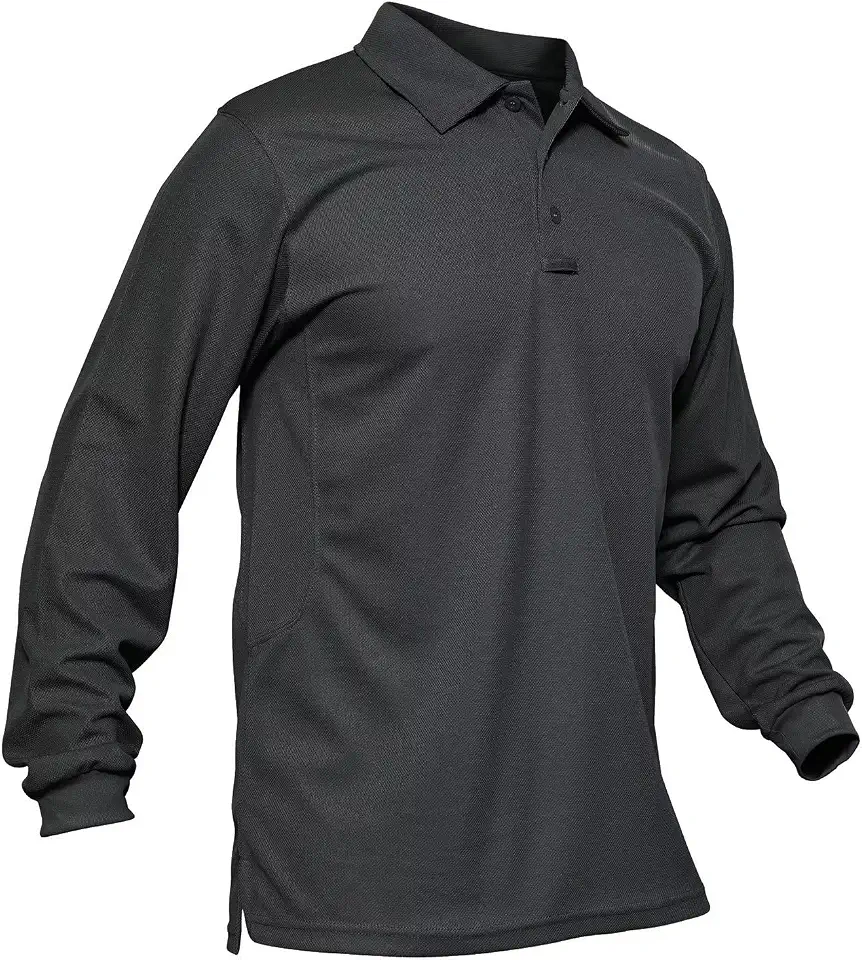
Pure cocoa butter melts at body temperature and carries deep dark pigments that permanently soak into cotton threads. Dark espresso and charcoal workwear shirts disguise accidental thumb smudges seamlessly.
Confectionery Floor Standing Stamina
Bean-to-bar workshops require standing for four hours while monitoring roasters, crack-and-winnow separators, and mold depositors. Supportive oiled leather shoes prevent foot fatigue across long confectionery production runs.
Related searches
All curated searches
Related Reading
What to Wear to a Cheesemaking Class — Men's Complete Guide
Entering an artisanal dairy creamery or farmstead cheesemaking workshop surrounds you with steaming stainless steel vats, rennet coagulants, and the rich aroma of warm cultured milk. Cutting curds with wire harps, stirring warming whey, and packing curds into perforated cheesecloth hoops demands hygienic, splash-resistant apparel built for warm, humid washdown environments. The benchmark dress code is traditional creamery artisan workwear: breathable cotton chambray shirts or short-sleeve pocket tees protected by a heavy waterproof vinyl or canvas dairy apron, paired with durable utility chinos or dark jeans and slip-resistant waterproof rubber work boots. Warm, humid creamery rooms and whey splashing require stain-friendly, wipeable gear. From warm whey splash resistance to wet creamery floor traction and food safety hygiene, here is your definitive blueprint for artisanal cheesemaking workshop style.
What to Wear to a Moku Hanga Workshop — Men's Complete Guide
Entering a tranquil print studio for a traditional Japanese moku hanga woodblock printmaking masterclass introduces you to cherry woodblocks, curved toito carving chisels, water-based sumi inks, and bamboo baren printing discs. Carving registration kento marks into mountain cherry planks and hand-rubbing pigments onto damp handmade washi paper requires patient, stain-resistant studio attire that respects meditative craft. The benchmark dress code is elevated botanical artisan studio wear: breathable linen overshirts or smooth cotton pocket tees beneath a natural canvas workshop apron, paired with relaxed cotton carpenter pants and clean, comfortable leather slip-ons or sneakers. You need clothing with easy arm movement that allows circular baren hand-rubbing without cuff dragging. From pigment spatter protection to carving chisel wrist clearance and bamboo baren pressure ergonomics, here is your definitive blueprint for moku hanga workshop style.
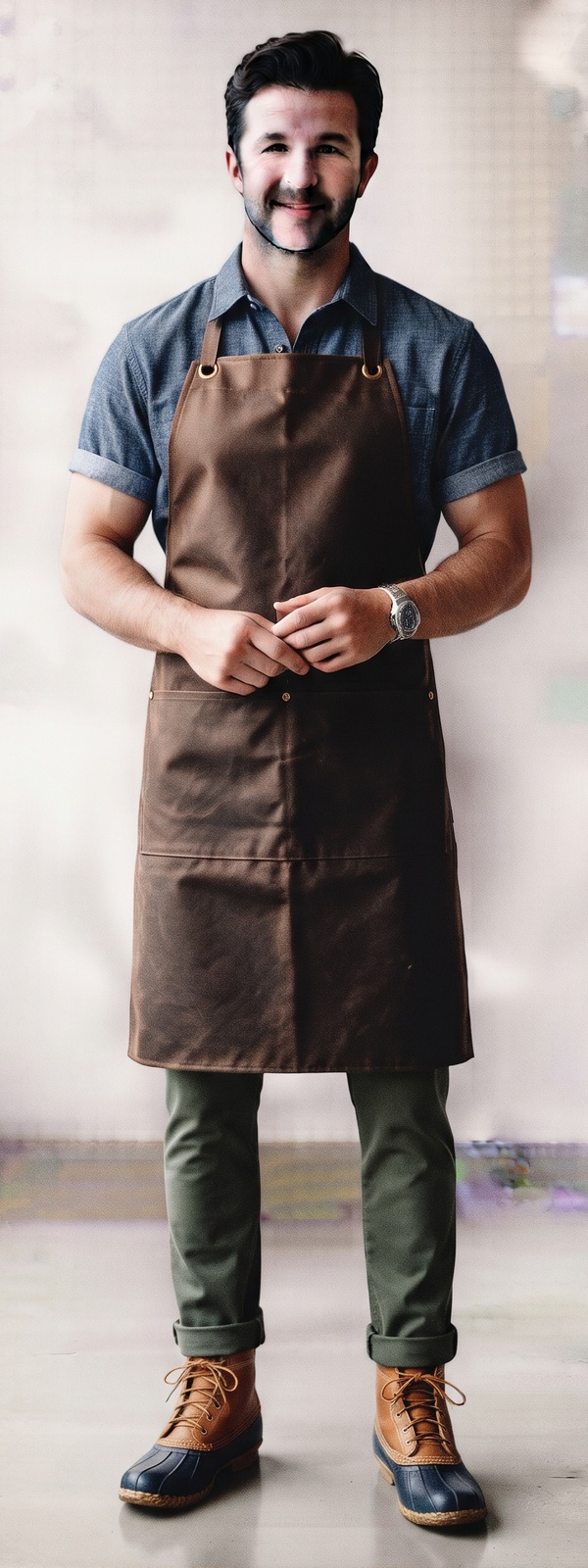
Artisanal Workshop Utility: Waxed Canvas & Linen Aprons
We curated this collection around the rise of artisanal craft-core—where functional studio, roastery, and workshop gear meets intentional menswear styling. We layer men's heavy waxed canvas work aprons, men's charcoal linen barista aprons, and men's selvedge denim studio aprons over men's olive band collar shirts, men's blue chambray work shirts, and men's buffalo plaid flannels. Grounded by men's leather moc toe boots and pleated trousers, our looks elevate tactile craftsmanship.
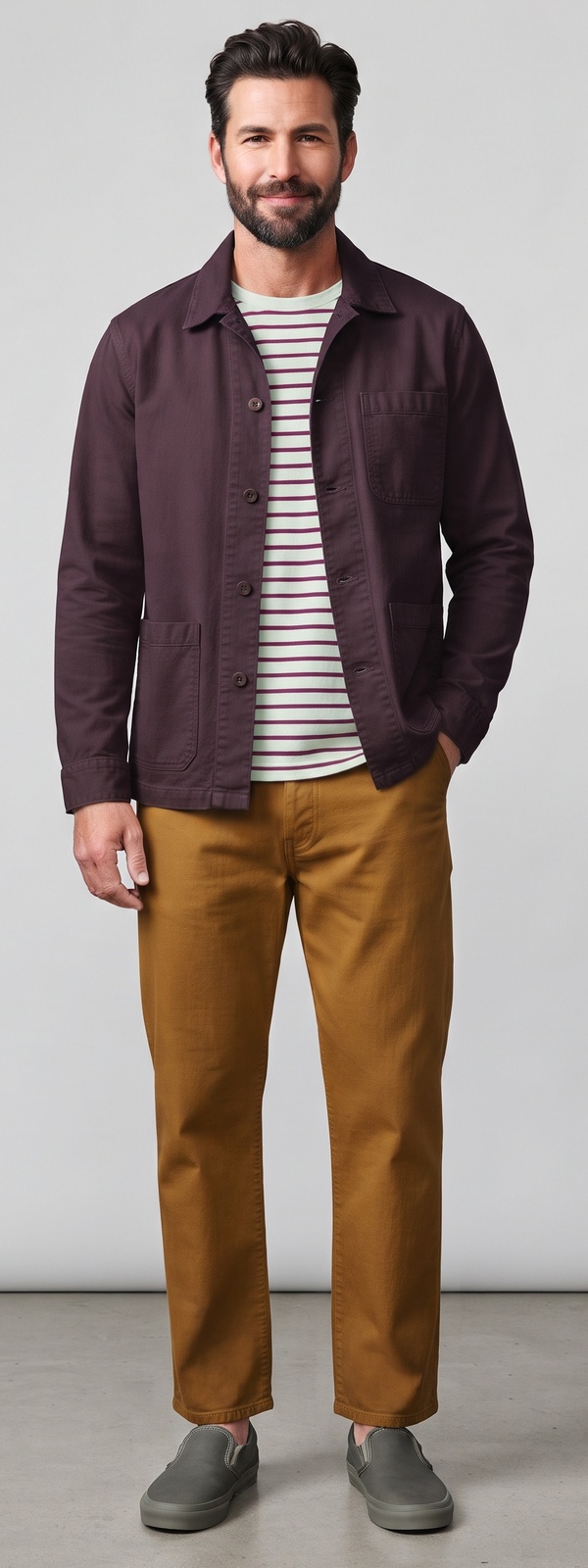
Artisan Studio: Denim Aprons, Chore Coats & Craft Workwear
We designed this collection around the honest beauty of hard-working textiles that look better the more you wear them. Pairing a washed denim or natural canvas apron with breathable linen shirts and carpenter pants provides effortless creative practicality. We recommend earthy tones of indigo, unbleached ecru, tobacco brown, and deep olive that age with distinct character. With rugged canvas workwear and chore jackets widely available on Amazon, building an authentic studio rotation is both easy and affordable.
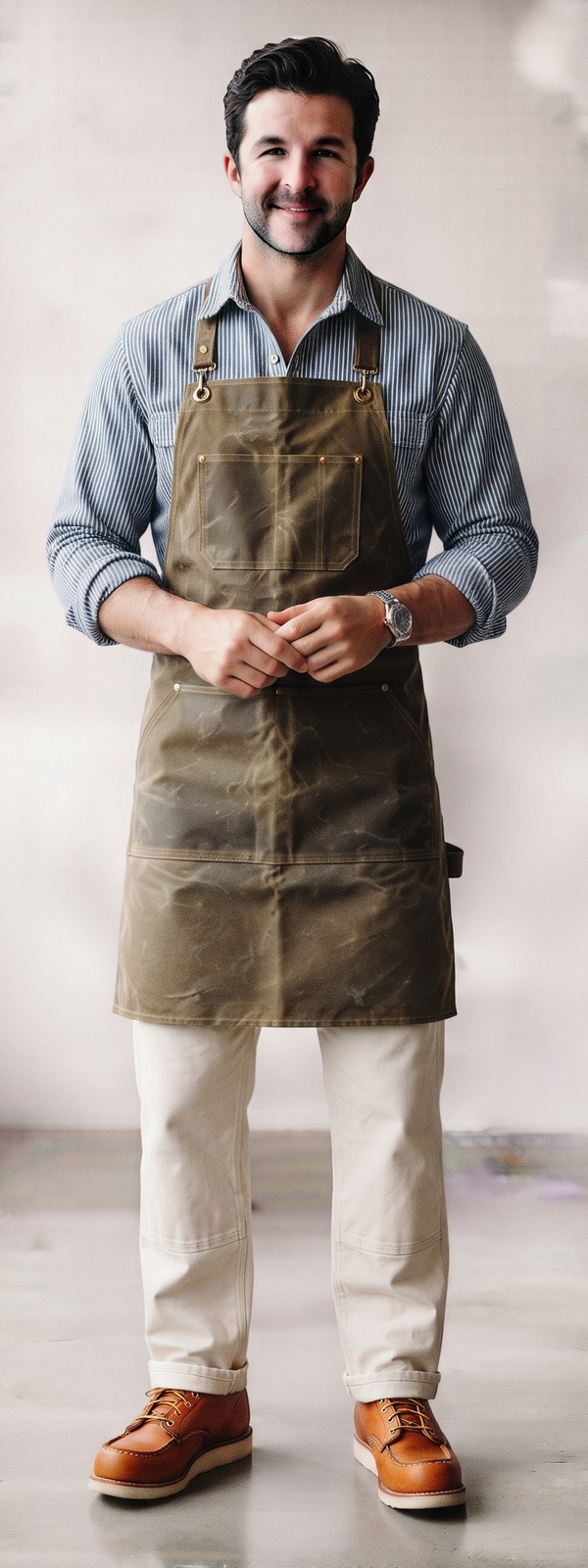
How to Style Men's Artisan Workwear Aprons: Culinary & Studio Guide
Elevate your craft with our guide to styling men's durable canvas, denim, and linen aprons with work shirts, flannels, and boots.
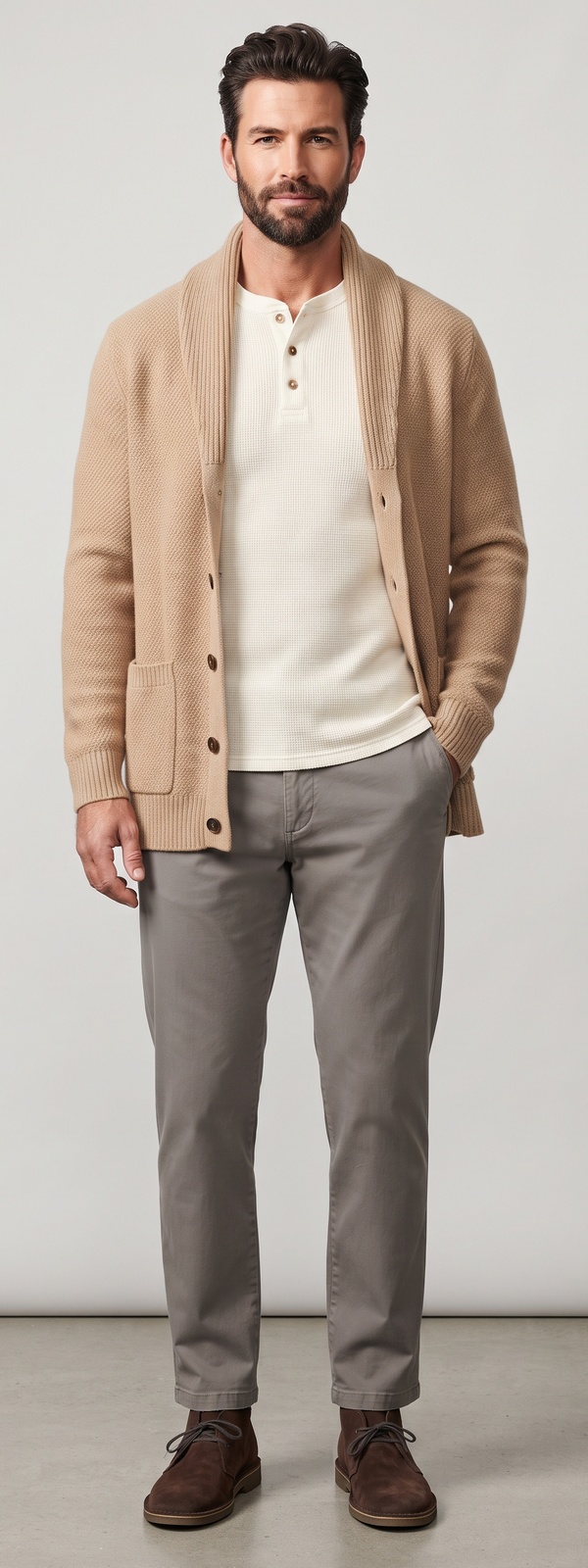
How to Wear a Men's Henley Shirt: Rugged Casual Style Guide
Master how to wear a men's henley shirt with waffle textures, rugged denim, tailored overshirts, and effortless masculine layering on an Amazon budget.
Other Reading
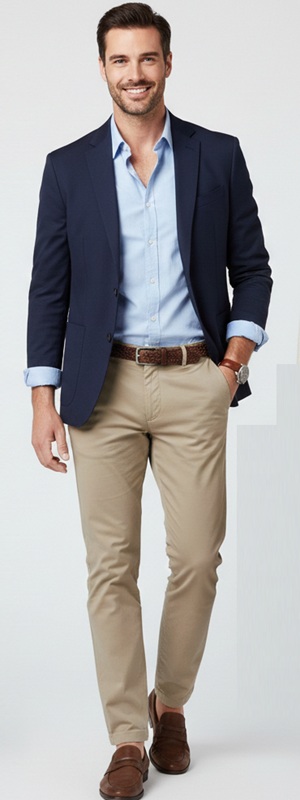
What to Wear to a Yacht Club Dinner — Men's Complete Guide
Attending a formal dinner or commodore's reception at a historic private yacht club places you in an environment steeped in maritime tradition, polished brass, and nautical elegance. Whether gathering in historic wood-paneled dining rooms or open-air harborside dining pavilions, dressing appropriately requires strict adherence to traditional club decorum. The benchmark uniform is quintessential maritime smart formal: double-breasted navy blazers or single-breasted hopsack sport coats with brass or horn buttons, crisp white or striped oxford dress shirts, silk repp ties, and immaculate cream or stone dress trousers. Paired with polished leather penny loafers, you project impeccable nautical heritage and sartorial authority. From signal-flag pocket squares to siped non-marking leather footwear, here is your definitive blueprint for commanding respect at yacht club banquets and formal regatta dinners.
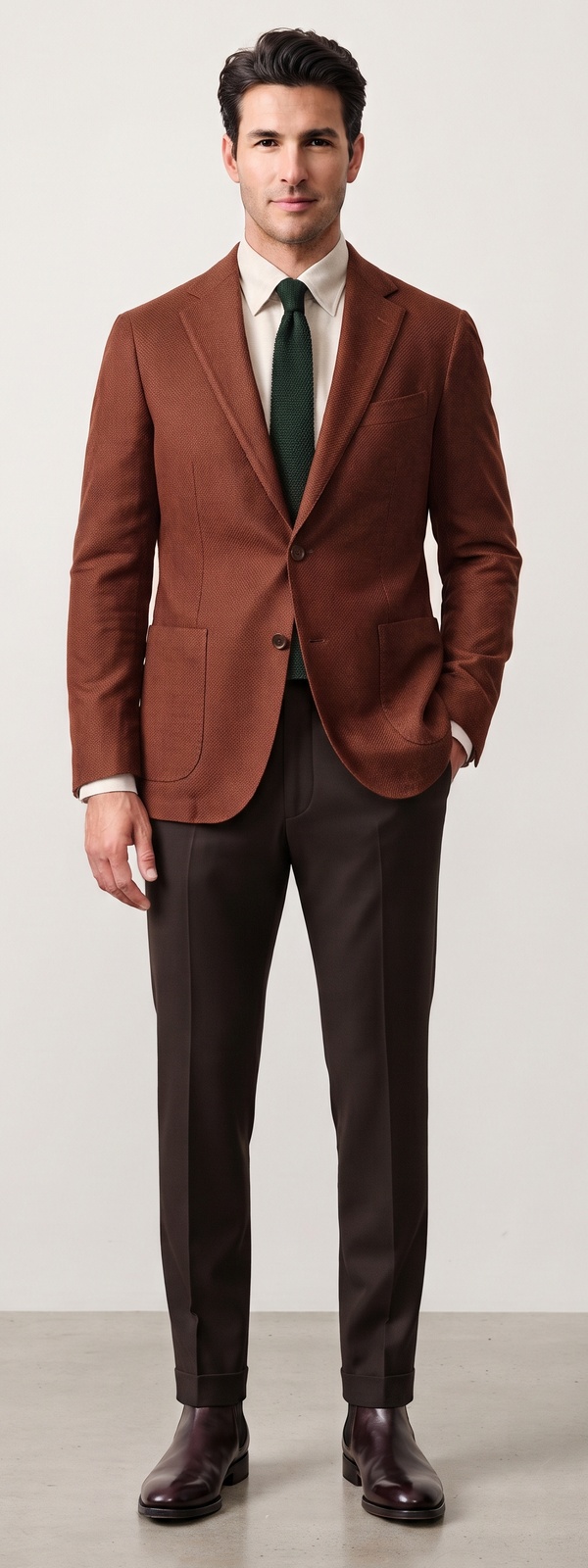
Chelsea Boots: Sleek Leather & Versatile City Layering
We rely on Chelsea boots as the ultimate foundation for seamless transitional dressing from day to night. Their laceless, streamlined vamp creates an uninterrupted vertical line that flatters slim-straight denim, tailored wool trousers, and casual chinos alike. We love combining dark suede boots with structured overcoats and fine-gauge knitwear for an understated European vibe. Sourcing durable leather and suede Chelsea boots on Amazon provides enduring everyday style at accessible prices.

Dressing for Your 30s: Upgrading from College Style
Learn how to dress for your 30s. Upgrade your wardrobe from college basics to sharp, mature, and sophisticated menswear essentials on an accessible budget.