
What to Wear Clam Digging on Tidal Flats — Men's Complete Guide
Walking out across expansive tidal sandbars at minus-low tide for a coastal clam digging and foraging expedition places you in wet mud, salt spray, and brisk ocean wind. Foragers spot tiny clam shows in wet sand, plunge heavy steel clam guns or rakes deep into liquefying sediment, and pull prize razor and geoduck clams.
The necessary outfit is waterproof coastal utility and cold mud-resistant performance: waterproof hooded field jackets, durable quick-drying cargo pants, tall waterproof rubber muck boots, and water-resistant utility gloves. Because sinking calf-deep into cold wet sand and dodging splashing surf is constant, dependable waterproof footwear is critical.
From sprinting through tidal shallows to capture fast-digging razor clams to washing sandy hauls in tidal pools, here is your essential clam digging style guide.
Outfits that work
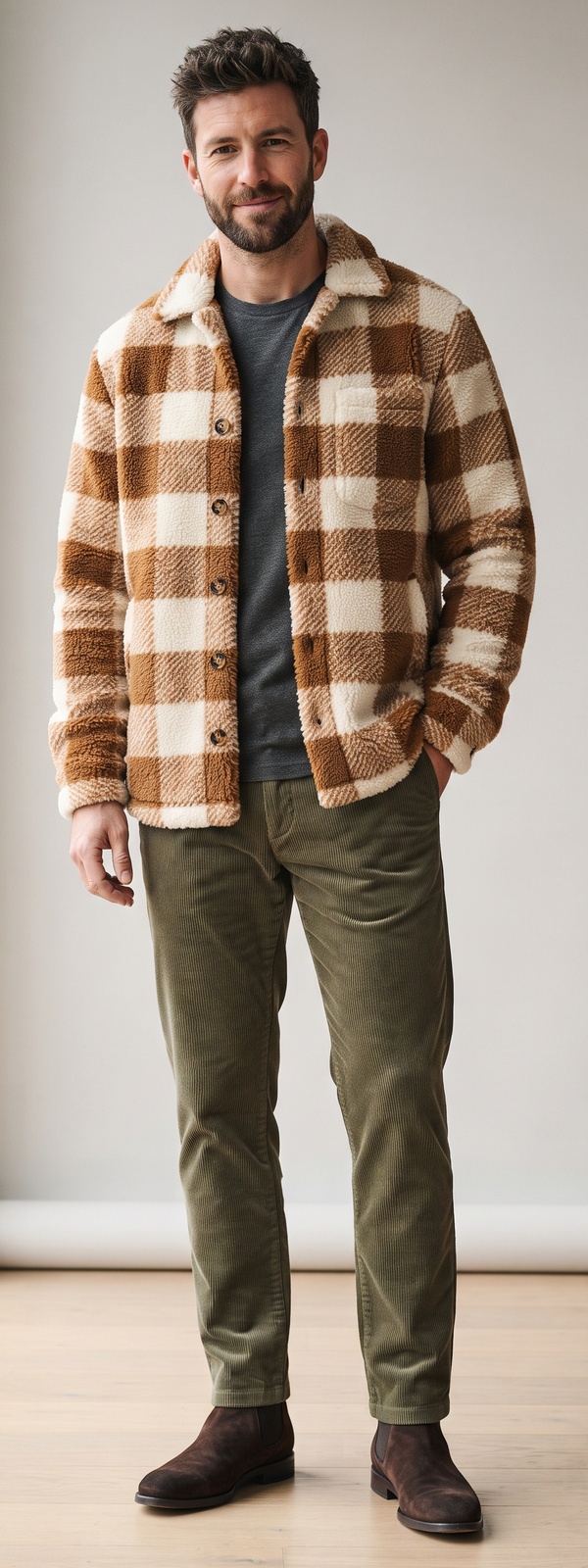 From $119
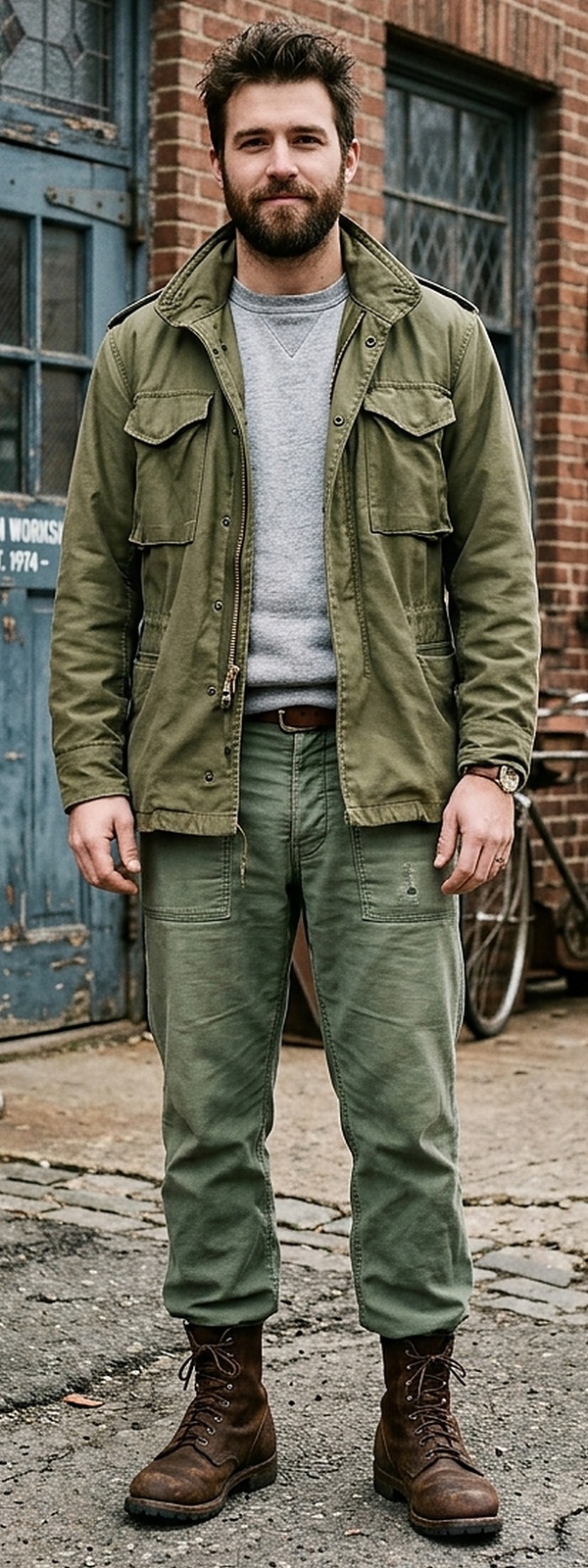 From $139
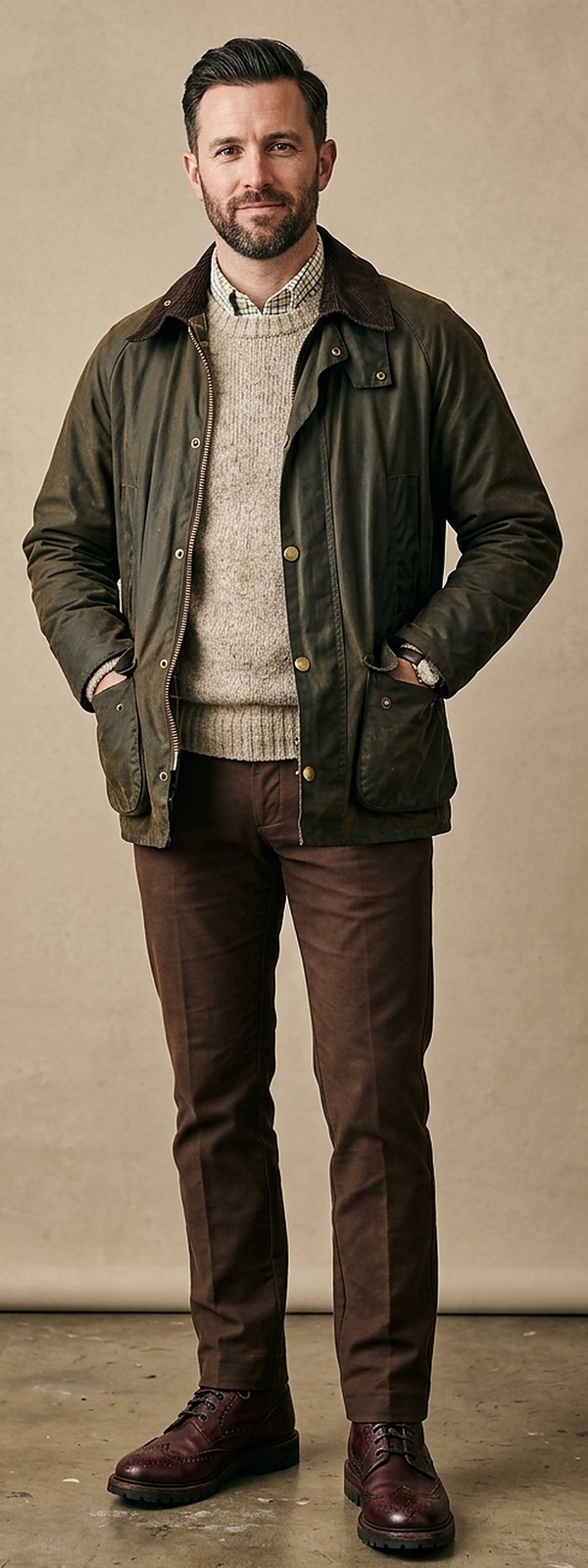 From $171
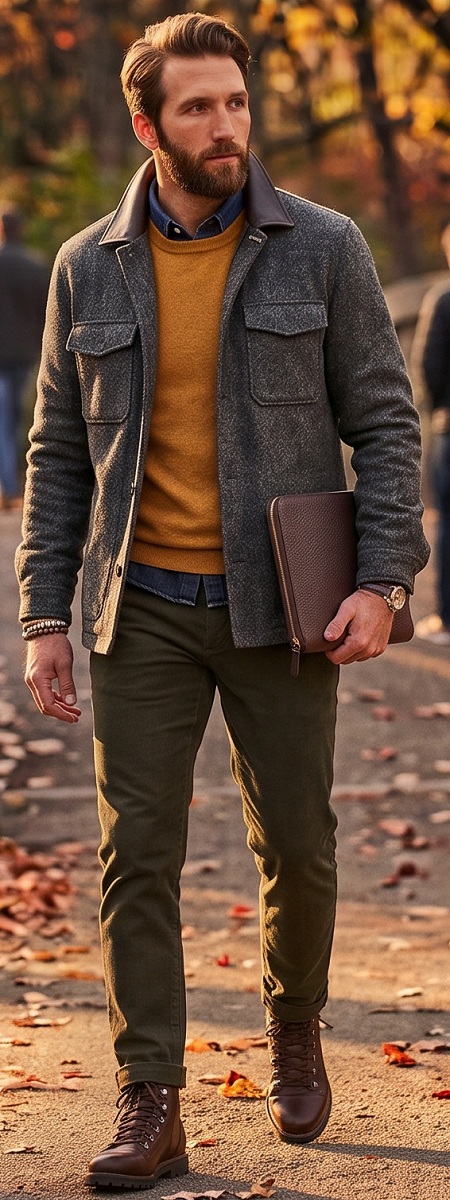 From $178
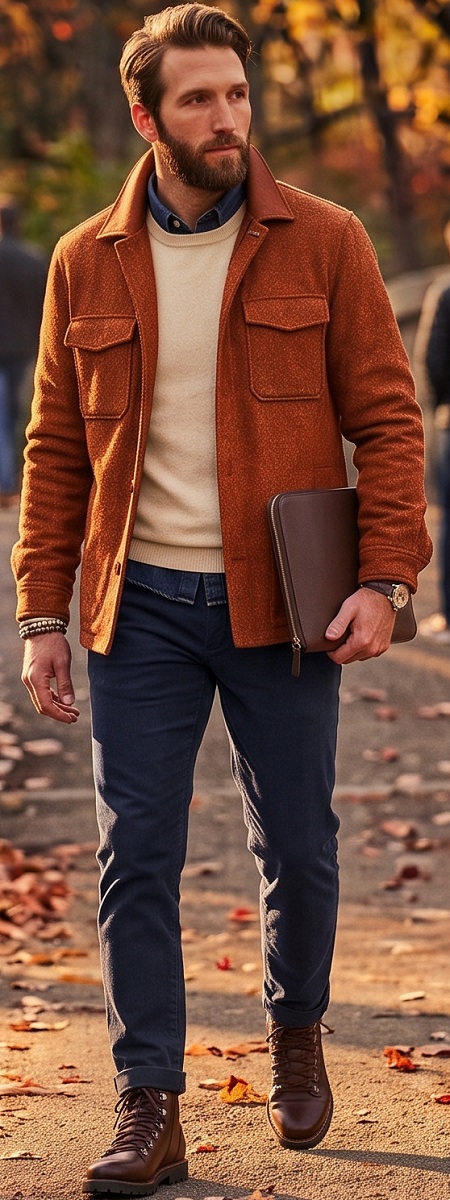 From $185
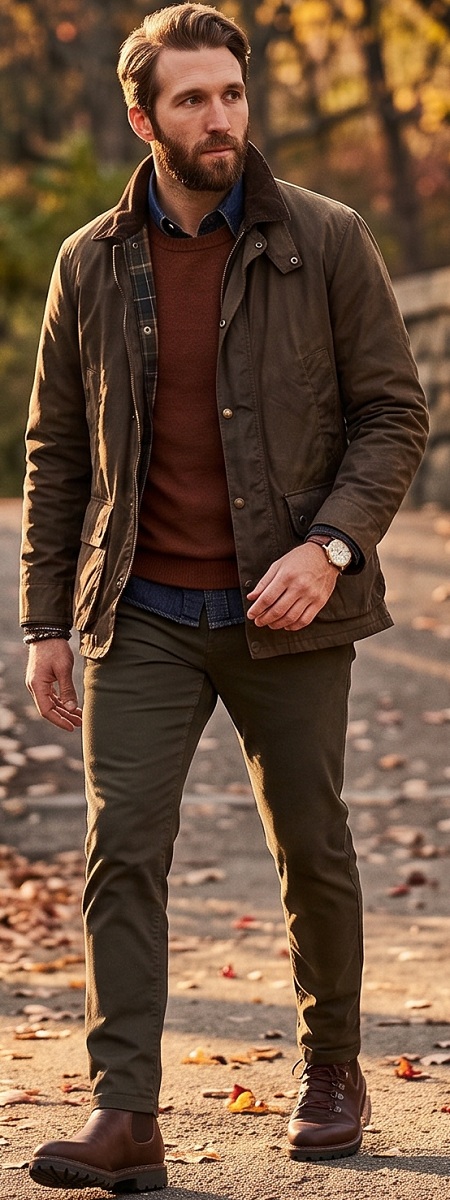
Do
- ✓Wear a heavy waterproof hooded field jacket that seals out biting coastal ocean winds and cold rain.
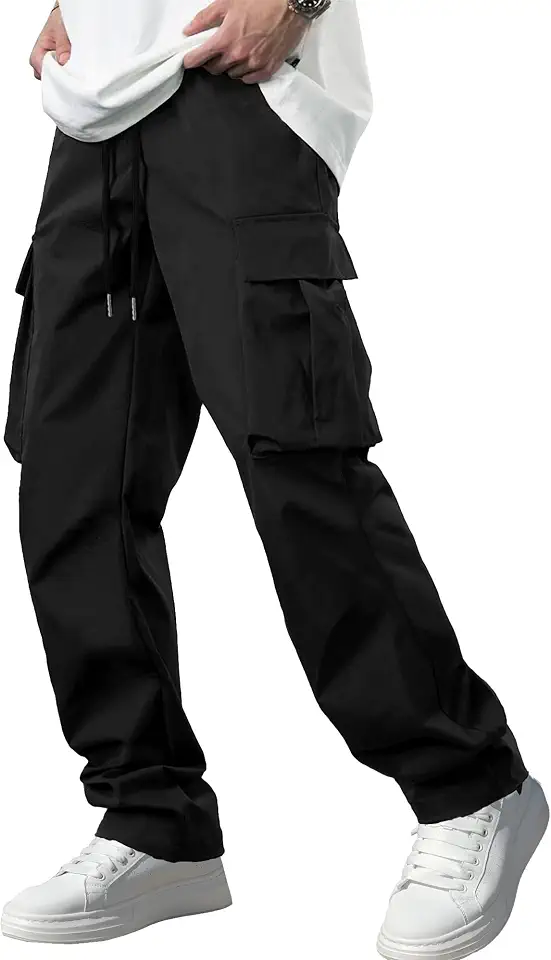
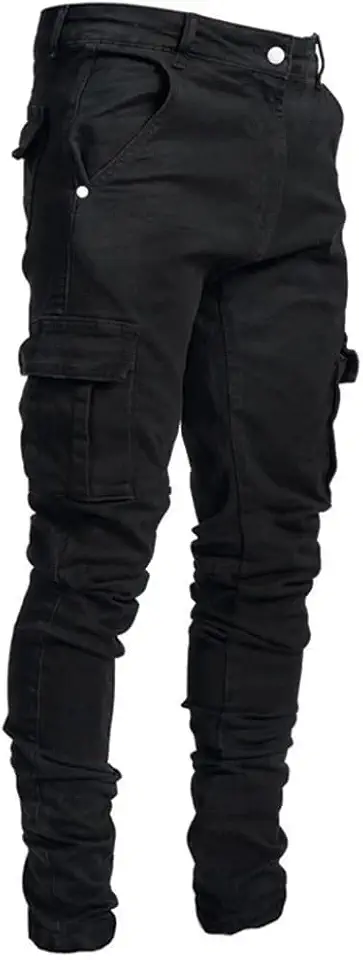
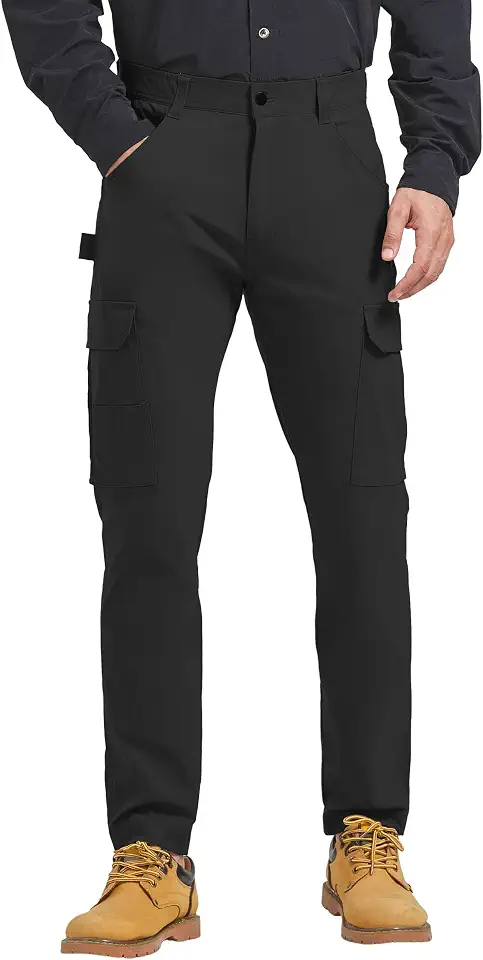
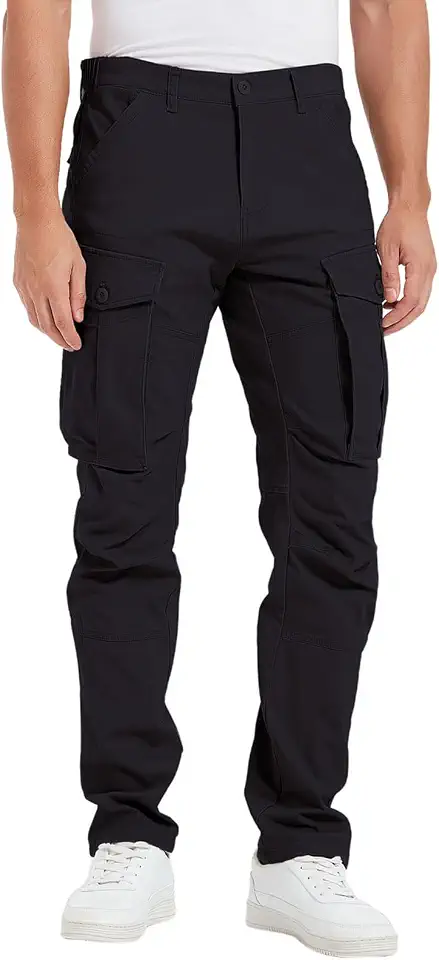
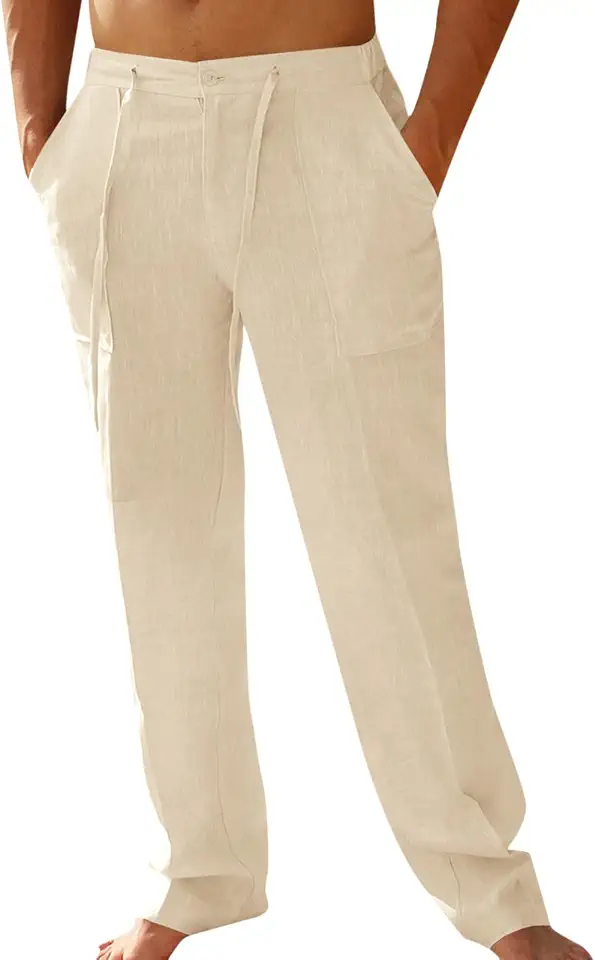
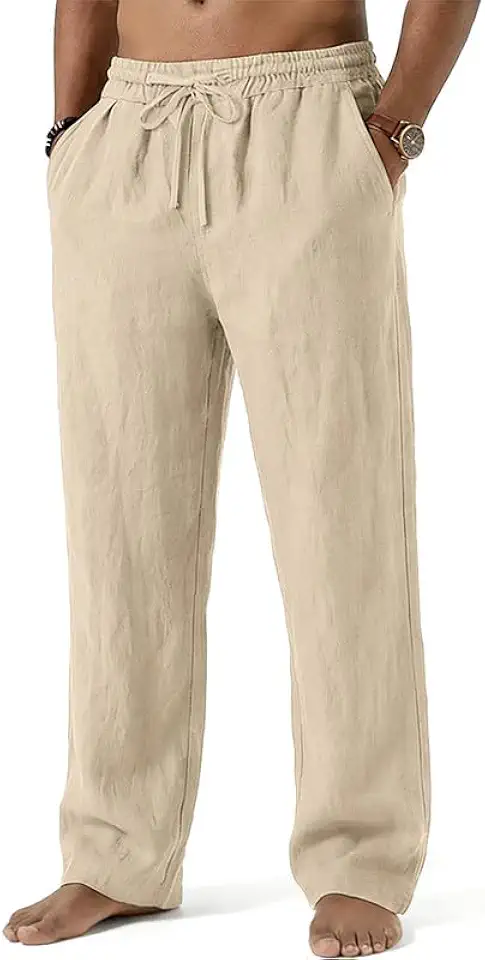
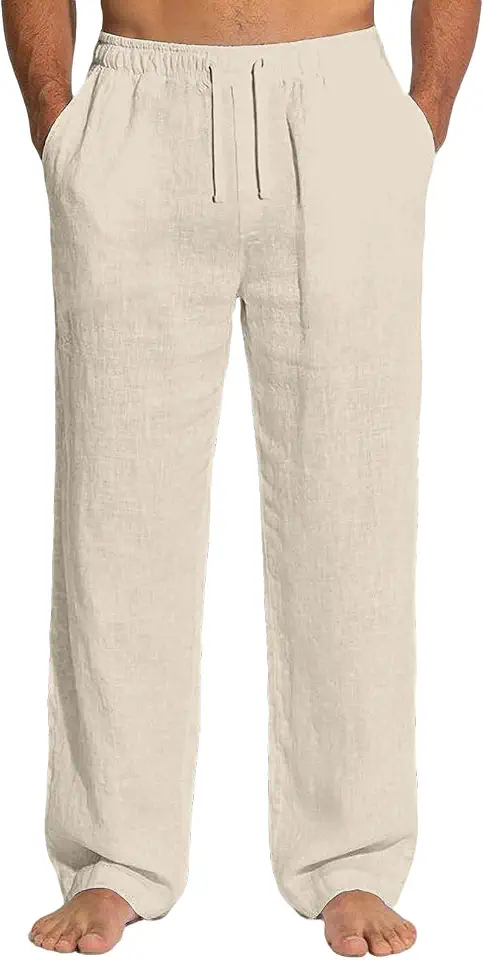
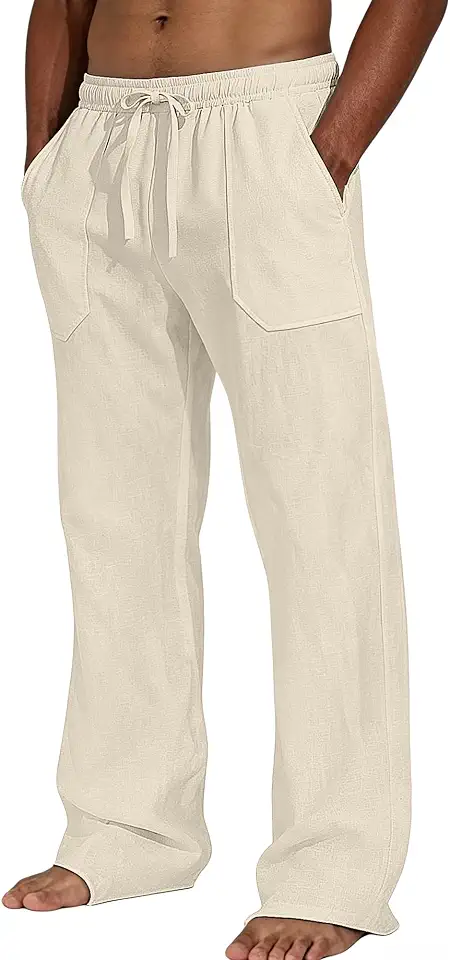
- ✓Choose quick-drying ripstop cargo pants or water-repellent utility pants that shed wet mud splashes easily.
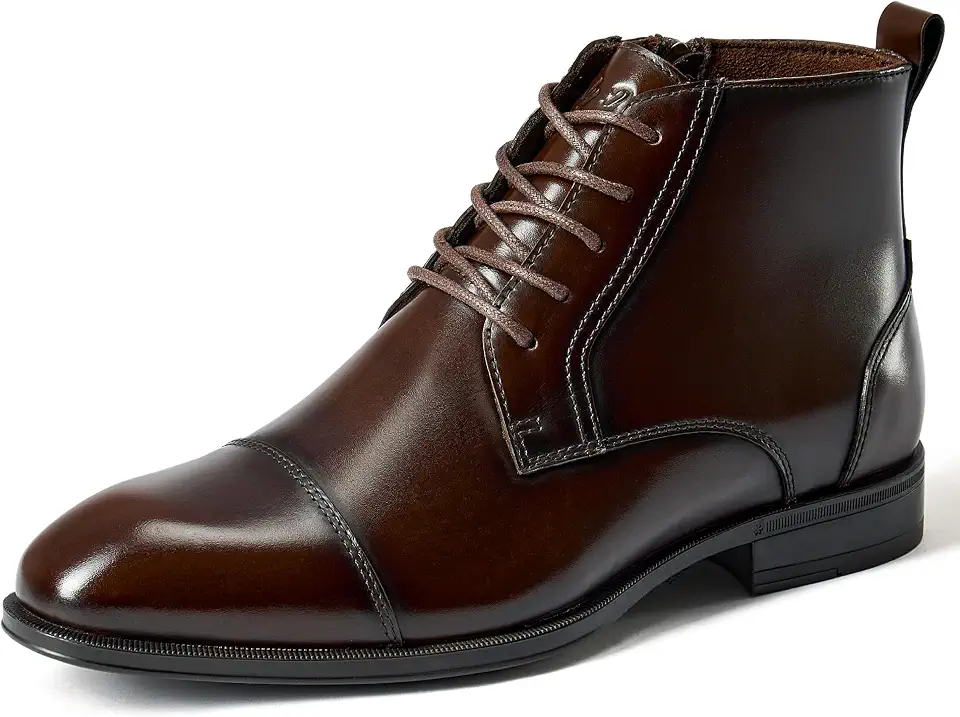
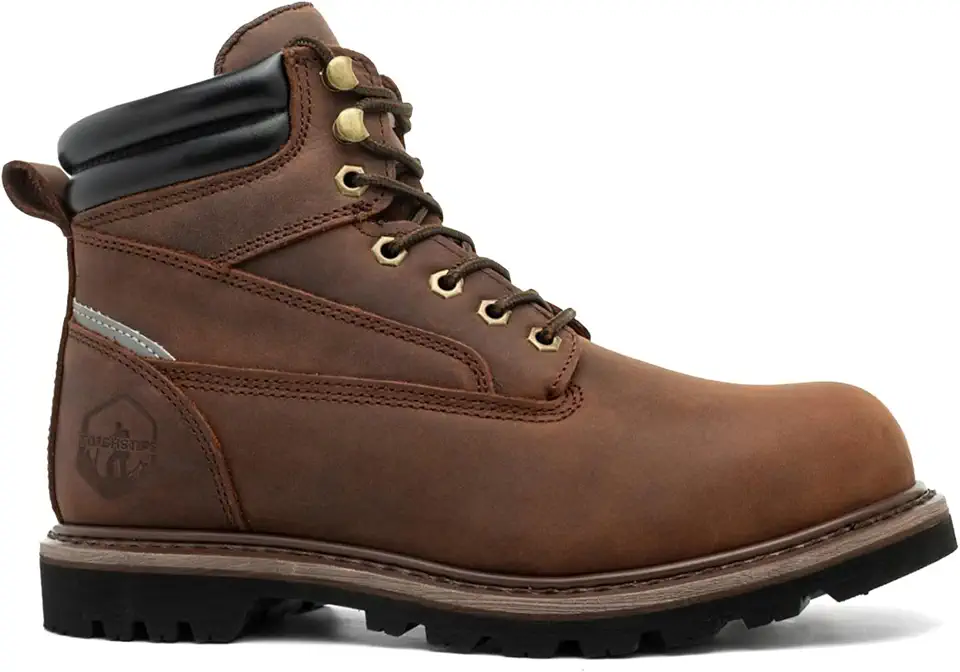
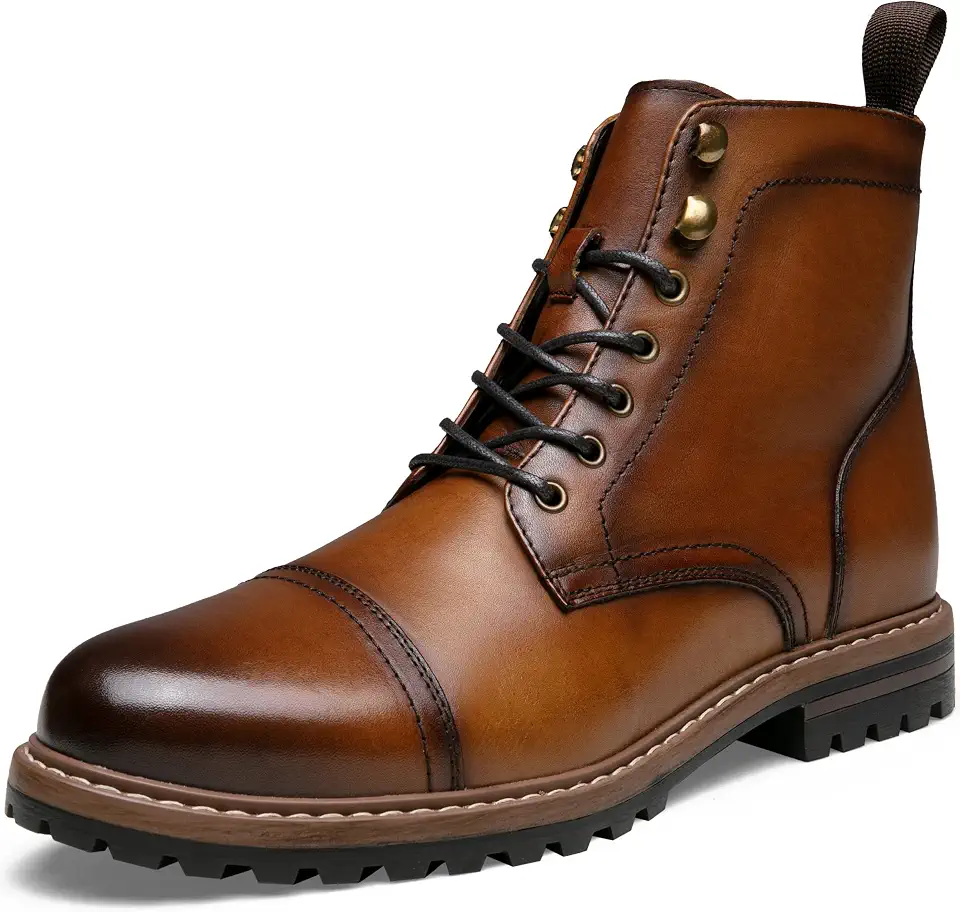
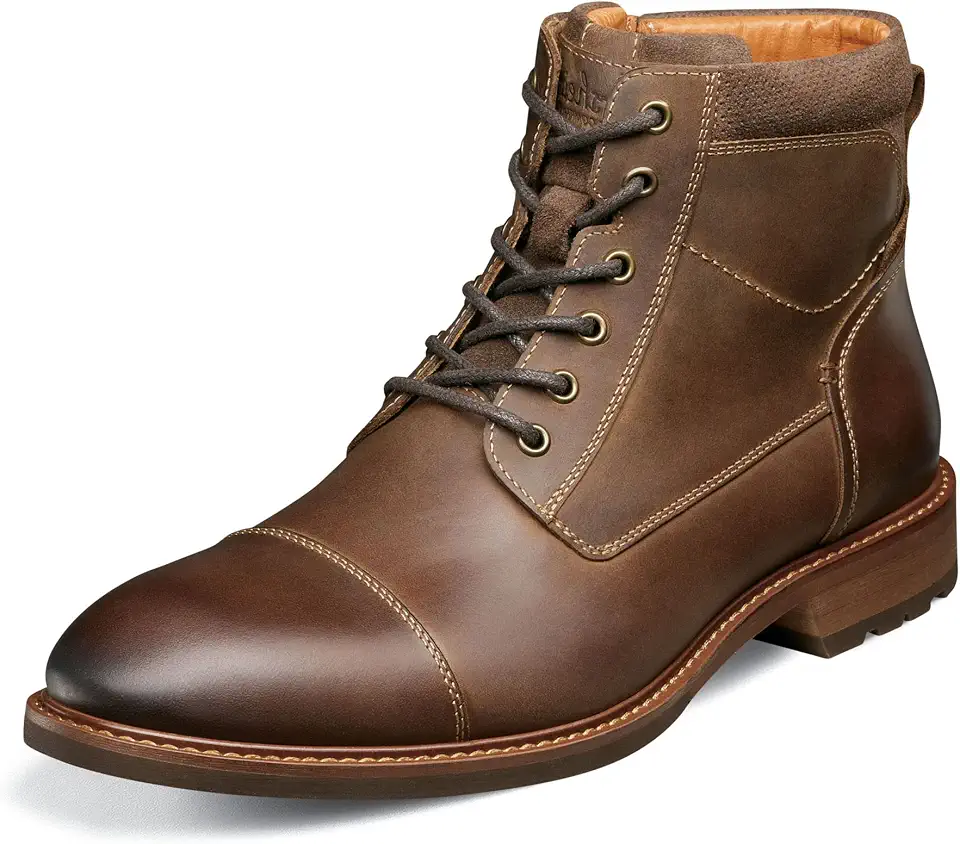
- ✓Select tall, knee-high waterproof rubber muck boots with deep lugged soles that resist mud suction.
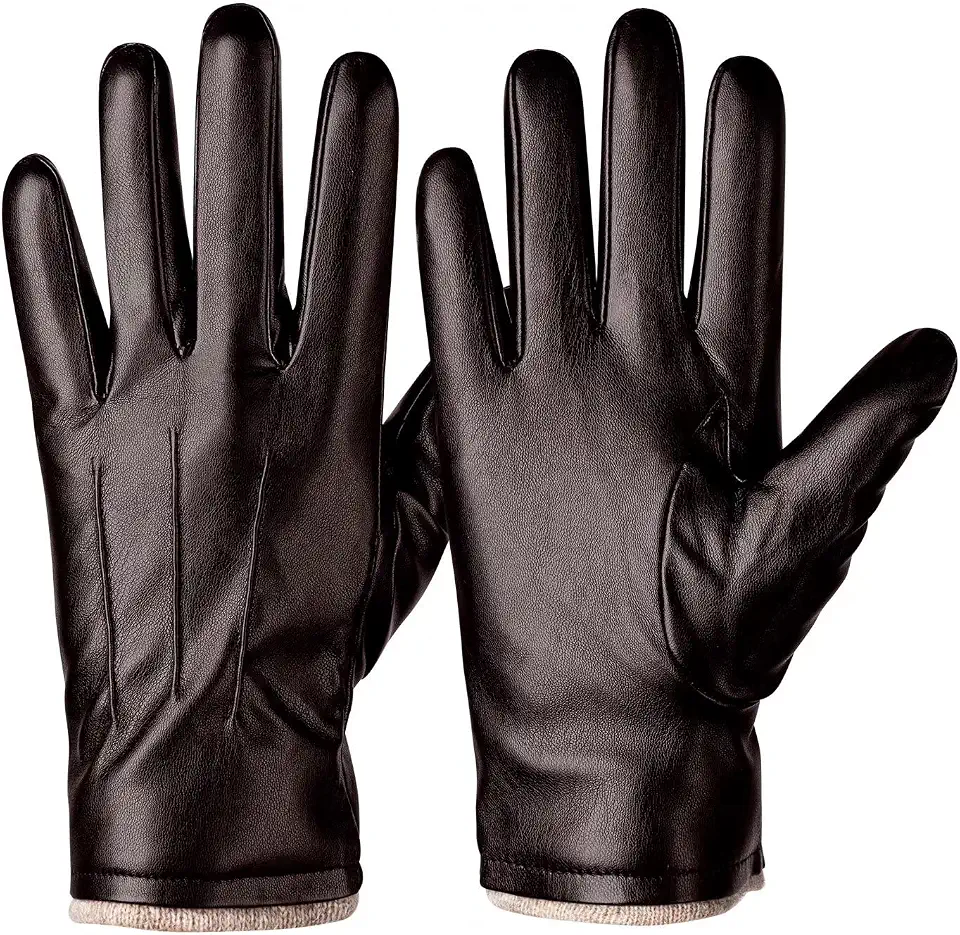
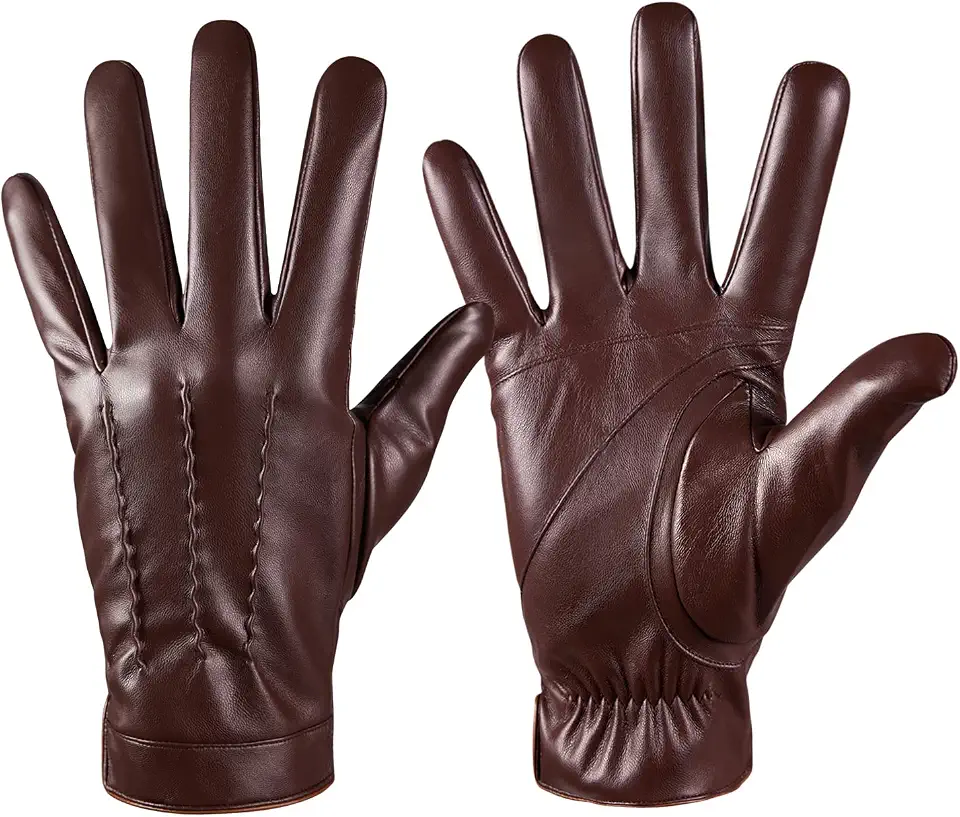
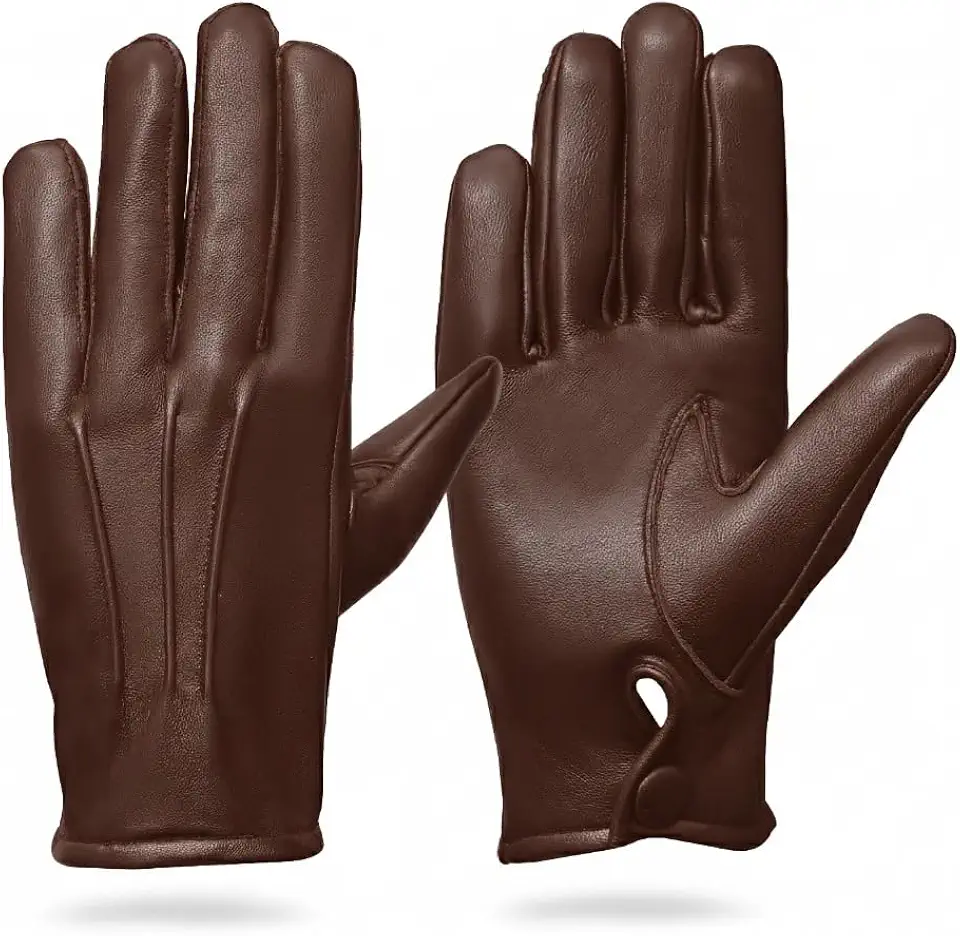
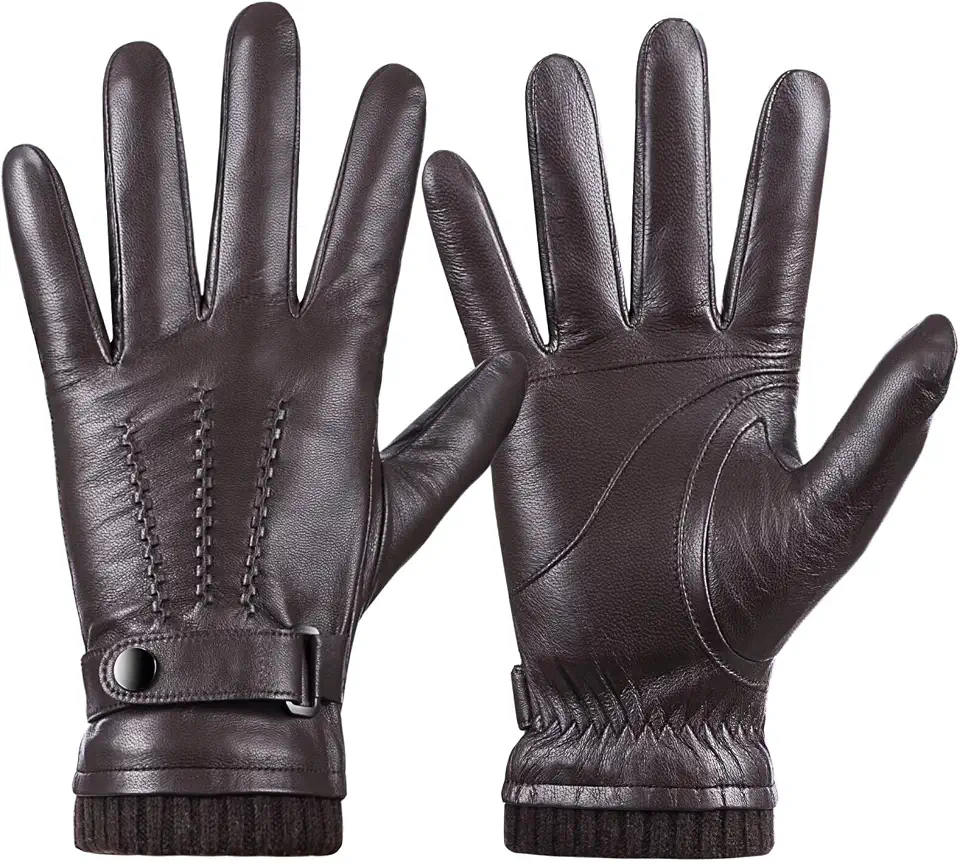
- ✓Wear water-resistant neoprene gloves to protect hands from icy water, sharp clam shells, and wet sand abrasion.
- ✓Pack a warm merino wool knit beanie to retain core body warmth against damp, chilling coastal winds.
Don't
- ✗Avoid low-cut rubber shoes or hiking boots that fill with liquid sand and get sucked off in deep mud holes.
- ✗Don't wear heavy cotton sweatpants that absorb freezing tidal seawater and become heavy and sodden.
- ✗Avoid digging bare-handed in broken shell gravel beds where razor-sharp clam edges cause deep cuts.
- ✗Don't carry open canvas bags that let tidal mud and seawater seep onto personal electronics and car keys.
Style tips
Tidal Sand Suction Boot Height
Pounding a clam gun into saturated ocean sand bars frequently causes sand to liquefy knee-deep around your boots. Knee-high vulcanized rubber muck boots prevent freezing slurry from overflowing into your socks.
Clam Gun Power Lift Ergonomics
Pulling an eighty-pound core of wet ocean sand with a steel clam gun requires powerful deadlift mechanics. Wearing flexible pants with gusseted crotches prevents seam tears during deep power pulls.
Razor Shell Laceration Defense
Reaching down into sand holes to grab fleeing clams exposes fingers to razor-sharp shell edges. Textured neoprene or nitrile-dipped gloves provide vital slash protection while maintaining wet grip.
Related searches
All curated searches
Related Reading
What to Wear on an Overlanding Expedition — Men's Guide
Heading deep into remote mountain backcountry for a rugged multi-day four-by-four overlanding and trail expedition places you miles past cellular reception, gas stations, and paved roads. Drivers winch heavily laden trucks through boulder crawls, navigate rocky washed-out riverbeds, and pitch rooftop tents under vast star-studded wilderness skies. The necessary apparel is rugged outdoor expedition utility: durable multi-pocket field jackets, reinforced ripstop cargo pants, waterproof leather hiking boots, and warm wool layers. Because vehicle recovery involves dirty winches, mud, and fluctuating alpine desert temperatures, durable abrasion-resistant fabrics and modular weatherproofing are non-negotiable. From guiding spotters through rocky canyon trails to cooking over campfire coals beside your rig, here is your essential men's overlanding style guide.
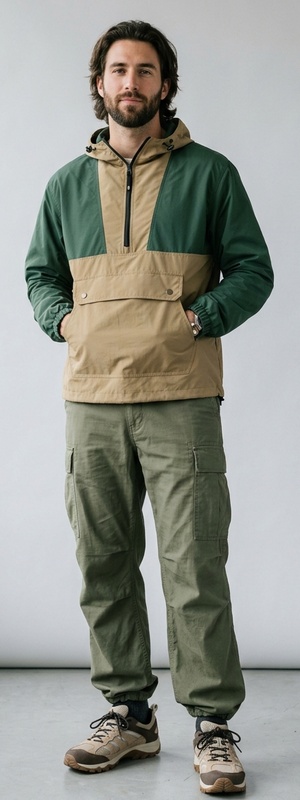
Granola Boy 2.0: Technical Shells & Heritage Earthiness
We crafted this collection around the Granola Boy 2.0 movement, where technical performance gear meets tactile 1970s earthiness. We layer men's waterproof technical shell jackets, men's colorblock half zip anoraks, and men's plaid fleece shirt jackets over men's oatmeal fleece pullovers, paired with men's brown corduroy pants or men's olive ripstop cargo pants. Grounded by men's lug sole hiking boots and trail sneakers, our looks deliver rugged durability with intentional color harmony.
What to Wear Pier Crabbing on the Coast — Men's Complete Guide
Walking out onto a weathered wooden pier over turbulent coastal bays for a crabbing and drop net outing immerses you in salty ocean mist, diesel boat horns, and sea breezes. Crabbers bait wire ring traps with chicken backs, toss weighted nets into deep tidal channels, and measure Dungeness or blue crabs under open maritime skies. The necessary look is rugged coastal utility and wind-resistant maritime workwear: durable hooded windbreakers or waxed anoraks, water-resistant cotton fatigue pants, non-slip rubber deck boots, and warm wool beanies. Because hauling wet, seaweed-encrusted crab nets over wooden railings spatters saltwater and bait juices continuously, water-repellent rugged fabrics are vital. From pulling heavy weighted hoop nets up from forty feet of seawater to boiling fresh sweet crab on the dock, here is your essential pier crabbing style guide.
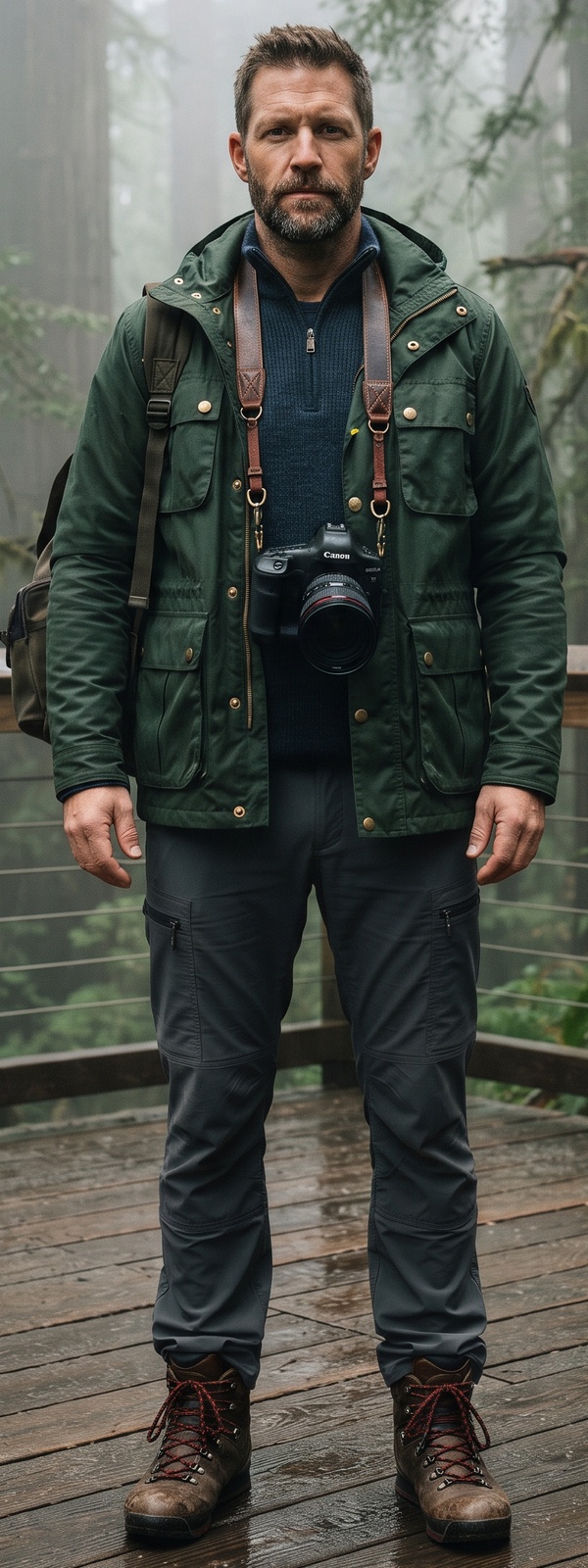
Barn Jackets: Heritage Duck Canvas & Corduroy Collars
We admire the barn jacket for its authentic utilitarian pedigree and effortless transition across transitional weather. Its structured boxy silhouette layers comfortably over chunky fishermen knits or tailored Oxford shirts without sacrificing proportion. We recommend styling warm tobacco, moss olive, and washed navy jackets with raw denim and service boots for an unpretentious, time-tested aesthetic.
How to Style an M-65 Military Field Jacket for Men
Learn how to wear an authentic military field jacket without looking like surplus gear. Essential layering tips, collar rules, and modern tailored pairings.

How to Layer a Men's Field Jacket Over a Wool Sweater
Master autumn and winter layering by pairing a men's field jacket over cable-knit and crewneck wool sweaters with chinos and rugged leather boots.
Other Reading

What to Wear to an Ebru Paper Marbling Class — Men's Complete Guide
Standing over a shallow stainless-steel tray filled with thickened carrageenan bath for a traditional Turkish ebru paper marbling class immerses you in floating mineral pigments and horsehair brushes. Marblers flick ox-gall-treated colors across viscous liquid surfaces, draw brass rakes and styluses through concentric rings, and lay absorbent cotton sheets down to capture fluid stone and peacock patterns. The ideal outfit is splash-resistant studio polish and unrestricted arm reach: dark roll-sleeve linen or cotton shirts, full-length water-resistant studio aprons, dark tailored chinos, and comfortable leather loafers or sneakers. Because flicking horsehair brushes sends tiny droplets of permanent pigment into the air, dark protective layers are essential. From balancing ox-gall surface tension on the marbling size to lifting dripping marbled endpapers onto drying racks, here is your complete ebru marbling style guide.

Transitional Layering: Smart Tactics for Unpredictable Days
When the weather cannot decide on a temperature, our style shouldn't have to compromise either. For these volatile intermediate seasons, we are leaning heavily into breathable overshirts, lightweight knitwear, and structured jackets that can be added or removed effortlessly throughout the day. We believe that building an adaptable, weather-ready closet shouldn't break your budget. Let's master the practical art of the 'in-between' uniform with high-yield, affordable essentials designed to move with the forecast.

Best Men's Thermal Baselayers: Stay Warm in Freezing Temps
Choose the best thermal undergarments and baselayers for freezing winters. Compare merino wool, waffle thermals, and synthetic moisture-wicking gear.