
What to Wear to an Artisan Soapmaking Class — Men's Complete Guide
Entering an artisan soapmaking atelier for a traditional cold-process tallow and botanical soapmaking class immerses you in the aromas of cedarwood, lavender, and rich oils. Soapmakers blend precise lye solutions, melt grass-fed tallow and olive oils, and use immersion stick blenders to bring saponifying batters to medium trace before pour molding.
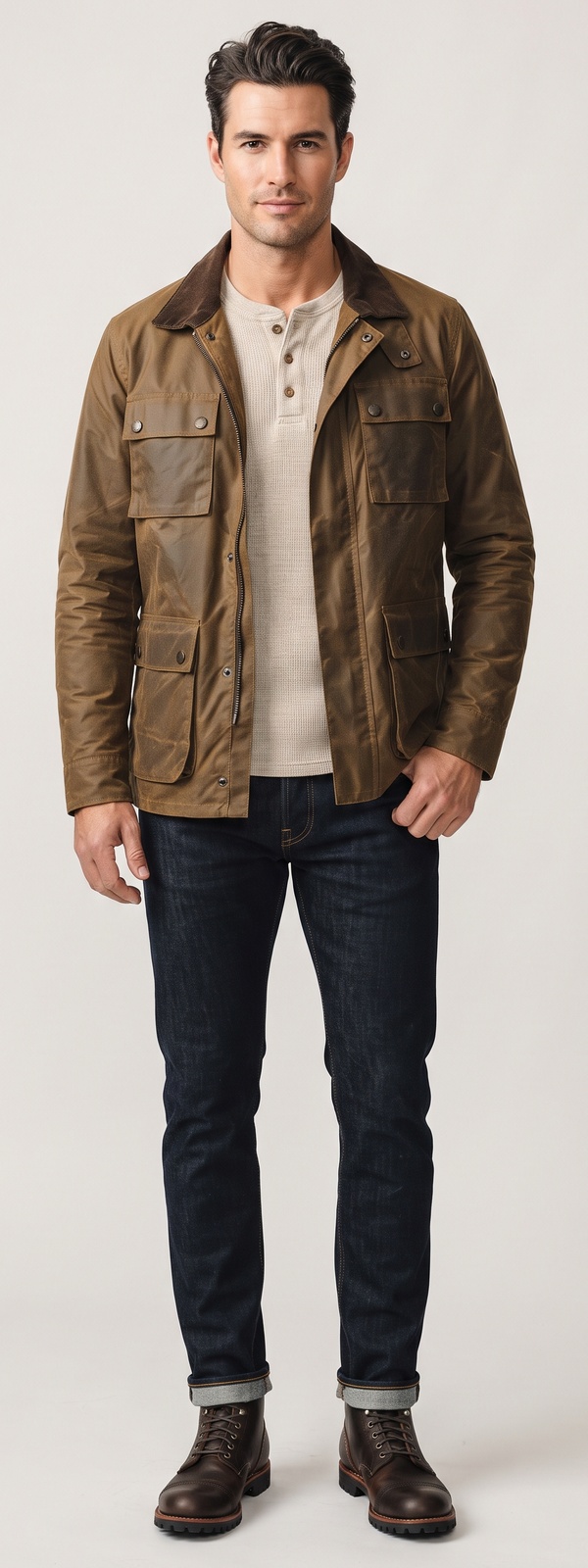
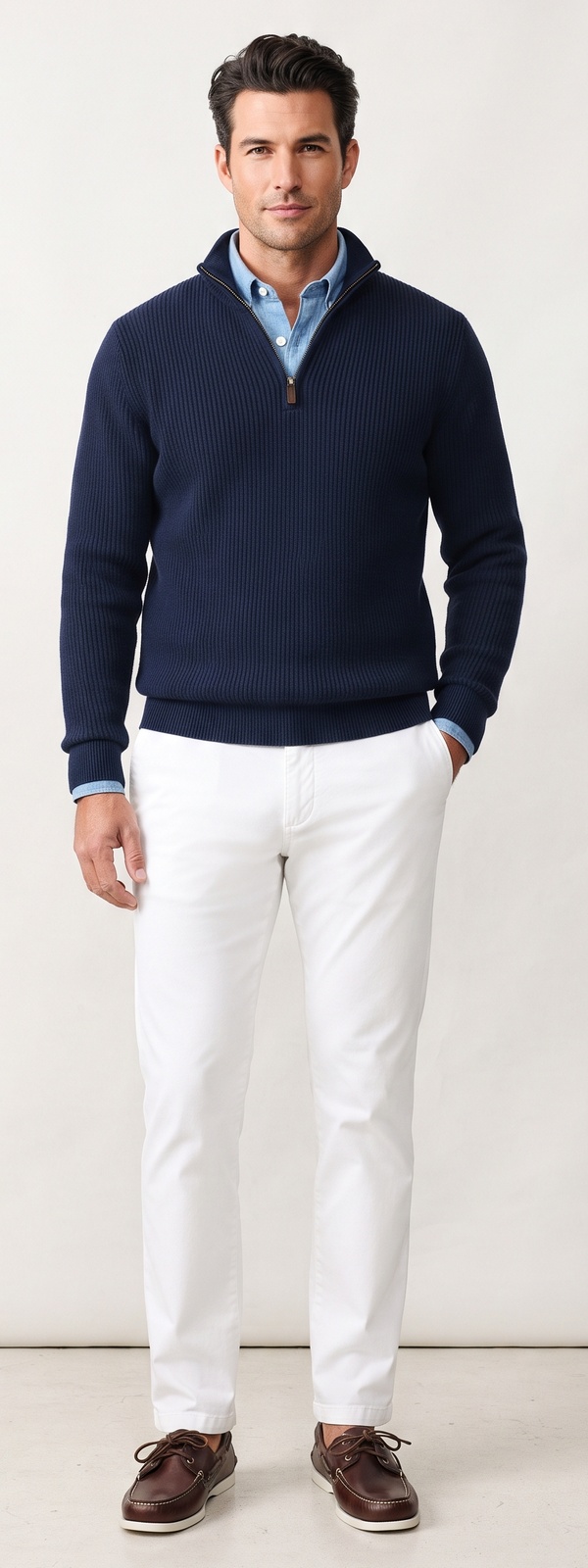
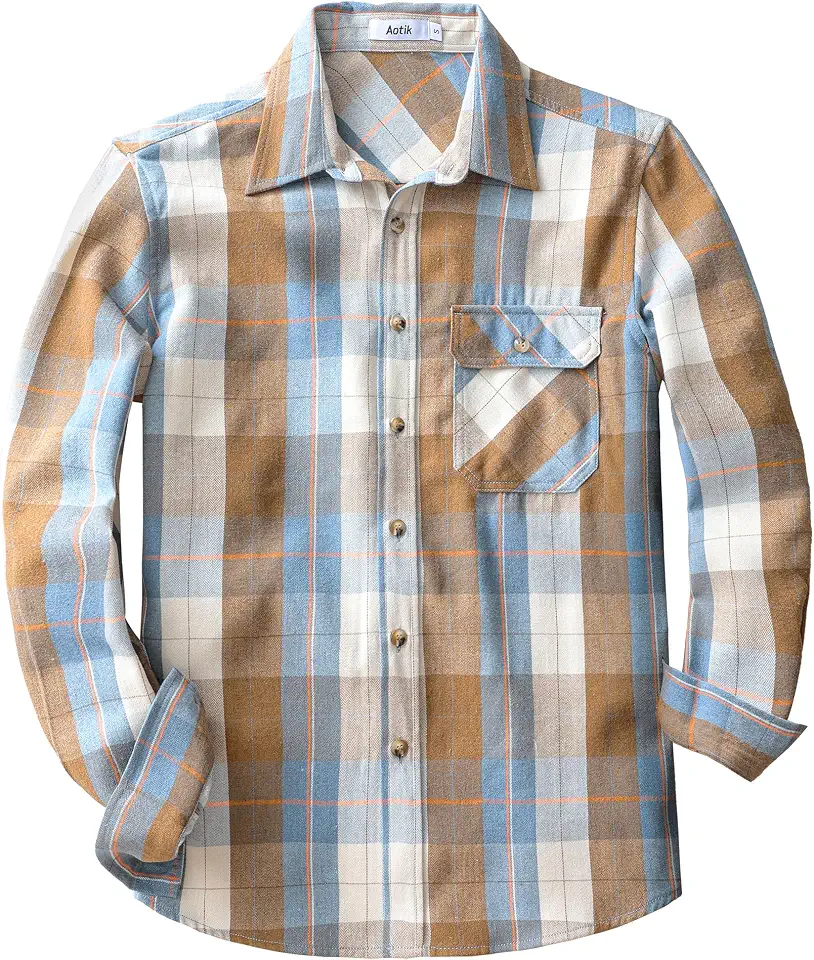
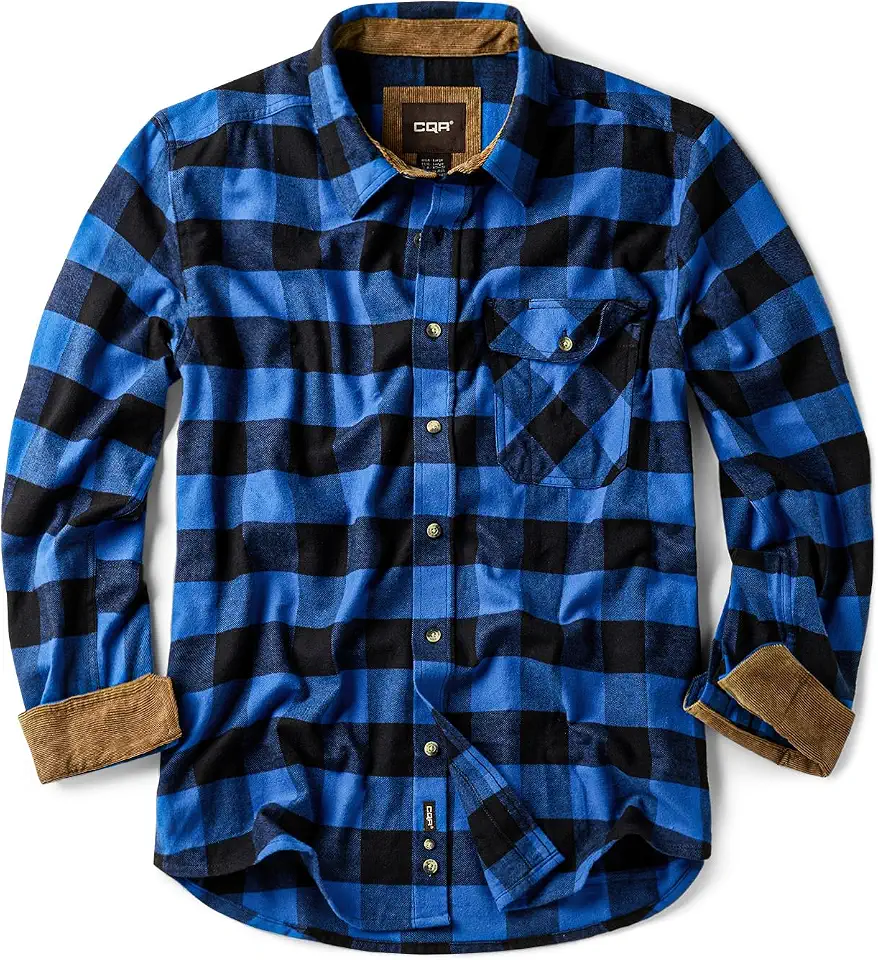
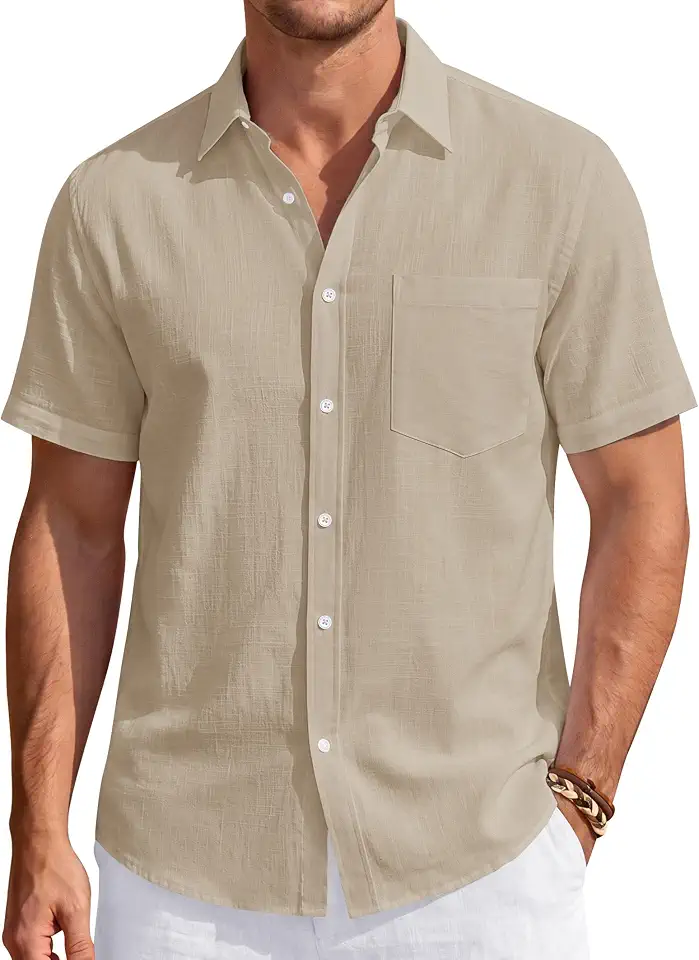
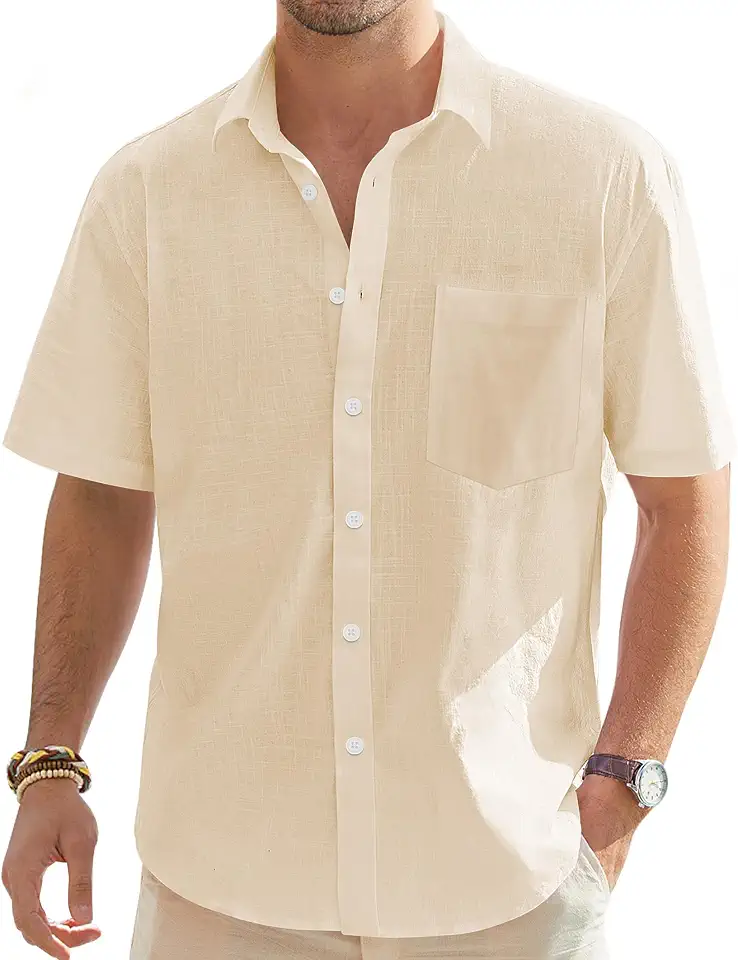
The necessary dress code is strict laboratory safety hygiene and clean utilitarian comfort: dense long-sleeve cotton work shirts, heavy canvas workshop aprons, full-length cotton chinos, and closed-toe leather work boots. Because raw sodium hydroxide lye is caustic until fully saponified, zero exposed skin and natural fiber barrier protection are mandatory.
From monitoring exothermic lye reaction temperatures to marbling botanical clays and swirling timber molds, here is your essential soapmaking style guide.
Outfits that work
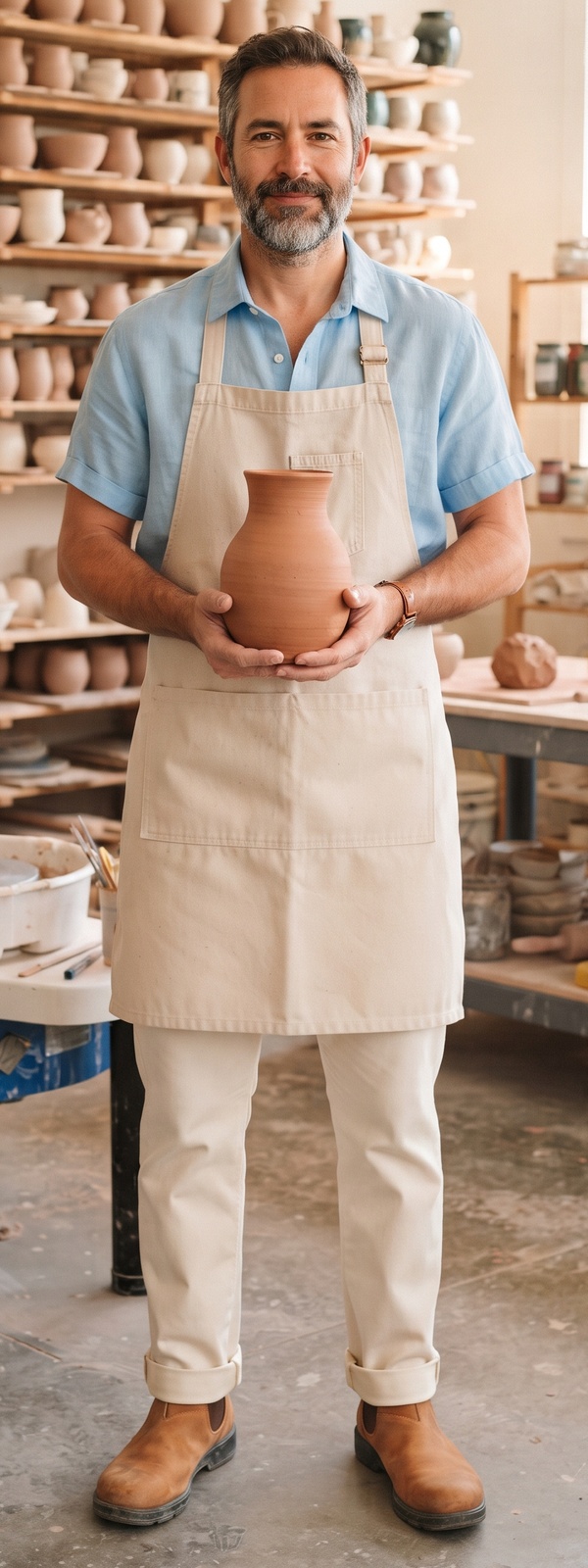 From $113
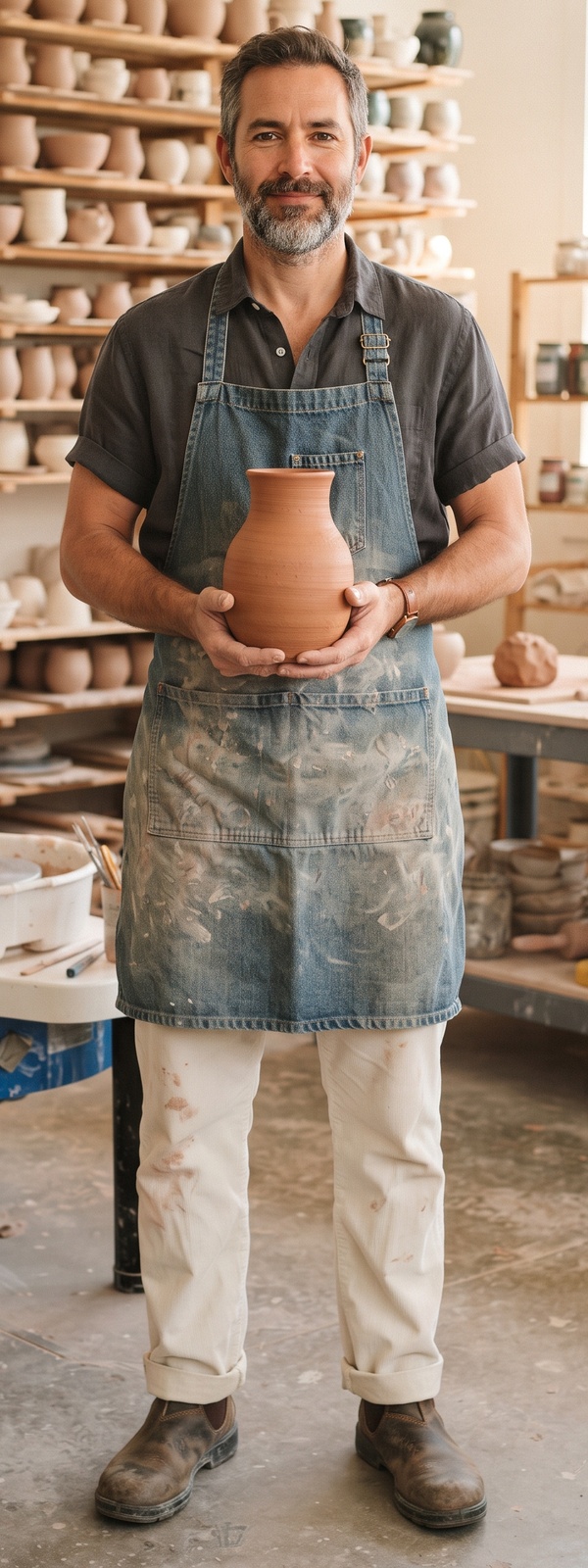 From $130
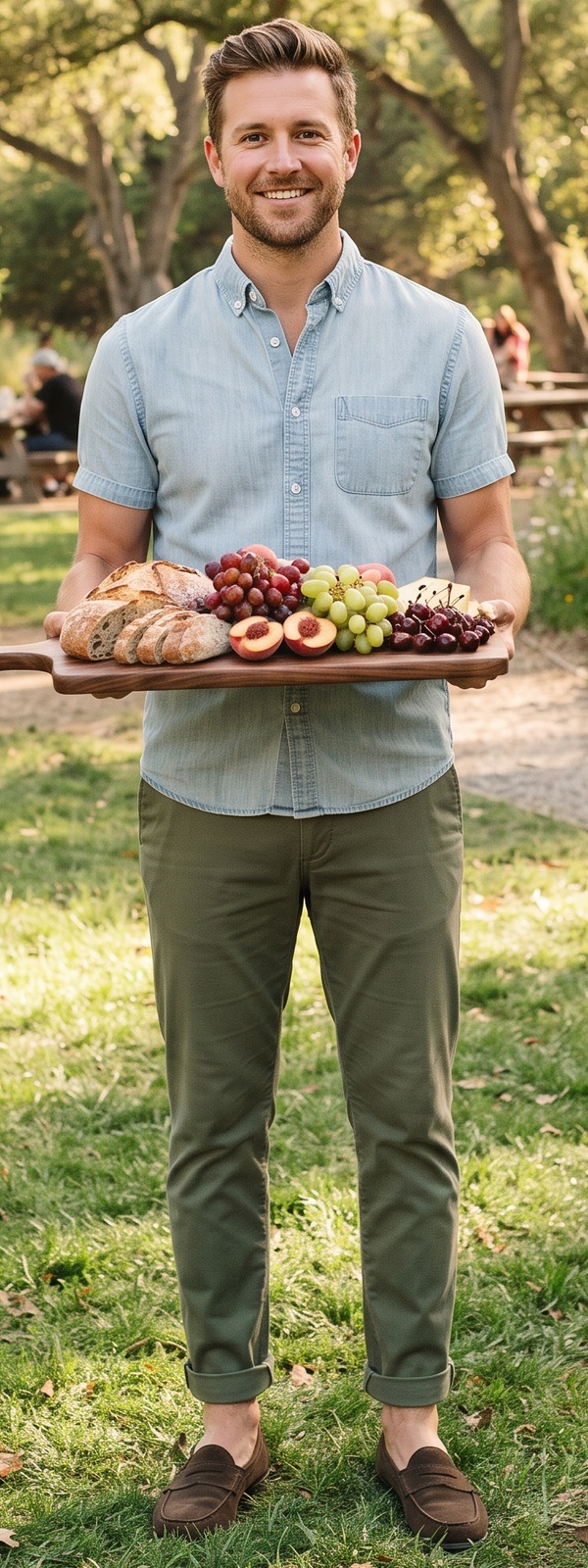 From $95
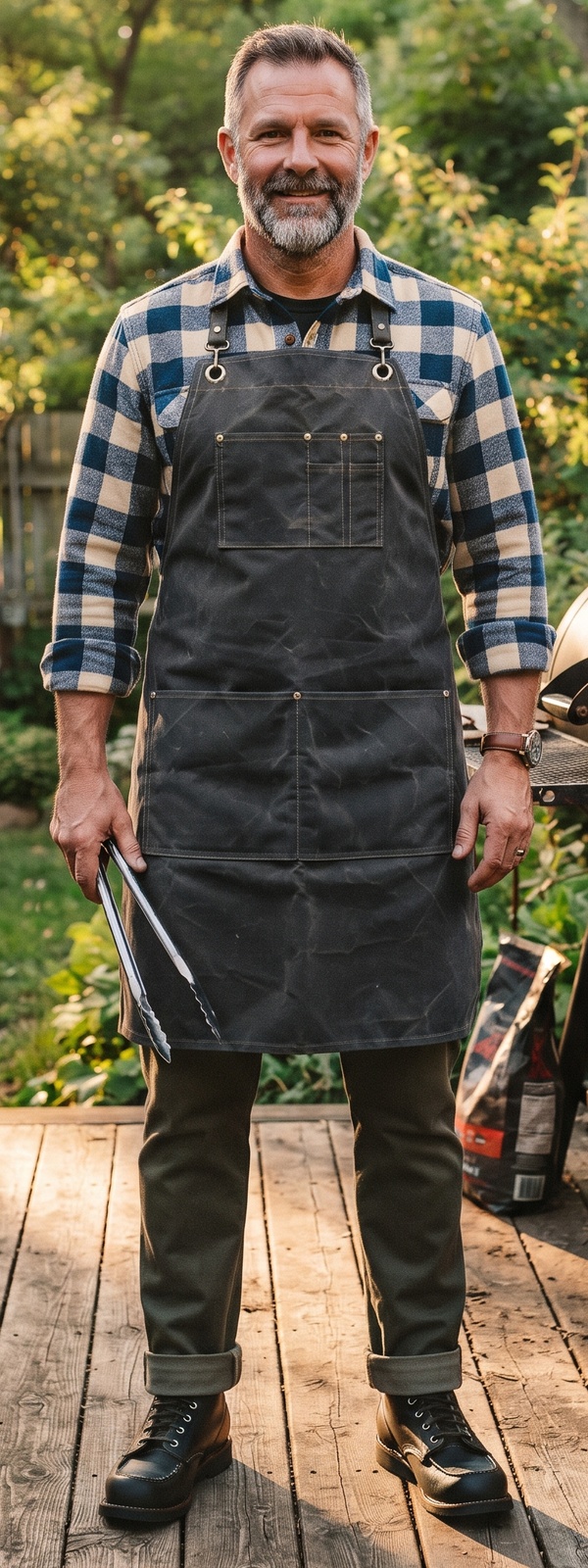 From $168
 From $111
 From $126
Do
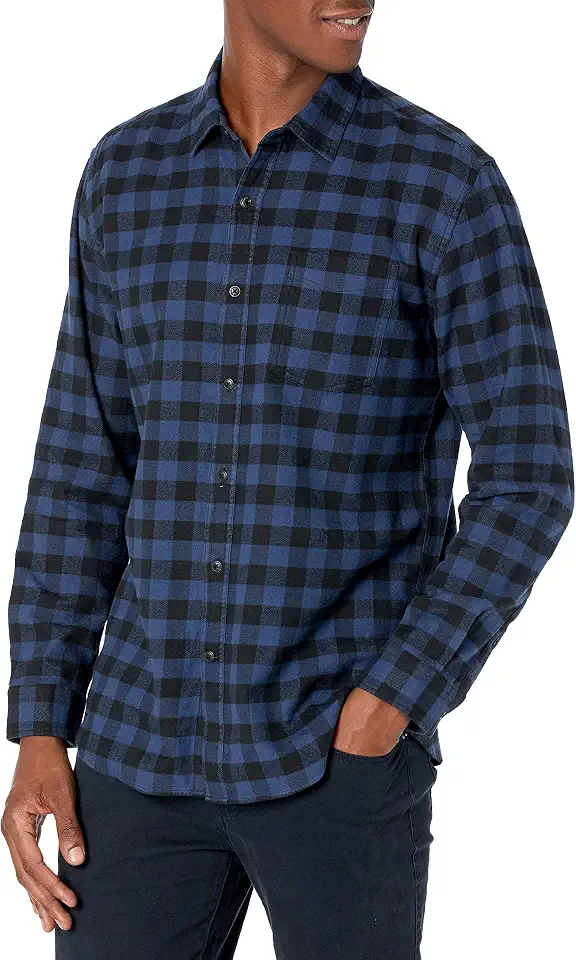
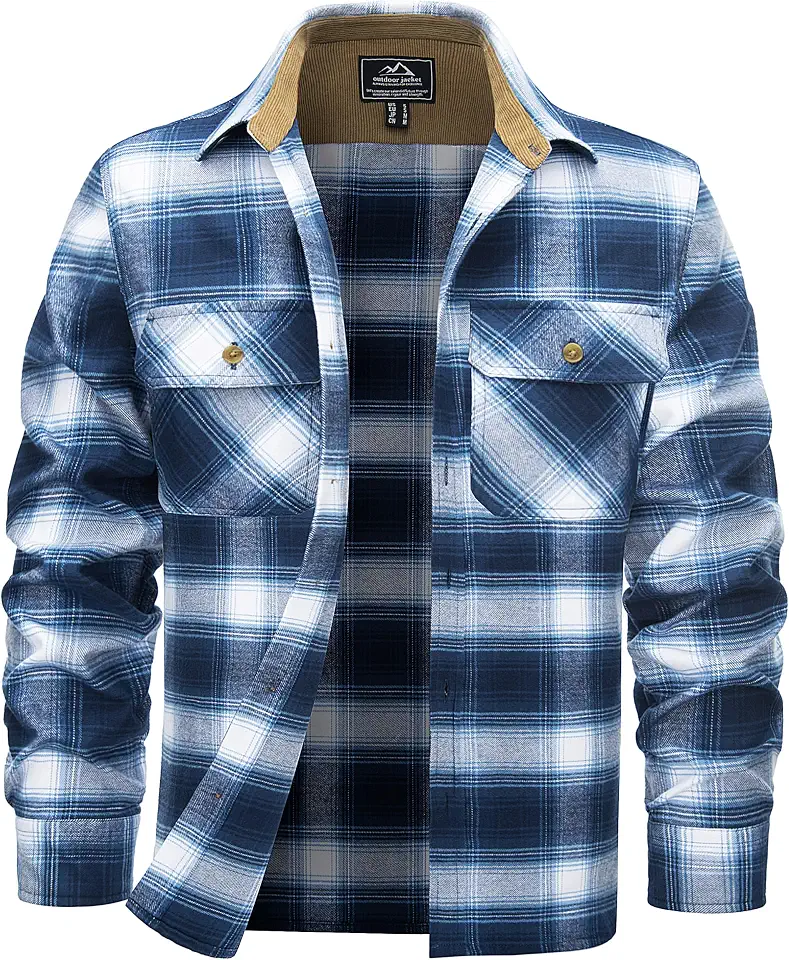
- ✓Wear a tightly woven long-sleeve cotton work shirt that covers your arms completely against lye splashes.
- ✓Choose full-length cotton chinos or denim jeans without holes, distressing, or raw frayed cuffs.
- ✓Select closed-toe leather boots or sturdy work shoes that prevent liquid spills from reaching feet.
- ✓Opt for a heavy-duty waxed or coated canvas workshop apron that resists caustic chemical penetration.
- ✓Wear certified chemical-splash safety goggles and nitrile gloves whenever handling raw lye water.
Don't
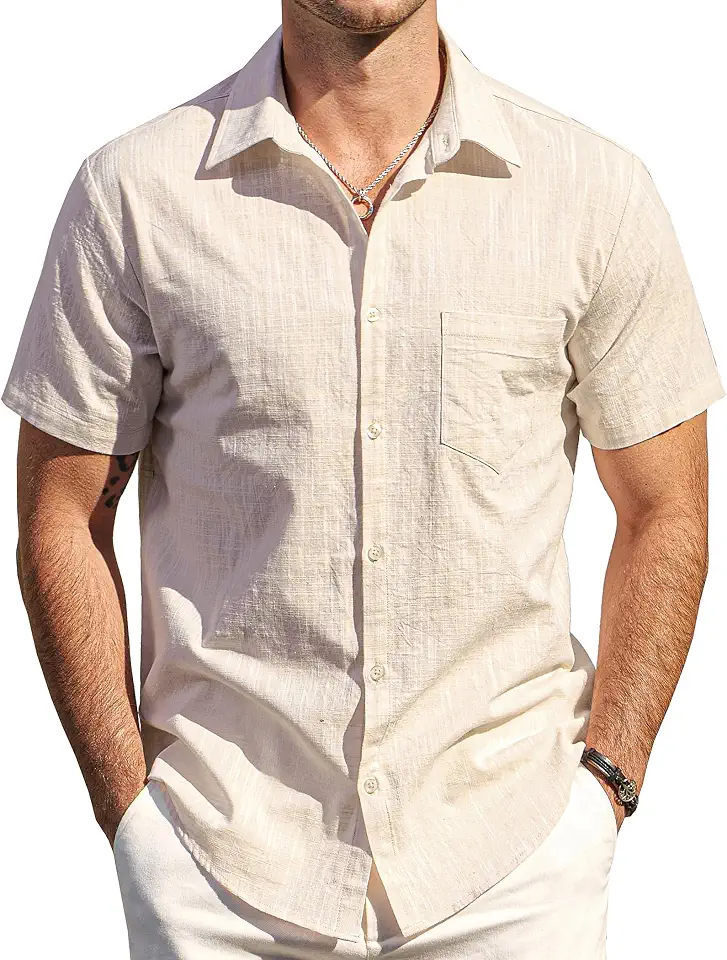
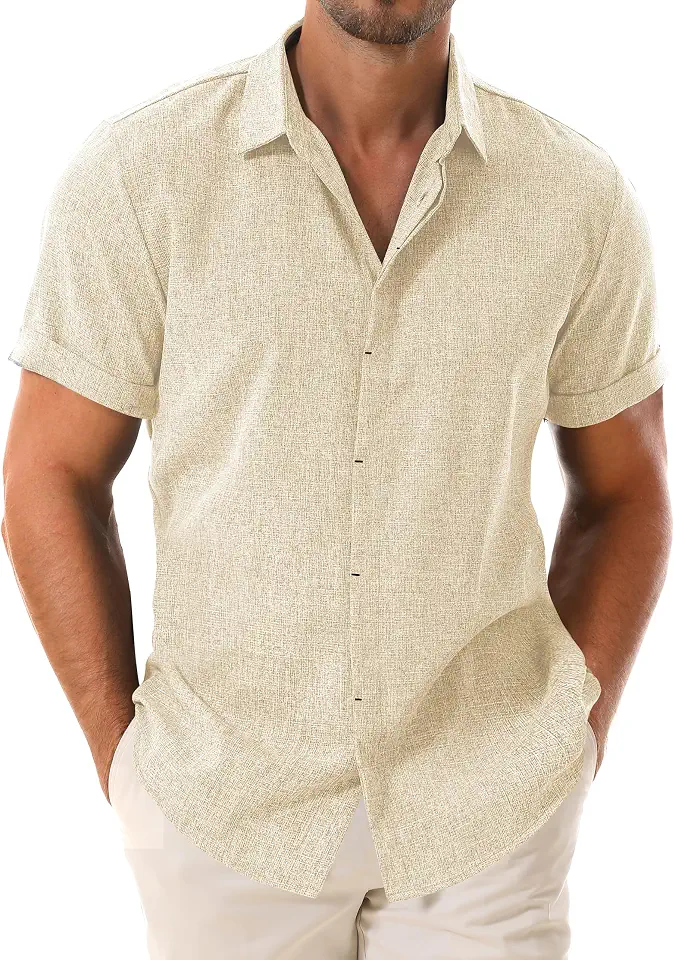
- ✗Avoid short-sleeve t-shirts, polo shirts, or rolled sleeves that leave arms exposed to chemical lye burns.
- ✗Don't wear synthetic polyester garments that melt or degrade rapidly upon direct contact with concentrated lye.
- ✗Avoid open sandals, mesh running shoes, or canvas sneakers that allow liquids to soak into socks instantly.
- ✗Don't wear your best luxury clothing; essential oils, natural clays, and lye can leave permanent marks.
Style tips
Chemical Splash Barrier Discipline
Dissolving sodium hydroxide crystals in water causes an intense exothermic reaction that can splatter. Buttoning shirt collars and wearing full-coverage natural cotton prevents caustic droplets from contacting your skin.
Natural Fiber Lye Resistance
Pure heavy cotton and linen resist caustic alkaline substances far better than thin synthetic knits. Natural fibers absorb accidental splatters without melting, allowing quick removal before burns occur.
Immersion Blender Splatter Coverage
Bringing raw oil and lye to trace using stick blenders occasionally kicks up fine droplets. A full-length bib apron provides complete chest-to-knee protection while pouring batter into timber slab molds.
Related searches
All curated searches
Related Reading
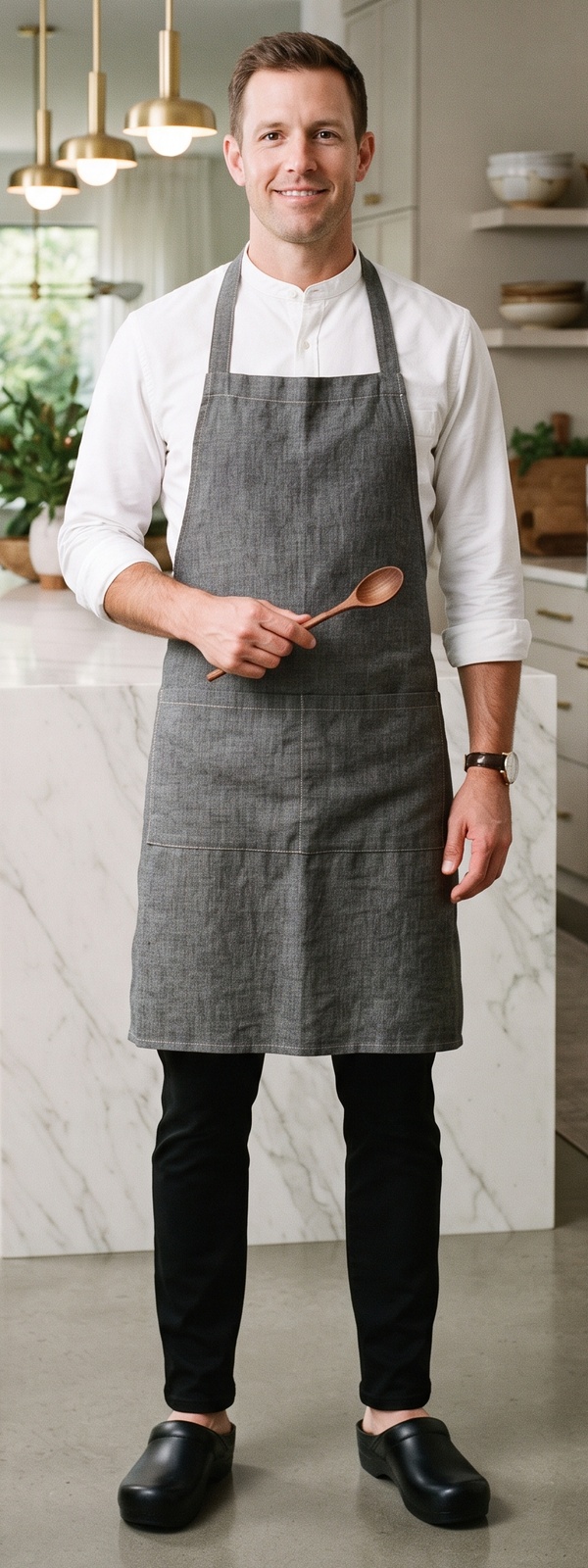
Artisanal Workshop Utility: Waxed Canvas & Linen Aprons
We curated this collection around the rise of artisanal craft-core—where functional studio, roastery, and workshop gear meets intentional menswear styling. We layer men's heavy waxed canvas work aprons, men's charcoal linen barista aprons, and men's selvedge denim studio aprons over men's olive band collar shirts, men's blue chambray work shirts, and men's buffalo plaid flannels. Grounded by men's leather moc toe boots and pleated trousers, our looks elevate tactile craftsmanship.
What to Wear to a Koji and Miso Workshop — Men's Complete Guide
Stepping into a warm culinary fermentation lab for a traditional Japanese koji and miso making workshop surrounds you with steaming cedar trays, cooked soybeans, and fragrant Aspergillus oryzae spores. Makers massage salt into inoculated rice grains, mash warm heirloom soybeans underfoot or by hand, and pack dense miso balls into cedarwood vats. The required dress code is hygienic culinary craftsmanship and warm-room breathability: lightweight short-sleeve or roll-sleeve cotton shirts, full-coverage linen chef aprons, relaxed chinos, and supportive non-slip sneakers. Because koji incubation rooms are humid and mashing fifty pounds of soybeans is physical work, breathable natural layers are vital. From dusting steamed rice with green koji-kin spores to sealing weighted river stones atop aging miso crocks, here is your essential miso workshop style guide.
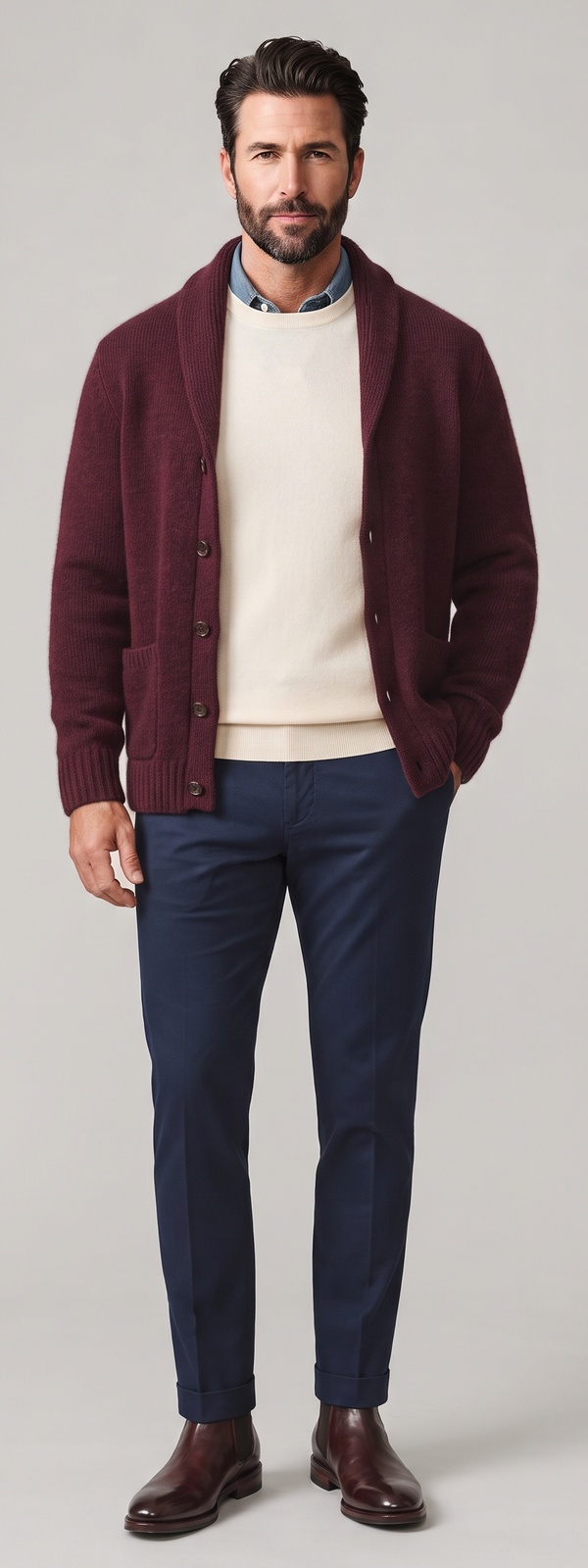
Chambray Work Shirts: Rugged Casual Heritage Shirting
We curated this heritage shirting showcase to honor the workhorse reliability of the indigo chambray shirt. Woven with a dyed warp and white weft, chambray delivers the subtle texture and visual depth of denim with the lightweight breathability of fine cotton shirting. We recommend styling light blue chambray shirts under textured tweed blazers or chunky cardigans. Find durable, budget-friendly chambray work shirts on Amazon for rugged everyday versatility.
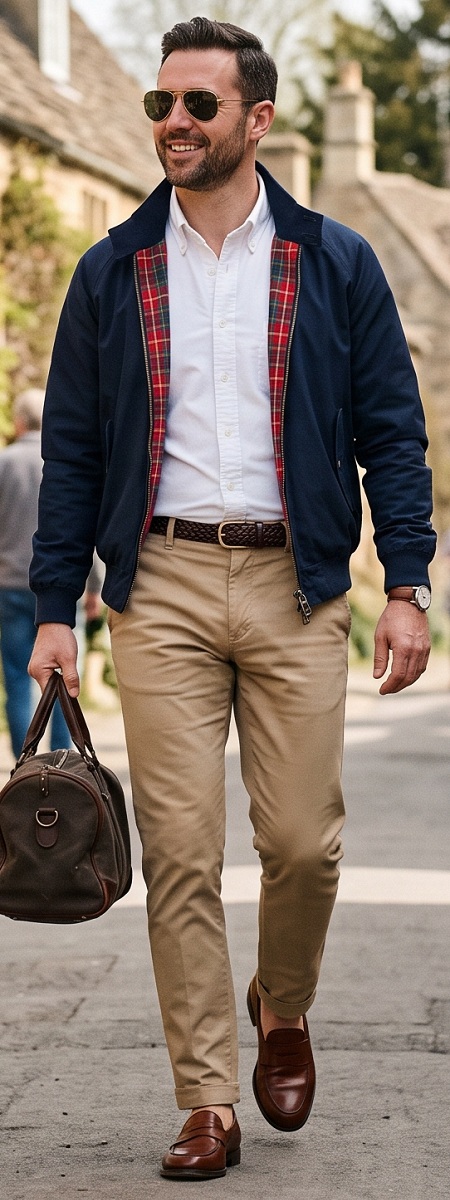
How to Style Chinos 5 Different Ways: A Men's Budget Guide
Learn how to style chinos 5 different ways. Master affordable men's fashion with versatile outfit ideas from casual weekend to office wear.
What to Wear to a Botanical Cordial Class — Men's Complete Guide
Entering an apothecary-style botanical kitchen for a wild cordial and fruit shrub making masterclass fills the room with aromas of fresh elderflower, bruised blackberries, and vinegar. Crafters macerate fresh fruit with organic raw cane sugar, blend raw cider vinegars, and strain herbal infusions through fine mesh sieves into amber glass bottles. The appropriate dress code is artisanal culinary heritage and clean kitchen utility: breathable cotton chambray shirts with rolled sleeves, clean natural linen kitchen aprons, comfortable flat-front chinos, and supportive leather sneakers. Because crafting botanical shrubs combines fruit juice pressing with acid vinegars and sticky syrups, washable protective layers are essential. From balancing sweet-tart acidity in tasting spoons to corking wax-sealed cordial bottles for cellar aging, here is your essential botanical cordial style guide.
Best Color Combinations in Men's Fashion: Navy, Olive & Tan
Build foolproof outfits with menswear's big four colors: navy, olive, grey, and tan. Discover color wheel harmony and high-contrast pairing strategies.
Other Reading
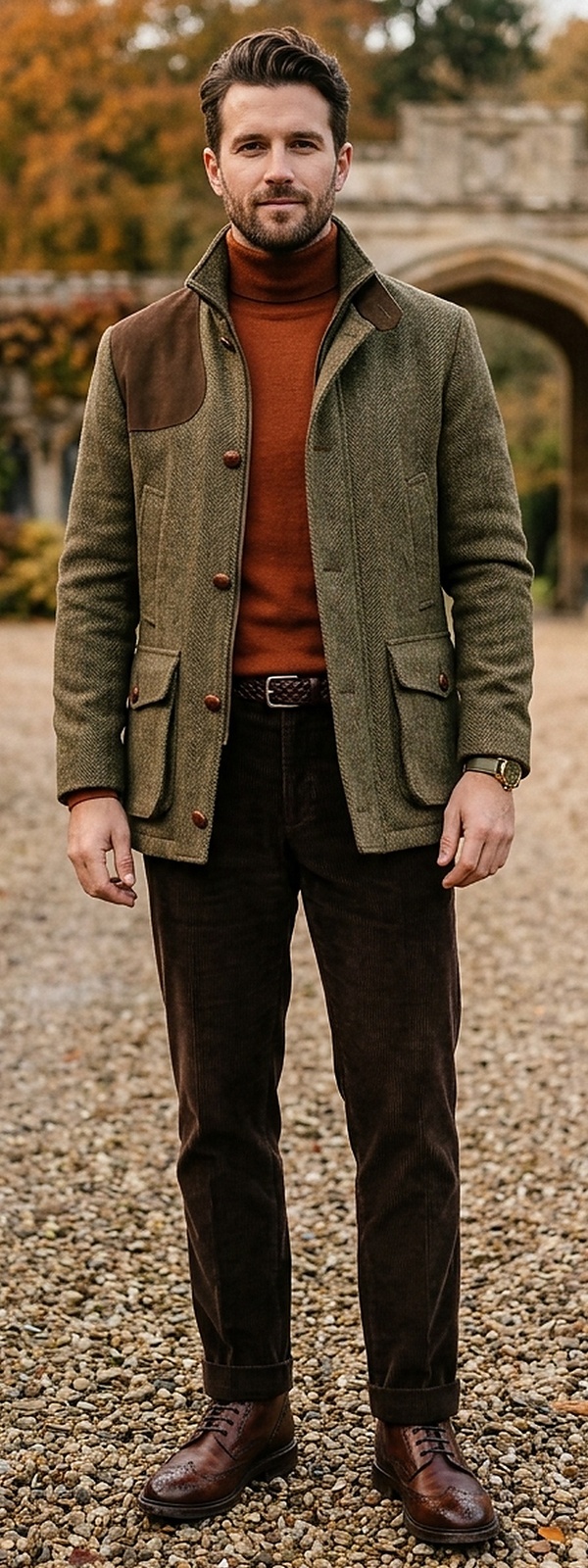
What to Wear to a Sheepdog Herding Trial — Men's Complete Guide
Walking onto a rolling hillside pasture for a championship Border Collie sheepdog trial places you among brass shepherd whistles, wooden holding pens, and misty highland turf. Handlers stand at the post issuing sharp acoustic whistle commands, guiding keen working collies on sweeping outruns to gather, drive, and shed skittish Cheviot ewes through narrow gates. The quintessential dress code is British pastoral country heritage and weatherproof field tailoring: olive or brown waxed cotton field jackets, wool tweed waistcoats or cable-knit sweaters, heavy corduroy or moleskin pants, and waterproof country brogue boots. Because trials run from dawn mist through afternoon squalls on open pastures, classic country layers are ideal. From watching tense single-sheep shedding inside the sawdust ring to browsing artisanal wool stalls at the country fair, here is your definitive sheepdog trial style guide.
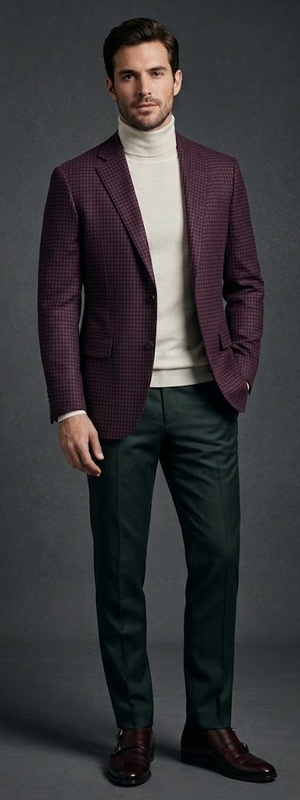
The Bookstore Stroll: Wool Overcoat & Plaid Scarf
There are few greater pleasures on an overcast autumn afternoon than wandering through aisles of vintage books. We have styled clean-draping wool topcoats, tactile tartan scarves, and sturdy leather boots that keep the chill at bay while radiating quiet intellectual charm. We believe timeless gentlemanly style belongs in every everyday moment. Wrap up warm, pick up a new read, and enjoy the cozy afternoon.
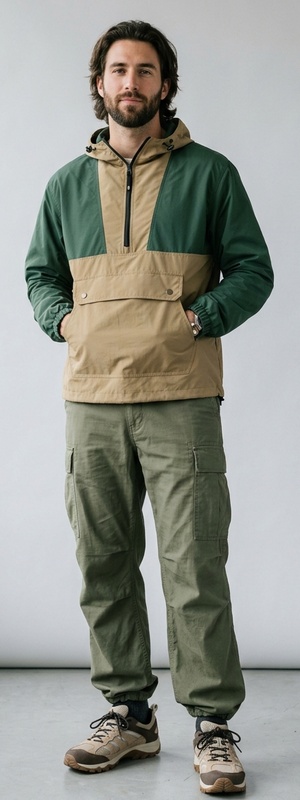
How to Style a Men's Anorak Jacket for Modern Streetwear
Master styling a men's anorak jacket with technical cargo pants, trail sneakers, and relaxed chinos for functional gorpcore and streetwear outfits.