
What to Wear to a Craft Brewery Hop Sensory Masterclass — Men's Guide
Attending a brewery cellar masterclass—rubbing whole-cone Citra and Mosaic hops between your palms to evaluate essential lupulin oils before tasting tank-fresh IPAs and barrel-aged stouts—takes place in active brewery brewhouses. Standing near wet brewing kettles and cold cellar fermentation tanks requires rugged workwear practicality and olfactory consideration.
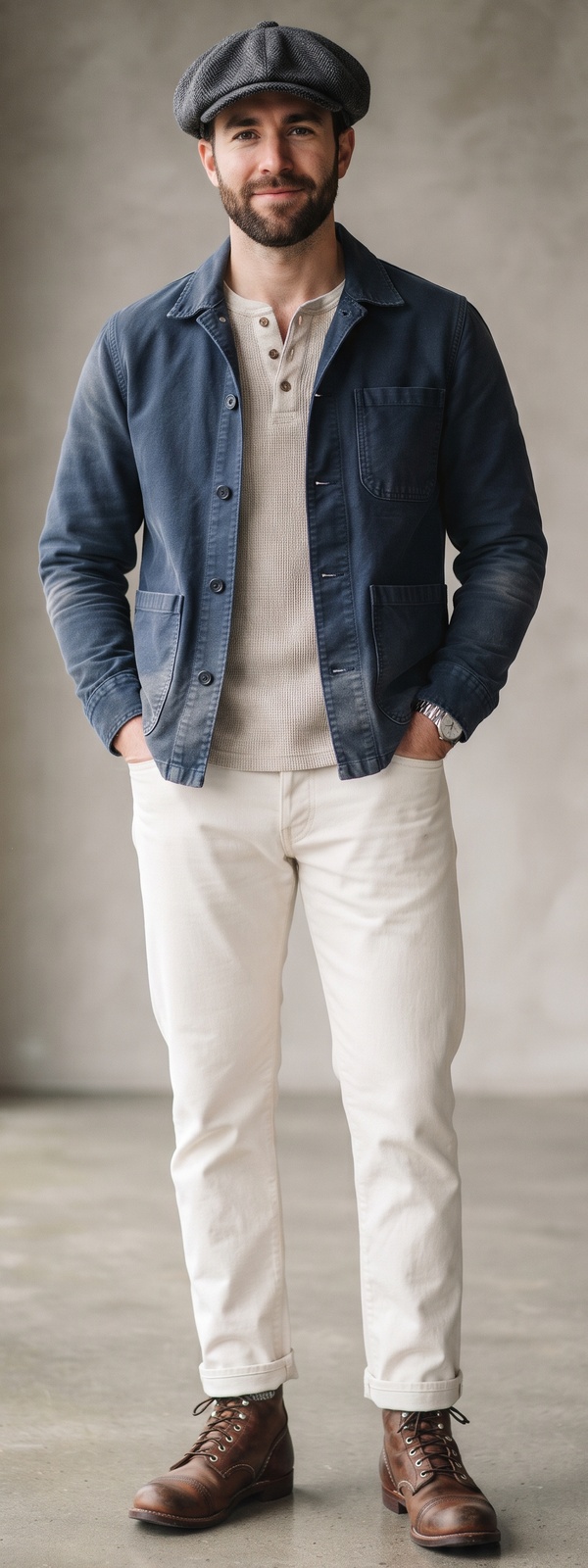
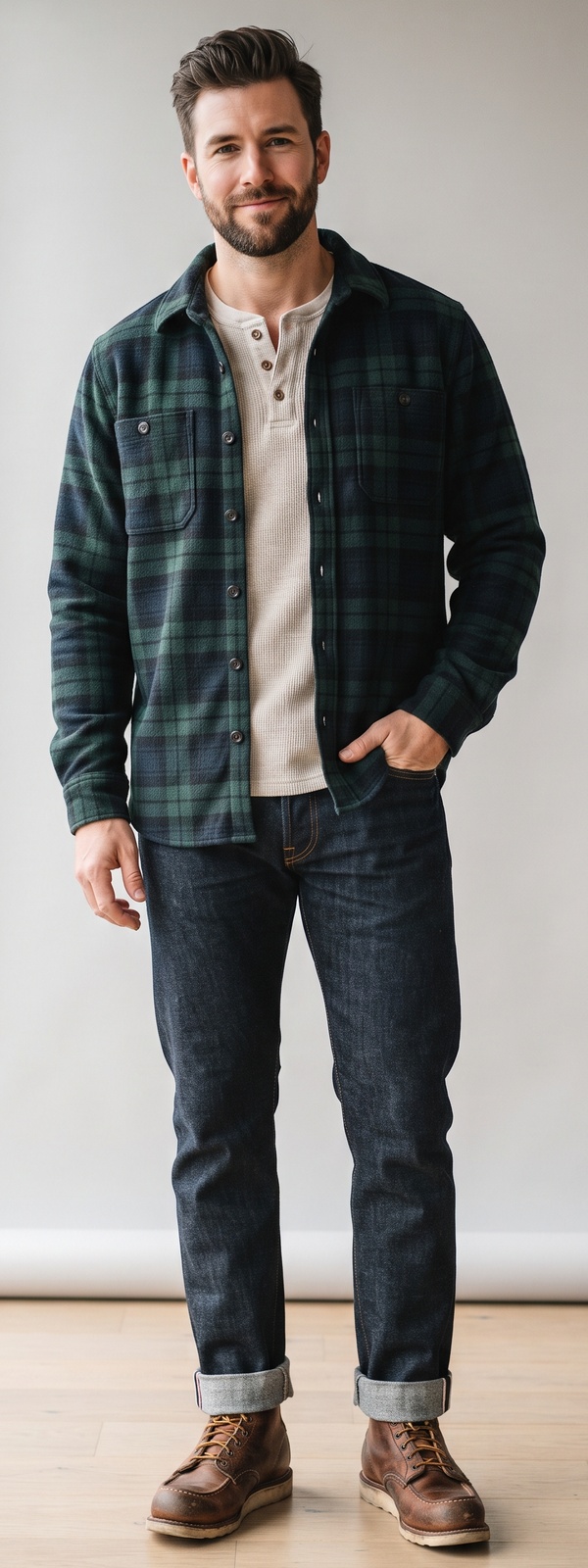
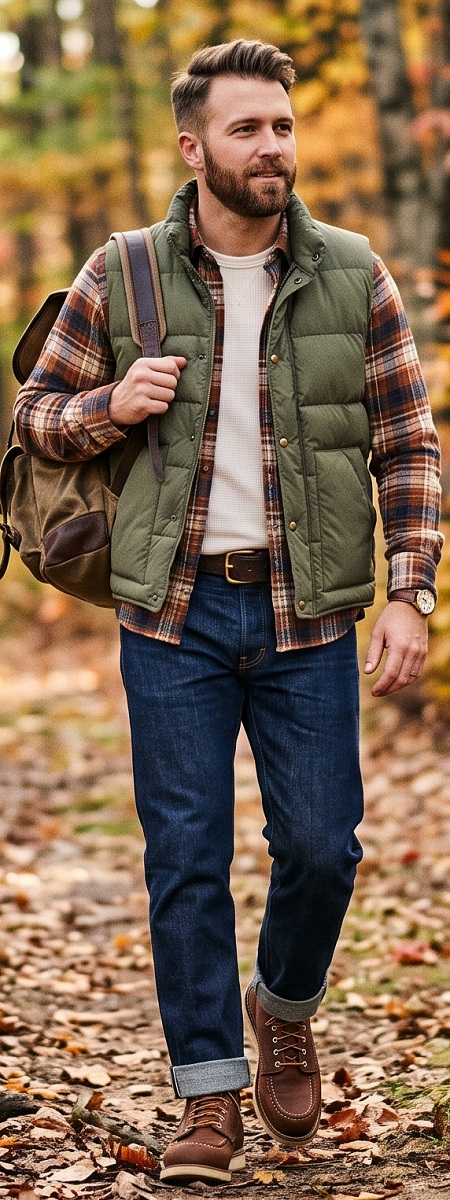
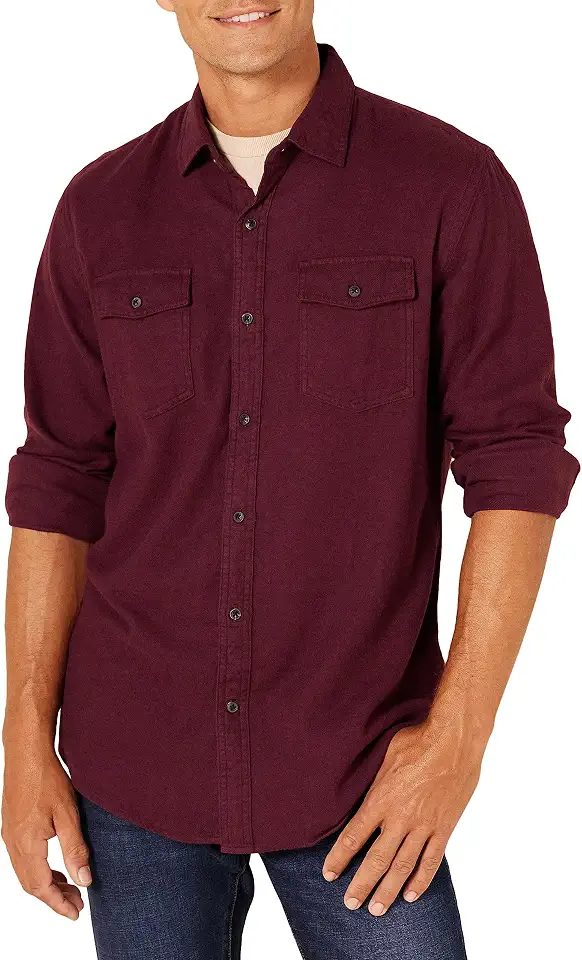
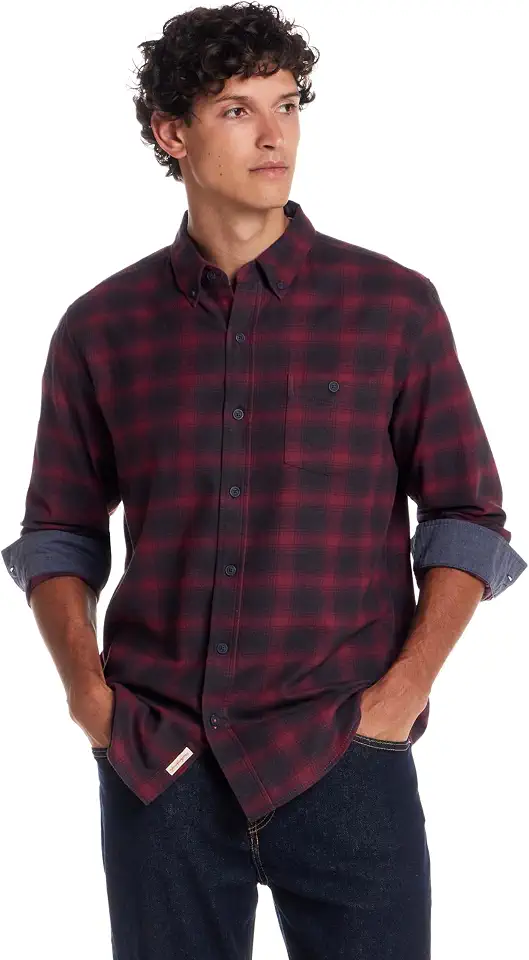
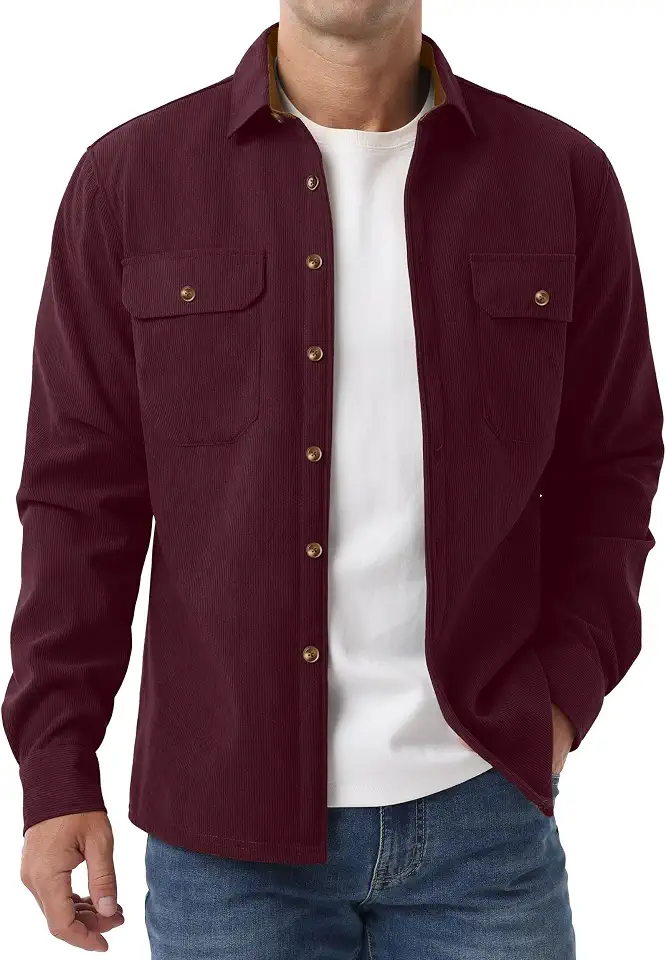
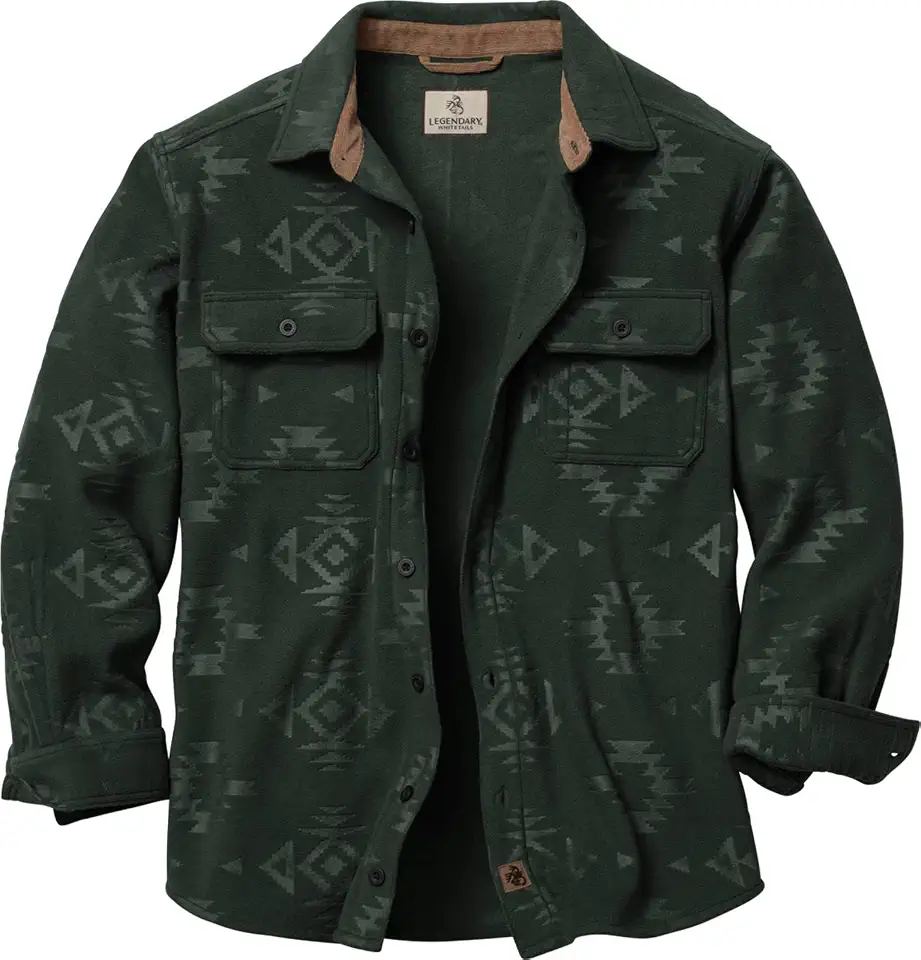
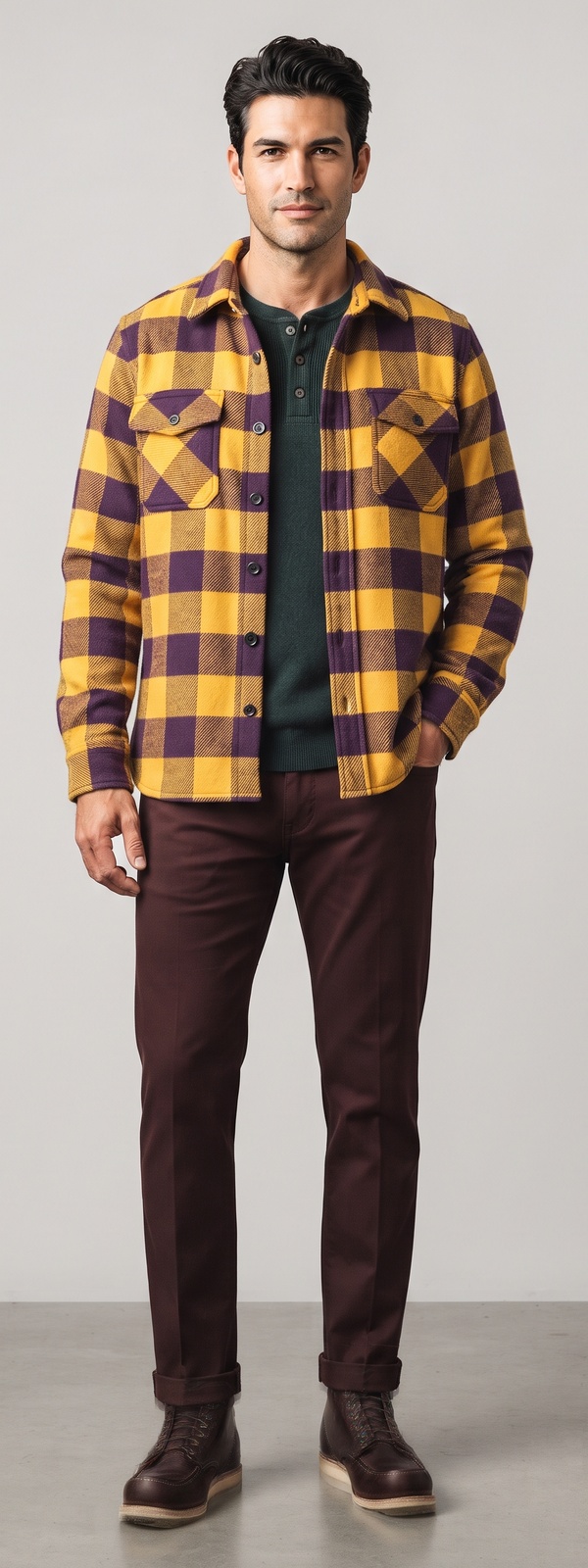
The style aesthetic is authentic taproom Americana: durable flannels, heavy waffle henleys, and sturdy leather footwear that transitions seamlessly from wet cellars to the brewery taproom.
From plaid flannel overshirts and quilted vests to cuffed selvedge jeans and moc-toe work boots, here is your brewery masterclass style guide.
Outfits that work
 $124
 $244
Do
- ✓Wear a rugged plaid flannel overshirt, insulated shirt-jacket, or denim chore coat over a comfortable henley.
- ✓Choose a warm waffle-knit base layer to stay comfortable inside chilled cellar fermentation rooms.
- ✓Wear durable, broken-in raw selvedge jeans or heavy canvas work pants that can handle accidental beer splashes.
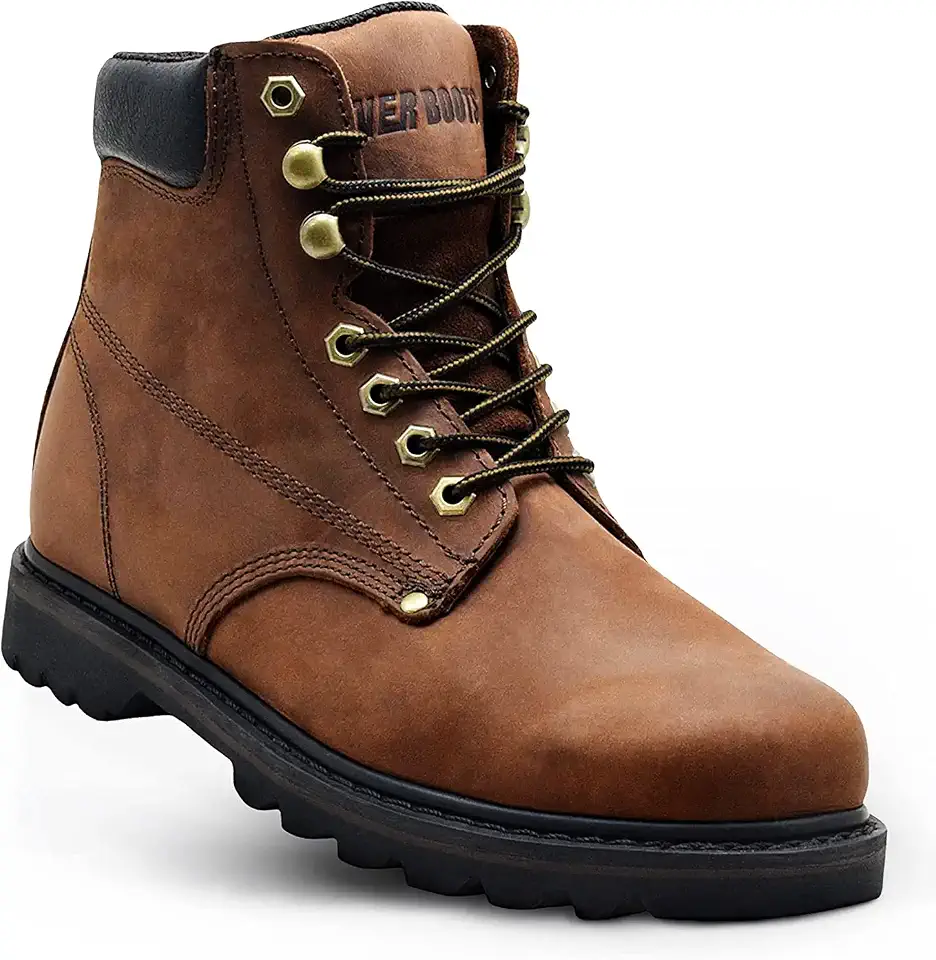
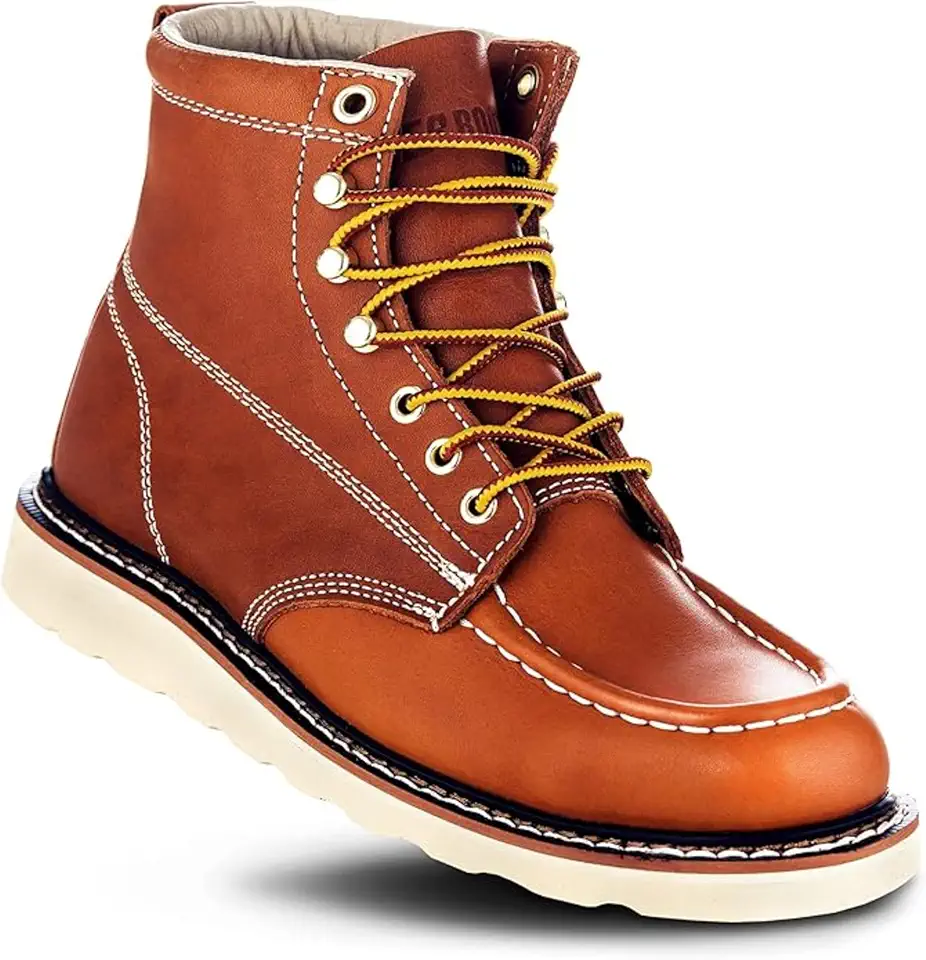
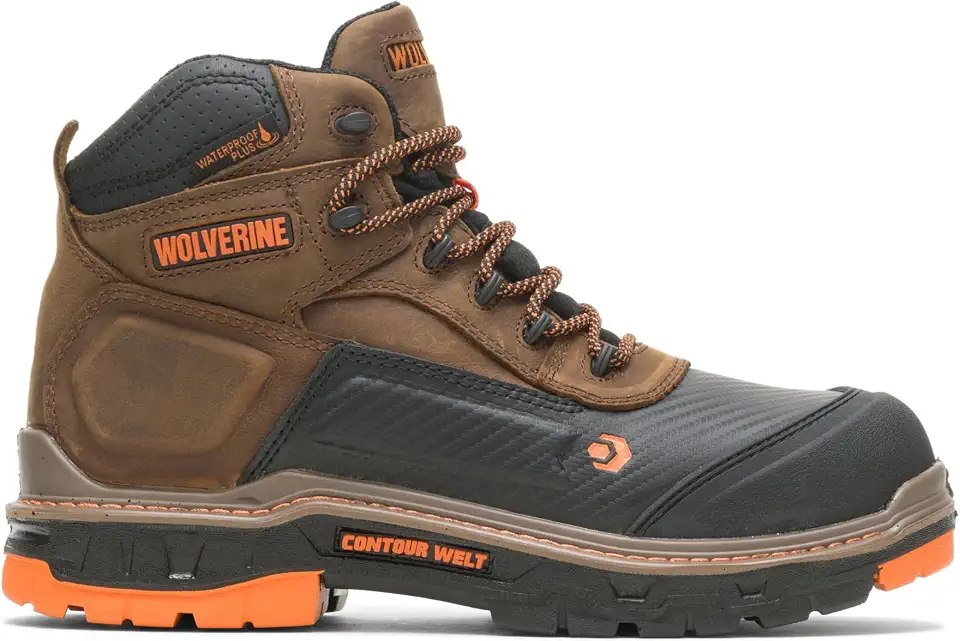
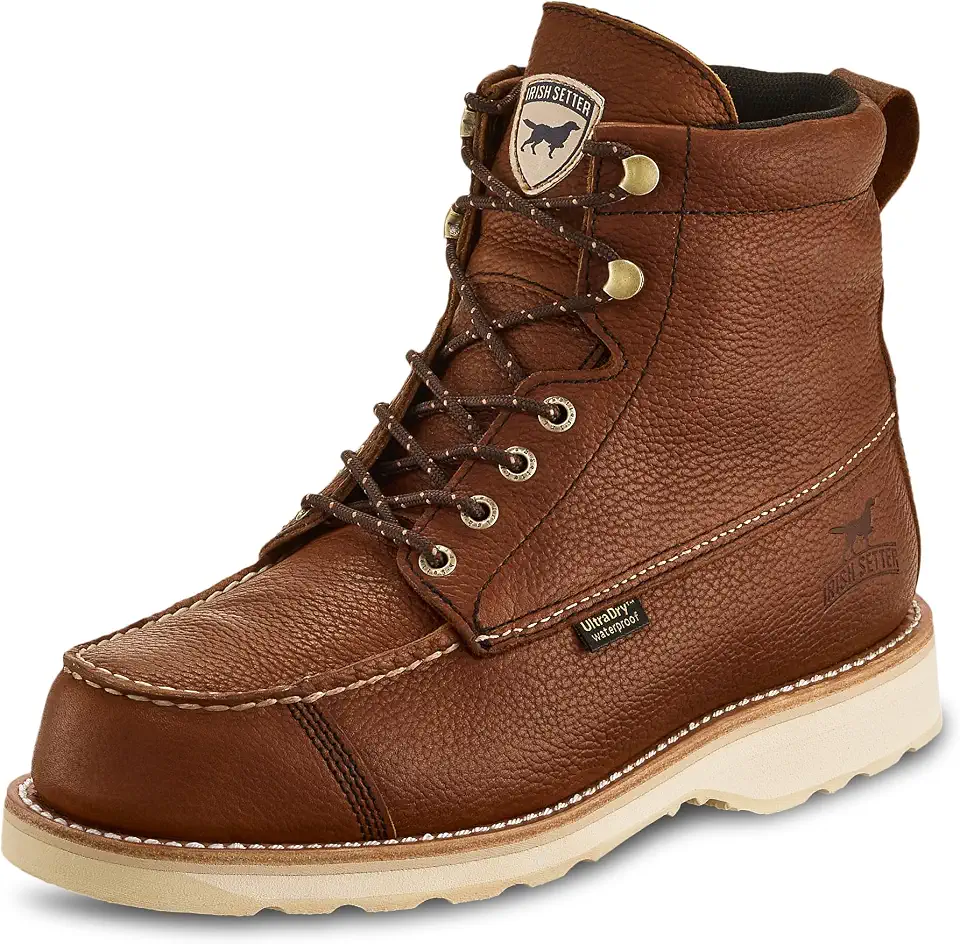
- ✓Wear closed-toe, slip-resistant leather work boots or service boots with grippy rubber soles for wet concrete brewery floors.
- ✓Skip all colognes, scented beard oils, and smoking before the class so delicate hop aromas remain uncorrupted.
Don't
- ✗Avoid wearing cologne or fragrant products; hops are rich in delicate terpenes (myrcene, humulene) that are easily masked by perfume.
- ✗Don't wear slippery dress shoes or flat-soled sneakers on wet, chemical-cleaned brewhouse floors.
- ✗Avoid pristine light-colored clothing near grain mills and mash tuns where malt dust and wet mash can stain.
- ✗Don't wear delicate dry-clean-only fabrics near active beer brewing equipment.
Style tips
Hop Oil Palm Residue
Hop rubbing leaves sticky, fragrant yellow lupulin resin on your hands. Wear a shirt with sleeves that roll securely above the wrist so resin doesn't rub off onto your cuffs before washing.
Wet Brewhouse Slip Resistance
Brewery cellars are hosed down constantly. Full-grain leather work boots with oil-and-slip-resistant Vibram outsoles prevent hazardous slips on wet brewery tiles.
Brewhouse Thermal Shift
Kettle boiling rooms are warm and humid, while fermentation cellars hover in the low fifties. A flannel overshirt layered over a henley lets you regulate temperature easily as you tour between zones.
Related searches
All curated searches
Related Reading
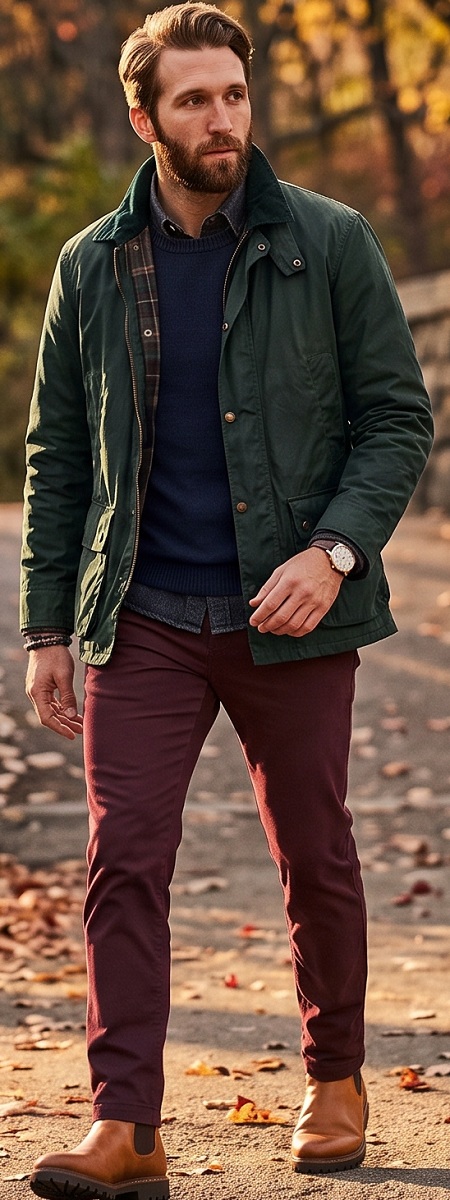
Tartan Plaid Flannel Shirts: Heritage Cold-Weather Layers
We anchored this cold-weather gallery around the dependable durability and rustic charm of tartan plaid flannel shirts. Crafted from soft, brushed cotton, these hearty woven button-downs offer substantial core warmth while providing rich woodland color patterns. We love layering Black Watch and buffalo plaid flannels unbuttoned over thermal henleys with rugged boots. Secure comfortable, heavy-duty plaid flannel shirts on Amazon for unbeatable outdoor warmth and rugged value.
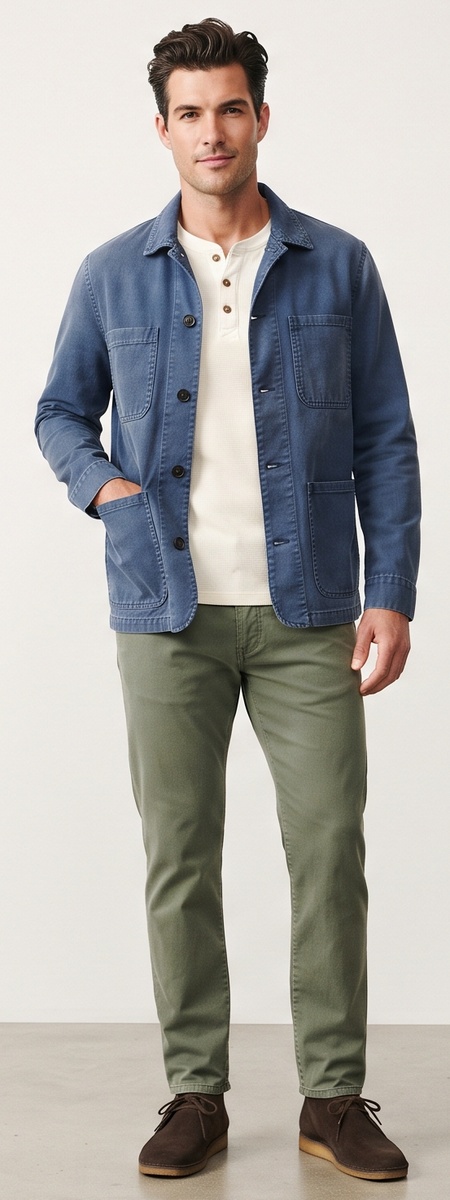
What to Wear to a Homebrewing Workshop — Men's Complete Guide
Signing up for an all-grain homebrewing workshop or microbrewery cellar masterclass puts you directly on wet brewery floorboards amidst steaming mash tuns, boiling wort kettles, and aromatic hops. Stirring fifty-pound grain mashes, sparging malted barley, and pitching brewing yeast requires rugged, spill-resistant craft brewing attire that handles active brewhouse heat. The benchmark dress code is functional taproom and cellar workwear: heavy cotton plaid flannels or rugged canvas vests over thermal henleys, paired with durable dark wash jeans or carpenter pants and waterproof rubber-soled work boots. You need total protection against hot liquid splashing, floor washdowns, and heavy stainless steel keg handling throughout active brewing steps. From non-slip wet brewery floor footwear grip to grain-shedding natural cotton layering, here is your definitive blueprint for craft homebrewing workshop style.
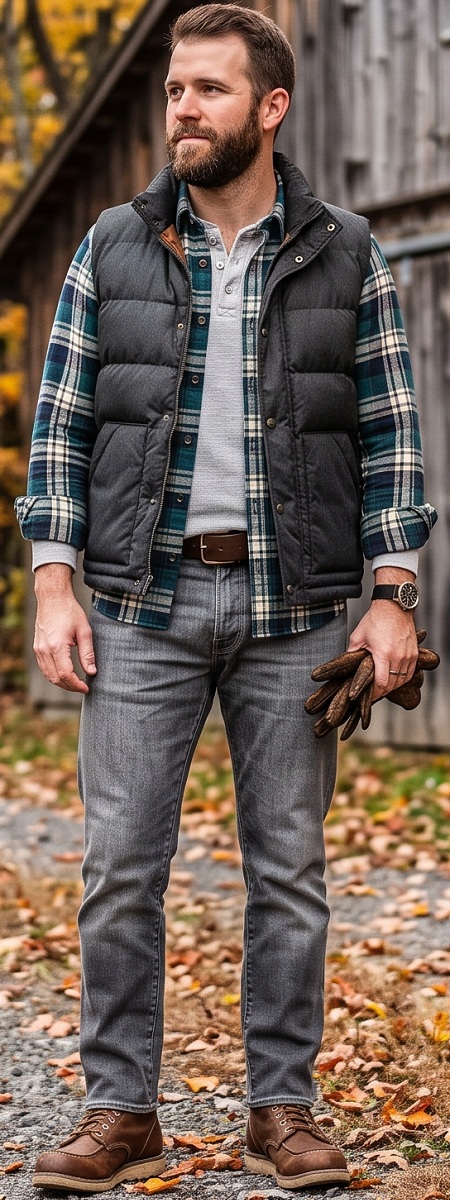
How to Style a Men's Plaid Flannel Shirt for Autumn Warmth
Learn how to style a men's plaid flannel shirt with N-1 deck jackets, puffer vests, selvedge denim, and moc-toe boots without looking like a lumberjack.
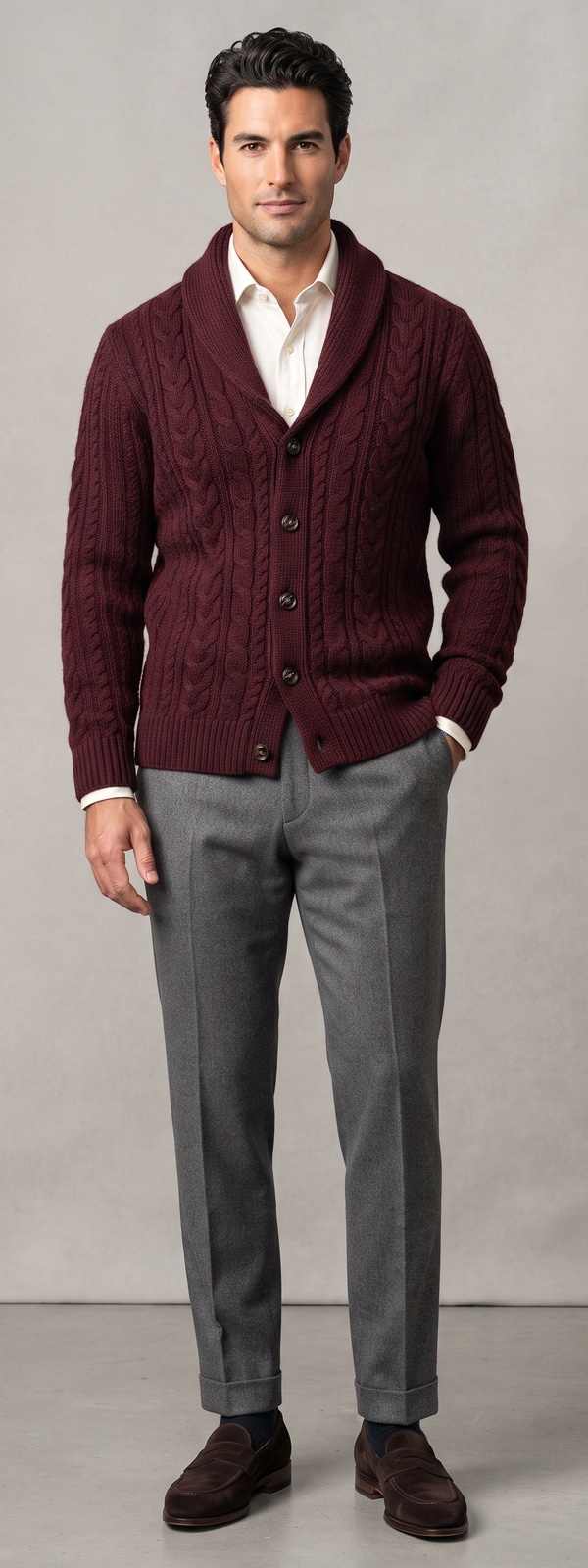
Flannel Shirts 101: How to Avoid the Lumberjack Look
Master flannel shirts without looking like a lumberjack. Discover sophisticated plaid palettes, tailored fits, urban layering, and smart-casual.
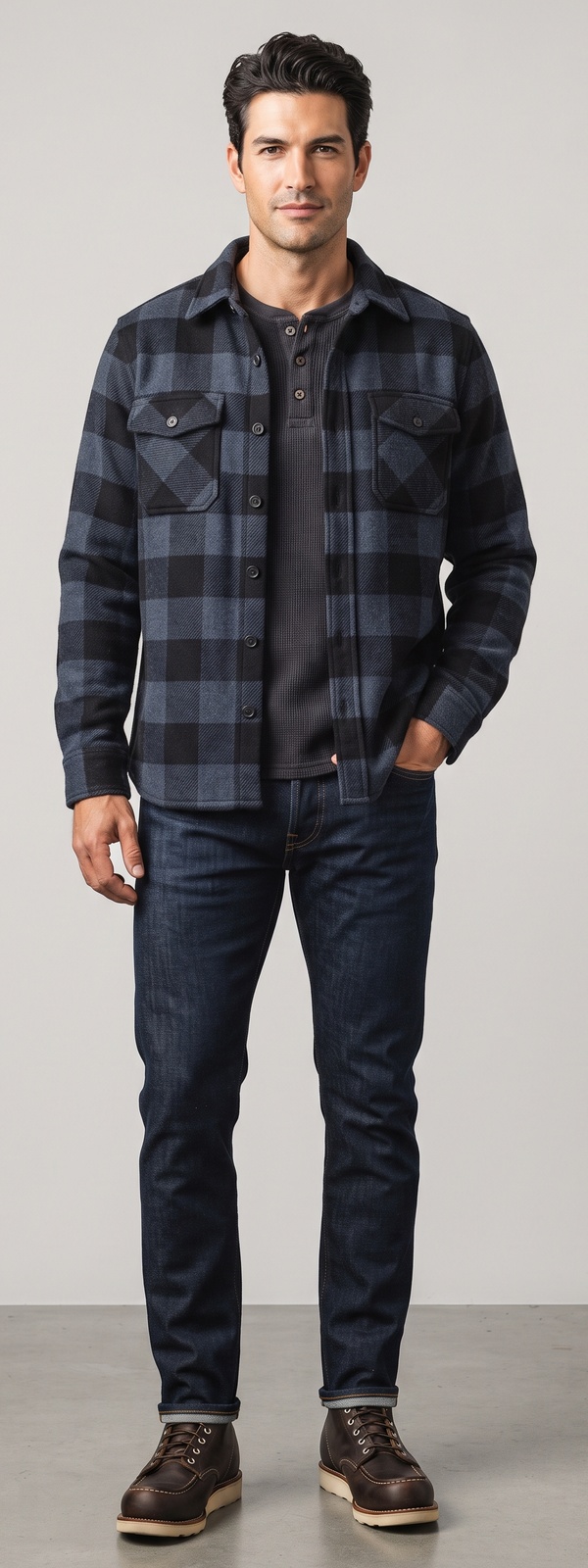
What to Wear to a Woodworking Workshop — Men's Complete Guide
Signing up for an analog woodworking masterclass, traditional timber joinery session, or green spoon carving workshop connects you with raw lumber, sharp gouges, and hand planes. Spending several hours shaping white oak and walnut amidst flying wood curls and sawdust requires protective, non-entangling artisan apparel that balances mobility with workshop safety. The benchmark dress code is functional artisan heritage workwear: heavyweight denim trucker jackets or chambray work shirts beneath a split-leg leather or canvas apron, paired with duck canvas carpenter pants and steel-shank leather work boots. You need dense fabric that shields your thighs from sharp carving tools while keeping sleeves clear of spinning lathes and power planers. From sawdust-repelling smooth fabric surfaces to lathe safety dress protocols, here is your definitive blueprint for woodworking studio style.
Moc-Toe Work Boots: Heritage Goodyear-Welt Craftsmanship
We built this lookbook around the unmistakable silhouette of the heritage moc-toe work boot. Defined by its raised moccasin-stitched toe box and durable Goodyear-welted construction, this American workwear icon anchors heavy fabrics like raw selvedge denim, olive baker fatigues, and duck canvas without breaking a sweat. Cuff your trousers once above the ankle eyelet line to showcase the full leather shaft and contrast stitching.
Other Reading
What to Wear to a Hot Glassblowing Class — Men's Guide
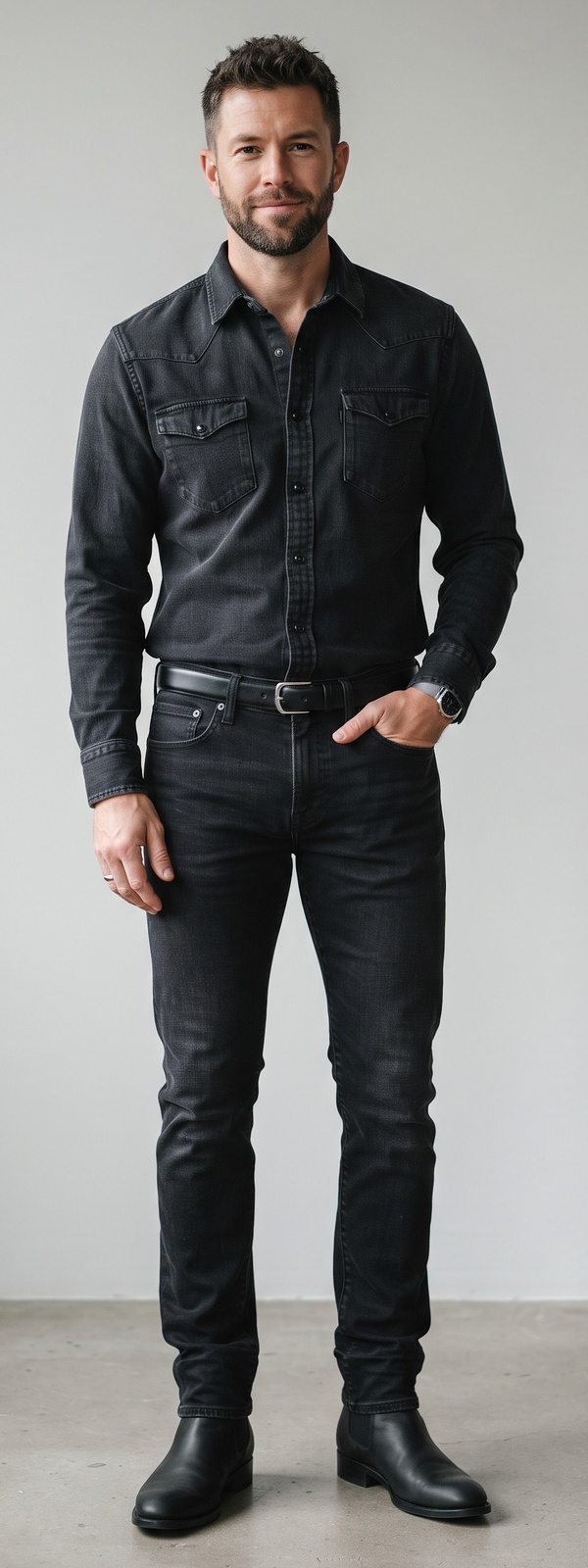
Stepping onto the heat-soaked floor of a hot glassblowing studio surrounds you with twenty-one-hundred-degree reheating furnaces, glowing crucibles, and spinning stainless blowpipes. Glass artists gather molten glass gathers on hollow pipes, shape molten orbs with soaked wooden cherry blocks, and sit at the gaffer bench spinning rods continuously. The mandatory dress code is heavy-duty natural fiber workshop workwear: heavy 100% cotton canvas work shirts, heavyweight denim carpenter pants, split-leg shop aprons, and thick leather work boots. Working beside roaring glory holes creates extreme radiant heat, making natural non-melting fibers an absolute safety requirement. From spinning heavy blowpipes at the bench to cooling vessels in annealing ovens safely, here is how to dress for a hot glassblowing class.
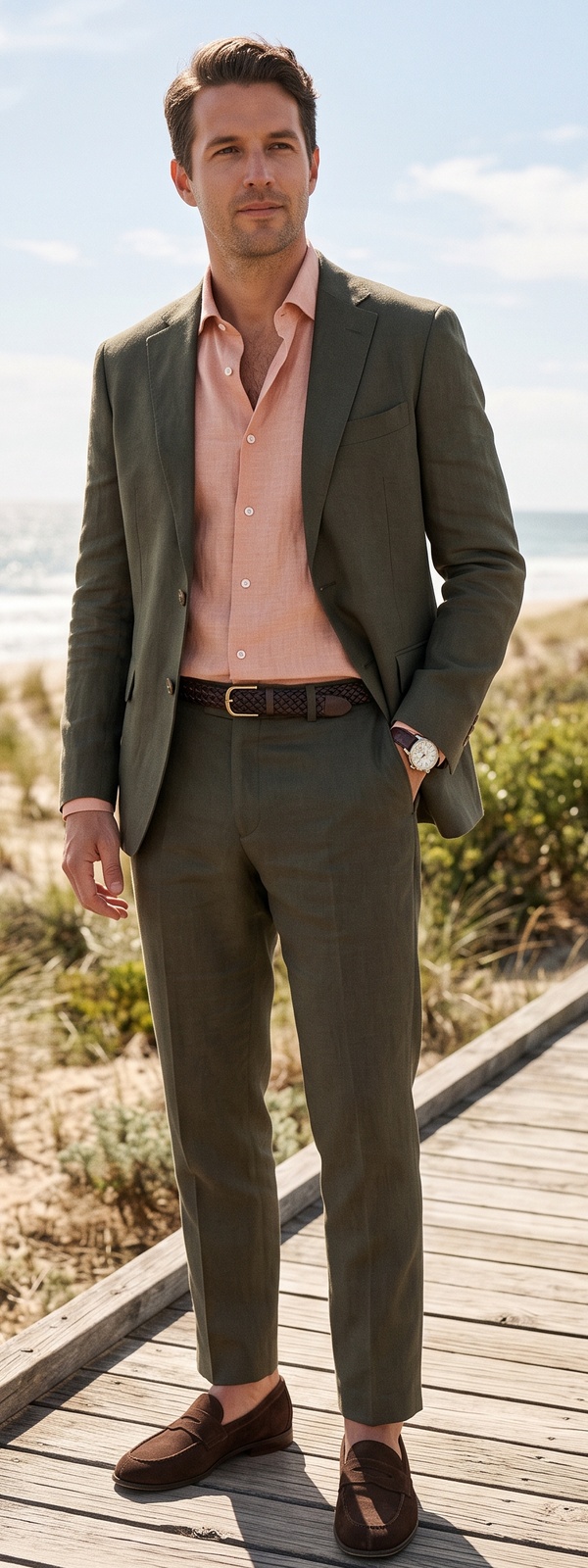
Linen Two-Piece Suits: Unstructured Summer Tailoring
We designed this collection around the philosophy that a linen suit should never look stiff or overly pressed. The natural crease of pure Irish or Italian linen is a hallmark of relaxed summer sophistication rather than a flaw. We suggest pairing sand, olive, tobacco, and sky-blue linen suits with open-collar popovers or silk-knit polos and unlined loafers.

How to Wear Neo-Prep & Modern Ivy League Style
Learn how to wear neo-prep and modern Ivy League style on a budget. Discover rugby shirts, cable knits, chinos, penny loafers, and collegiate cool.