
What to Wear to a Dark-Sky Stargazing Night — Men's Complete Guide
Venture into an official International Dark-Sky Reserve, high-altitude mountain observatory, or desert plateau for a night of astronomical stargazing and astrophotography connects you with the cosmos. Standing motionless for hours beside computer-guided telescopes and deep-sky cameras in sub-zero midnight temperatures requires serious cold-weather expedition layering.
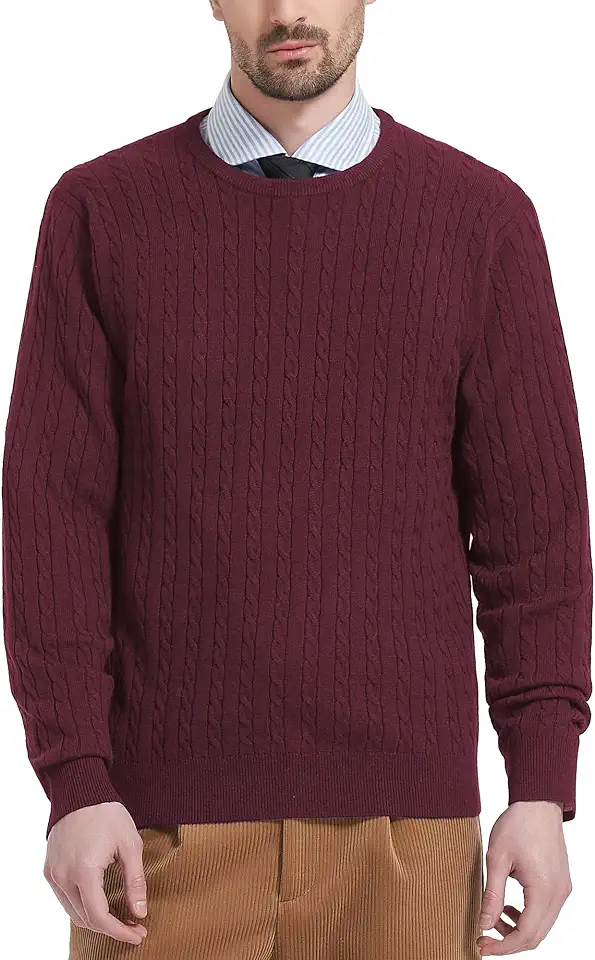
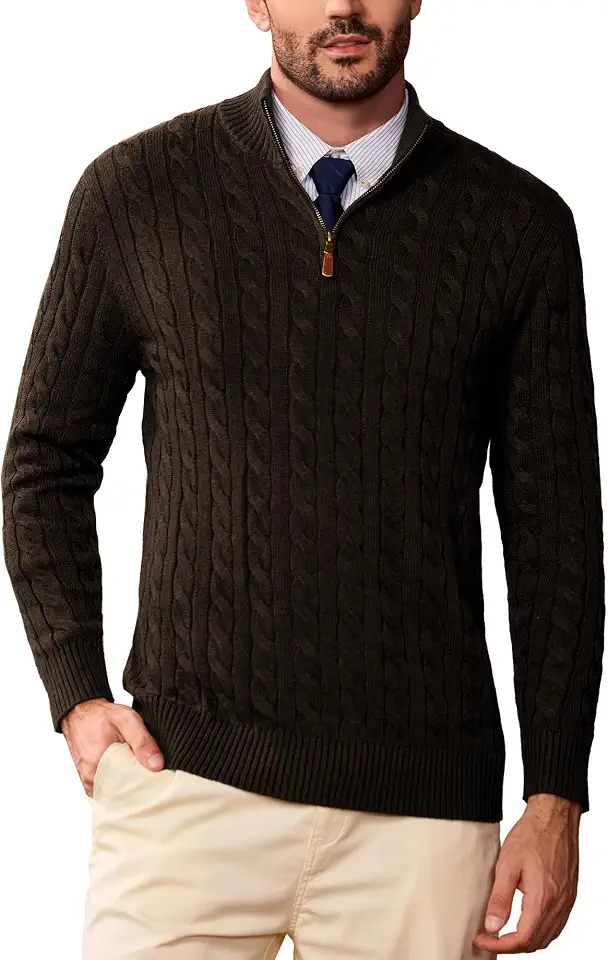
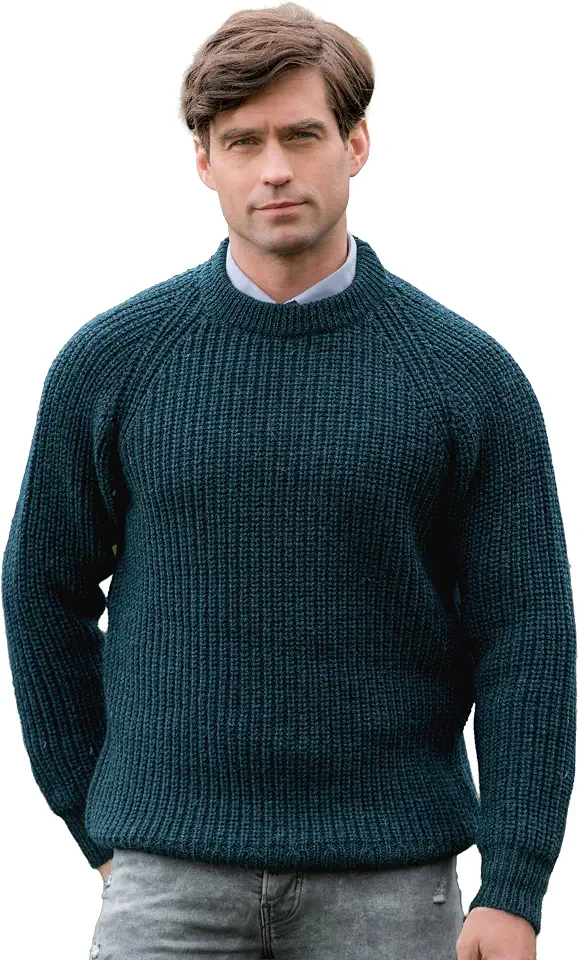
The benchmark dress code is alpine heritage warmth and heavy-duty thermal layering: dense wool overcoats or heavy down parkas over thick cable-knit turtleneck sweaters, paired with flannel-lined wool trousers and heavily insulated winter boots. You need total wind and frost protection that keeps extremities toasty while adjusting fine telescope focuser knobs in the dark.
From head-to-toe thermal heat retention while motionless to night-vision red light headlamp etiquette, here is your definitive blueprint for dark-sky astronomy style.
Outfits that work
 From $195
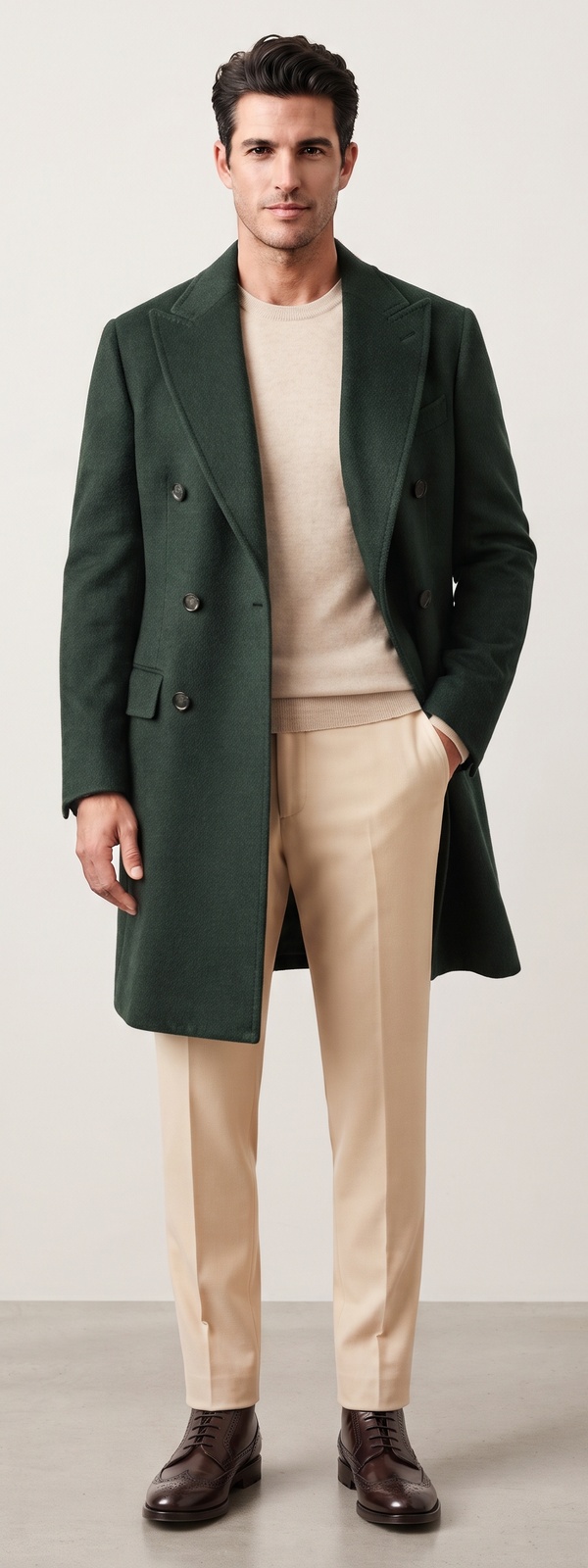 From $152
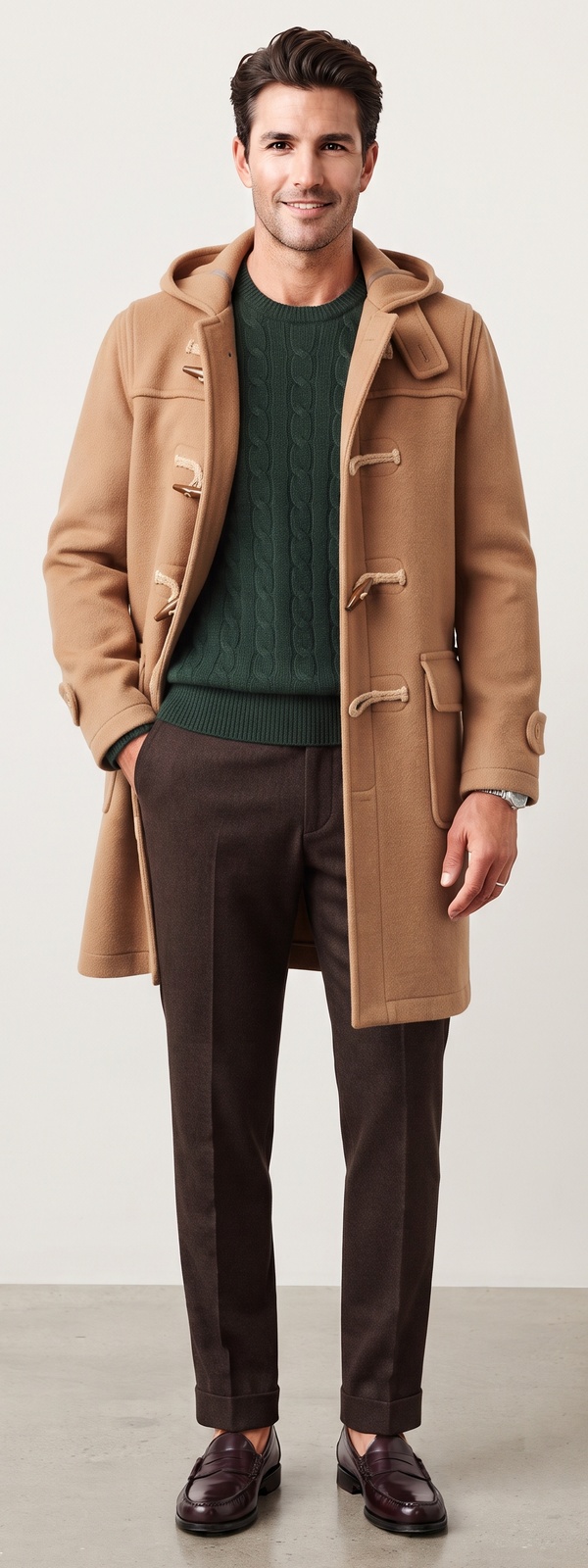 From $208
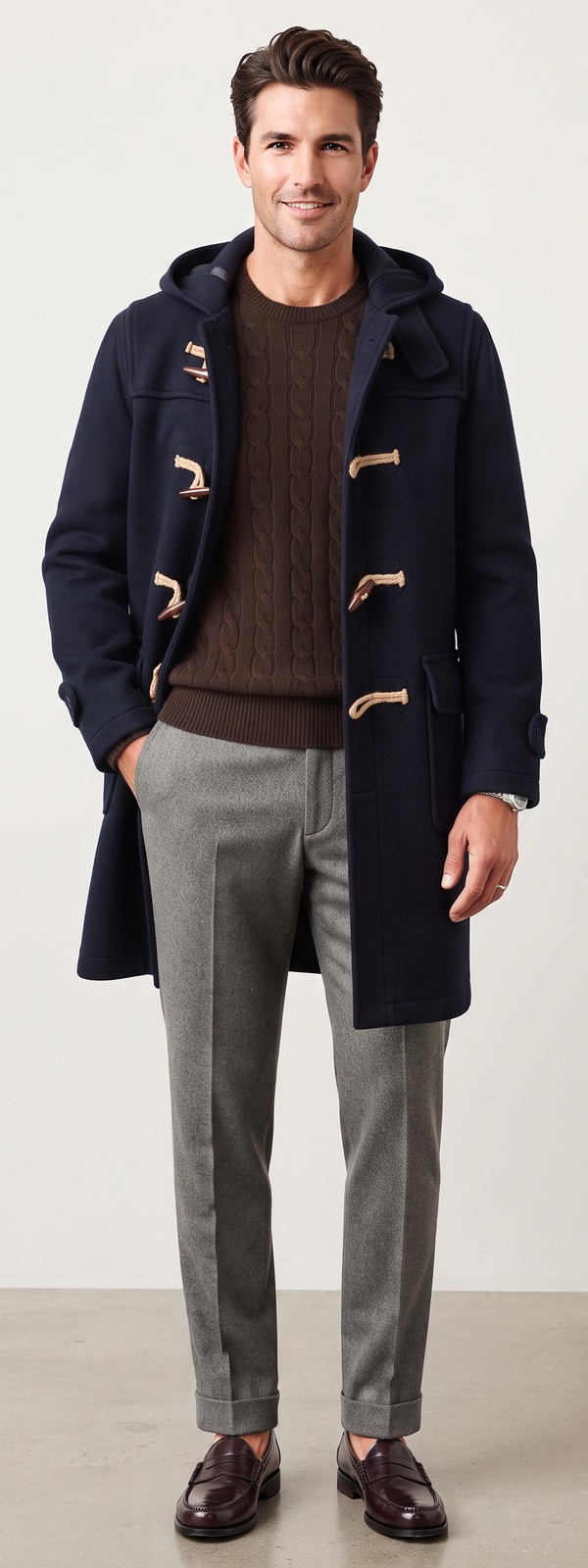 From $199
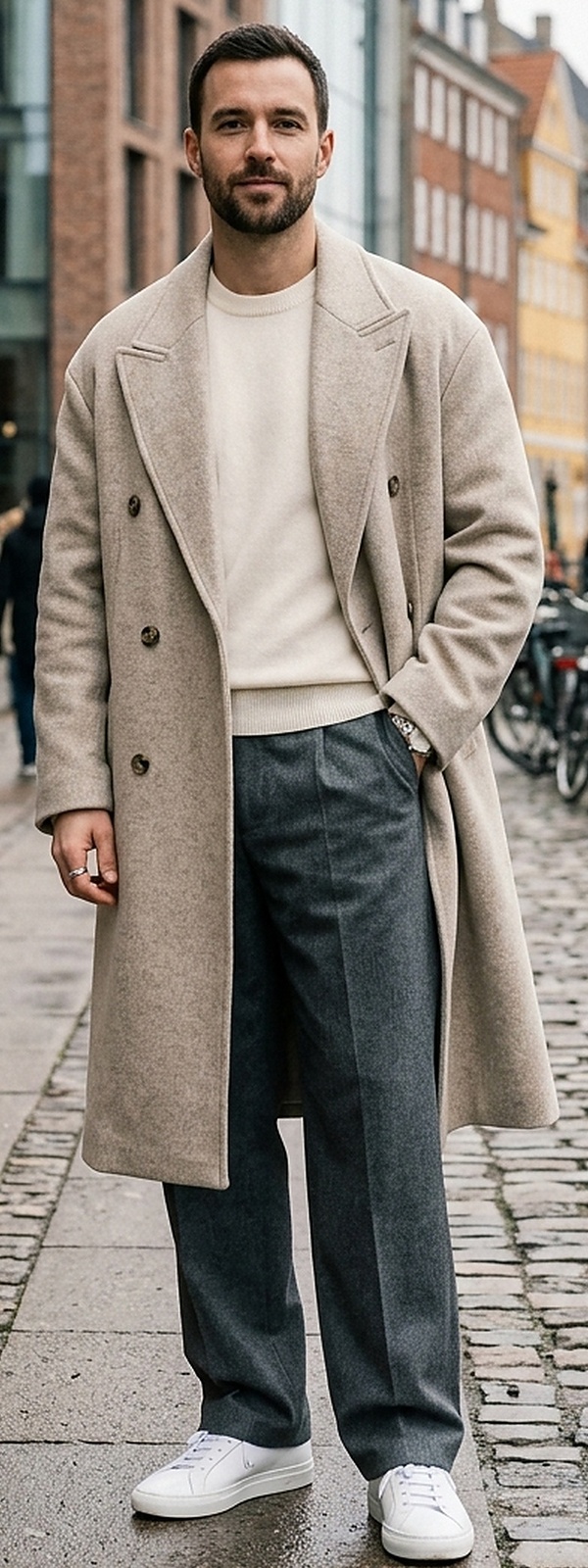 From $245

Do
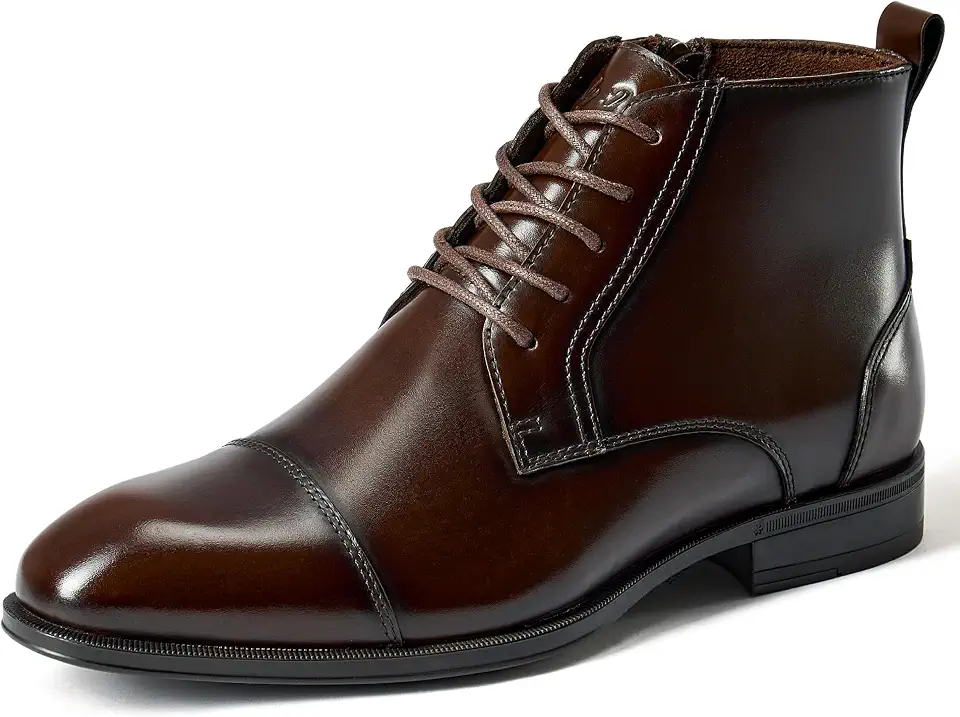
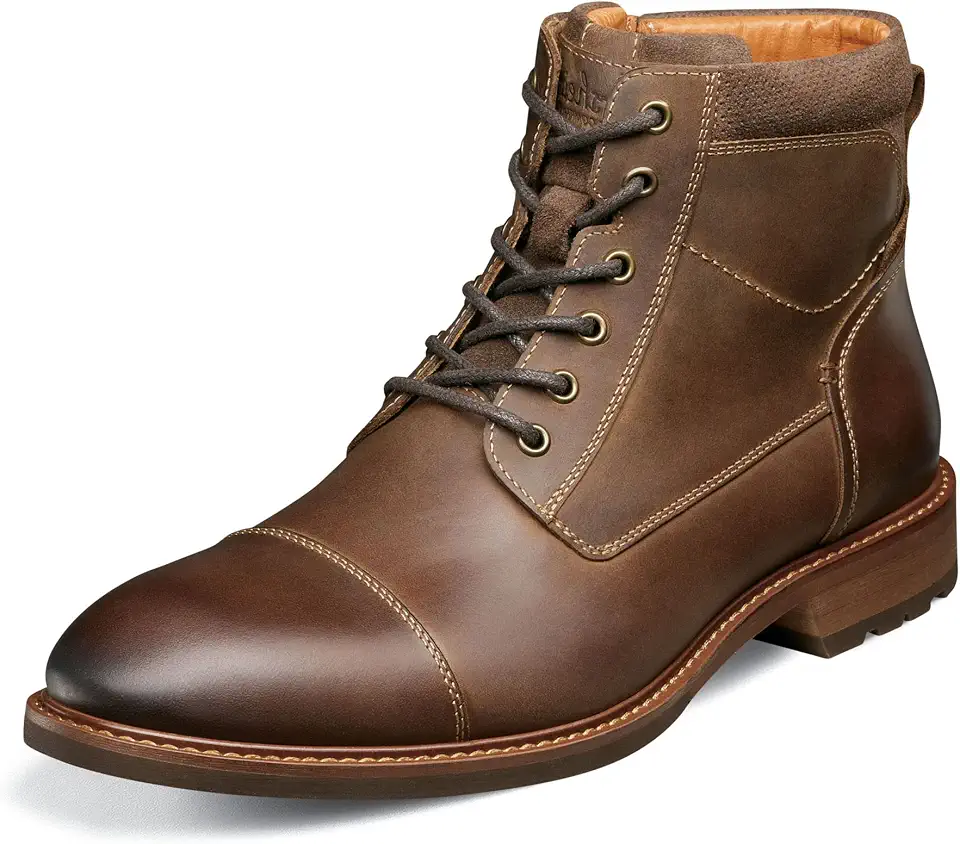
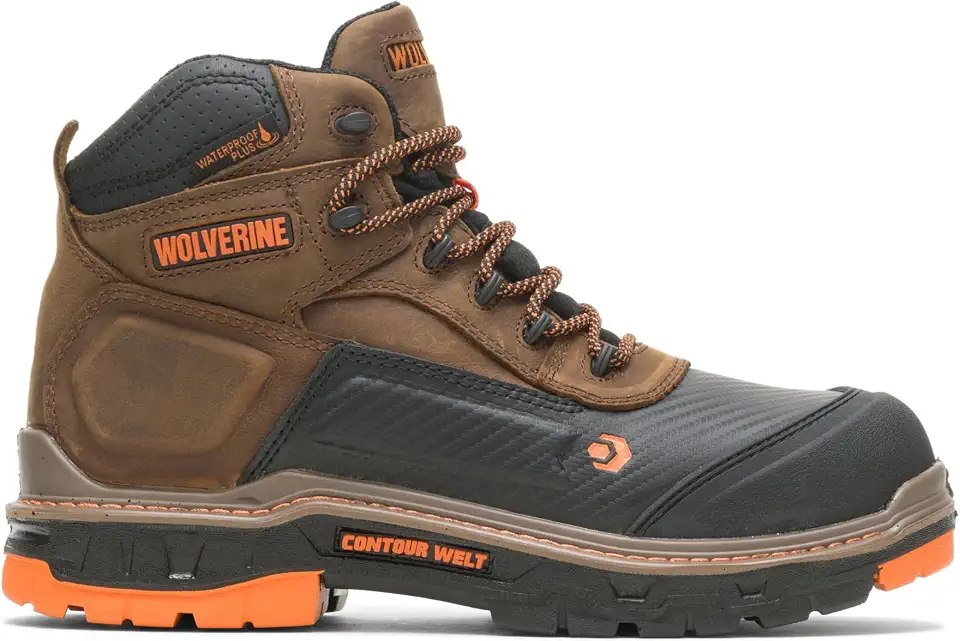
- ✓Wear heavy-duty insulated leather boots with thick rubber soles to block freezing ground cold during hours of standing.
- ✓Choose heavyweight wool overcoats, duffle coats, or down parkas that trap maximum body heat in sub-zero winds.
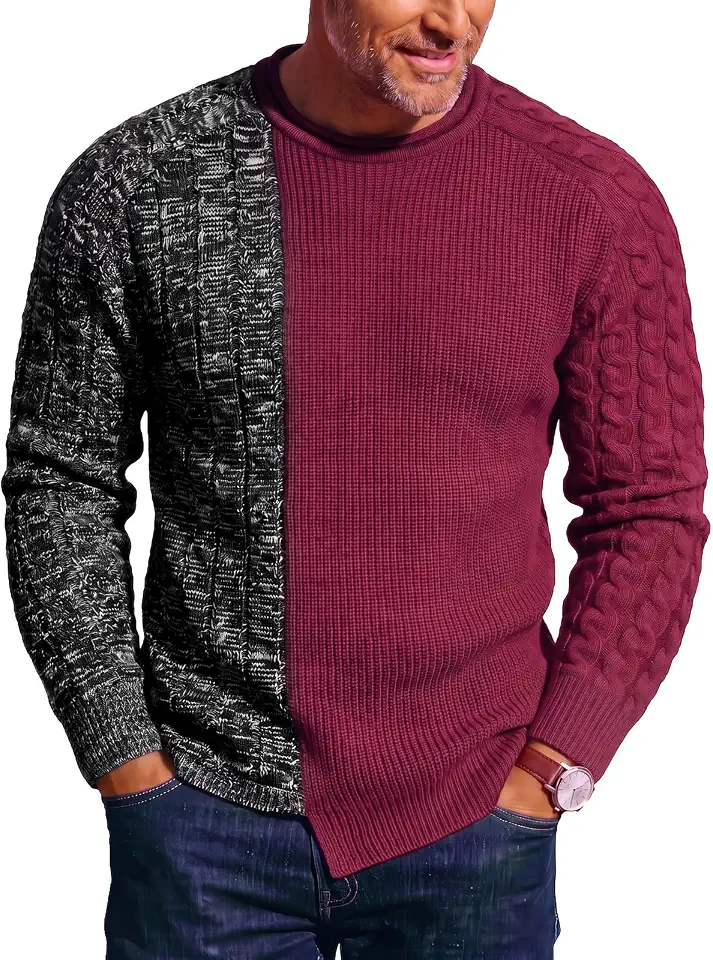
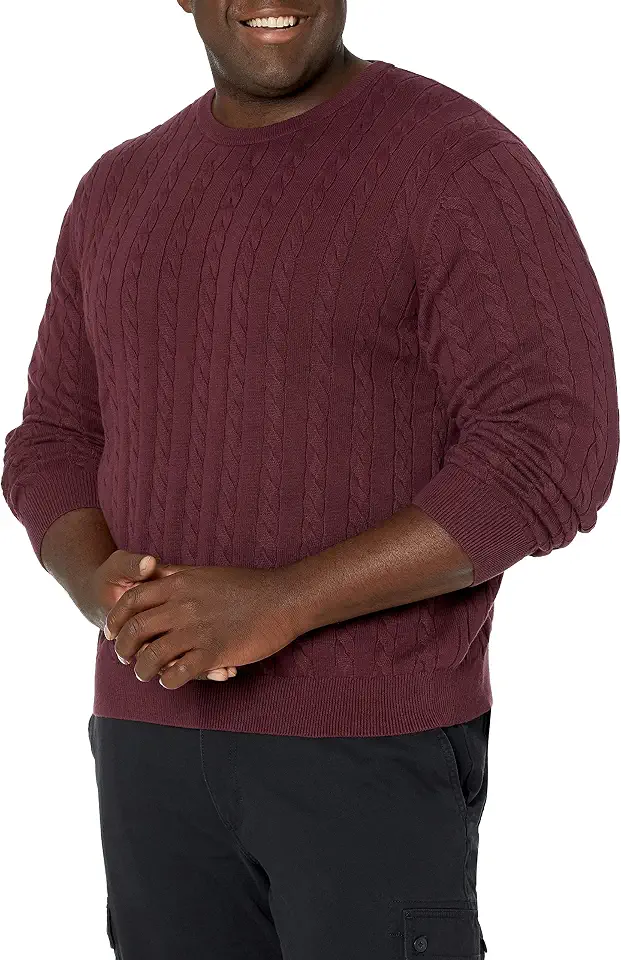
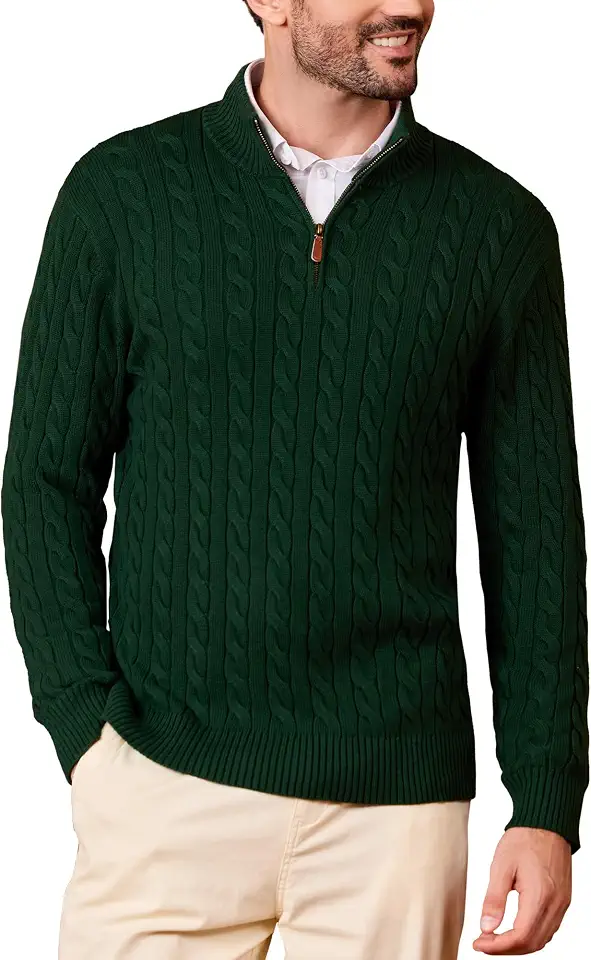
- ✓Layer with a dense cable-knit wool sweater or cashmere turtleneck over thermal merino base layers.
- ✓Wear a dense knit merino wool beanie or shearling cap that pulls completely over your ears against alpine gusts.
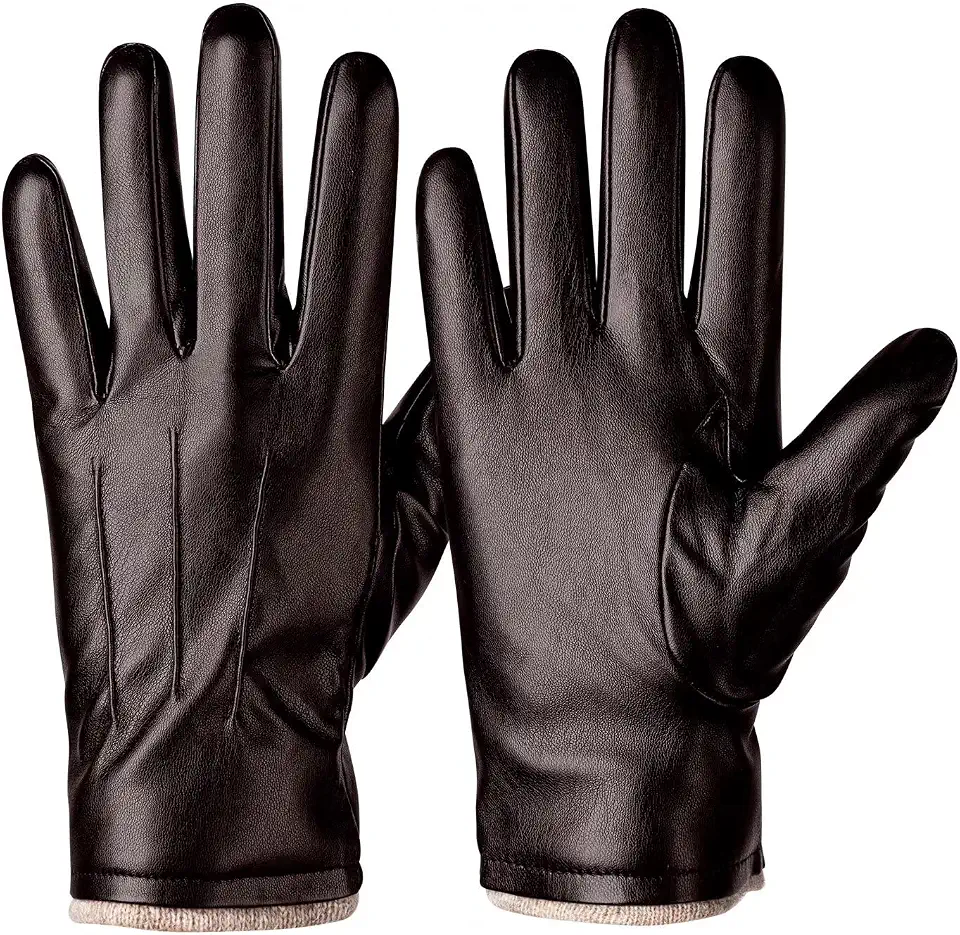
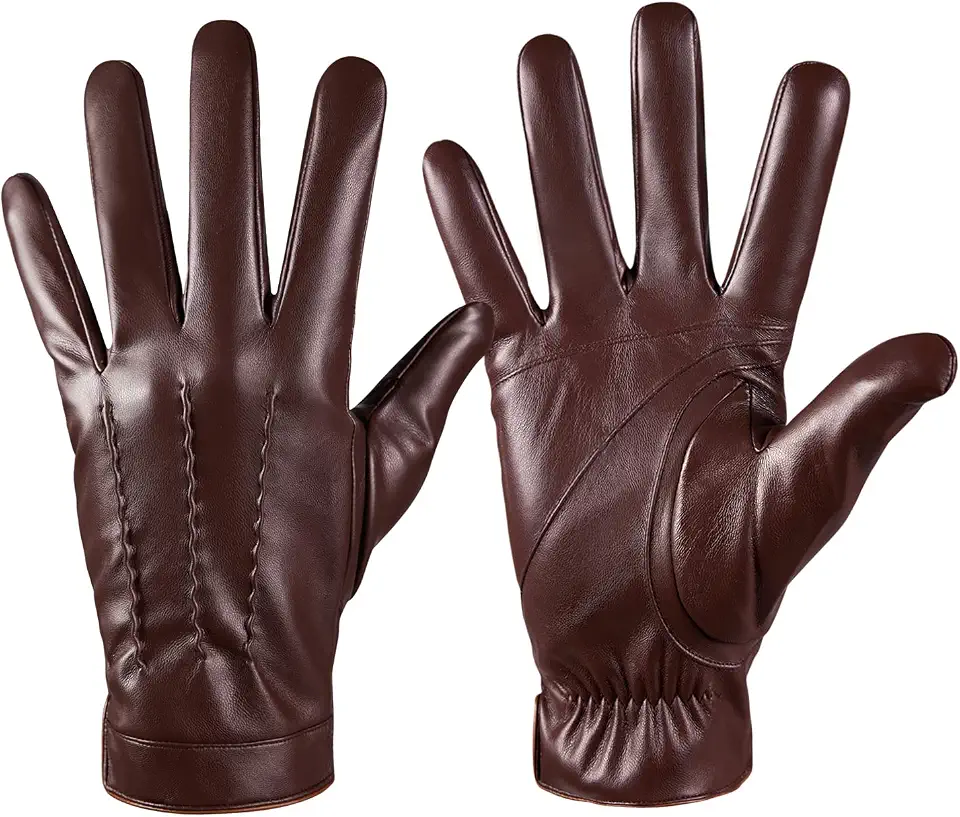
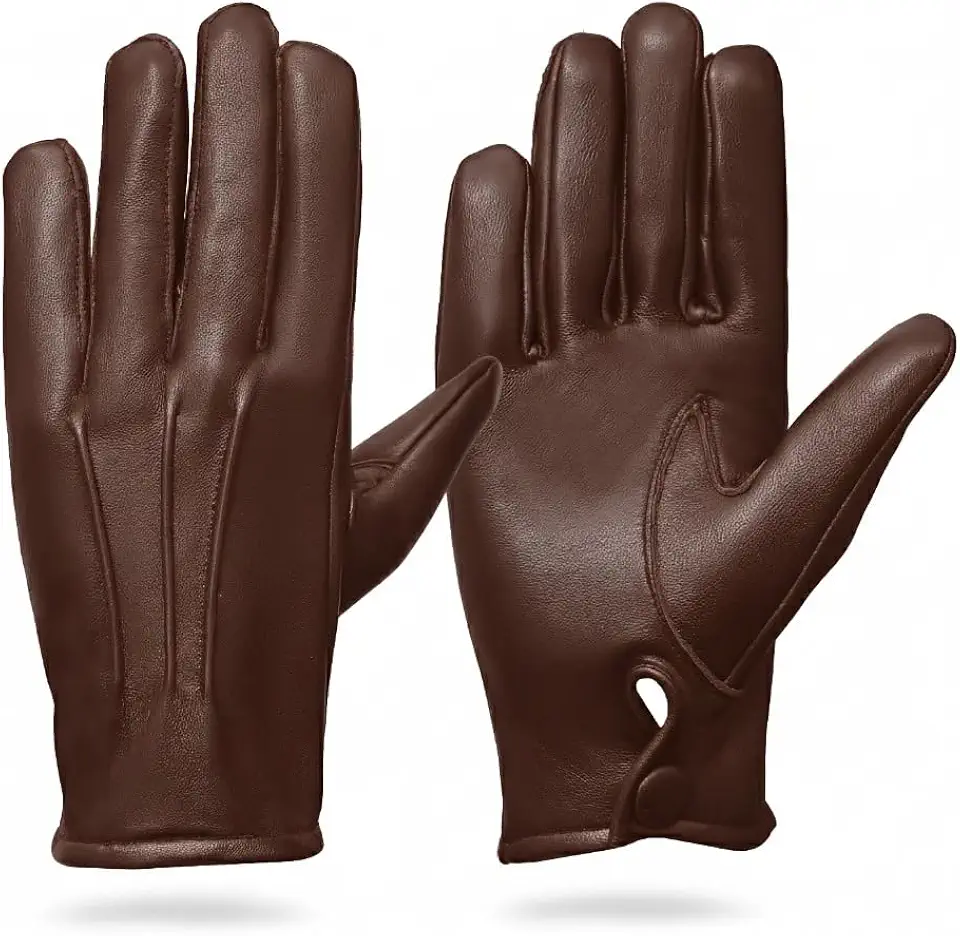
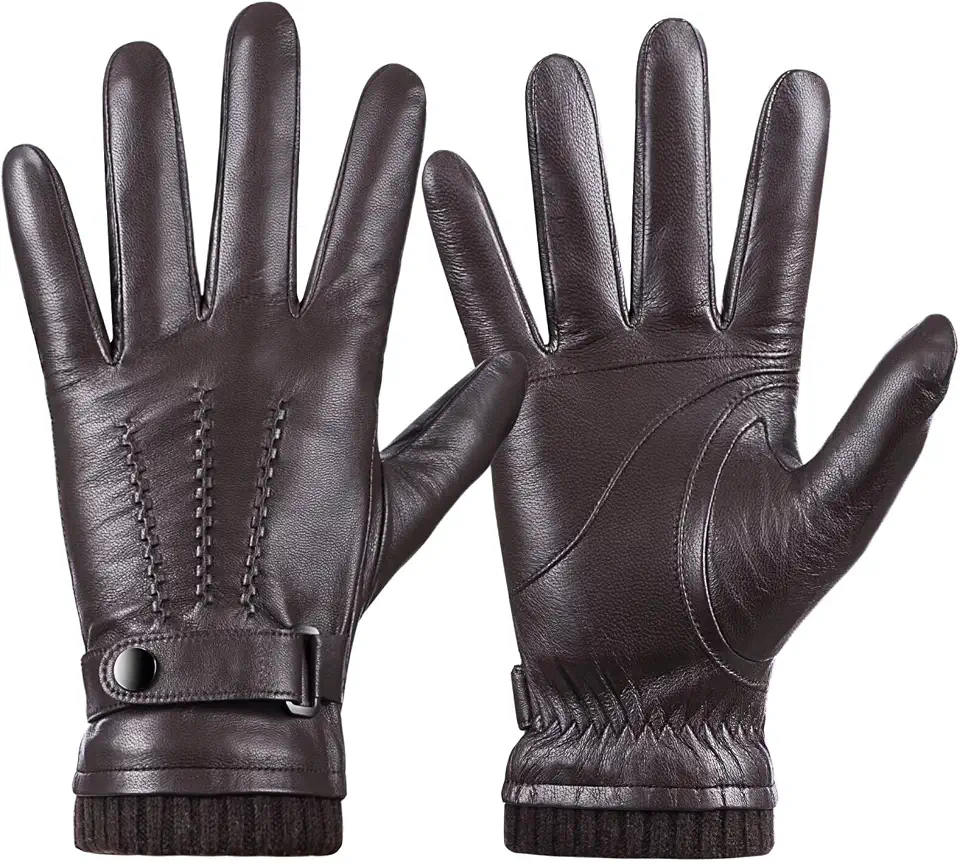
- ✓Bring touch-screen compatible liner gloves beneath heavy mittens for delicate telescope and camera adjustments.
Don't
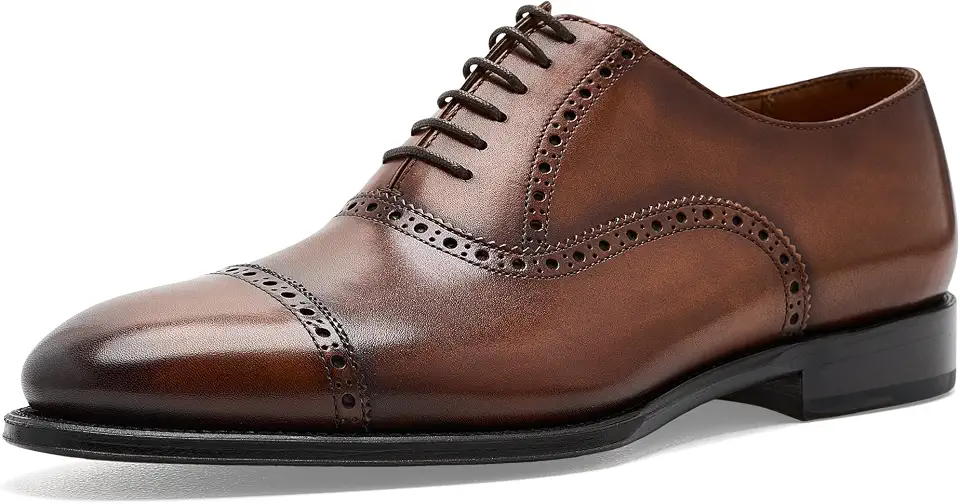
- ✗Avoid thin city dress shoes or unlined leather boots that freeze your toes within fifteen minutes on frozen ground.
- ✗Don't wear white headlights or glowing phone screens that ruin your eyes' forty-minute dark-adaptation cycle.
- ✗Avoid unlined cotton chinos or denim jeans that offer zero wind resistance and rapidly sap body temperature.
- ✗Don't forget windproof outer shells, as high-altitude desert and mountain night winds drop windchill drastically.
Style tips
The Frozen Ground Thermal Barrier
Standing motionless beside a telescope tripod on frozen mountain rock draws body heat down through your feet rapidly. Insulated winter boots with thick EVA midsoles and shearling insoles are vital for endurance.
Heavy Wool Trapped Air Insulation
Without physical exertion, your body generates minimal heat in midnight chill. Heavyweight Scottish wool coats and thick cable-knit sweaters trap voluminous layers of warm dead air, keeping your core completely warm.
Convertible Mitten Camera Precision
Focusing astrophotography lenses and tightening telescope equatorial mounts demands delicate fingertip dexterity. Convertible flip-top mittens with thin liner gloves protect hands while allowing precise adjustments.
Related searches
All curated searches
Related Reading
What to Wear Ice Fishing on a Frozen Lake — Men's Guide
Trudging across a wind-swept frozen lake to drill holes with an ice auger and set tip-up flags places you in one of winter's coldest outdoor environments. Standing stationary over drilled ice holes for hours inside or beside an uninsulated ice shanty exposed to sub-zero winds demands industrial-grade thermal insulation and complete moisture-barrier protection. The benchmark dress code is heavy-duty arctic winter utility: heavy down parkas or storm-resistant winter coats over thick thermal waffle knits, paired with insulated waterproof bib overalls and rated extreme-cold pac boots with removable felt liners. Your garments must block freezing lake winds while preventing rising ice slush from seeping through your knees and feet. From ground-ice moisture shielding to stationary extremity warmth and frostbite defense, here is your definitive blueprint for frozen lake ice fishing style.
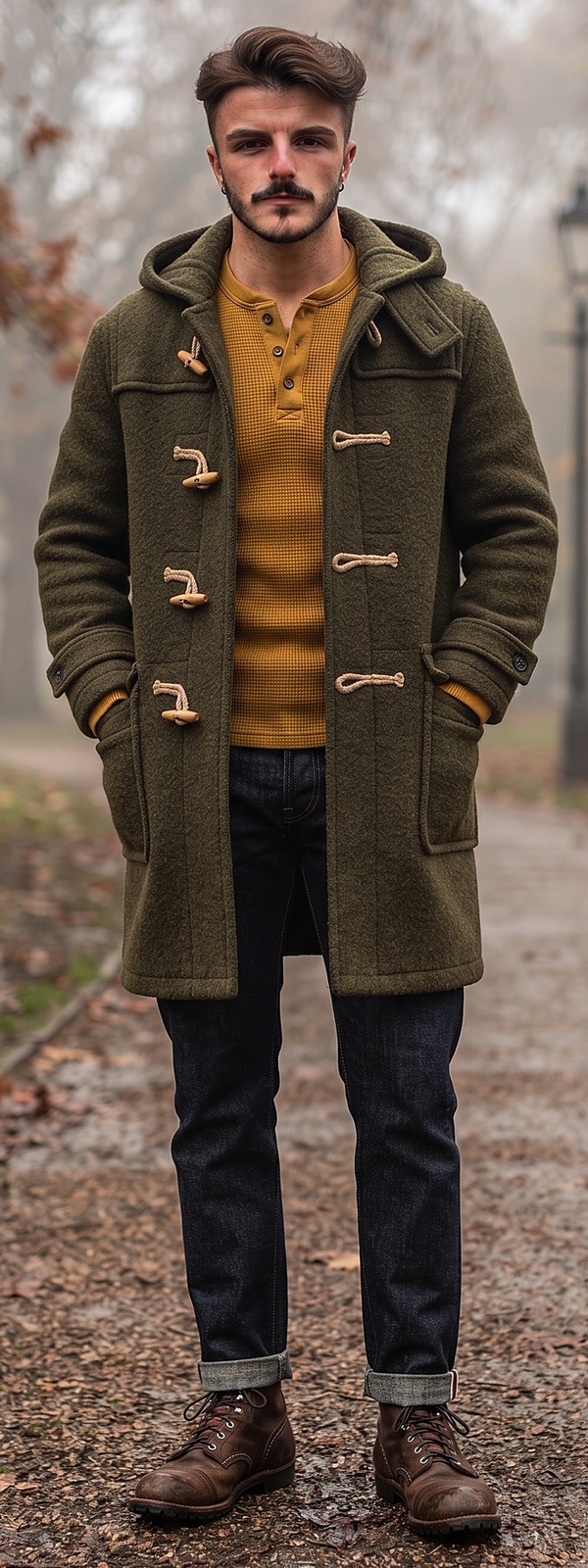
Fireman Clip Outerwear: Industrial Latches & Work Jackets
We curated this edit around the tactile return of mechanical hardware closures on outerwear. We highlight men's wool duffle coats with horn toggles, men's fireman clip canvas jackets, and men's heavy clasp overcoats paired with men's brown corduroy pants and men's dark selvedge denim jeans. Finished with men's leather work boots, our styling approach brings vintage maritime and firefighting utility into crisp everyday street rotation.
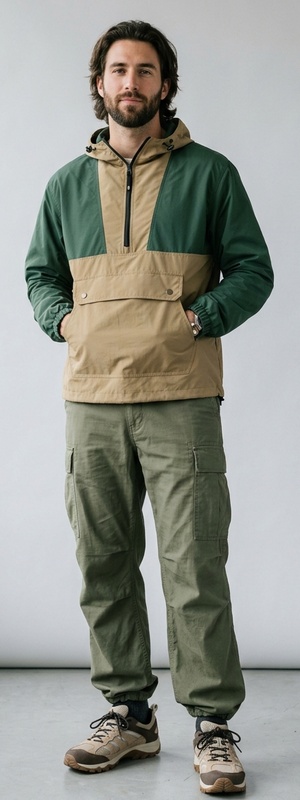
Outdoor Heritage: Trail-Ready Technical Shells & Fleece
We designed this collection to reflect the maturation of gorpcore into 'Outdoor Heritage.' Rather than synthetic neon mountain uniforms, we layer men's technical shell jackets, men's fleece overshirts, and men's zip anoraks with men's brown corduroy pants and men's wool flannel trousers. Grounded by men's waterproof hiking boots and retro trail sneakers, our ensembles seamlessly bridge rugged wilderness protection with refined urban styling.
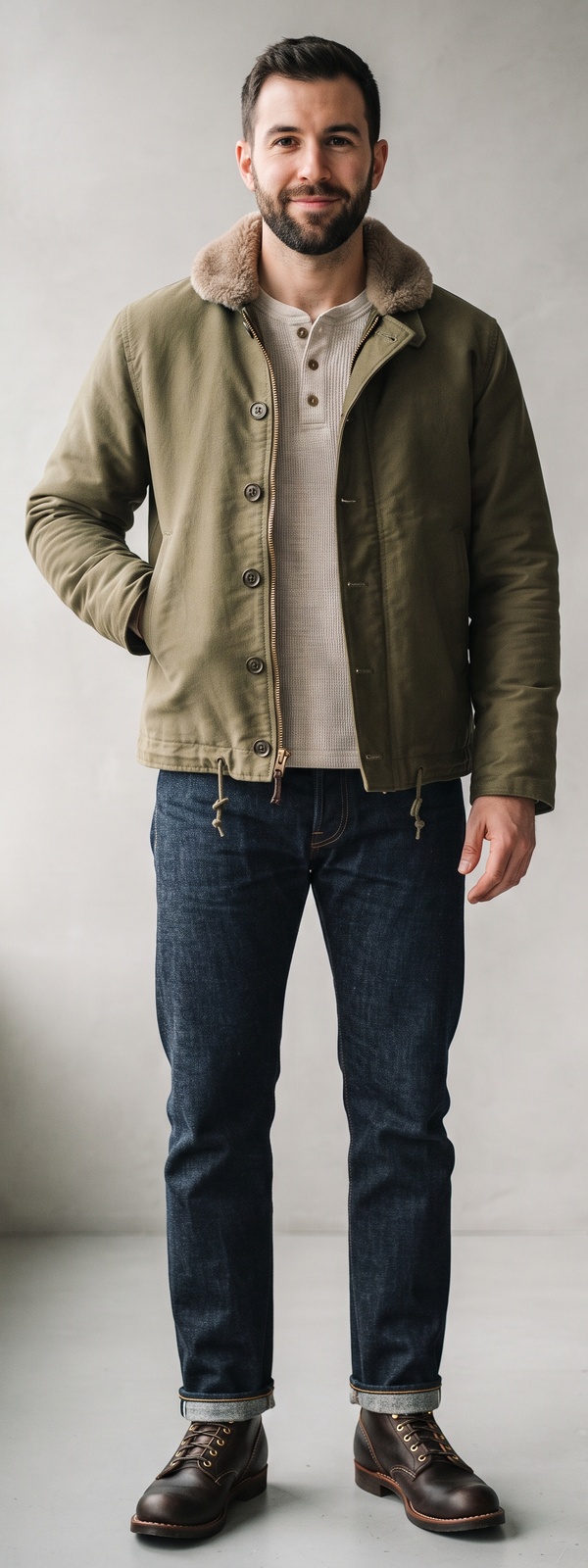
What to Wear to a Bobsled Track Experience — Men's Complete Guide
Standing atop an Olympic bobsleigh and skeleton track carved into a frozen alpine mountainside places you before serpentine ice chutes and banked curves. Sledders suit up with certified helmets, squeeze into steel four-man sleds behind professional pilots, and rocket down refrigerated ice at eighty miles per hour under high G-forces. The necessary apparel is severe-cold winter insulation and snug high-velocity wind protection: heavyweight shearling bomber jackets or thick deck jackets, thermal compression pants, heavily insulated winter boots, and snug wool beanies. Because wind chill inside open bobsleds at highway speeds drops rapidly below zero, streamlined windproof layers are vital. From walking the steep icy track catwalks to feeling your spine compress through the ninety-degree Kreisel turn, here is your essential bobsled style guide.
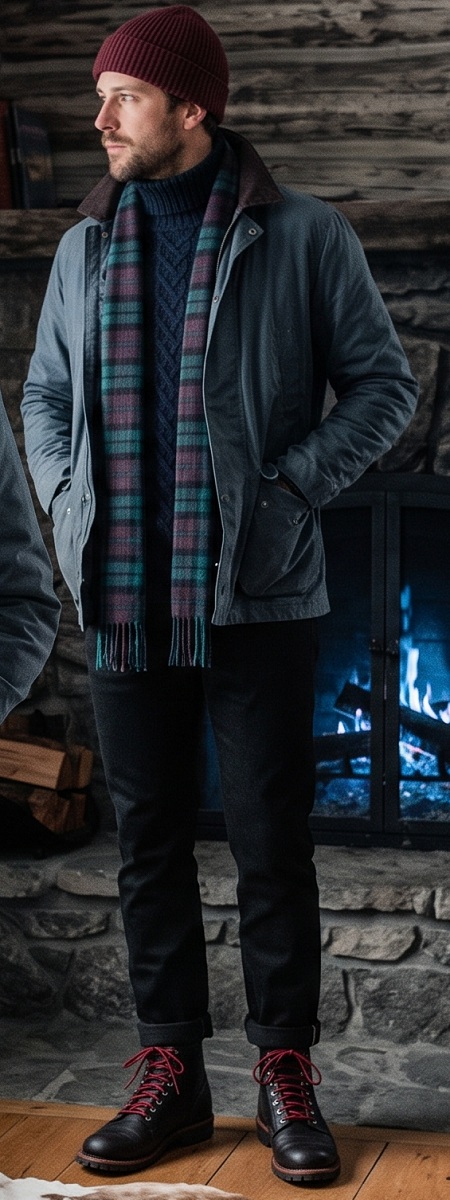
How to Wear British Country Style for Men with Distinction
Master authentic British country style with waxed canvas jackets, cable knit sweaters, tailored chinos, and leather boots for heritage elegance.
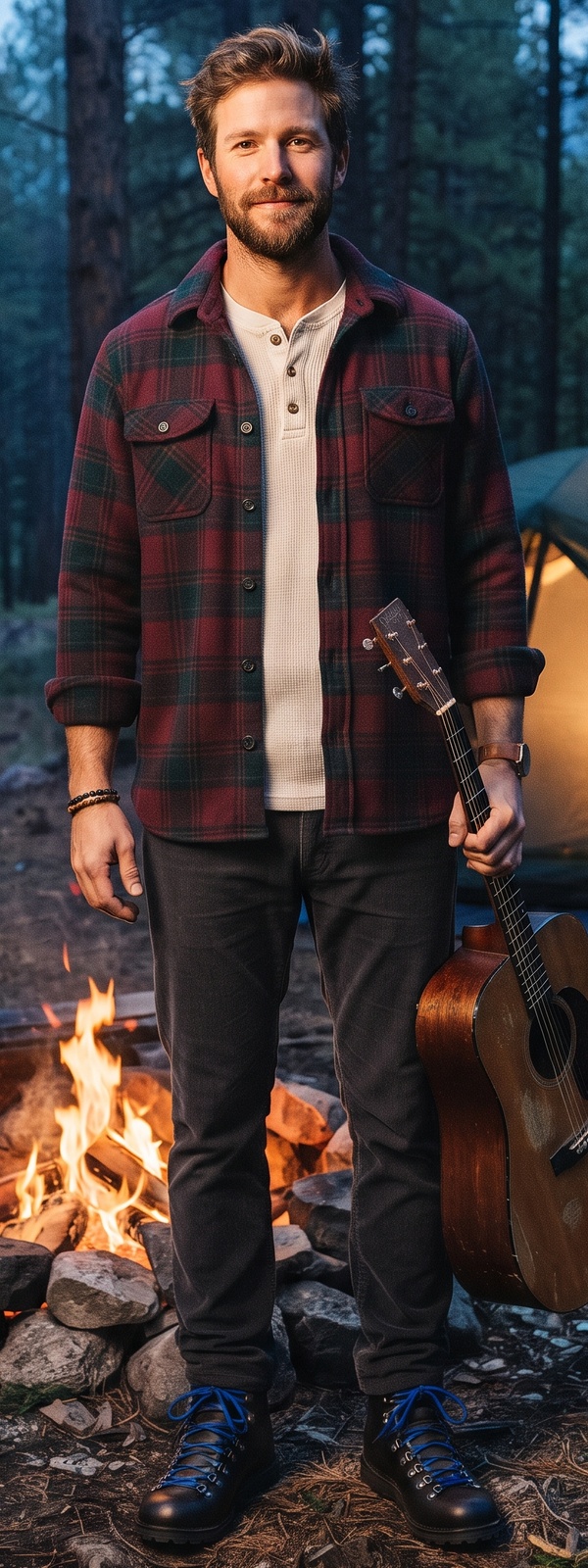
How to Style a Men's Plaid Fleece Overshirt for Fall
Discover how to style a men's plaid fleece overshirt with corduroy pants, rugged workwear boots, and thermal layers for ultimate campfire warmth.
Other Reading
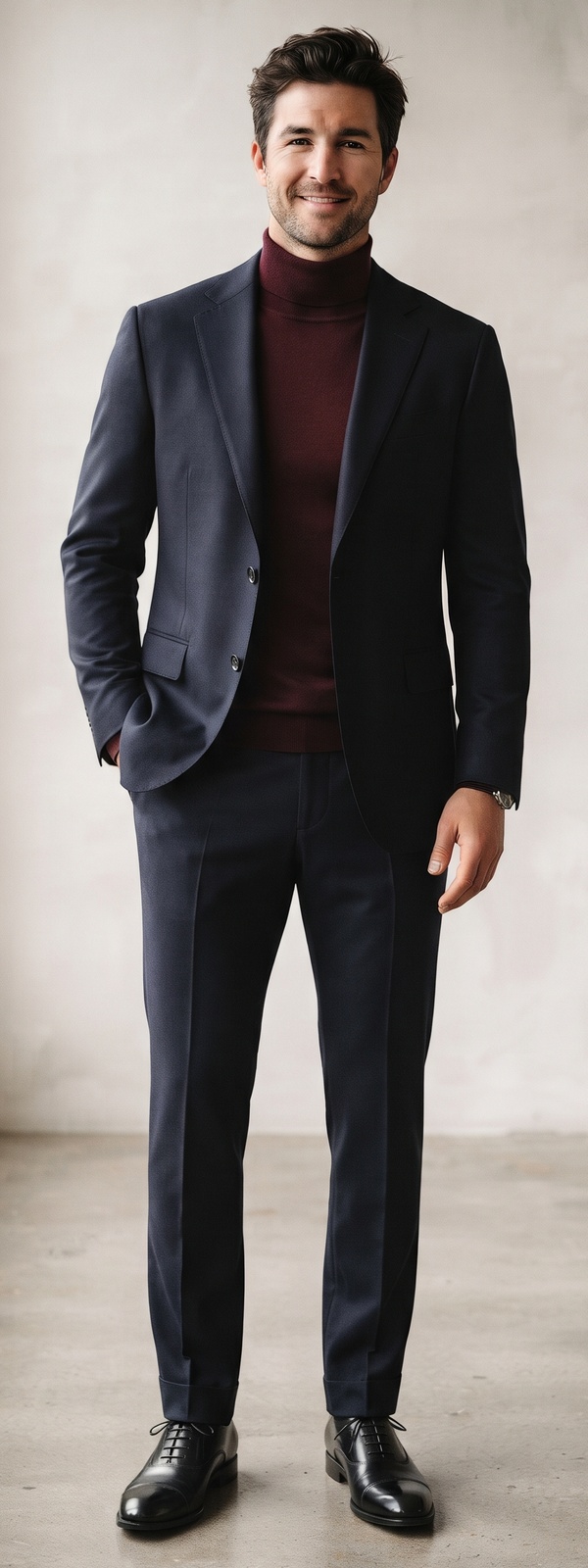
What to Wear with Bold Burgundy Accents — Men's Complete Guide
Introducing deep burgundy and oxblood accents into your wardrobe offers an immediate injection of sartorial confidence without the jarring loudness of primary reds. For autumn and winter transitions, deep wine hues provide rich textural contrast against foundational navy, slate grey, and camel tailoring. Whether styling an oxblood fine-gauge rollneck under a flannel suit or adding a subtle burgundy wool scarf to casual denim, the secret lies in balance. You want rich crimson undertones to serve as deliberate focal anchors rather than competing chaotic elements. From tactile knitwear layers to burnished leather derbies and seasonal accessories, here is your definitive blueprint for mastering bold burgundy accents with effortless masculine poise.
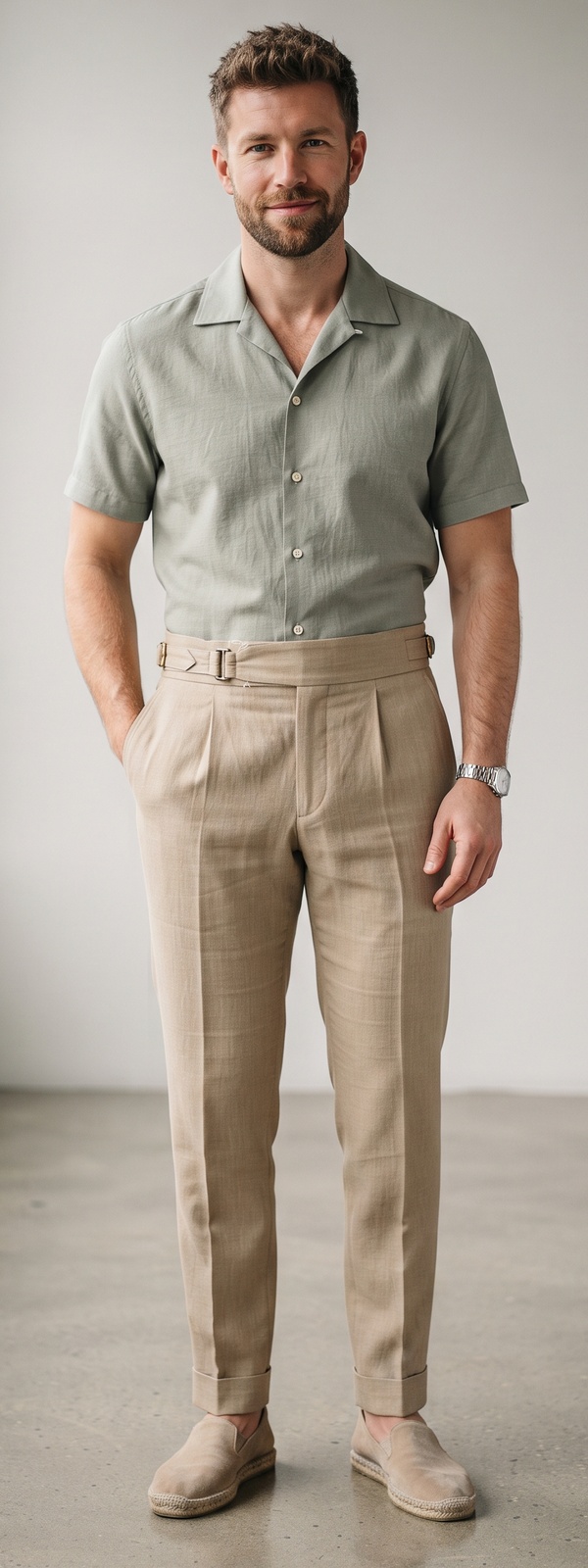
Solid Linen Camp-Collar Shirts: Breezy Summer Tailoring
We designed this gallery around the undisputed MVP of hot-weather styling: the solid linen camp-collar shirt. The open retro collar naturally elongates the neck, while slub linen fabric breathes effortlessly in high humidity. We love wearing a light blue or crisp white linen shirt unbuttoned over a cotton tee, paired with tailored chinos and suede loafers.
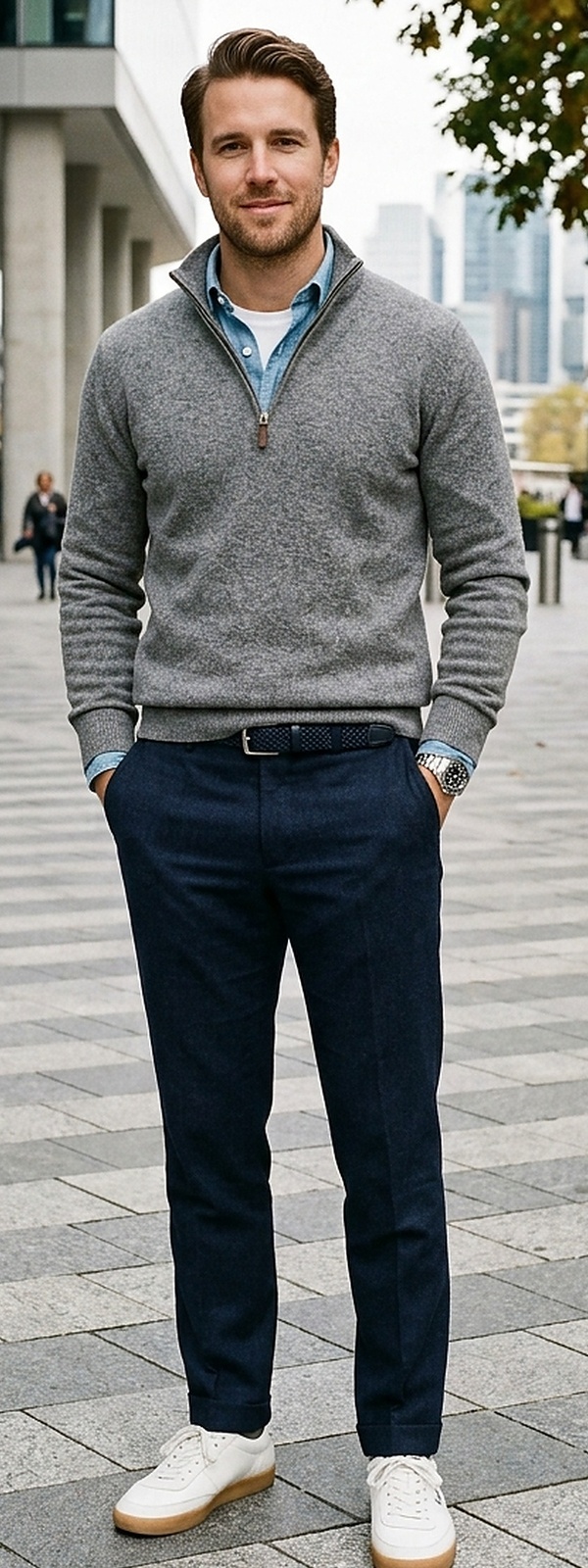
How to Style Men's Grey Flannel Dress Pants with Ease
Discover how to style men's grey flannel dress pants with tactile knitwear, tailored overcoats, and leather footwear for effortless cold-weather refinement.