
What to Wear to a Bobsled Track Experience — Men's Complete Guide
Standing atop an Olympic bobsleigh and skeleton track carved into a frozen alpine mountainside places you before serpentine ice chutes and banked curves. Sledders suit up with certified helmets, squeeze into steel four-man sleds behind professional pilots, and rocket down refrigerated ice at eighty miles per hour under high G-forces.
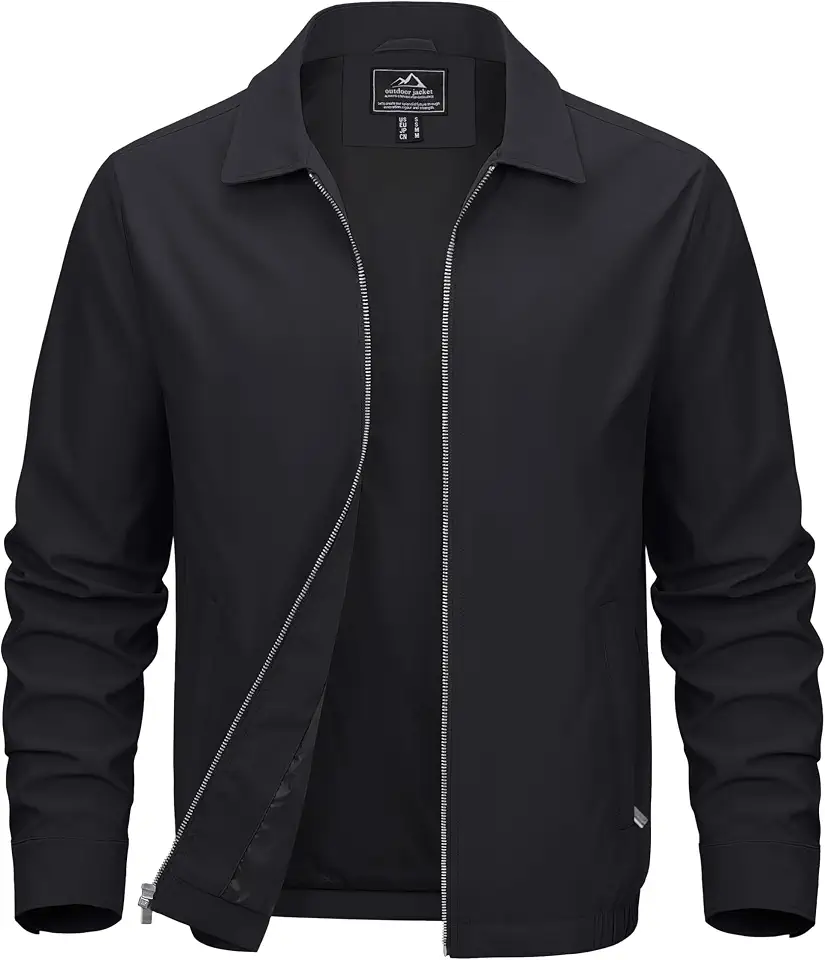
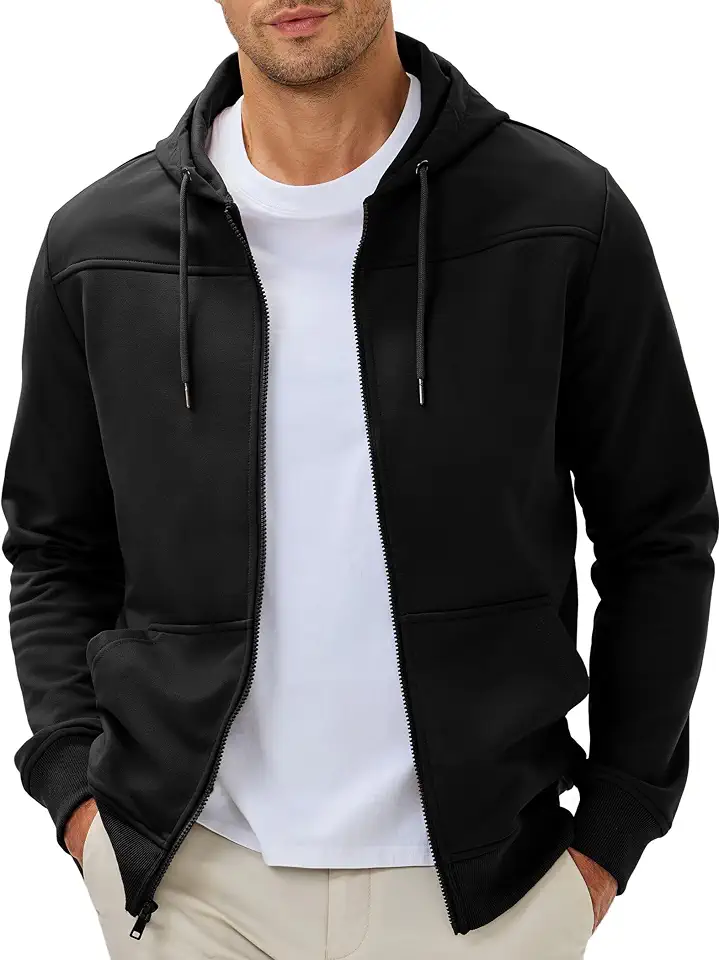
The necessary apparel is severe-cold winter insulation and snug high-velocity wind protection: heavyweight shearling bomber jackets or thick deck jackets, thermal compression pants, heavily insulated winter boots, and snug wool beanies. Because wind chill inside open bobsleds at highway speeds drops rapidly below zero, streamlined windproof layers are vital.
From walking the steep icy track catwalks to feeling your spine compress through the ninety-degree Kreisel turn, here is your essential bobsled style guide.
Outfits that work
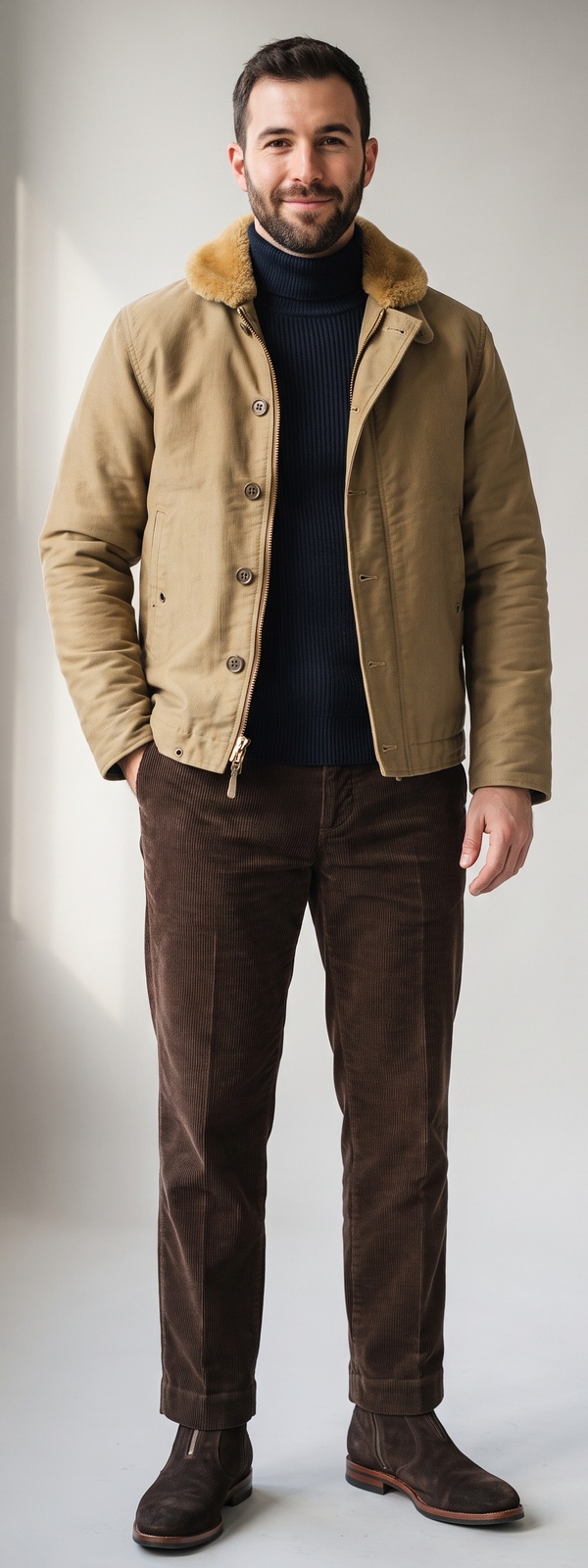 From $125
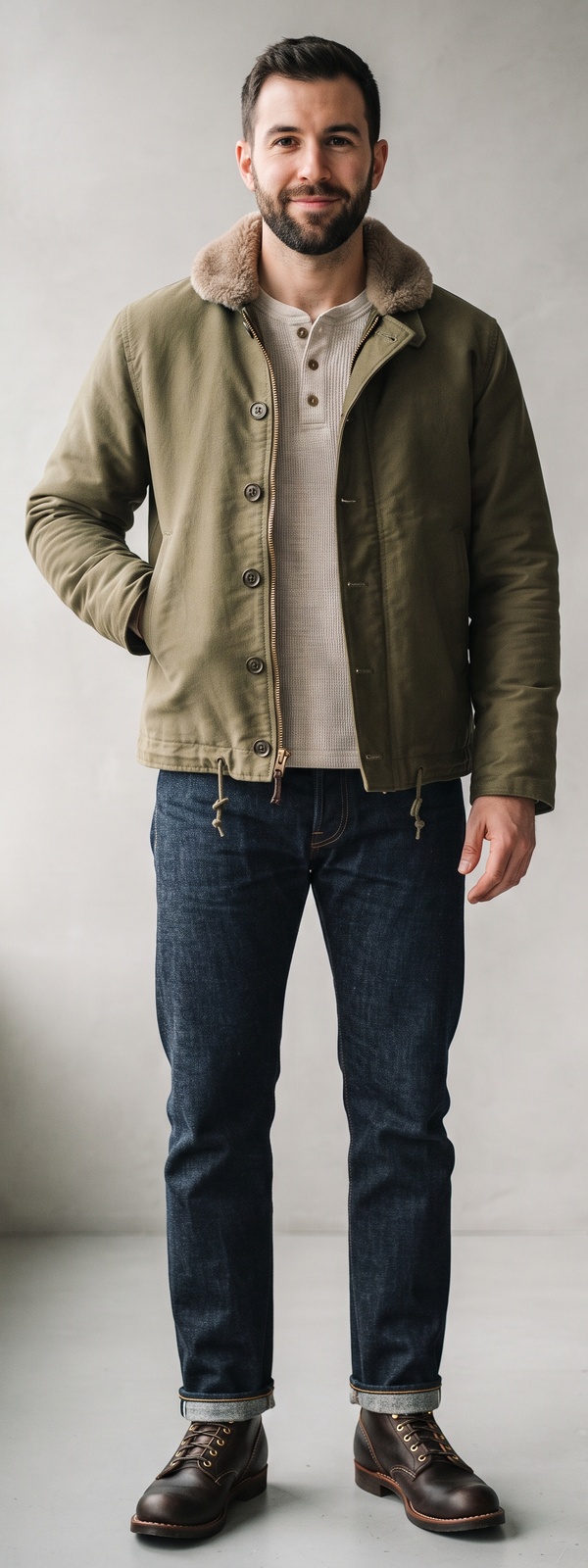 From $115
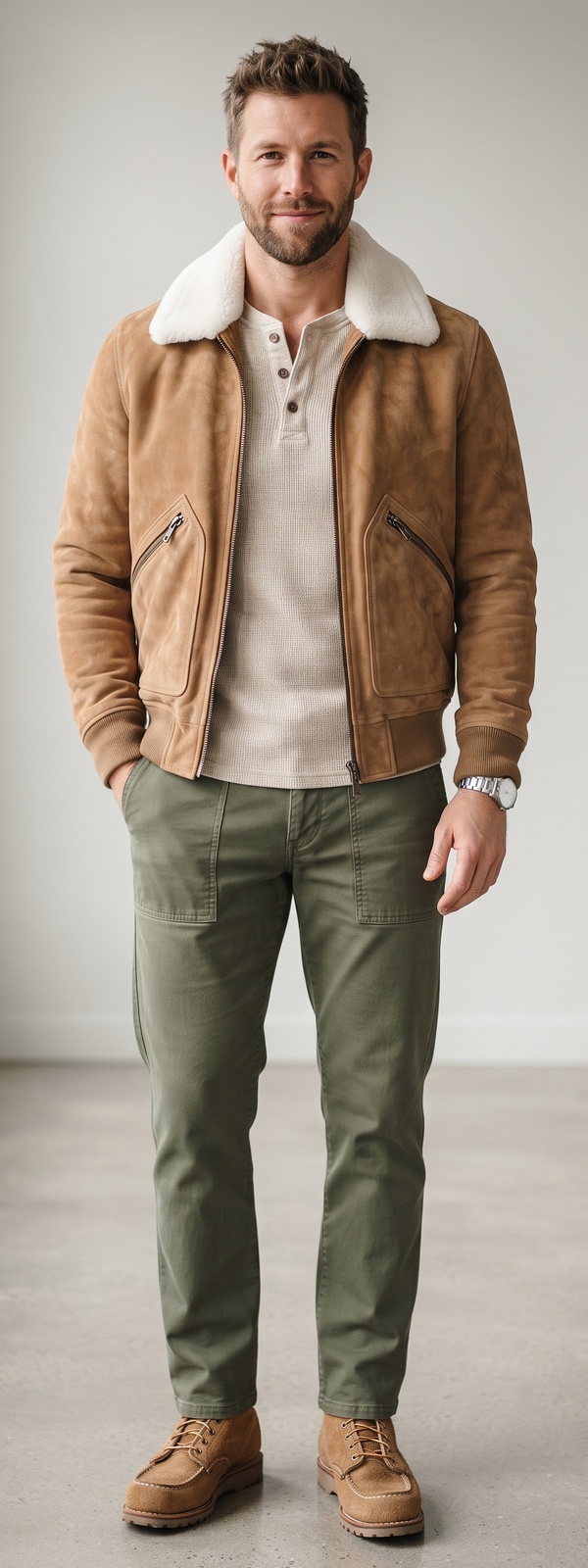 From $138
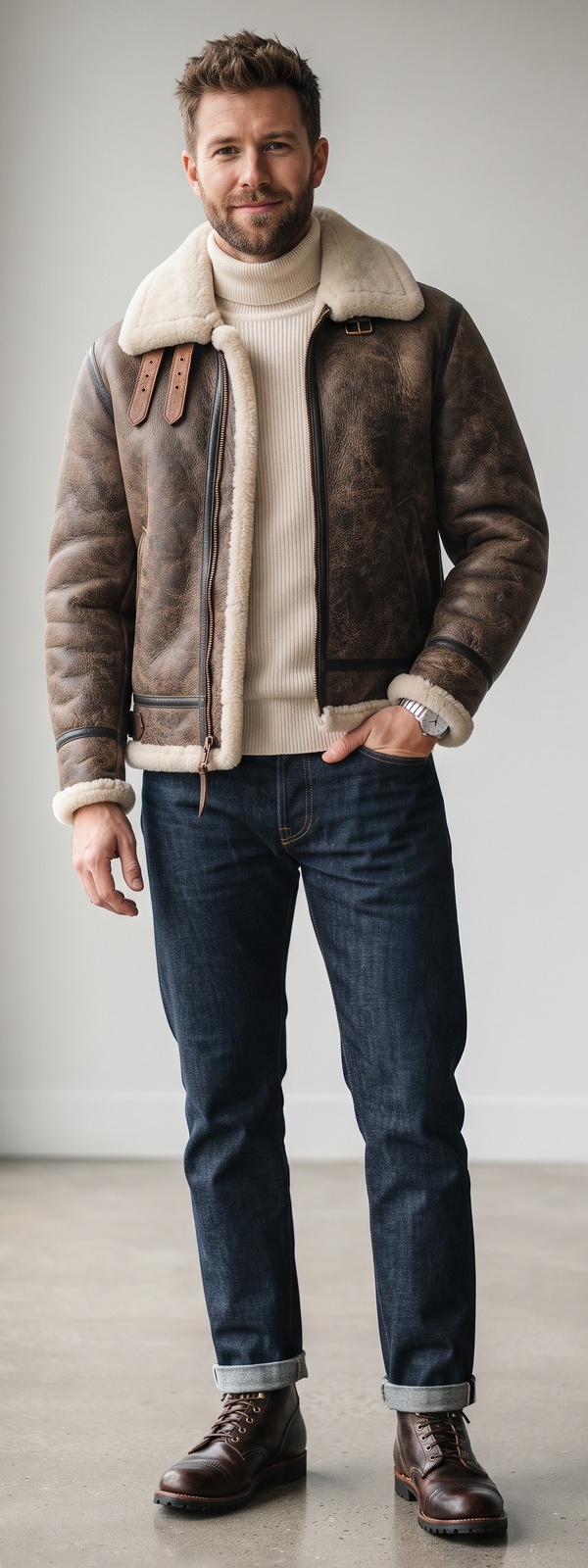 From $255
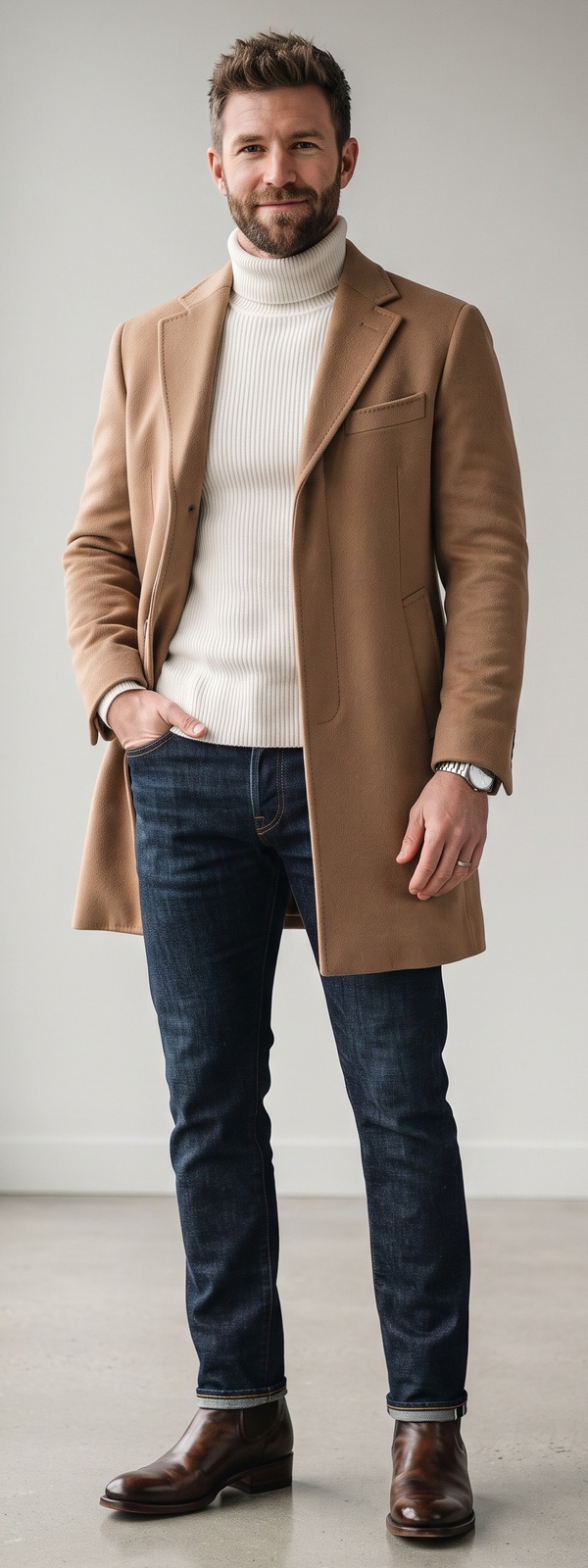 From $177
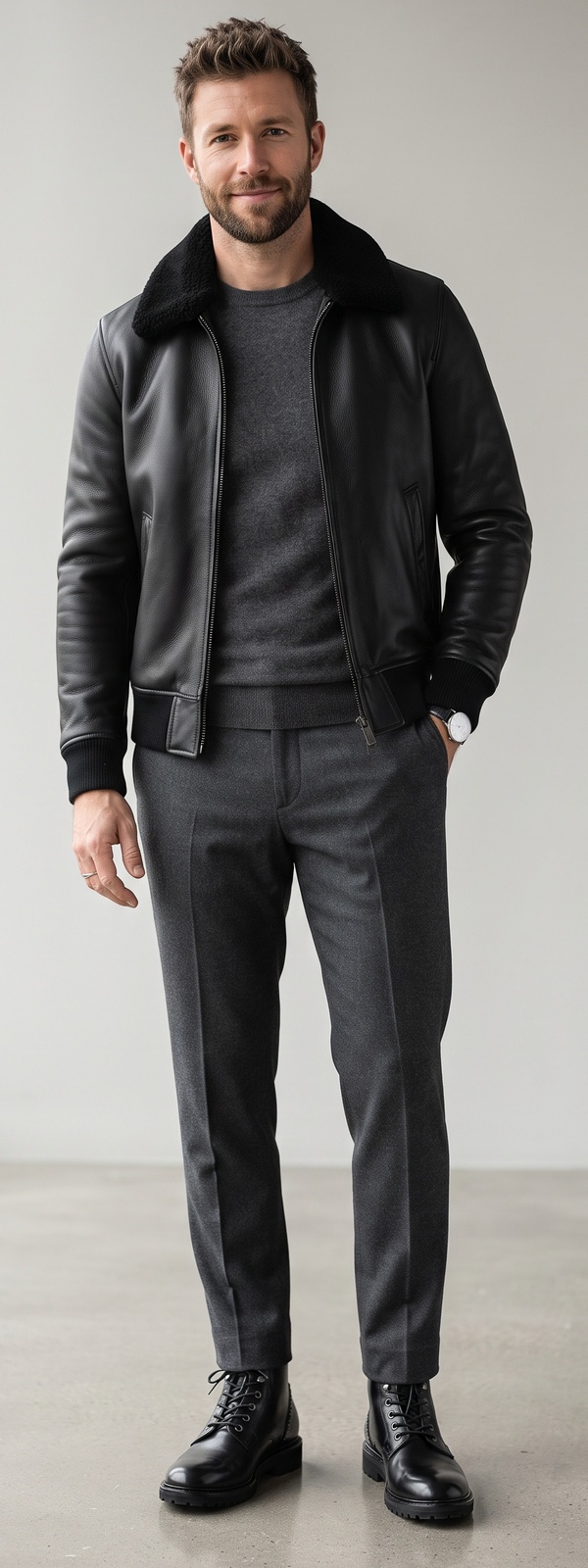 From $273
Do
- ✓Wear a thick, windproof shearling jacket or heavy-gauge deck jacket that compresses cleanly into tight sled cockpits.
- ✓Choose thermal fleece-lined pants or heavy wool corduroys that provide continuous leg insulation against ice.
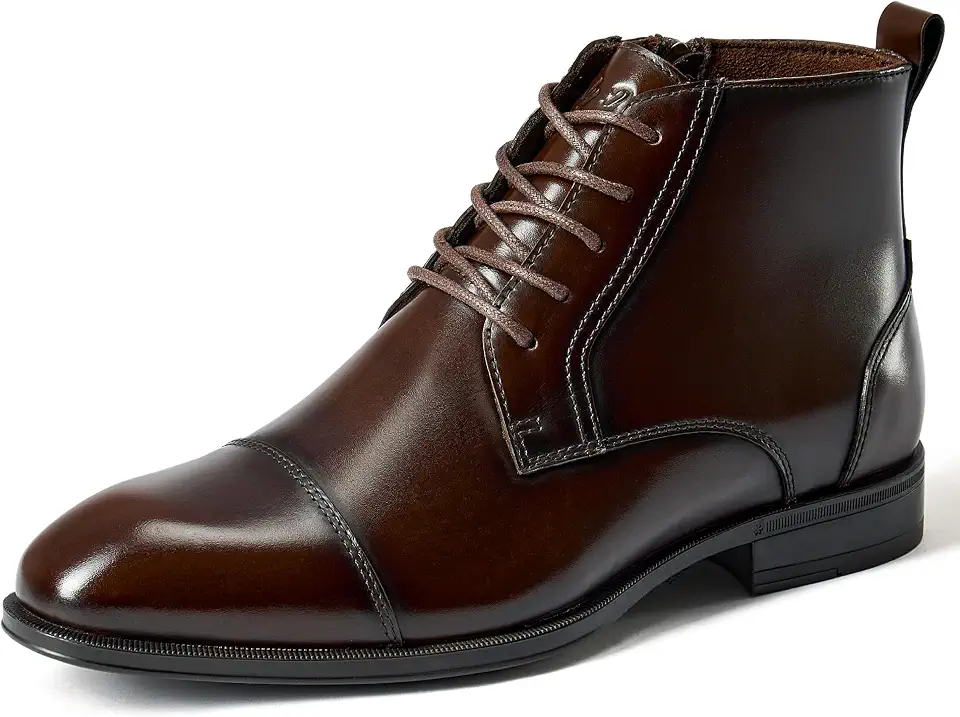
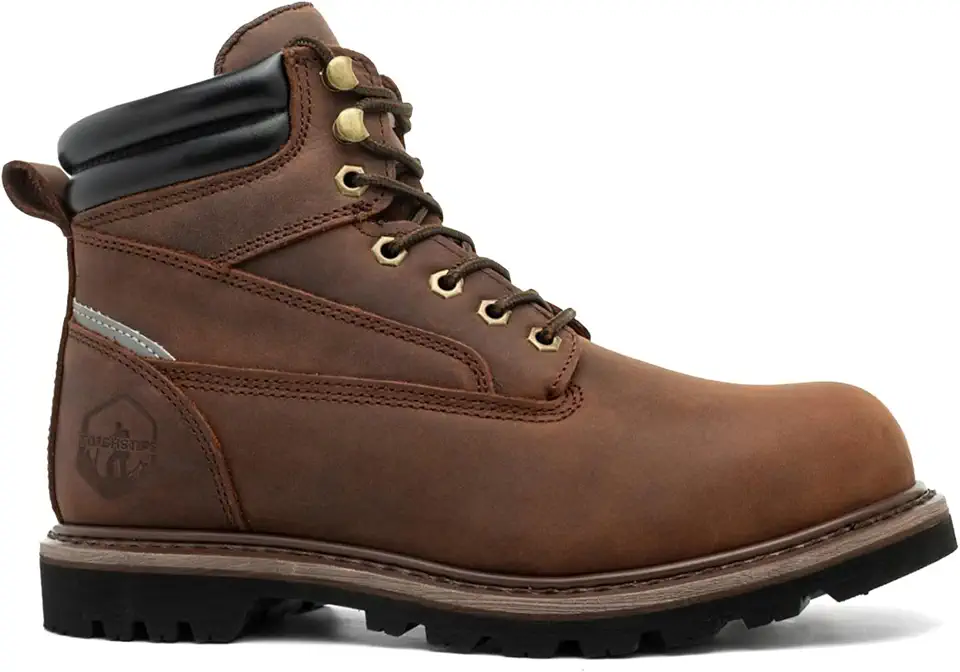
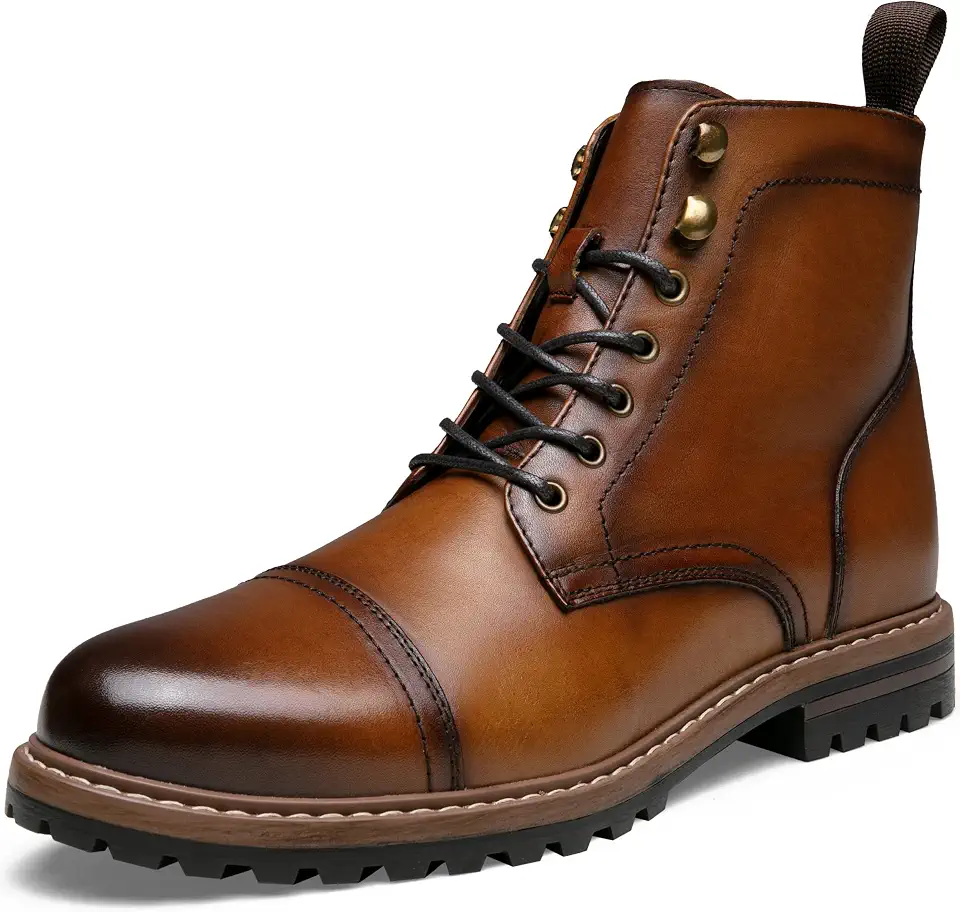
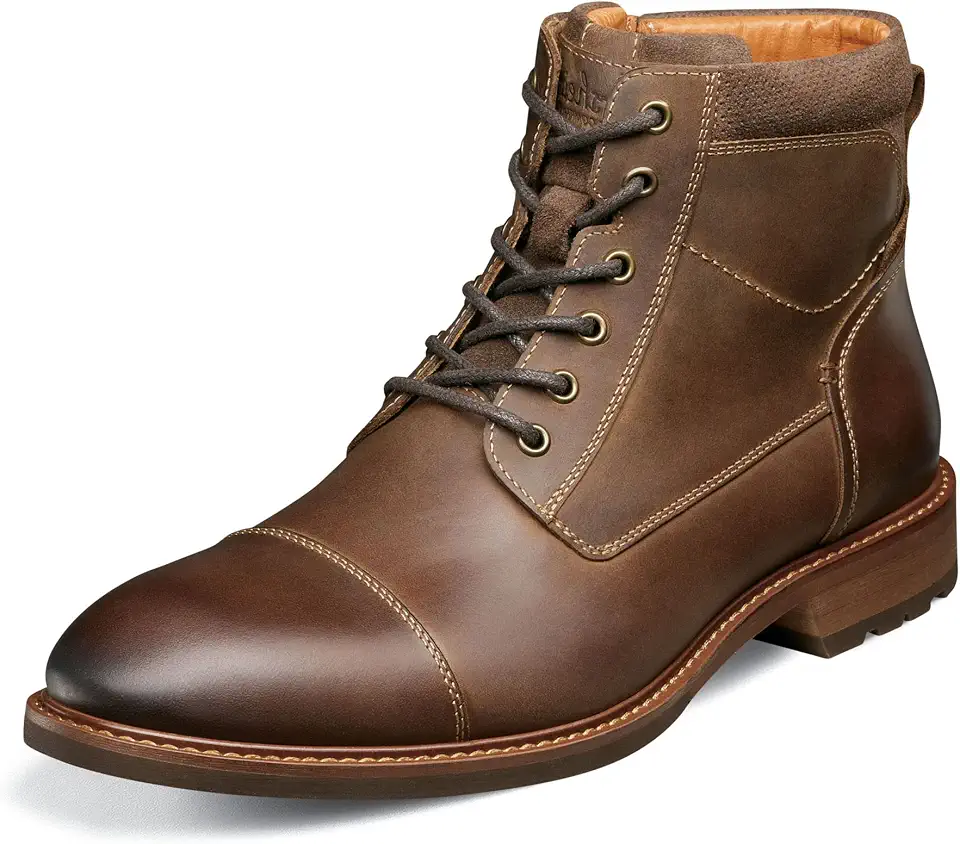
- ✓Select insulated winter boots with studded rubber soles that give confident traction on slick track walkways.
- ✓Layer snug thermal merino base layers underneath to maintain core body temperature during standing wait times.
- ✓Opt for a snug-fitting wool watch cap that fits comfortably beneath provided full-face safety helmets.
Don't
- ✗Avoid loose, voluminous parkas with large faux-fur hoods that bunch up and restrict your head inside the sled.
- ✗Don't wear slick leather-soled shoes on steep, icy concrete track stairs where falls can be severe.
- ✗Avoid loose scarves, dangling drawstrings, or open straps that risk whipping violently in eighty-mile-per-hour winds.
- ✗Don't wear thin uninsulated dress gloves that leave fingers painfully numb before your run even begins.
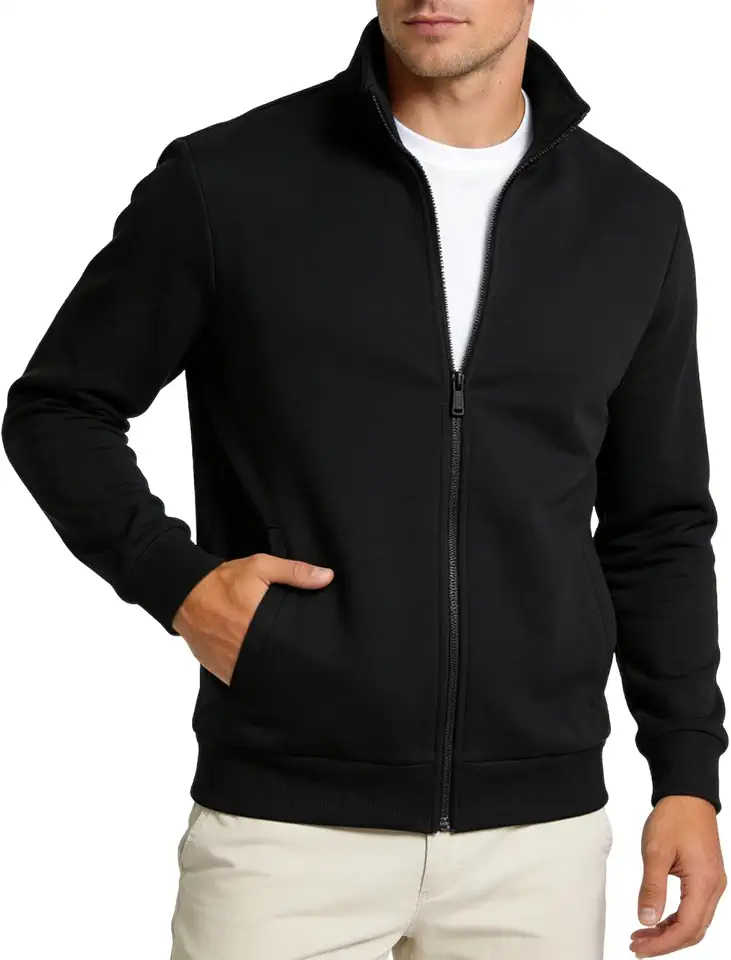
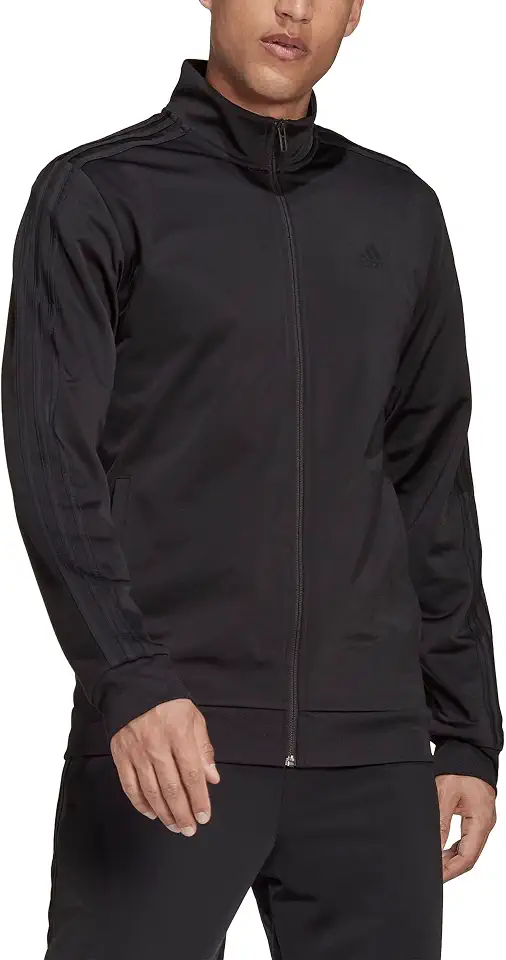
Style tips
Four-Man Cockpit Compression Fit
Four-man bobsled cockpits are engineered with microscopic tolerances where athletes sit locked between each other's knees. Heavy outerwear without bulky exterior pockets allows riders to pack tightly behind the driver.
High G-Force Head Support
Banked curves generate up to five Gs of centrifugal force that violently pulls your head toward the ice. Wearing supportive neck gaiters and well-fitted helmet pads prevents severe neck strain during heavy cornering.
Track Catwalk Ice Walk Traction
Accessing start houses and spectator platforms requires walking up forty-degree concrete catwalks glazed in spray frost. Lugged winter boots with specialized cold-weather rubber compounds keep you secure on frozen steps.
Related searches
All curated searches
Related Reading
Brown Leather Moc-Toe Boots: Heritage American Workwear
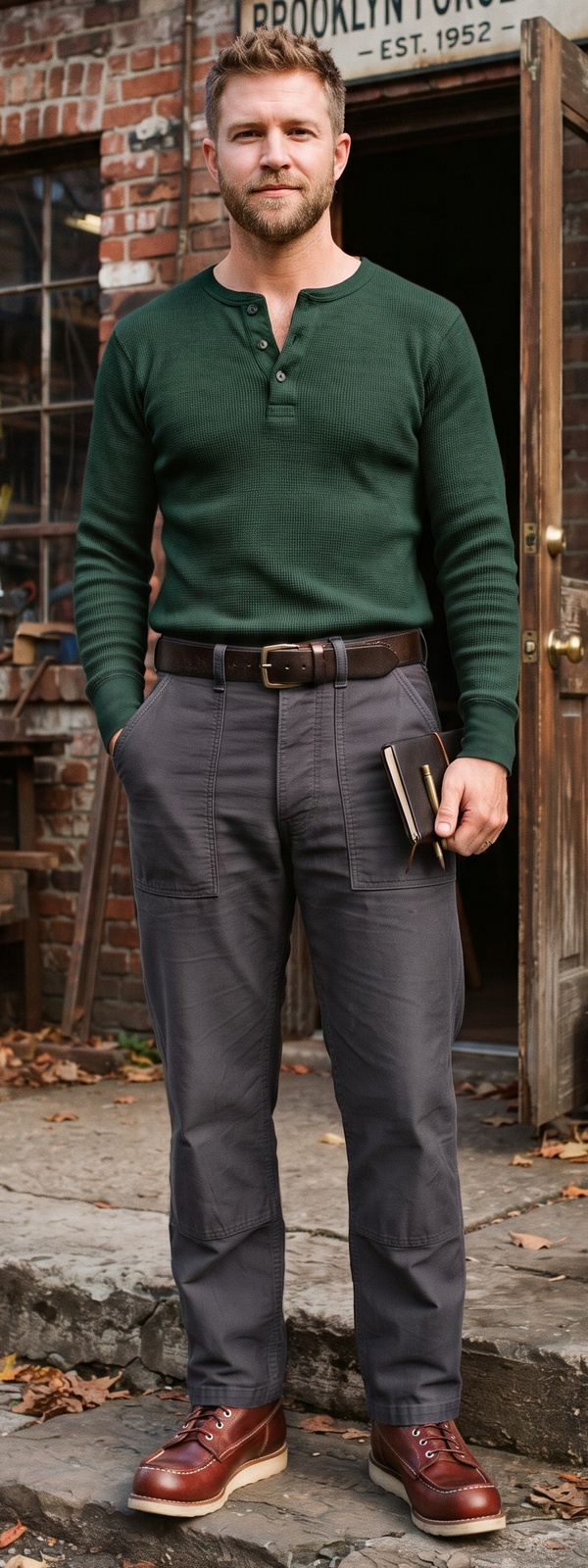
We curated this rugged footwear collection to honor the blue-collar pedigree of brown leather moc-toe boots. Defined by their distinctive stitched moccasin vamp and cushioned white crepe wedge outsoles, moc-toe boots deliver all-day standing comfort alongside unmistakable American workwear character. We adore pairing tobacco or briar brown moc-toe boots with cuffed raw indigo jeans and heavy waffle henleys. Browse durable, budget-friendly leather moc-toe work boots on Amazon.
What to Wear Ice Fishing on a Frozen Lake — Men's Guide
Trudging across a wind-swept frozen lake to drill holes with an ice auger and set tip-up flags places you in one of winter's coldest outdoor environments. Standing stationary over drilled ice holes for hours inside or beside an uninsulated ice shanty exposed to sub-zero winds demands industrial-grade thermal insulation and complete moisture-barrier protection. The benchmark dress code is heavy-duty arctic winter utility: heavy down parkas or storm-resistant winter coats over thick thermal waffle knits, paired with insulated waterproof bib overalls and rated extreme-cold pac boots with removable felt liners. Your garments must block freezing lake winds while preventing rising ice slush from seeping through your knees and feet. From ground-ice moisture shielding to stationary extremity warmth and frostbite defense, here is your definitive blueprint for frozen lake ice fishing style.
N-1 Deck Jackets: Rugged Naval Maritime Outerwear
We regard the N-1 deck jacket as one of the most functional and timeless outerwear silhouettes in military history. Its wind-resistant whipcord shell and dense wool-blend lining deliver robust warmth without the technical sheen of modern synthetic parkas. We suggest pairing classic olive or navy deck jackets with heavy waffle-knit henleys, dark indigo denim, and oiled service boots.
How to Style a Men's Waffle Henley Shirt with Rugged Ease
Learn how to style a men's waffle henley shirt under deck jackets, shearling bombers, and safari coats for rugged heritage layering warmth.

What to Wear to a Dark-Sky Stargazing Night — Men's Complete Guide
Venture into an official International Dark-Sky Reserve, high-altitude mountain observatory, or desert plateau for a night of astronomical stargazing and astrophotography connects you with the cosmos. Standing motionless for hours beside computer-guided telescopes and deep-sky cameras in sub-zero midnight temperatures requires serious cold-weather expedition layering. The benchmark dress code is alpine heritage warmth and heavy-duty thermal layering: dense wool overcoats or heavy down parkas over thick cable-knit turtleneck sweaters, paired with flannel-lined wool trousers and heavily insulated winter boots. You need total wind and frost protection that keeps extremities toasty while adjusting fine telescope focuser knobs in the dark. From head-to-toe thermal heat retention while motionless to night-vision red light headlamp etiquette, here is your definitive blueprint for dark-sky astronomy style.
How to Style a Men's Shearling Bomber Jacket for Winter
Master styling the men's shearling bomber jacket. Learn to wear leather and suede aviator jackets with turtlenecks, selvedge denim, and wool flannels.
Other Reading
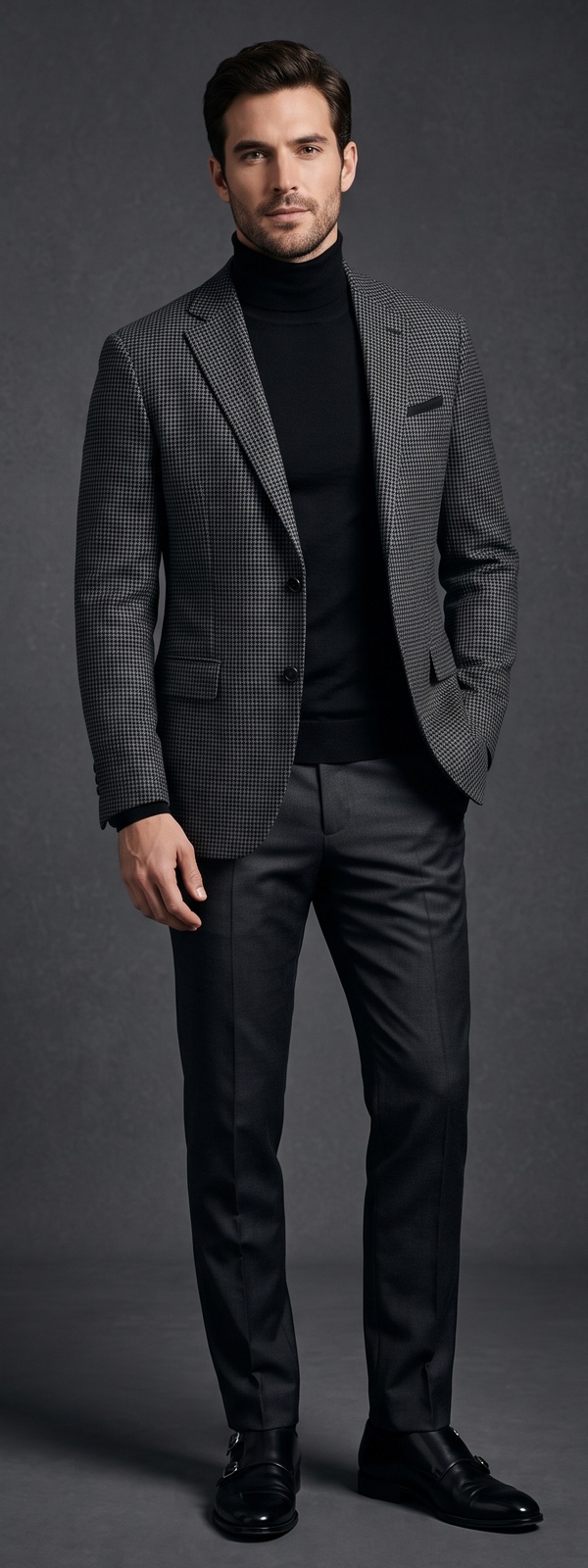
What to Wear to an Art Fair or Contemporary Expo — Men's Complete Guide
Navigating prestigious international art fairs like Art Basel, Frieze, or The Armory Show places you in the epicenter of contemporary creative culture. Between sprawling convention booths, blue-chip gallery collectors, and VIP preview receptions, your outfit serves as an immediate expression of aesthetic awareness, visual discernment, and cultural literacy. The prevailing dress code is architectural minimalism and sharp creative tailoring. Clashing corporate business suits scream wall street financier rather than art connoisseur, while basic athleisure looks completely disconnected from the avant-garde artistry on display across the booths. From unstructured wool blazers and high-gauge knitwear to drapey pleated trousers and sculptural leather footwear, here is how to craft an ensemble that turns heads among curators, artists, and gallerists alike.
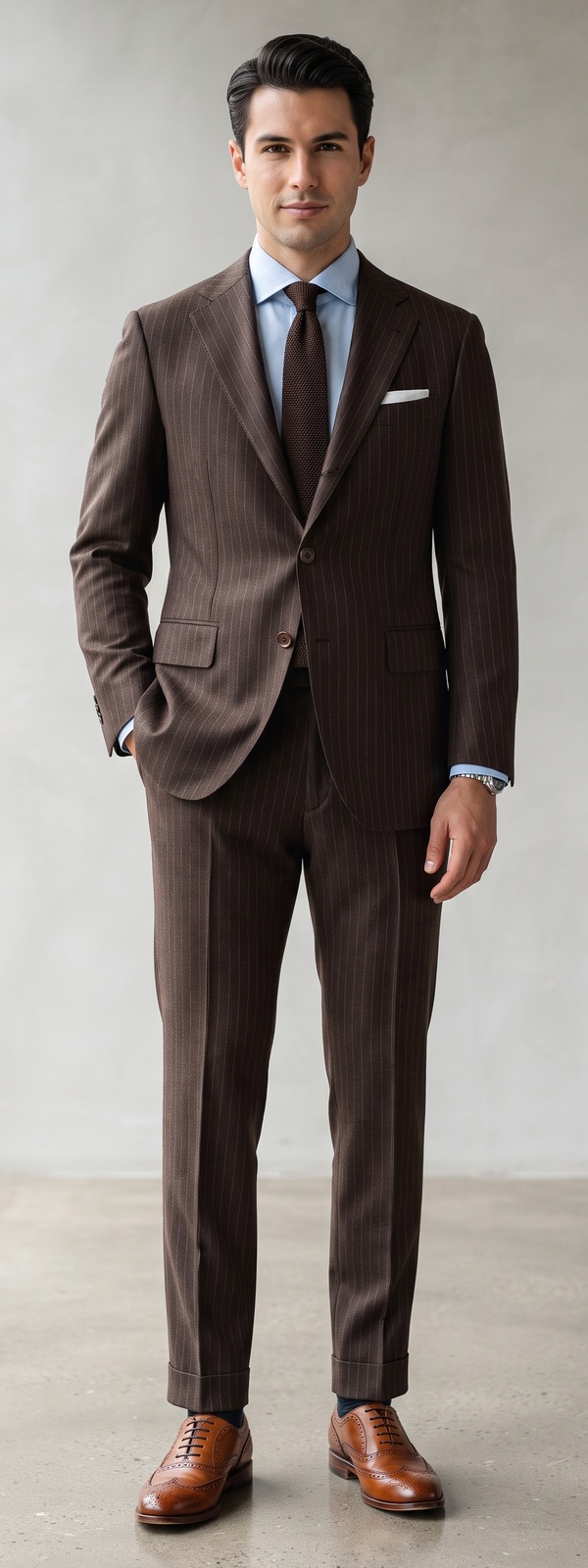
Wingtip Brogues: Perforated Leather Heritage Dress Shoes
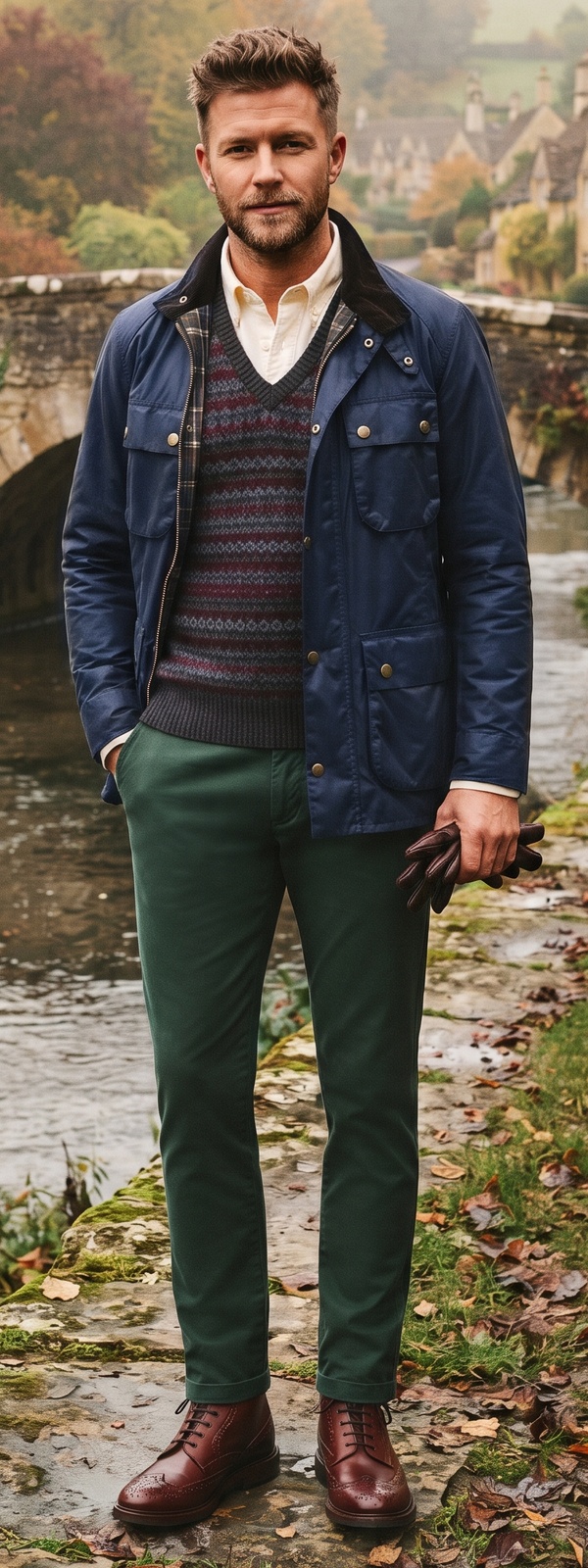
We designed this lookbook around the enduring authority of perforated leather broguing. Originally engineered to drain water on Scottish highlands, the wingtip brogue now brings unmatched artisanal character to tailored wool dress pants, dark corduroys, and double-breasted overcoats. Choose burnished cognac, oxblood burgundy, or dark espresso calfskin to ground textured knitwear and heritage tailoring with old-world permanence.
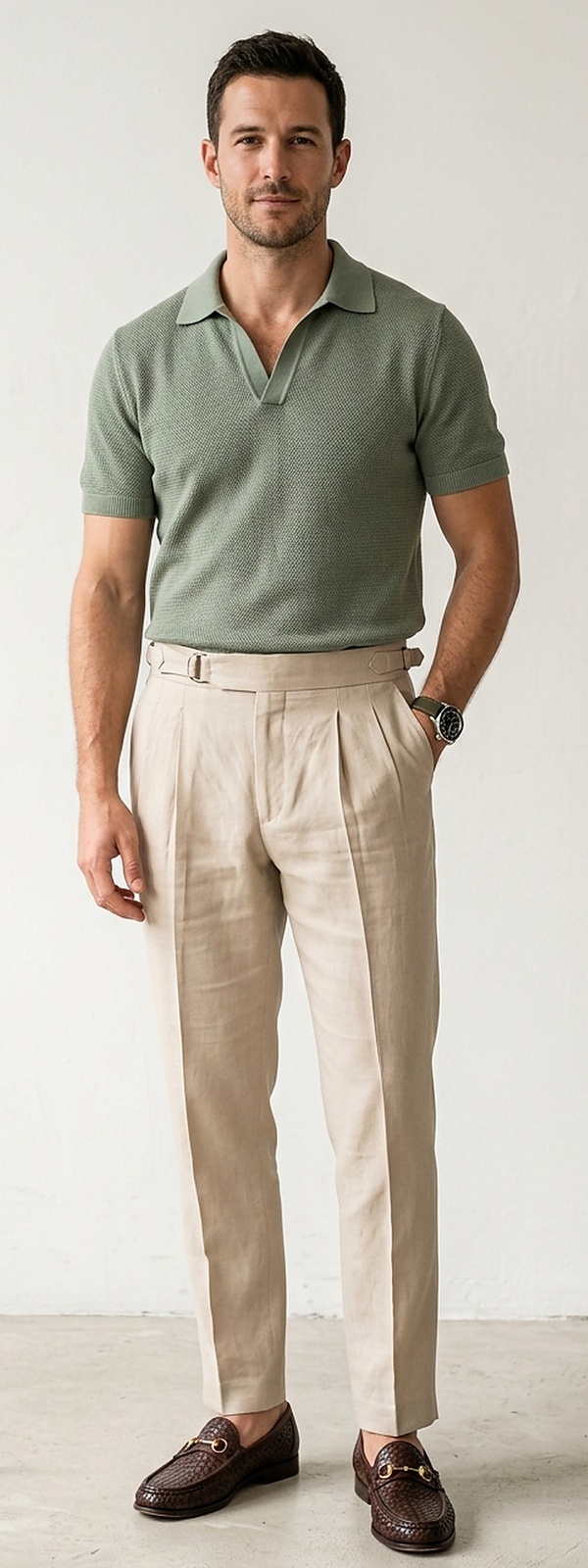
Loafers with Socks vs No-Socks: When & How to Wear Each
Decode the loafer sock dilemma on a budget. Learn when to go sockless with loafers vs when to wear dress socks or ribbed crew socks for modern style.