
What to Wear to a Bookbinding Workshop — Men's Complete Guide
Stepping into a historic bindery or book arts atelier connects you with cast-iron book presses, paper marbling troughs, and bone folders. Folding paper signatures, piercing spine sections with awls, and hand-stitching French link spines with linen thread requires patient, tactile studio workwear that handles wheat paste glue and edge trimming shears.
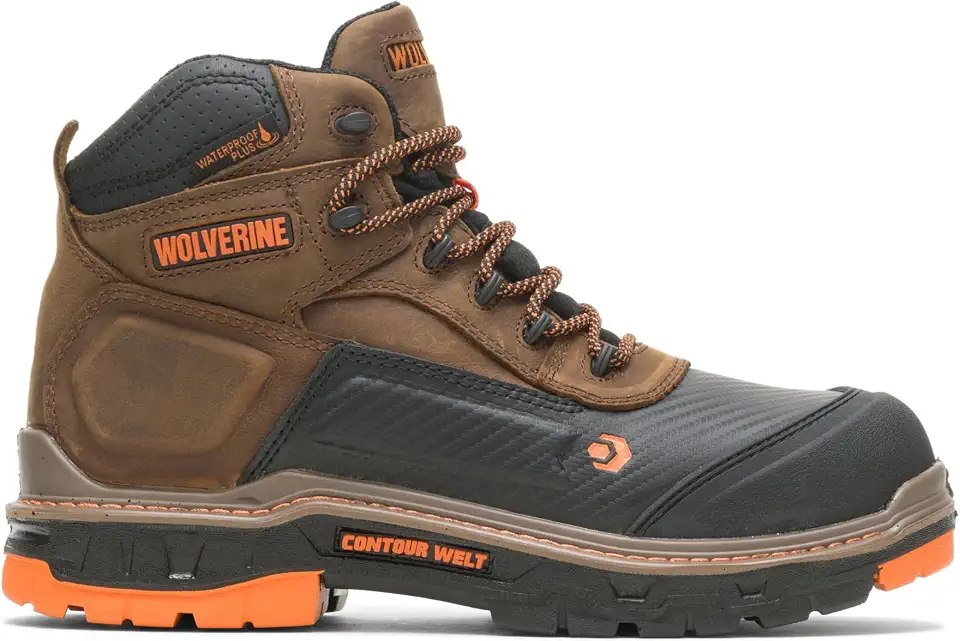
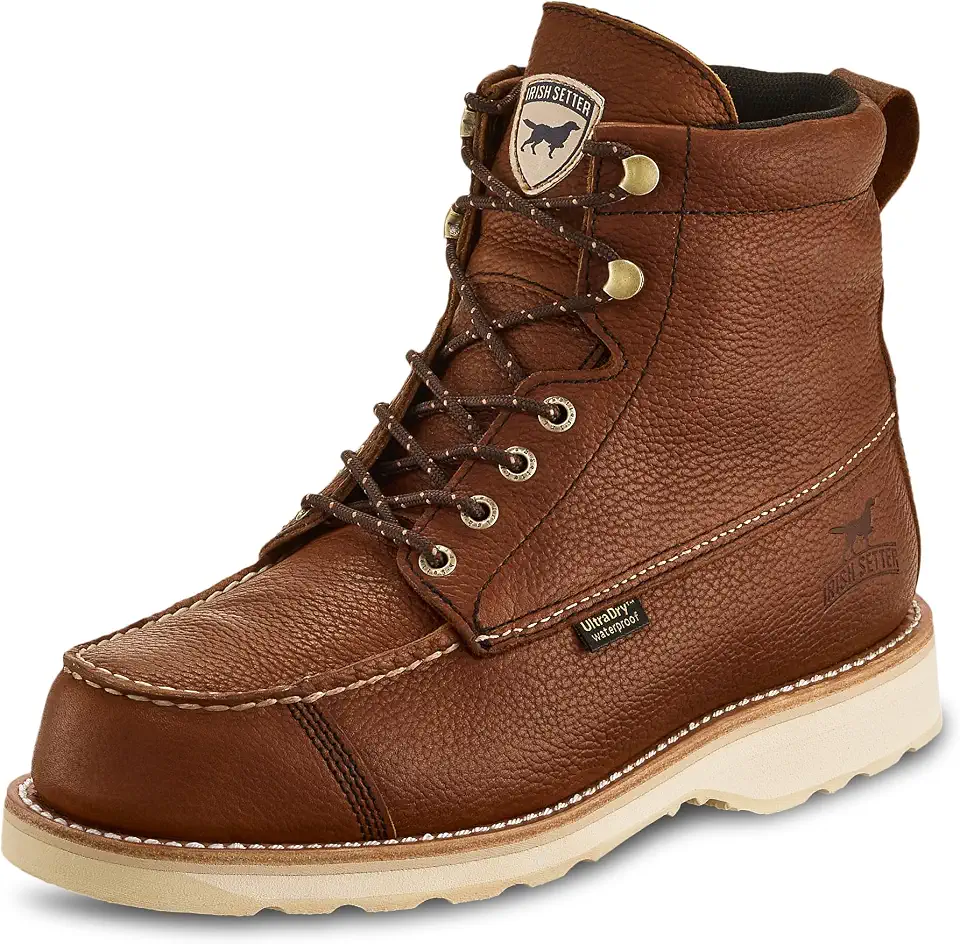
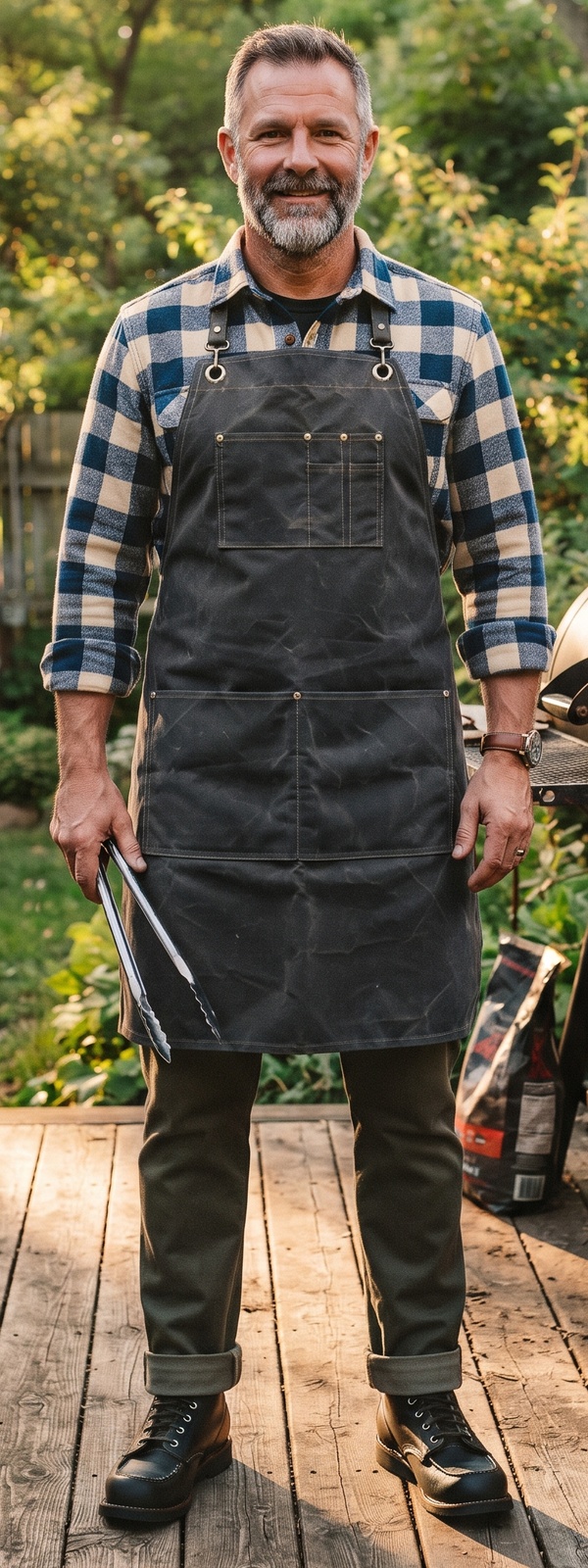
The benchmark dress code is elevated book arts studio workwear: durable cotton chore jackets or chambray shirts protected by a heavy denim or canvas workshop apron, paired with relaxed cotton carpenter pants and supportive leather boots or shoes. You need comfortable standing apparel that withstands glue spatters while reflecting literary artisanal craftsmanship.
From paper glue protection to spine-pressing bench mobility and bookbinder apron utility, here is your definitive blueprint for traditional hand bookbinding workshop style.
Outfits that work
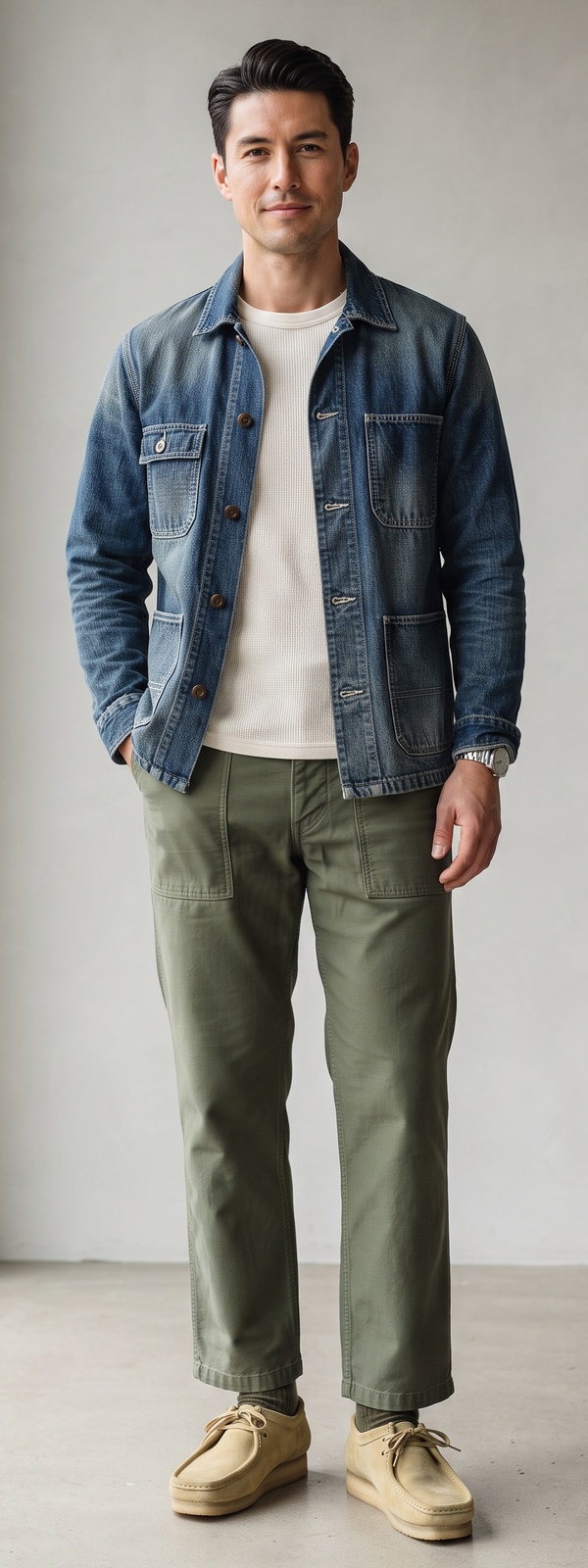 From $123
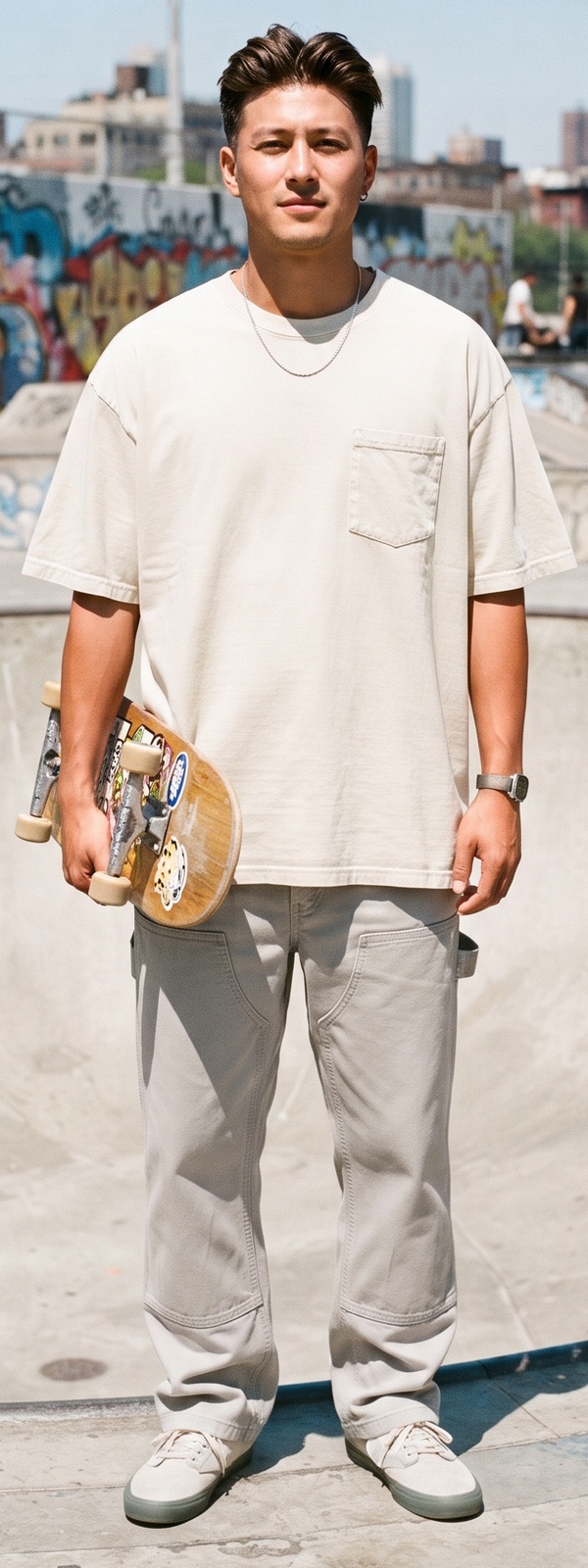 From $166
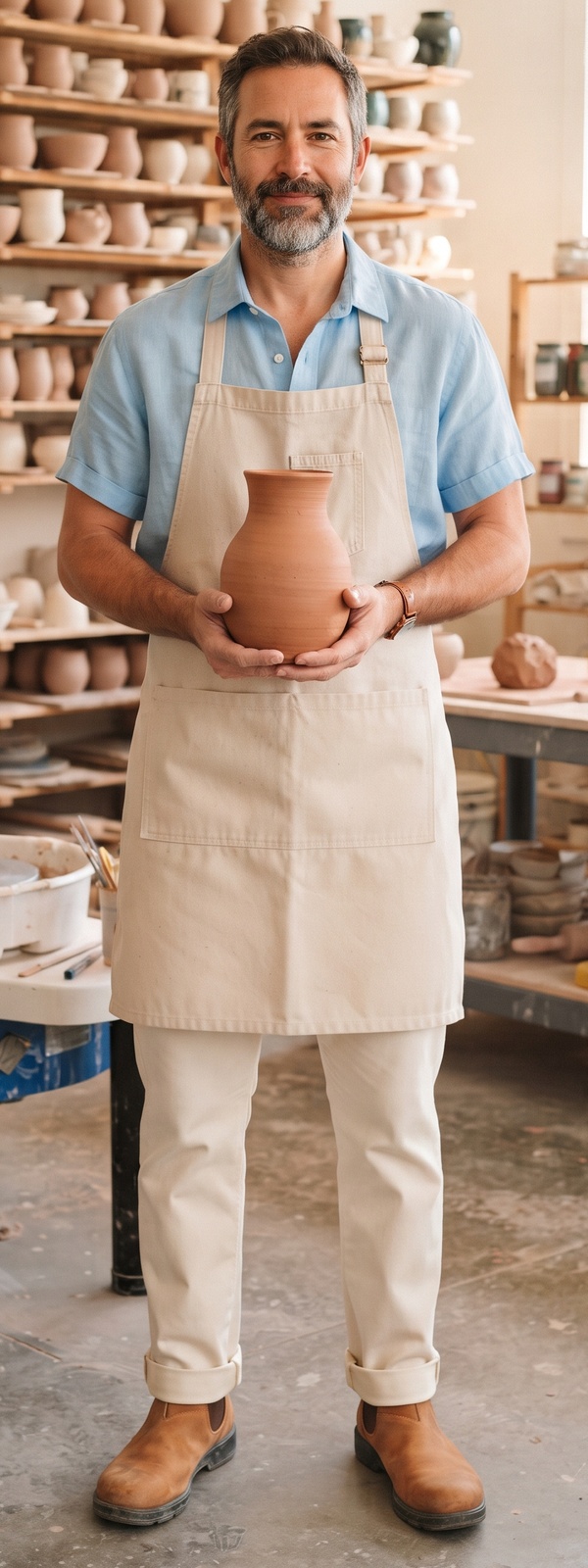 From $113
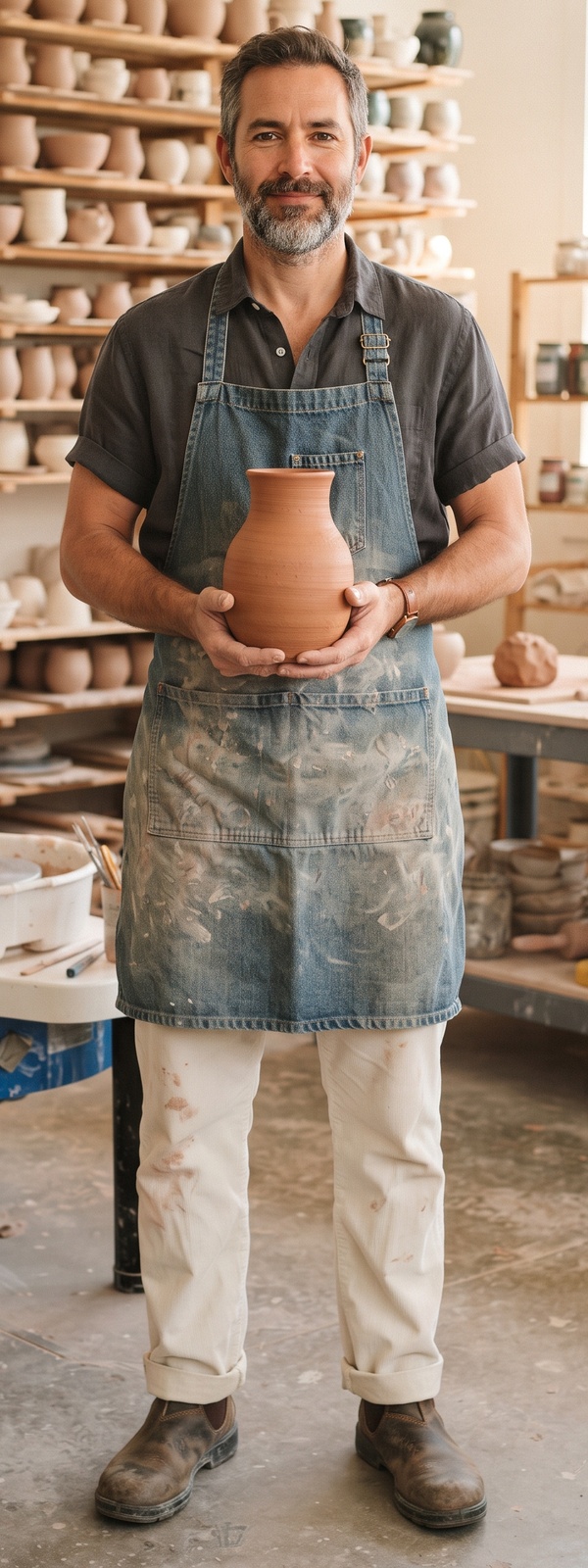 From $130
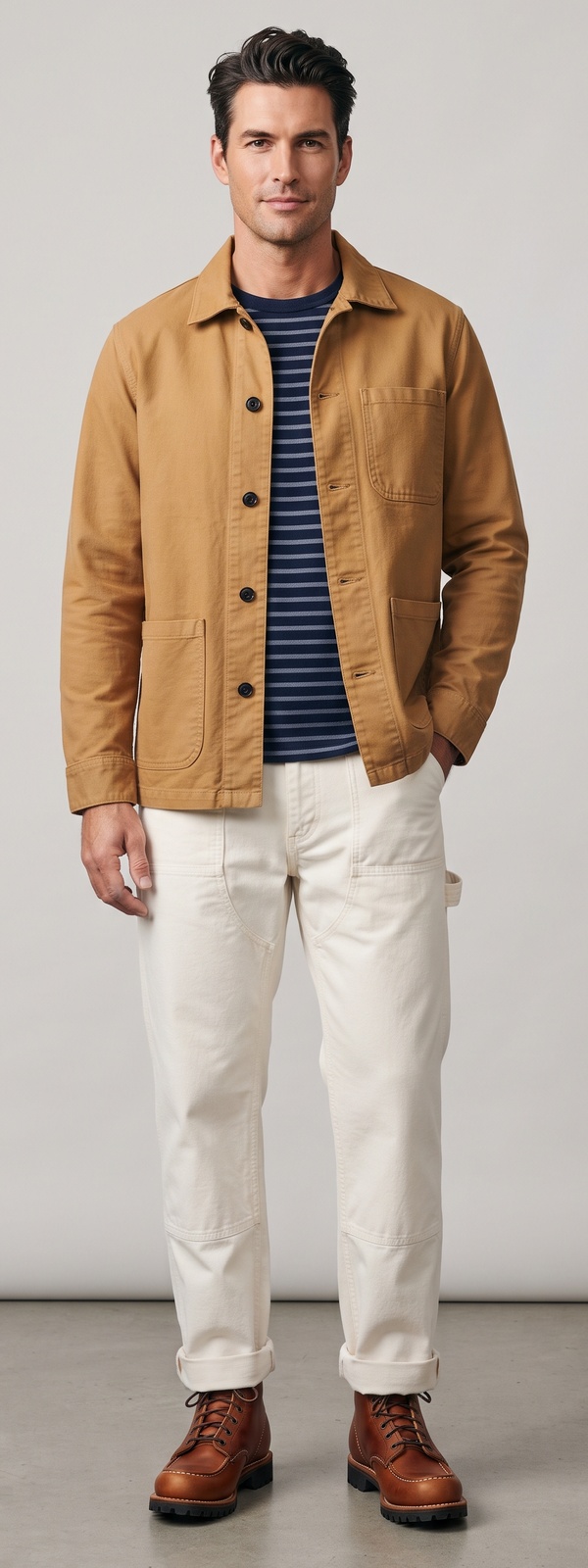 From $135
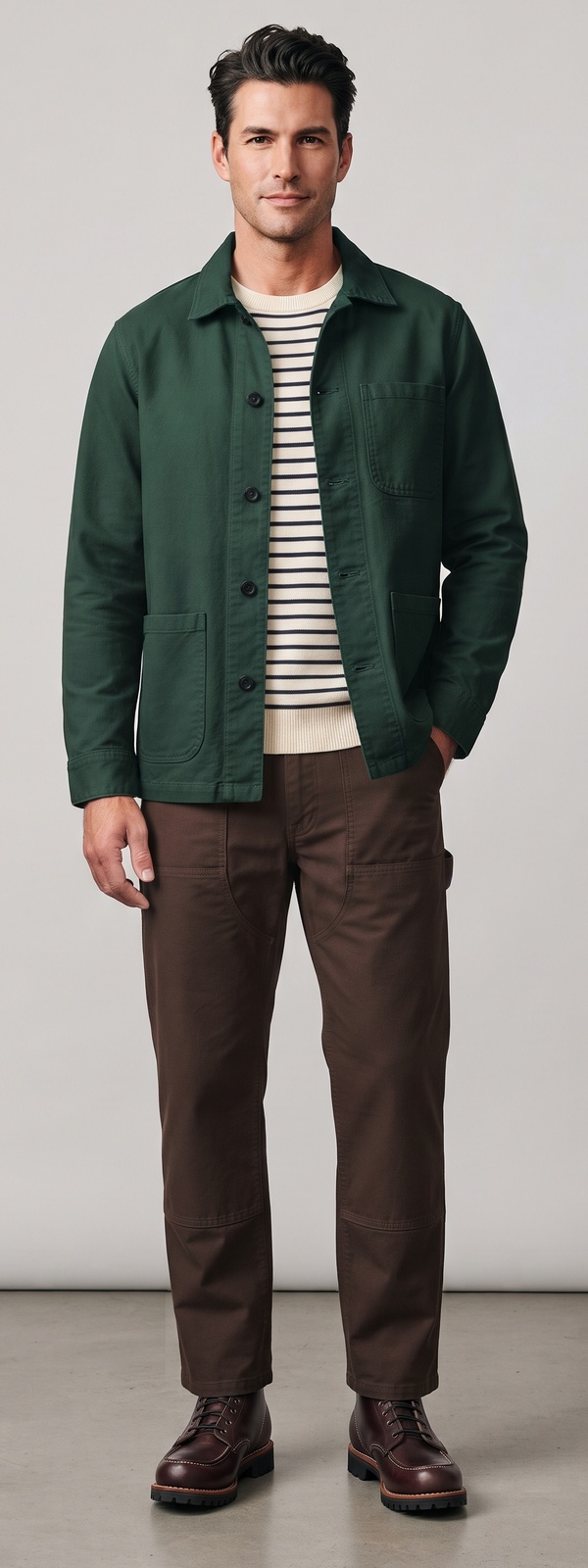 From $134
Do
- ✓Wear smooth, natural cotton work shirts or chore coats that shed dry paper trimmings and binder dust.
- ✓Choose a heavy-duty denim or canvas shop apron to shield your clothes from wet wheat paste and PVA glue.
- ✓Wear relaxed cotton carpenter pants or durable chinos that provide all-day comfort at the standing bindery bench.
- ✓Wear comfortable closed-toe leather boots or supportive shoes for hours of standing over paper guillotine cutters.
- ✓Roll your sleeves cleanly above your wrists to keep cuffs clear of wet glue pots and delicate marbled papers.
Don't
- ✗Avoid textured knit sweaters whose loose wool loops trap wet glue spots, bookcloth fibers, and paper lint.
- ✗Don't wear dry-clean-only fine clothing that will be permanently ruined by spilled hide glue or binding adhesives.
- ✗Avoid loose sleeve cuffs or dangling cords that can drag across wet bookcloth and freshly pasted endpapers.
- ✗Don't wear uncomfortable dress shoes with zero arch support during four hours of standing bookbinding.
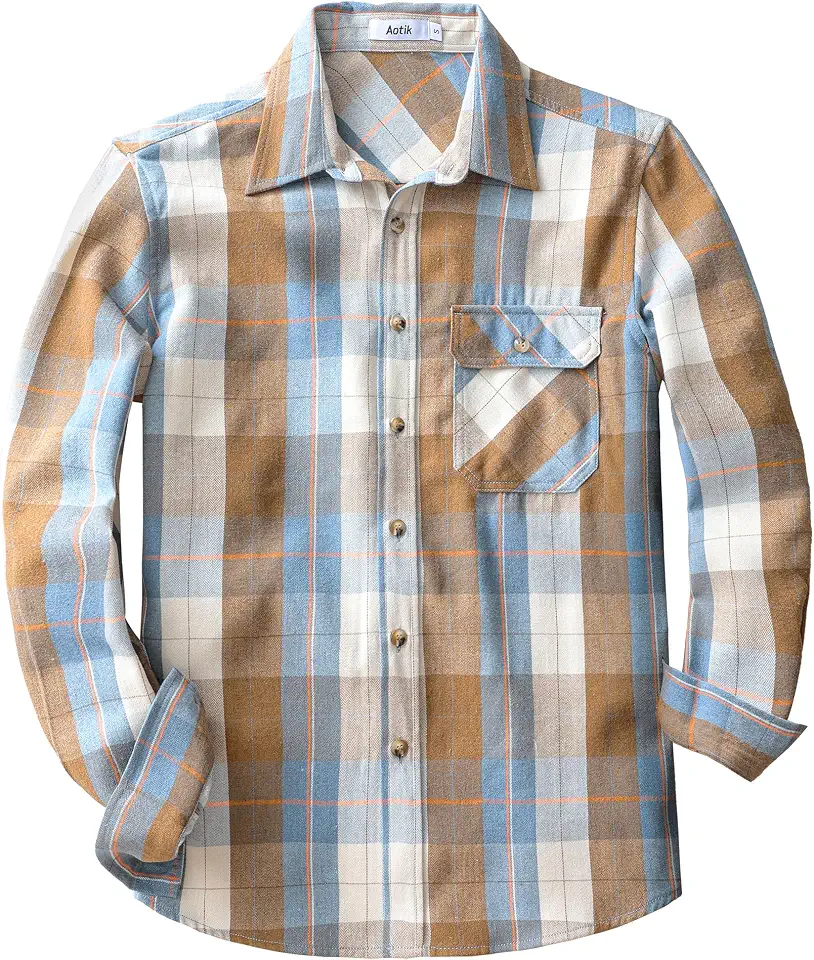
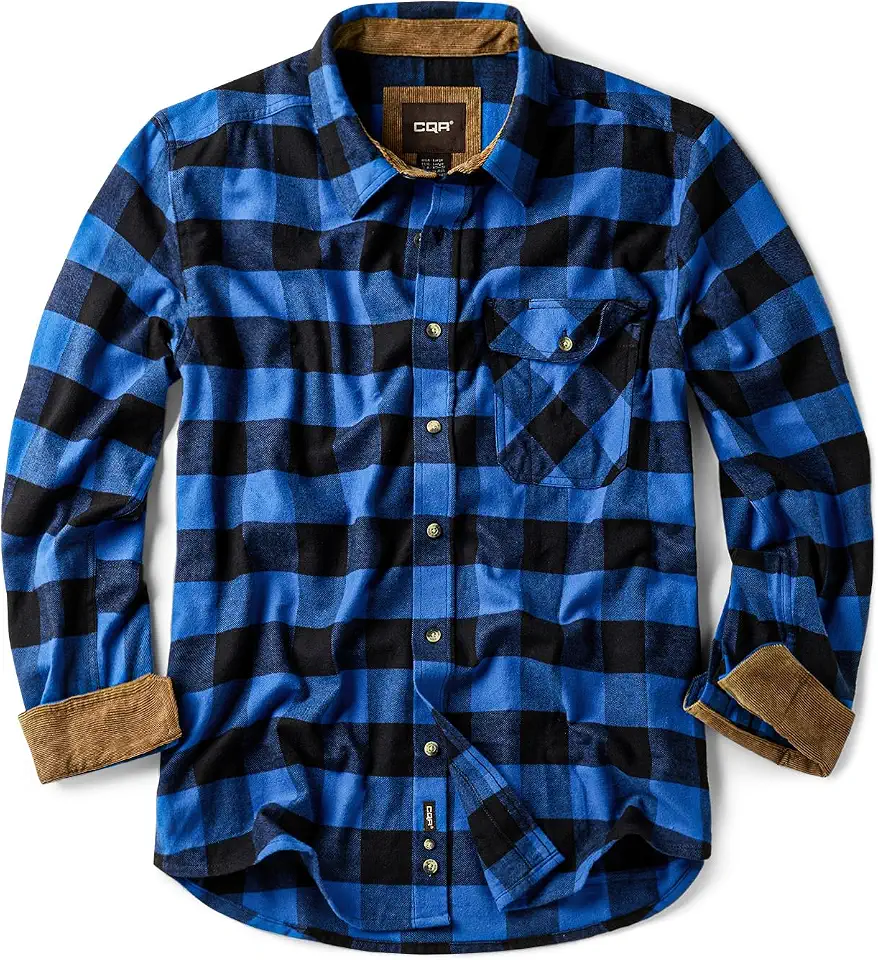
Style tips
The PVA Adhesive Barrier
Brushing wheat paste and PVA adhesive onto bookcloth routinely produces stray drips. A sturdy denim workshop apron protects your clothing from permanent rubbery adhesive spots that never wash out.
Bone Folder Sleeve Clearance
Scoring sharp signature folds requires applying firm downward pressure with bone folders across broad worktables. Trim or rolled sleeves keep fabric from smudging delicate damp paper sheets.
Guillotine Standing Support
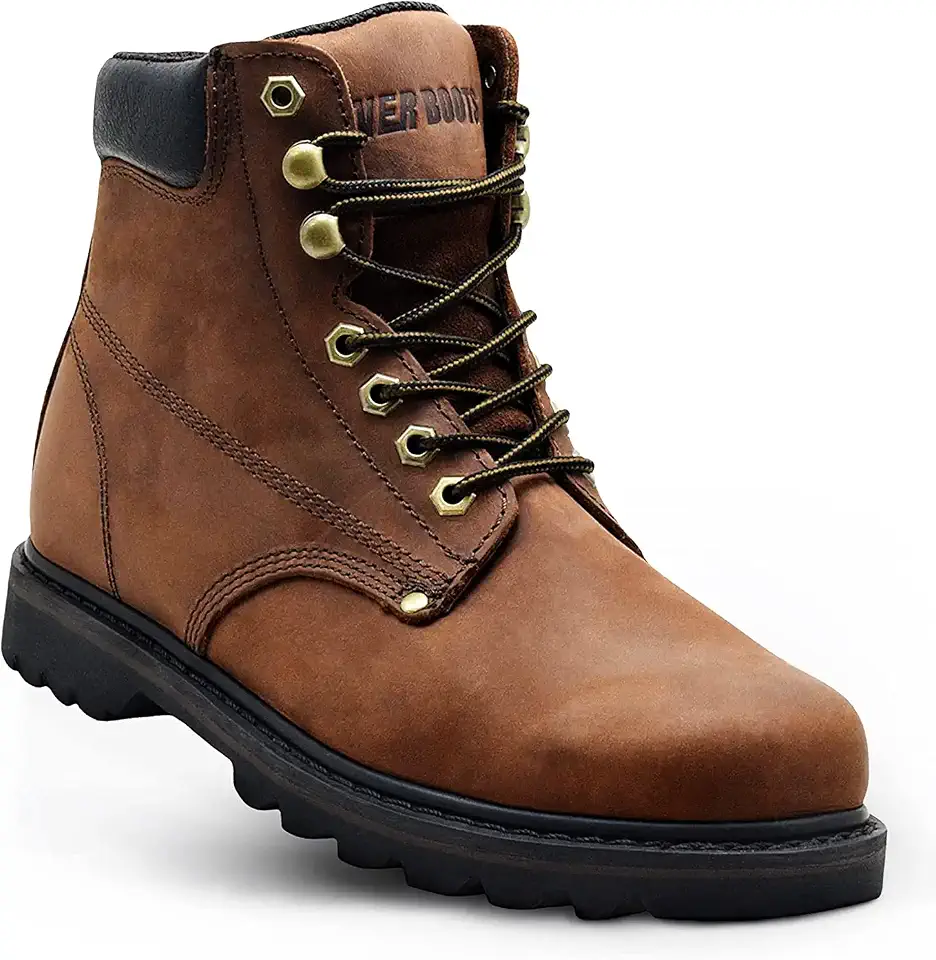
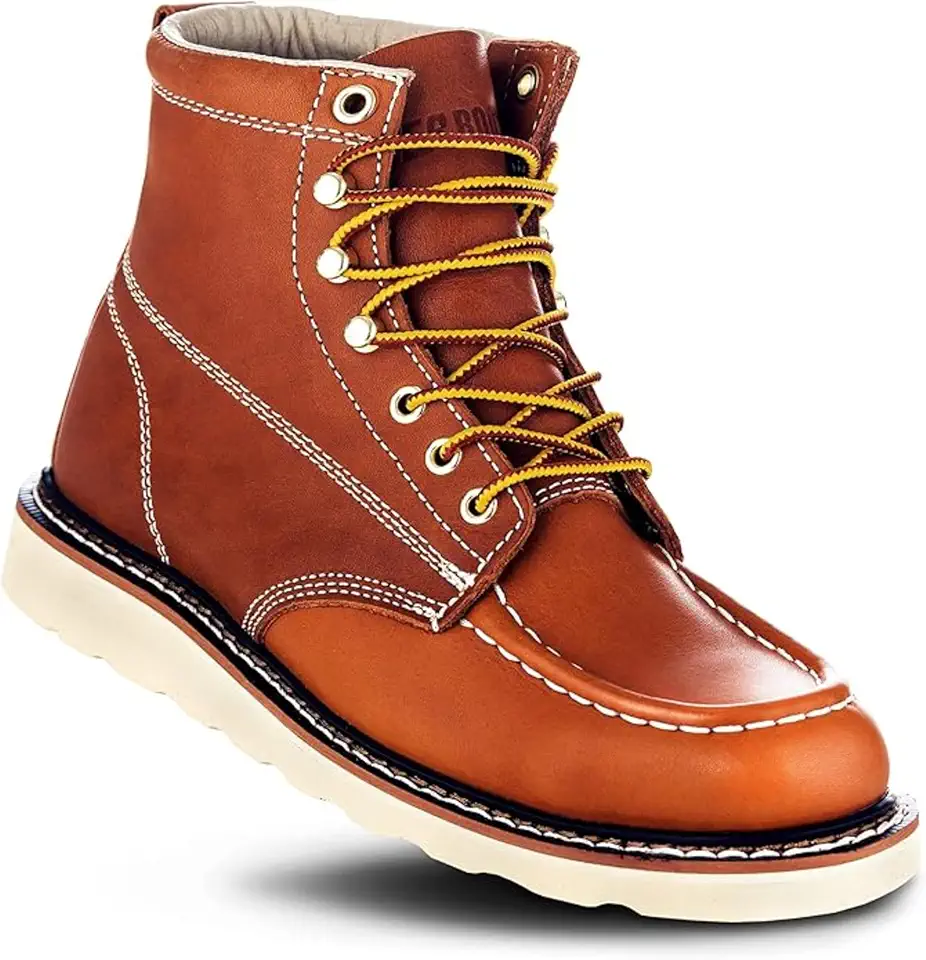
Operating manual ploughs, paper shears, and heavy iron nipping presses demands hours of standing on wooden studio floors. Cushioned leather work boots provide the arch support required for steady posture.
Related searches
All curated searches
Related Reading
What to Wear to a Hi-Fi Audio Workshop — Men's Complete Guide
Pulling up an electronics workbench at a vintage hi-fi audio restoration clinic or tube amplifier repair workshop surrounds you with glowing vacuum tubes, soldering irons, oscilloscopes, and electrolytic filter capacitors. Troubleshooting vintage Marantz receivers, desoldering burnt resistors, and cleaning potentiometers with contact cleaner demands comfortable, non-conductive workshop clothing that protects against solder flux. The benchmark dress code is elevated analog electronics craftsman workwear: durable denim chore jackets or heavyweight cotton pocket tees, paired with relaxed cotton carpenter pants or dark utility chinos and clean rubber-soled low-top sneakers. Natural cotton fibers prevent static electricity buildup that can damage delicate audio transistors, while rubber soles ground your stance. From high-voltage tube amplifier electrical safety to soldering iron flux defense and seated bench comfort, here is your definitive blueprint for vintage hi-fi audio workshop style.
What to Wear to a Guitar Setup Workshop — Men's Complete Guide
Pulling up a stool at a boutique luthier workbench or acoustic guitar repair clinic surrounds you with slotted fretboards, radius sanding blocks, and bone nut files. Leveling nickel frets, notching bone saddles, and adjusting truss rod reliefs on valuable vintage instruments requires comfortable, hardware-free studio workwear that prevents scratching delicate nitrocellulose finishes. The benchmark dress code is elevated luthier craftsman casual: durable cotton chore jackets or chambray shirts protected by a heavy denim or canvas workshop apron with soft brass-free ties, paired with relaxed cotton carpenter pants and supportive leather shoes. You need hardware-free clothing so metal buckles and rivets never gouge polished spruce soundboards. From nitrocellulose finish scratch defense to bone dust ventilation and seated bench comfort, here is your definitive blueprint for guitar luthier workshop style.
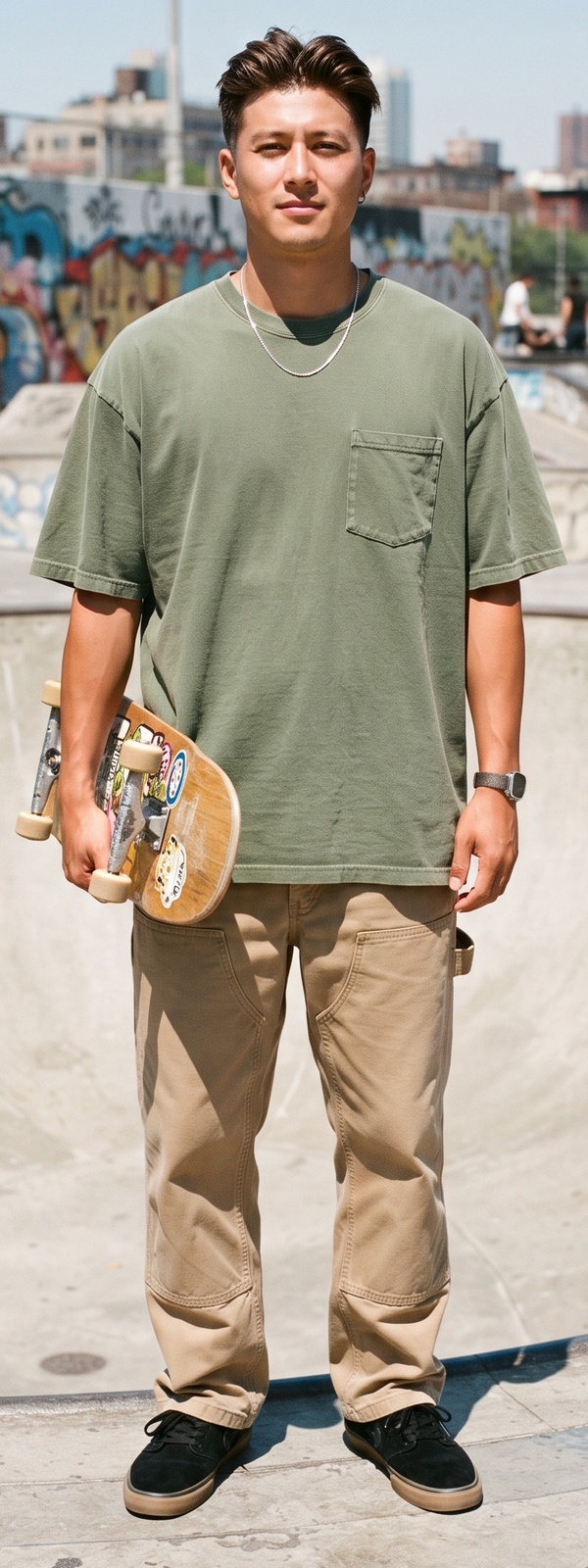
How to Style Men's Carpenter Pants: Skate to Modern Streetwear
Embrace relaxed utilitarian street style with our guide to styling men's carpenter pants, hammer loops, and durable canvas bottoms with tees and chore coats.
How to Style Men's Fatigue Pants: Military Utility Guide
Elevate your utilitarian wardrobe with our complete guide to styling men's fatigue and baker pants with chore coats, knits, and rugged footwear.
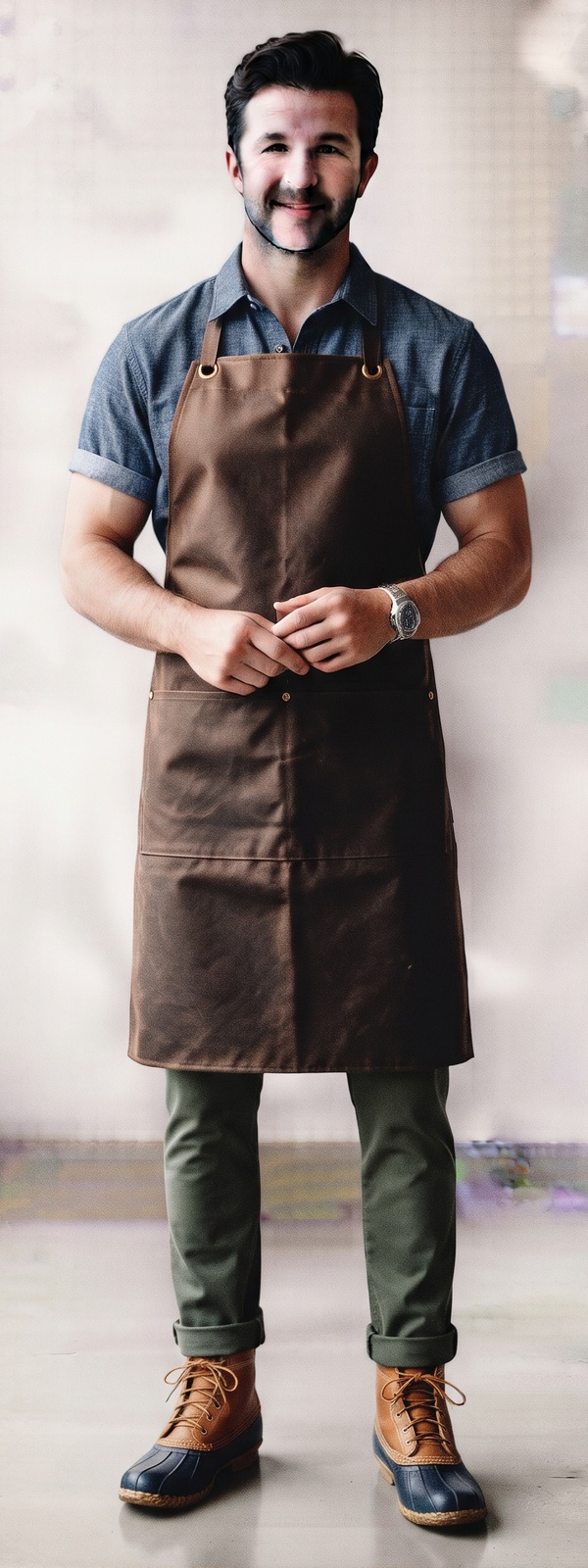
Artisanal Workshop Utility: Waxed Canvas & Linen Aprons
We curated this collection around the rise of artisanal craft-core—where functional studio, roastery, and workshop gear meets intentional menswear styling. We layer men's heavy waxed canvas work aprons, men's charcoal linen barista aprons, and men's selvedge denim studio aprons over men's olive band collar shirts, men's blue chambray work shirts, and men's buffalo plaid flannels. Grounded by men's leather moc toe boots and pleated trousers, our looks elevate tactile craftsmanship.
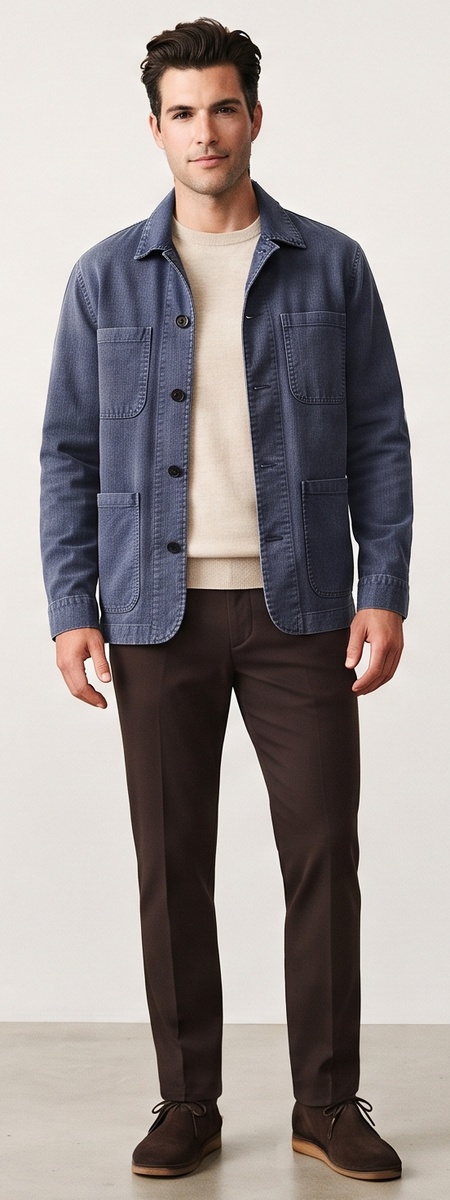
French Workwear: Moleskin Jackets & Chore Coats
We designed this collection around the timeless practicality and tactile charm of traditional French chore clothing. Layering an unlined cotton moleskin or washed canvas jacket over a clean waffle henley or nautical Breton stripe creates an immediate feeling of relaxed craftsmanship. We favor faded indigos, earthy tobacco, and muted moss tones that soften gracefully with each wash. By sourcing durable canvas and denim staples on Amazon, you can master French utilitarian poise on an accessible budget.
Other Reading
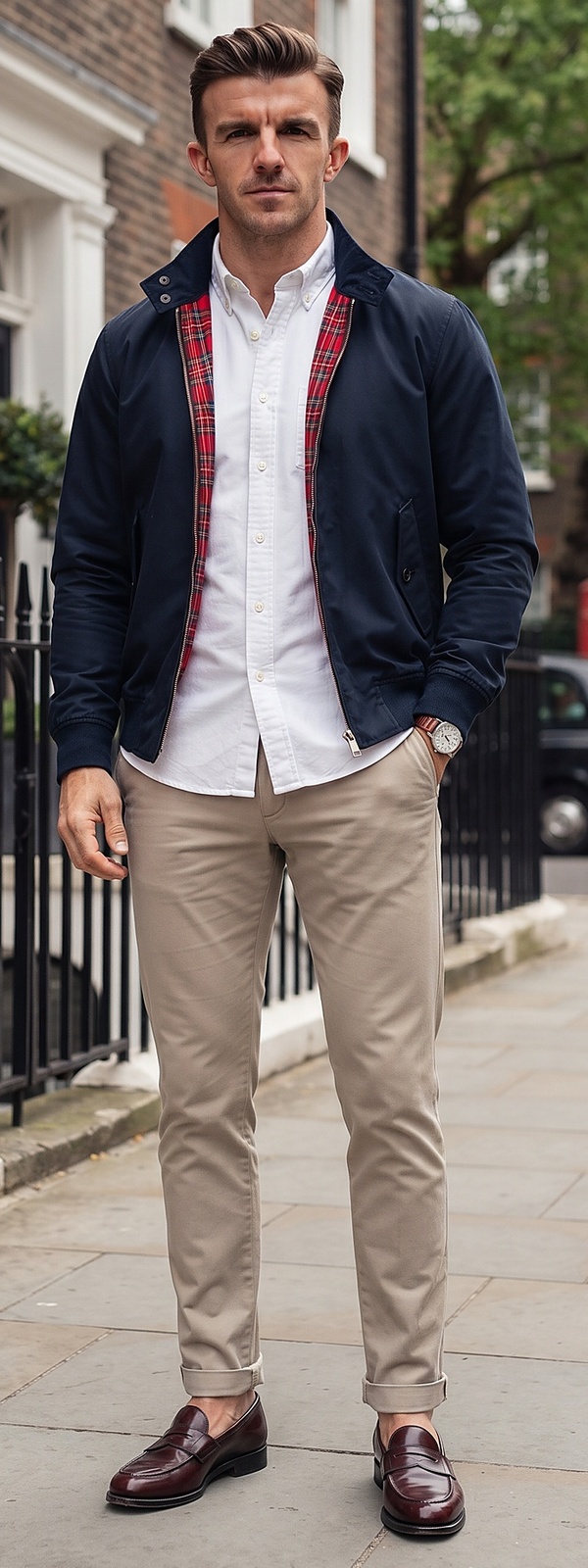
What to Wear to a Traditional Sunday Roast — Men's Complete Guide
The traditional Sunday roast is a cherished weekend ritual centered on slow dining, roaring pub fireplaces, Yorkshire puddings, and leisurely pints of ale. Whether gathering at an upscale countryside coaching inn or a bustling city gastropub, your attire should honor the warm conviviality of the occasion without feeling stiff. The quintessential look is British heritage smart casual: thick cable-knit shawl cardigans, crisp Oxford cloth button-downs, comfortable tailored chinos, and rich suede chukka boots or brogues. You want an ensemble that accommodates a generous multi-course feast while looking impeccably put-together over family conversations and pint toasts beside the fireplace. From classic Harrington jackets to chambray shirts and rich earth-toned trousers, here is your definitive guide to mastering gastropub Sunday roast style with timeless polish.

Deep Winter Overcoats: Premium Warmth for Less
When real winter sets in, your coat isn't just part of your outfit—it is your outfit. For this freezing season, we are focusing on sub-zero tailoring, utilizing classic double-breasted silhouettes, rich textures, and substantial wool blends that trap heat effortlessly. We believe that a commanding, weather-resistant topcoat shouldn't demand an elite designer investment. Let's master the cold with sharp, defensive layers that keep you thoroughly insulated and undeniably polished without breaking the bank.
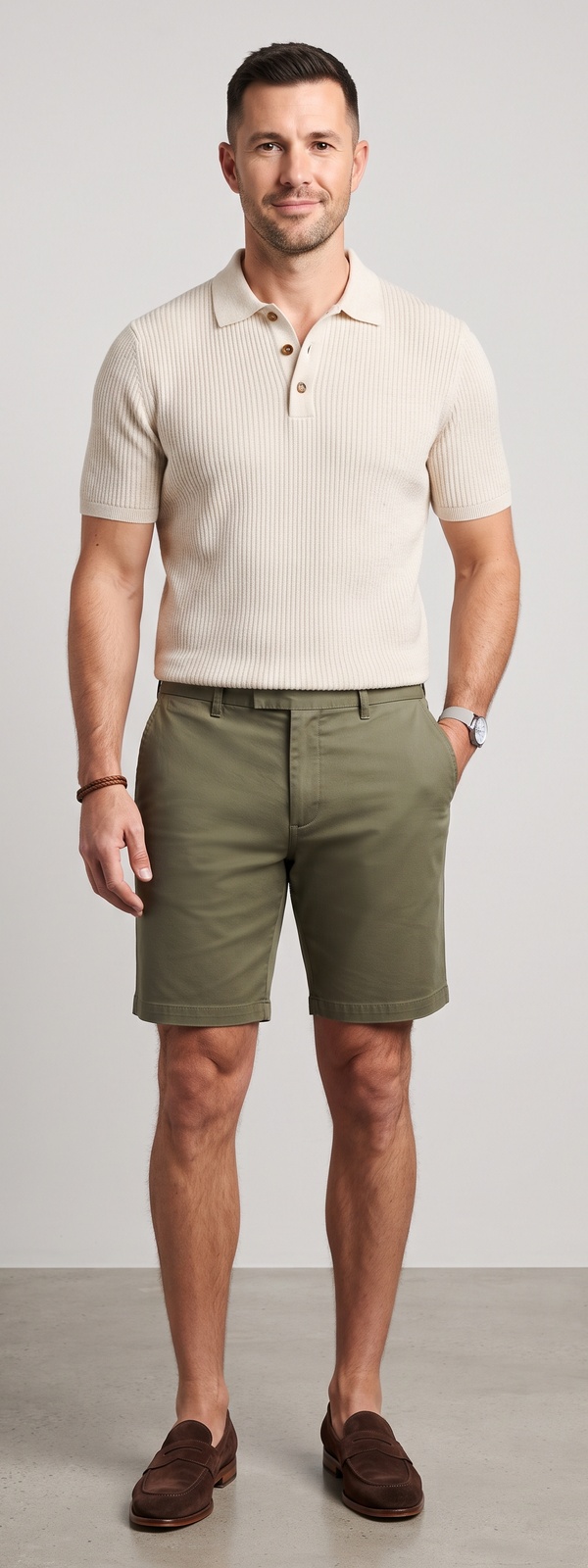
Summer Shorts Guide: Ideal Inseam Lengths & Men's Styling Tips
Find your perfect shorts inseam (5-inch, 7-inch, 9-inch) and master styling tailored, chino, and linen shorts with camp collars and sneakers.