
What to Wear to a Hi-Fi Audio Workshop — Men's Complete Guide
Pulling up an electronics workbench at a vintage hi-fi audio restoration clinic or tube amplifier repair workshop surrounds you with glowing vacuum tubes, soldering irons, oscilloscopes, and electrolytic filter capacitors. Troubleshooting vintage Marantz receivers, desoldering burnt resistors, and cleaning potentiometers with contact cleaner demands comfortable, non-conductive workshop clothing that protects against solder flux.
The benchmark dress code is elevated analog electronics craftsman workwear: durable denim chore jackets or heavyweight cotton pocket tees, paired with relaxed cotton carpenter pants or dark utility chinos and clean rubber-soled low-top sneakers. Natural cotton fibers prevent static electricity buildup that can damage delicate audio transistors, while rubber soles ground your stance.
From high-voltage tube amplifier electrical safety to soldering iron flux defense and seated bench comfort, here is your definitive blueprint for vintage hi-fi audio workshop style.
Outfits that work
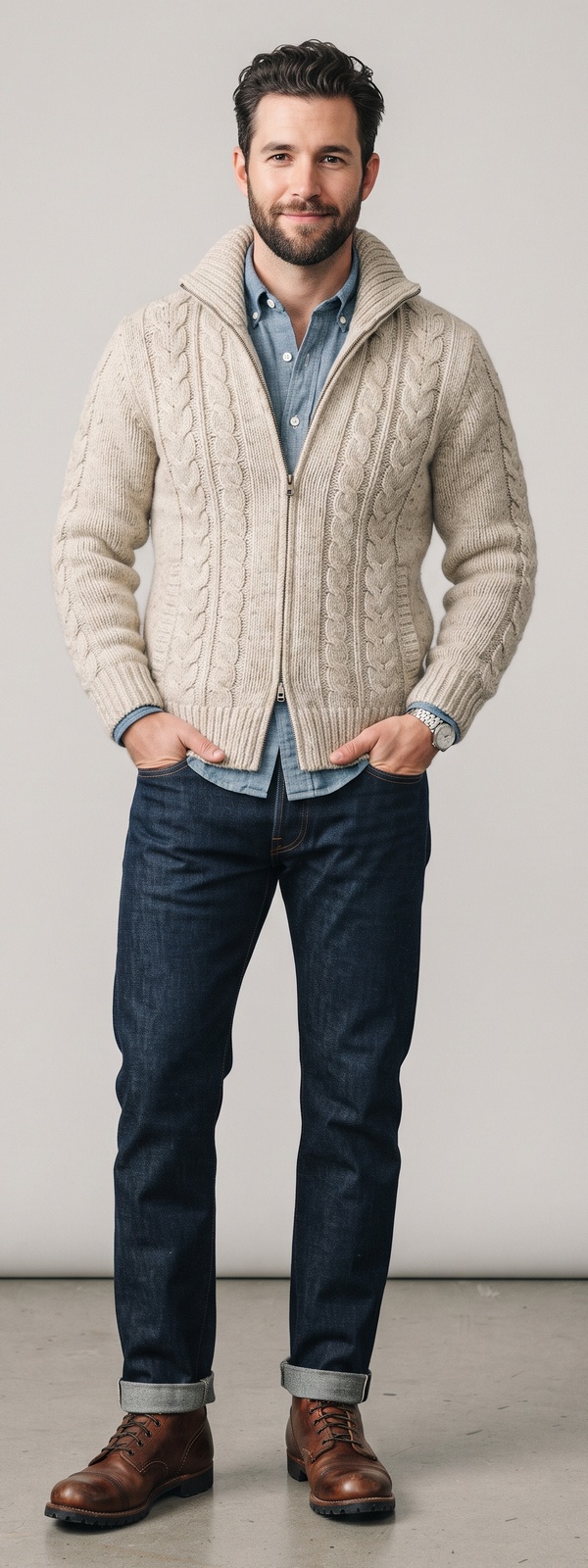 From $146
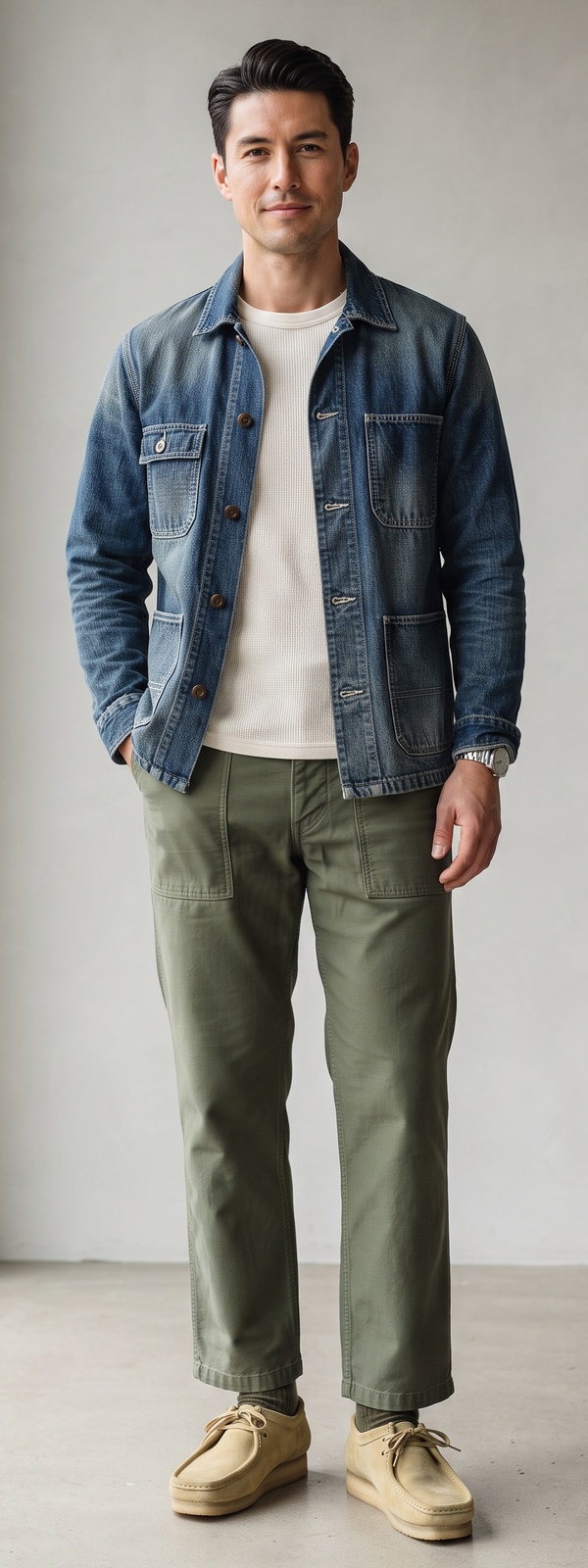 From $123
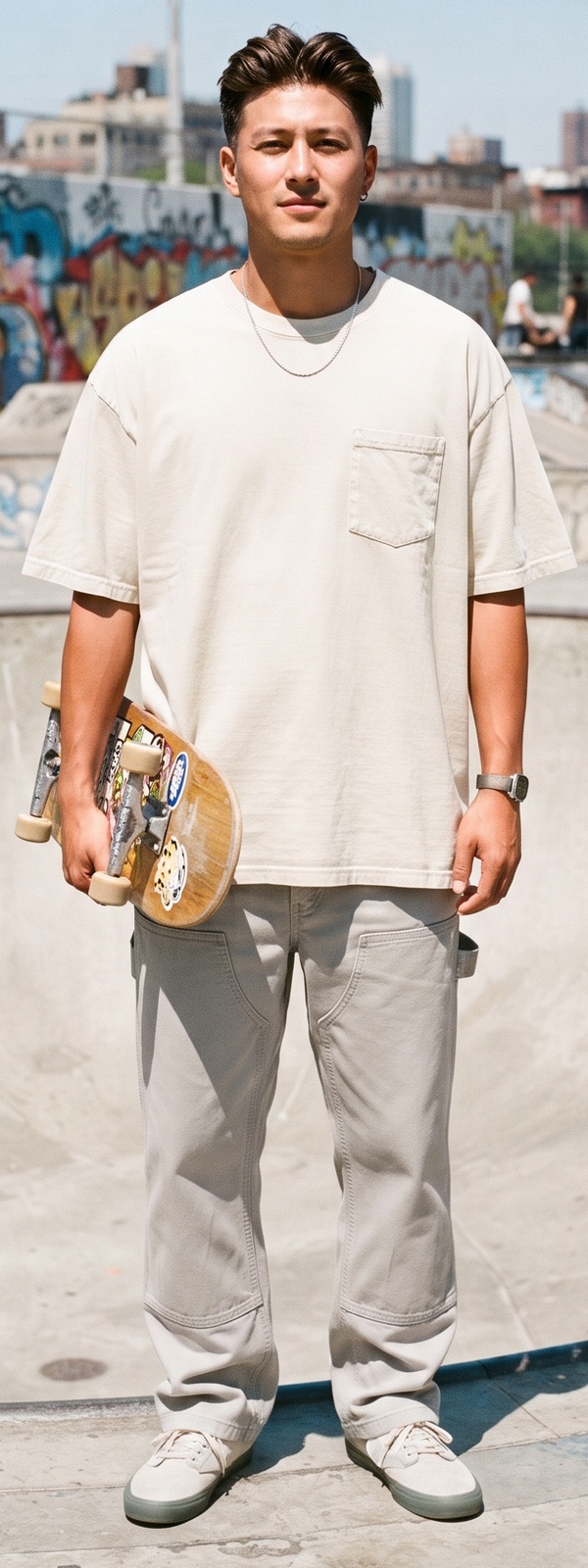 From $166
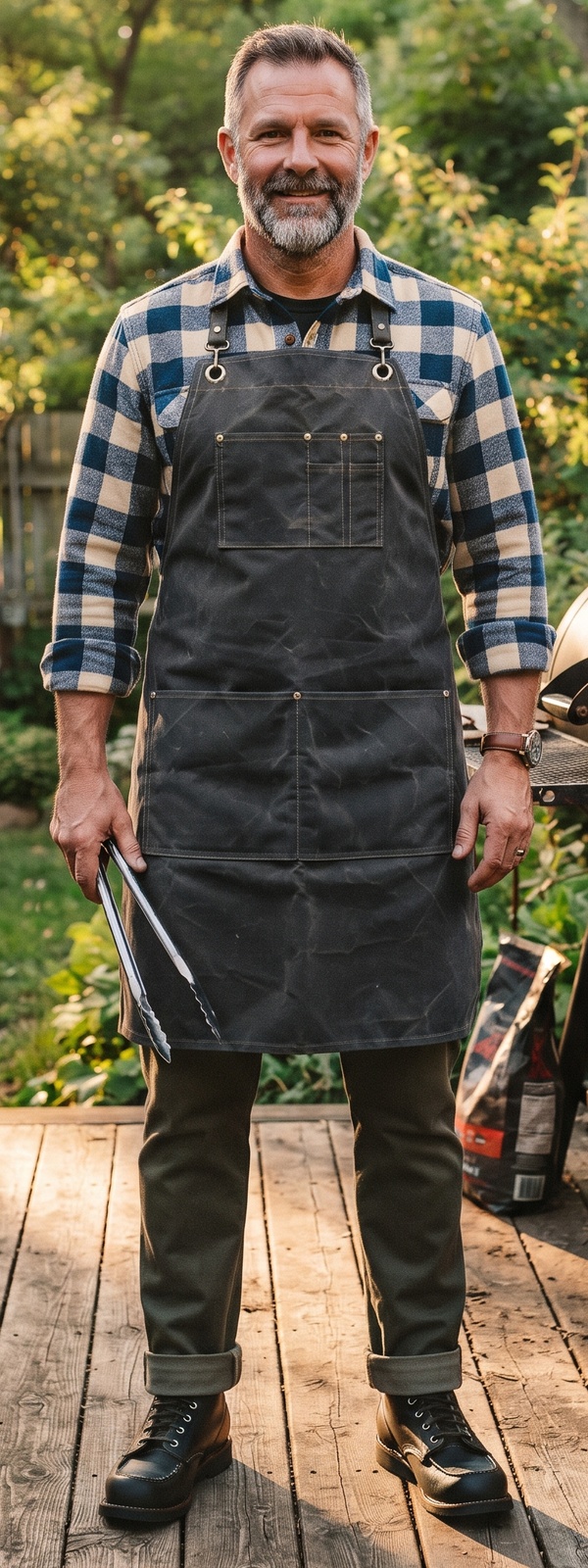 From $168
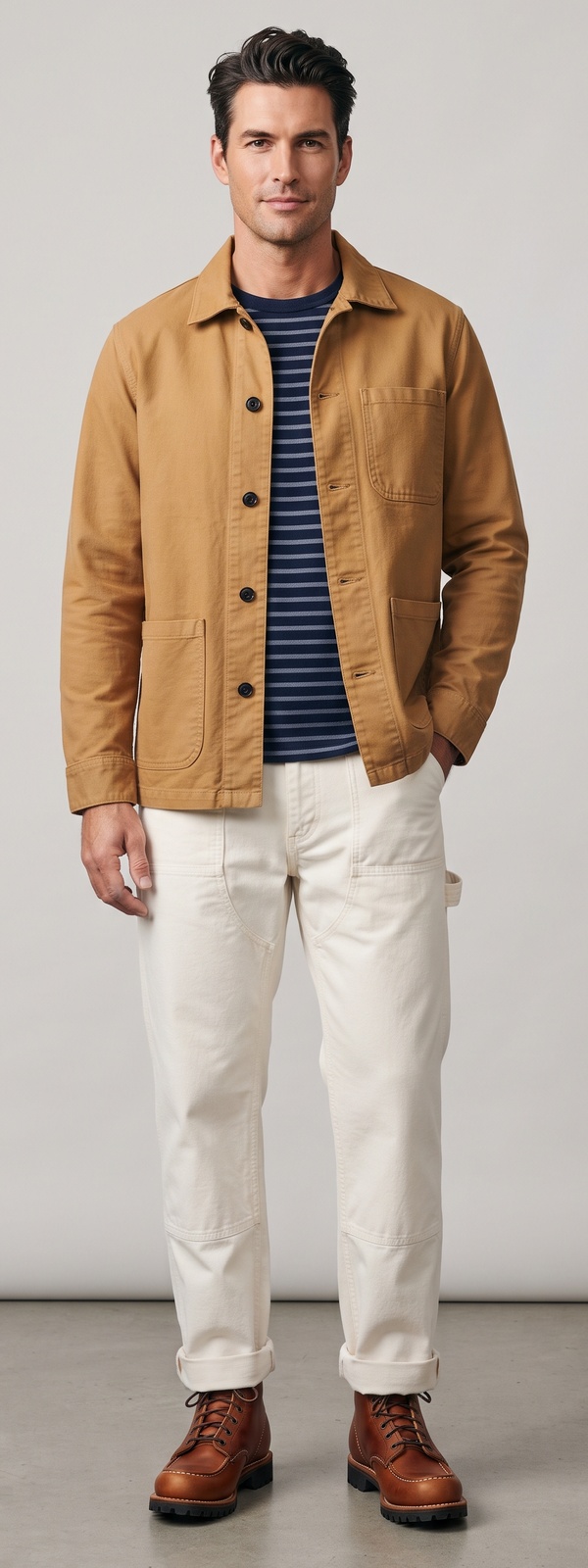 From $135
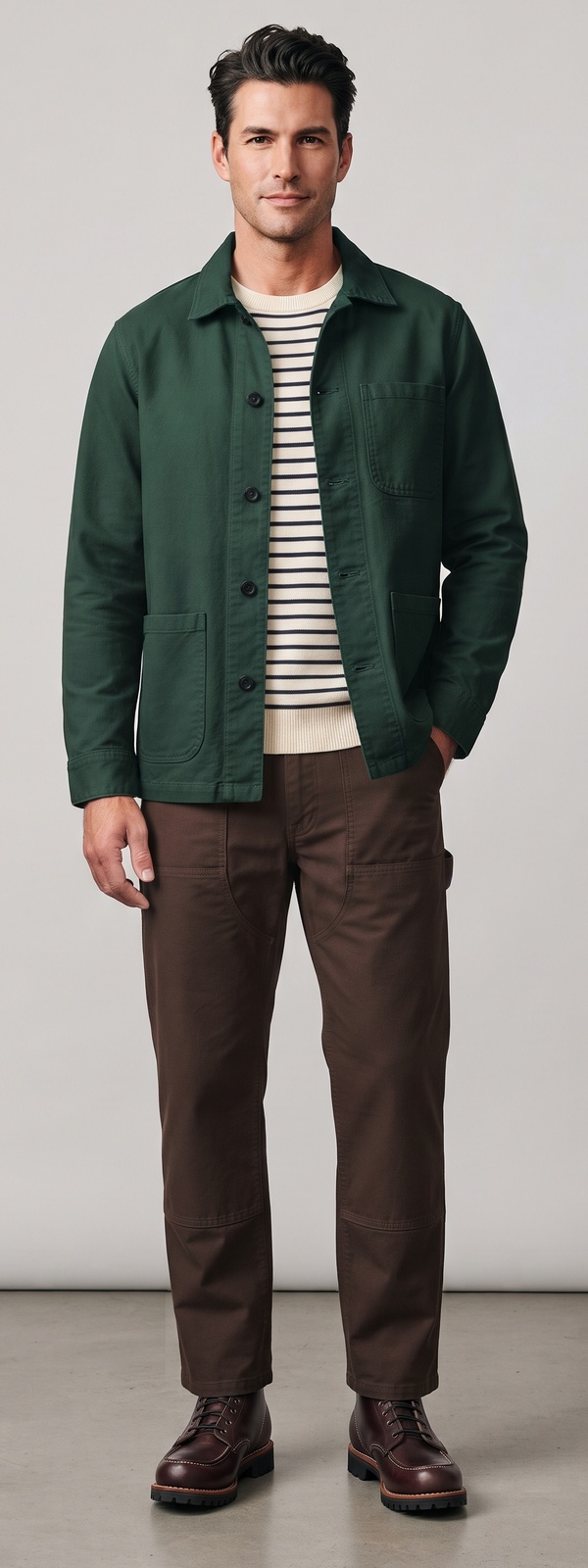 From $134
Do
- ✓Wear 100% natural cotton garments that eliminate static electricity discharges around sensitive electronics.
- ✓Choose relaxed cotton carpenter pants or durable chinos with deep tool pockets to hold screwdrivers and probes.
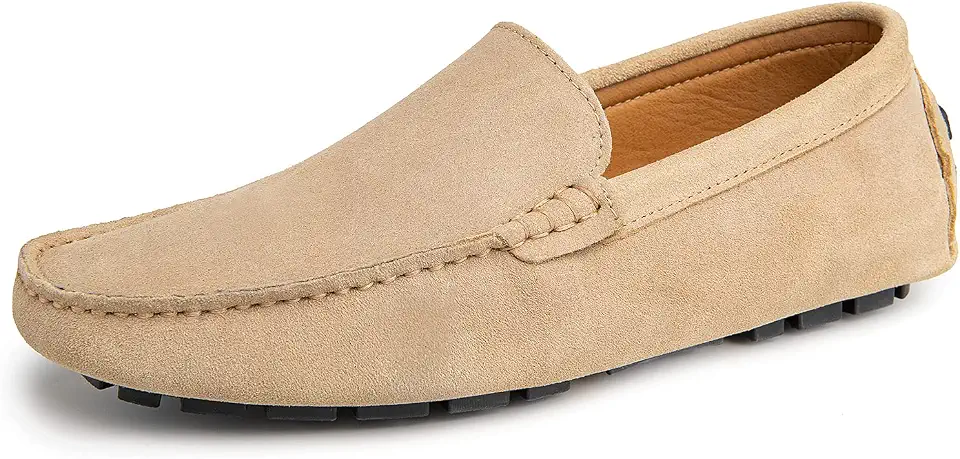
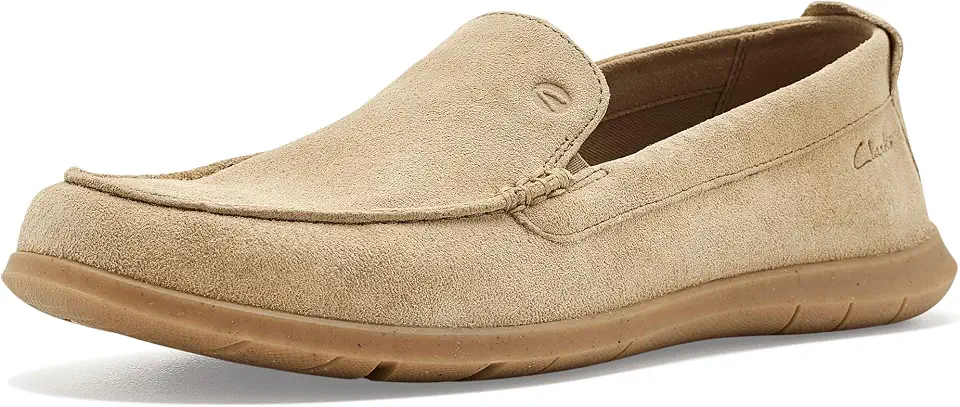
- ✓Wear closed-toe rubber-soled sneakers or leather shoes that provide electrical insulation from ground current.
- ✓Wear clear impact-resistant safety glasses when clipping wire leads and desoldering pressurized capacitors.
- ✓Roll your sleeves cleanly above your forearms to ensure free wrist mobility around 700-degree soldering irons.
Don't
- ✗Avoid static-prone synthetic fleece, nylon, or polyester sweaters that generate dangerous electrostatic sparks.
- ✗Don't wear metal wristwatches, metal chains, or magnetic bracelets that risk short-circuiting live power rails.
- ✗Avoid loose sleeve cuffs or dangling hoodie strings that can knock over flux bottles or touch hot iron barrels.
- ✗Don't work on high-voltage vacuum tube amplifiers with bare feet or wet shoes on conductive studio floors.
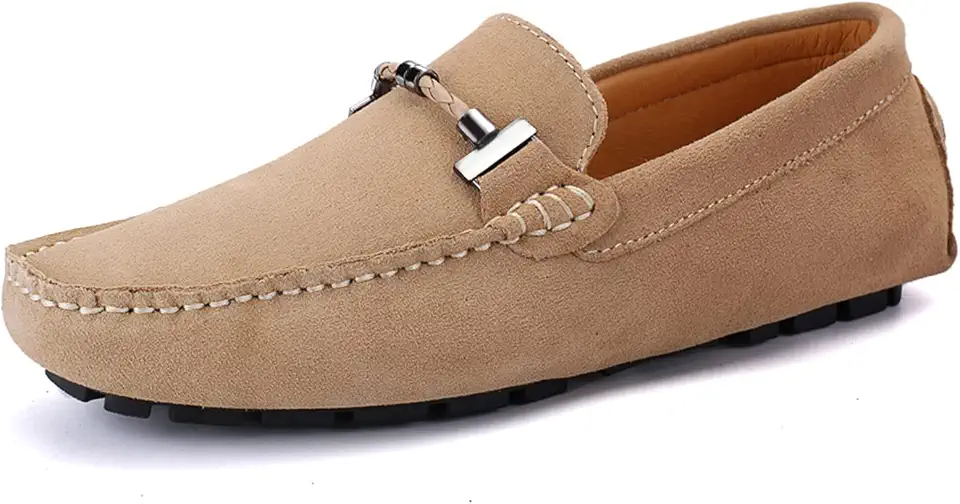
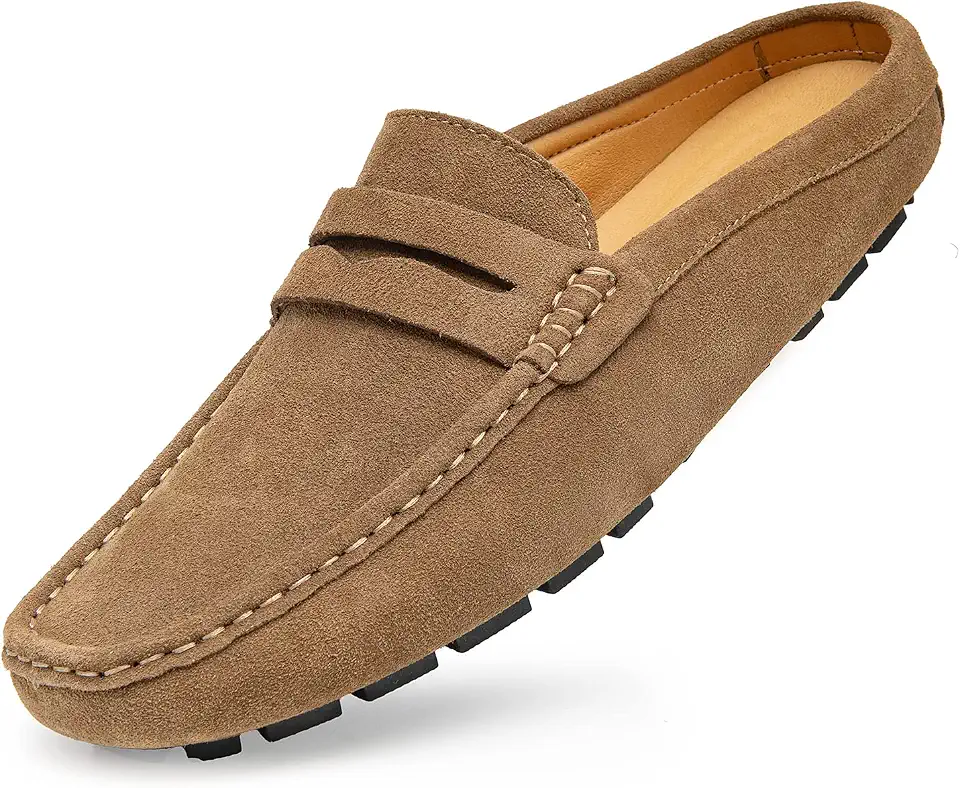
Style tips
Electrostatic Static Shielding Rule
Shuffling feet in synthetic fleece can generate ten thousand volts of static electricity, instantly frying vintage audio semiconductors. Wearing all-natural cotton garments prevents charge accumulation, keeping vintage circuitry safe.
Soldering Iron Wrist Clearance
Navigating tight vacuum tube chassis point-to-point wiring requires holding hot soldering irons millimeters from terminal strips. Short sleeves or securely rolled cuffs give your fingers unimpeded dexterity without scorching fabric.
Chassis Bench Ergonomics
Re-capping forty-pound vintage stereo receivers involves leaning forward over illuminated magnifying lamps for hours. Relaxed-leg utility trousers provide unrestricted comfort without waistband pinching during prolonged sitting.
Related searches
All curated searches
Related Reading
What to Wear to a Bookbinding Workshop — Men's Complete Guide
Stepping into a historic bindery or book arts atelier connects you with cast-iron book presses, paper marbling troughs, and bone folders. Folding paper signatures, piercing spine sections with awls, and hand-stitching French link spines with linen thread requires patient, tactile studio workwear that handles wheat paste glue and edge trimming shears. The benchmark dress code is elevated book arts studio workwear: durable cotton chore jackets or chambray shirts protected by a heavy denim or canvas workshop apron, paired with relaxed cotton carpenter pants and supportive leather boots or shoes. You need comfortable standing apparel that withstands glue spatters while reflecting literary artisanal craftsmanship. From paper glue protection to spine-pressing bench mobility and bookbinder apron utility, here is your definitive blueprint for traditional hand bookbinding workshop style.
What to Wear to a Screen Printing Workshop — Men's Guide
Signing up for an artisan screen printing masterclass, relief linocut printmaking session, or textile poster workshop immerses you in a hands-on print studio filled with squeegees, exposure units, and heavy ink jars. Pulling sticky plastisol or water-based inks across fine mesh screens onto archival paper and textiles requires durable, stain-friendly clothing that allows full upper-body mobility. The benchmark dress code is creative printmaker studio workwear: dark cotton chore jackets or heavyweight pocket tees beneath a sturdy canvas shop apron, paired with dark wash carpenter pants and dark leather sneakers or work boots. Sticky oil-based print inks and photographic emulsion stains never wash out, making dark, hardwearing fabrics an absolute necessity. From ink spatter dark color palettes to screen-pulling sleeve clearance and wash-out booth traction, here is your definitive blueprint for screen printing studio workshop style.
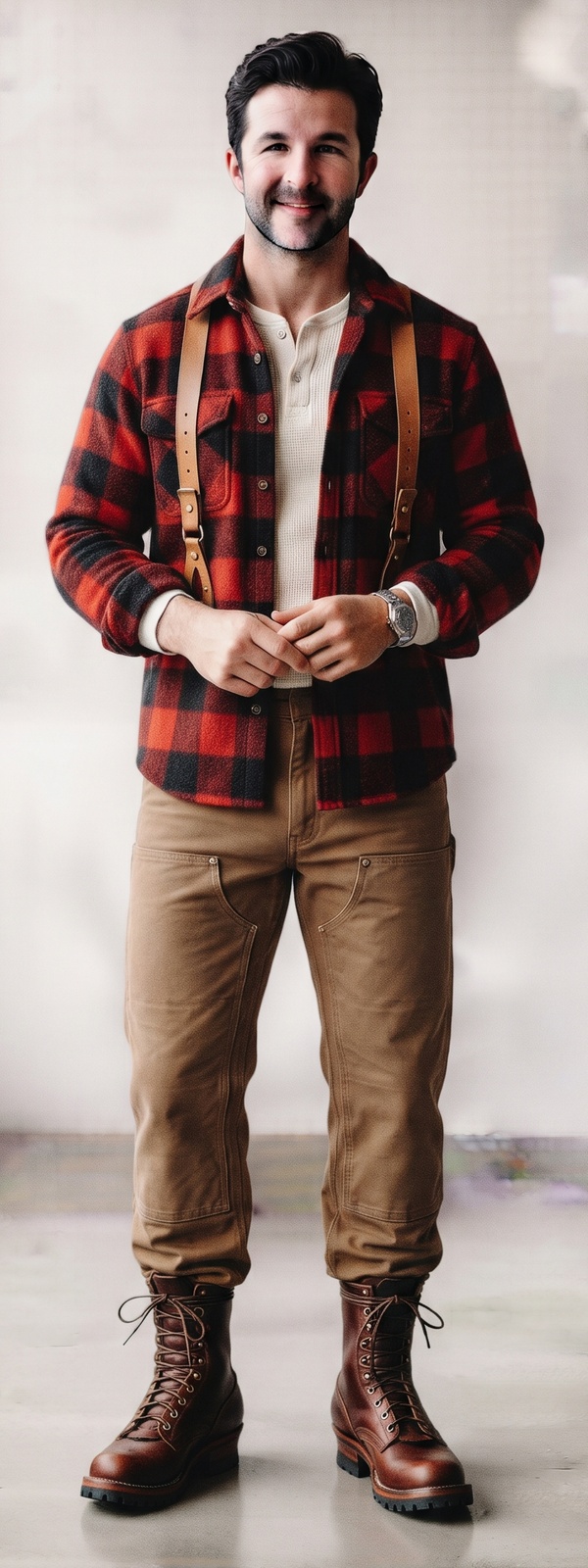
How to Style Men's Carpenter Pants: Skate to Modern Streetwear
Embrace relaxed utilitarian street style with our guide to styling men's carpenter pants, hammer loops, and durable canvas bottoms with tees and chore coats.
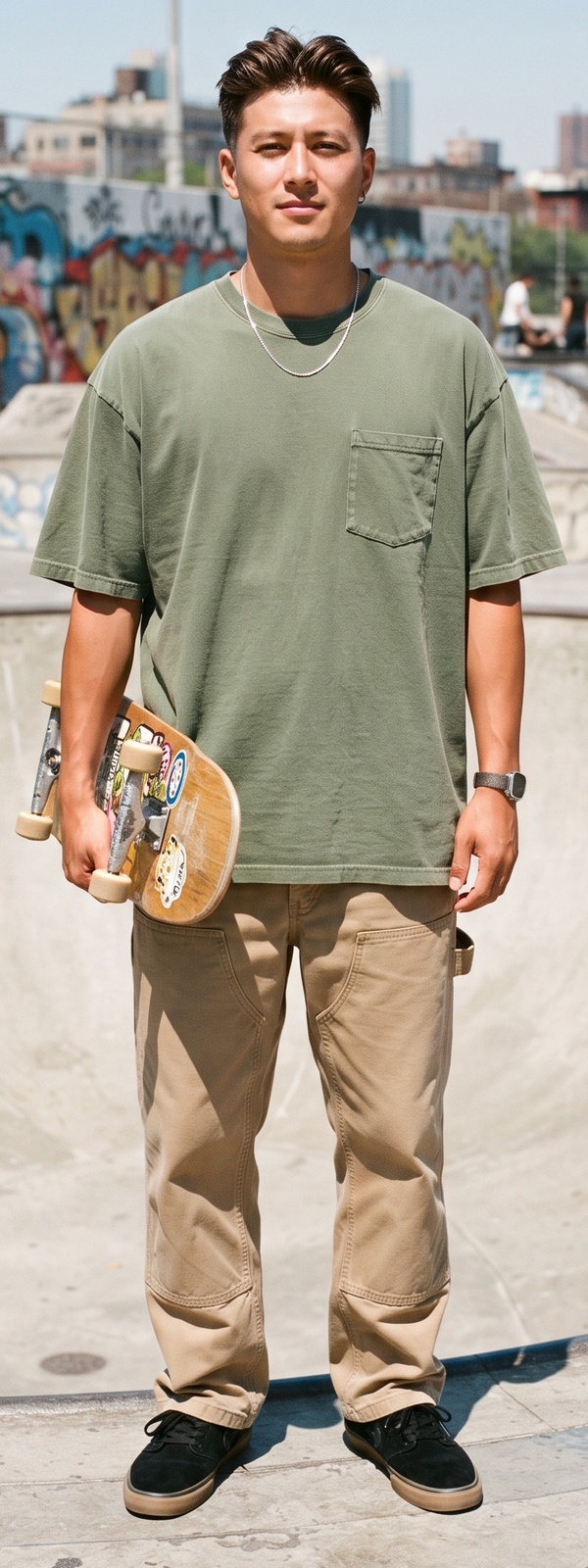
How to Style Men's Fatigue Pants: Military Utility Guide
Elevate your utilitarian wardrobe with our complete guide to styling men's fatigue and baker pants with chore coats, knits, and rugged footwear.
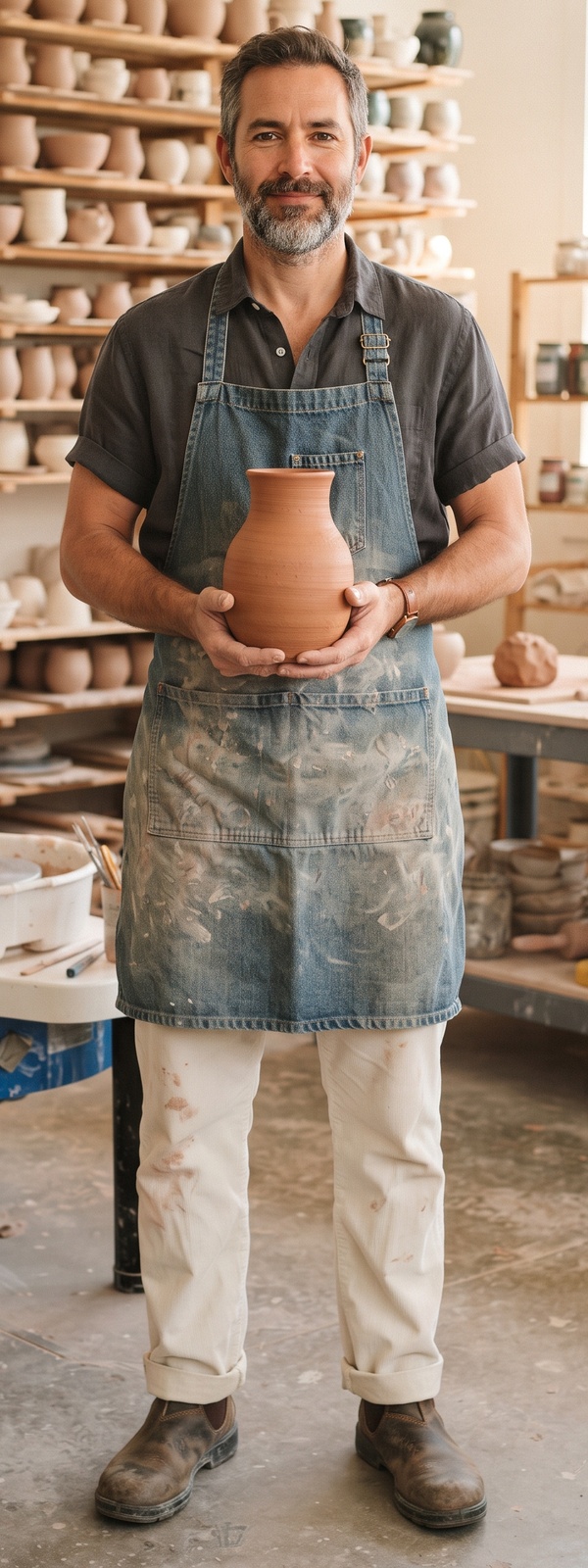
Artisanal Workshop Utility: Waxed Canvas & Linen Aprons
We curated this collection around the rise of artisanal craft-core—where functional studio, roastery, and workshop gear meets intentional menswear styling. We layer men's heavy waxed canvas work aprons, men's charcoal linen barista aprons, and men's selvedge denim studio aprons over men's olive band collar shirts, men's blue chambray work shirts, and men's buffalo plaid flannels. Grounded by men's leather moc toe boots and pleated trousers, our looks elevate tactile craftsmanship.
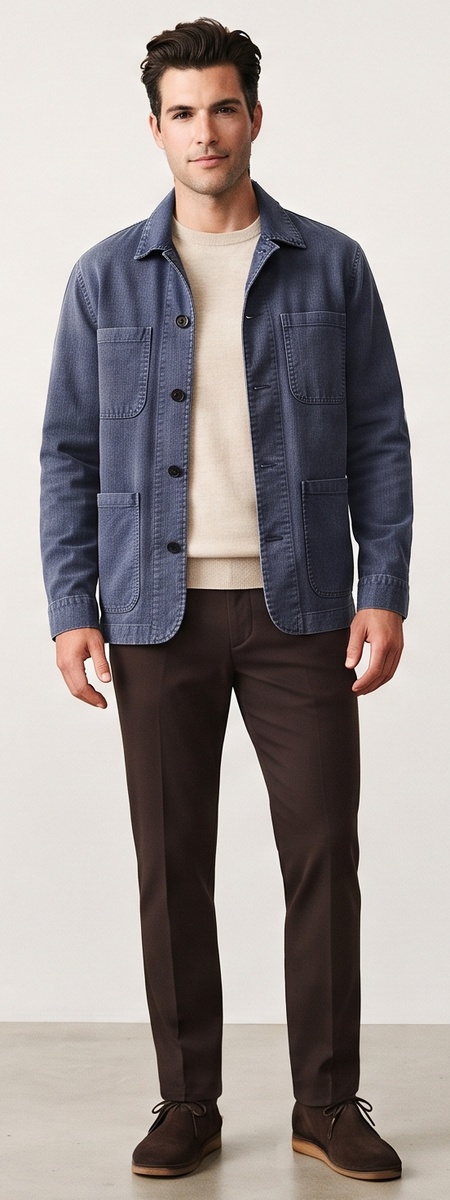
French Workwear: Moleskin Jackets & Chore Coats
We designed this collection around the timeless practicality and tactile charm of traditional French chore clothing. Layering an unlined cotton moleskin or washed canvas jacket over a clean waffle henley or nautical Breton stripe creates an immediate feeling of relaxed craftsmanship. We favor faded indigos, earthy tobacco, and muted moss tones that soften gracefully with each wash. By sourcing durable canvas and denim staples on Amazon, you can master French utilitarian poise on an accessible budget.
Other Reading
What to Wear to a Bonsai Workshop — Men's Complete Guide
Attending a traditional bonsai tree styling masterclass, juniper wiring workshop, or Japanese botanical garden class connects you with living sculpture, concave branch cutters, and copper wire. Sitting beside miniature pine and maple trees amidst damp akadama soil and shears requires comfortable, dirt-friendly artisanal apparel that allows hours of patient concentration. The benchmark dress code is elevated botanical artisan casual: breathable linen overshirts or heavyweight cotton pocket tees beneath a canvas workshop apron, paired with relaxed cotton carpenter pants and clean leather sneakers. You need clothes that easily handle stray potting soil and wire friction while maintaining a calm, meditative studio aesthetic. From copper wire snag prevention to ergonomic rotating turntable posture and soil-resistant weaves, here is your definitive blueprint for bonsai styling workshop style.

Light-Wash Relaxed Denim: 90s Vintage Fades & Casual Ease
We designed this lookbook around the breezy charm of vintage light-wash denim. A washed sky-blue pair of jeans immediately softens rigid outerwear and brings a laid-back 1990s aesthetic to contemporary menswear. We advise styling light-wash denim with high-contrast tops like navy jackets, deep green knits, or crisp white cotton tees to keep the outfit grounded.
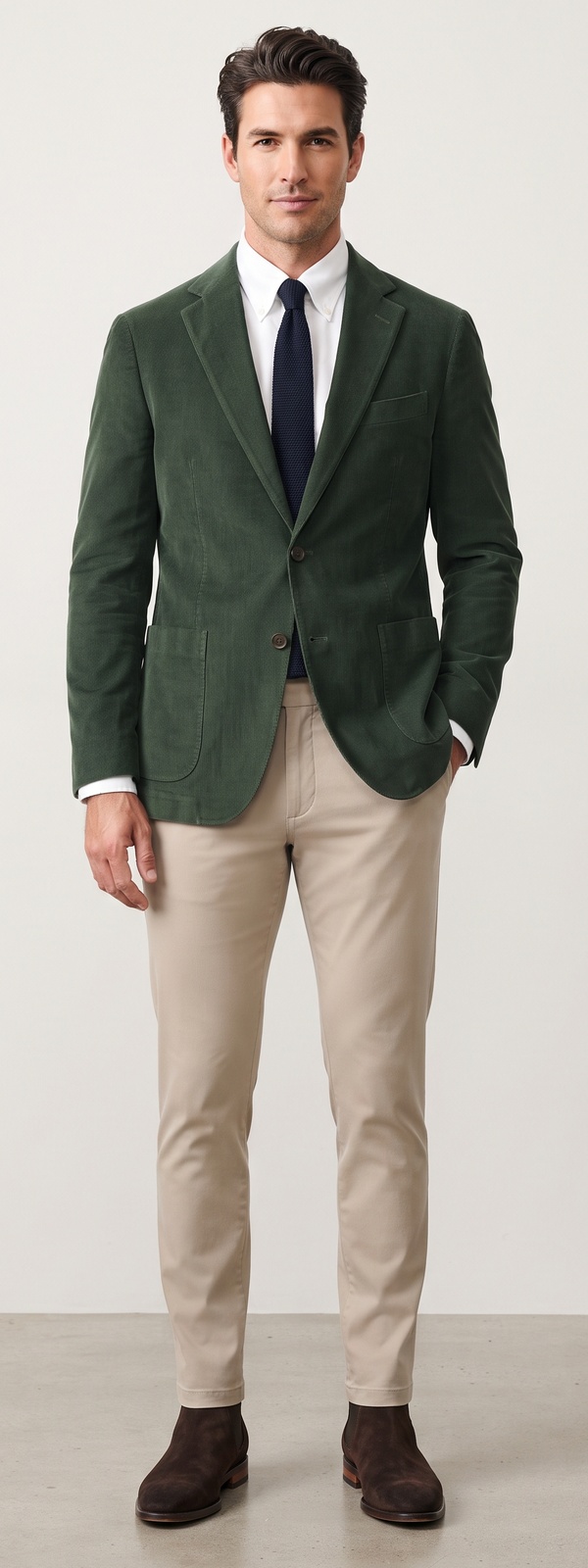
How to Style a Men's Tweed Sport Coat with Modern Charm
Learn how to style a men's tweed sport coat with knit ties, dress pants, and leather brogues for sophisticated dark academia and tailored autumn looks.