
What to Wear on a Heritage Steam Railway Trip — Men's Guide
Boarding a restored mahogany-paneled carriage behind a roaring steam locomotive for a heritage railway excursion immerses you in billowing white steam, coal soot, and polished brass fittings. Passengers lean out carriage windows, watch picturesque viaduct views roll past, and dine in velvet-upholstered parlor cars along scenic valley lines.
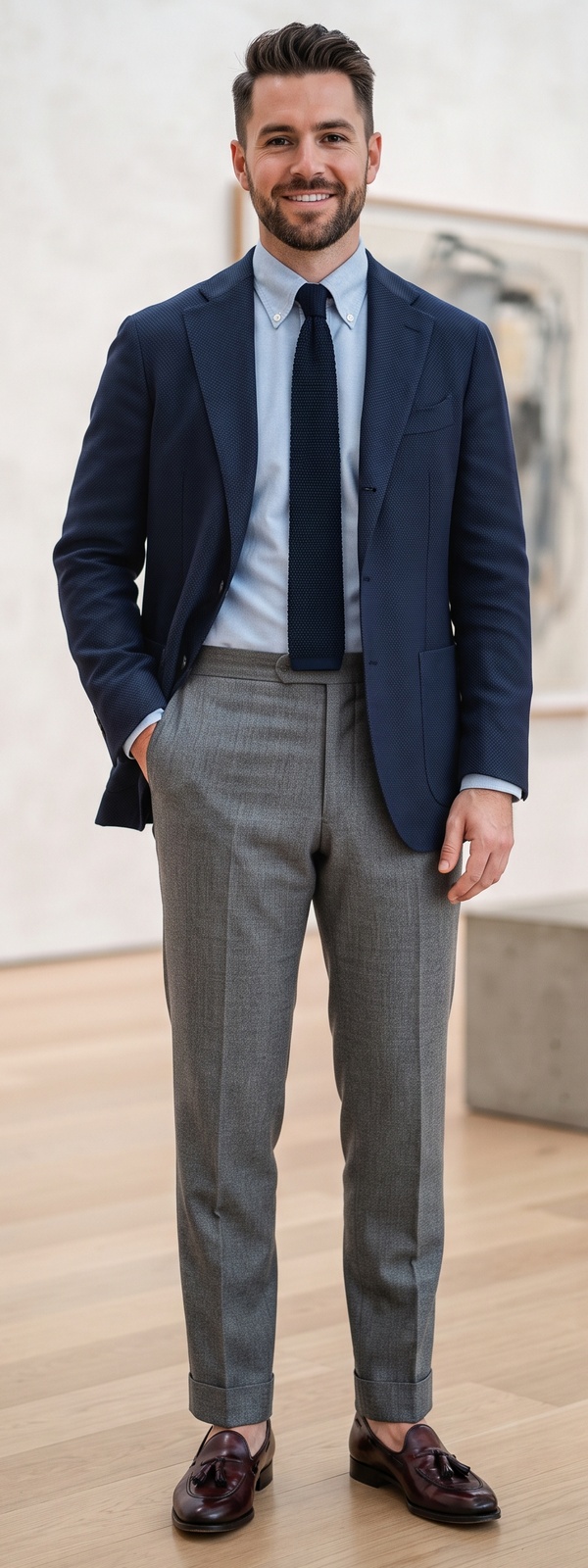
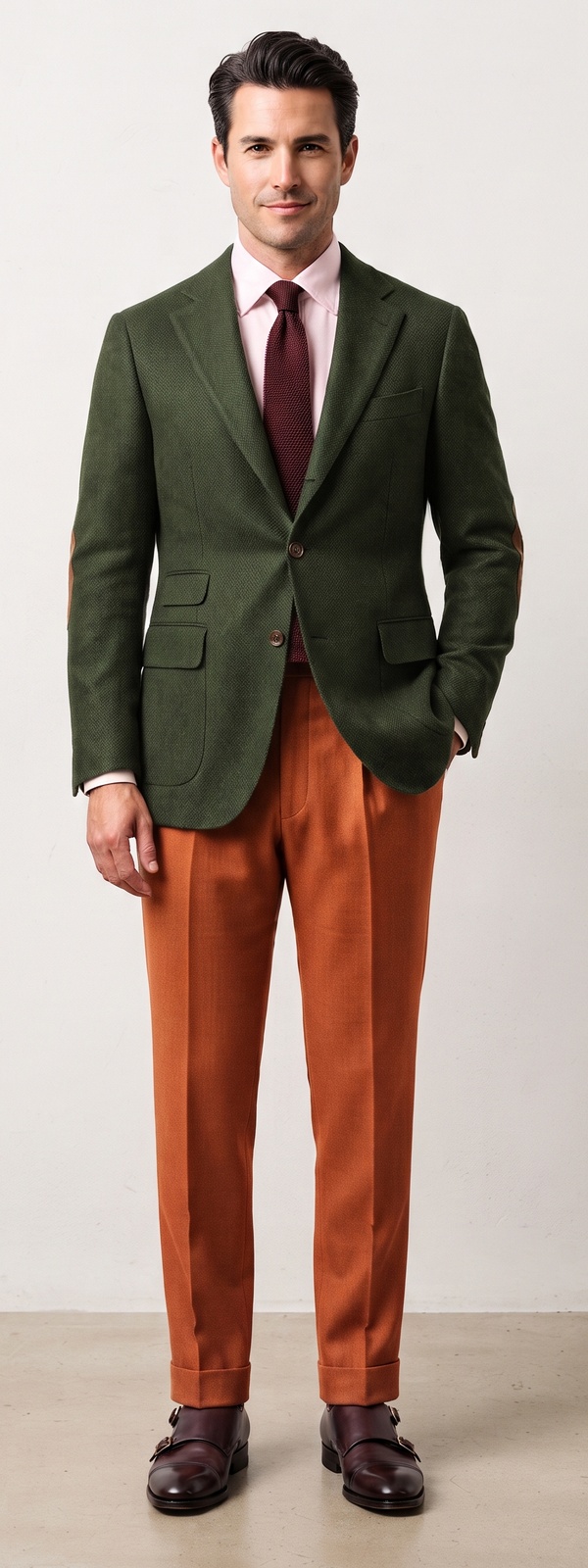
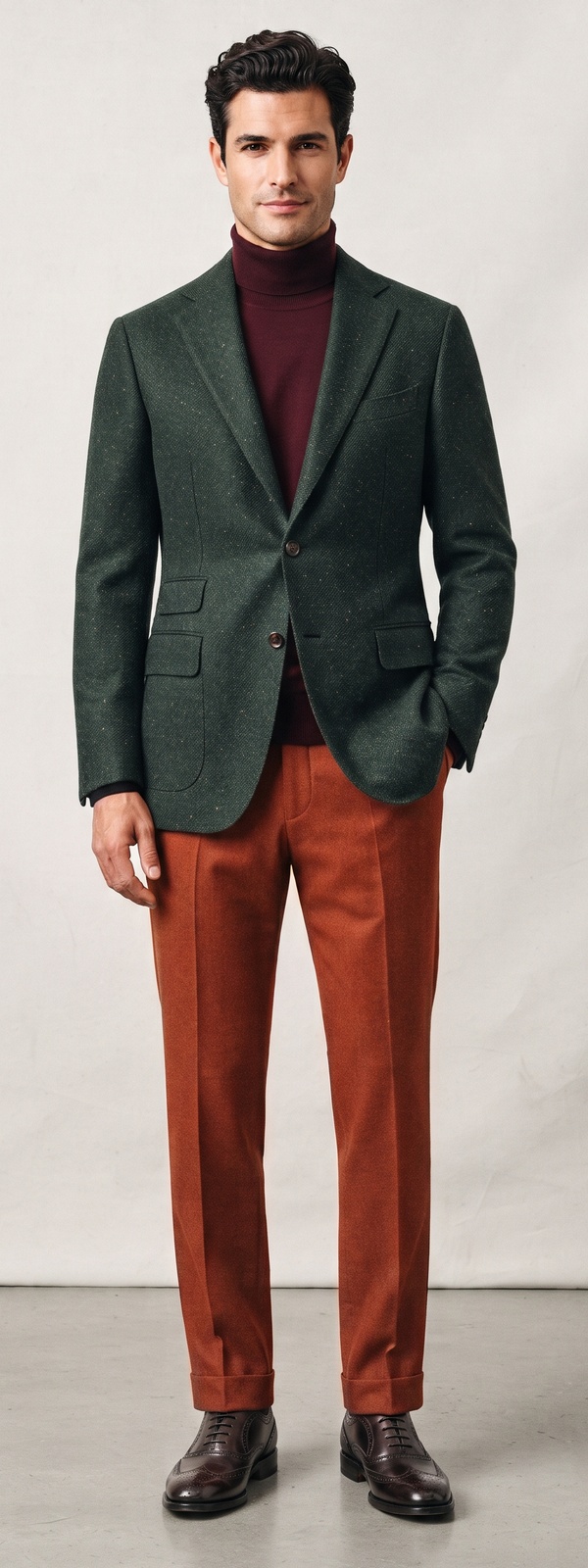
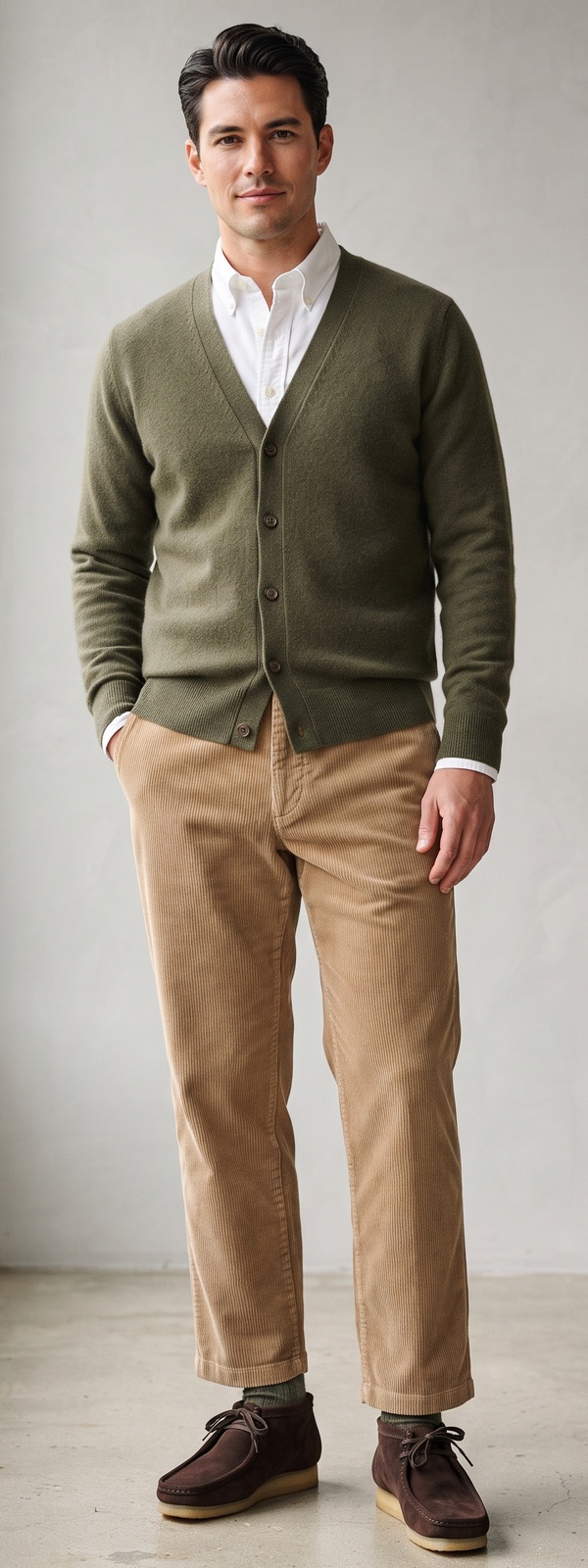
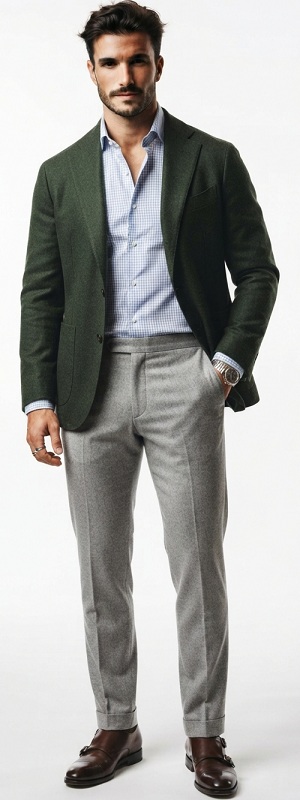
The expected sartorial standard is classic mid-century travel heritage and smart-casual elegance: rich wool tweed sport coats, crisp button-down oxford shirts, tailored wool dress pants, and polished leather brogues. Because heritage train stations and vintage drafty carriages celebrate golden-age travel romance, timeless British tailoring is ideal.
From walking vintage brick platforms amid locomotive steam plumes to sipping afternoon tea in first-class dining cars, here is your essential steam railway style guide.
Outfits that work
 From $153
 From $104
 From $151
 From $122
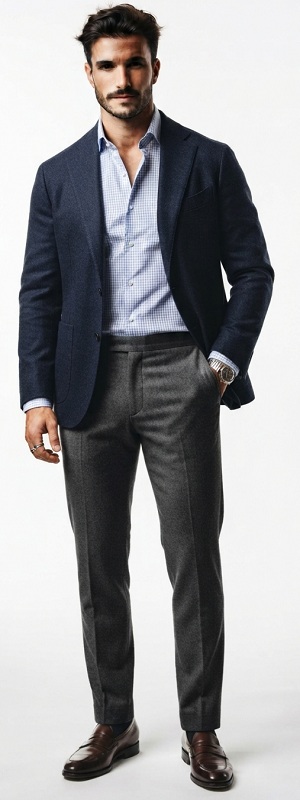 From $159
Do
- ✓Wear a classic wool tweed or herringbone sport coat that honors the romantic golden age of railway travel.
- ✓Choose a crisp cotton oxford dress shirt paired with a textured wool knit tie or an open spread collar.
- ✓Select tailored wool dress pants or pressed dark chinos that drape cleanly over sturdy leather footwear.
- ✓Opt for well-polished leather brogues or derby shoes that handle gravel station platforms with elegance.
- ✓Pair your outfit with a traditional wool newsboy cap or tweed flat cap to deflect drifting locomotive steam.
Don't
- ✗Avoid pristine light-colored clothing that can be soiled by airborne charcoal cinder flakes near open windows.
- ✗Don't wear casual gym sweatpants or athletic tracksuits that ruin the romantic historical train atmosphere.
- ✗Avoid noisy synthetic windbreakers that look completely out of place against polished brass and mahogany.
- ✗Don't wear slippery smooth dress shoes without traction on wet, oil-filmed platform brickwork.


Style tips
Coal Cinder Resistant Fabric Palette
Historic steam engines occasionally emit fine cinders and charcoal soot that settle on outdoor platforms. Rich dark tweeds in lovat green, peat charcoal, and heather brown naturally camouflage microscopic soot specks.
Carriage Window Draft Layering
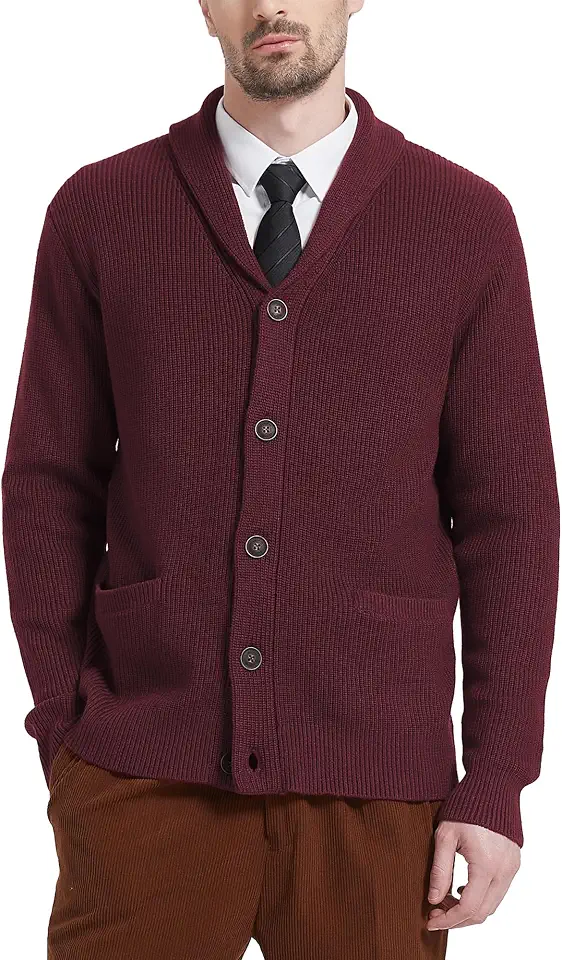
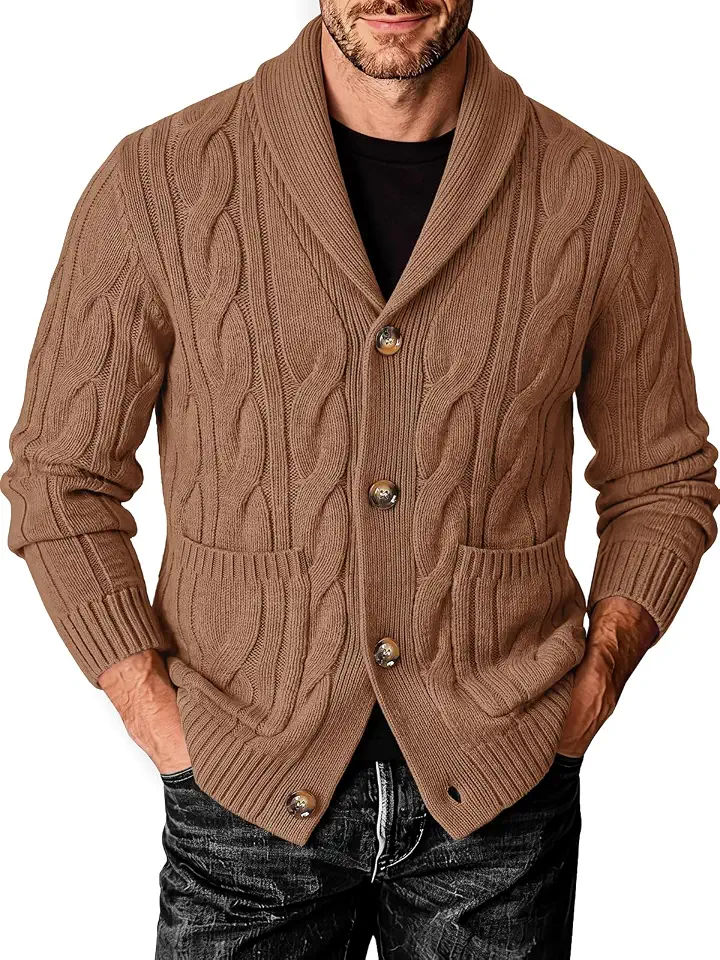
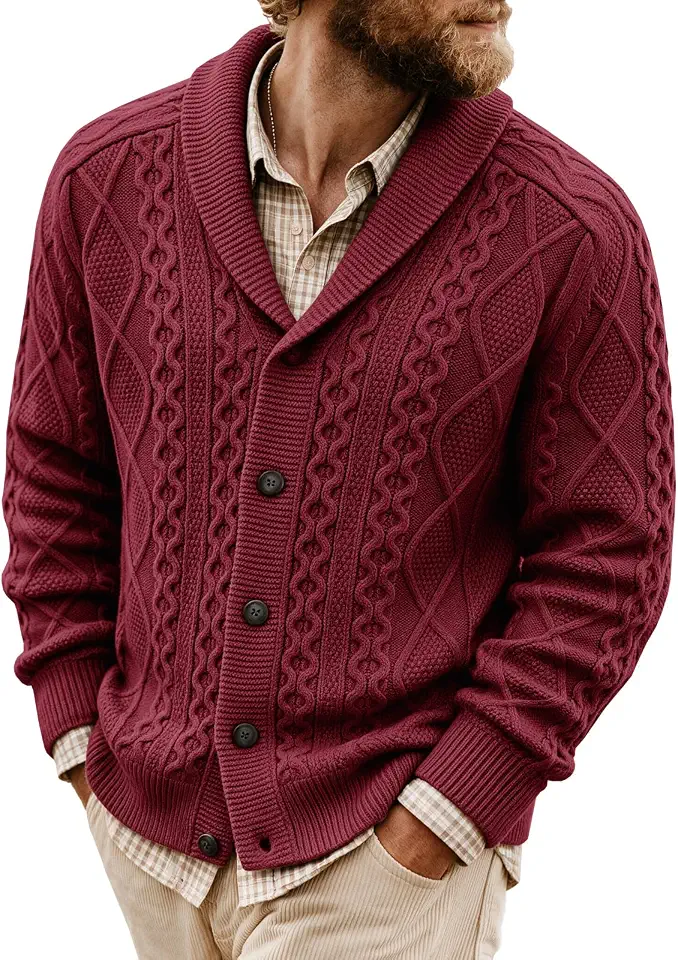
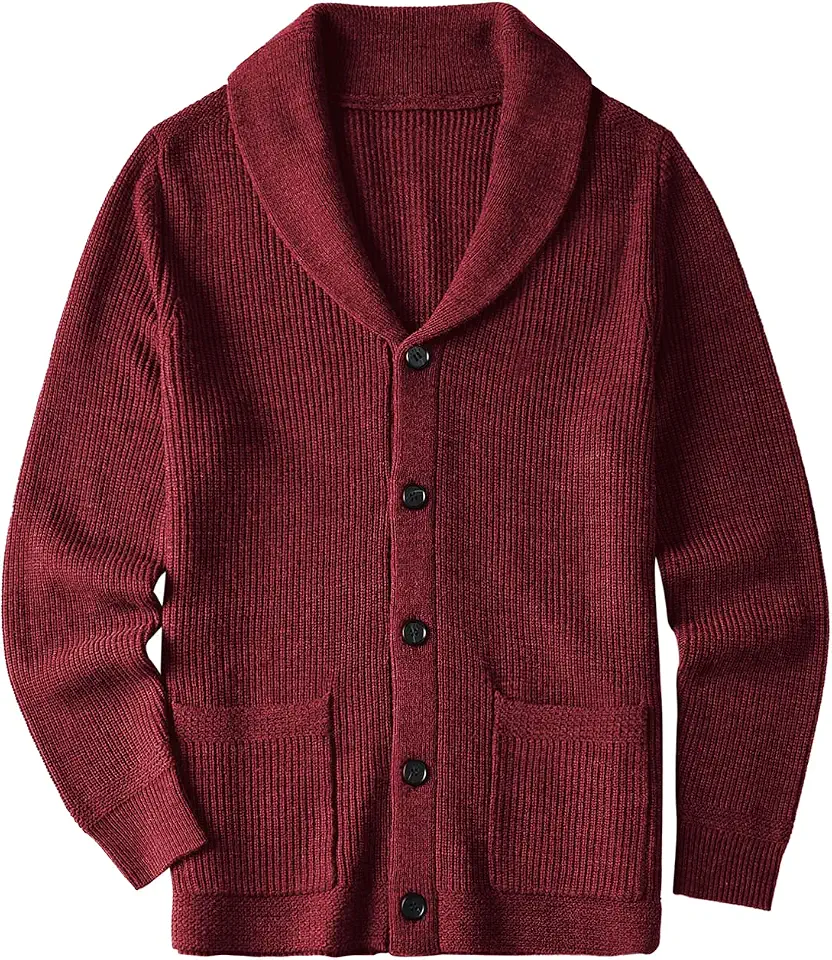
Vintage railway carriages have operable sash windows that passengers open to photograph passing locomotives. A fine merino wool cardigan worn beneath your tweed blazer provides adjustable thermal protection.
Station Platform Brick Traction
Historic steam railway platforms are frequently slick with water spray, boiler steam, and locomotive oil. Leather brogues fitted with rubber Dainite studded soles provide confident footing on wet flagstones.
Related searches
All curated searches
Related Reading
What to Wear to a Rare Map and Cartography Fair — Men's Complete Guide
Walking into an expansive antiquarian library hall for a prestigious rare map and antique cartography fair places you among seventeenth-century copperplate sea charts, celestial globes, and leather-bound atlases. Discerning collectors examine rare Mercator projections through magnifying loupes, negotiate hand-colored copper engravings, and discuss historical trade routes with specialist dealers. The expected sartorial standard is classic scholarly elegance and intellectual smart-casual tailoring: structured tweed or herringbone blazers, crisp cotton oxford shirts, tailored wool dress pants, and polished leather brogues. Because examining delicate hand-laid antique rag paper requires steady handling, clean-cut tailoring and immaculate grooming are essential. From inspecting watermarks on early Dutch maritime maps to discussing provenance over espresso with antiquarian booksellers, here is your definitive cartography fair guide.
Wingtip Brogues: Perforated Leather Heritage Dress Shoes
We designed this lookbook around the enduring authority of perforated leather broguing. Originally engineered to drain water on Scottish highlands, the wingtip brogue now brings unmatched artisanal character to tailored wool dress pants, dark corduroys, and double-breasted overcoats. Choose burnished cognac, oxblood burgundy, or dark espresso calfskin to ground textured knitwear and heritage tailoring with old-world permanence.
What to Wear to an Antique Clockmaking Class — Men's Complete Guide
Stepping into an artisan clockmaker's workshop for an antique pendulum clockmaking and gear restoration class places you among brass escapement wheels, carved oak grandfather clock cases, and ticking pendulums. Master horologists dismantle complex mechanical movements, bush worn brass pivot holes on precision staking sets, and lubricate steel lantern pinions with microscopic synthetic oils. The expected dress code is traditional horological heritage and gentlemanly artisan elegance: tailored wool tweed vests, crisp button-down oxford shirts, tailored wool dress pants, and polished leather cap-toe derbies. Because clock restoration blends antique mechanical problem-solving with clean bench craft, timeless vintage tailoring is ideal. From trueing escapement verge pallets to setting the deadbeat beat on antique brass movements, here is your definitive antique clockmaking style guide.
How to Wear a Tweed Blazer with a Turtleneck Sweater
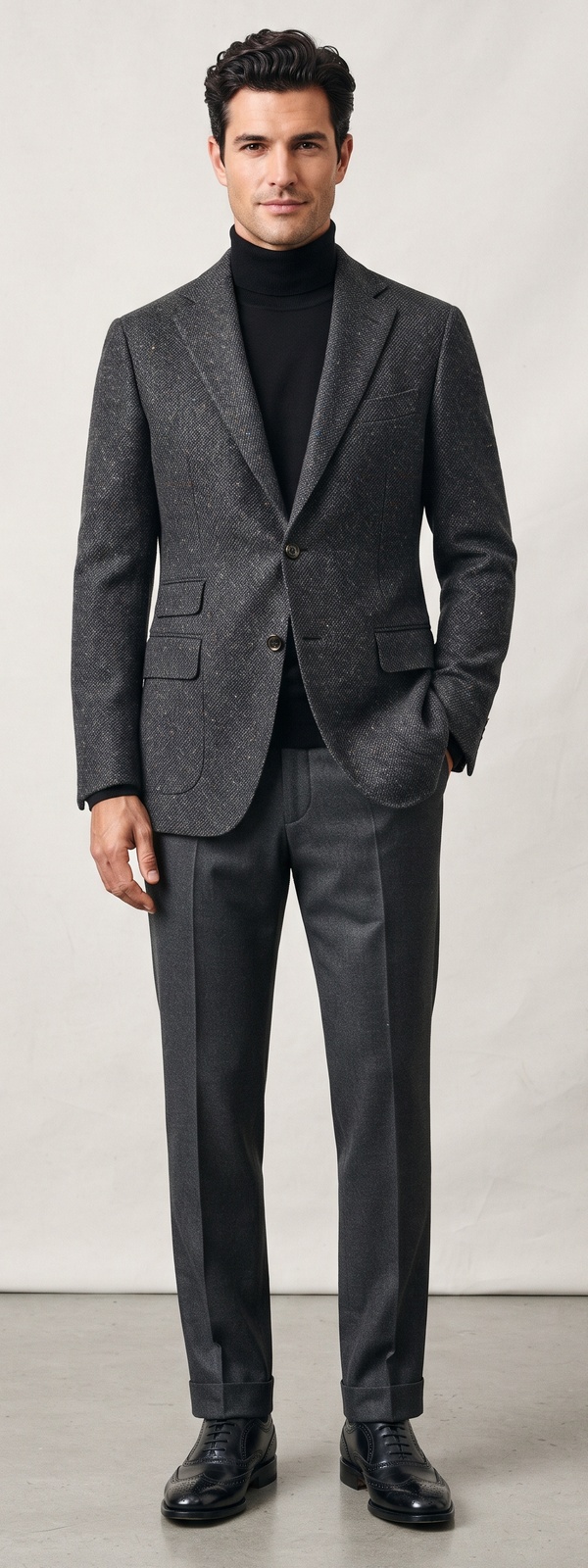
Discover how to wear a tweed blazer with a turtleneck sweater, flannels, and leather boots for intellectual British heritage warmth and textured style.
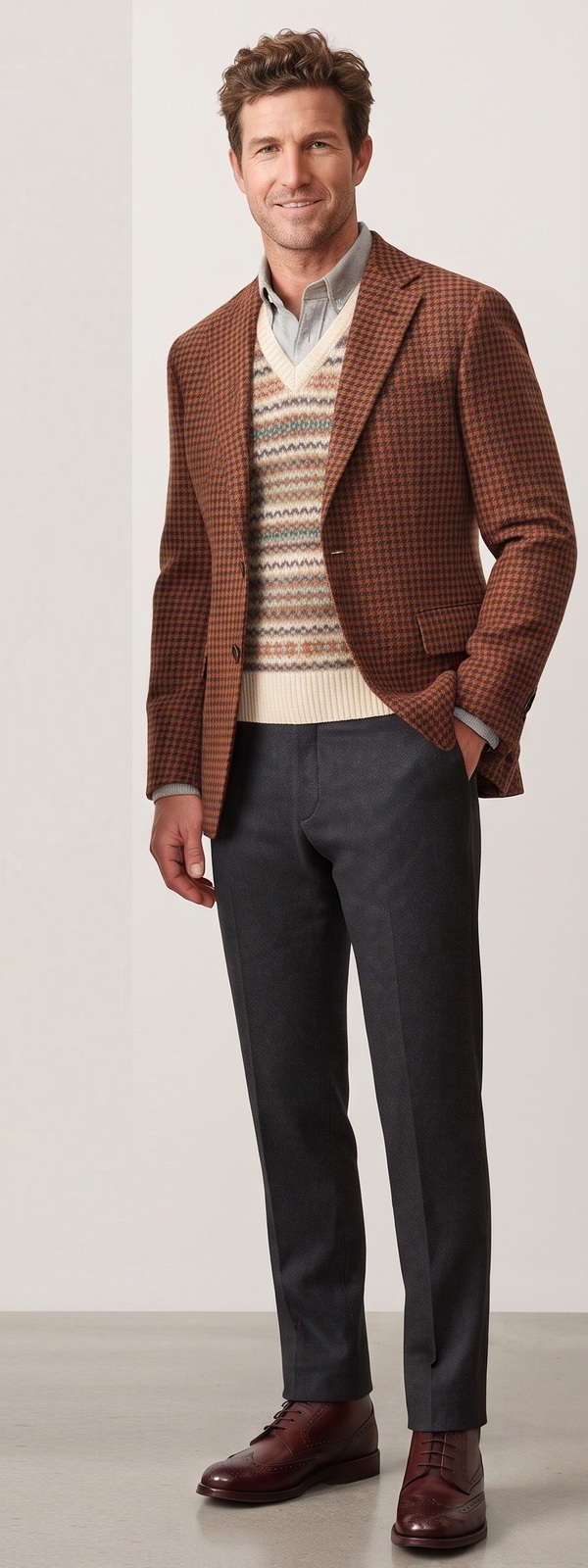
Herringbone Wool Outerwear: Broken-Twill Heritage Depth
We built this collection around the subtle three-dimensional elegance of traditional herringbone wool. The chevron weave diffuses ambient light across the garment, lending unmatched warmth and visual texture to understated roll-necks, dark denim, and tailored flannel trousers. We adore rich chocolate, slate blue, and forest green herringbones grounded by rugged leather boots. Upgrade your seasonal outerwear wardrobe with durable, heritage-grade herringbone pieces available on Amazon at honest prices.
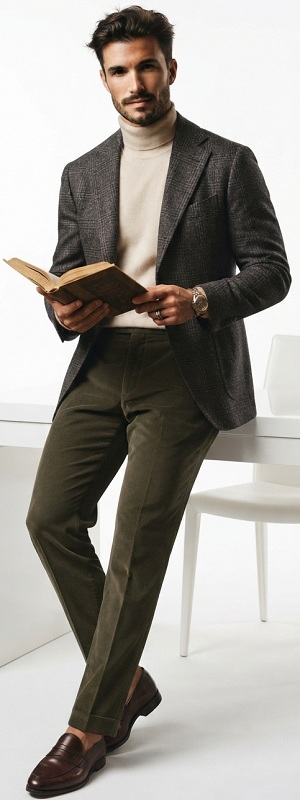
How to Style a Men's Tweed Blazer: Modern Heritage Guide
Discover how to wear a textured men's tweed blazer without looking dated by pairing it with turtlenecks, tailored flannels, and smart denim.
Other Reading
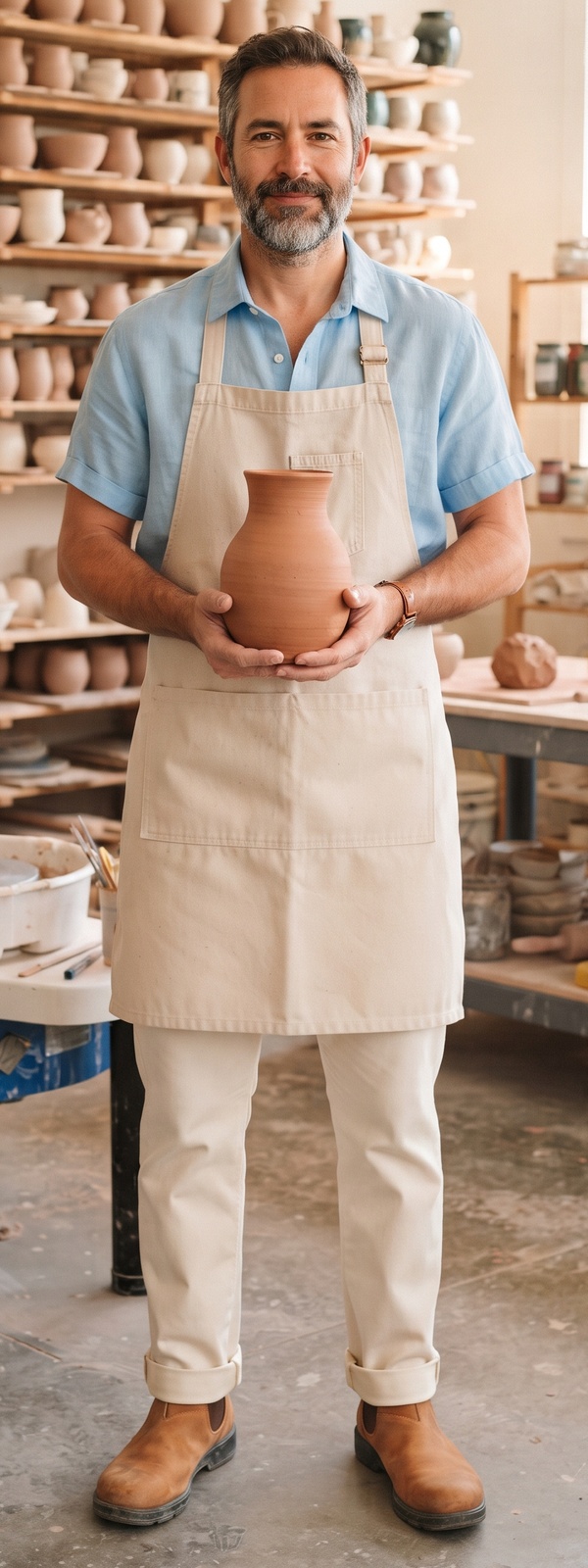
What to Wear to a Sign Painting Class — Men's Complete Guide
Stepping into a traditional signwriter's studio for a hand-lettered sign painting and automotive pinstriping workshop surrounds you with 1-Shot oil enamels, squirrel-hair Mack brushes, and wooden mahlsticks. Lettering artists pallet glossy enamel paints on slick magazine pages, steady their dominant wrists on leather-padded mahlsticks, and pull razor-sharp gothic strokes. The authentic dress code is classic mid-century signwriter workwear and studio paint protection: durable chambray or hickory stripe work shirts, natural canvas aprons, white or ecru carpenter painter pants, and comfortable leather work boots. Because oil-based lettering enamels and mineral spirits are permanent on fabric, dedicated studio workwear is essential. From pouncing charcoal layout patterns onto primed wood panels to pulling symmetrical scrollwork lines with sword stripers, here is your definitive sign painting style guide.

Linen Drawstring Shorts: Warm-Weather Coastal Leisure
We curated this warm-weather showcase to celebrate drawstring linen shorts as the ultimate luxury for relaxed summer living. The breathable, naturally crinkled flax fibers promote continuous airflow while offering an elegant, tailored drape that elevates simple camp-collar shirts and boat shoes. We love pairing earthy sage, dusty blue, and terracotta shorts with woven espadrilles for leisurely seaside lunches. Secure your warm-weather resort rotation with lightweight, budget-friendly Amazon linen essentials.
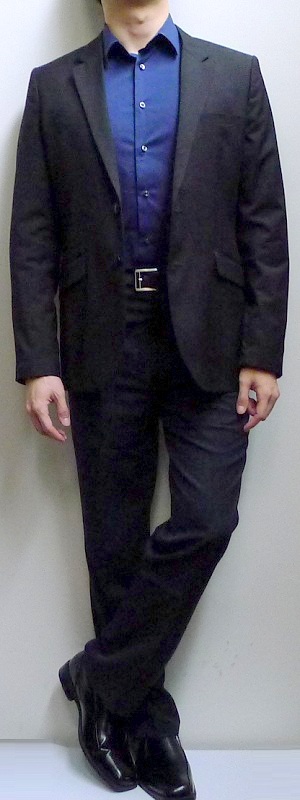
What to Wear on a First Date: Affordable Men's Guide
Learn what to wear on a first date to make an unforgettable impression without spending a fortune. Master budget-friendly, sharp style.