
What to Wear to a Rare Map and Cartography Fair — Men's Complete Guide
Walking into an expansive antiquarian library hall for a prestigious rare map and antique cartography fair places you among seventeenth-century copperplate sea charts, celestial globes, and leather-bound atlases. Discerning collectors examine rare Mercator projections through magnifying loupes, negotiate hand-colored copper engravings, and discuss historical trade routes with specialist dealers.
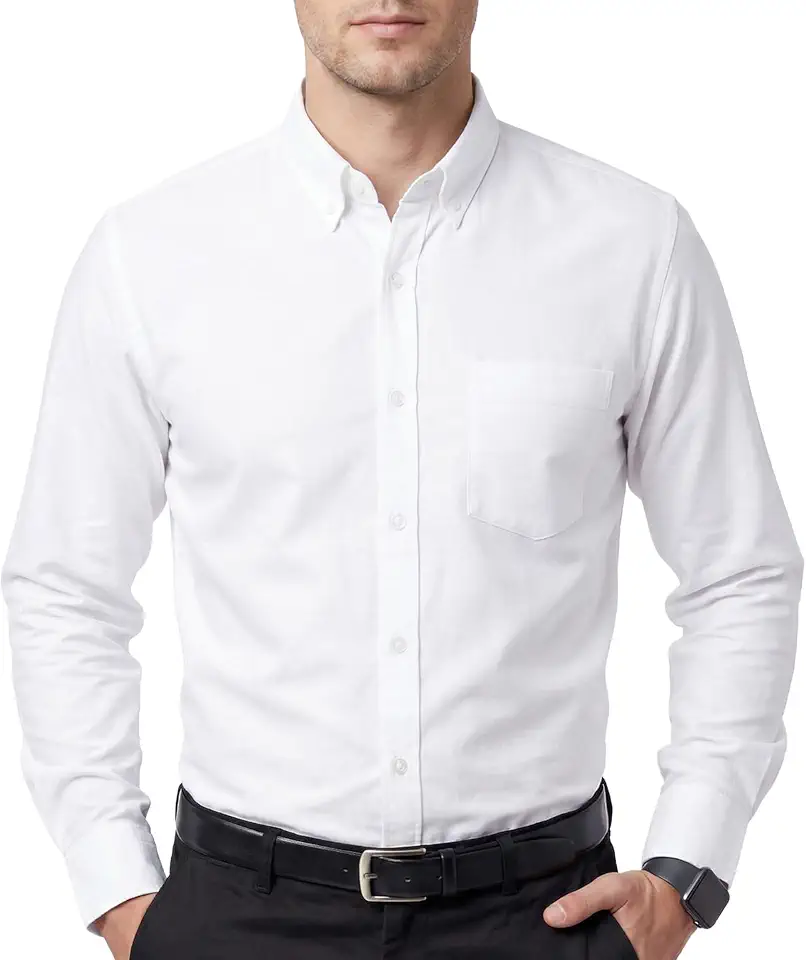
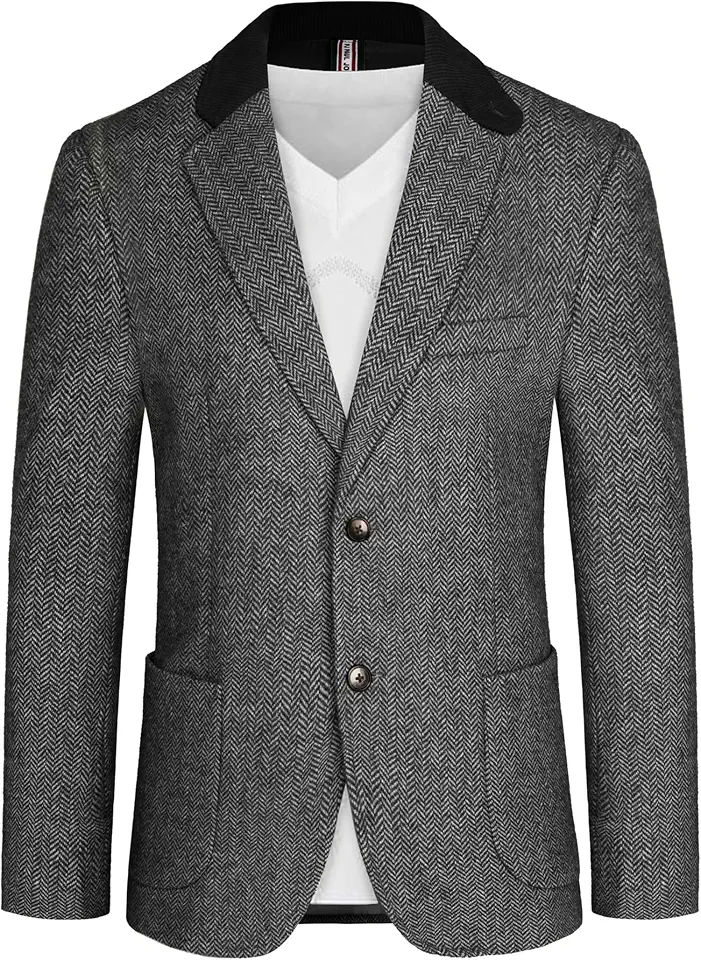
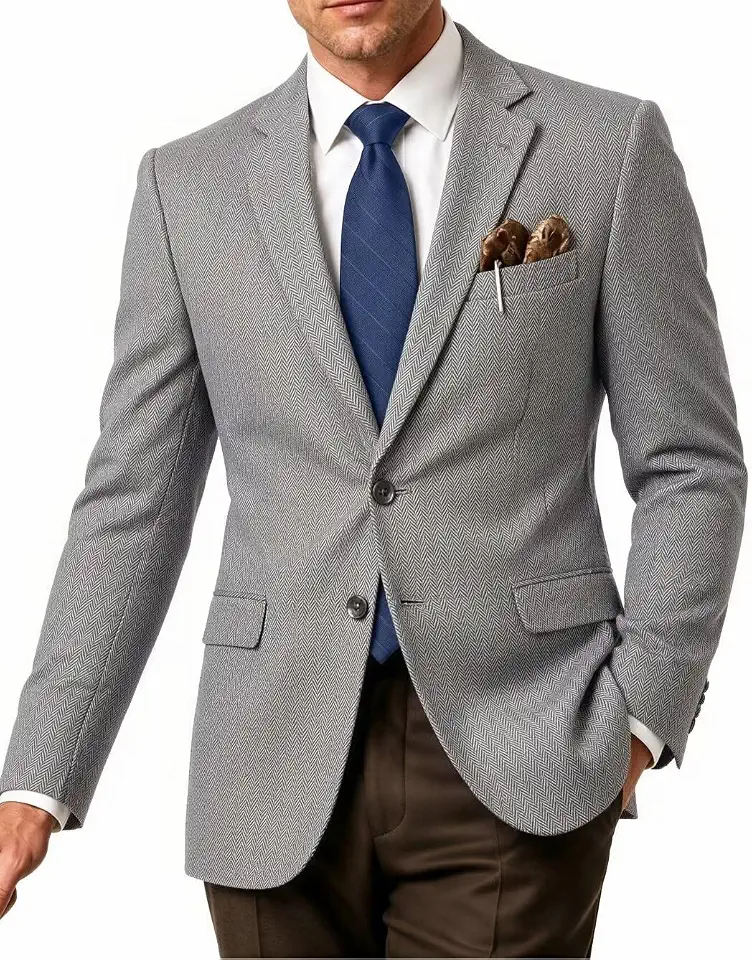
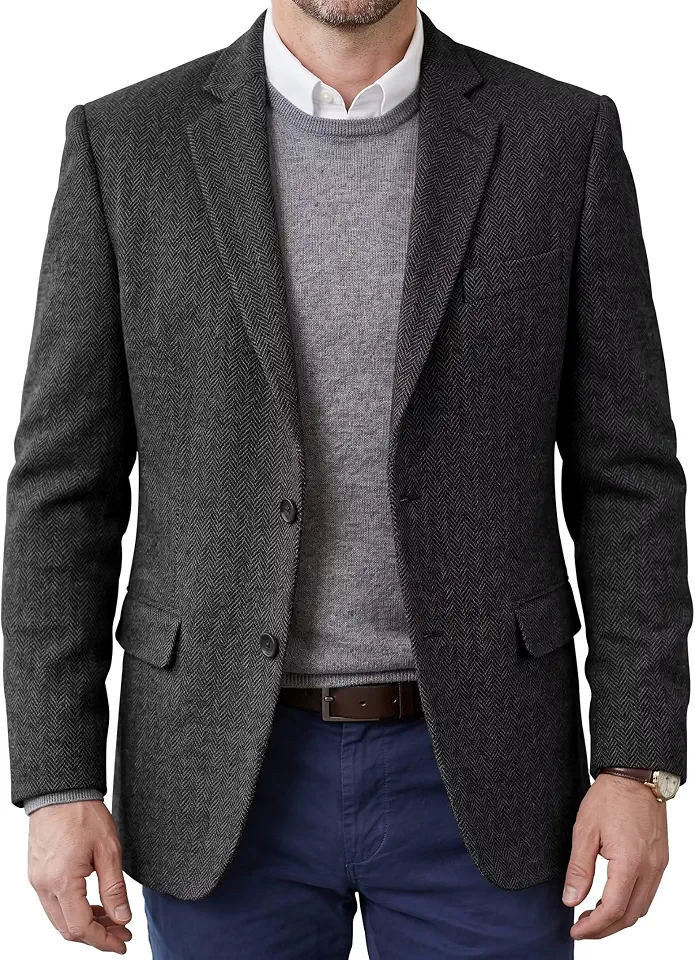
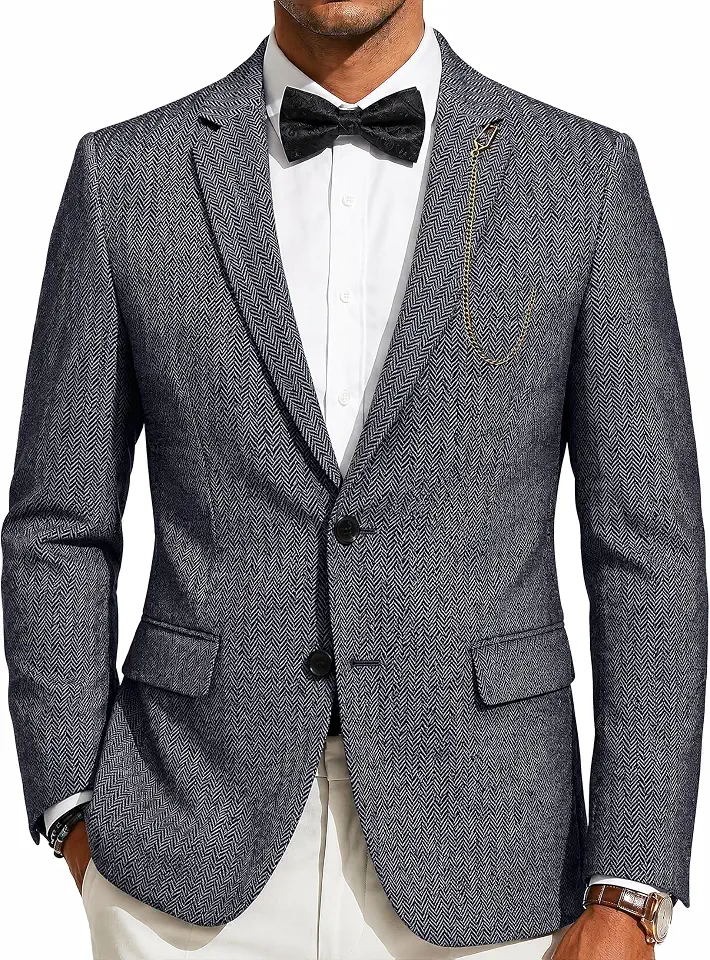
The expected sartorial standard is classic scholarly elegance and intellectual smart-casual tailoring: structured tweed or herringbone blazers, crisp cotton oxford shirts, tailored wool dress pants, and polished leather brogues. Because examining delicate hand-laid antique rag paper requires steady handling, clean-cut tailoring and immaculate grooming are essential.
From inspecting watermarks on early Dutch maritime maps to discussing provenance over espresso with antiquarian booksellers, here is your definitive cartography fair guide.
Outfits that work
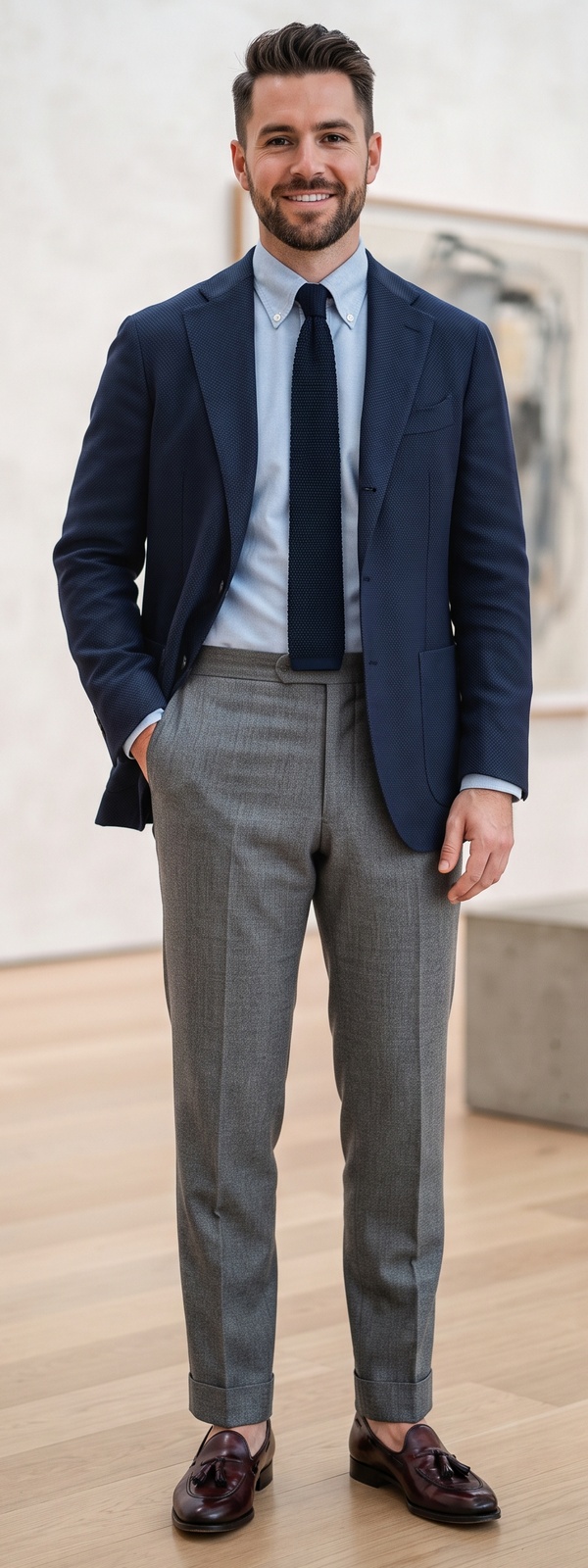 From $153
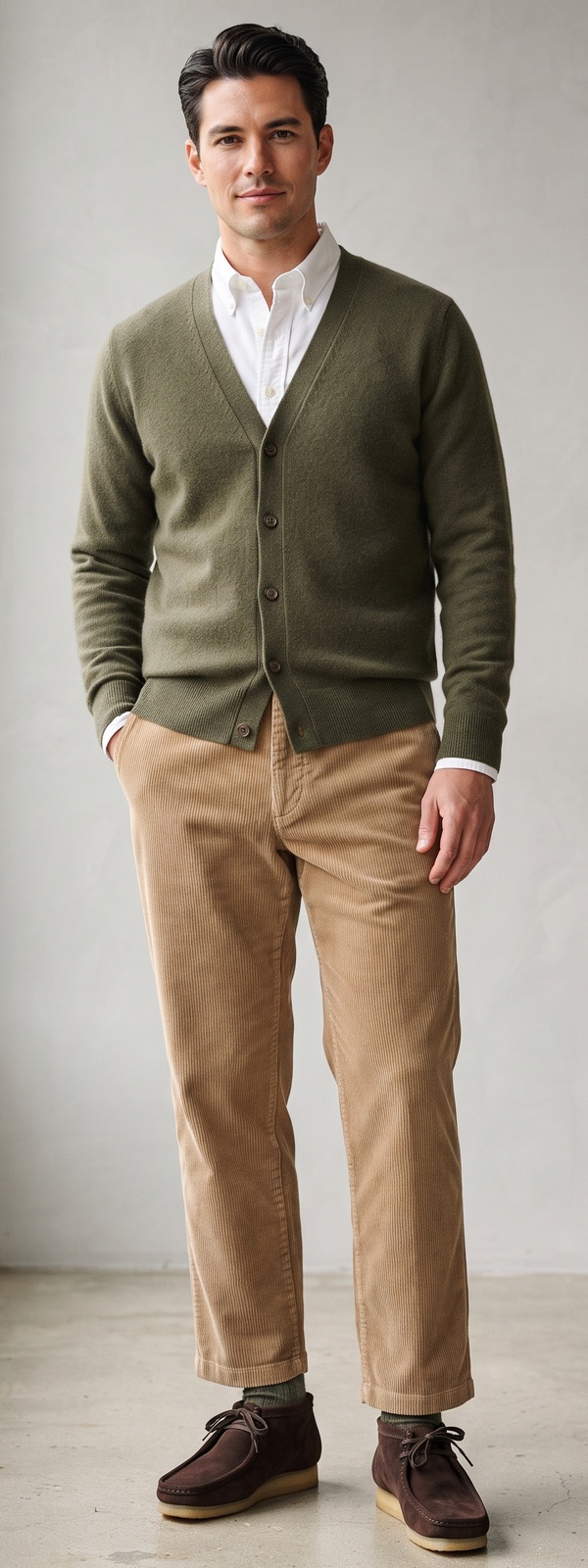 From $119
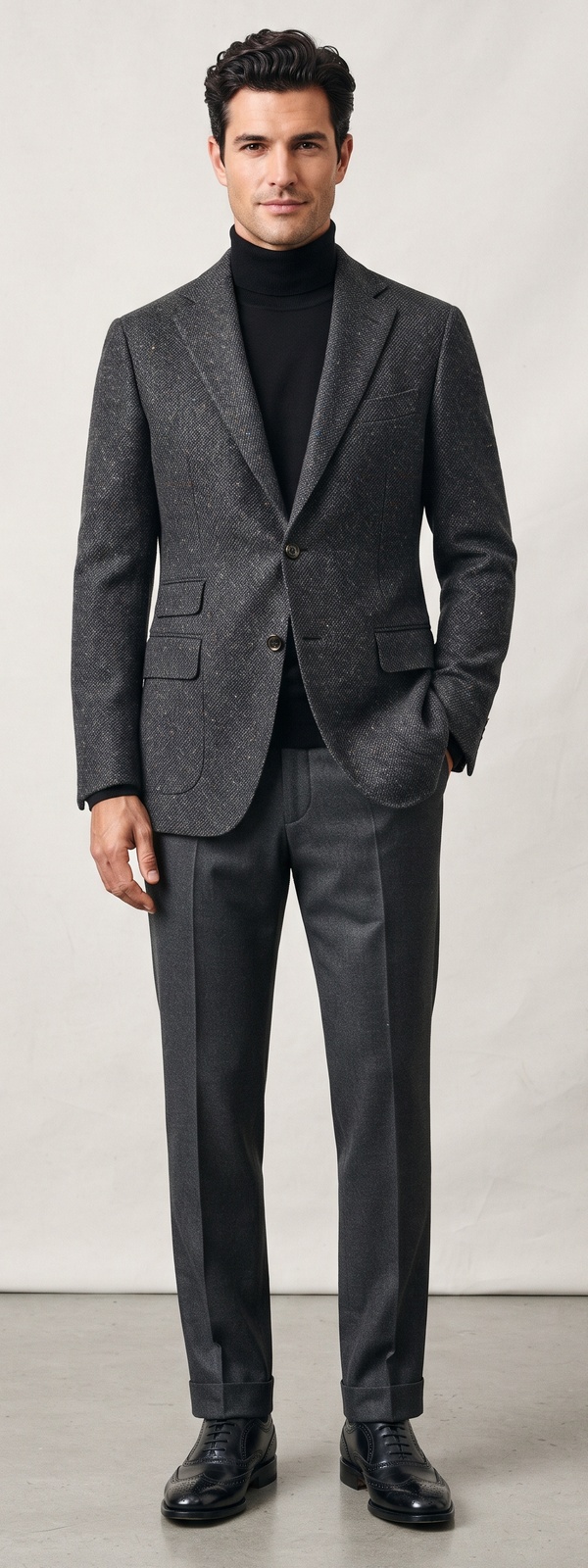 From $147
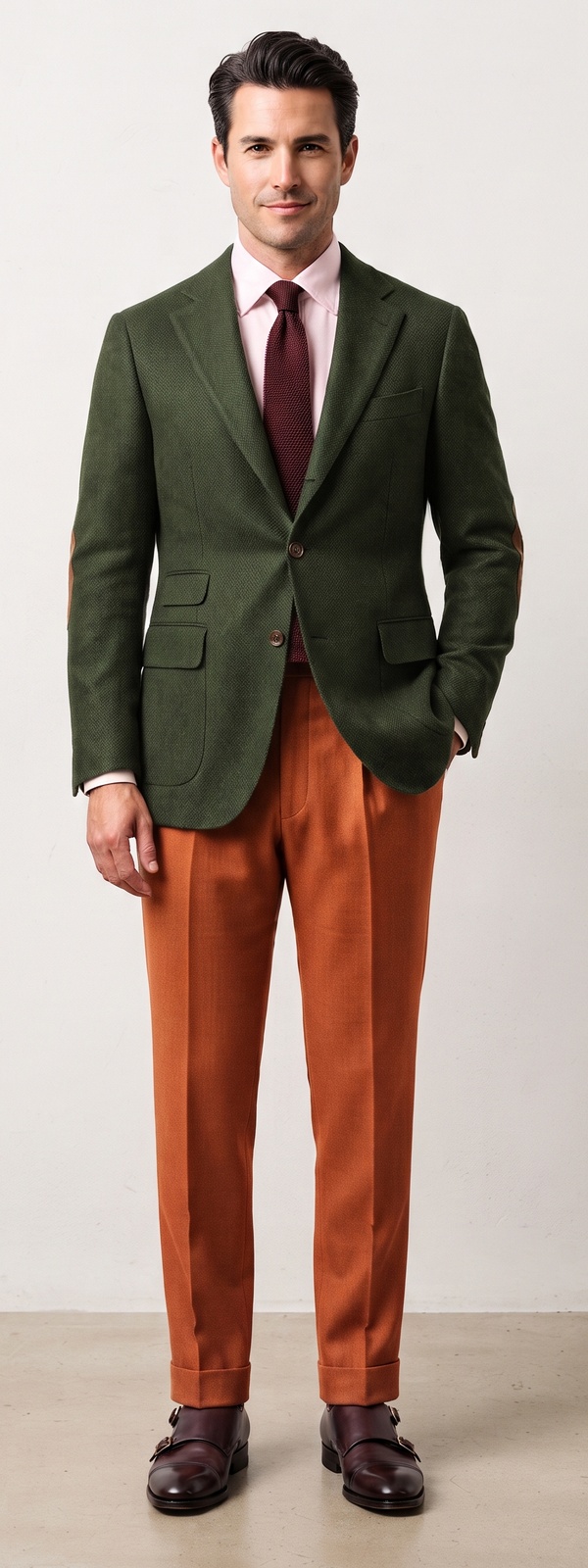 From $151
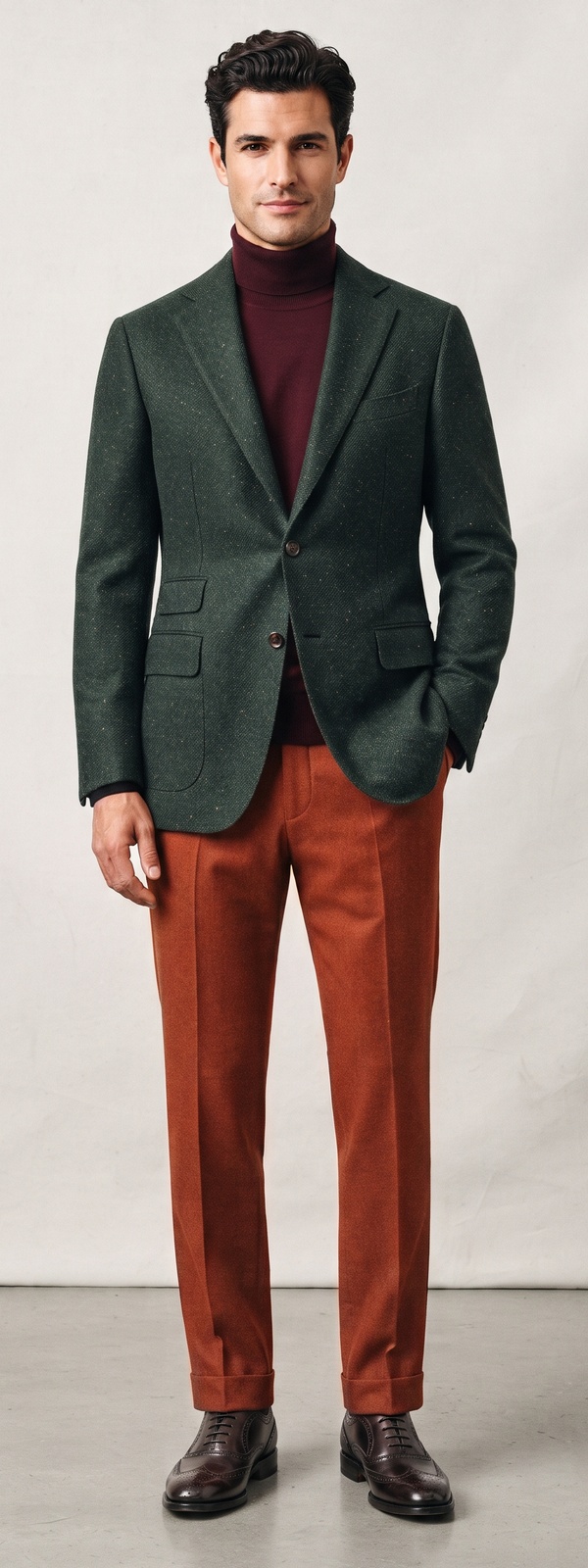 From $122
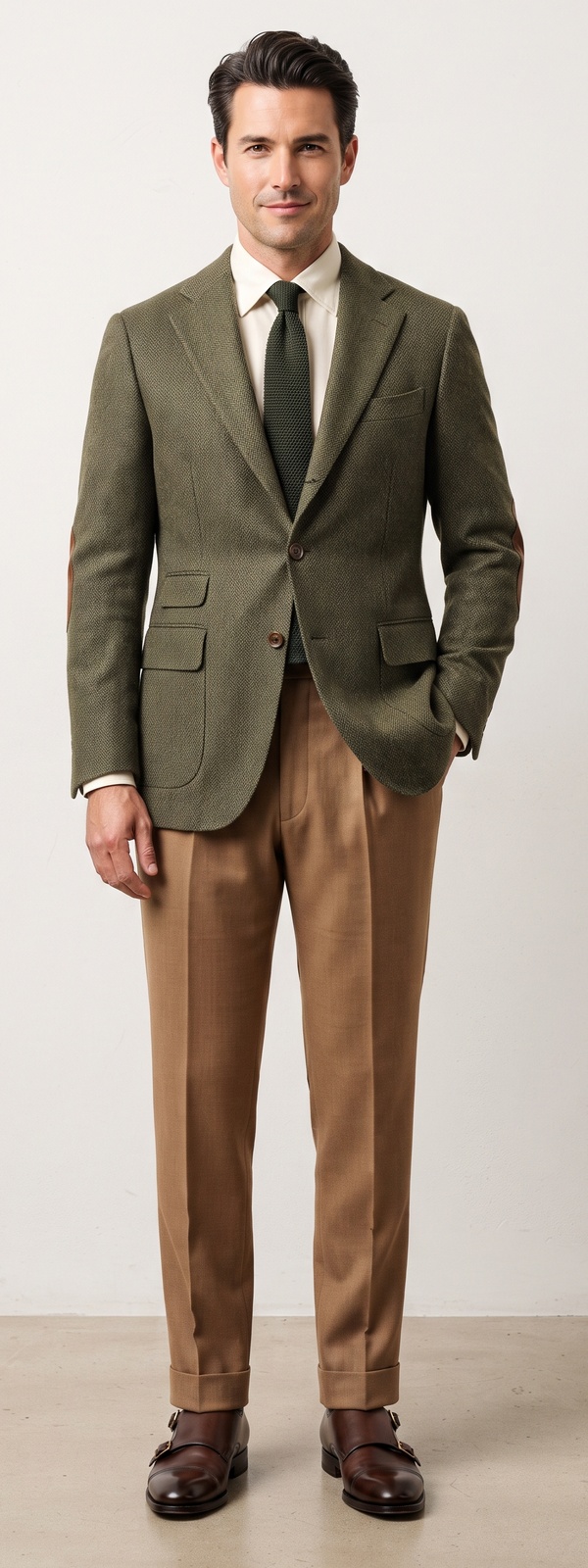 From $159
Do
- ✓Wear a classic tweed, houndstooth, or herringbone sport coat that suits the historic scholarly environment.
- ✓Choose a crisp, button-down cotton oxford shirt paired with a neat knit tie or open collar.
- ✓Select tailored wool dress pants or pressed dark chinos with clean drape and minimal break.
- ✓Opt for well-polished leather brogues, derby shoes, or monk straps that reflect traditional craftsmanship.
- ✓Bring a magnifying pocket loupe and keep fingernails impeccably clean to safely handle delicate historical prints.
Don't
- ✗Avoid casual athletic hoodies, graphic t-shirts, or ripped denim that clash with the distinguished bookish atmosphere.
- ✗Don't wear dirty work boots or worn sneakers into high-end antiquarian halls and historic library salons.
- ✗Avoid loose, abrasive sleeve cuffs or large metal bracelets that could snag or crease fragile centuries-old paper.
- ✗Don't bring large, bulky backpacks that can accidentally knock over fragile mounted globes in narrow display booths.
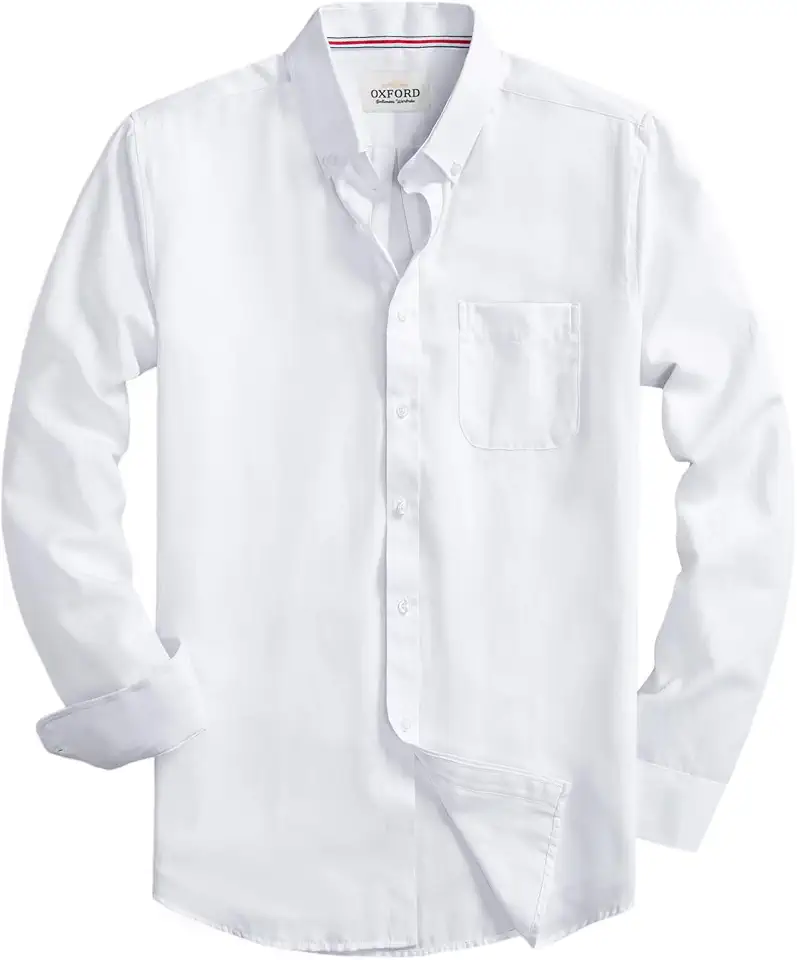

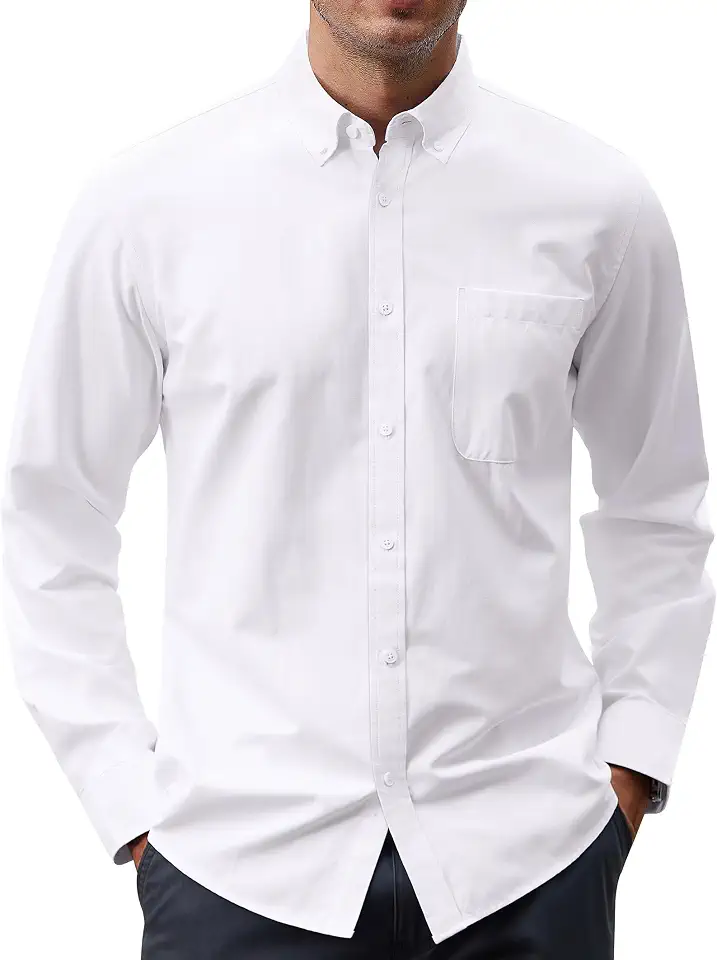
Style tips
Antiquarian Paper Handling Sleeve Cleanliness
Examining sixteenth-century hand-colored rag paper requires resting forearms flat on velvet inspection pads. Clean, securely buttoned shirt cuffs without abrasive metal links prevent tearing fragile deckled paper edges.
Tweed Texture Scholarly Harmony
Rich wool tweeds, camel hairs, and donegal weaves naturally resonate with historic library salons and aged leather bindings. Selecting olive, lovat, or charcoal tweed blazers projects timeless intellectual authority.
Pocket Loupe Tailoring Storage
Inspecting engraved line work and cartouche watermarks requires keeping optical magnifying glasses accessible. Blazers featuring dedicated interior breast pockets keep brass loupes secure without stretching exterior pockets.
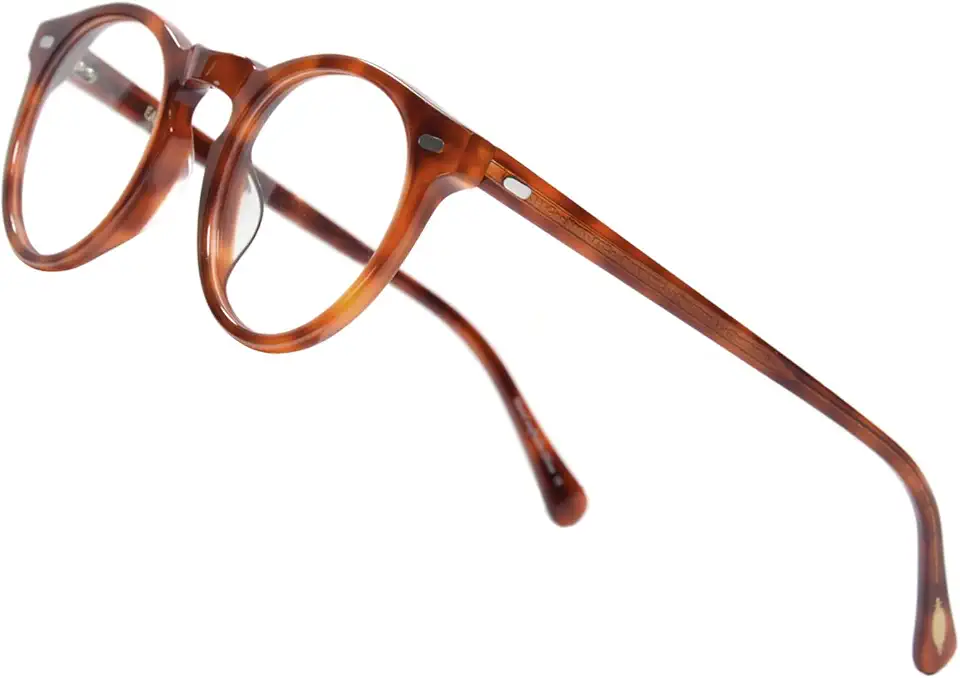
Related searches
All curated searches
Related Reading
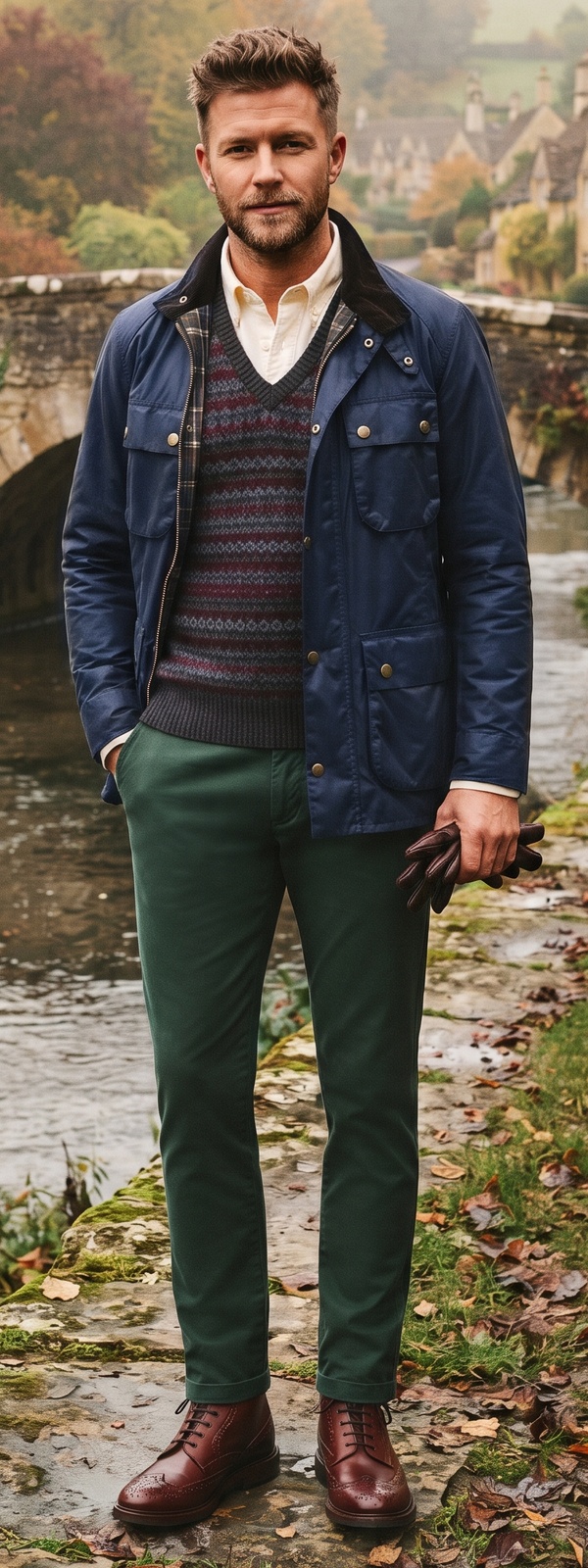
What to Wear to an Entomology Workshop — Men's Complete Guide
Entering a natural history museum lab or botanical conservatory for an entomology and insect pinning workshop places you among specimen drawers, glass cloches, and spreading boards. Enthusiasts hydrate exotic morpho butterflies, position delicate chitinous antennae with micro-pins, and mount coleoptera beetles in shadowboxes. The ideal sartorial tone is scholarly dark-academia sophistication and ergonomic smart-casual tailoring: structured tweed blazers or fine merino cardigans, crisp cotton oxford shirts, tailored wool dress pants, and polished leather derbies. Because mounting fragile insect legs requires steady wrists and fine tweezers, snug lint-free cuffs and smooth fabrics are essential. From spreading iridescent butterfly wings on balsa wood pinning boards to labeling specimen collection tags, here is your essential entomology workshop style guide.
What to Wear on a Heritage Steam Railway Trip — Men's Guide
Boarding a restored mahogany-paneled carriage behind a roaring steam locomotive for a heritage railway excursion immerses you in billowing white steam, coal soot, and polished brass fittings. Passengers lean out carriage windows, watch picturesque viaduct views roll past, and dine in velvet-upholstered parlor cars along scenic valley lines. The expected sartorial standard is classic mid-century travel heritage and smart-casual elegance: rich wool tweed sport coats, crisp button-down oxford shirts, tailored wool dress pants, and polished leather brogues. Because heritage train stations and vintage drafty carriages celebrate golden-age travel romance, timeless British tailoring is ideal. From walking vintage brick platforms amid locomotive steam plumes to sipping afternoon tea in first-class dining cars, here is your essential steam railway style guide.

Donegal Tweed & Flecked Wool: Irish Heritage Tailoring
We admire Donegal tweed for the lively flecks of color that punctuate its rich, earthy base weaves. Because the fabric naturally incorporates tiny bursts of rust, moss, and ochre, it invites effortless color coordination with merino turtlenecks, Fair Isle vests, and corduroy trousers. We suggest pairing structured Donegal sport coats with brushed flannels for literary sophistication.
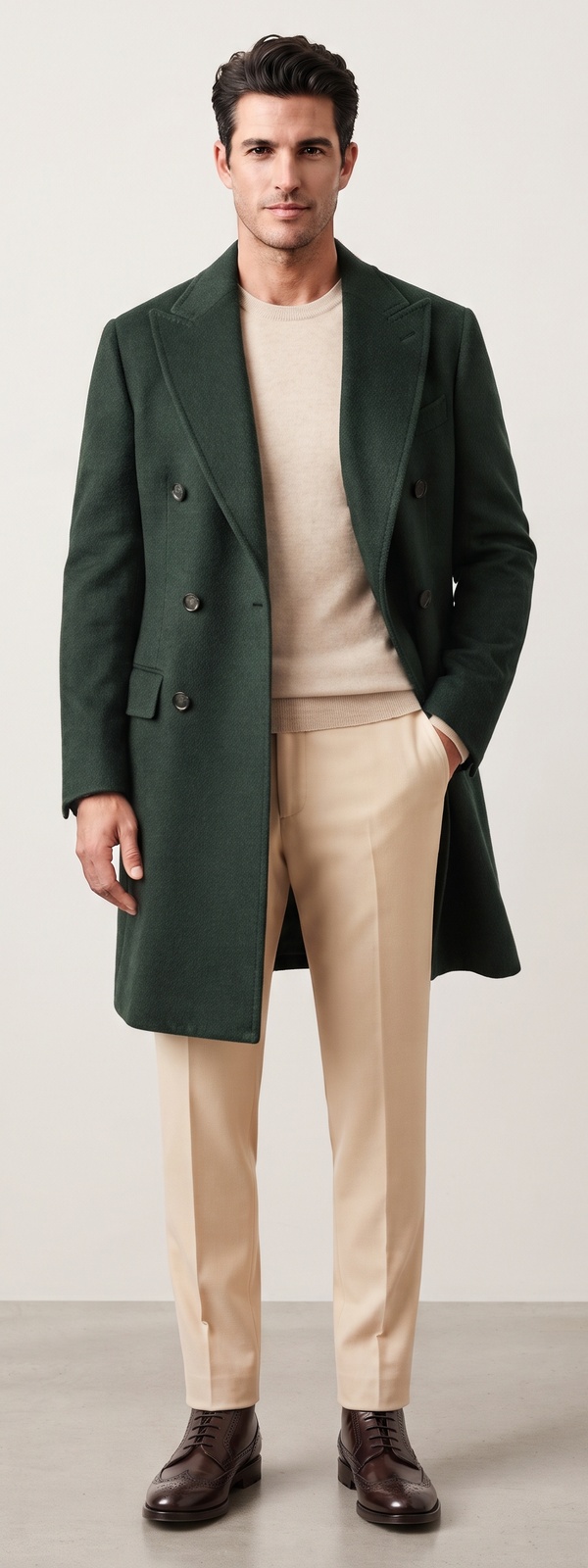
Wingtip Brogues: Perforated Leather Heritage Dress Shoes
We designed this lookbook around the enduring authority of perforated leather broguing. Originally engineered to drain water on Scottish highlands, the wingtip brogue now brings unmatched artisanal character to tailored wool dress pants, dark corduroys, and double-breasted overcoats. Choose burnished cognac, oxblood burgundy, or dark espresso calfskin to ground textured knitwear and heritage tailoring with old-world permanence.
How to Style a Men's Tweed Blazer: Modern Heritage Guide
Discover how to wear a textured men's tweed blazer without looking dated by pairing it with turtlenecks, tailored flannels, and smart denim.
How to Style a Men's Knit Tie: The Ultimate Textured Neckwear Guide
Master relaxed sartorial elegance with our complete guide to styling men's silk knit ties, square-bottom neckwear, and textured sport coats.
Other Reading

What to Wear to a Botanical Garden — Men's Complete Guide
Spending a sunny weekend afternoon strolling through expansive botanical gardens and glass arboretums is one of daytime dating's most aesthetic pleasures. The outdoor setting demands an ensemble that feels in natural harmony with blooming greenery and gravel garden paths, while remaining supremely comfortable across thousands of walking steps. The benchmark dress code is romantic coastal grandpa and warm-weather smart casual. Stiff dark corporate suits look laughably misplaced amid tropical conservatory pavilions, while shapeless athletic gym shorts fail to match the refined scenic beauty of the manicured grounds and scenic courtyards. From breathable linen button-downs and textured knit polo shirts to soft earth-tone chino pants and supple suede loafers, this comprehensive guide provides the exact formula for looking stylish and sun-protected among the flowers all afternoon.

Button-Through Cardigan Polos: Retro Full-Placket Knits
We love the button-through cardigan polo for its unmistakable 1960s Riviera charisma and styling flexibility. Worn fully buttoned alone or open over a crisp white tank or t-shirt, its knitted collar and contrast tipping elevate simple chino shorts and linen trousers. We recommend vertical rib knits, open pointelles, and contrasting placket trims in rich jewel and earth tones.
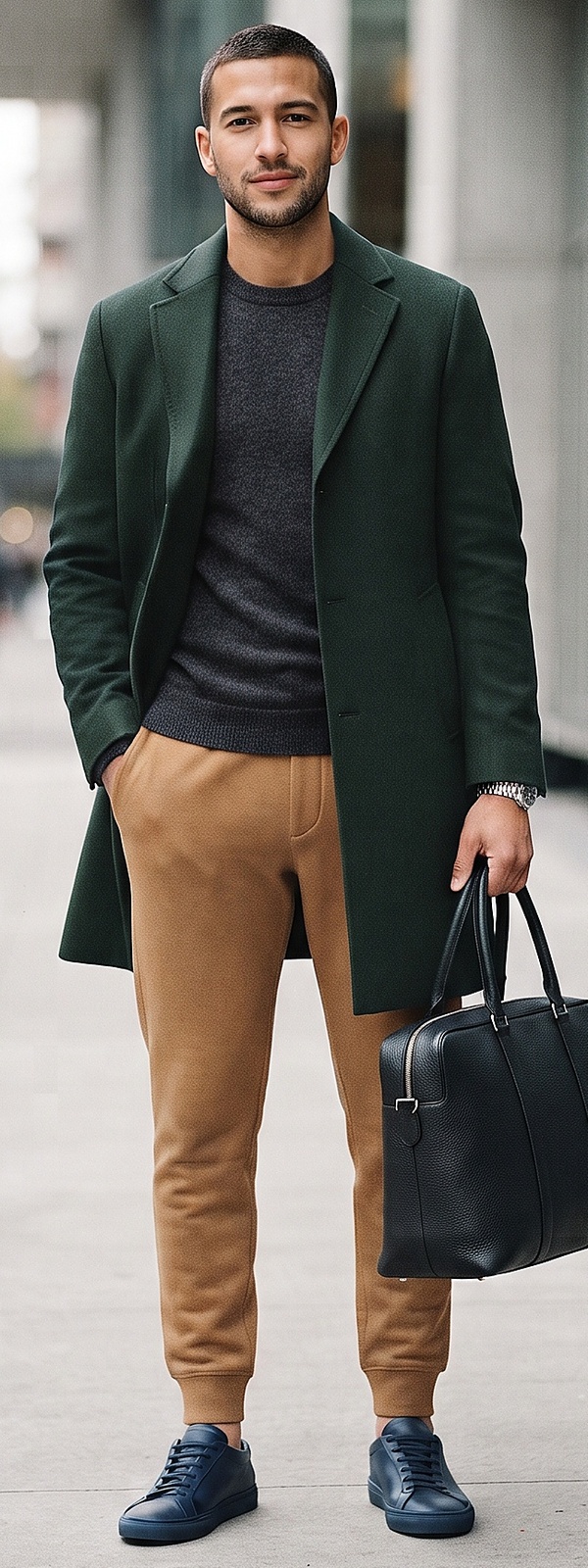
How to Wear Sweatpants in Public & Look Put-Together
Learn how to wear sweatpants in public and still look put-together. Master slim tapered joggers, luxury fleece, elevated outerwear, and clean sneakers.