
What to Wear to a Knife Sharpening Class — Men's Complete Guide
Attending a Japanese knife sharpening masterclass or whetstone blade maintenance workshop connects you with the disciplined craft of water stones, blade bevel geometries, and razor-sharp carbon steel. Honing santokus and gyutos across progressive water baths creates fine abrasive slurry spatters and demands steady, focused ergonomic posture.
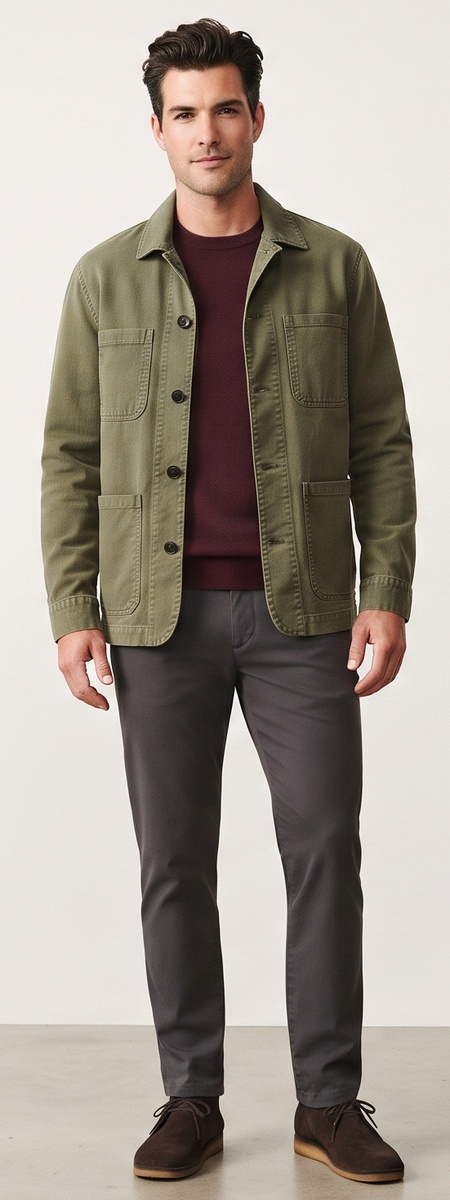
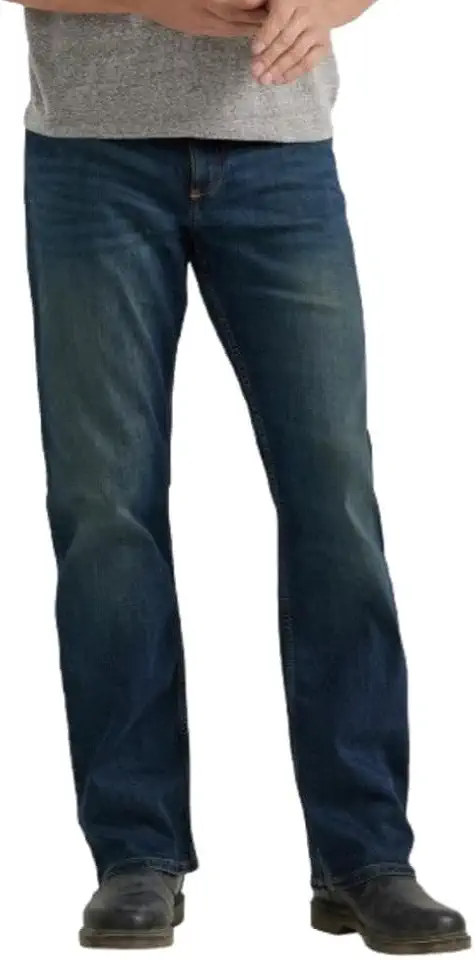
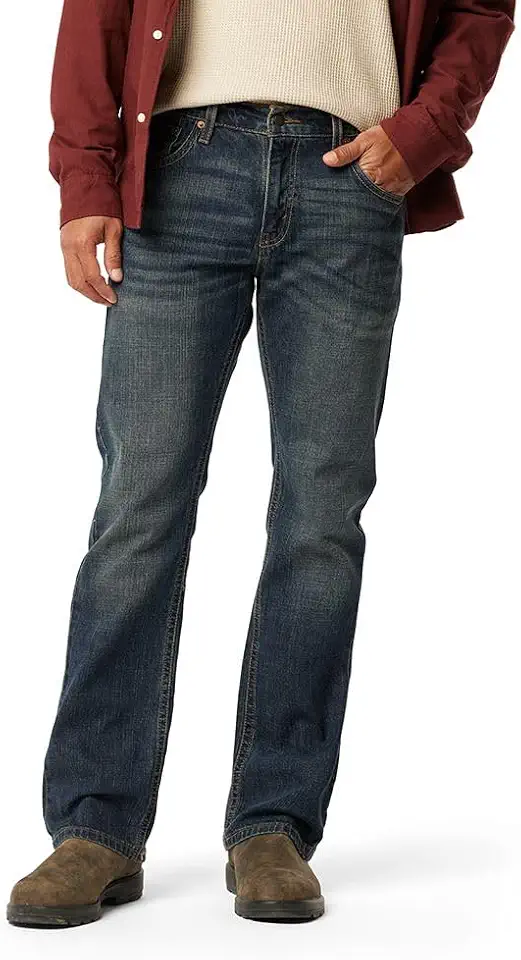
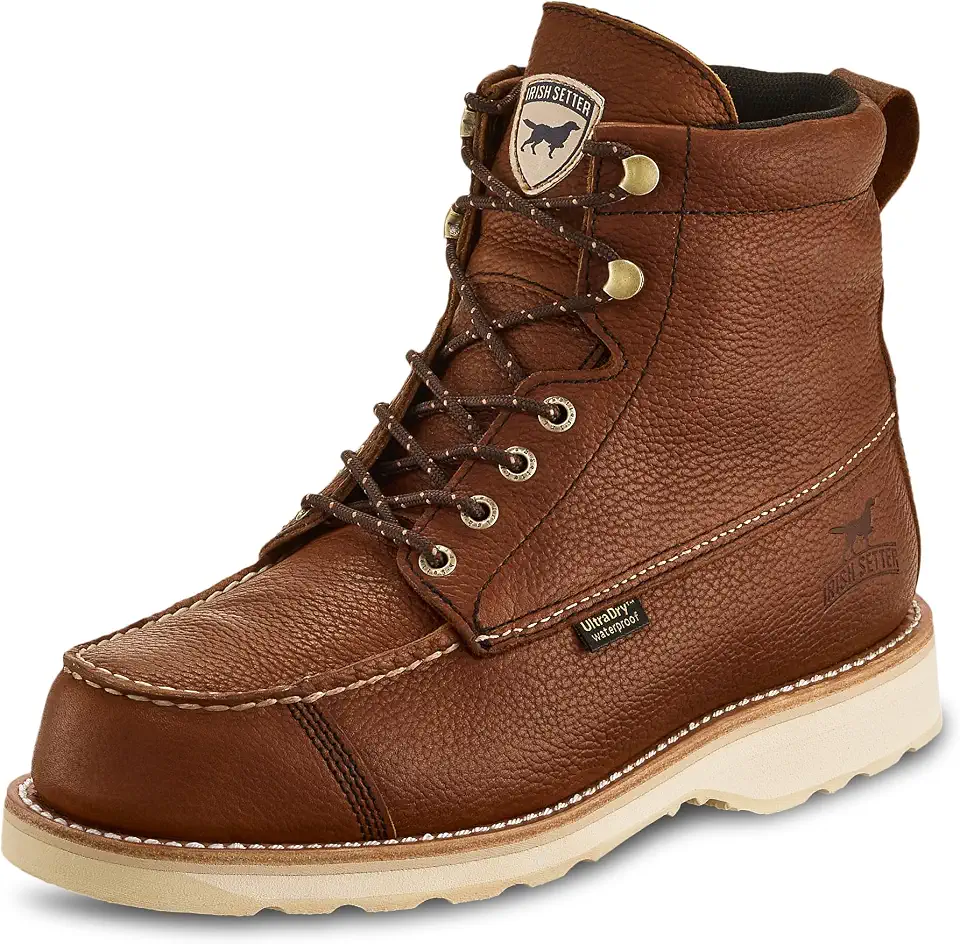
The benchmark dress code is elevated culinary craftsman casual: dark chambray work shirts or dense waffle henleys beneath a water-resistant denim or canvas apron, paired with dark utility pants and non-slip leather boots. You need dark garments that absorb grey sharpening stone slurry without staining while keeping sleeves rolled clear of wet stones.
From water slurry splash disguise to balanced ergonomic stance stability over whetstone bridges, here is your definitive blueprint for knife sharpening masterclass style.
Outfits that work
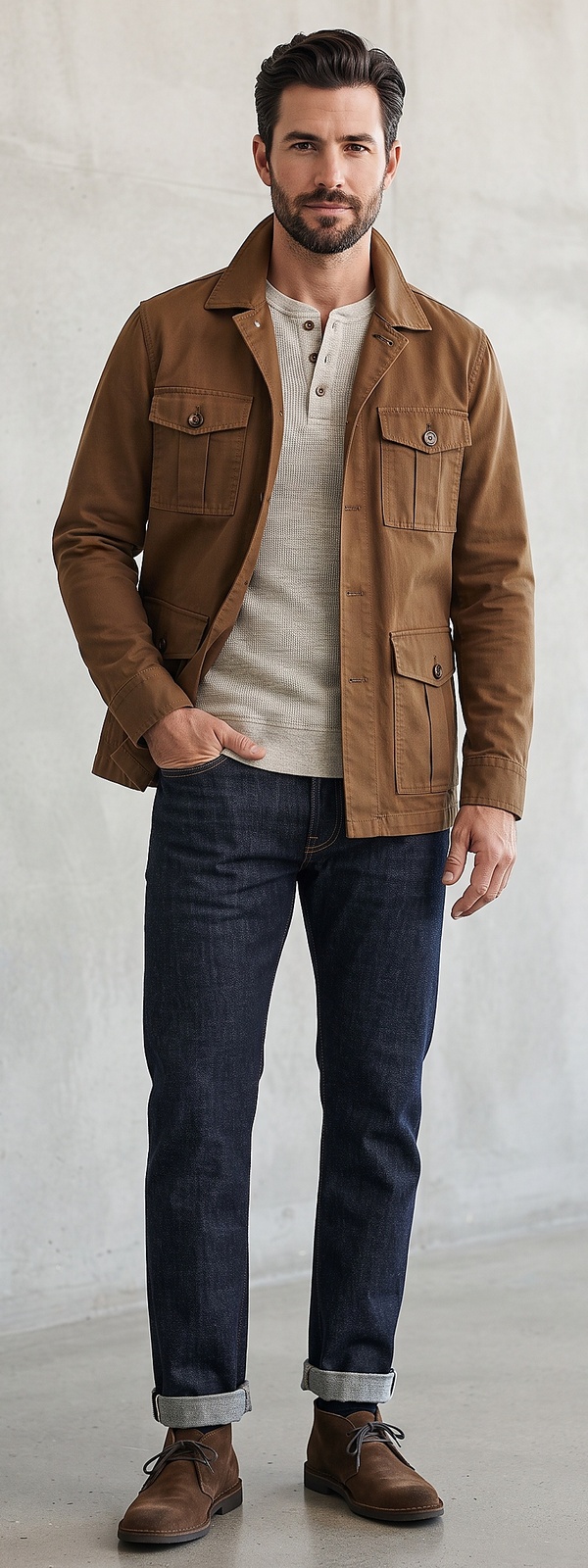 From $106
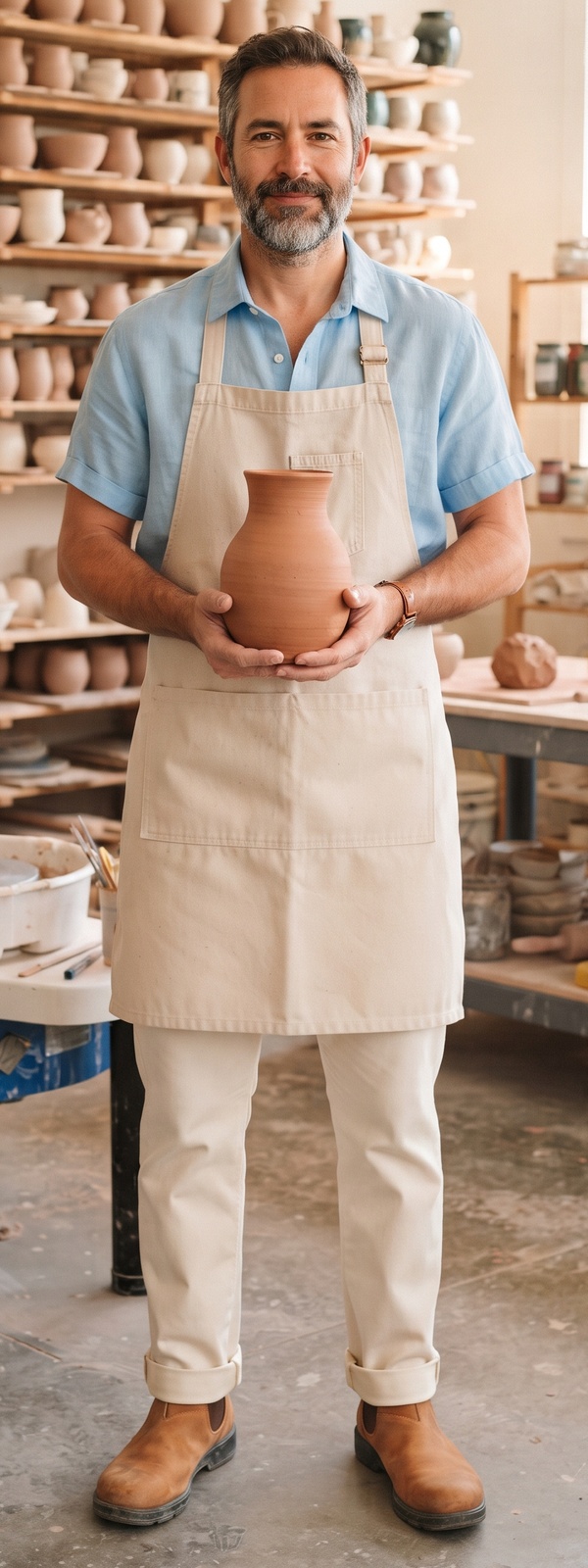 From $113
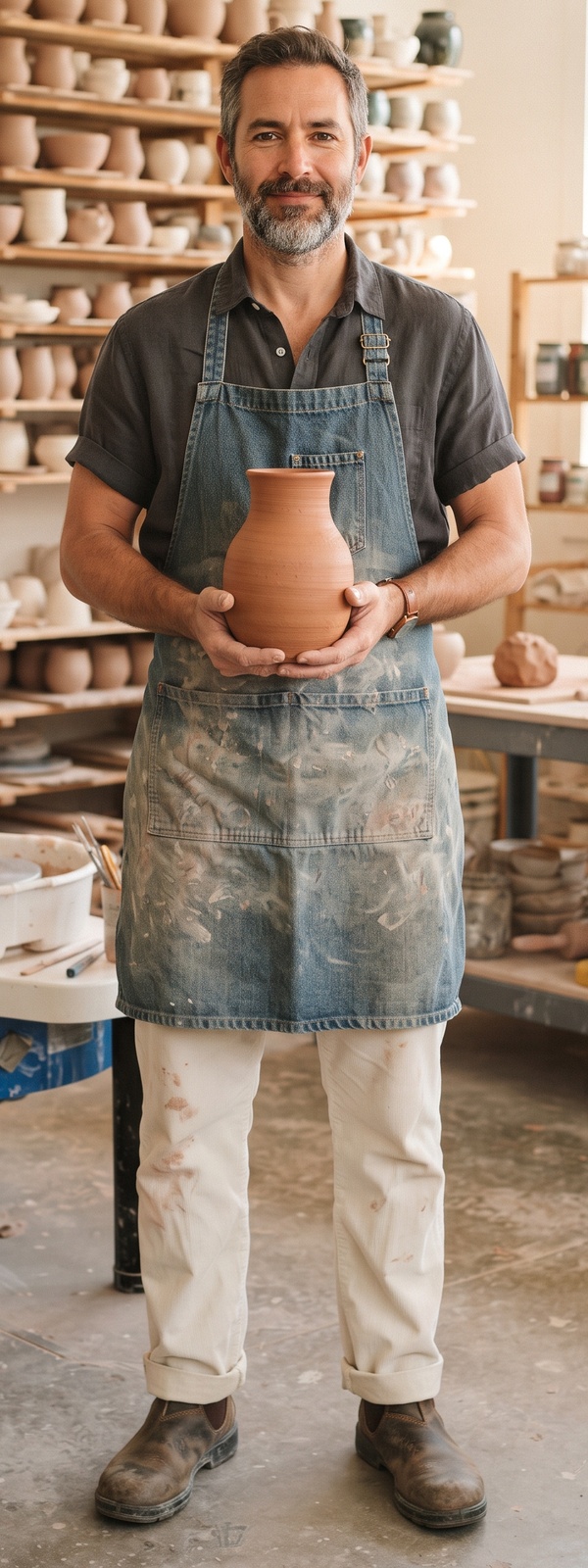 From $130
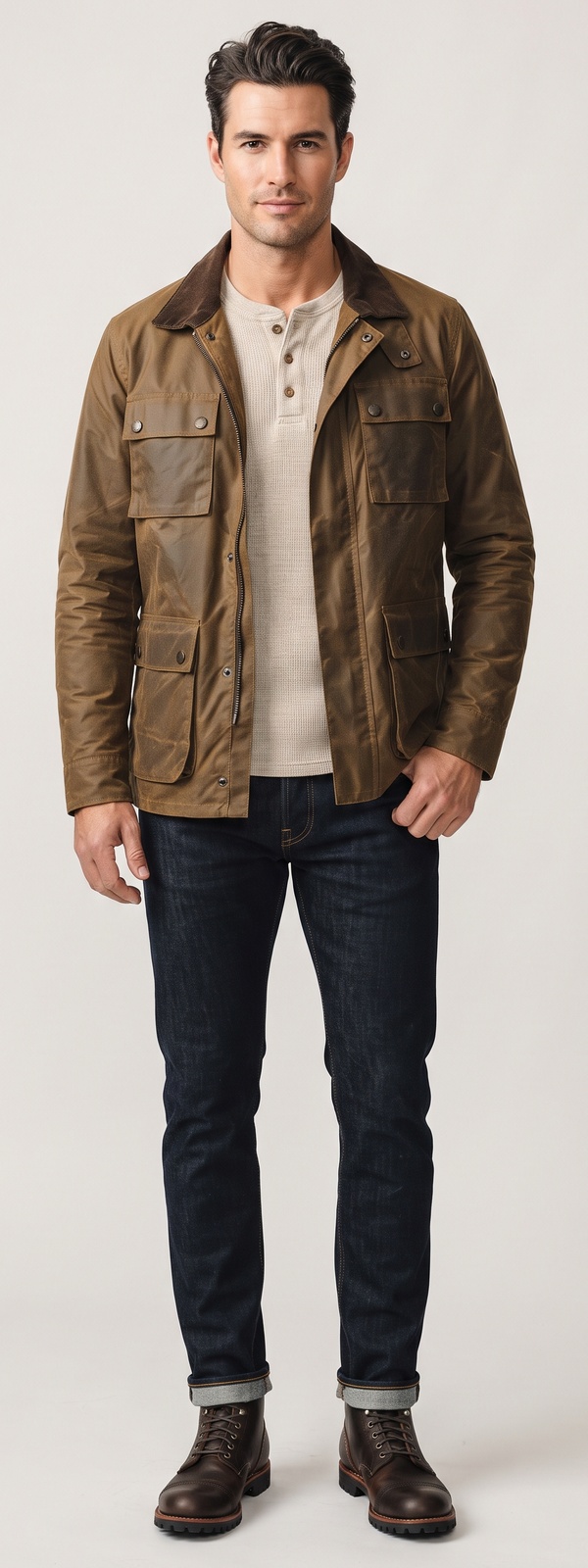 From $111
 From $144
Do
- ✓Wear a sturdy denim or waxed canvas shop apron to shield your torso from abrasive water stone slurry.
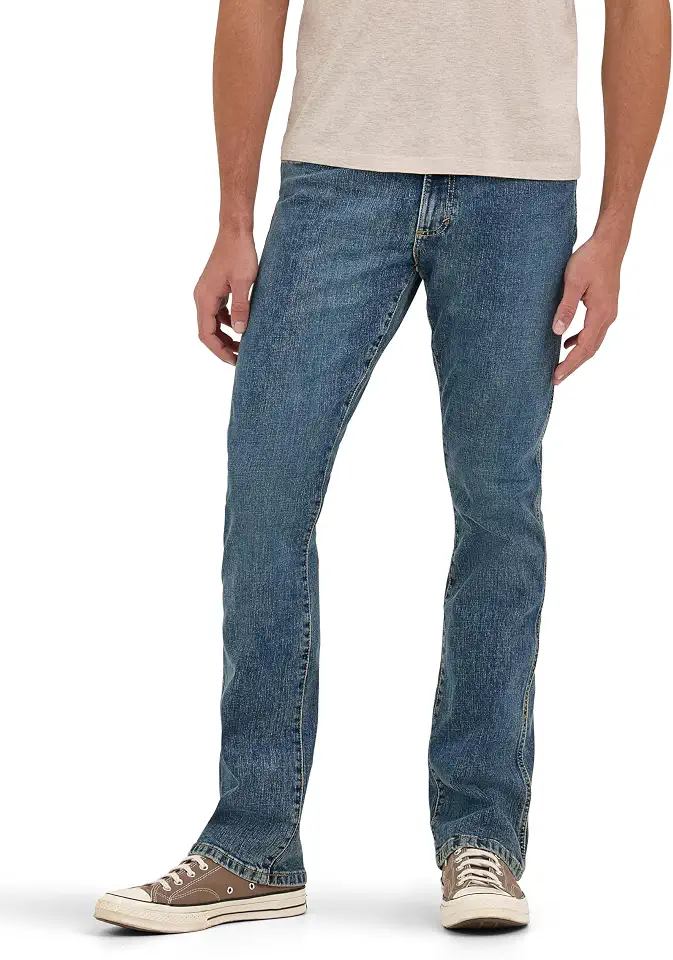
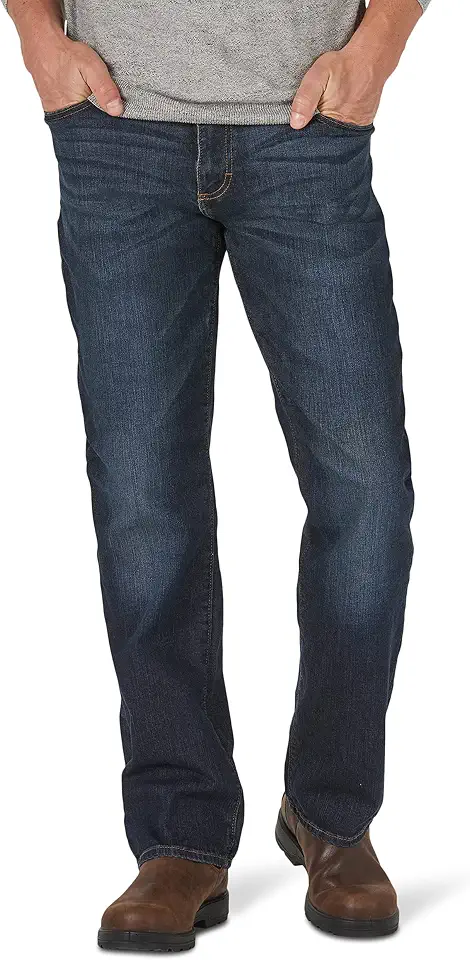
- ✓Choose dark wash jeans or dark utility pants that easily disguise grey silicon carbide stone mud.
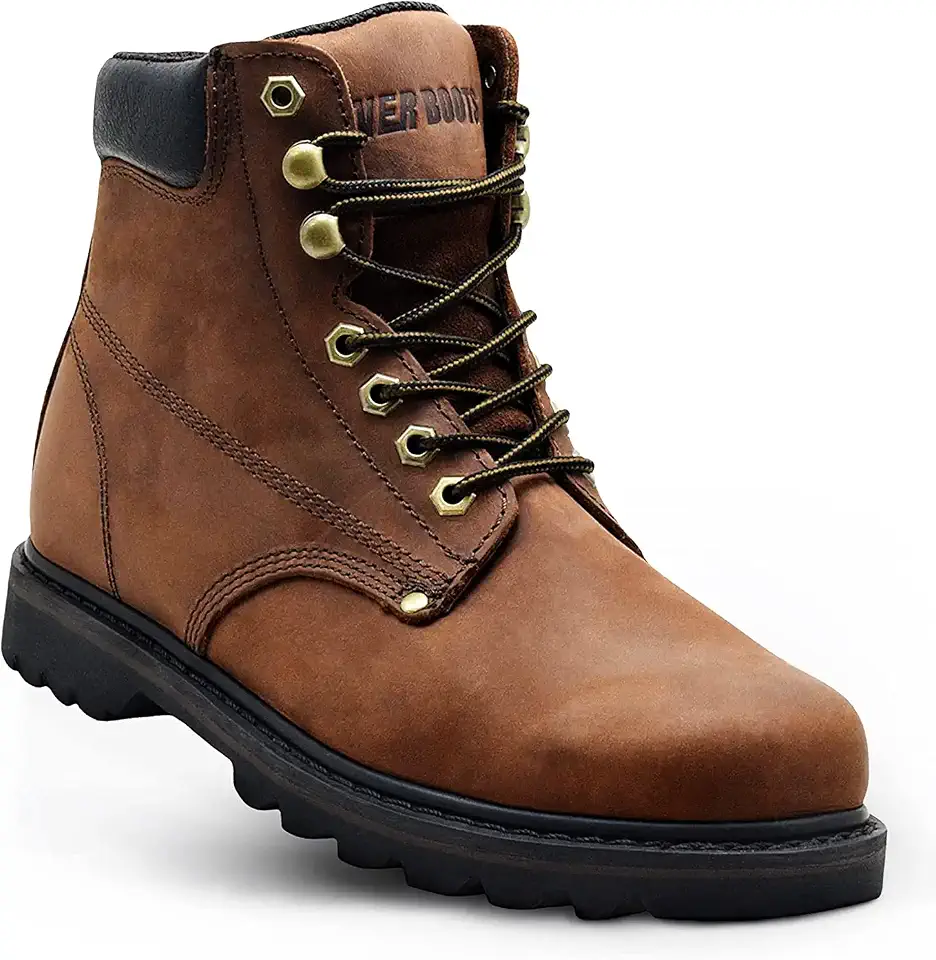
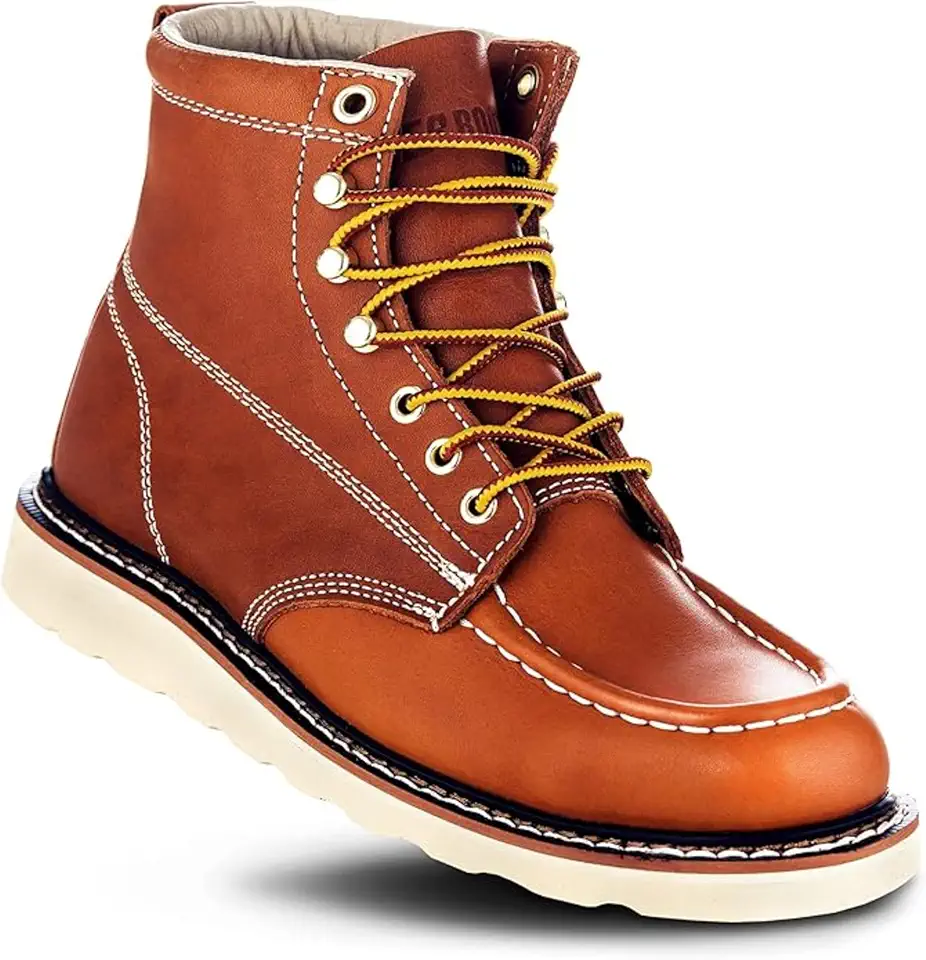
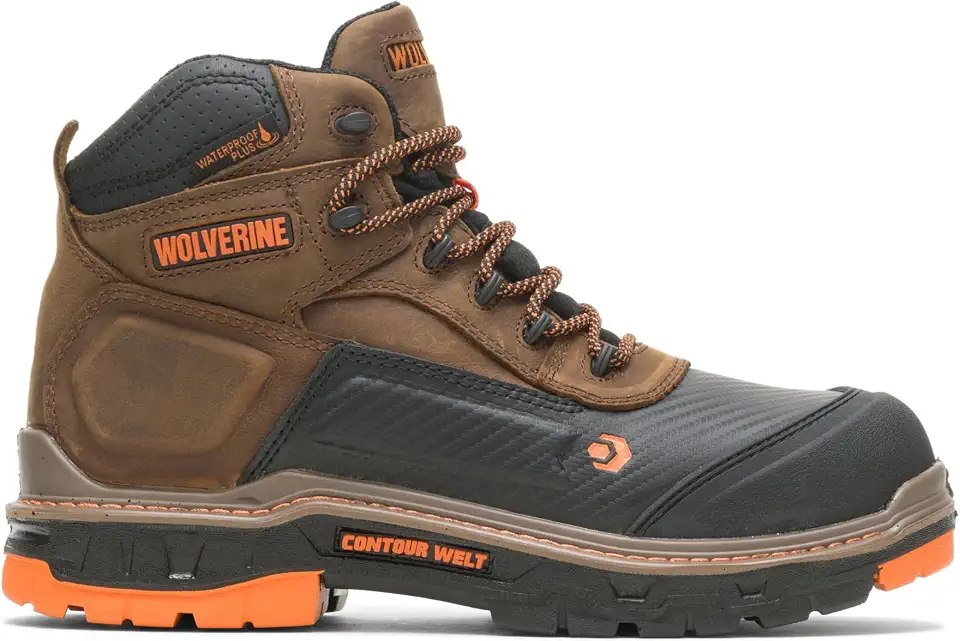
- ✓Wear non-slip leather boots or rubber-treaded shoes to maintain traction on wet tile or concrete floors.
- ✓Layer with a fitted waffle henley or roll-sleeve work shirt that keeps forearms completely unhindered.
- ✓Opt for dark earthy tones like charcoal, indigo, tobacco, or slate that maintain a clean appearance.
Don't
- ✗Avoid wearing light-colored or white clothing that permanently discolors from grey whetstone mud.
- ✗Don't wear long, loose sleeves that drag across wet sharpening stones or snag against exposed blade edges.
- ✗Avoid smooth leather dress shoes that slip dangerously on wet kitchen floors around standing water basins.
- ✗Don't wear wristwatches or bracelets that scratch against water stones or interfere with precise bevel angles.
Style tips
Whetstone Slurry Mud Disguise
Flattening and honing Japanese water stones releases fine slurry mud containing microscopic steel shavings and stone grit. Dark charcoal twill and raw indigo denim absorb occasional slurry splashes without visible spotting.
Sharpening Bridge Stance Support
Maintaining a steady 15-degree blade angle across water stones requires unyielding core and foot stability over three hours. Non-slip leather work boots ground your stance, preventing fatigue and blade slips.
Forearm Freedom and Wrist Clearance
Honing requires delicate sensory feedback from your fingertips directly to the whetstone surface. Snug rolled sleeves ensure no excess fabric interferes with fluid, rhythmic blade sweeps across the stone.
Related searches
All curated searches
Related Reading
What to Wear to a Woodworking Workshop — Men's Complete Guide
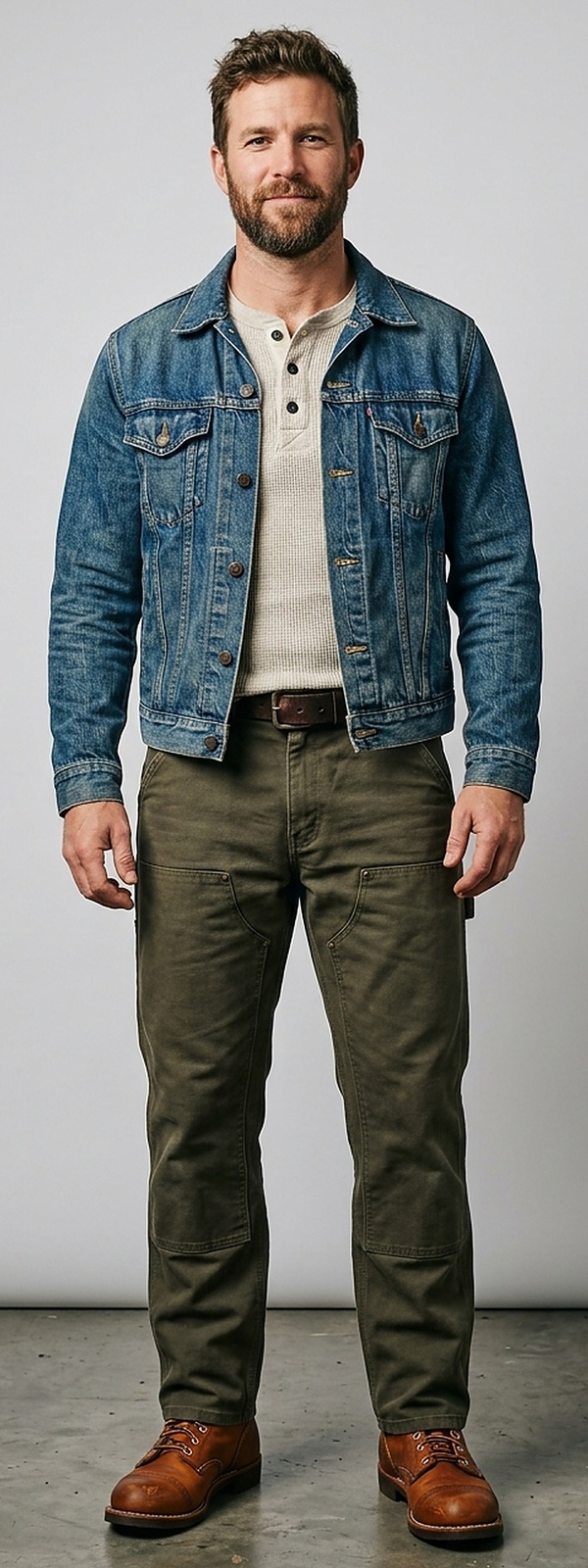
Signing up for an analog woodworking masterclass, traditional timber joinery session, or green spoon carving workshop connects you with raw lumber, sharp gouges, and hand planes. Spending several hours shaping white oak and walnut amidst flying wood curls and sawdust requires protective, non-entangling artisan apparel that balances mobility with workshop safety. The benchmark dress code is functional artisan heritage workwear: heavyweight denim trucker jackets or chambray work shirts beneath a split-leg leather or canvas apron, paired with duck canvas carpenter pants and steel-shank leather work boots. You need dense fabric that shields your thighs from sharp carving tools while keeping sleeves clear of spinning lathes and power planers. From sawdust-repelling smooth fabric surfaces to lathe safety dress protocols, here is your definitive blueprint for woodworking studio style.
What to Wear to a Wild Fermentation Class — Men's Complete Guide
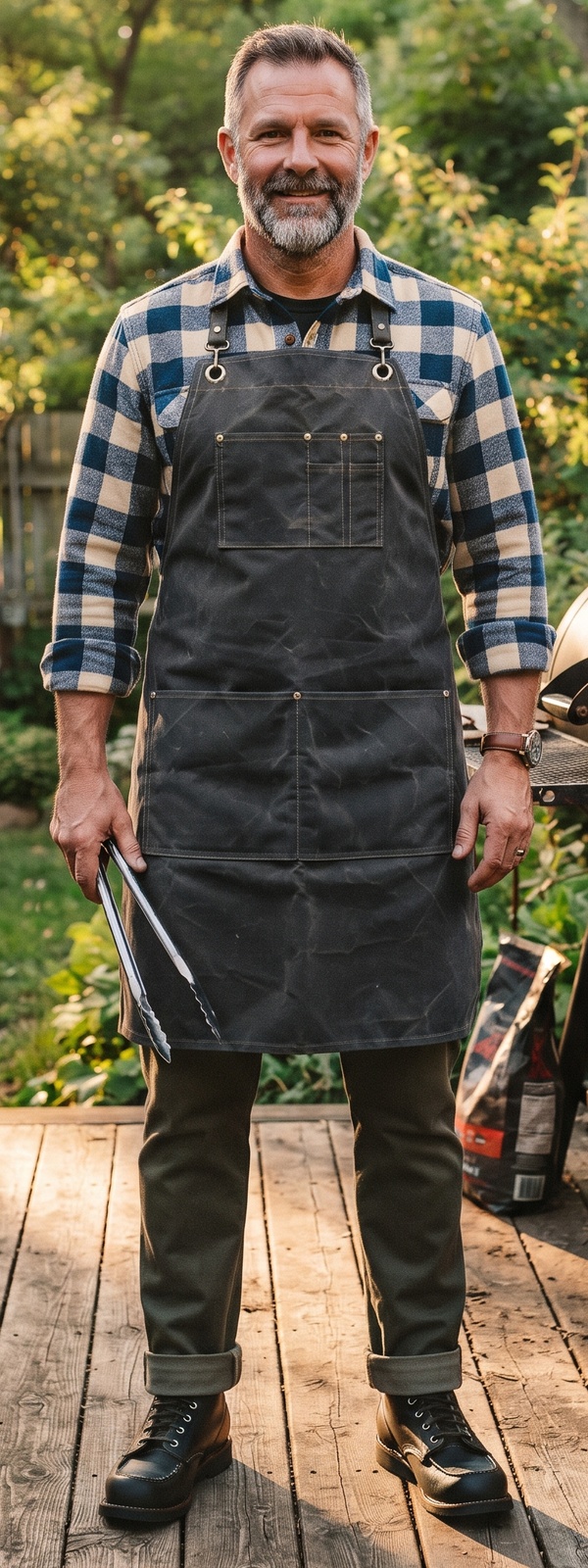
Signing up for an artisanal wild fermentation masterclass, live-culture pickling workshop, or kimchi-making session connects you with lacto-fermenting crocks, brine scales, and pungent spices. Massaging salted cabbage, crushing garlic, and packing fermentation crocks requires practical, stain-resistant kitchen apparel that handles brine splashes and active food prep. The benchmark dress code is elevated culinary fermentation casual: dark chambray work shirts or heavyweight pocket tees protected by a full-coverage linen or canvas chef apron, paired with dark wash jeans and comfortable non-slip leather boots. Acidic salt brines and turmeric-rich spices can leave permanent stains, making dark, durable textiles vital for kitchen confidence and comfort. From brine-resistant dark fabric palettes to standing crock-packing footwear ergonomics and essential sleeve rolling safety, here is your definitive blueprint for artisan wild fermentation workshop style.
How to Style Men's Artisan Workwear Aprons: Culinary & Studio Guide
Elevate your craft with our guide to styling men's durable canvas, denim, and linen aprons with work shirts, flannels, and boots.
How to Wear a Men's Henley Shirt: Rugged Casual Style Guide
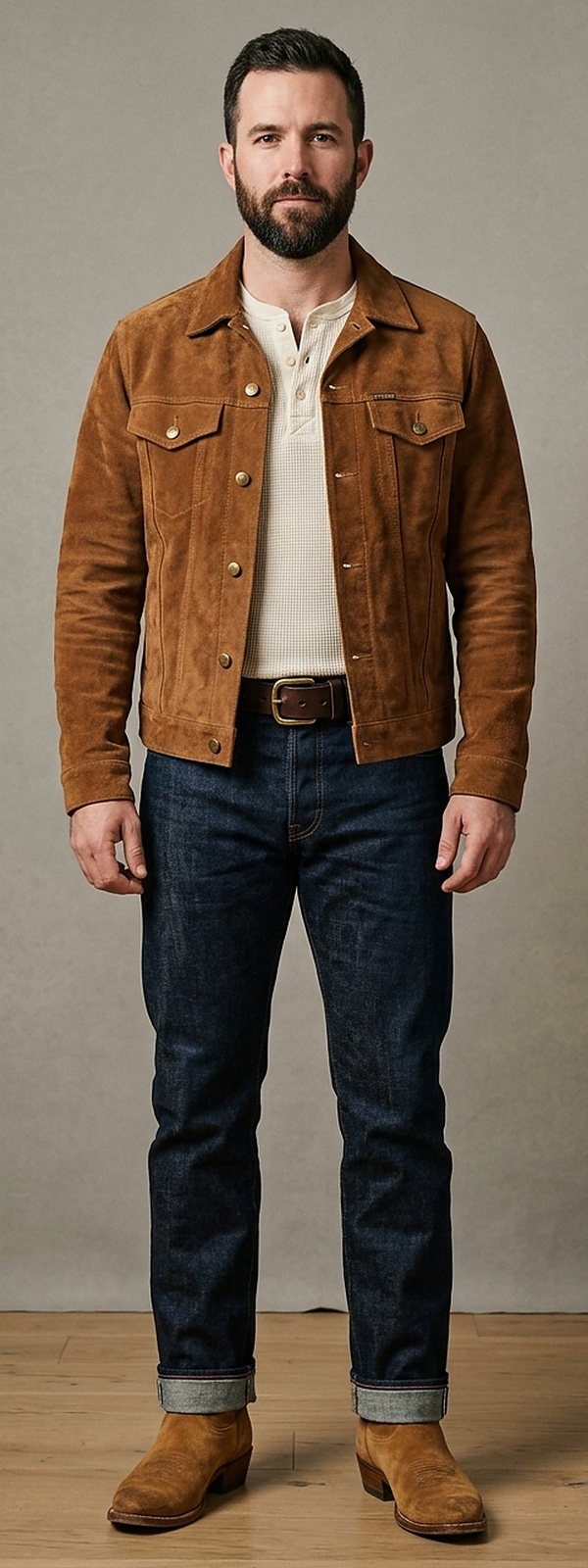
Master how to wear a men's henley shirt with waffle textures, rugged denim, tailored overshirts, and effortless masculine layering on an Amazon budget.

Artisanal Workshop Utility: Waxed Canvas & Linen Aprons
We curated this collection around the rise of artisanal craft-core—where functional studio, roastery, and workshop gear meets intentional menswear styling. We layer men's heavy waxed canvas work aprons, men's charcoal linen barista aprons, and men's selvedge denim studio aprons over men's olive band collar shirts, men's blue chambray work shirts, and men's buffalo plaid flannels. Grounded by men's leather moc toe boots and pleated trousers, our looks elevate tactile craftsmanship.

Long-Sleeve Cotton Henleys: Rugged Casual Layering Base
We assembled this casual essentials guide to celebrate the utilitarian simplicity and hardwearing appeal of the long-sleeve cotton henley. With its distinctive round neckline and buttoned placket, the henley provides far more visual interest than a basic tee while offering breathable core insulation. We love layering burnt orange or charcoal henleys under open overshirts and selvedge jeans. Find heavy-duty, budget-friendly long-sleeve cotton henleys on Amazon for authentic everyday heritage.
Other Reading
What to Wear to an Artisan Soapmaking Class — Men's Complete Guide
Entering an artisan soapmaking atelier for a traditional cold-process tallow and botanical soapmaking class immerses you in the aromas of cedarwood, lavender, and rich oils. Soapmakers blend precise lye solutions, melt grass-fed tallow and olive oils, and use immersion stick blenders to bring saponifying batters to medium trace before pour molding. The necessary dress code is strict laboratory safety hygiene and clean utilitarian comfort: dense long-sleeve cotton work shirts, heavy canvas workshop aprons, full-length cotton chinos, and closed-toe leather work boots. Because raw sodium hydroxide lye is caustic until fully saponified, zero exposed skin and natural fiber barrier protection are mandatory. From monitoring exothermic lye reaction temperatures to marbling botanical clays and swirling timber molds, here is your essential soapmaking style guide.
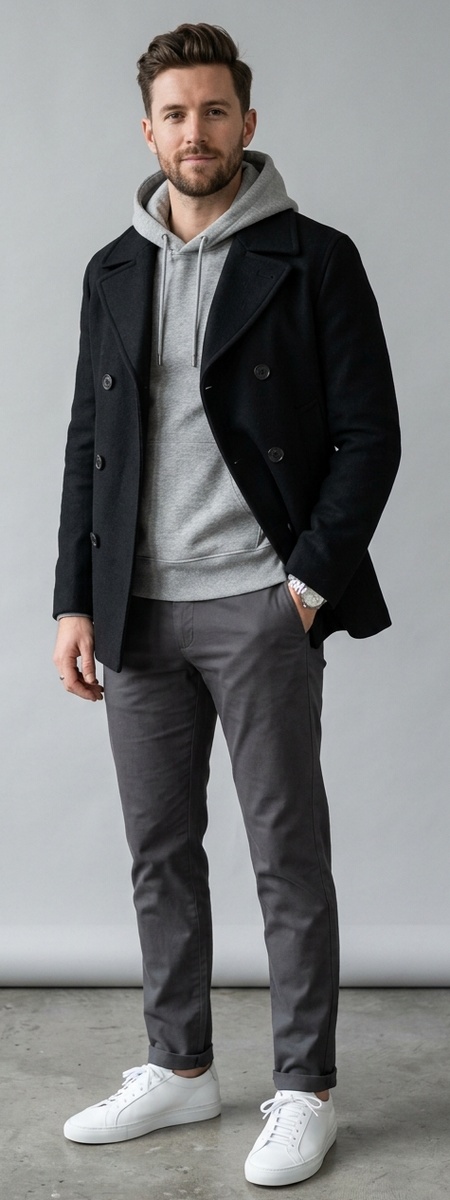
Charcoal Grey Chino Trousers: Sleek Smart-Casual Foundations
We curated this foundational trousers lookbook to showcase charcoal grey chinos as the ultimate bridge between casual denim and formal wool slacks. Cut from breathable stretch cotton twill in a deep slate hue, charcoal chinos pair effortlessly with burgundy button-downs, leather moto jackets, and crisp white sneakers without ever looking overdone. Explore durable, budget-friendly slim-fit charcoal grey chino pants on Amazon to upgrade your daily smart-casual rotation.
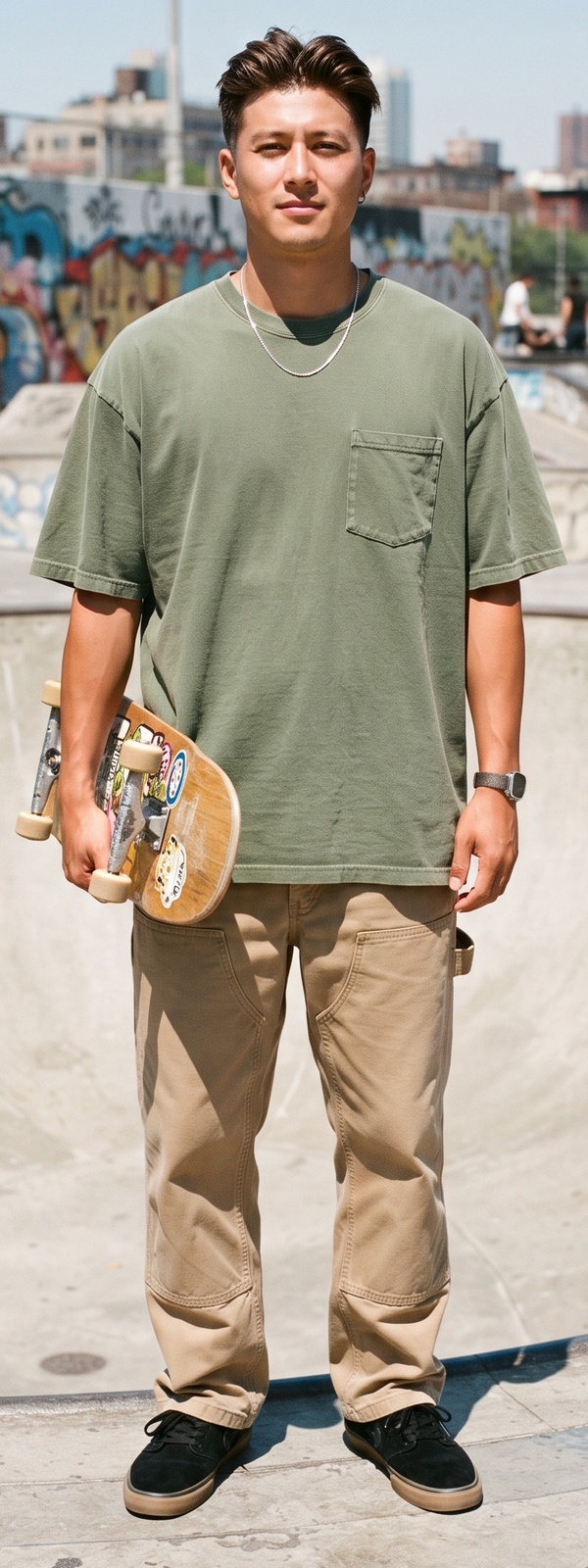
How to Style Men's Fatigue Pants: Military Utility Guide
Elevate your utilitarian wardrobe with our complete guide to styling men's fatigue and baker pants with chore coats, knits, and rugged footwear.