
What to Wear to a Washi Papermaking Studio — Men's Guide
Entering a tranquil artisan papermaking studio in Echizen or Kyoto to learn the centuries-old nagashizuki technique of hand-crafting washi paper from raw kozo mulberry bark is a contemplative immersion in Japanese craft. Standing beside cold running stream water vats, artisans rhythmically dip and sway bamboo mesh screens (suketa) to interlock delicate plant fibers into luminous paper sheets.
The studio environment requires clothing that allows fluid, balanced upper-body movement while withstanding cold water splashes and standing on damp concrete floors. Restrictive formal clothing binds your arms during the delicate dipping process, while flashy modern sportswear feels jarringly disrespectful in this historic craft workshop.
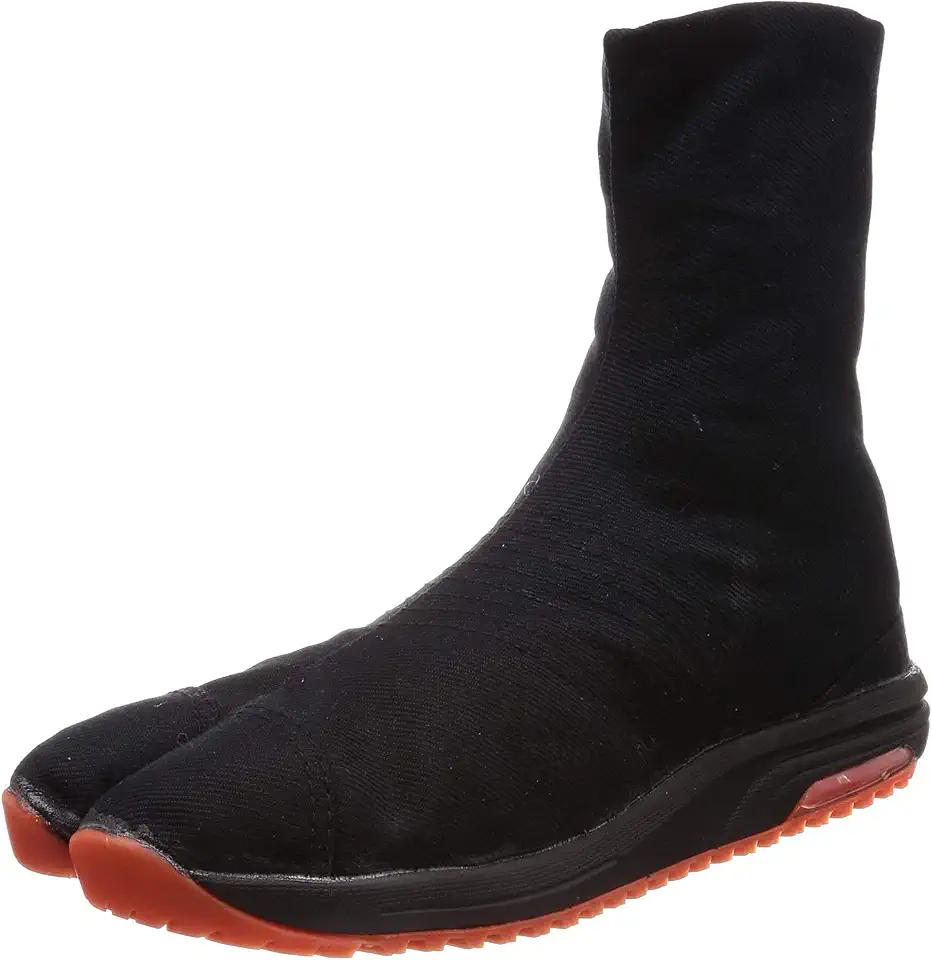
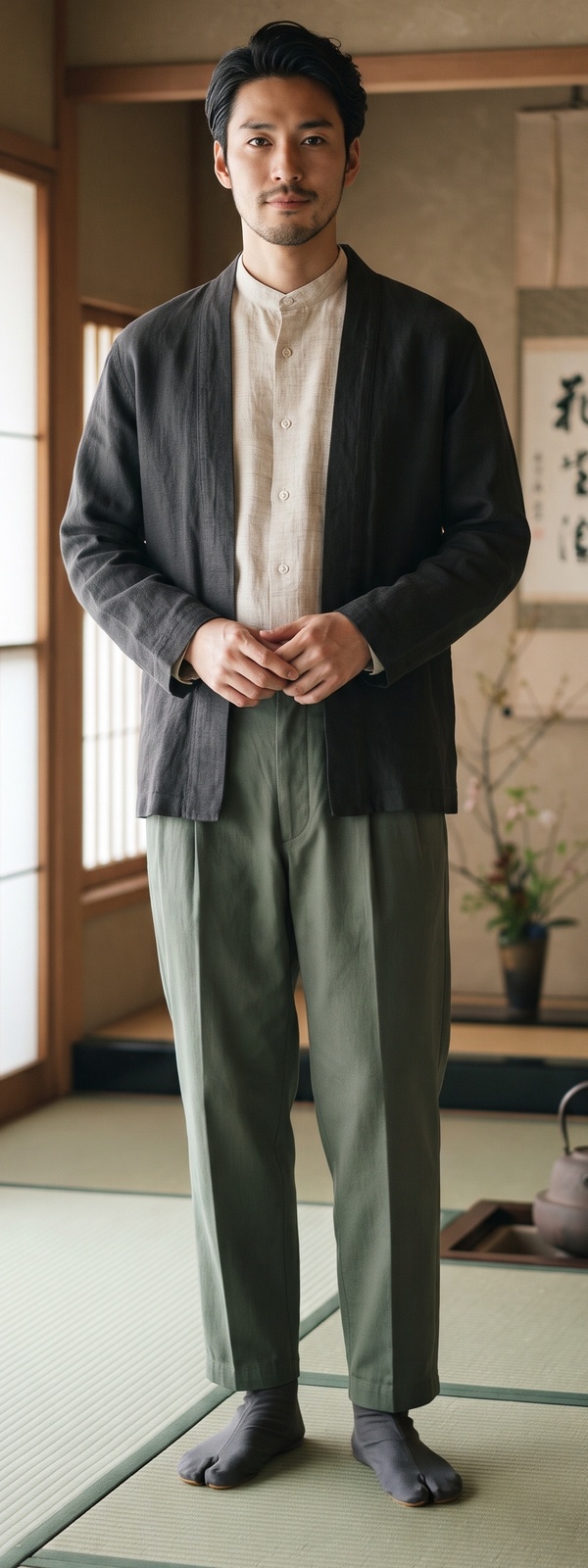
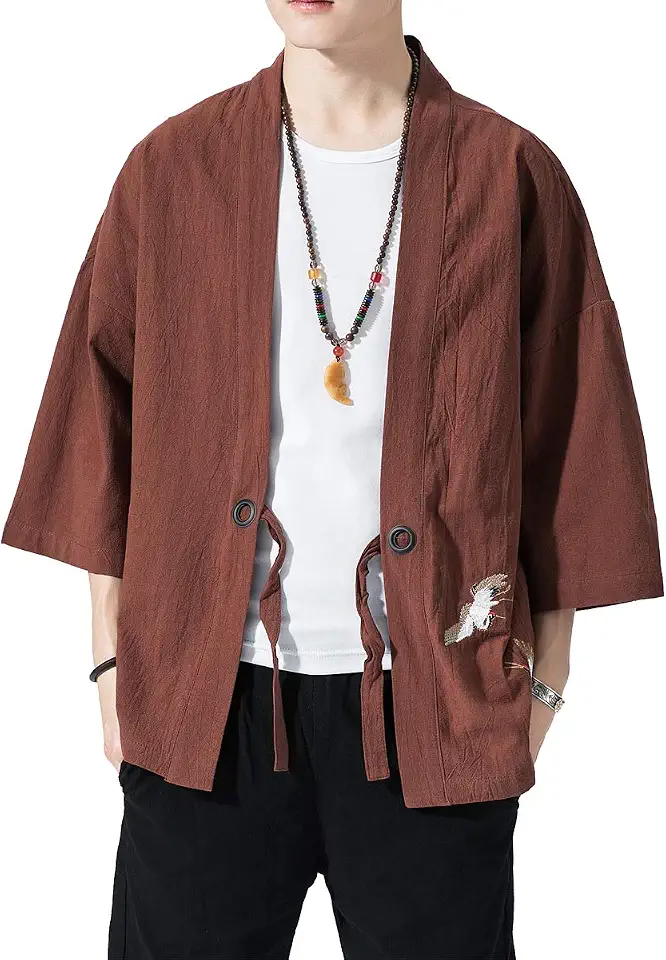
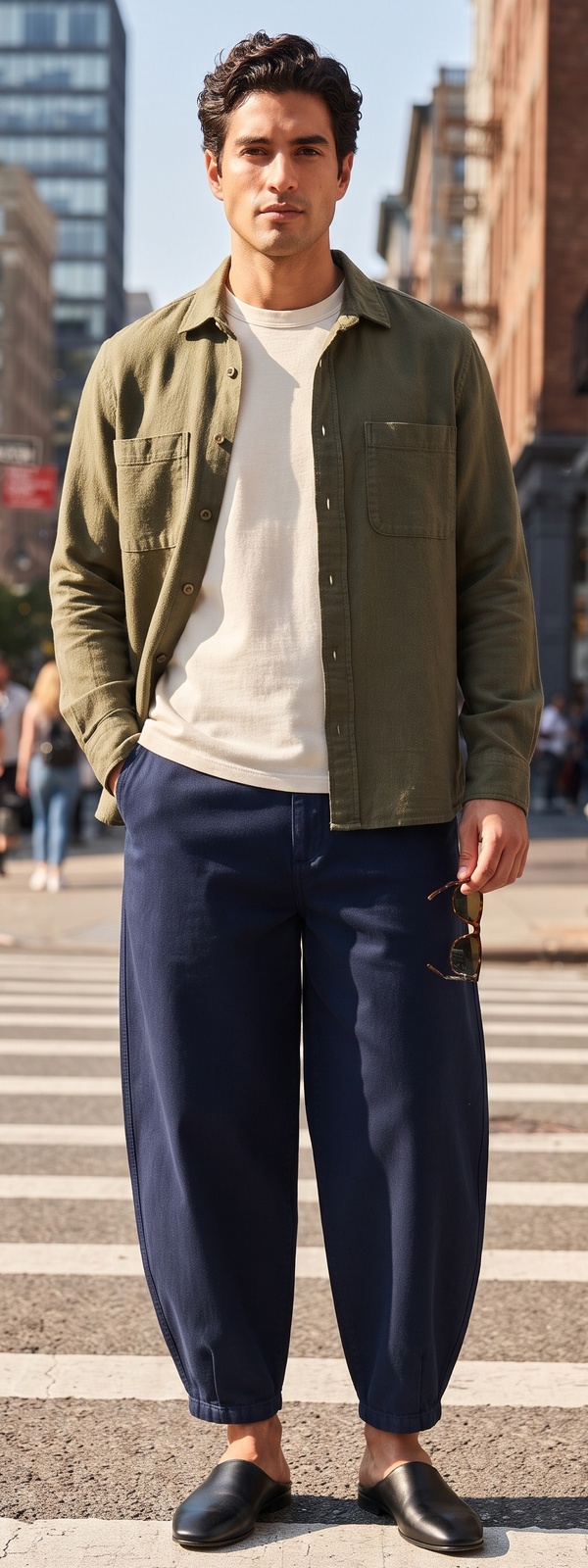
From breathable linen noragi jackets and band-collar tunic shirts to relaxed wide-leg balloon trousers and clean slip-on shoes, here is your essential Japanese craft workshop style guide.
Outfits that work
 $140

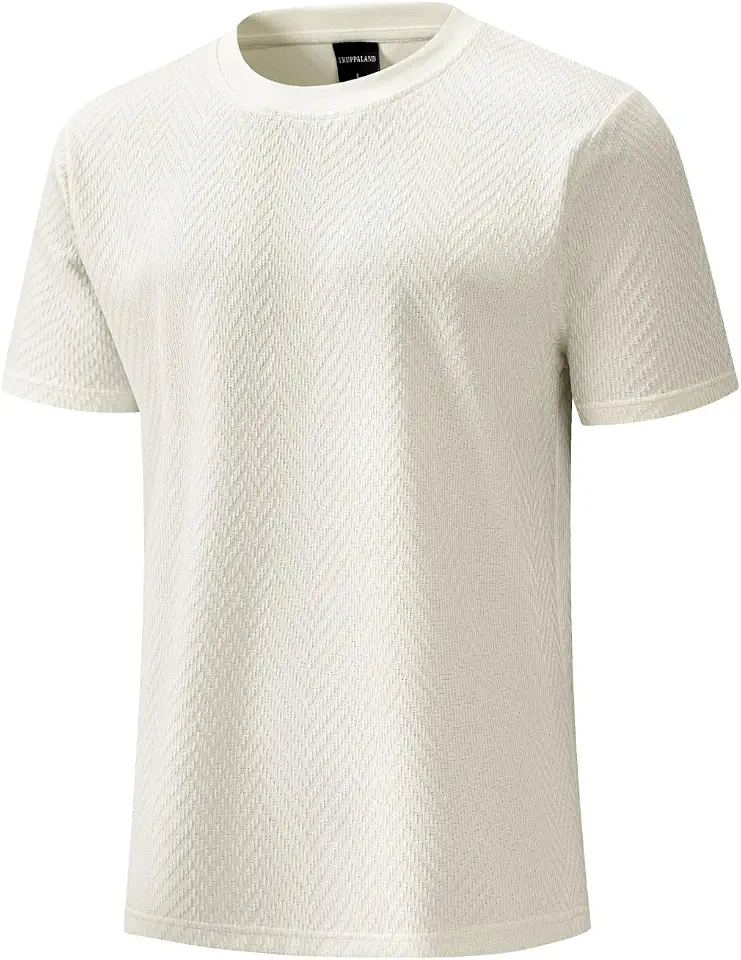
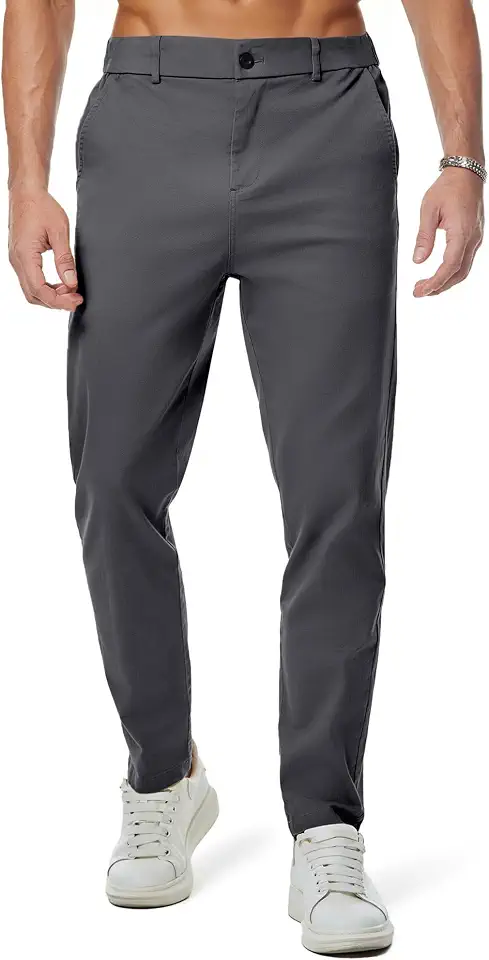
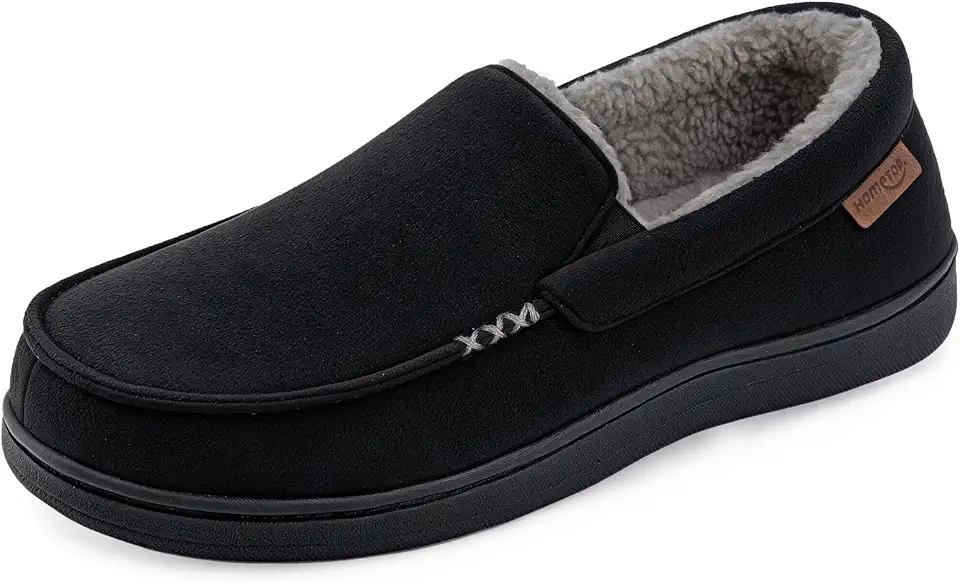
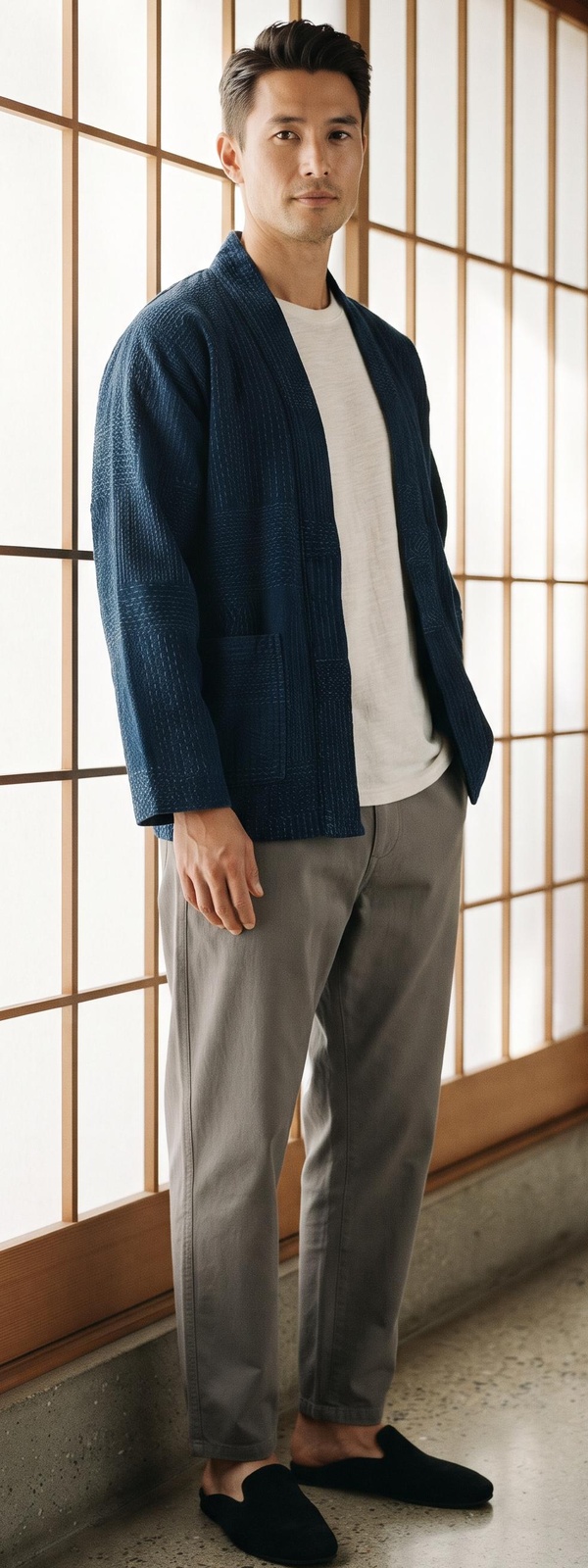
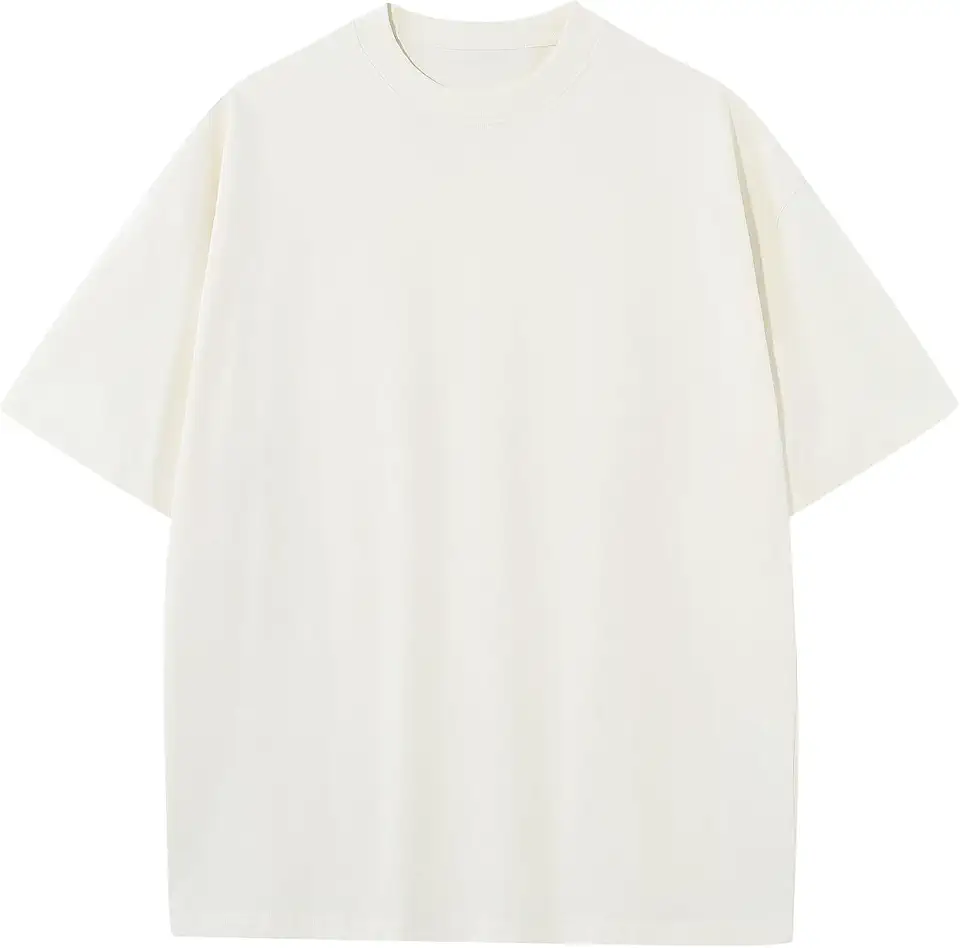
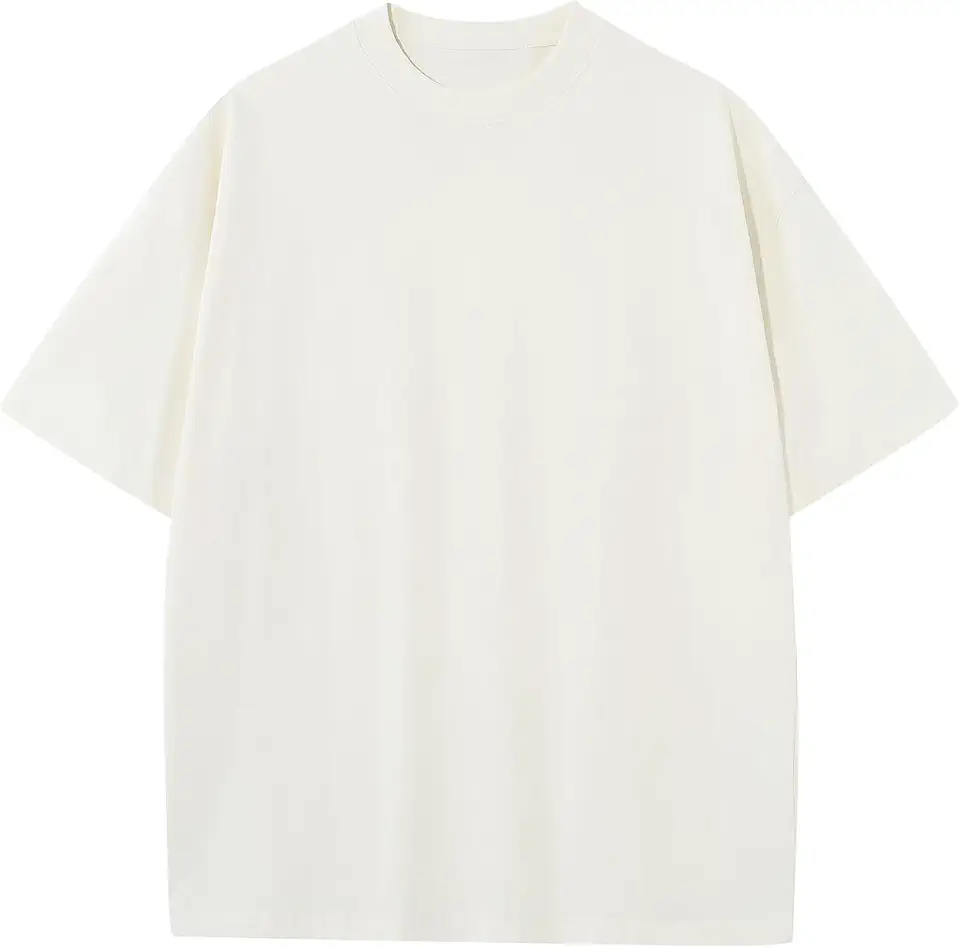
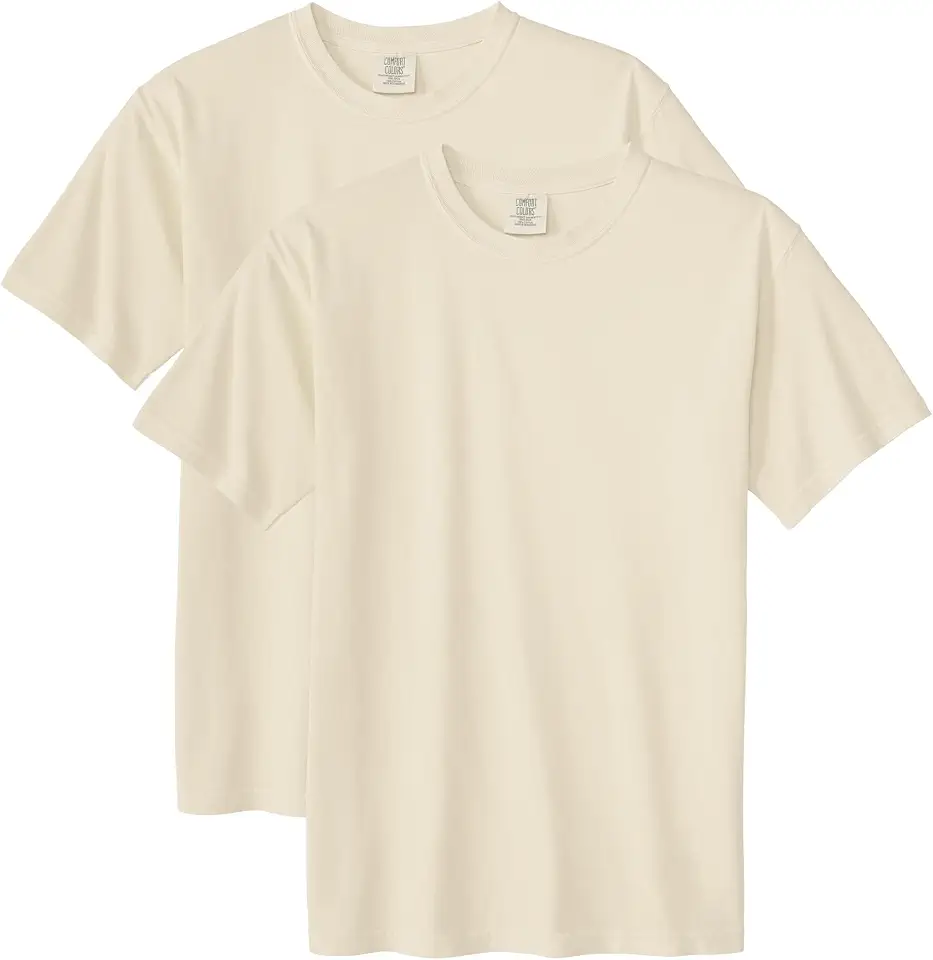
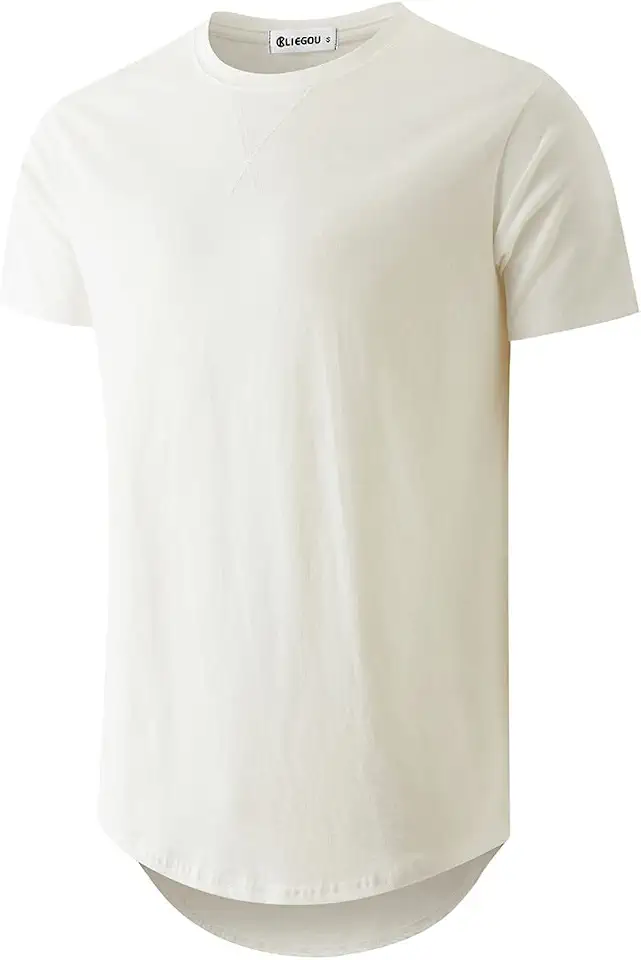
Indigo Sashiko Noragi Jacket with Off-White Tee and Grey Chino Pants
4 pieces · Oct 31, 2026
 $118
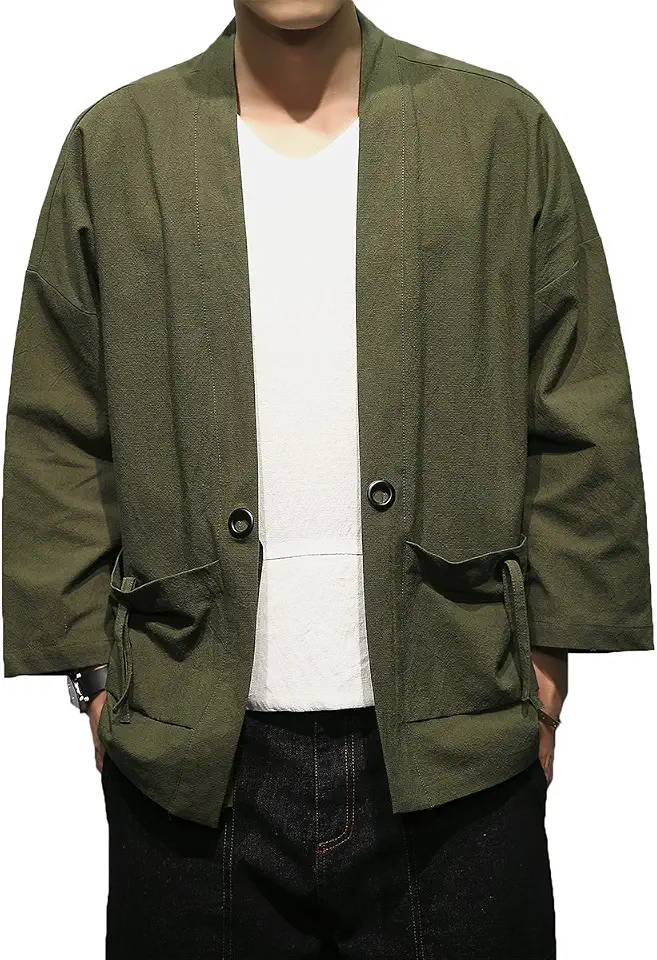
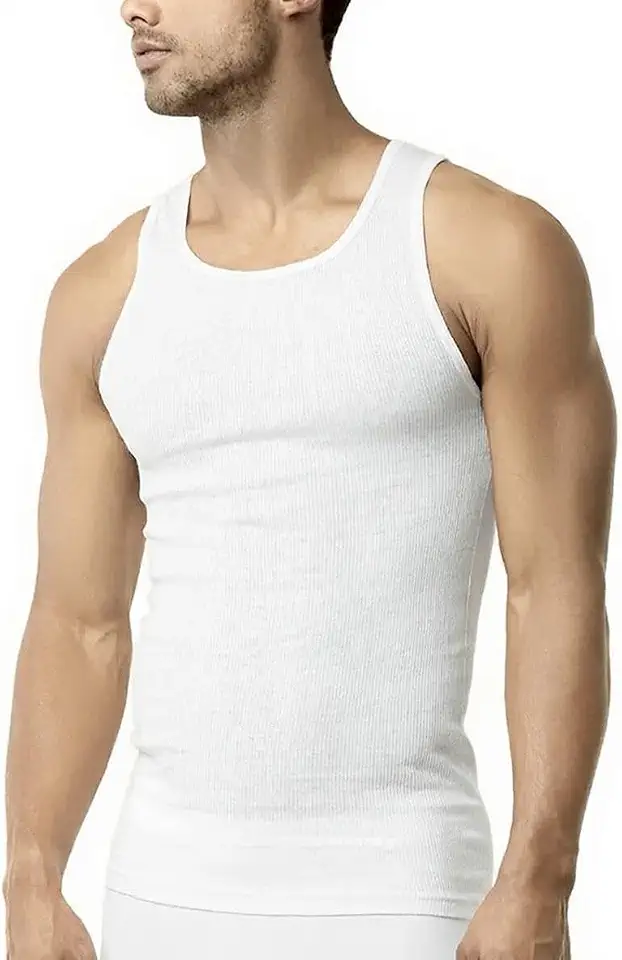

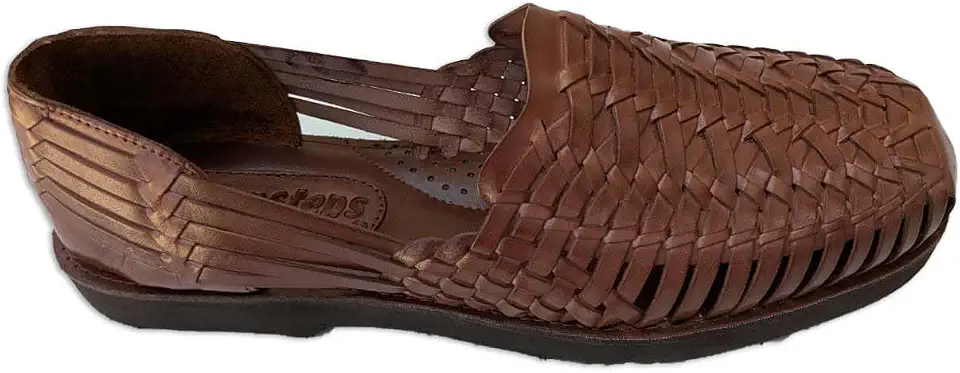
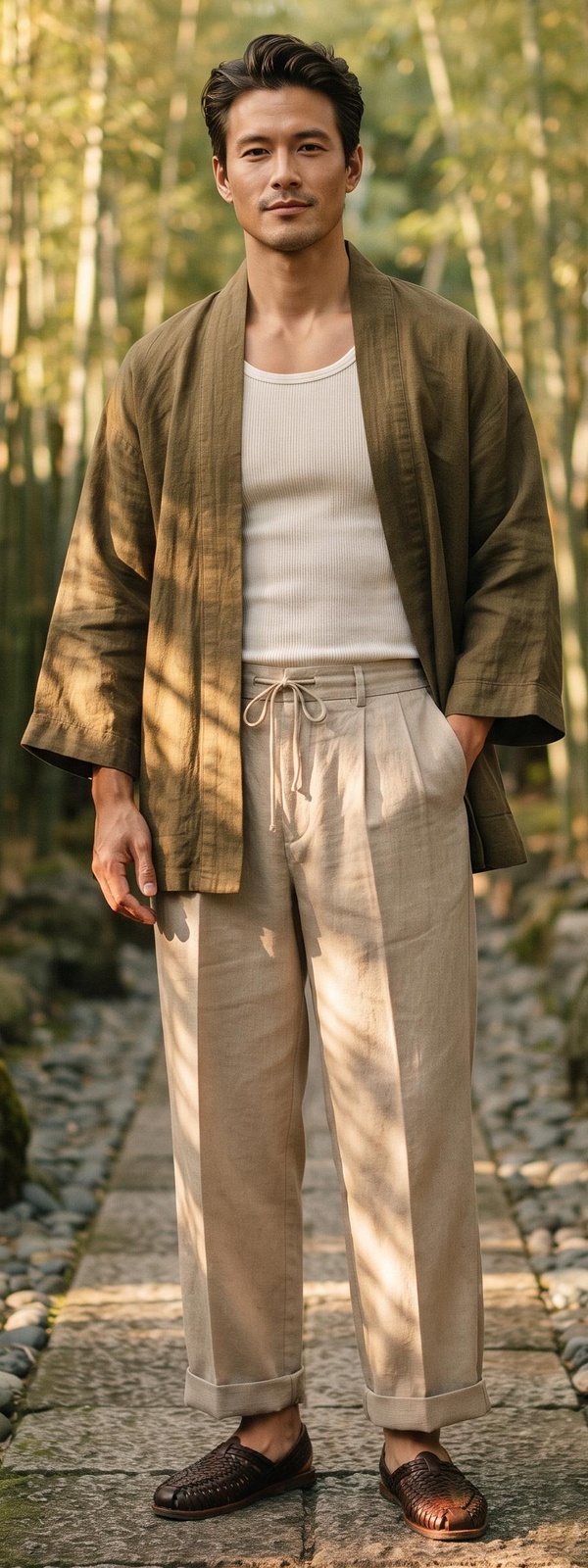
Olive Green Linen Kimono Cardigan, Ribbed Tank and Beige Wide-Leg Linen Pants
4 pieces · Oct 31, 2026


Do
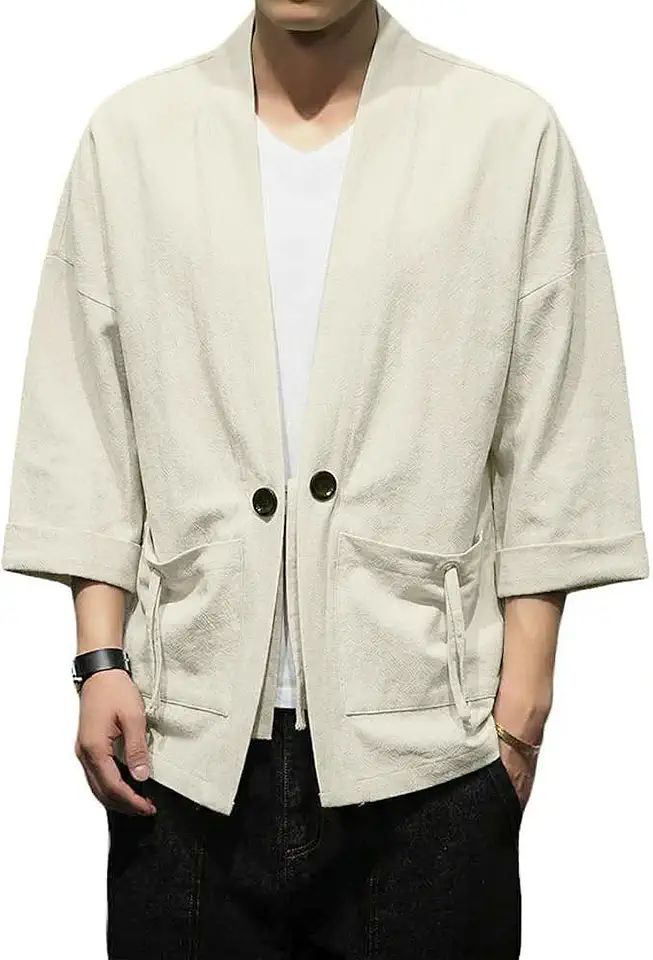
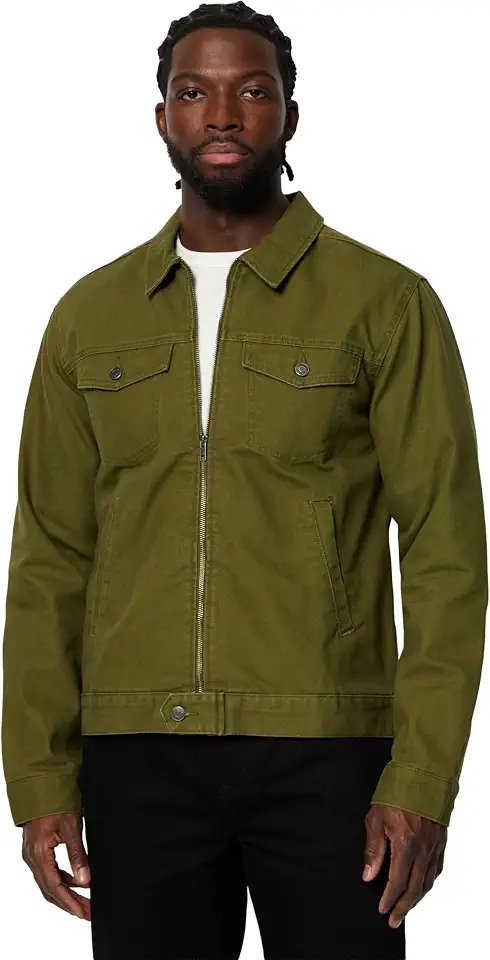
- ✓Wear a lightweight cotton or linen noragi jacket or kimono cardigan that allows total shoulder and arm freedom at the water vat.
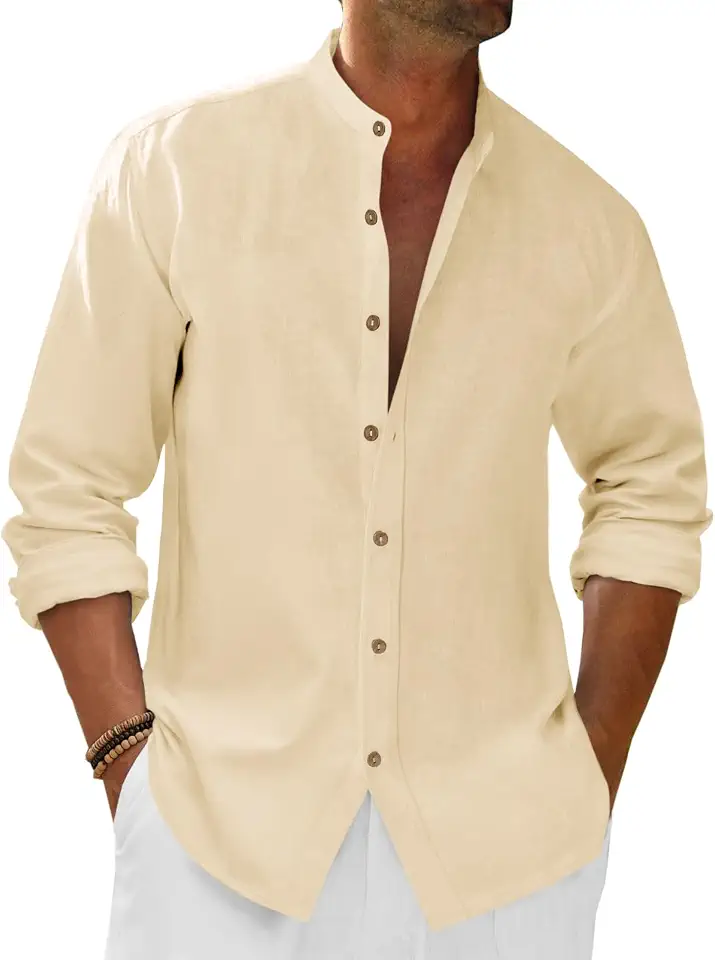
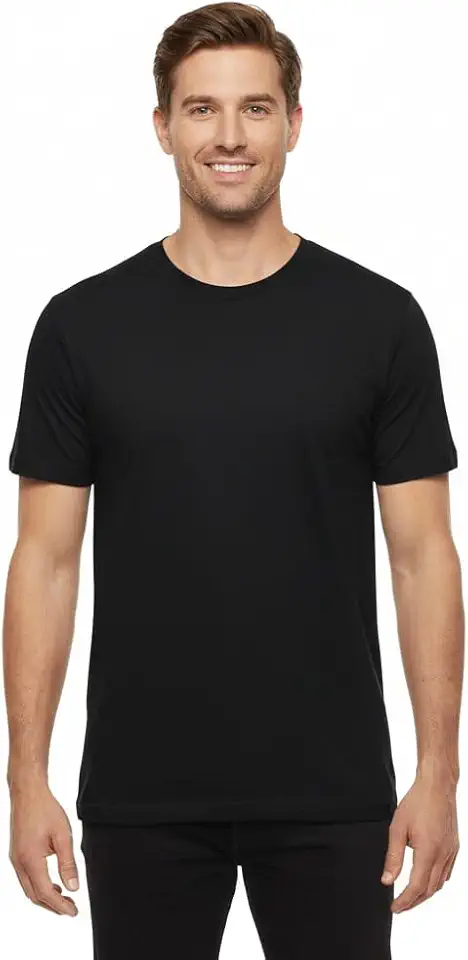
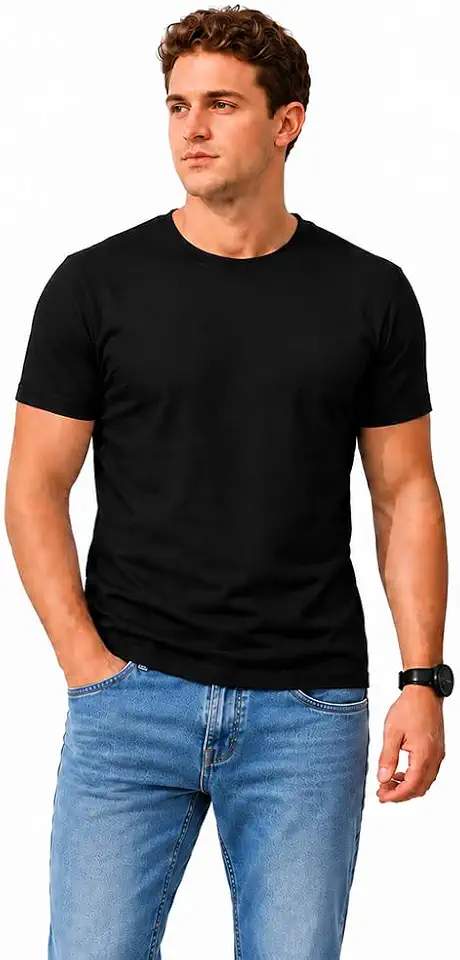
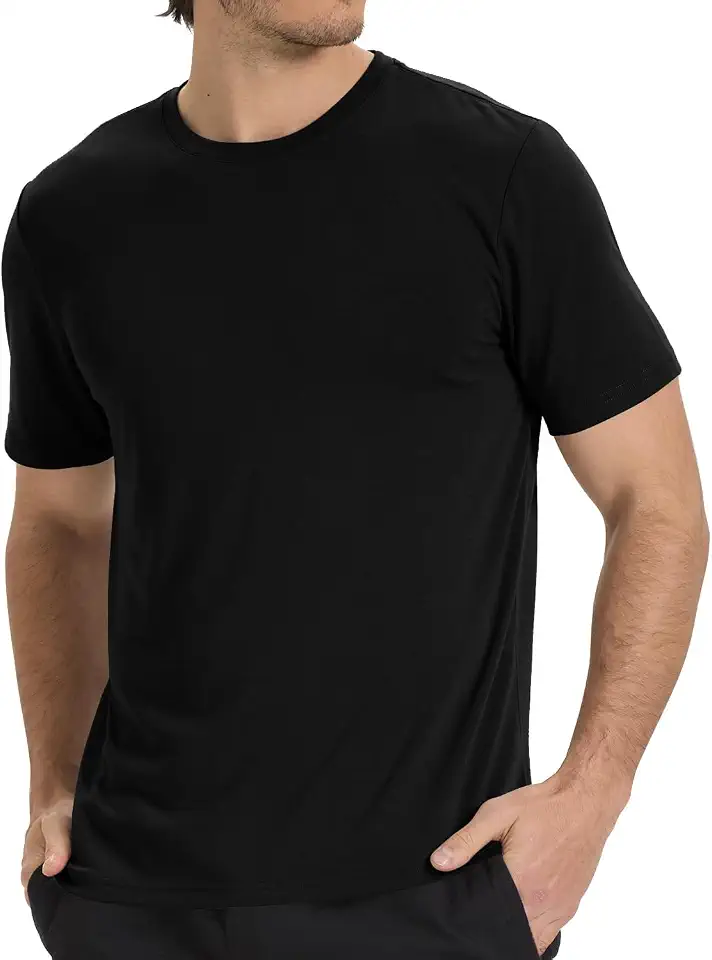
- ✓Choose a breathable band-collar popover shirt or clean cotton crewneck tee as an understated, minimalist base layer.
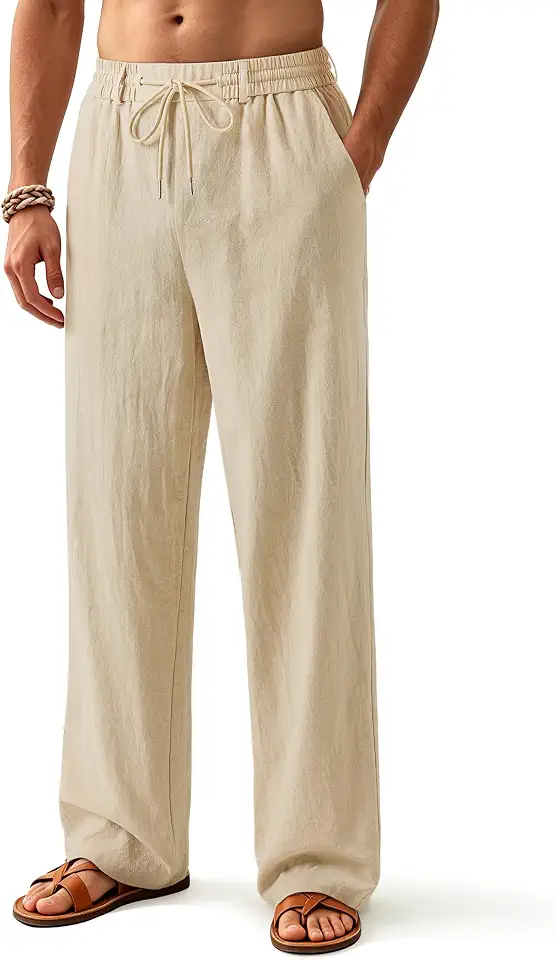
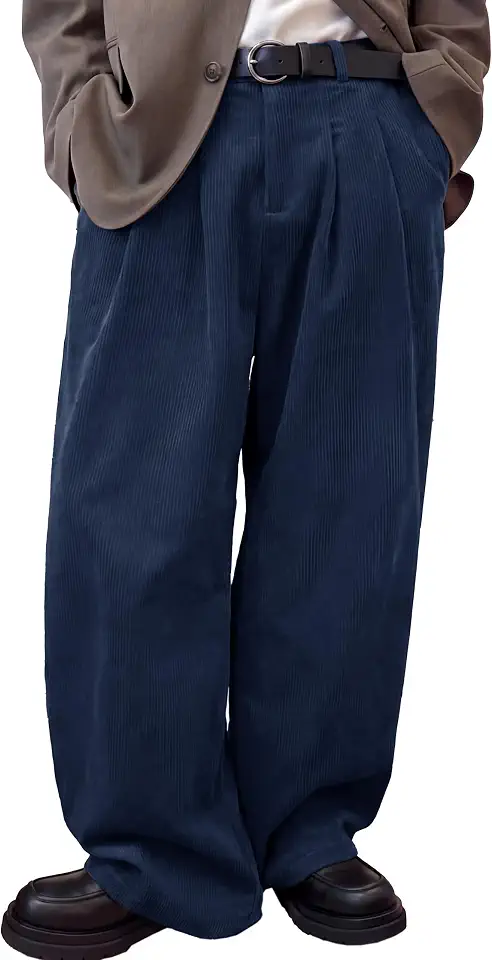
- ✓Opt for relaxed wide-leg or cropped balloon trousers that keep cuffs well clear of damp workshop floor splash.
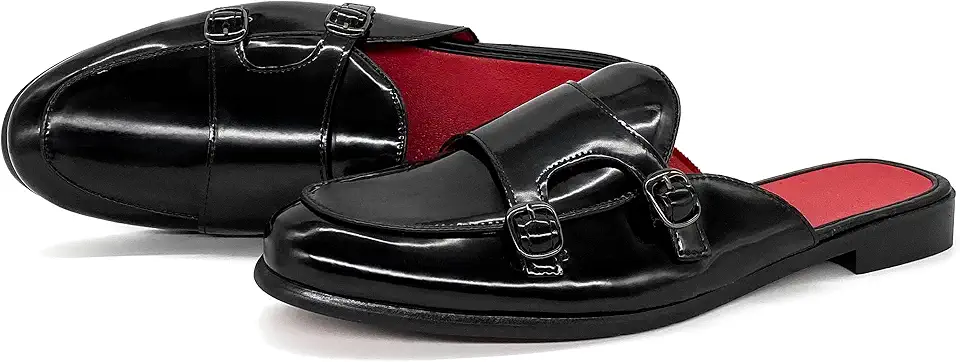
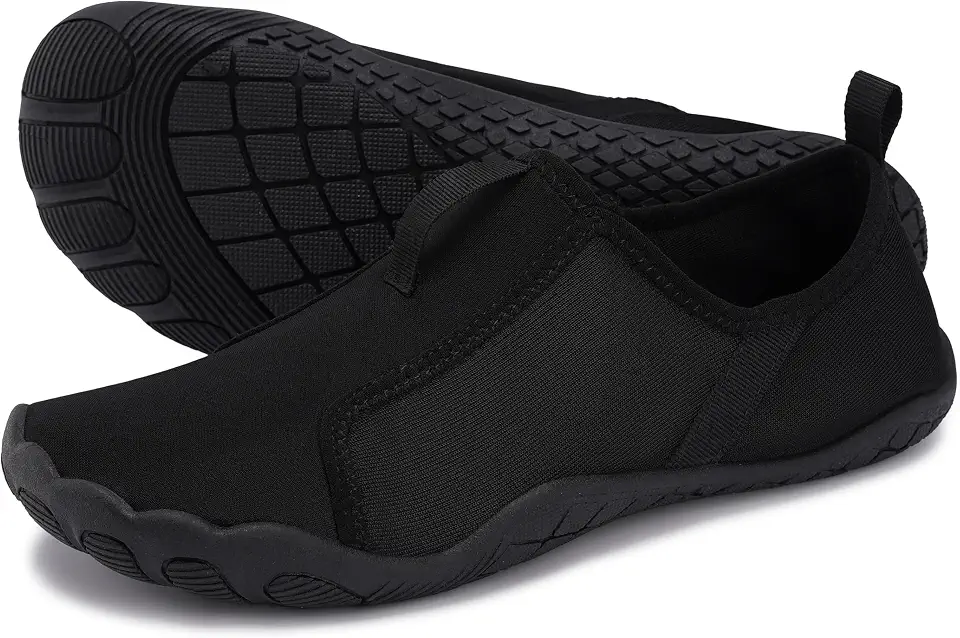
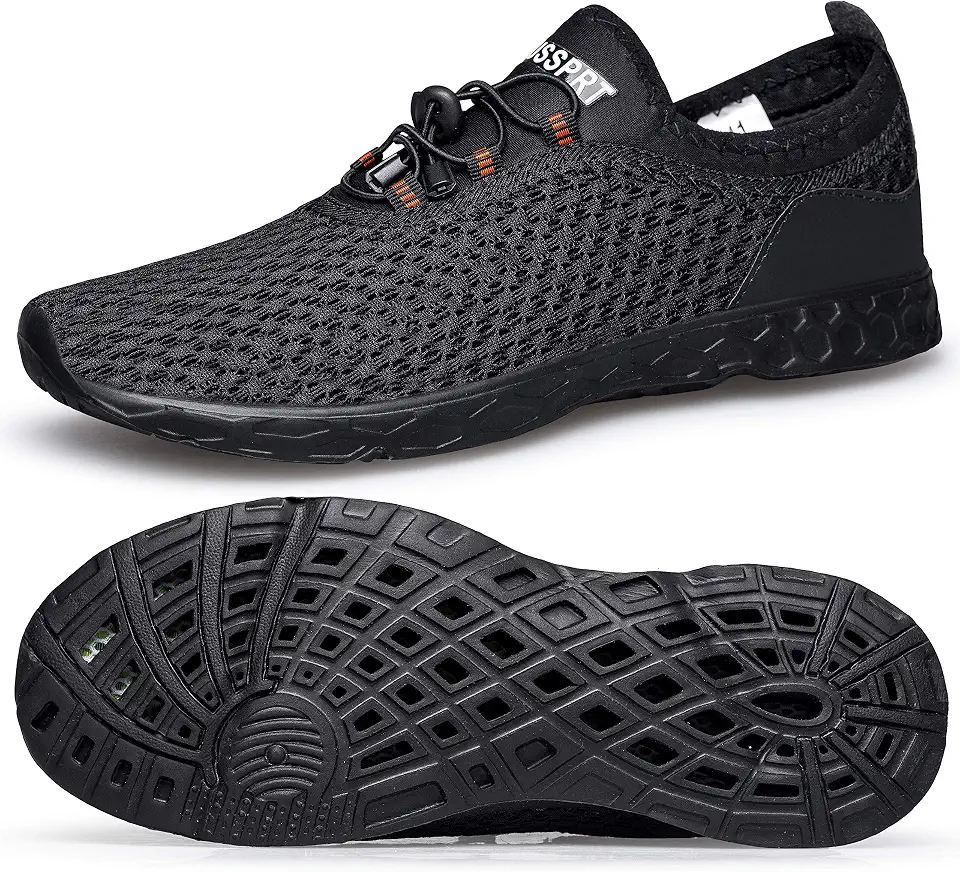
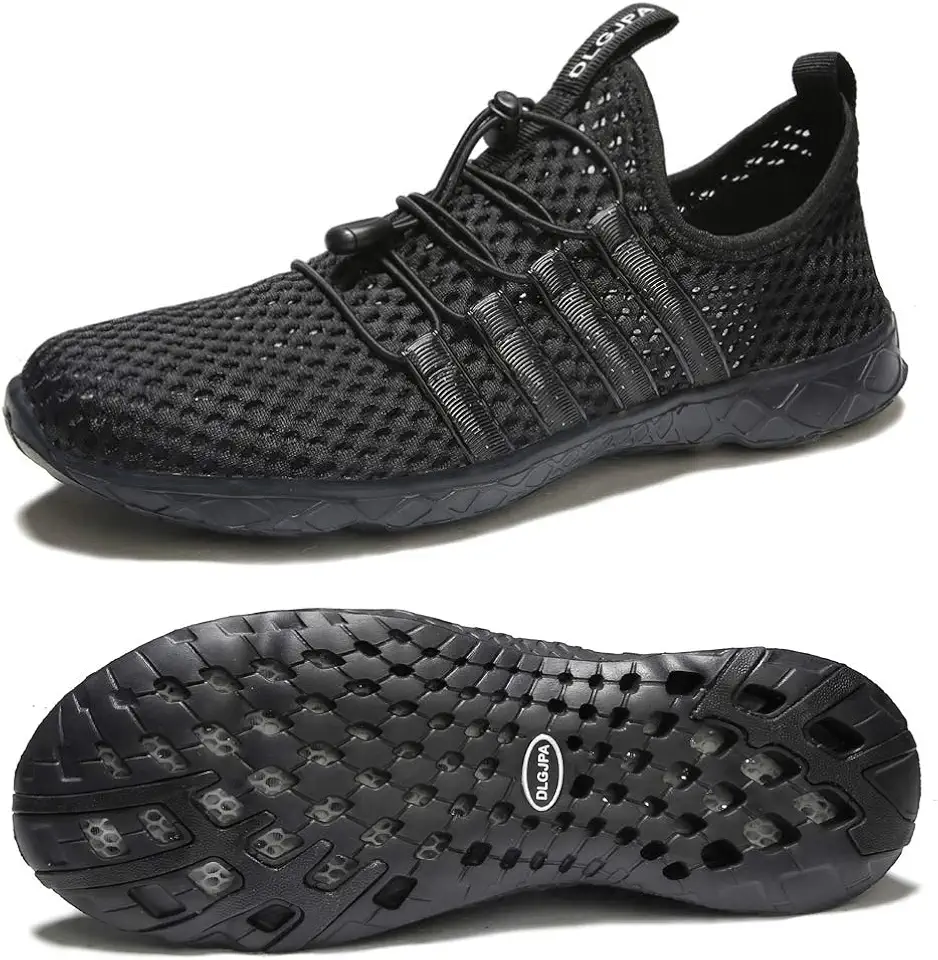
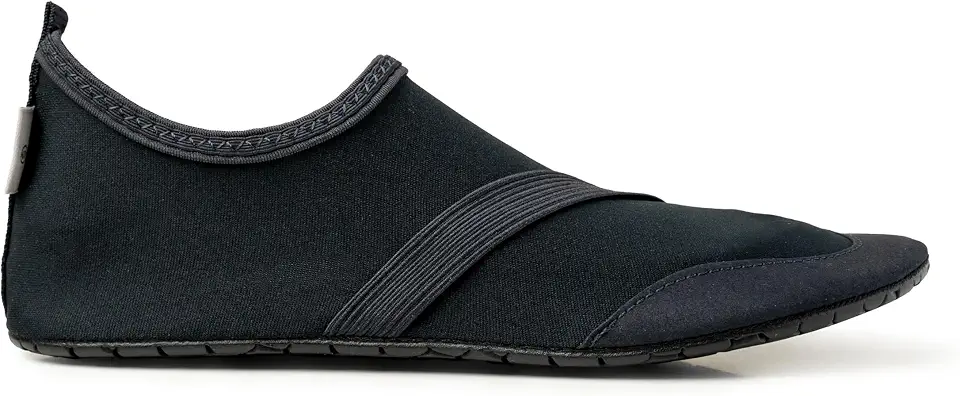
- ✓Select comfortable water-resistant slip-on canvas shoes or minimalist sneakers that can be easily kicked off at tatami thresholds.
- ✓Stick to a tranquil, understated color palette of charcoal, indigo, sage, and ecru that honors Japanese Zen aesthetics.
Don't
- ✗Avoid wide, flowing kimono sleeves that drag in the wet pulp vat and damage delicate freshly formed paper sheets.
- ✗Don't wear long, dragging trouser hems that soak up dirty water puddles from wet workshop floors.
- ✗Avoid stiff tailored dress jackets or tight button-down shirts that restrict rhythmic torso and shoulder swaying.
- ✗Don't wear bulky rings, metal watch bracelets, or heavy jewelry that could tear wet paper sheets or scratch wooden screens.
Style tips
The Modern Noragi Silhouette
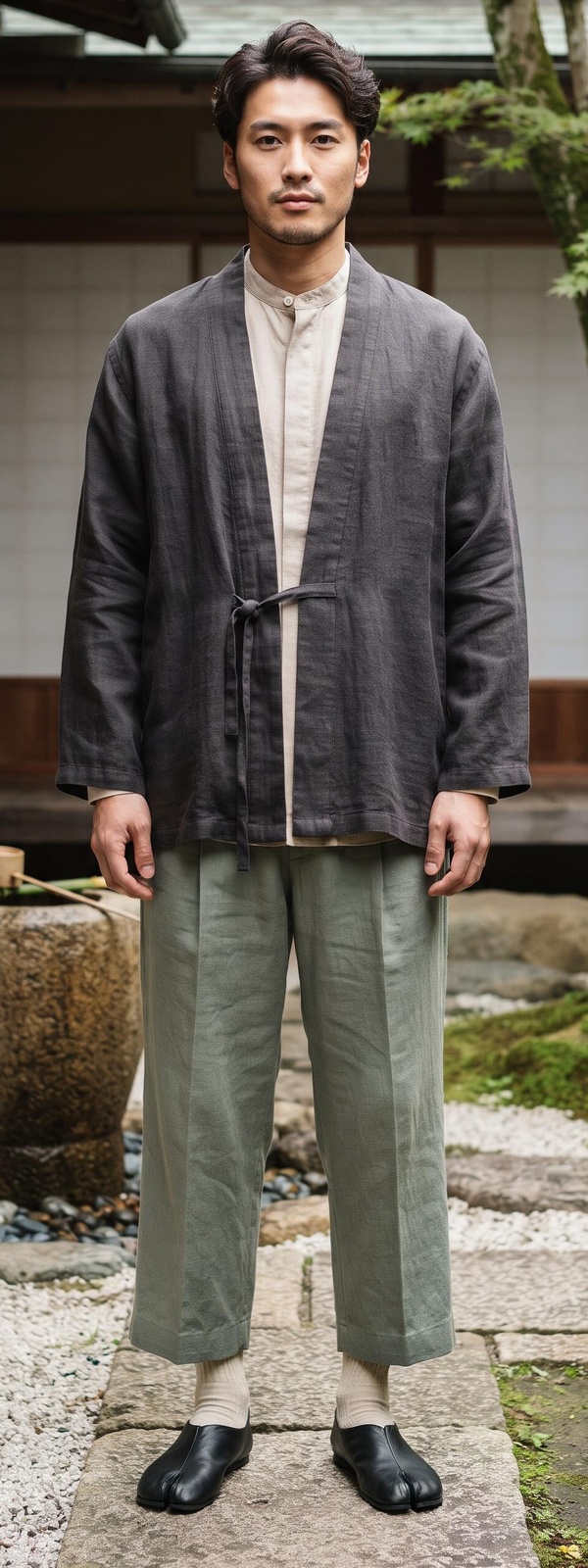
A charcoal or indigo linen noragi tied loosely over an off-white crewneck tee and cropped sage balloon pants creates a masterclass in modern Japanese craft style. It is supremely comfortable, dignified, and functional.
Water Vat Splash Defense
Because the nagashizuki rhythm causes continuous gentle water splashing, choose quick-drying garment-dyed cotton or linen. Any incidental droplets dry quickly without leaving visible water spots.
Workshop-to-Tatami Ease
Traditional craft studios often feature raised tatami tearooms for tea breaks and paper drying inspections. Clean slip-on shoes paired with crisp, pristine socks ensure smooth transitions between wet and dry areas.
Related searches
All curated searches
Related Reading
Modern Haori & Noragi: Japanese Organic Linen Simplicity
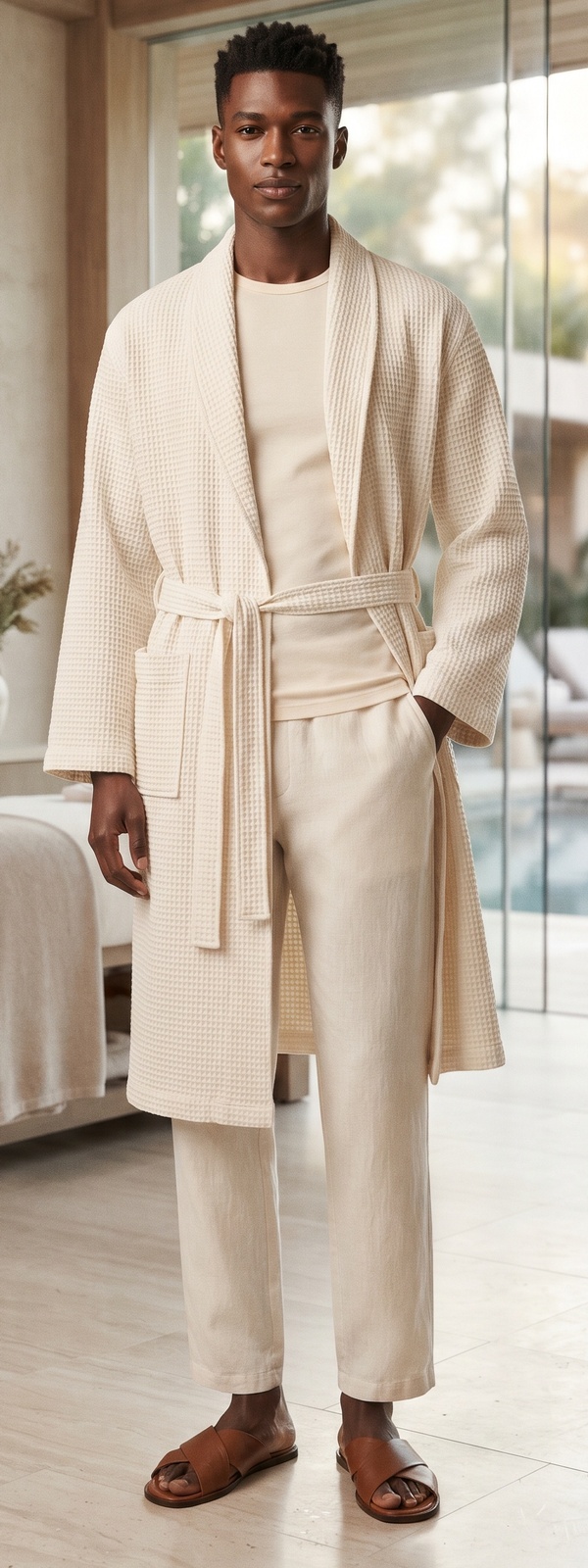
We curated this tranquil aesthetic lookbook to celebrate the rise of contemporary noragi and haori outerwear in high-end casual wardrobes. We combine men's collarless charcoal linen jackets and men's raw cotton wrap coats with men's beige band collar shirts, men's relaxed sage pleated trousers, and split-toe tabi footwear. By prioritizing natural slub textures and fluid geometry, our ensembles embody timeless Eastern restraint and peaceful modern poise.
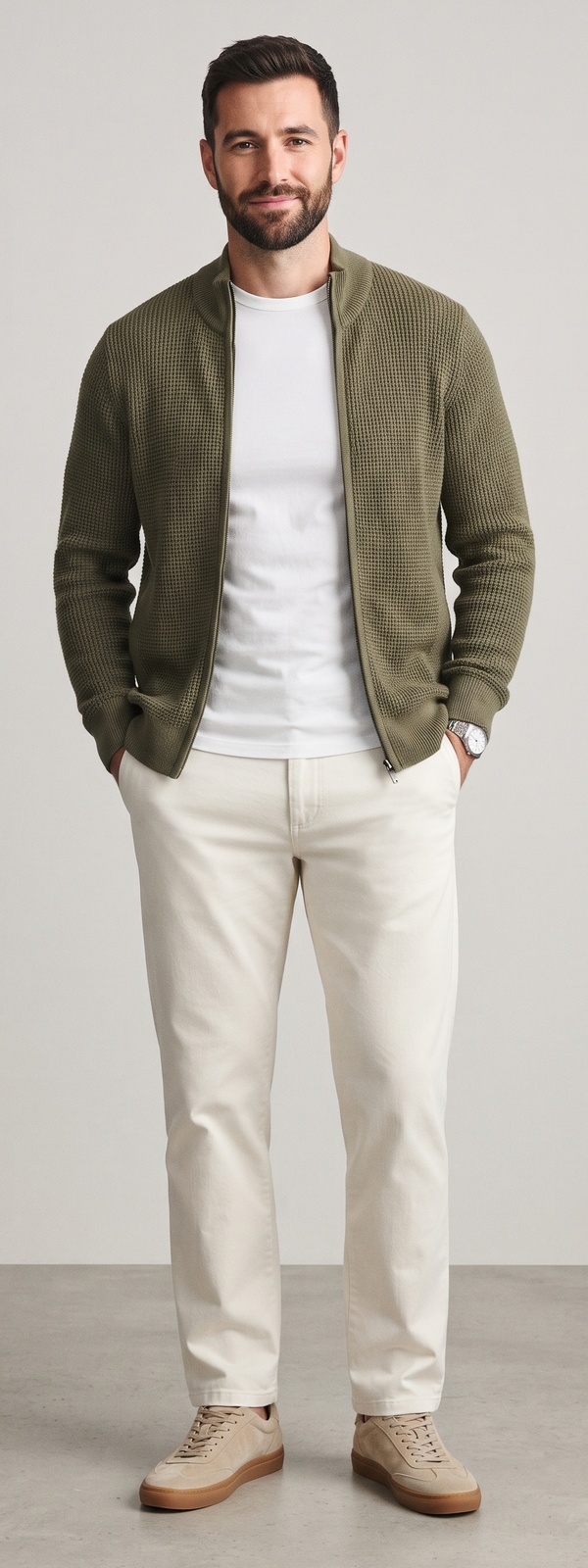
What to Wear to a Japanese Joinery Class — Men's Guide
Stepping into a traditional Japanese wood joinery masterclass places you amidst aromatic hinoki cypress shavings, razor-sharp kanna hand planes, and Japanese pull saws. Students learn centuries-old sashimono techniques, cutting interlocking mortise, tenon, and dovetail joints that lock solid timber together tightly without nails or metallic fasteners. The hallmark aesthetic is Japanese artisan minimalism and comfortable workshop craft: breathable cotton band-collar shirts, relaxed utility chinos or fatigue pants, natural canvas work aprons, and clean indoor slip-on shoes. The woodshop is quiet and contemplative, demanding comfortable, non-restrictive garments that permit hours of rhythmic planing. From taking paper-thin shavings with hand planes to chiseling intricate blind joints, here is your definitive style guide for a Japanese wood joinery class.
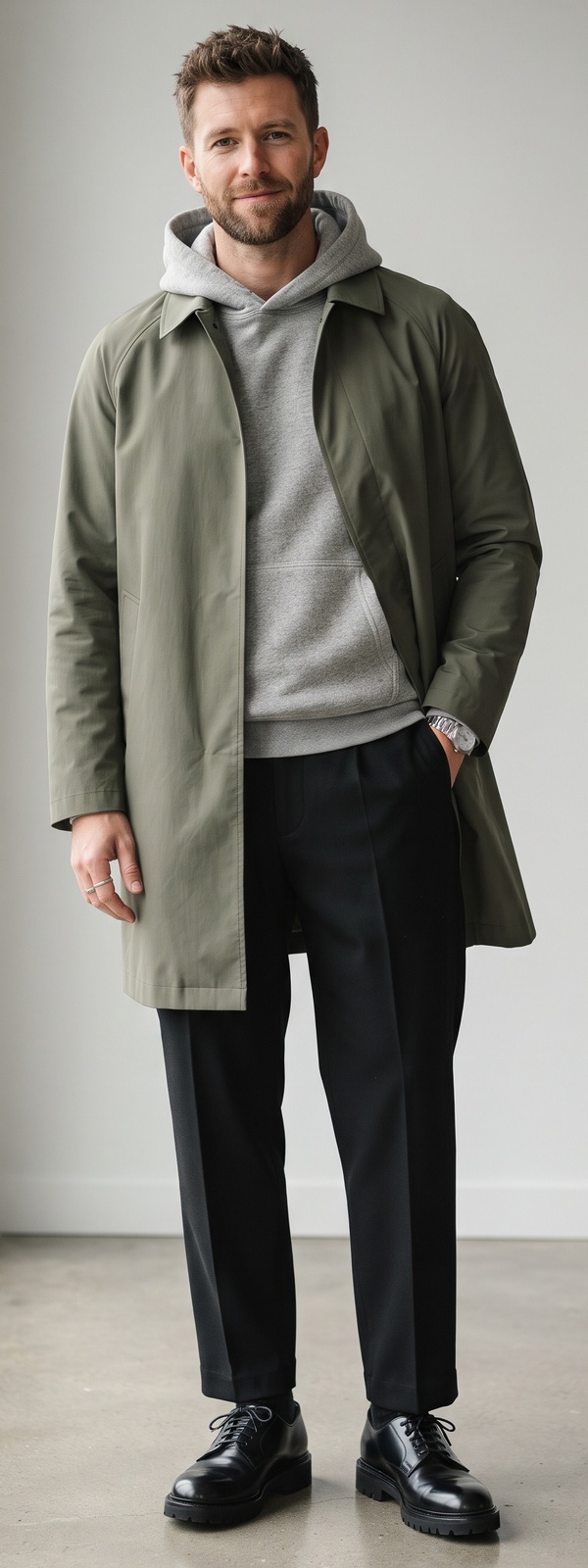
What to Wear to a Kintsugi Repair Workshop — Men's Guide
Entering a traditional Japanese kintsugi workshop immerses you in the mindful art of repairing broken ceramics with natural Urushi lacquer and real gold dust. Seated before wooden carving blocks, participants patiently piece together antique porcelain shards, file cured seams, and dust delicate gold powder with fine hair brushes. The benchmark style embodies mindful Japanese minimalism and comfortable artisan craft: breathable natural linen overshirts, relaxed neutral chinos, dark utility work aprons, and comfortable slip-on footwear. Natural fiber fabrics prevent static electricity that could disperse ultra-fine gold mica, while relaxed cuts permit easy cross-legged or bench seating. From shielding skin against raw Urushi sap to maintaining focused bench serenity, here is your definitive outfit blueprint for a traditional kintsugi ceramic repair workshop.
The Creative Studio: Artful, Functional Style
For this vibrant season, we are shifting our focus to pieces that blend ultimate utility with individual flair. True creative work requires clothing that can keep up, which is why we have focused on relaxed silhouettes, sturdy overshirts, and expressive textures. We believe your style should reflect your imagination without requiring a luxury budget. Let's build an inspiring everyday uniform that feels authentic, hardworking, and effortlessly cool.
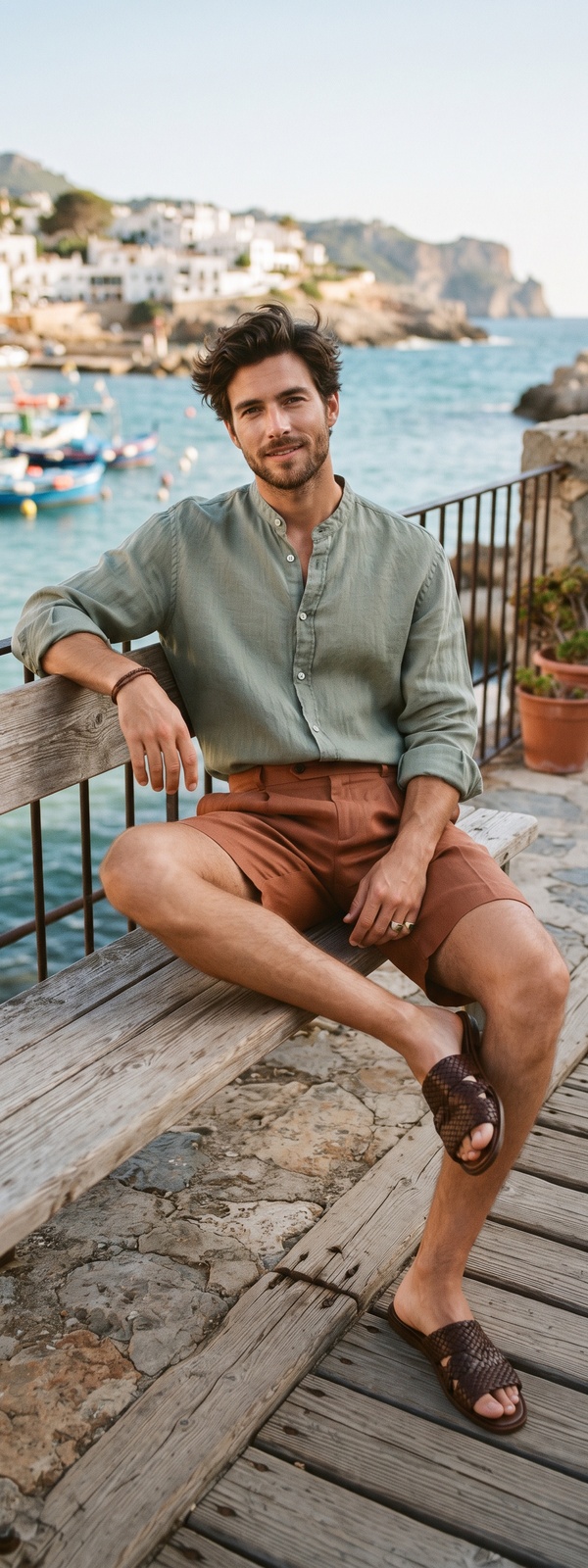
How to Style a Men's Vintage Band Collar Tunic Shirt
Discover how to style vintage band collar and grandad tunic shirts with relaxed tailoring, linen trousers, and modern artistic layering.
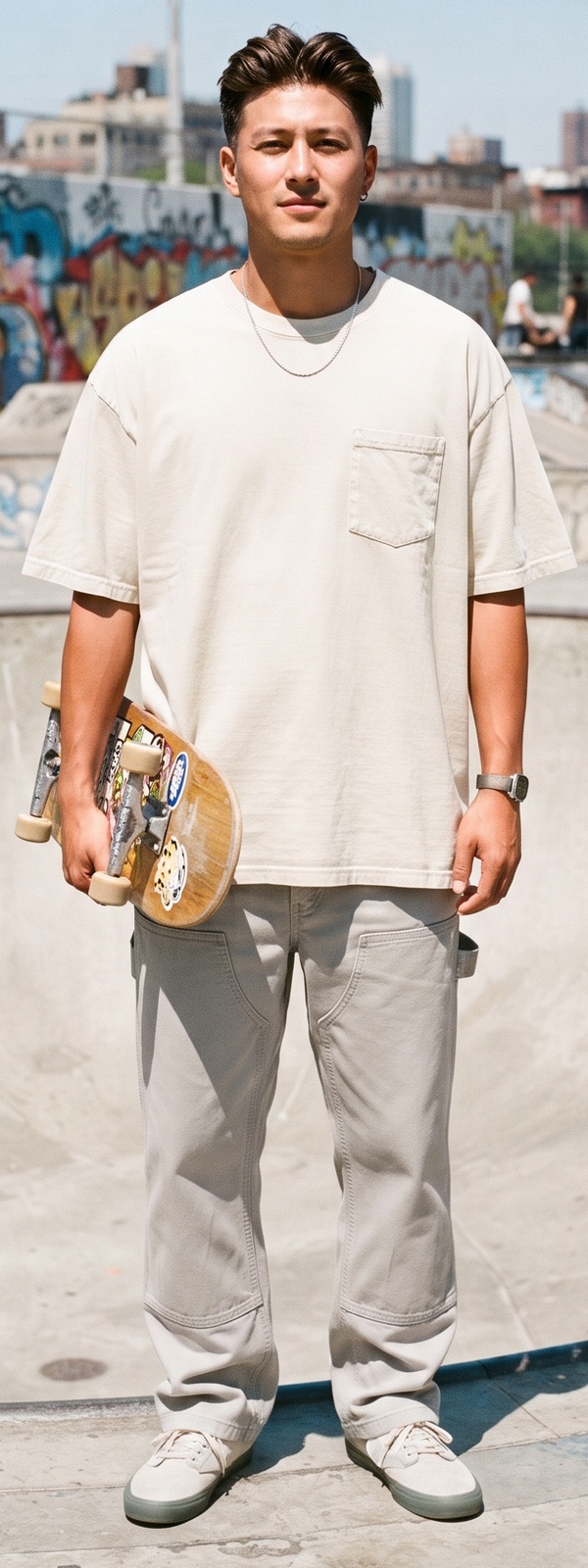
How to Style a Men's Heavyweight Pocket Tee: Streetwear & Workwear Guide
Elevate your core wardrobe staple with our guide to styling men's heavyweight pocket t-shirts, boxy cotton basics, carpenter pants, and denim.
Other Reading
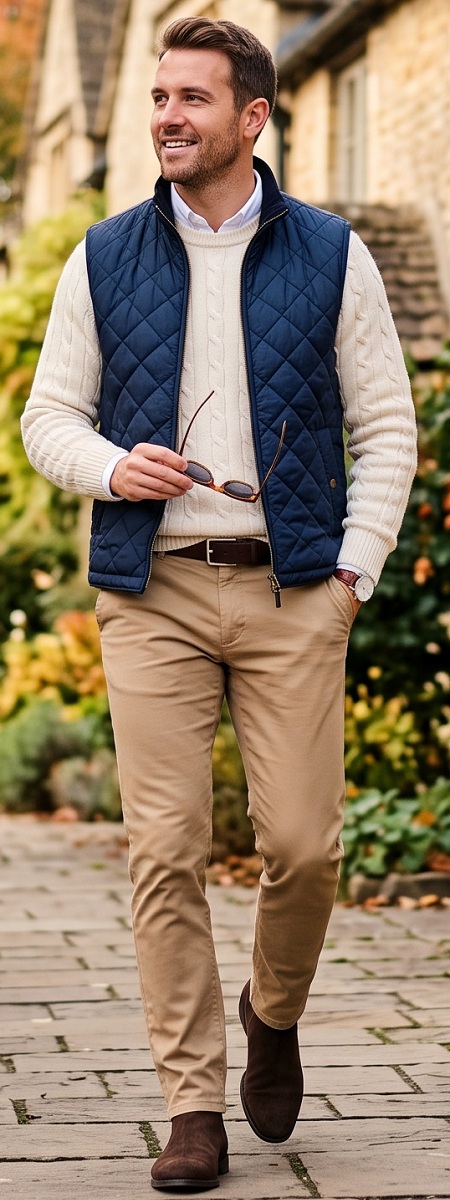
What to Wear to a Mounted Archery Clinic — Men's Complete Guide
Cantering down a sandy timber track with dropped reins for a mounted horseback archery clinic immerses you in composite recurve horsebows, rhythmic hoofbeats, and rapid-fire nocking. Riders lock their knees into the saddle, draw feathered arrows using thumb rings or Mediterranean releases, and loose shafts at front, side, and backward targets at full gallop. The essential dress code is zero-snag upper-body streamlined fit combined with equestrian lower-body security: form-fitting long-sleeve henleys or shirts under a sleeveless canvas or suede vest, stretch riding breeches or bootcut jeans, and heeled leather riding boots. Because a bowstring snapping at fifty pounds of draw weight catches any loose chest fabric, a snug torso silhouette is mandatory. From blind-nocking arrows from a hip quiver at the canter to pivoting in the stirrups for a Parthian shot, here is your complete mounted archery style guide.
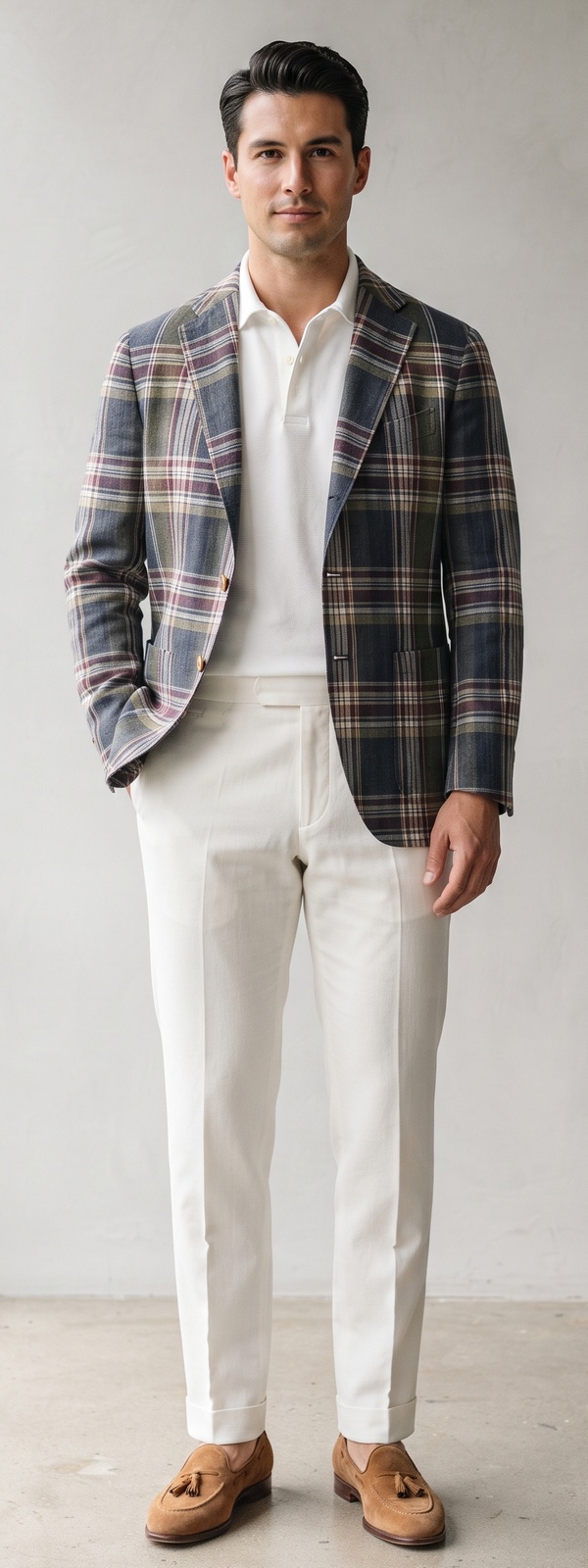
Vintage Striped Knit Polos: Retro Riviera Leisure Shirting
We assembled this nostalgic summer lookbook to celebrate the mid-century continental swagger of vintage striped knit polos. Distinct from flat pique sportswear, fine-gauge knitted yarn and retro chest striping channel the golden age of French and Italian cinema. We adore styling striped knit polos with pleated white trousers and suede loafers. Discover stylish, budget-friendly striped knit polos on Amazon for timeless warm-weather leisure refinement.
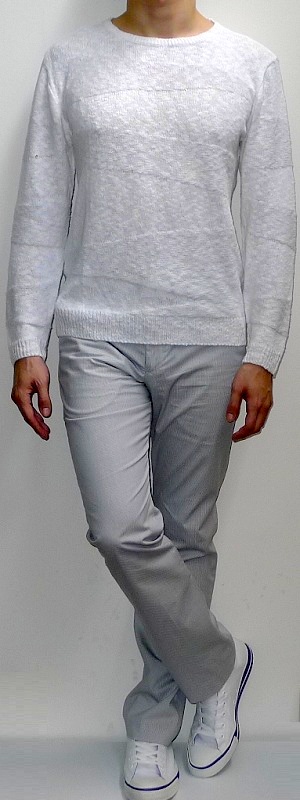
How to Build a 15-Piece Minimalist Wardrobe for Men
Learn how to build a 15-piece minimalist wardrobe for men. Streamline your style with versatile, affordable essentials that mix and match effortlessly.