
What to Wear to a Kyoto Zen Temple Ceremony — Men's Guide
Attending a private tea ceremony and evening kaiseki banquet within the secluded sub-temples of Kyoto requires an appreciation for harmony, restraint, and reverence. Walking upon centuries-old tatami mats and raked gravel gardens calls for clothing that embodies quiet refinement and timeless Japanese aesthetic philosophy.
The dress code revolves around respectful minimalism and functional modesty. Loud western tailoring and stiff waistbands cause acute discomfort during prolonged seiza kneeling, while casual tourist shorts and sloppy t-shirts disrespect the sacred sanctuary, the tea master's hospitality, and the seasonal culinary experience.
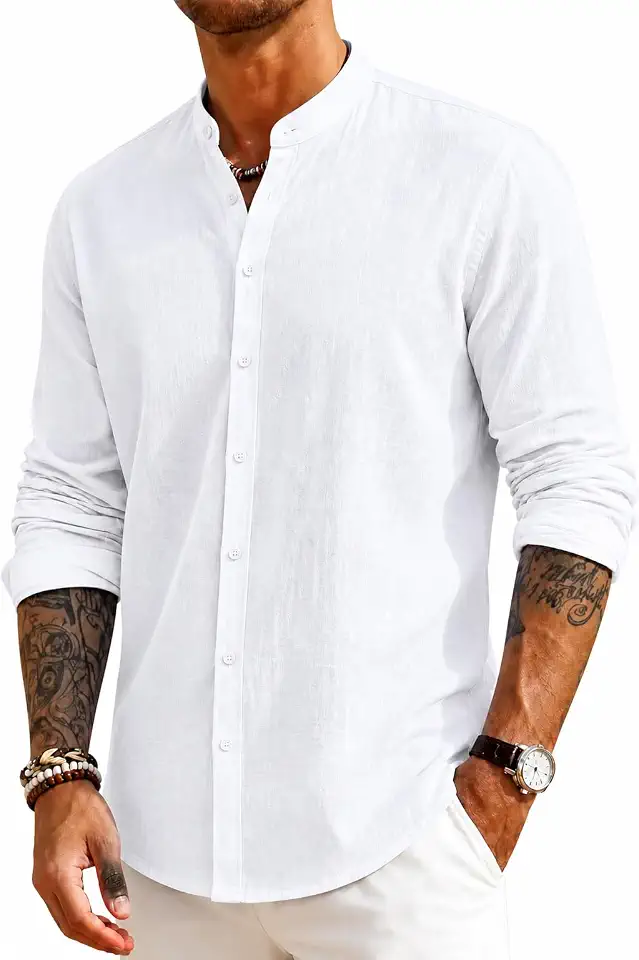
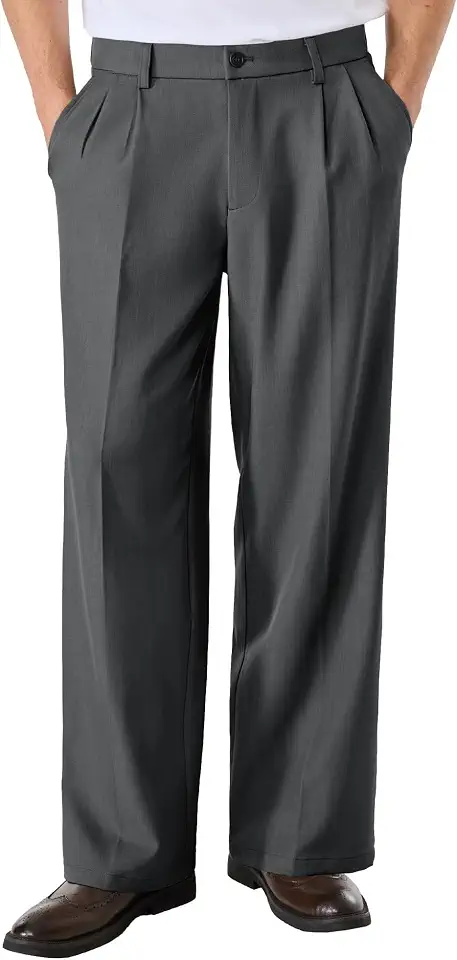
From textured indigo sashiko noragi jackets and band-collar linen shirts to charcoal wool wide-leg trousers, pristine dress socks, and slip-on oxblood loafers, here is your blueprint for honoring Kyoto's sublime cultural traditions with dignified ease.
Outfits that work



 $151
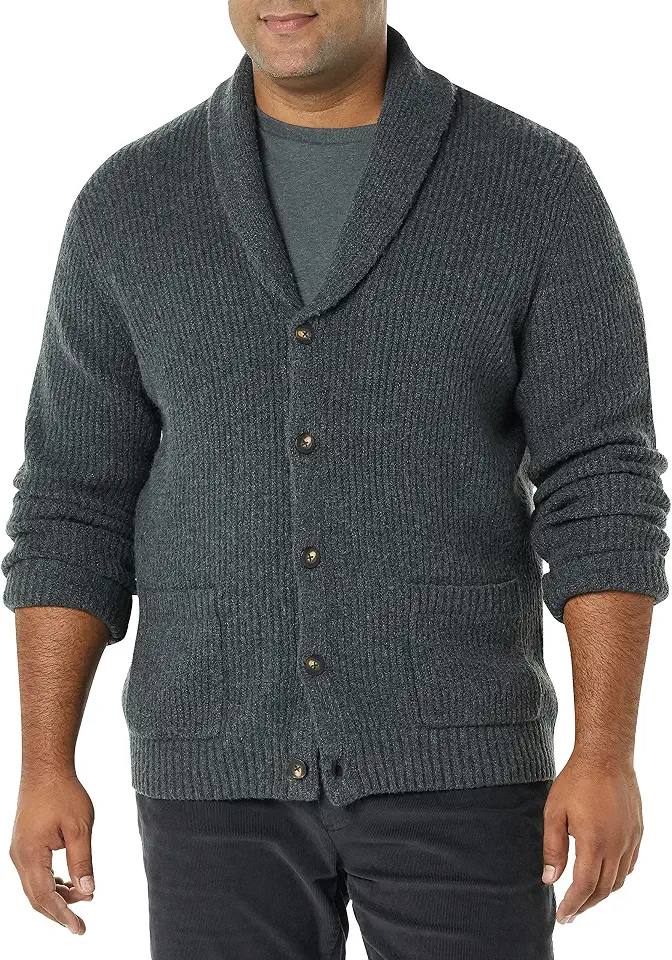
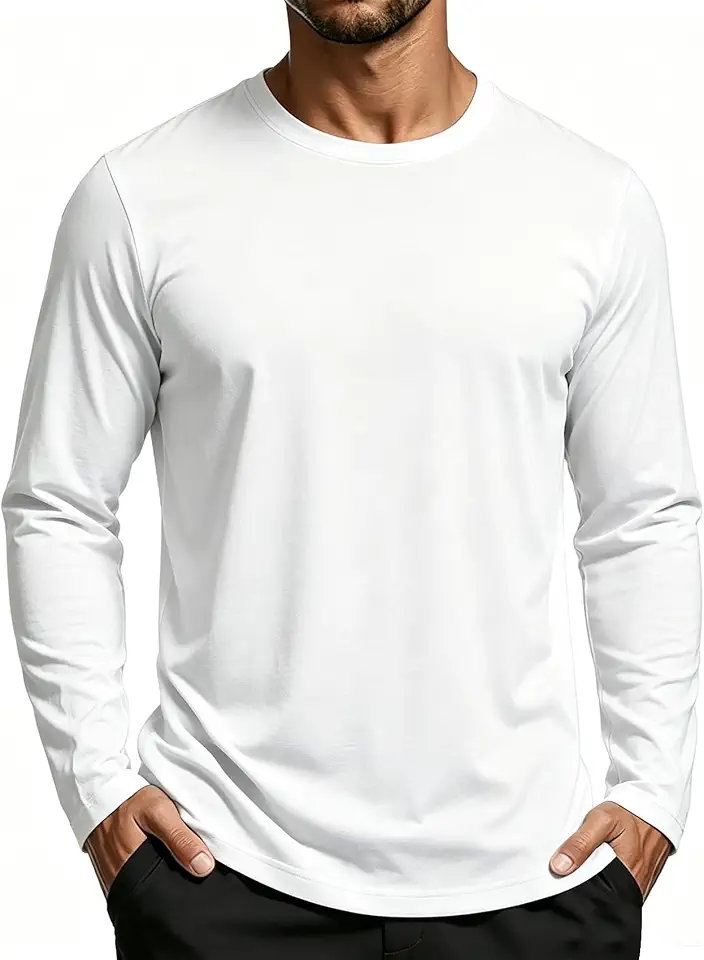
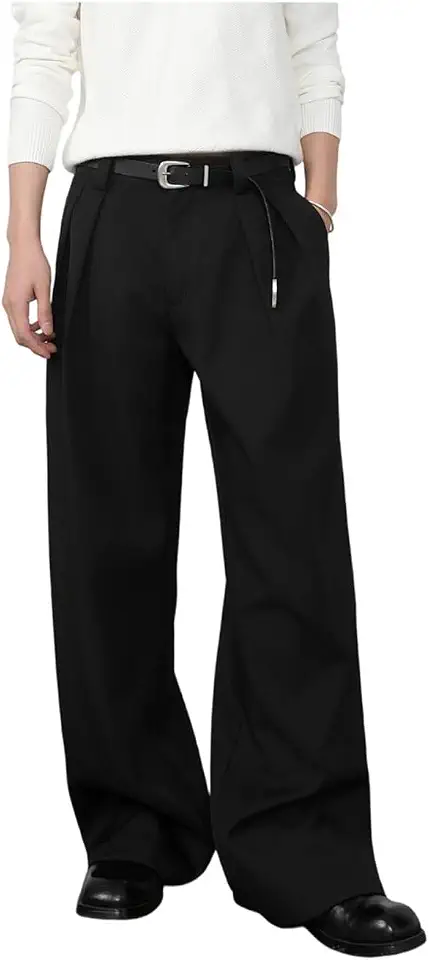
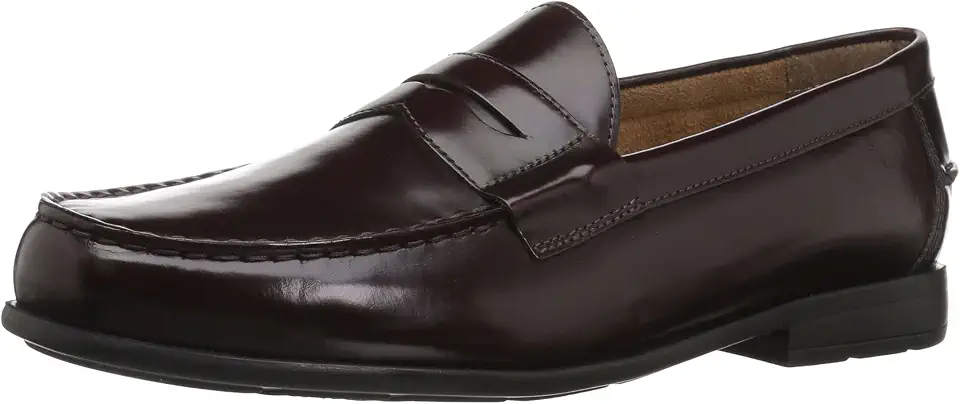
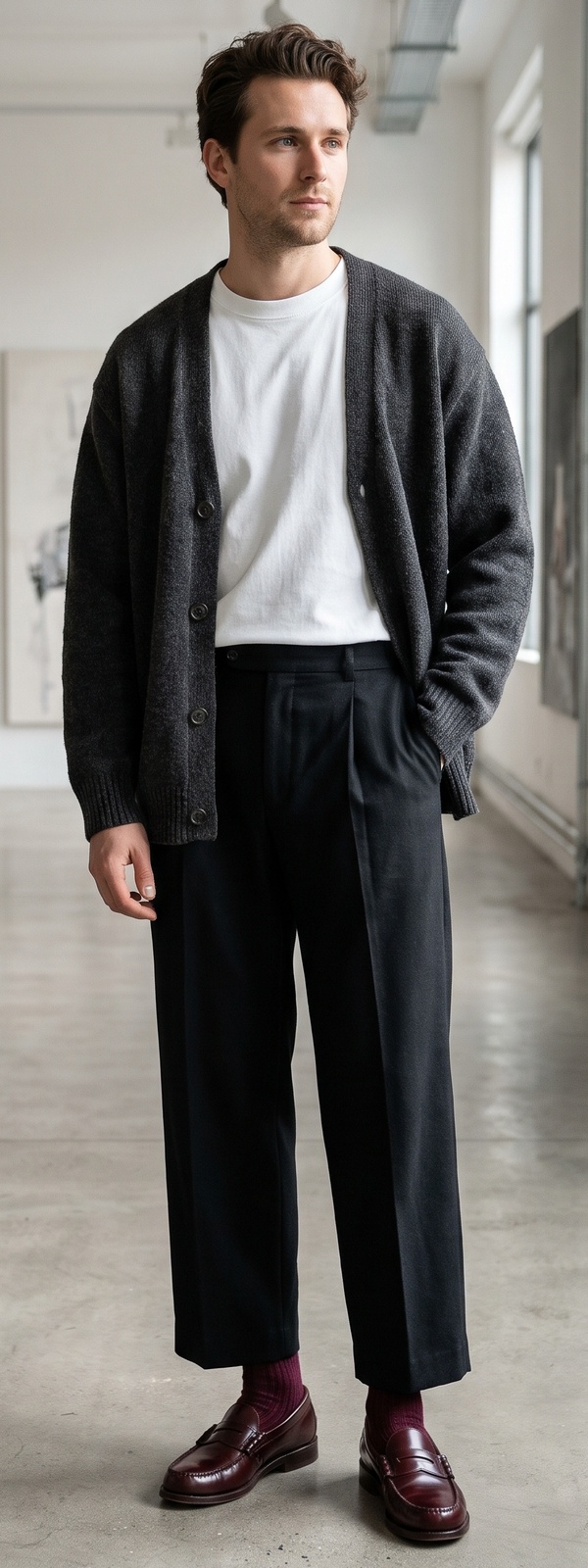
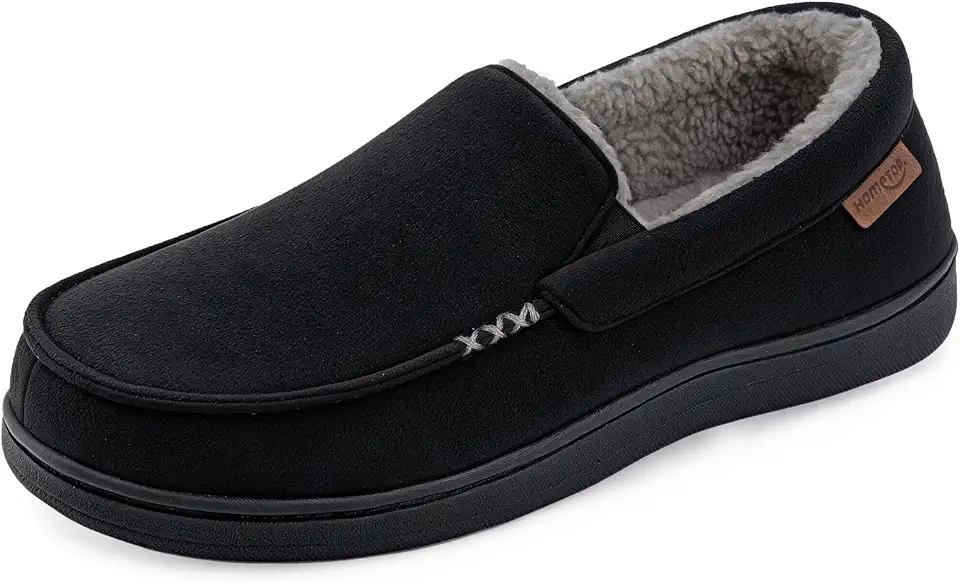
Charcoal Textured Cardigan with Black Wide-Leg Cropped Pants and Oxblood Loafers
5 pieces · Nov 1, 2026
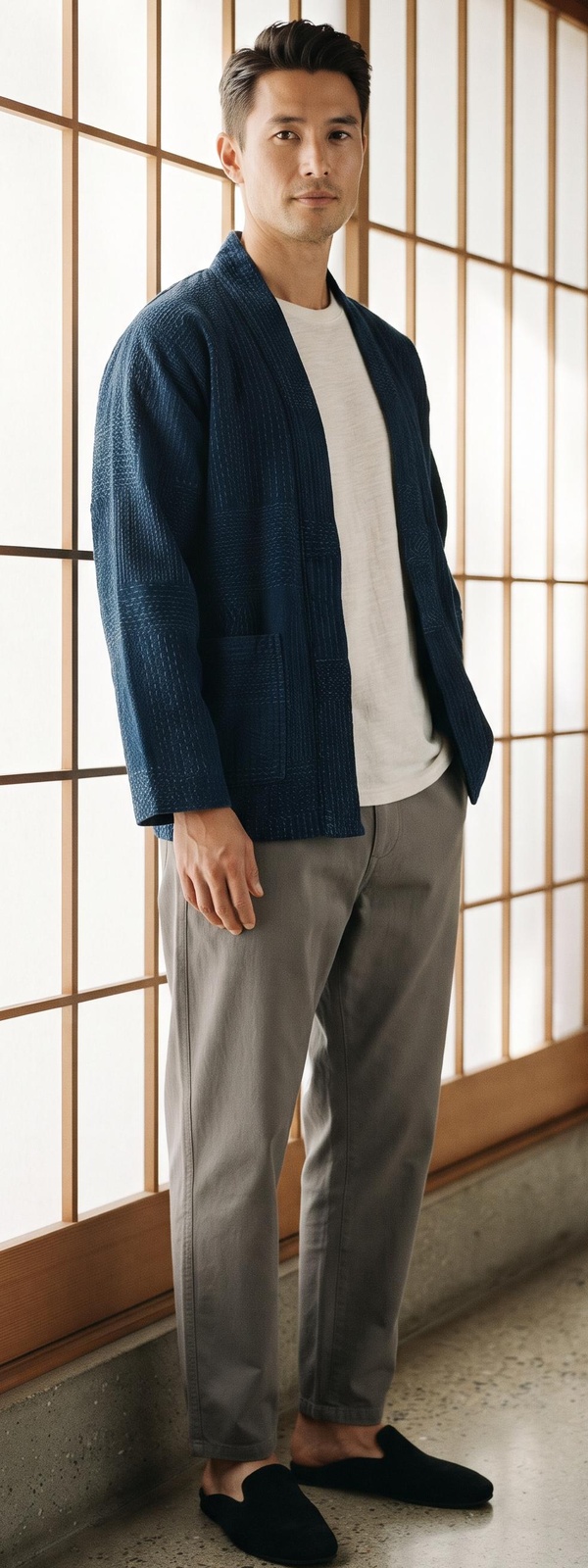 $140
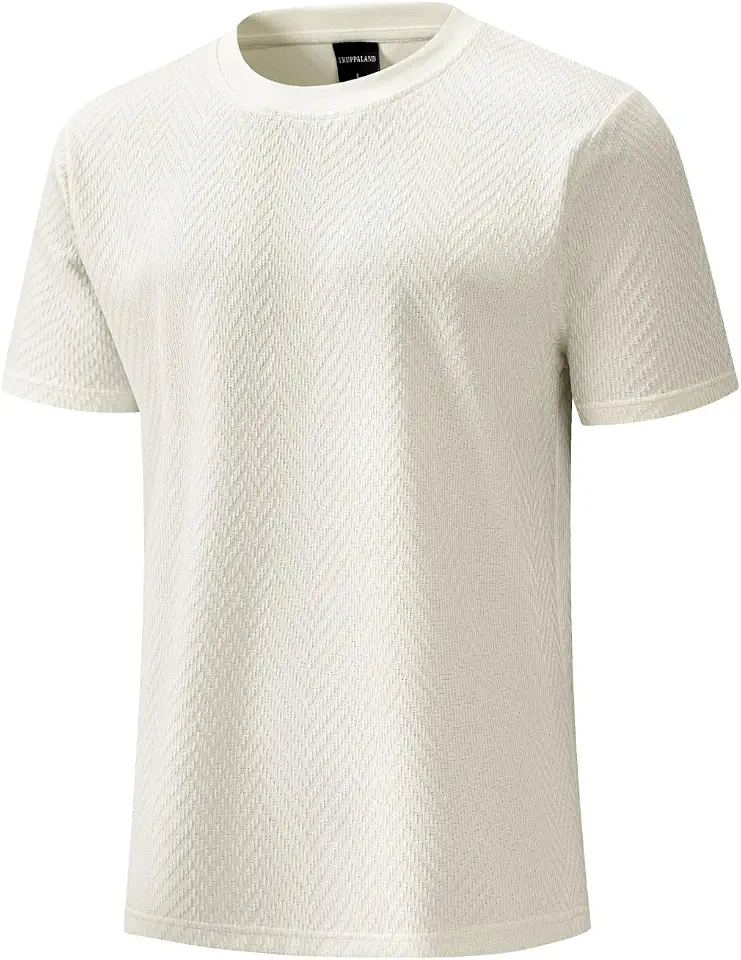
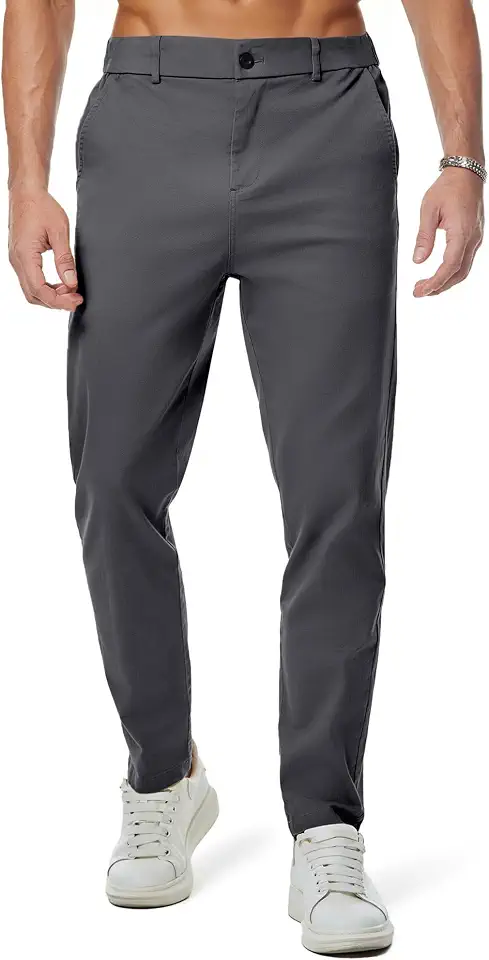
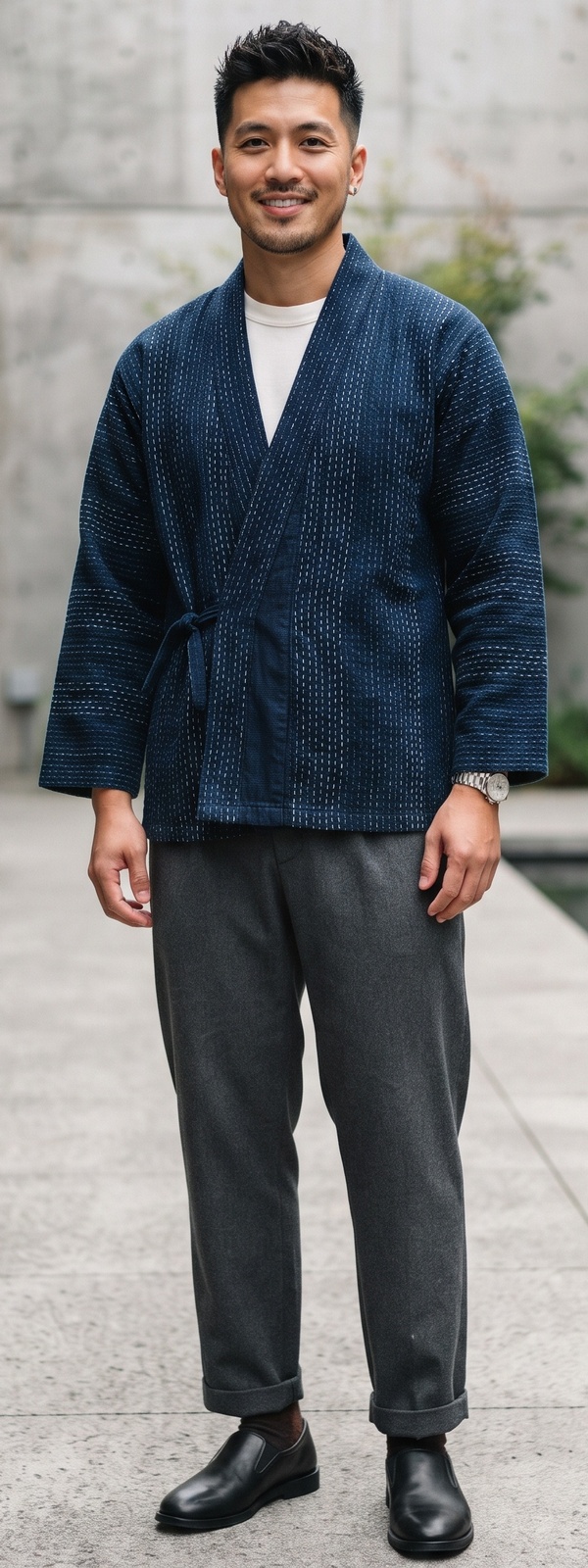
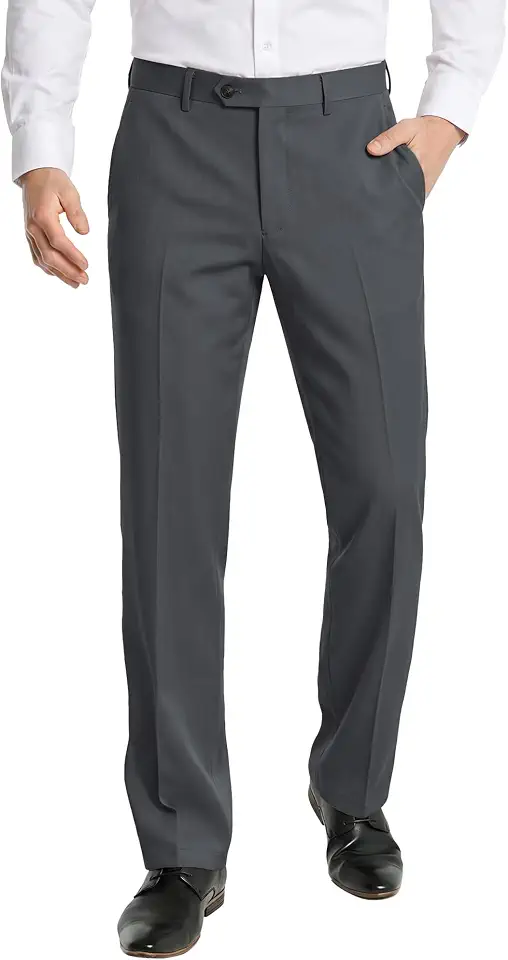
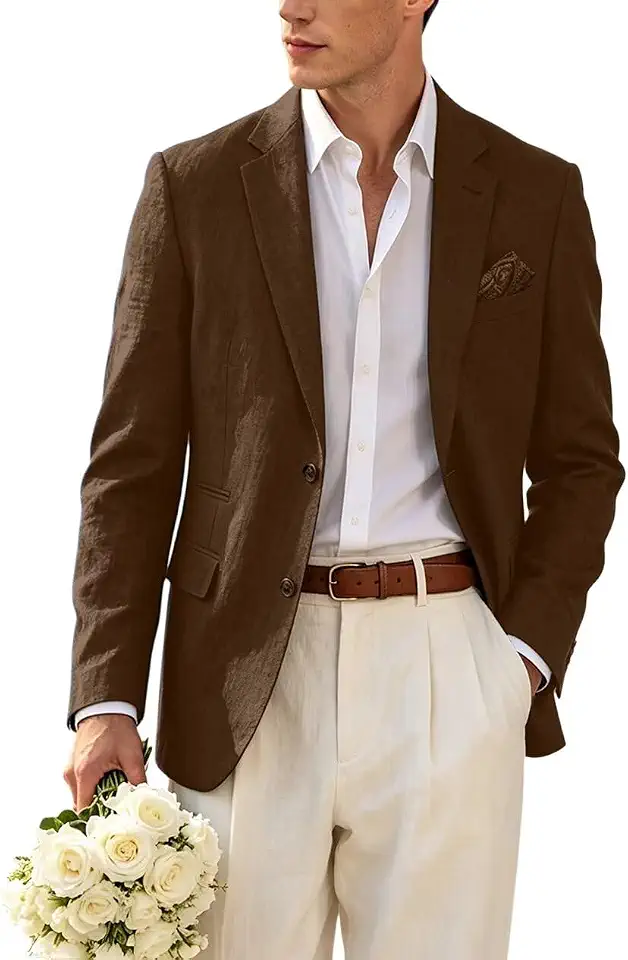
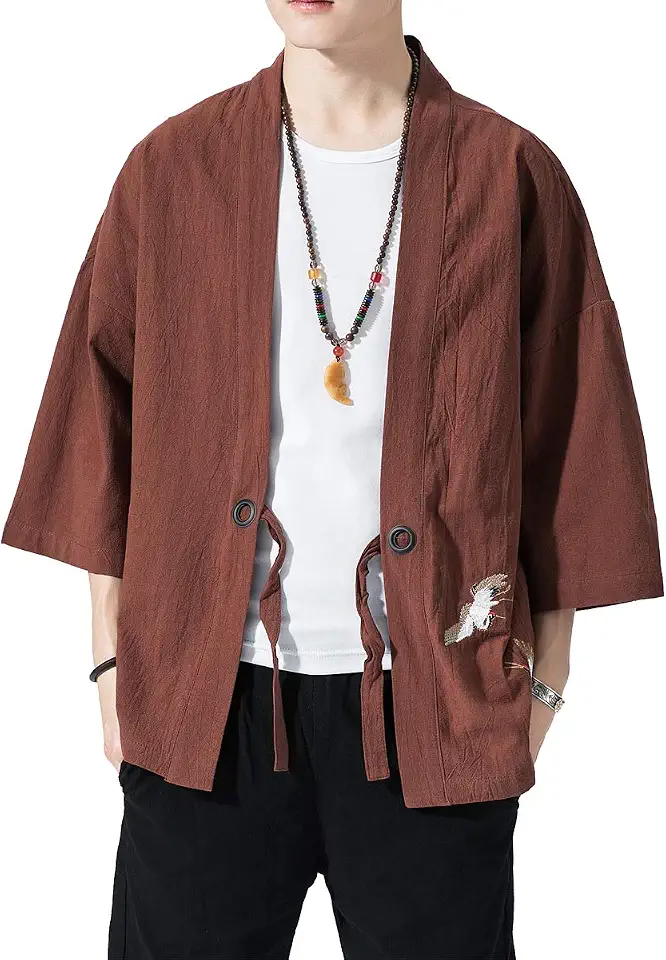
Indigo Sashiko Noragi Jacket with Off-White Tee and Grey Chino Pants
4 pieces · Oct 31, 2026


Do
- ✓Choose relaxed, unstructured garments crafted from natural fibers like linen, wool, and slub cotton.
- ✓Wear a clean band-collar or tunic shirt that covers the shoulders and neckline respectfully.
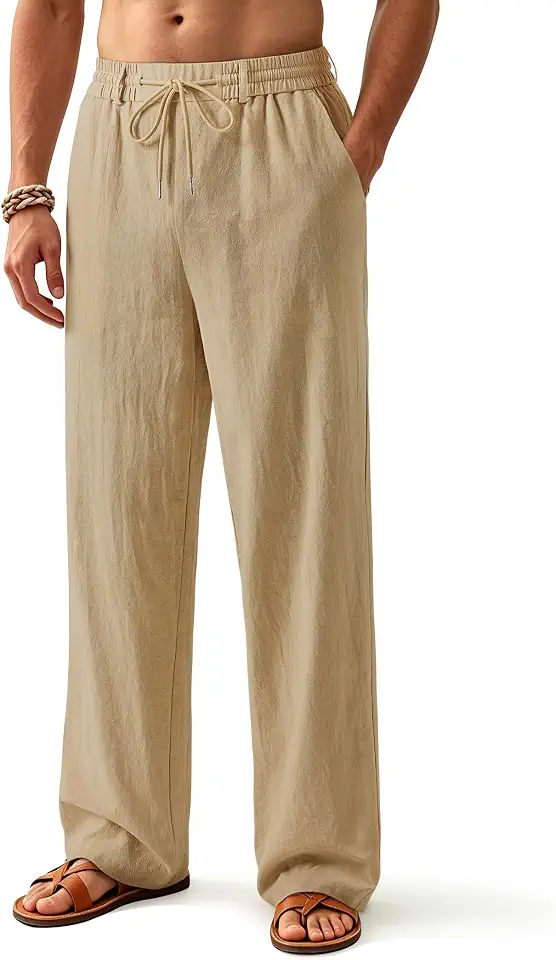
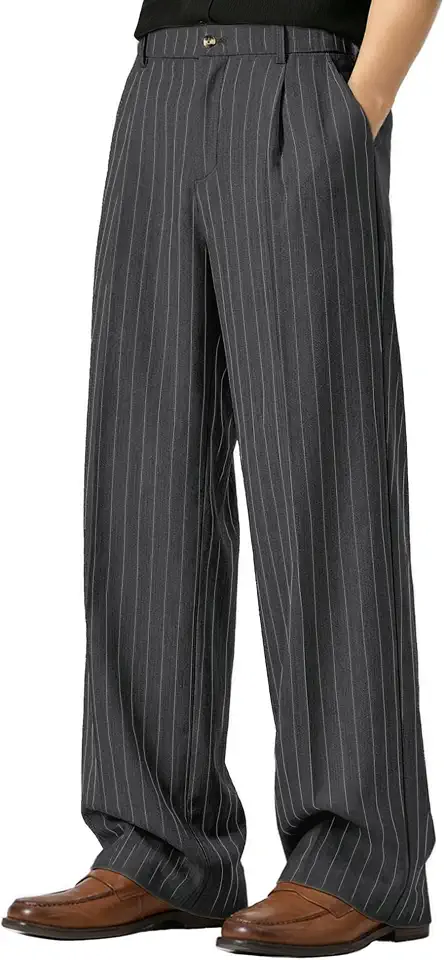
- ✓Opt for wide-leg or pleated trousers with generous seat ease for comfortable kneeling on tatami.
- ✓Wear pristine, high-density dark socks without logos or holes, as outdoor shoes are removed immediately.
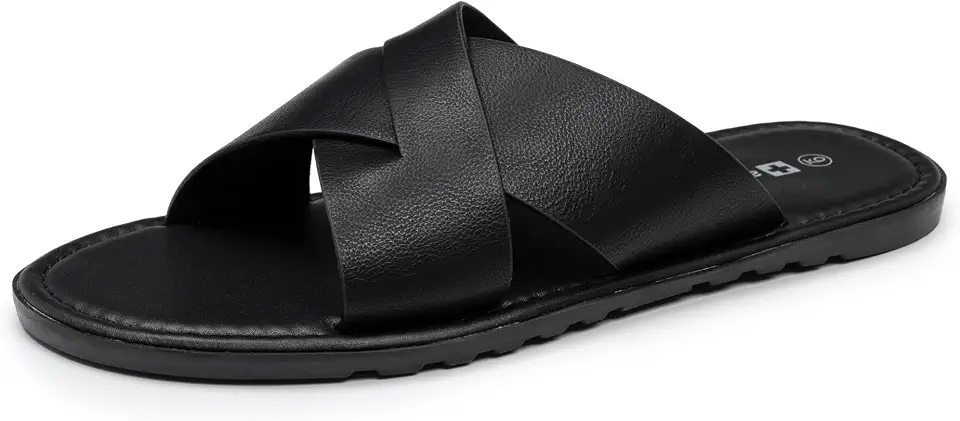
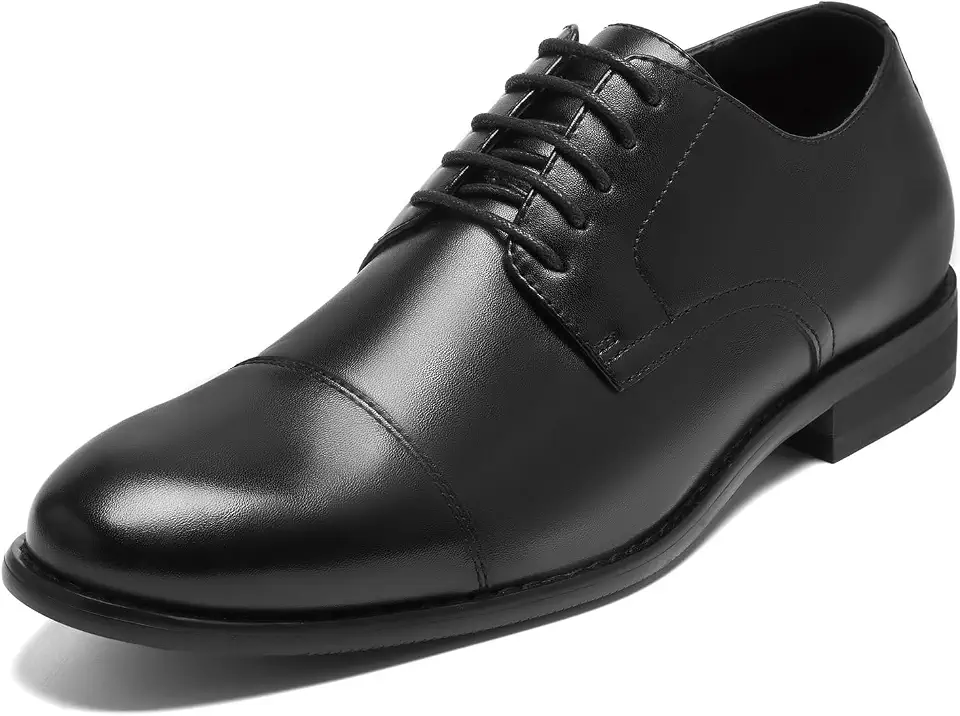
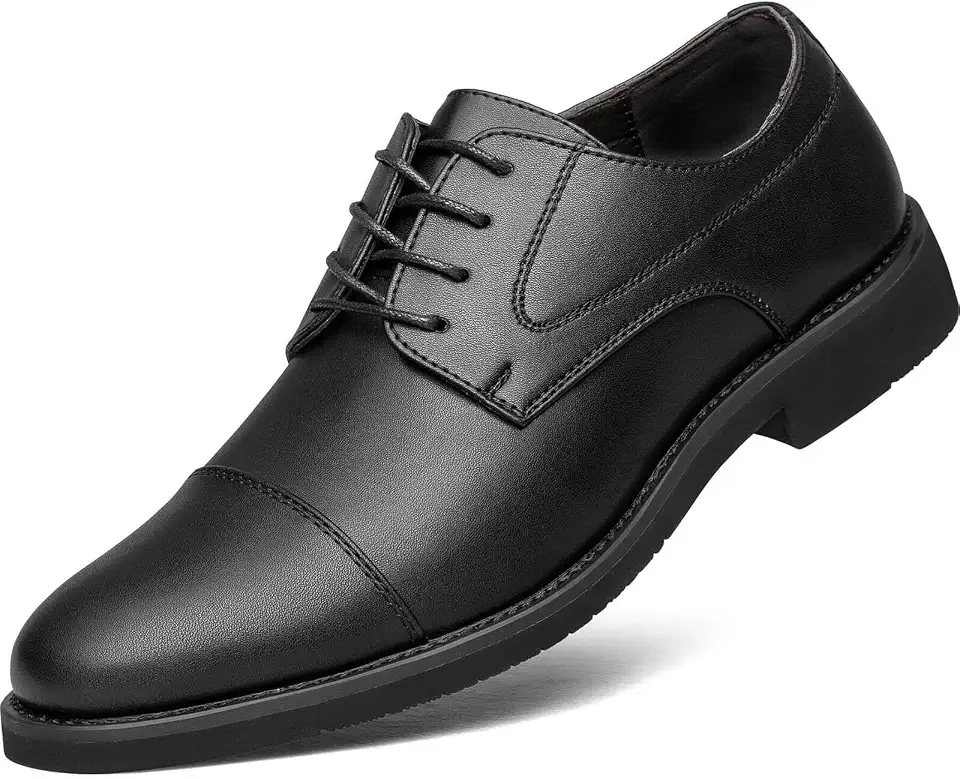
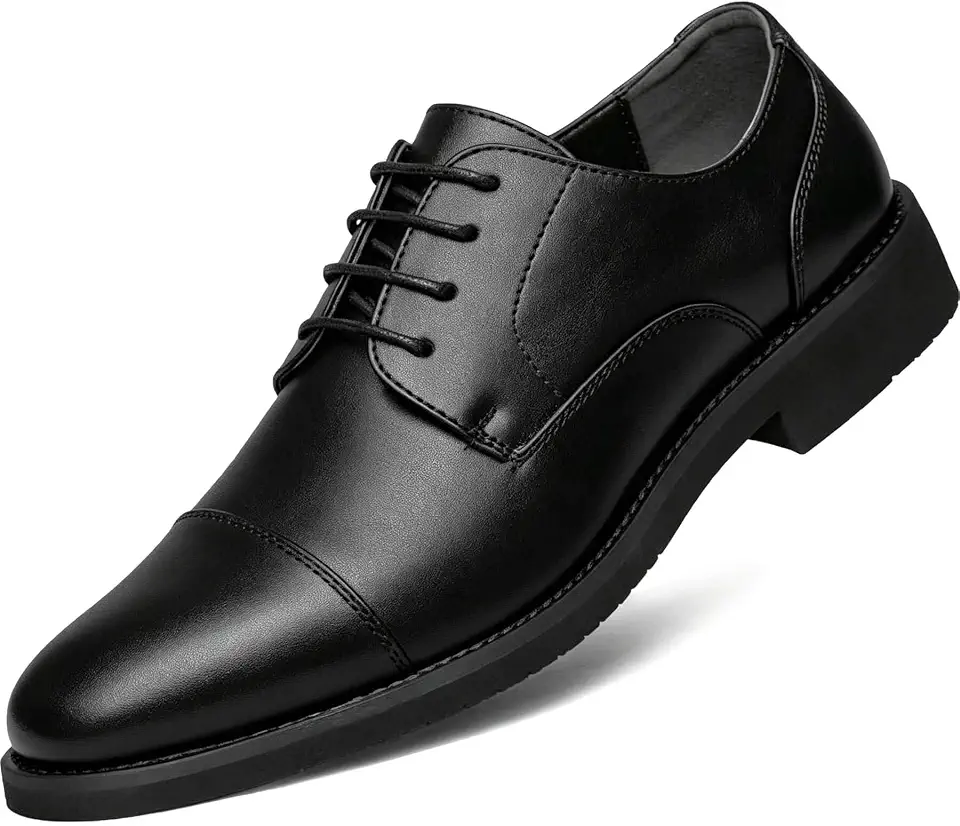
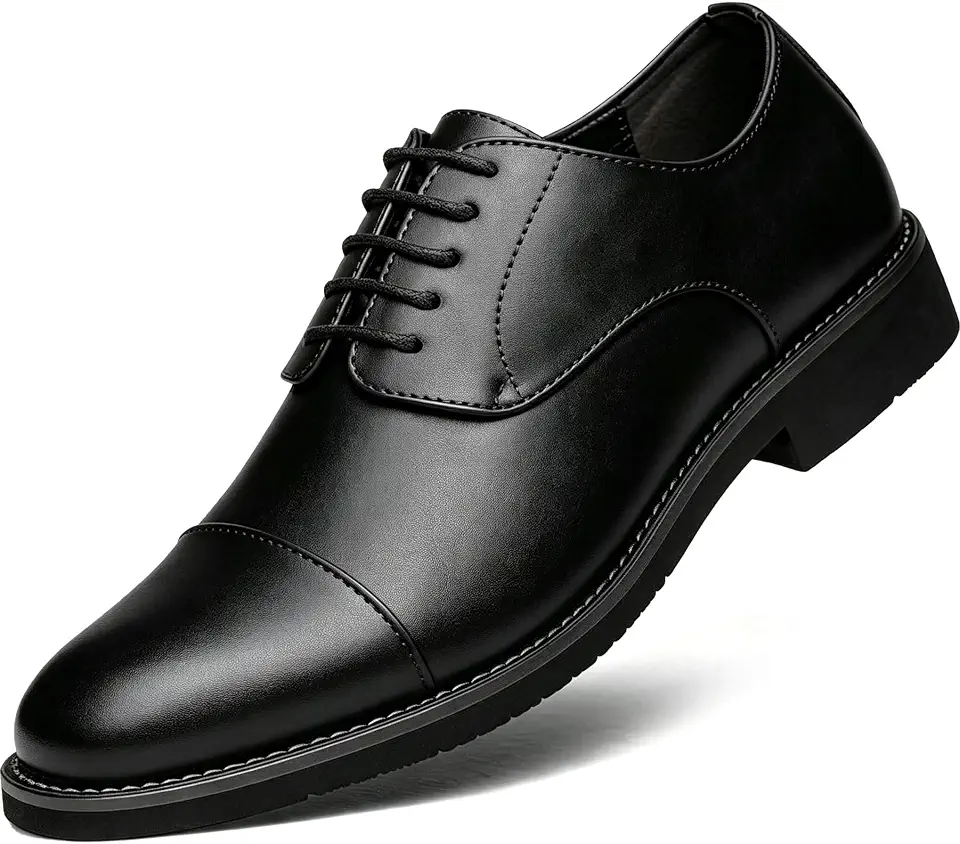
- ✓Select slip-on loafers or clean dress shoes that slide on and off effortlessly at temple thresholds.
Don't
- ✗Avoid loud graphic prints, neon colors, or aggressive streetwear branding inside temple grounds.
- ✗Don't wear tight, rigid skinny jeans that restrict circulation when sitting cross-legged or kneeling.
- ✗Avoid strong colognes or heavy perfumes that interfere with the delicate aroma of matcha tea and incense.
- ✗Don't step onto tatami mats with bare feet or outdoor footwear under any circumstances.
Style tips
The Sashiko Noragi Layer
An unstructured noragi jacket in dark indigo sashiko cotton offers respectful coverage and textured richness. It pairs seamlessly with charcoal trousers while granting complete freedom of movement.
Tatami-Ready Hems
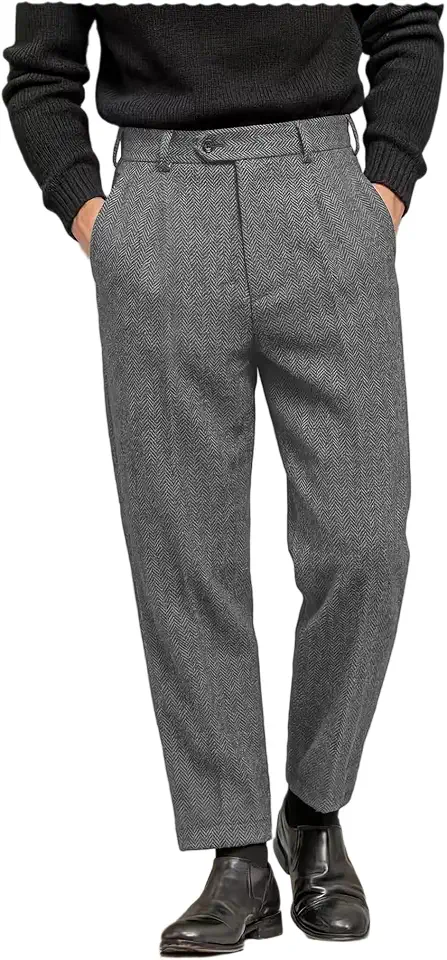
Choose trousers with a slight taper and no break so hems never drag or gather dirt along garden stone paths. Elasticated or drawstring waistbands prevent abdominal pinching during multi-course banquets.
Pristine Sock Etiquette
Your socks will be fully visible during the entire ceremony on blonde tatami. Invest in new, seamless black or dark navy mercerized cotton socks with reinforced toes.



Related searches
All curated searches
Related Reading
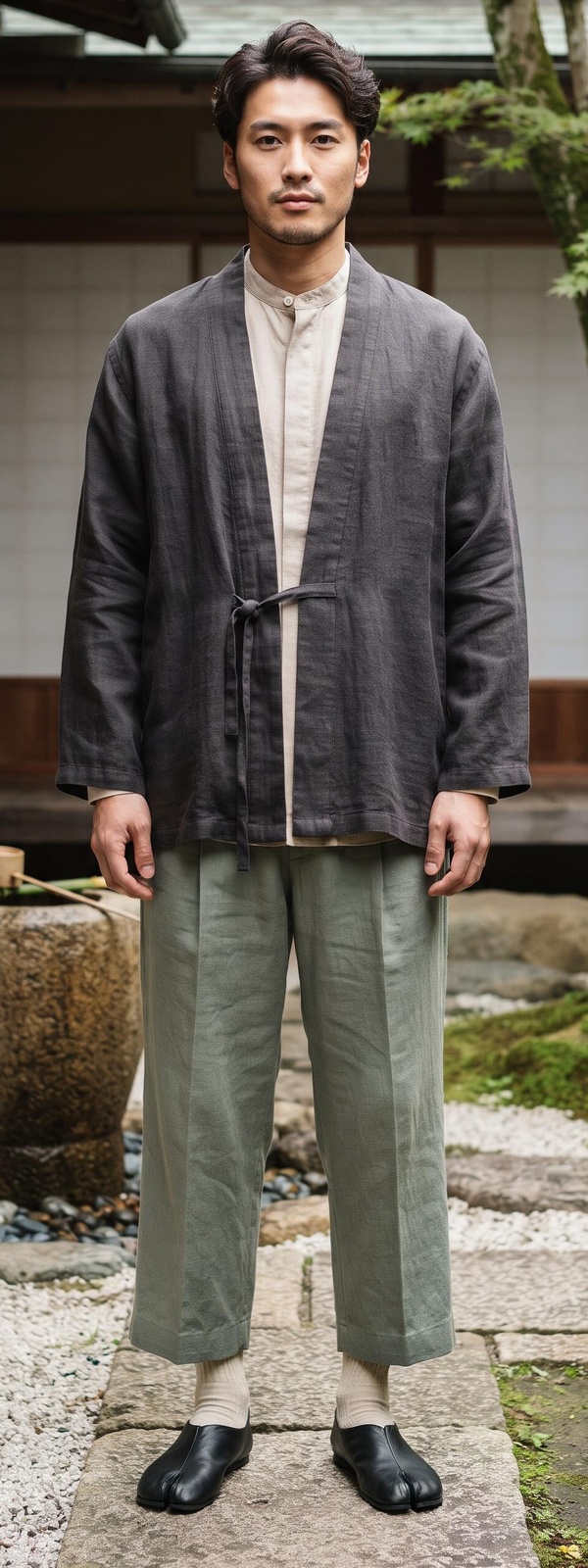
Modern Haori & Noragi: Japanese Organic Linen Simplicity
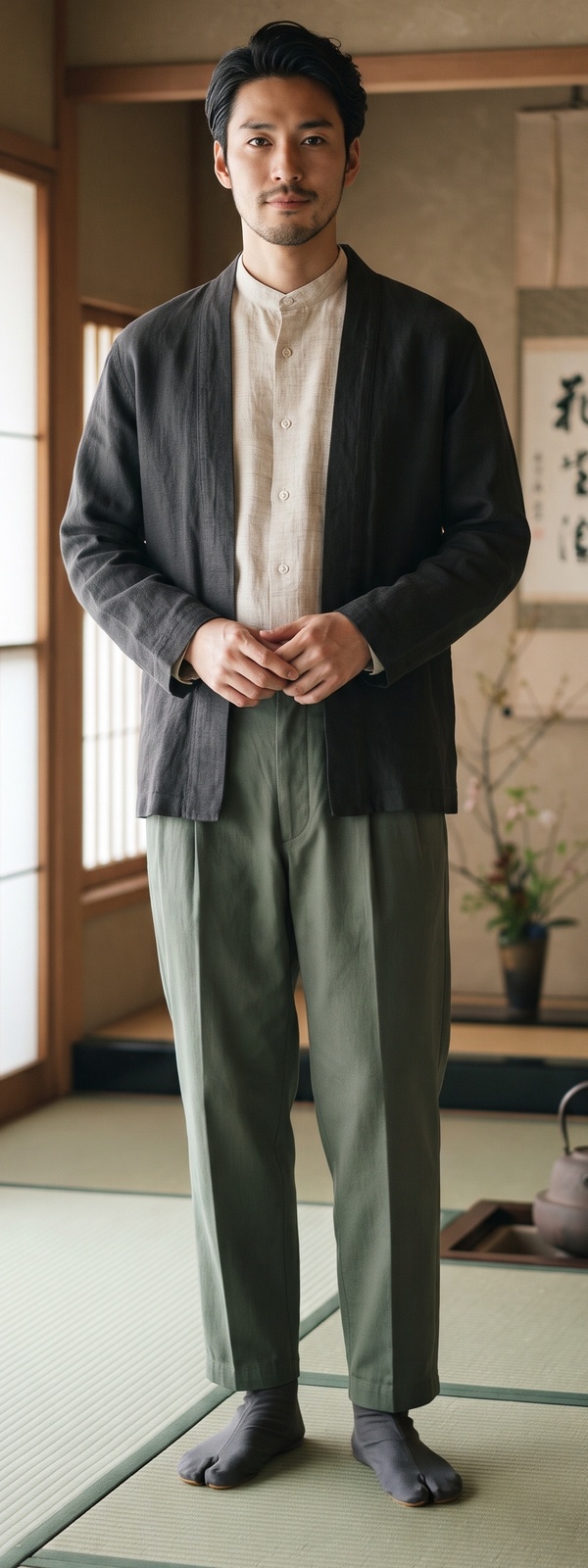
We curated this tranquil aesthetic lookbook to celebrate the rise of contemporary noragi and haori outerwear in high-end casual wardrobes. We combine men's collarless charcoal linen jackets and men's raw cotton wrap coats with men's beige band collar shirts, men's relaxed sage pleated trousers, and split-toe tabi footwear. By prioritizing natural slub textures and fluid geometry, our ensembles embody timeless Eastern restraint and peaceful modern poise.
Full-Zip Cardigans & Knit Overshirts: Modern Layering
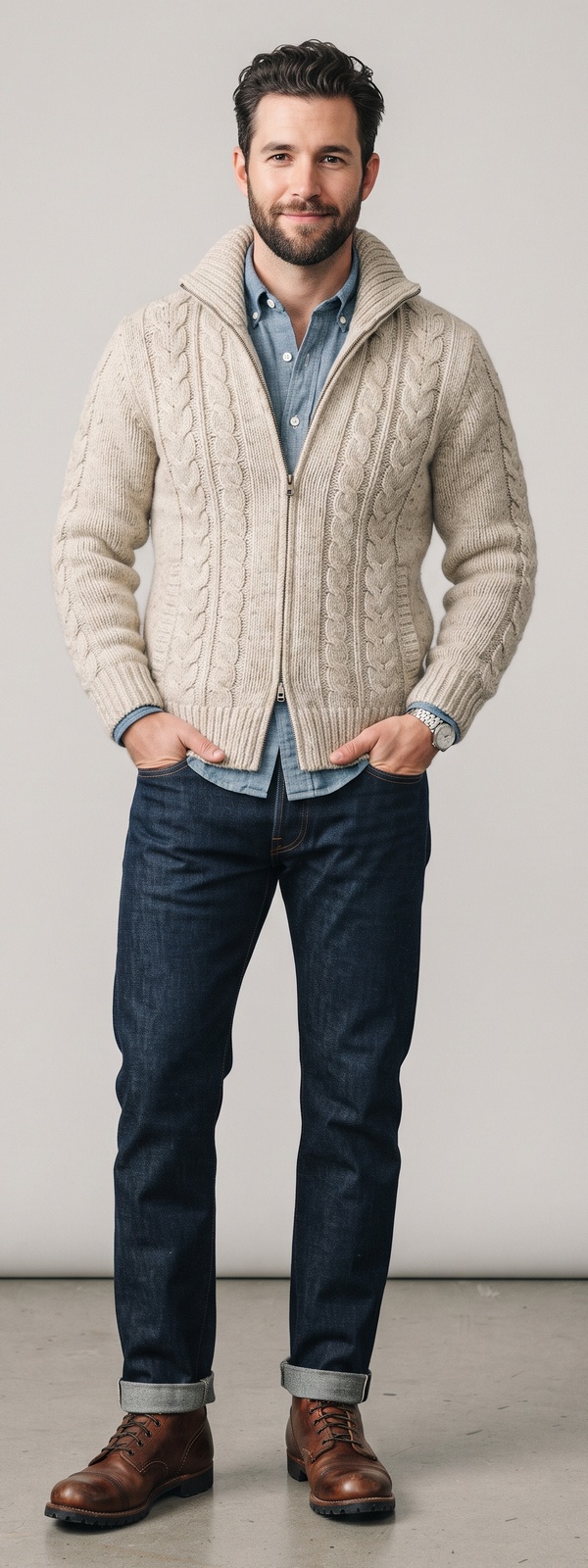
We assembled this collection to spotlight the rise of the full-zip cardigan and knitted zip overshirt across modern smart-casual wardrobes. Replacing traditional button plackets with sleek metallic zippers gives heavy ribbed wool and cashmere knits the architectural presence of a lightweight jacket. Layer them open over fine-gauge tees or zip them up to the collar above pleated chinos and minimalist court sneakers for effortless transitional polish.
What to Wear to a Japanese Tea Ceremony — Men's Complete Guide
Entering the tranquil sanctuary of a traditional Japanese tea ceremony calls for a mindset of deep mindfulness, respect, and uncluttered elegance. Within the minimalist confines of tatami mats and shoji screens, ostentatious logos or stiff Western corporate suiting feel jarring and disrupt the harmonious rhythm of the ritual. The golden rule of chanoyu attire is intentional modesty and physical flexibility. You will spend extended periods sitting in seiza or cross-legged on woven mats, requiring garments that drape comfortably without pinching, bunching, or wrinkling aggressively. From collarless linen shirts and relaxed pleated trousers to pristine white socks and slip-on loafers, here is your definitive blueprint for tea room serenity.
What to Wear to a Washi Papermaking Studio — Men's Guide
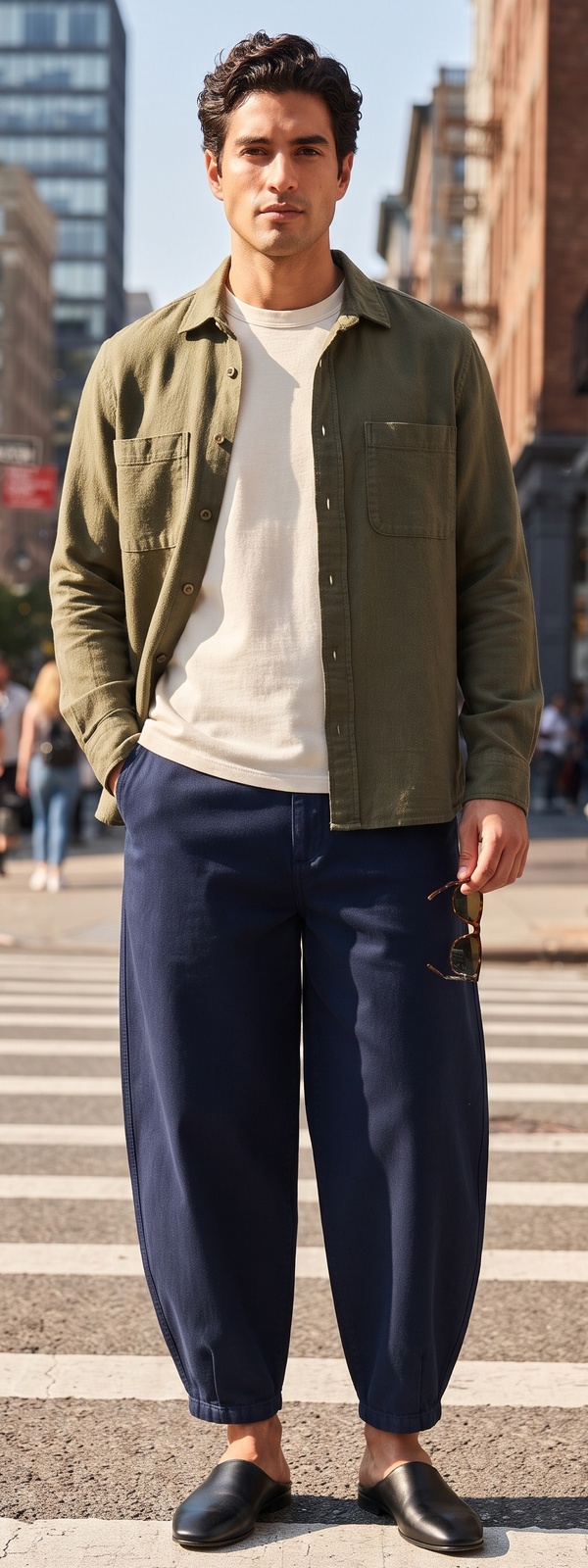
Entering a tranquil artisan papermaking studio in Echizen or Kyoto to learn the centuries-old nagashizuki technique of hand-crafting washi paper from raw kozo mulberry bark is a contemplative immersion in Japanese craft. Standing beside cold running stream water vats, artisans rhythmically dip and sway bamboo mesh screens (suketa) to interlock delicate plant fibers into luminous paper sheets. The studio environment requires clothing that allows fluid, balanced upper-body movement while withstanding cold water splashes and standing on damp concrete floors. Restrictive formal clothing binds your arms during the delicate dipping process, while flashy modern sportswear feels jarringly disrespectful in this historic craft workshop. From breathable linen noragi jackets and band-collar tunic shirts to relaxed wide-leg balloon trousers and clean slip-on shoes, here is your essential Japanese craft workshop style guide.
How to Style Men's Pleated Trousers: Modern Tailoring Guide
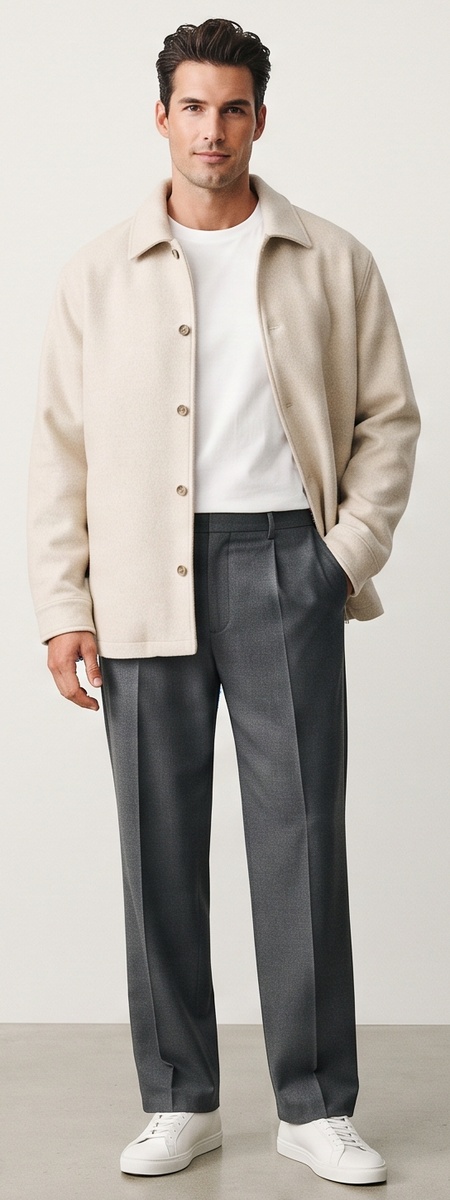
Learn how to style men's pleated trousers with modern relaxed tailoring, classic knit polos, casual sneakers, and flattering proportional drape.
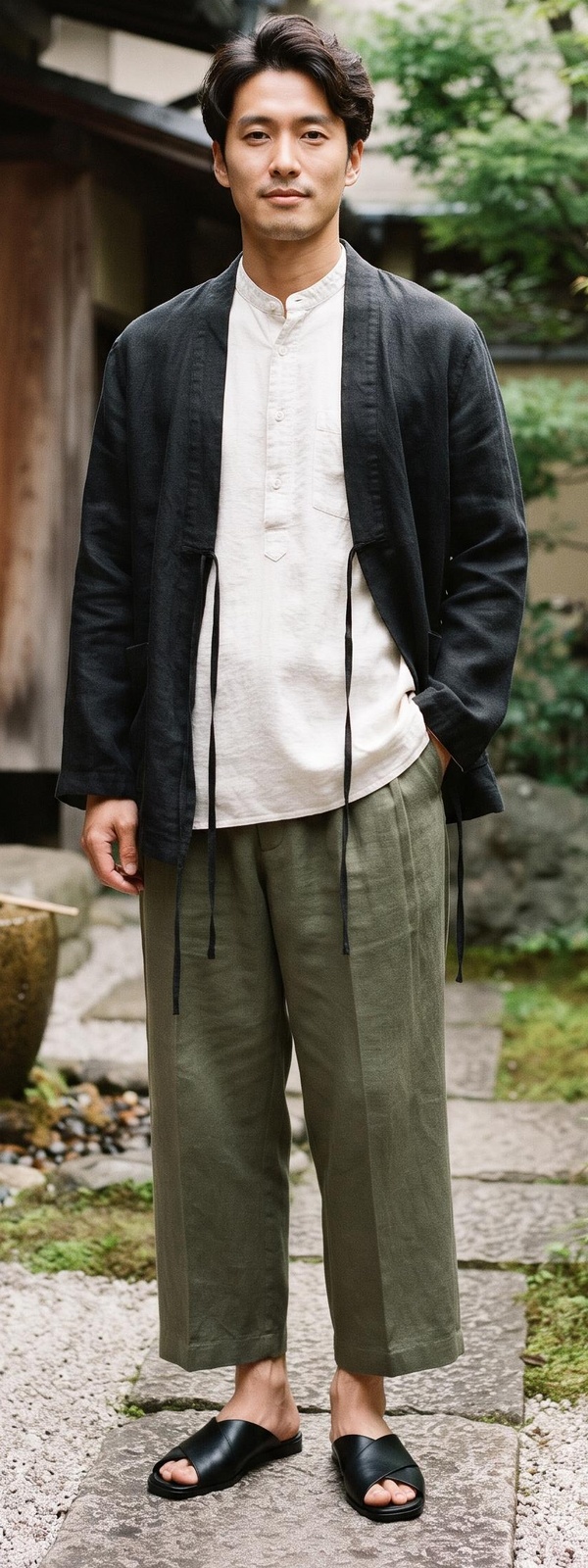
How to Style a Men's Collarless Cotton Noragi Jacket
Discover how to wear a men's Japanese cotton noragi jacket with band-collar shirts, relaxed trousers, and minimalist streetwear layering.
Other Reading
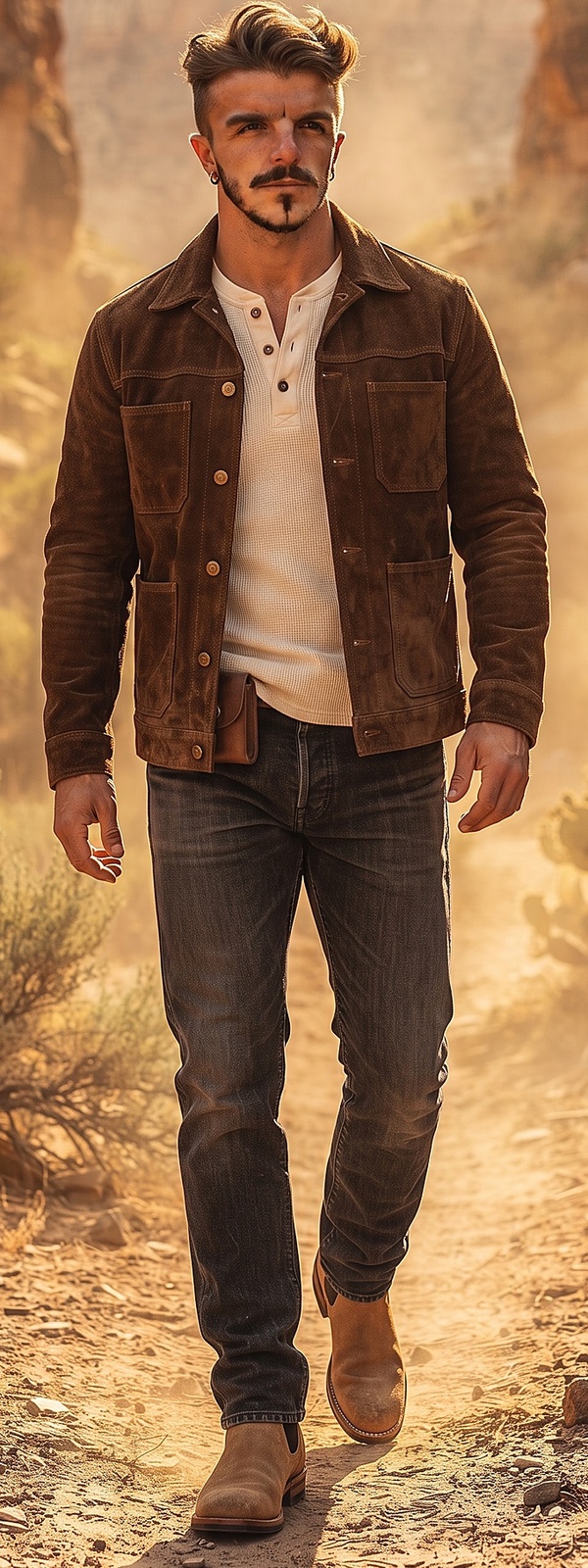
What to Wear to a Craft Cocktail Masterclass — Men's Complete Guide
Enrolling in a craft cocktail masterclass or artisan mixology workshop puts you behind commercial bar stations to master shaking, stirring, and balancing craft spirits. Between vigorous shaker tin action, sticky syrup pours, and aromatic citrus peels, your outfit must balance bar apron practicality with stylish date-night polish. The winning formula centers on refined artisanal workwear: soft cotton or moleskin chore jackets, rollable chambray button-downs or textured henleys, dark-rinse selvedge denim, and conditioned leather chukka boots. You want a sharp, tactile look that feels right at home in high-end speakeasies while shrugging off stray bitters and citrus oil splashes. From rollable cuffs that keep sleeves out of shaker tins to stain-forgiving dark textiles and non-slip soles, here is your playbook for looking sharp behind the cocktail shaker.
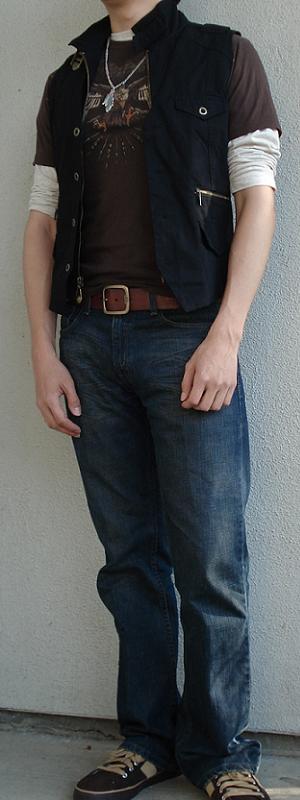
Desert Road Trip: Denim Jacket & Brown Boots
Driving across the southwestern desert with the sun baking the red rock canyons is an unforgettable rite of passage. We have assembled durable denim jackets, dust-defying bandanas, and supportive leather boots built to withstand sand, wind, and highway miles. We believe classic Americana style should be rugged, reliable, and reasonably priced. Fuel up the tank, grab your boots, and explore the frontier.
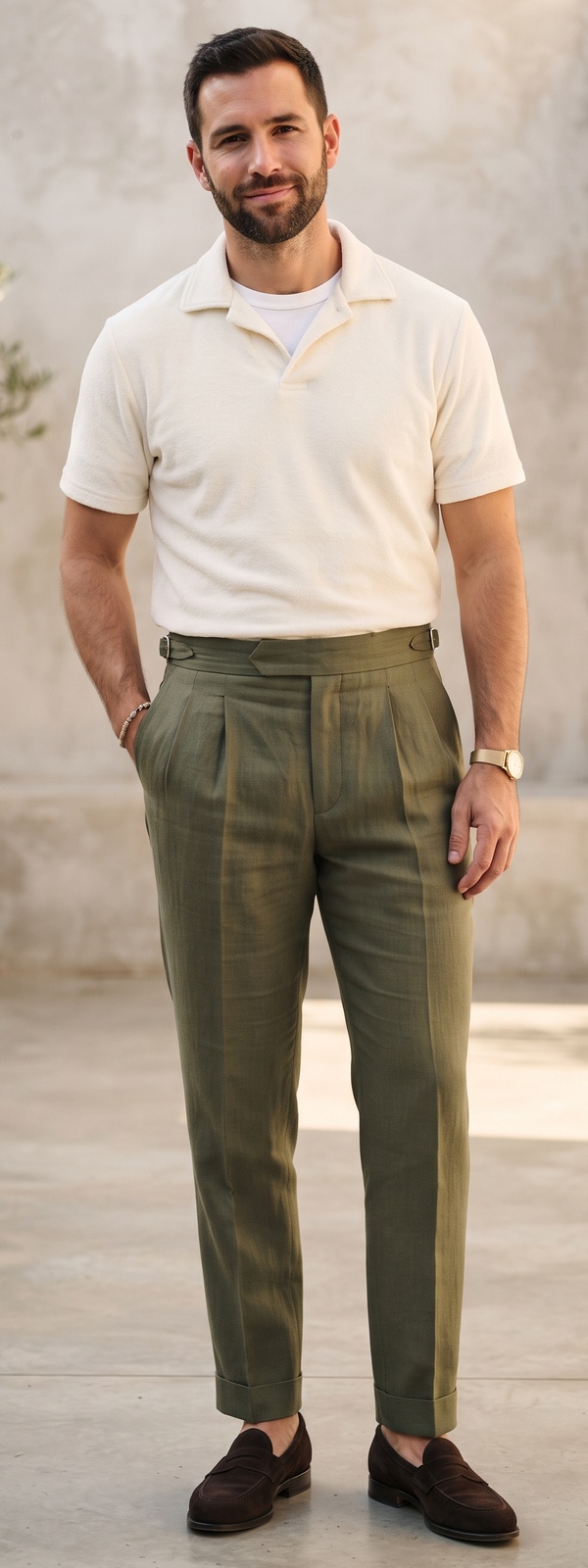
How to Style Men's Gurkha Pants for Sartorial Distinction
Discover how to style men's Gurkha pants. Learn to wear high-waisted, double-buckled pleated trousers with knit polos, linen shirts, and turtleneck knits.