
What to Wear to a Mid-Century Design Fair — Men's Guide
Browsing a mid-century modern furniture fair or vintage design exposition surrounds you with Brazilian rosewood credenzas, molded fiberglass chairs, and iconic Scandinavian lighting fixtures. Architects, interior collectors, and vintage connoisseurs examine designer maker marks, inspect precision joinery, and admire clean architectural lines throughout the exhibition gallery.
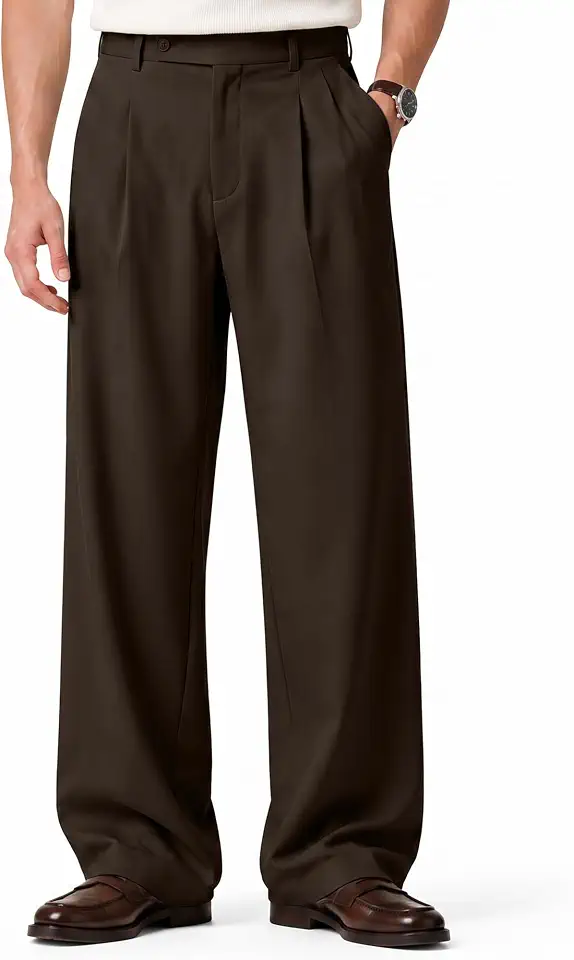
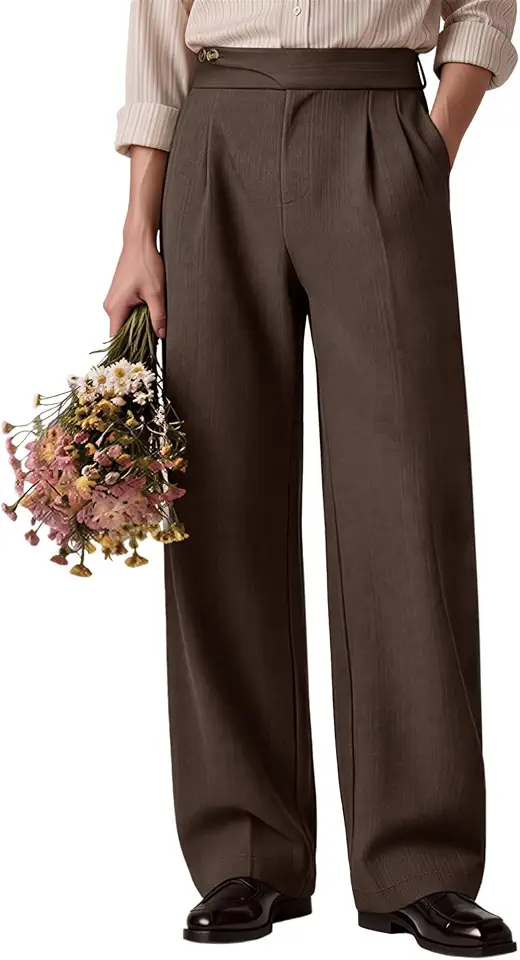
The ideal sartorial tone is polished Scandinavian minimalism and understated smart-casual: tailored pleated trousers, fine-gauge knit button-through polos, unlined earth-toned blazers, and sleek leather derbies. The visual atmosphere rewards warm organic textures, minimalist silhouettes, and refined architectural tailoring that matches the timeless designer furniture on display.
From testing the pitch of an original lounge chair to discussing provenance with gallery dealers, here is how to dress for a mid-century modern design fair.
Outfits that work
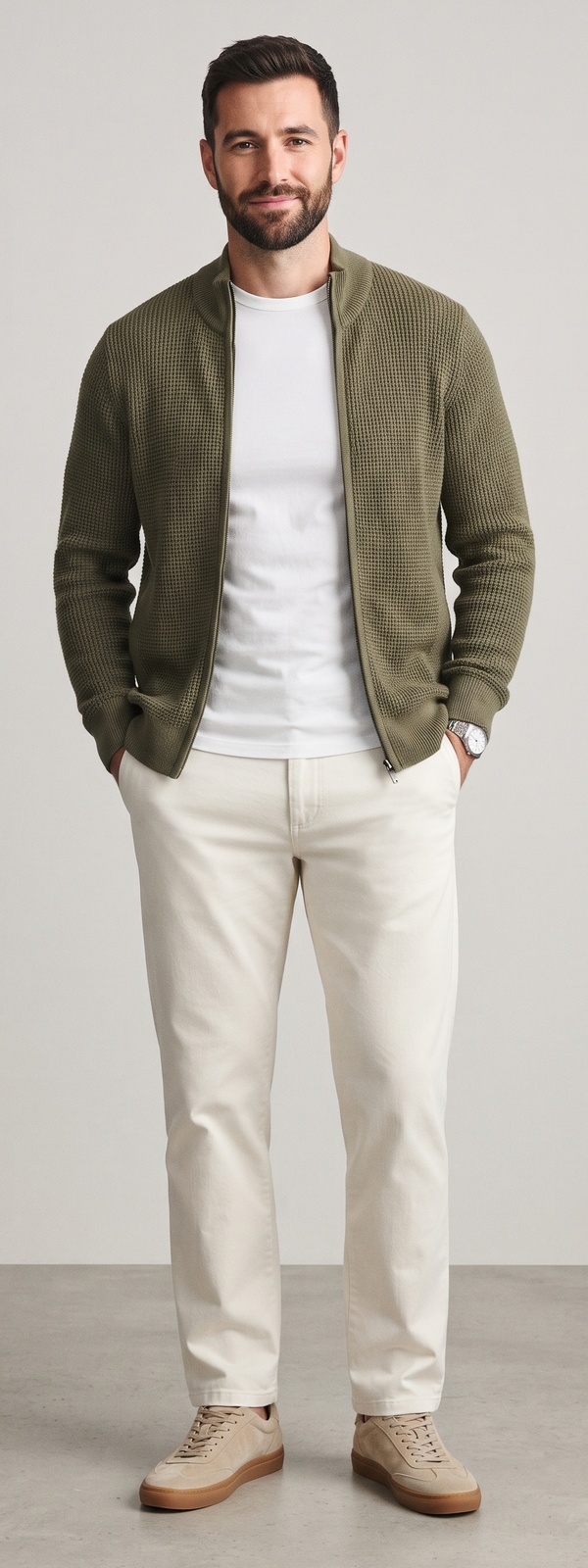 From $126
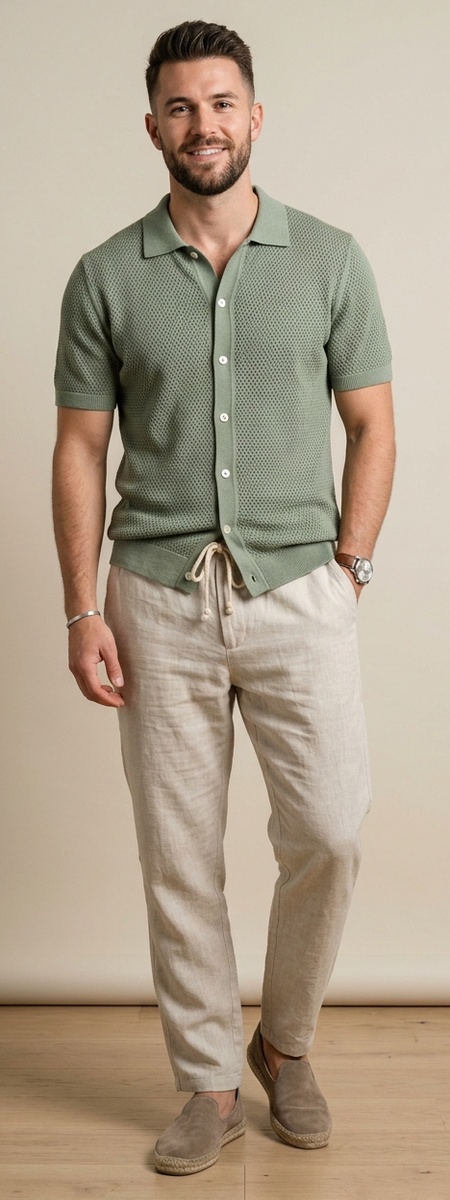 From $124
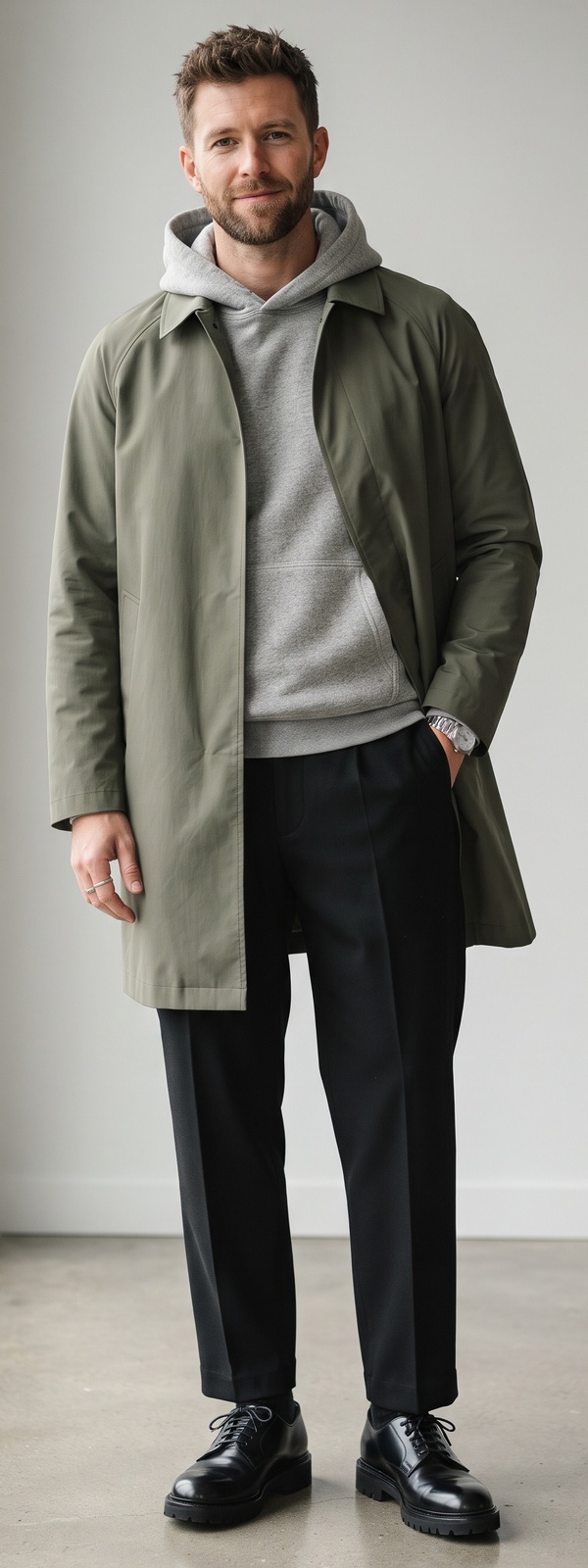 From $135
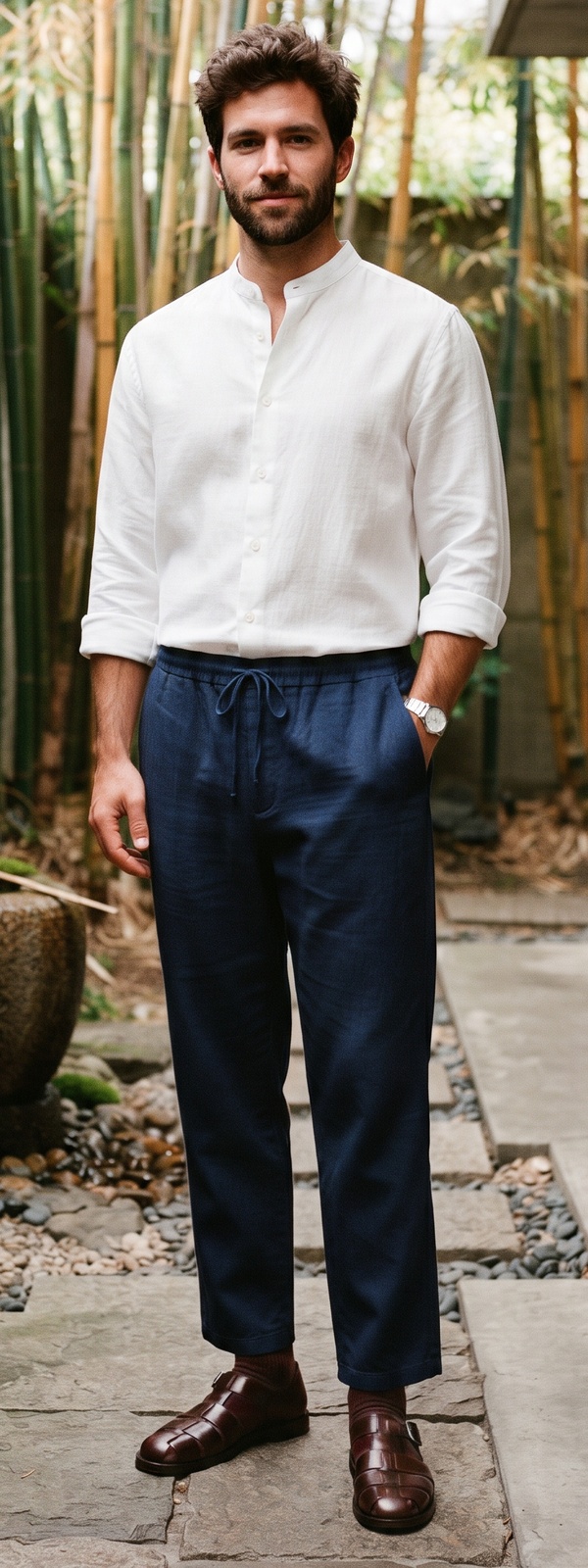 From $117
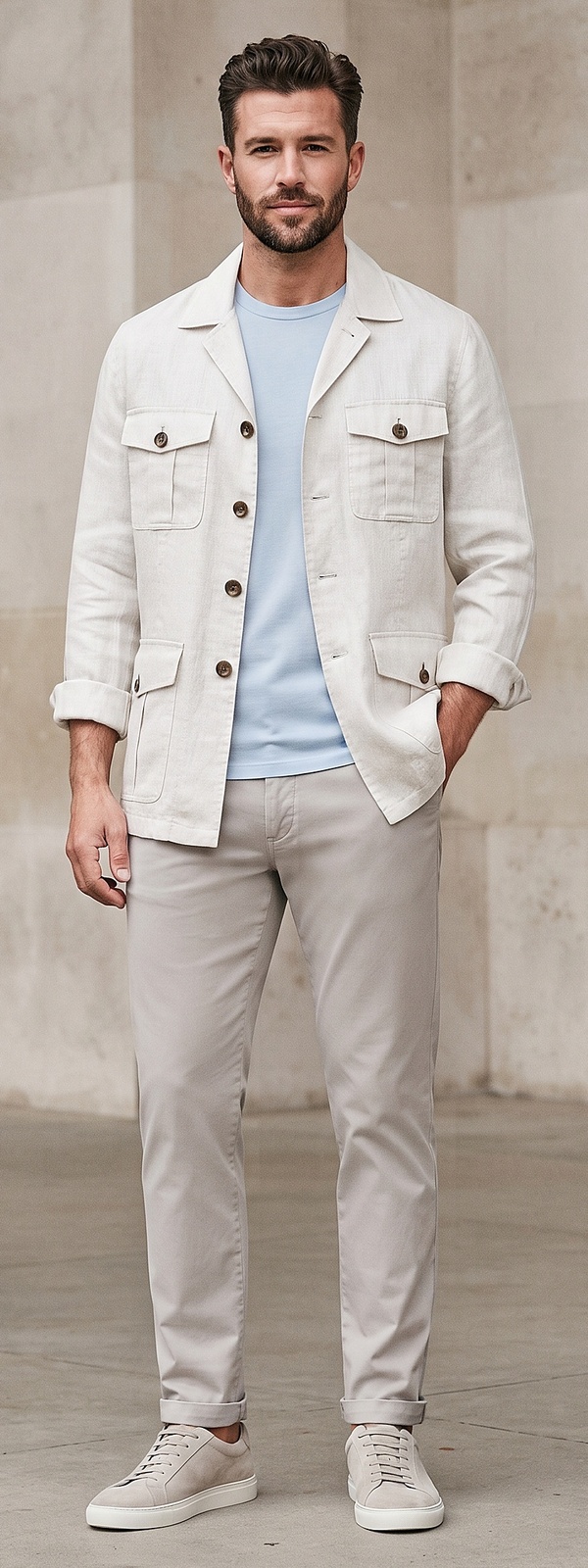 From $104
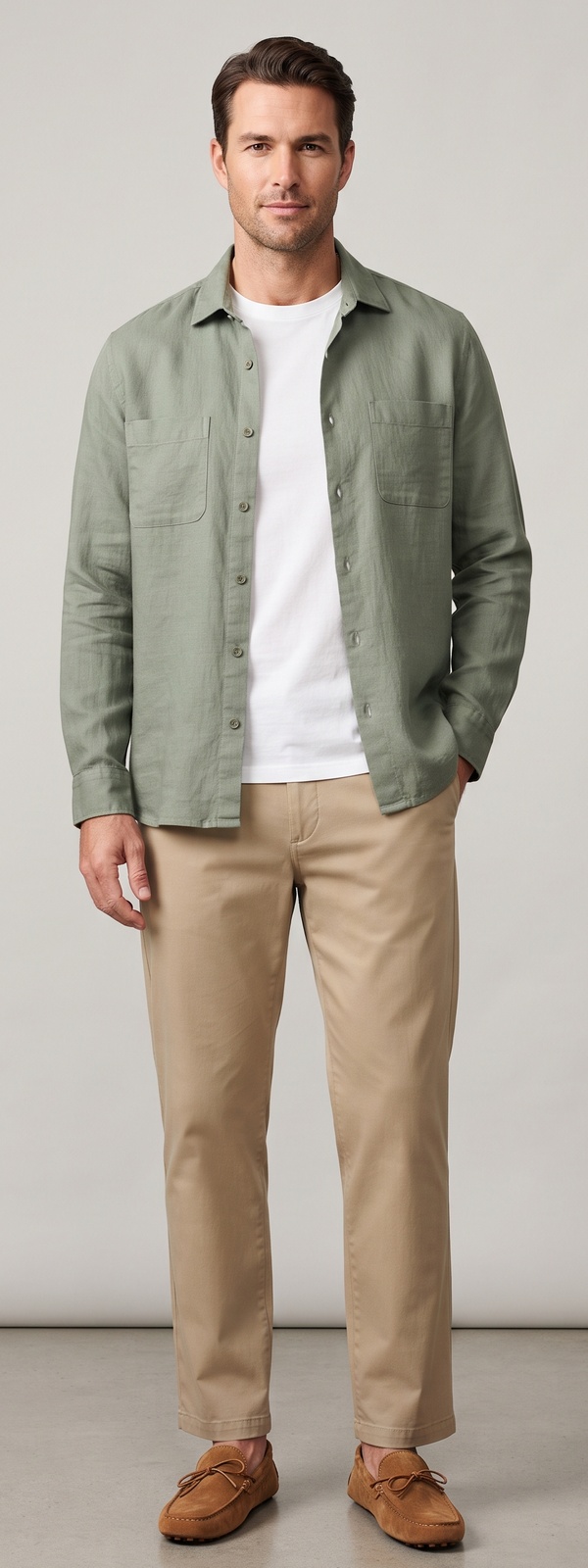 From $105
Do
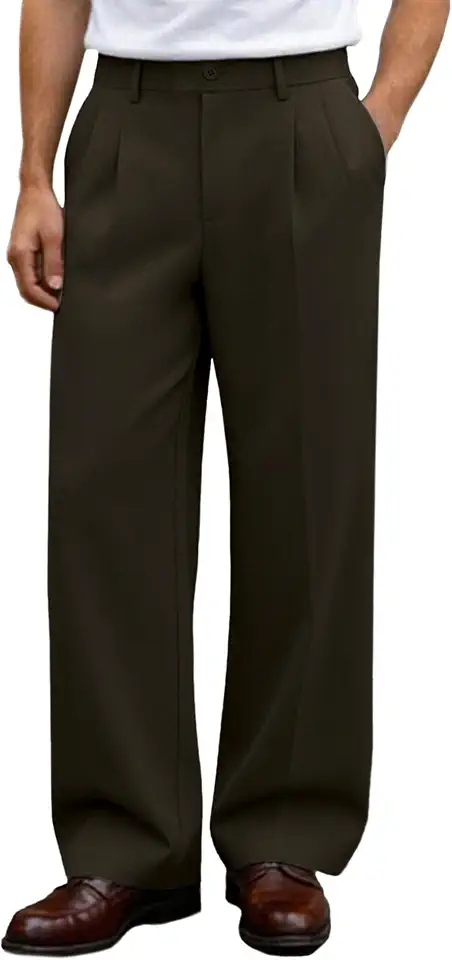
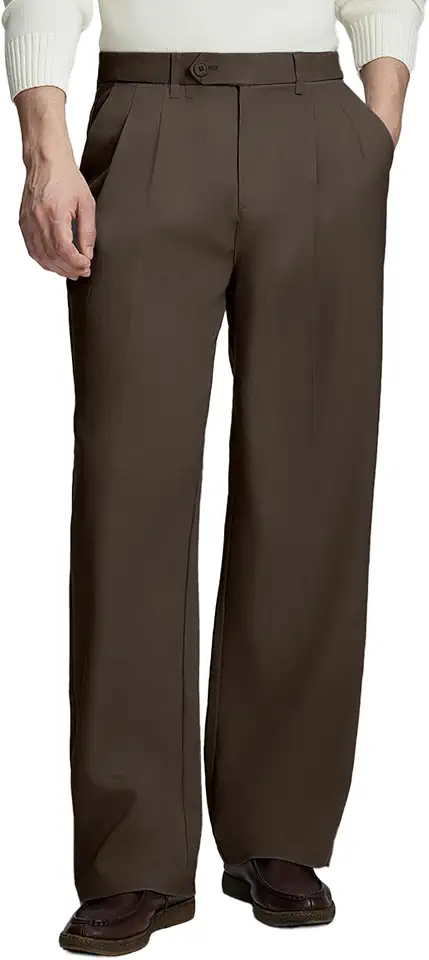
- ✓Wear tailored pleated trousers in neutral shades like olive, oatmeal, charcoal, or warm sand.
- ✓Choose a fine-gauge knit polo or merino crewneck sweater that offers clean architectural drape.
- ✓Select sleek leather derbies or minimalist dress loafers suited for walking extensive showroom aisles.
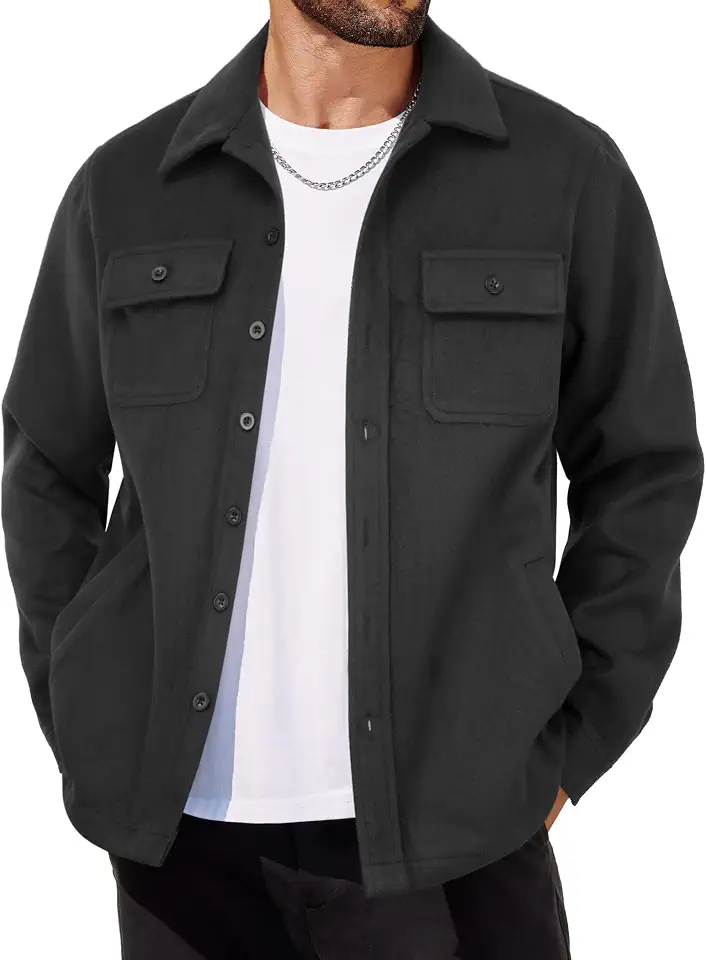
- ✓Layer with an unlined unstructured blazer or tailored safari overshirt in breathable linen or wool.
- ✓Opt for round tortoiseshell or brushed titanium eyeglasses that evoke classic mid-century intellectual charm.
Don't
- ✗Avoid loud athletic sportswear, hooded sweatshirts, or running shoes that clash with refined design aesthetics.
- ✗Don't wear clothing with abrasive metal rivets or pocket studs that could scratch collectible teak furniture.
- ✗Avoid stiff, formal three-piece suits that feel rigid and unapproachable in an artistic exhibition space.
- ✗Don't carry bulky backpacks that risk knocking against delicate mid-century ceramic lamps.
Style tips
Rivet Scratch Precaution
Enthusiasts frequently sit in collectible vintage chairs to evaluate ergonomics and back support. Smooth pleated trousers without metal pocket rivets protect fragile vintage leather and oiled wood from scratches.
Architectural Knitwear Drape
Mid-century design celebrated clean structural form without superfluous ornamentation. Fine-gauge knit polos and unlined wool jackets provide crisp lines while remaining exceptionally comfortable.
Organic Palette Synergy
Teak, walnut, leather, and brass form the backbone of mid-century aesthetics. Incorporating olive greens, warm rusts, and creamy ecru creates visual resonance with the surrounding exhibits.
Related searches
All curated searches
Related Reading
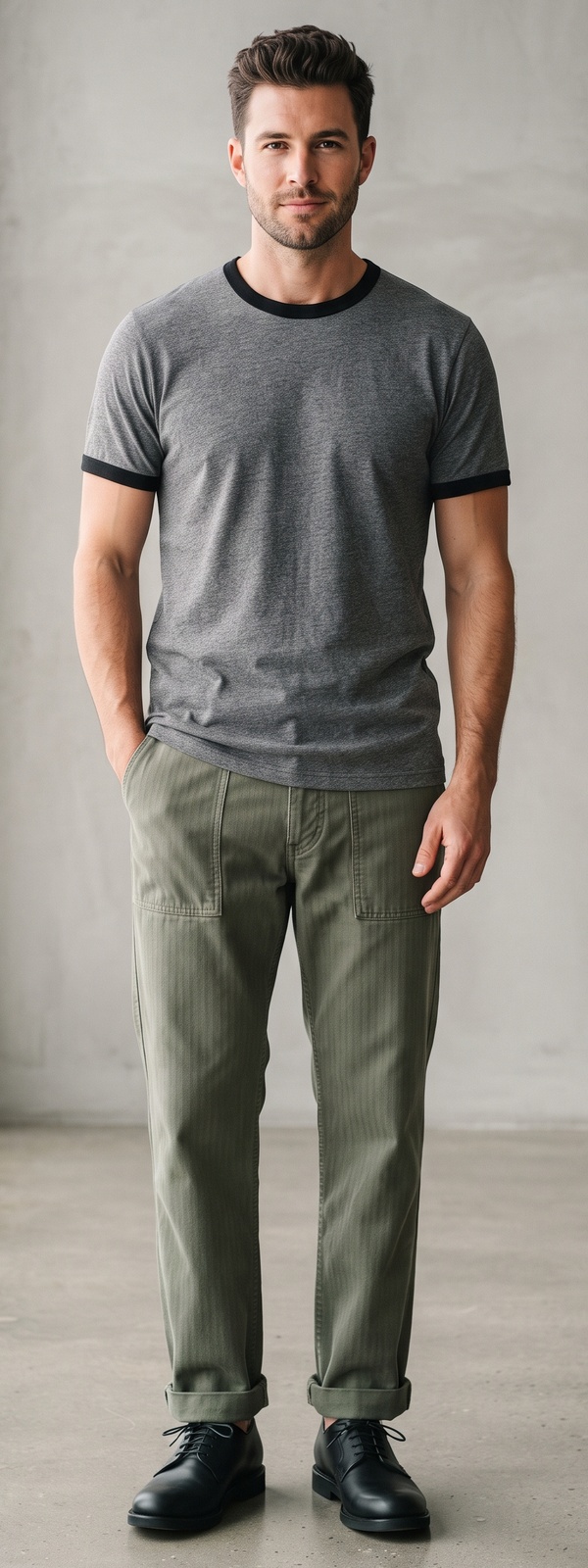
What to Wear to a Kintsugi Repair Workshop — Men's Guide
Entering a traditional Japanese kintsugi workshop immerses you in the mindful art of repairing broken ceramics with natural Urushi lacquer and real gold dust. Seated before wooden carving blocks, participants patiently piece together antique porcelain shards, file cured seams, and dust delicate gold powder with fine hair brushes. The benchmark style embodies mindful Japanese minimalism and comfortable artisan craft: breathable natural linen overshirts, relaxed neutral chinos, dark utility work aprons, and comfortable slip-on footwear. Natural fiber fabrics prevent static electricity that could disperse ultra-fine gold mica, while relaxed cuts permit easy cross-legged or bench seating. From shielding skin against raw Urushi sap to maintaining focused bench serenity, here is your definitive outfit blueprint for a traditional kintsugi ceramic repair workshop.
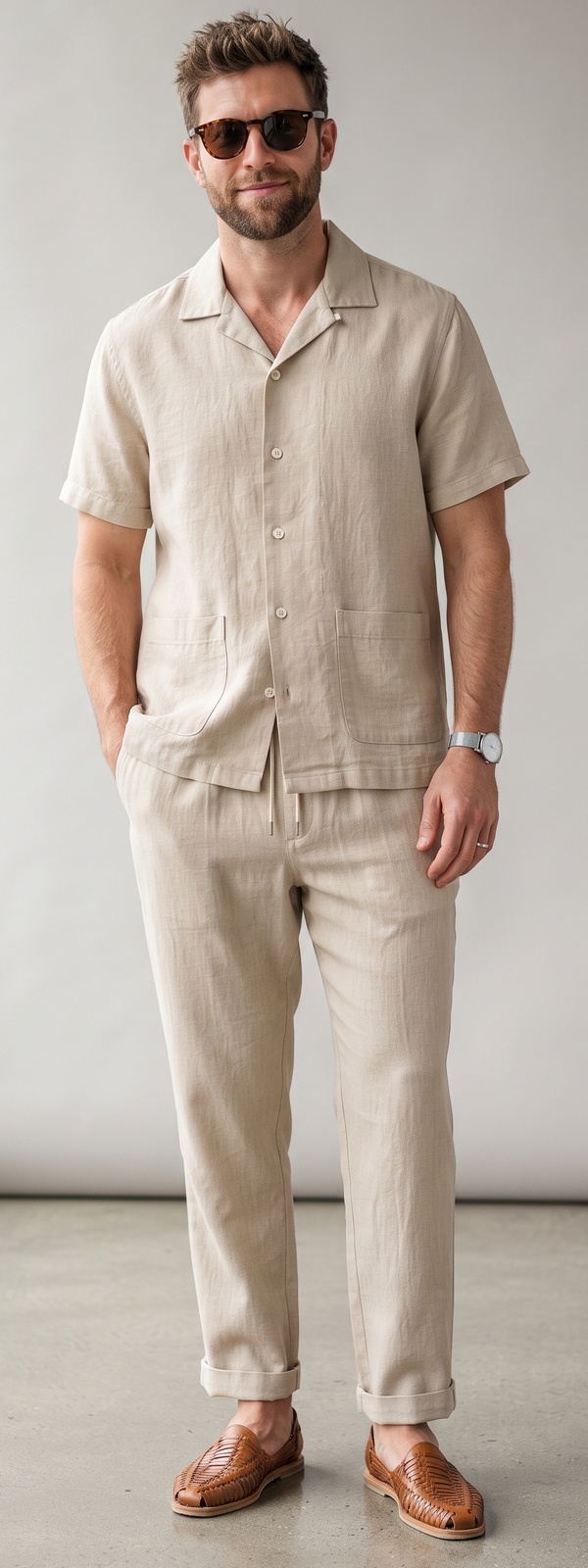
What to Wear to a Chado Tea Ceremony — Men's Complete Guide
Entering a traditional Japanese chado tea ceremony workshop steps you across sliding shoji screens into a serene tatami tearoom centered on charcoal braziers and cast-iron kettles. Participants sit silently in seiza posture while the tea master measures ceremonial matcha, pours steaming water, and whisks vibrant green foam with a bamboo chasen. The expected dress code is respectful, understated quiet minimalism: loose tailored trousers with flexible waistbands, crisp button-down shirts, and immaculate white cotton socks. Because participants sit directly upon woven tatami reeds, your garments must permit prolonged kneeling without binding your knees or scratching fragile straw mats. From respecting sacred tearoom silence to navigating kneeling posture gracefully, here is your definitive guide to dressing for a traditional chado tea ceremony.
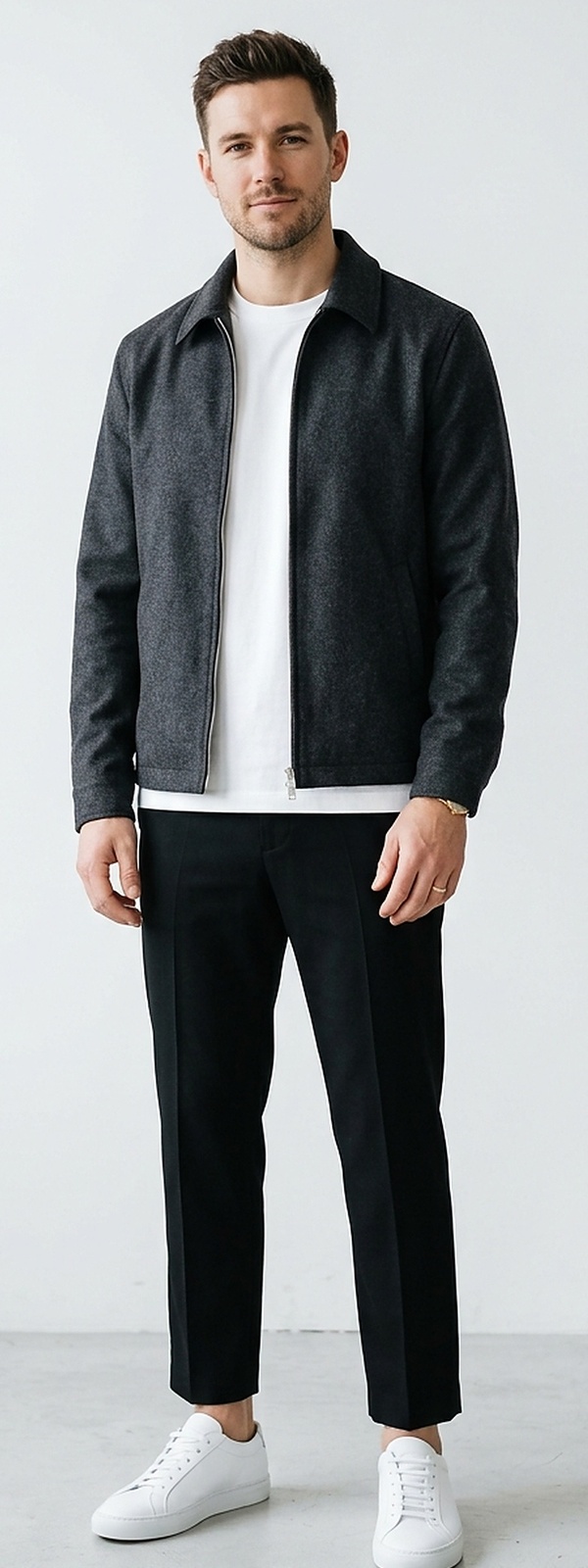
Full-Zip Cardigans & Knit Overshirts: Modern Layering
We assembled this collection to spotlight the rise of the full-zip cardigan and knitted zip overshirt across modern smart-casual wardrobes. Replacing traditional button plackets with sleek metallic zippers gives heavy ribbed wool and cashmere knits the architectural presence of a lightweight jacket. Layer them open over fine-gauge tees or zip them up to the collar above pleated chinos and minimalist court sneakers for effortless transitional polish.
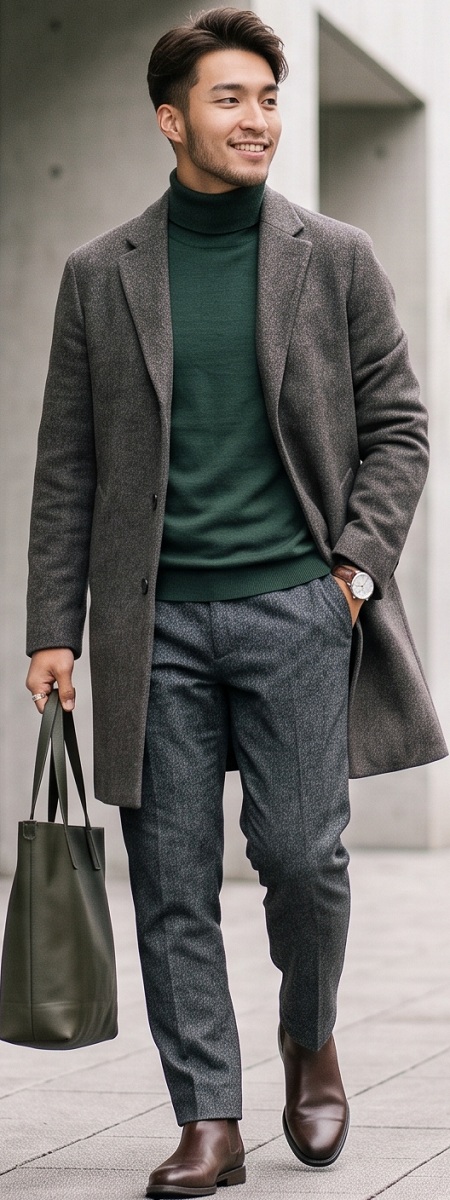
Quiet Luxury 2.0: Architectural Coats & Sculptural Drape
We assembled this finale lookbook to define Quiet Luxury 2.0, where understated minimalism evolves into architectural volume and fabric weight. We pair men's raglan sleeve camel Balmacaan overcoats, men's sweeping black wool topcoats, and men's herringbone tweed overcoats with men's oatmeal cashmere turtleneck sweaters and men's pleated charcoal flannel dress pants. By prioritizing dramatic coat lengths and fluid trouser drape over visible logos, our silhouettes project museum-grade sophistication.
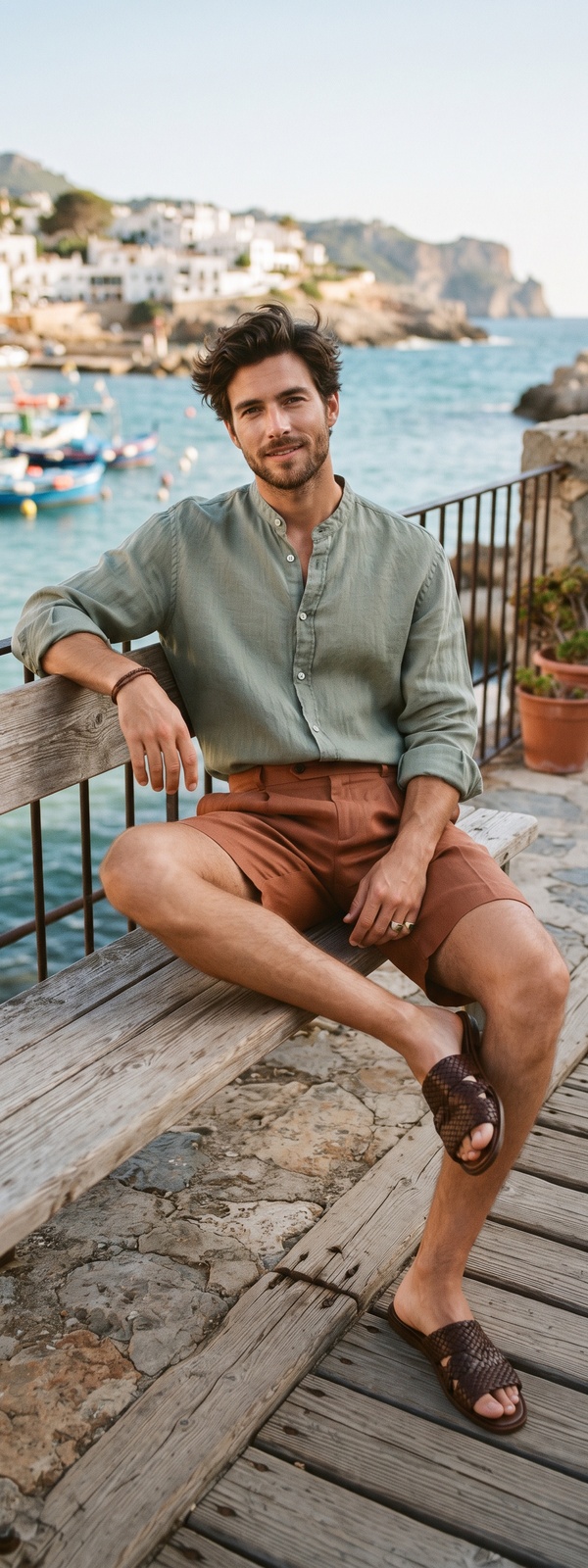
How to Style Sage Green for Men in Modern Wardrobes
Learn how to style sage green for men with crisp neutrals, linen tailoring, and earthy staples for an understated, modern aesthetic in any season.
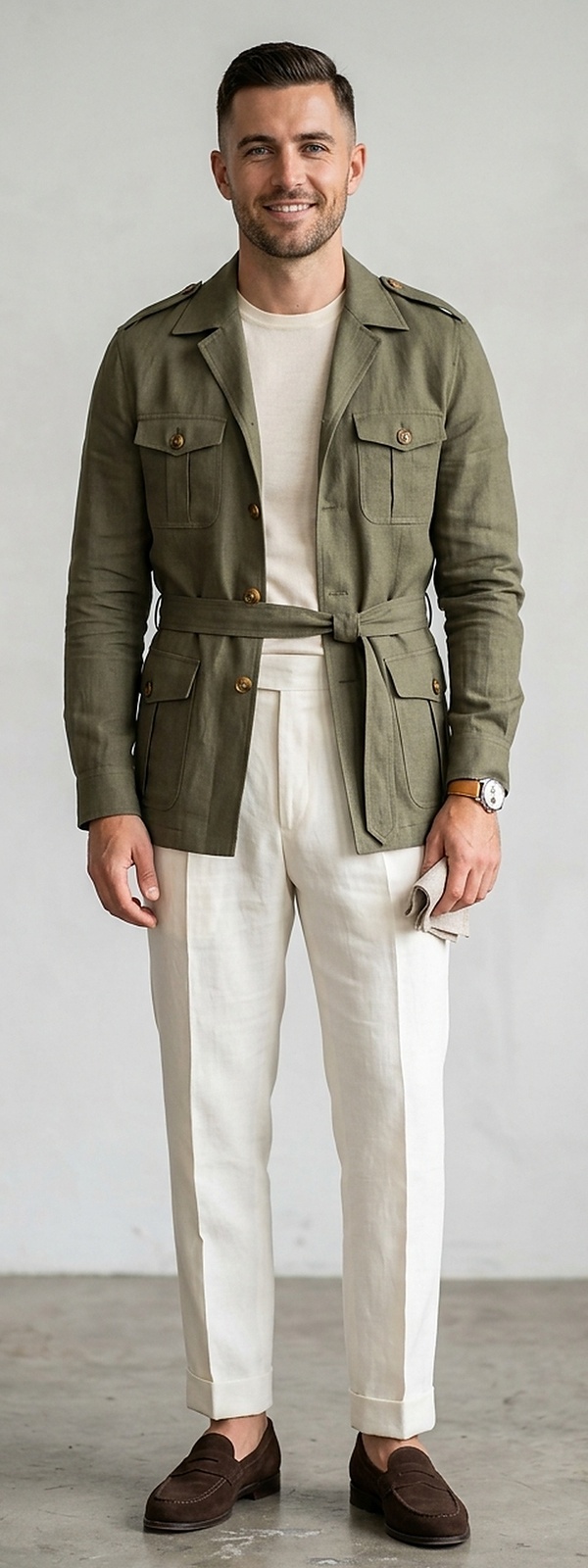
How to Style a Men's Safari Jacket: Modern Utility Guide
Discover how to style a men's safari jacket with breezy linen fabrics, tailored neutral trousers, casual loafers, and refined summer utility.
Other Reading
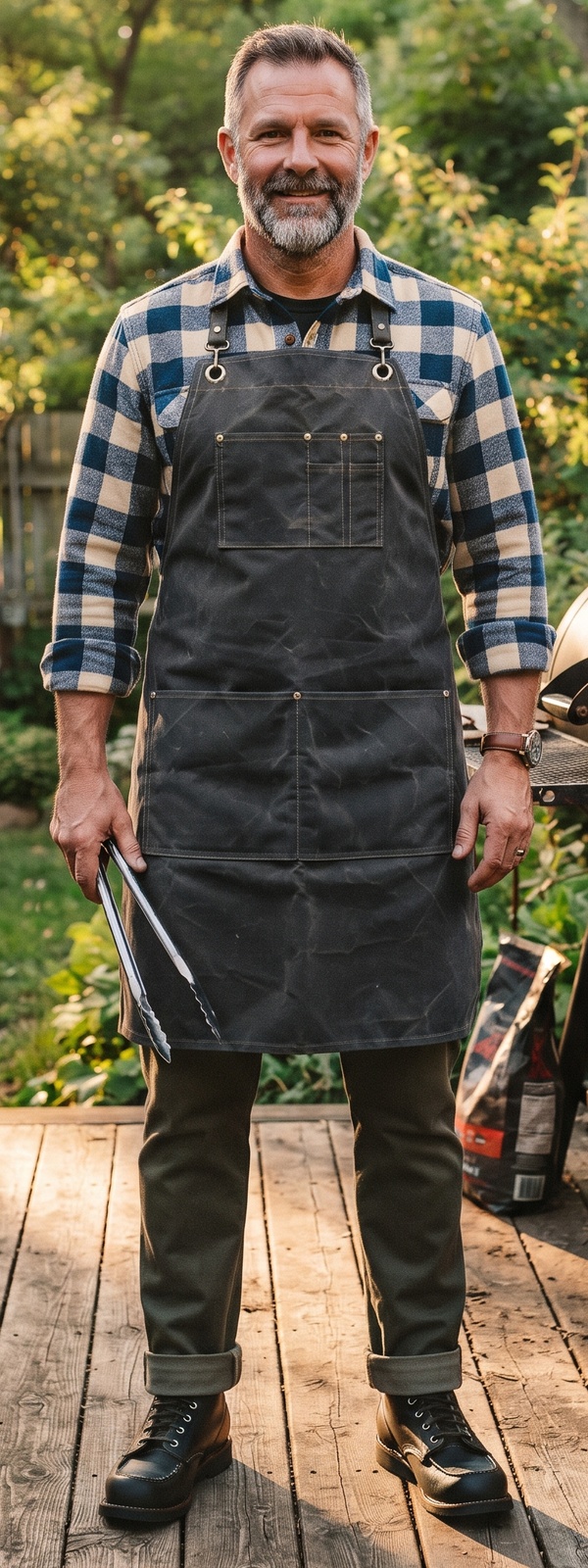
What to Wear to an Artisan Soapmaking Class — Men's Complete Guide
Entering an artisan soapmaking atelier for a traditional cold-process tallow and botanical soapmaking class immerses you in the aromas of cedarwood, lavender, and rich oils. Soapmakers blend precise lye solutions, melt grass-fed tallow and olive oils, and use immersion stick blenders to bring saponifying batters to medium trace before pour molding. The necessary dress code is strict laboratory safety hygiene and clean utilitarian comfort: dense long-sleeve cotton work shirts, heavy canvas workshop aprons, full-length cotton chinos, and closed-toe leather work boots. Because raw sodium hydroxide lye is caustic until fully saponified, zero exposed skin and natural fiber barrier protection are mandatory. From monitoring exothermic lye reaction temperatures to marbling botanical clays and swirling timber molds, here is your essential soapmaking style guide.

Corduroy Suits: Rich Textured Winter Two-Piece Tailoring
We regard the full corduroy suit as the ultimate antidote to sterile winter boardroom suiting. Its rich, tactile ridges catch the light with subtle depth, providing natural thermal insulation and comfortable stretch throughout long days. We suggest anchoring deep tobacco, moss green, or chestnut corduroy suits with fine-gauge merino turtlenecks and pebbled grain leather derbies.
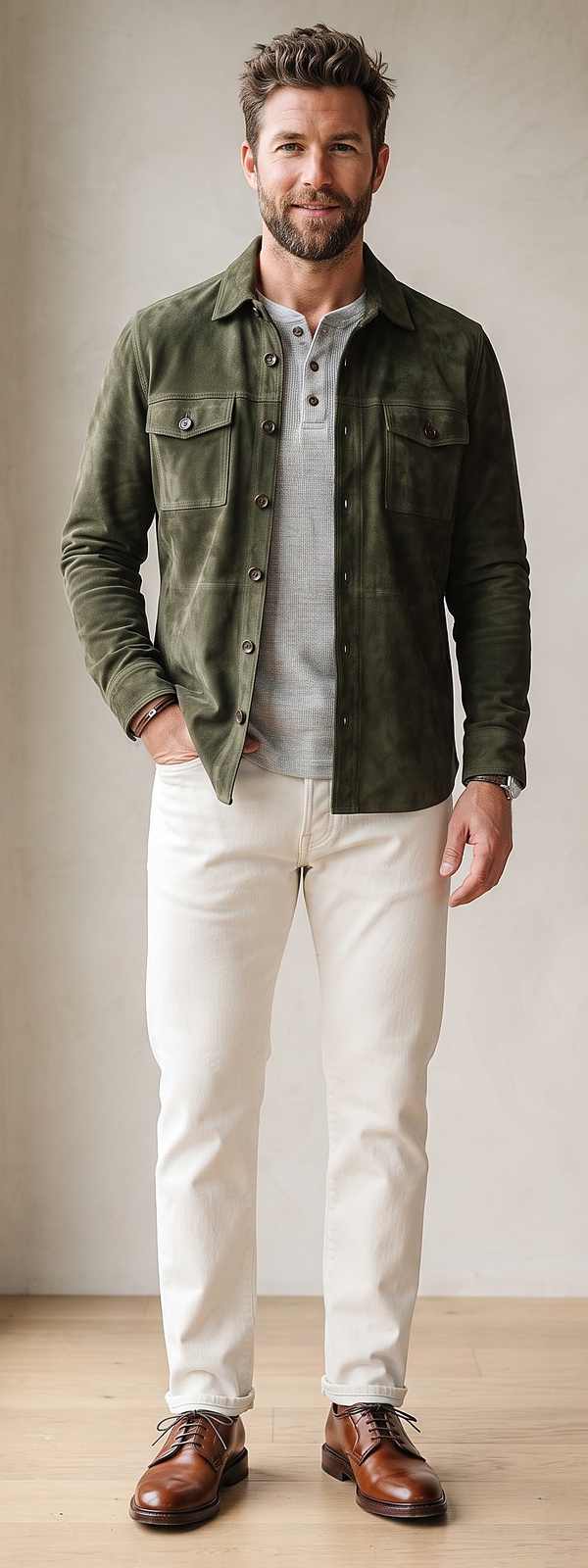
Men's Airport Travel Style: Comfortable and Polished Guide
Master men's airport travel style with wrinkle-free stretch pants, slip-on leather sneakers, breathable layers, and functional transit accessories.