
What to Wear to a Traditional Japanese Tea Ceremony — Men's Guide
Participating in a traditional Japanese tea ceremony (Chado) inside a minimalist chashitsu tearoom is an exercise in mindfulness, respect, and aesthetic harmony. Guests sit in seiza or cross-legged on delicate woven tatami mats, observing precise water and whisking rituals that have remained unchanged for over four centuries.
Dressing for this ceremony requires strict adherence to cultural etiquette. Every piece of clothing must facilitate deep sitting without binding, protect fragile rush mats from damage, and leave the tearoom's delicate incense uncorrupted.
From loose-fitting linen-blend trousers and collarless jackets to clean white socks and completely fragrance-free grooming, here is how to dress for a traditional Japanese tea ceremony.
Outfits that work


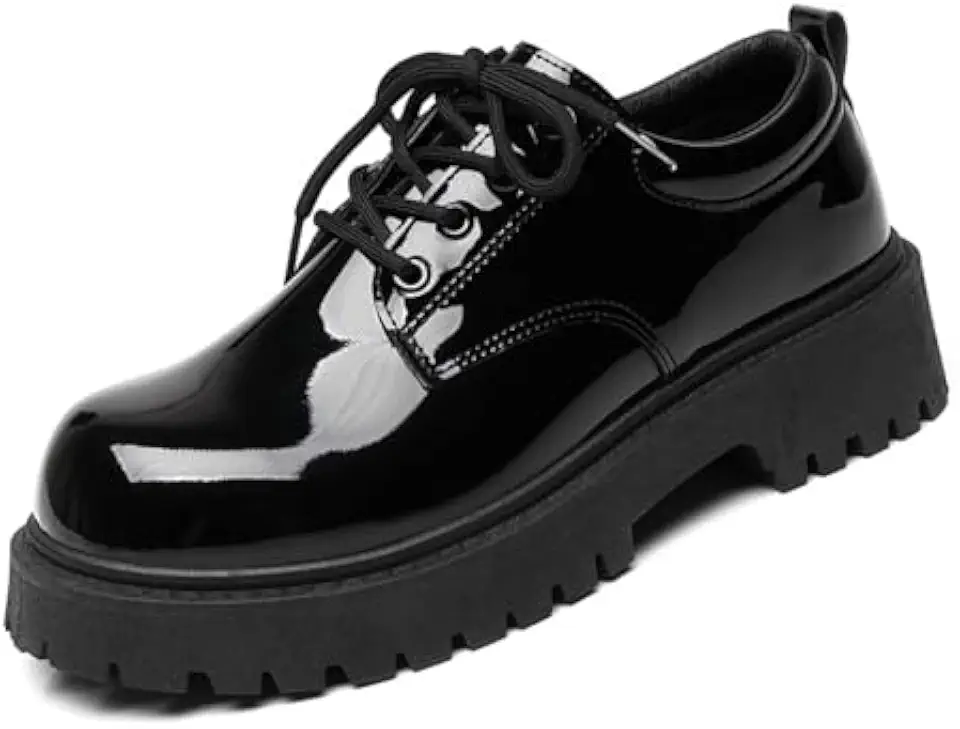

 $120
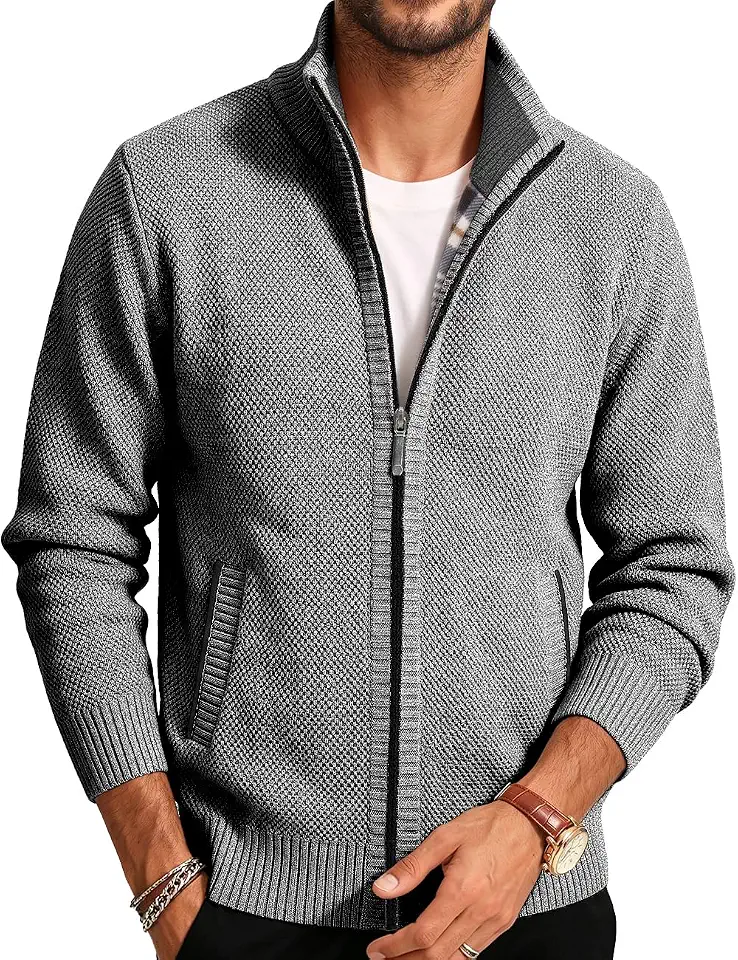
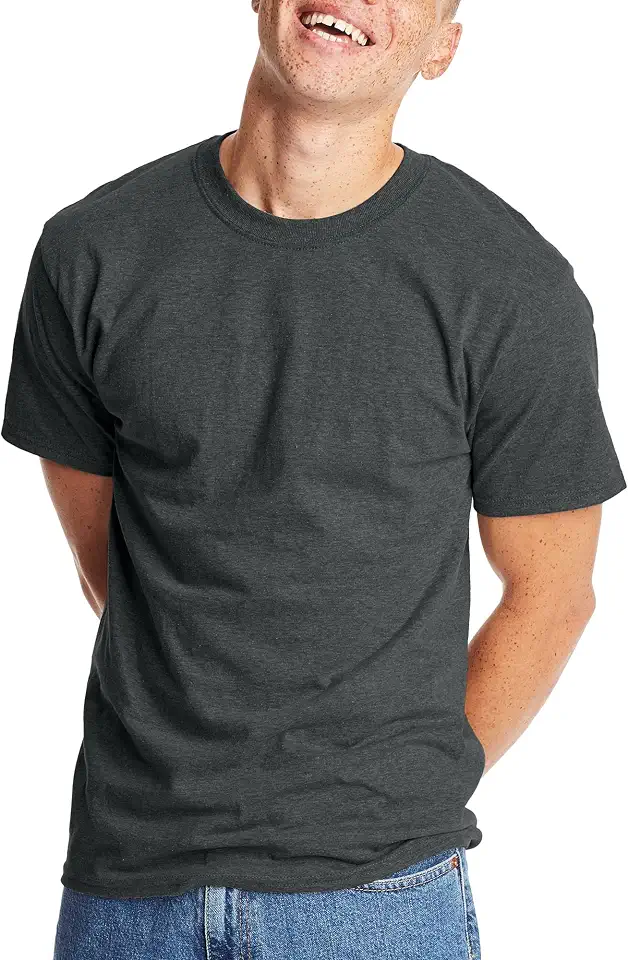
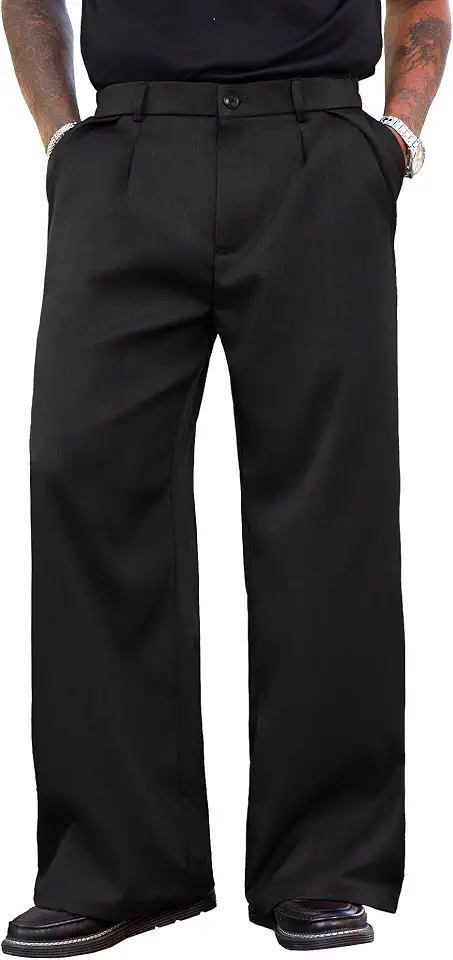
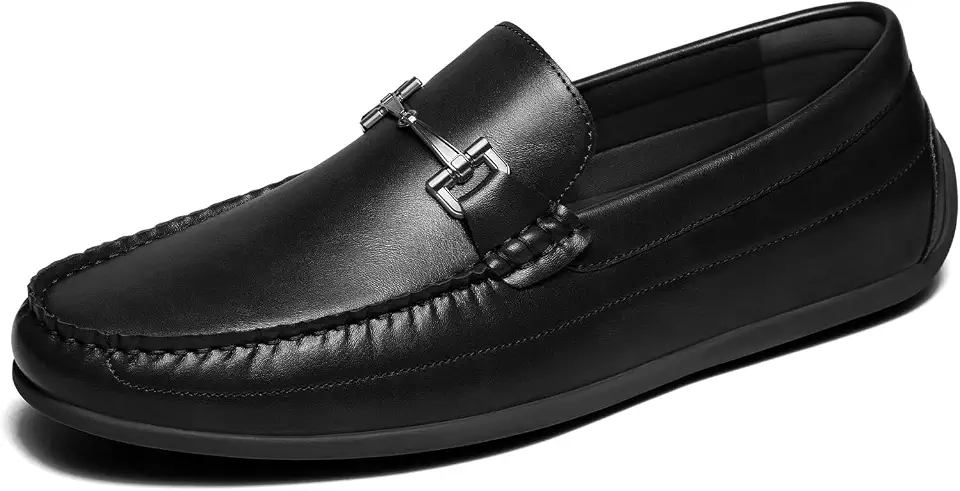
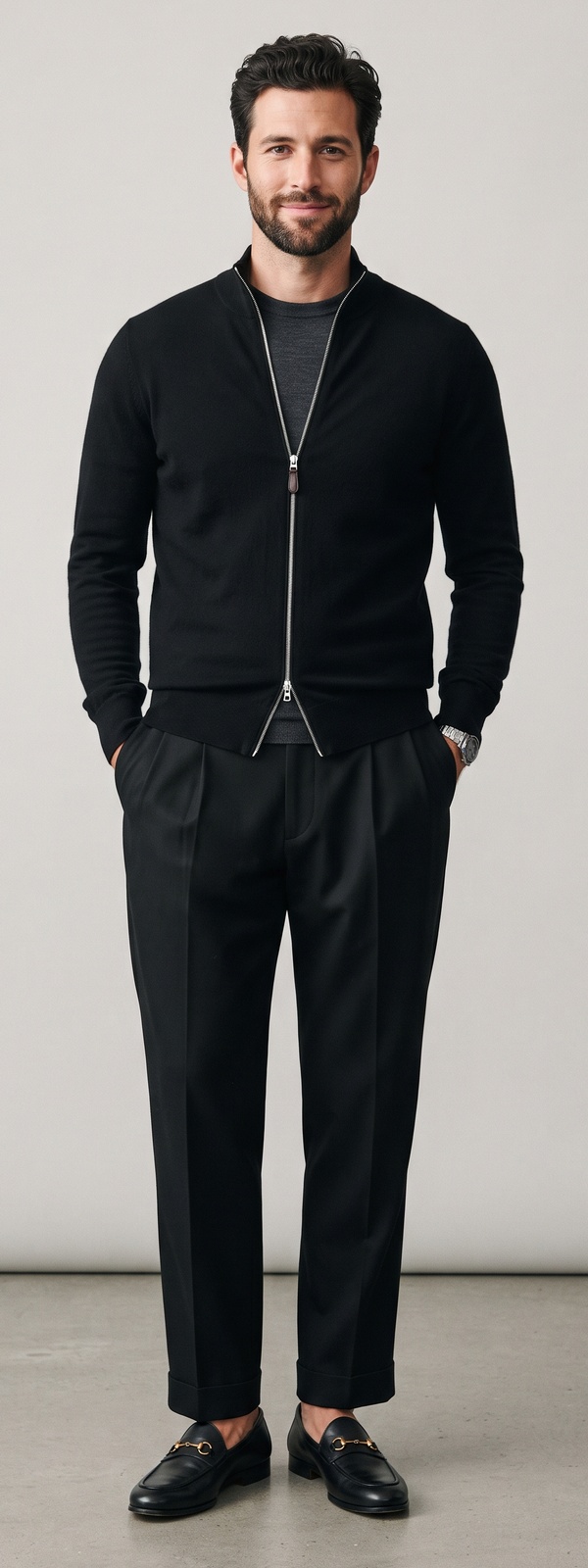
Black Full Zip Bomber Cardigan with Charcoal Tee and Pleated Trousers
5 pieces · Oct 18, 2026
 $201

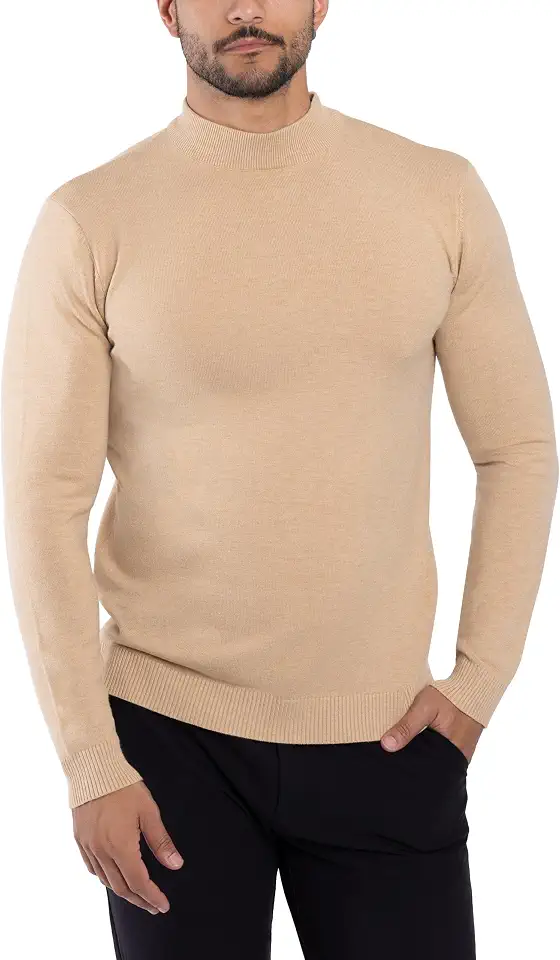
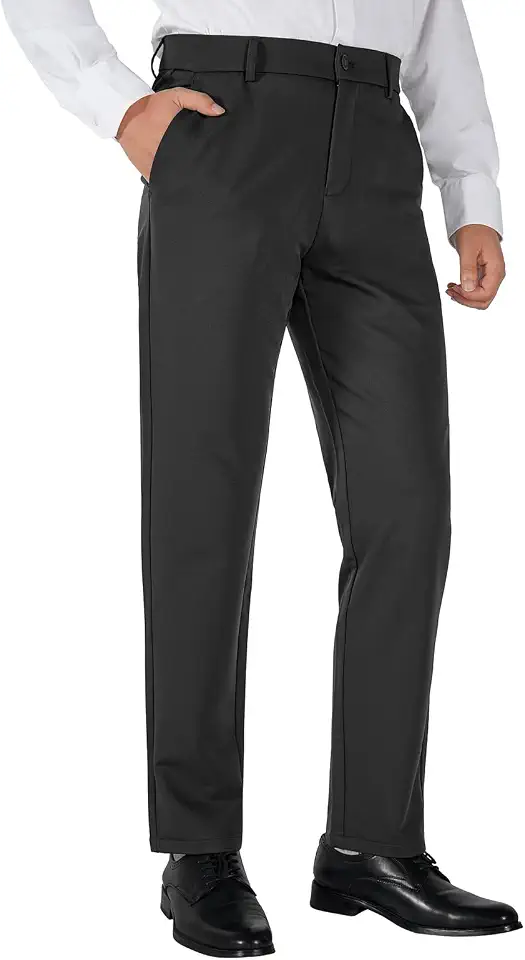
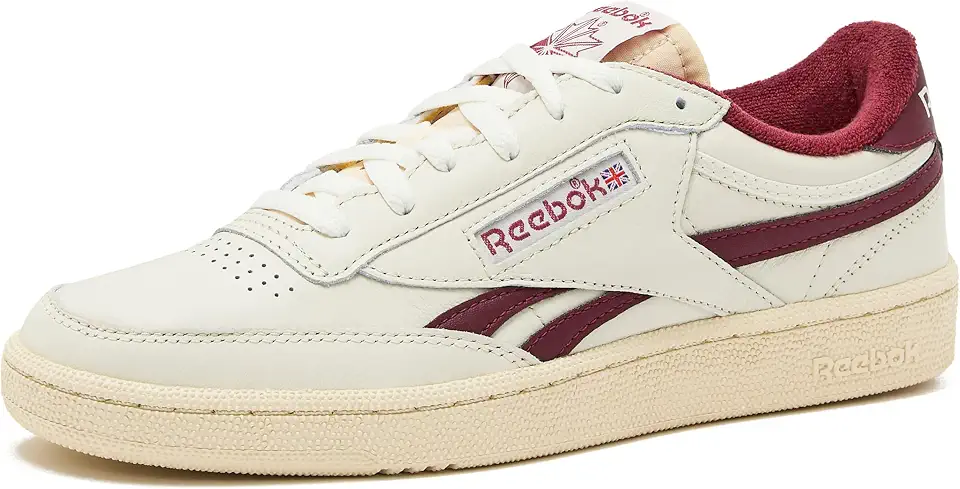
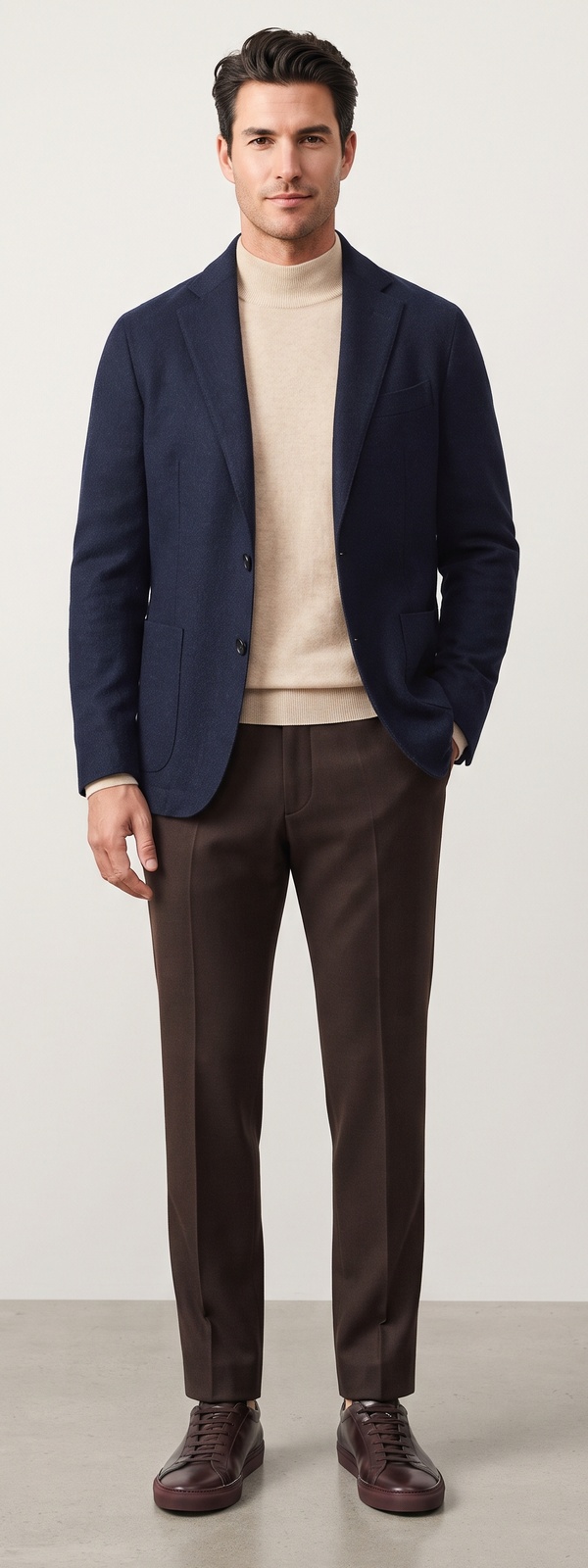
Contemporary Navy Wool Blazer Oatmeal Mock Neck and Dark Brown Pants Look
4 pieces · Oct 10, 2026
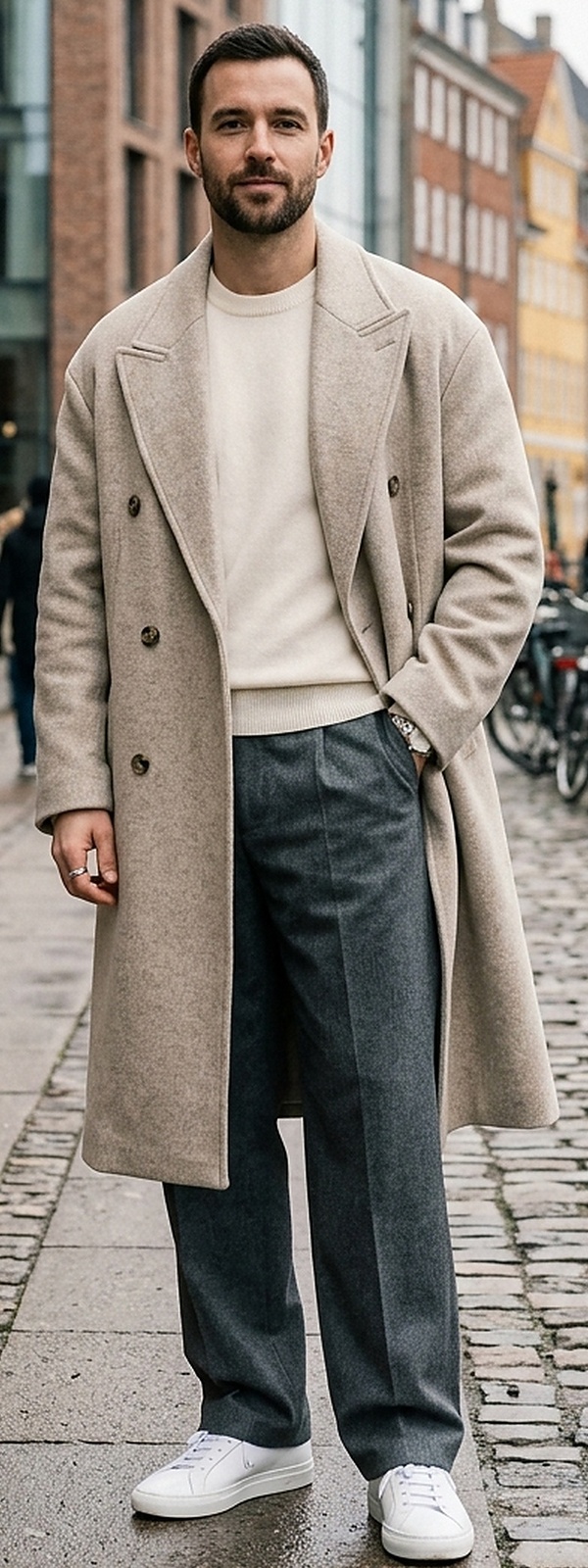 $238
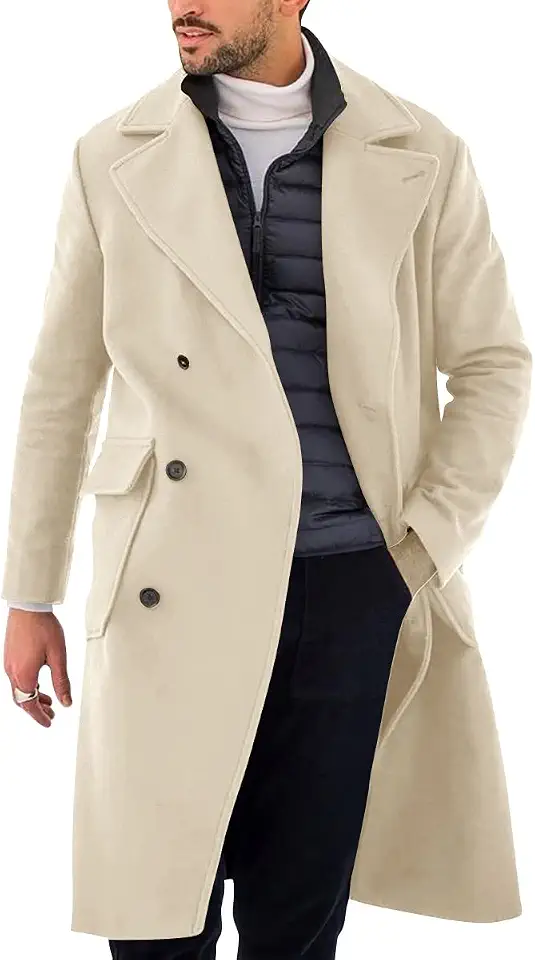
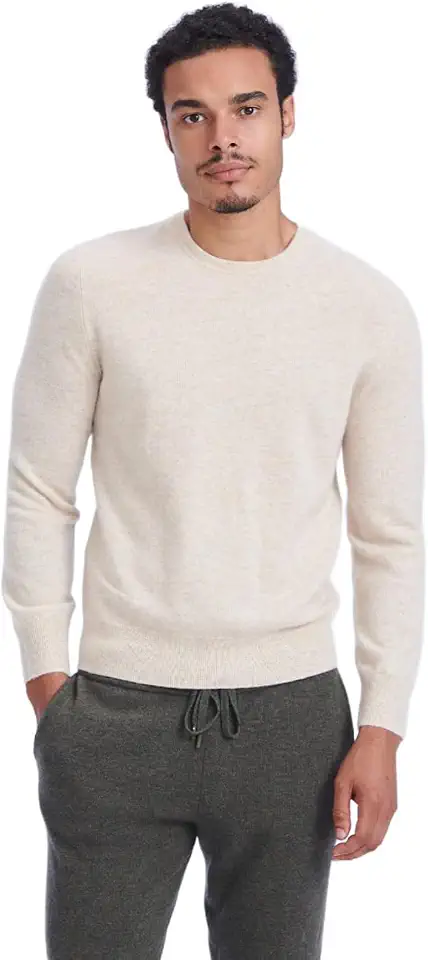

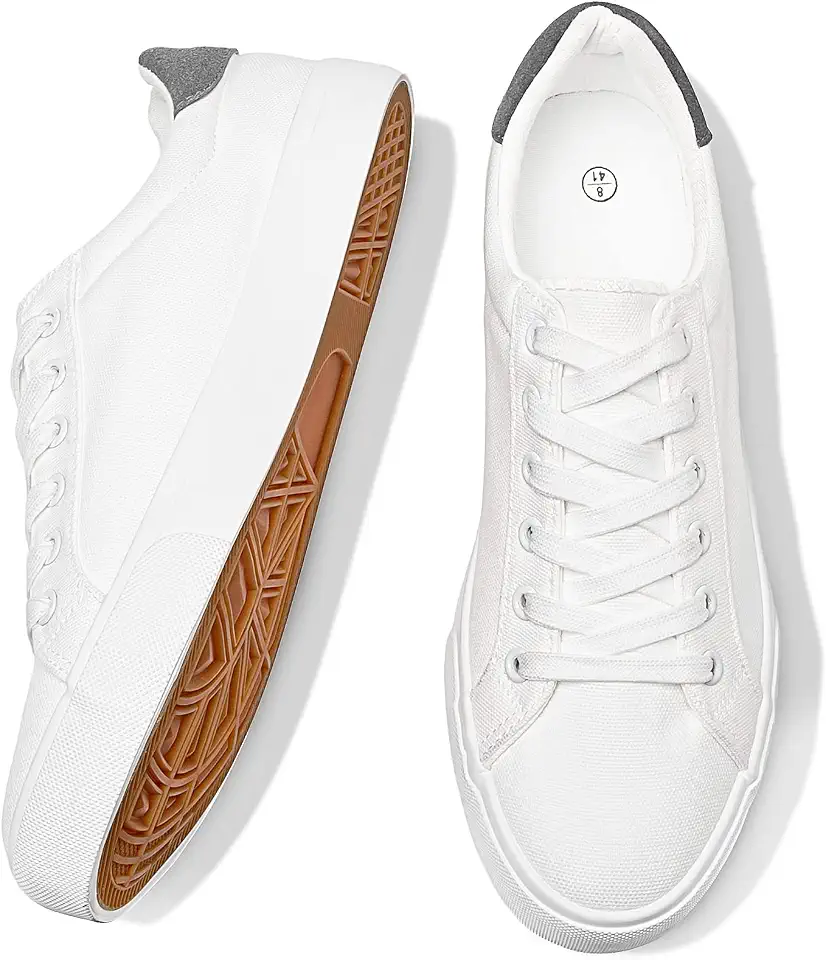
Nordic Minimalist Heavy Wool Overcoat and Cashmere Knit with Pleated Flannels
5 pieces · Oct 9, 2026
Do
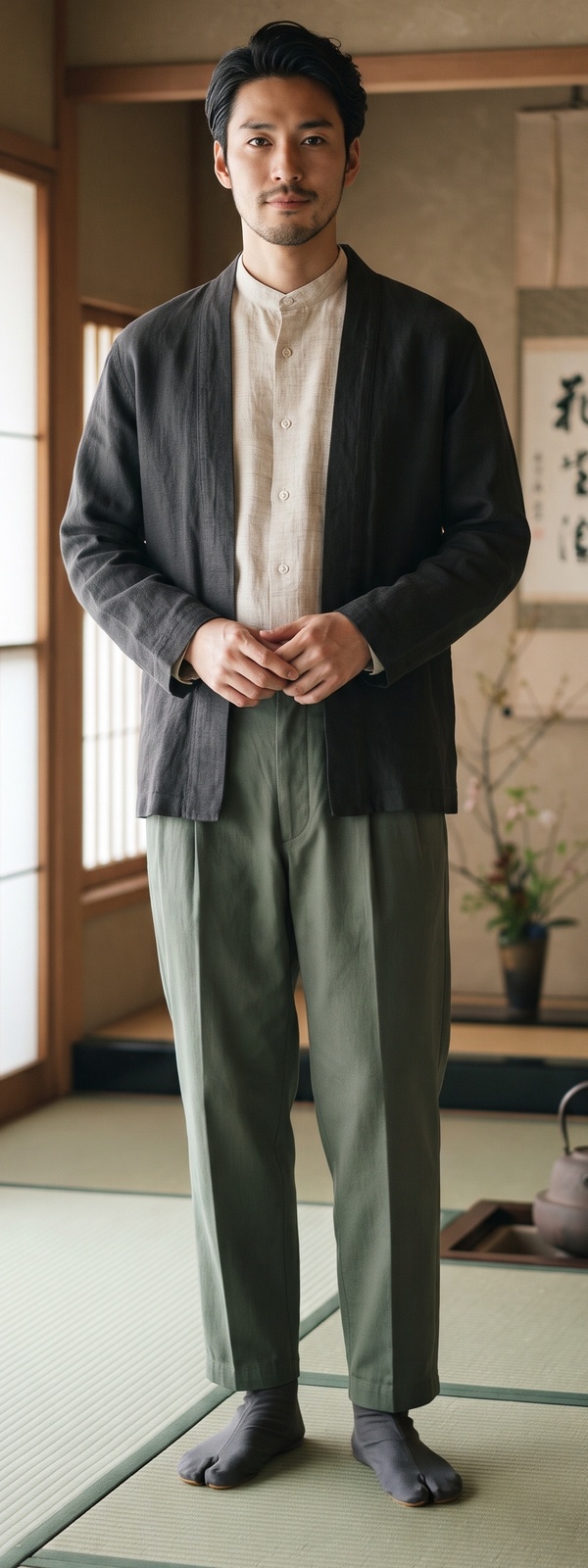
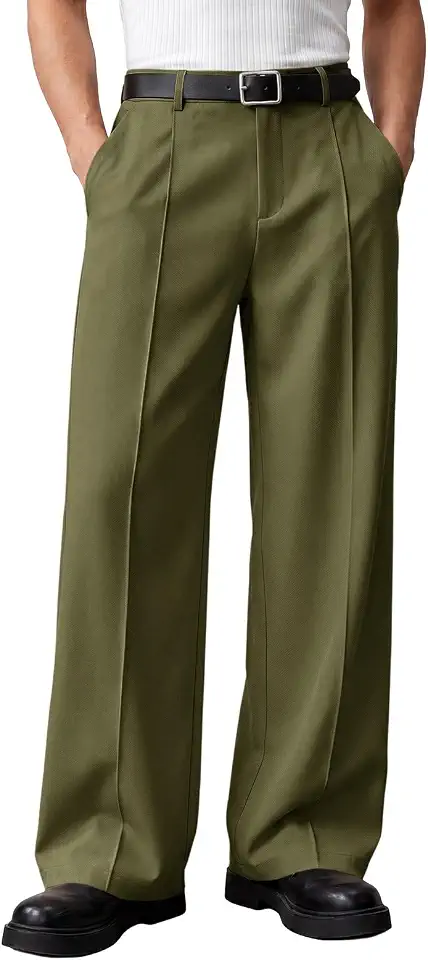
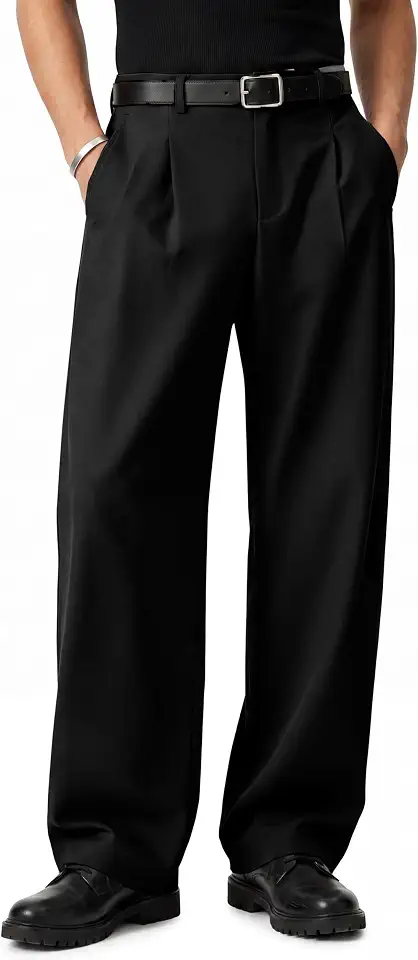
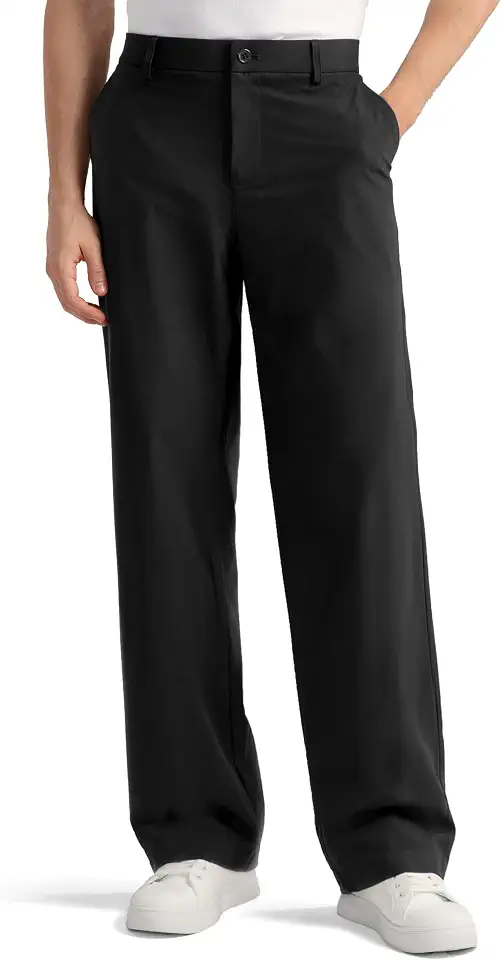
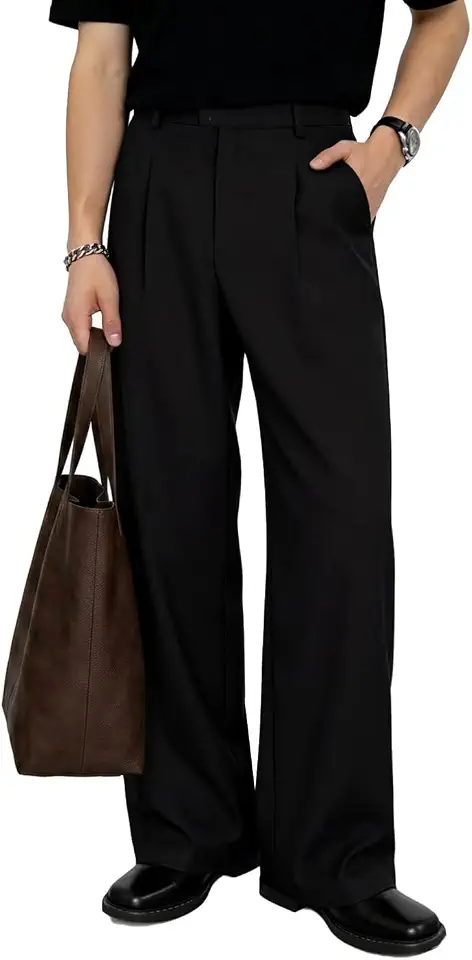
- ✓Wear loose, relaxed-cut trousers like pleated balloon pants or wide-leg dress pants that allow sitting cross-legged or in seiza.
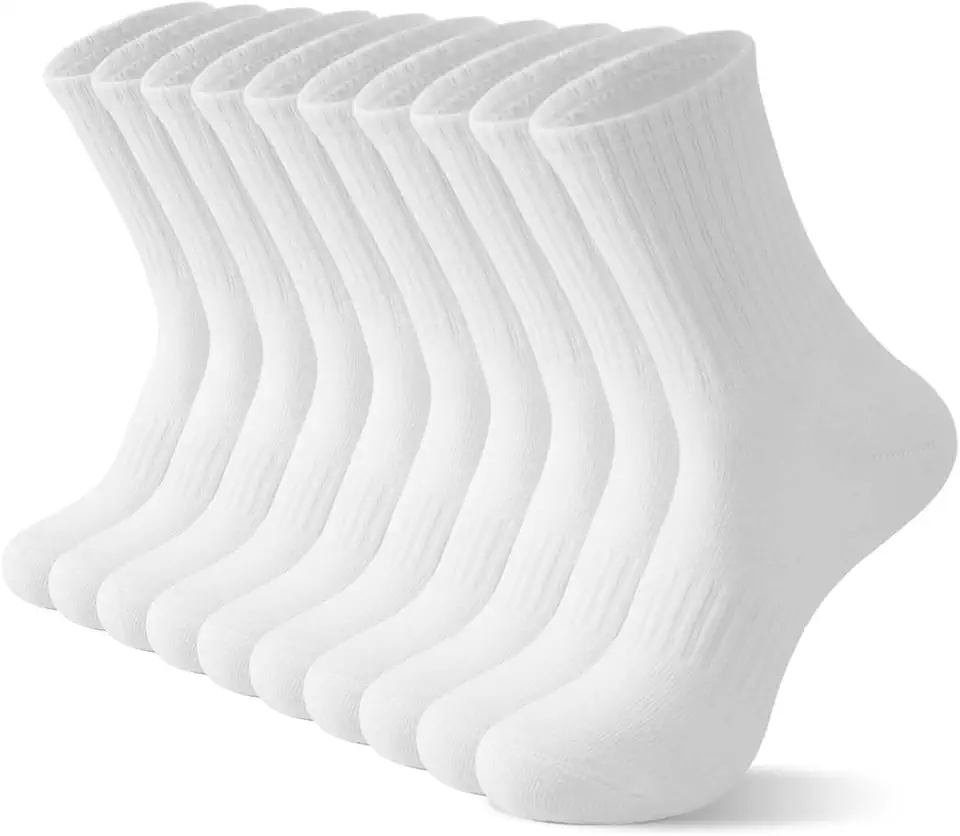
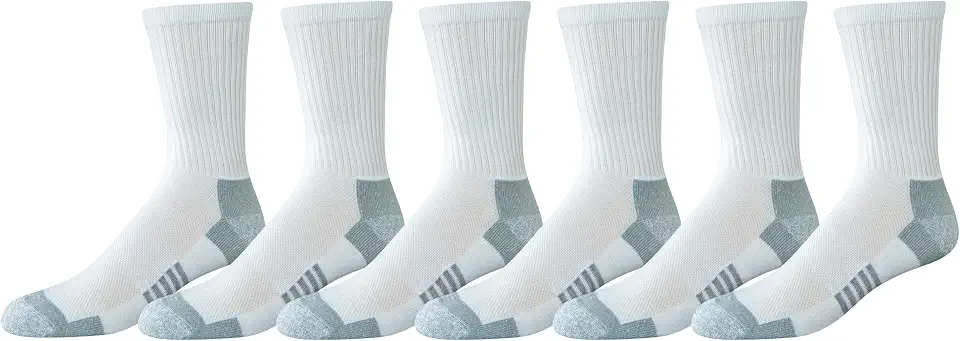
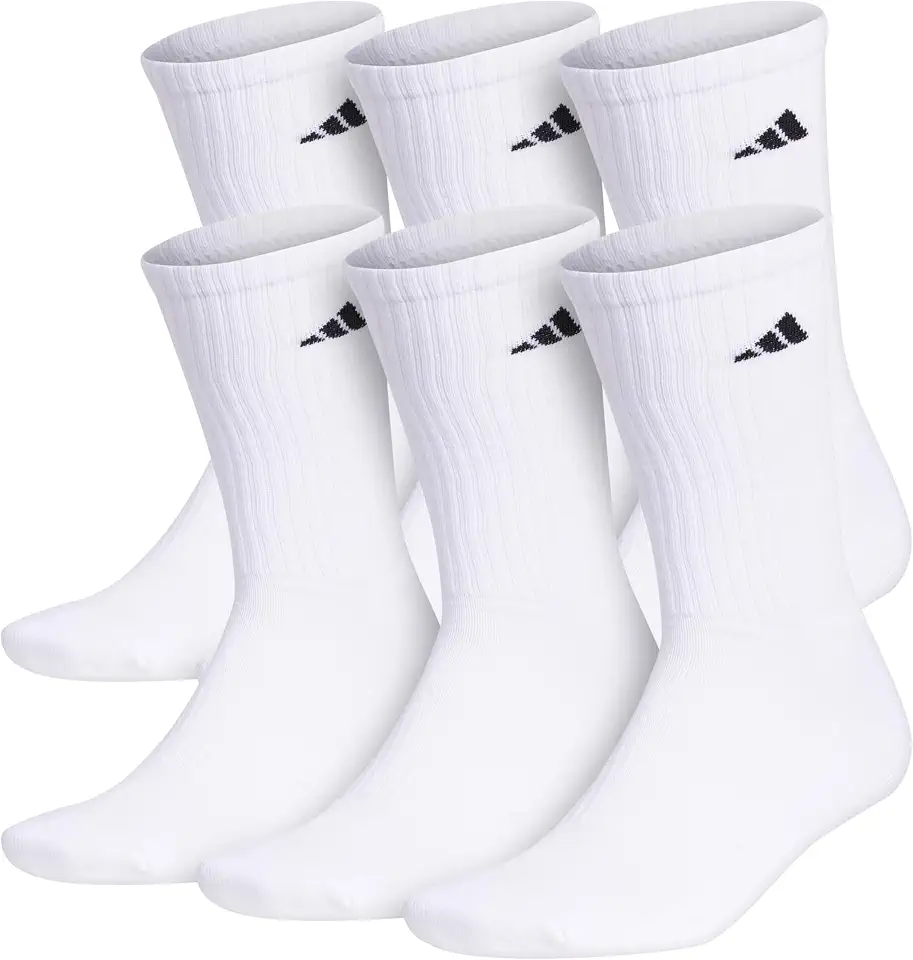
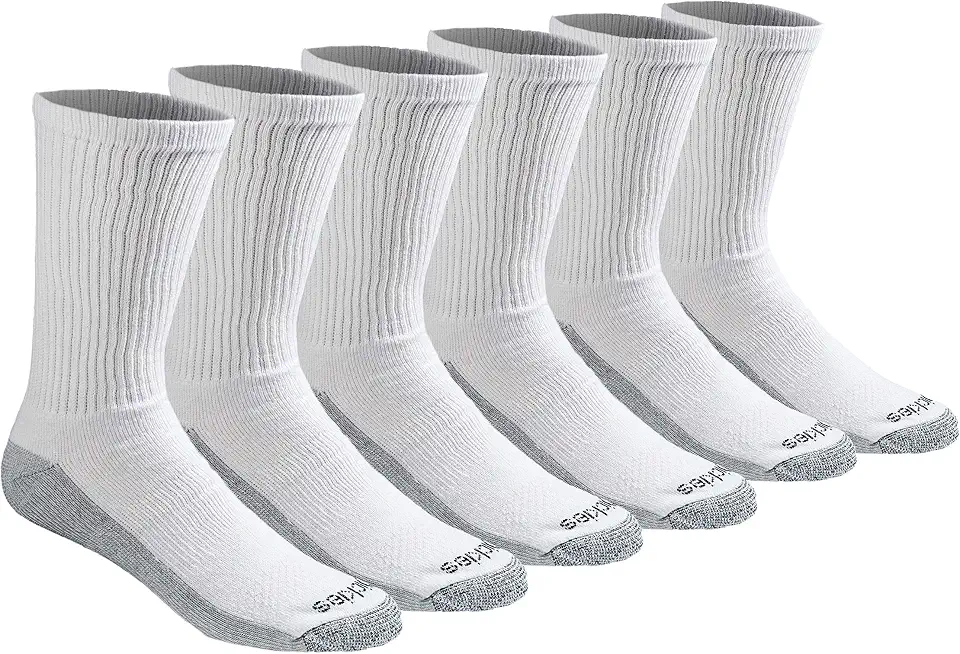
- ✓Pack or wear pristine, brand-new white socks; walking onto tatami mats with dirty or bare feet is a grave breach of etiquette.
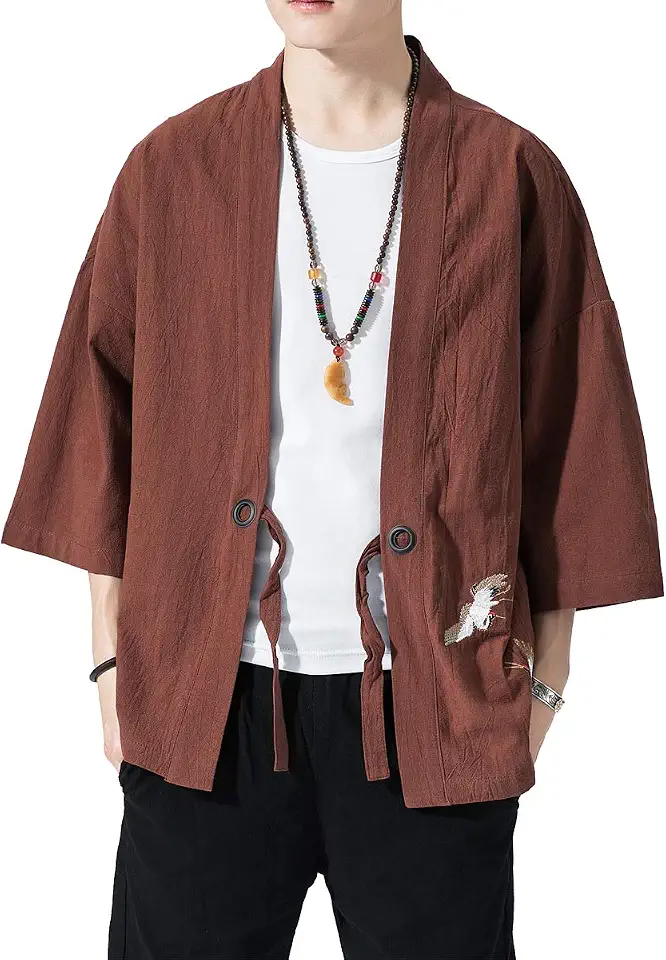
- ✓Choose clean, unadorned tops such as a crisp band-collar shirt, minimalist noragi overshirt, or fine mock-neck sweater.
- ✓Select slip-on footwear like loafers or Chelsea boots that slide off smoothly at the genkan entrance.
- ✓Ensure you are completely scent-free by skipping all cologne, scented deodorants, and pomades before entering the tearoom.
Don't
- ✗Avoid wearing cologne or perfumed products; artificial scents overpower the subtle aroma of ceremonial matcha and tea incense.
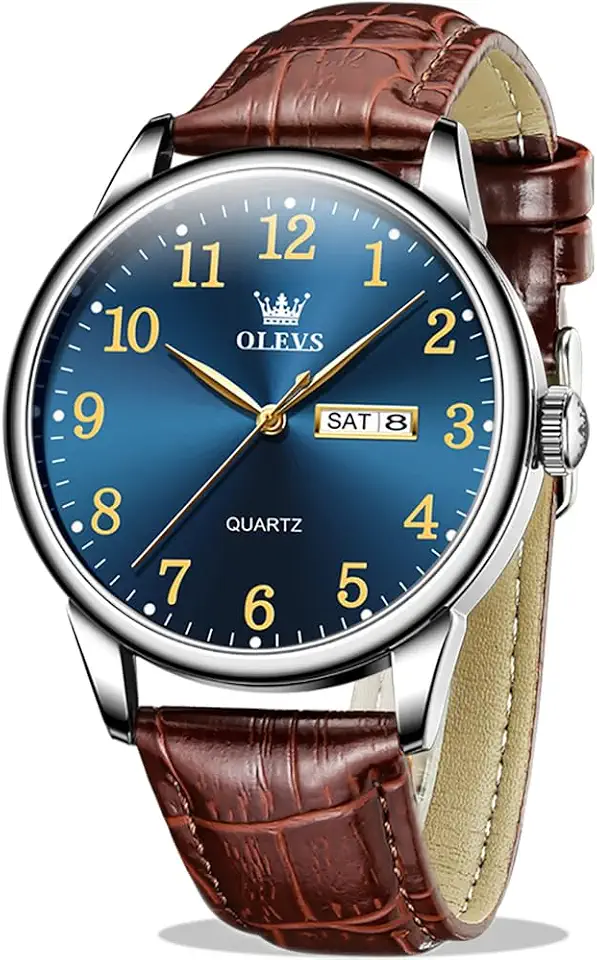
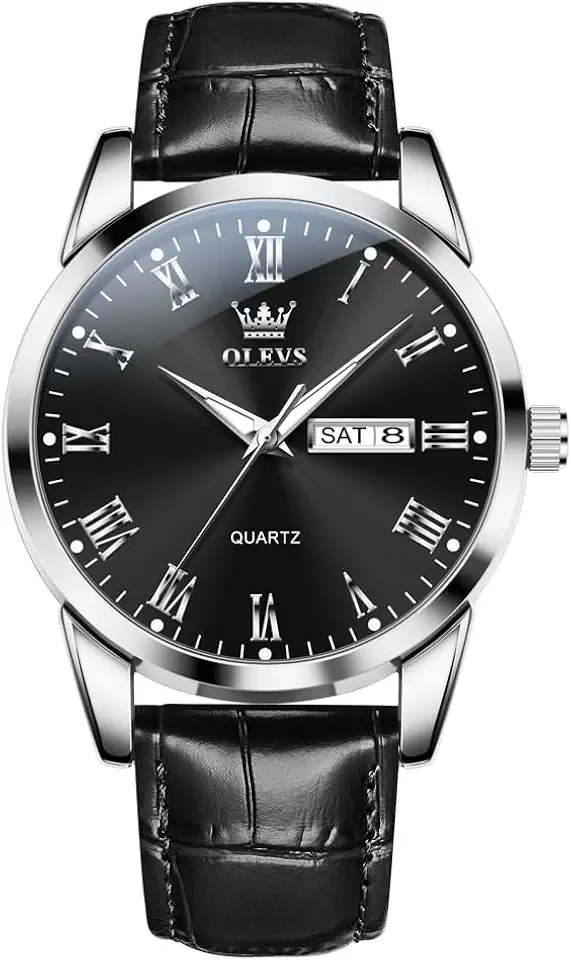
- ✗Don't wear rings, metal watches, or studded belts, as metal hardware scratches valuable antique raku tea bowls and cedar woodwork.
- ✗Avoid tight skinny jeans or stiff waistbands that cut off circulation and cause agonizing cramps while seated on tatami.
- ✗Don't wear bare feet, shorts, or graphic t-shirts into a consecrated tea pavilion.
Style tips
Pristine White Sock Protocol
In Japanese tearoom etiquette, white socks (symbolizing purity) are mandatory. Slip a fresh pair into your pocket and put them on immediately before stepping from the gravel garden onto the tearoom floor.
Metal-Free Waist and Wrists
When holding a handmade tea bowl, any ring, watch clasp, or heavy buckle can strike and chip irreplaceable lacquer or ceramic. Remove all jewelry and pocket watches before entering the chashitsu.
Seated Knee Stretch
Sitting for an hour on the floor strains standard trouser seams. Choose garments woven with natural stretch or a generous rise and pleated thigh to ensure quiet, effortless posture adjustments.


Related searches
All curated searches
Related Reading
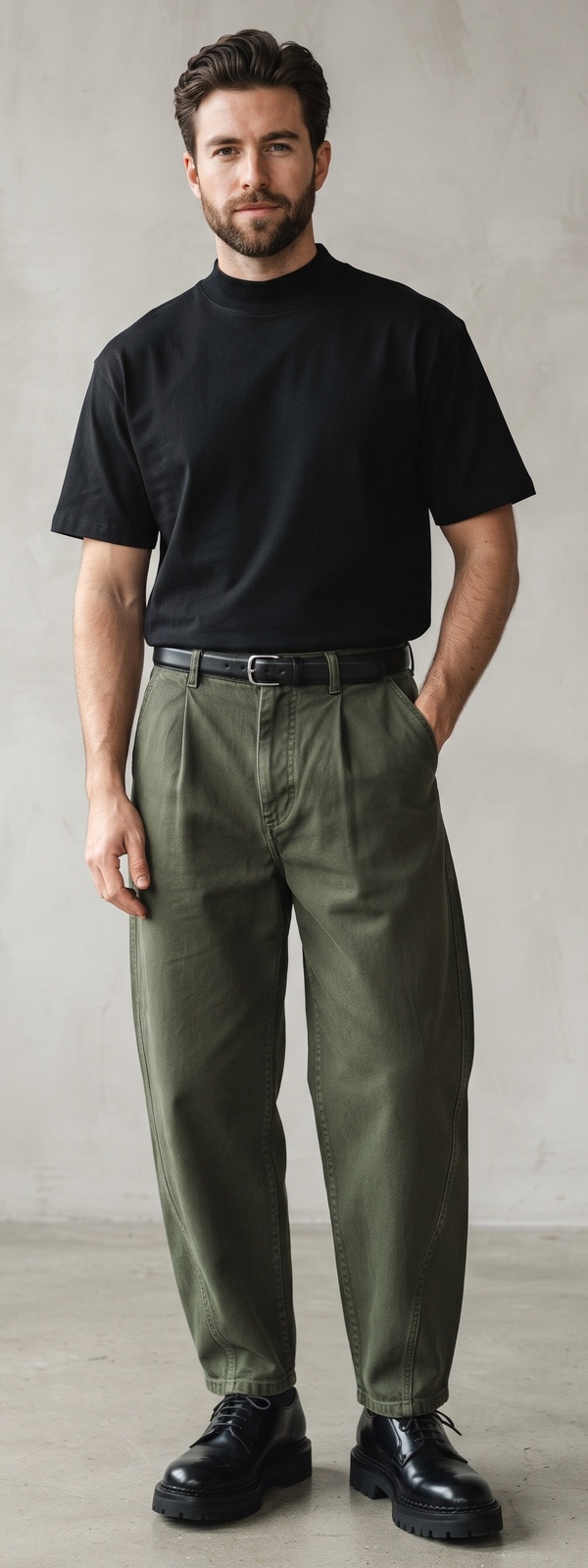
What to Wear to an Artisanal Sake Brewery Tasting — Men's Guide
Stepping inside a traditional Japanese sake kura during the winter brewing season requires deep respect for centuries-old fermentation craft and strict sensory etiquette. Breweries keep their fermentation rooms intentionally cold to control yeast activity, and visitors frequently transition between tatami tasting rooms and damp stone cellars. Your attire should embody clean architectural minimalism, thermal comfort, and absolute cleanliness. Strong fragrances, shedding fibers, and fussy footwear are out of place in an environment governed by delicate ginjo aromas and microbiological precision. From collarless noragi jackets and fine mock-neck knits to wide-leg pleated trousers and easy slip-on leather shoes, here is how to dress for an artisanal sake brewery tasting.
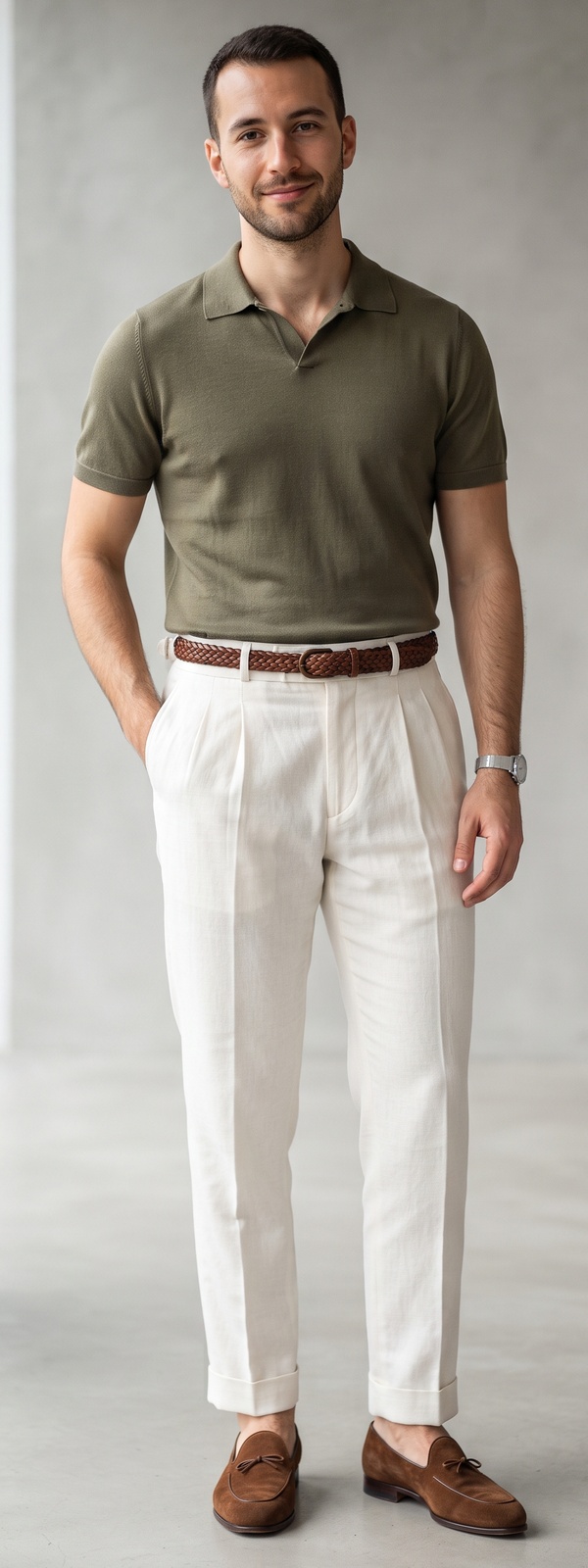
What to Wear to an Ikebana Floral Class — Men's Complete Guide
Entering a tranquil Japanese floral design studio for an ikebana botanical sculpture class immerses you in quiet architectural balance, brass kenzan pin frogs, and pruned pine branches. Practitioners clip woody quince stems underwater with carbon-steel hasami shears, calculate asymmetrical negative space, and anchor sculptural branches inside shallow ceramic suiban basins. The ideal sartorial tone is Japanese minimalist elegance and unencumbered studio utility: relaxed band-collar linen or cotton shirts, wide-leg pleated dress pants, muted canvas aprons, and supple leather loafers. Because ikebana is a meditative discipline requiring calm posture and frequent handling of wet branches, clean understated garments are essential. From bending willow twigs with subtle hand heat to placing the final focal iris stem onto brass kenzan needles, here is your definitive ikebana style guide.

How to Dress Effortlessly: The No-Try Style Method
Master the art of effortless dressing with the No-Try Style Method. Discover relaxed tailoring, tonal color palettes, and understated menswear on a budget.

High-Summer Survival: Keep Cool, Stay Sharp
When the mercury spikes, our styling strategy shifts entirely toward managing the temperature without sacrificing an ounce of look. For this sun-drenched collection, we are heavily leaning into airy open-weave knits, lightweight linen blends, and relaxed, unstructured separate pieces. We believe that surviving the intense heat shouldn't force you to settle for sloppy casuals or overpay for technical luxury labels. Let's conquer the dog days of summer with crisp, affordable essentials that keep you completely comfortable and undeniably polished.
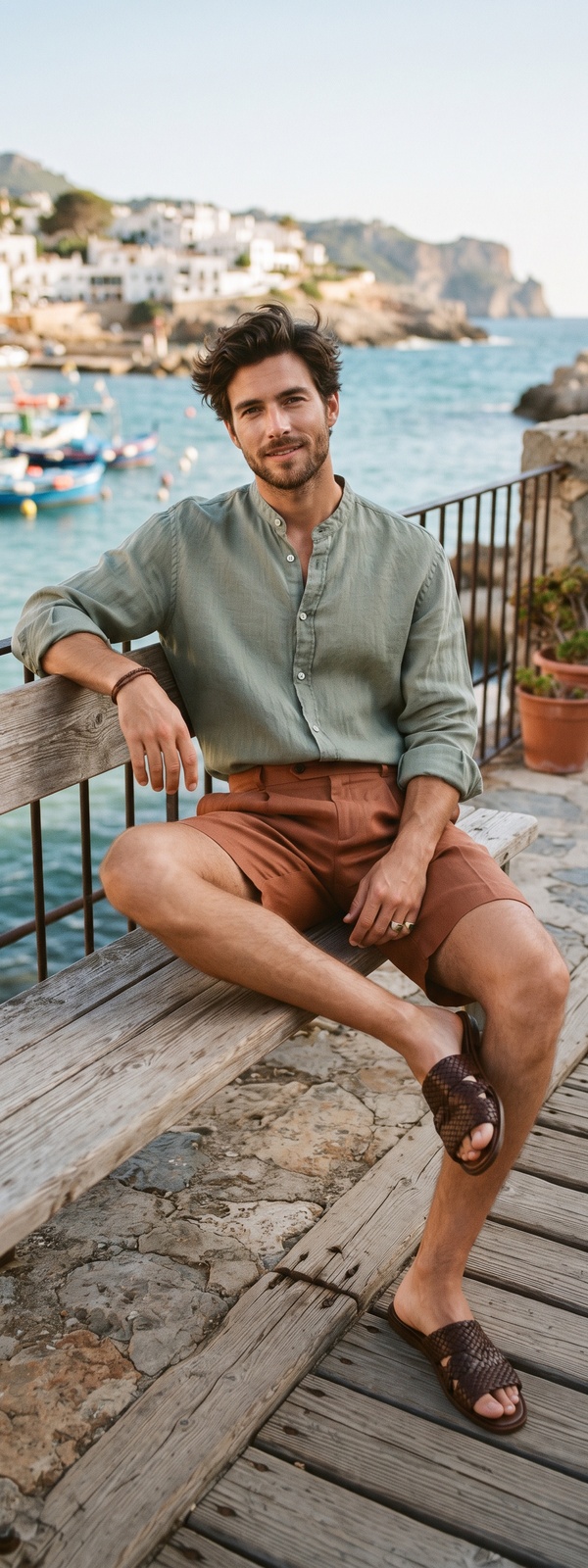
How to Style a Men's Vintage Band Collar Tunic Shirt
Discover how to style vintage band collar and grandad tunic shirts with relaxed tailoring, linen trousers, and modern artistic layering.
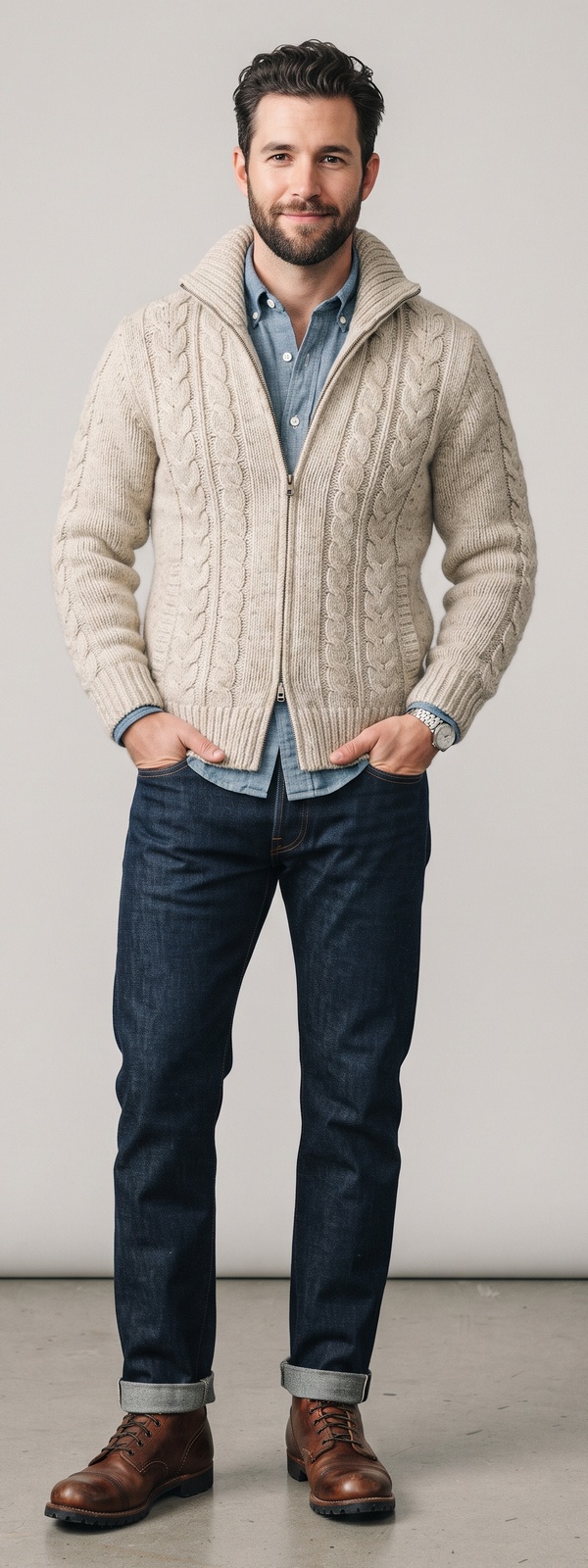
Full-Zip Cardigans & Knit Overshirts: Modern Layering
We assembled this collection to spotlight the rise of the full-zip cardigan and knitted zip overshirt across modern smart-casual wardrobes. Replacing traditional button plackets with sleek metallic zippers gives heavy ribbed wool and cashmere knits the architectural presence of a lightweight jacket. Layer them open over fine-gauge tees or zip them up to the collar above pleated chinos and minimalist court sneakers for effortless transitional polish.
Other Reading
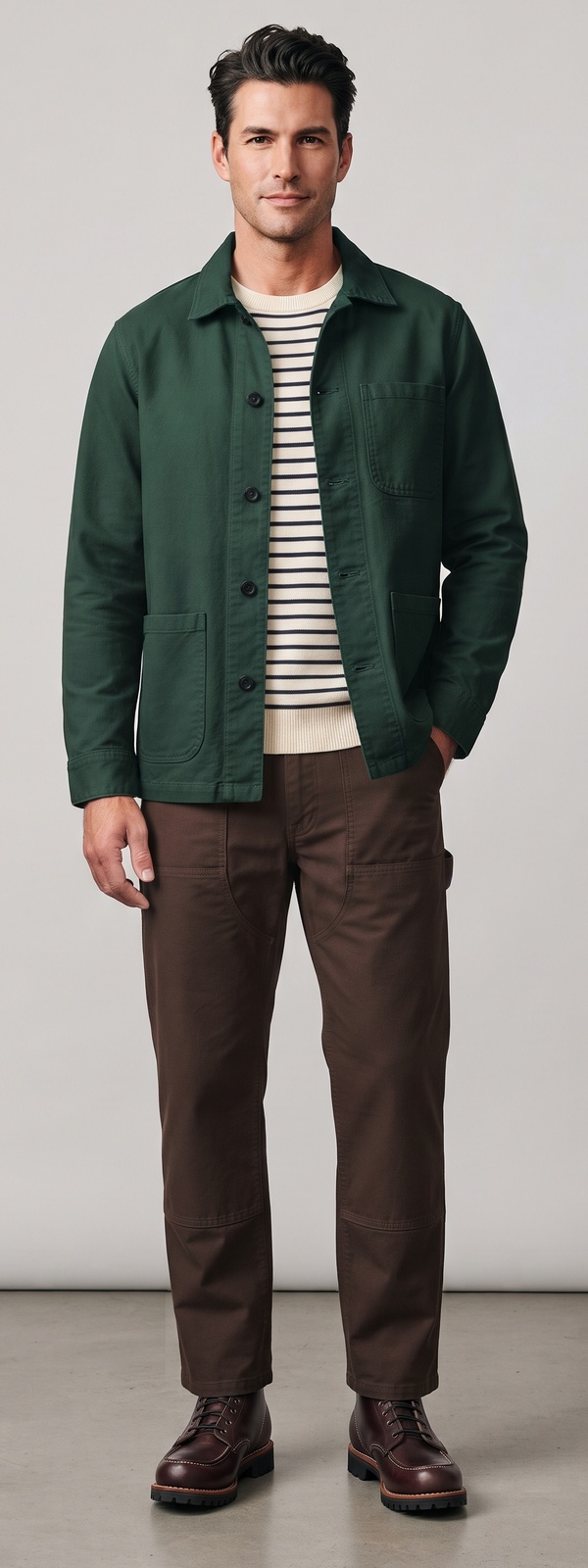
What to Wear to a Wooden Boatbuilding Yard — Men's Style Guide
Stepping onto the fragrant cedar and teak shavings of a traditional maritime boatbuilding yard to steam timber ribs, caulk carvel hulls, and shape spars is a masterclass in living heritage. The environment is dusty, aromatic with marine varnish, and physically demanding. Working around heavy bandsaws, hand planes, and sticky pine tar requires tough, abrasion-resistant workwear that protects against sharp wood splinters. Your clothing needs to celebrate maritime craftsmanship with honest utilitarian pride. From waxed canvas utility vests and heavy chore jackets to striped Breton knits, duck pants, and moc-toe boots, here is your wooden boatbuilding yard style guide.
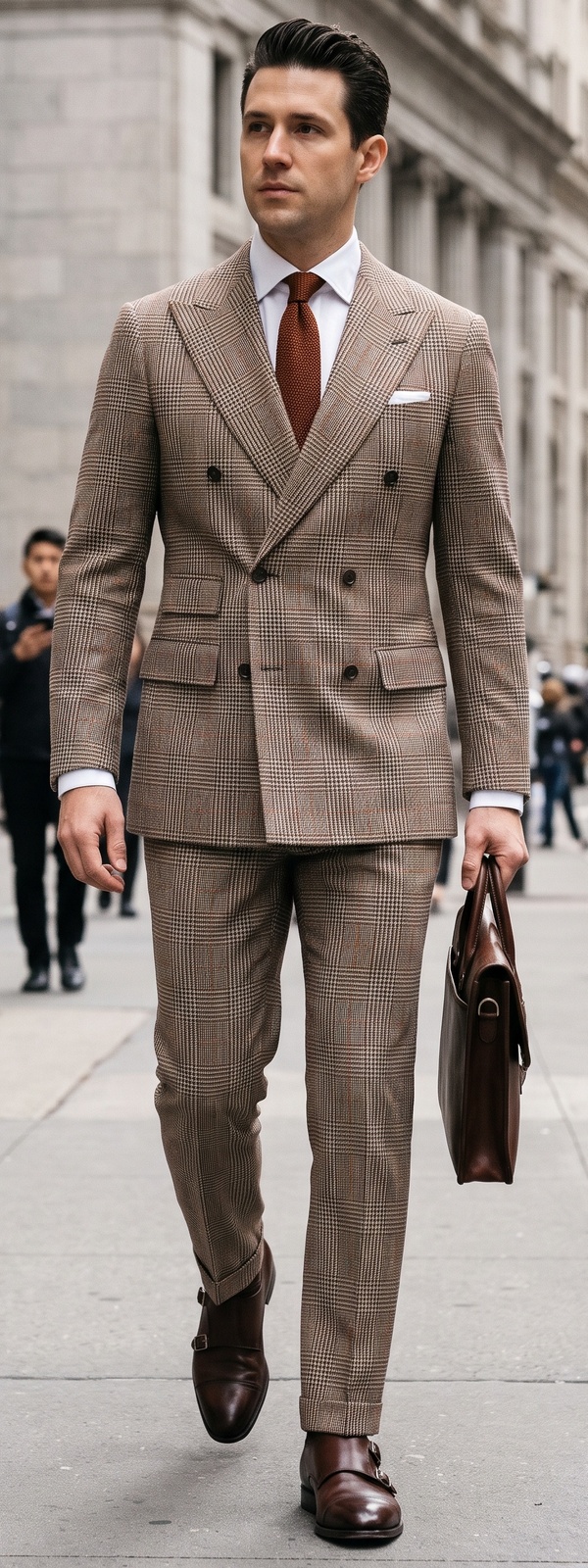
Pinstripe Double-Breasted Blazers & Knit Ties
We assembled this collection to showcase how a tactile silk knit tie softens the sharp authority of a pinstripe double-breasted blazer. The matte texture and flat square hem of knit neckwear infuse traditional power suiting with relaxed modern sprezzatura. Pair with crisp poplin shirting and polished leather dress shoes for an impeccably balanced executive presentation.
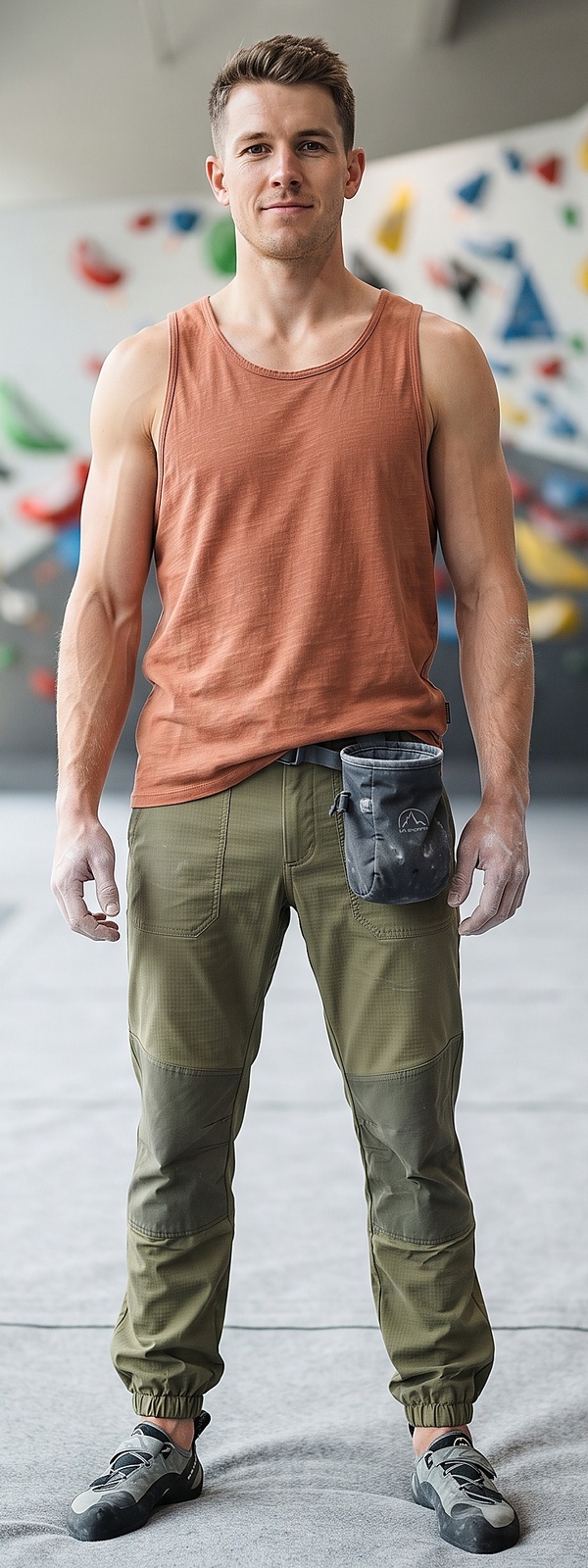
How to Style Terracotta and Rust Tones for Men with Ease
Master styling men's terracotta and rust tones with cream chinos, linen trousers, and woven loafers for rich Mediterranean warmth and visual depth.