
What to Wear to an Artisanal Sake Brewery Tasting — Men's Guide
Stepping inside a traditional Japanese sake kura during the winter brewing season requires deep respect for centuries-old fermentation craft and strict sensory etiquette. Breweries keep their fermentation rooms intentionally cold to control yeast activity, and visitors frequently transition between tatami tasting rooms and damp stone cellars.
Your attire should embody clean architectural minimalism, thermal comfort, and absolute cleanliness. Strong fragrances, shedding fibers, and fussy footwear are out of place in an environment governed by delicate ginjo aromas and microbiological precision.
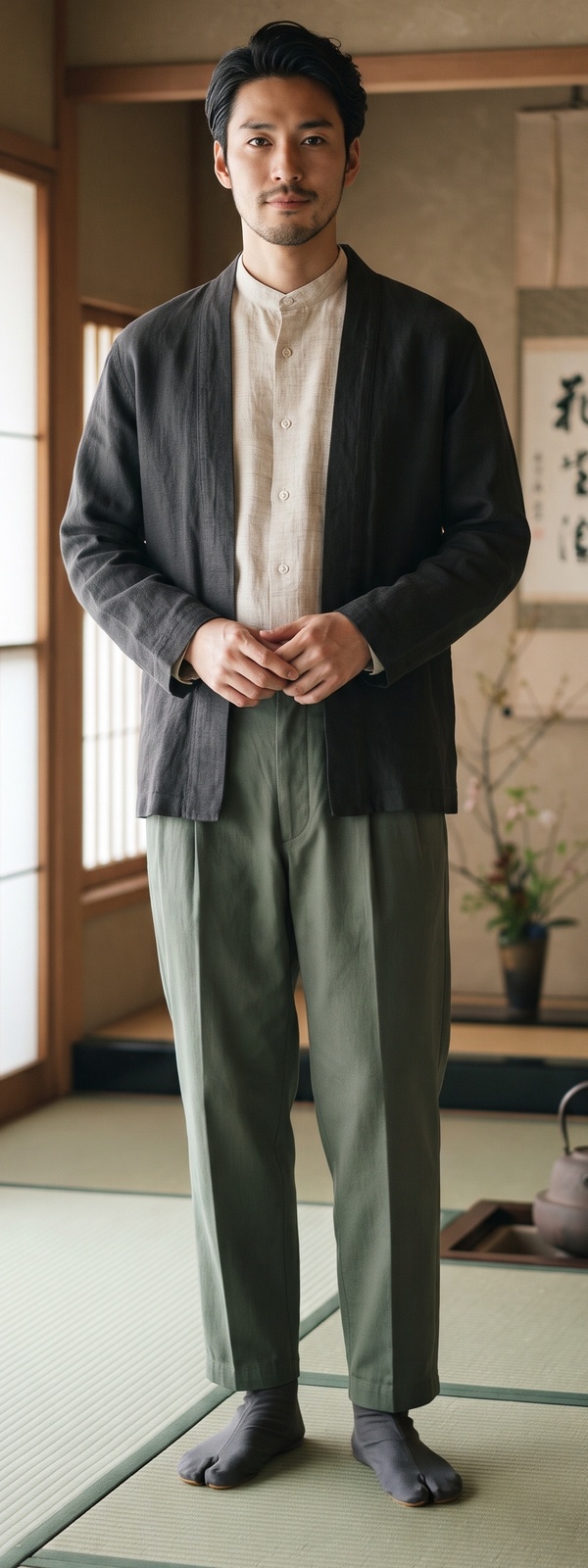
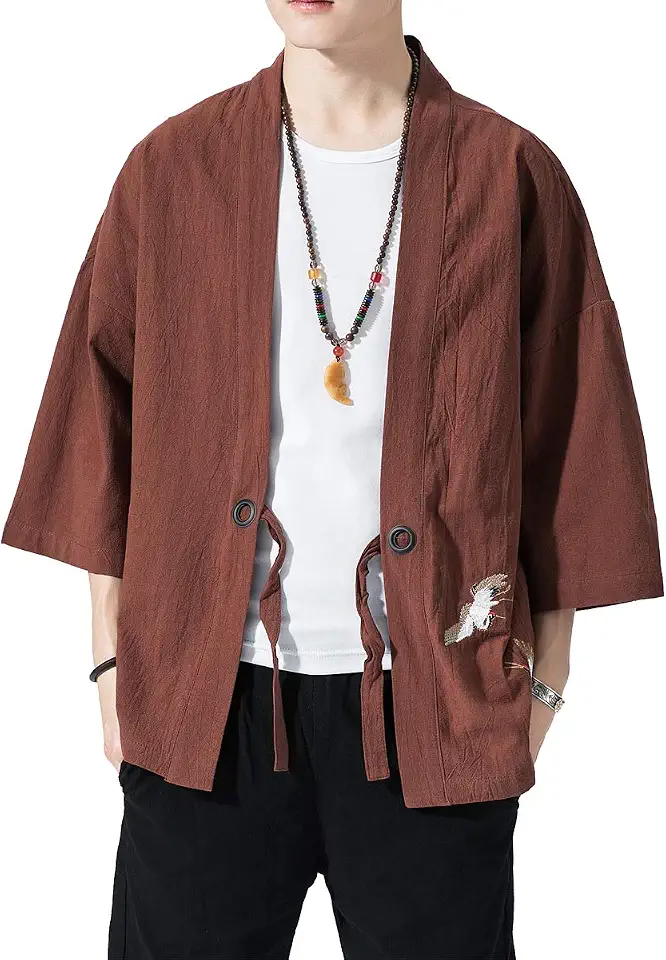
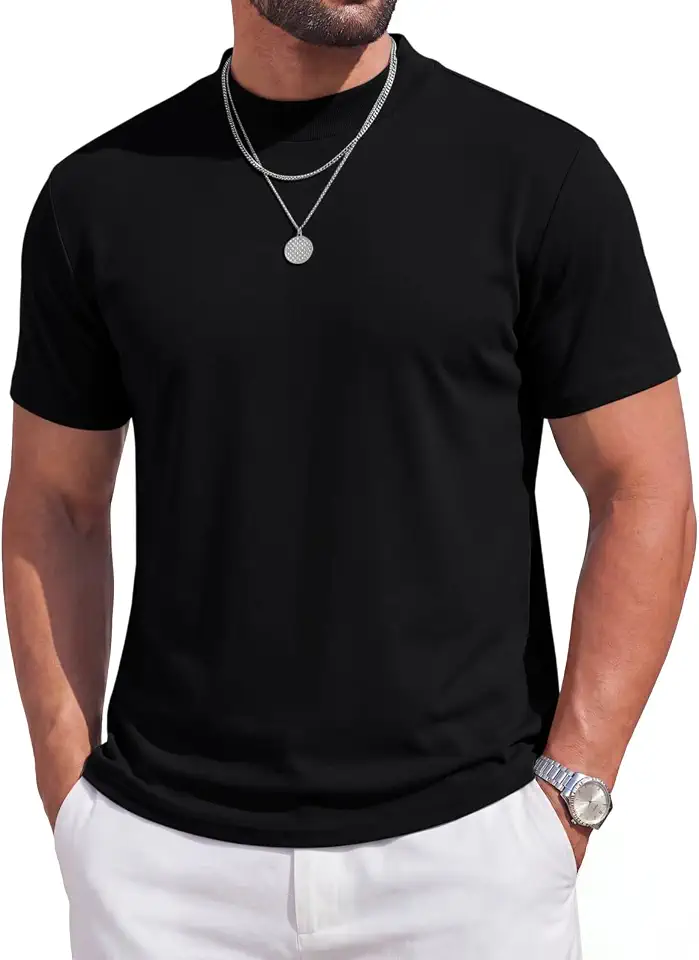
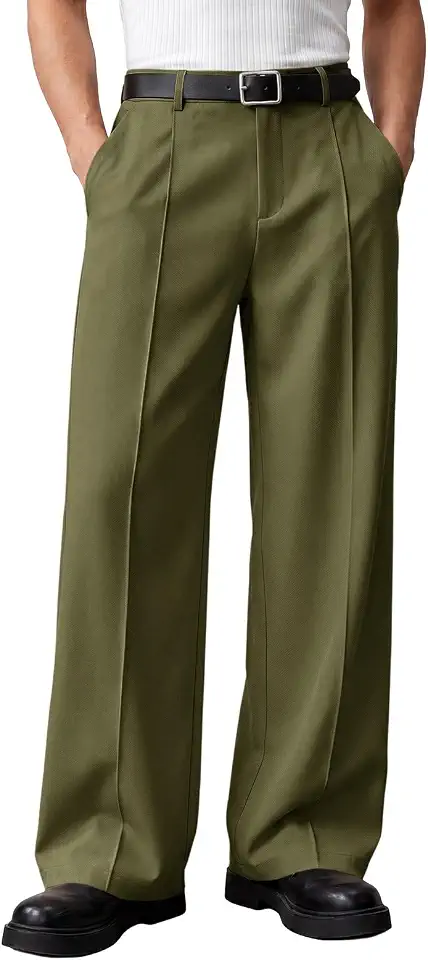
From collarless noragi jackets and fine mock-neck knits to wide-leg pleated trousers and easy slip-on leather shoes, here is how to dress for an artisanal sake brewery tasting.
Outfits that work


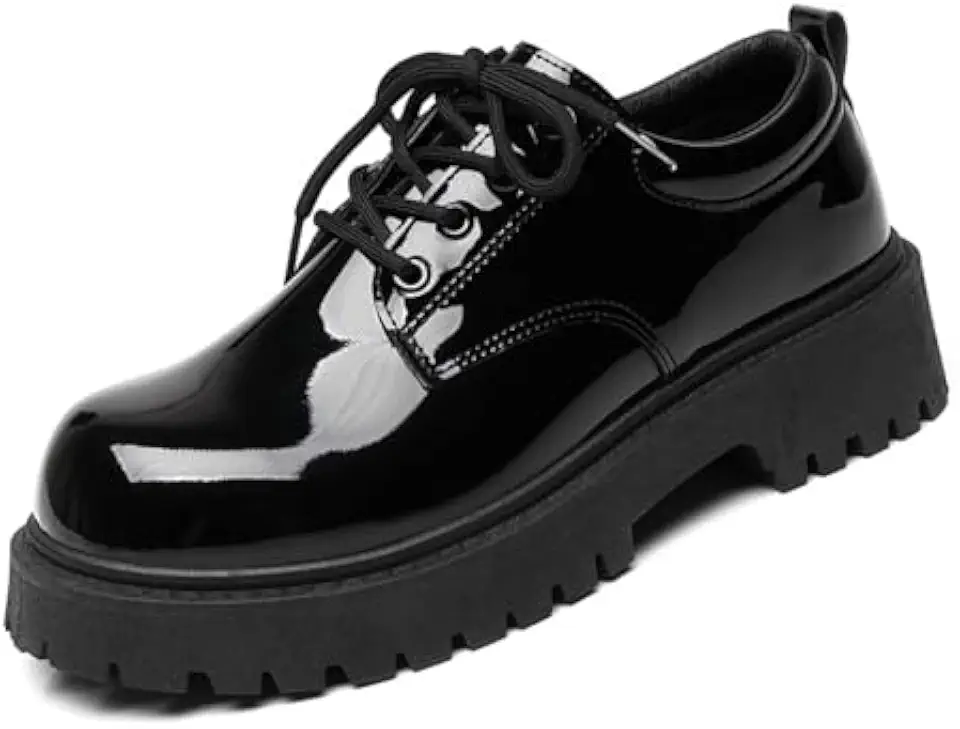

 $120
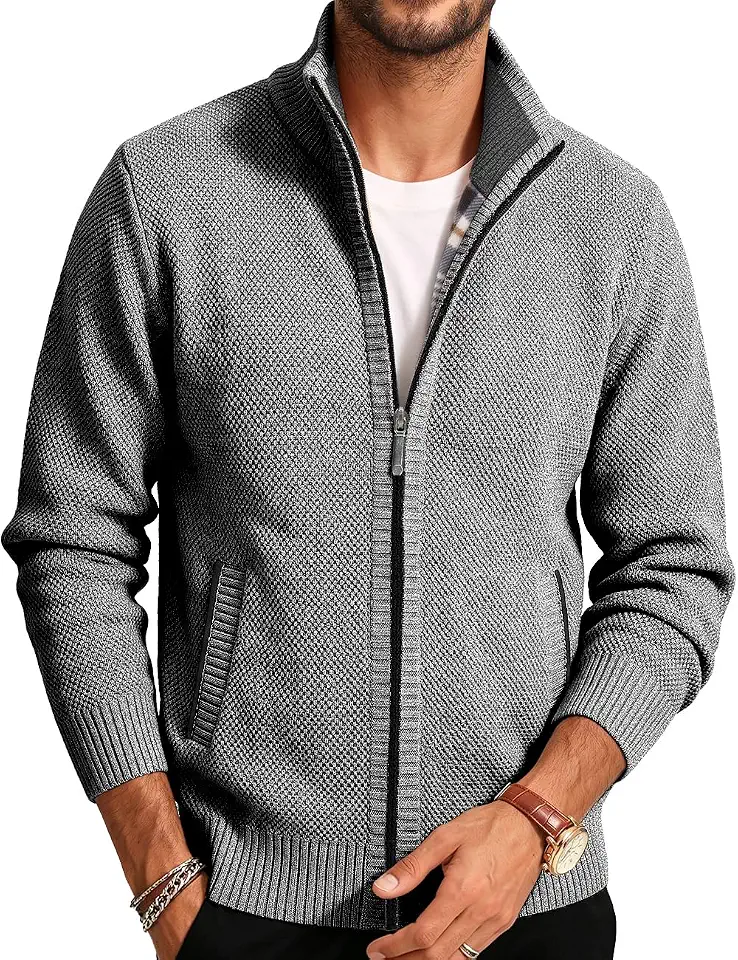
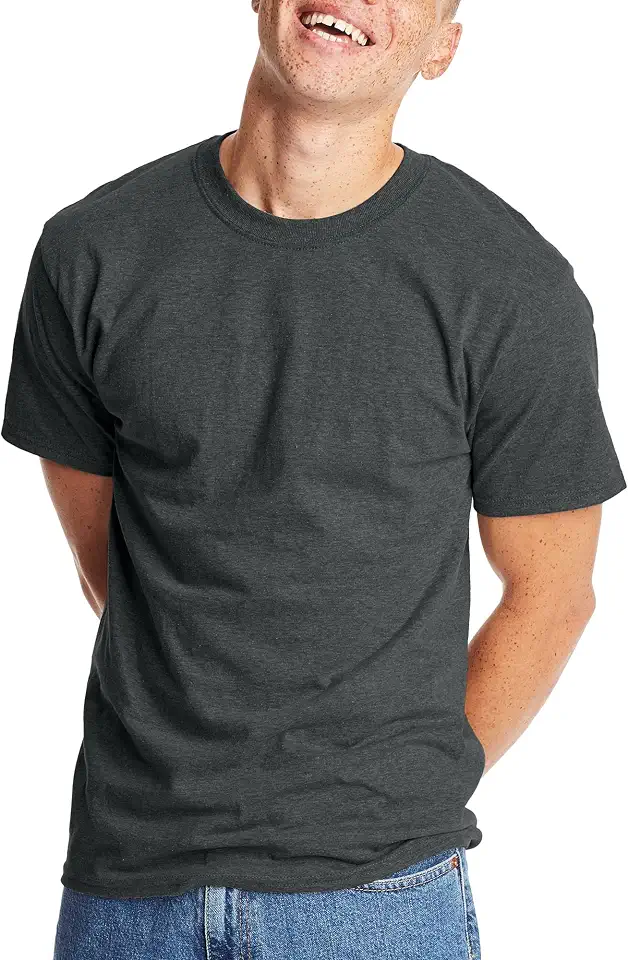
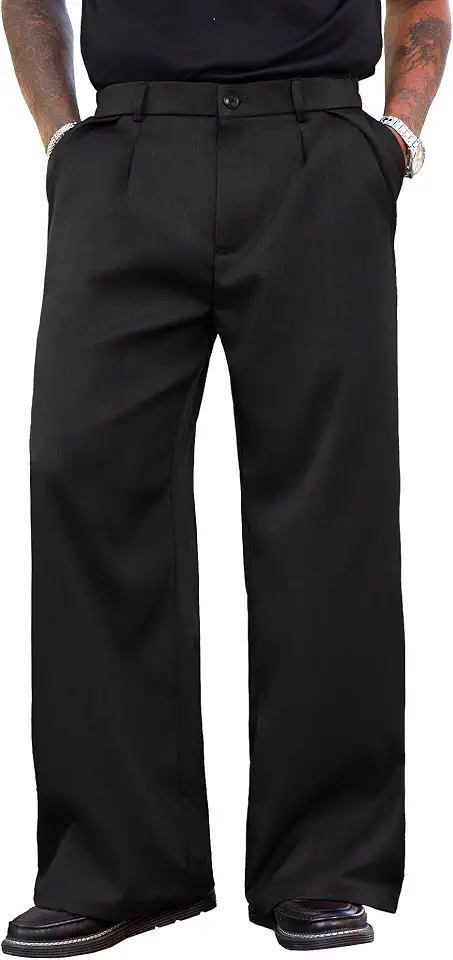
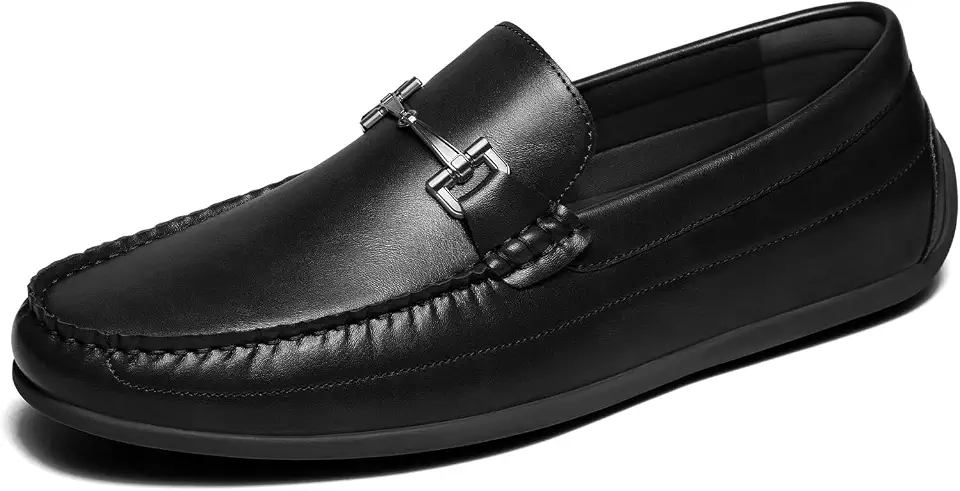
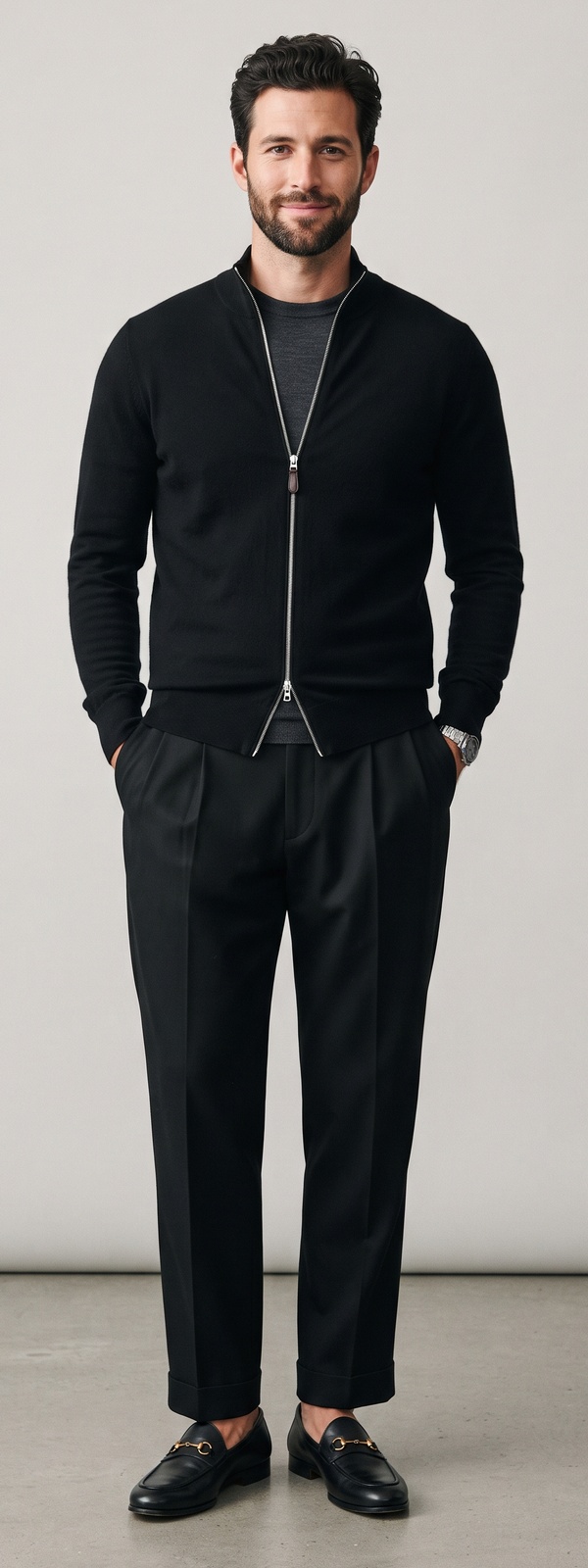
Black Full Zip Bomber Cardigan with Charcoal Tee and Pleated Trousers
5 pieces · Oct 18, 2026
 $201

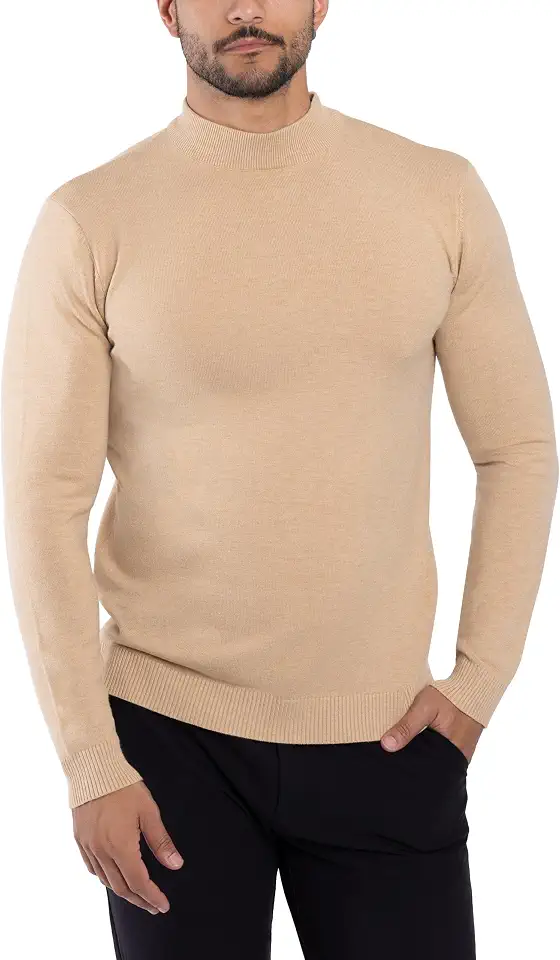
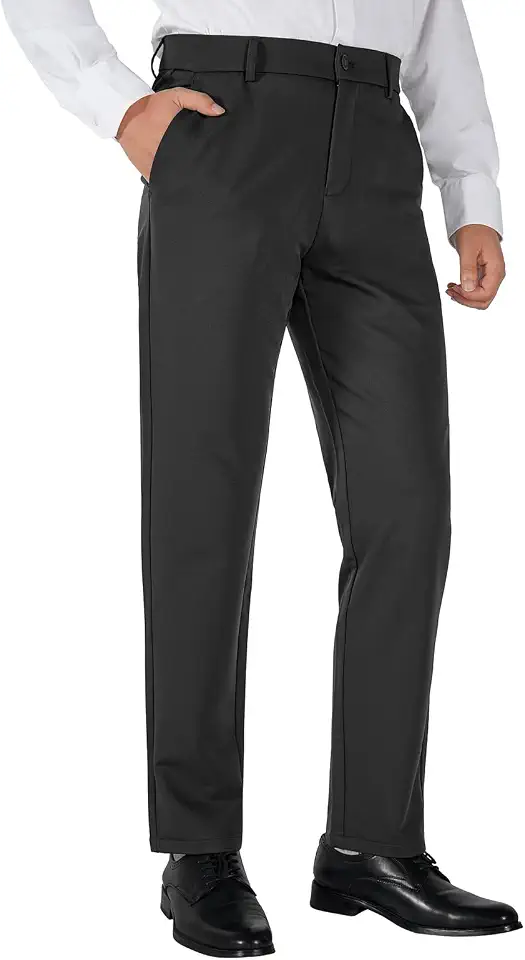
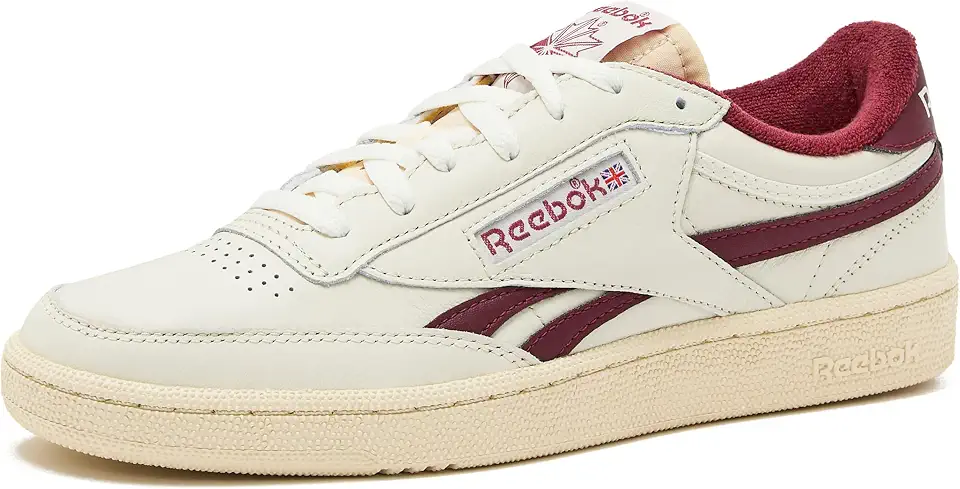
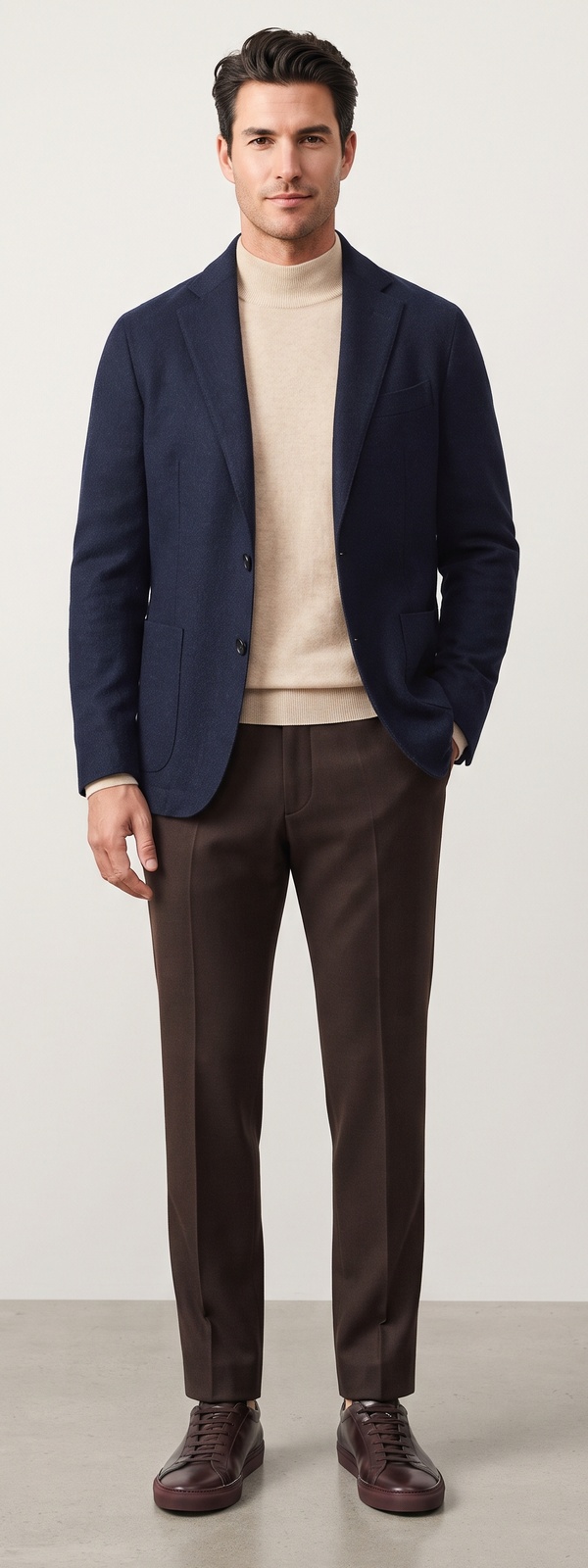
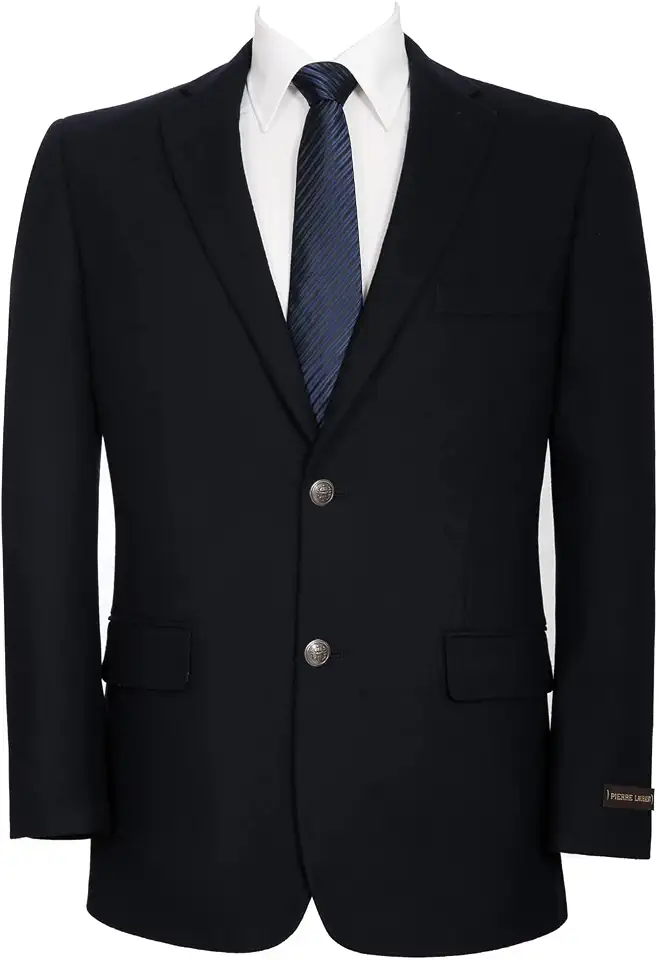
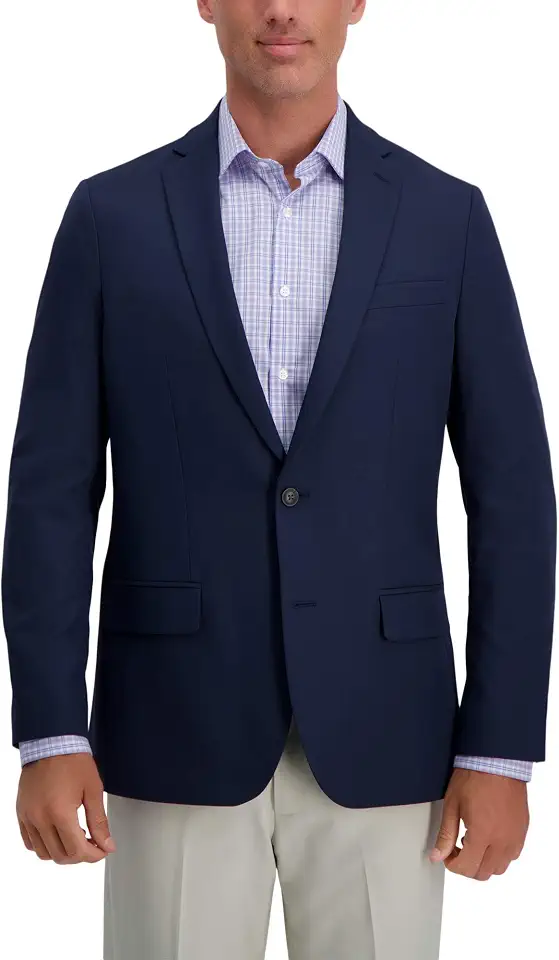
Contemporary Navy Wool Blazer Oatmeal Mock Neck and Dark Brown Pants Look
4 pieces · Oct 10, 2026
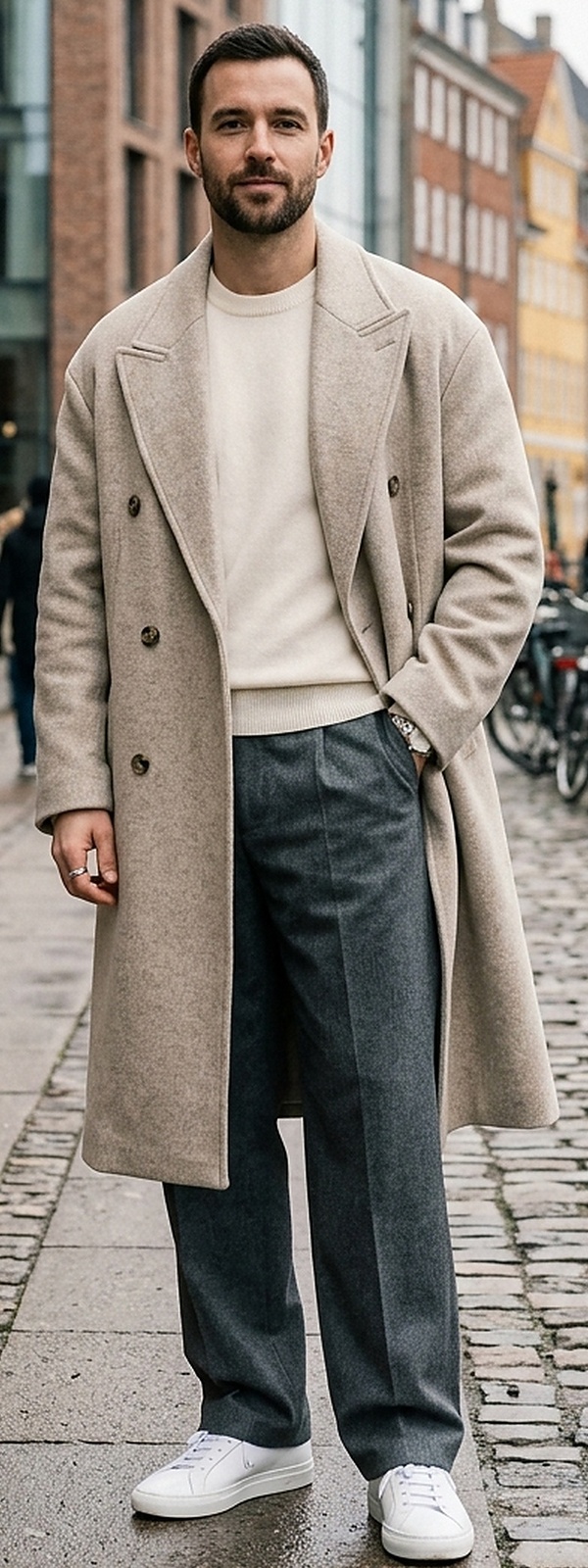 $238
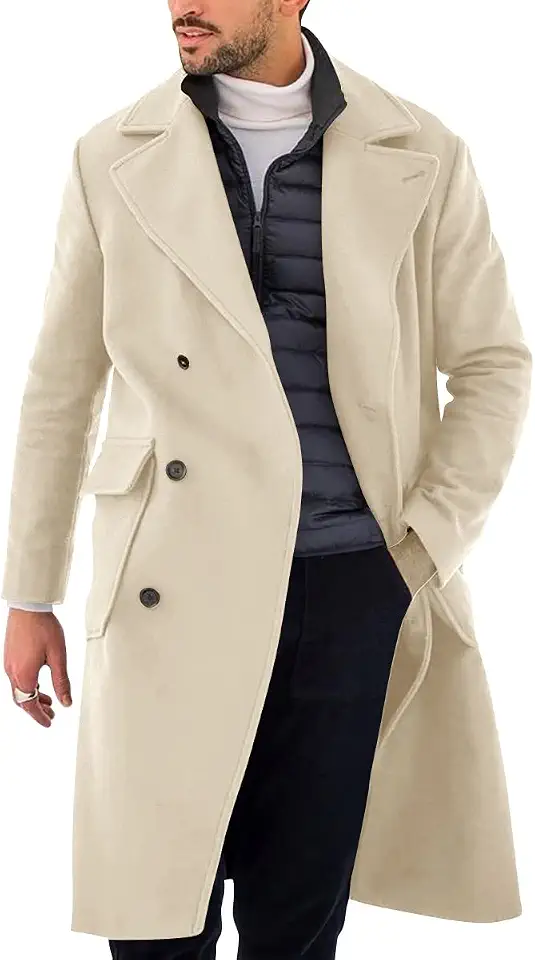
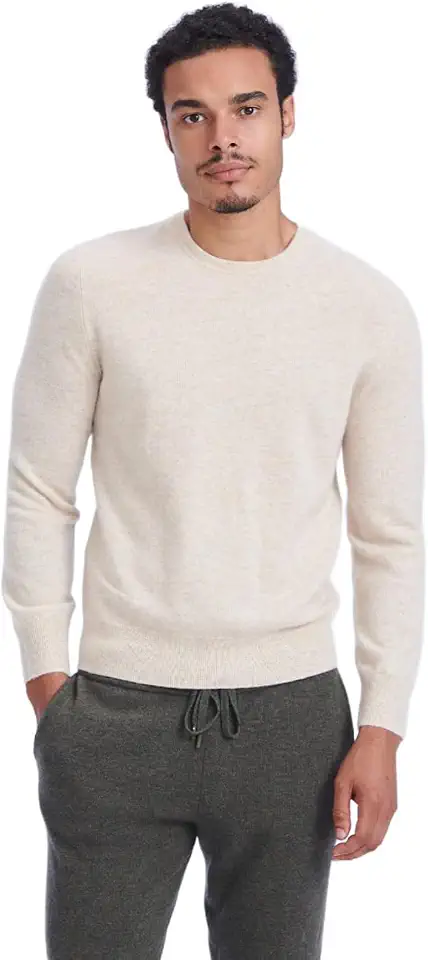

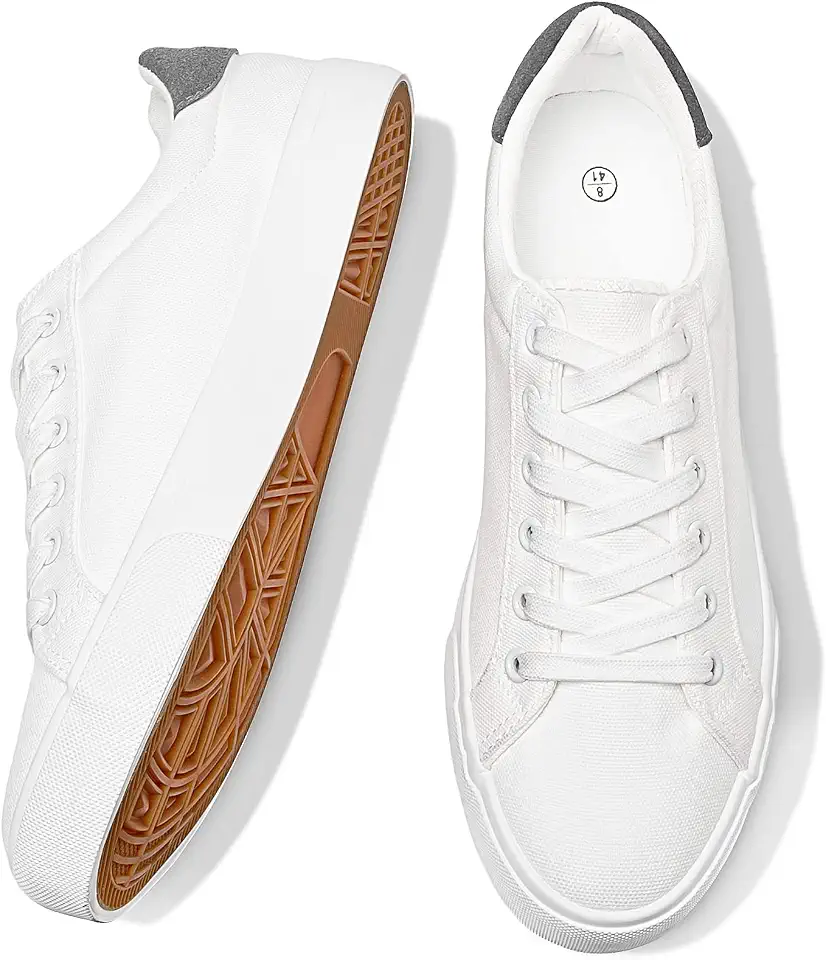
Nordic Minimalist Heavy Wool Overcoat and Cashmere Knit with Pleated Flannels
5 pieces · Oct 9, 2026
Do
- ✓Wear warm, lint-free layers like fine-gauge merino mock-necks, structured cardigans, or collarless wool jackets.
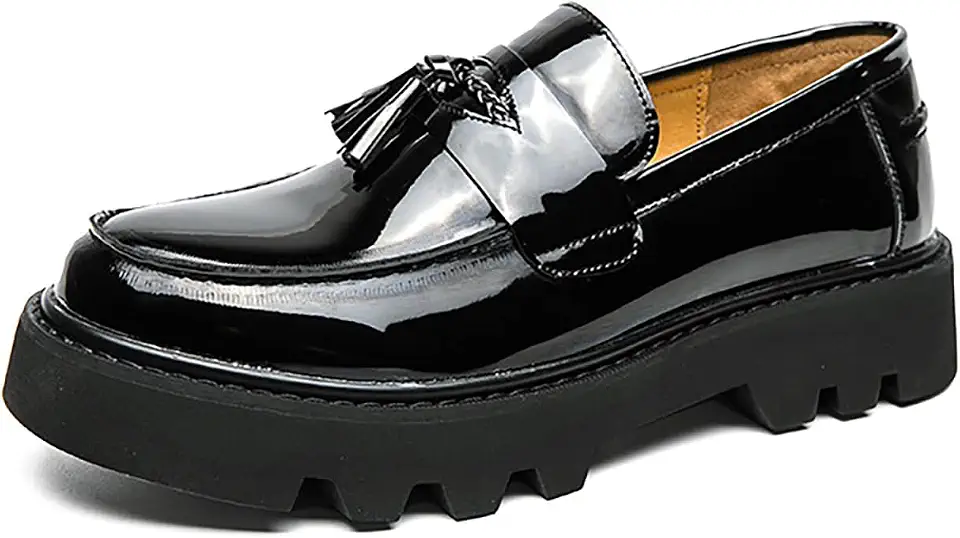
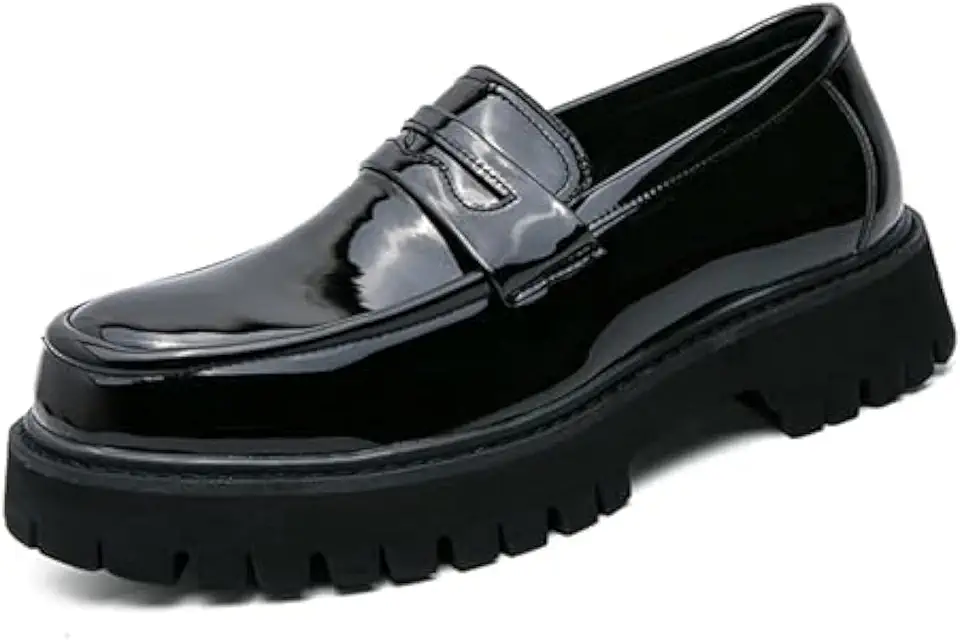
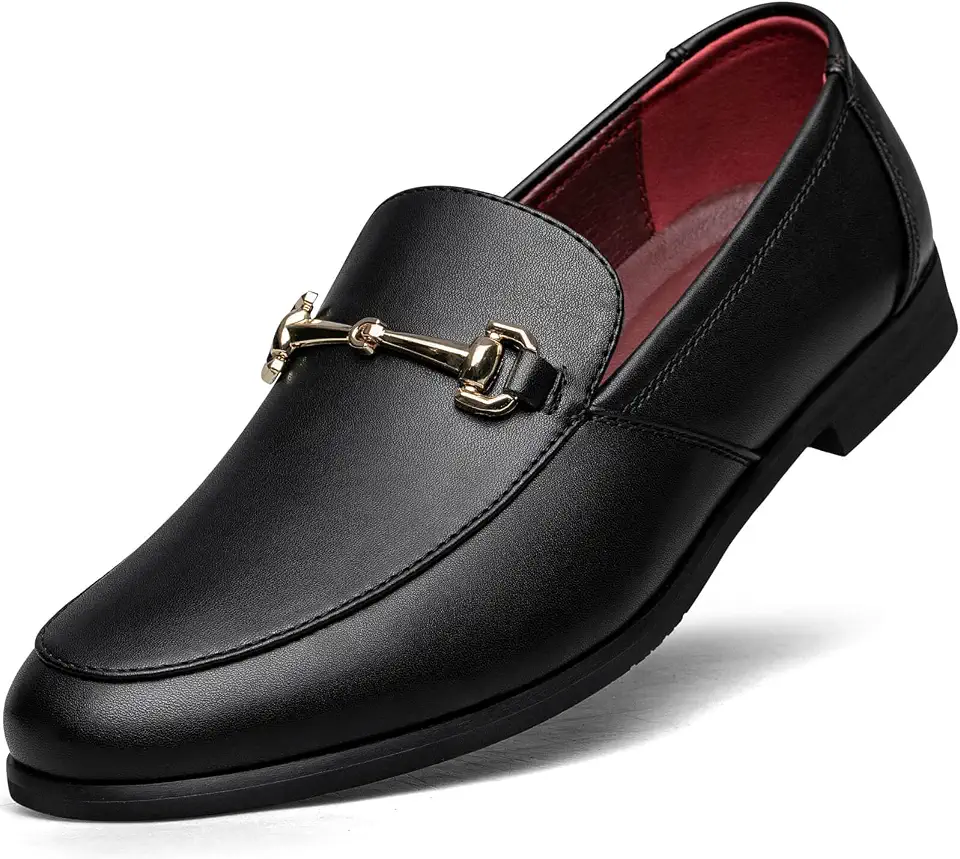
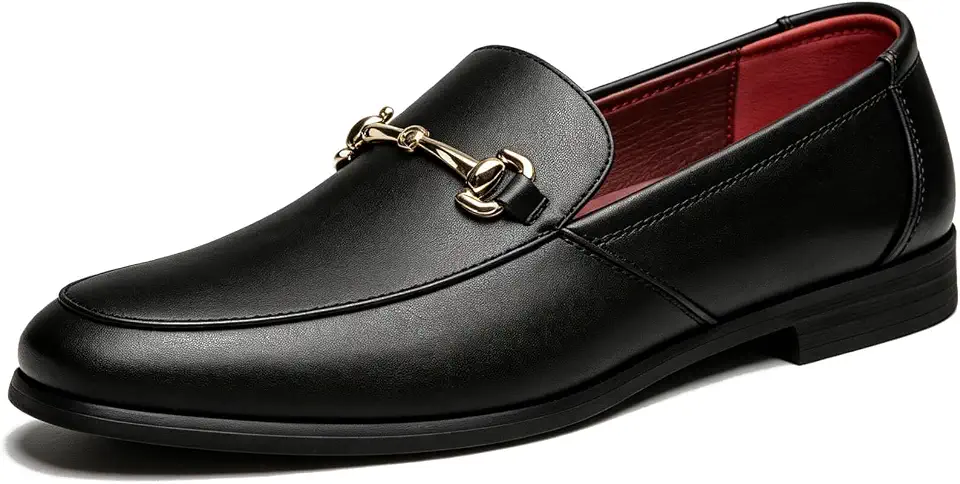
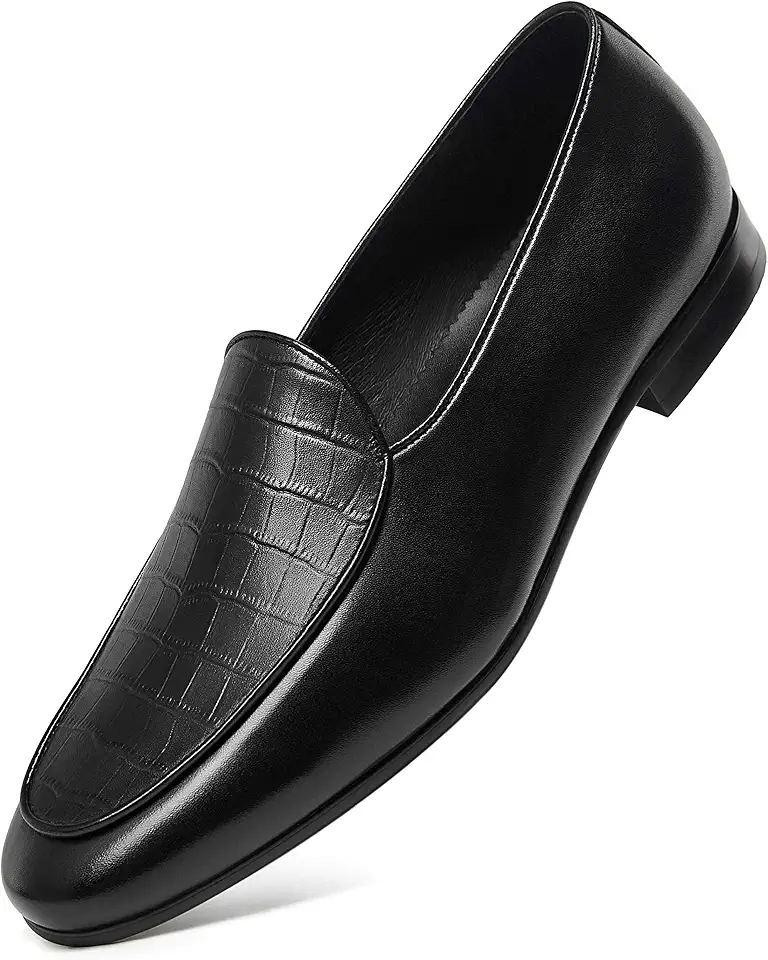
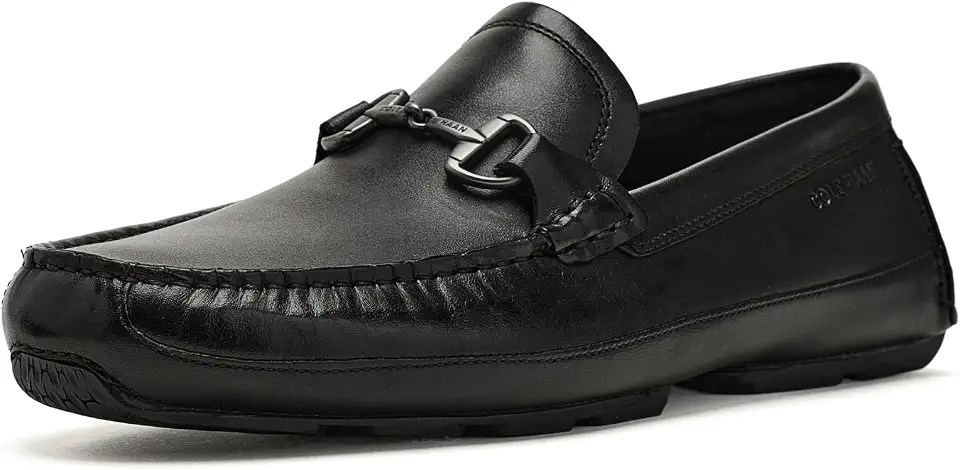
- ✓Choose clean, slip-on leather loafers or Chelsea boots that remove and slide back on effortlessly at tatami entrances.
- ✓Wear pristine, hole-free dark socks since you will regularly step out of your shoes for indoor brewery rooms.
- ✓Opt for relaxed-fit pleated dress pants or clean tapered chinos in muted charcoal, navy, or sage tones.
- ✓Arrive completely scent-free so delicate floral and rice aromas of Junmai Daiginjo pours remain uncompromised.
Don't
- ✗Avoid wearing cologne, scented beard oils, or fragrant lotions that overpower subtle sake aromatics and disturb the toji.
- ✗Don't wear fuzzy mohair or shedding sweaters that drop stray fibers near open fermentation tanks or steaming rice.
- ✗Avoid high-top boots with complex hooks that hold up the tour group at every shoe-removal threshold.
- ✗Don't wear distressed or dirty streetwear into a sacred brewing space.
Style tips
The Kura Temperature Strategy
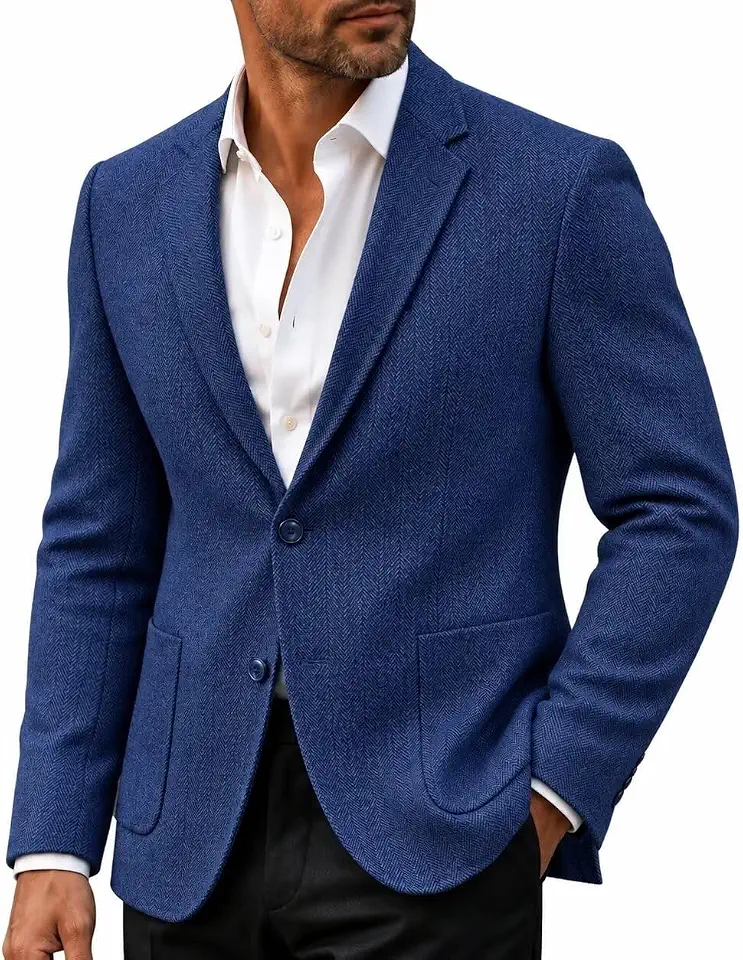
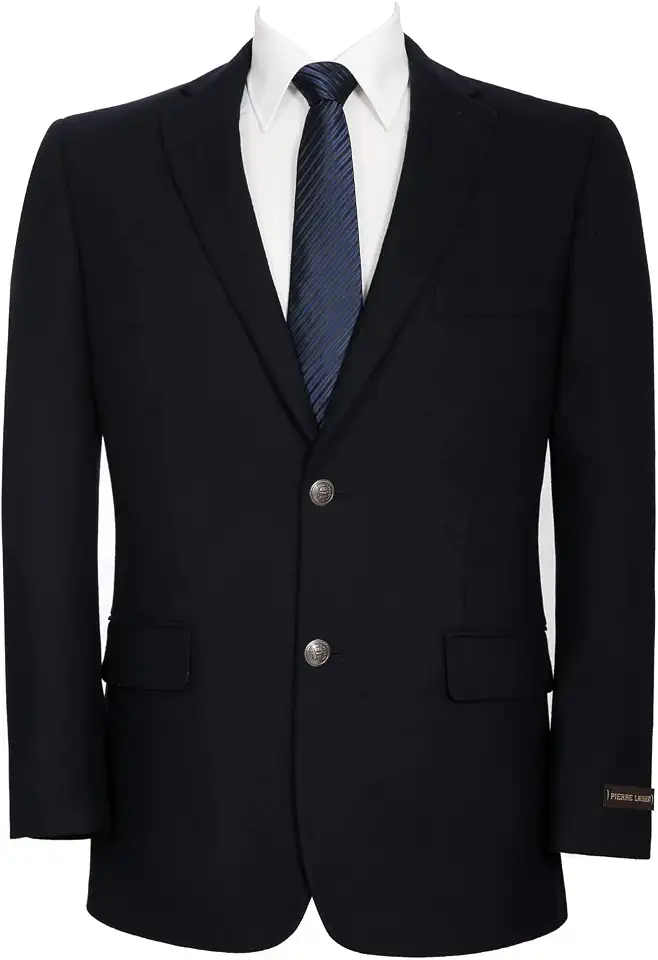
Sake fermentation rooms are chilled between forty and fifty degrees Fahrenheit. Layering a warm merino mock-neck under an unstructured wool blazer or noragi jacket keeps you comfortable without bulky winter puffers.
Threshold Footwear Etiquette
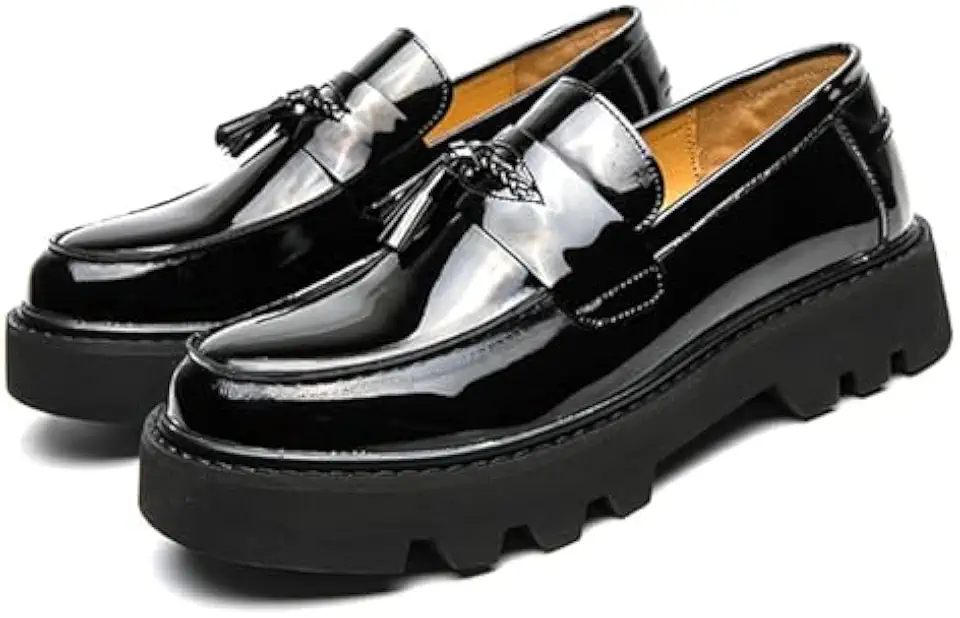
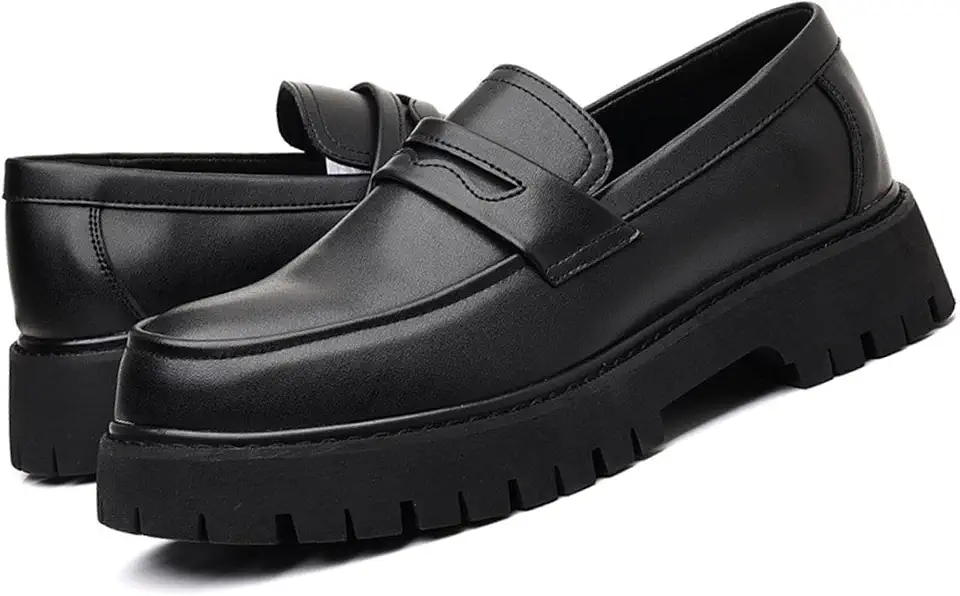
Japanese breweries require switching into sanitary slippers when entering麹 (koji) rooms or tatami tasting halls. Unlined leather loafers or sleek Chelsea boots make transitions seamless and dignified.
Zero-Fragrance Discipline
Sake evaluation hinges on volatile esters resembling pear, melon, and steamed cedar. Wash with unscented soap and skip all cologne on the morning of your brewery visit.
Related searches
All curated searches
Related Reading
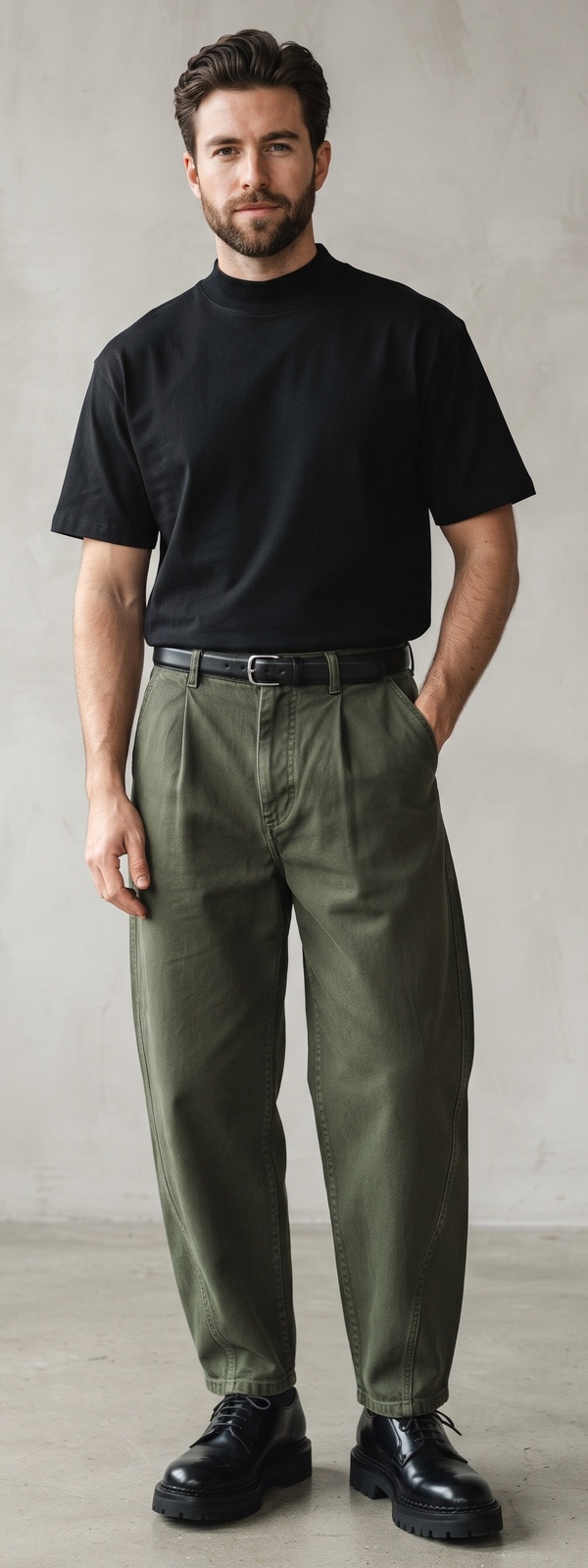
What to Wear to a Traditional Japanese Tea Ceremony — Men's Guide
Participating in a traditional Japanese tea ceremony (Chado) inside a minimalist chashitsu tearoom is an exercise in mindfulness, respect, and aesthetic harmony. Guests sit in seiza or cross-legged on delicate woven tatami mats, observing precise water and whisking rituals that have remained unchanged for over four centuries. Dressing for this ceremony requires strict adherence to cultural etiquette. Every piece of clothing must facilitate deep sitting without binding, protect fragile rush mats from damage, and leave the tearoom's delicate incense uncorrupted. From loose-fitting linen-blend trousers and collarless jackets to clean white socks and completely fragrance-free grooming, here is how to dress for a traditional Japanese tea ceremony.

The Minimalist Capsule: Maximum Style, Minimum Effort
We believe that the ultimate luxury is a wardrobe that eliminates decision fatigue without sacrificing an ounce of sophistication. For this transitional season, our focus is entirely on monochromatic layering, clean lines, and high-yield basics that pair effortlessly together. True style doesn't require a closet overflowing with fleeting trends or overpriced labels. Let's embrace a 'less is more' philosophy with affordable, architectural pieces that prove simplicity is the highest form of sharp dressing.
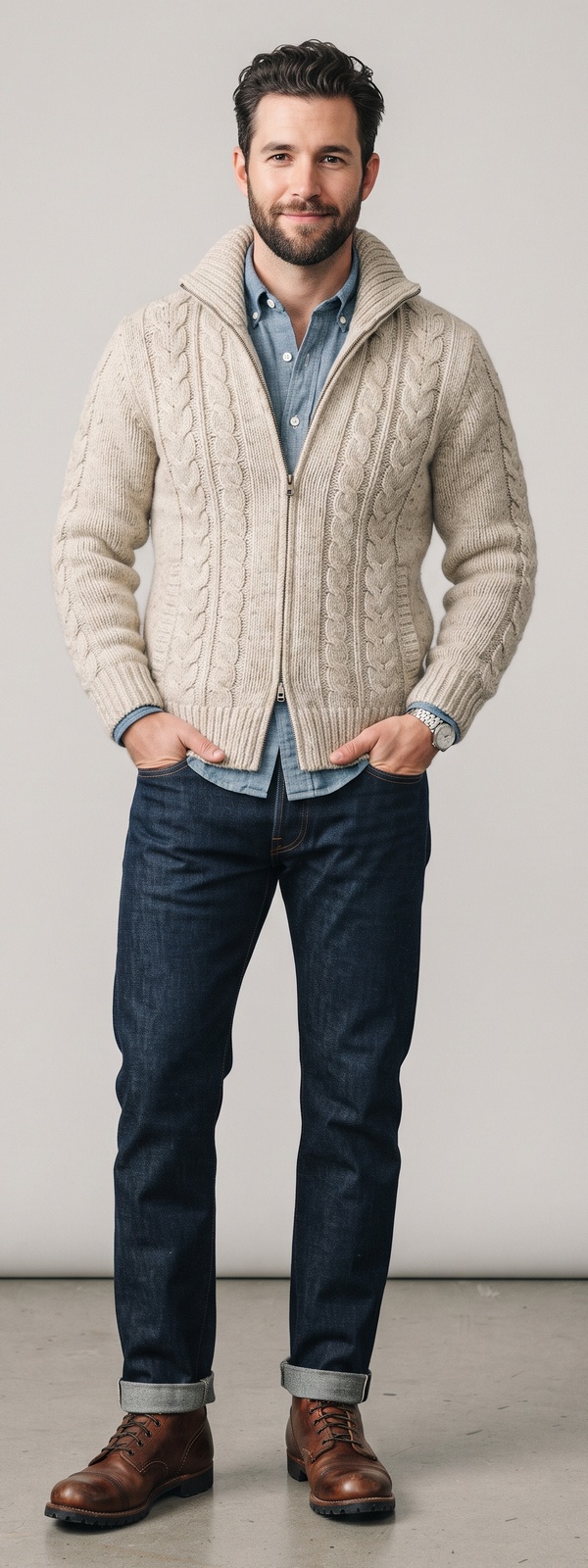
Full-Zip Cardigans & Knit Overshirts: Modern Layering
We assembled this collection to spotlight the rise of the full-zip cardigan and knitted zip overshirt across modern smart-casual wardrobes. Replacing traditional button plackets with sleek metallic zippers gives heavy ribbed wool and cashmere knits the architectural presence of a lightweight jacket. Layer them open over fine-gauge tees or zip them up to the collar above pleated chinos and minimalist court sneakers for effortless transitional polish.
What to Wear to a Bespoke Eyewear Frame Making Workshop — Men's Guide
Spending a weekend inside an independent optical atelier—selecting aged Mazzucchelli cellulose acetate slabs, fret-sawing bridge contours, hand-filing temple bevels, and tumbling your own bespoke spectacles—merges micro-sculptural craft with personal style. Unlike heavy blacksmithing, eyewear making is a clean, high-precision bench craft that generates fine electrostatic acetate shavings. Your outfit should reflect the creative design ethos of an optical studio while avoiding fuzzy fabrics that trap static plastic dust. From smooth band-collar shirts and structured wool overshirts to linen craftsman aprons and relaxed pleated trousers, here is your complete guide to dressing for a bespoke eyewear frame making workshop.
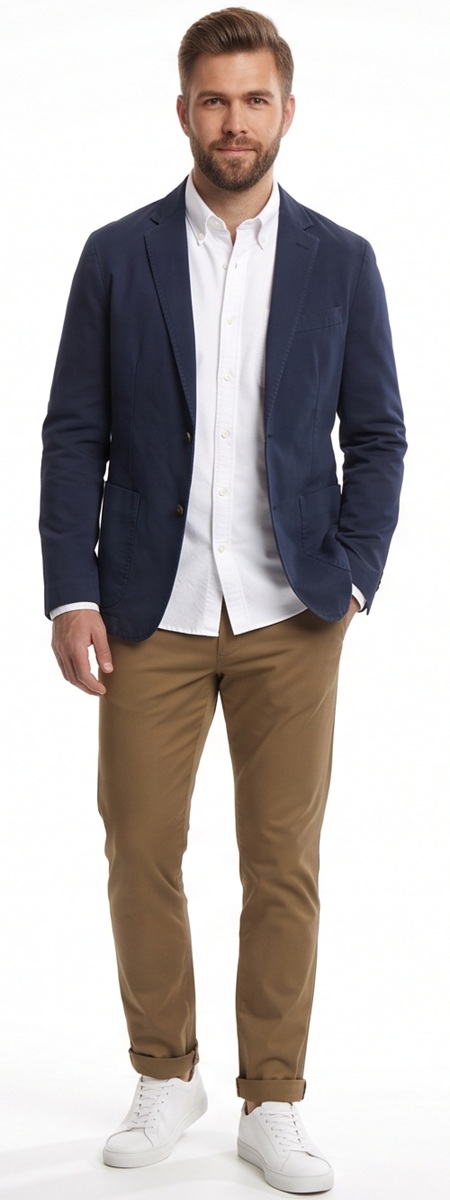
How to Build a 15-Piece Minimalist Wardrobe for Men
Learn how to build a 15-piece minimalist wardrobe for men. Streamline your style with versatile, affordable essentials that mix and match effortlessly.
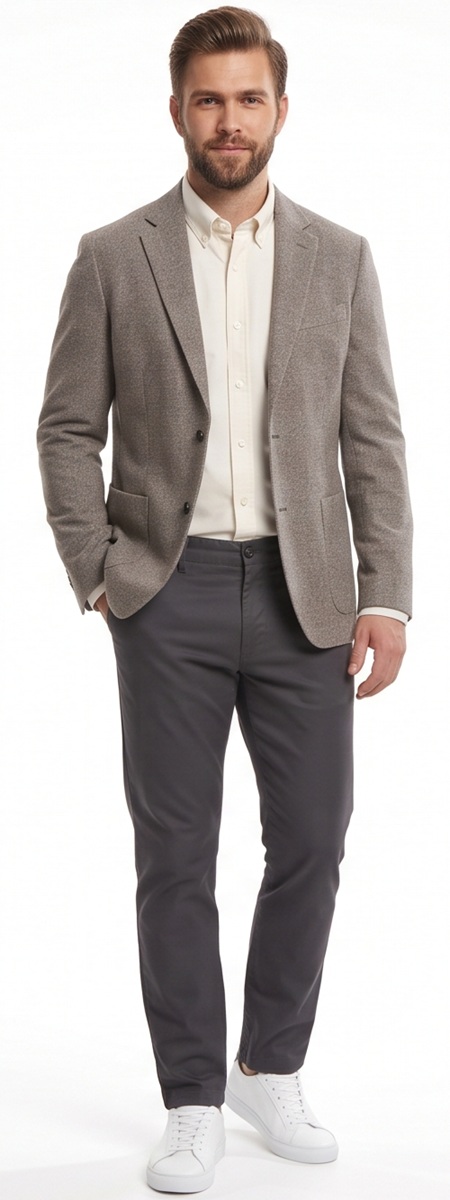
Men's Business Casual Done Right: Style Guide on a Budget
Master men's business casual style without breaking the bank. Learn the essential fits, fabrics, and formulas to look sharp at the office.
Other Reading
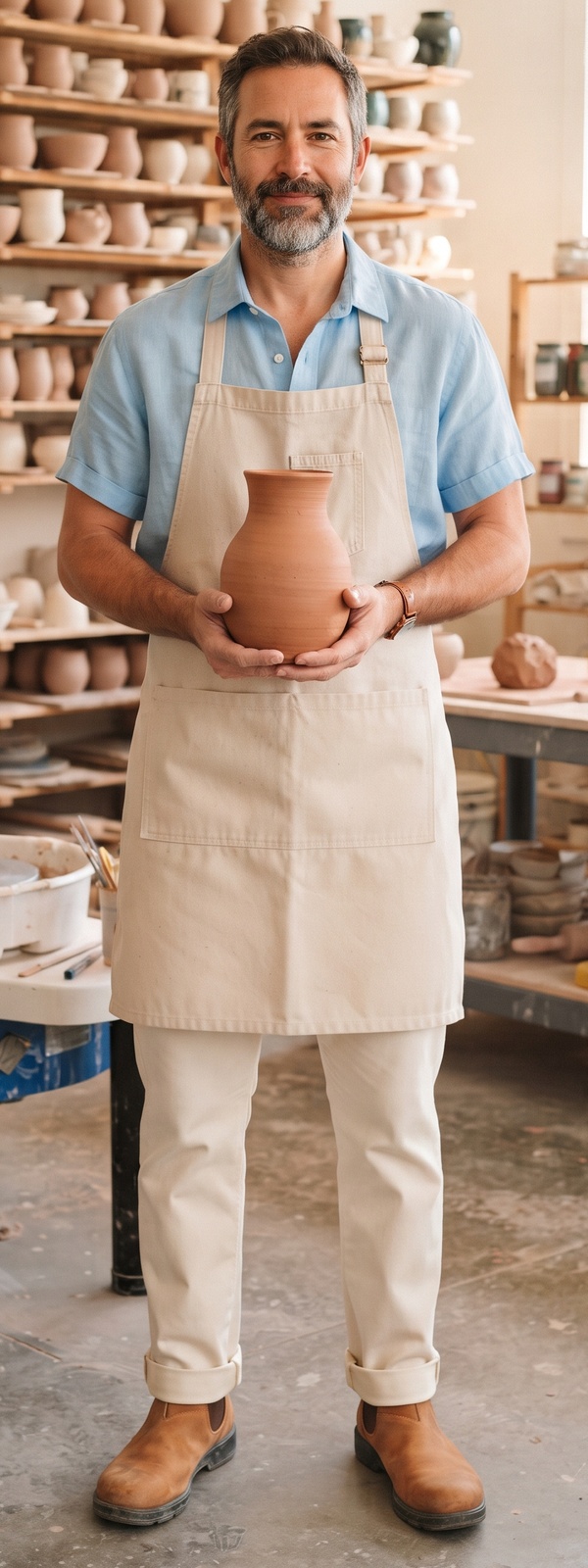
What to Wear to a Vivarium Building Workshop — Men's Guide
Walking into a botanical studio for a bioactive vivarium and paludarium build surrounds you with dragon stone, Malaysian driftwood, living mosses, and organic substrate mixes. Creators sculpt miniature natural ecosystems, install false bottoms for drainage, and plant tropical micro-flora inside custom glass enclosures. The necessary dress code blends tactile indoor horticultural utility with relaxed natural aesthetics: durable cotton fatigue pants, breathable poplin work shirts, water-resistant canvas aprons, and comfortable closed-toe boots. Because carving expanding foam, wet peat moss, and heavy stones makes for a dirty workspace, easy-to-wash natural fibers are essential. From sculpting aquatic foam backgrounds to carefully placing delicate miniature ferns, here is your essential men's style guide for a bioactive vivarium workshop.

Smart Casual All Week
We designed this collection to solve the ultimate modern style dilemma: how to look sharp and feel comfortable every single day of the week. By focusing on elevated basics, modular layering, and a timeless color palette, we have built a wardrobe that effortlessly bridges the gap between 'dressed up' and 'dressed down.' We believe that building a cohesive, weekly uniform should be an exciting journey, not an expensive chore. With these thoughtfully curated, budget-friendly pieces, you can easily command the room on Tuesday and relax in style on Saturday.

How to Style a Men's Buffalo Plaid Flannel Overshirt
Master styling men's buffalo plaid flannel overshirts with grunge-inspired layers, modern straight denim, and durable heritage leather boots.