
What to Wear to a Leather Saddlery Workshop — Men's Complete Guide
Entering an artisan saddlery workshop immerses you in the rich scent of vegetable-tanned bridle leather, beeswax edge burnishers, and heavy brass hardware. Saddlers secure thick leather straps in wooden stitching ponies, puncture precise stitch lines with diamond awls, and hand-wax linen threads to construct heirloom saddles and harnesses.
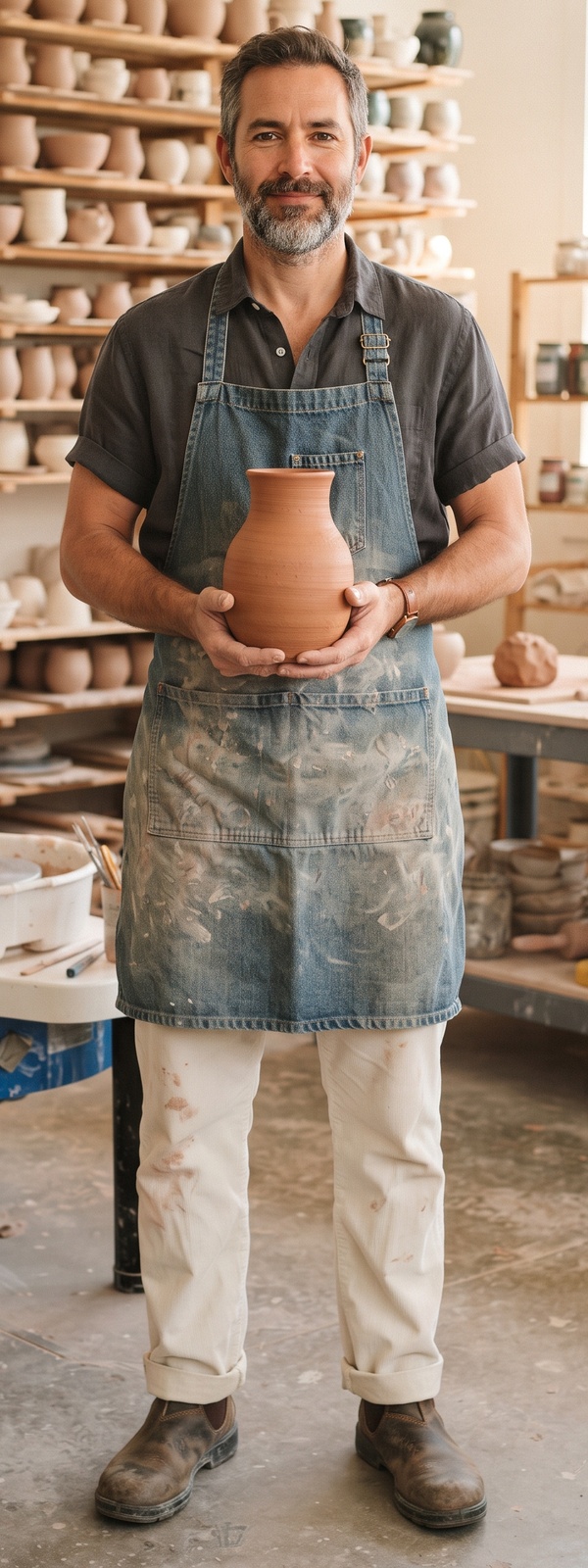
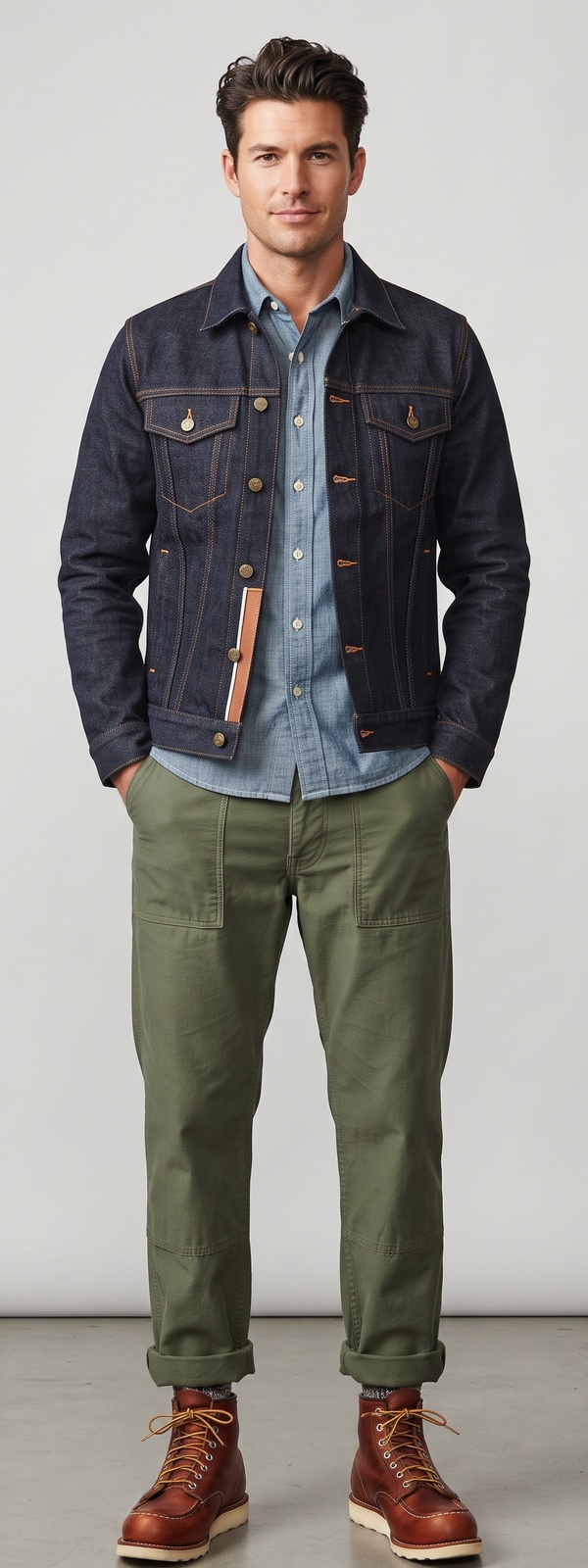
The necessary dress code is authentic Western equestrian heritage and heavy-duty shop utility: durable chambray work shirts, thick leather or canvas shop aprons, heavyweight raw selvedge jeans, and rugged leather work boots. Because you will be working with razor-sharp round knives and edge bevelers between your knees, durable protective fabrics are vital.
From skiving heavy saddle skirting leather to executing flawless double-needle saddle stitches on bridle straps, here is your essential saddlery workshop guide.
Outfits that work
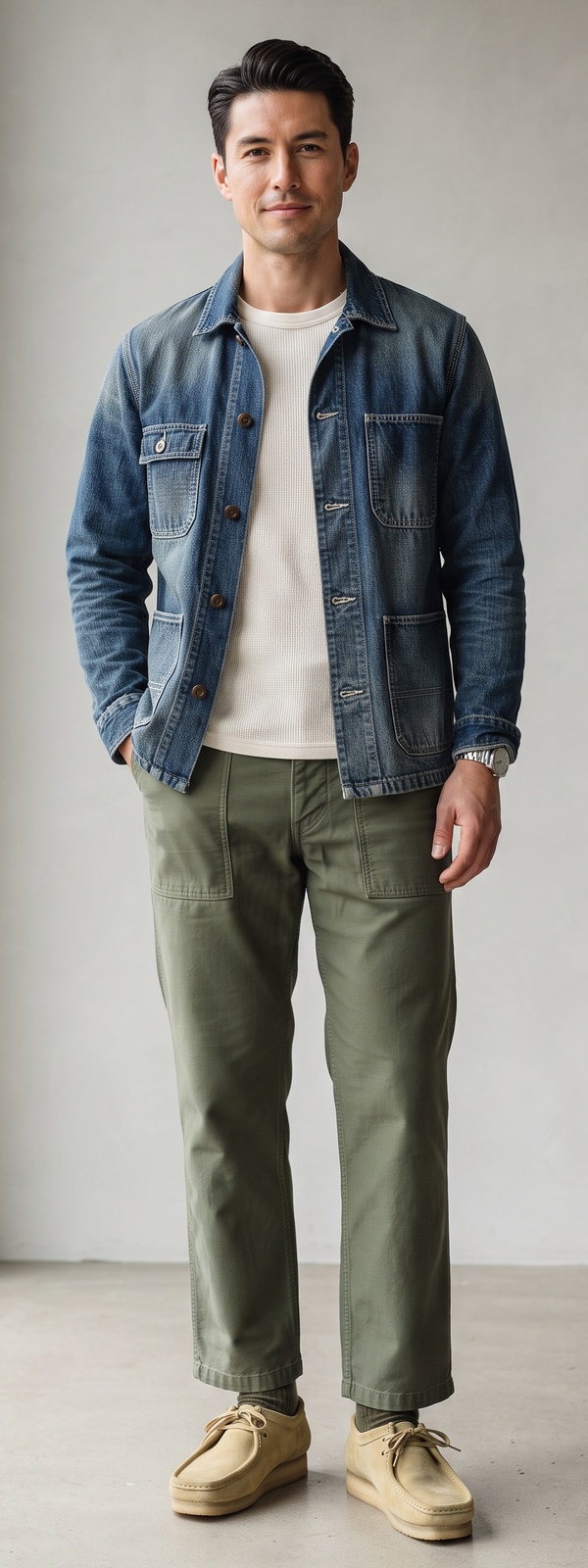 From $123
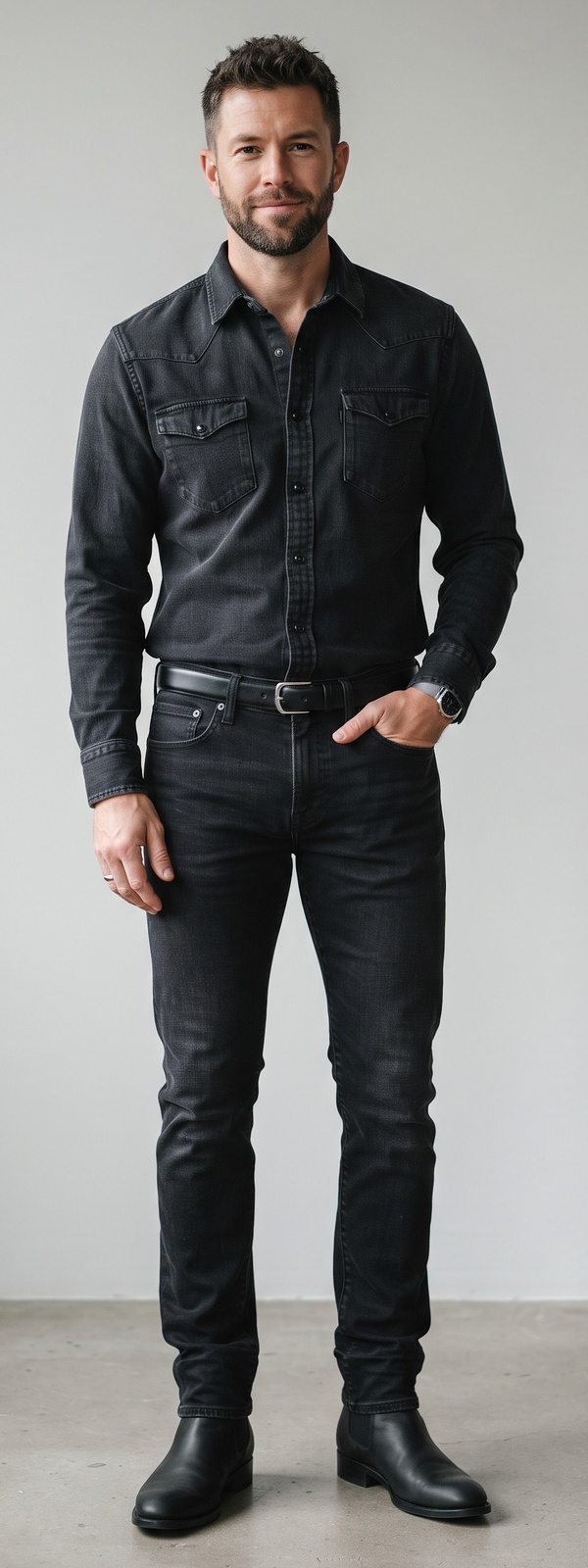 From $131
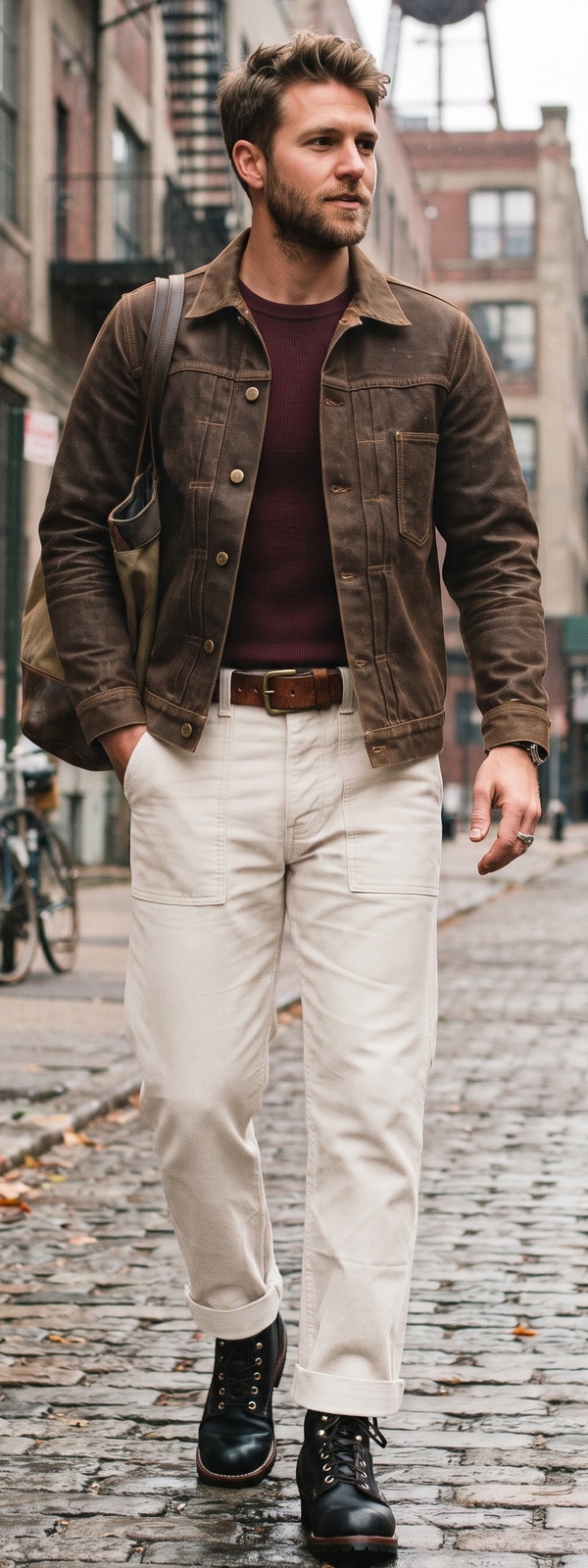 From $257
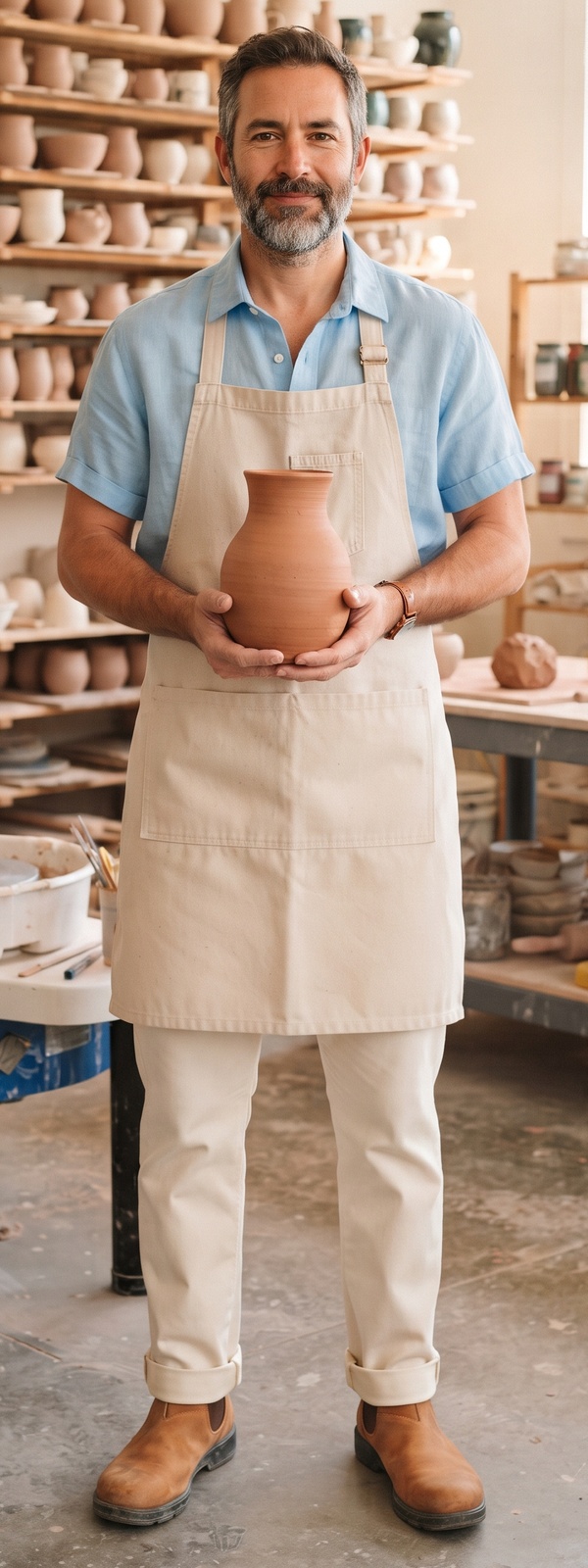 From $113
 From $130
 From $152
Do
- ✓Wear a thick full-grain leather or heavy duck canvas workshop apron to protect thighs from sharp blades.
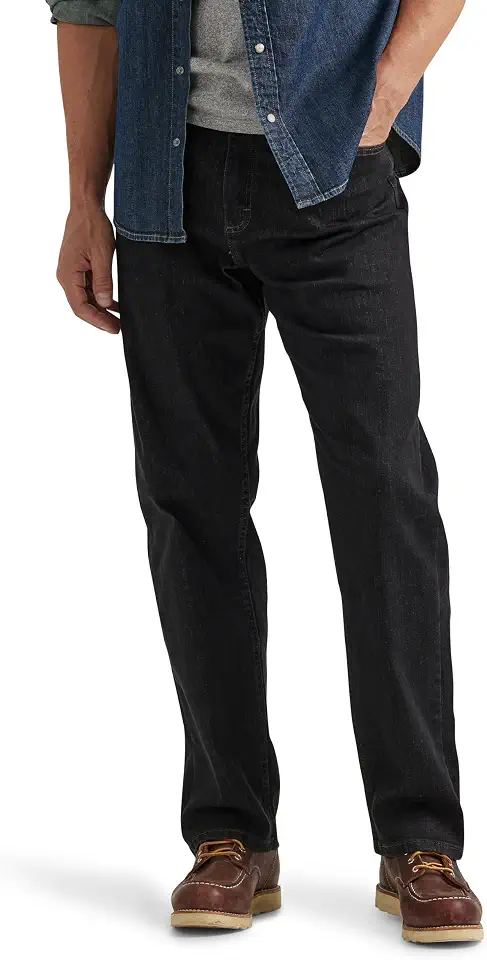
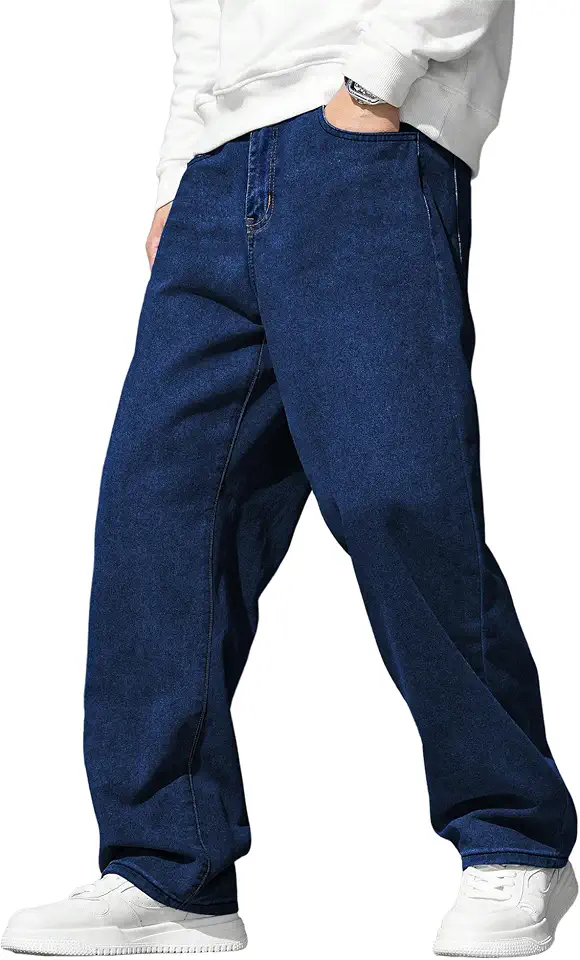
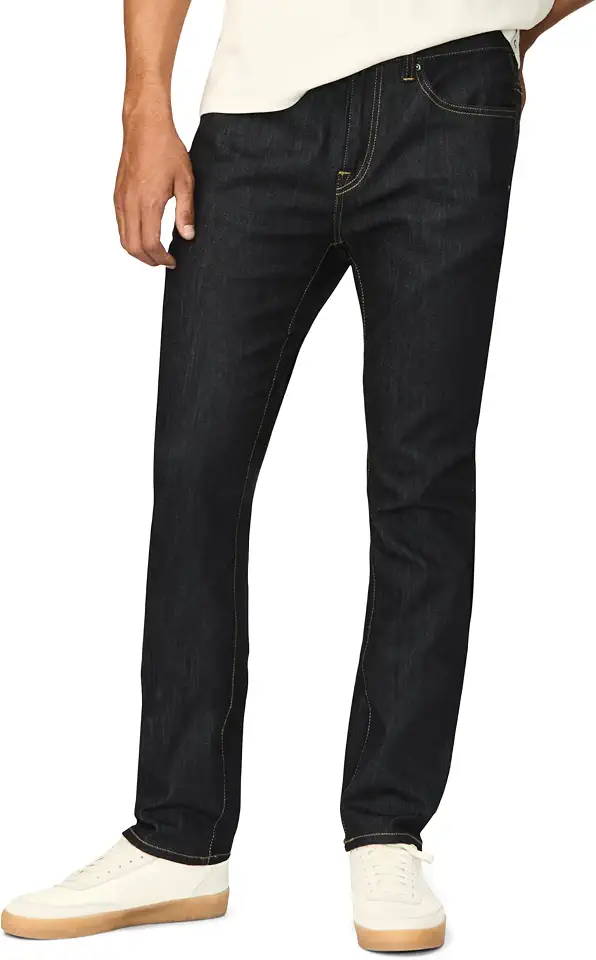
- ✓Choose heavy raw selvedge denim jeans that handle friction against wooden stitching ponies with ease.
- ✓Select a durable cotton chambray or denim work shirt with sturdy reinforced elbow patches.
- ✓Opt for supportive, oil-tanned leather work boots that provide steady footing around heavy workbench machinery.
- ✓Keep a clean cotton bandana in your pocket to wipe excess beeswax and gum tragacanth from tools.
Don't
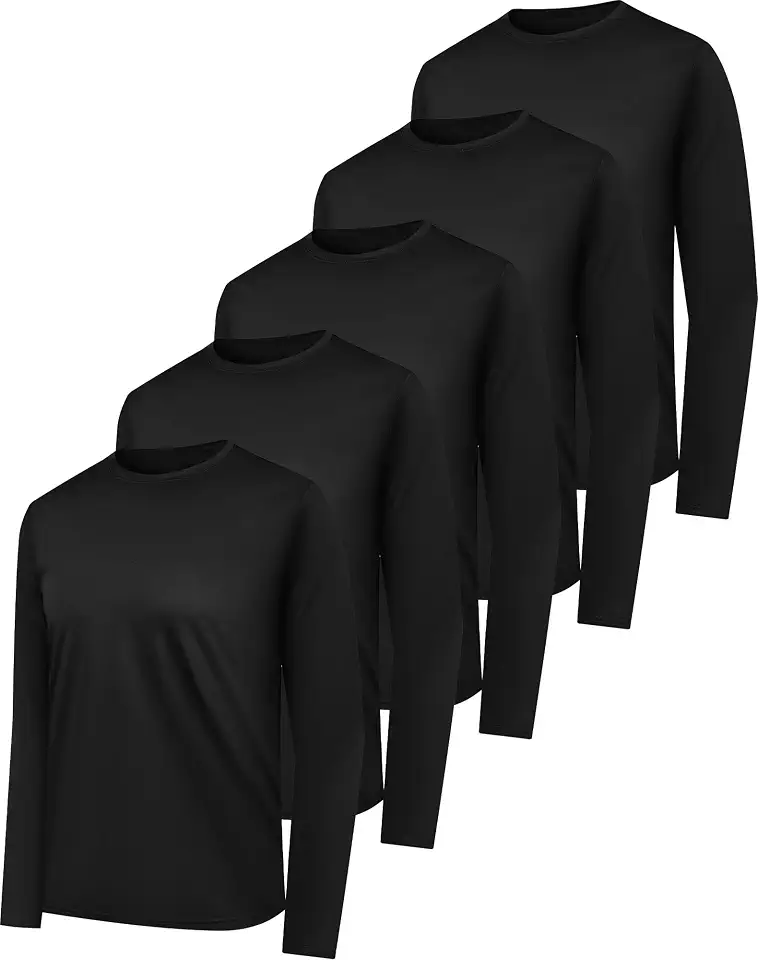
- ✗Avoid thin knit trousers or athletic pants that offer zero defense against accidental awl punctures.
- ✗Don't wear loose, floppy shirt sleeves that drag through wet leather dyes and edge stain pots.
- ✗Avoid open sandals or lightweight canvas shoes around falling rotary punches and heavy brass anvils.
- ✗Don't wear delicate pale fabrics that absorb dark oil-based leather dyes and neatsfoot oil permanently.

Style tips
Stitching Pony Thigh Protection
Traditional saddle stitching requires clamping work between wooden pony jaws held firmly between your inner thighs. Heavyweight raw denim jeans prevent wood chafing and clamp bruising during four-hour stitching sessions.
Round Knife Safety Shield
Saddlers use curved head knives honed to surgical sharpness for cutting and skiving thick leather. A dense split-leather apron provides an impenetrable safety shield over your chest and lap if a cut slips.
Natural Oil and Dye Camouflage
Conditioning leather with pure neatsfoot oil and burnishing edges produces accidental splatters. Dark indigo denim and rich earth-toned work shirts absorb minor oil marks gracefully as authentic workwear patina.

Related searches
All curated searches
Related Reading
What to Wear to a Skin-on-Frame Kayak Class — Men's Guide
Entering a traditional maritime boatbuilding atelier for a skin-on-frame sea kayak workshop surrounds you with fragrant Western red cedar shavings, boiling steam boxes, and artificial sinew. Dedicated craft builders steam-bend white oak ribs, lash longitudinal cedar stringers onto birch plywood bulkheads, and stitch heavy ballistic nylon skins drum-tight over Greenland hulls. The necessary dress code is authentic maritime artisan heritage and heavy workshop utility: durable chambray work shirts, heavy cotton canvas shop aprons, straight-leg raw selvedge denim jeans, and oil-tanned leather work boots. Because boatbuilding involves sharp drawknives, hot steam bending, and polyurethane hull coatings, durable protective clothing is vital. From beveling gunwales with Japanese pull shaves to applying waterproof polyurethane coats to stitched hull fabrics, here is your essential boatbuilding style guide.
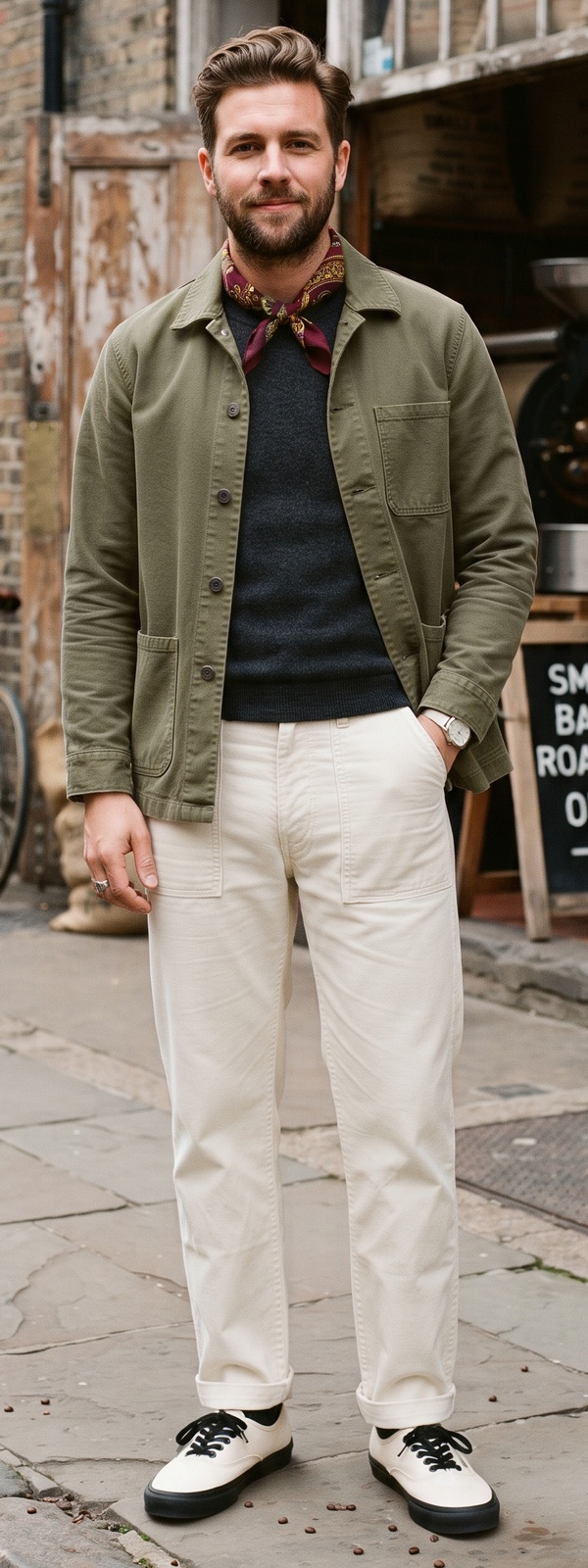
What to Wear to a Raku Ceramics Firing Class — Men's Guide
Standing before an outdoor propane kiln for a Japanese raku ceramics firing workshop places you amidst swirling pine smoke, radiant heat, and glowing pottery. Potters use long steel tongs to pull white-hot ceramic tea bowls from eighteen-hundred-degree kiln chambers and plunge them into metal reduction cans filled with combustible wood shavings. The necessary outfit is elemental fire defense, natural fiber protection, and utilitarian studio durability: heavy duck canvas workshop aprons, tightly woven cotton chore jackets, durable straight-leg denim jeans, and thick leather work boots. Because open flames, flying embers, and dramatic thermal reductions are constant, synthetic fabrics are strictly prohibited. From pulling glowing vessel forms under expert supervision to scrubbing iridescent copper glazes clean in cold water buckets, here is your essential raku firing style guide.
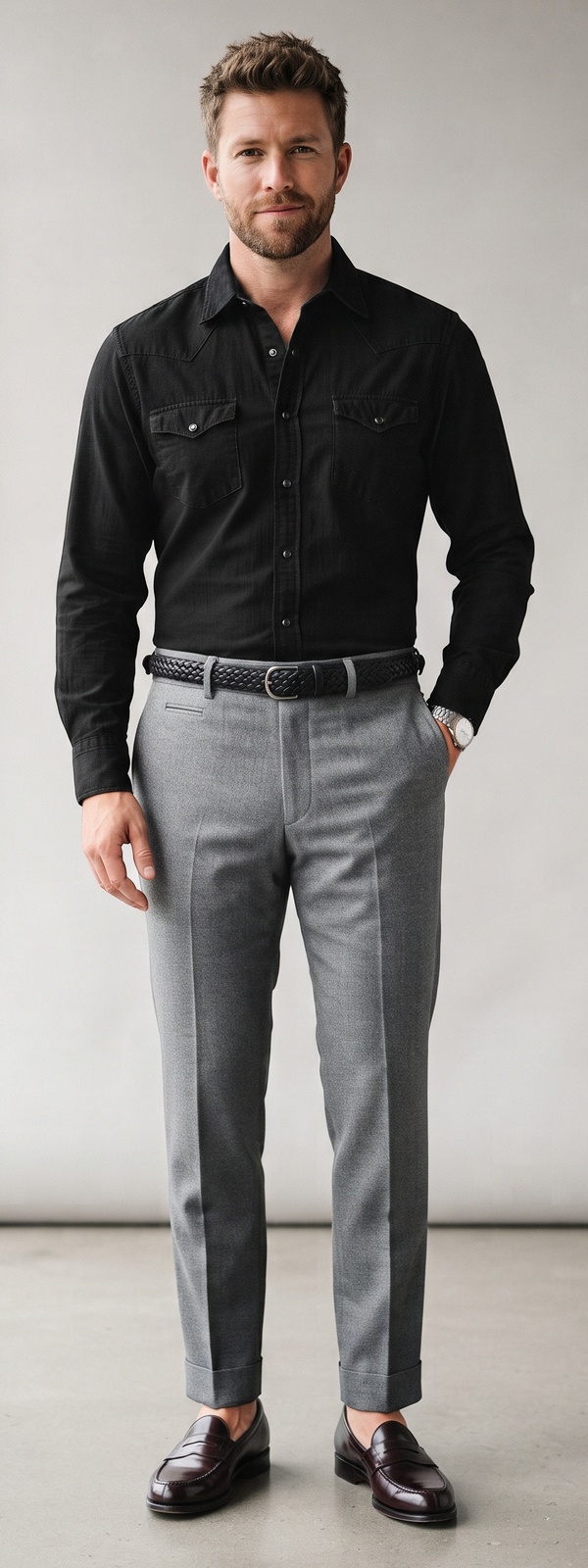
How to Style a Men's Western Shirt for Everyday Wear
Master styling the men's western shirt without looking like a cowboy costume. Learn to wear denim, chambray, and corduroy snap shirts with chinos and wool.
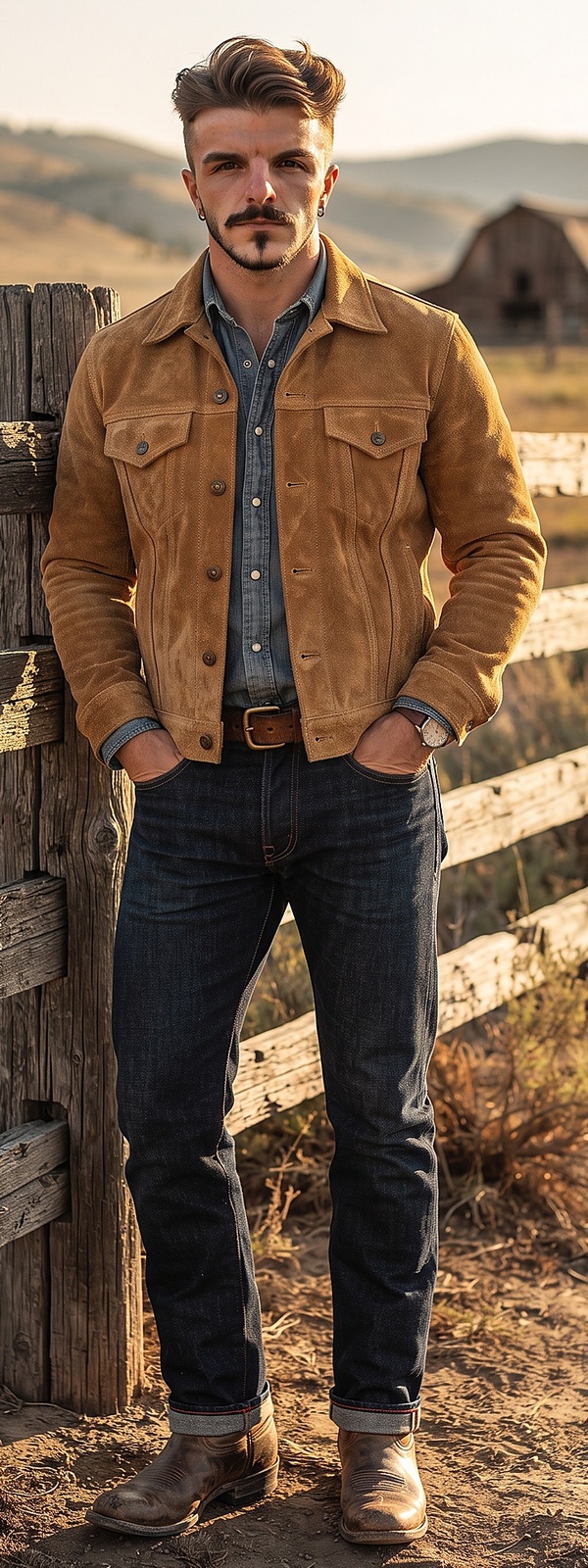
Pearl Snap Shirts: Modern Western Americana
We appreciate the functional grit and authentic American heritage that a well-crafted pearl-snap shirt brings to daily dressing. By pairing sawtooth denim and washed chambrays with tailored chinos or crisp corduroys, you bypass costume territory and enter effortless rugged refinement. We suggest anchoring your palette in indigo, dusty olive, and tobacco suedes for a balanced, grounded aesthetic.
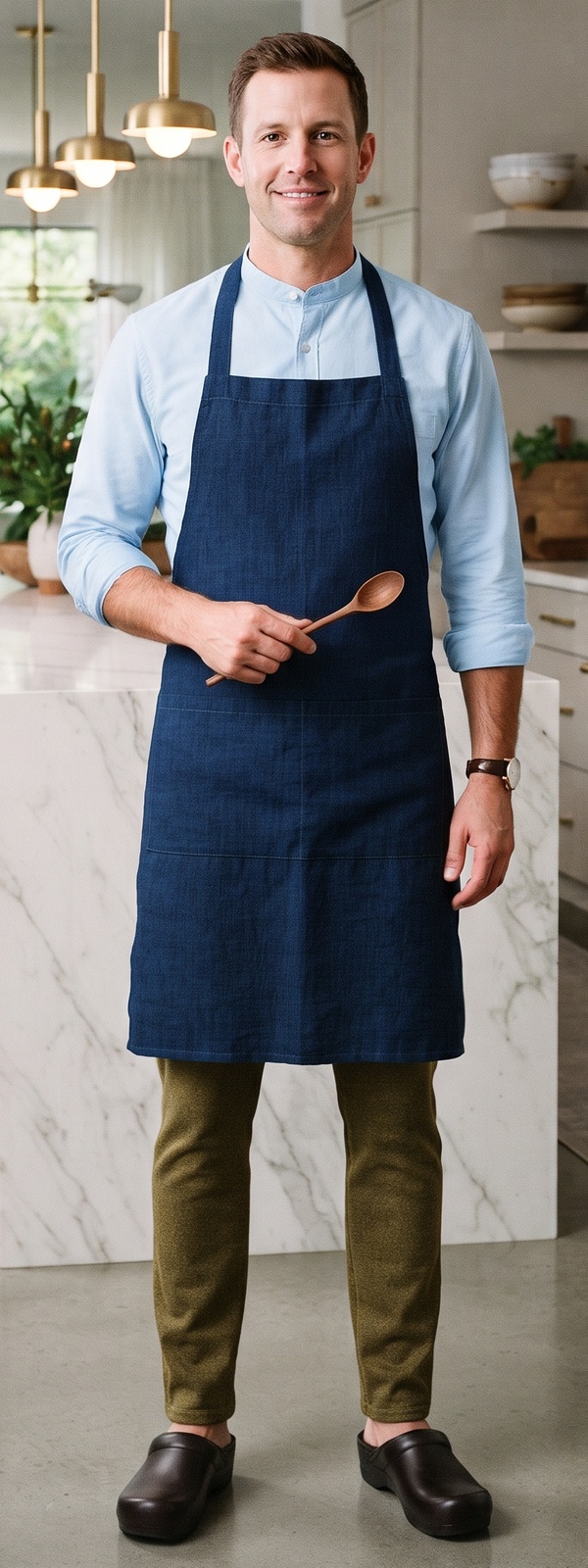
Artisanal Workshop Utility: Waxed Canvas & Linen Aprons
We curated this collection around the rise of artisanal craft-core—where functional studio, roastery, and workshop gear meets intentional menswear styling. We layer men's heavy waxed canvas work aprons, men's charcoal linen barista aprons, and men's selvedge denim studio aprons over men's olive band collar shirts, men's blue chambray work shirts, and men's buffalo plaid flannels. Grounded by men's leather moc toe boots and pleated trousers, our looks elevate tactile craftsmanship.
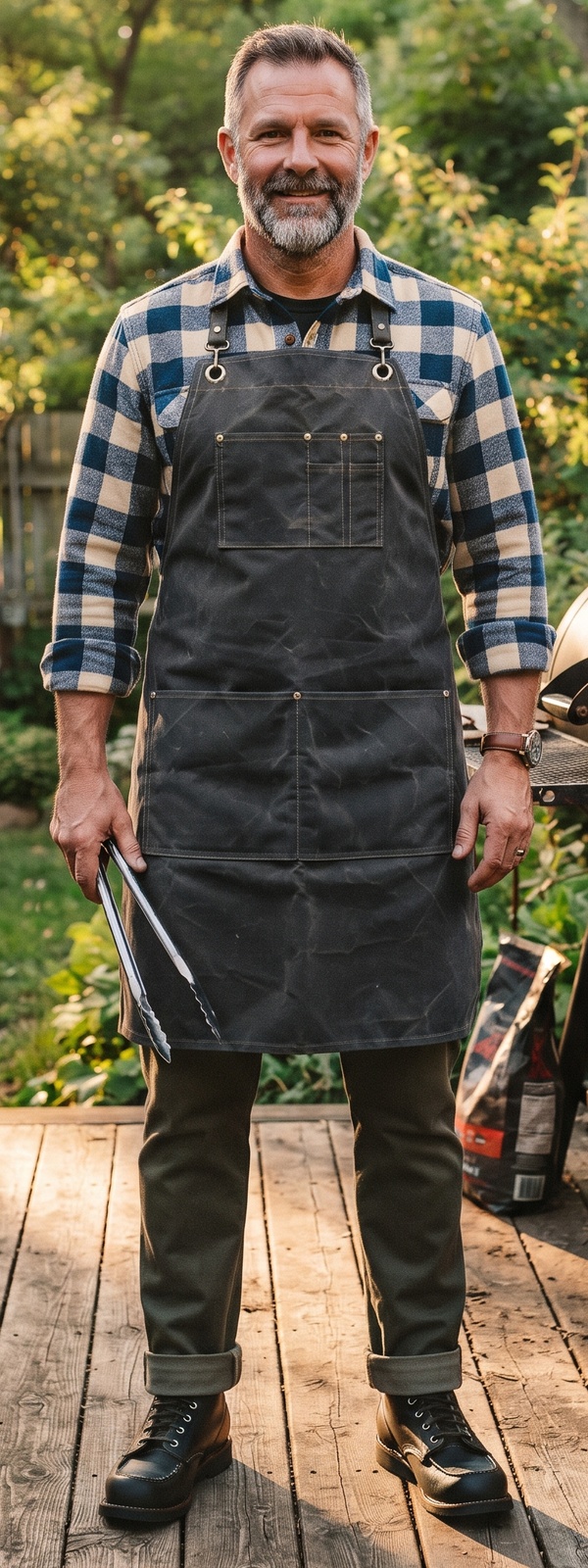
How to Style Men's Artisan Workwear Aprons: Culinary & Studio Guide
Elevate your craft with our guide to styling men's durable canvas, denim, and linen aprons with work shirts, flannels, and boots.
Other Reading
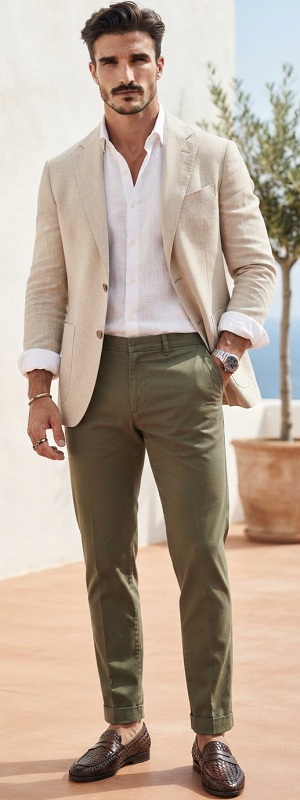
What to Wear to a Semi-Formal Afternoon Wedding — Men's Complete Guide
Receiving an invitation to a semi-formal afternoon wedding often leaves men stranded in an awkward sartorial middle ground. You want to look sharp and respectful, but wearing a heavy black evening suit under bright natural daylight feels stifling, overly corporate, and out of place. The primary styling challenge is balancing tailored formality with daytime lightness without blowing your budget on a brand-new ensemble. You need a versatile outfit that keeps you cool during an outdoor ceremony while looking completely at home during an indoor dinner reception. Do not fret—dressing well for a daytime ceremony is simpler than you think. In this guide, we break down affordable suit shades, breathable fabrics, footwear options, and styling accents so you can look impeccably dressed without spending a fortune.
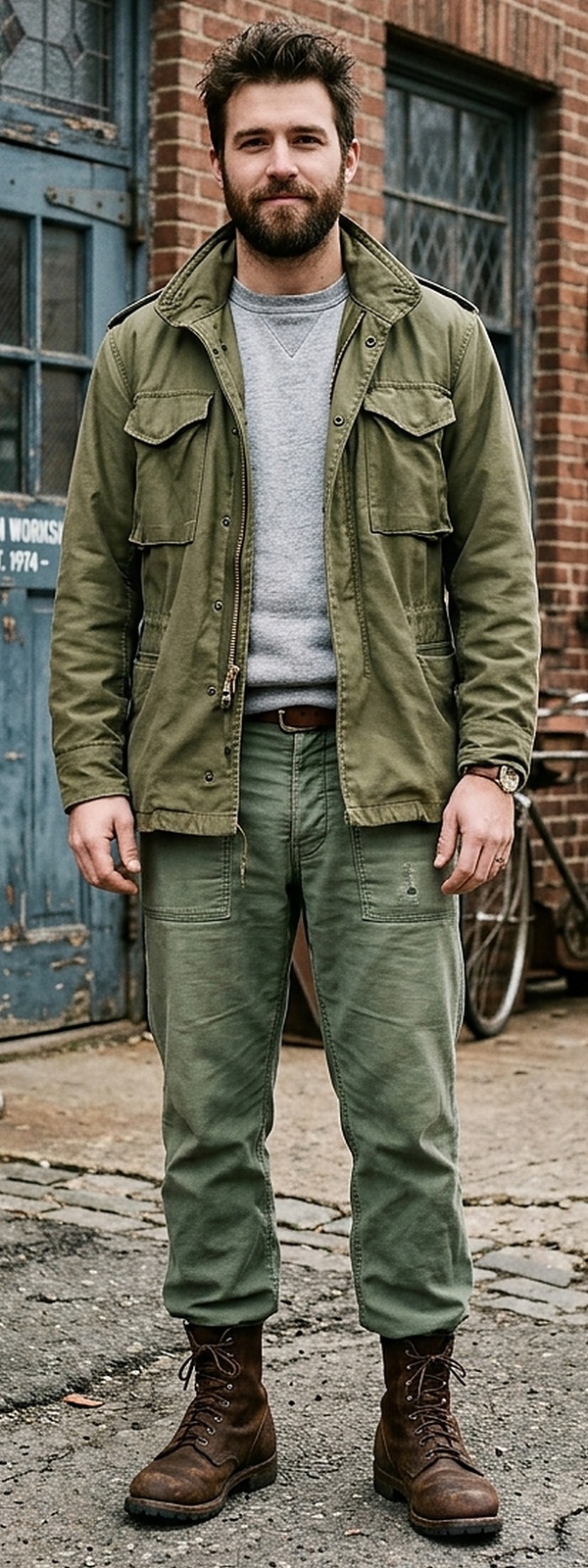
Lug-Sole Hiker Boots: Rugged Commando Trail Footwear
We assembled this edit around the rugged authority of heavy lug-sole trail and mountaineering boots. Whether braving rain-slicked city streets or navigating gravel country roads, deep-tread Vibram-style soles provide commanding grip and rugged visual substance. We pair them alongside Fair Isle knits, waxed field jackets, and heavy duck canvas carpenter pants for tactile outdoor cohesion. Conquer the winter elements in style with rugged, durable Amazon outdoor boots that never break the bank.
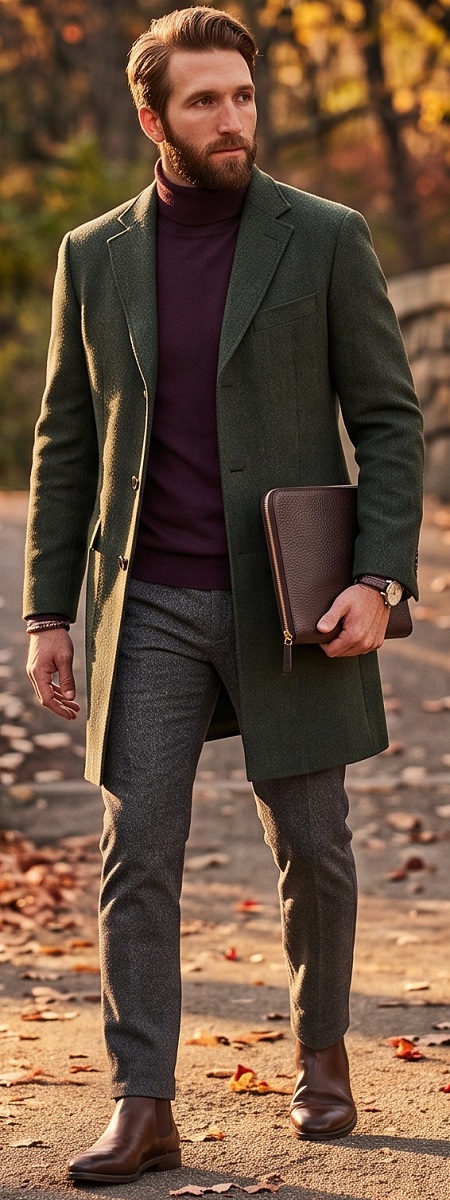
How to Style Men's Charcoal Wool Trousers for Daily Sharpness
Learn how to style men's charcoal wool trousers with tailoring, tactile knits, and rugged leather footwear for effortless sophistication on any budget.