
What to Wear to an Architectural Salvage Yard — Men's Complete Guide
Spending a weekend morning exploring an expansive architectural salvage warehouse, historic industrial reclamation depot, or antique timber yard immerses you in decades of craftsmanship. Sifting through stacks of reclaimed heart-pine planks, brass door hardware, and vintage industrial pendant lamps requires heavy-duty workwear that withstands dust and rust.
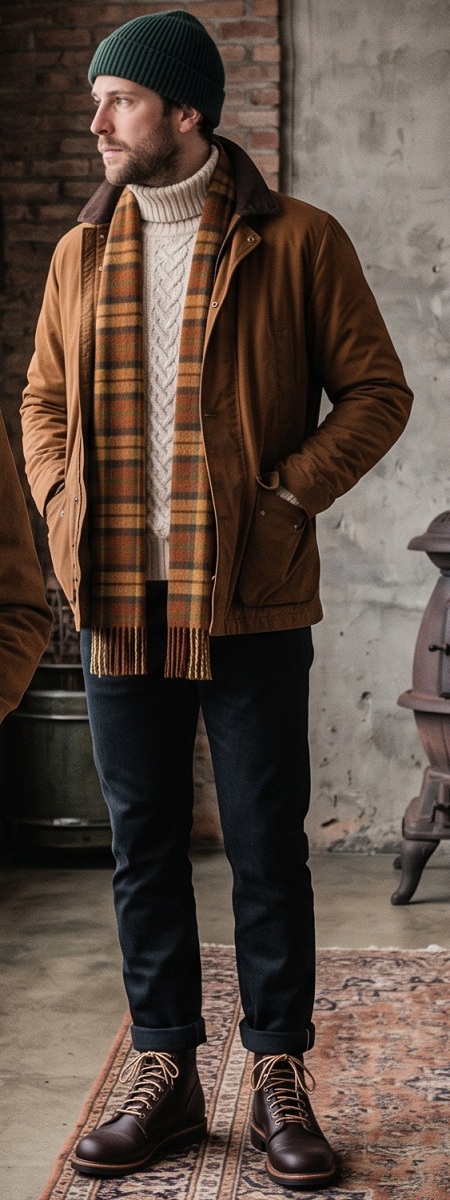
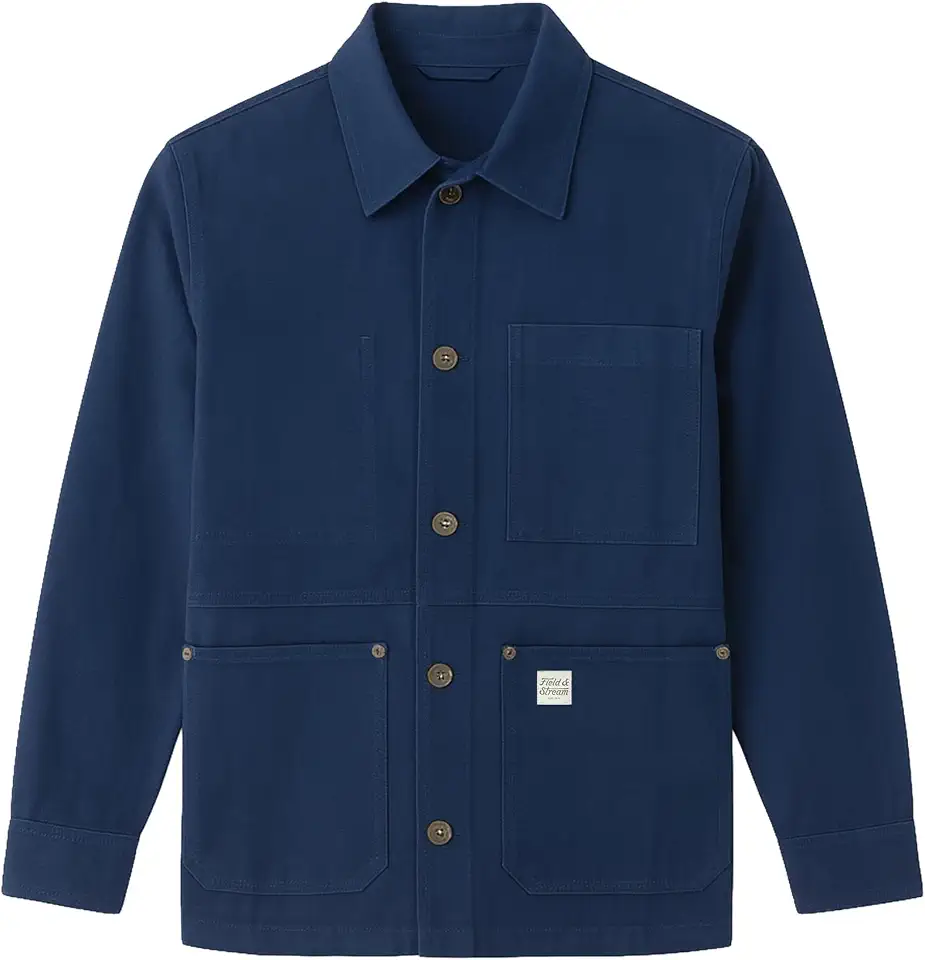
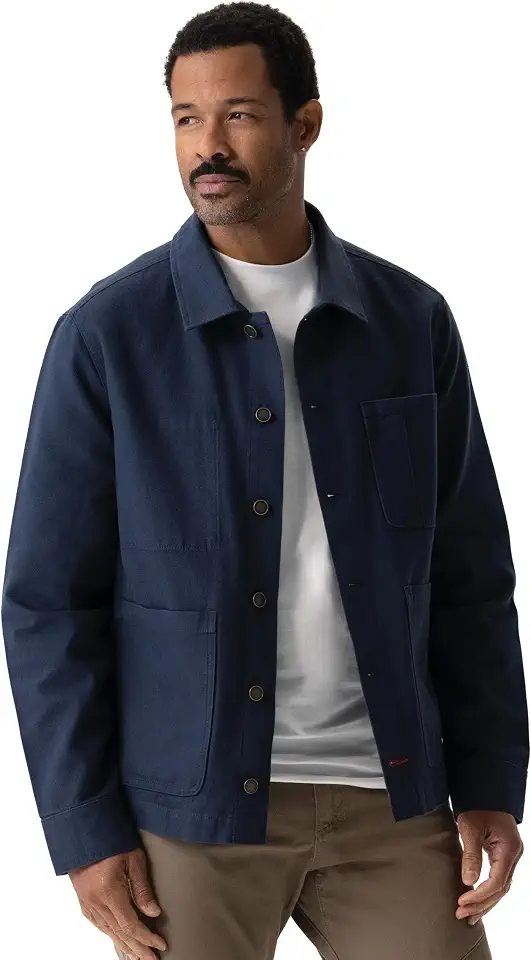
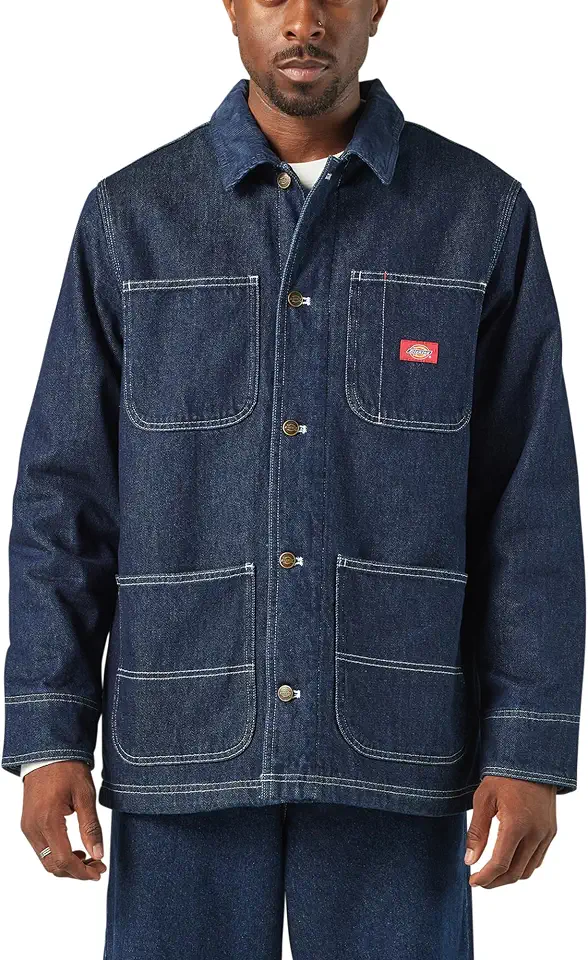
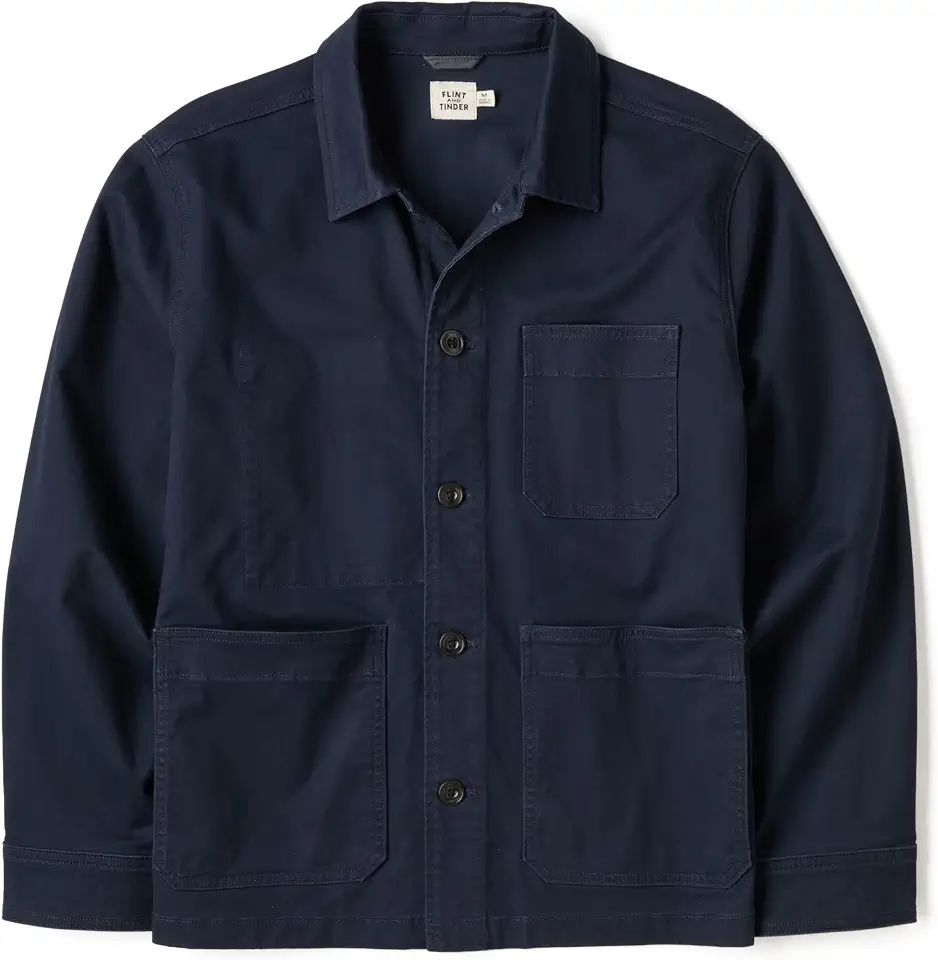
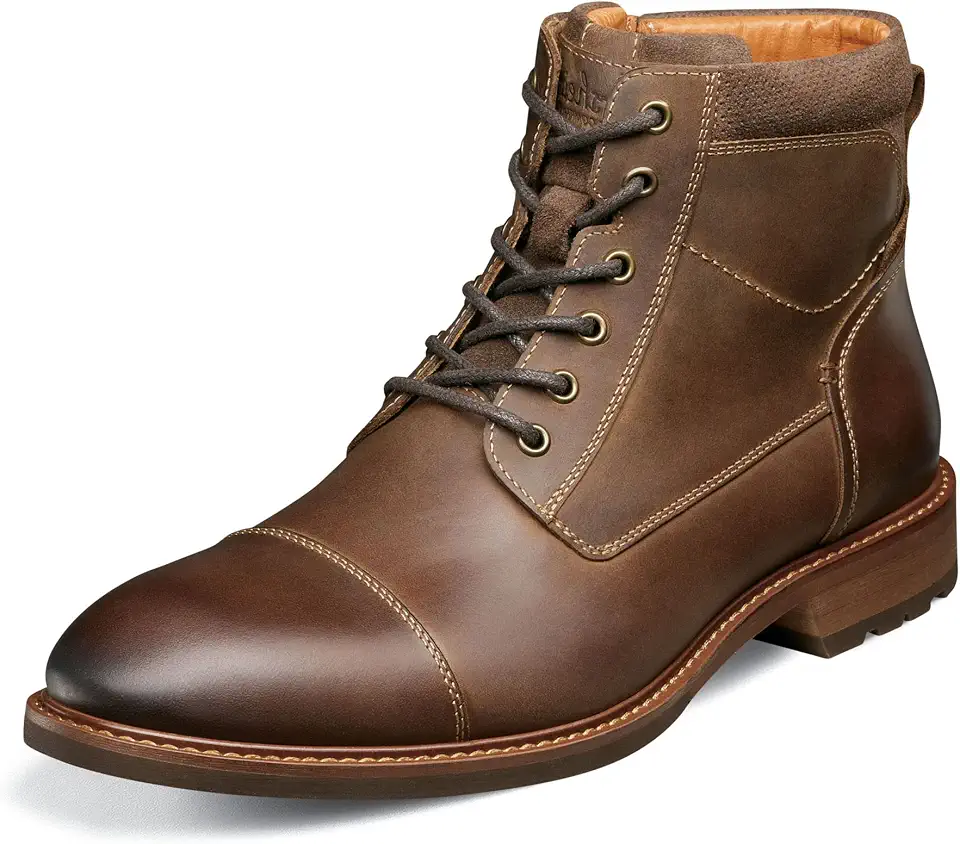
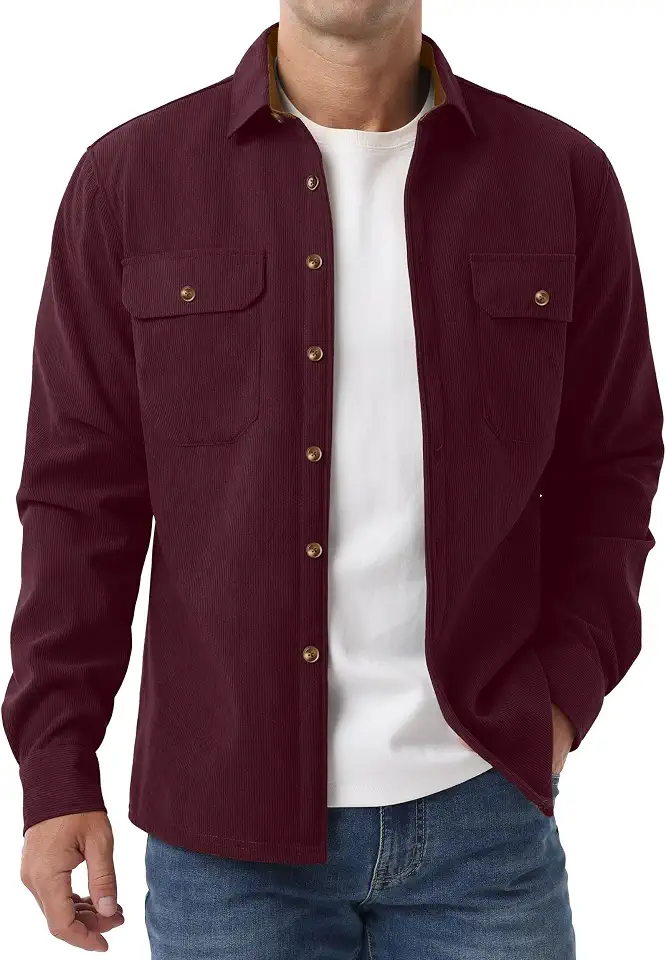
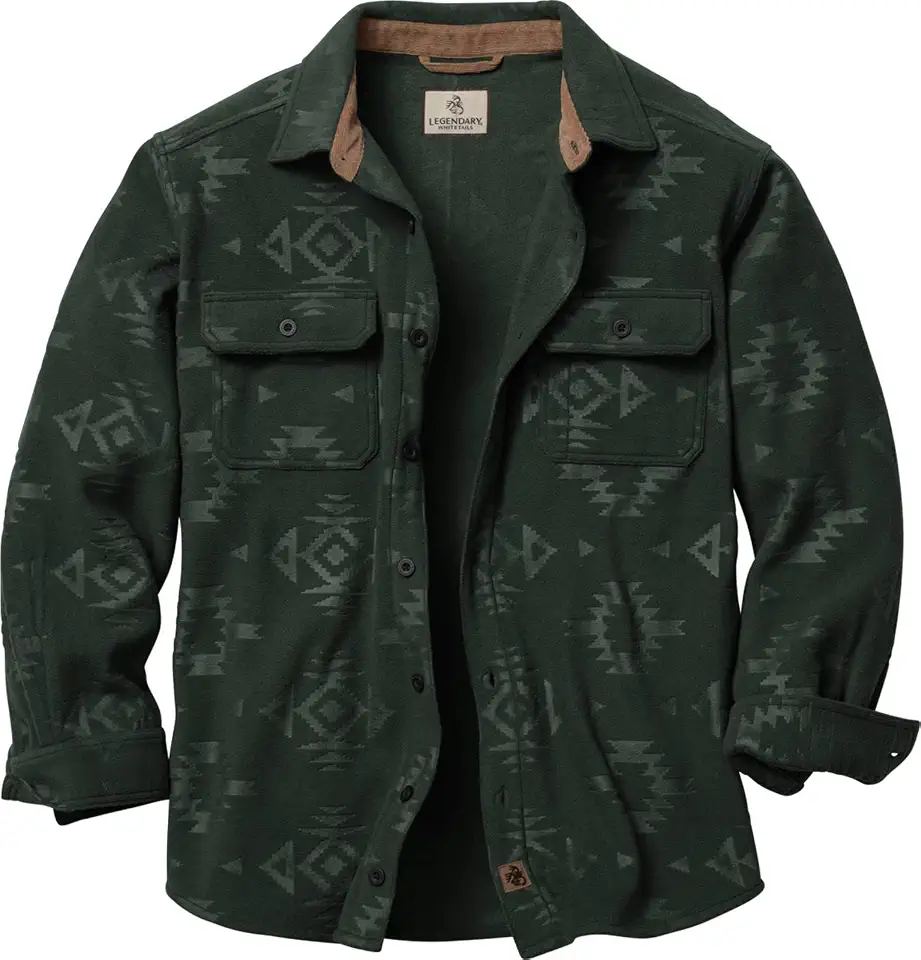
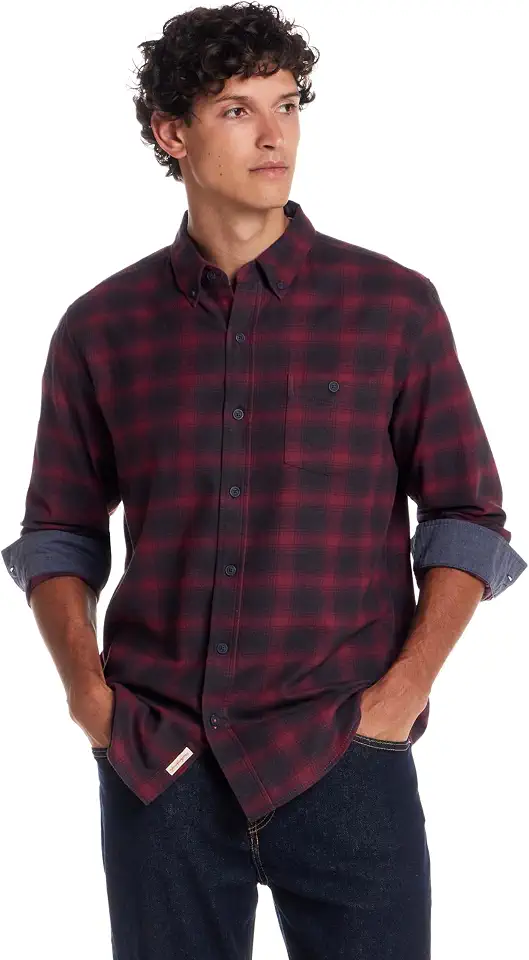
The benchmark dress code is authentic heritage utility: rugged canvas barn jackets or moleskin chore coats over dense waffle henleys, paired with double-knee utility pants or heavy selvedge jeans and lug-sole leather work boots. You need total protection against rusty nail snags, peeling paint dust, and jagged metal edges while maintaining casual weekend style.
From snag-proof heavy canvas outer layers to supportive thick-soled boots on uneven concrete floors, here is your definitive blueprint for architectural salvage style.
Outfits that work
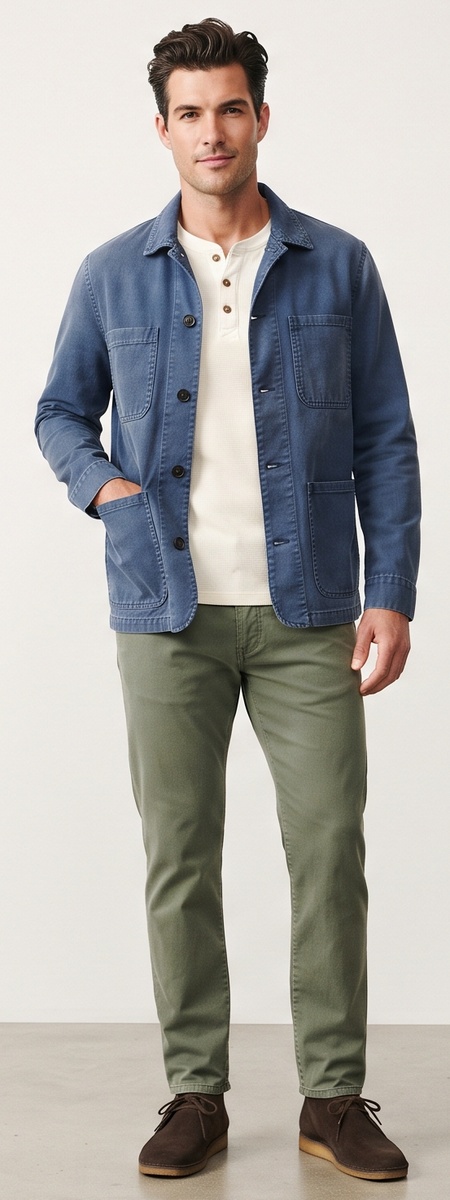 From $115
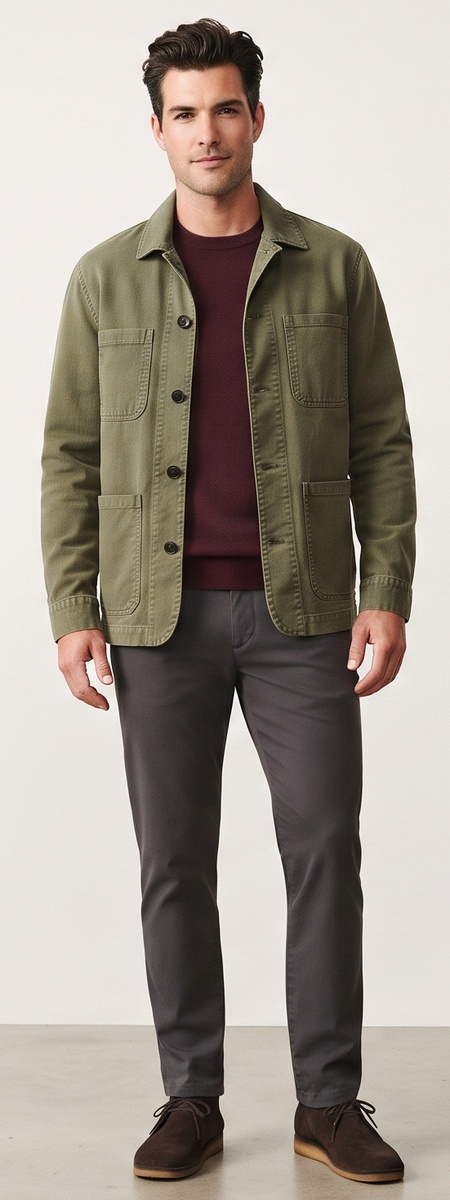 From $144
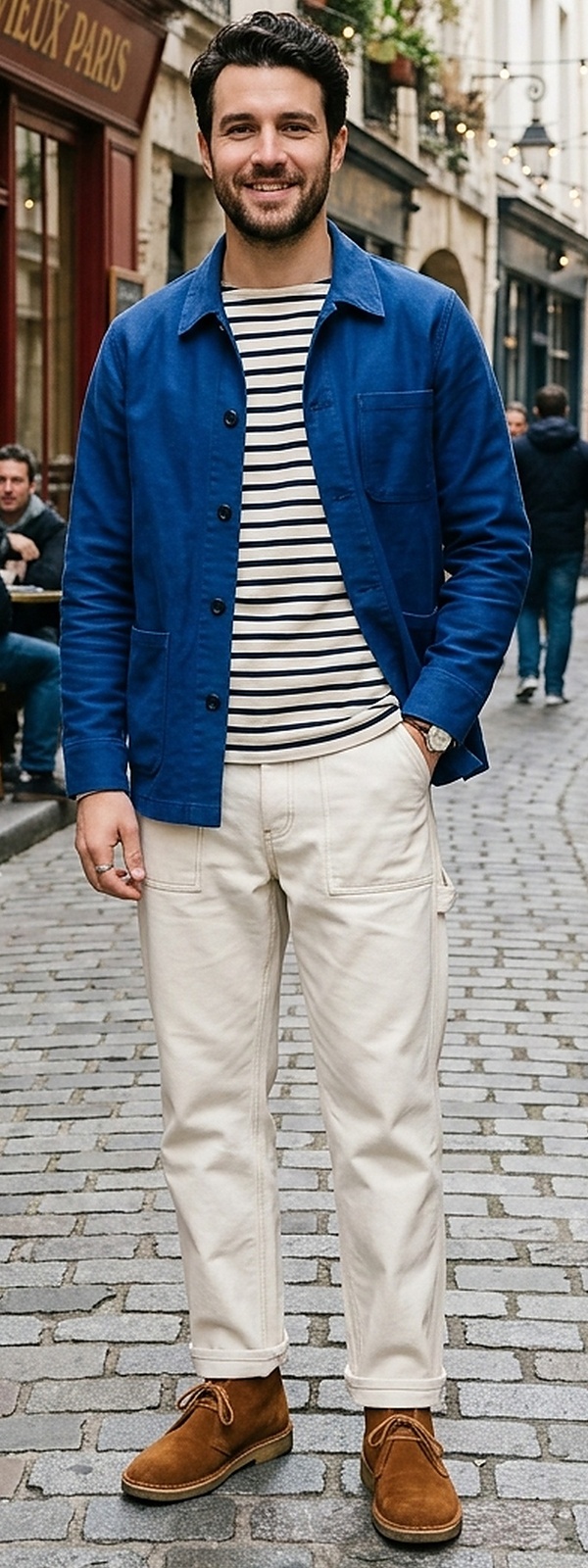 From $155
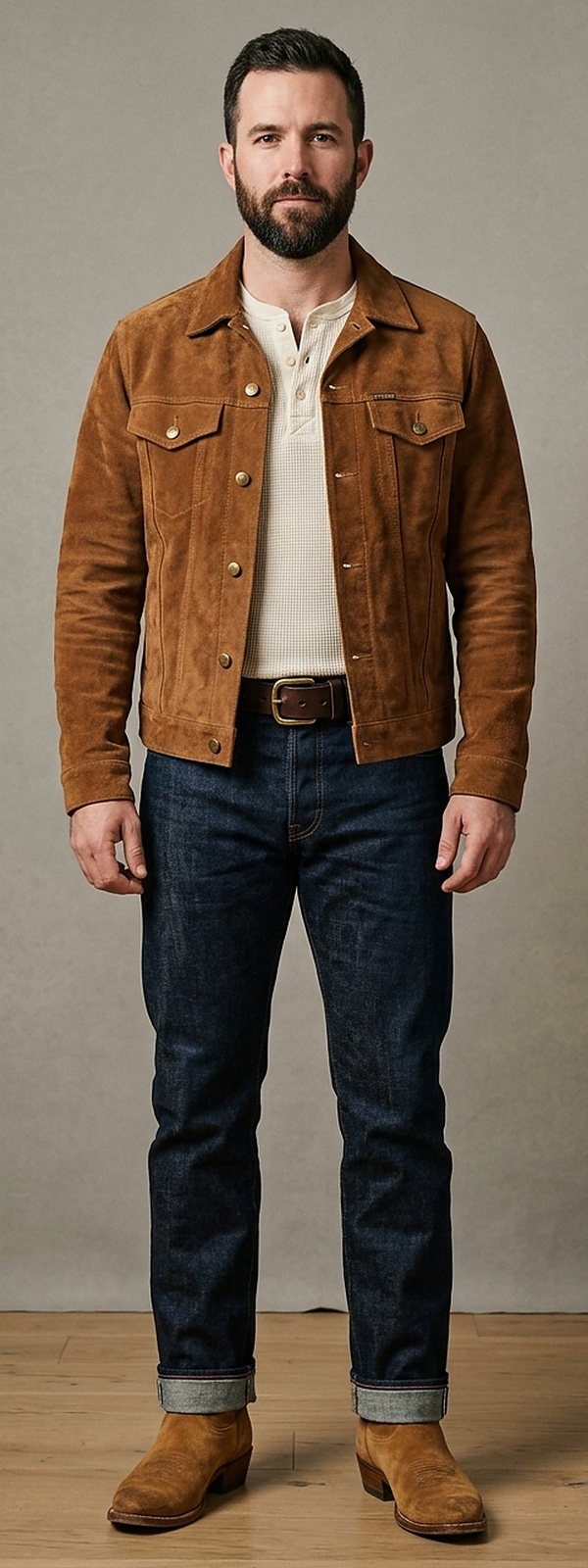 From $214
 From $149
Do
- ✓Wear heavy-duty duck canvas barn jackets or chore coats that resist snags from rusted hardware and splinters.
- ✓Choose double-knee work pants or heavyweight selvedge denim that protect your legs during crouched inspections.
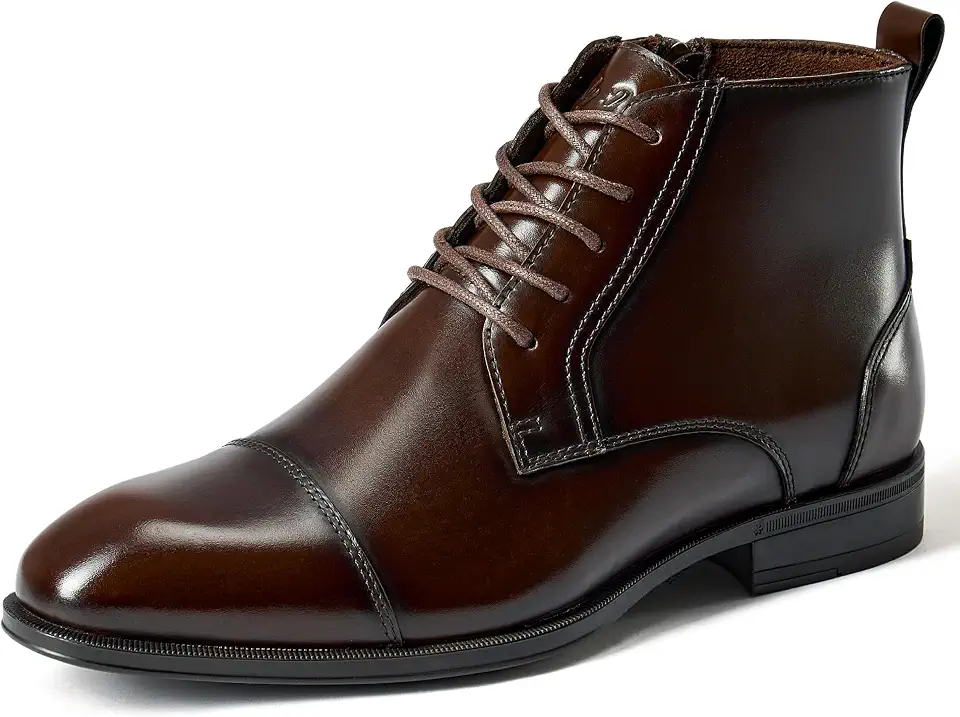
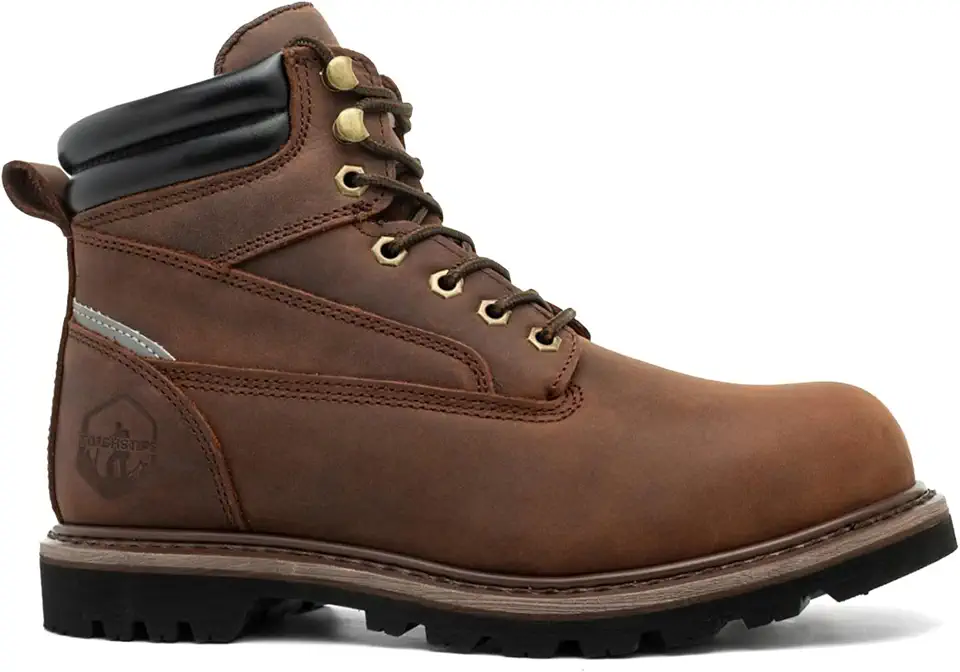
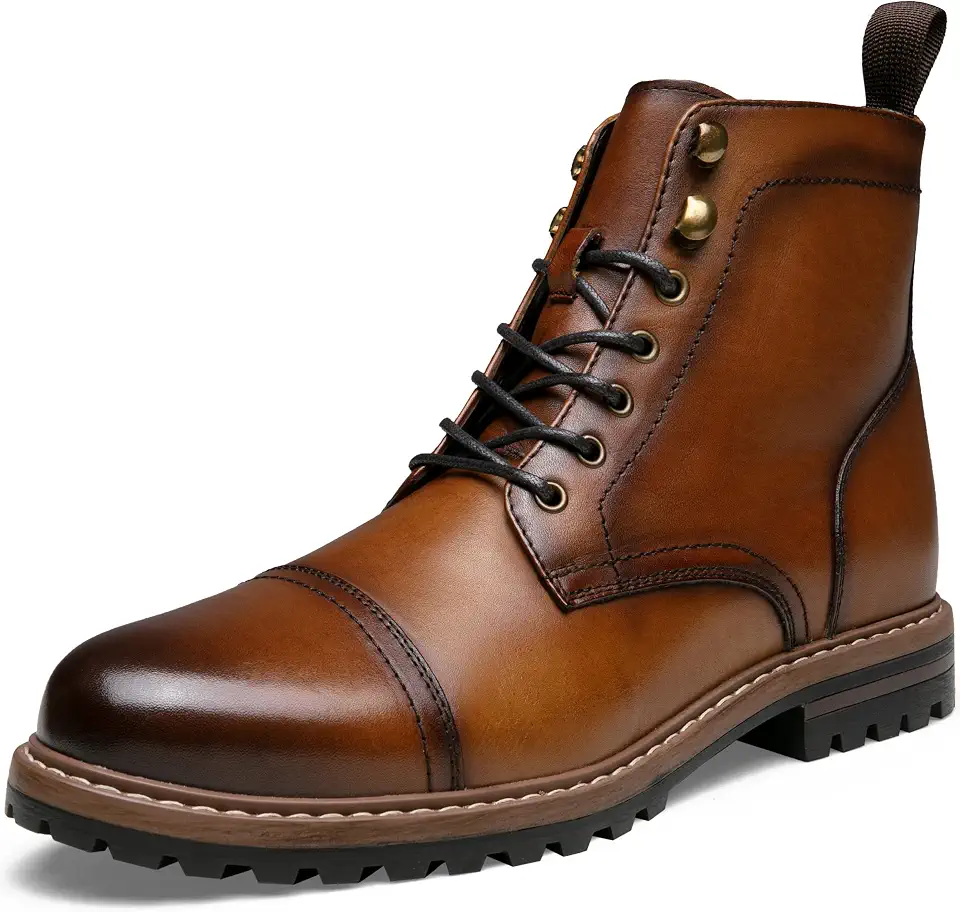
- ✓Wear sturdy leather work boots with thick oil-resistant lug soles for stepping over lumber piles and rubble.
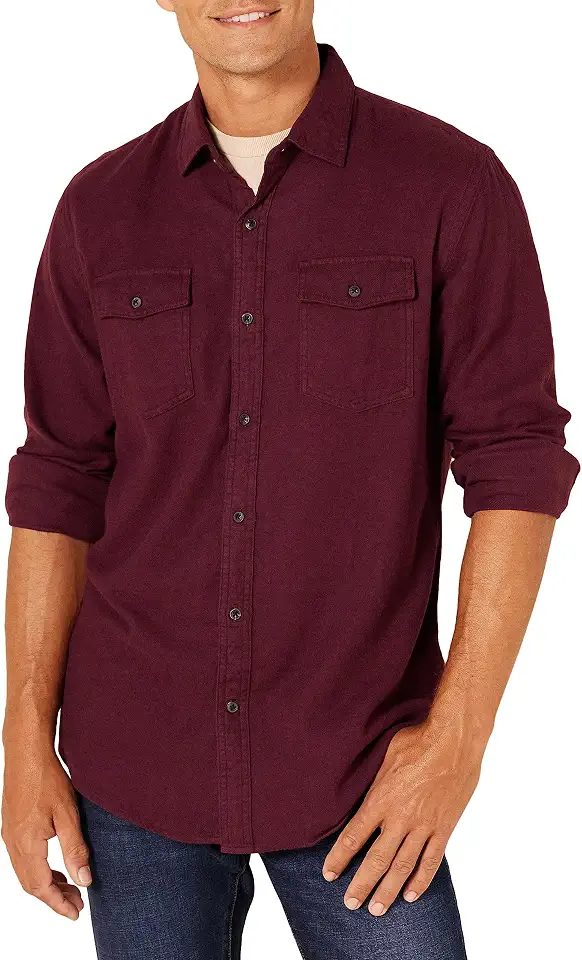
- ✓Layer a thermal waffle henley or flannel shirt underneath to regulate warmth inside unheated brick warehouses.
- ✓Carry a compact pair of leather work gloves in your coat pocket for handling weathered metal and reclaimed timber.
Don't
- ✗Avoid pristine white canvas sneakers that get instantly ruined by industrial iron dust and brick grit.
- ✗Don't wear lightweight knit sweaters or delicate tech fabrics that snag and tear on exposed iron nails.
- ✗Avoid shorts or cropped trousers that expose your shins to sharp antique metal gratings and rough wood pallets.
- ✗Don't dress in formal suits or tailored wool overcoats that collect permanent historic grime and plaster dust.
Style tips
Heavyweight Duck Canvas Protection
Salvage yards contain thousands of square feet of raw iron, rough-sawn beams, and splintered crates. Heavy 12-ounce duck canvas acts like armor, brushing past oxidized surfaces without snagging or puncturing.
Warehouse Floor Footwear Resilience
Historic reclamation warehouses have uneven masonry floors littered with chipped stone, plaster, and stray fasteners. Goodyear-welted leather boots with substantial lug soles safeguard your feet and stabilize balance.
Unheated Loft Layering System
Sprawling architectural depots rarely have central heating, staying chilly well past noon. Layering a thermal waffle henley under a flannel overshirt and canvas barn coat lets you adapt to drafty warehouse aisles.
Related searches
All curated searches
Related Reading
What to Wear to a Leatherworking Workshop — Men's Complete Guide
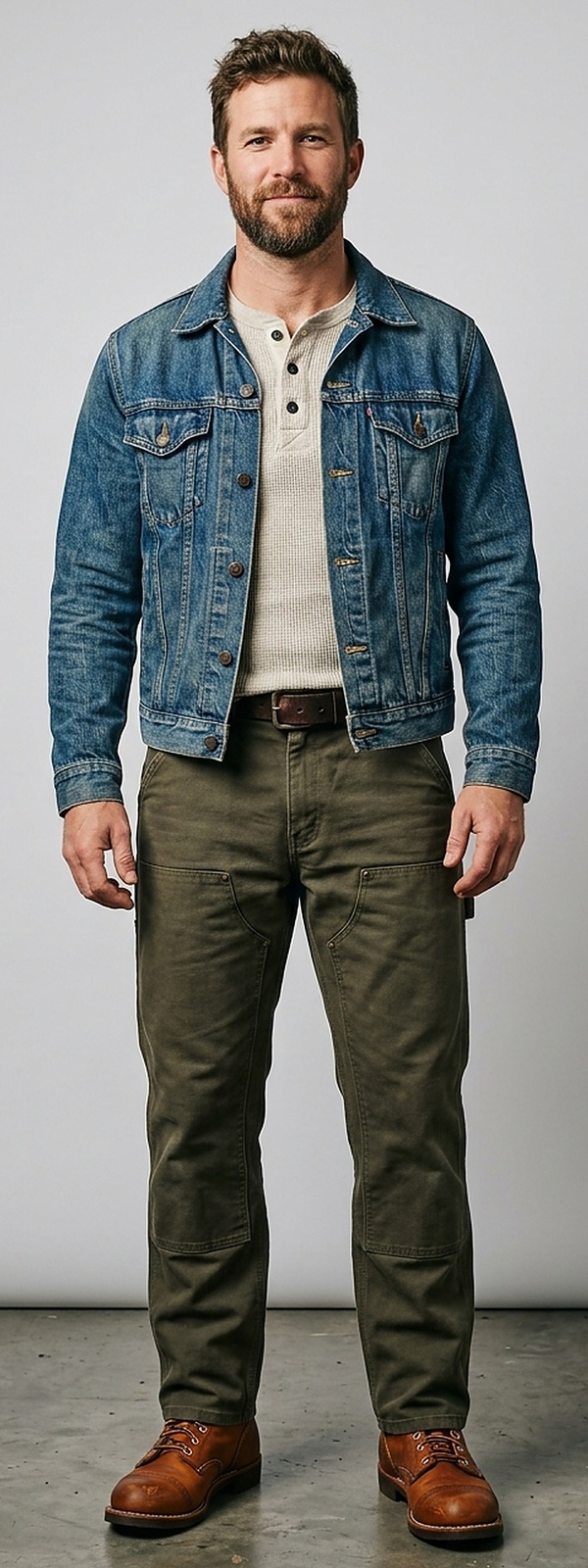
Signing up for an artisan leathercraft masterclass, bespoke wallet making workshop, or custom belt burnishing studio immerses you in the tactile world of full-grain vegetable-tanned hides, pricking irons, and beeswax thread. Operating stitching ponies and beveling edges amidst dye daubers and contact cement requires protective, artisan-grade heritage workwear. The benchmark dress code is authentic rugged workshop heritage: durable suede chore coats or denim trucker jackets layered over thermal waffle henleys, paired with heavy selvedge denim jeans and oiled leather work boots. You need dense, abrasion-resistant natural fabrics that shield your lap from sharp skiving knives while developing their own rich workshop patina. From dye-resistant dark denim to lap protection during seated stitching pony work, here is your definitive blueprint for leatherworking workshop style.
Flannel Shirts 101: How to Avoid the Lumberjack Look
Master flannel shirts without looking like a lumberjack. Discover sophisticated plaid palettes, tailored fits, urban layering, and smart-casual.
What to Wear to a Homebrewing Workshop — Men's Complete Guide
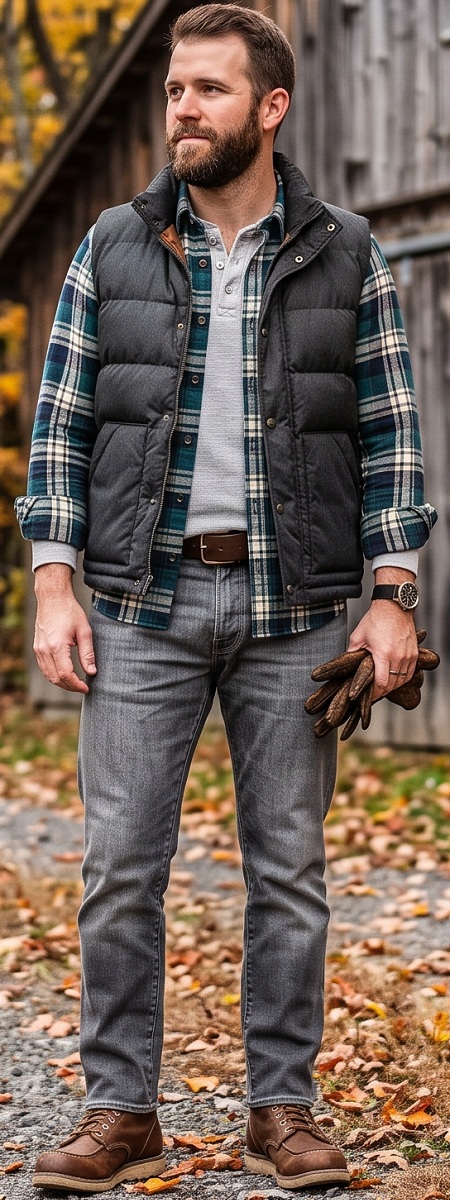
Signing up for an all-grain homebrewing workshop or microbrewery cellar masterclass puts you directly on wet brewery floorboards amidst steaming mash tuns, boiling wort kettles, and aromatic hops. Stirring fifty-pound grain mashes, sparging malted barley, and pitching brewing yeast requires rugged, spill-resistant craft brewing attire that handles active brewhouse heat. The benchmark dress code is functional taproom and cellar workwear: heavy cotton plaid flannels or rugged canvas vests over thermal henleys, paired with durable dark wash jeans or carpenter pants and waterproof rubber-soled work boots. You need total protection against hot liquid splashing, floor washdowns, and heavy stainless steel keg handling throughout active brewing steps. From non-slip wet brewery floor footwear grip to grain-shedding natural cotton layering, here is your definitive blueprint for craft homebrewing workshop style.

Modern Rugged Style: Flannel, Boots & Denim Done Right
Master modern rugged style on a budget. Learn how to wear heavy flannels, raw denim, leather boots, and waxed jackets with sharp, intentional polish.

Long-Sleeve Cotton Henleys: Rugged Casual Layering Base
We assembled this casual essentials guide to celebrate the utilitarian simplicity and hardwearing appeal of the long-sleeve cotton henley. With its distinctive round neckline and buttoned placket, the henley provides far more visual interest than a basic tee while offering breathable core insulation. We love layering burnt orange or charcoal henleys under open overshirts and selvedge jeans. Find heavy-duty, budget-friendly long-sleeve cotton henleys on Amazon for authentic everyday heritage.
Rugged Heritage: Built to Last, Priced for Less
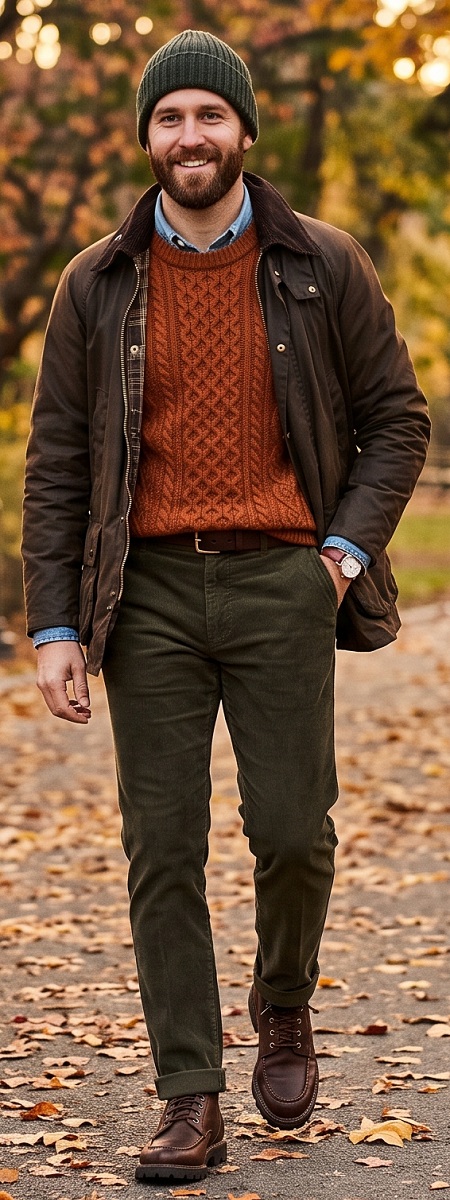
There is an undeniable confidence that comes from wearing garments engineered with a real purpose. For this crisp transitional season, we are heavily highlighting classic denim, durable chore jackets, and stout leather boots that age beautifully with every wear. We believe that heritage-quality construction shouldn't require an elite investment or designer markup. Let's return to our styling roots by pairing timeless, utilitarian silhouettes with a modern sense of accessible ease.
Other Reading
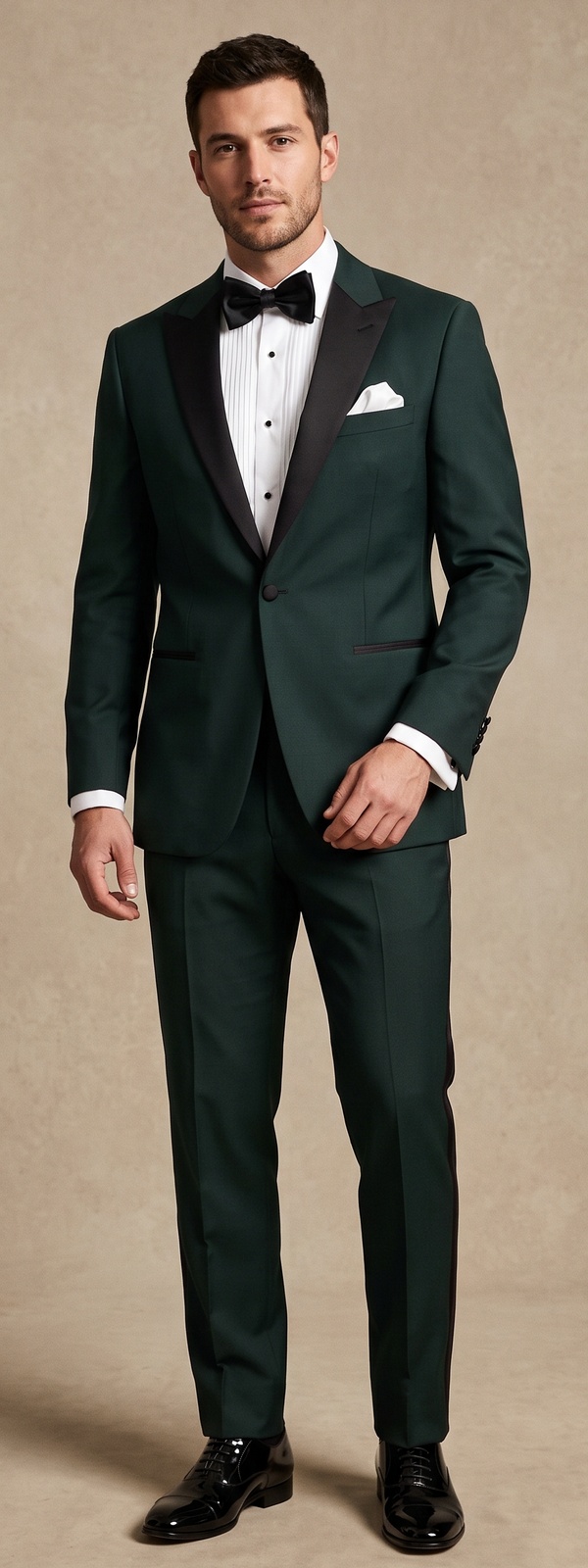
What to Wear to a Symphony, Ballet, or Classical Opera Evening — Men's Complete Guide
Attending a gala opening at the symphony hall, a premier ballet, or a night at the grand opera represents the pinnacle of cultural formality. Surrounded by soaring acoustic architecture, crystal chandeliers, and world-class virtuosos, your wardrobe should honor the majesty of the performance. While strict white-tie is rare today, dark formal tailoring remains the revered standard. A tailored dark suit or dinner jacket, pristine dress shirt, silk neckwear, and mirror-polished dress shoes demonstrate cultural sophistication and respect for the performing artists on stage. Here is how to navigate opera house dress codes, select classical evening suiting, and master intermission lounge etiquette.
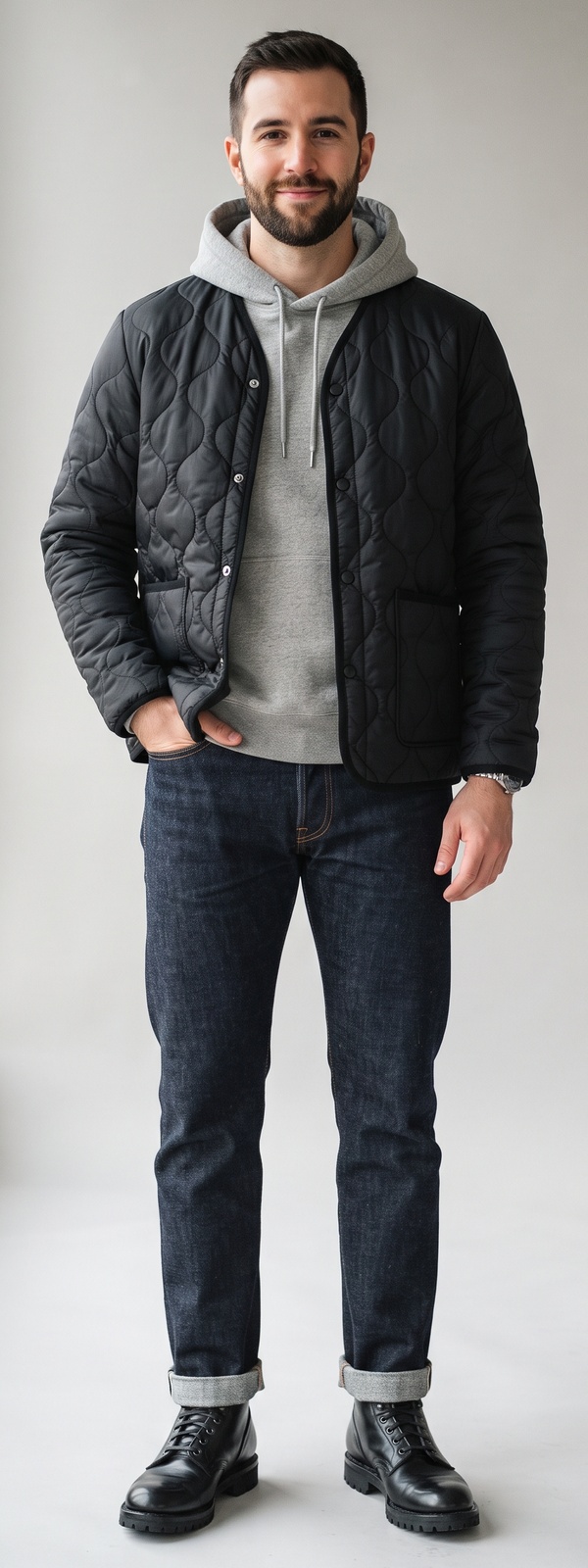
Raw Selvedge Denim Jeans: Indigo Heritage Foundations
We built this collection to champion raw selvedge denim as the purest expression of artisan textile heritage. Cut from shuttle-loom cotton with signature red-line outseams, these rigid indigo jeans mold to your body over time, developing unique honeycombs and whiskers through honest wear. We love pairing them with heavy cable knits, pea coats, and rugged leather boots for timeless visual weight. Invest in your ultimate pair of accessible selvedge jeans on Amazon at honest, budget-friendly prices.
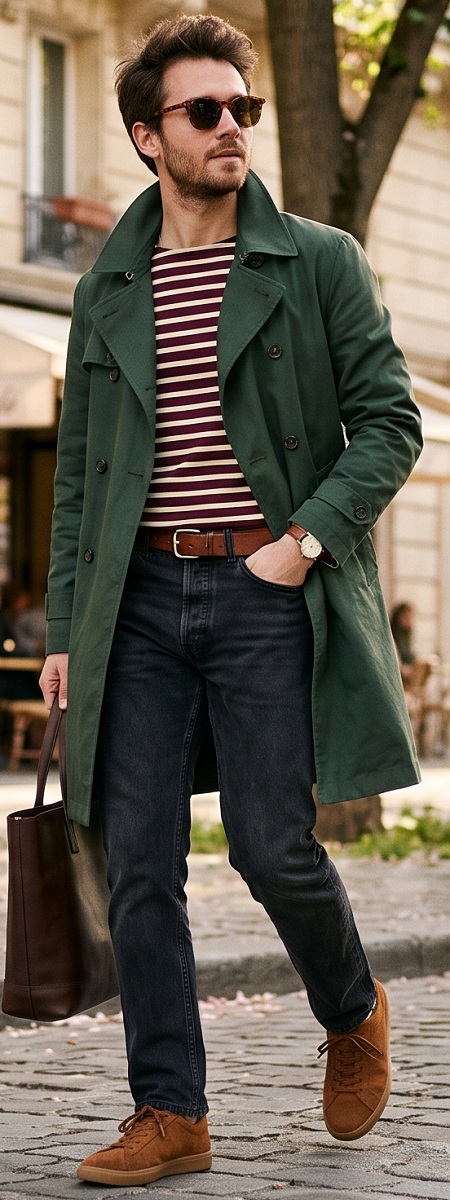
How to Style a Men's Double-Breasted Trench Coat in Rain or Shine
Discover how to style a men's double-breasted trench coat with tailoring, hoodies, Breton stripes, and Chelsea boots for classic weather-ready polish.