
What to Wear to an Indigo Dyeing Workshop — Men's Complete Guide
Stepping into a traditional Japanese indigo dyeing studio or hands-on shibori resist-dyeing workshop puts you inches from bubbling indigo vats, wooden clamping blocks, and aerobic oxidation baths. Dipping cotton bandanas, raw canvas, and linen into rich fermented indigo vats demands clothing that embraces and disguises blue pigment spatters without sacrificing style.
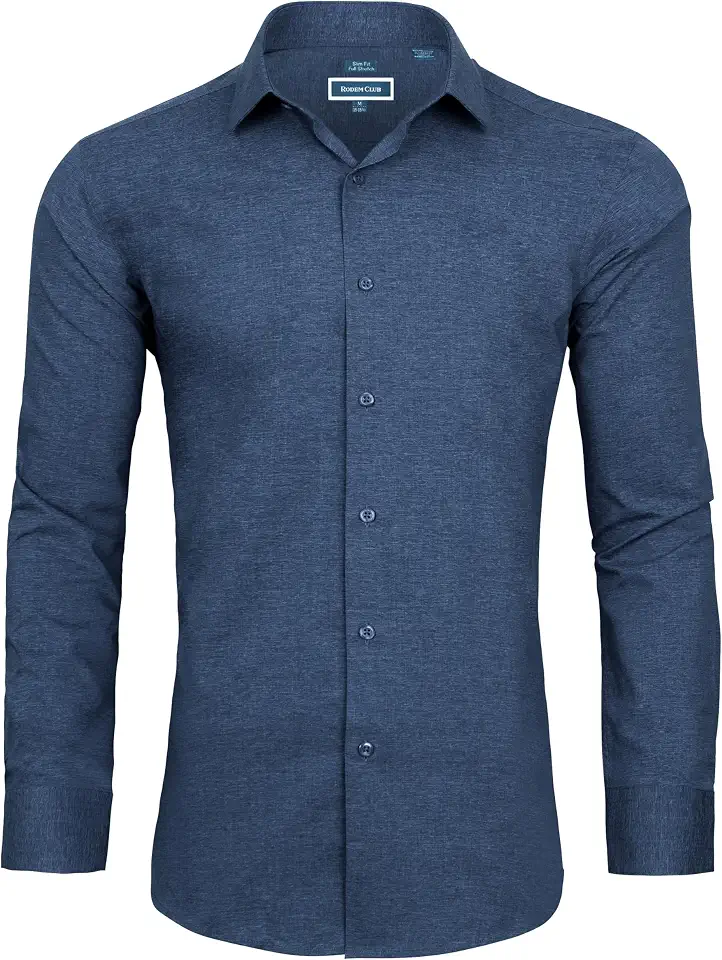
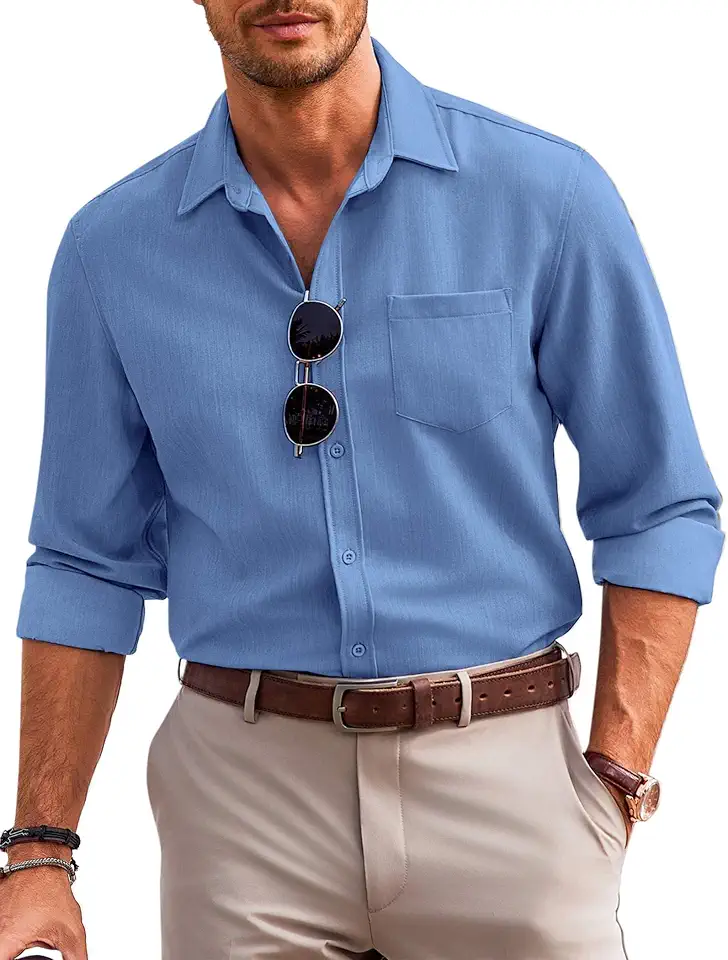
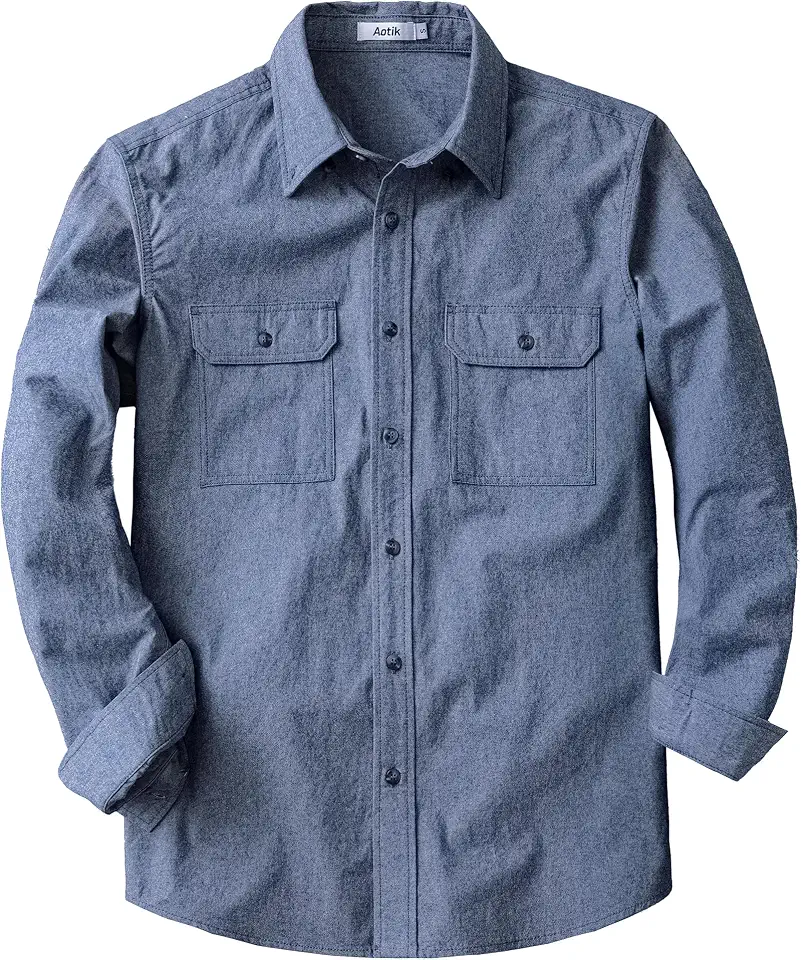
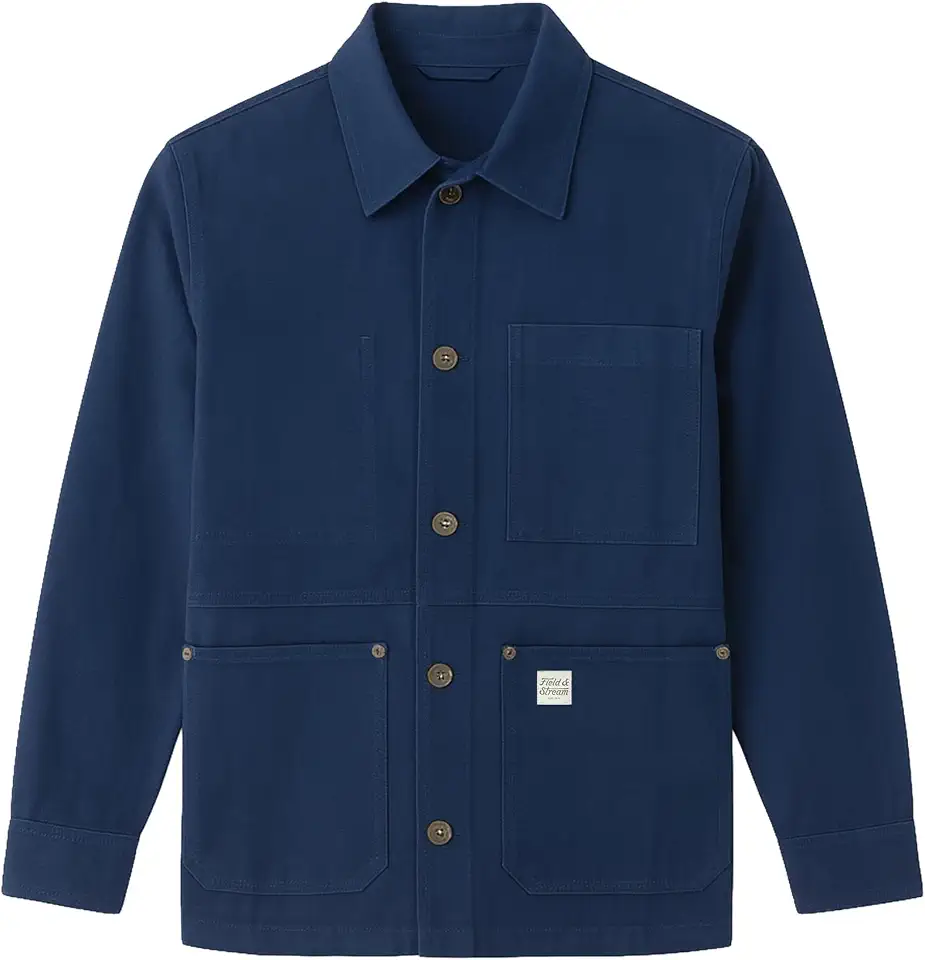
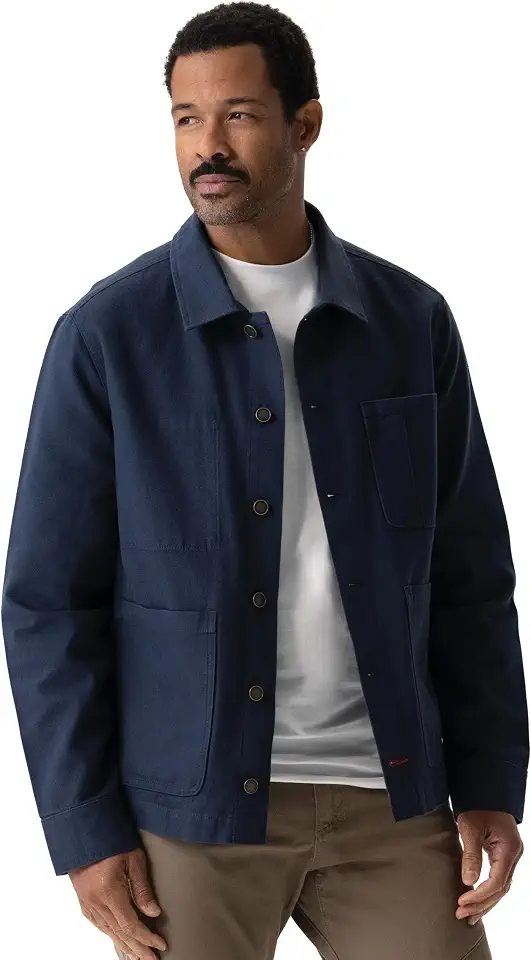
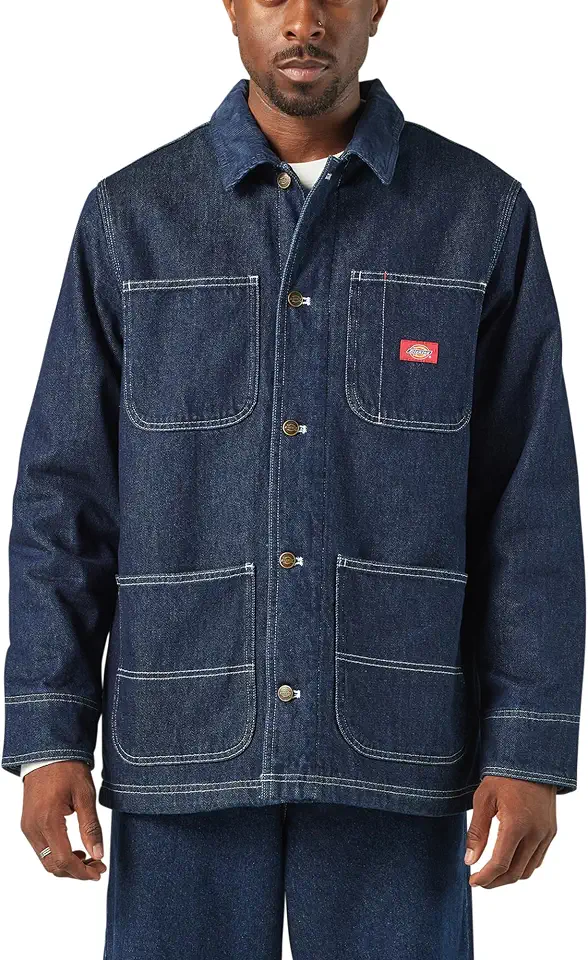
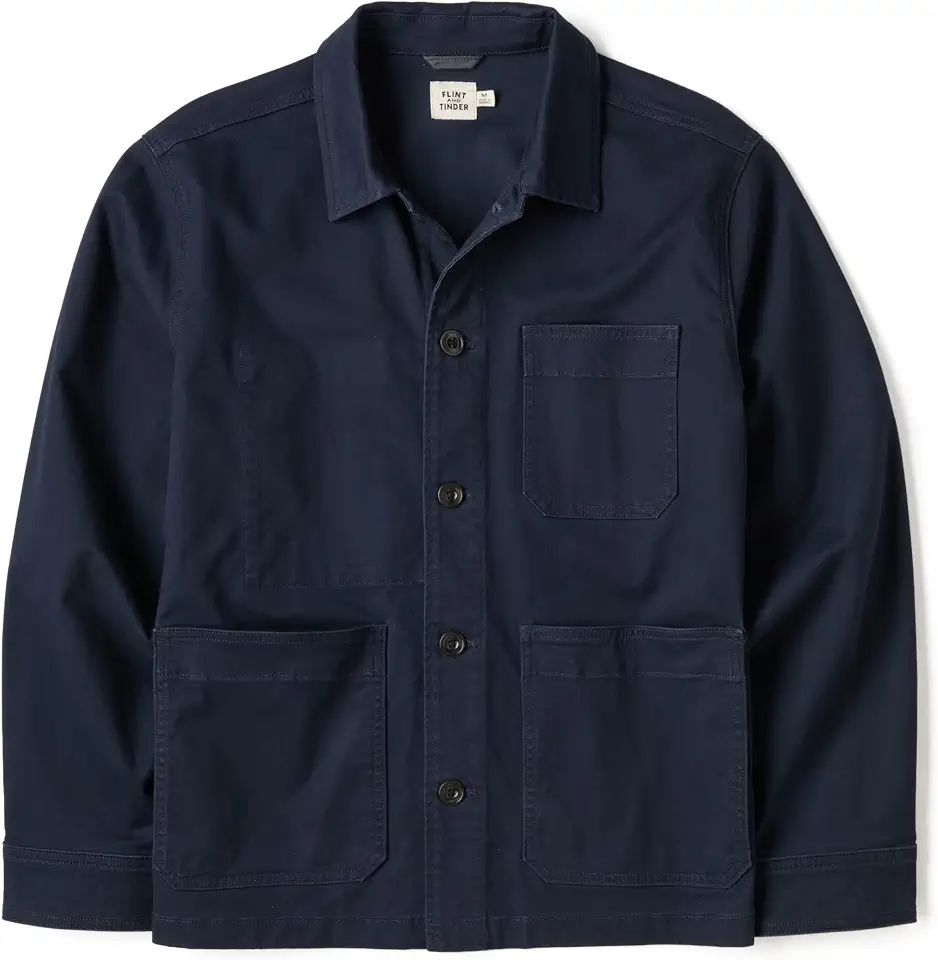
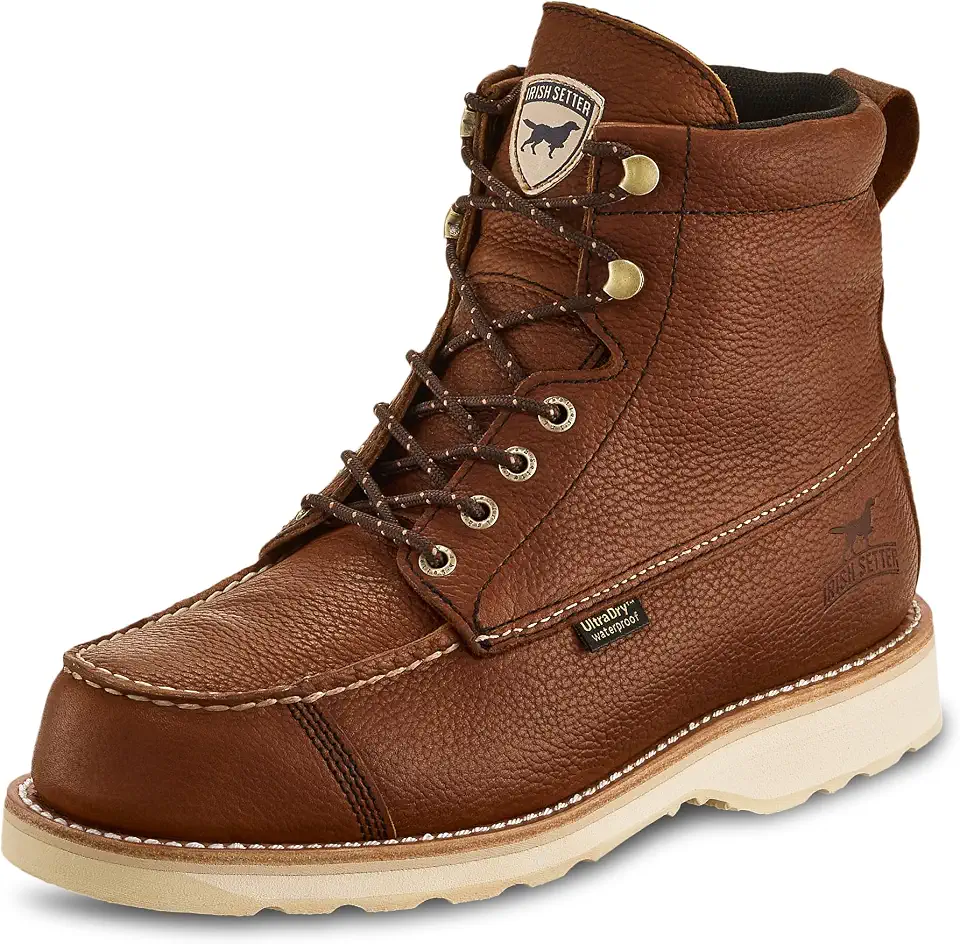
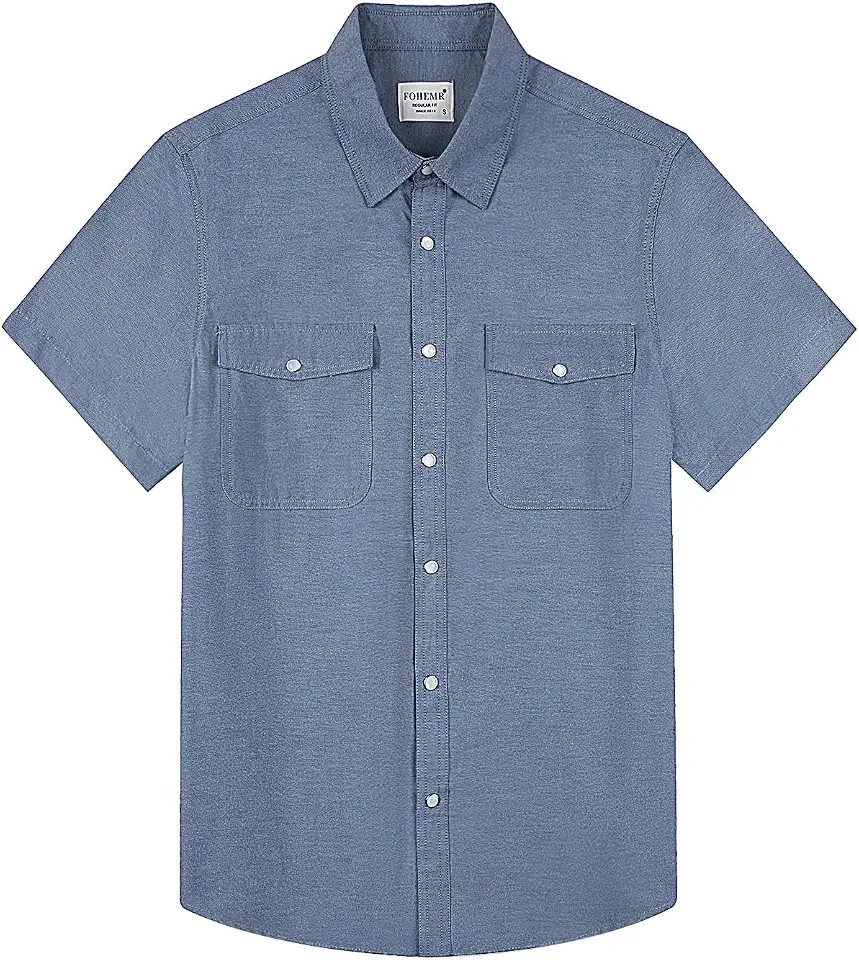
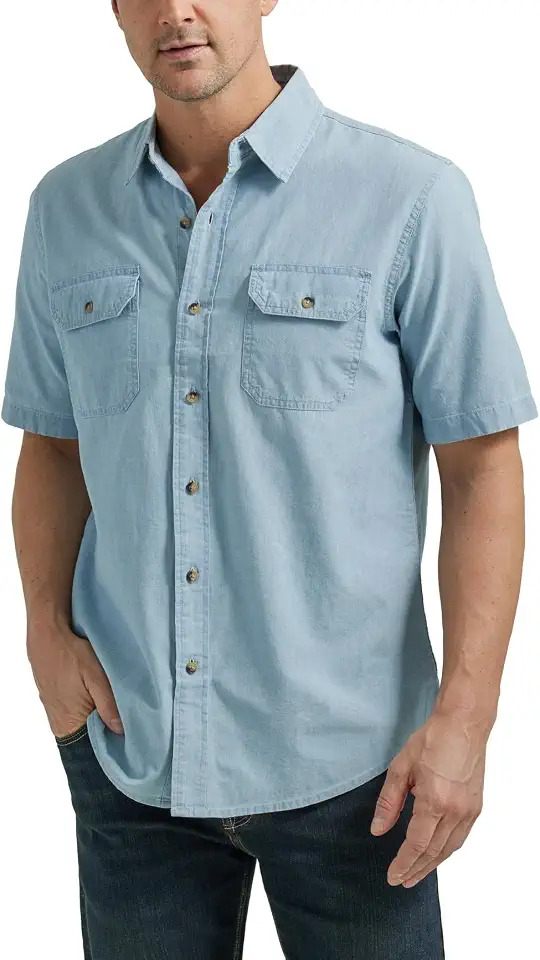
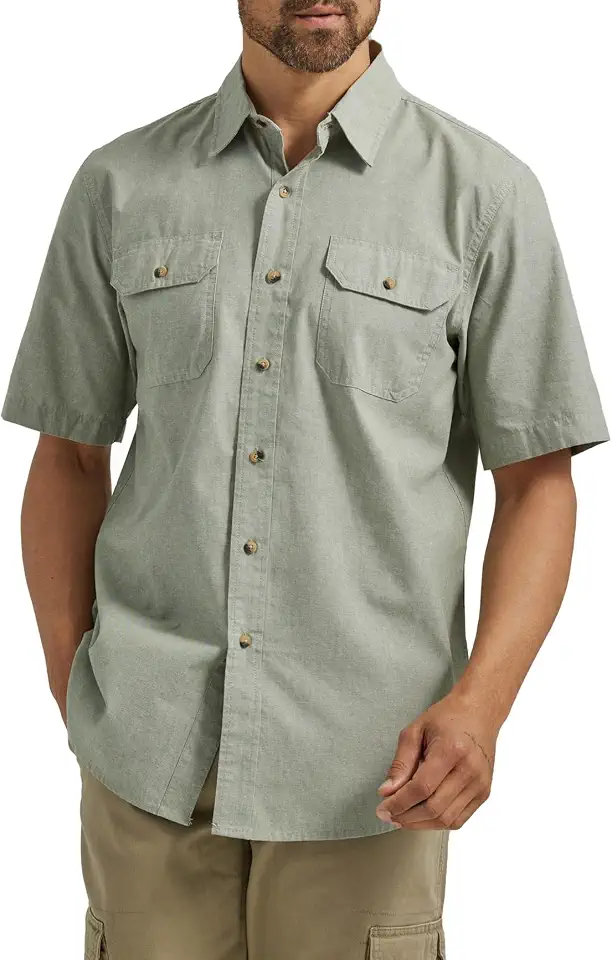
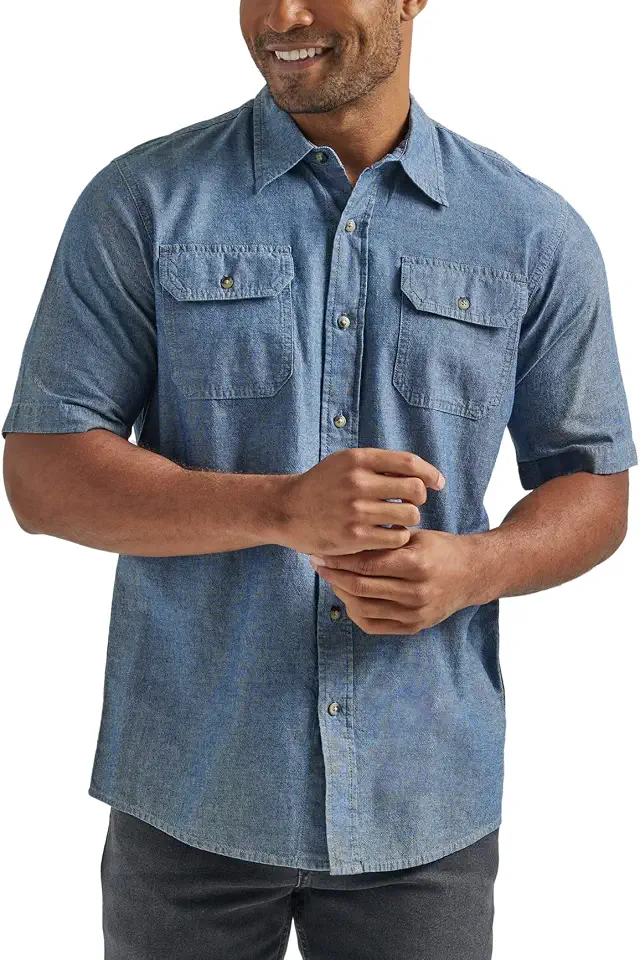
The benchmark dress code is authentic indigo artisan workwear: dark raw denim chore jackets or blue chambray work shirts beneath a heavy-duty canvas shop apron, paired with dark wash jeans and waterproof rubber-tread work boots. Indigo dye is virtually permanent, making blue-toned, workwear-weight garments both highly practical and stylistically on-point for studio sessions.
From dye-vat splatter protection and pigment-friendly dark textiles to wet studio floor traction, here is your definitive blueprint for indigo dyeing workshop style.
Outfits that work
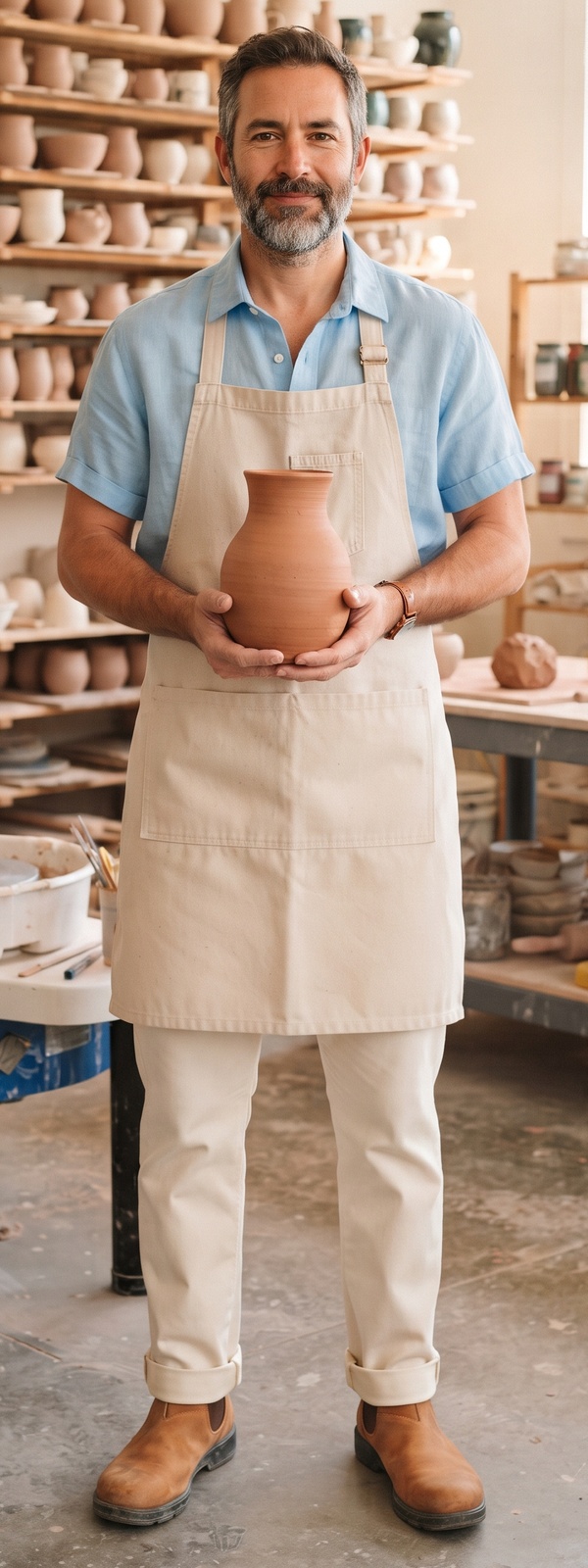 From $113
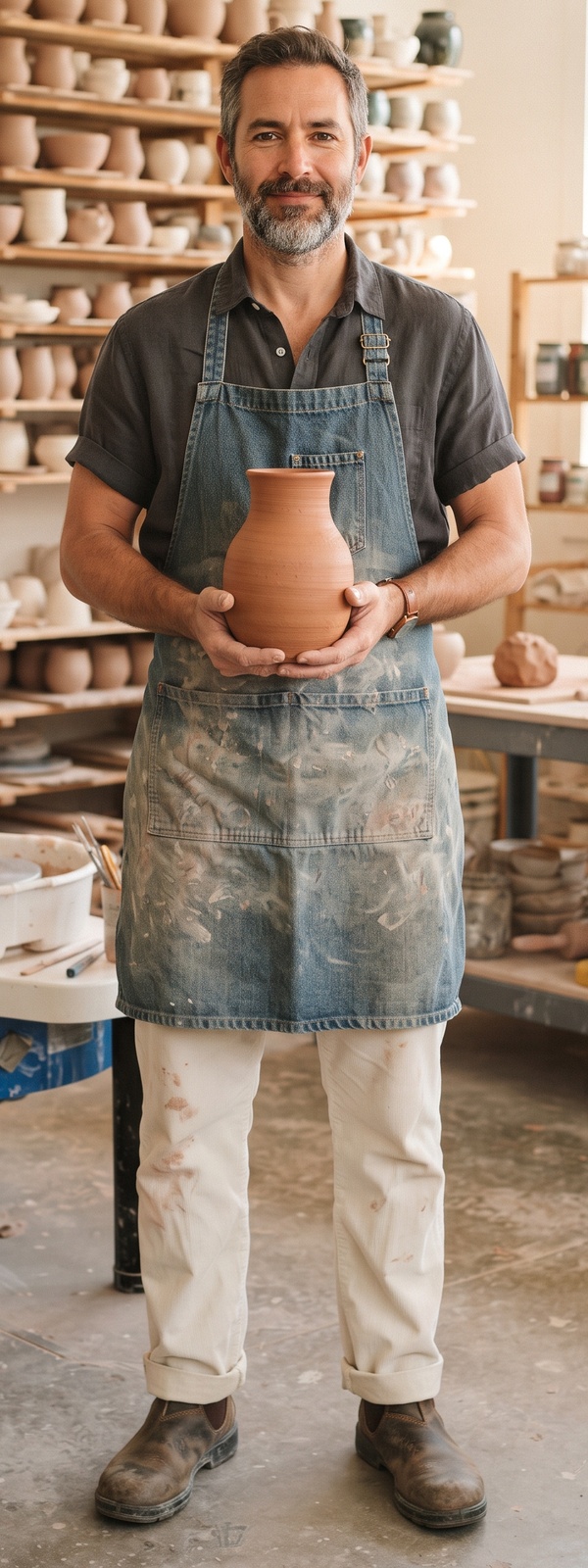 From $130
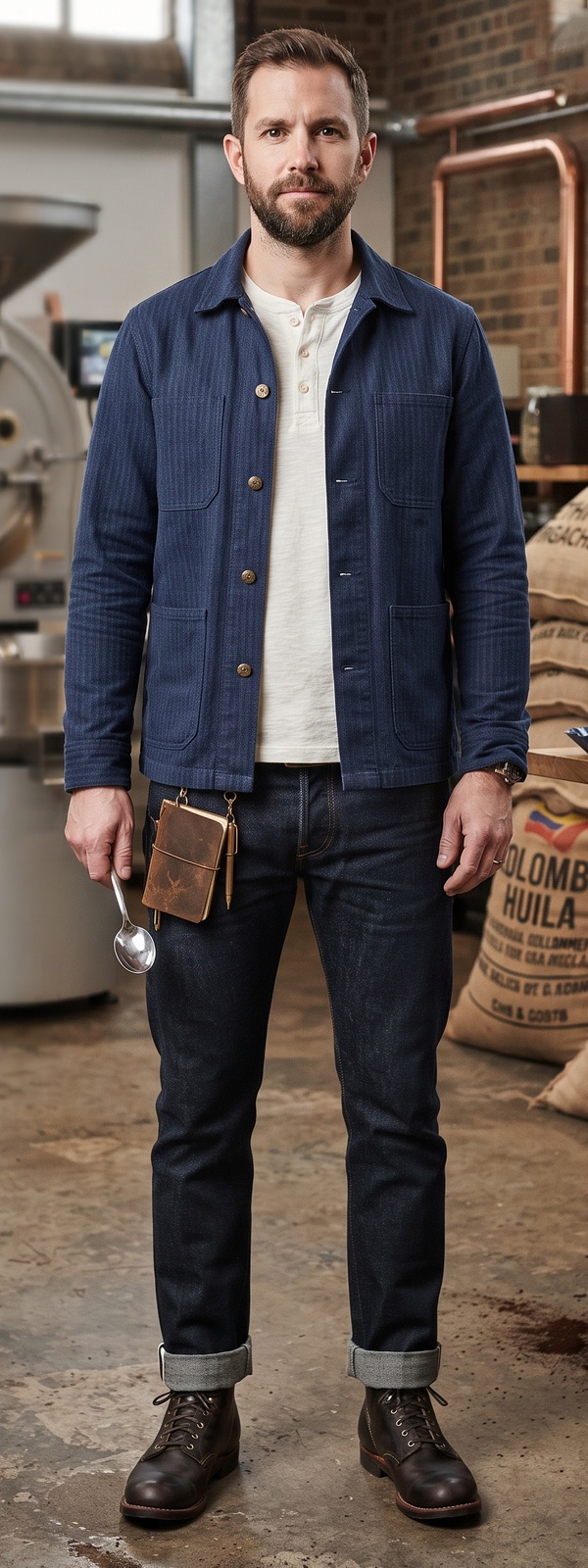 From $216
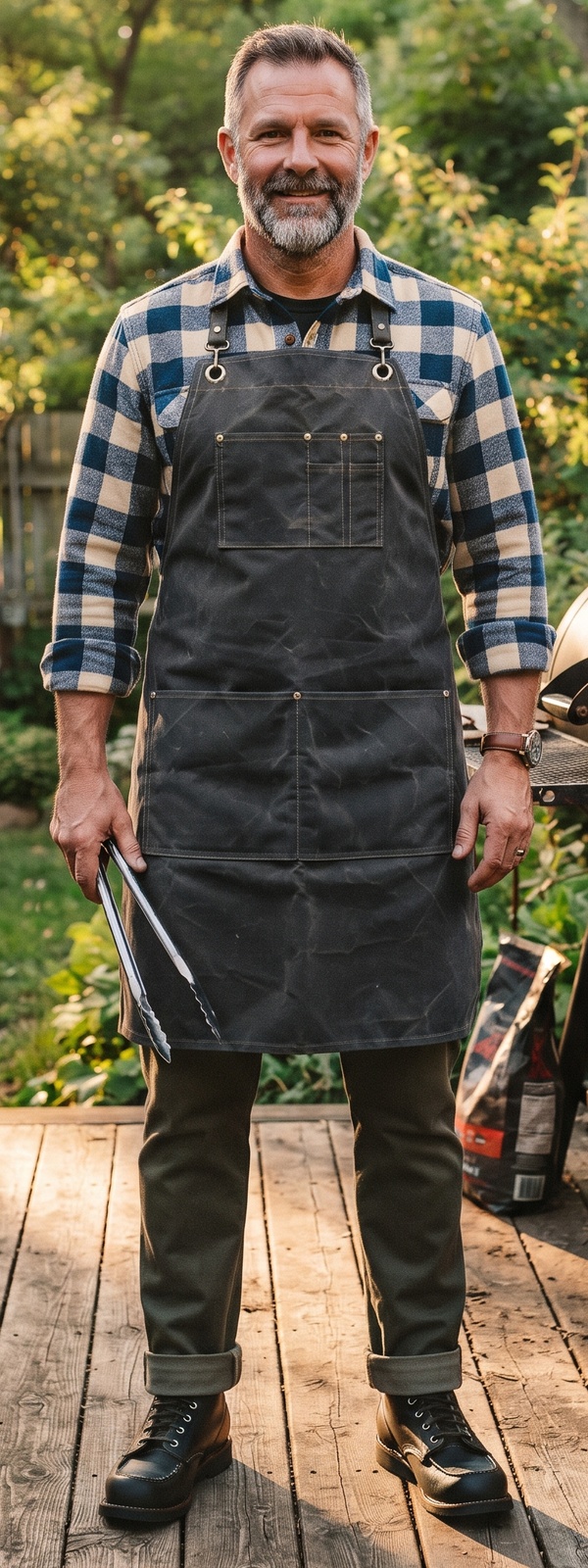 From $168
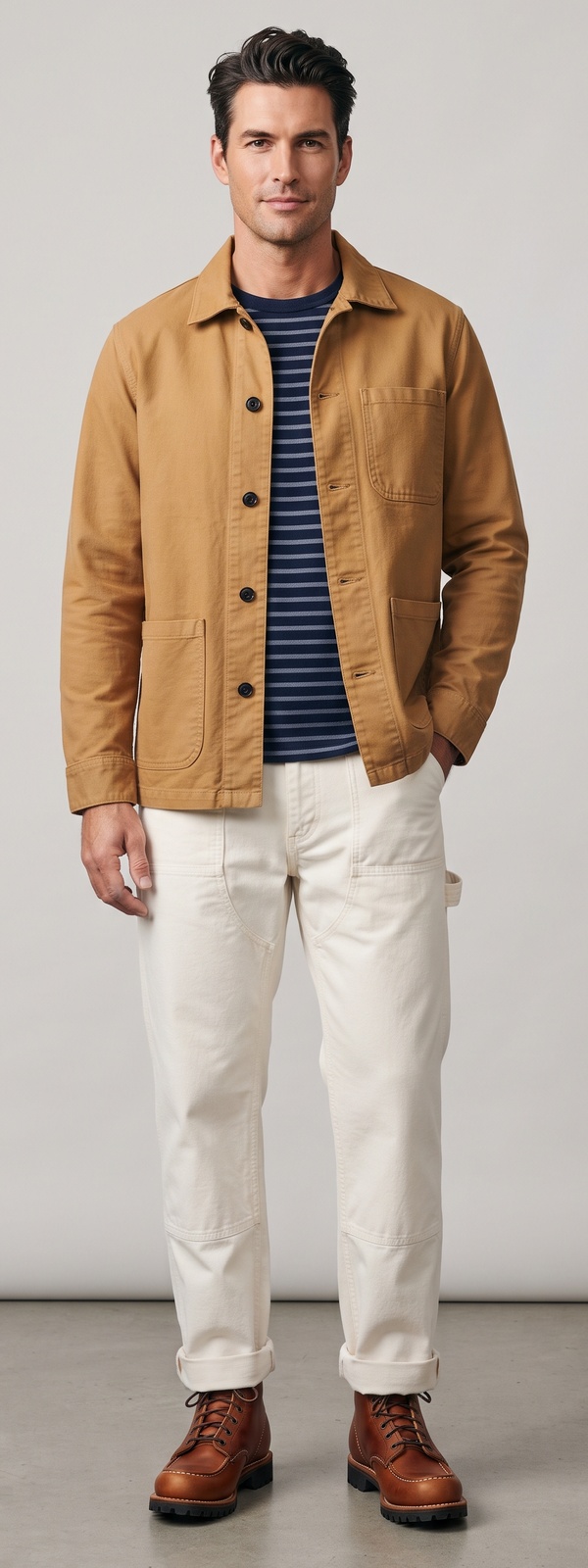 From $135
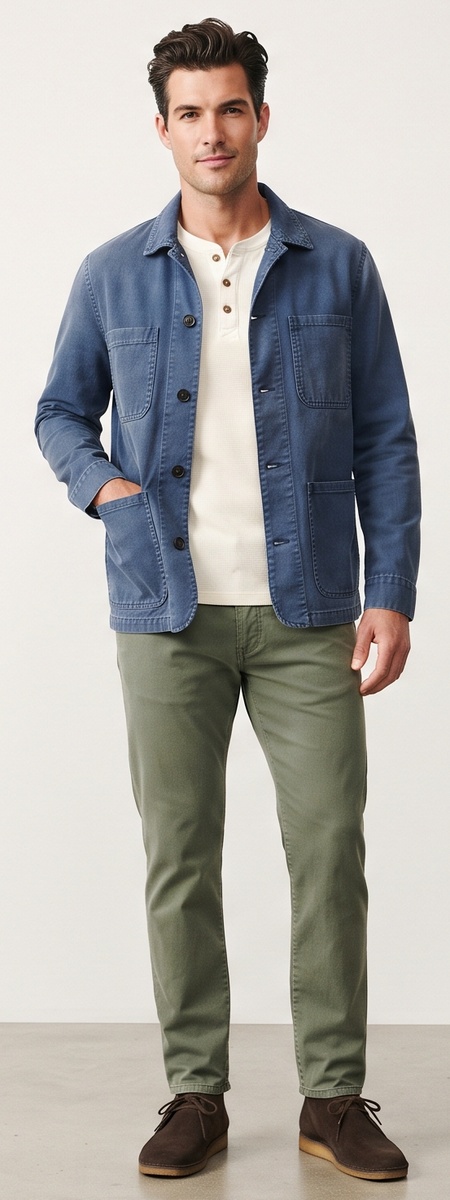 From $115
Do
- ✓Wear dark indigo jeans, blue chambray shirts, or navy workwear that easily camouflages stray dye spatters.
- ✓Choose a heavy-duty split-leg canvas or dark denim apron with chest pockets to shield your torso.
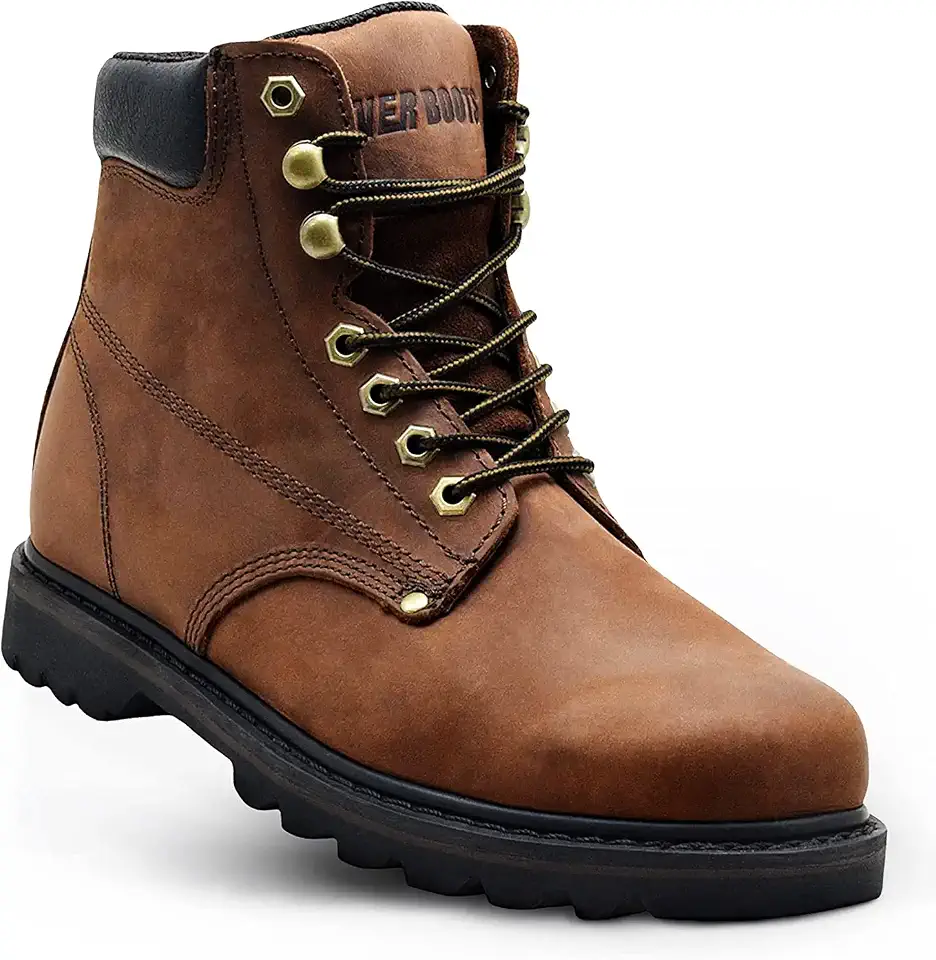
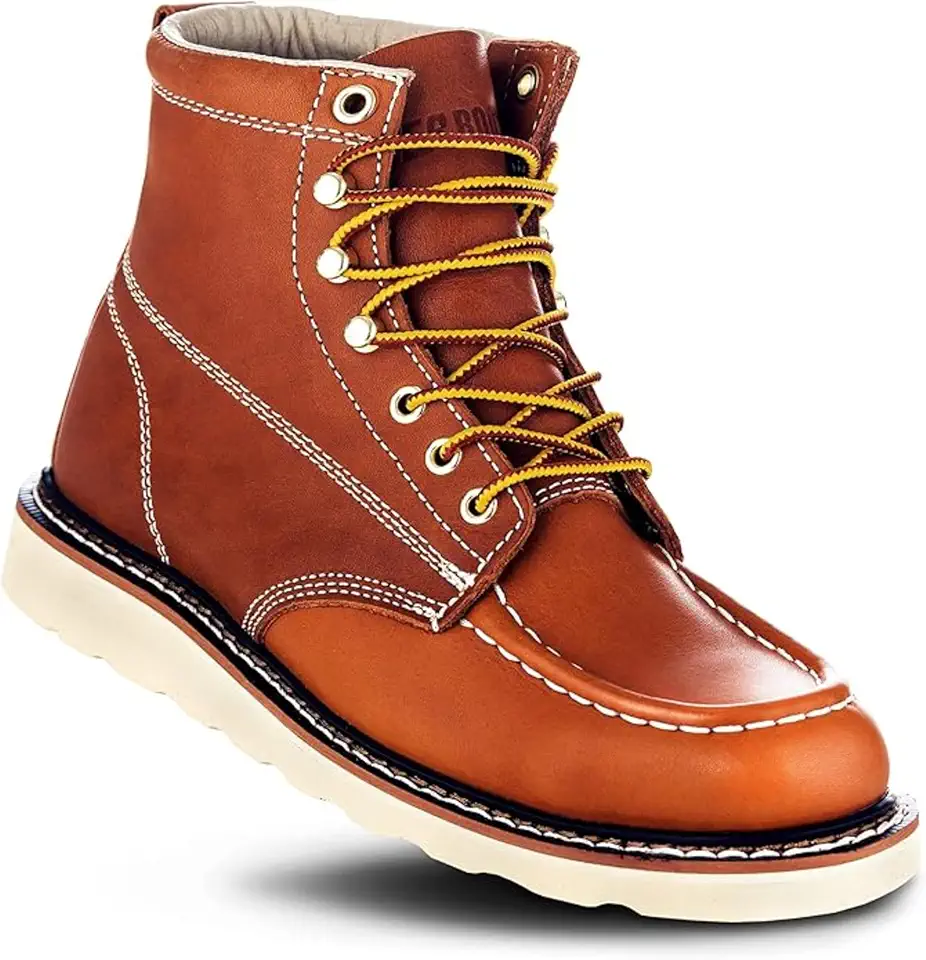
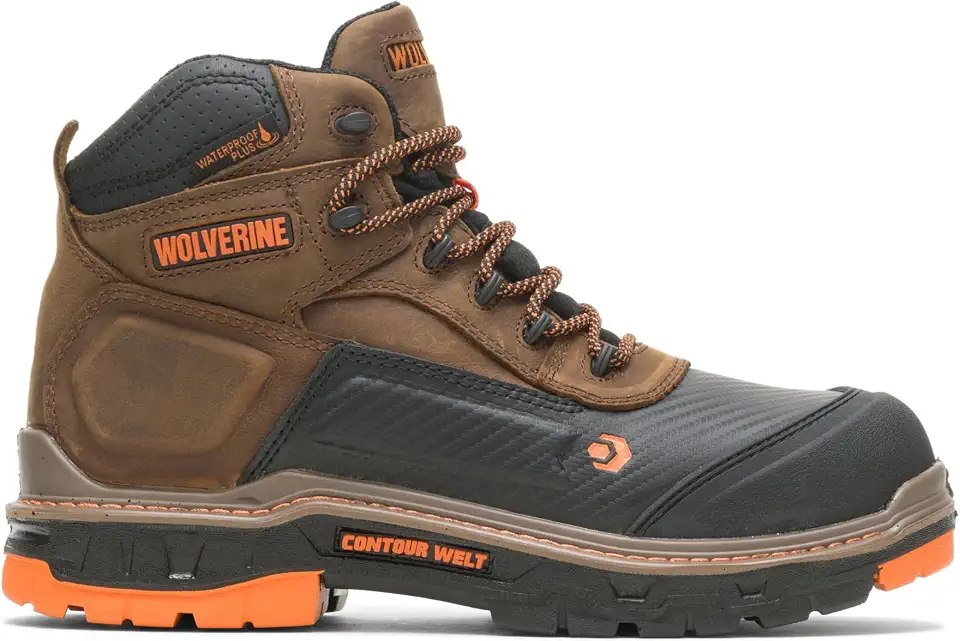
- ✓Wear waterproof or rubber-soled leather work boots that grip wet wooden deck boards around dye vats.
- ✓Roll your sleeves tightly above your elbows before submerging textiles into deep fermentation vats.
- ✓Opt for natural cotton and linen garments that harmonize with the artisanal aesthetic of natural textiles.
Don't
- ✗Avoid pristine white, cream, or light grey clothing that will be permanently ruined by blue dye splashes.
- ✗Don't wear expensive light suede shoes or delicate sneakers that absorb indigo stains like a sponge.
- ✗Avoid loose wristwatches, rings, or fabric bracelets that can slip off into dark, murky vat liquids.
- ✗Don't wear delicate synthetic jackets whose synthetic fibers repel natural dyes and look sloppy if splattered.

Style tips
The Tonal Indigo Disguise Strategy
Natural indigo oxidizes from greenish-yellow to deep cobalt within seconds of hitting the air. Wearing indigo-dyed chore coats and dark selvedge jeans ensures that accidental vat drops blend seamlessly into your wardrobe.
Wet Floor Vat Traction
Dye houses feature constantly wet rinsing troughs and slippery wooden slatted flooring. Lug-sole leather work boots keep your footing steady when pulling heavy, waterlogged textiles from deep ceramic vats.
Forearm Freedom for Clamping
Shibori dyeing requires folding, binding with wooden blocks, and submerging fabrics up to your elbows. A short-sleeve work shirt or a securely cuffed chambray top keeps cloth completely free of dye stains.
Related searches
All curated searches
Related Reading
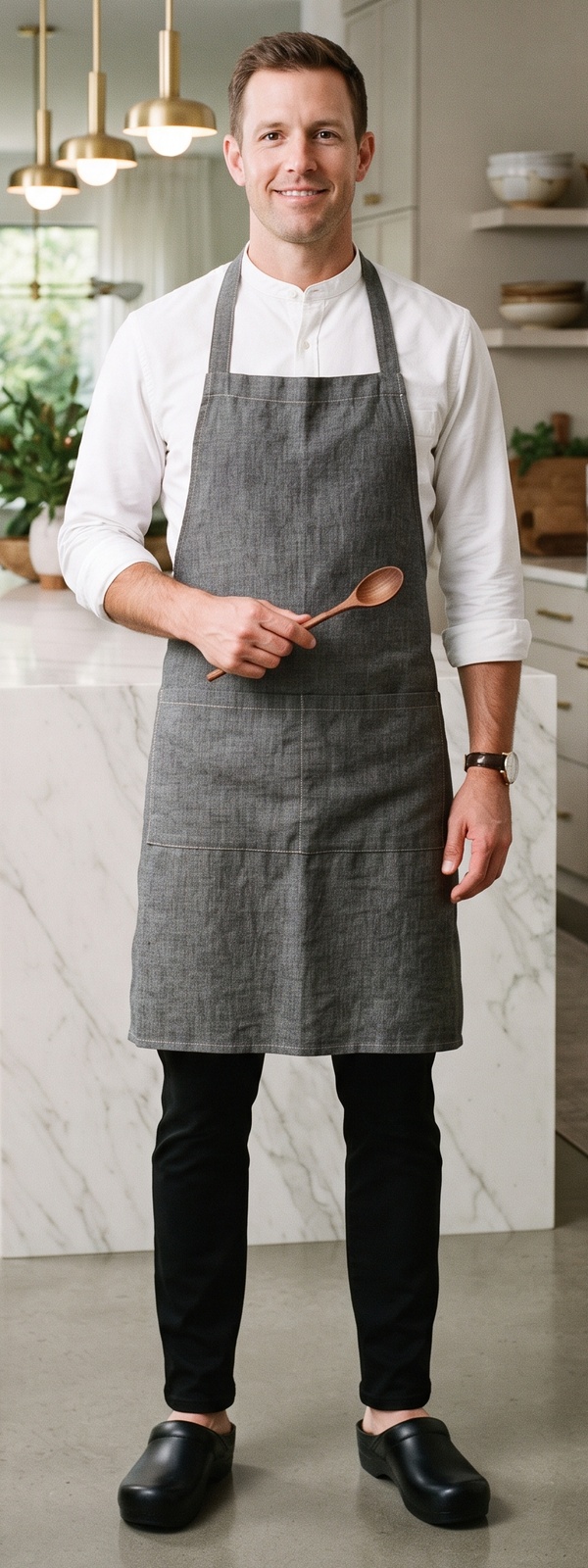
How to Style Men's Artisan Workwear Aprons: Culinary & Studio Guide
Elevate your craft with our guide to styling men's durable canvas, denim, and linen aprons with work shirts, flannels, and boots.
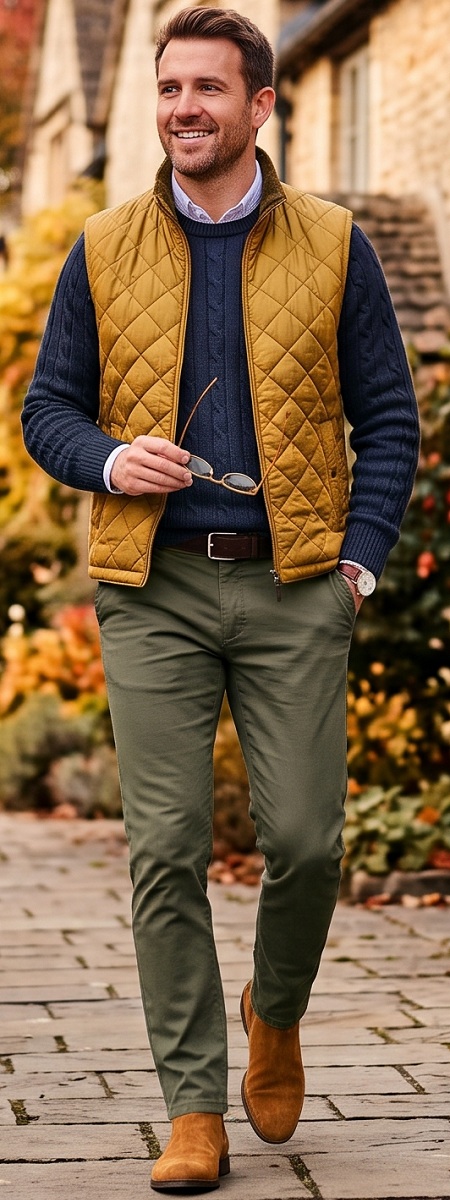
What to Wear to a Homebrewing Workshop — Men's Complete Guide
Signing up for an all-grain homebrewing workshop or microbrewery cellar masterclass puts you directly on wet brewery floorboards amidst steaming mash tuns, boiling wort kettles, and aromatic hops. Stirring fifty-pound grain mashes, sparging malted barley, and pitching brewing yeast requires rugged, spill-resistant craft brewing attire that handles active brewhouse heat. The benchmark dress code is functional taproom and cellar workwear: heavy cotton plaid flannels or rugged canvas vests over thermal henleys, paired with durable dark wash jeans or carpenter pants and waterproof rubber-soled work boots. You need total protection against hot liquid splashing, floor washdowns, and heavy stainless steel keg handling throughout active brewing steps. From non-slip wet brewery floor footwear grip to grain-shedding natural cotton layering, here is your definitive blueprint for craft homebrewing workshop style.
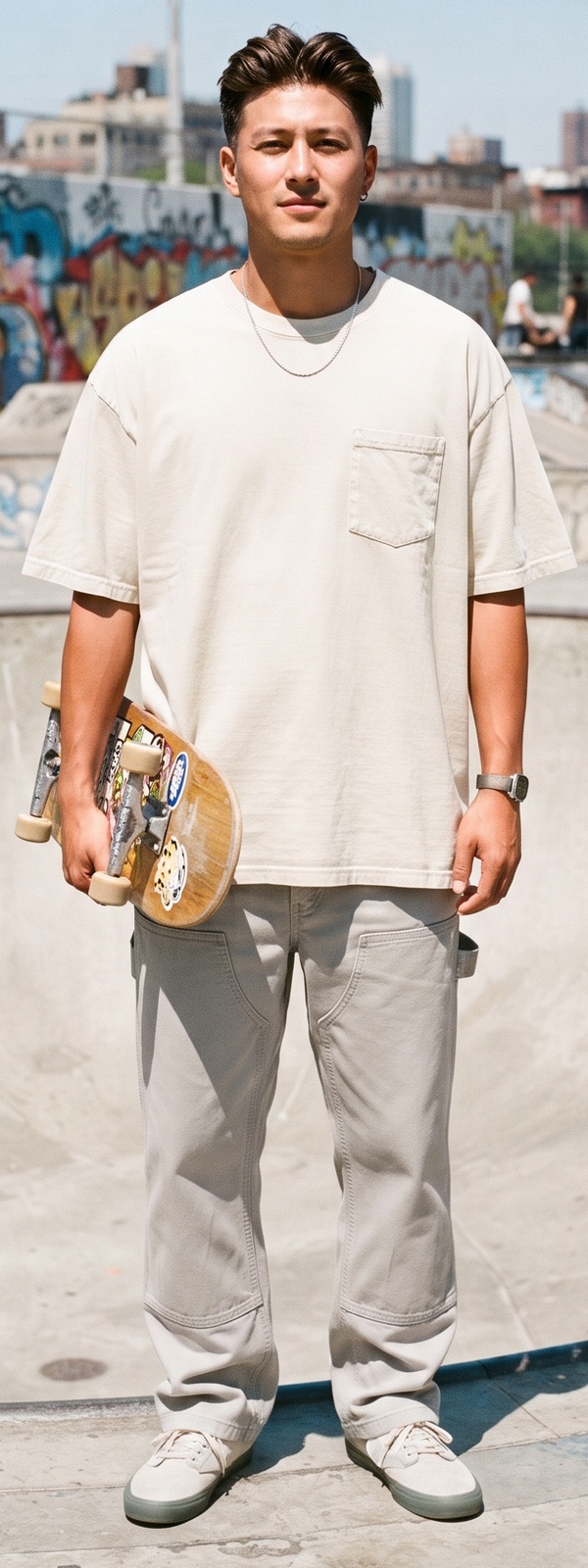
What to Wear to a Wild Fermentation Class — Men's Complete Guide
Signing up for an artisanal wild fermentation masterclass, live-culture pickling workshop, or kimchi-making session connects you with lacto-fermenting crocks, brine scales, and pungent spices. Massaging salted cabbage, crushing garlic, and packing fermentation crocks requires practical, stain-resistant kitchen apparel that handles brine splashes and active food prep. The benchmark dress code is elevated culinary fermentation casual: dark chambray work shirts or heavyweight pocket tees protected by a full-coverage linen or canvas chef apron, paired with dark wash jeans and comfortable non-slip leather boots. Acidic salt brines and turmeric-rich spices can leave permanent stains, making dark, durable textiles vital for kitchen confidence and comfort. From brine-resistant dark fabric palettes to standing crock-packing footwear ergonomics and essential sleeve rolling safety, here is your definitive blueprint for artisan wild fermentation workshop style.
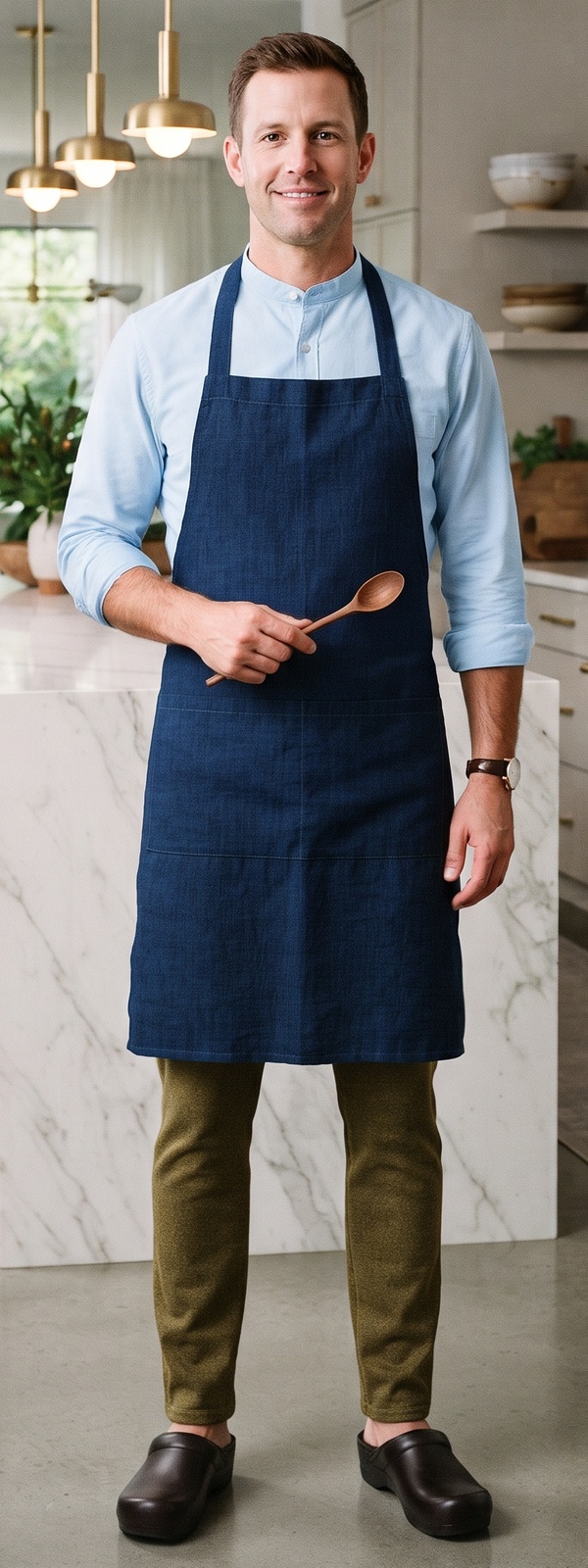
Artisan Studio: Denim Aprons, Chore Coats & Craft Workwear
We designed this collection around the honest beauty of hard-working textiles that look better the more you wear them. Pairing a washed denim or natural canvas apron with breathable linen shirts and carpenter pants provides effortless creative practicality. We recommend earthy tones of indigo, unbleached ecru, tobacco brown, and deep olive that age with distinct character. With rugged canvas workwear and chore jackets widely available on Amazon, building an authentic studio rotation is both easy and affordable.
How to Style a Men's Chore Jacket: Modern Workwear Guide
Learn how to style a men's chore jacket with textured basics, raw selvedge denim, rugged leather boots, and modern workwear proportions on a budget.
Artisanal Workshop Utility: Waxed Canvas & Linen Aprons
We curated this collection around the rise of artisanal craft-core—where functional studio, roastery, and workshop gear meets intentional menswear styling. We layer men's heavy waxed canvas work aprons, men's charcoal linen barista aprons, and men's selvedge denim studio aprons over men's olive band collar shirts, men's blue chambray work shirts, and men's buffalo plaid flannels. Grounded by men's leather moc toe boots and pleated trousers, our looks elevate tactile craftsmanship.
Other Reading

What to Wear to a Daytime Rooftop Party — Men's Complete Guide
Ascending to an open-air rooftop day party or terrace day club bathed in bright afternoon sunshine signals an afternoon of curated DJ sets, flowing spritzes, and panoramic skyline views. Because direct sunlight exposes fabric textures and tailoring lines, dressing well requires balancing airy breathability with sophisticated summer elegance. The benchmark dress code is Mediterranean resort smart casual: open-collar knit polos in vibrant or earthy tones, unstructured linen blazers, single-pleat cream or sand trousers, and polished leather horsebit loafers or woven espadrilles. You want an ensemble that feels breezy and leisurely without descending into sloppy pool wear or stiff corporate formality. From buttonless Johnny-collar shirts that catch warm breezes to polarized eyewear and lightweight linen tailoring, here is your definitive blueprint for commanding daytime rooftop parties.
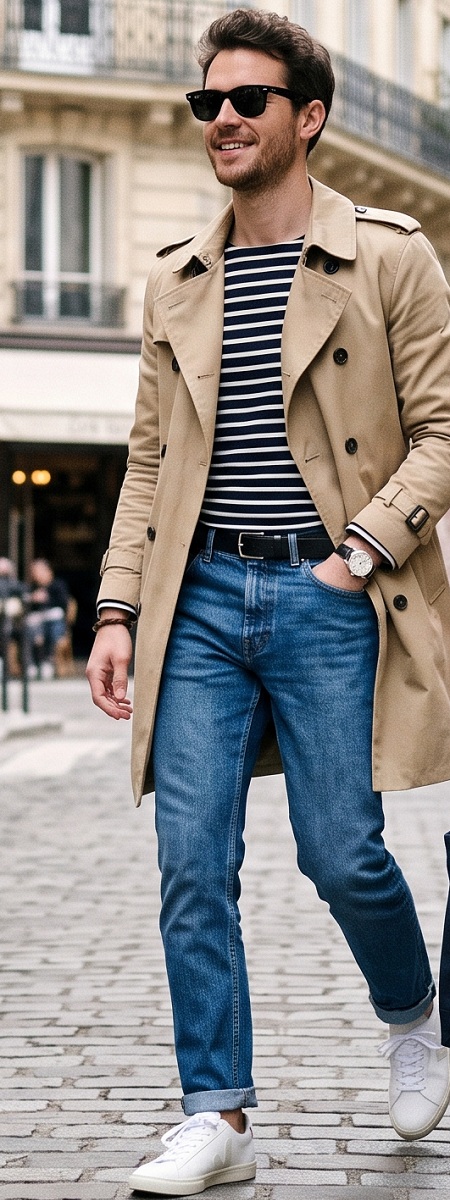
The Camel Coat Focus: High-Impact Outerwear
A tailored camel coat is the closest thing menswear has to a magic wand. Throw it over a grey hoodie and sweatpants, and you look like a Scandinavian off-duty model; throw it over a navy suit, and you look like a corporate titan. We showcase clean, single-breasted knee-length wool cuts with notched lapels that lengthen your silhouette. Make your entrance in timeless, commanding camel elegance.

How to Style Men's Charcoal Wool Trousers for Daily Sharpness
Learn how to style men's charcoal wool trousers with tailoring, tactile knits, and rugged leather footwear for effortless sophistication on any budget.