
What to Wear to an Open-Fire Cooking Class — Men's Complete Guide
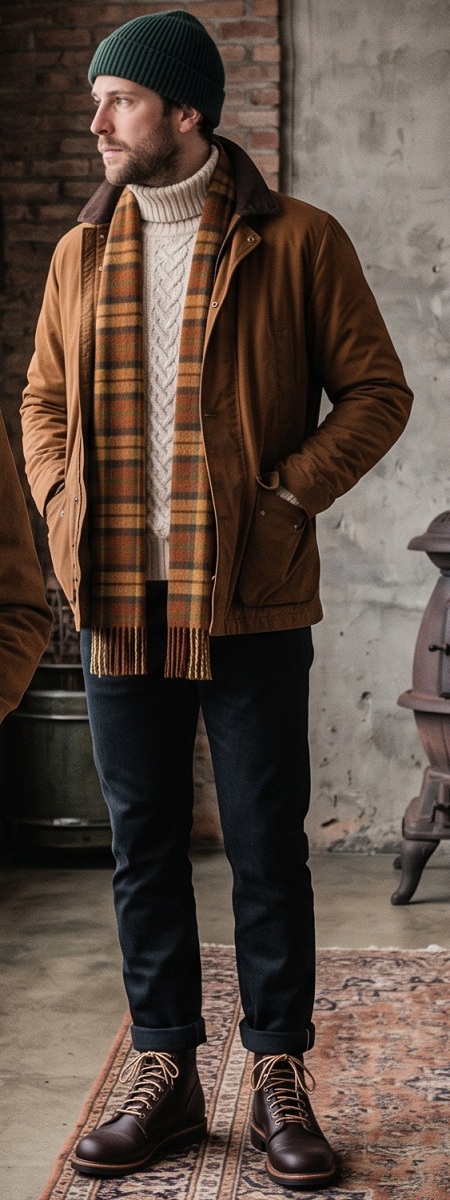
Attending an open-fire culinary workshop or live-hearth butchery masterclass places you directly beside glowing hardwood coals, searing cast iron planchas, and billowing aromatic woodsmoke. Balancing rustic outdoor feast hospitality with intense radiant heat demands non-synthetic protective garments that handle flying sparks without sacrificing your personal style.
The benchmark dress code is elevated artisan outdoor workwear: heavyweight cotton pocket tees or dense waffle henleys protected by a heavy-duty waxed canvas apron, paired with dark canvas work pants and oiled leather work boots. Synthetic performance apparel melts dangerously around open hearths, making durable all-cotton and dense wool weaves mandatory for kitchen safety.
From spark-resistant natural fiber layering and grease-shielding aprons to heat-resistant work boot footing, here is your definitive blueprint for open-fire culinary workshop style.
Outfits that work
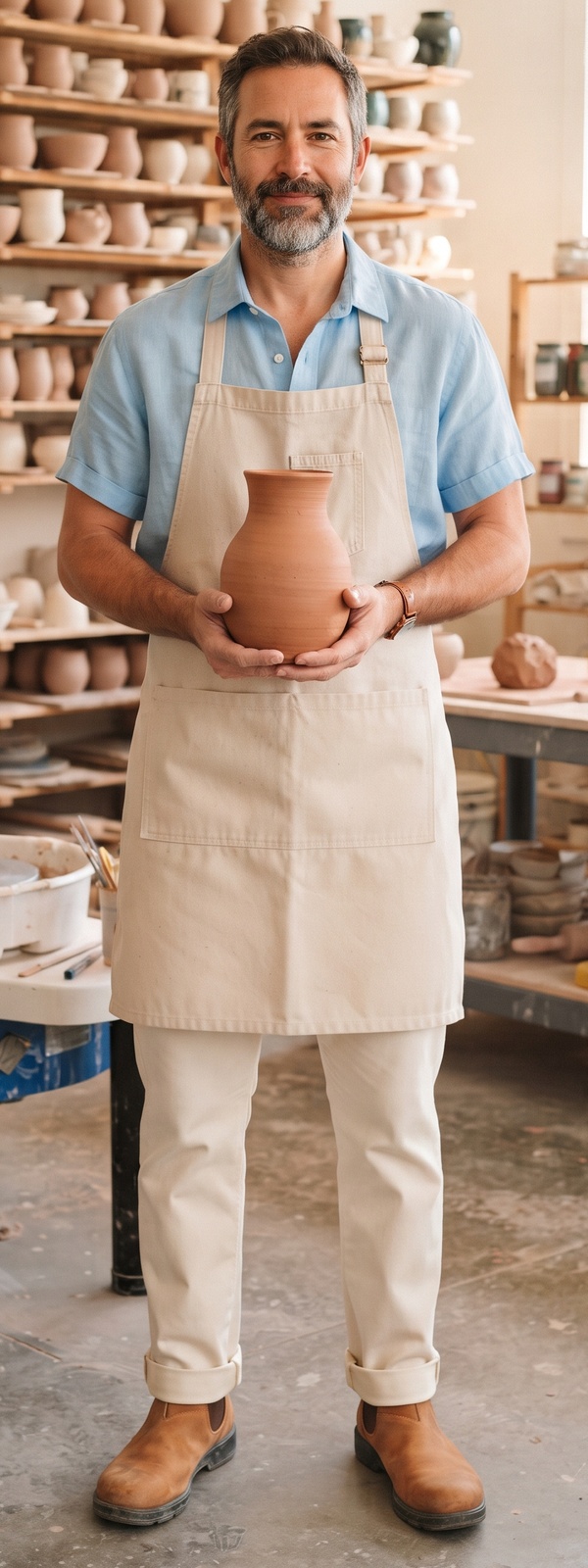 From $113
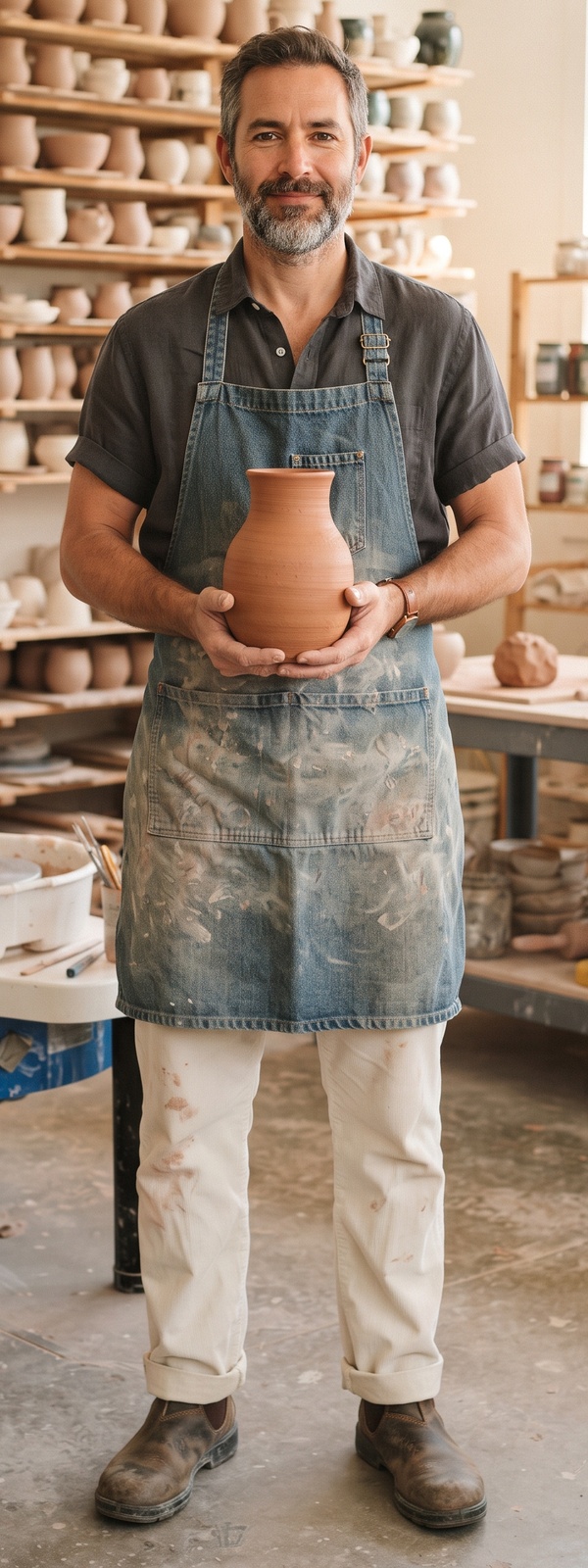 From $130
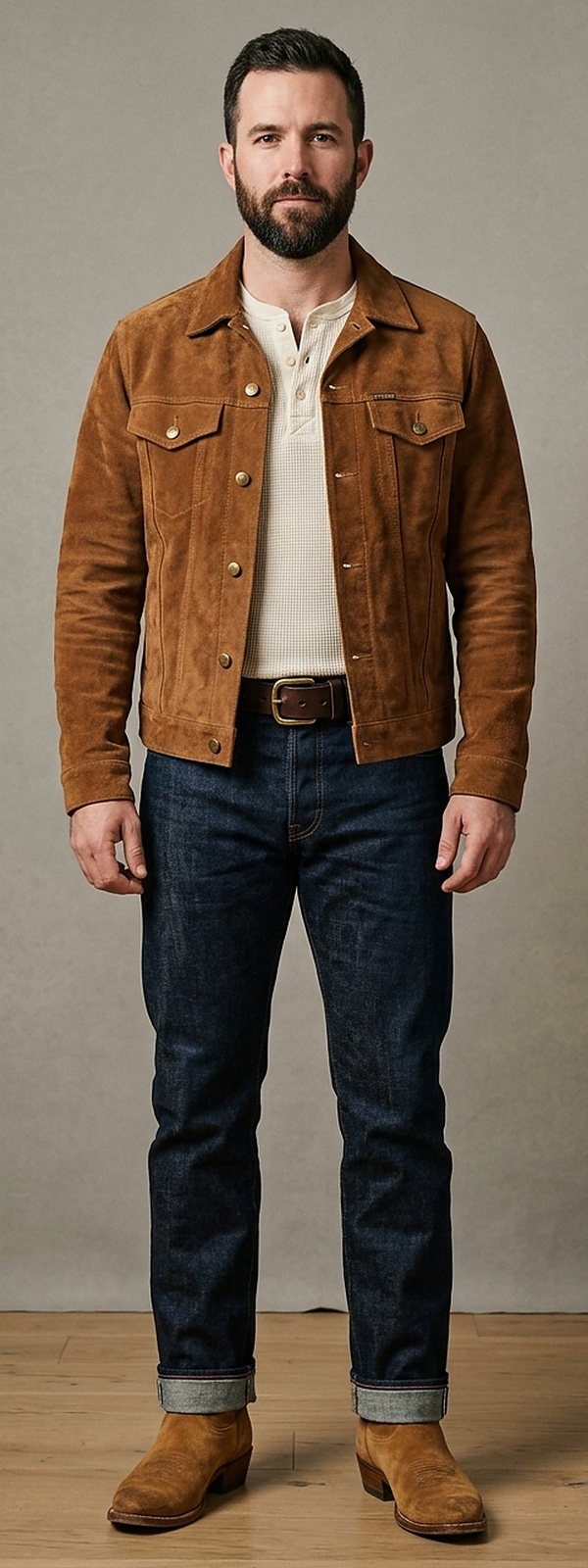 From $214
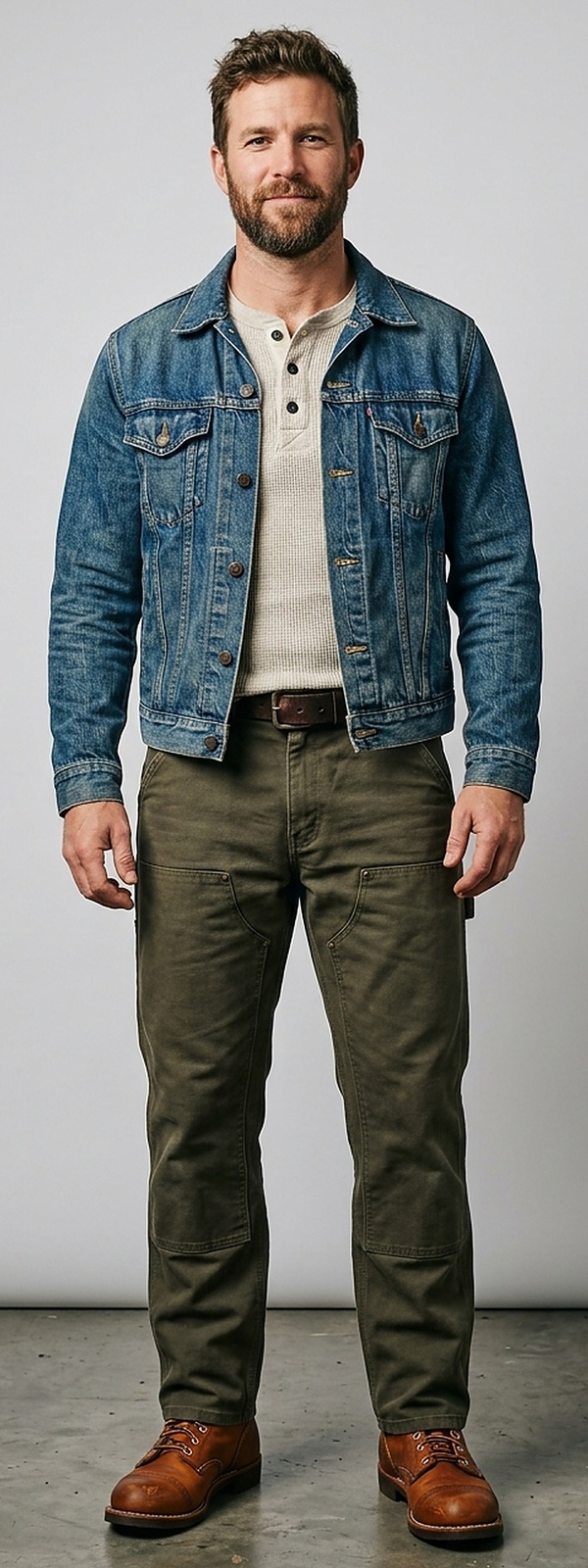 From $113
 From $149
Do
- ✓Wear 100% natural fiber garments like heavyweight cotton, denim, or wool that resist stray flying embers.
- ✓Choose a heavy-duty waxed canvas or denim cooking apron with leather ties and utility breast pockets.
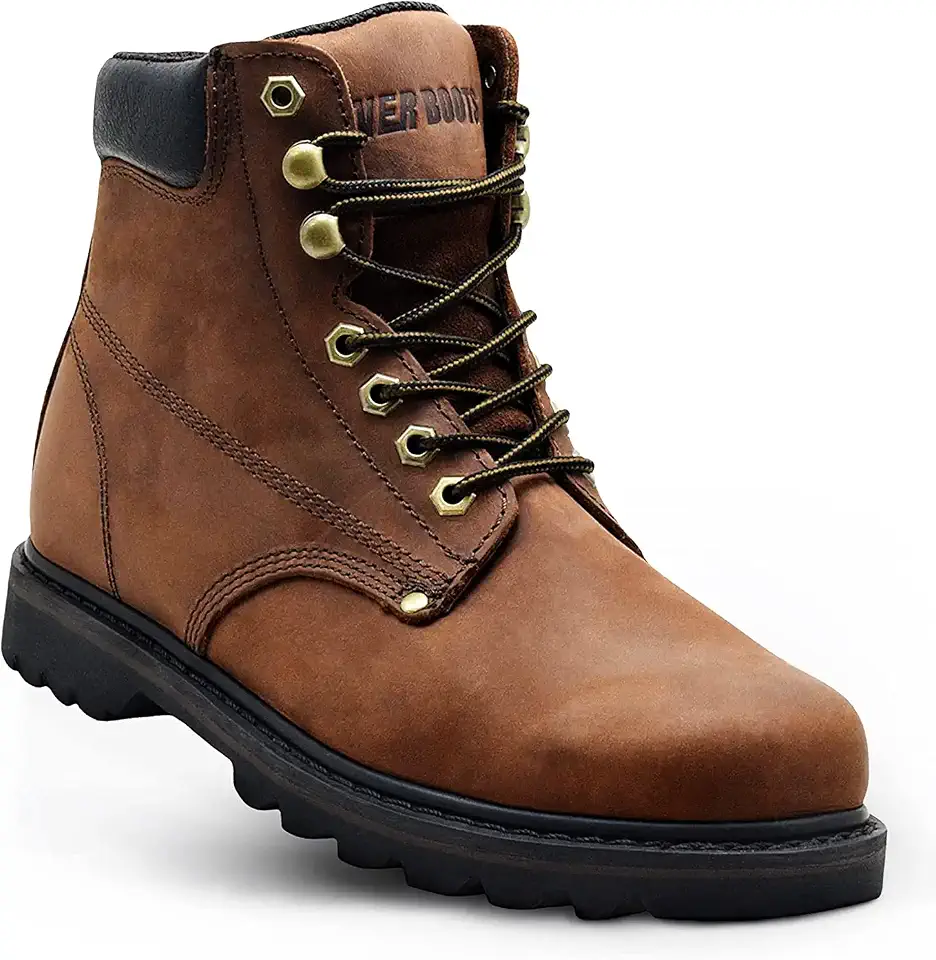
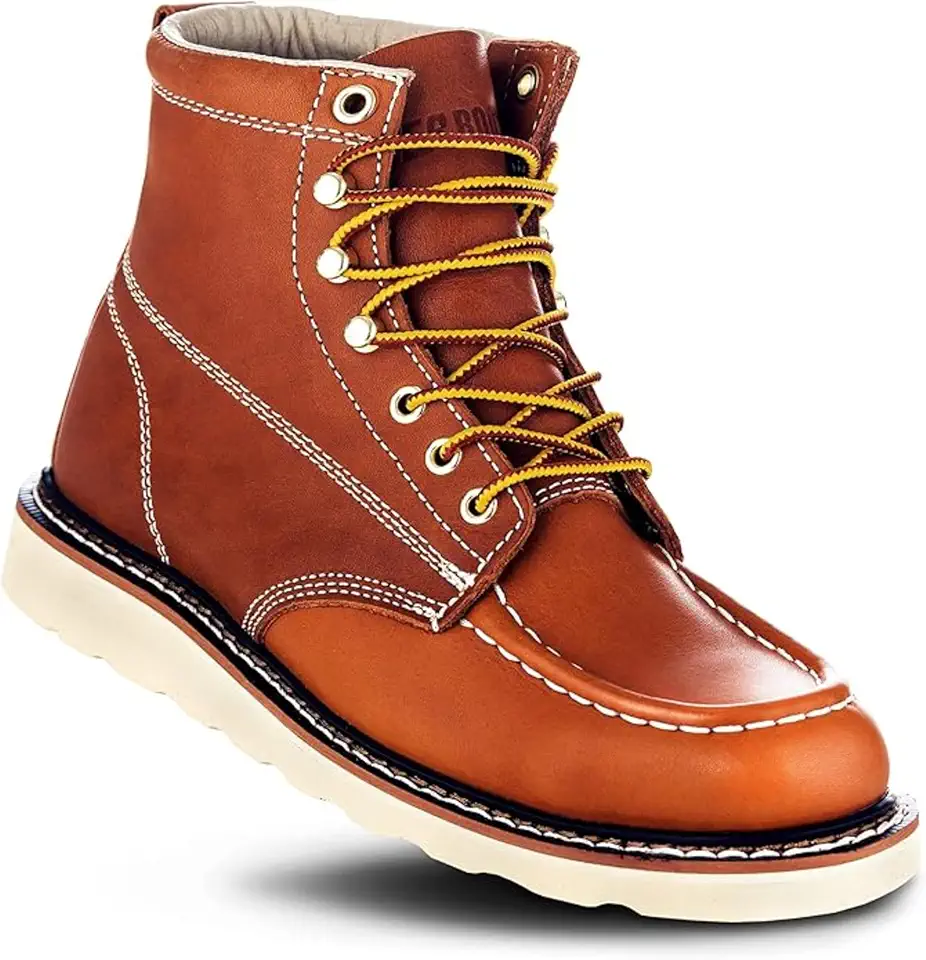
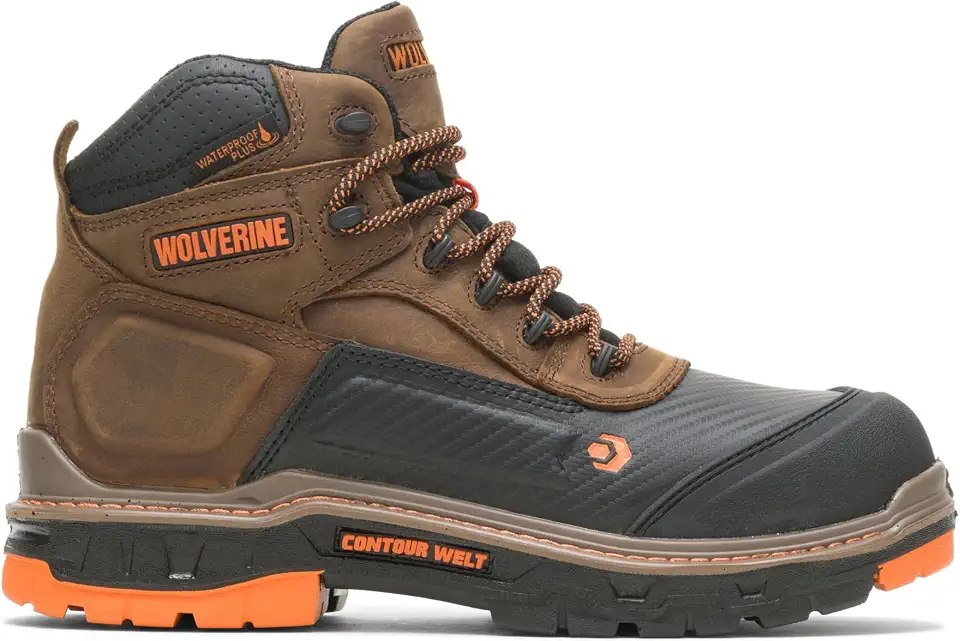
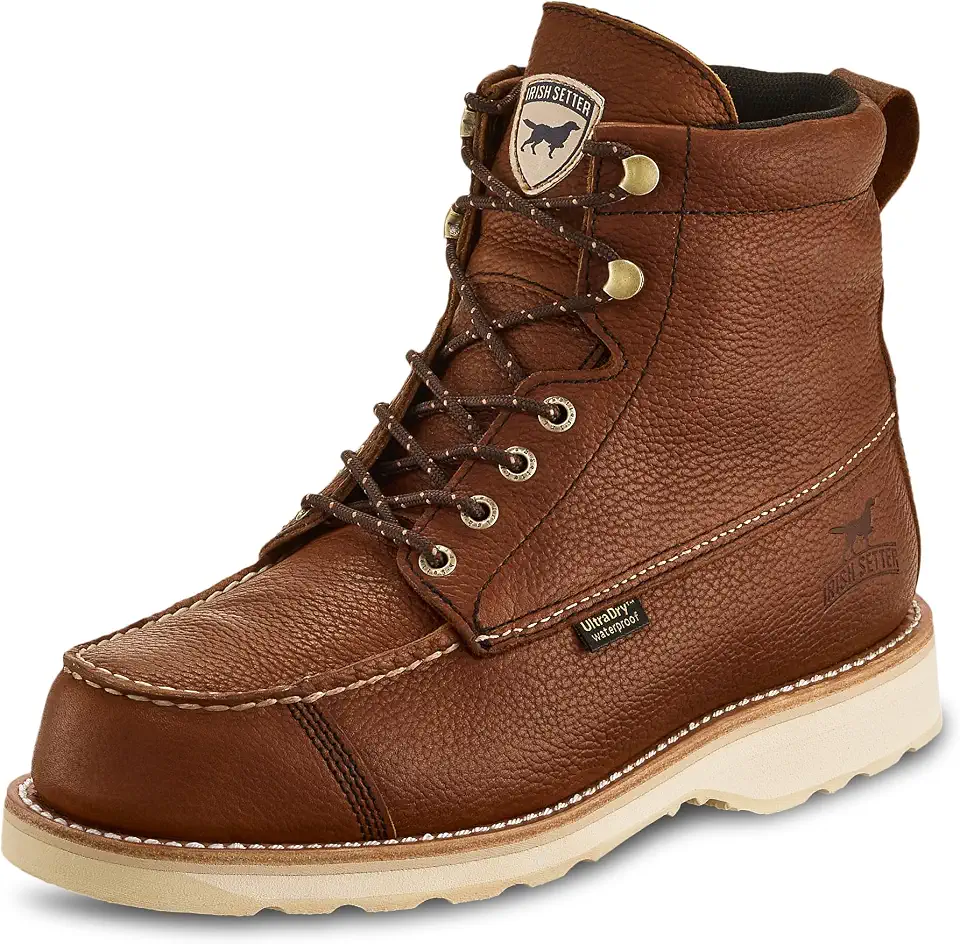
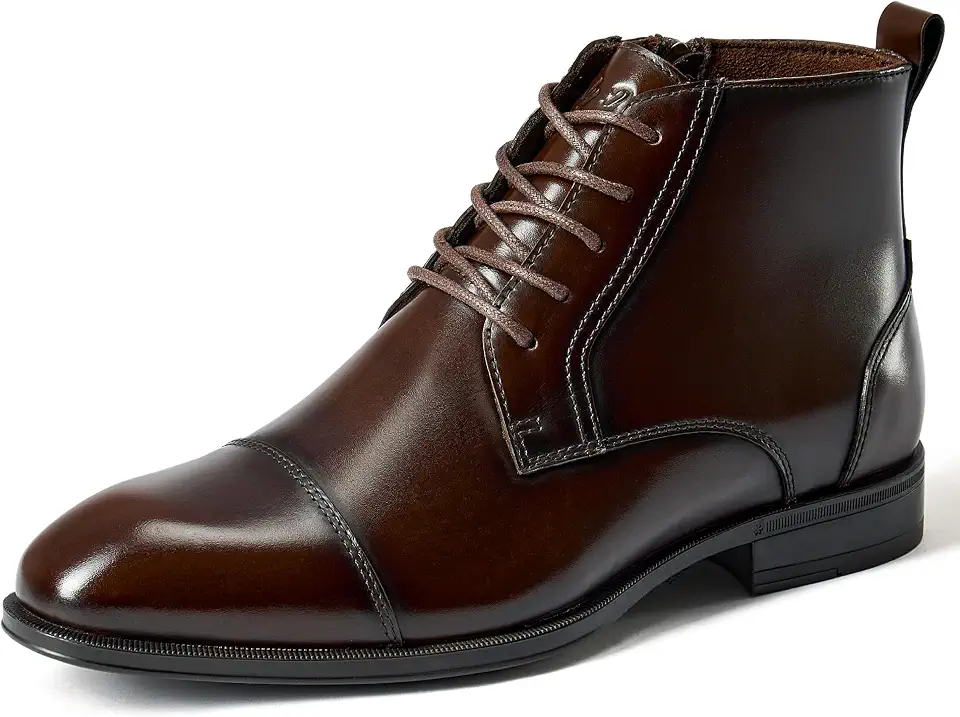
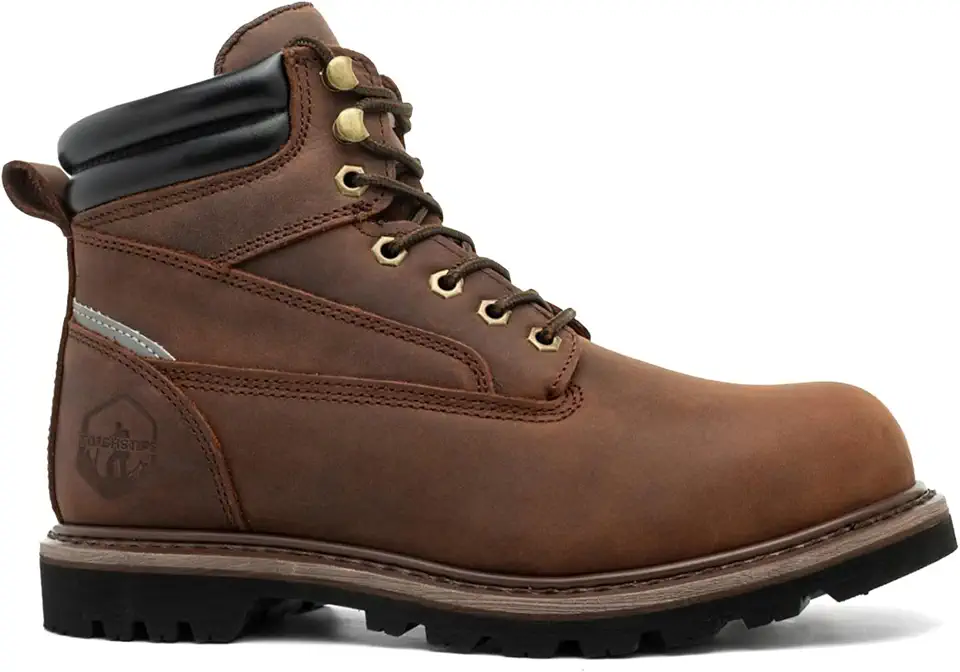
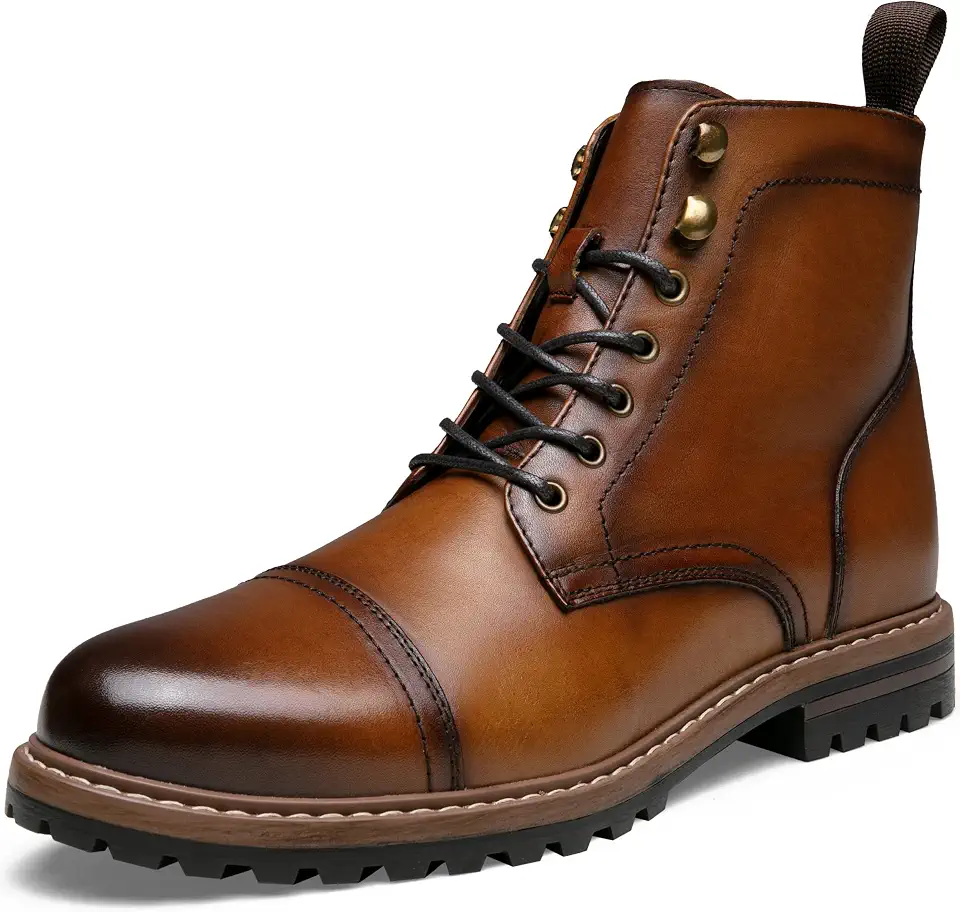
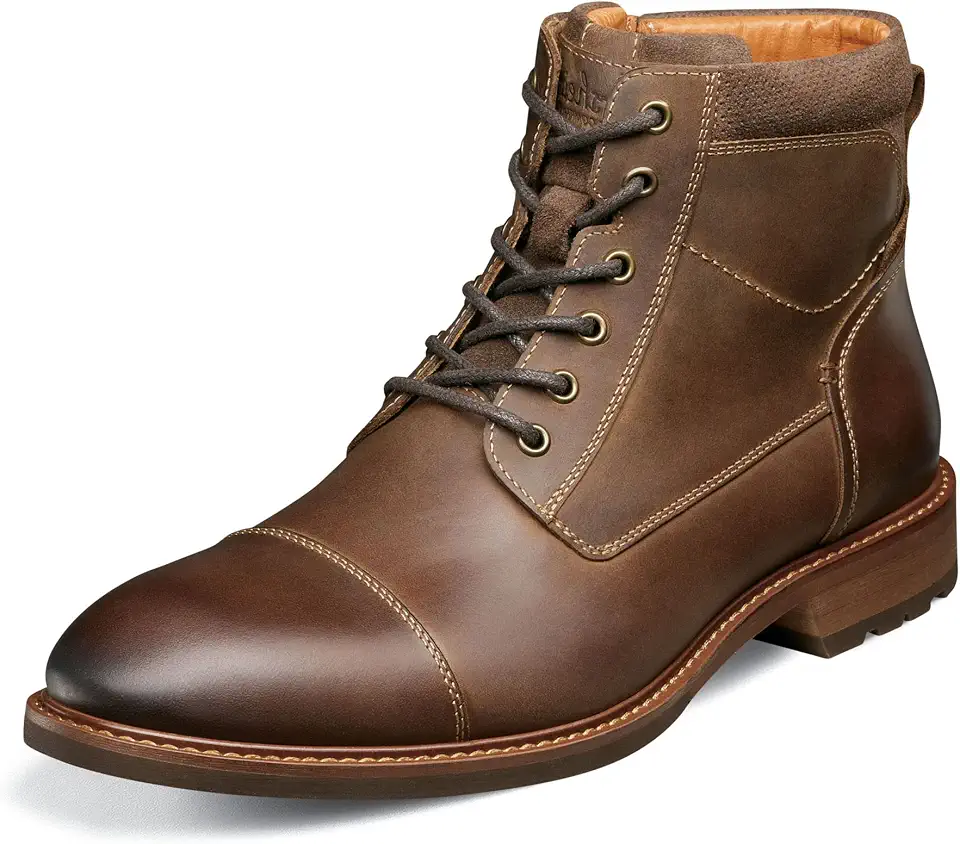
- ✓Wear sturdy oiled leather work boots with thick heat-resistant rubber soles for standing near hot coals.
- ✓Pick dark canvas work pants or heavyweight indigo jeans that disguise charcoal dust and grease spatters.
- ✓Roll long sleeves securely above your forearms before maneuvering heavy Dutch ovens and cast iron grills.
Don't
- ✗Avoid polyester, nylon, or synthetic fleece jackets that ignite or melt instantly from popping fire embers.
- ✗Don't wear lightweight white or pastel shirts that stain permanently from soot and rendering animal fat.
- ✗Avoid shorts, thin canvas sneakers, or open sandals anywhere near hearthpits and dropping coals.
- ✗Don't wear loose synthetic gloves; only use certified leather barbecue mitts around hot metal handles.
Style tips
The 100% Natural Cotton Rule
Radiant charcoal heat quickly degrades synthetic technical outerwear and causes dangerous melting. Heavyweight cotton canvas and selvedge denim withstand sparks effortlessly while developing rich culinary patina.
Cast Iron Footing and Grip
Lifting thirty-pound cast iron griddles across gravel hearth pits requires uncompromising traction. Oiled leather boots with thick rubber lug soles insulate your feet against ground heat and slippery fat drips.
Apron Protection and Tool Utility
A durable cross-back waxed apron distributes meat shears and thermometer weight away from your neck. Dark olive or tobacco canvas keeps your base clothes spotless through five hours of smoke and sauce.
Related searches
All curated searches
Related Reading
What to Wear to a Woodworking Workshop — Men's Complete Guide
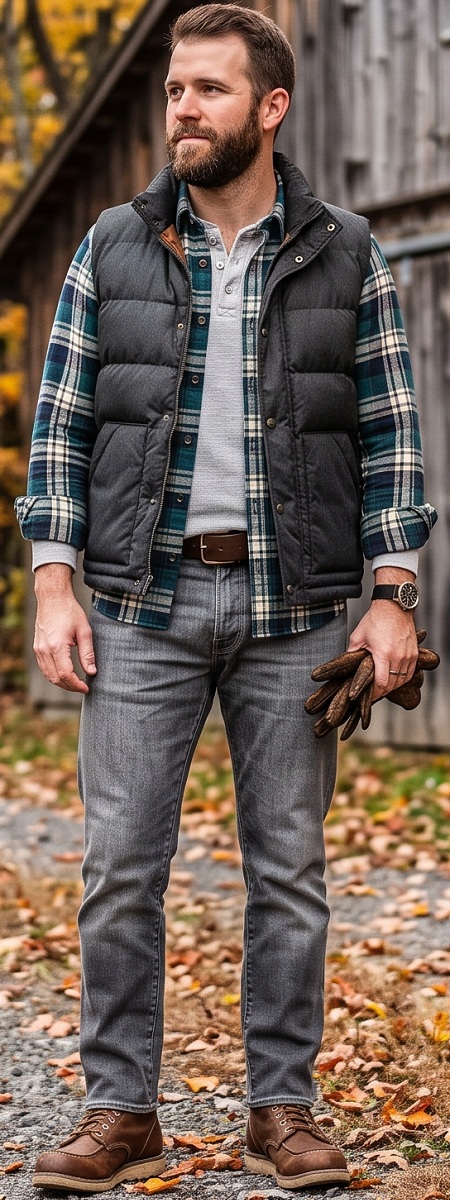
Signing up for an analog woodworking masterclass, traditional timber joinery session, or green spoon carving workshop connects you with raw lumber, sharp gouges, and hand planes. Spending several hours shaping white oak and walnut amidst flying wood curls and sawdust requires protective, non-entangling artisan apparel that balances mobility with workshop safety. The benchmark dress code is functional artisan heritage workwear: heavyweight denim trucker jackets or chambray work shirts beneath a split-leg leather or canvas apron, paired with duck canvas carpenter pants and steel-shank leather work boots. You need dense fabric that shields your thighs from sharp carving tools while keeping sleeves clear of spinning lathes and power planers. From sawdust-repelling smooth fabric surfaces to lathe safety dress protocols, here is your definitive blueprint for woodworking studio style.
What to Wear to a Knife Sharpening Class — Men's Complete Guide
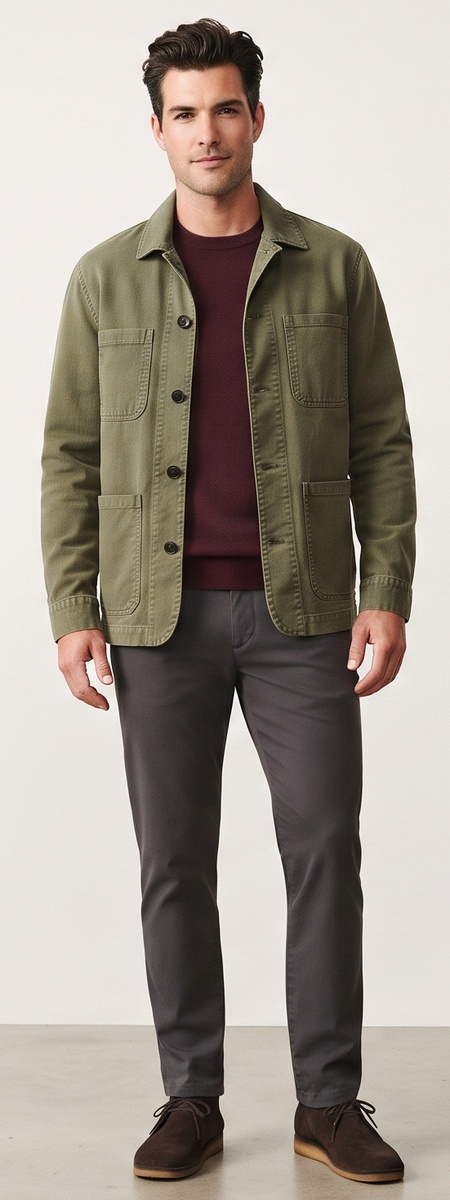
Attending a Japanese knife sharpening masterclass or whetstone blade maintenance workshop connects you with the disciplined craft of water stones, blade bevel geometries, and razor-sharp carbon steel. Honing santokus and gyutos across progressive water baths creates fine abrasive slurry spatters and demands steady, focused ergonomic posture. The benchmark dress code is elevated culinary craftsman casual: dark chambray work shirts or dense waffle henleys beneath a water-resistant denim or canvas apron, paired with dark utility pants and non-slip leather boots. You need dark garments that absorb grey sharpening stone slurry without staining while keeping sleeves rolled clear of wet stones. From water slurry splash disguise to balanced ergonomic stance stability over whetstone bridges, here is your definitive blueprint for knife sharpening masterclass style.
How to Wear a Men's Henley Shirt: Rugged Casual Style Guide
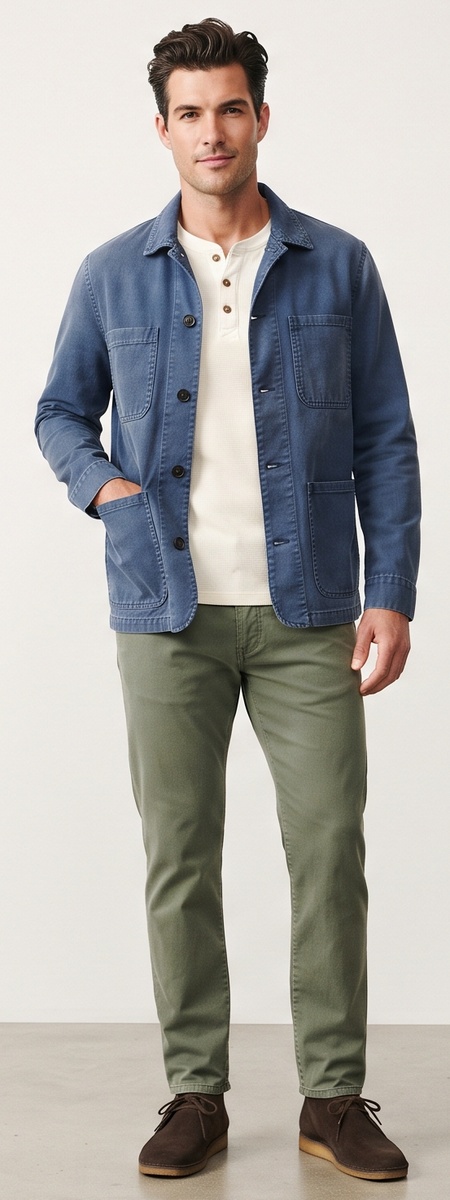
Master how to wear a men's henley shirt with waffle textures, rugged denim, tailored overshirts, and effortless masculine layering on an Amazon budget.
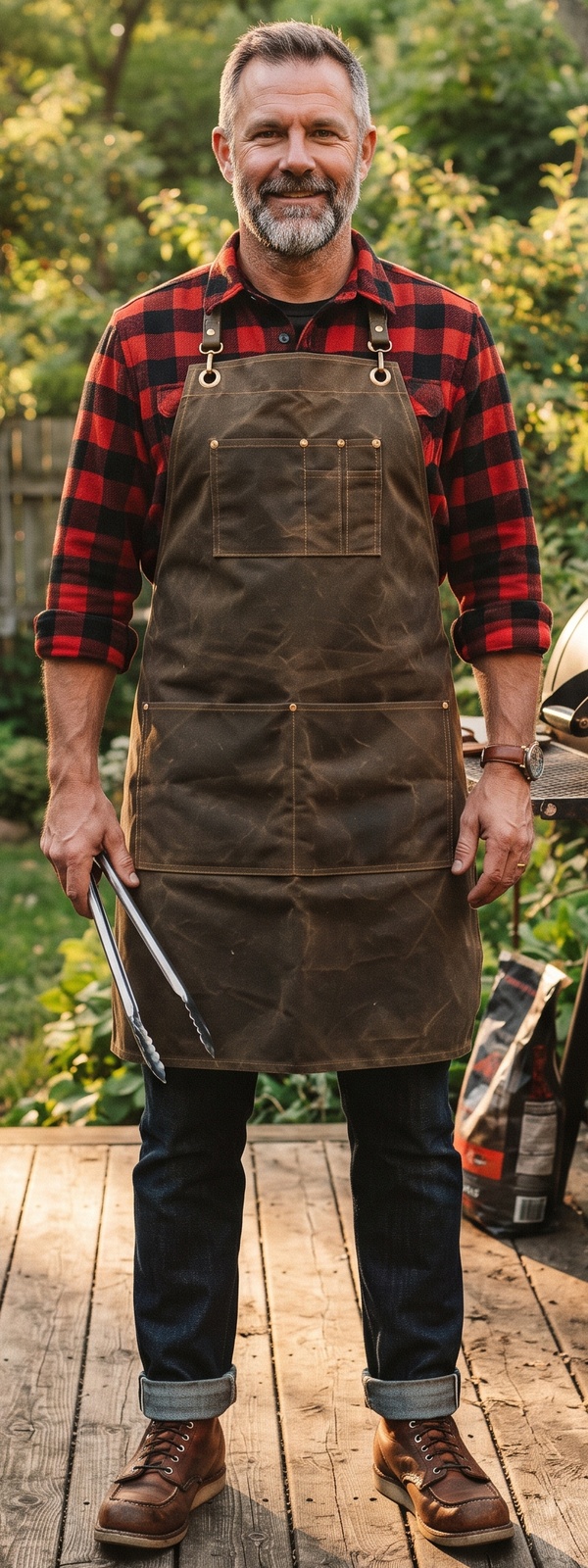
How to Style Men's Artisan Workwear Aprons: Culinary & Studio Guide
Elevate your craft with our guide to styling men's durable canvas, denim, and linen aprons with work shirts, flannels, and boots.

Long-Sleeve Cotton Henleys: Rugged Casual Layering Base
We assembled this casual essentials guide to celebrate the utilitarian simplicity and hardwearing appeal of the long-sleeve cotton henley. With its distinctive round neckline and buttoned placket, the henley provides far more visual interest than a basic tee while offering breathable core insulation. We love layering burnt orange or charcoal henleys under open overshirts and selvedge jeans. Find heavy-duty, budget-friendly long-sleeve cotton henleys on Amazon for authentic everyday heritage.
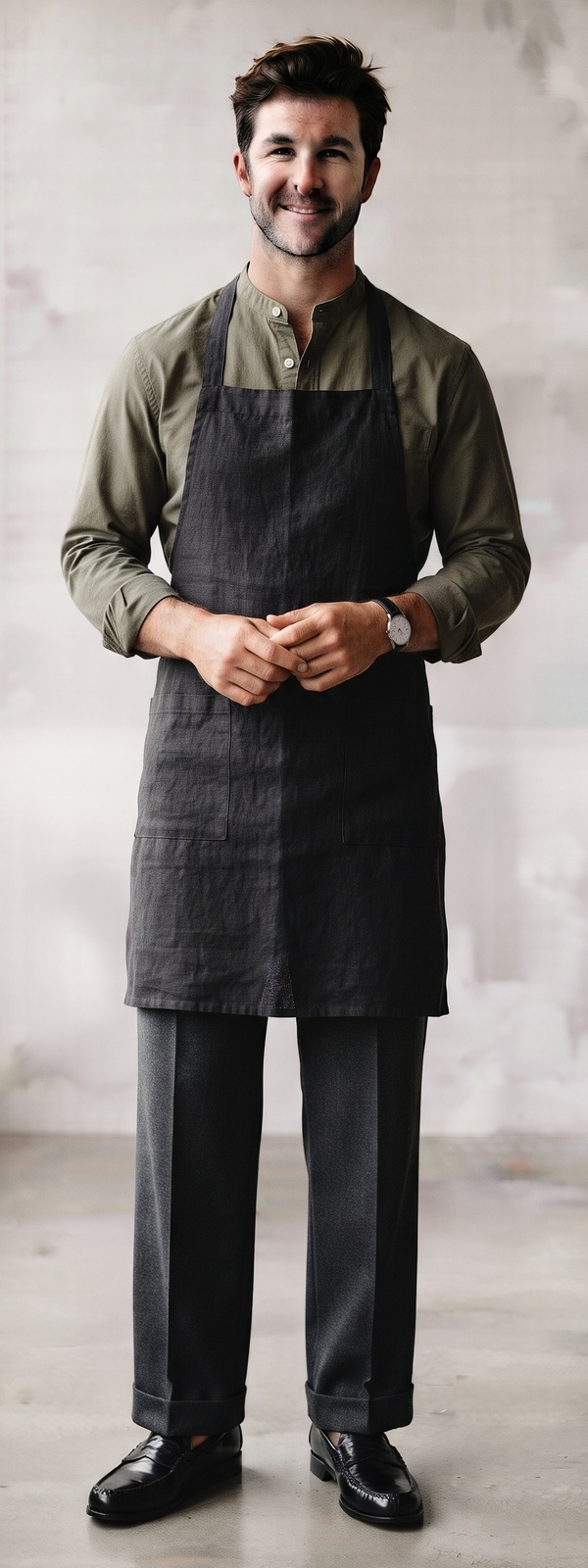
Artisanal Workshop Utility: Waxed Canvas & Linen Aprons
We curated this collection around the rise of artisanal craft-core—where functional studio, roastery, and workshop gear meets intentional menswear styling. We layer men's heavy waxed canvas work aprons, men's charcoal linen barista aprons, and men's selvedge denim studio aprons over men's olive band collar shirts, men's blue chambray work shirts, and men's buffalo plaid flannels. Grounded by men's leather moc toe boots and pleated trousers, our looks elevate tactile craftsmanship.
Other Reading
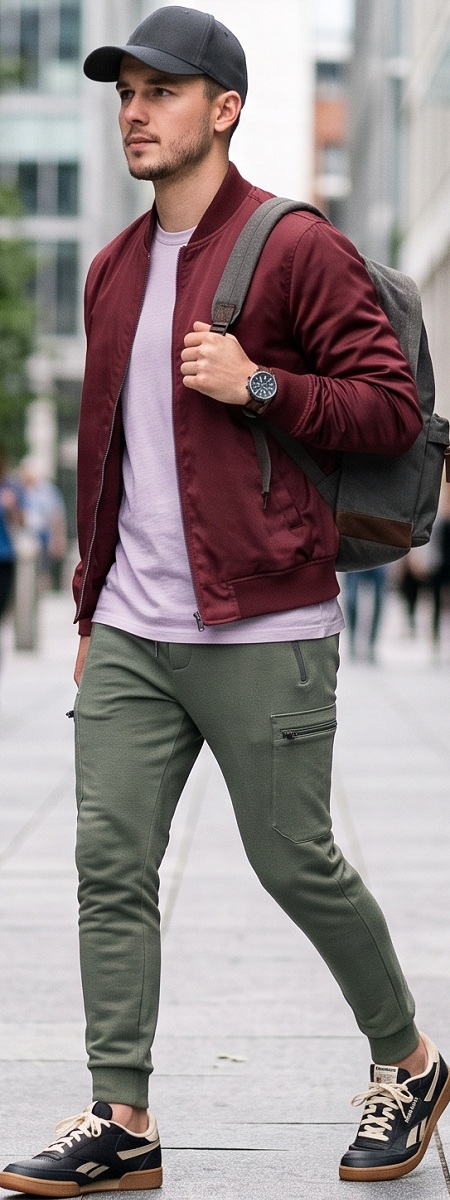
What to Wear to a Historical Fencing Class — Men's Complete Guide
Stepping into a Historical European Martial Arts (HEMA) salle or traditional fencing academy connects you with historical longsword techniques, rapier footwork, and tactical dueling drills. Moving through explosive lunges, parries, and footwork across polished hardwood salle floors beneath padded protective jackets calls for breathable, high-mobility athletic apparel that never restricts quick footwork. The benchmark dress code is high-performance indoor martial arts athletic wear: fitted moisture-wicking technical tees beneath a warm-up track jacket, paired with durable four-way stretch joggers and flat indoor court shoes. You need athletic fabrics that slide comfortably under heavy 350N puncture-resistant fencing jackets without bunching or causing dangerous core overheating. From fencing mask strap clearance and flat court shoe stability to hardware-free waistband comfort, here is your definitive blueprint for historical fencing class style.
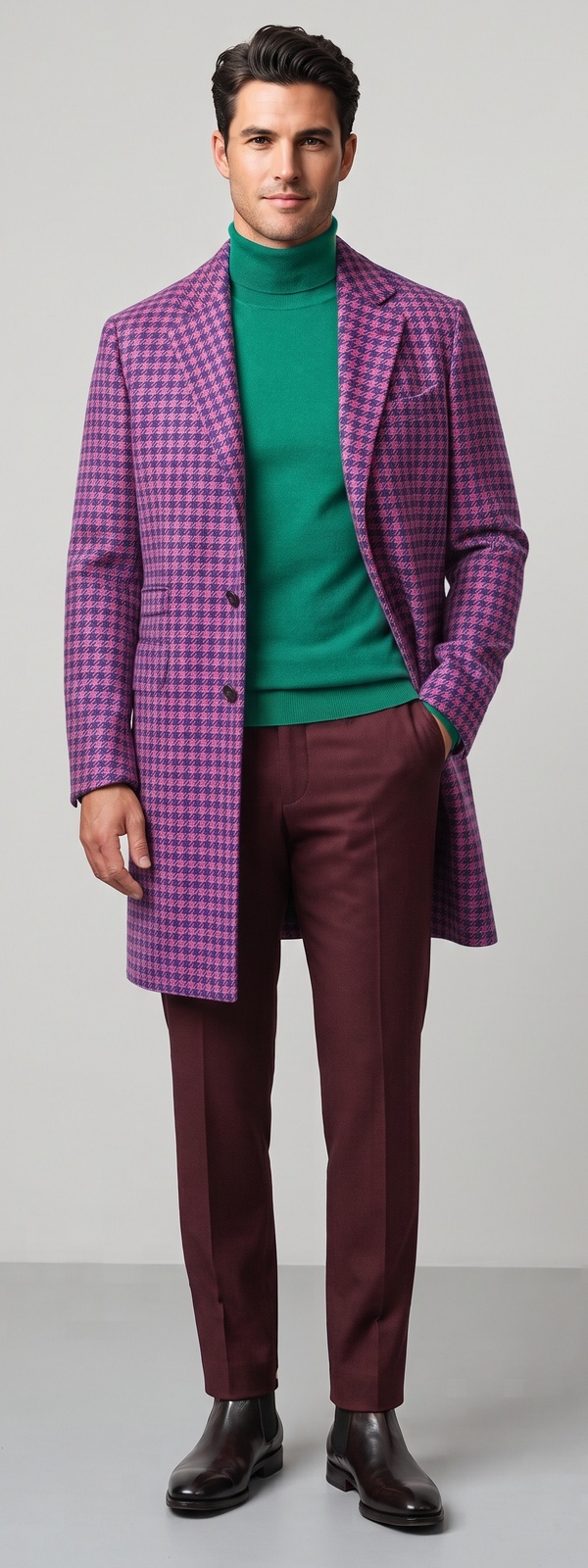
Forest Green Sweaters: Rich Botanical Jewel-Tone Knits
We developed this jewel-toned knitwear collection to celebrate the regal versatility of forest green sweaters. Deep evergreen tones provide an earthy, masculine burst of color that pairs harmoniously with neutral charcoal flannel, crisp white shirting, and rich tobacco leathers. We love layering forest green crewnecks under tailored camel topcoats. Explore cozy, budget-friendly forest green sweaters on Amazon to infuse your winter rotation with organic sophistication.
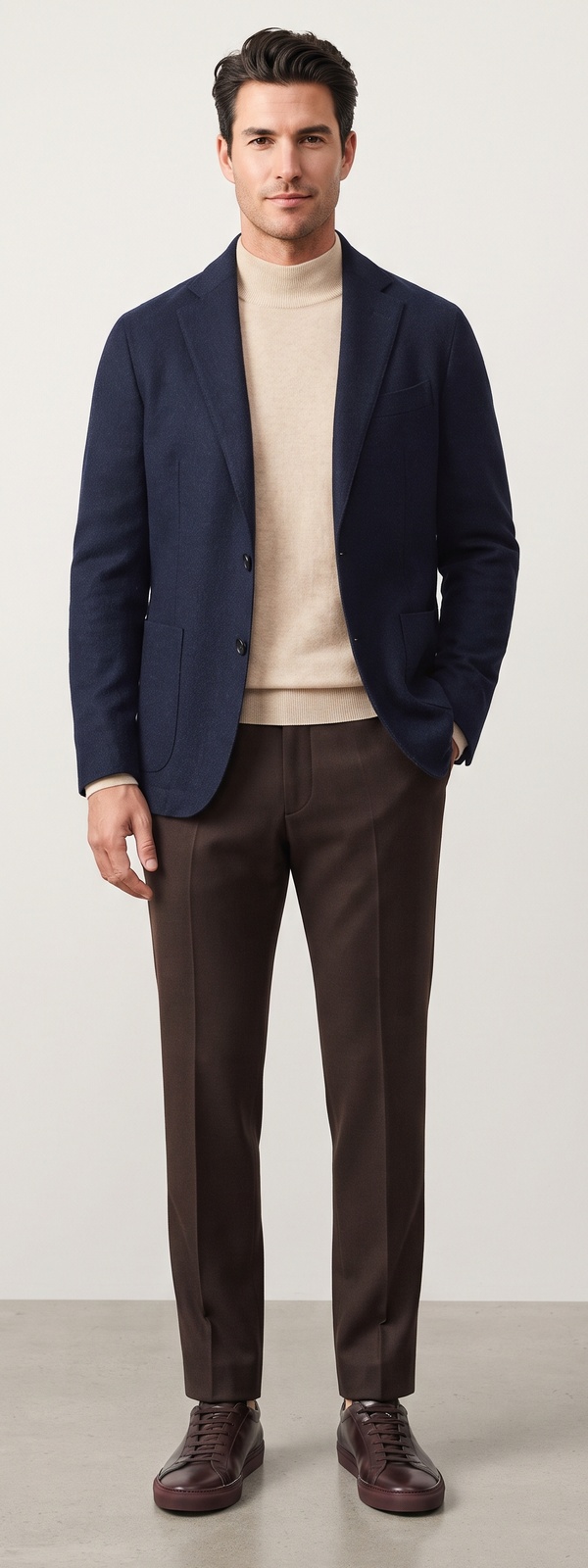
How to Style a Men's Mock Neck Sweater for Clean Layering
Learn how to style a men's mock neck sweater. Discover why this half-height collar is the sleekest layering piece under blazers, bombers, and softshells.